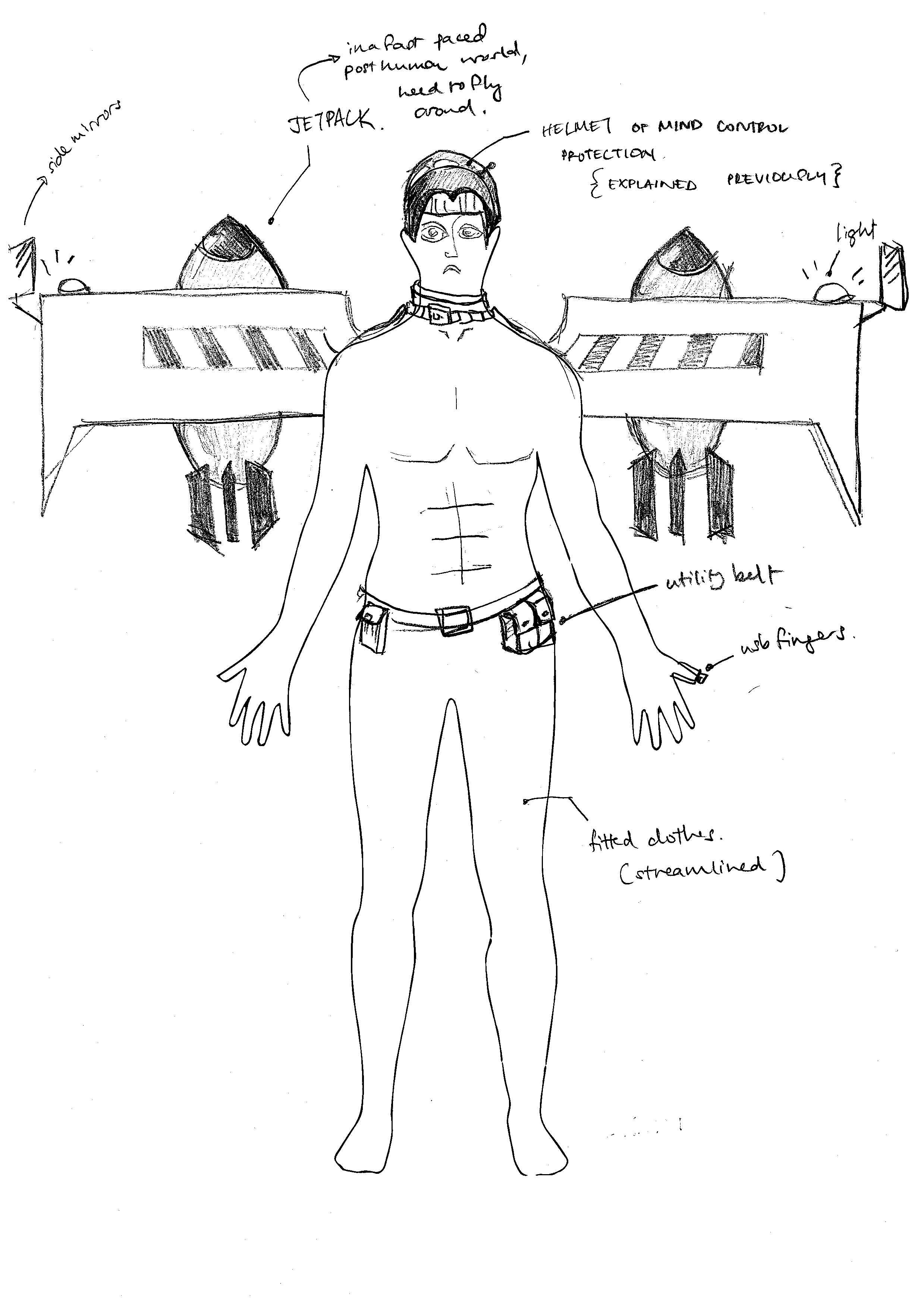
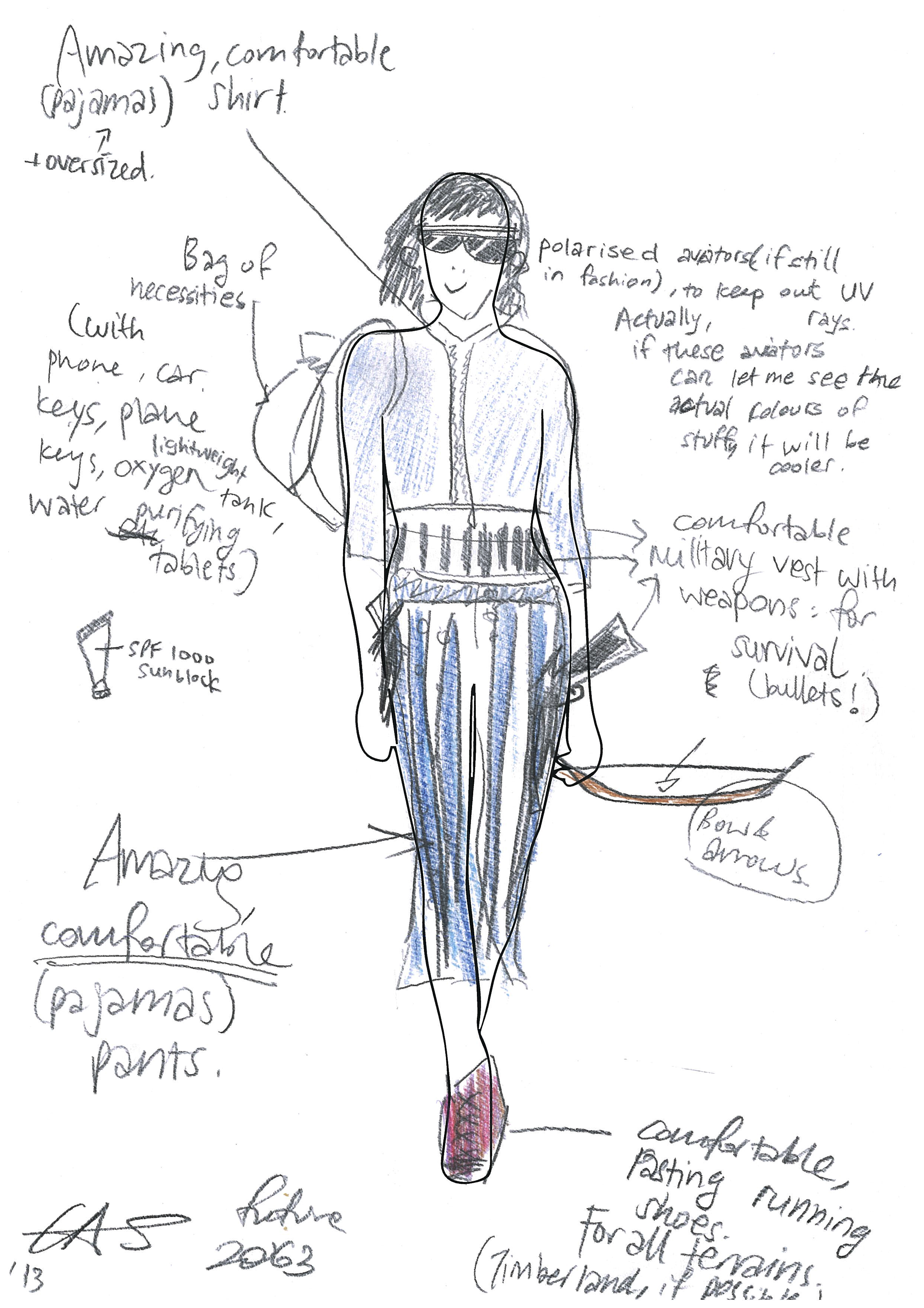
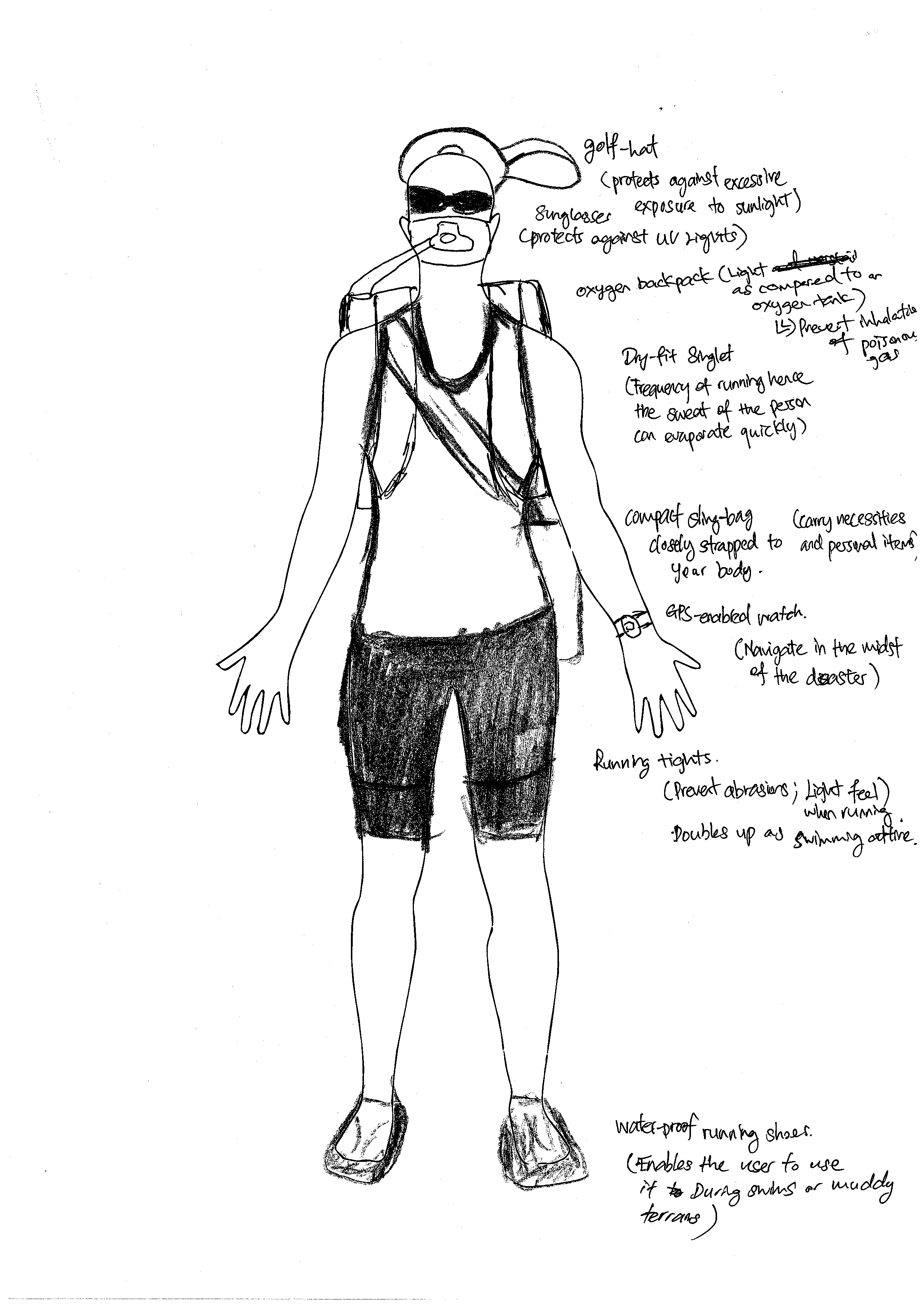
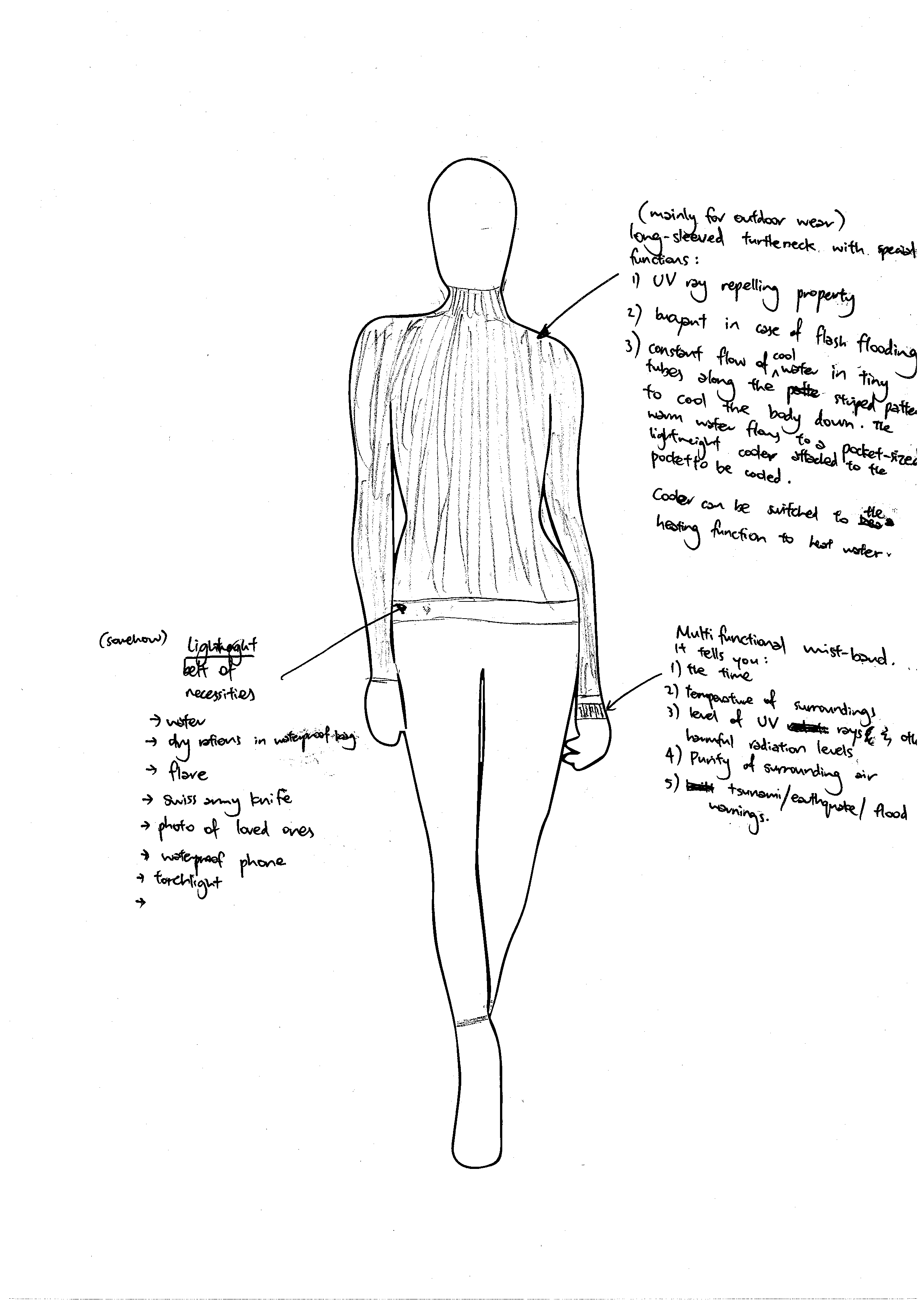
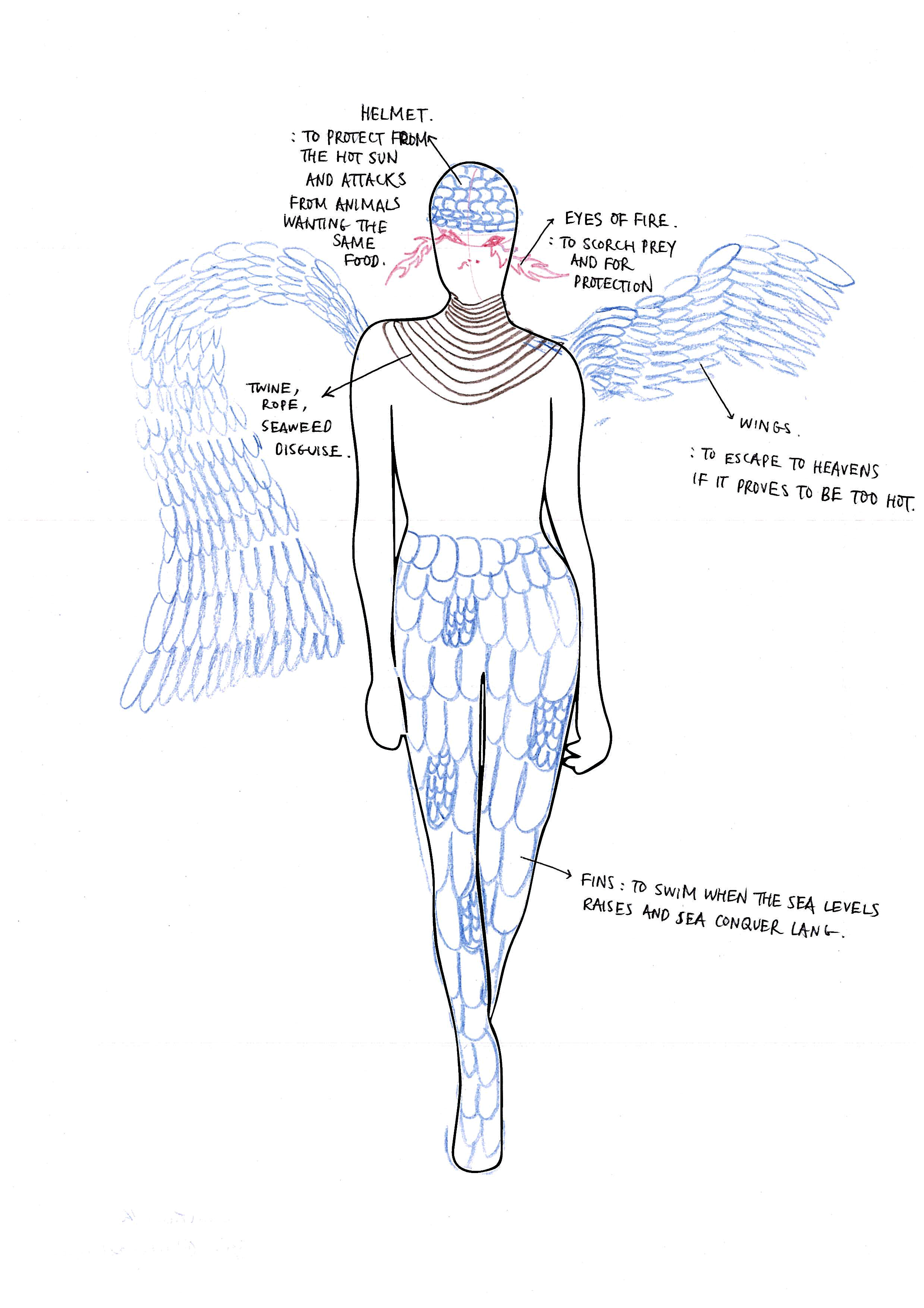
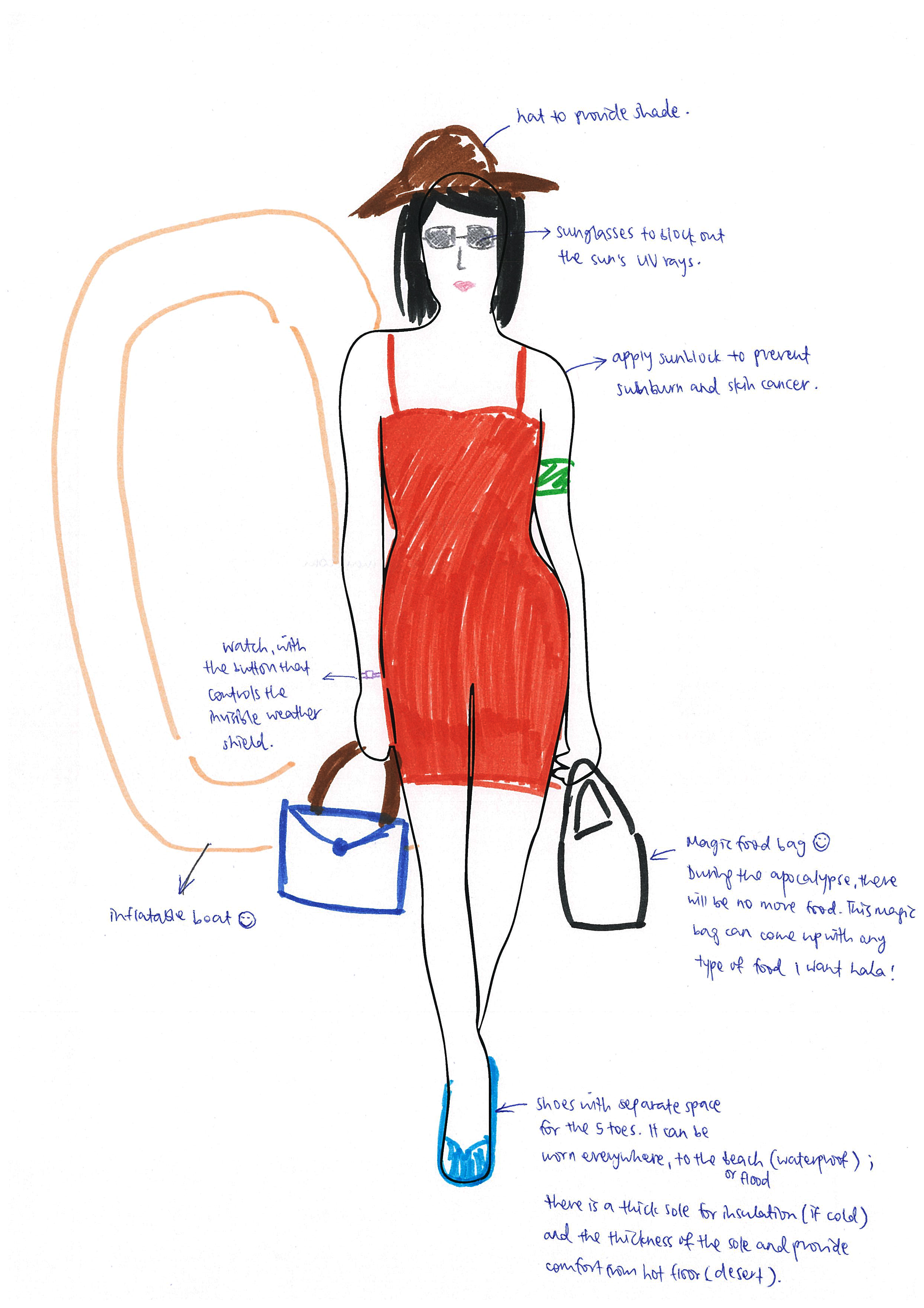
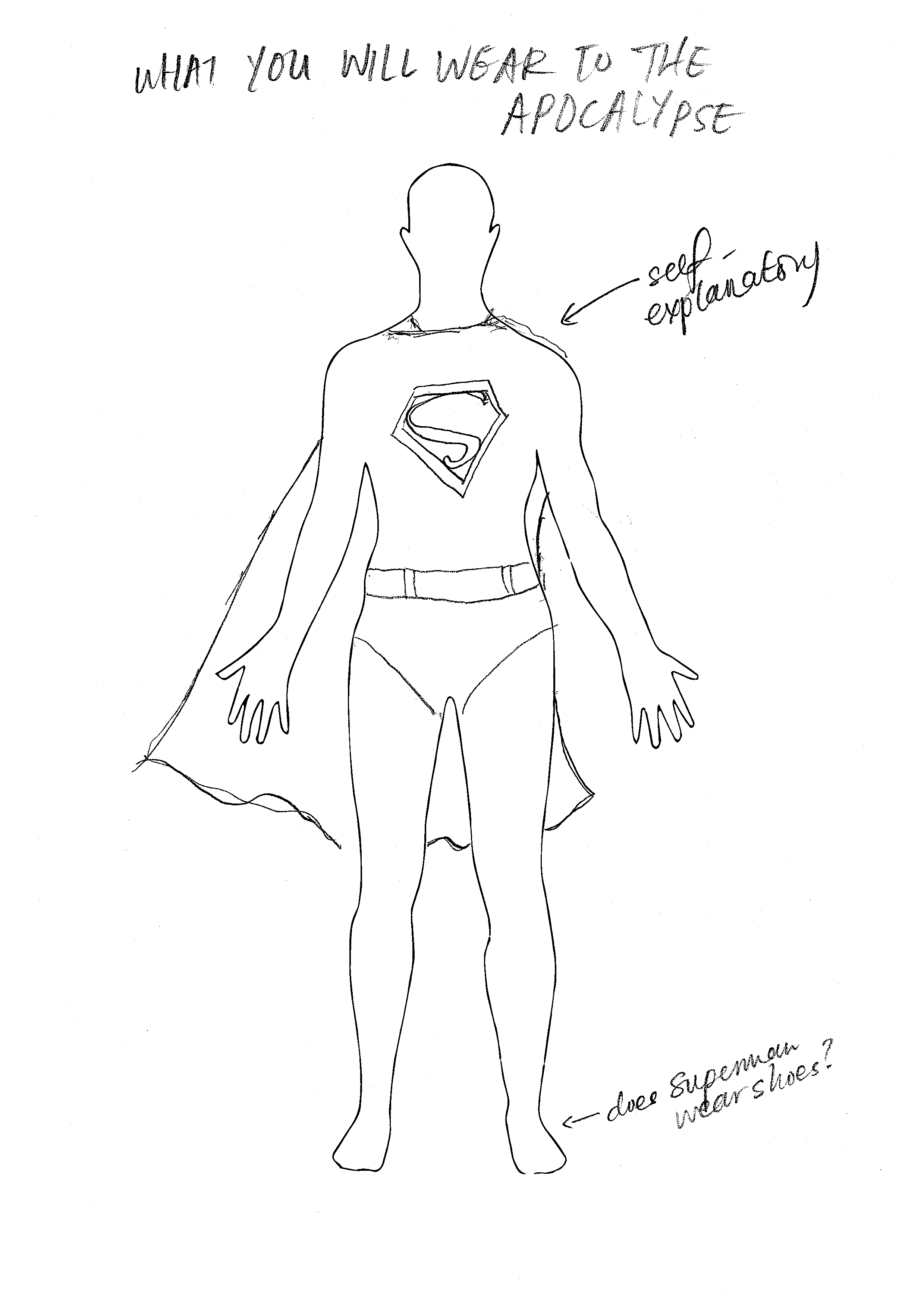
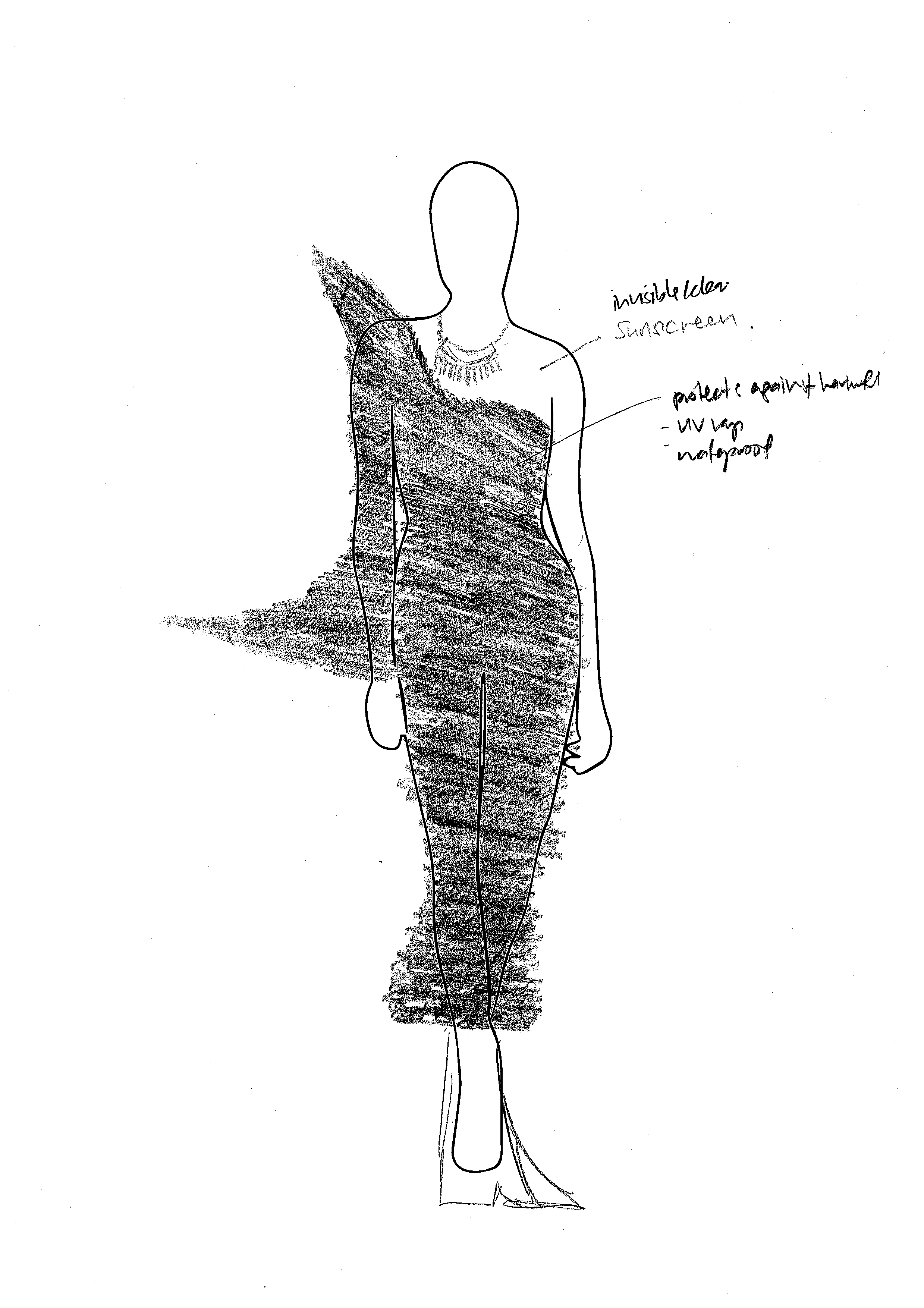
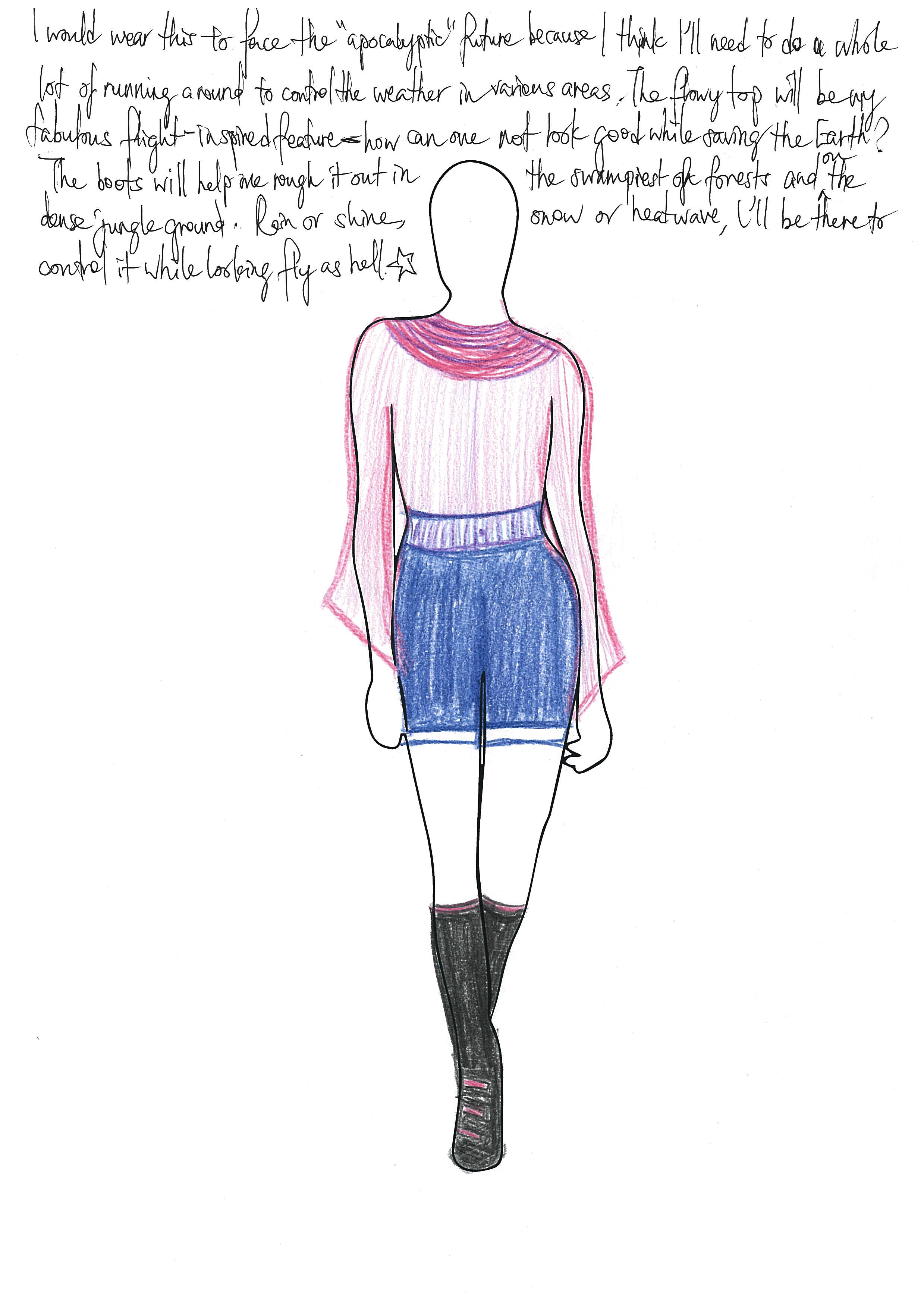
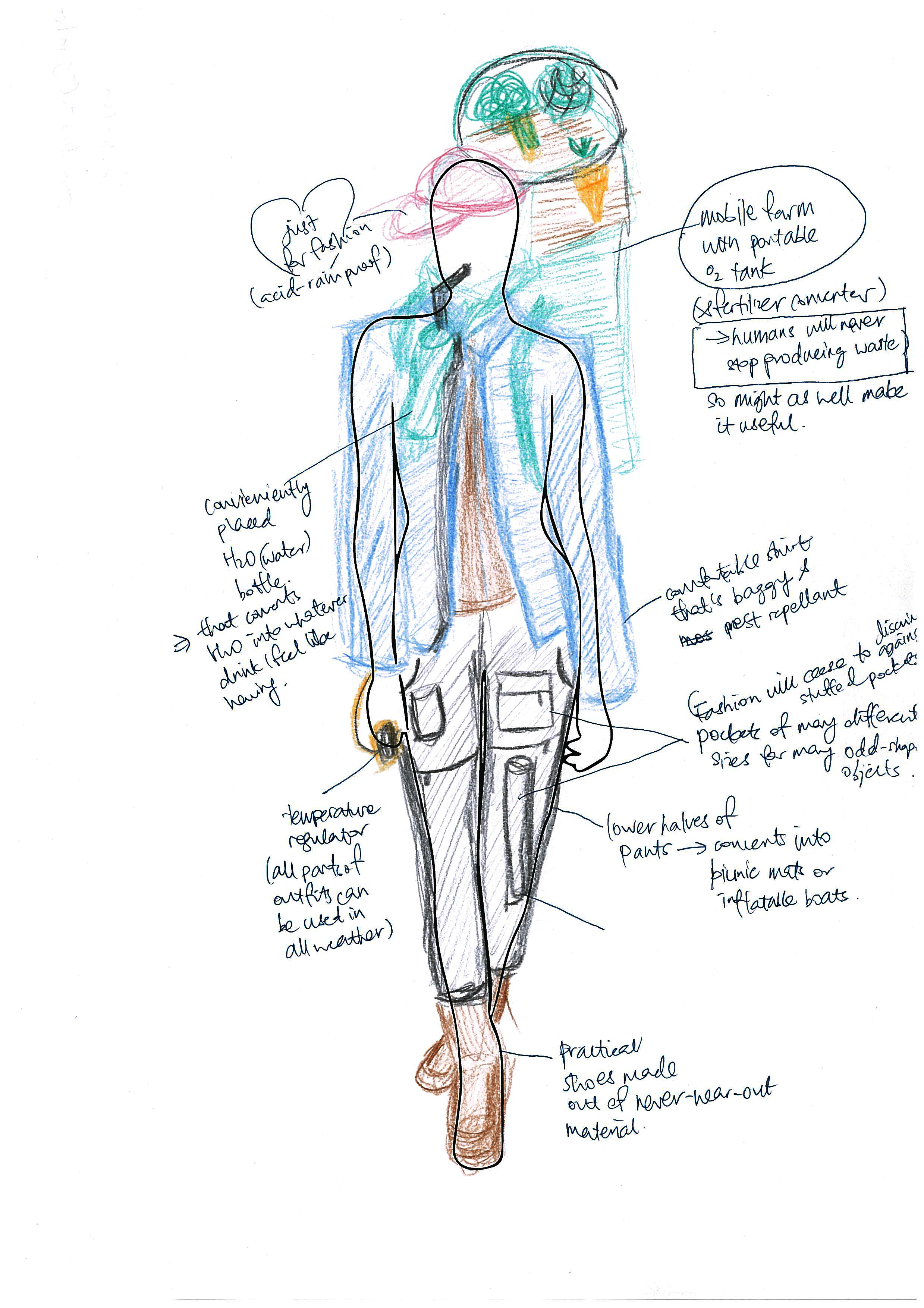
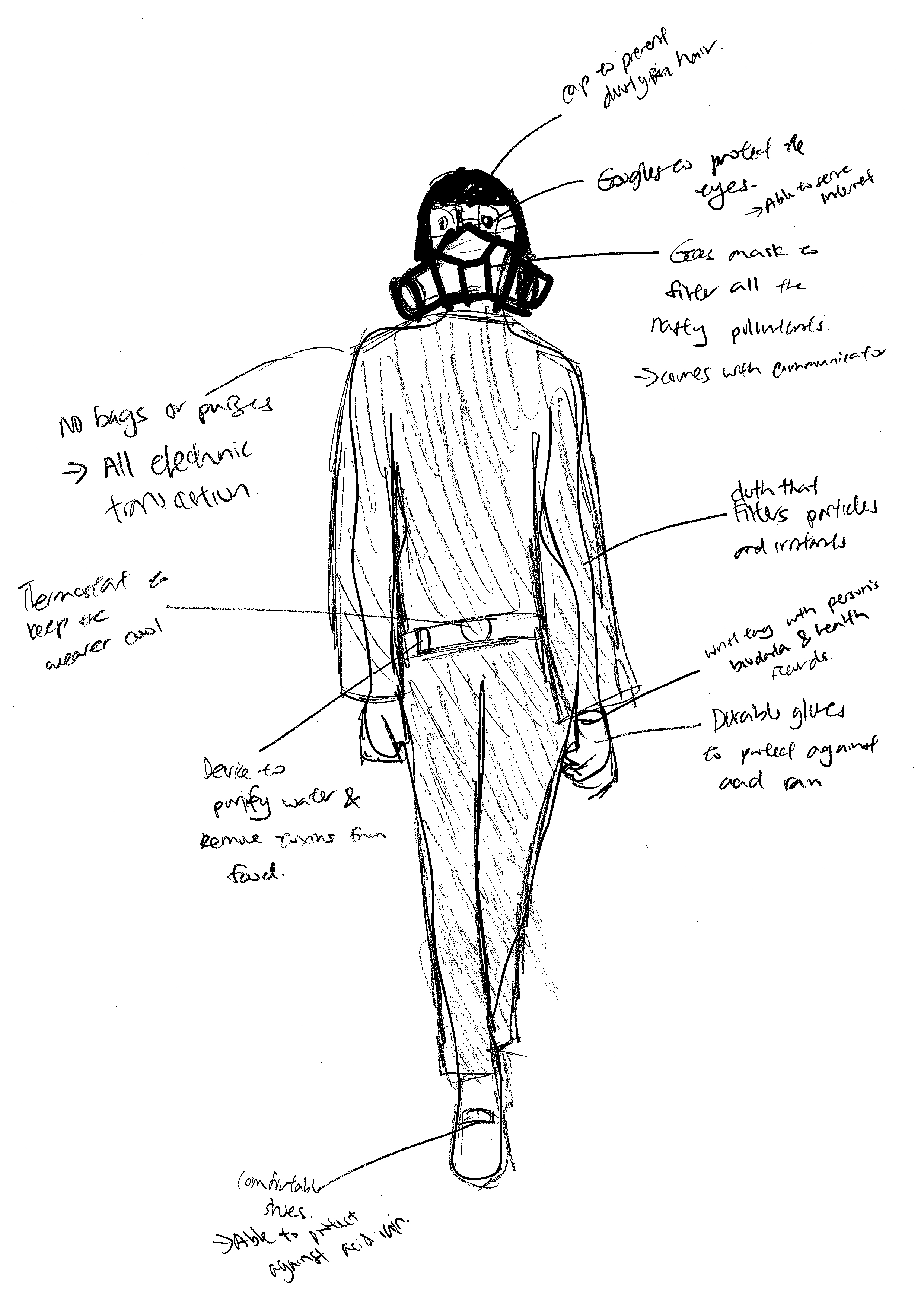
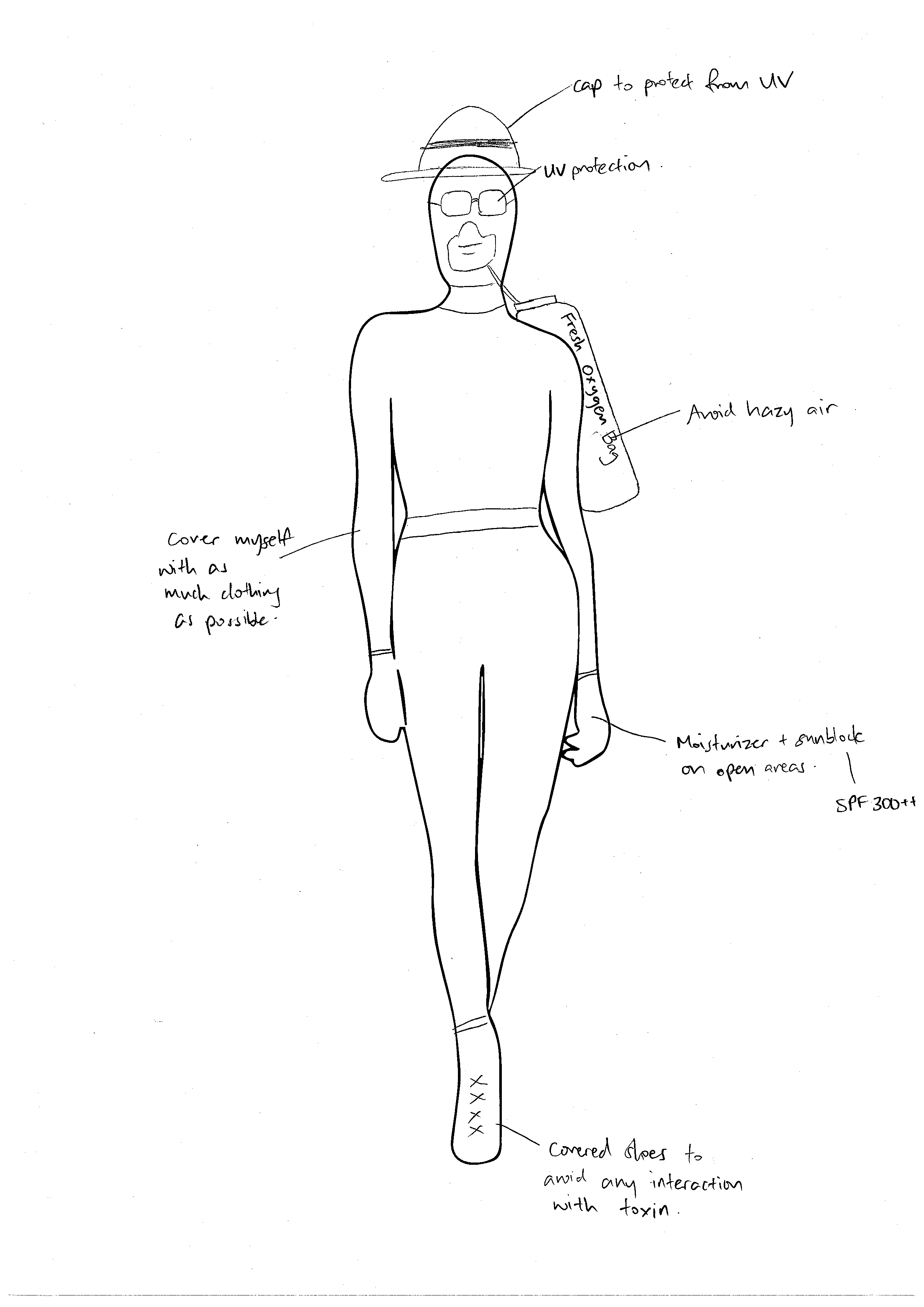
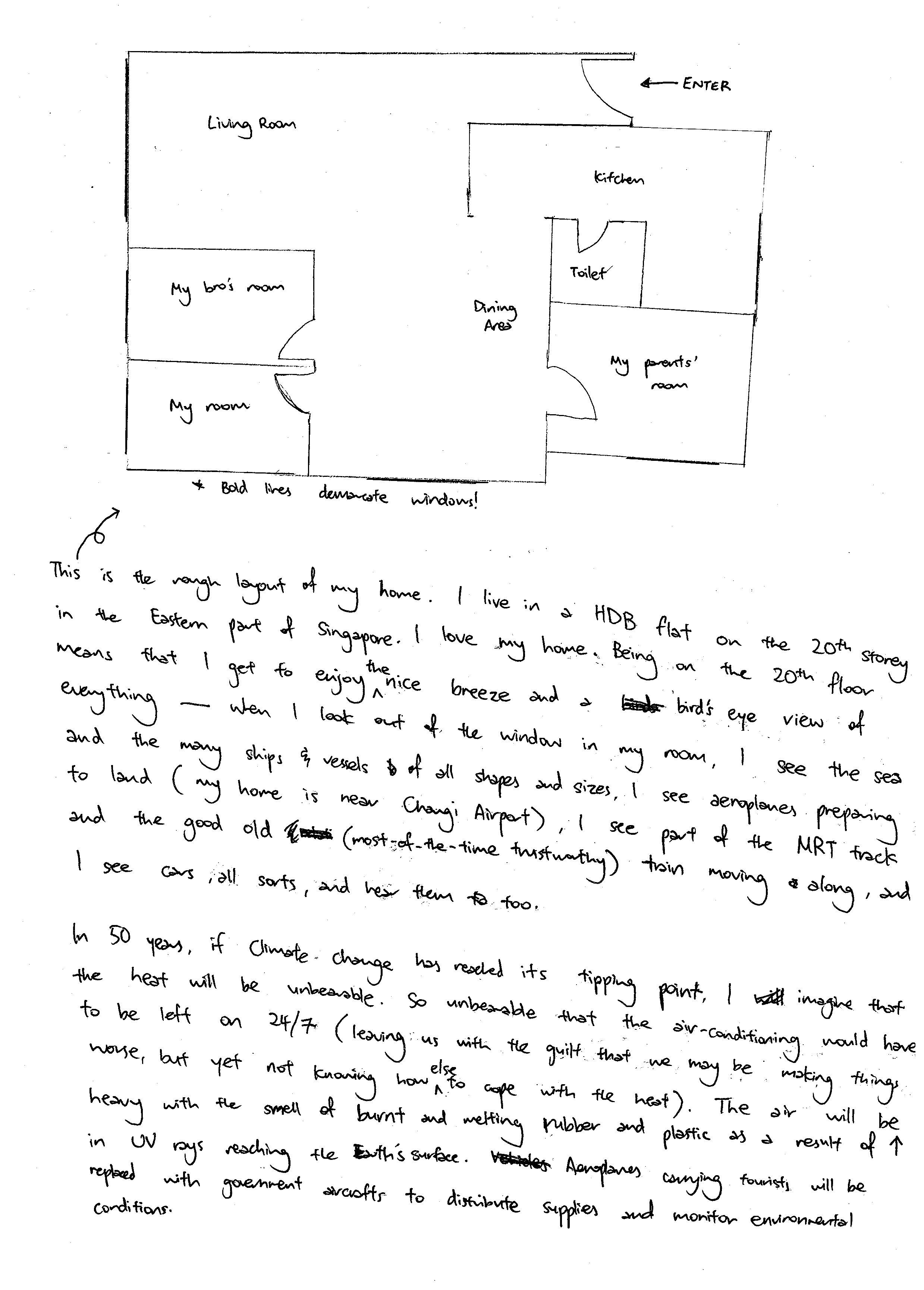
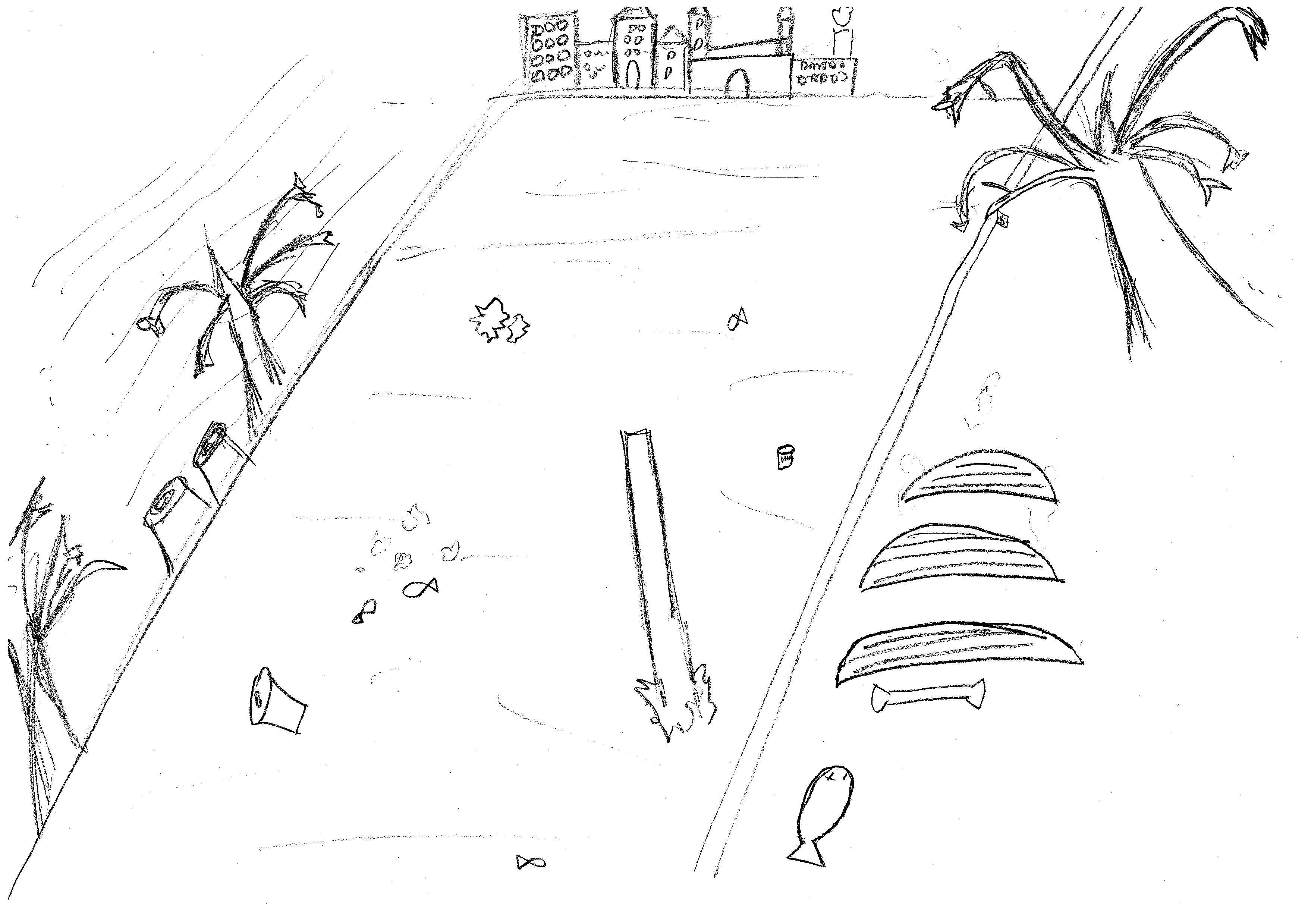
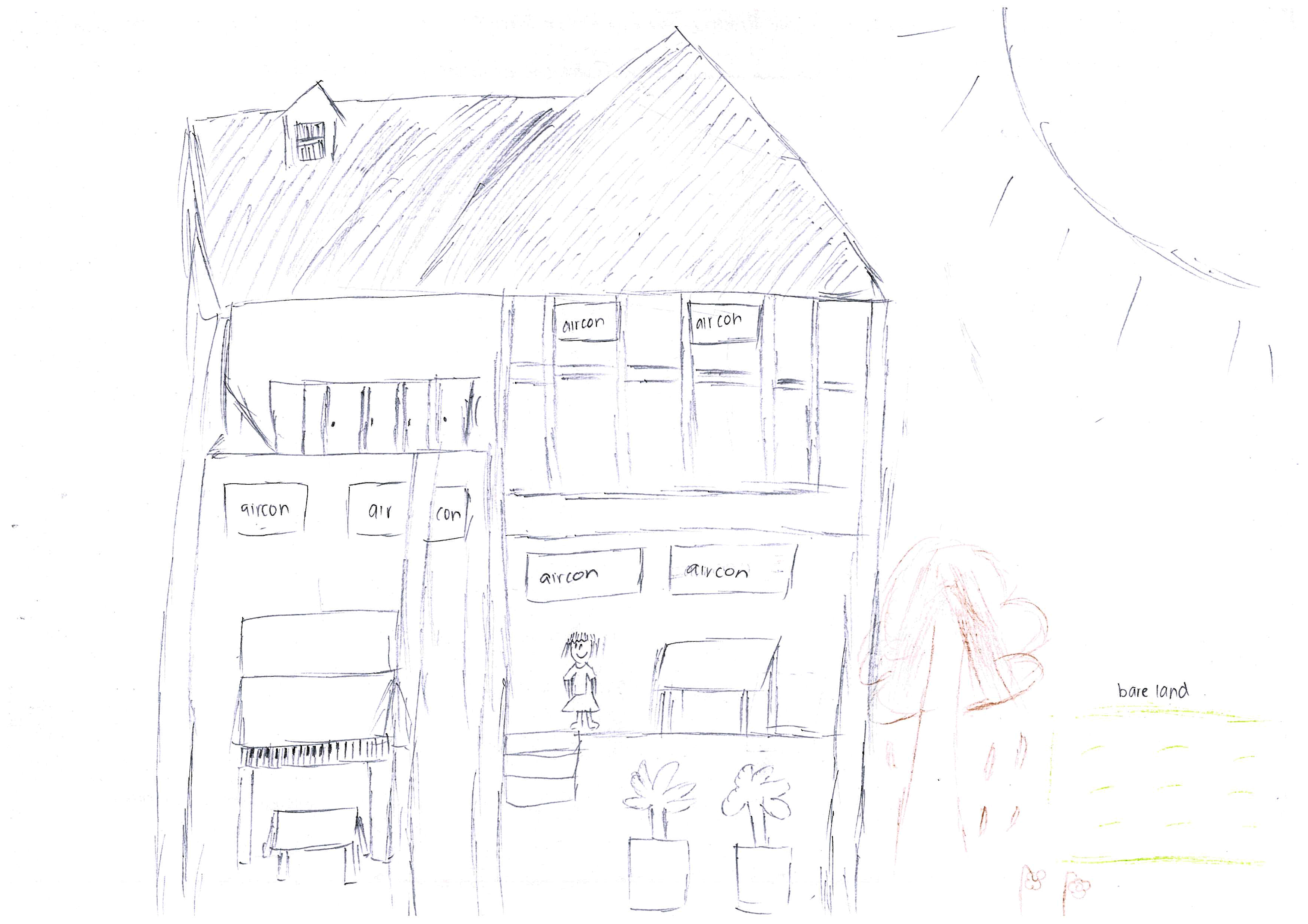
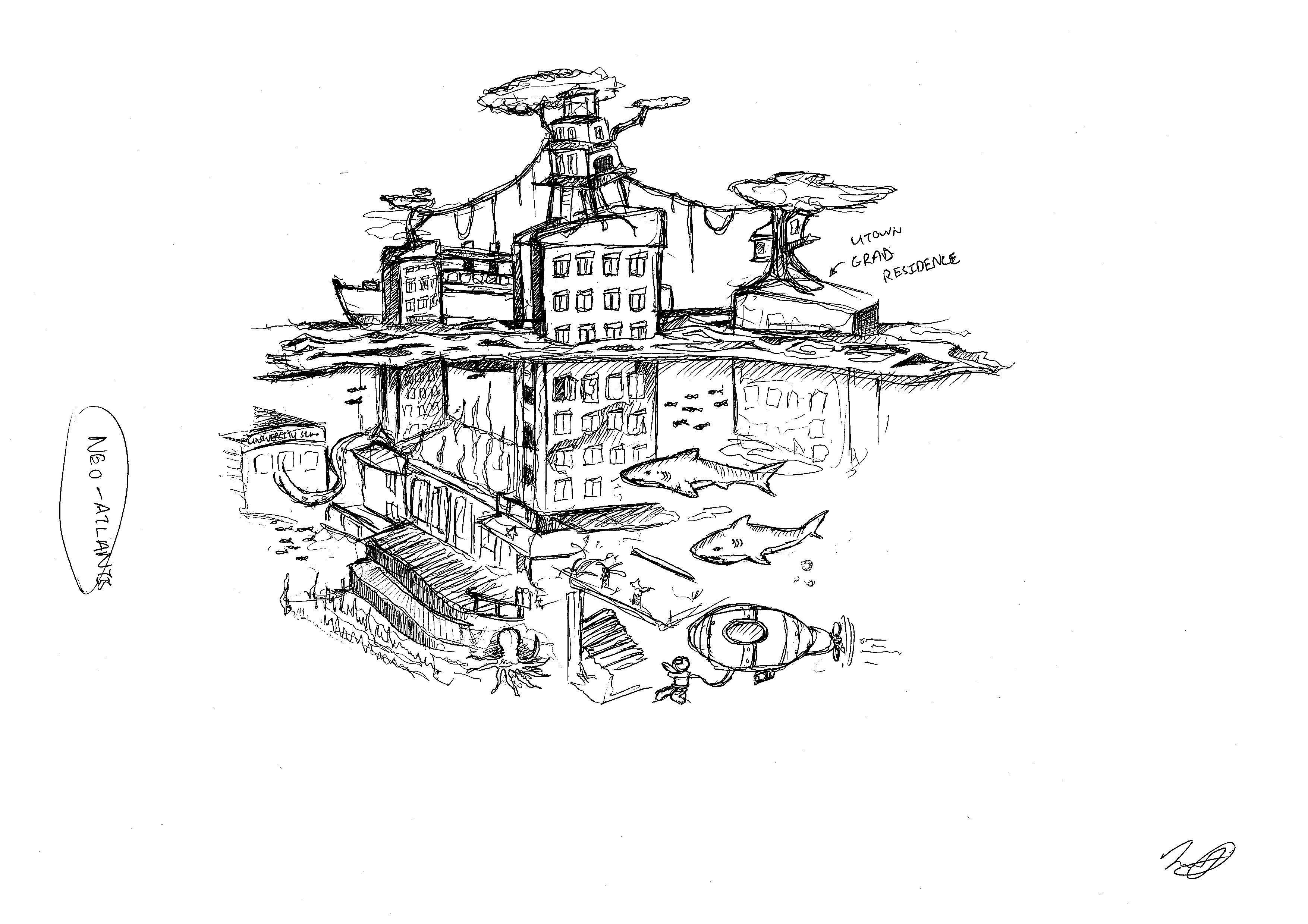
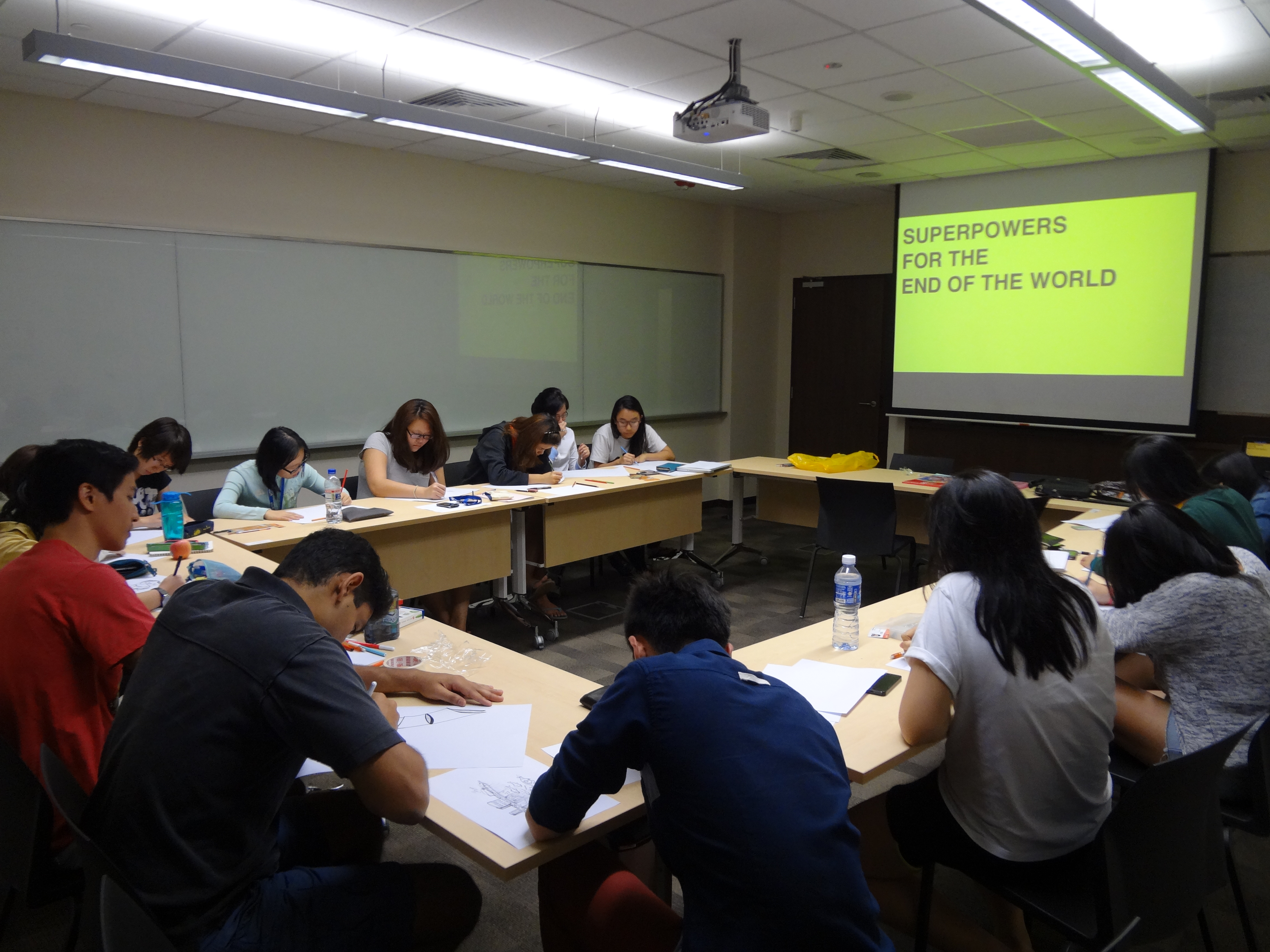
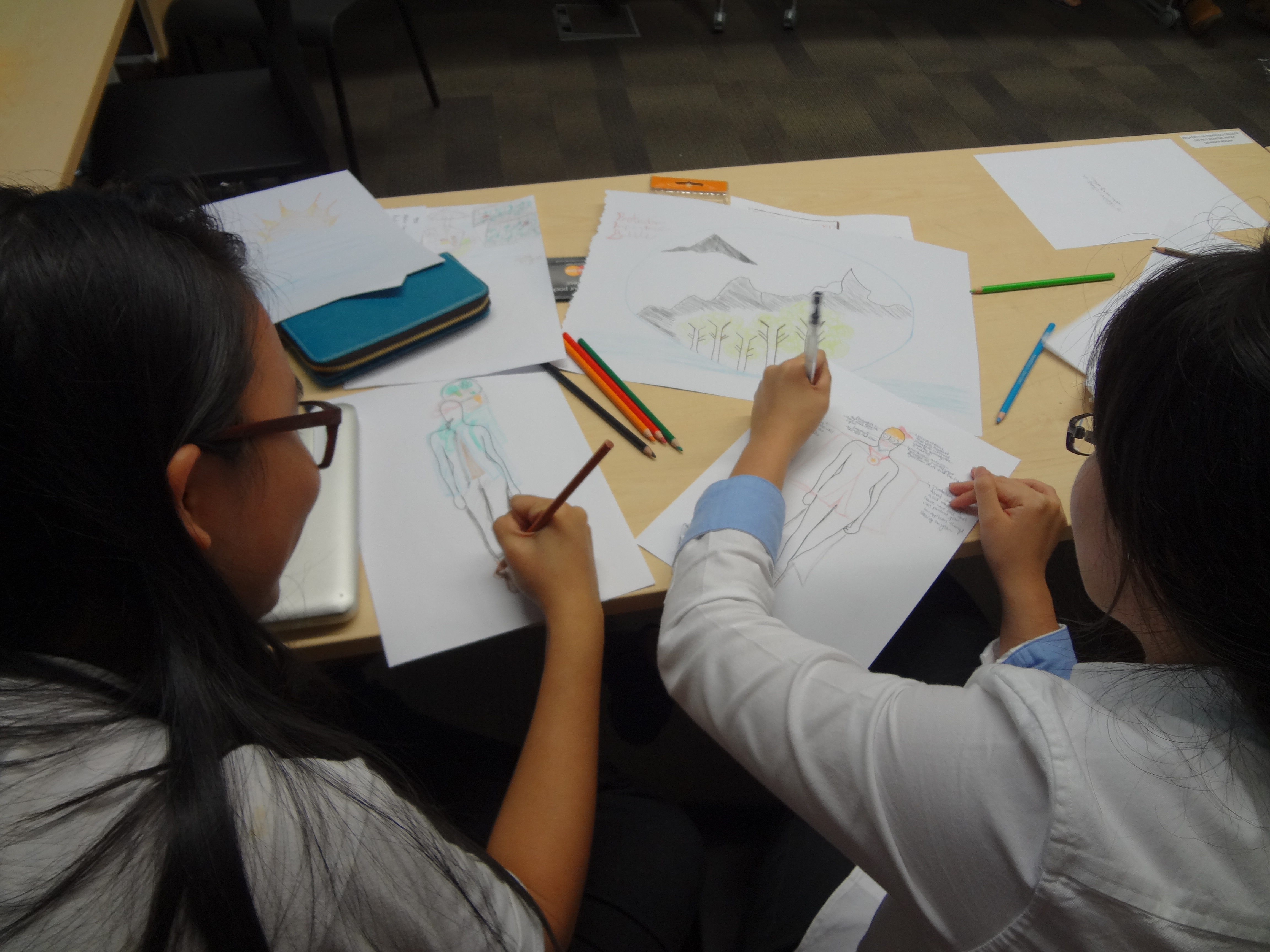
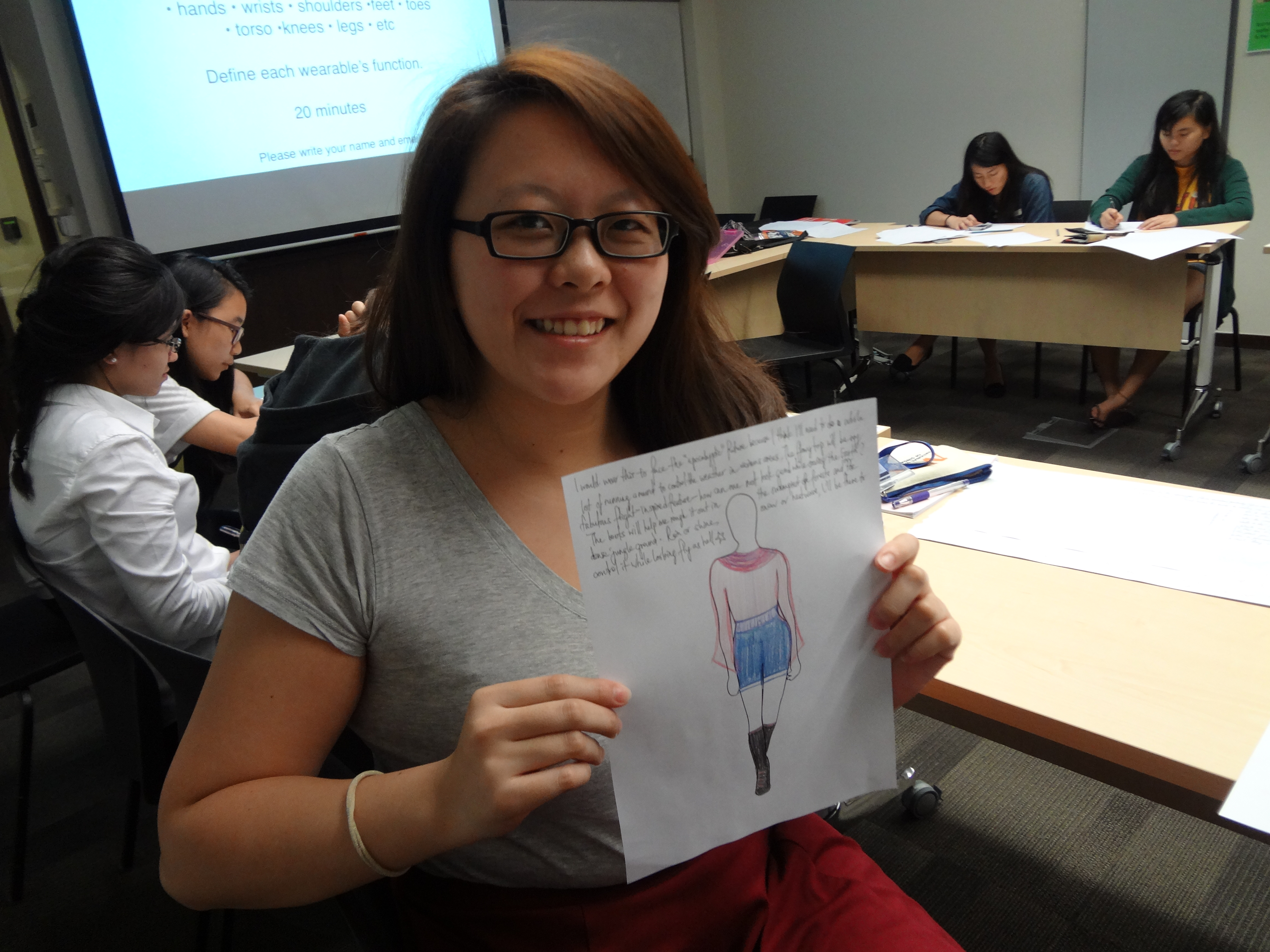
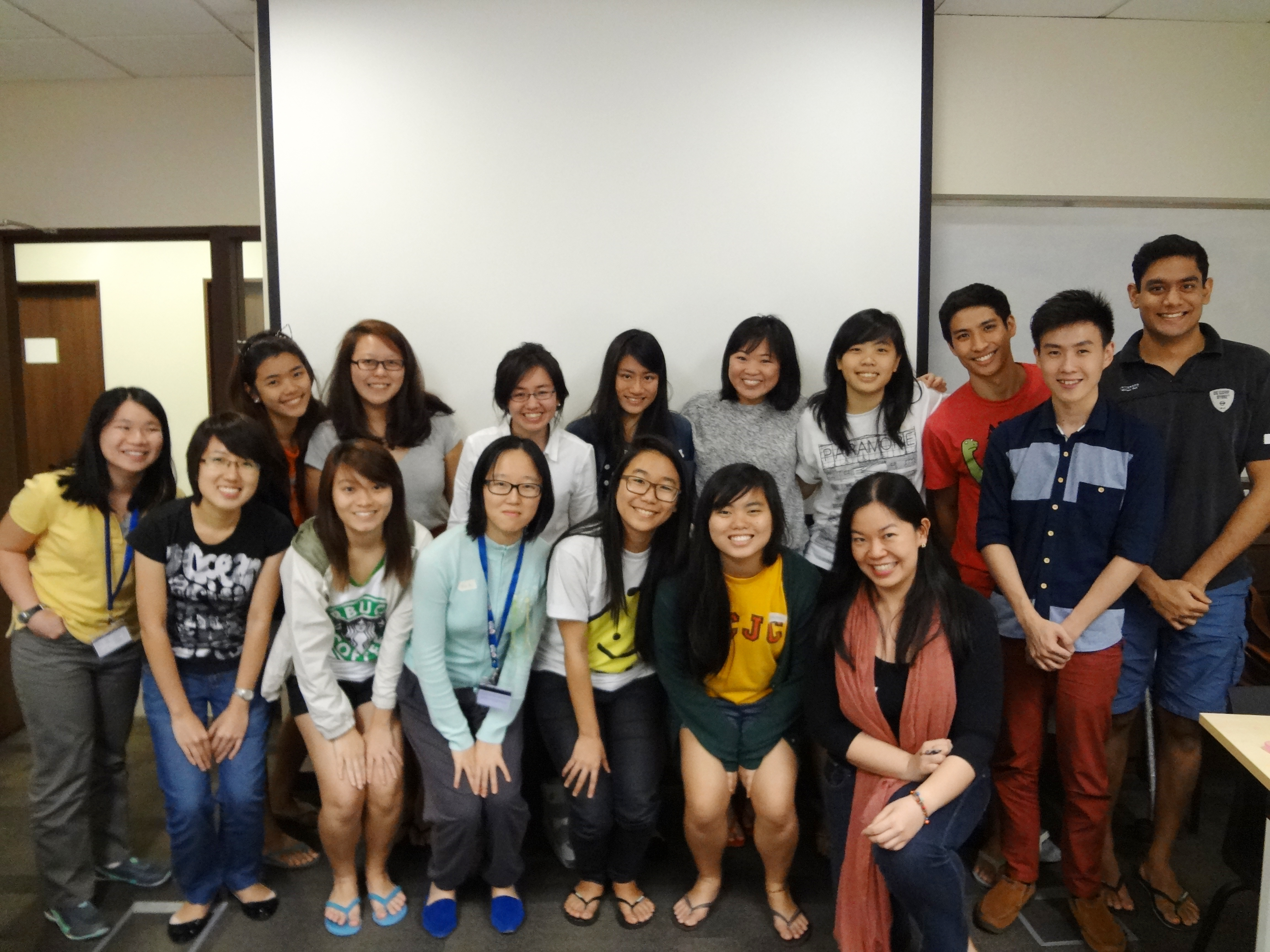
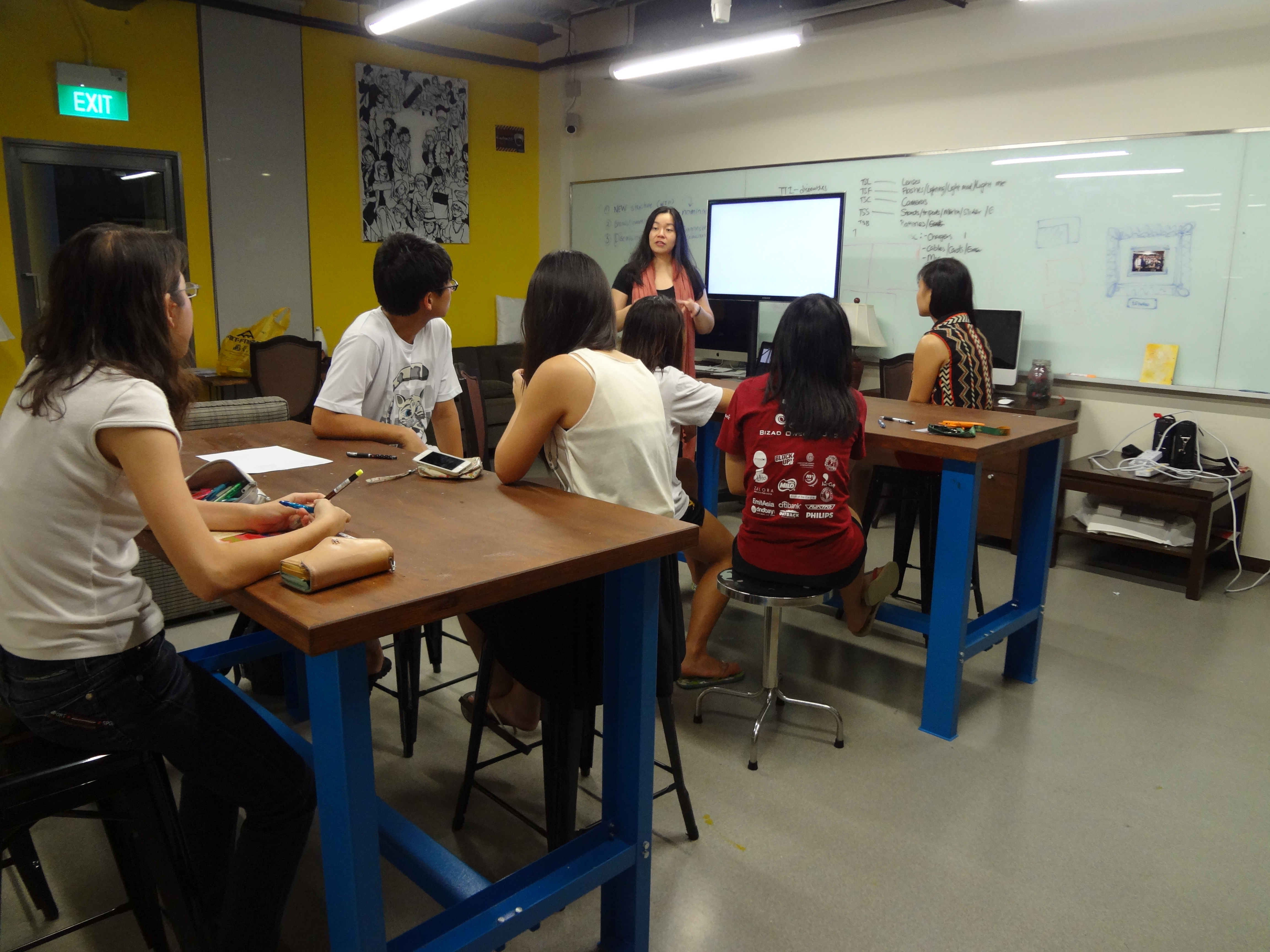
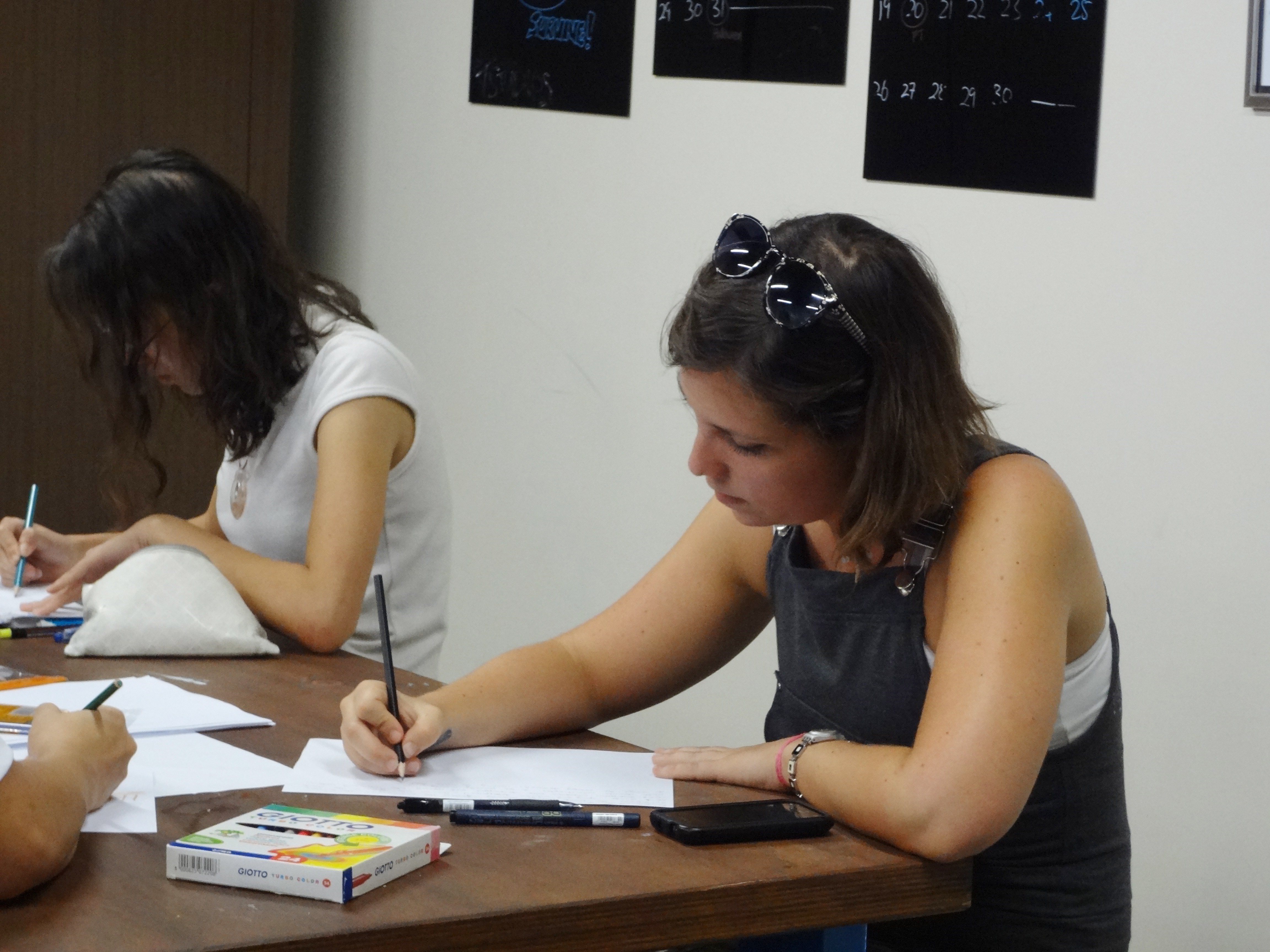
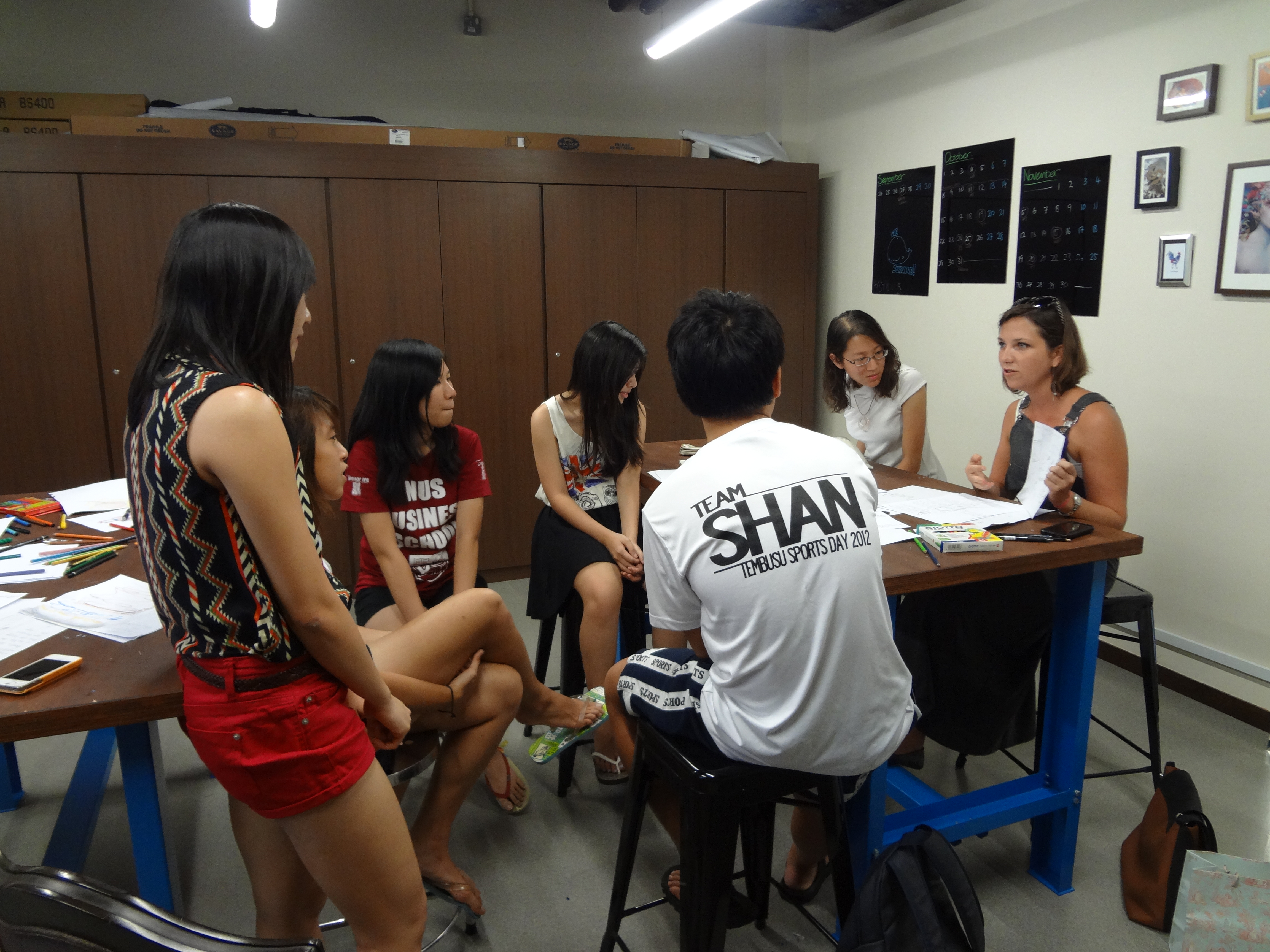
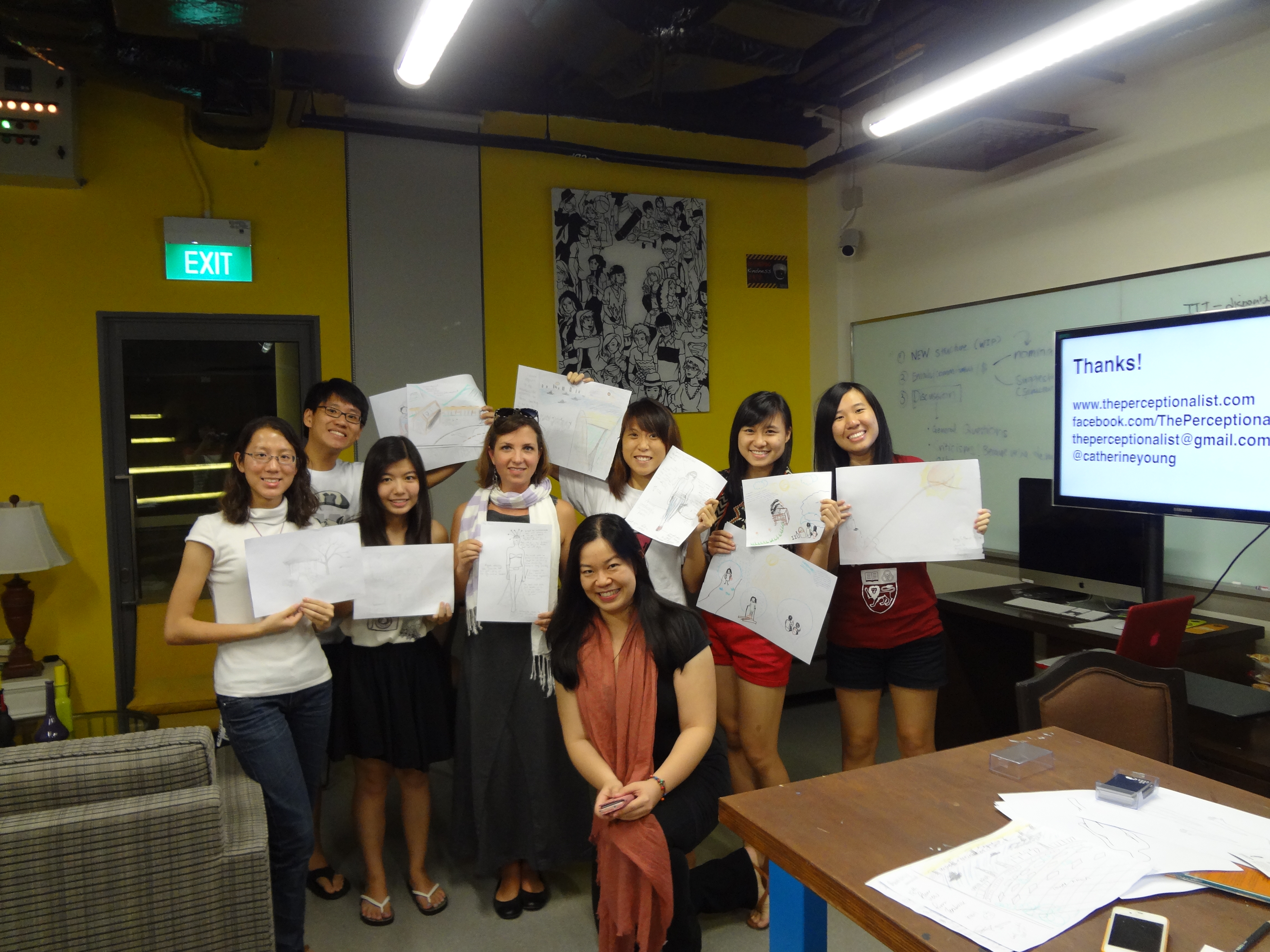
This week, I and my fellow artist-in-residence Michael spoke in Tembusu College’s Singapore as Model City class.
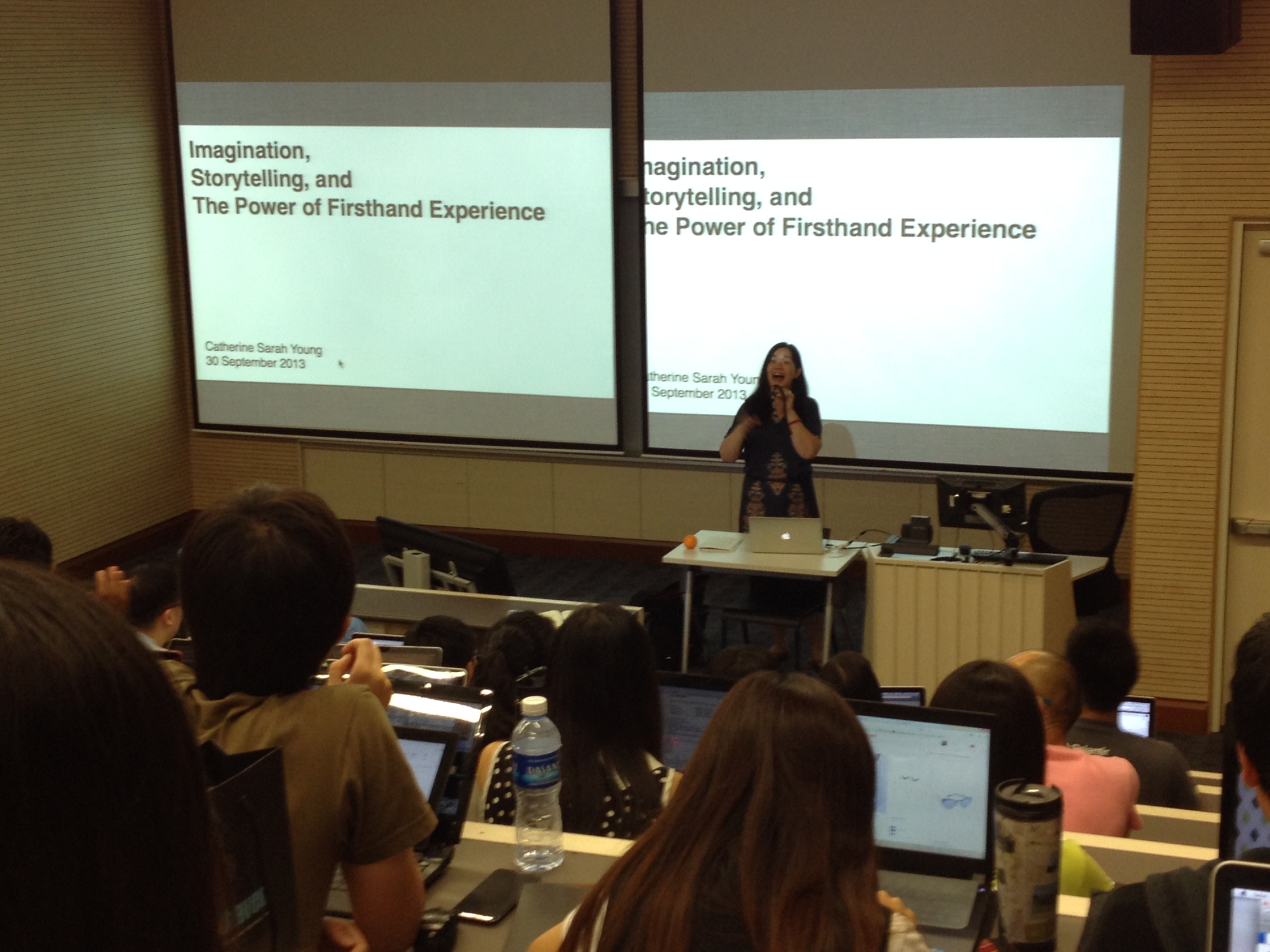
It looks like I’m singing, but I’m not. I was just saying hi and asking if they could hear me. Thanks, Dr. Margaret Tan, for the photo.
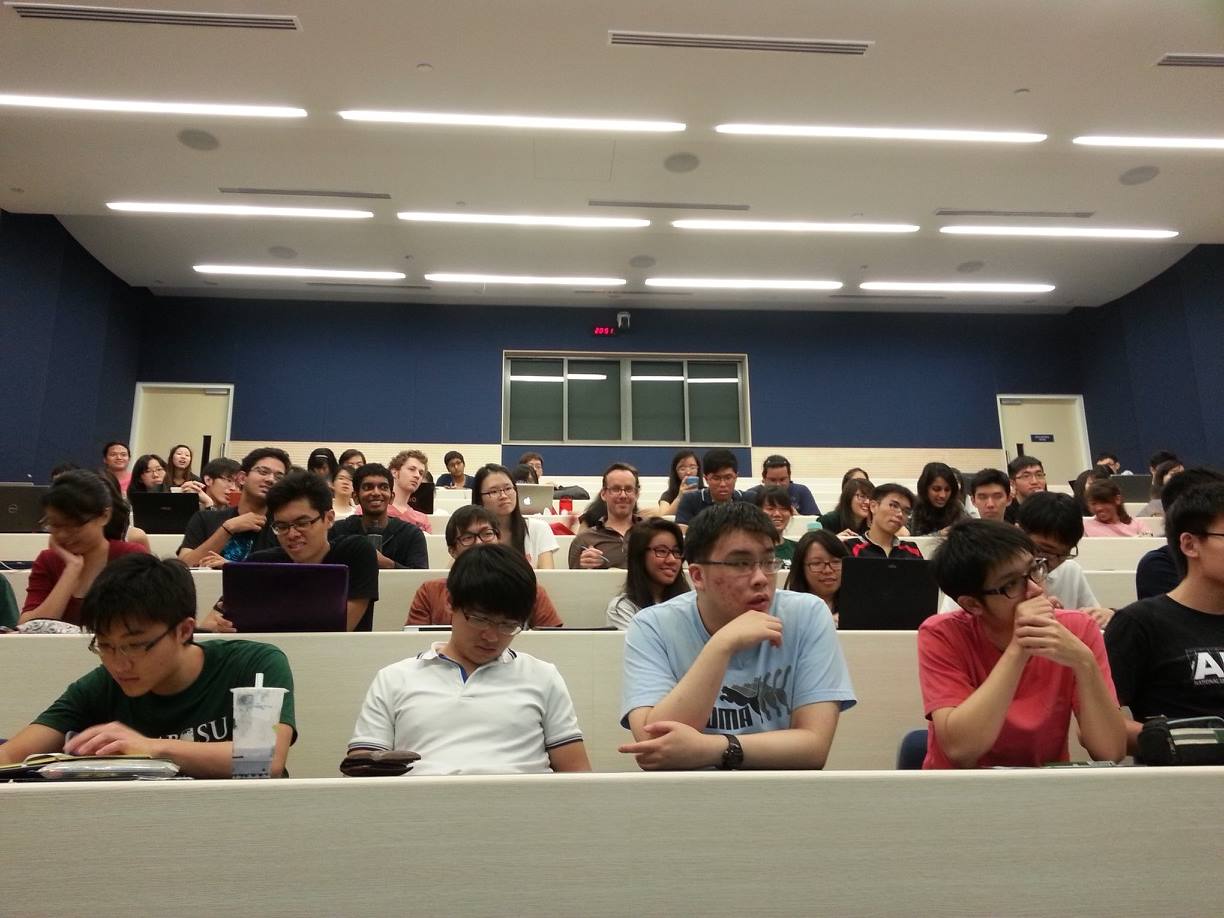
I think I like it when the stage design is reversed and I’m looking up.
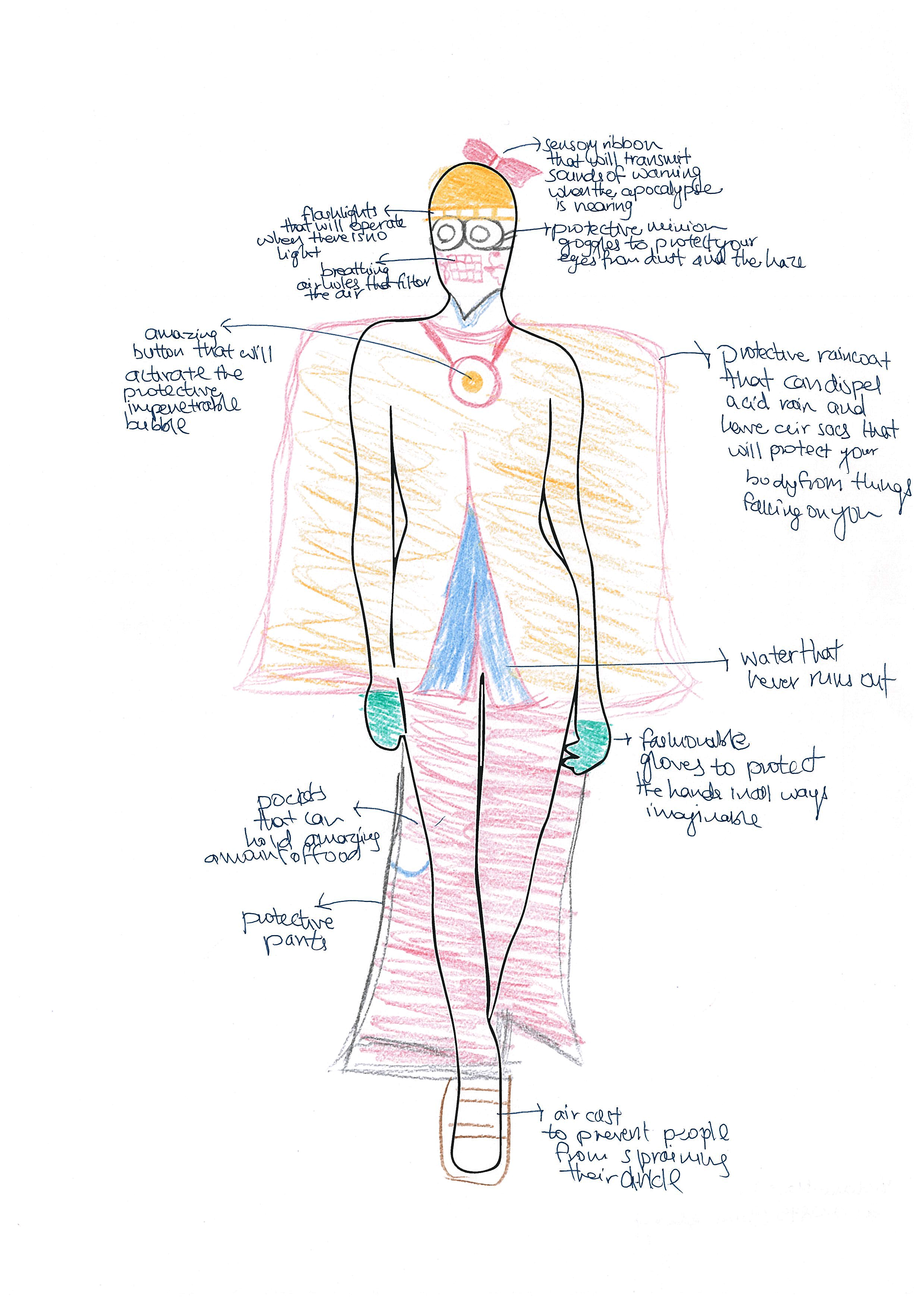
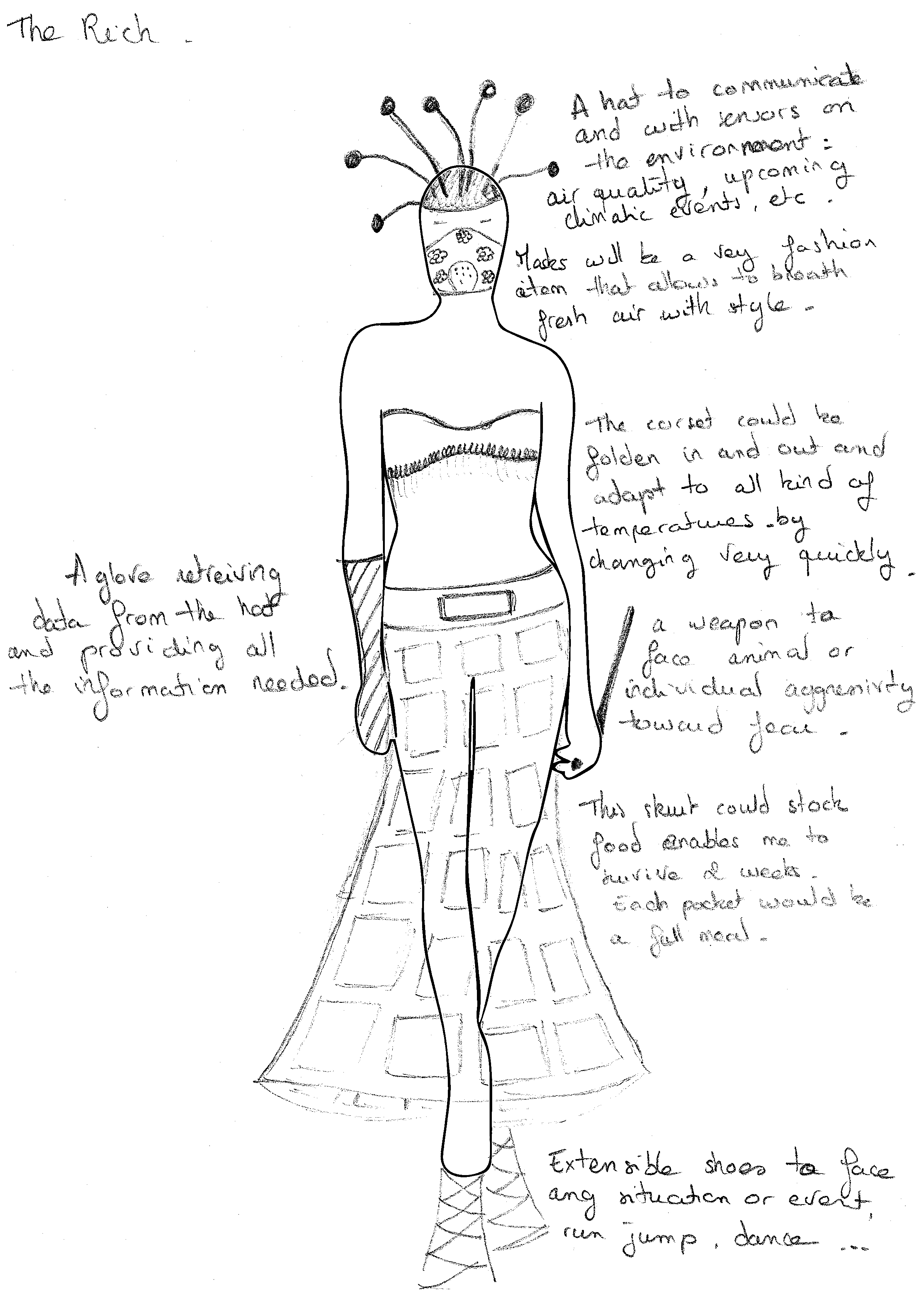
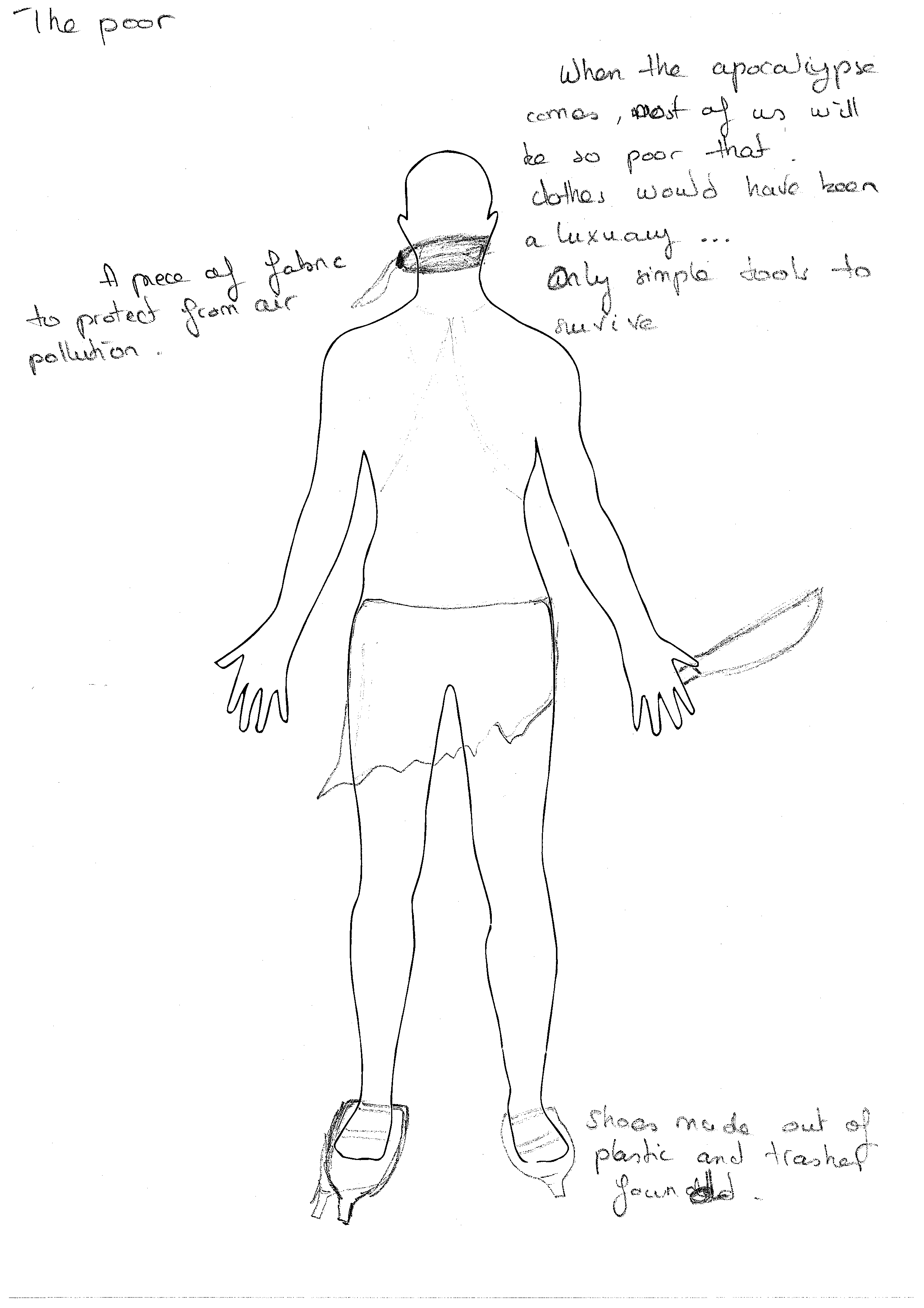
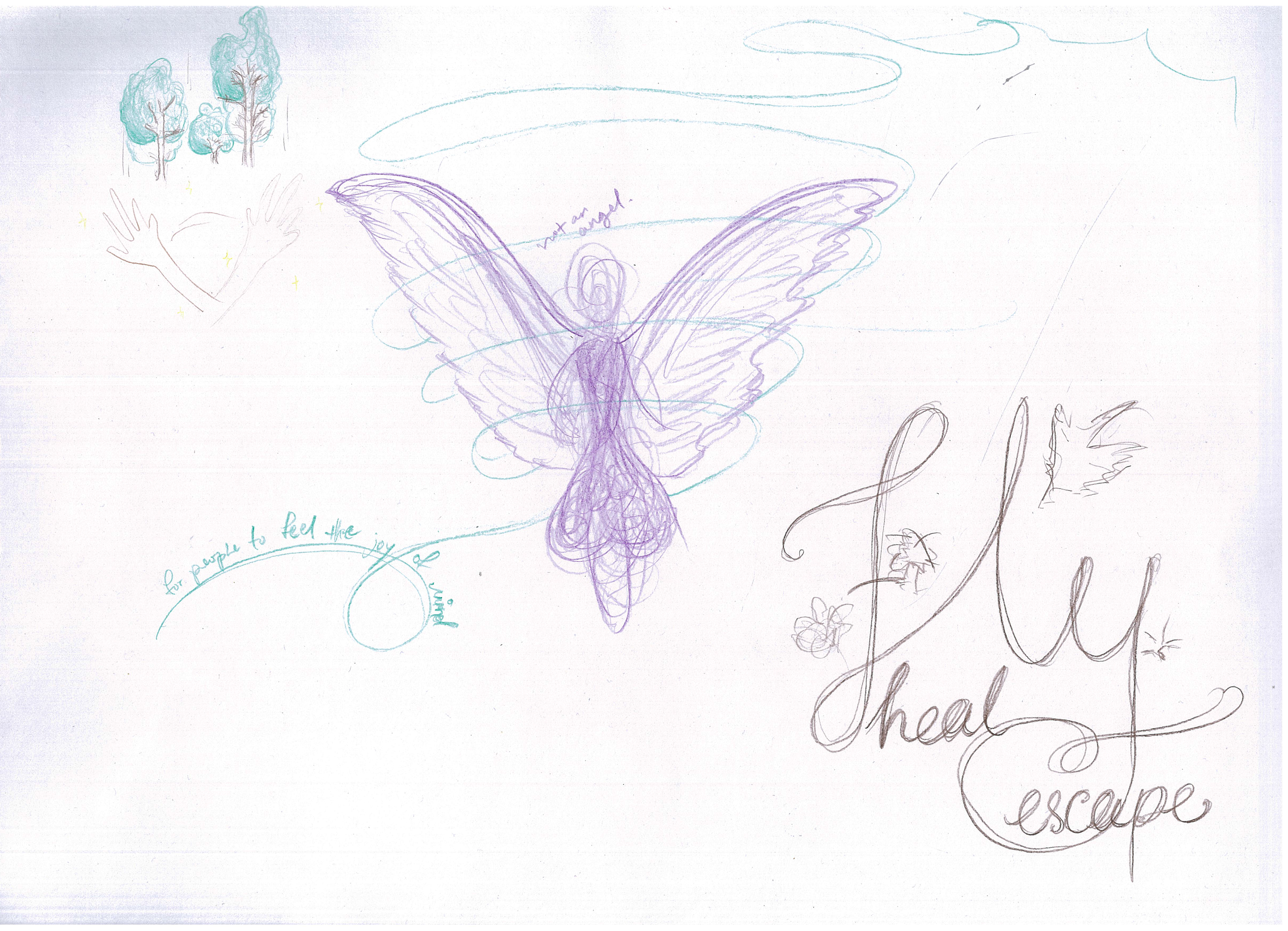
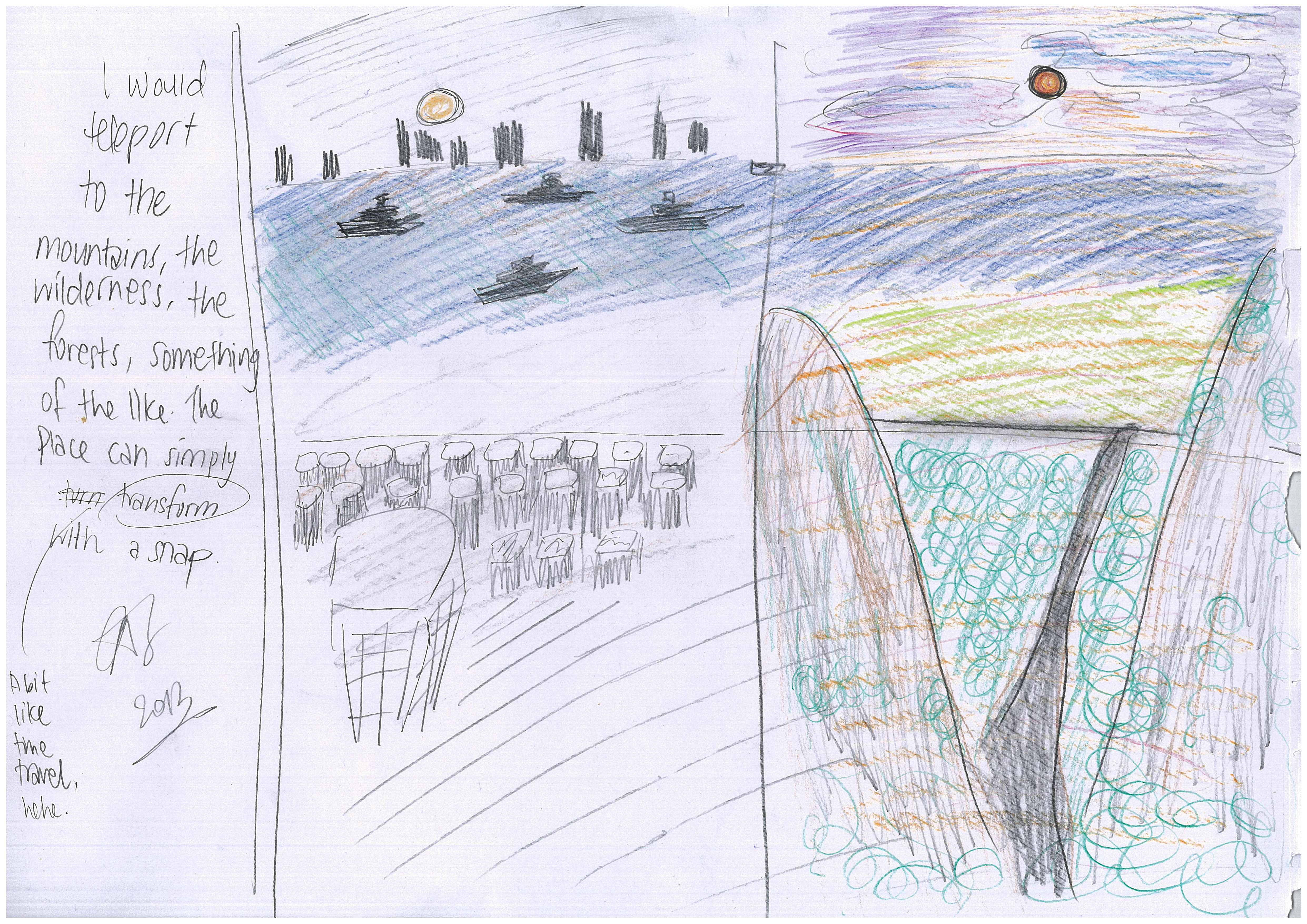
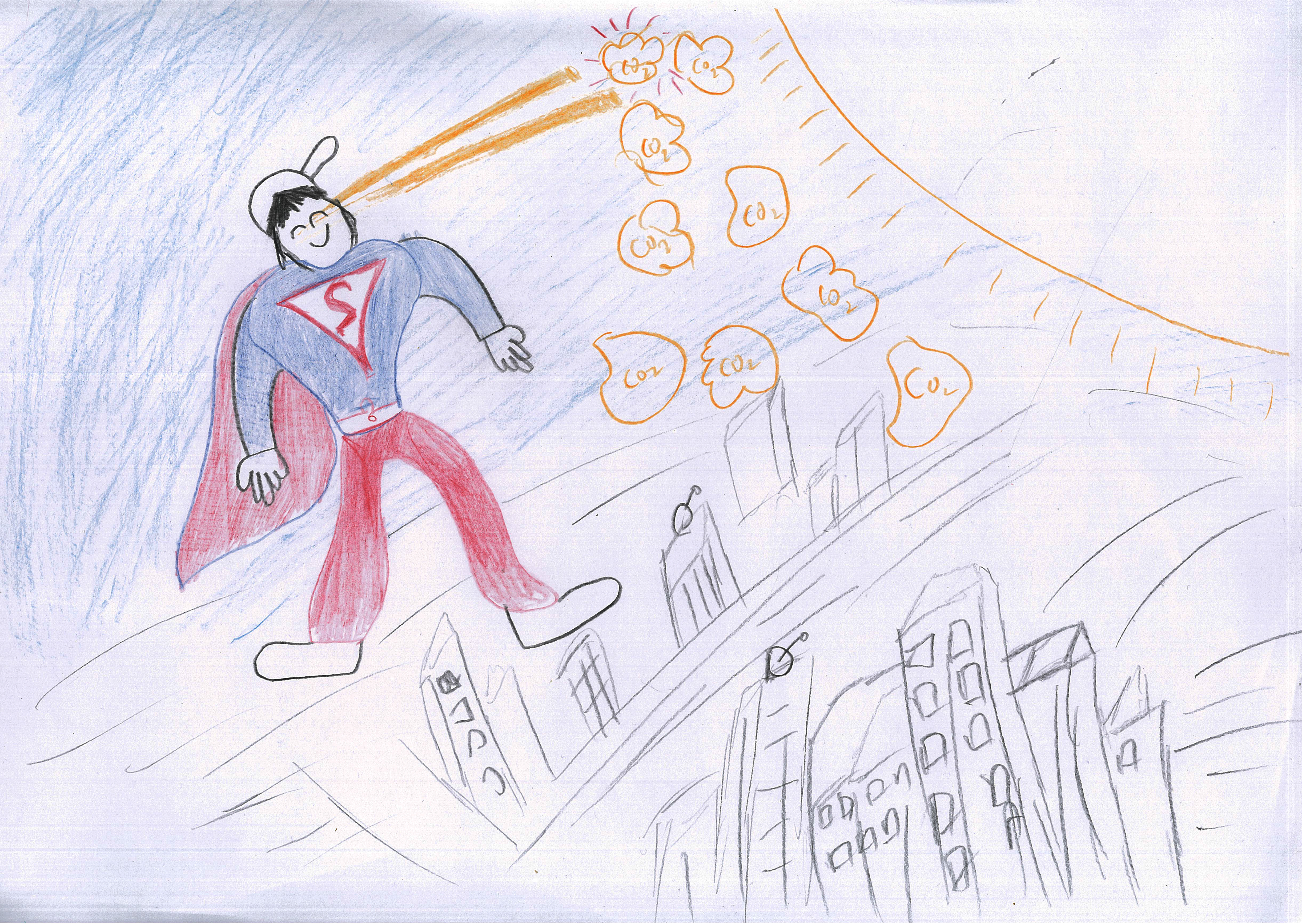
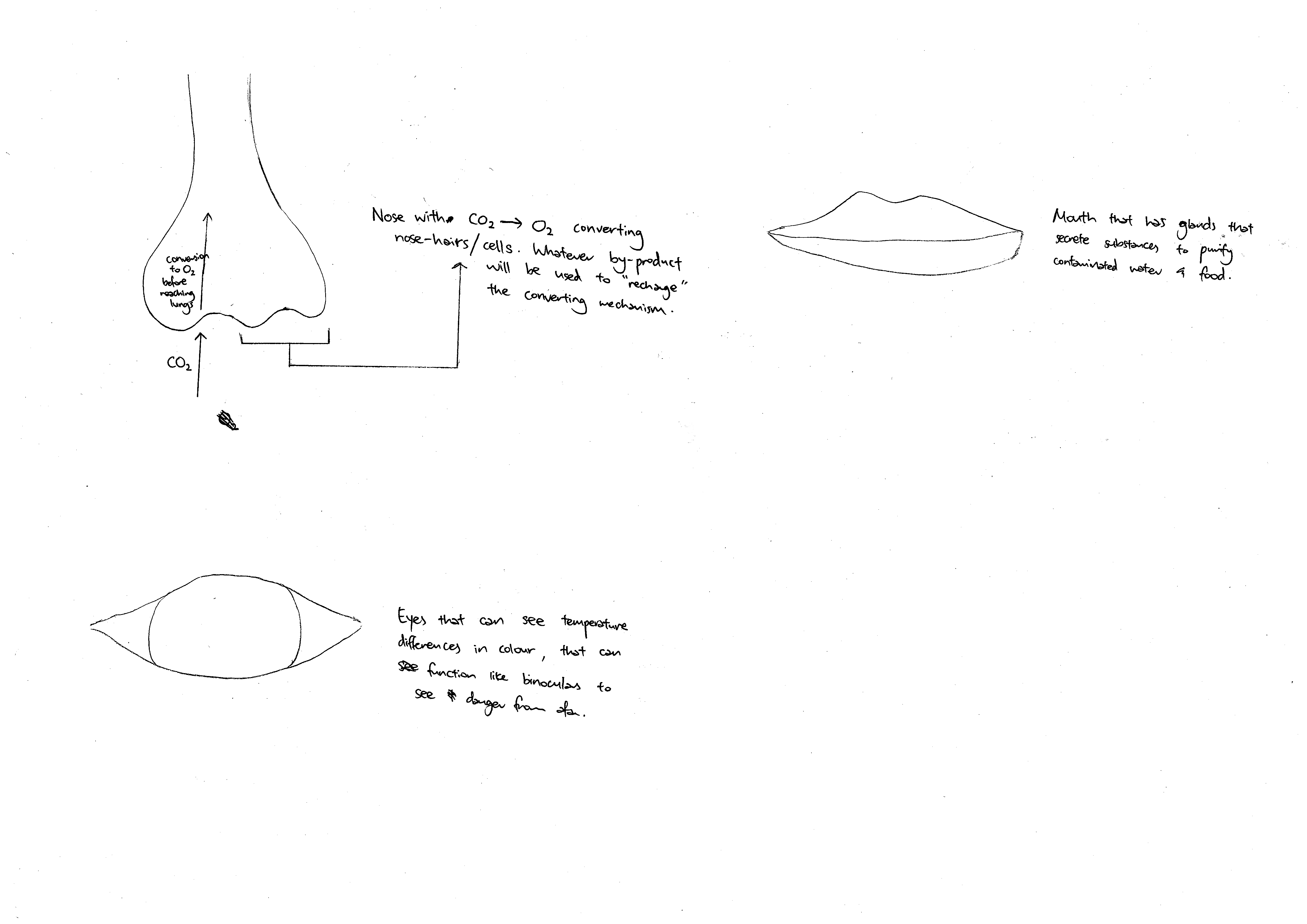
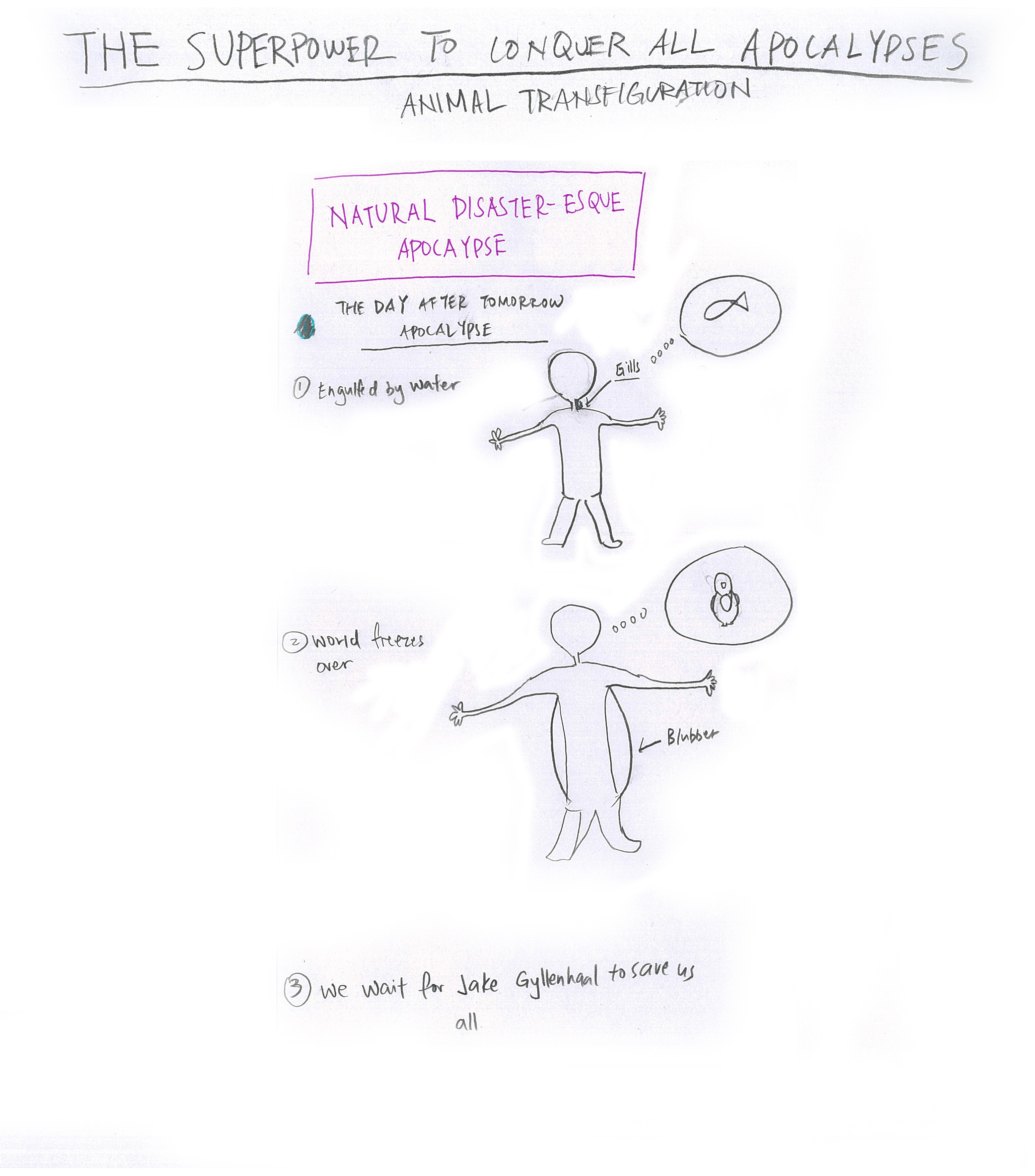
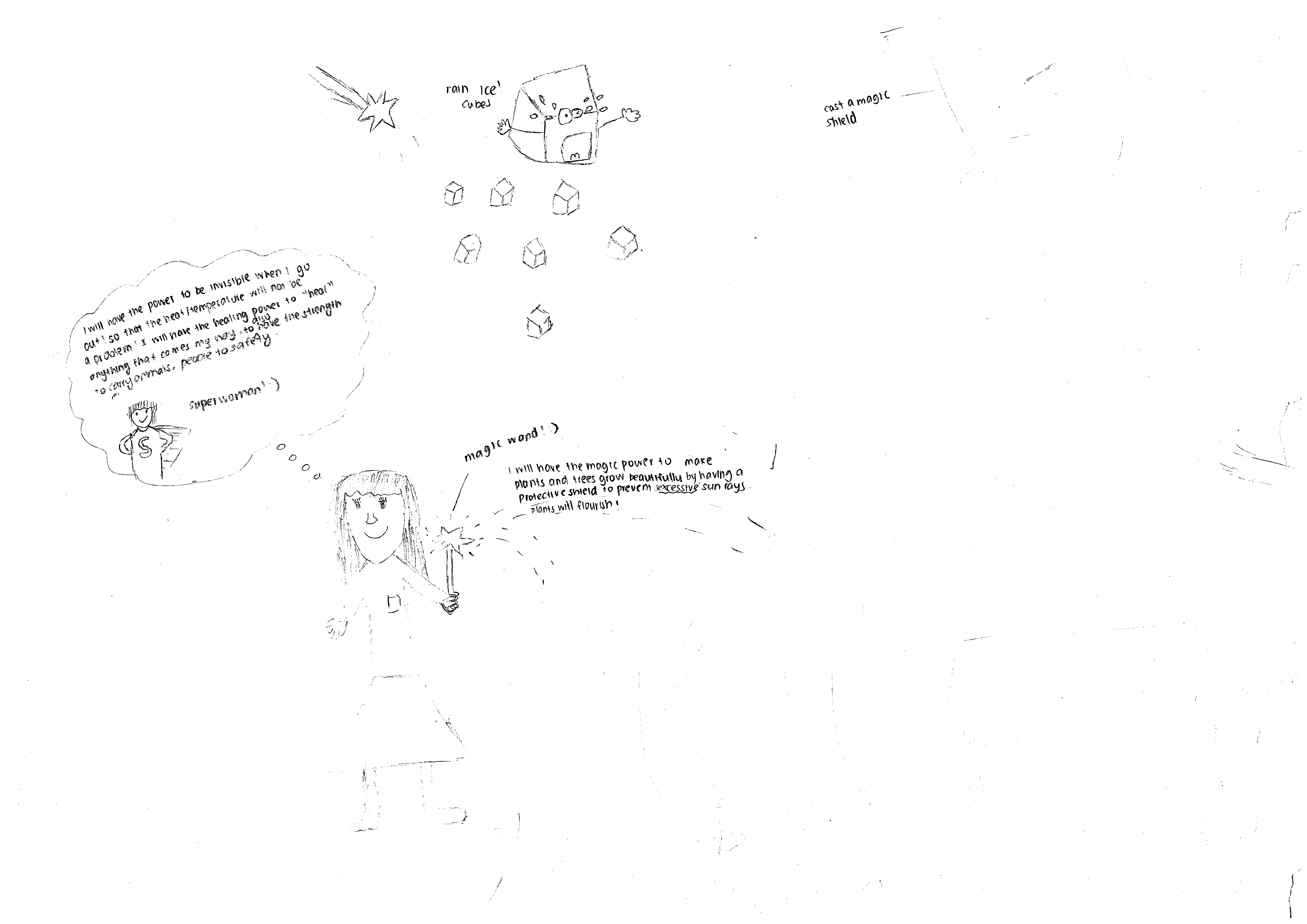
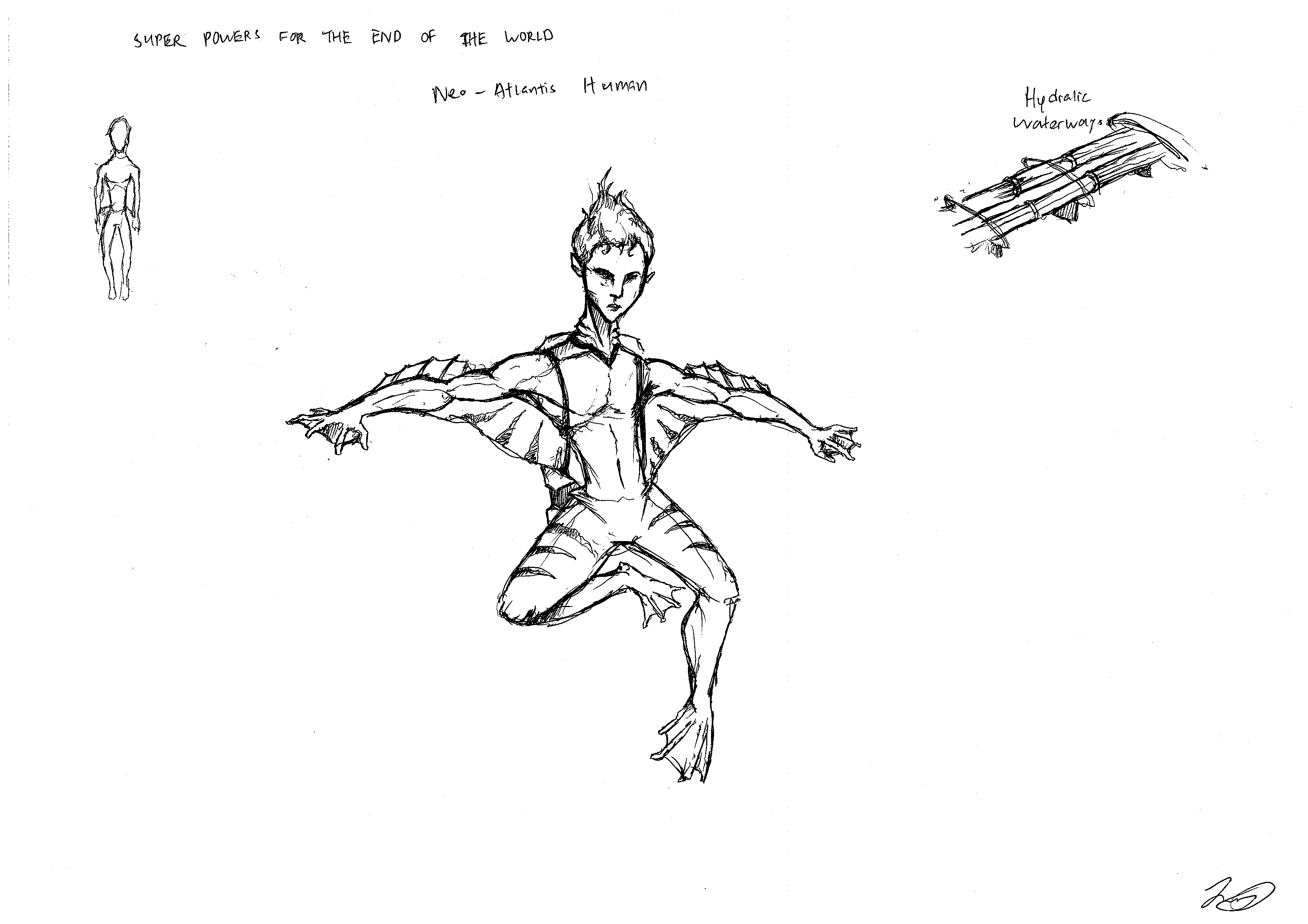
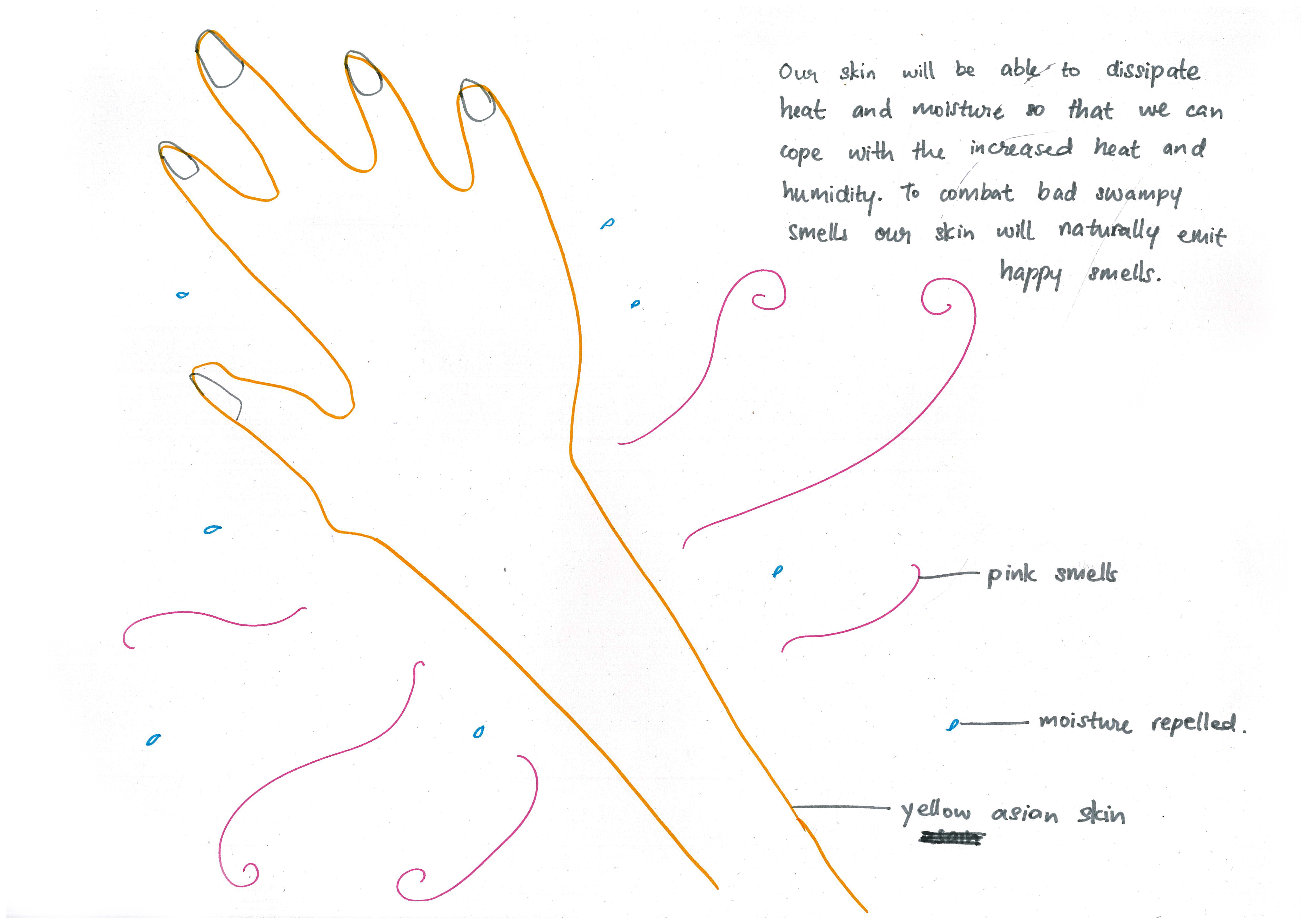
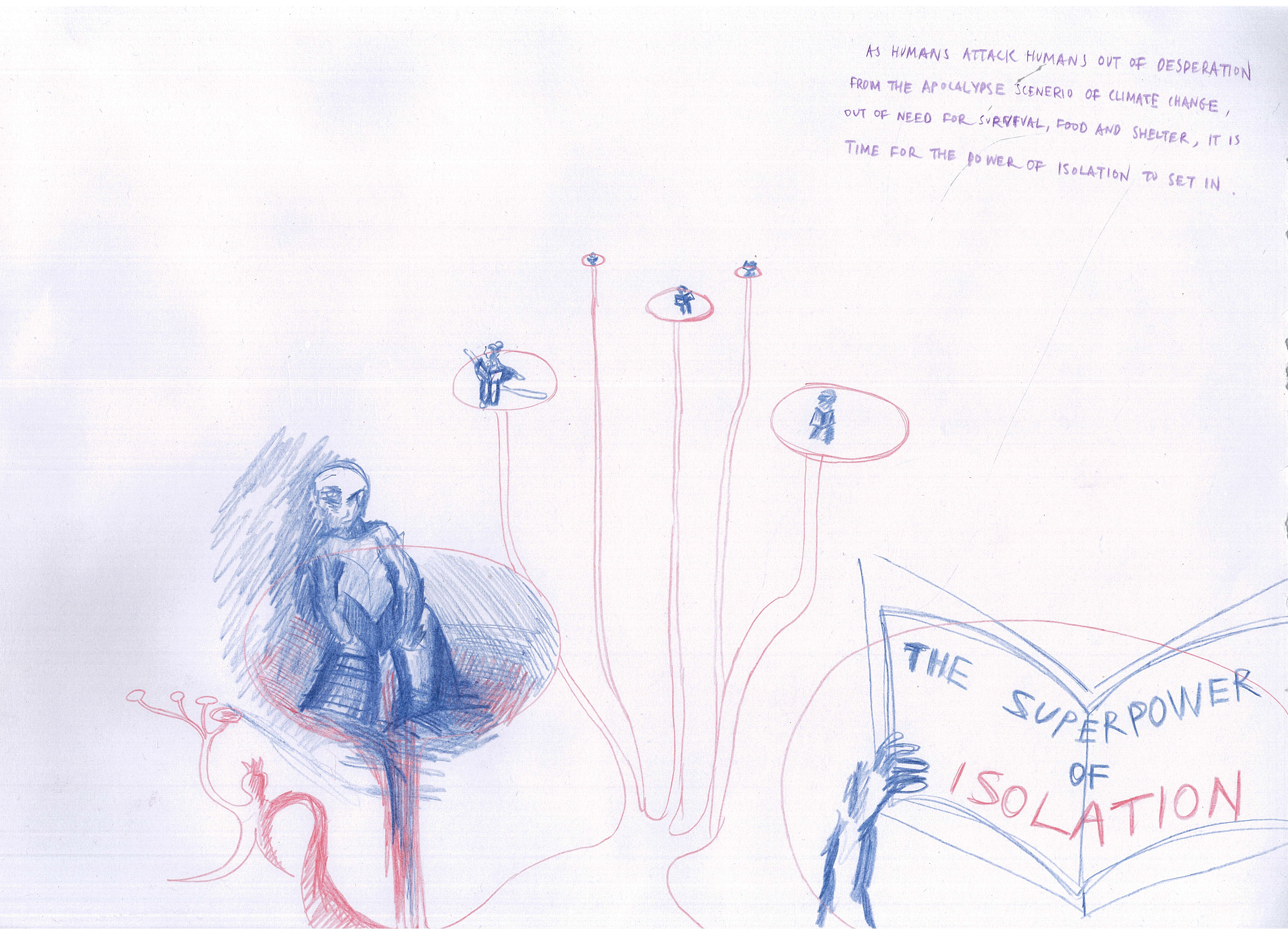
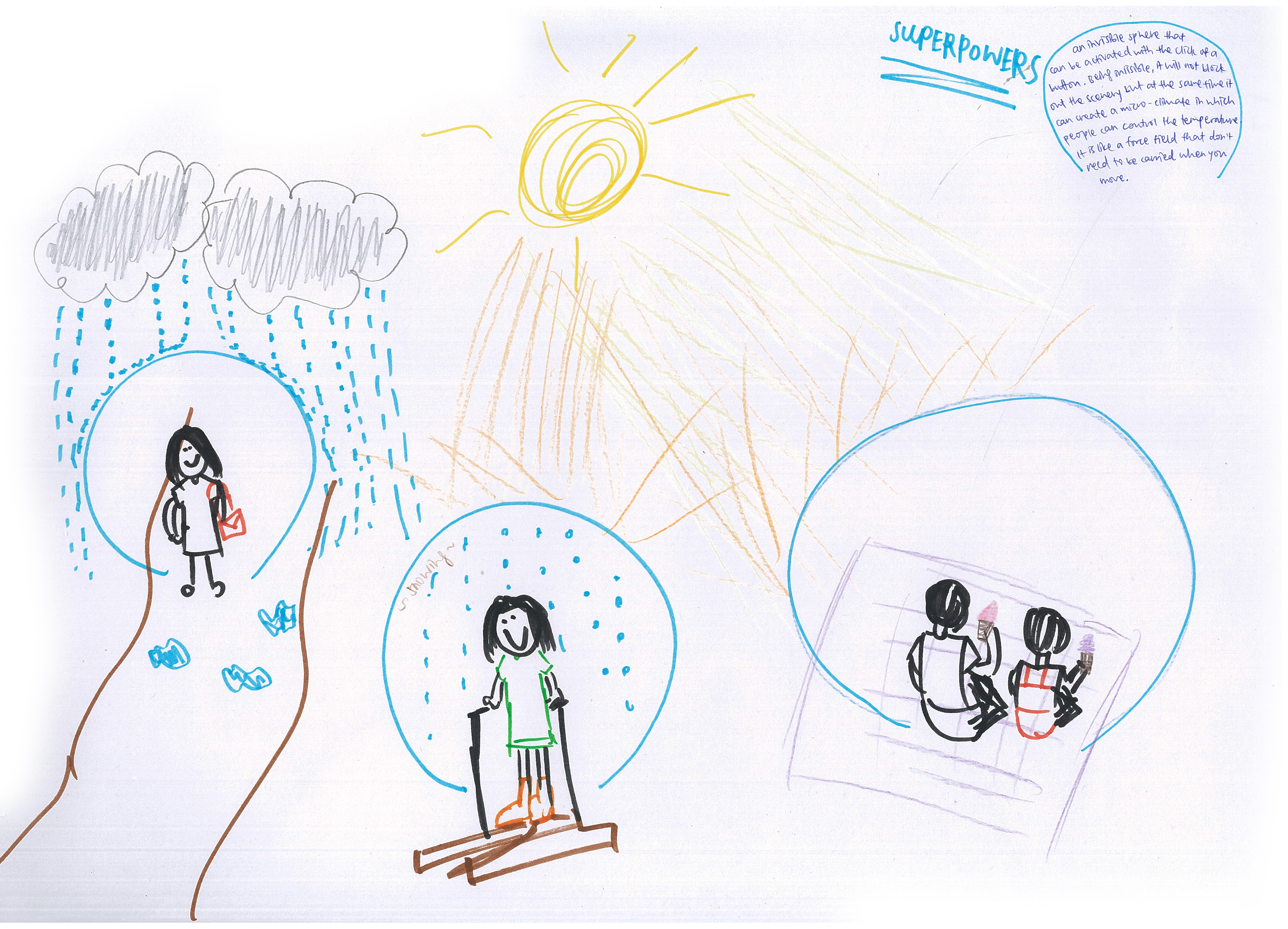
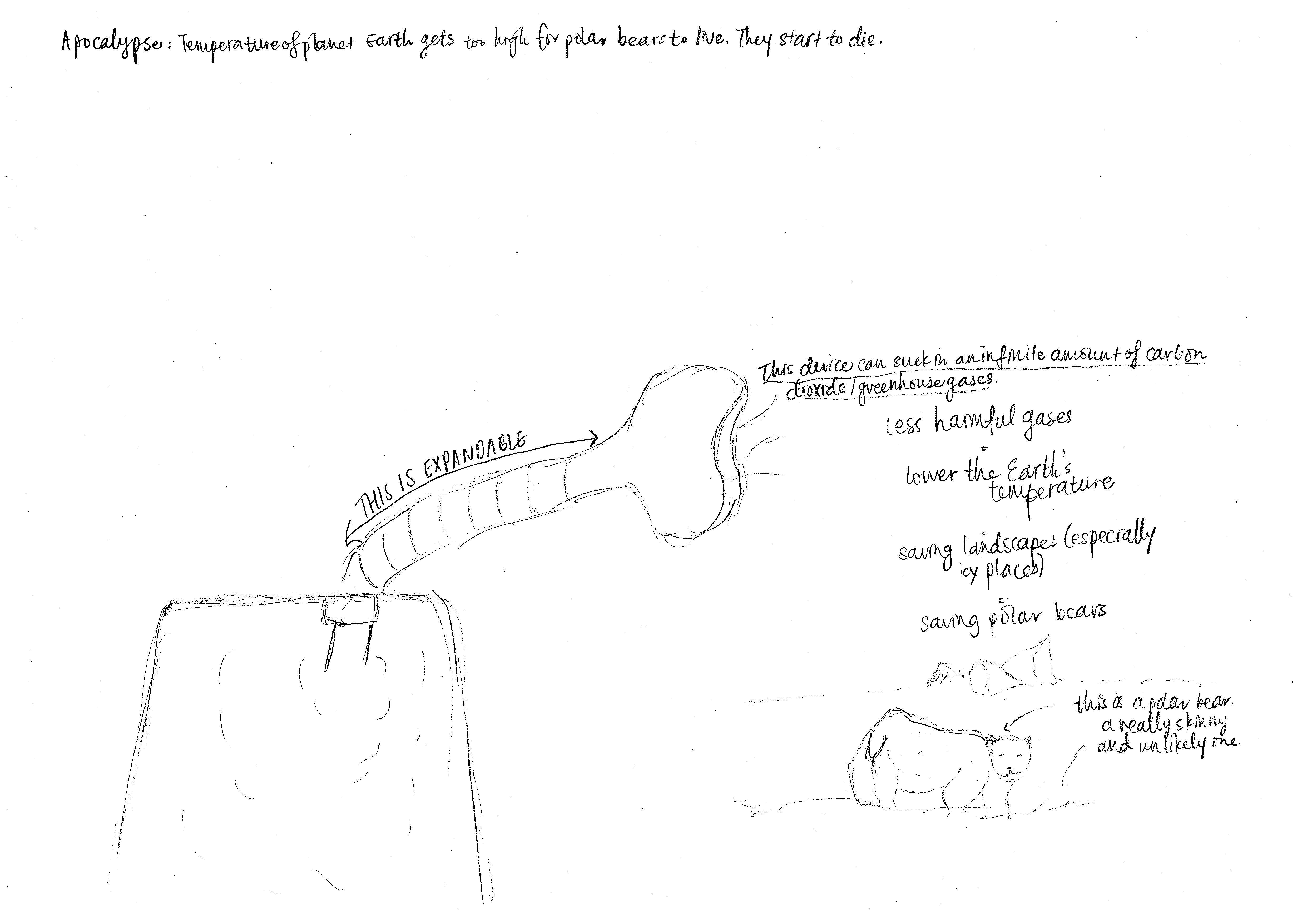
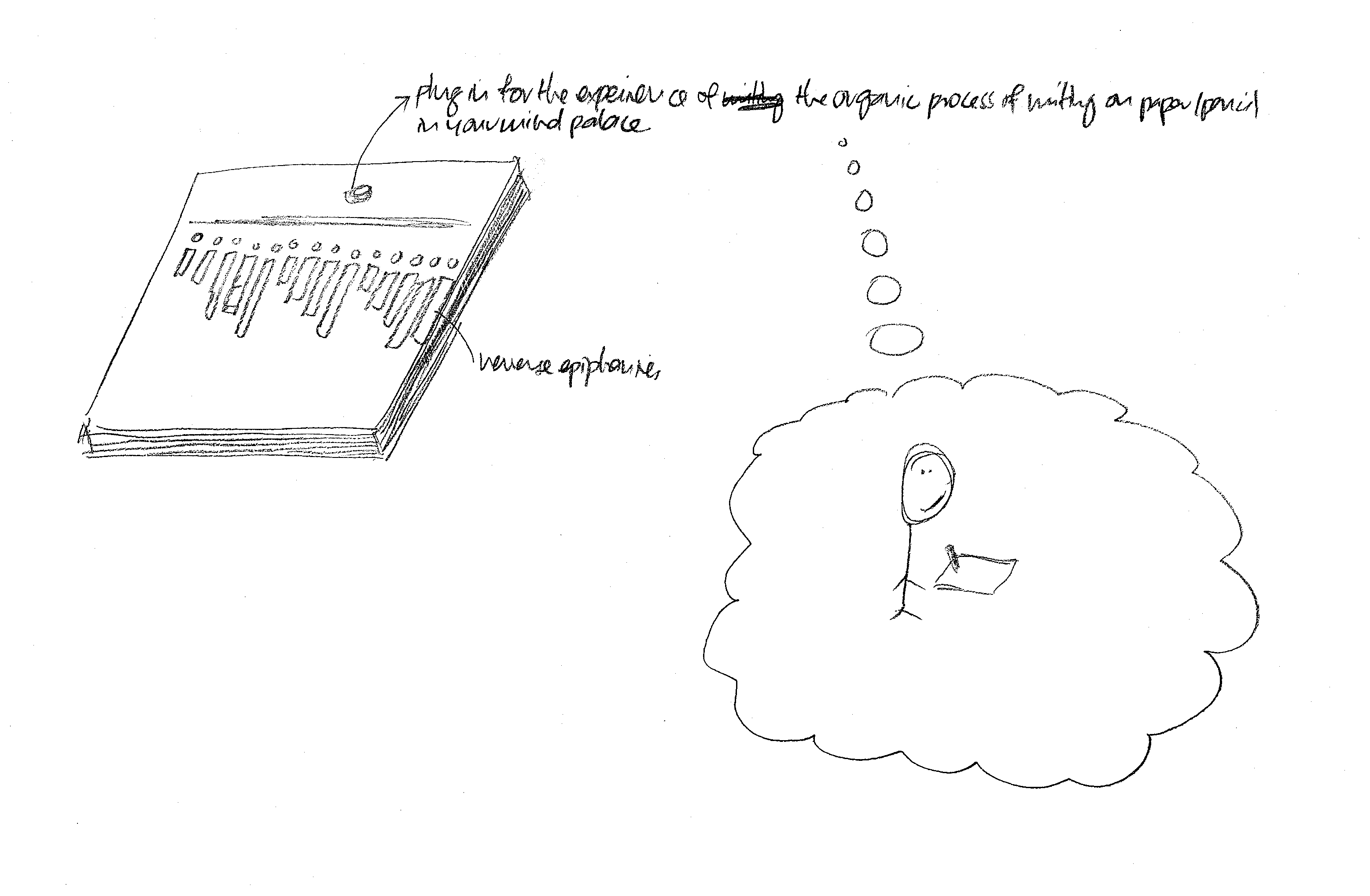
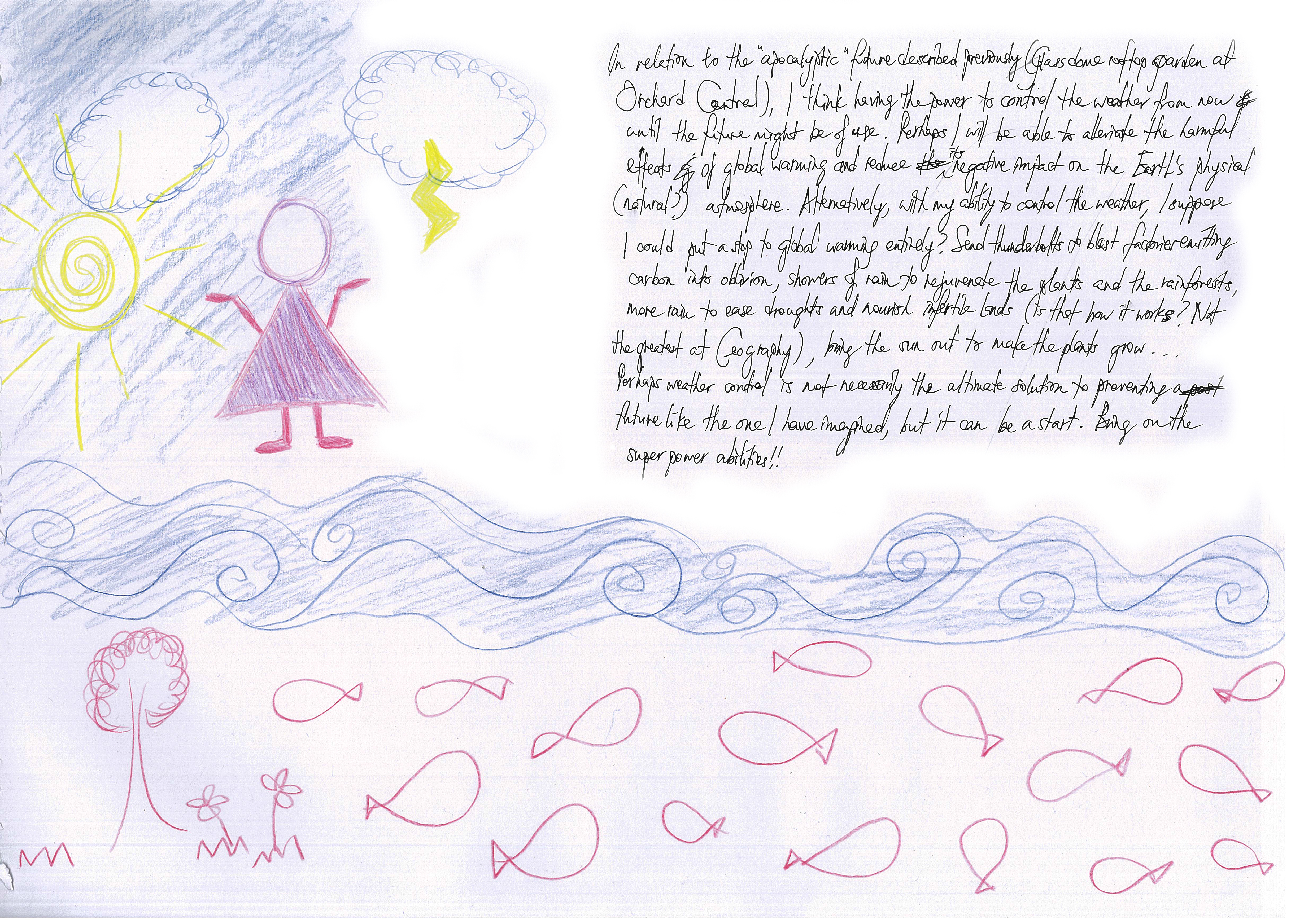
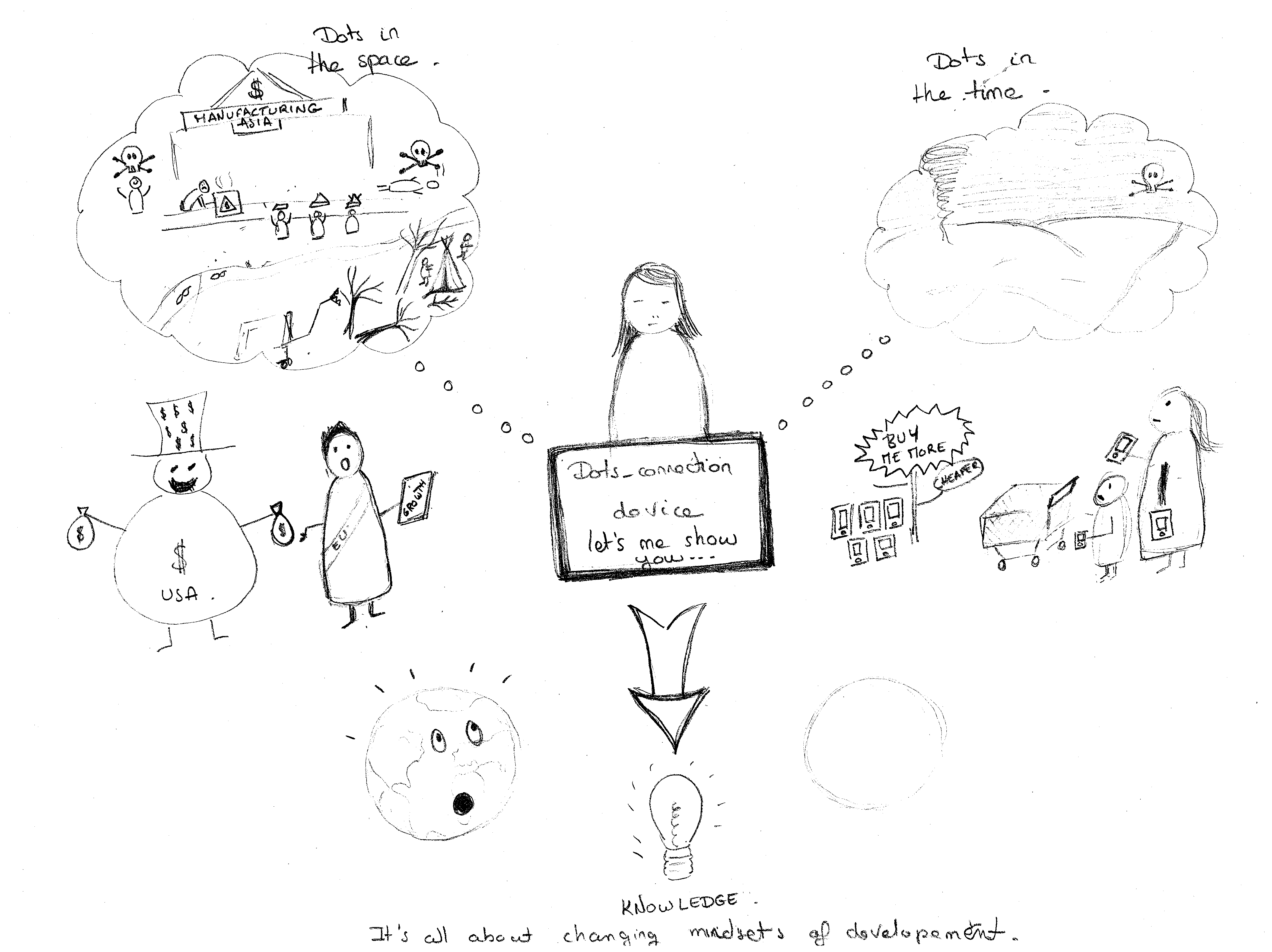
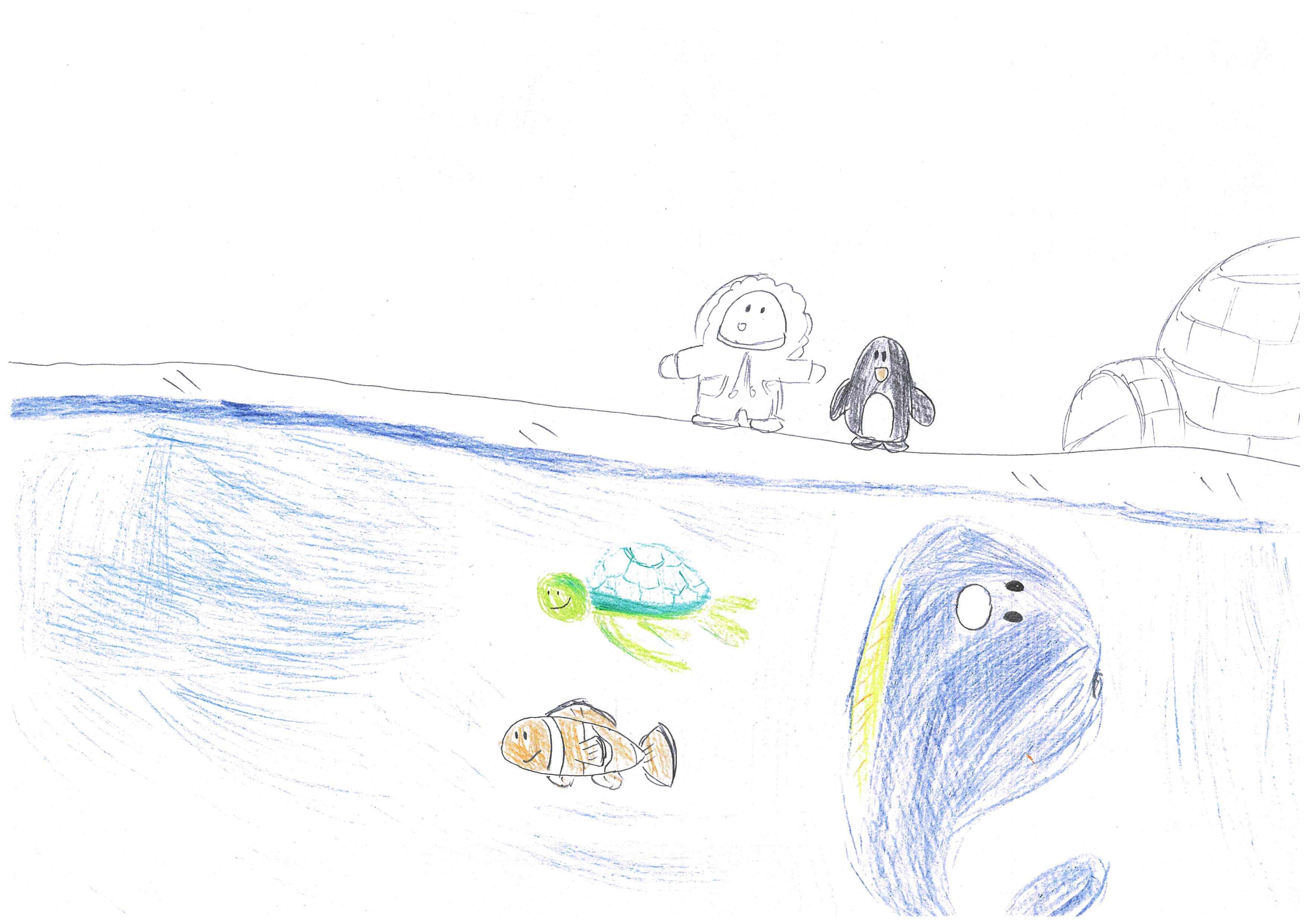
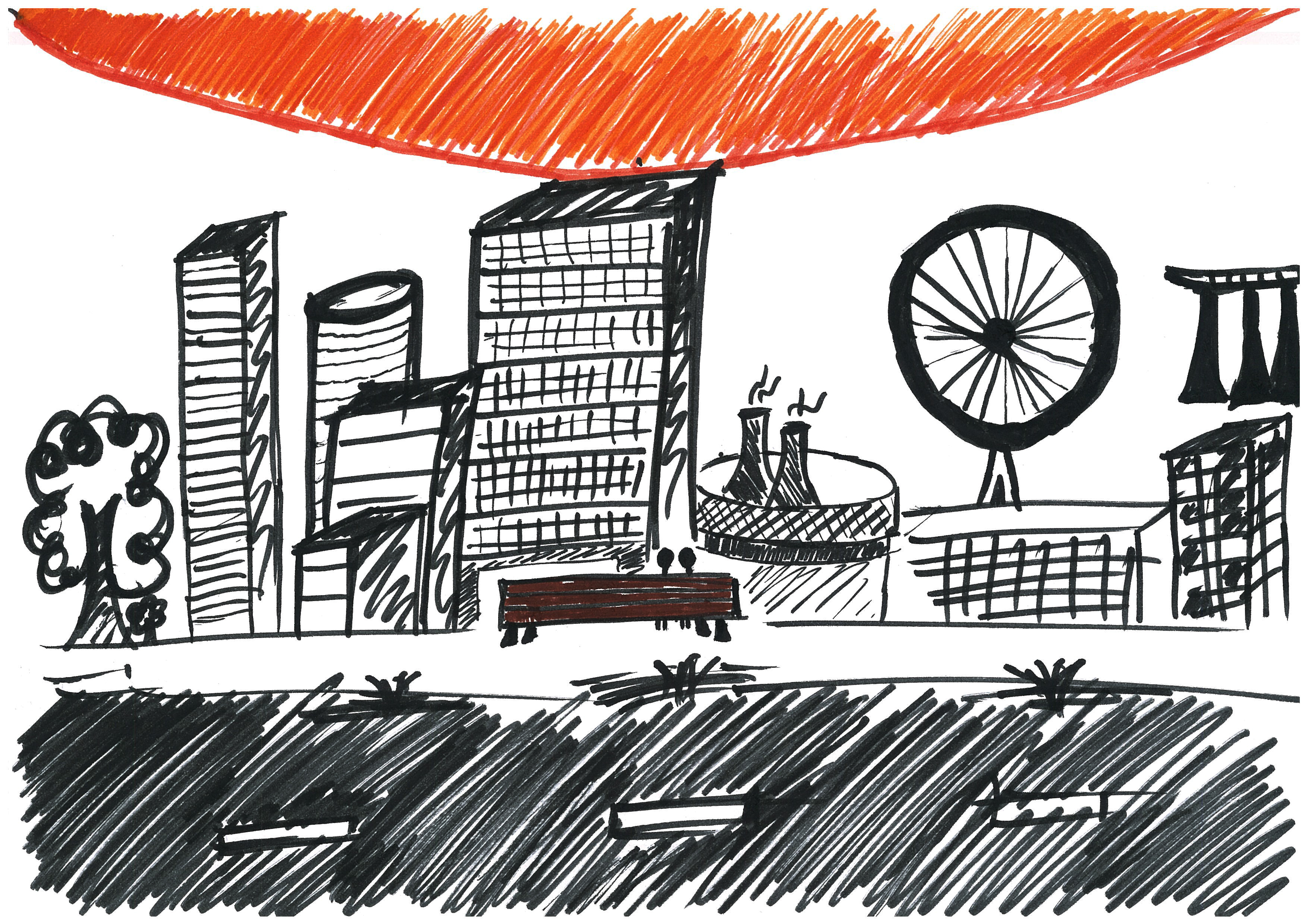
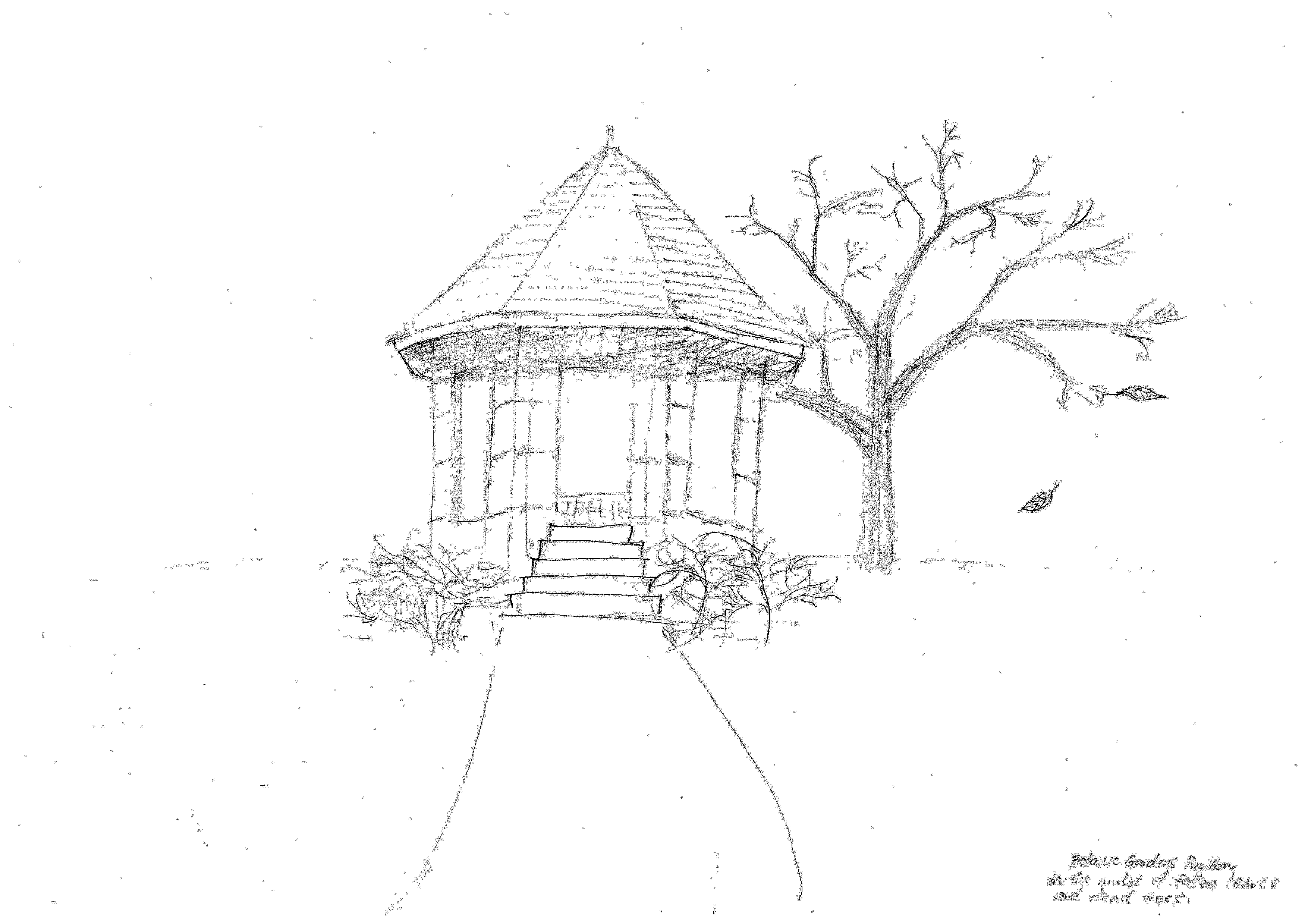
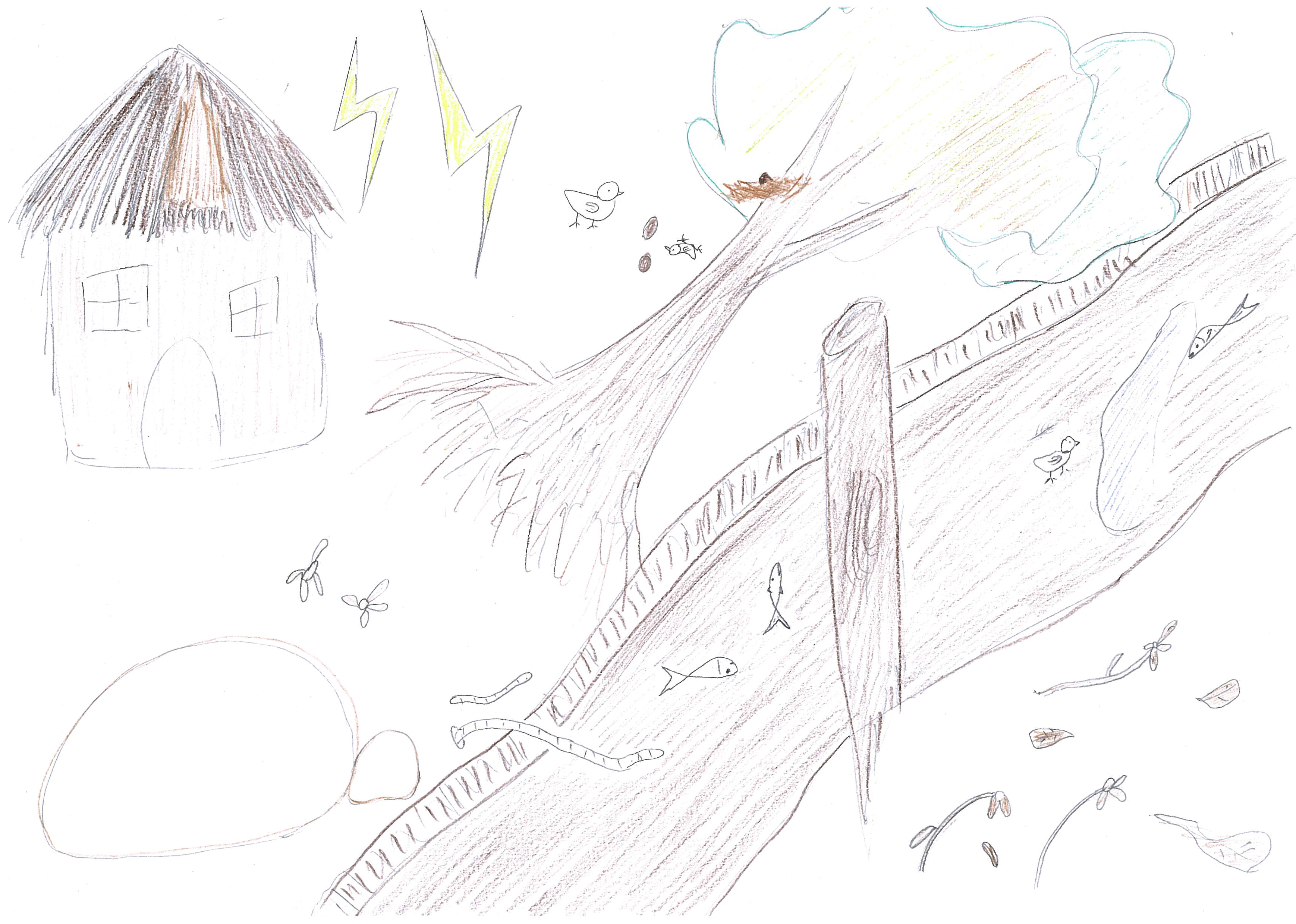
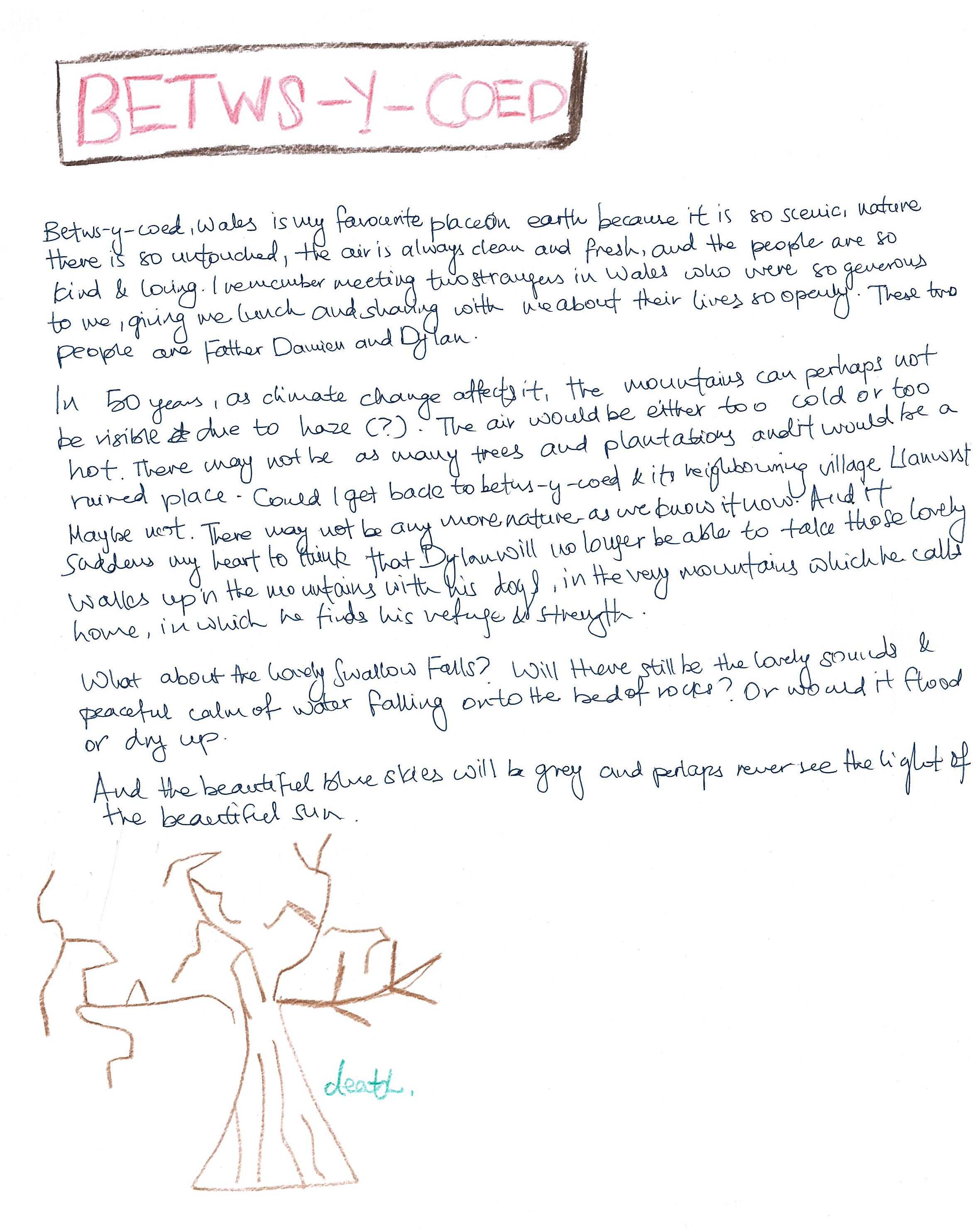
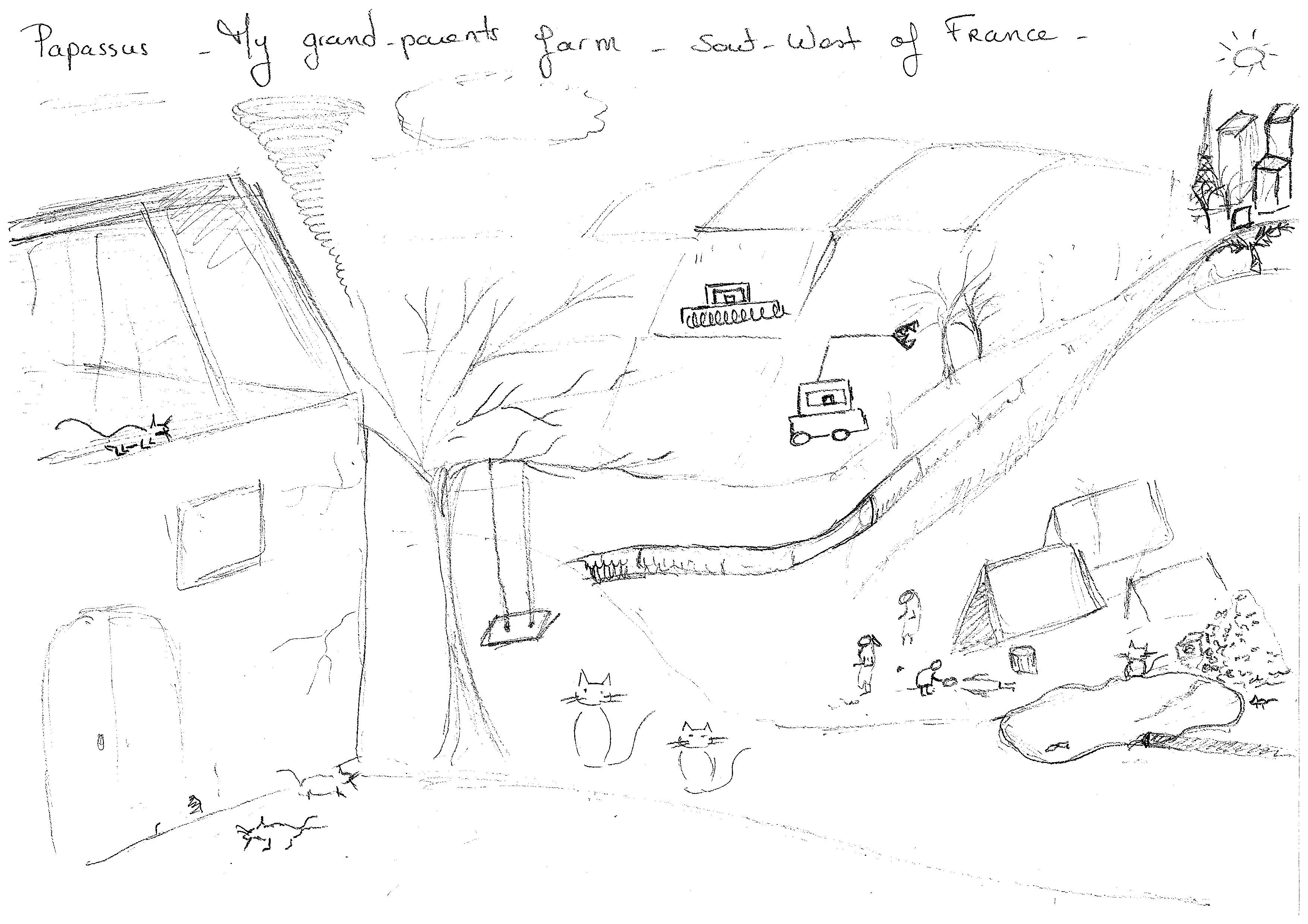
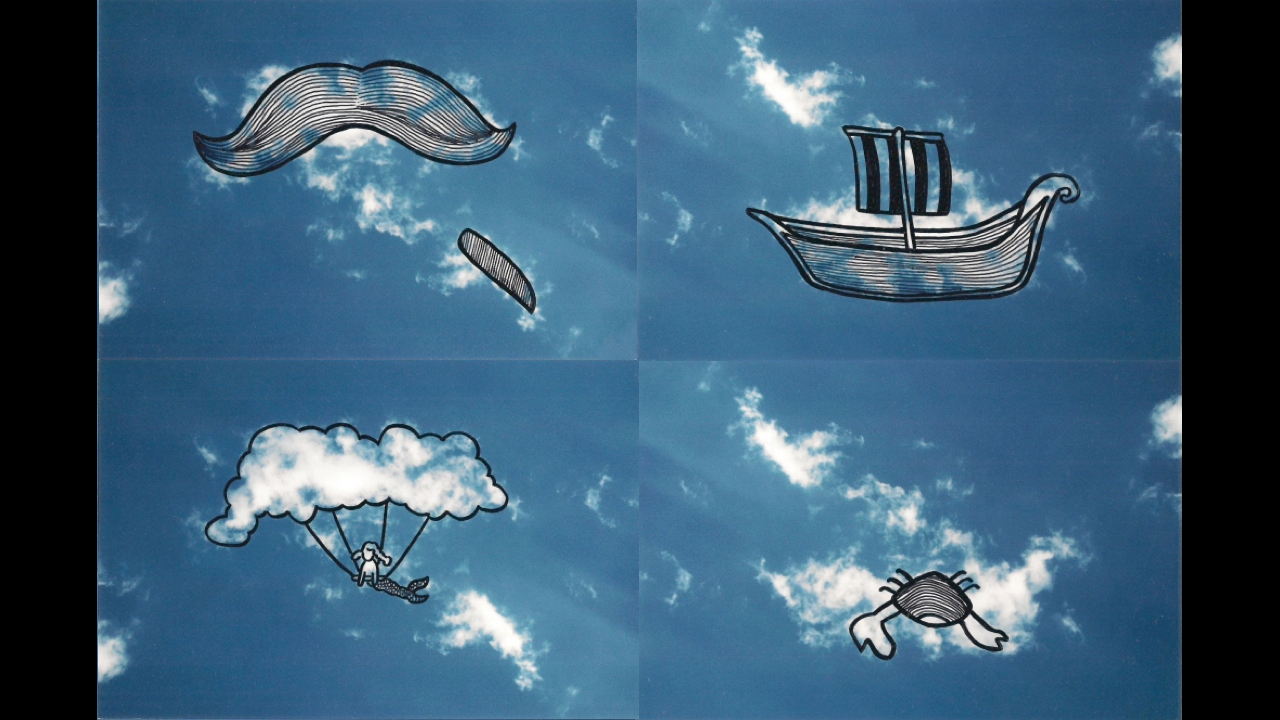
I won’t elaborate on parts of my talk that I’ve posted before, such as what happened during The Apocalypse Workshops or the comments on DrawHappy that made me rethink what the project could be about. So instead, I’ll emphasize some of the things I learned about experience design and collaborations between art and science.
Experience and memory
The image my have the last word, but for me, experience is the one that stay with you forever. I referred to a series of articles I wrote when I was a young journalist, oh so many years ago. This is a photo of me when I was 19 years old:
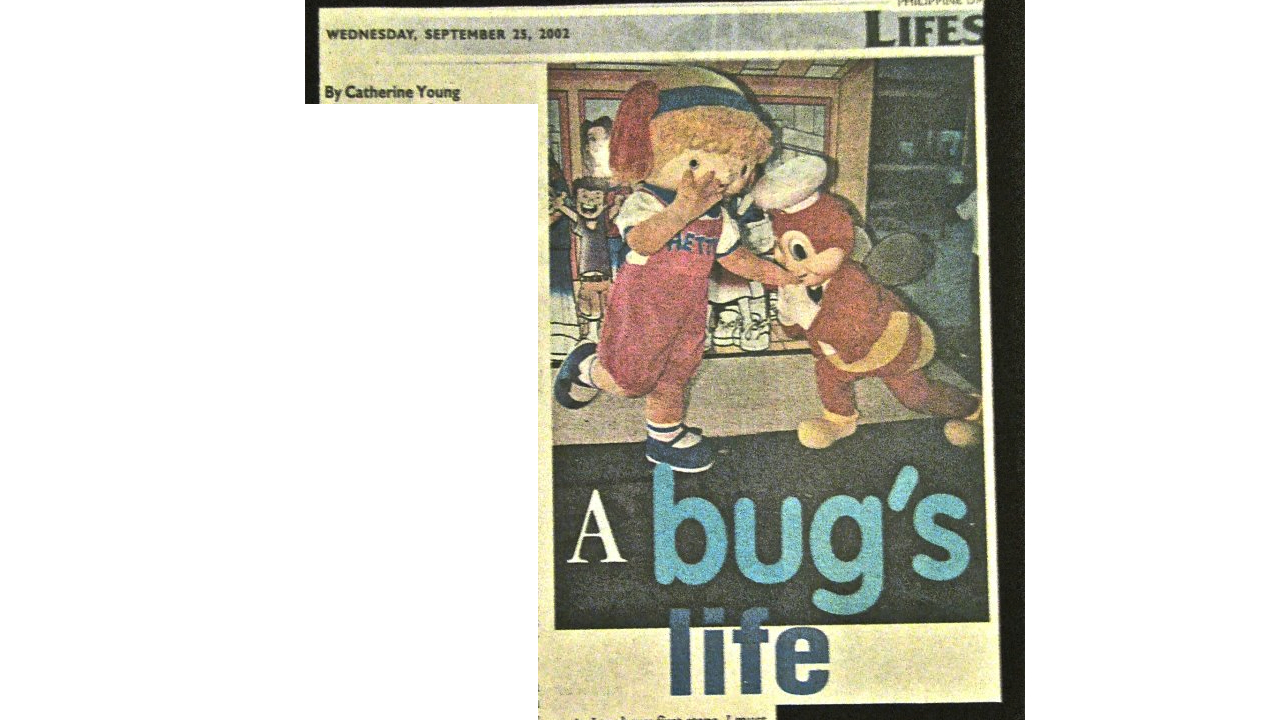
In this photo, I was wearing the costume on the left, although I also wore the one on the right. These are mascots from Jollibee, a Filipino fast food chain that, for me, is one of the icons of modern Filipino culture and taste. It was for a series of articles called Temporarily Yours, where I took on a job for a day and then wrote about it. Looking back, these are exercises in empathy, albeit short ones, where I realized how it was to be on the other side of the fence. Most of these jobs were in food or customer service, such as a barista or a sushi chef. Others were about performance, such as a magician’s assistant or a zookeeper. In this particular article, I wrote about how it was to be a mascot and embody a character beloved by children. I still vividly remember these experiences more than a decade later, such as how the head of Hetty (the female character, short for “spaghetti”) was so big and difficult to balance, and how Jollibee’s butt was so huge, it took two guys to shove me through a door. You know, good times.
Projects like these have shaped my views on how I execute future projects. Though I don’t feel that my work fits just one area of inquiry, I think that the common thread between all of them is that of experience. Experience is very powerful. The image may have the last word, but in a world where we are saturated by images, I believe that experience makes these images last longer and gives them more meaning.
Korea and Experience Booths
My views on experience design have also been honed through seeing South Korea’s experience booths in festivals, which will always mark my memories of that country. In festivals in the US or in Europe, I would usually find people selling me a finished product, let’s say a ceramic pot. But in Korea, I will be sold the experience of making or painting my own pot. In this case, I will find myself sitting down at the booth and getting messy at the table, thus slowing down, making my experience more personal, and hopefully have a longer lasting memory than just having the generic festival experience. Perhaps I will end up treasuring the pot I made myself rather than just another cheap souvenir. I also think these booths give wonderful creative opportunities for families, children, and the elderly.
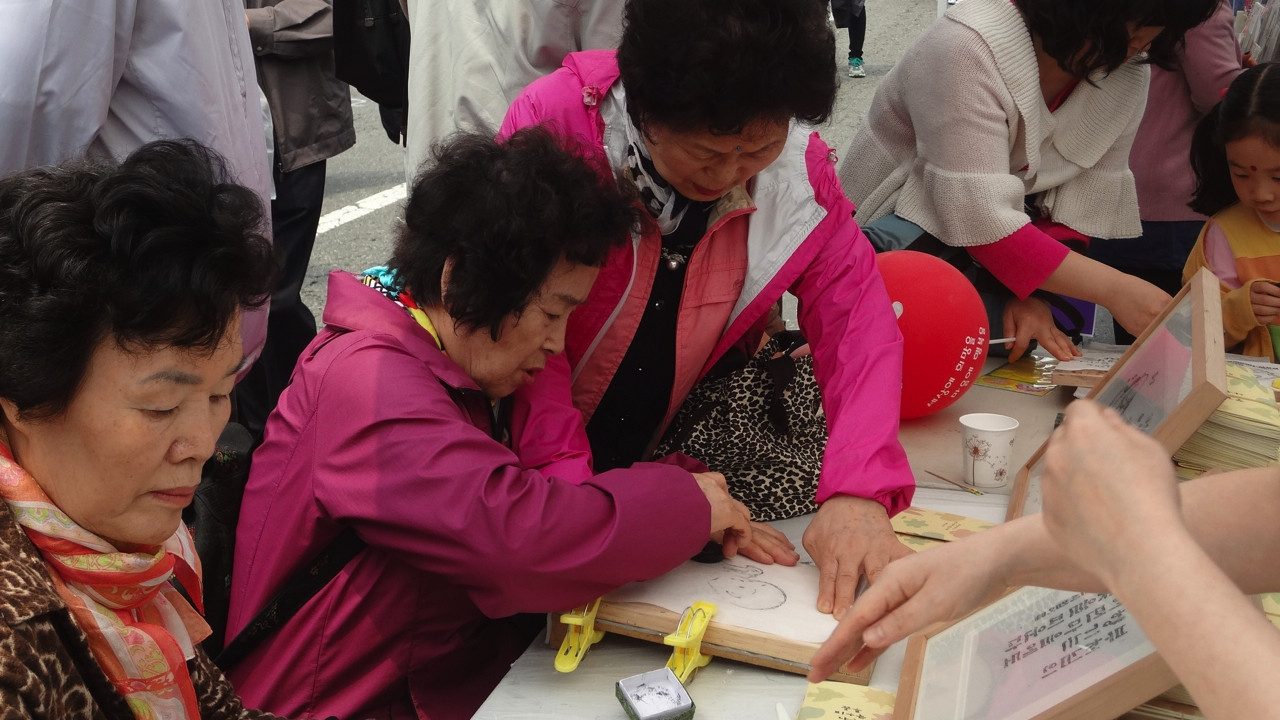
A Korean experience booth on printmaking
Korea can get quite creative with their experience booths, such as this one I saw down south in Hampyeong.
I believe that the role of artists / scientists / designers is not just to have these unique experiences through their work, but to share these with others. Typically, we share that experience by writing about it for others to read. Through that reading, perhaps someone will profoundly connect with our writing. However, I think that human bonds can be stronger through a shared experience. Your audience can create their own experiences for themselves and yield results that are unexpected, like what I’ve learned from previous projects. This is when you realize that your audience teach you something as well, which is a wonderful thing. Projects become a conversation between creator and audience, which will only serve to fuel human creativity and progress.
Art, Science, and Sustainability
Personally, I believe that the wealth of human knowledge is too vast to just break down into two, but for the sake of simplicity, let’s go with these two fields: art and science. As I have been trained in both, I have felt what it was like on each “side”. I have been “the scientist” in an art/design studio, and “the artist” in a science lab. Both types of experiences have been very unique to me. Both sides have their own ivory towers. Those who choose to be in those towers, I think, should quickly parachute off. Our world is too vast and our problems too complex for petty squabbling. Unexpected things can happen when ideas from each side, as they say, have sex. Here is a nice comic by Bird and Moon that shows that.
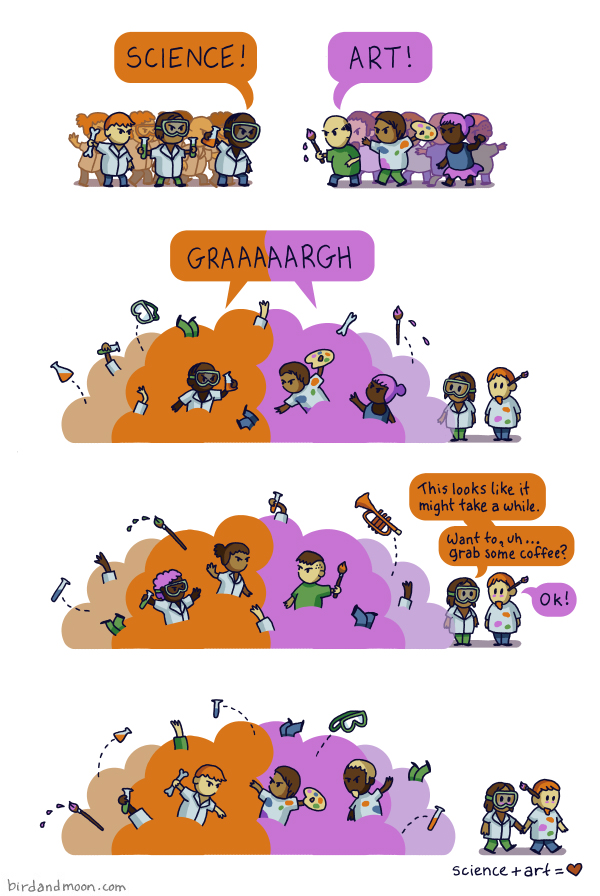
Image copyright by Bird and Moon
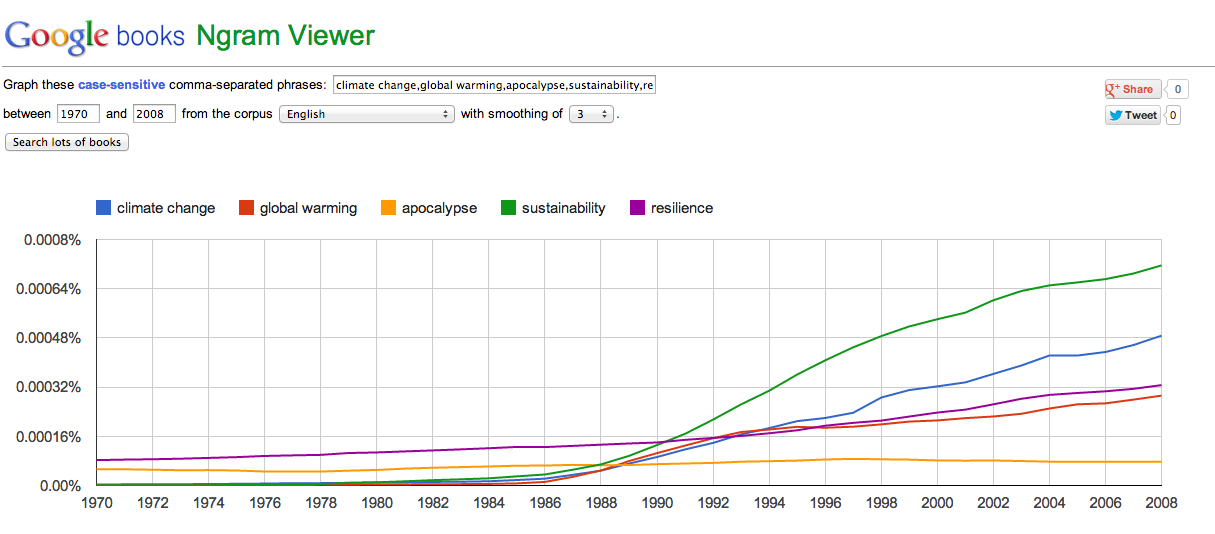
Collaboration is especially important in the realm of sustainability, which is a world I did not expect to enter. It’s quite a booming area, especially in Singapore. Everyone and your mother is doing sustainability.* (That, and “cities” and “resilience.”) I referred (again) to this Ngram by xkcd.
*Did I really say that in a university class? Yes, I did.
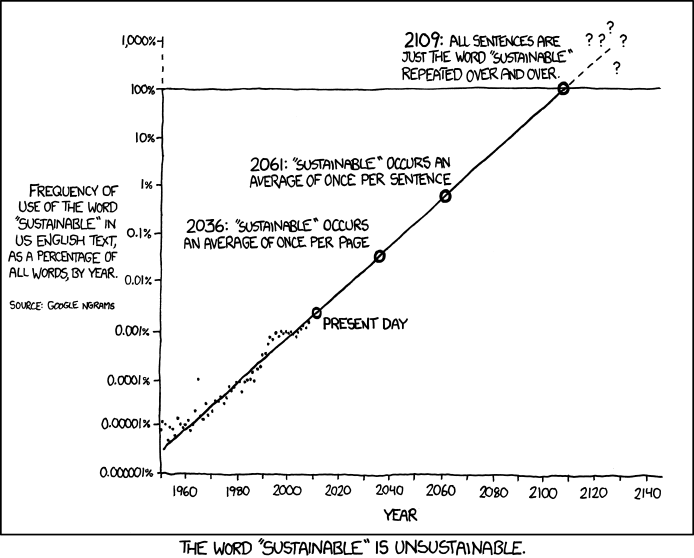
Image copyright by xkcd
Instead of being a part of the echo chamber that such “trending” fields create, perhaps new solutions can emerge by letting disciplines hang out together, as they used to do, way back when.
In the end, I emphasized empathy to these bright eyed young students who are in the middle of creating sustainable urban interventions for their class. I said this as someone from the Philippines, a developing country. I cannot tell you how many international consultants in there right now, wanting to save it from XYZ problems. Now, I am very grateful that these brilliant people are there, and I am sure they have great intentions. Certainly foreigners can see opportunities locals may have overlooked, as I have had, being a foreigner in four other countries. But I’ve seen enough projects that never get implemented or never have their full potential realized because of these gaps in empathy. I believe we can do better.