Archive

Singapore

Here at my art residency in Singapore, I’m busy this week giving workshops to students at Tembusu College, National University of Singapore. Before the workshop, I gave a short intro talk on The Importance of Talking to Strangers.

Having done participatory art for years now, I discovered that it’s imperative to engage people in these kinds of activities (workshops, experiments, etc) in the development of a project. The things that come out of these things are always insightful.
TembusuWorkshop.002

For this week, I didn’t want to give another artist talk, as I wasn’t going to be the artist for the night. Instead, I talked about the things I learned while talking to strangers. Because these students are, after all, strangers to me. I gave two example projects and the lessons I learned from them.

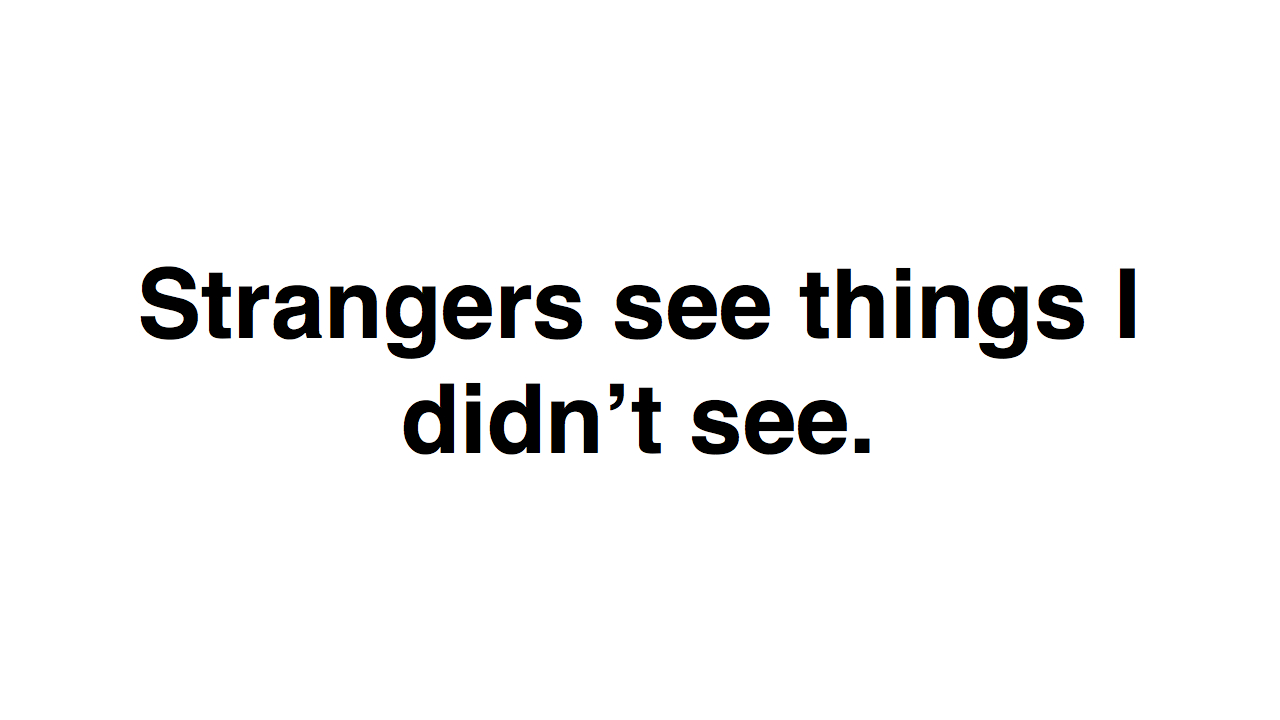
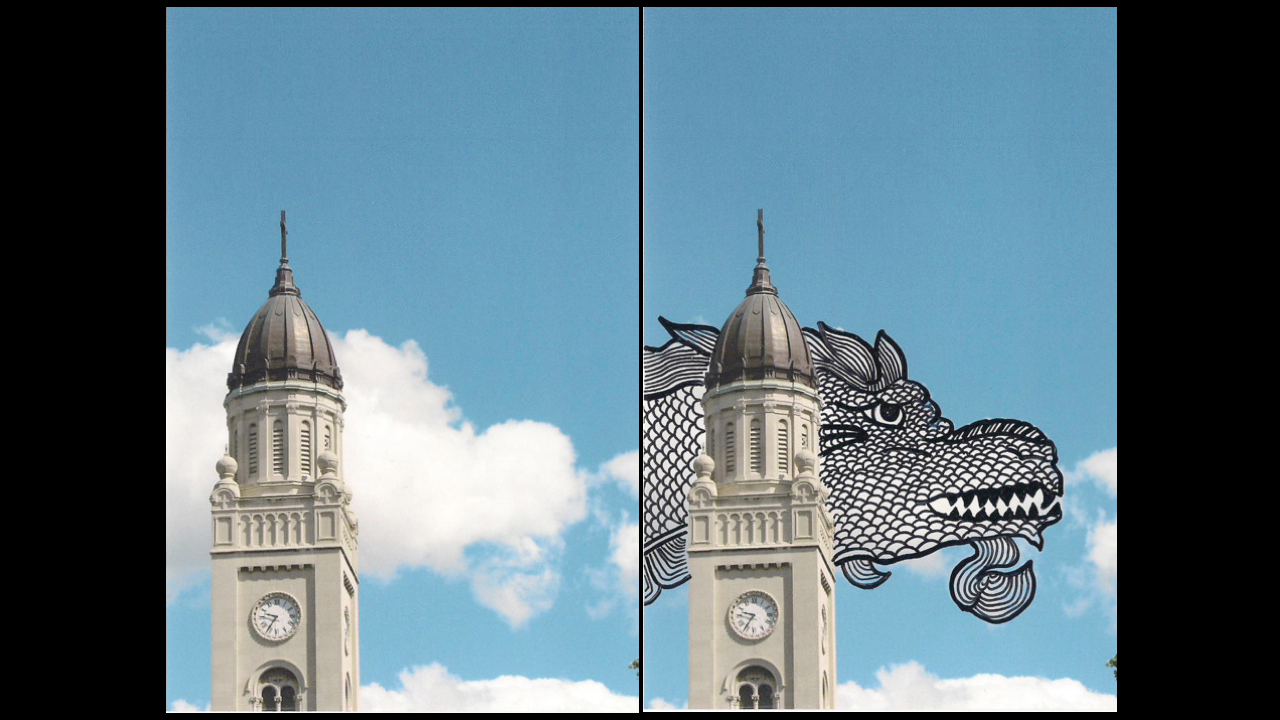
The first project is Rorsketch. This project became more enlightening for me because strangers saw things I did not see. (Visit the project site here.)
TembusuWorkshop.003

(Yes, the never-ending drawing-what-you-see-in-clouds project.)
TembusuWorkshop.005

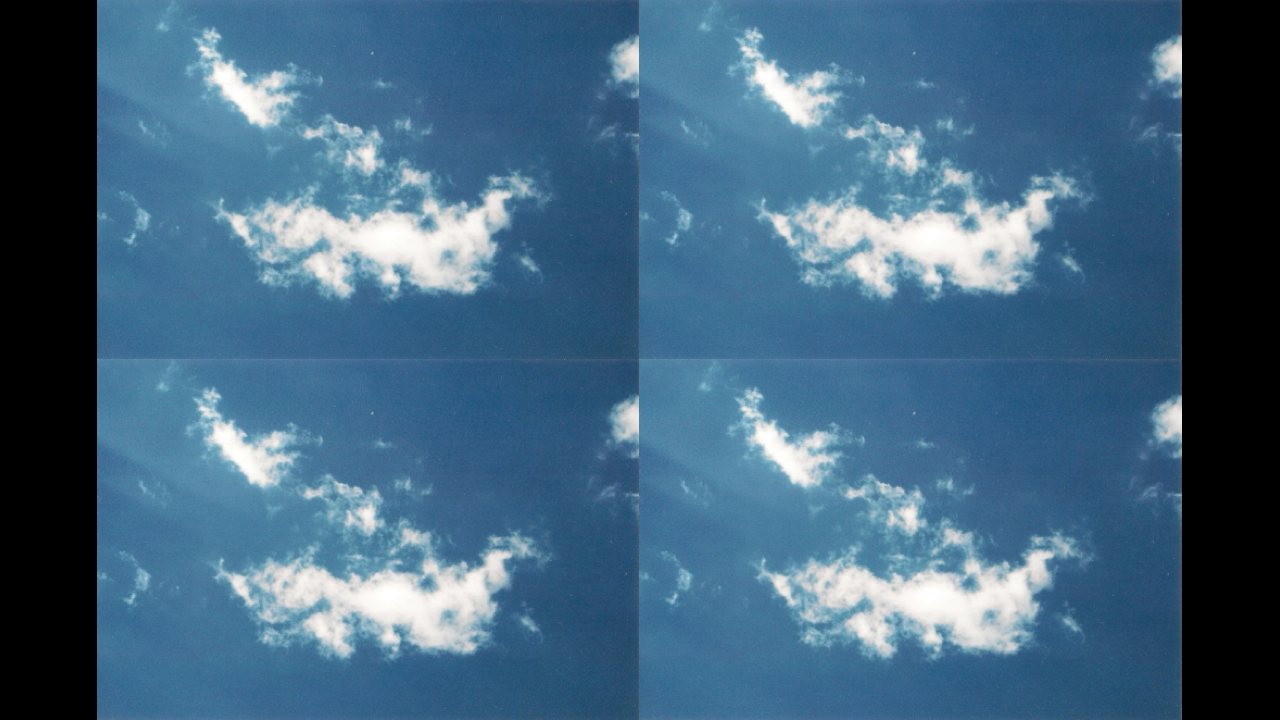
From this, which was initially something I did for myself, expanding it to include other people. Asking four people what they saw in this image will yield four different interpretations. I ended up embracing the inclusivity of the project—nothing was right or wrong.
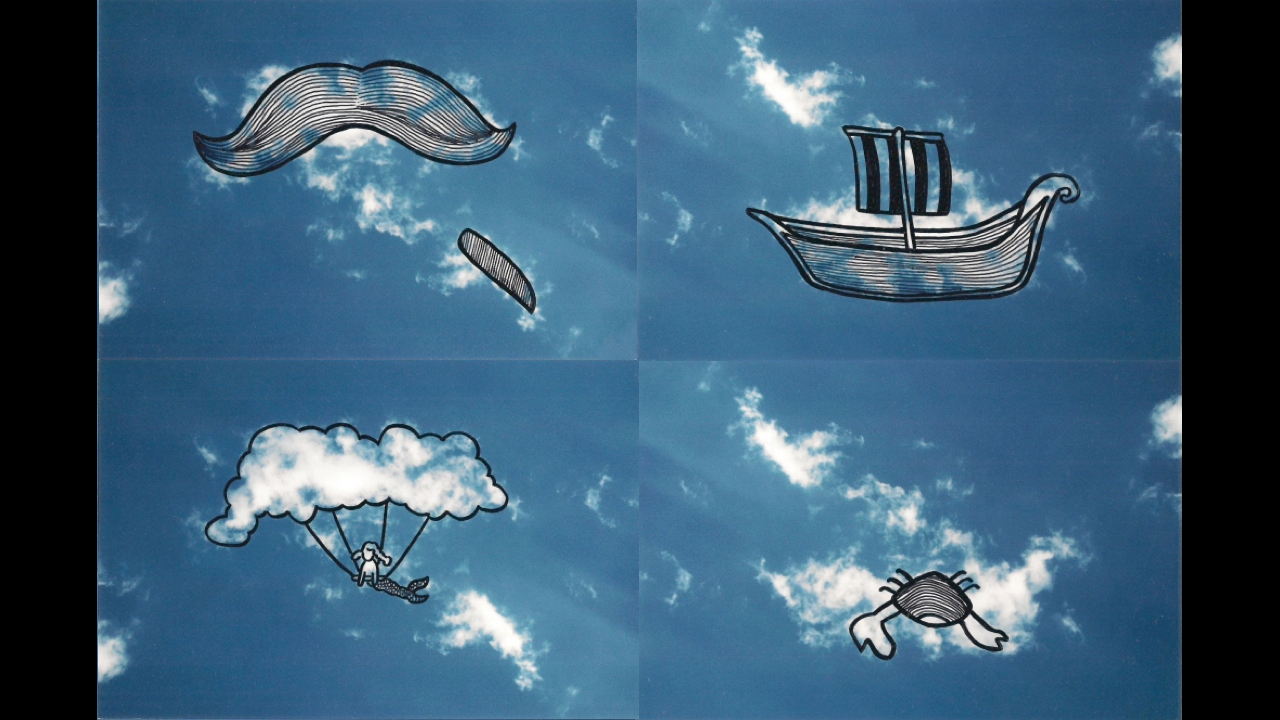
TembusuWorkshop.012 TembusuWorkshop.016 TembusuWorkshop.017

For the second project, I learned that strangers can extend my project beyond what I set out to do.
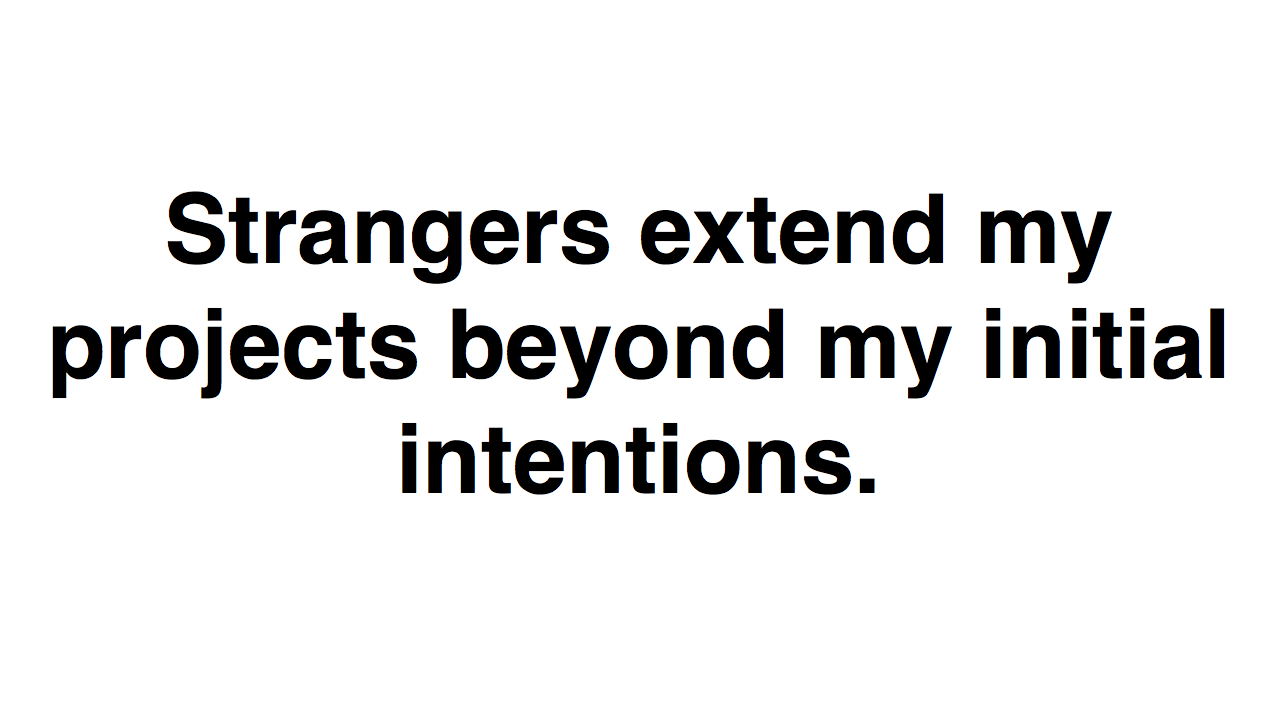
TembusuWorkshop.019

I tried, but this project just won’t die. Viva drawing your happiness! Check out DrawHappy’s site here.
TembusuWorkshop.021

Beyond the sketches people have sent me, what became additionally interesting were the comments left on the site, most of which are submitted months or years after I uploaded the drawings—a good case for putting everything online. I was already emotionally finished with the project, or was I? These comments made me think otherwise.

Here is one that made me think DrawHappy should be turned to DateHappy:TembusuWorkshop.030
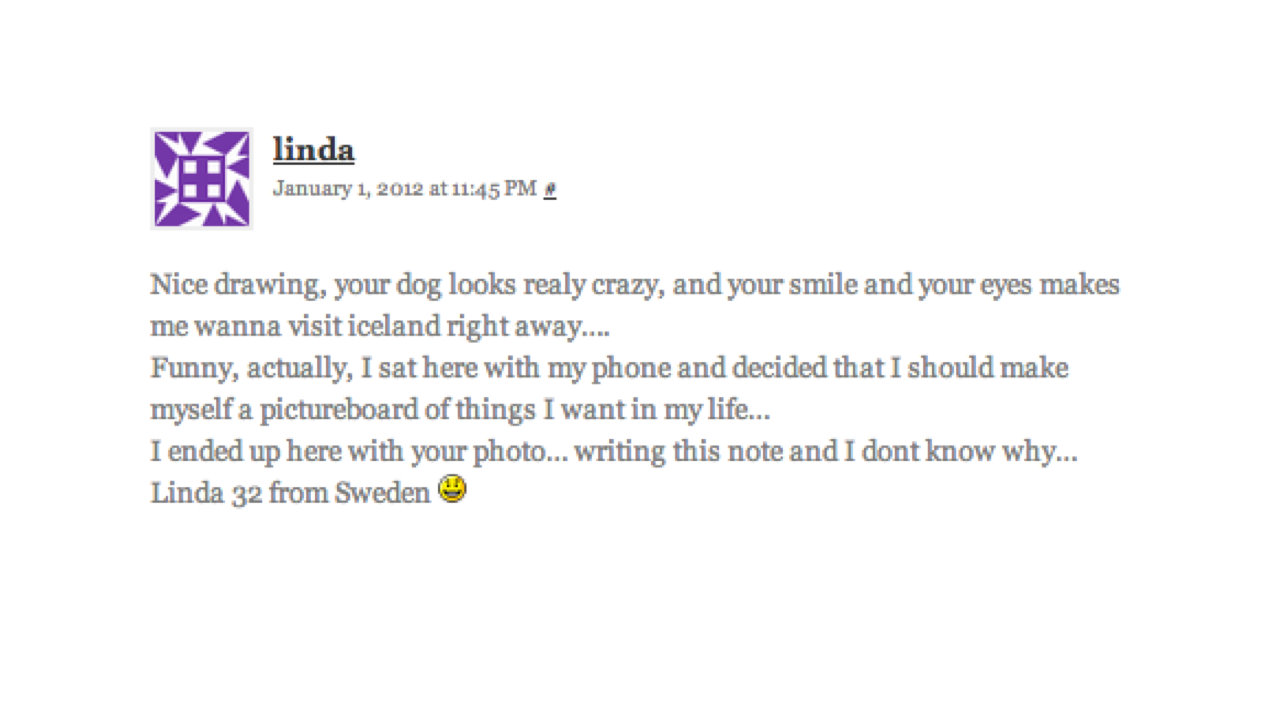
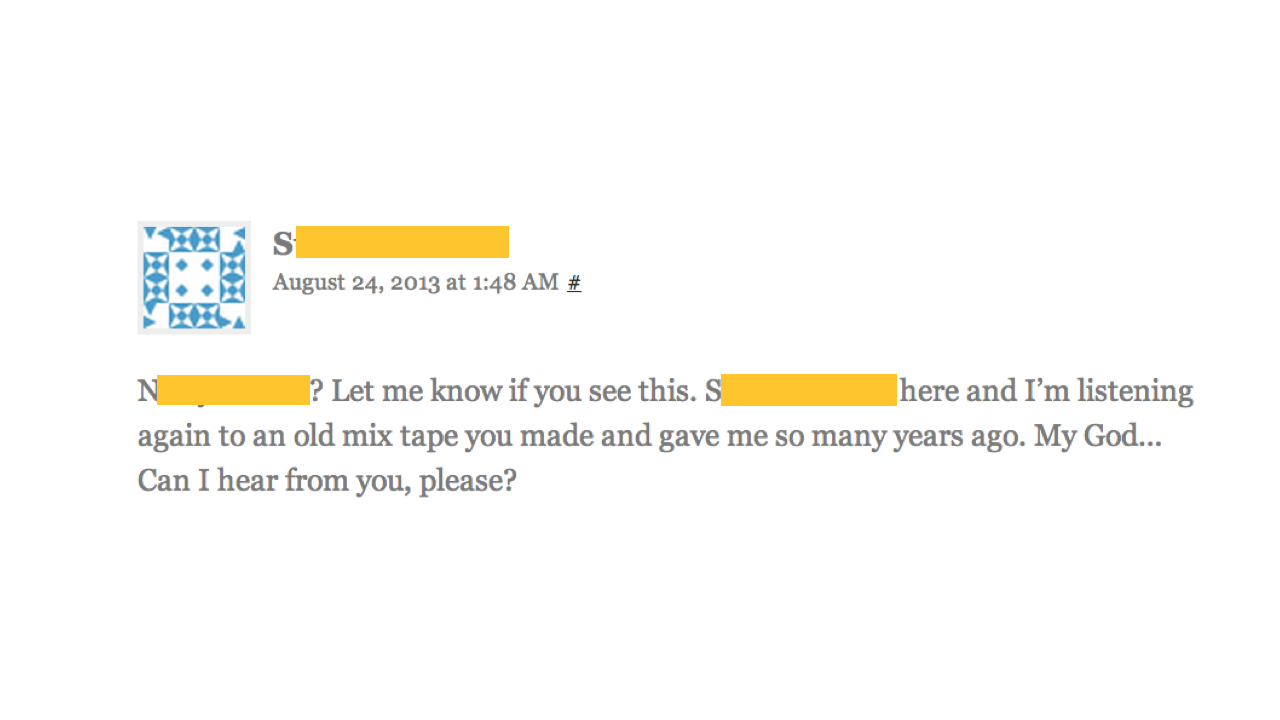
And here is another that made me think of Craigslist Missed Connections (names are protected because by now, I’ve learned that the world is so small):
TembusuWorkshop.032

As the one who actually administers the site and monitors and publishes the comments, I can’t tell you how I had to pick up my jaw from the floor when I get notified by email. I can’t wait what this apocalypse project gives me. Stay tuned.

Late this week, I had a chance to attend the mid-term exhibition of the Singapore-ETH Future Cities Laboratory, which is hosting me for the duration of my residency program here in Singapore. It was wonderful to see all the work from different modules—Low Exergy, Architecture and Construction, Digital Fabrication, Transforming and Mining Urban Stocks, Housing, Architecture and Urban Design, Urban Design Strategies and Resources, Urban Sociology, Territorial Organisation, Landscape Ecology, Architecture and Territory, Mobility and Transportation Planning, and Simulation Platform.

Below are some photos I took from the event.

One of the many exhibition tables:

DSC08950

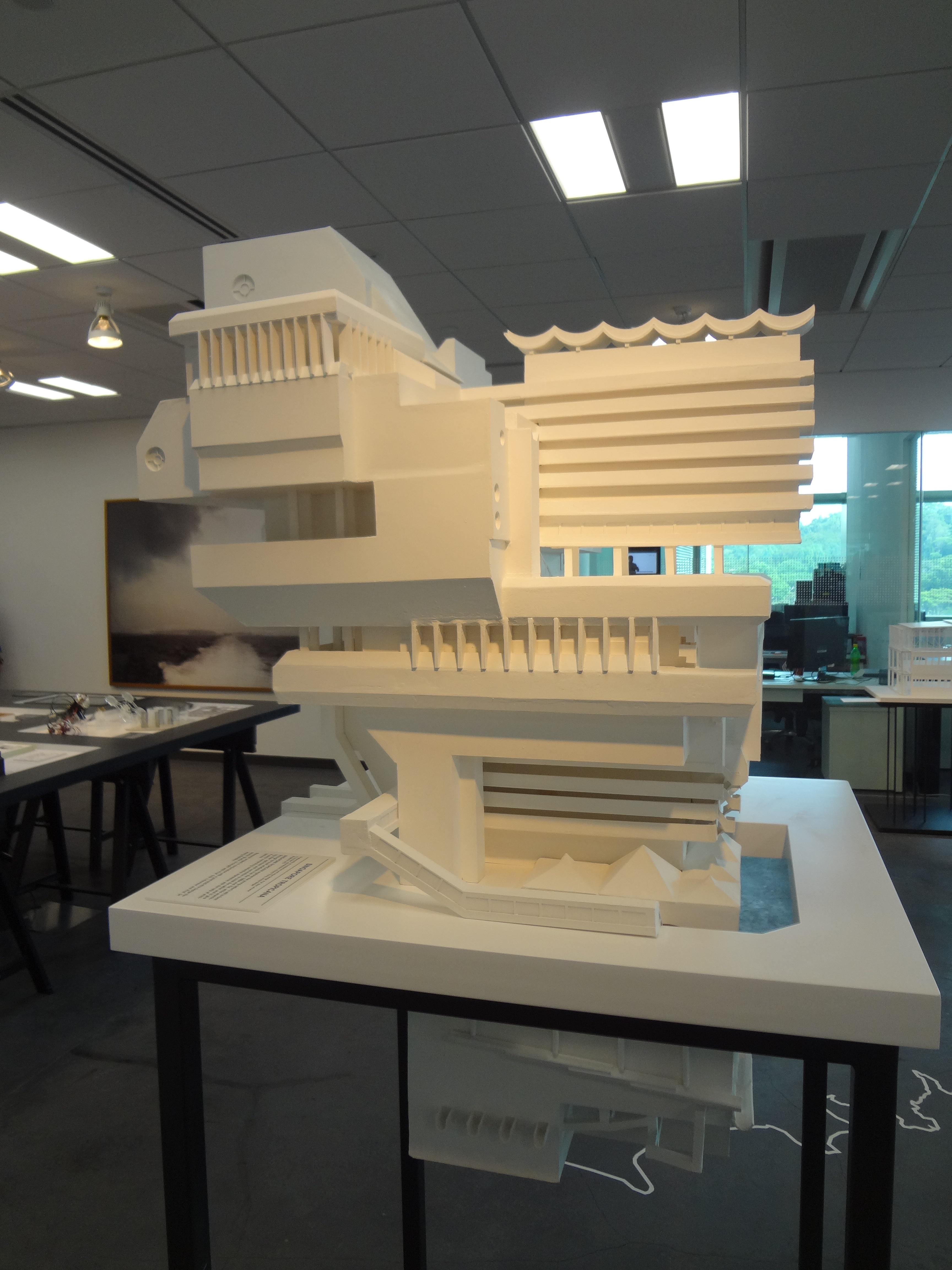
Singapore Tropicana:

DSC08948

Researcher Marcel Bruelisauer of the Low Exergy module after explaining his design solution for cooling systems:

20130905_170730

Professor Kees Christiaanse, Programme Leader and Module Leader, speaks at the book launch. Lots of books were introduced that day, including one of the coolest things I’ve heard of, Flight Assembled Architecture by Professor Fabio Gramazio, Professor Matthias Kohler, and Raffaello D’Andrea (see the monitor on the right).

20130905_173321

Some very cool things made by robots:

20130905_190245#1

Doctoral researcher Norman Hack in front of his module’s exhibition. Behind him are beautiful 3D pieces.

20130905_191755

An unmanned aerial vehicle (UAV) used for dengue research:

20130905_164247

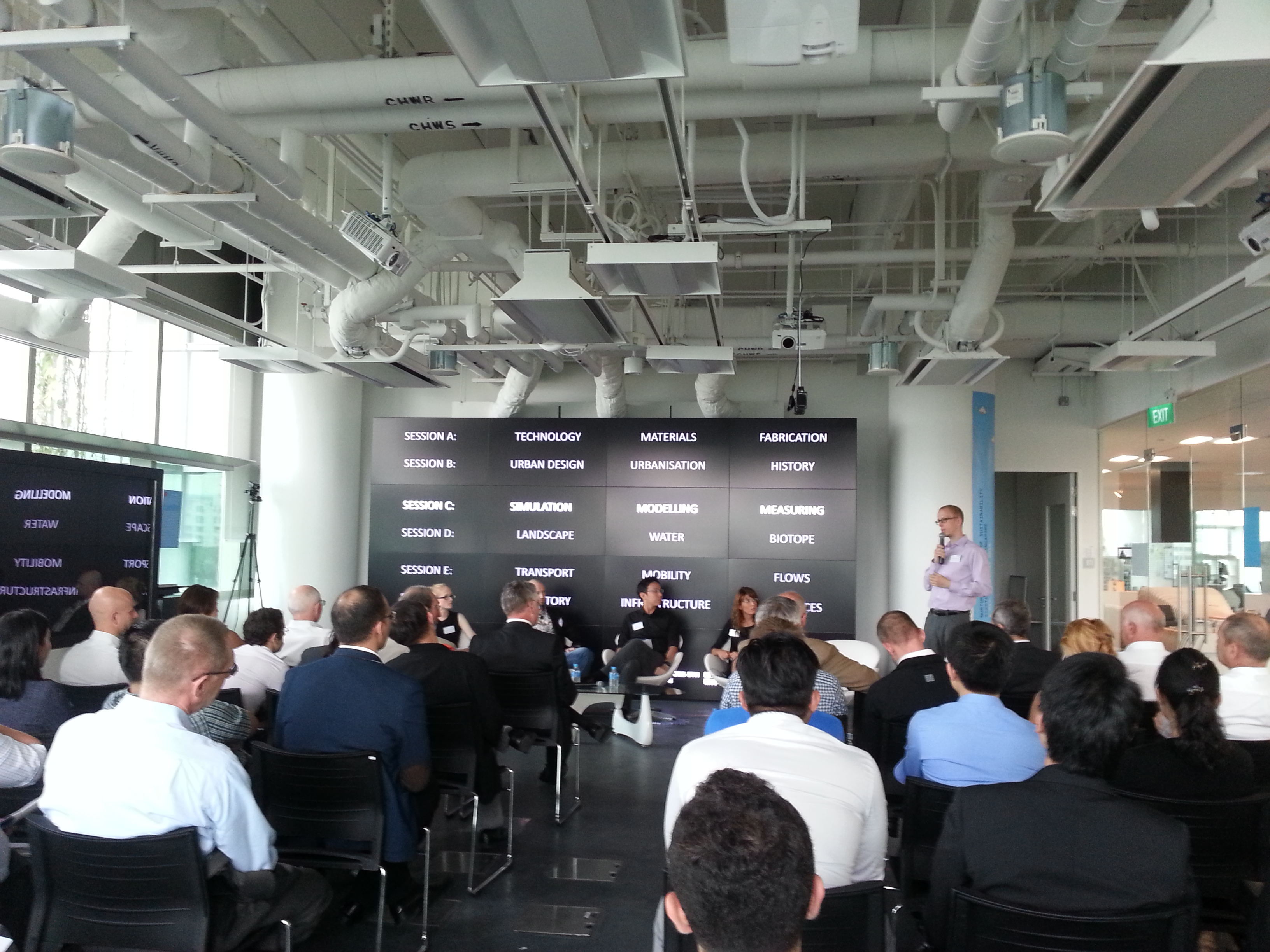
A panel discussion on Simulation, Modeling, and Measuring, moderated by Dr. Matthias Berger (standing, on the right):

20130906_140434I wish more people (non-architects / designers / computer scientists / urban planners) could visit it. It’s one of the coolest labs in the world! Check out the laboratory website here.

While researching for my residency project on climate change, I came across a dialogue between Emma Maris, environmental writer and reporter,  and Erle Ellis, Professor of Geography and Environmental Systems, in which they discuss a very thought-provoking question, “Is the Anthropocene…Beautiful?”

Because of the apocalyptic nature of my project, when I think of the Anthropocene, it’s hard not to be a curmudgeon. It’s hard not to dislike our species. But on the other hand, there is no question that our species can make beautiful things, although I suppose the notion of beauty is subjective.

I think back on Seoul43, which is the project that made me want to do this, my first intentionally environmental project. I remember the ones with physical evidence of Korea’s history—the eunuch cemetery, the fortress, the centuries-old temple. But these are human interventions that are seen through rose-colored glasses because of their age. As one who hiked past them all, I found it interesting to trek through these unwitting museums of a country’s past. If they were to be built today, perhaps they will be met with resistance. But because they are relics from the past, they are instead seen as something to be preserved. From personal experience, I found the centuries-old fortress on one mountain to be charming, but the modern apartment building on another to be jarring—the former contributed to my experience while the latter hindered it. I wonder if, centuries from now, if someone from the future encounters this present-day apartment and sees it as a relic of architecture?

Watch the video below:

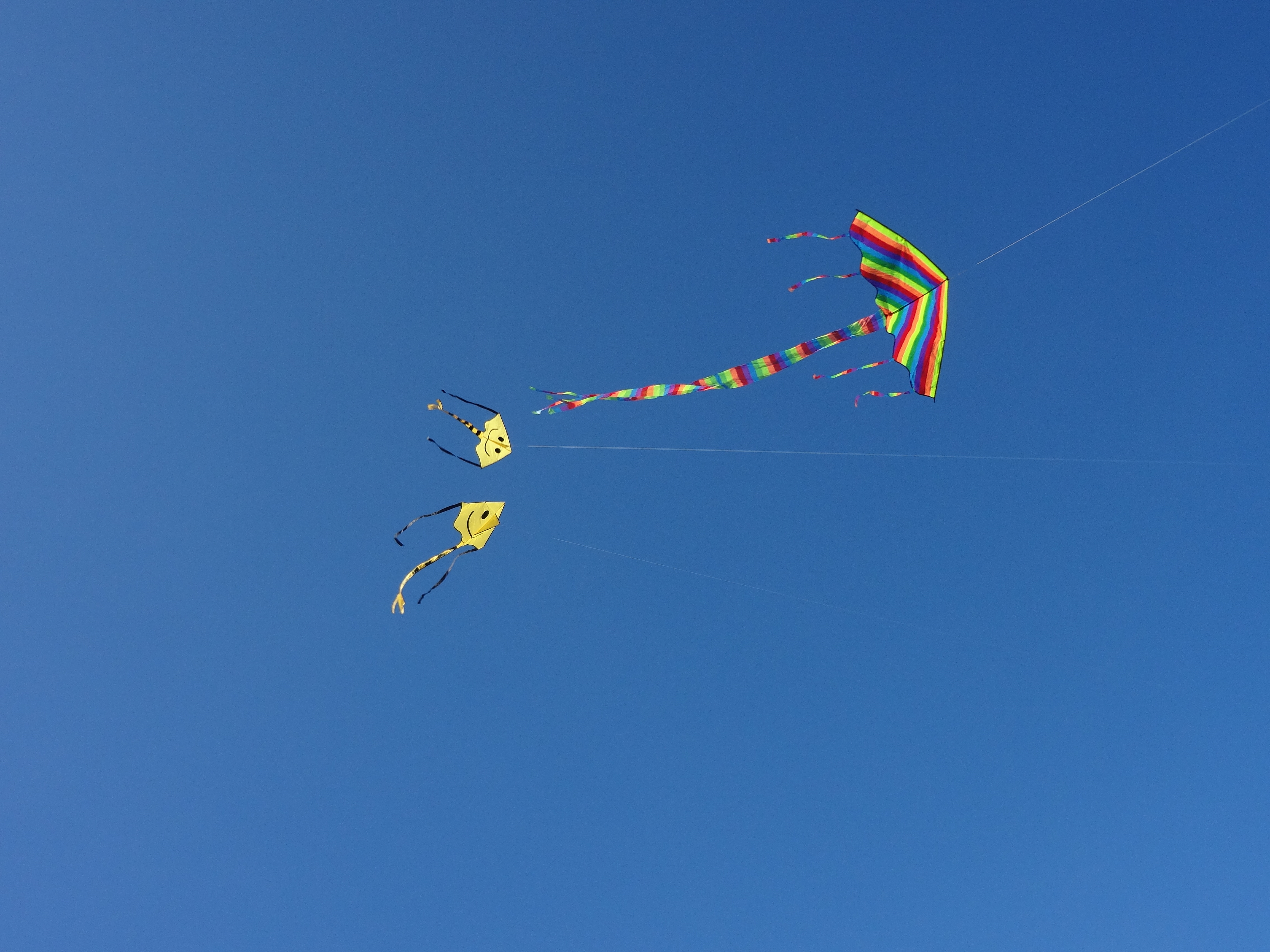
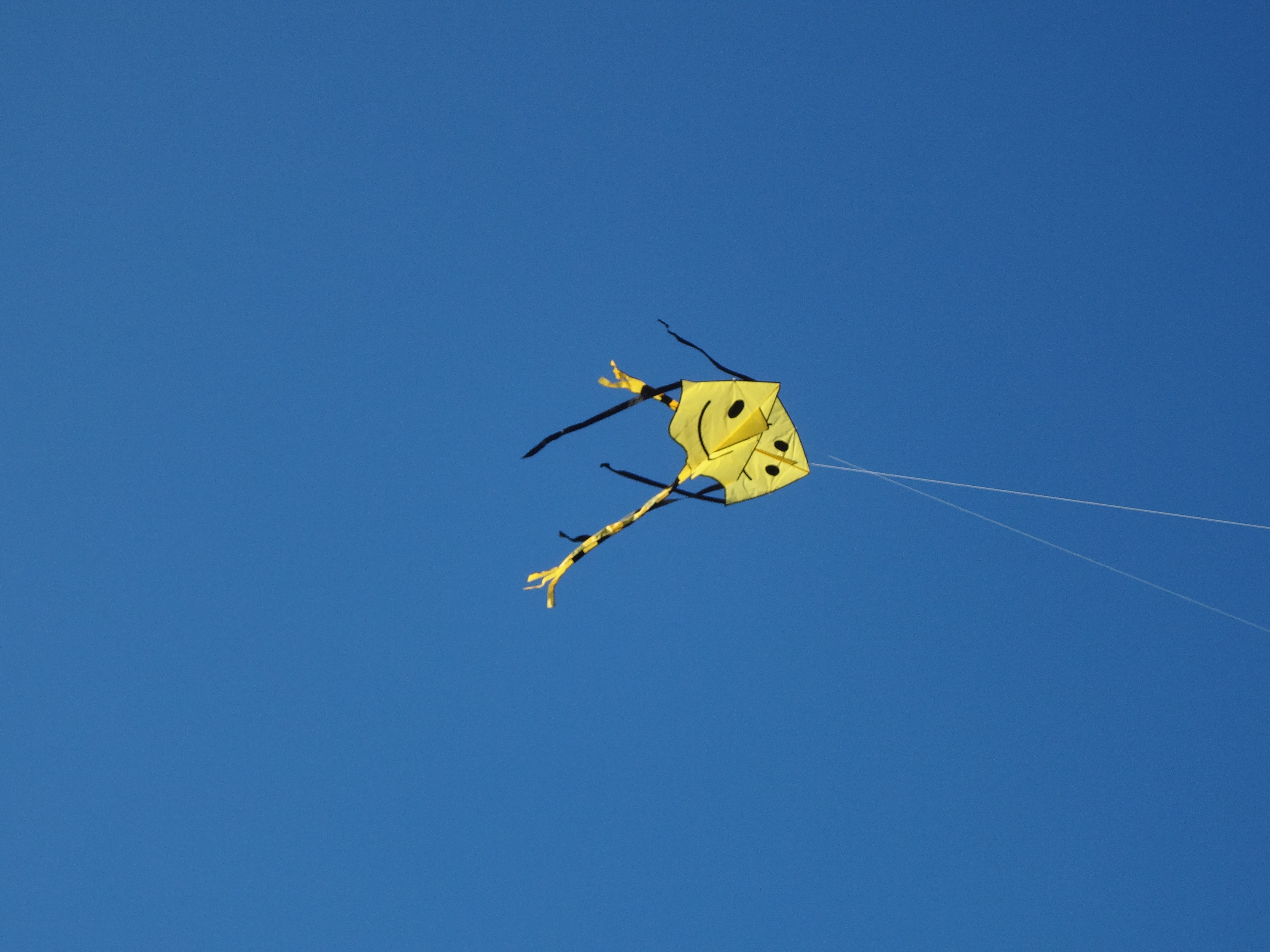
As I recover from the flu, allow me a bit of hallucinatory storytelling from the highly entertaining 2013 Singapore Kite Festival last week.

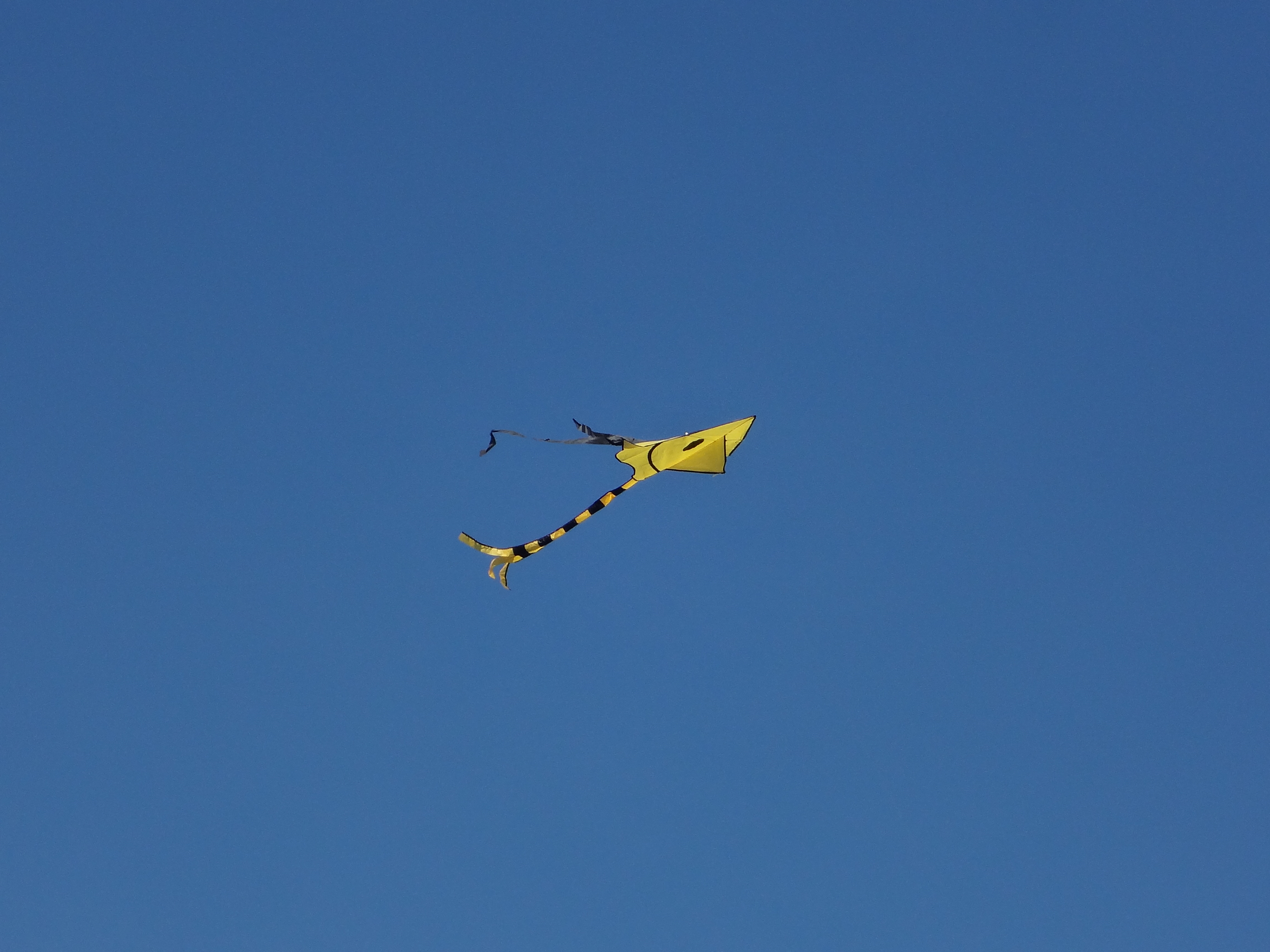
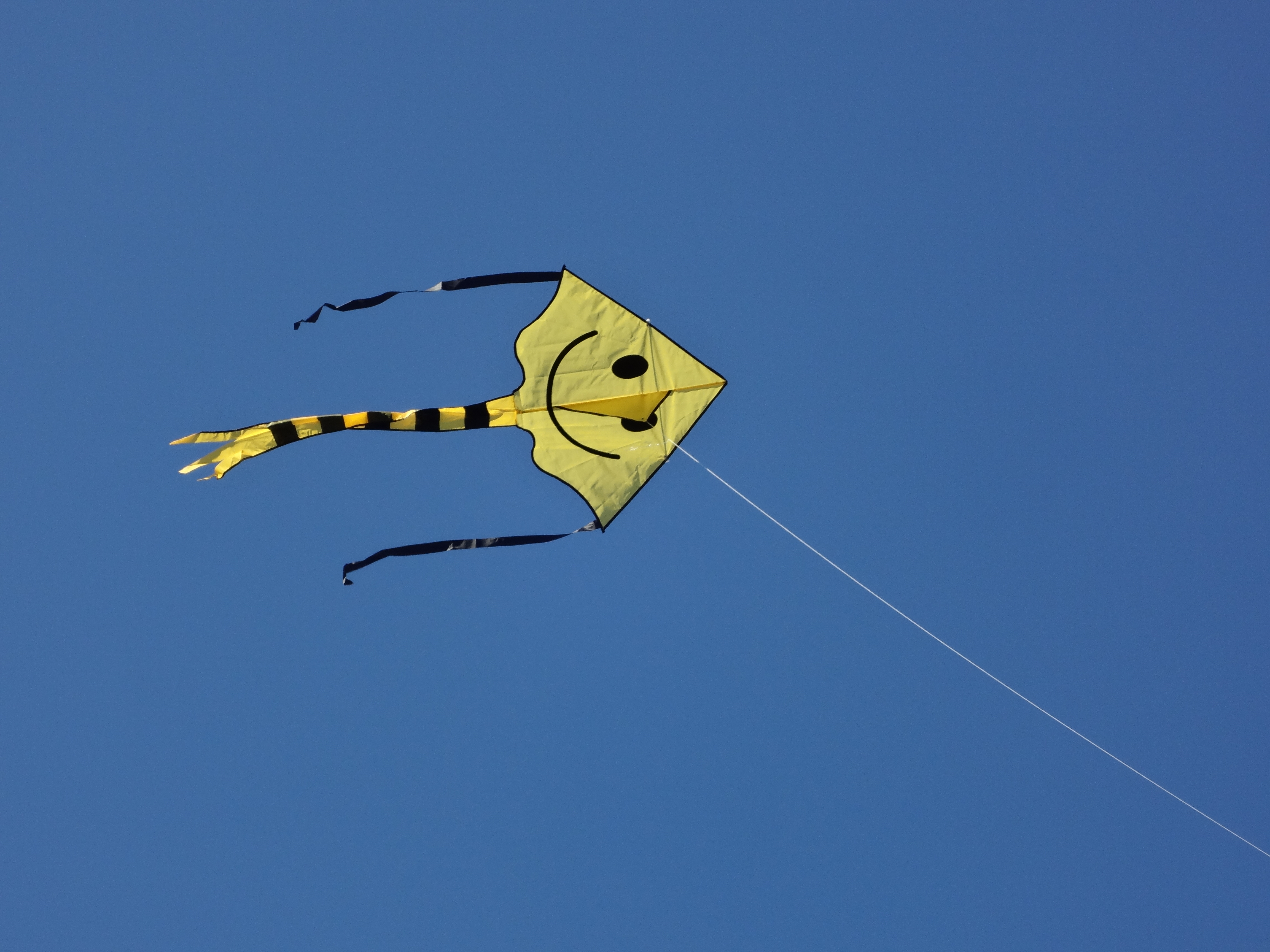
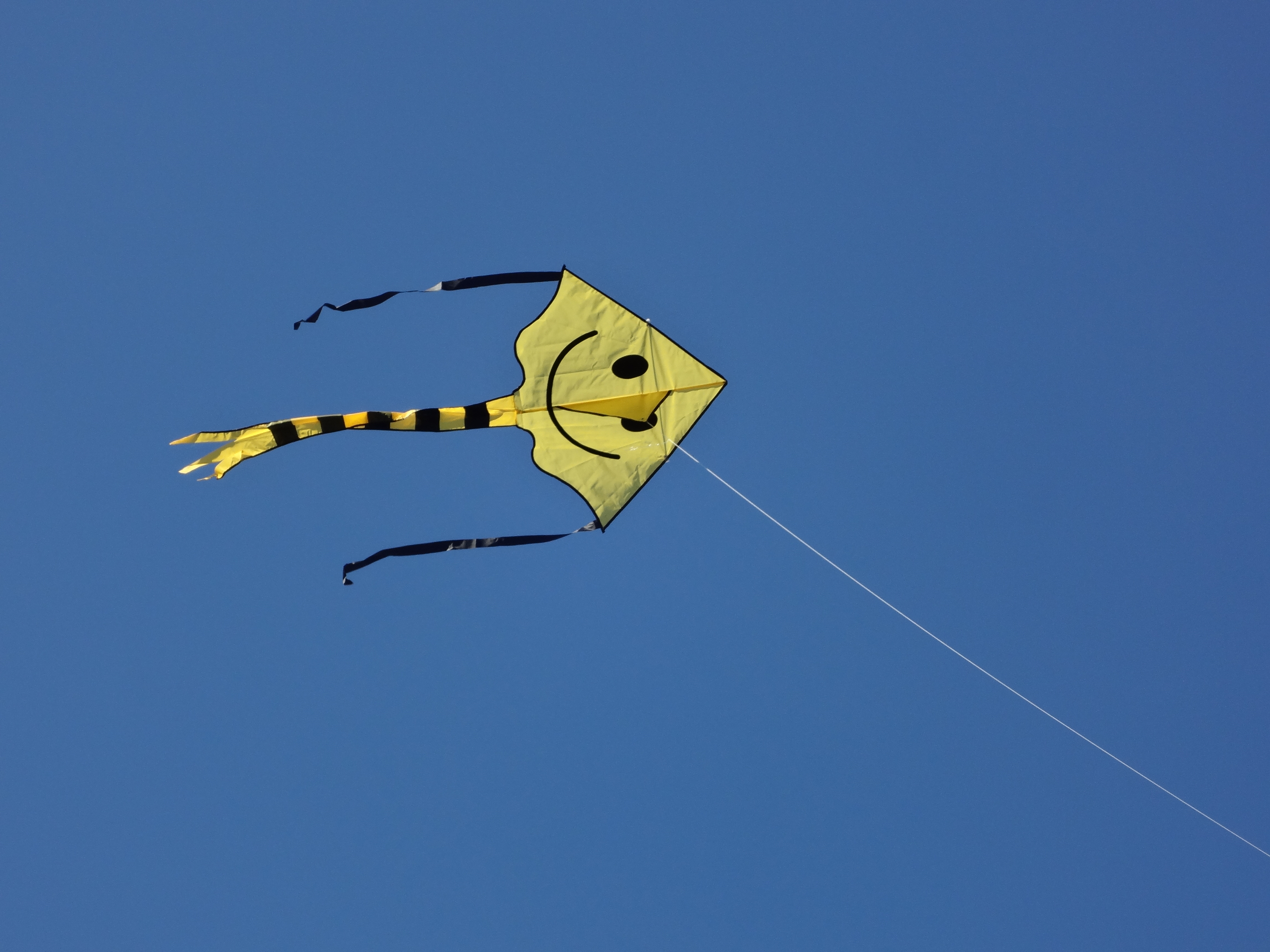
Once upon a time, there was a yellow smiley faced kite named Jack.
DSC08779

He liked to fly.

DSC08814

So off he went. Doot doot!

DSC08815

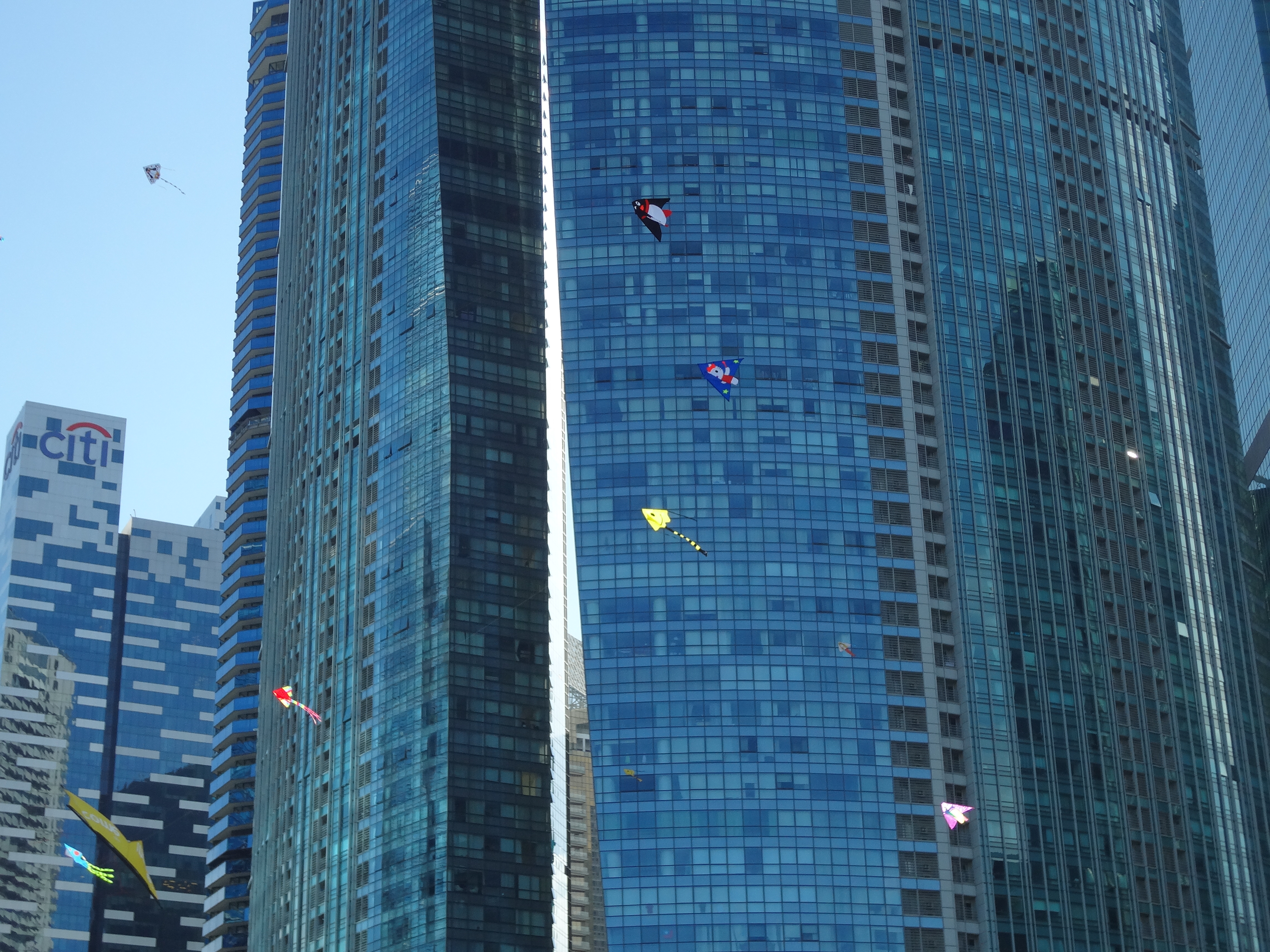
He flew to the city, where there were very tall buildings. Woo!

DSC08797

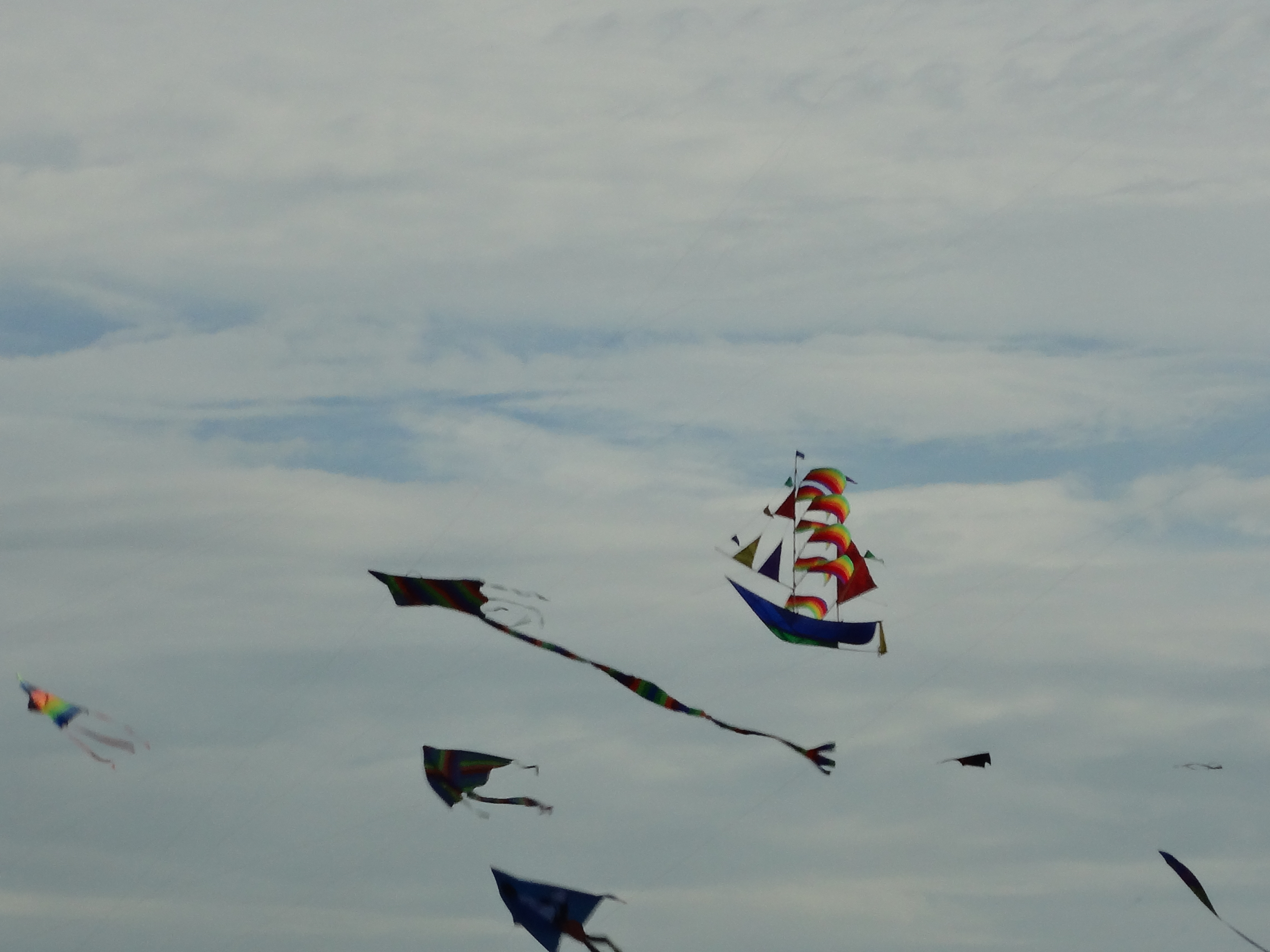
He met a lot of friends of different sizes…

DSC08798

…shapes, and colors.

DSC08780

One day, Jack was recruited by the Penguin…

DSC08804

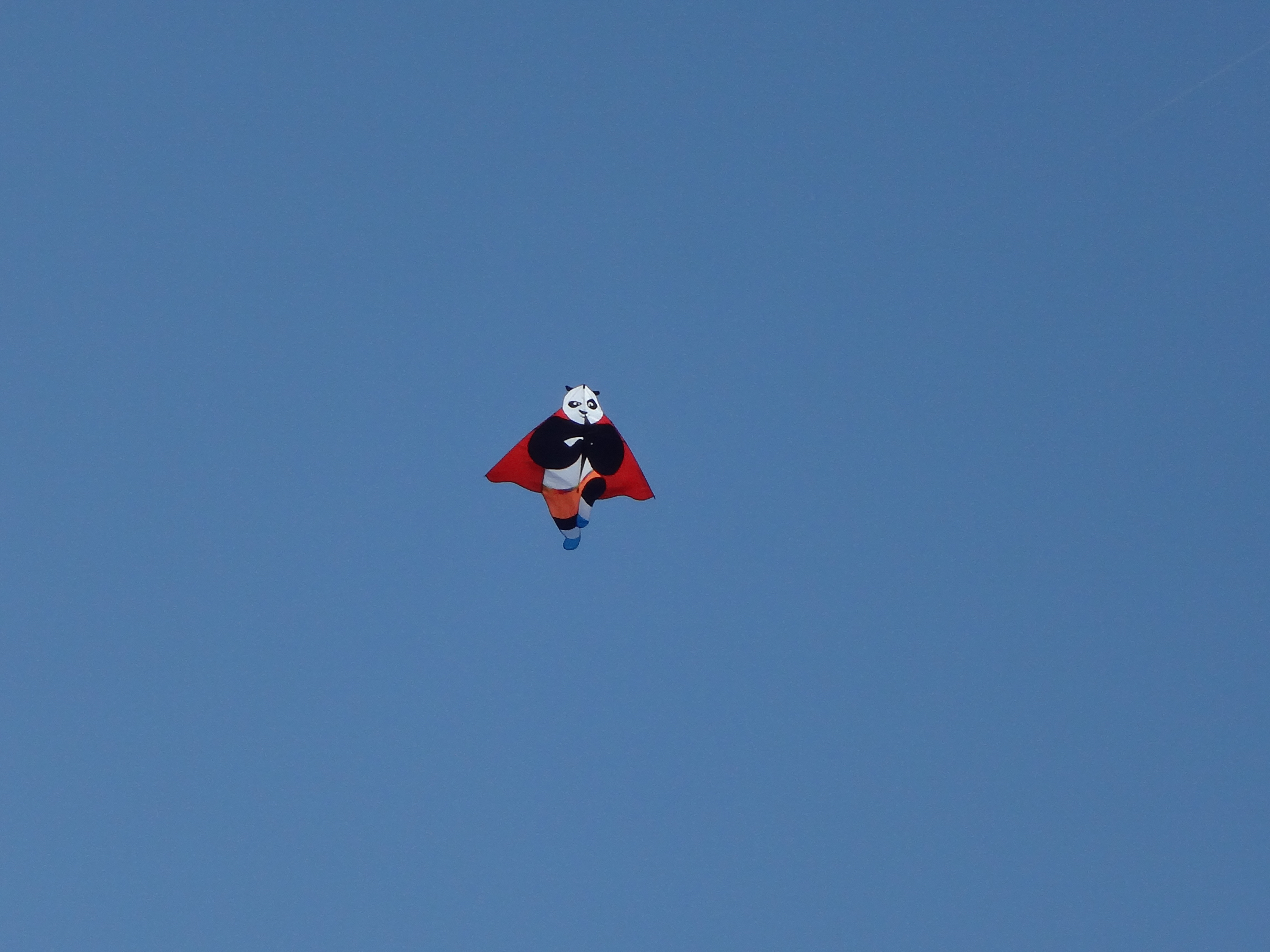
…who worked for Kung Fu Panda…

DSC08805

They wanted him to join their kite army to go against a great villain, who wanted to take over the skies.

DSC08801

Jack said yes, so off they went.

DSC08837

Jack was scared and excited at the mission. They patrolled the skies in search of the great villain.

DSC08838

Then finally, Captain Squid screeched, “Chaargggee!!!” 

DSC08843

Sure enough, Spiderman was just around the corner.

DSC08854

And the kite wars began.

DSC08829

It raged for two hours, and finally it stopped. And they won.

DSC08860

Hurray.

DSC08865

Afterwards, Jack went off on his own.

DSC08814

And met a girl.

DSC08817

They dated and lived happily ever after.

DSC08818

And made kite babies.

DSC08819

The end.

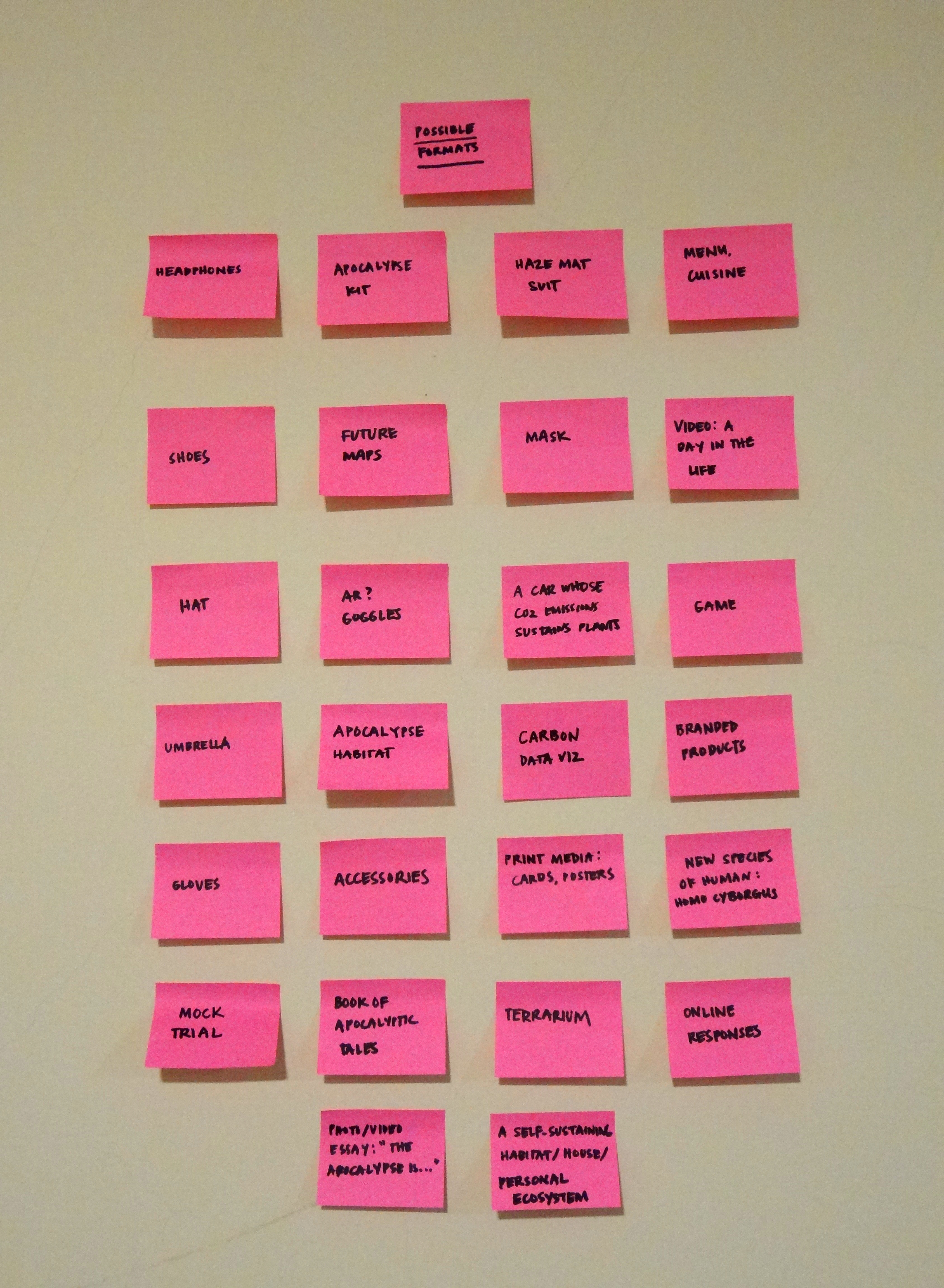
This week, apart from getting over the bad case of the flu, I spent some time refining my residency project in Singapore. Climate change is a huge, huge, HUGE subject, and it’s easy to beyond the scope of what I came here to do. I sat down to be specific about whom I wanted to involve, what my intentions were, which specific questions I am to ask (especially with the workshops I’ll be doing next week), and potential formats my exhibit will have. Here is the wall of Post-Its:

DSC08941

Below are details of it:

DSC08947

DSC08943

DSC08944

DSC08945

DSC08946

Depending on how it goes, this could either be the most hopeful or the most depressing project I will have in my life.

Being in this project in Singapore for three weeks now, I’ve had a lot of flashbacks from my previous lives before this residency. It feels interesting to be in a lab and be officially an artist and not a scientist, to be around academics and understand their academia-speak as though it were a second language I’m hearing again, and to be designing workshops instead of looking for art materials in this initial phase.

Having had different roles and modes of training and experiences, I think I’m coming into my own model of what my three primary fields (art, science, and design) are about, which isn’t to say that these do not intersect in an individual’s practice.

DSC08719new

I’m doodling this as a note to myself, and wondering if I’ll be thinking the same in four months’ time. Hmm.

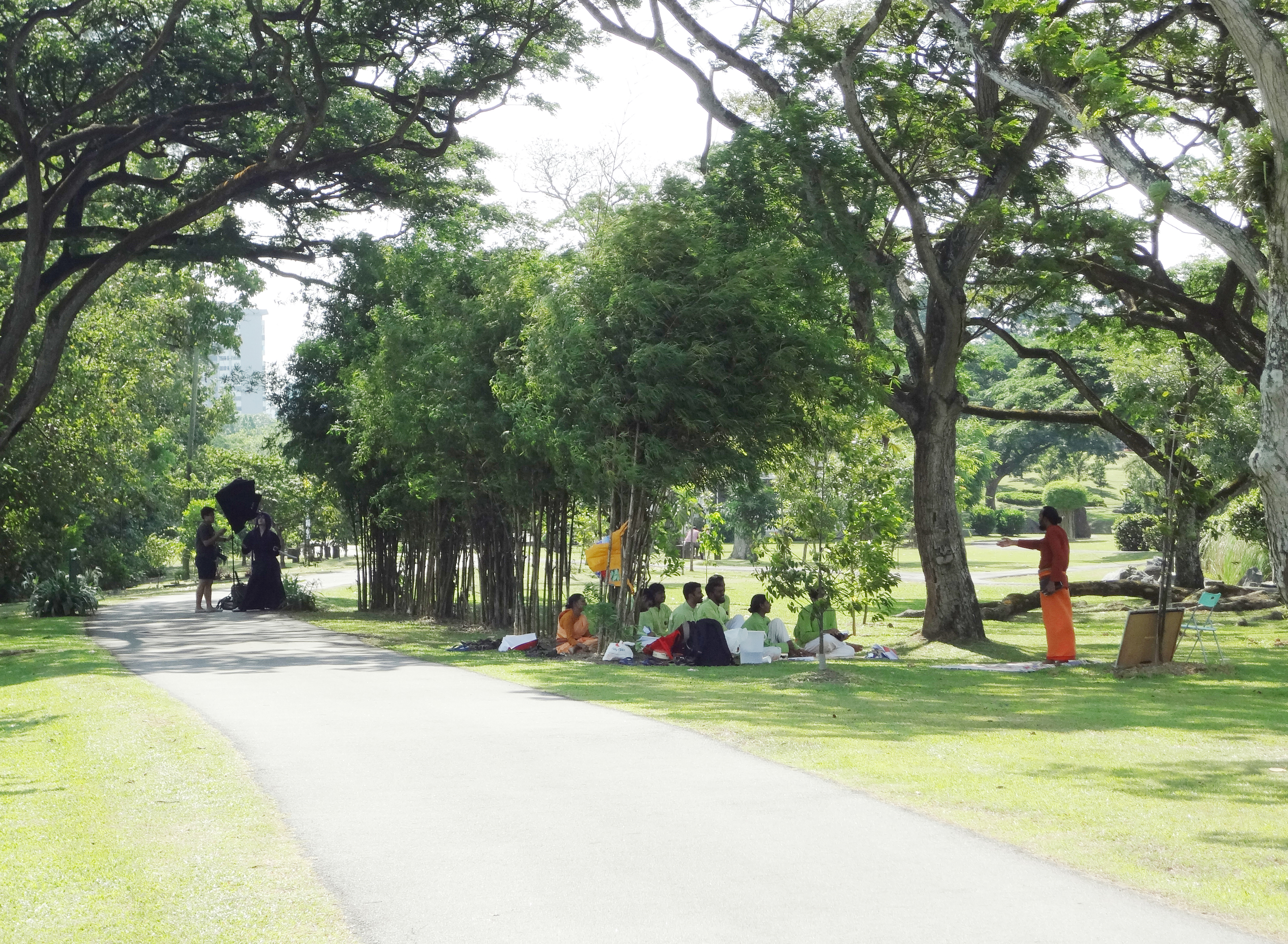
Now THIS. This scene pretty much captures the contrasts I consistently find in Singapore. In Korea, most contrasts I saw were those of time—a centuries-old fortress co-existing with modern facilities, for example. In Singapore, what I find are contrasts of culture, such as this one. A cosplayer is doing a photo shoot on the left, while there is what I presume to be a class happening on the right.

DSC08700new

I kept my distance and tried not to disturb them too much, but I was floored at what I was seeing.

DSC08705new

I love seeing these different modes of traditional dress, especially since I don’t recall seeing much of these particular ones in Seoul, Manila, and Barcelona. I’m sure I’ve seen these in New York, but not as much as Singapore.

DSC08709

I had to go up to this guy and tell him how amazing I think he looked.

DSC08703

Oh, I do hope each field trip is a feast for the eyes.

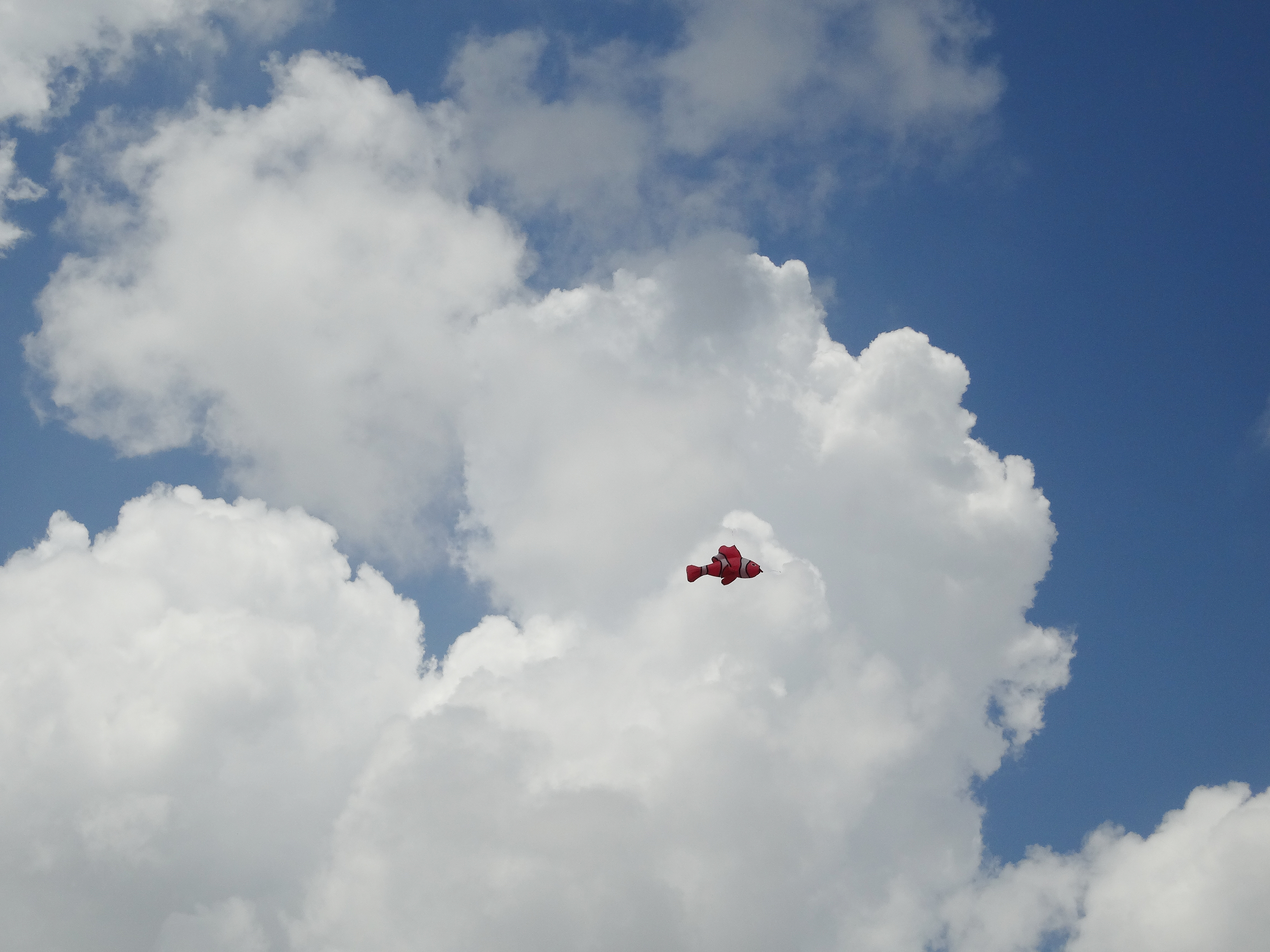
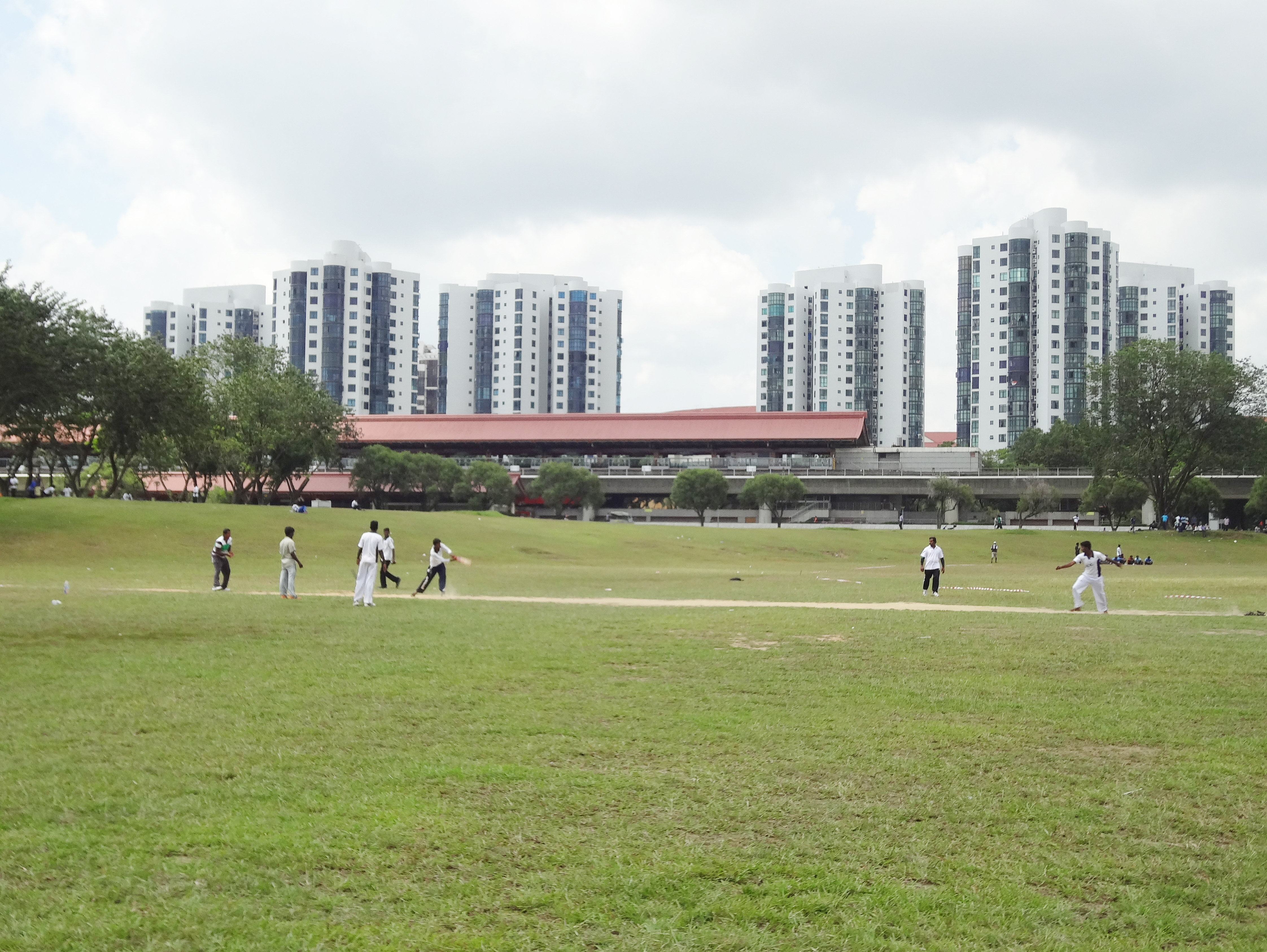
Nothing gives me more perspective into a city better than its people and what they do. Today, I visited Singapore’s Chinese and Japanese Gardens. After getting off the metro, this balloon of Nemo immediately attracted me, as did the cricket match happening several meters below it.

DSC08644new

DSC08640new

DSC08652new

I’m adoring the contrasts that Singapore seems to be about. I can already tell the next few months will be interesting.

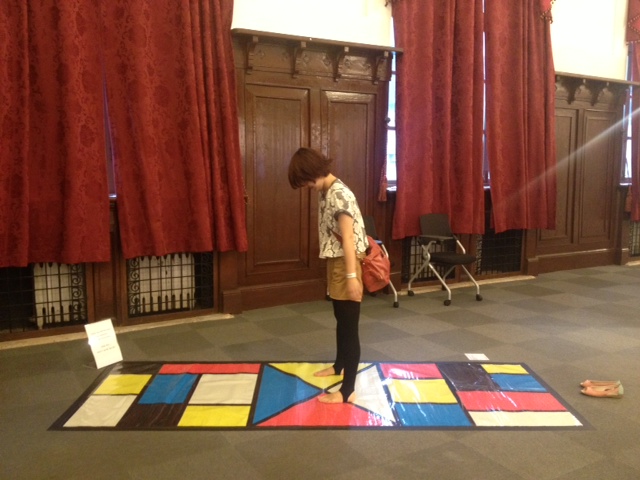
Heejung sent me this photo of our friend Kaya jumping on my hopscotch board at the Asian Students and Young Artists Art Festival (ASYAAF 2013), which ended last week.

사진 (24)

I’m neck-deep in climate change articles and meetings with a lot of brilliant people, so this was such a nice email from the life I just left. I love that beam of light on the right. It looks as though Kaya was beamed there from space.

Thank you, ladies! And I miss you, Korea!

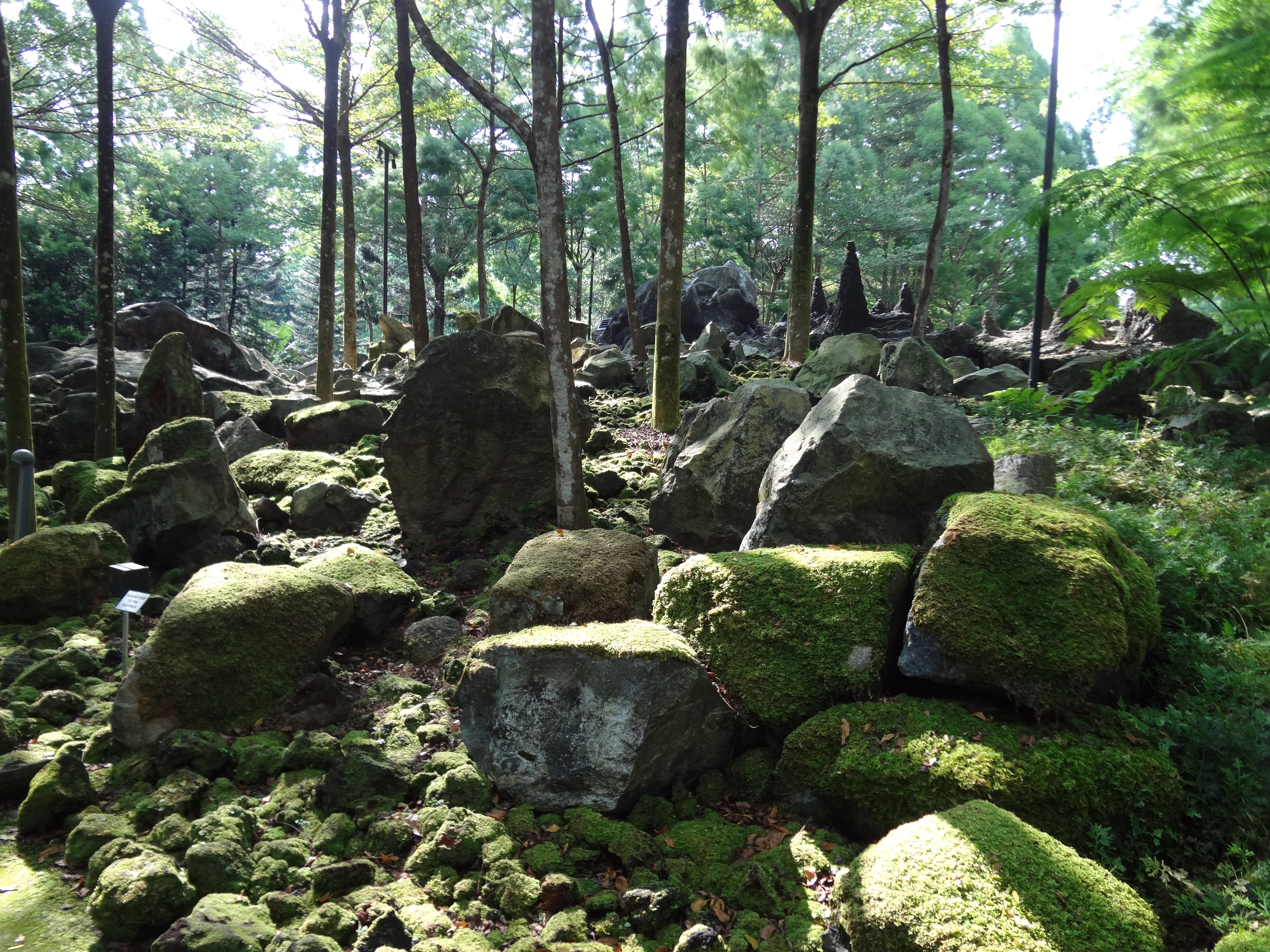
Walking around the Singapore Botanic Gardens, I come across the Evolution Garden, which simulates the evolutionary story of plants on earth before mankind ever came to be. It’s hard not to think of the apocalypse here. Half an hour before, I just squeezed through the MRT crowds. It feels odd to be suddenly alone. I was struck by how different it smells compared to the city and the rest of the gardens. It smells of rain and moss. There is a dampness in the air, but it does not feel heavy. It feels like an island washed after a heavy storm, like a tiny planet that went through a car wash.

DSC08620

The Evolution Garden in the Singapore Botanic Gardens

I wonder about how the end of the world will smell like, once human activity has pushed it too much. Does it smell like something just washed, or something burning? Is it a “unpleasant” smell? Perhaps there is more than one smell—an olfactory palette that signifies a climate change apocalypse? Can a man with a cold smell it, or just the most sensitive of trained dogs? Will there be a range of scent—are we dead, or almost dead? Will we have an apocalyptic nose?

Strange questions, but among the many I’m asking here on this side of the world.