Archive

Exploring

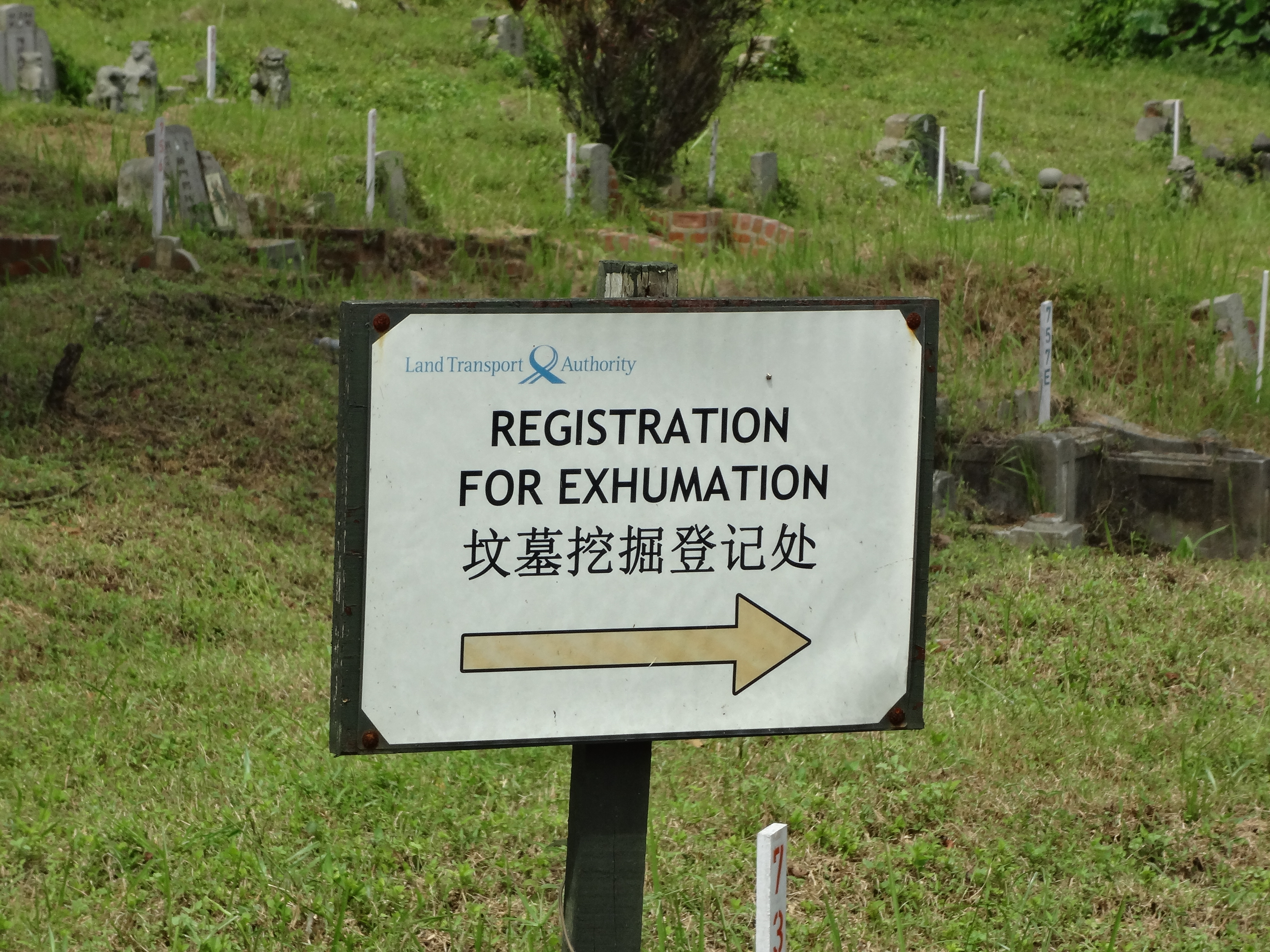
Today, I headed out to Bukit Brown, a Chinese cemetery here in Singapore that is going to be torn down to make way for a road. It is the first Chinese cemetery in colonial Singapore—lots of pioneers are buried here. It has been listed as at risk site on the 2014 World Monuments Watch.

I really hope I never have to do this to any of my dead relatives.

DSC00012

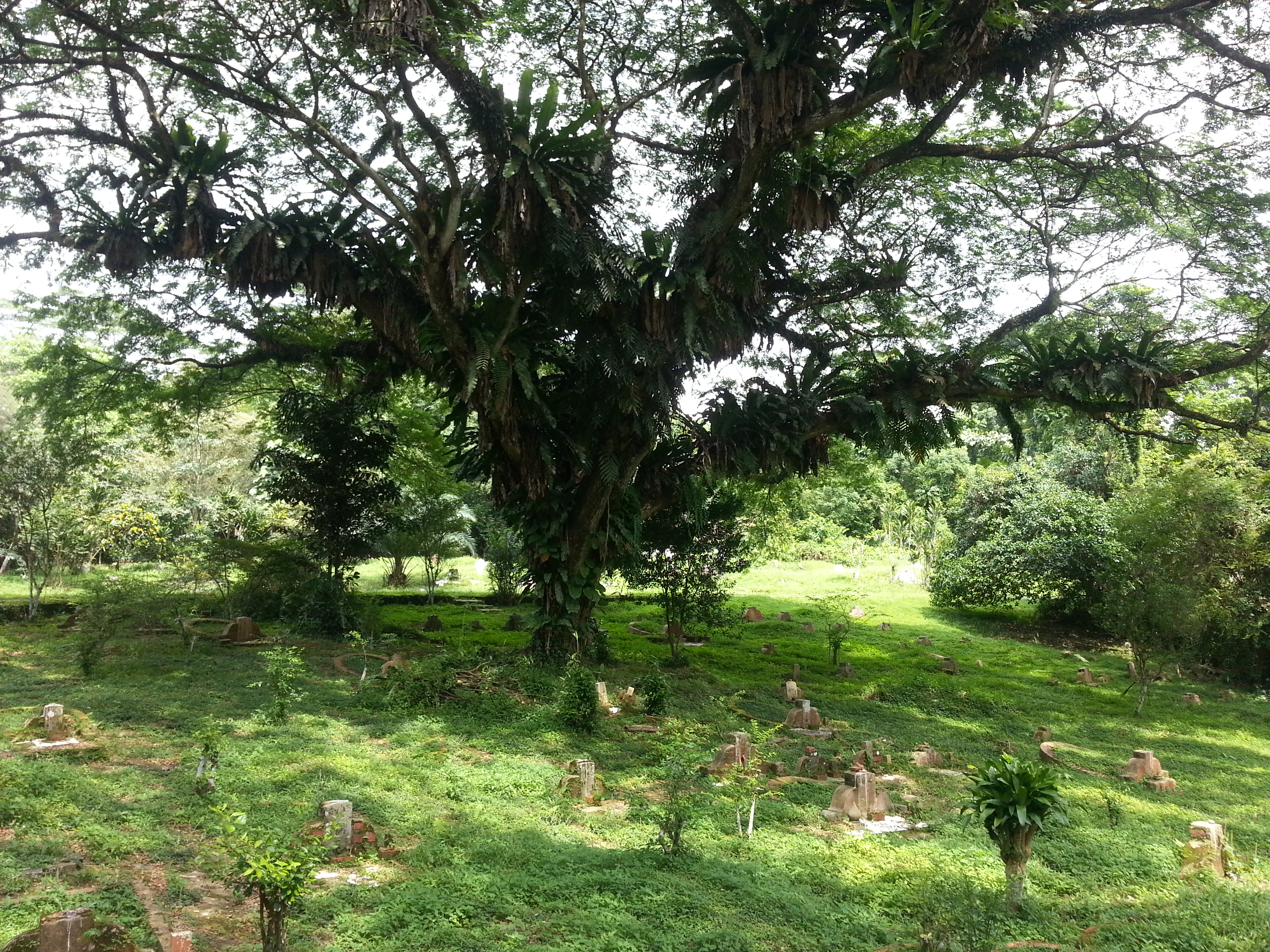
It is such a lovely cemetery. I like coming across the ones under huge trees. It was a very peaceful oasis, surrounded by a country club and homes for rich people.

20131214_134726

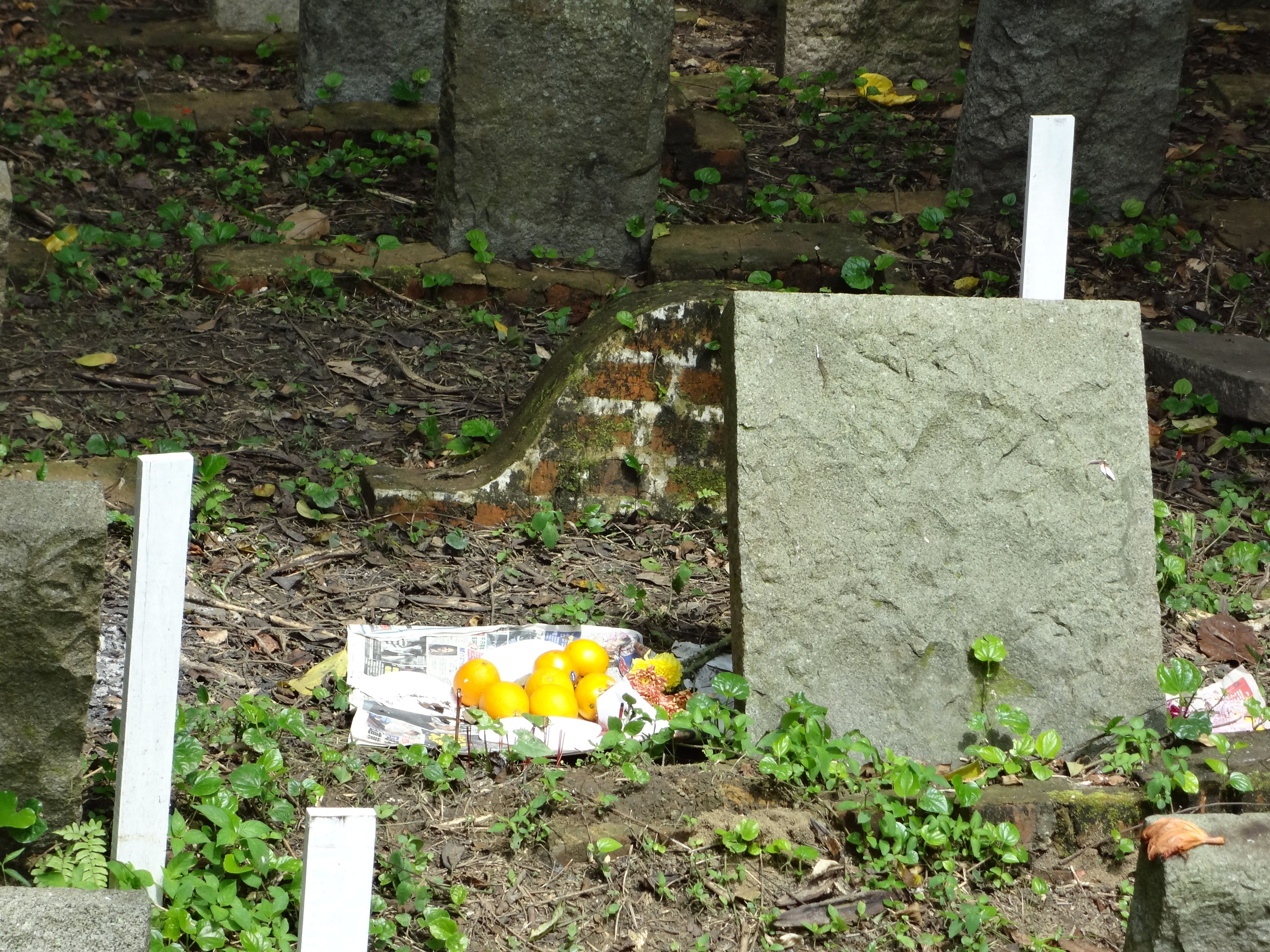
There were many graves where I saw recent offerings of food, as though an apology to those who were to be exhumed. The unclaimed ones, I read on the signs, were to be cremated and the ashes cast into the sea.

DSC00032

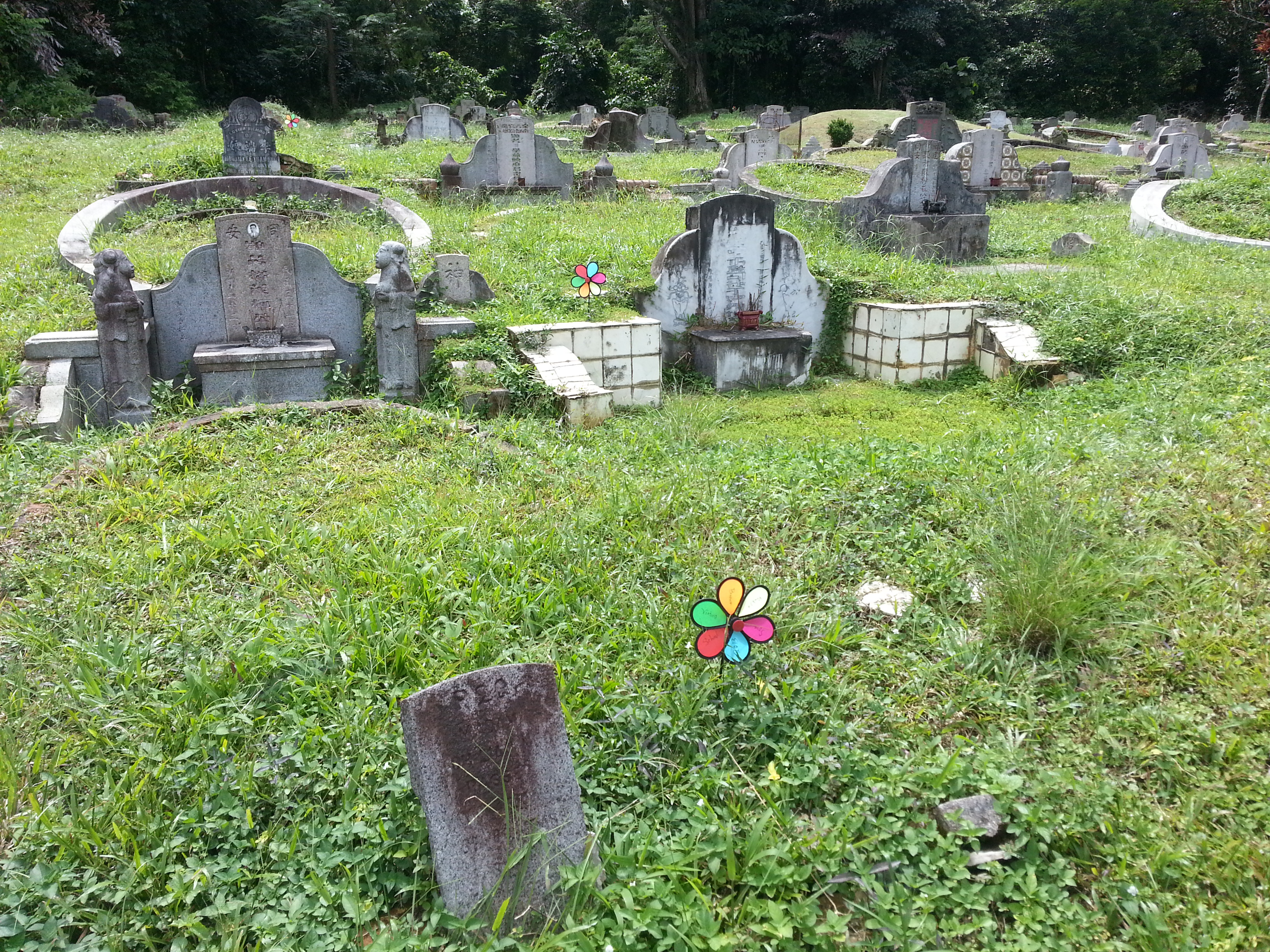
I loved these pinwheels in this graveyard.

20131214_135857
There is something about walking that untangles my thoughts and gives me clarity. Such a beautiful place! Go see it before it’s gone.

Due to strange circumstances in the past 24 hours, my flight tonight from Singapore has been moved to December 31. After the last few weeks of being on full throttle—giving talks, doing photo and video shoots, running around Singapore getting materials, storyboarding, prototyping, packing, and vainly figuring out what my next step is—I just hit the brakes.

I am quite relieved. No, excited! My exhaustion from this residency was from a managerial standpoint, as this was project where I had a lot of collaborators. This was unlike the last one, where the stress was more from physical sources: I still can’t believe I hiked more than 43 mountains in less than 2 months. Still, in both cases, exhaustion bordered on nausea. But hey, I regret nothing.

I can’t believe it—two weeks of hermetic silence, completing The Apocalypse Project and prototyping new ones while avoiding the holiday rush. Now this is my version of a holiday miracle. To make this retreat a bit more fun, I will try to see this as the Great Holiday Hackathon. Unlike most hackathons, I’m still not sure what I’ll have in the end. My goal is to do certain tasks all over Singapore, asking specific questions or turning some urban expeditions into a photographic data gathering session of a sort. I want to know some things I’ve been mildly curious about in the past months I’ve lived here. Perhaps in this short time of experimentation, I will be able to see what I’m supposed to do afterwards.

So for Holiday Hackathon Day One, I wanted to ask the question, What happens when you go through all of the subway stops in Singapore’s Circle Line?

The Circle Line of Singapore MRT comprises 28 stations. I started at Harbourfront (on the lower left) and went clockwise. Sadly, GPS doesn’t work at this underground level, so the only data I have is the time of the journey. It’s not a complete circle, so to get back to Harbourfront, I got off (well, “alighted” as they say here) at Dhoby Ghaut station and transferred to the North East line (the purple line), riding 4 stations to go back to my original point. I killed time by reading a book. You can see my route via the black dots:

CircleLineExpedition-01

So, 32 stations, 0 displacement, and a few dozen pages later,  I learned that this journey takes 1 hour and 22 minutes, and that it costs 0.78 cents. I’m sure my transit card doesn’t know I rode all those—I imagine I’d be charged the same if I accidentally entered the station and left it again, thinking it was a mistake.

I have no clue when this information will be useful, but I was just itching to know.

This past Hari Raya Haji, a holiday in Singapore, I went to the Night Safari with a couple of friends. I’m always interested in how cities look at conservation, which to me has the tension of having flora and fauna thrive in their natural habitat and having humans be a non-intrusive witness to them in the hopes that they will be inspired to care for these organisms.

No flash allowed, people! But thanks to the safari’s simulated moonlight, I was able to take some photos.

Here’s a pride of lions (siblings, I’m told). I love big cats!
DSC09353new

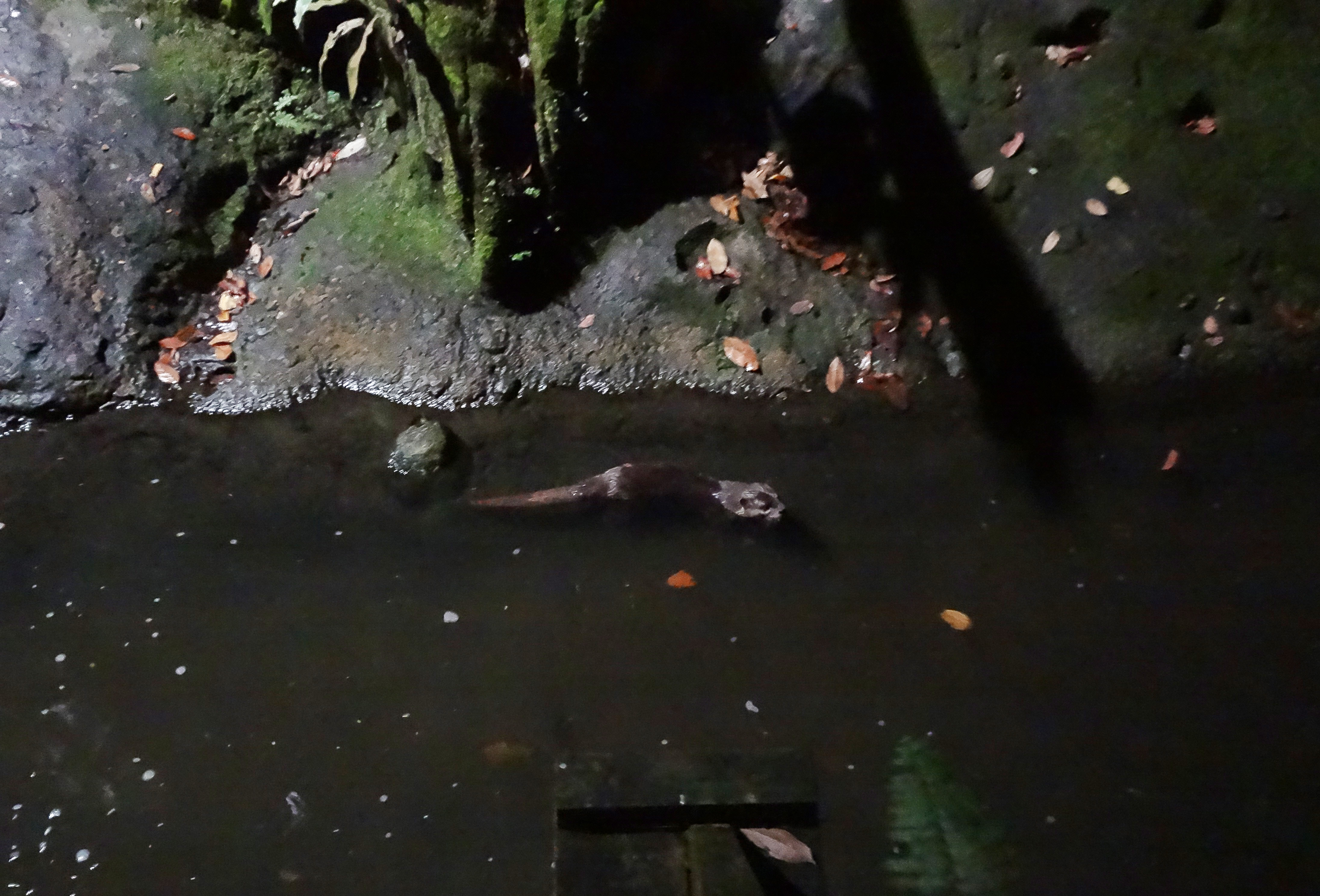
An otter!

DSC09331new

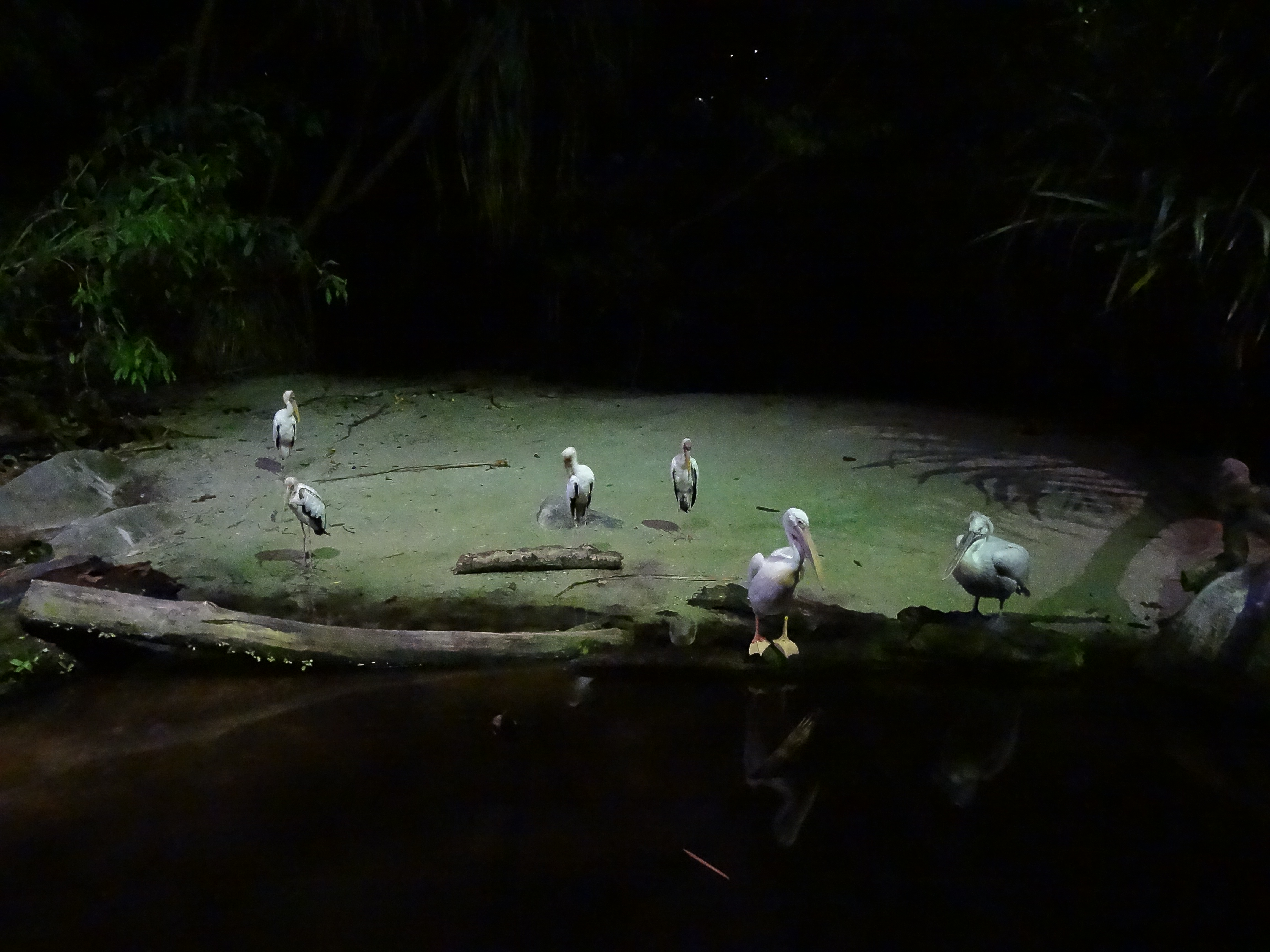
Birds hanging out.

DSC09314

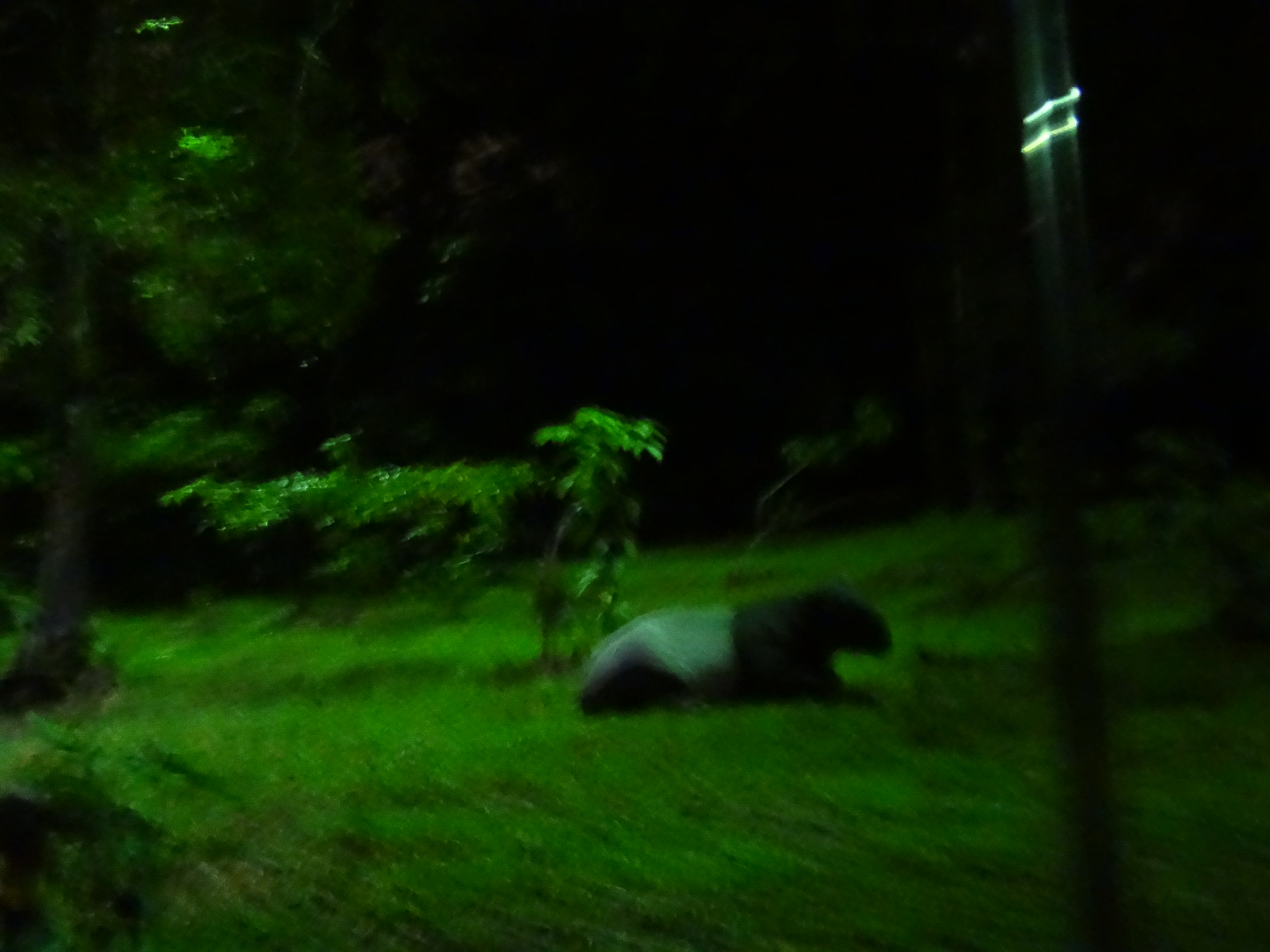
This photo is a bit blurry, but it’s all I have left of my first glimpse of a Malayan tapir. What a beautiful creature!

DSC09358


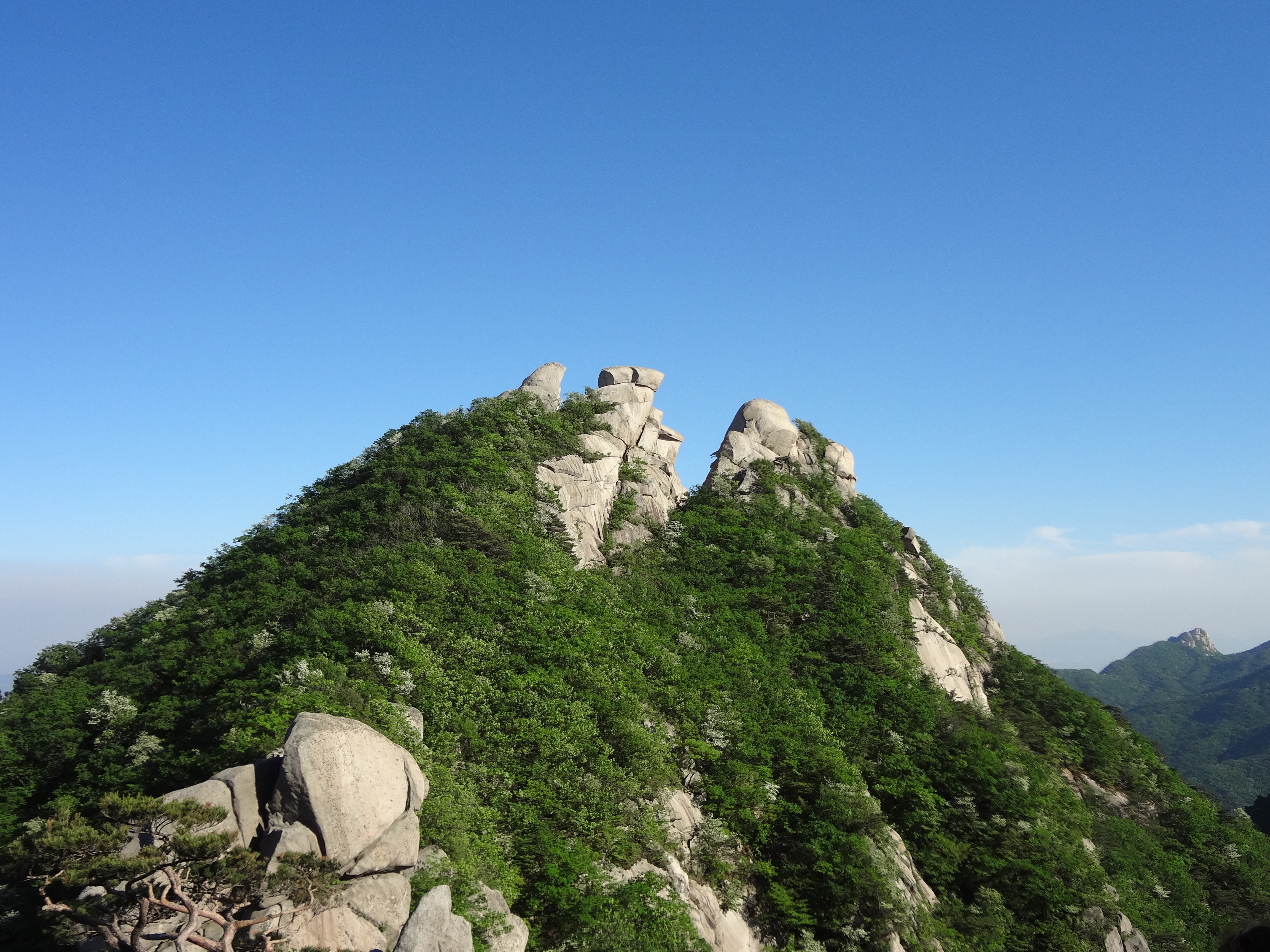
Seoul43 has given me a lot of moments to reflect on the impact of humanity on nature. This, of course, was not my initial intention. I wanted to climb all these mountains as a personal challenge. A city with mountains—how wonderful! I still believe it is one of the reasons that I found Seoul to be a clean city, compared to the other capitals I have been to. Before Korea, I had hiked only one mountain in the Philippines. It was a disastrous and traumatic experience—I nearly fell off of the peak, slipped many times on our descent, and slowed everyone down. I was, in chemistry terms, our group’s limiting reagent.

44 - Bukhansan

My second intention was to get people to share my experience. This is why I brought the soil from these mountains so that people can plant with them and then bring them back. “Borrowing” instead of “taking” the soil was an important part. It has always been my view that no one is exempt from environmental responsibility, artists/scientists/explorers/designers included. The tasks I asked people to do were also deliberately chosen. I wanted to ensure that this project had some positive environmental and cultural impact.

What I didn’t expect, aside from the extreme fatigue, were my unique experiences for each mountain. Many pushed me to my limits, some nearly killed me, others were places I found so fascinating that I want to revisit them. A number disappointed me for their smallness (This is it? Really?) while others made me ask a lot of questions.

As these are mountains in a bustling capital, one thing I found consistent about them was human activity. If Seoul’s mountains were a system that ensured the coexistence of nature and humanity, then it was determined by these parts:

First, there were the modern city officials, or whoever governing bodies that mandated which trails should be open to the public and what was allowed to be done. They were the ones who permitted the landscaping and gardening of these mountains, who added trails, tennis courts, exercise machines, trail signs, and other things that make them “usable” to the public.

exercise ajumma - Ansan

Second, there were the citizens and tourists, both young and old, who use these mountains everyday. Hiking is an everyday activity for many Seoulites. Although I always hiked alone (which was a stupid idea, but I couldn’t find anyone who wanted to come with me), I was never really alone—there were always groups of ajusshi, ajumma, or young people who were also on the trails and giving me a hand. For the smaller mountains that served as neighborhood parks, it was the residents’ way of getting away from urban noise. Indeed, I could not help but think of these mountains as refuge in a city whose aging population is affected greatly by Korea’s rapid change.

lonely old man - Achasan

Finally, and no less importantly, are the people from Seoul’s past—the historical figures who added fortresses, cemeteries, and many a Buddhist temple to these mountains, turning them into rich canvasses that illustrate a city’s past and provide interesting questions as to how they fit into contemporary culture.

temple - Suraksan

The historical and cultural value that these manmade structures add undoubtedly “elevates” the status of a  mountain to something more than just a park. The exercise machines and other sports amenities added in recent years add utilitarian value for the citizens who make physical fitness a priority. These make me pause to think, because as a naturalist, one would balk at mankind altering nature, and yet, adding something of historical and utilitarian value perhaps encourages the city to preserve it better.

Because Korea is a very mountainous country and one that rapidly urbanized, I observed that: 1) Many mountains that used to be bigger have been “broken” into smaller ones because of apartment buildings, schools, etc. that found their homes in the lower areas, and 2) Some mountains seem to have all but disappeared because the buildings were right on top of them. Is it alright to do this to make room for city dwellers and businesses, as the country has so many? Indeed, as the official list I obtained from Korea’s Forest Service dates back to 2006-2007, I think that 43 will not be the number once they review the list once more. It will be interesting to see how the face of a city changes and how modernization affects these natural structures that are as old as time.

Originally posted on the Seoul43 site.

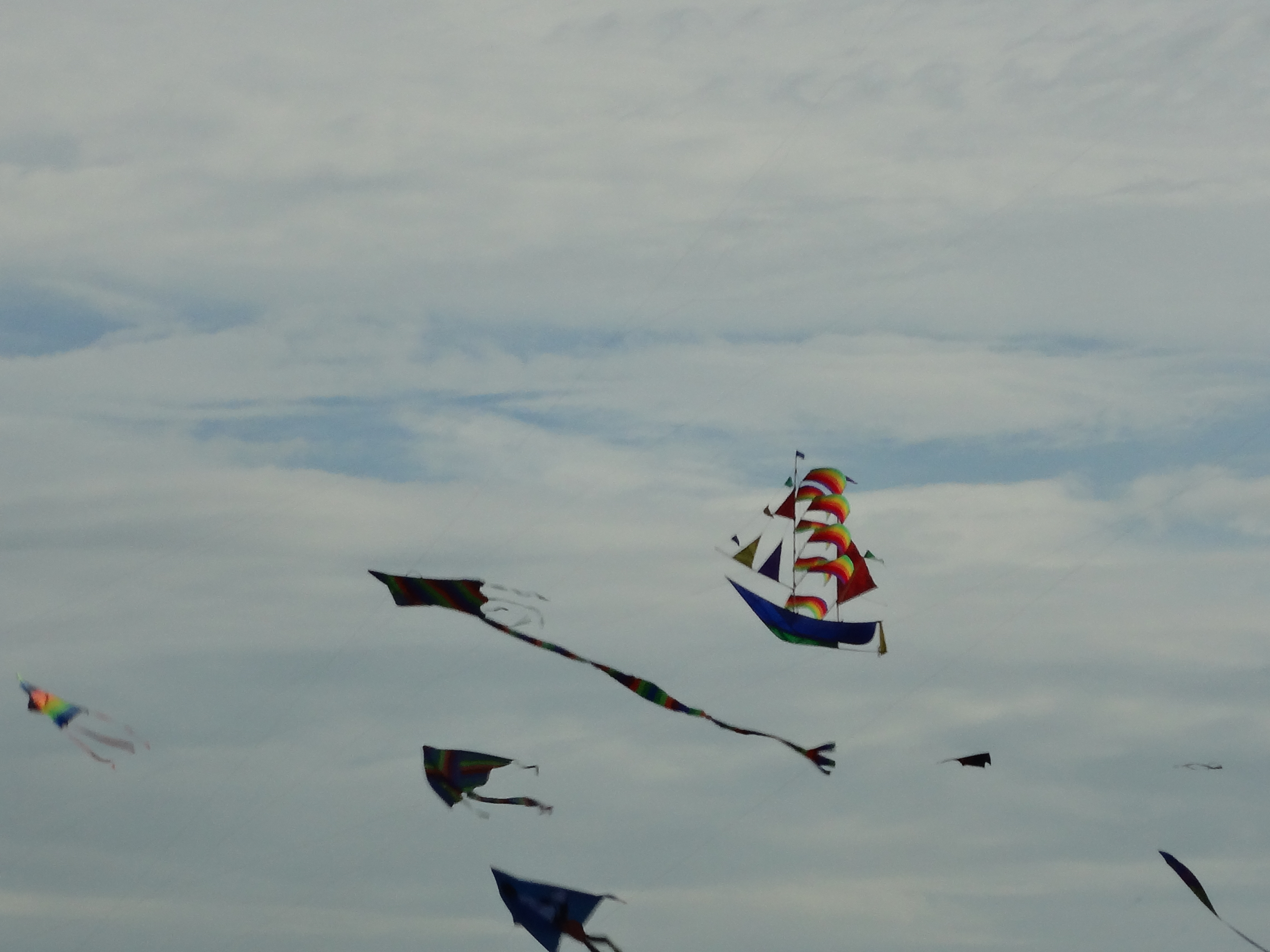
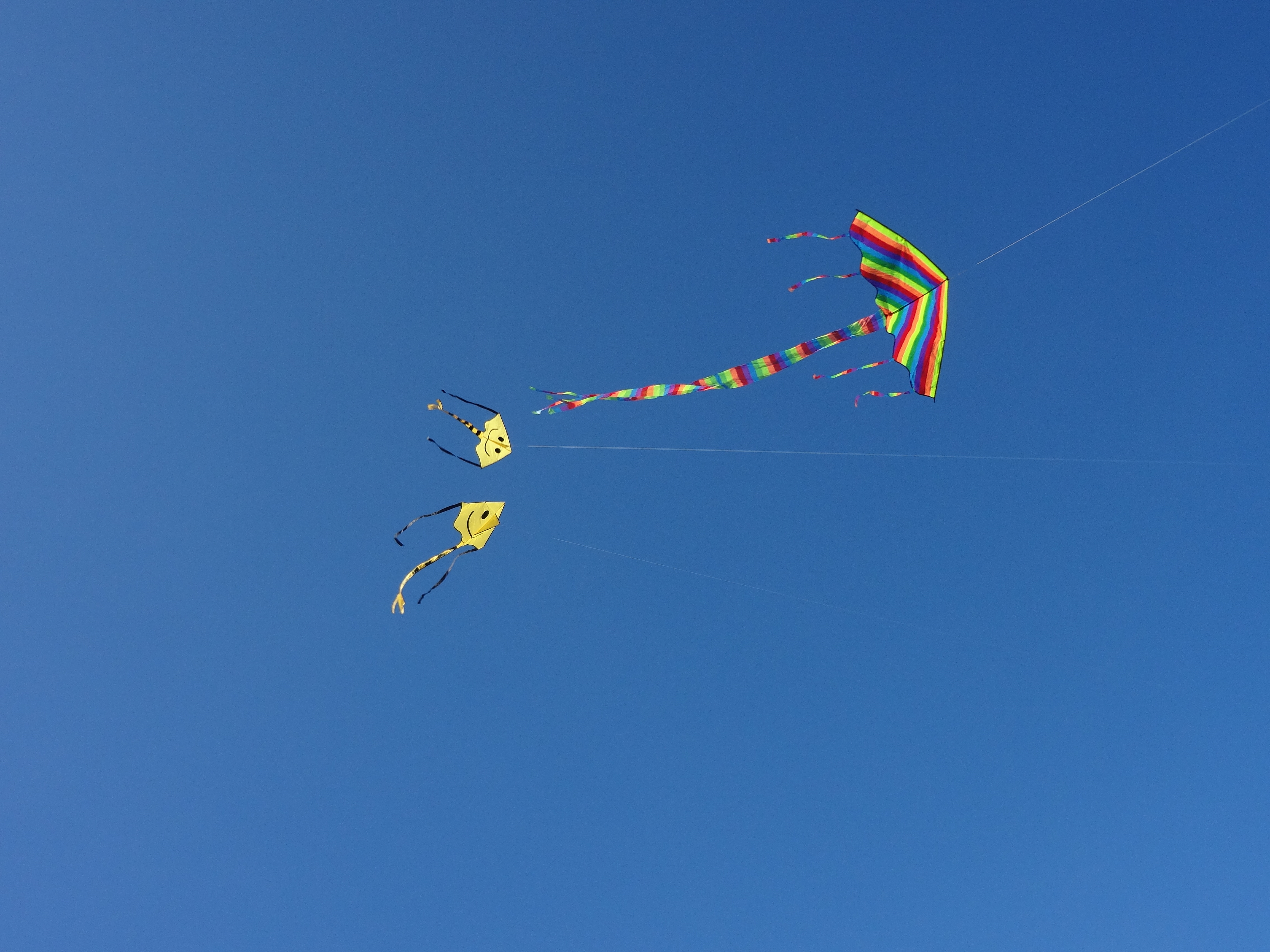
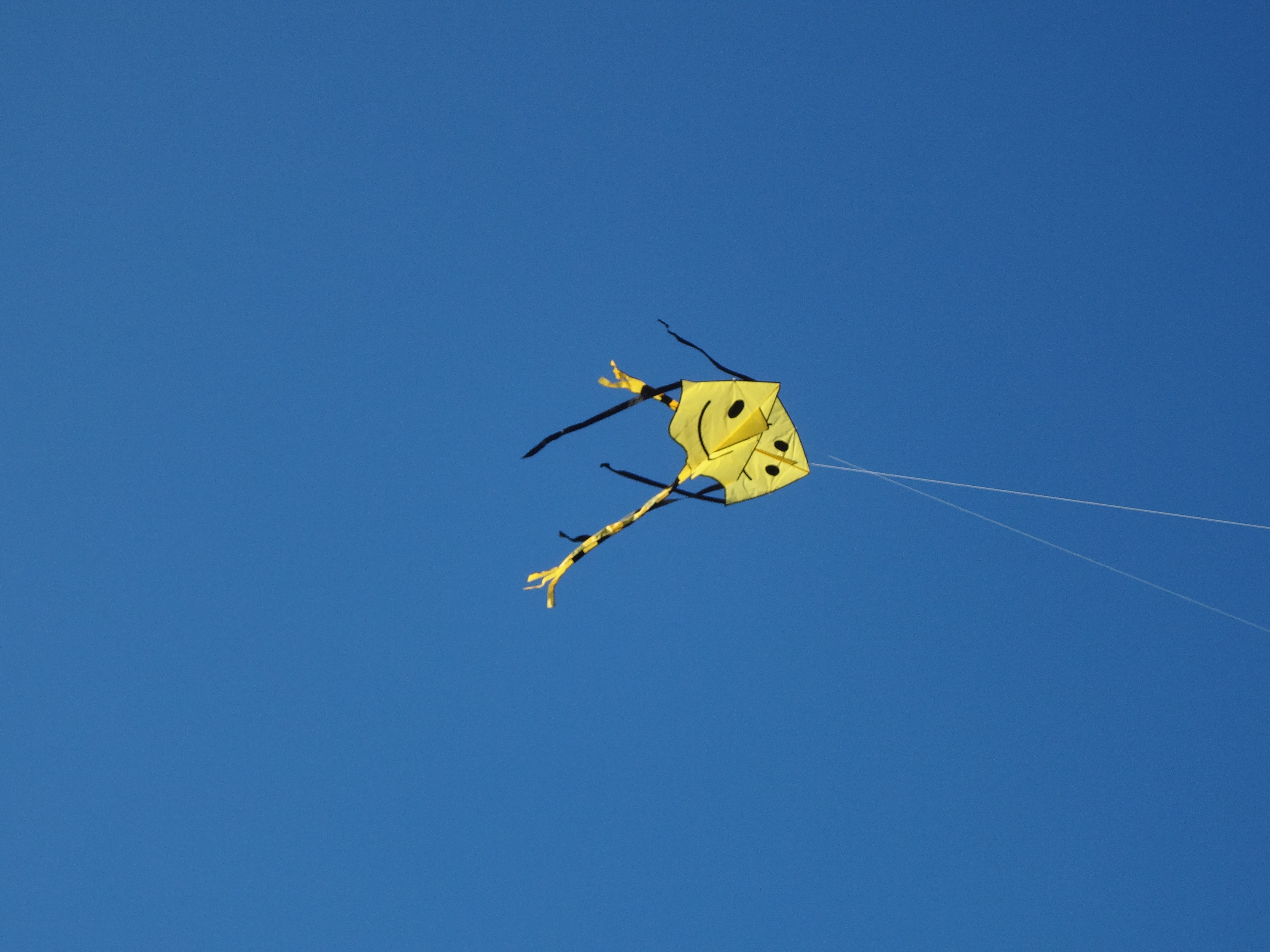
As I recover from the flu, allow me a bit of hallucinatory storytelling from the highly entertaining 2013 Singapore Kite Festival last week.

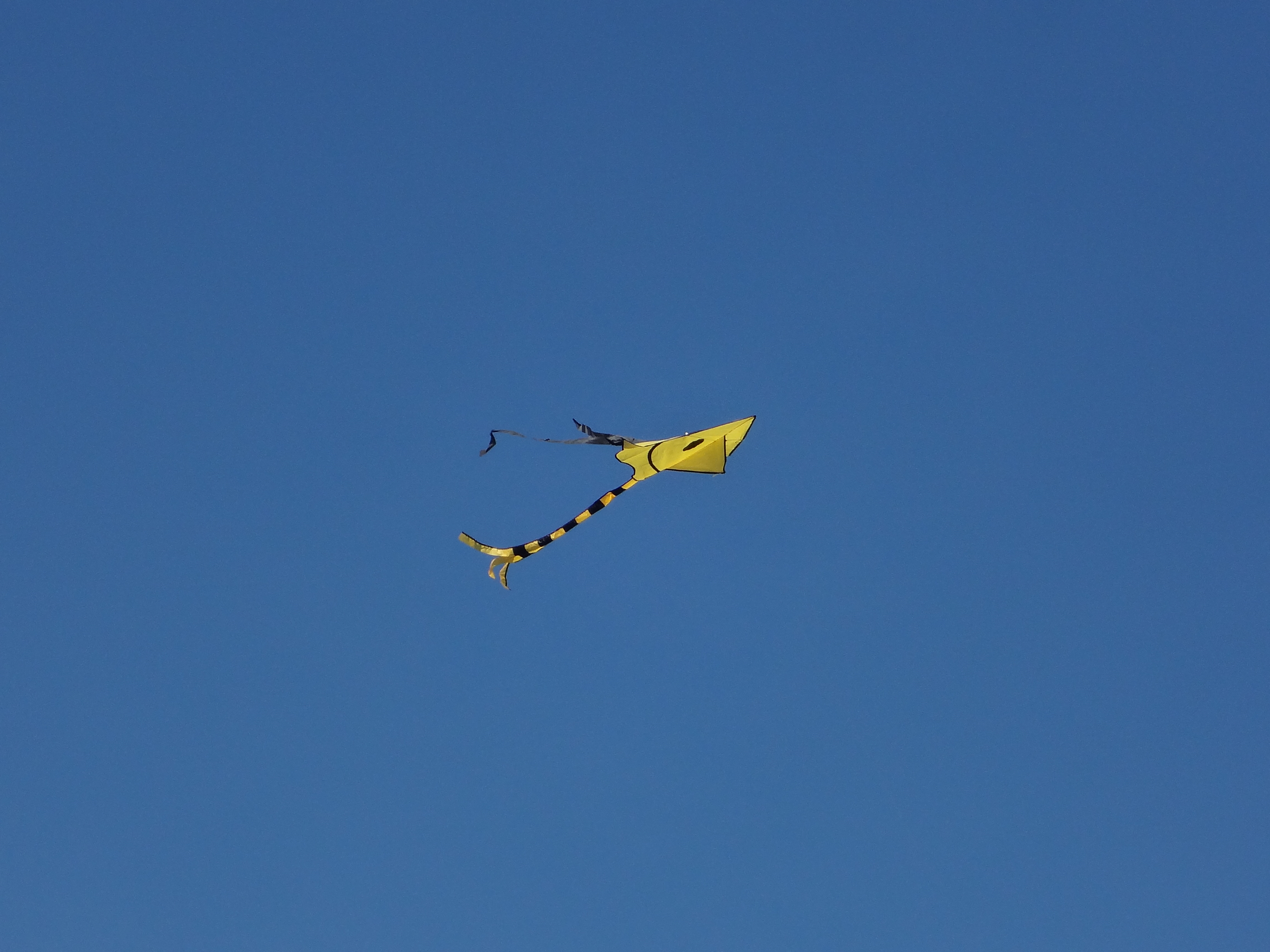
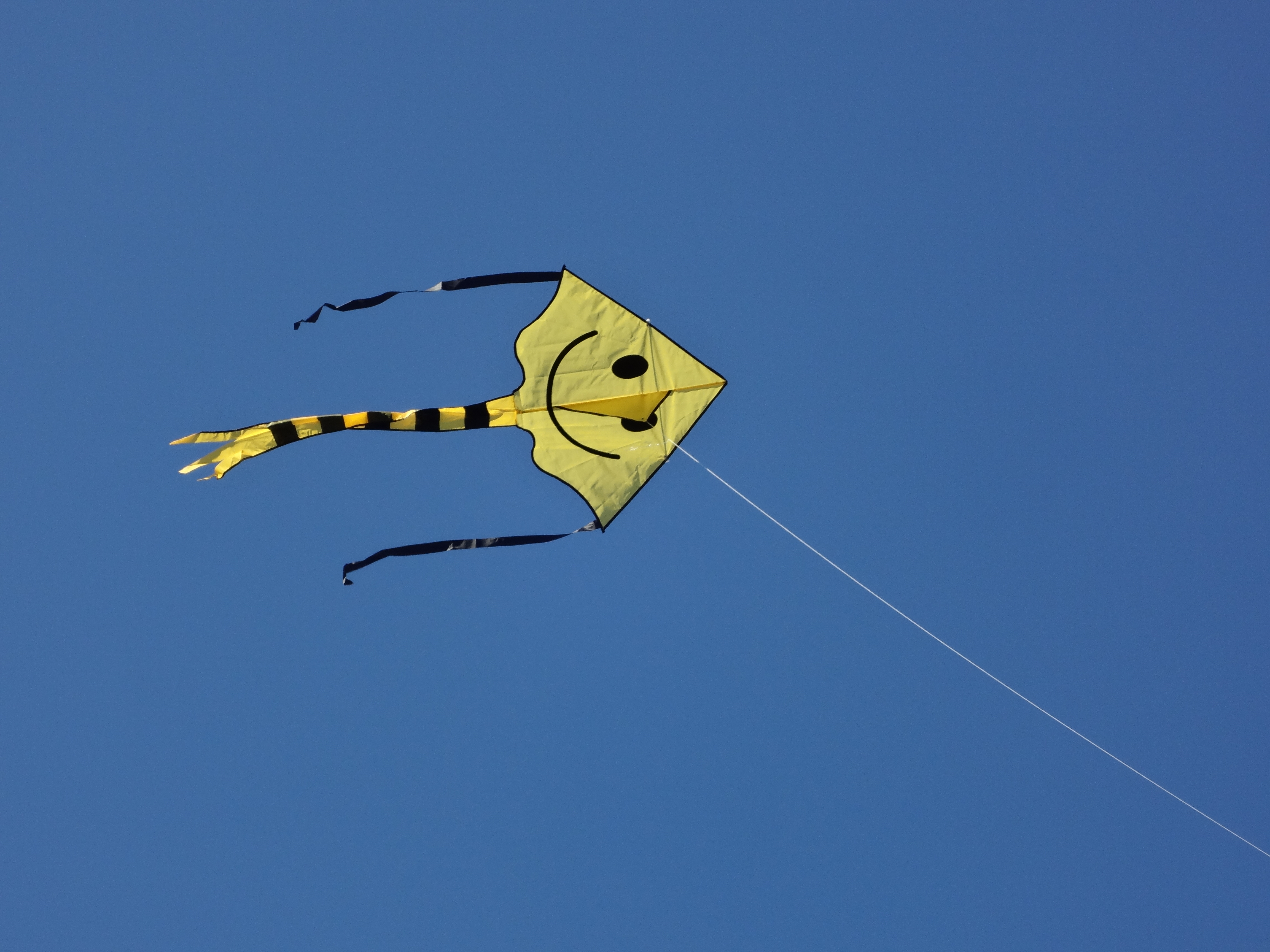
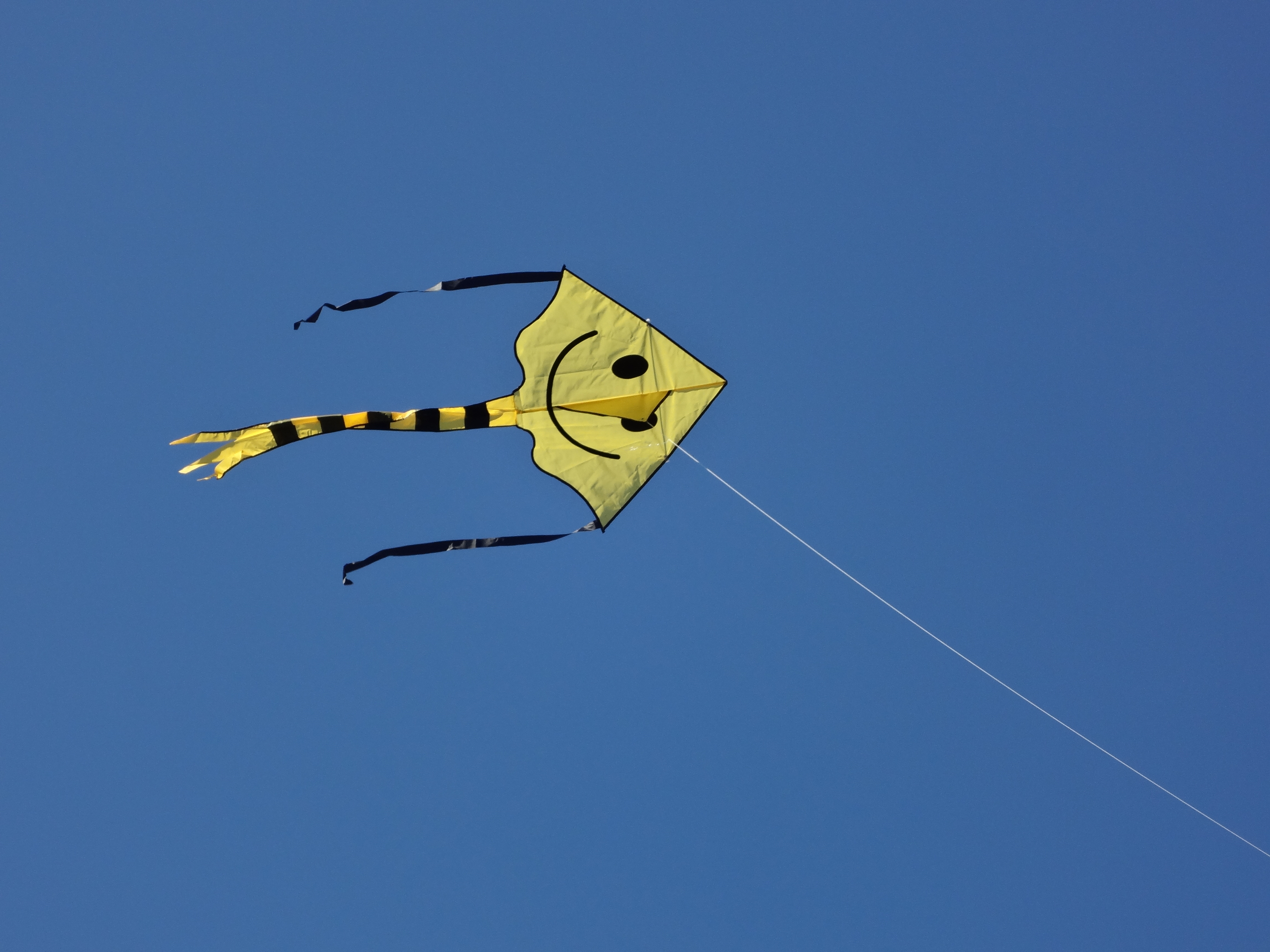
Once upon a time, there was a yellow smiley faced kite named Jack.
DSC08779

He liked to fly.

DSC08814

So off he went. Doot doot!

DSC08815

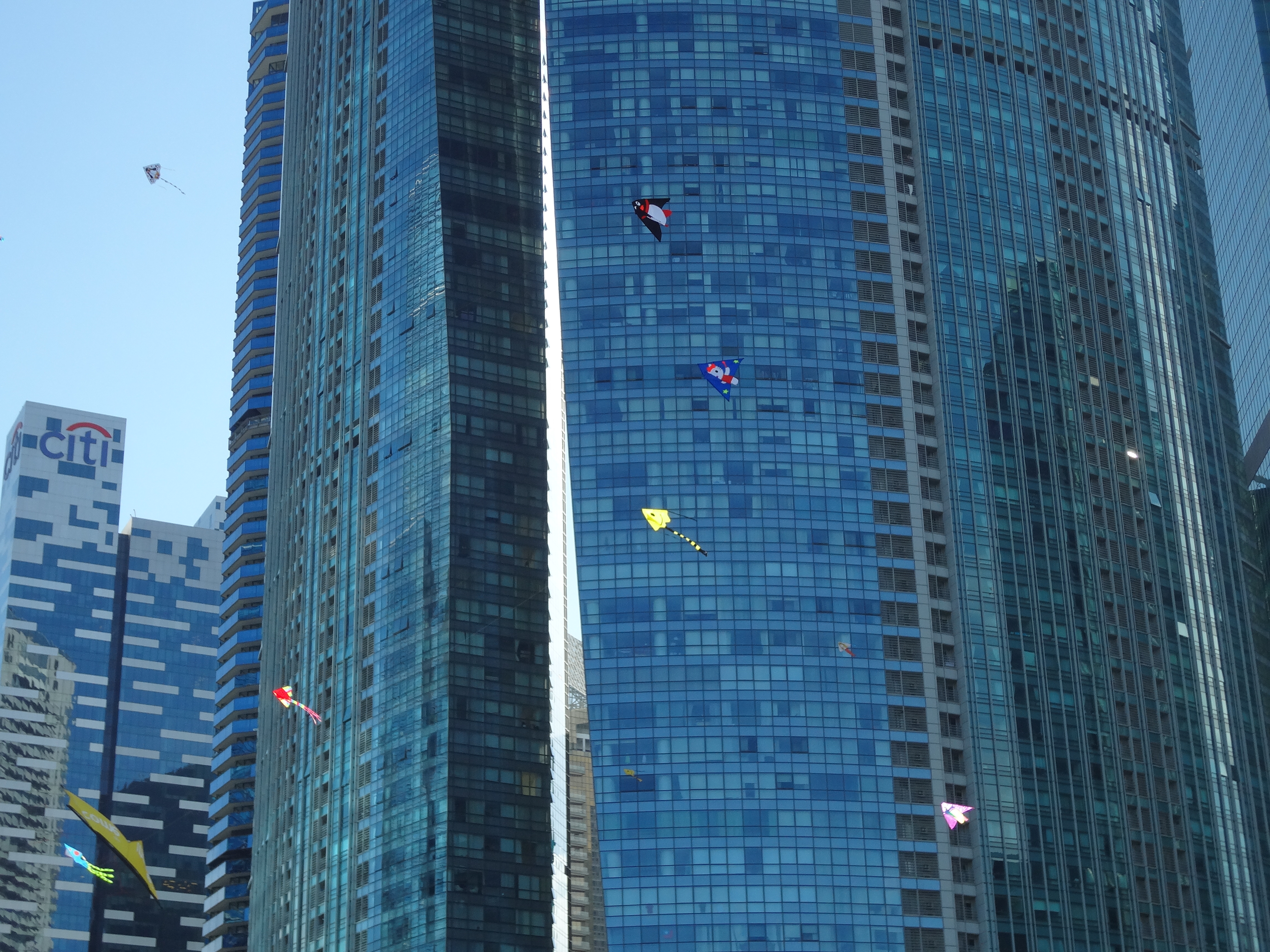
He flew to the city, where there were very tall buildings. Woo!

DSC08797

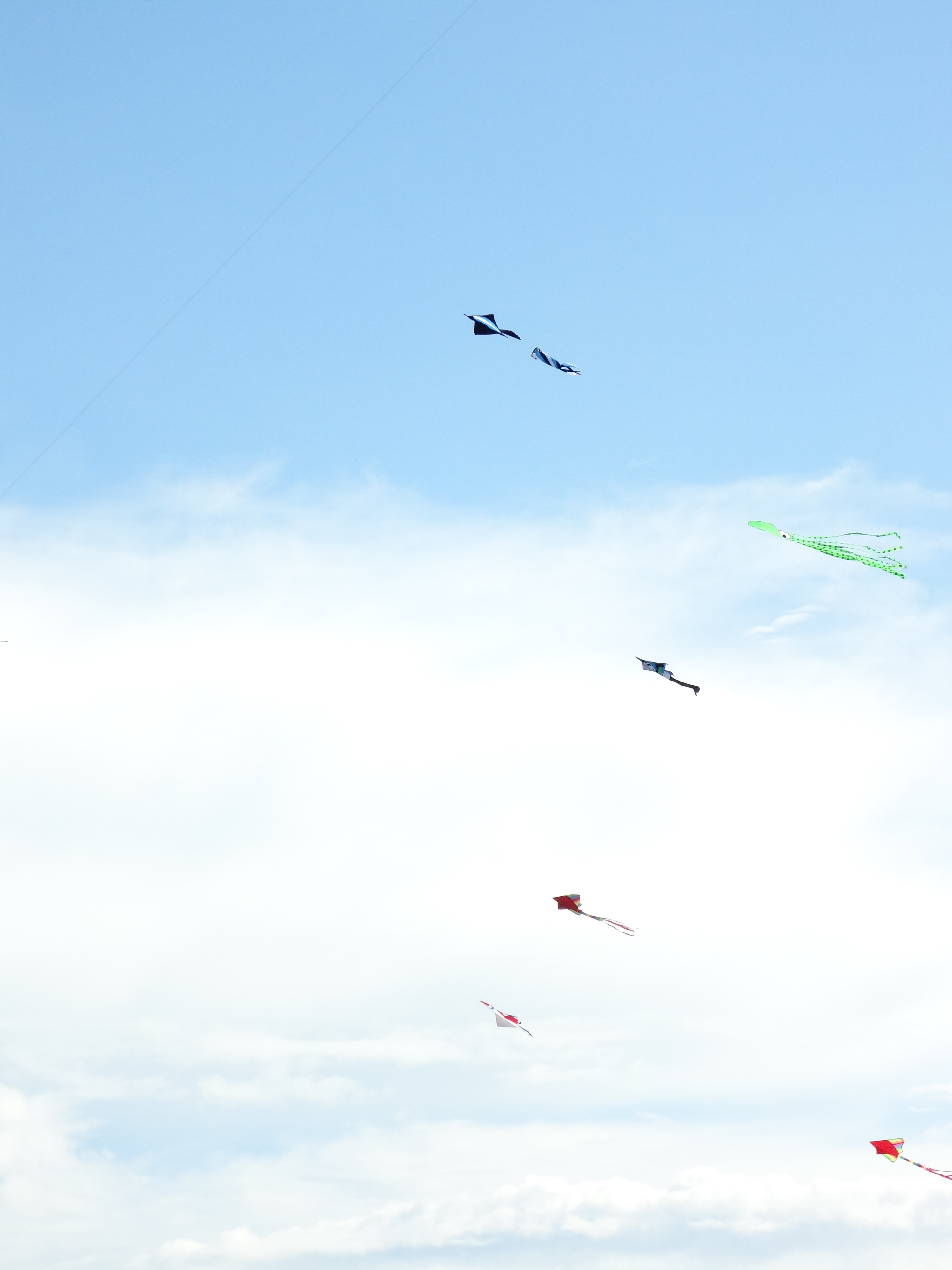
He met a lot of friends of different sizes…

DSC08798

…shapes, and colors.

DSC08780

One day, Jack was recruited by the Penguin…

DSC08804

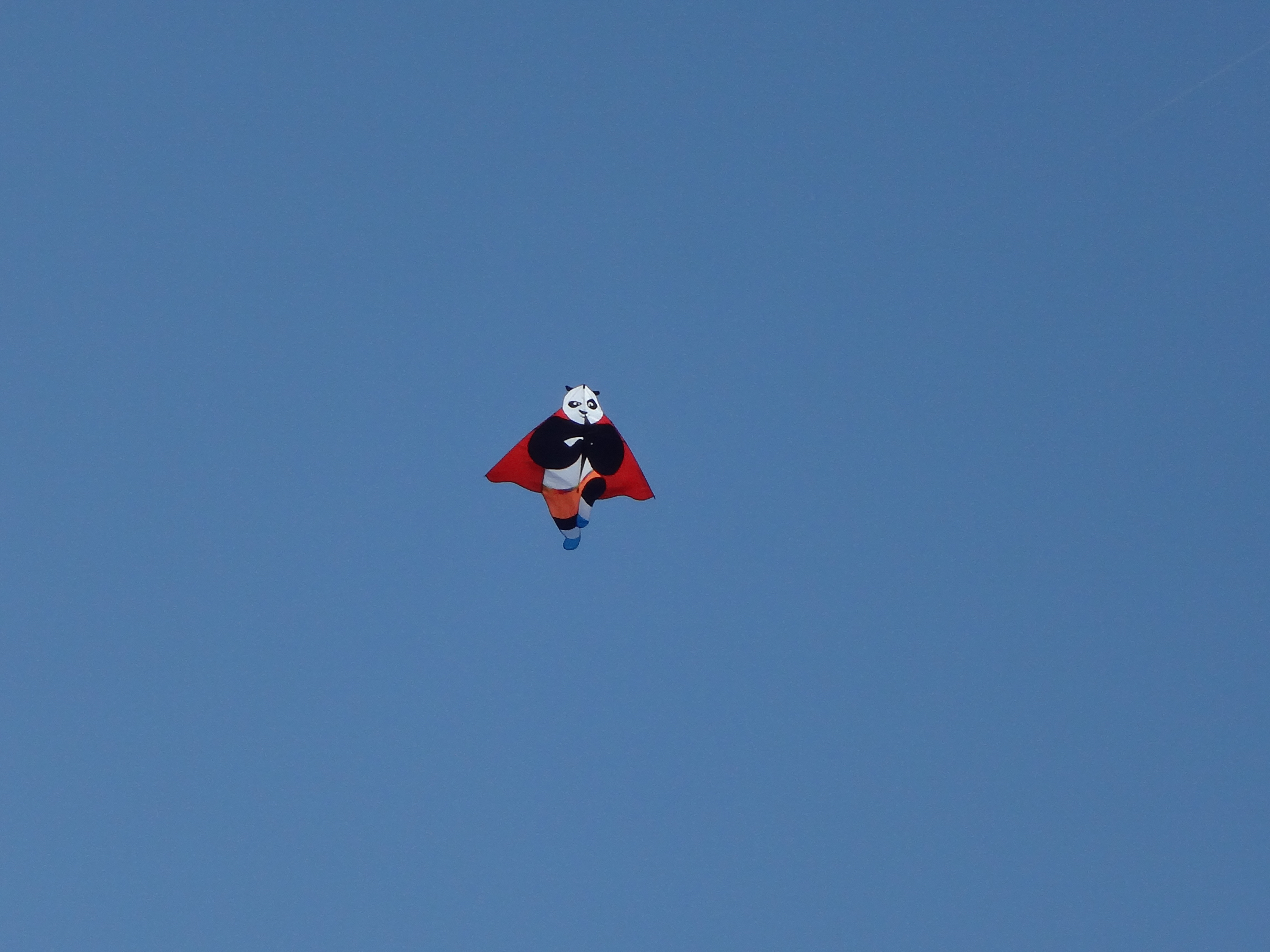
…who worked for Kung Fu Panda…

DSC08805

They wanted him to join their kite army to go against a great villain, who wanted to take over the skies.

DSC08801

Jack said yes, so off they went.

DSC08837

Jack was scared and excited at the mission. They patrolled the skies in search of the great villain.

DSC08838

Then finally, Captain Squid screeched, “Chaargggee!!!” 

DSC08843

Sure enough, Spiderman was just around the corner.

DSC08854

And the kite wars began.

DSC08829

It raged for two hours, and finally it stopped. And they won.

DSC08860

Hurray.

DSC08865

Afterwards, Jack went off on his own.

DSC08814

And met a girl.

DSC08817

They dated and lived happily ever after.

DSC08818

And made kite babies.

DSC08819

The end.

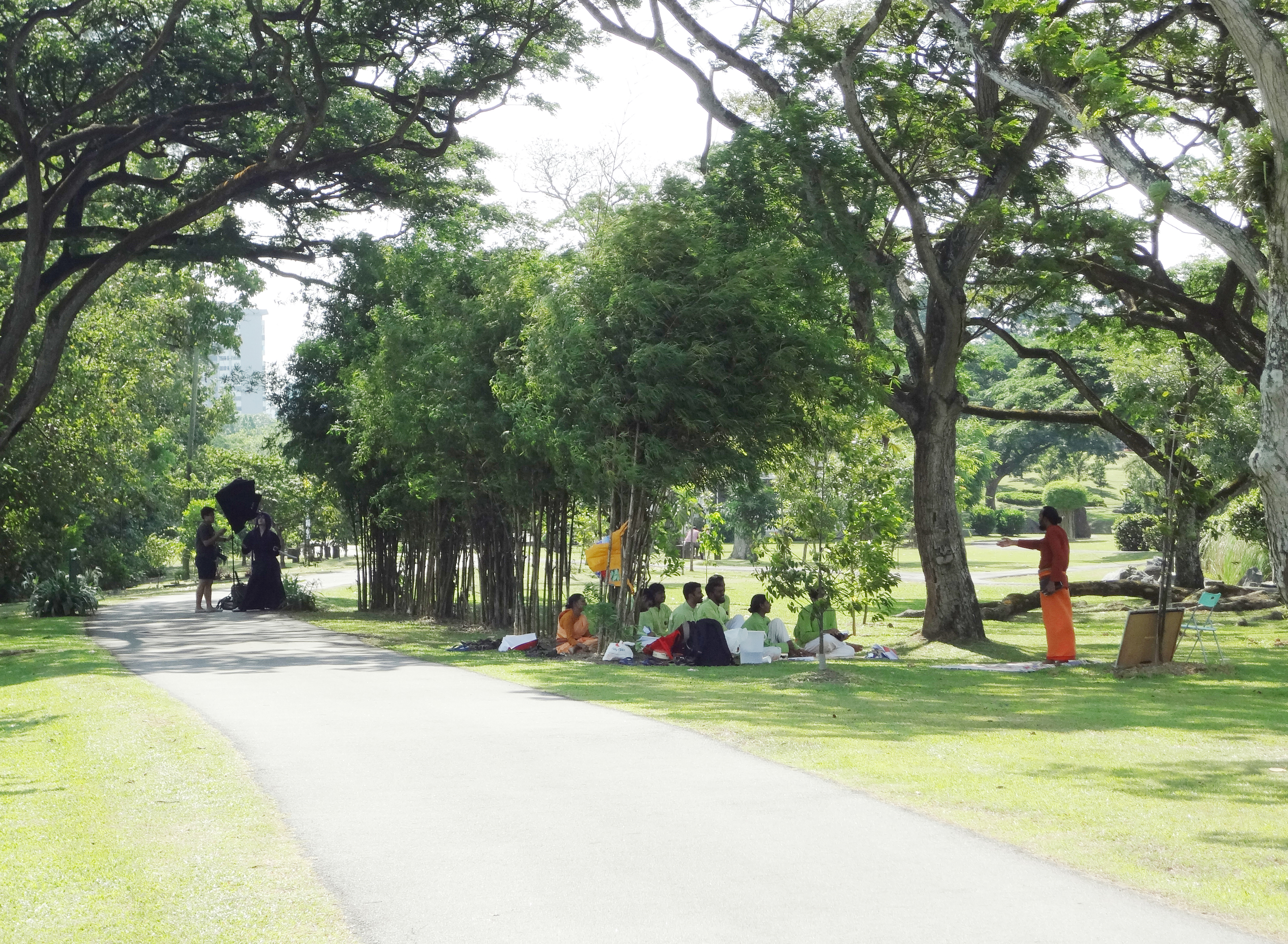
Now THIS. This scene pretty much captures the contrasts I consistently find in Singapore. In Korea, most contrasts I saw were those of time—a centuries-old fortress co-existing with modern facilities, for example. In Singapore, what I find are contrasts of culture, such as this one. A cosplayer is doing a photo shoot on the left, while there is what I presume to be a class happening on the right.

DSC08700new

I kept my distance and tried not to disturb them too much, but I was floored at what I was seeing.

DSC08705new

I love seeing these different modes of traditional dress, especially since I don’t recall seeing much of these particular ones in Seoul, Manila, and Barcelona. I’m sure I’ve seen these in New York, but not as much as Singapore.

DSC08709

I had to go up to this guy and tell him how amazing I think he looked.

DSC08703

Oh, I do hope each field trip is a feast for the eyes.

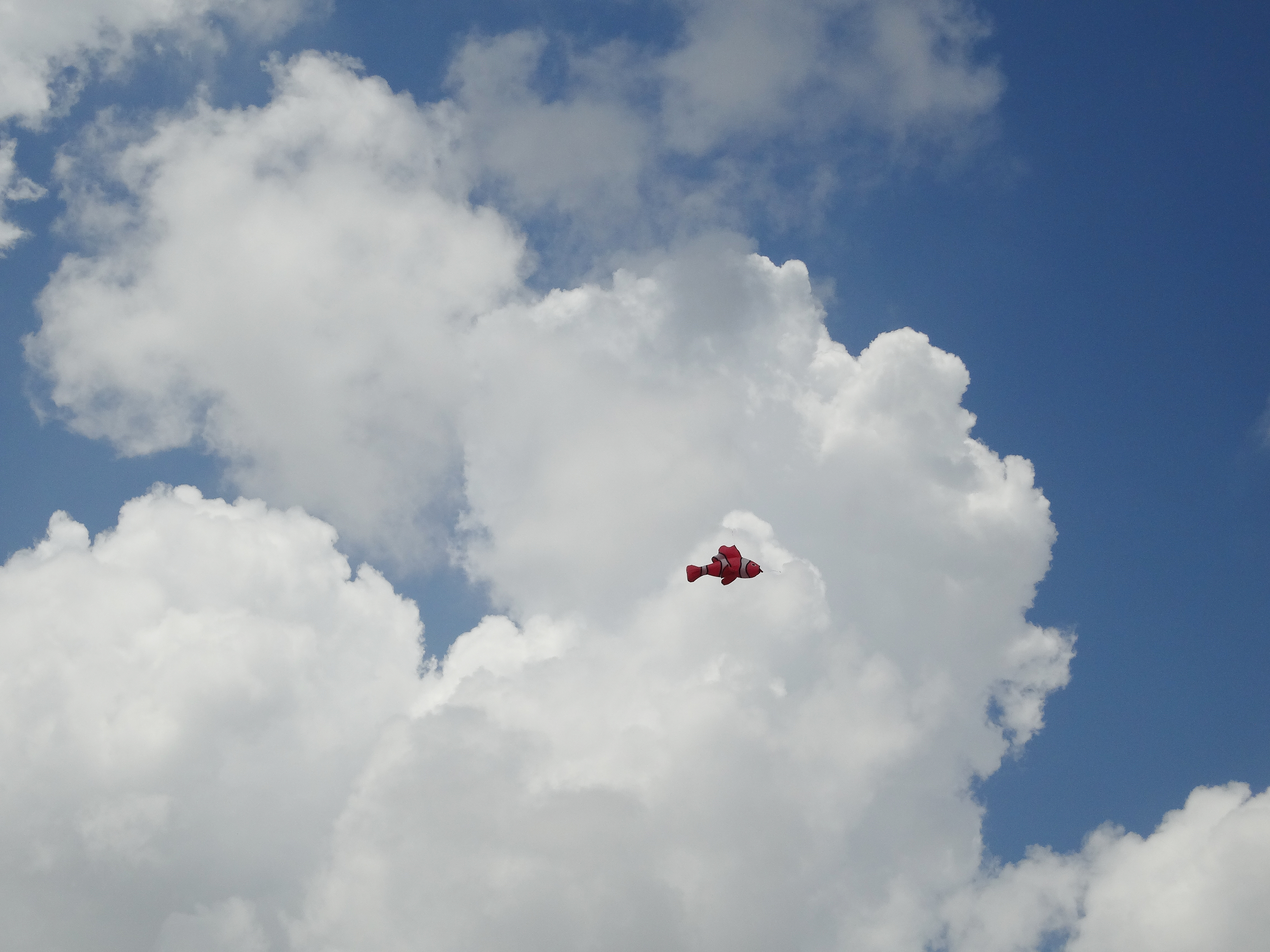
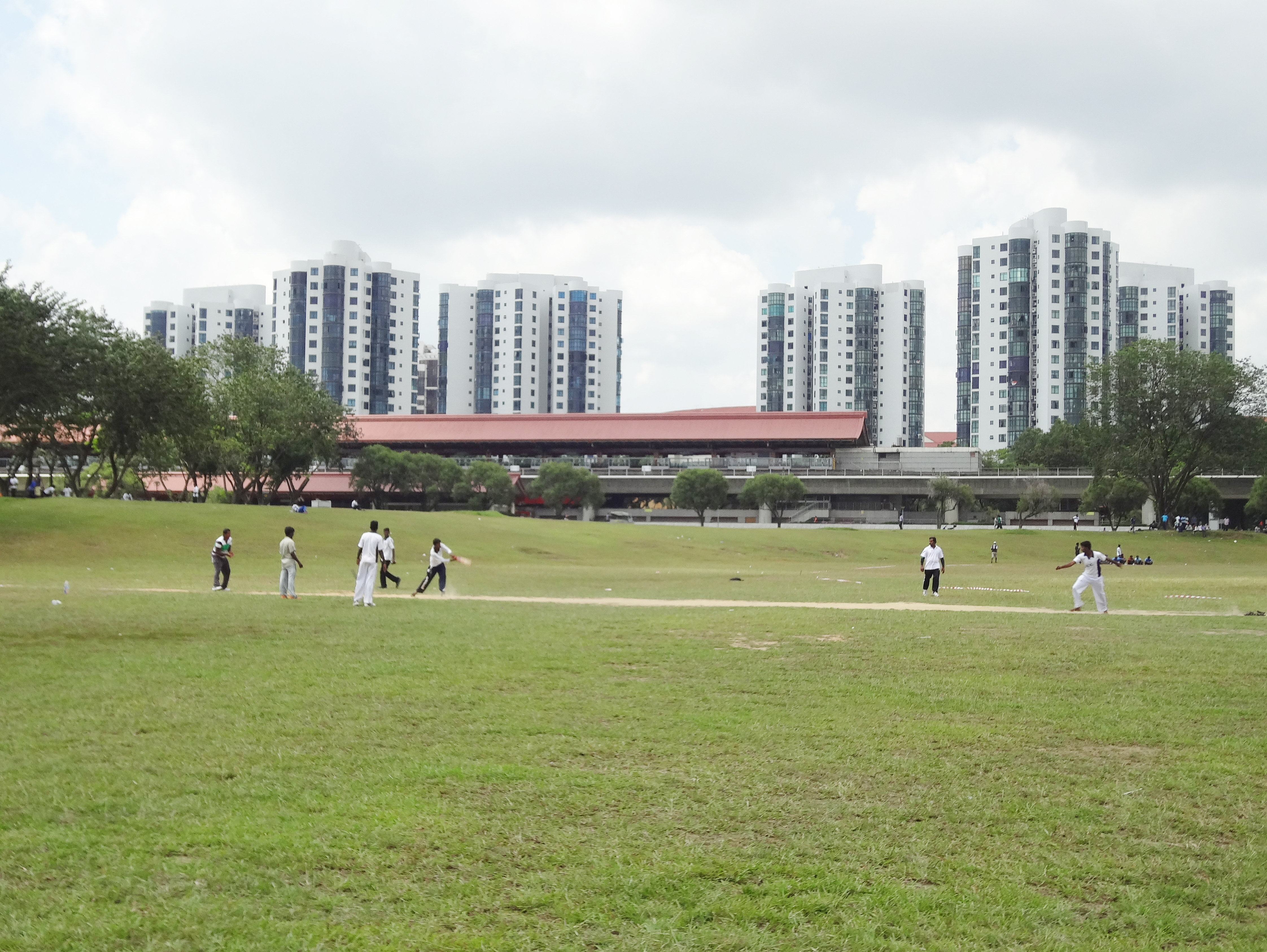
Nothing gives me more perspective into a city better than its people and what they do. Today, I visited Singapore’s Chinese and Japanese Gardens. After getting off the metro, this balloon of Nemo immediately attracted me, as did the cricket match happening several meters below it.

DSC08644new

DSC08640new

DSC08652new

I’m adoring the contrasts that Singapore seems to be about. I can already tell the next few months will be interesting.

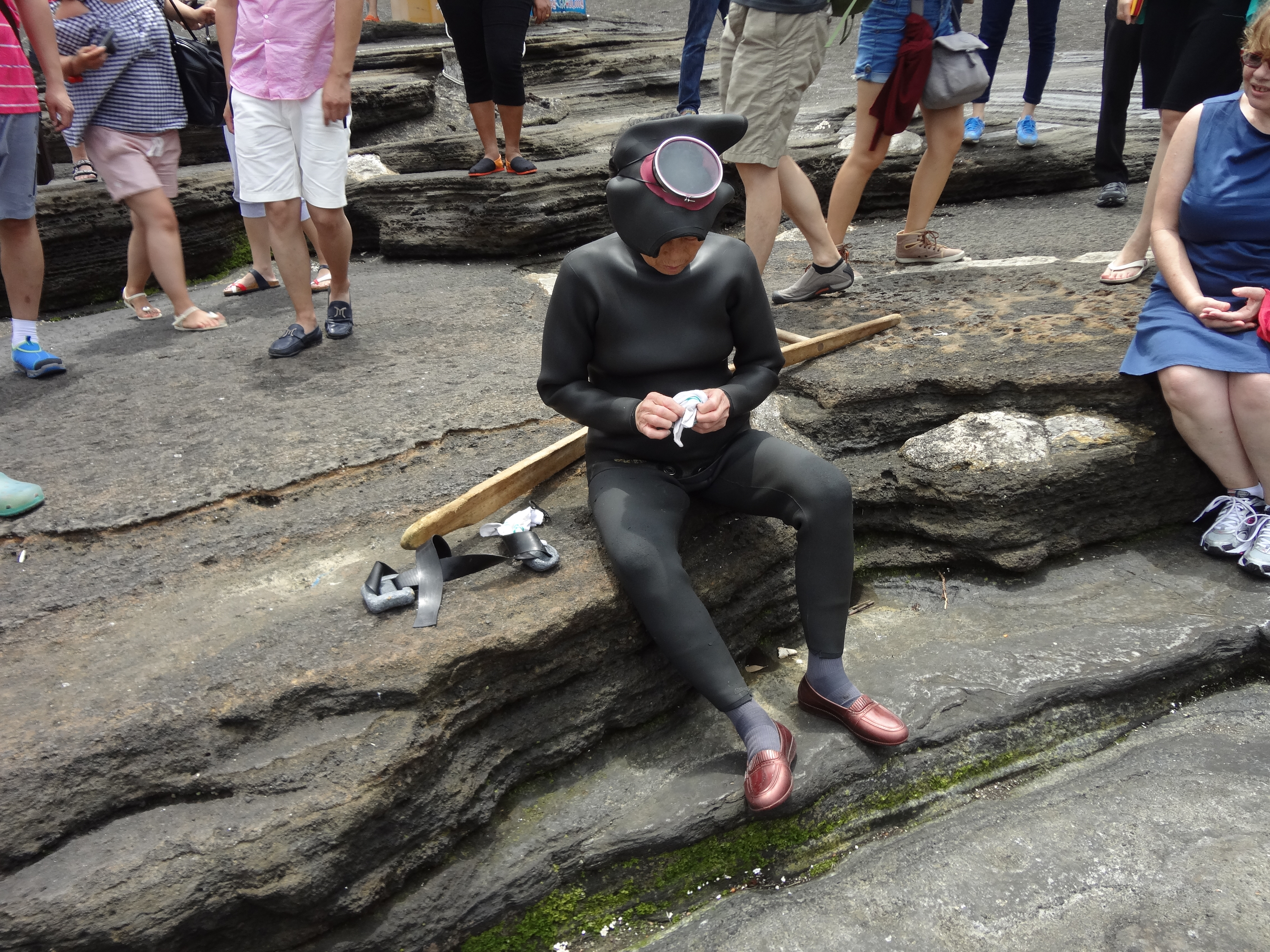
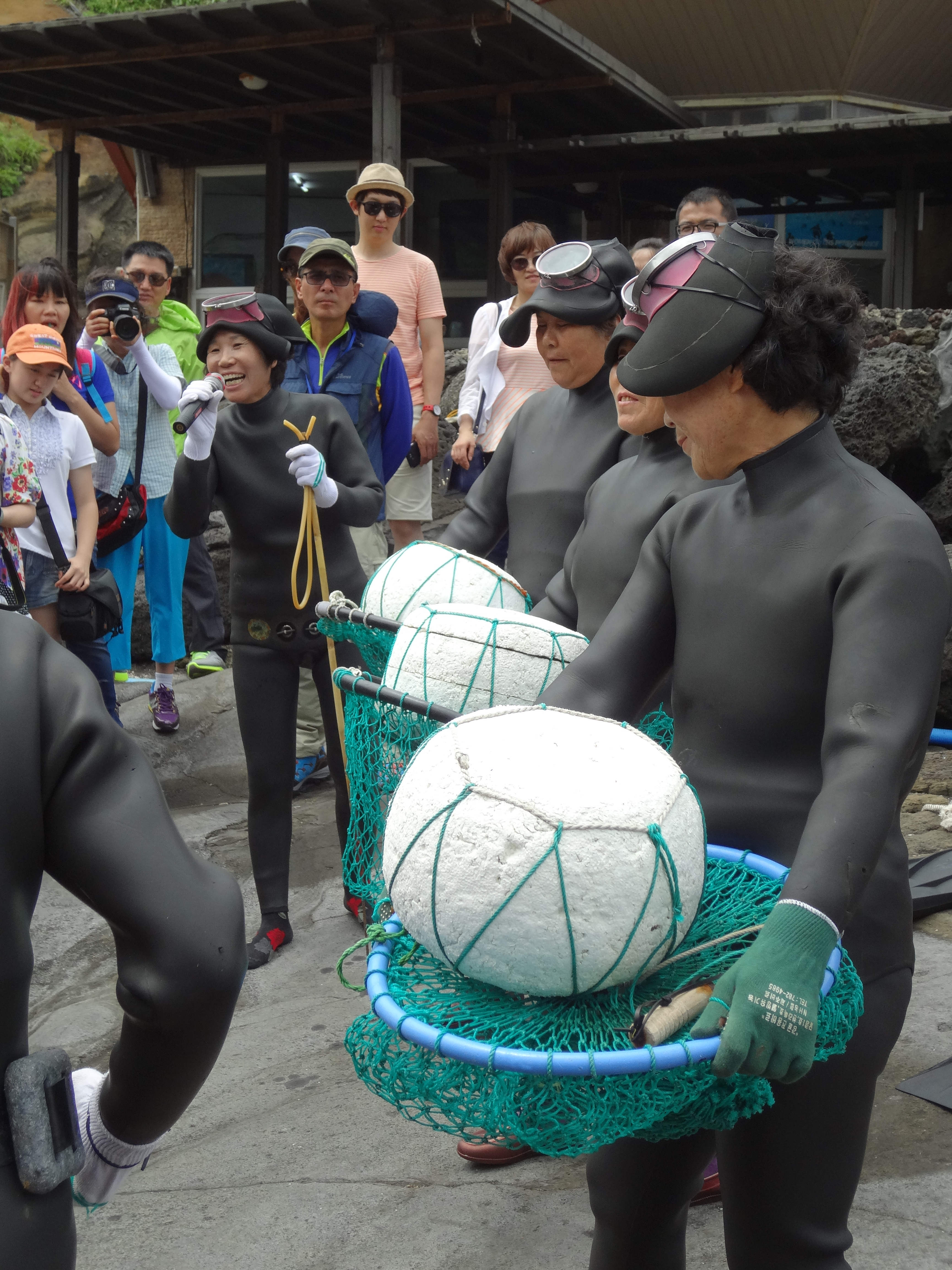
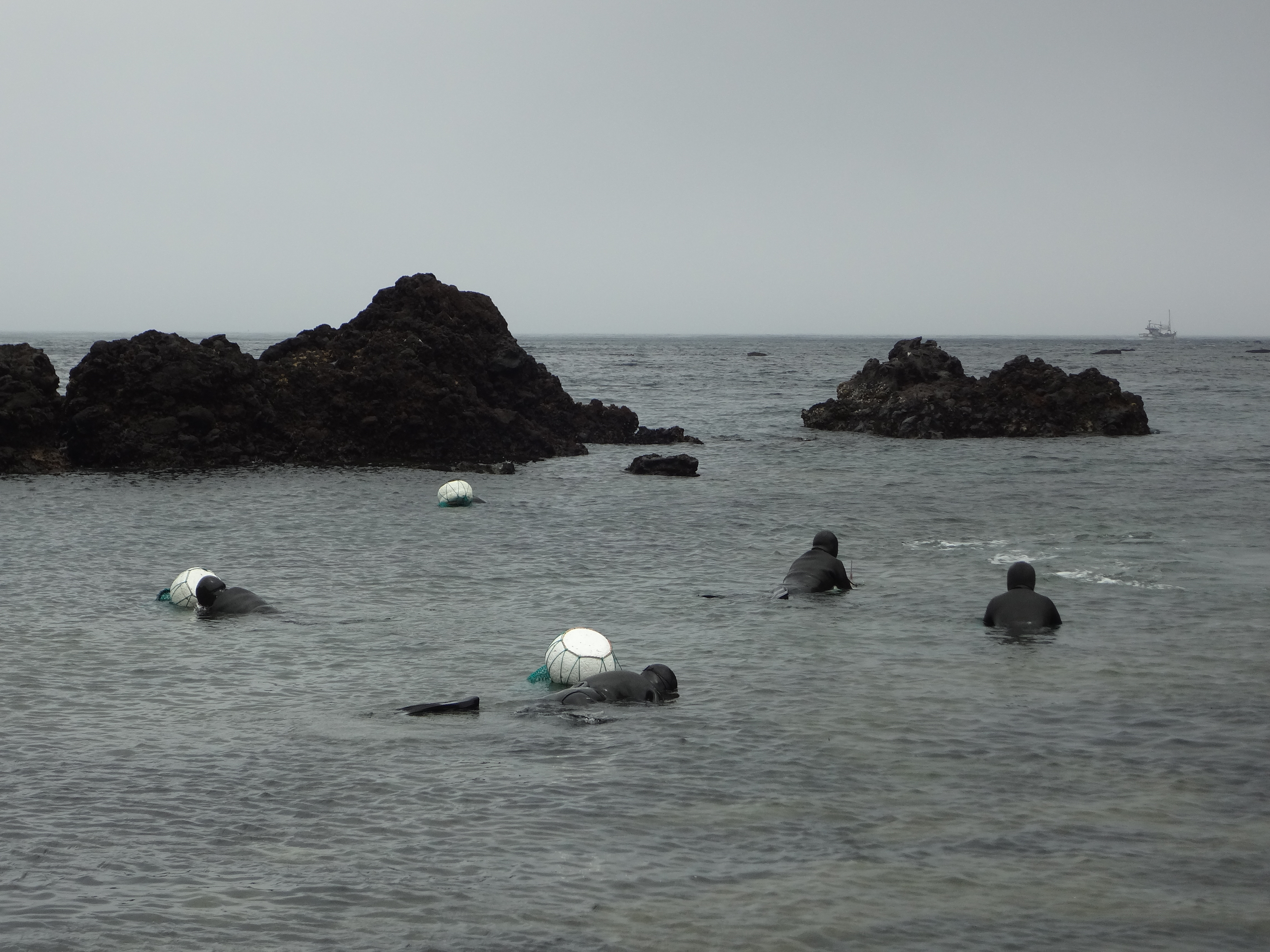
Among the fascinating people I have met or seen in Korea are the haenyeo, or Korean female divers. I encountered them in Jeju, an island in the south. The haenyeo dive for abalone, clams, and seaweed without any special diving equipment. The women are mostly old, as the younger ones do not want to become haenyeo any longer. I am told that the youngest is in her fifties. There are only a few thousand haenyeo left.

DSC07880

In a diving show, the women sang before getting in the water.

DSC07894

They could be mermaids, after all!

DSC07910