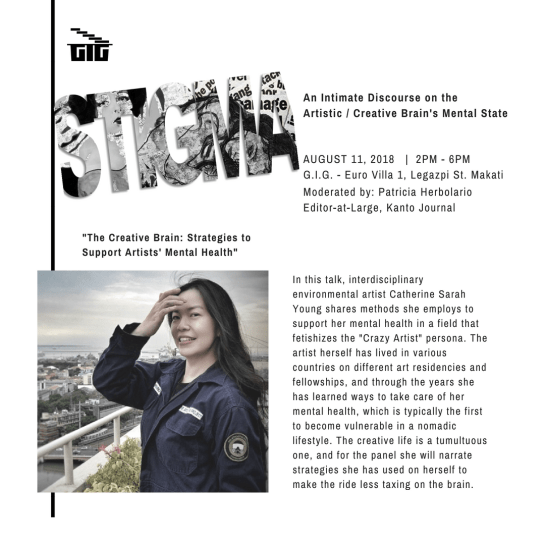
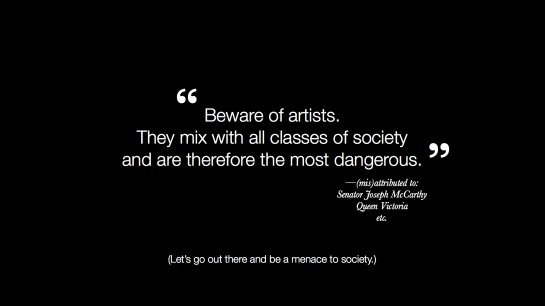
 11 August 2018, Manila—Last weekend, I was one of the three speakers asked to give a talk at this art space in Makati called Gallery in the Gutter (G.i.G.) about something other than climate change (woohoo!): mental health. Specifically, I spoke about how I take care of mine. But along the way, i debunk some stereotypes about artists, too.
As someone who regularly travels on residencies and exhibitions, I’ll be the first to tell you that this amount of travel can put mental health in jeopardy if one is not prepared. Here are some things I’ve learned about mental health, and how I’ve learned to take care of it through the years:
1. Mental illness can be inherited (whether you are an artist or not).
…And I wish I knew that anxiety ran in the family earlier than December of last year, when an aunt told me. I have a cousin who needs medication for anxiety, and some others who may be vulnerable to it, too. However, as they were raised in the US and me in Asia, our upbringing was different. I grew up in a disciplined Chinese environment where mental health was never discussed. If you had anxiety, that was disciplined out of you. I definitely recommend seeking help; speaking about mental health is thankfully not as taboo as it once was. Through the years, I have also developed my own strategies to cope. I still believe that the state of the world makes it difficult to not be worried about things, and so with years of learning different ways to be resilient, I’ve never needed medication (and hopefully never will).
I also talked about other misconceptions of artists, such as the left brain / right brain fallacy, and ways that artists’ brains are in fact unique, such as some structural differences.
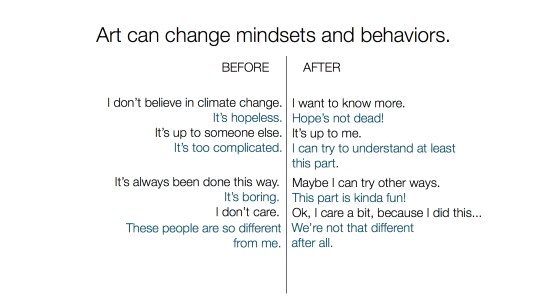
2. Capitalism has made people work so hard at jobs they don’t love to buy stuff they don’t need at the risk of their relationships and happiness.
I believe in this point so much I placed it on two slides. This made me think of a recent article that said that artists’ brains are not motivated with money. But because we still live in a world of capitalism and unending growth, holy crap, what now? I think of this as an artist still early on in her career, where I count myself fortunate to still be able to do what I love and push myself to ask better questions through the auspices of the grants that have supported me, where I get paid to not conform. In between, I do get increased anxiety levels thinking about whether I should just stop all this and just, oh I don’t know, work in a bank or marketing or something. *shudder*
3. The strength of our relationships is the most important predictor of long-term happiness.
I didn’t say this, scientists did. When researchers tracked men for about 80 years, it turns out that the primary determinant for well-being was how satisfied they were with their relationships. My relationships—and the gratitude that comes with having good people in life—are definitely among my primary values. If I’ve ever given you one of my Ritual cards, thank you for being part of my life!
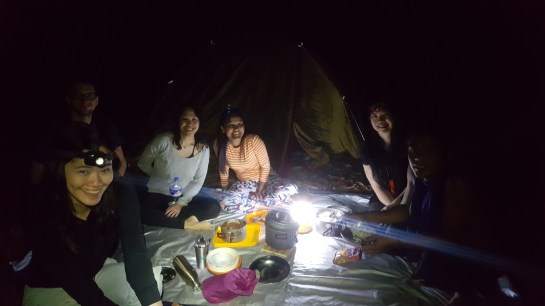
Another way I go this is by making Memory Boards where I print out photos of me with my friends. I think it’s great to have a physical way to remember people, instead of always seeing them online. Also, having photos of myself looking so happy has a mirroring effect, which is especially helpful when I’m at my lowest—if I felt that happy once, I can be that way again one day.
4. A healthy diet promotes good mental health.
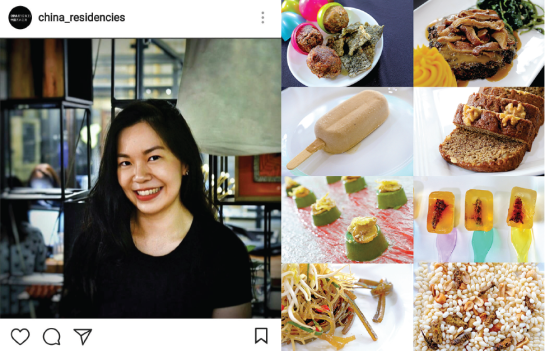
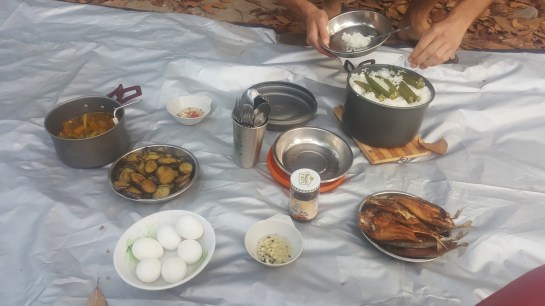
Last year, you may remember the Year for the Planet: Food project I embarked on, where I fixed my eating habits for the sake of the environment. This accidentally made me a plant-based, meal-prepping, buy-in-bulk consumer with a fraction of her plastic waste (for it is impossible to be completely zero-waste in some cities). My unwitting foray into healthy eating also improved my moods and productivity and I’ve been a lot happier ever since. It also prevents me from eating junk when traveling.
I also spoke about where I get my information, seeing that misinformation abounds especially on the internet. Scientific literacy is something I spread in my work, and in my personal life, I tend to question everything. I am categorized a “Questioner” in Gretchen Rubin’s The Four Tendencies Quiz, and being a Questioner, I took this test multiple times in different points of a year and still got Questioner. I digress. When it comes to food, my go-to source is Dr. Michael Greger’s Nutrition Facts website—I like how he references studies and how they got to specific conclusions.
5. Rituals are the safety net that holds everything together.
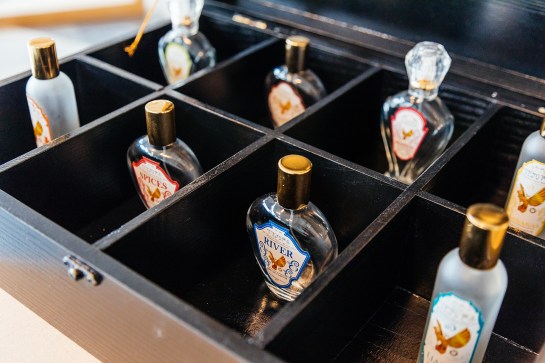
If I have been with you on an art residency, I may have offered to give you a facial massage. This isn’t for vanity purposes, though it has the effect of making one look years younger. (I am also at the age when getting carded is no longer a flattering affair, so really, this has more to do with general well-being.) Doing this every night relaxes me, an insomniac, into preparing for bed. I’m also one of those artists who don’t smoke, drink, or do drugs, and instead I bring a bottle of lavender oil everywhere to help with anxiety.
Also, I’ll never forget how taekwondo has put me on the right track to self-care. Hurray for martial arts!
6. Nature heals.
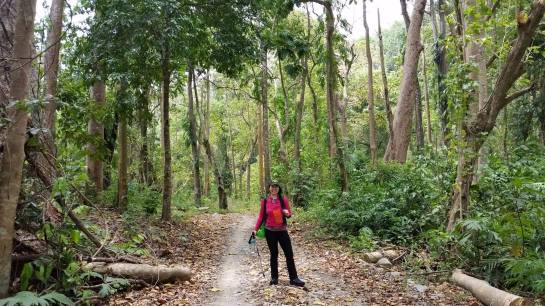
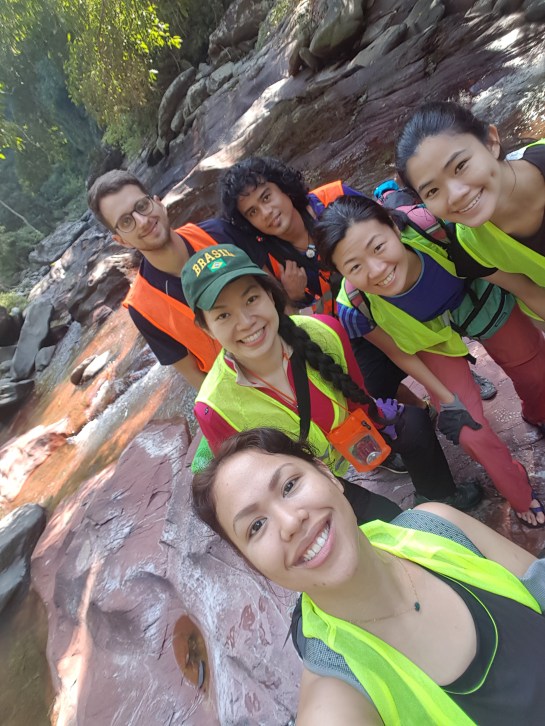
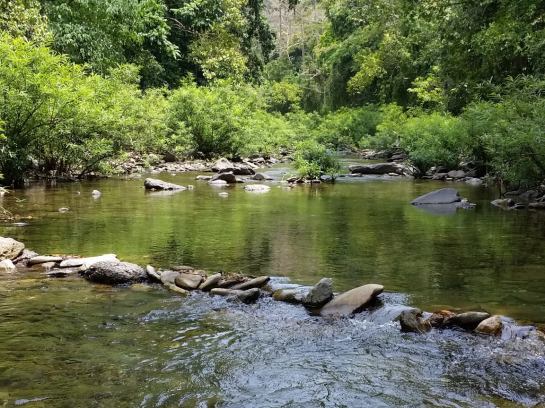
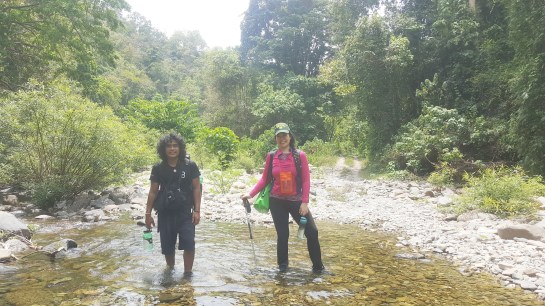
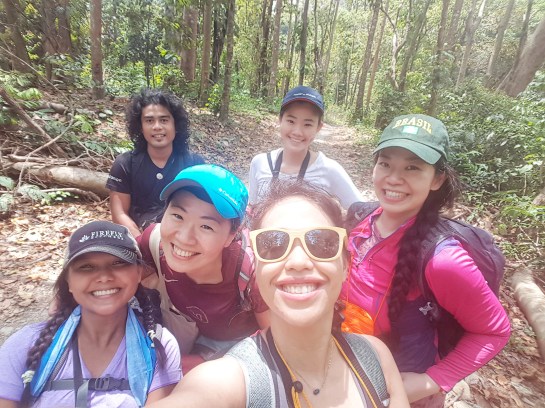
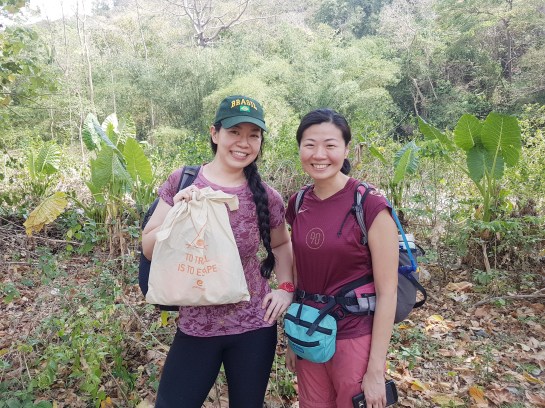
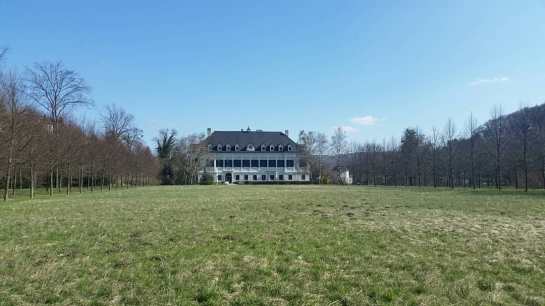
Forest-bathing is a miracle. I would know; in my last residency in Vienna there was a forest right outside my house and I hiked two hours every day and felt fantastic. Coming back to Southeast Asia and the chaos of Bangkok and Manila right afterwards was quite a shock, and I snorted half a bottle of lavender to keep me sane. In Manila, I wish we had more parks where I could at least see something naturally green, or to wake up with birds or see a random fox on the grass.
7. Meaning is healthier than happiness.
Having a purpose or working towards something bigger than you is definitely better for overall mental health than chasing after petty pleasures. I’m really thankful for everything my projects have given me—friends and colleagues with similar values, a healthy lifestyle, an a realization that it’s not as hopeless after all.
Thank you, Mrs. Elizabeth S.P. Lietz and Alexa Arabejo for the kind invitation!






 Catherine Sarah Young