Archive

Singapore

This art/science residency is winding down, and my penchant for sentimentality is going up. At the risk of sounding like a Buzzfeed listicle, here are some of the smaller, yet unforgettable moments. Most of these images were taken using a crappy smartphone, but hey, I’ll take it. I’d like to remember Singapore, the fifth country I’ve lived in, with this hodgepodge of memories:

1. The constant mixture of cultures as well as the combination of the traditional and modern.

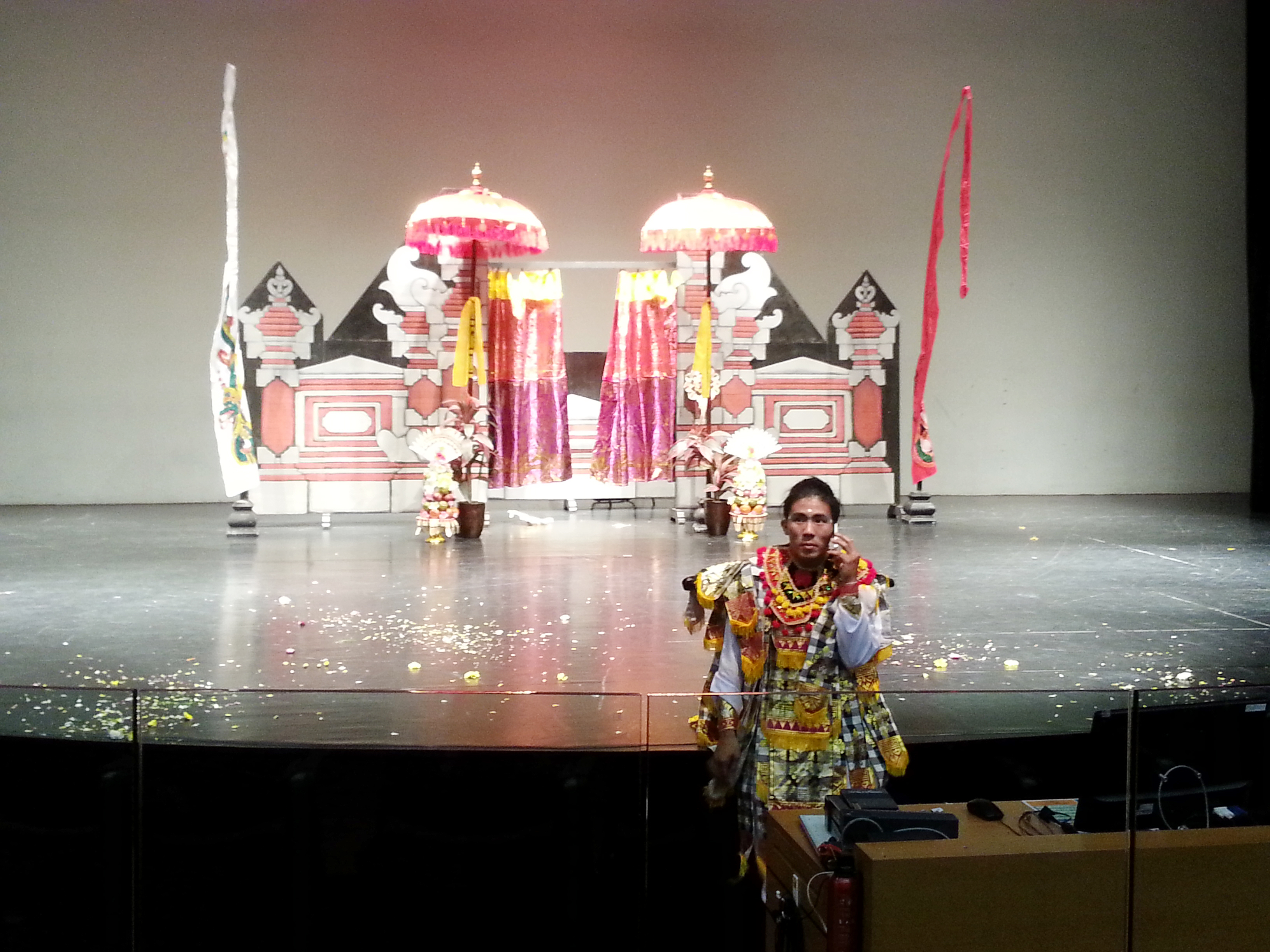
This guy in Balinese dress was on his smartphone during an intermission. This was a student performance at NUS.
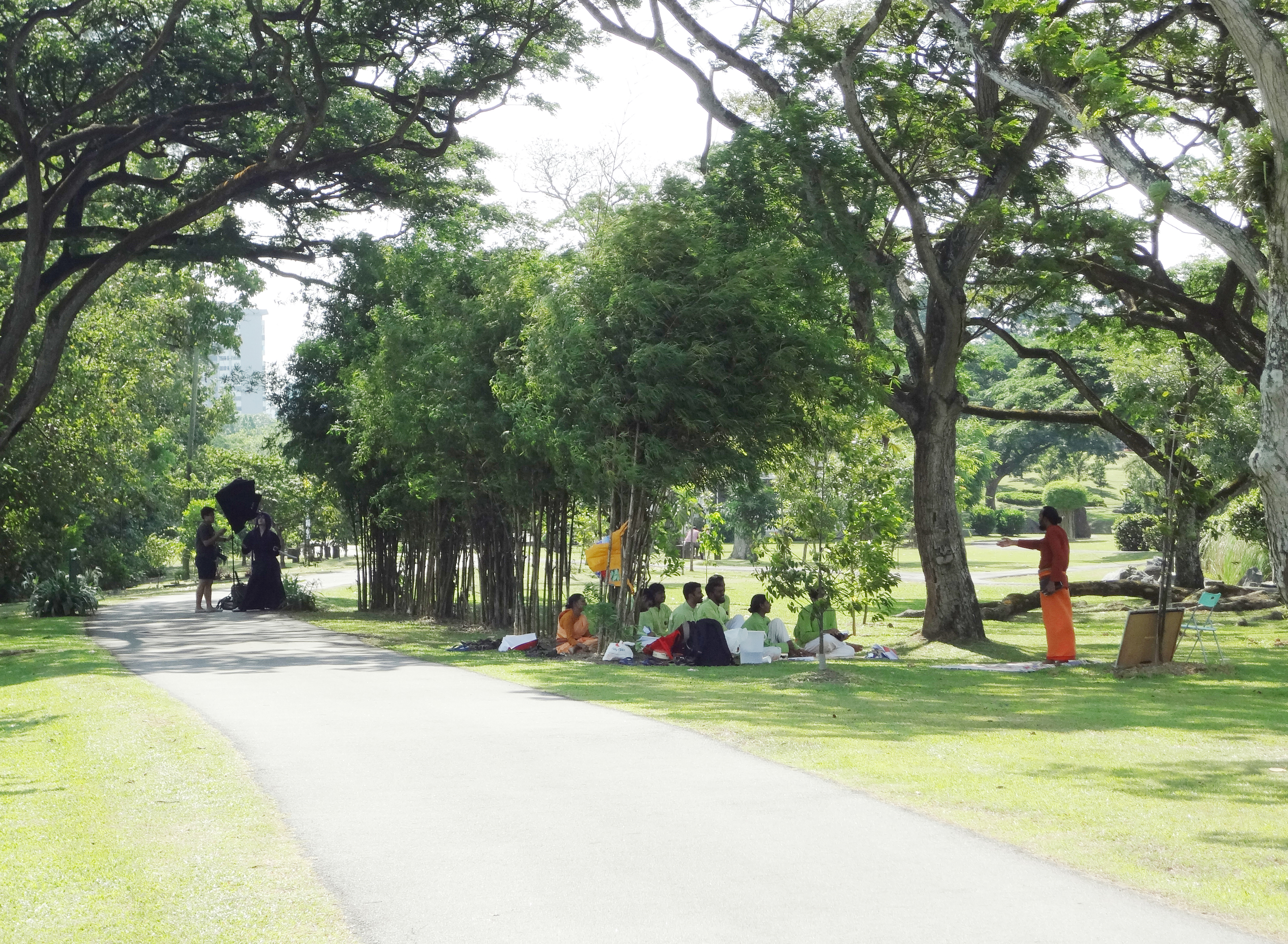
20131120_203343This cosplayer on a photo shoot and the class happening a few feet away. (I’m unsure what the latter is, and I didn’t want to interrupt them. If you think you know what this is, let me know in the comments. I’d like to be enlightened.) This was at Singapore’s Japanese Garden.
DSC08700new

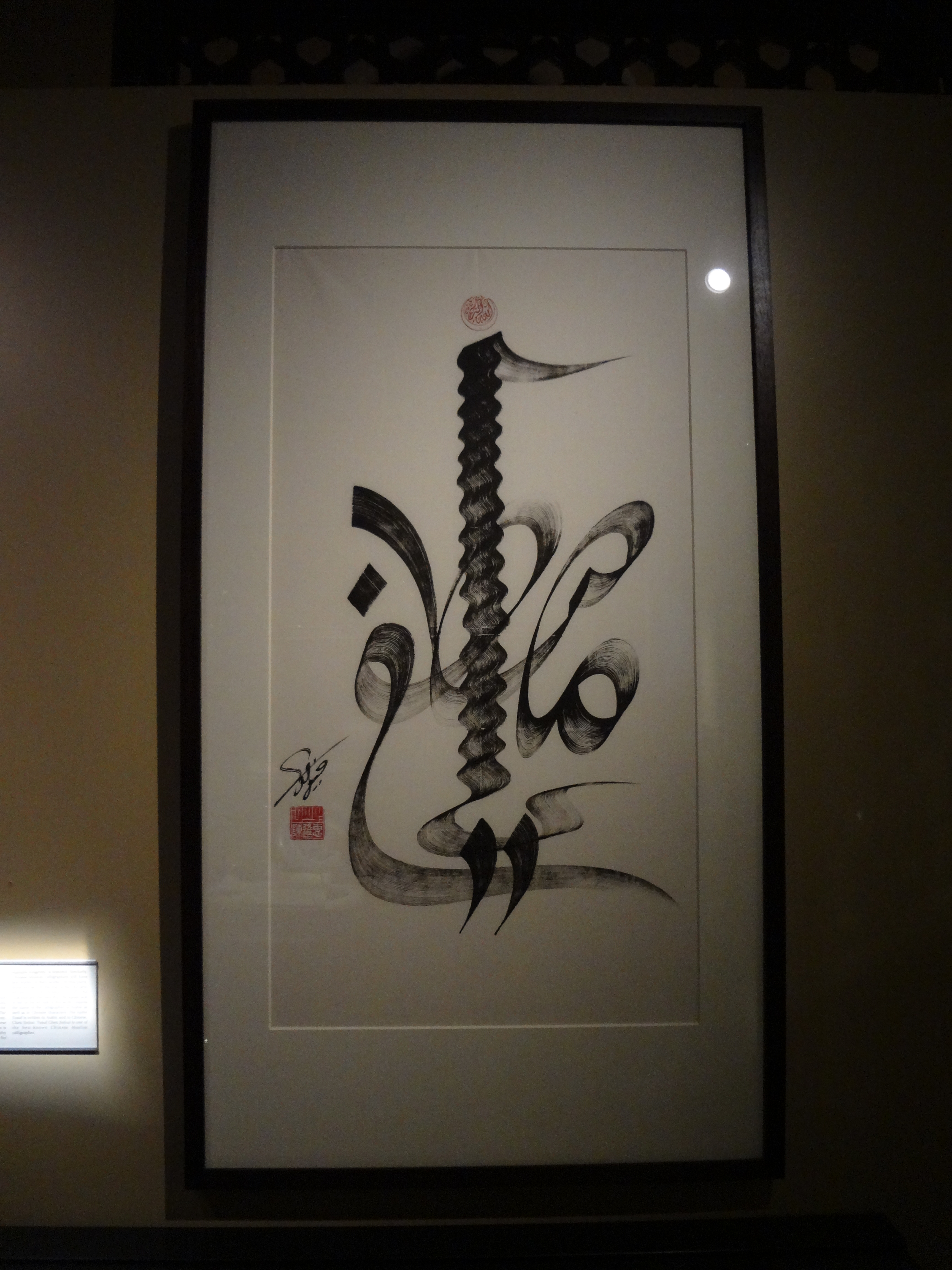
One of my favorite works in the Asian Civilisations Museum: “Mustafa” is written in sini script using a Chinese brush, by a Muslim Chinese calligrapher.
4 A DSC09250

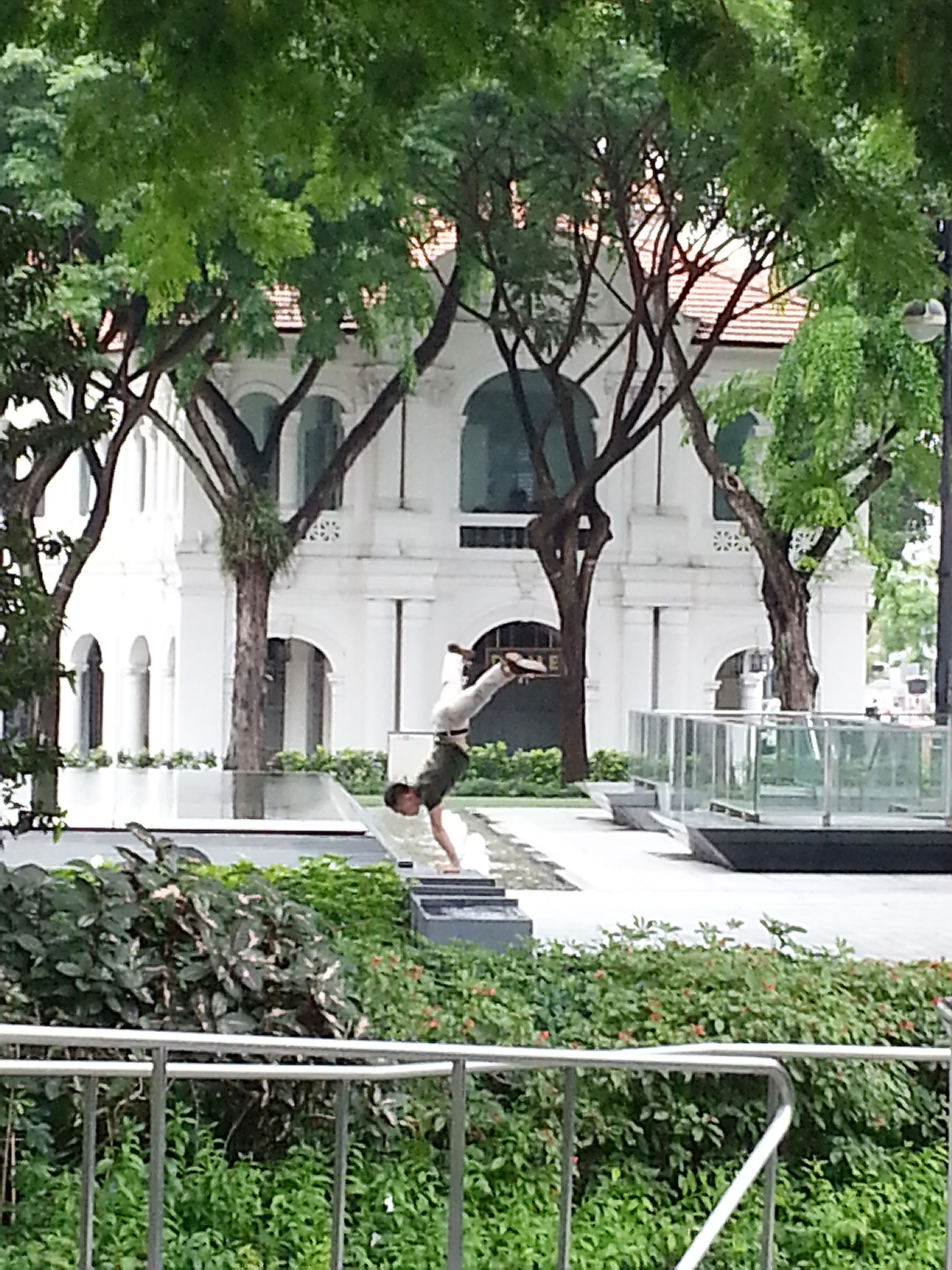
2. Random people working out.

This guy doing a handstand near the Singapore Art Museum. 
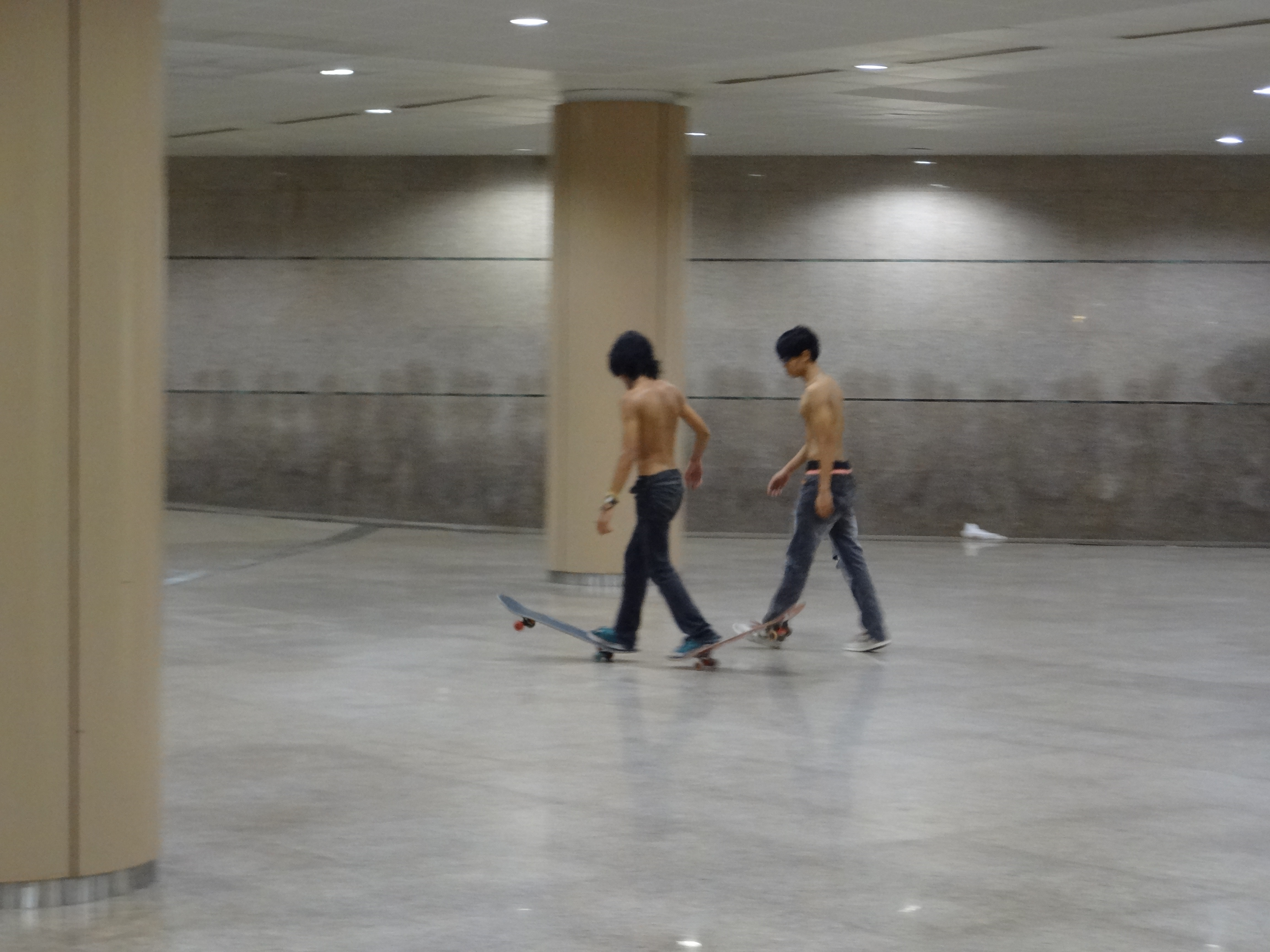
20130925_143032Or these skateboarders at Esplanade Station. They remind me of those outside the MACBA in Barcelona.
DSC09508

3. Seeing Venus.

Ok, I’ve definitely seen this before. Let me clarify: seeing Venus and knowing it’s Venus. Thanks to the Meetup group that organized this at the Singapore Science Centre.

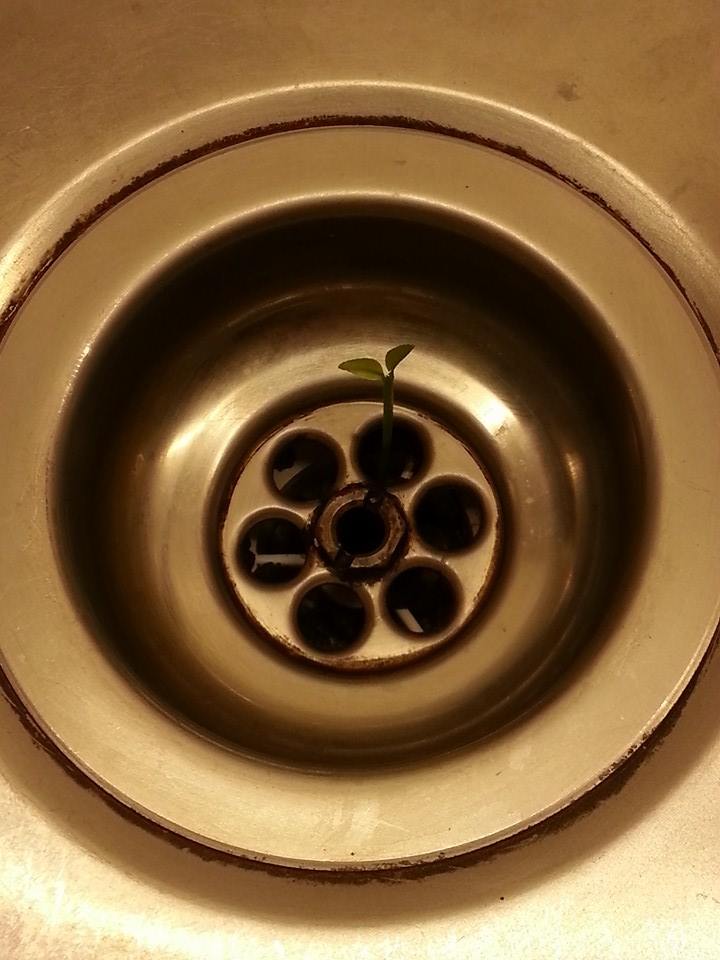
20131025_2002574. Random things that grew in my apartment.

This seedling peeked out of my kitchen sink.
1382206_10153442820240122_1415030767_n

A second mushroom  sprouted in my shower.

1453386_10153628825455122_2040611026_n

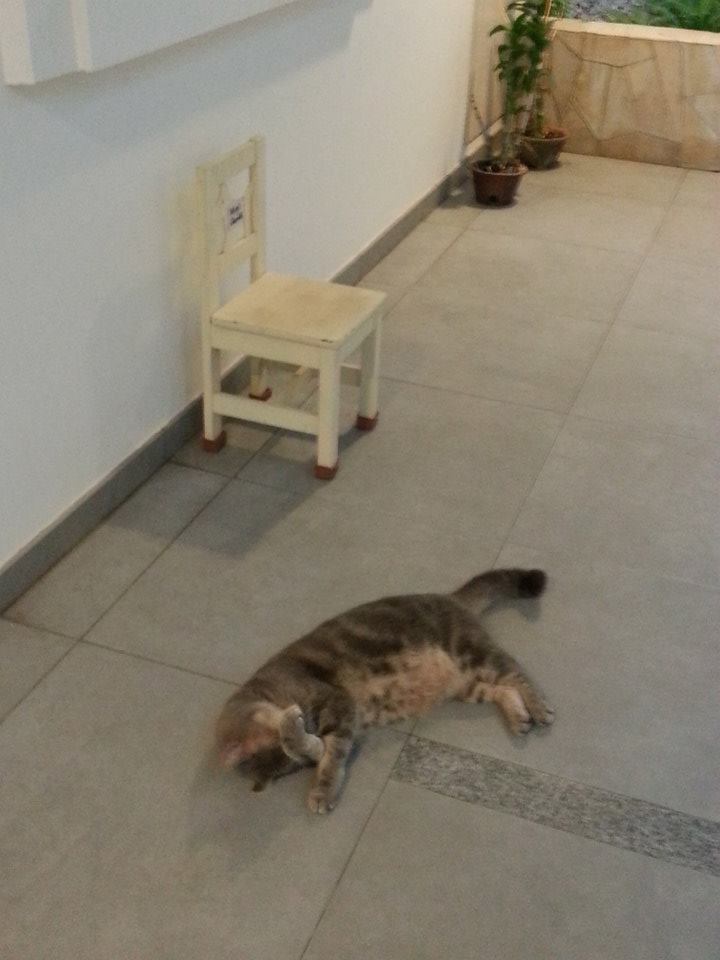
5. Professor Greg Clancey’s cat, Misty, who lives next door to me at Tembusu College.

She went from being scared of me to not caring when I walked past.
1174709_10153243072040122_697031479_n

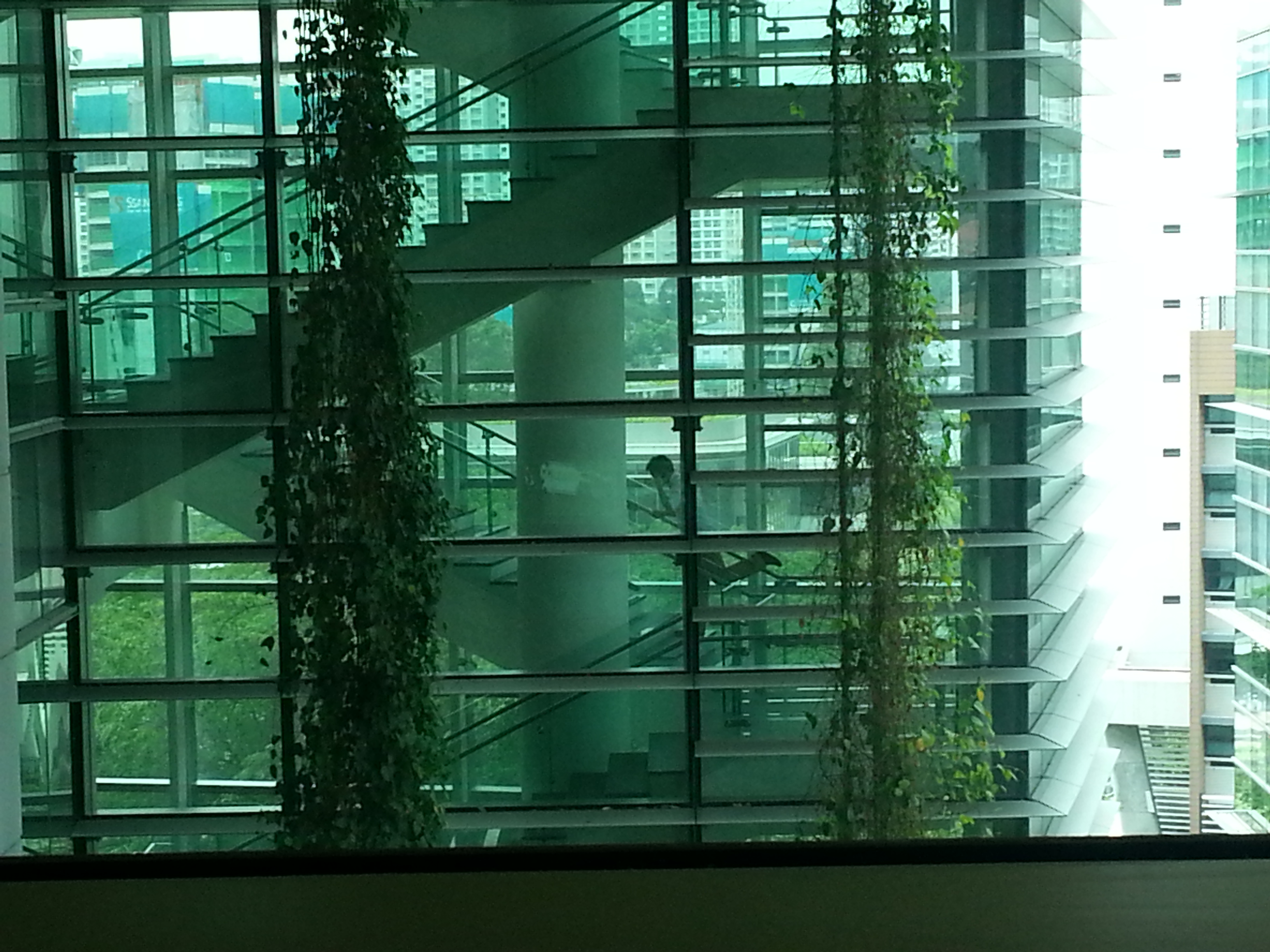
6. Being at my desk at the Future Cities Lab and seeing the people walking up and down the stairs.

The lab occupies the sixth and seventh floors. I think that how they use the stairs reflects their personalities.
20130923_131351

(On that note, seeing this guy repeatedly use the hand rail as a ballet bar is the reason why I stopped touching it.)

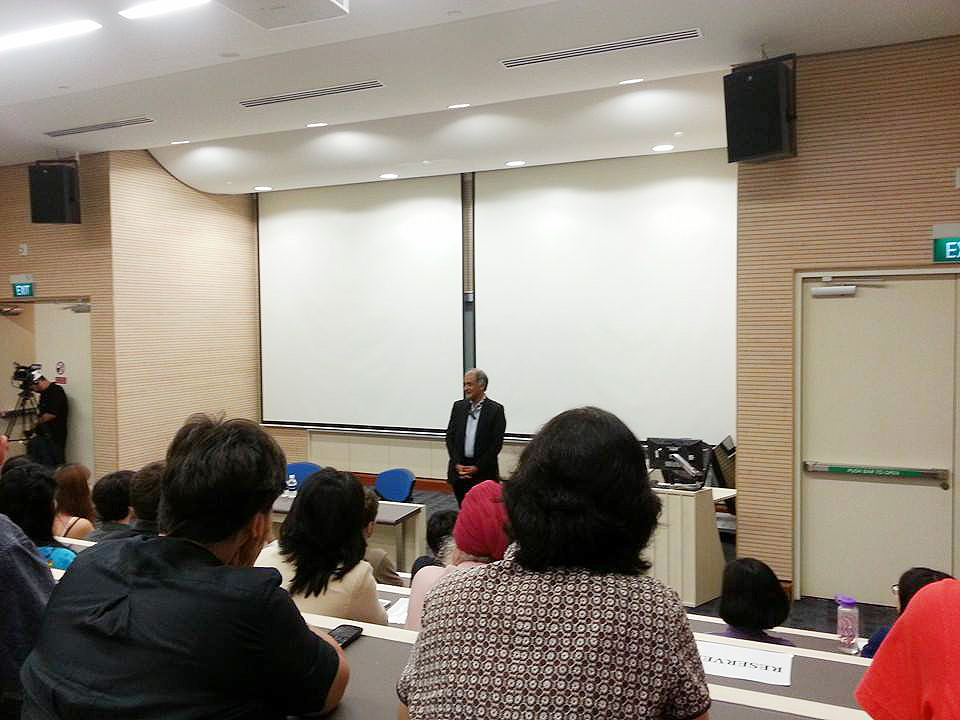
7. Attending lectures for the sheer enjoyment of them. 

Such as this one by Pico Iyer sponsored by Yale-NUS at UTown.
Pico Iyer

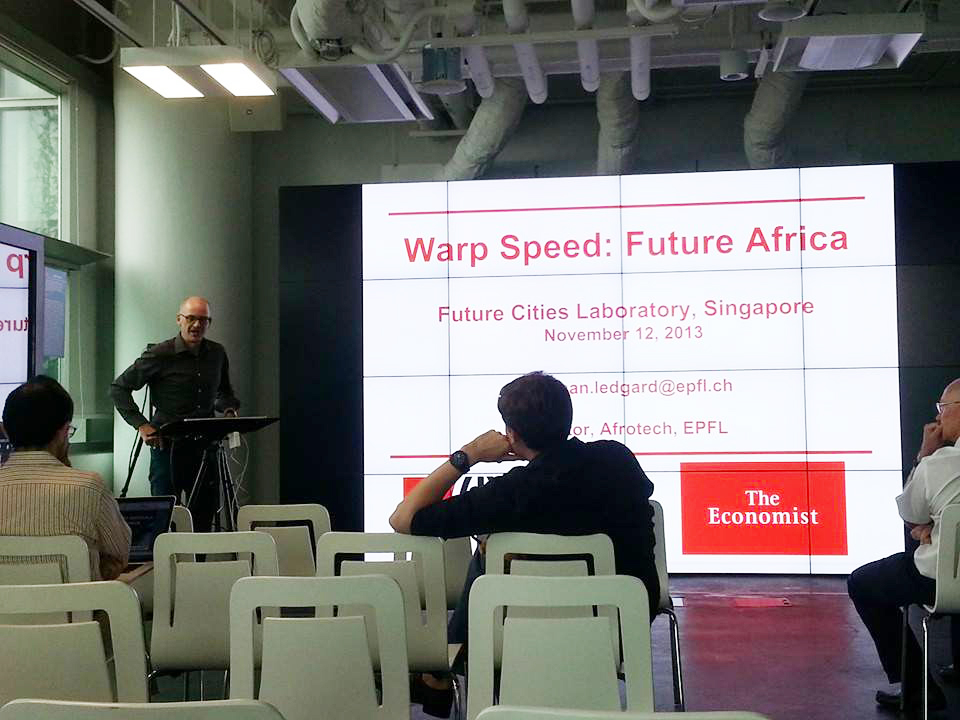
Or this one by Jonathan Ledgard at the Future Cities Laboratory, whose book, Giraffe, I read and loved last year.
Jonathan Ledgard

8. Working with scientists. 

I loved seeing their less academic side. Like so:
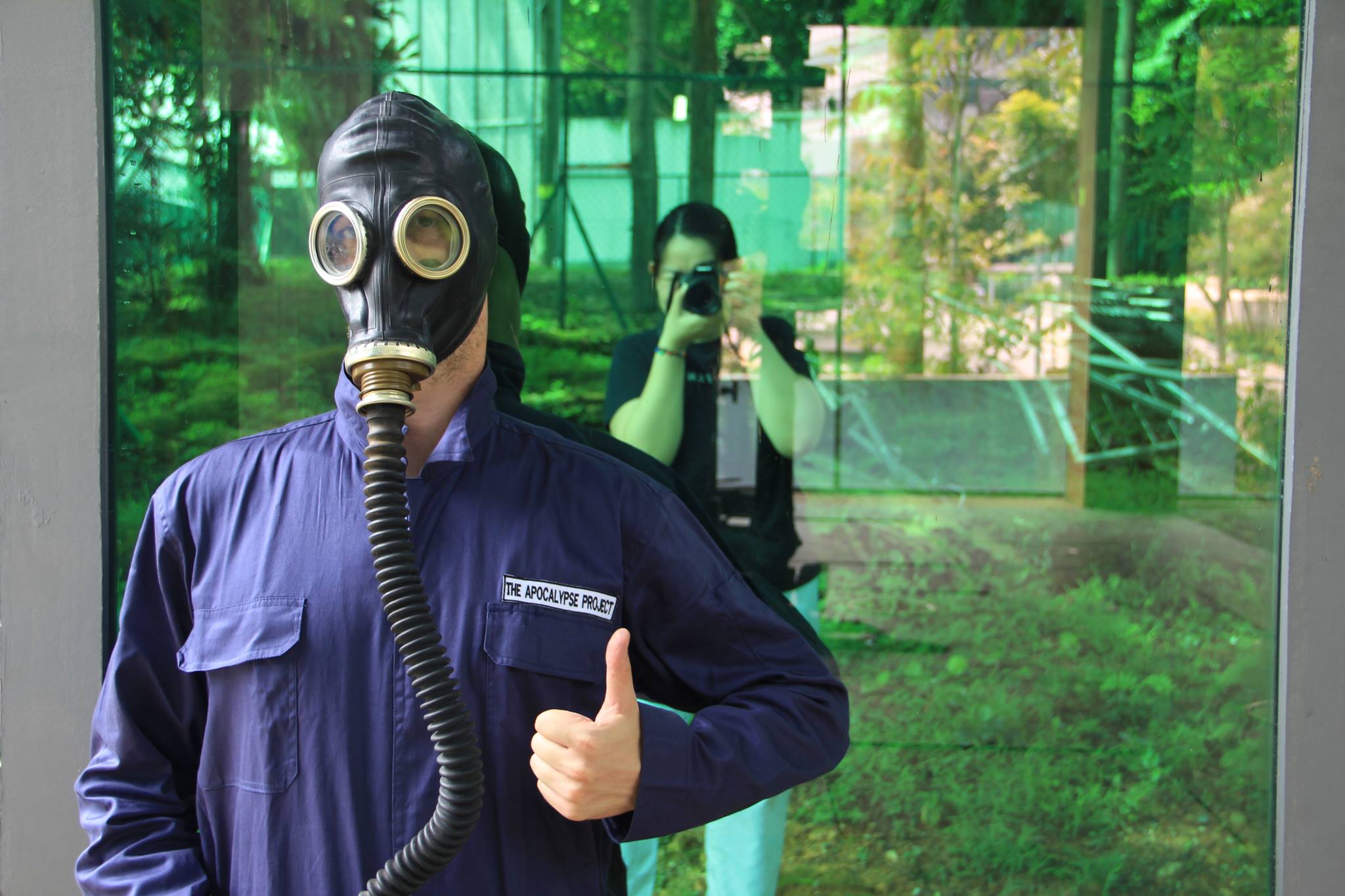
The Apocalypse Project smell mask

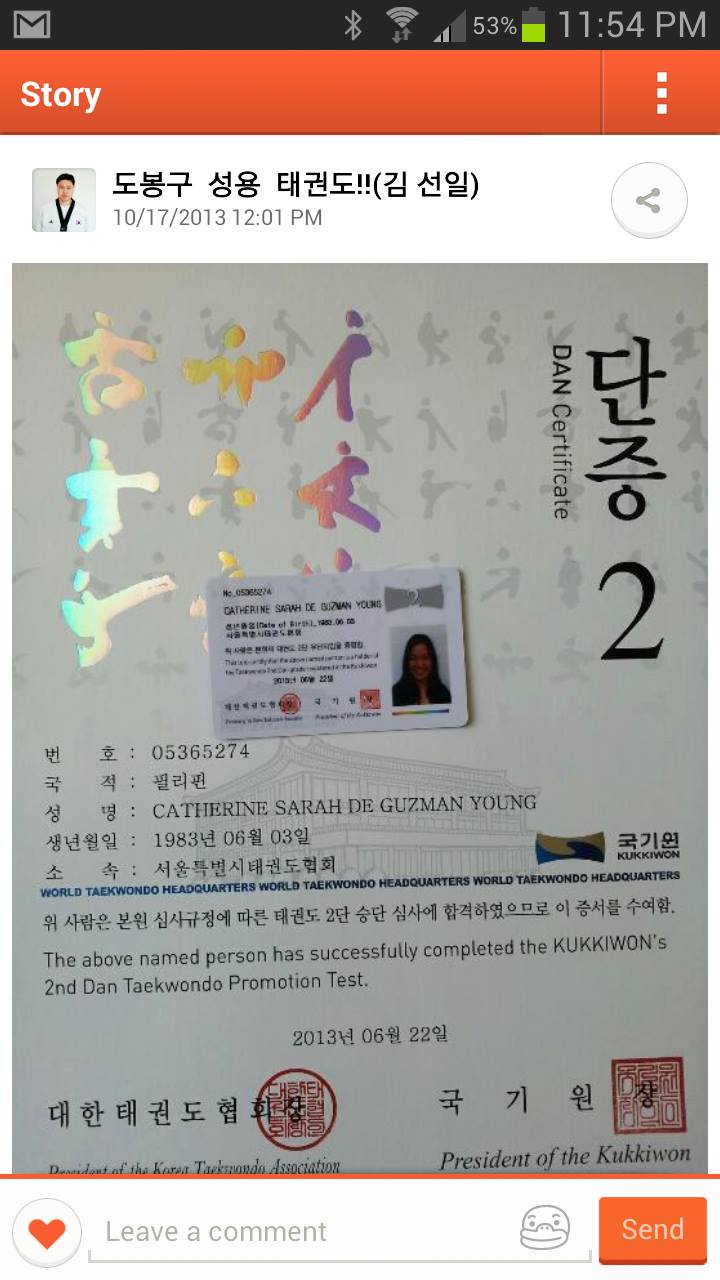
9. Getting into emoji chats with my taekwondo master in Korea (since we still can’t understand each other). 

I love my current project the most, but I definitely adjusted faster in Seoul.

Screenshot_2013-09-27-21-20-51

Hurray for Kakao Story! Thanks to interaction design, communication between two people who do not speak the other’s language is completely possible. Guess who did pass her second degree black belt test after all. Now to figure out how to ship it to me. Hmm.
1400249_10153432940980122_748657994_o

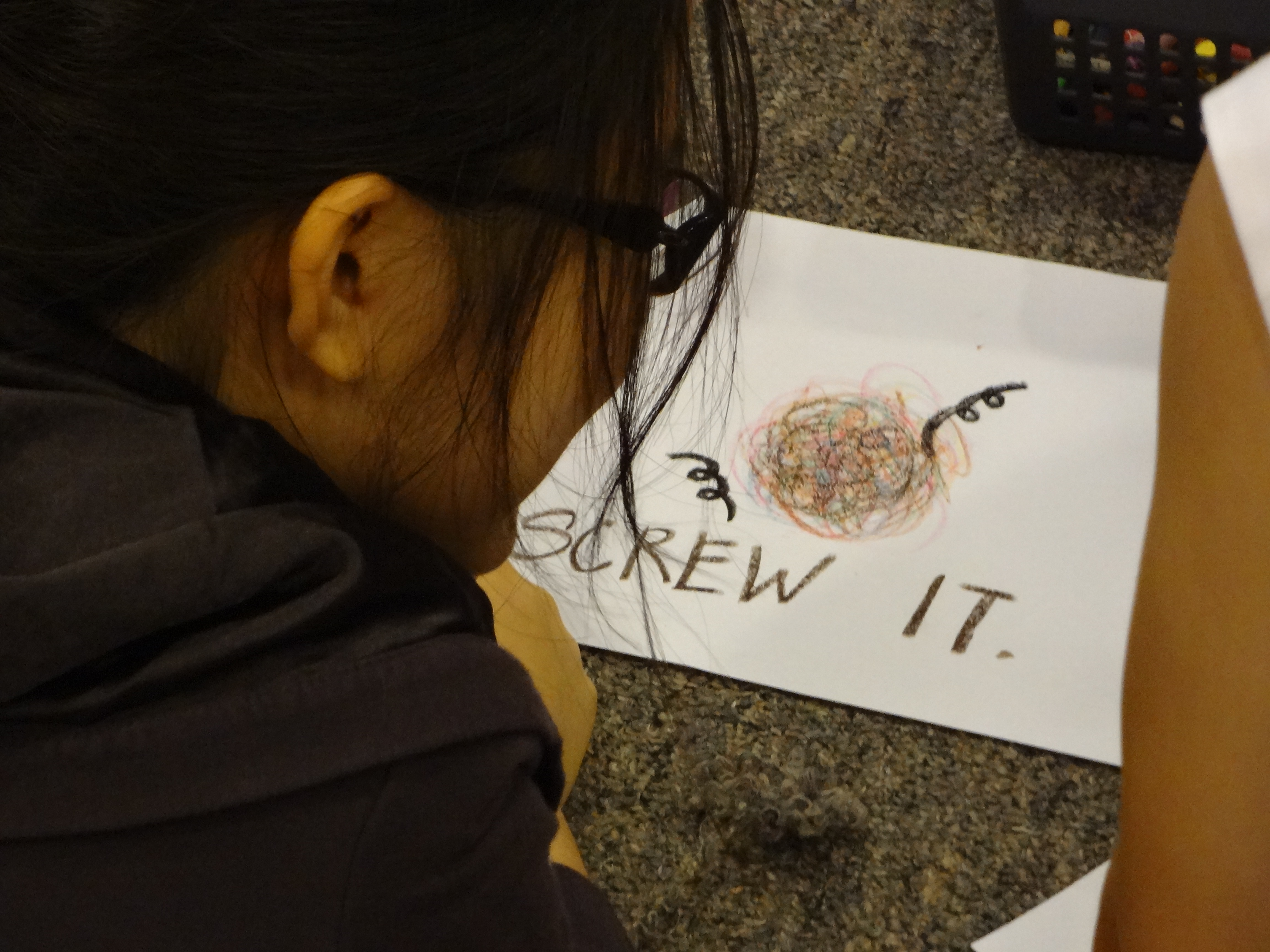
10. Holding Apocalypse Workshops and getting into uncontrollable fits of laughter.

Because, well…
DSC09518

This gig went by too fast, too soon. I’m in the goodbye-presents-and-thank-you-notes stage. Wasn’t I just doing this a few months ago? Vagabond problems, oh dear.
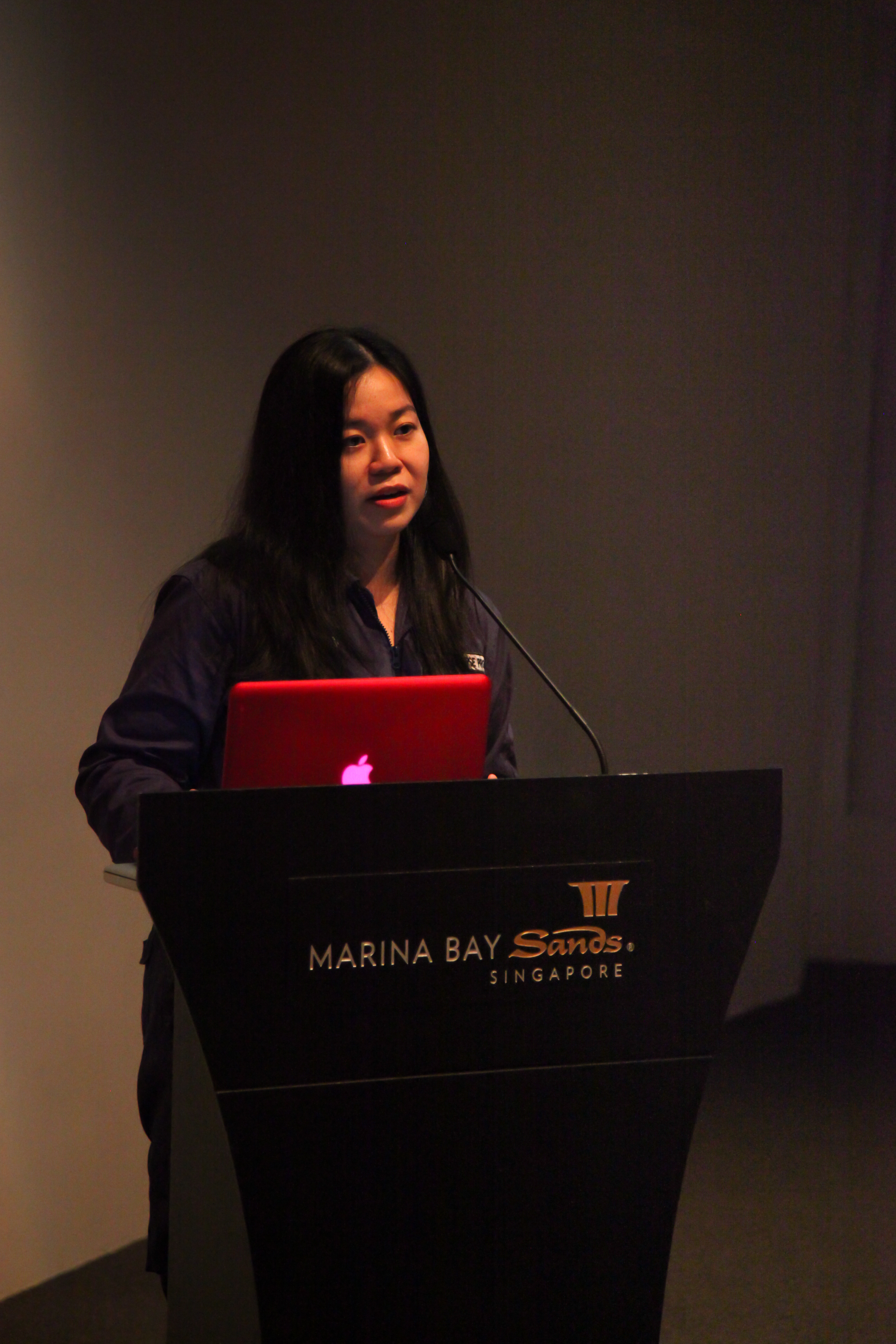
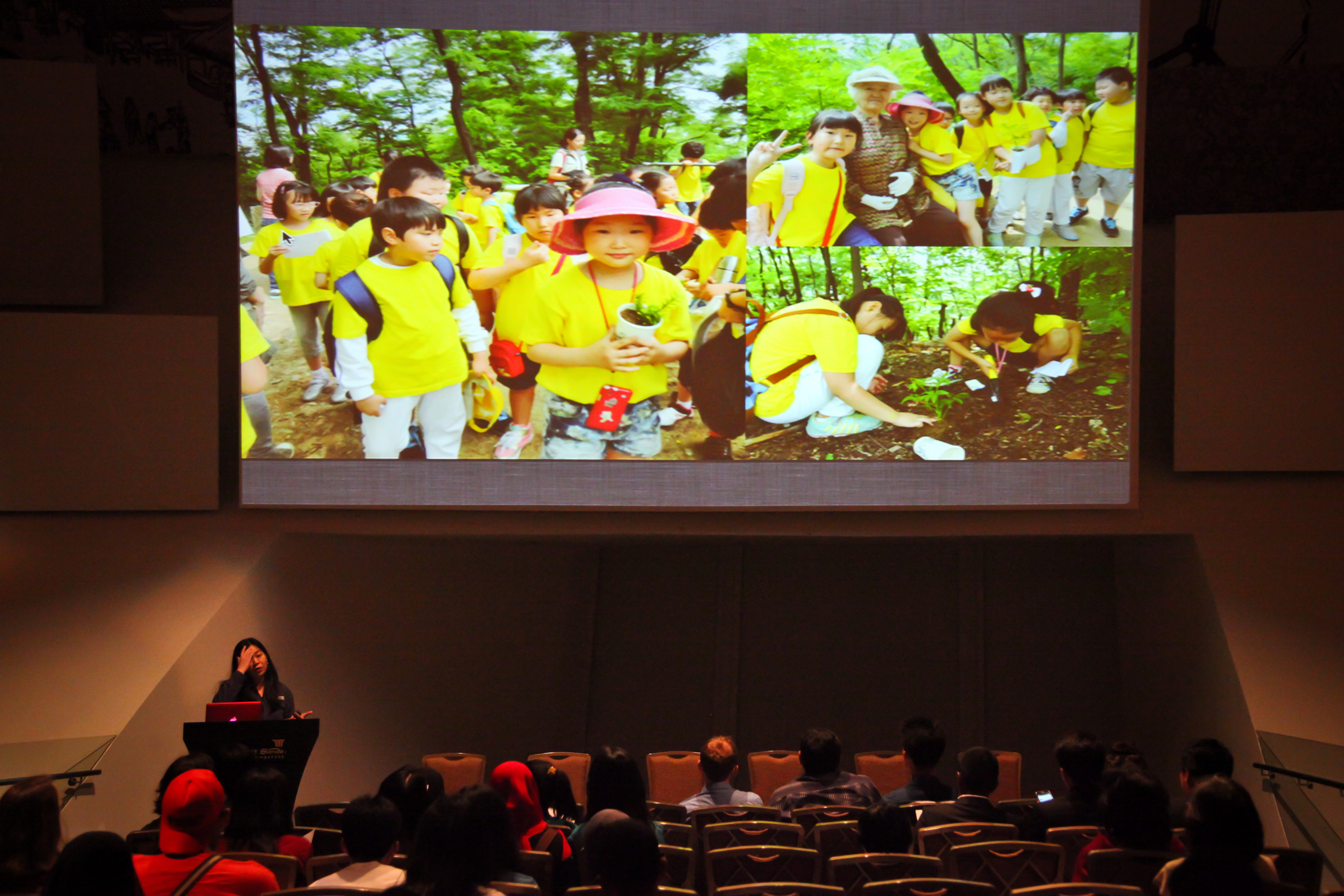
Last November 16th, I spoke on the panel, Negotiating Cities of the Future, part of the ArtScience Conversations hosted by ArtScience Museum, together with fellow artist-in-residence Michael Doherty, Shannon Lim, William Hooi, and Luther Goh. The museum was kind enough to send me photos from my part of the panel.

IMG_2052

My talk was entitled, “The Apocalypse Playbook: Strategies for the End of the World.” I spoke about my previous work that led me to do The Apocalypse Project.

IMG_2003

For example, I talked about the Seoul43 project. Even talking about it made me recall the exhaustion of climbing more than 43 mountains. Ha.

IMG_2028

I also spoke about my previous sensory projects, such as The Hug Vest.

IMG_2025

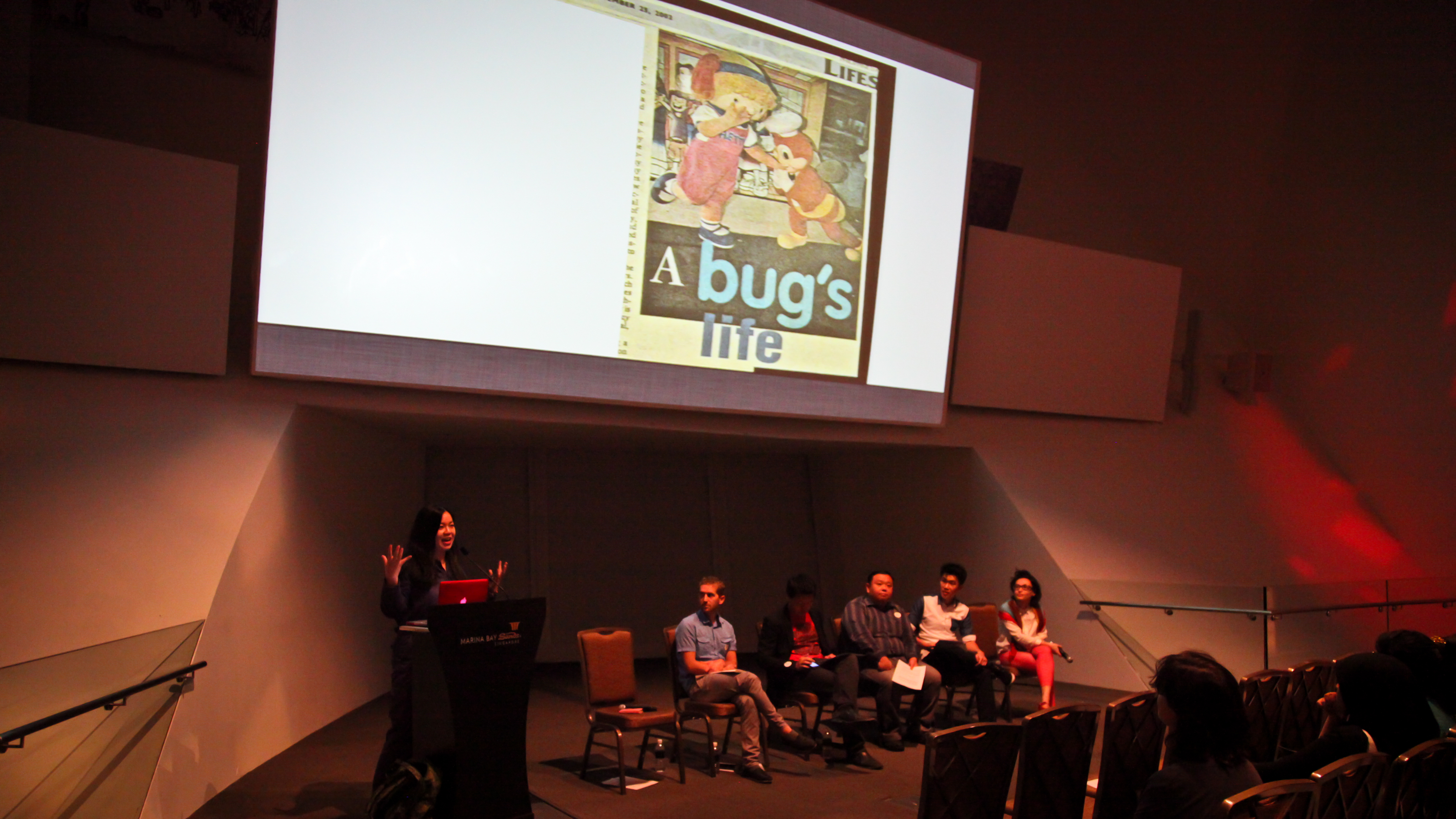
I also talked about how I came to value interactivity and experience-based design through my previous jobs and lives. As a youth correspondent at The Philippine Daily Inquirer, one of my favorite series of articles was something I called Temporarily Yours, where I took on a job for a day and wrote about it. My favorite one was about being a mascot for Jollibee, a Filipino fast-food chain. This is an 11-year newspaper clipping. In the job, I wore both suits, but for that particular photo, I was the blonde girl on the left.

IMG_2014

Oh hi again, my Art, Science, and Design slide.

IMG_2018

Dr. Margaret Tan, Fellow at Tembusu College and Director of Programmes, introduced us.
IMG_1997

Denisa Kera, professor at the National University of Singapore, moderated the event.

IMG_2000

Yep, I was wearing the Apocalypse Suit. I should wear that at all times. It’s comfy with a lot of pockets. It’s probably one of the few outfits I wouldn’t mind wearing everyday, other than a dobok.

Last November 10th, The Apocalypse Project was exhibited at the Sunday Showcase at ArtScience Museum at Marina Bay Sands. Here are some photos of my part of the show at the Inspiration gallery:

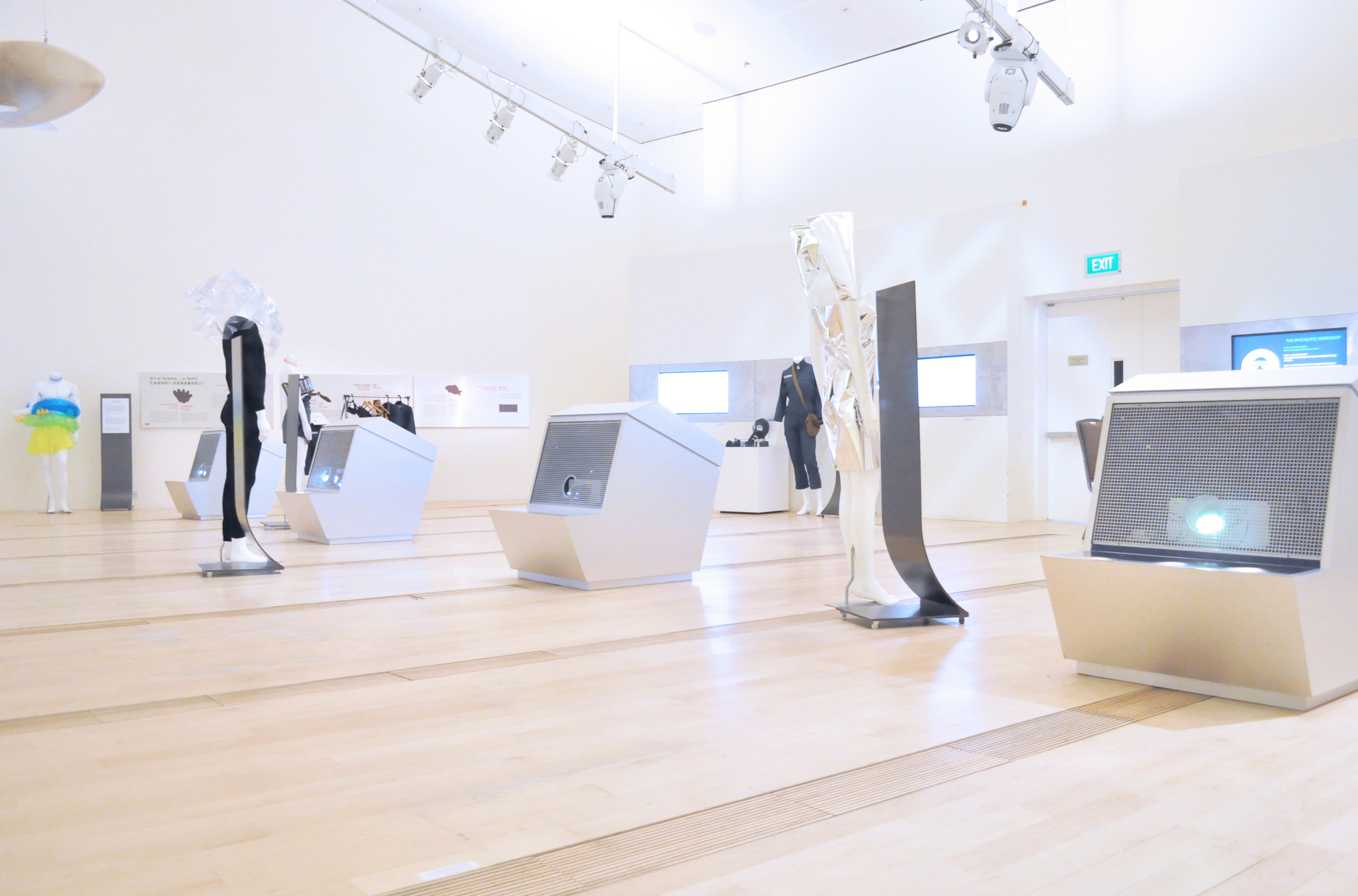
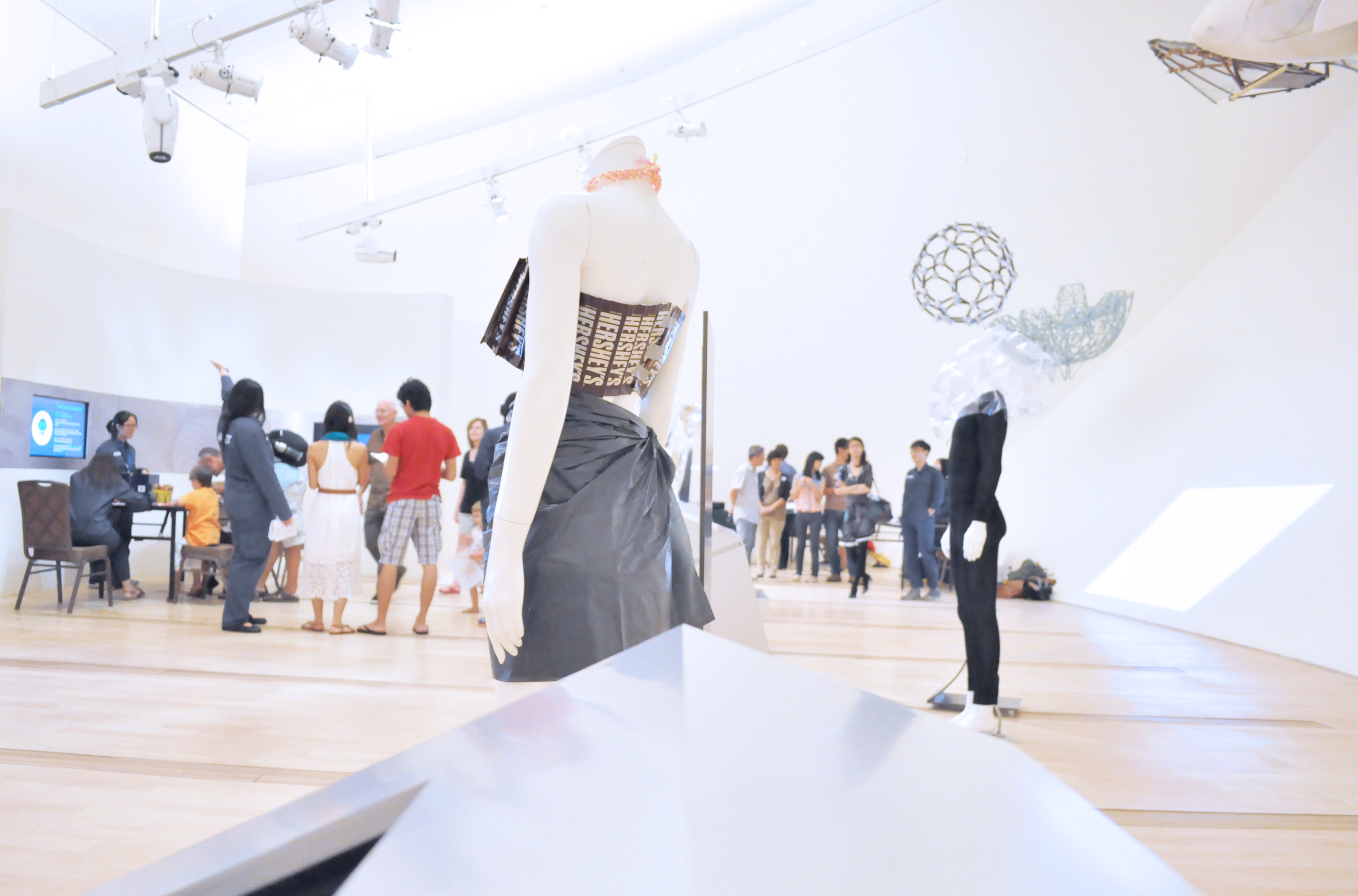
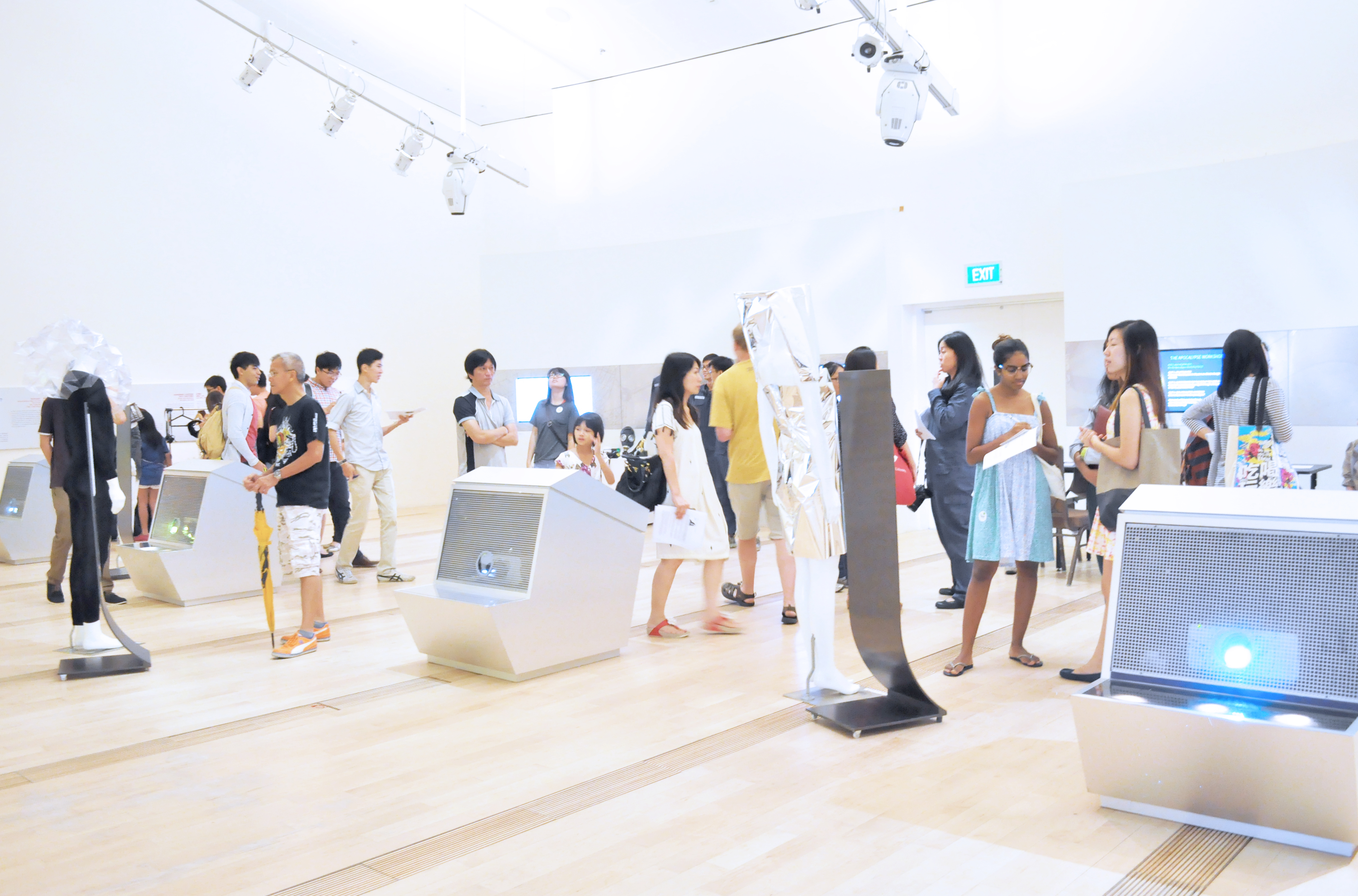
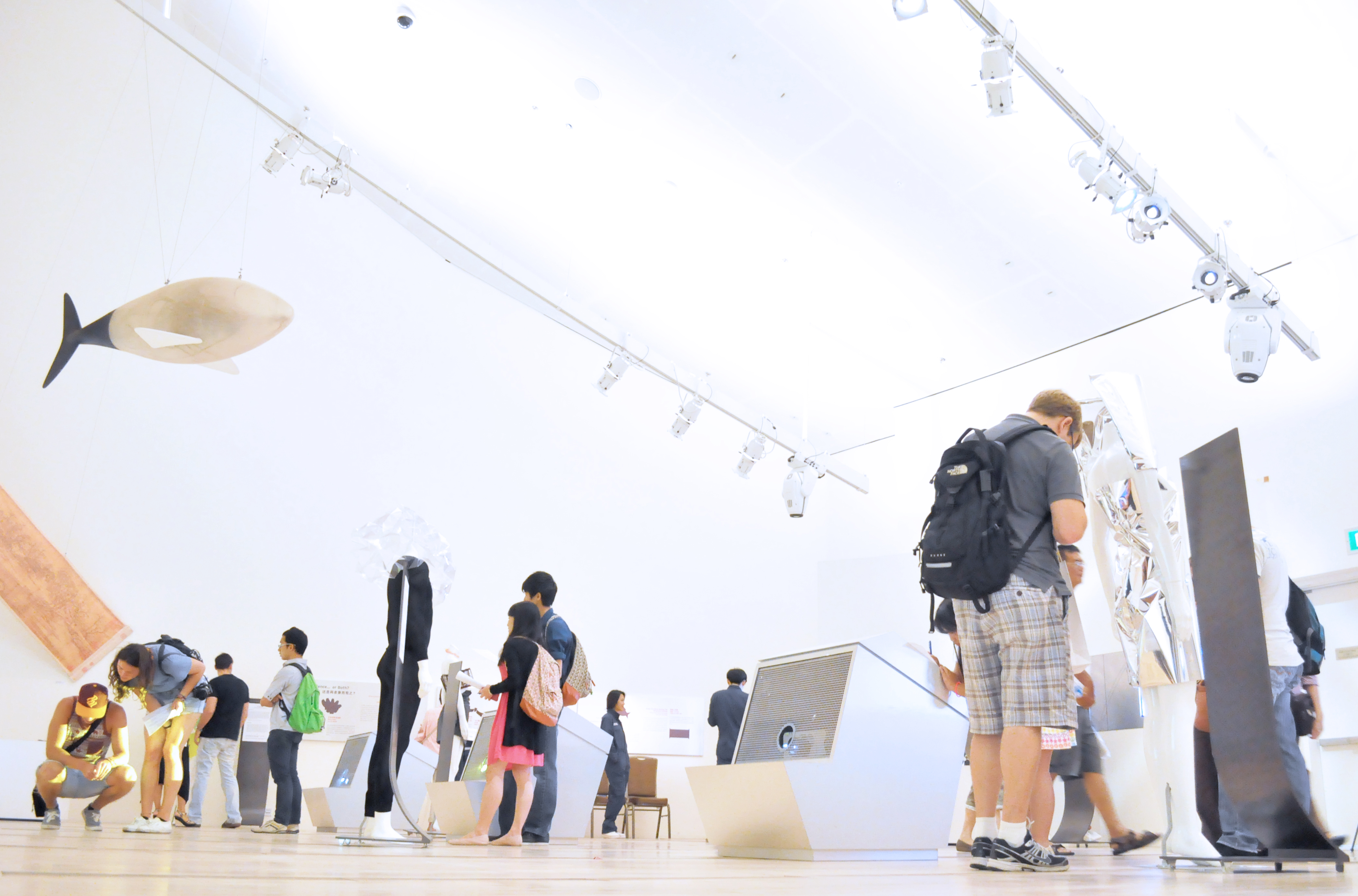
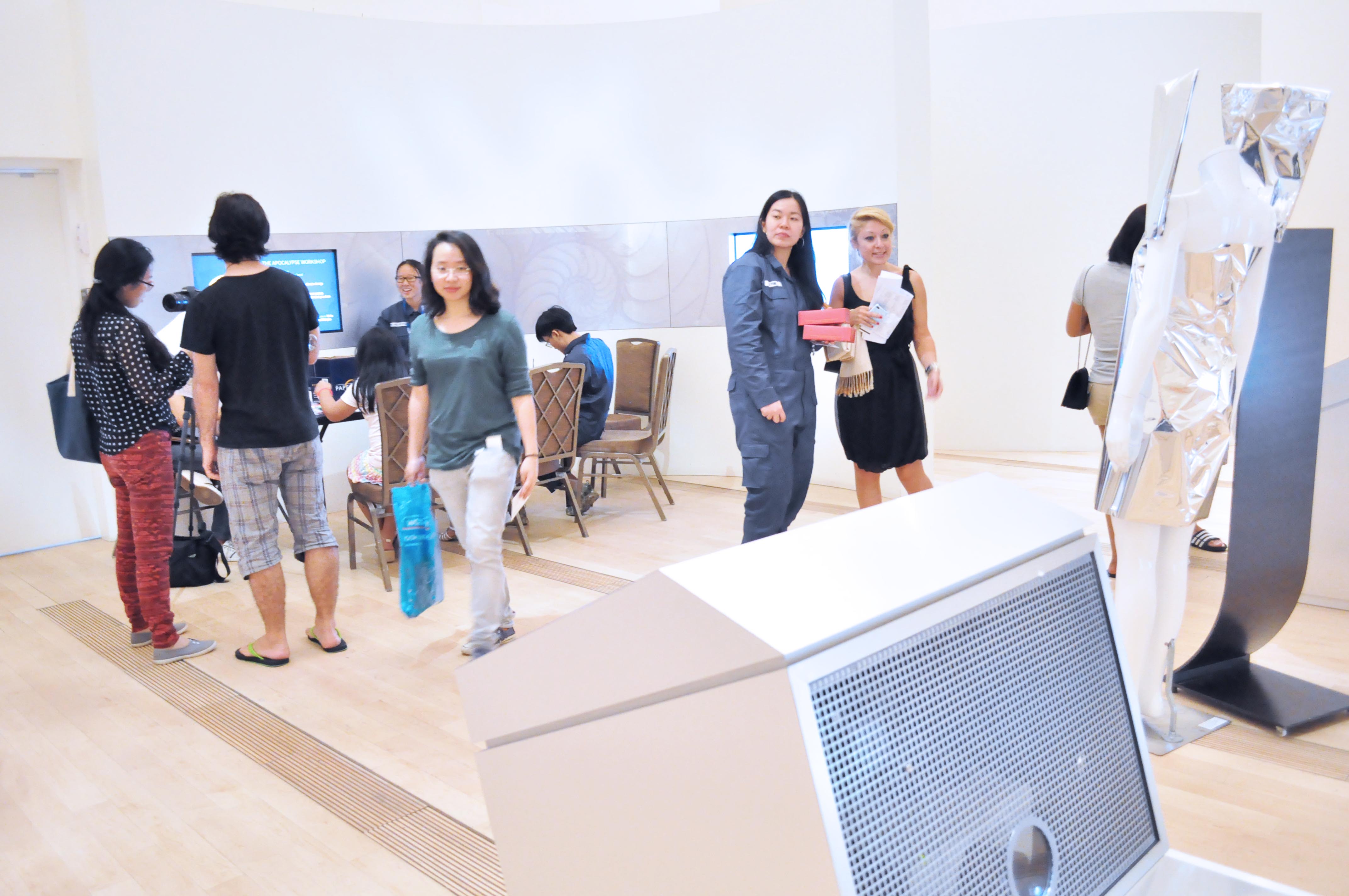
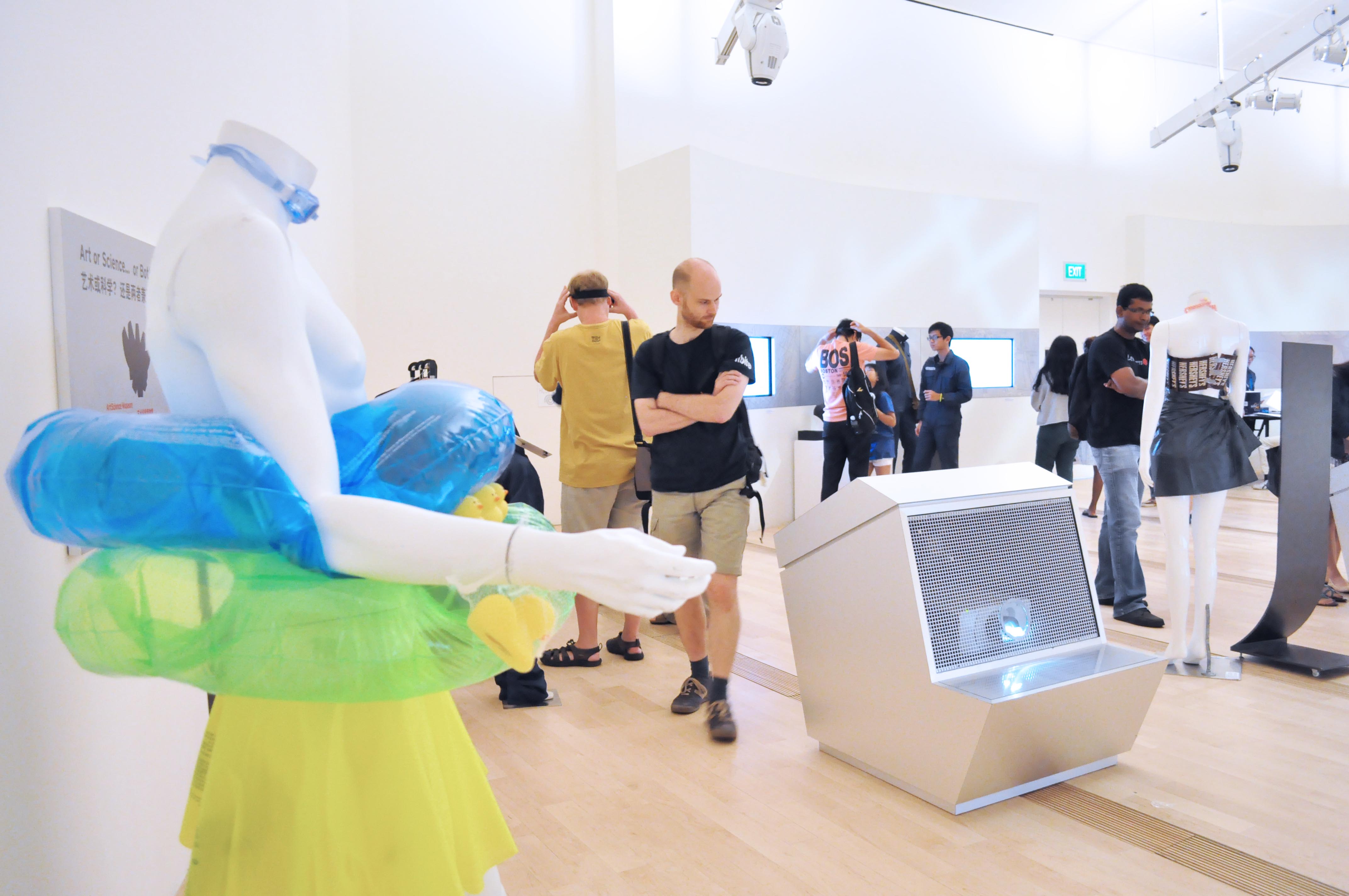
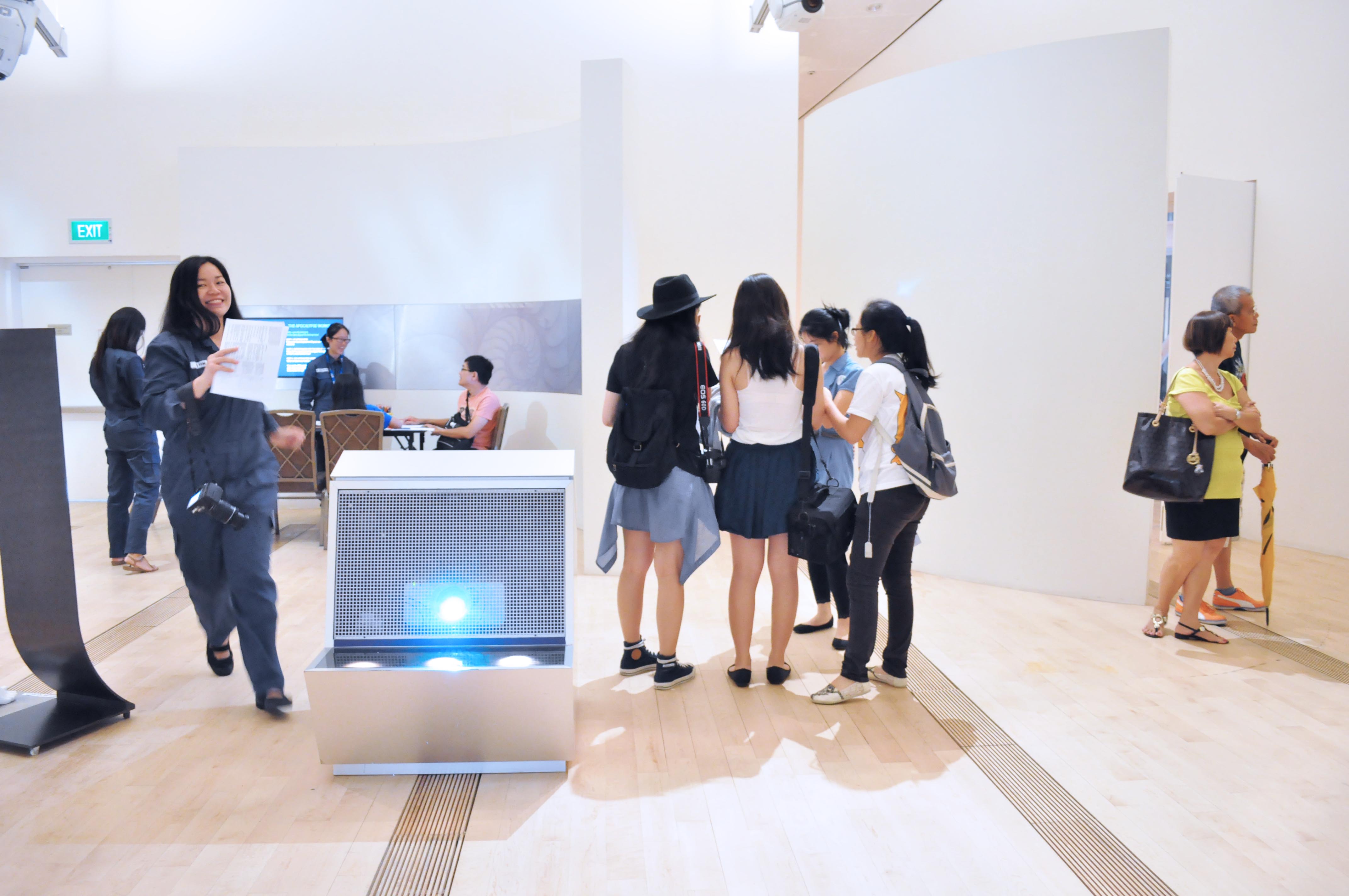
There were five mannequins dressed Climate Change Couture, four standing projectors that introduced the parts of the project and the Mission Apocalypse game, and screen at the back that showed all the drawings made during The Apocalypse Workshops.

02

The Apocalypse Project – Sunday Showcase at ArtScience Museum

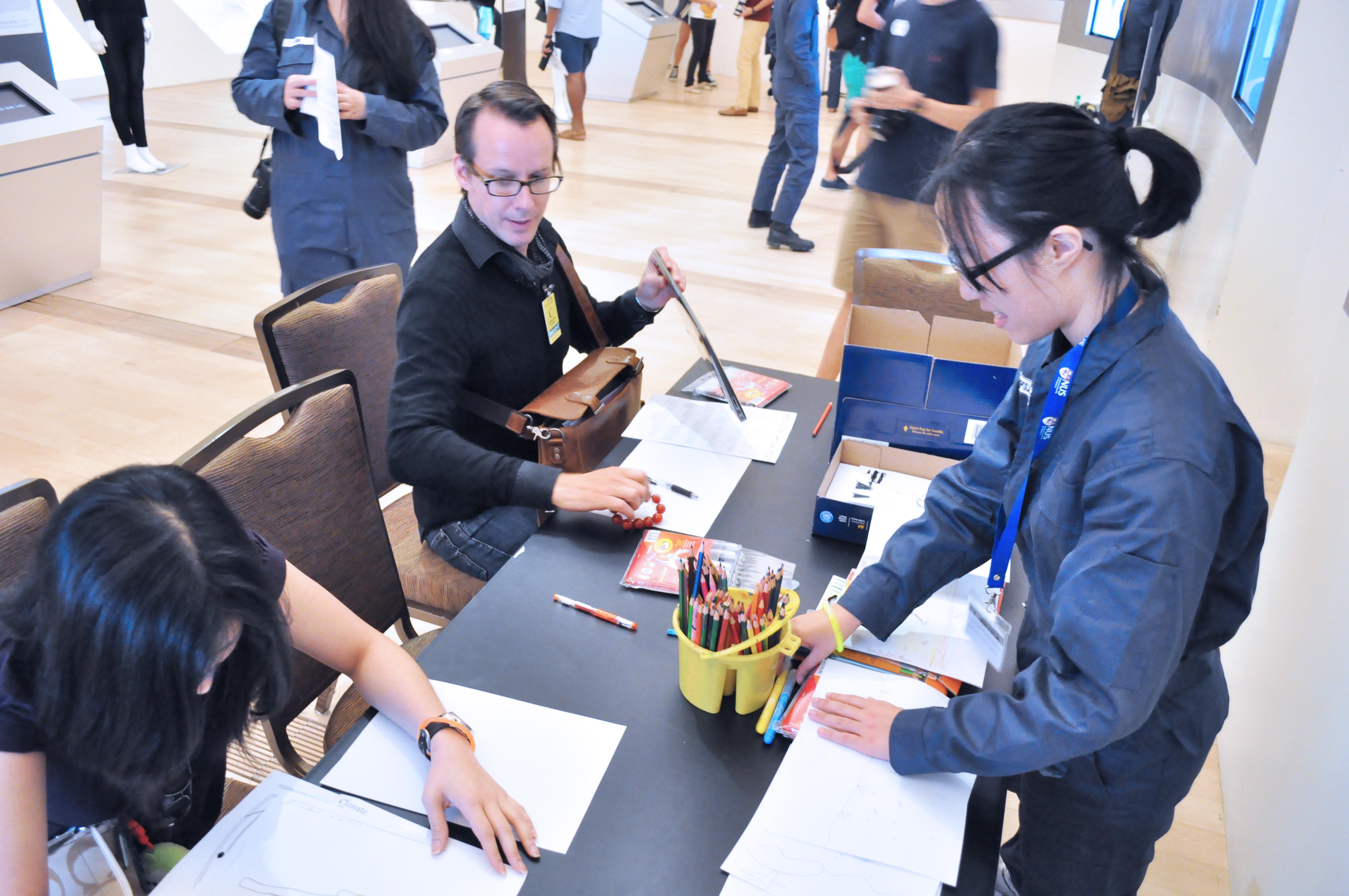
On the left is an interactive station where people can do The Apocalypse Workshop.

01

Climate Change Couture: The Trash Suit and The Bubble

03

The Apocalypse Project – Sunday Showcase at ArtScience Museum

04

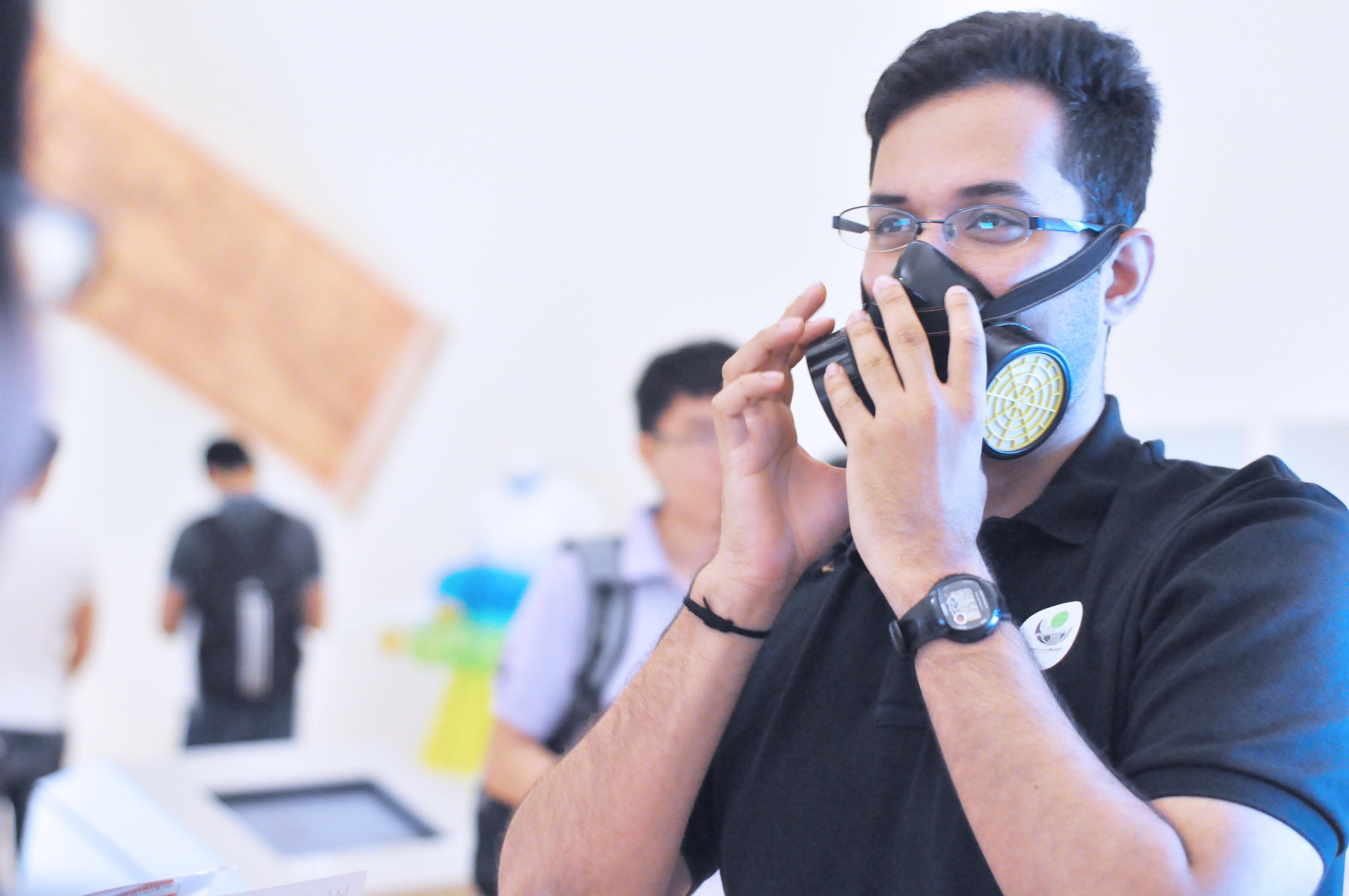
It was great to see  friends and strangers alike. Here’s Vinod, a Tembusu student and part of the Earth vs Humans: The Court Trial trying on the Smell Mask:

188

Dr. Stamatina Rassia of the Future Cities Laboratory dropped by.

512

And here’s Dr. Ingmar Lippert from Tembusu College.

398

Here’s squad member Yuen Kei Lam manning The Apocalypse Workshop. I’m so happy to see this photo—she started out being a participant in the first workshop I held, and now she’s facilitating one. Dr. Connor Graham of Tembusu College is also at the table.

249

I also had a photo booth where people can try on some of the Climate Change Couture clothes. On the right is squad member (and taekwondo classmate) Yerim Ku, an exchange student at the National University of Singapore.

047

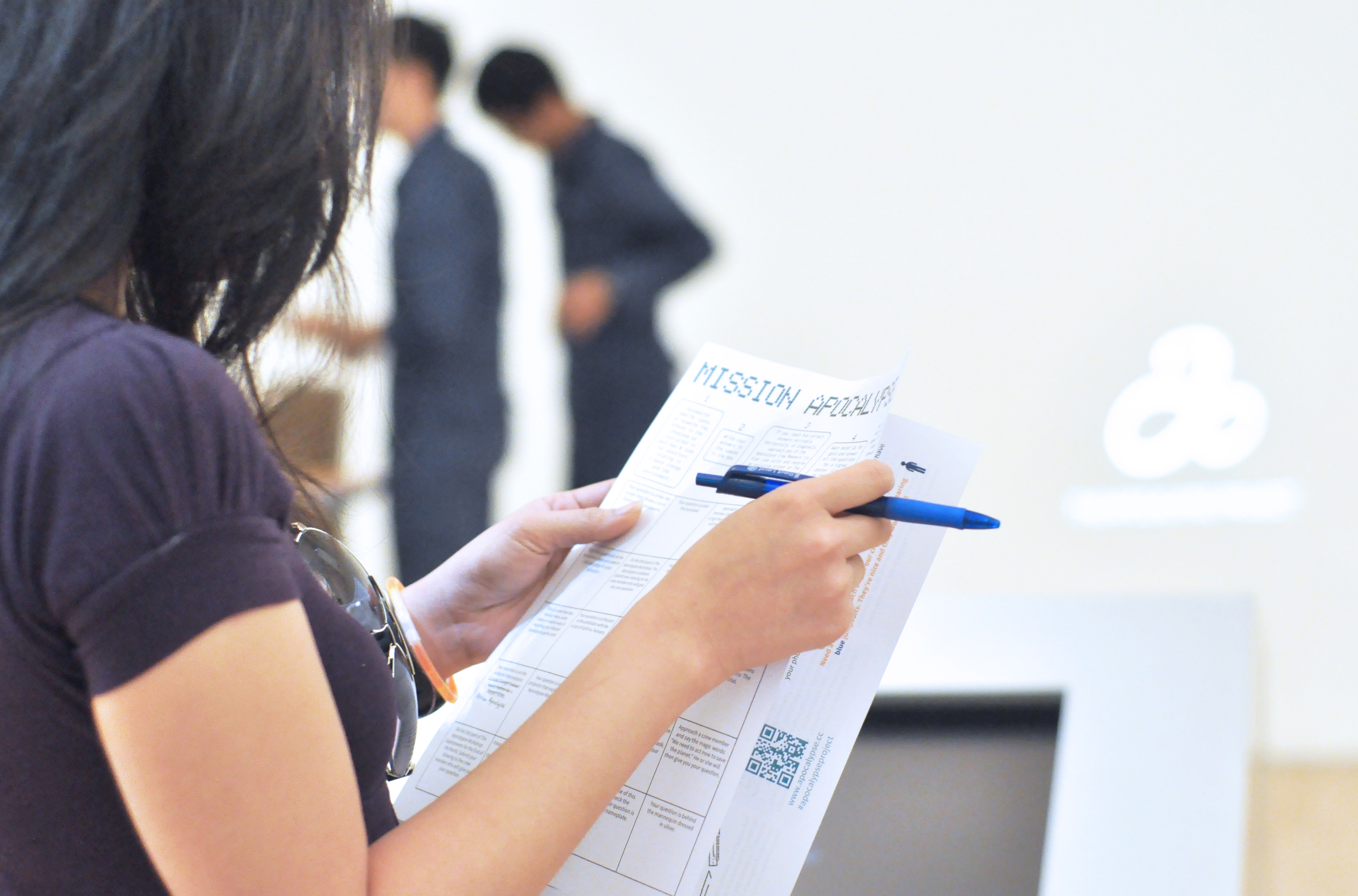
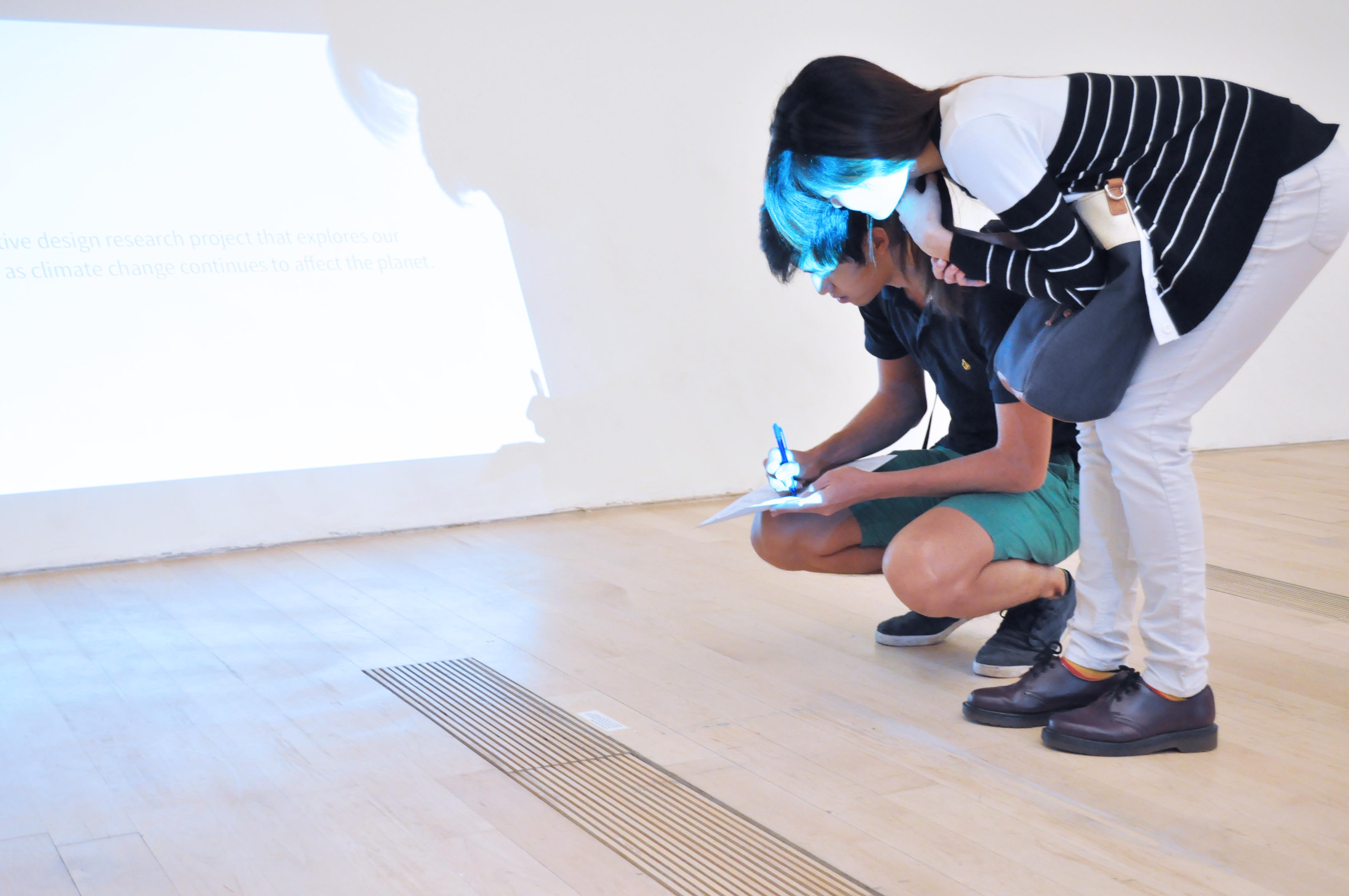
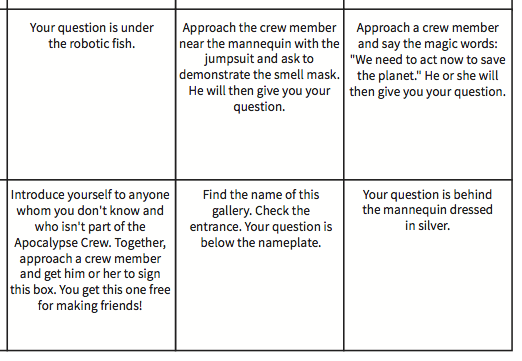
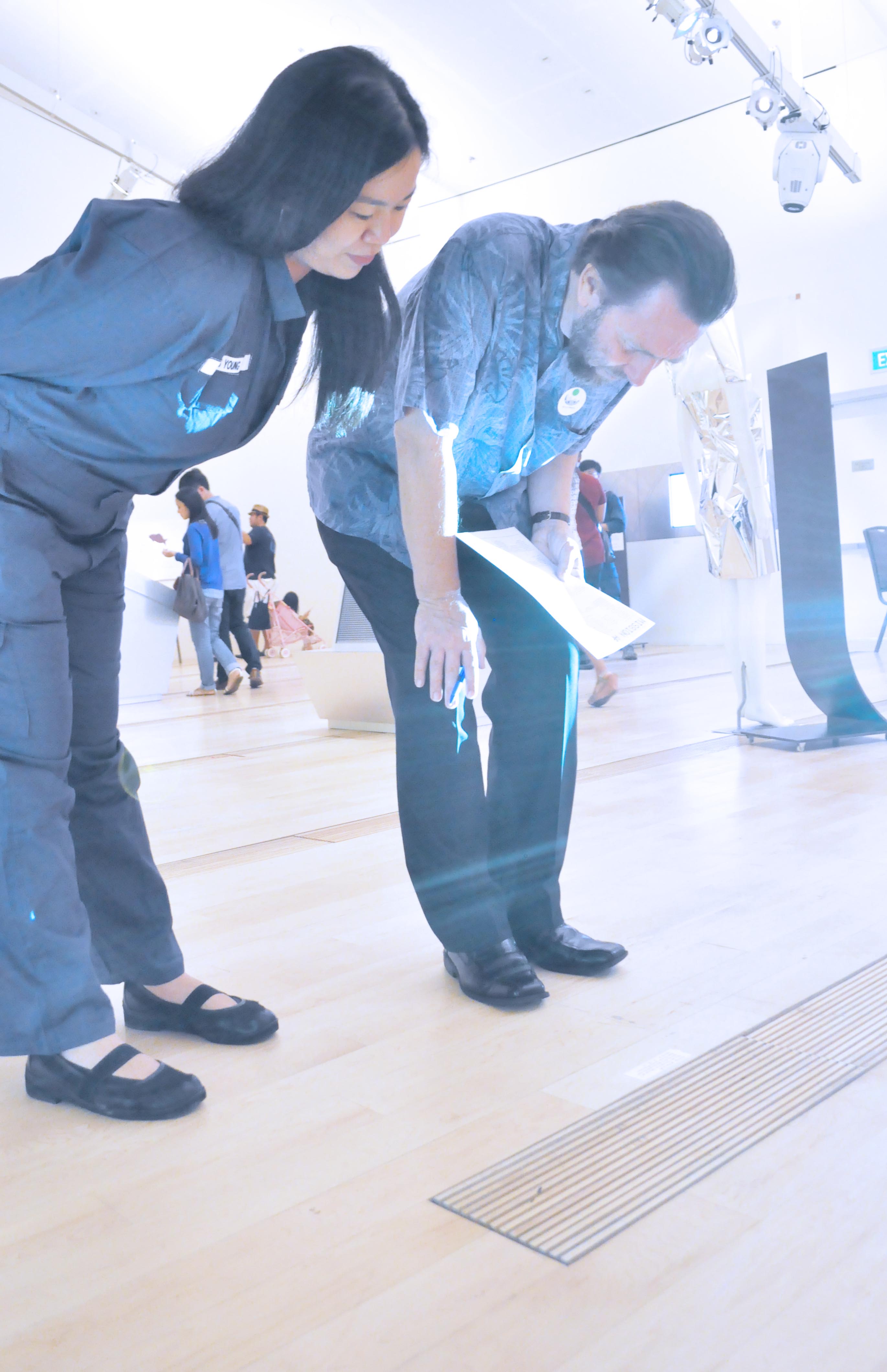
I turned the Inspiration Gallery into a game of a sort, called Mission Apocalypse. The audience had a piece of paper with tasks on it.

07

The paper had 25 clues in a 5×5 grid that made them explore the gallery.

234

Each clue led to a question about climate change.  If you get five correct answers vertically, horizontally, or diagonally (like in Bingo), you get an Apocalypse Project sticker. Or you can answer everything and get a poster.

Screen Shot 2013-11-15 at 11.41.24 PM

Oh hey, here’s Professor Gregory Clancey, Master of Tembusu College (and also my neighbor):

444

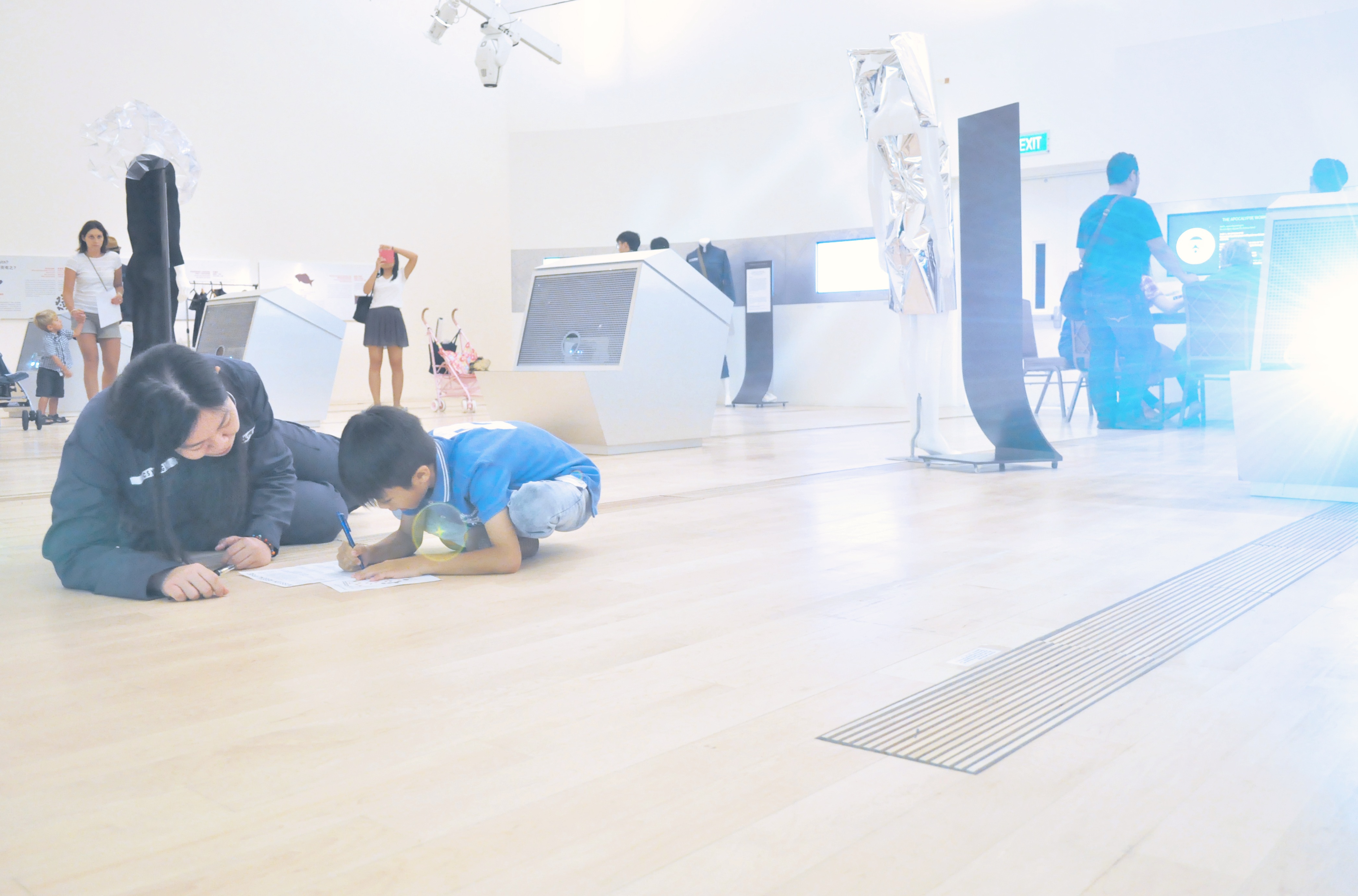
This is one of my favorite photos. This kid was so great. He’s seven years old and working on climate change questions in Mission Apocalypse.

05

He also drew this superpower for The Apocalypse Workshop:

Screen Shot 2013-12-01 at 11.47.31 PM

This is the happiest I’ve been in a show. You can tell—I’m grinning like a Cheshire Cat on the left and in mid-frolic. 
363

Lastly, but most importantly, thank you, Apocalypse Squad, Batch 1. The more complex my projects get, the more I’ve learned to delegate. Thank you, all.

DSC_0683

I’ll be putting everything about the project online here. It’s crunch time again for me (a chronic problem for chronic travelers), but it’ll all get done. The other day, I finished posting all the workshop submissions, which led to me reaching Tumblr’s posting limit for the day. I think I broke the Internet that day. Do follow that site for more updates!

Photos in this post by artist and Apocalypse Squad member Sandra Goh. Now this is exhibition photography, people. I’m taking down notes. 

This weekend was the first time I exhibited The Apocalypse Project in our group showcase in ArtScience Museum. This was a stressful installation, but not quite as much as climbing more than 43 mountains, or mowing a mountain in a monsoon with a sickle. But everything went alright in the end, and I was quite happy with how it looked:

The Apocalypse Project at ArtScience Museum at Marina Bay Sands, 10 November 2013

The Apocalypse Project at ArtScience Museum at Marina Bay Sands, 10 November 2013

The Apocalypse Squad

I have learned so much from all the shows I’ve done in the past, but this is hands down my favorite one, mainly because of the team of students who made up the Apocalypse Squad. Without them, everything would have fallen apart. They worked on everything— helping to assemble the actual pieces,  making each interactive station work well, and helping the audience win the Mission Apocalypse game. It was quite a production for a one-day show. I was so proud of how they worked that day—a clear indication of me getting old. Here we are, after takedown:

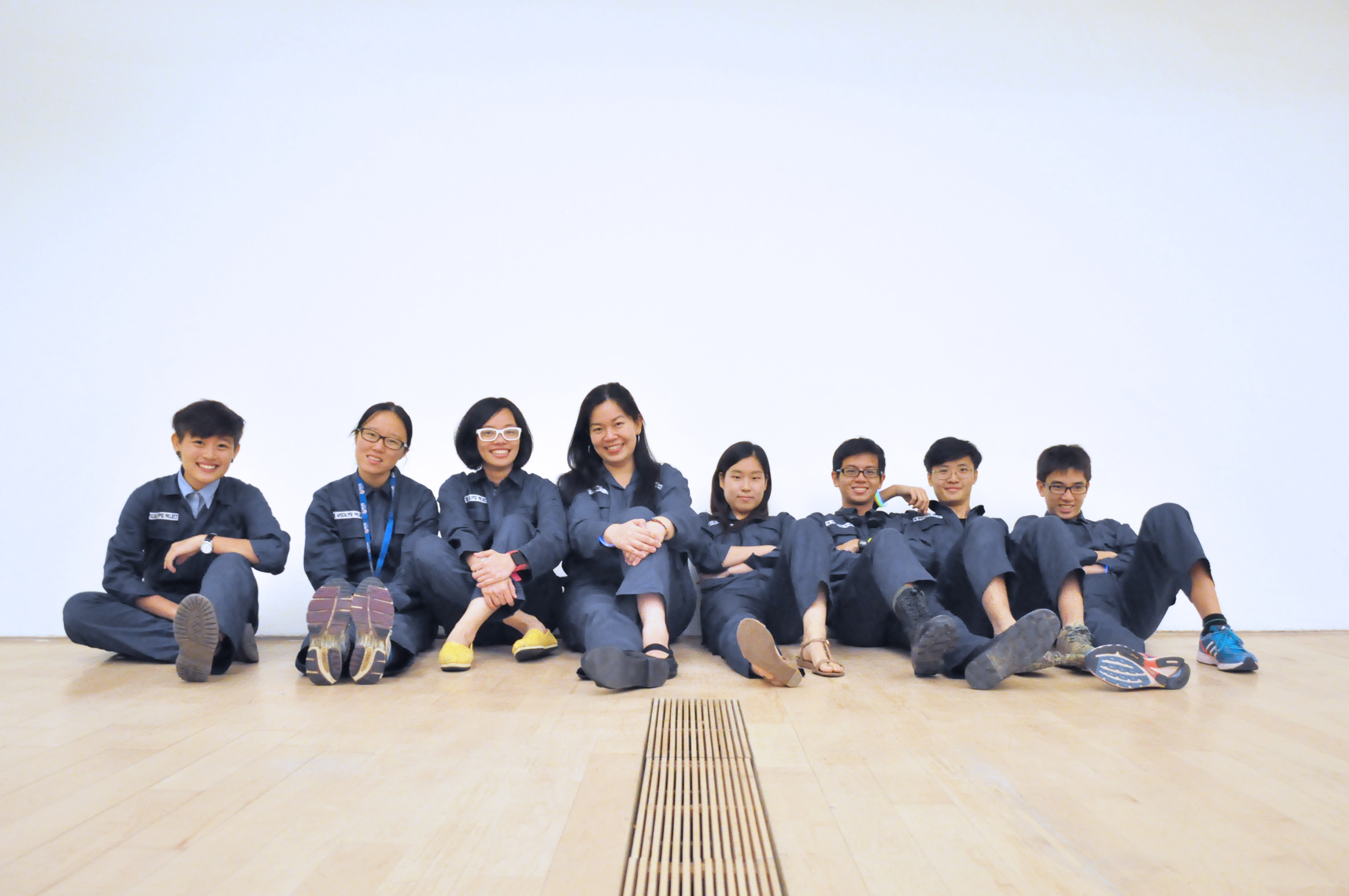
DSC09611

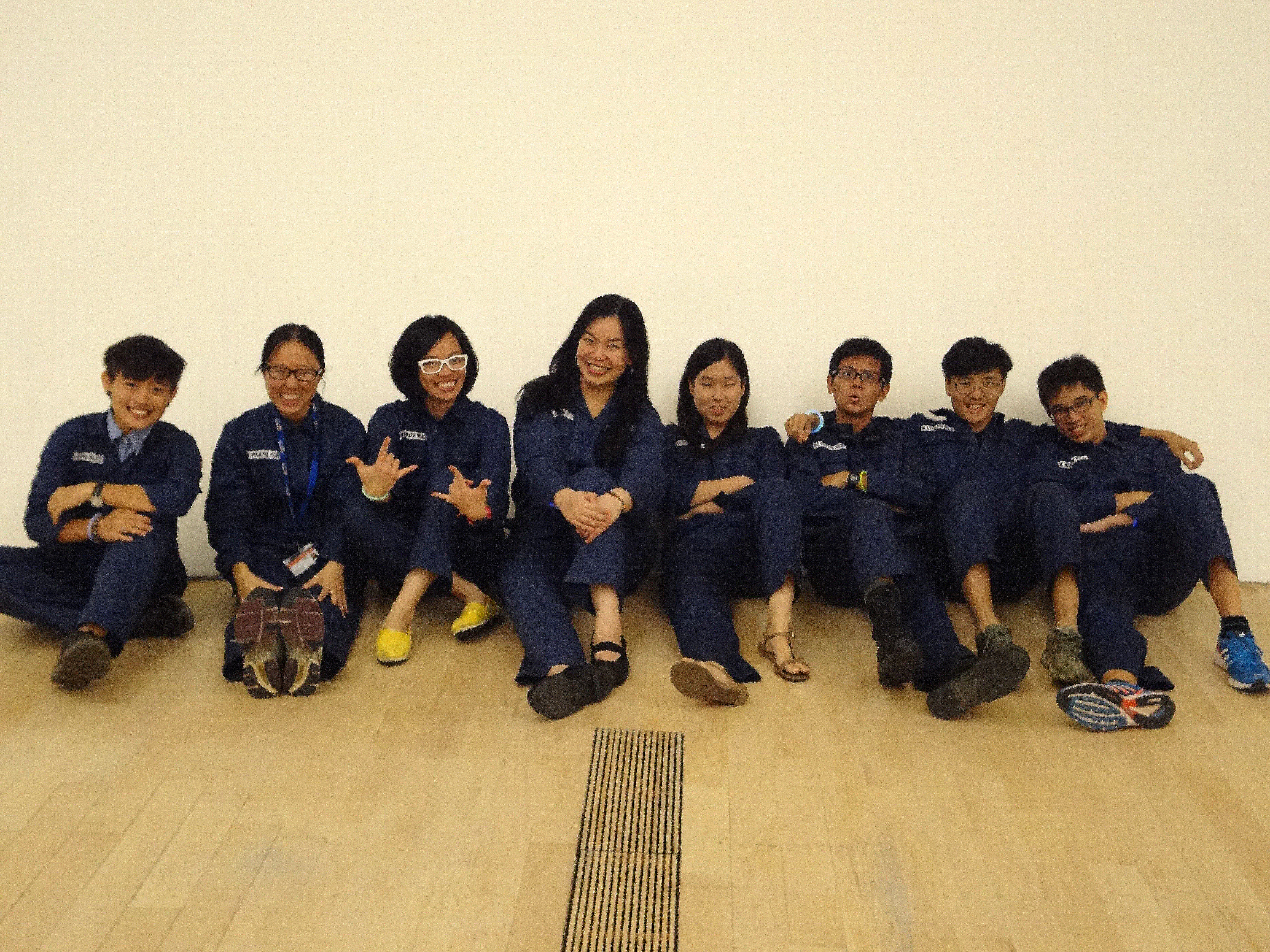
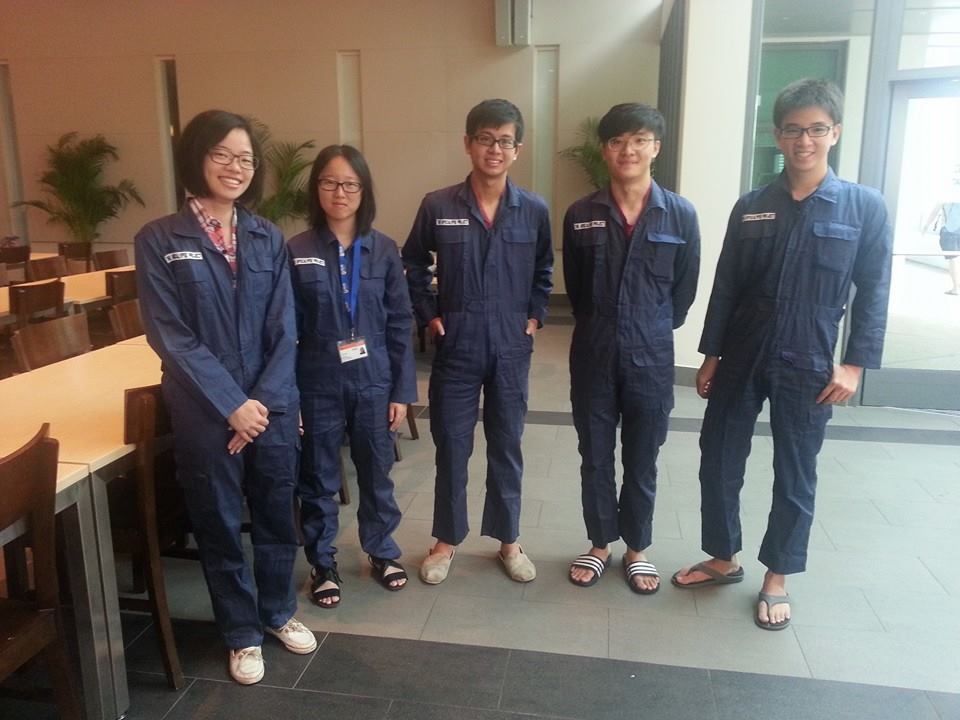
The Apocalypse Squad. (L-R) Sandra Goh, photographer. Yuen Kei Lam, Elaine Sam, me, Yerim Ku, Jethro Leong, Yuqi Liew, and Ingmar Salim.

Kudos as well to Tembusu students and faculty who helped me set up the installation.

More detailed photos about what went on in future posts by this week, but for now, I think I need to rest for a couple of days and get my sleeping patterns back to normal.

But in more important news:

Donate to Haiyan victims

As the world knows, Super Typhoon Haiyan (local name: Yolanda) tore through my home country, the Philippines, a few days ago. Being here in Singapore, I have been feeling very heartbroken, helpless, and distracted at seeing all the photos of the devastation. I also couldn’t help noticing the irony of exhibiting The Apocalypse Project, which I intended to make people visualize a dystopic future brought about by climate change, and actually have that apocalypse a reality in my motherland. I am not kidding—some of the things people drew for The Apocalypse Workshop became true this weekend. At the last minute, I changed one dress for Climate Change Couture as a reference to this catastrophe. (More on this in a future post.)

Thank you, Lion City, for lending the Philippines a hand.

Find out ways to help Haiyan victims here and here.

Photo by Romeo Ranoco for Reuters

Photo by Romeo Ranoco for Reuters

This Sunday is the day! If you’re in Singapore on November 10th, come to our showcase where I’ll be exhibiting The Apocalypse Project at ArtScience Museum at Marina Bay Sands. The following Sunday is our panel talk. More details about the events here.

Here is the showcase flyer, courtesy of ArtScience Museum:

Showcase Flyer

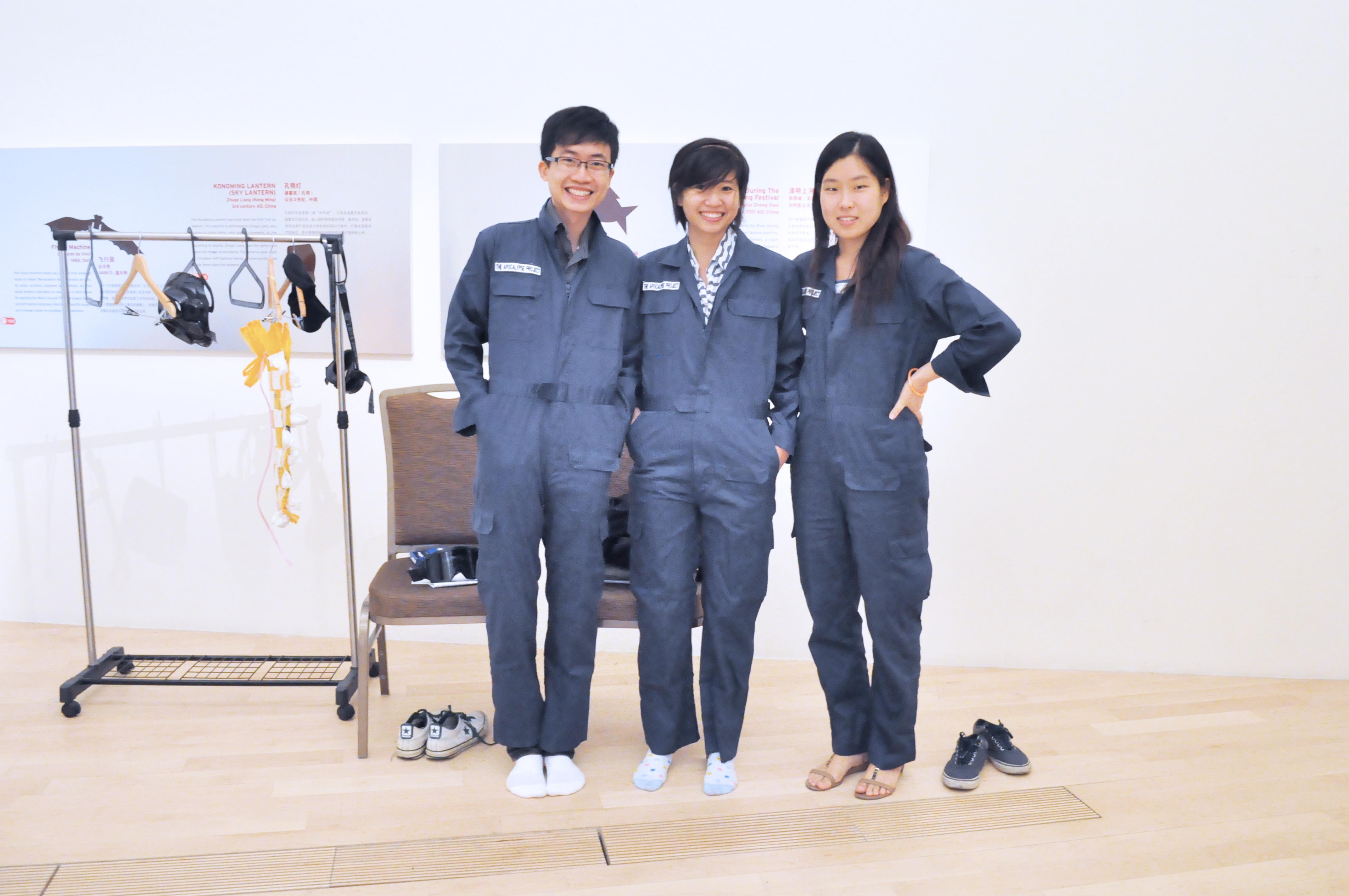
I’m excited, and I hope so is my newly costumed Apocalypse Squad:

The Apocalypse Squad

I feel like we’re astronauts. Hope to see you!

(Or maybe re-crew-ting for The Apocalypse Crew. Haha. Ha. Ha. Uhm. Yes. Anyway, back to this post.)

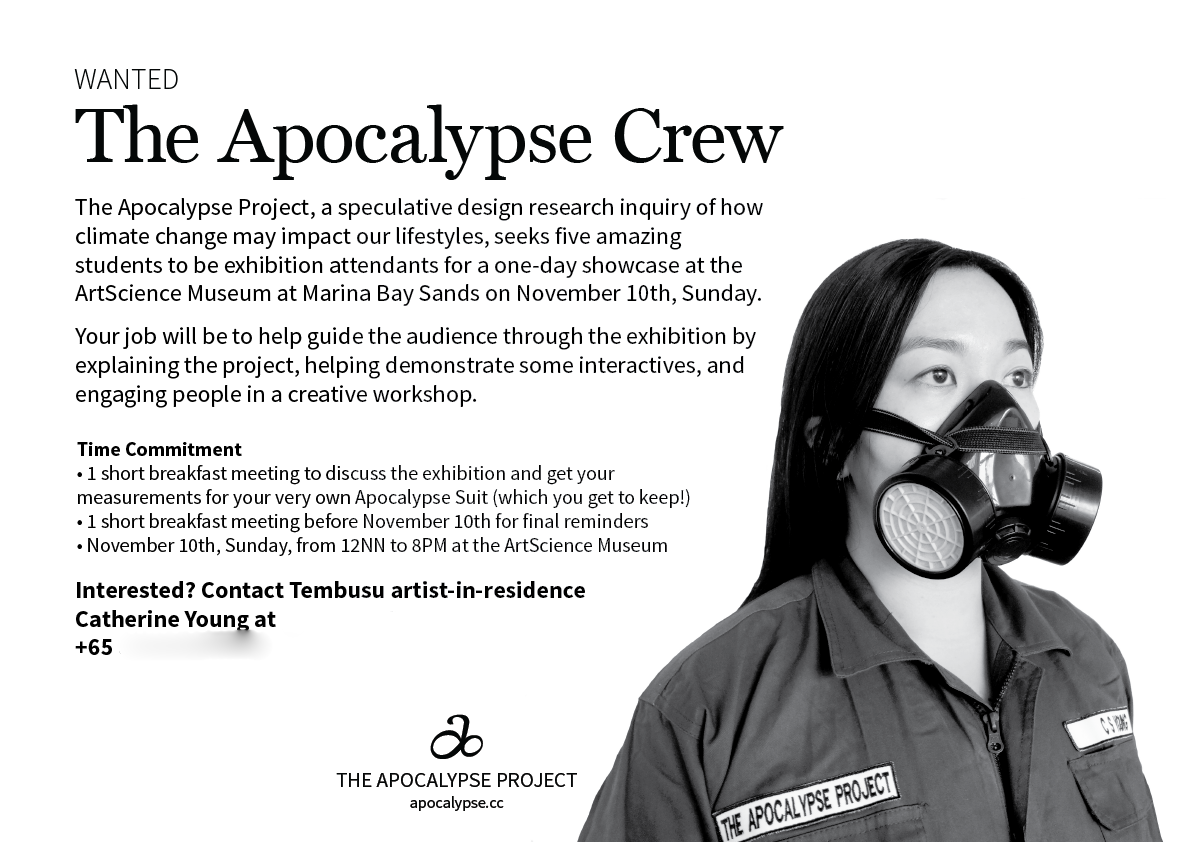
Last week, I was busy recruiting students to be exhibition attendants for our Art/Science Residency Showcase on November 10th. There are too many pieces in my part of the show that I can’t do it alone. I posted this ad in Tembusu College at the National University of Singapore, where I currently live.

TheApocalypseCrewAd-01

I was expecting to have to beg the students, as it’s midterm crunchtime for most of them. However, I now have six awesome people who have agreed to help! And for two of them, they come with this interesting application letter:

Dear Catherine,

It is with great interest (and perhaps some desperation) that

XXXXX / Chinese Male / Year One Law / Year One Tembusu

and, I,

XXXXX / Chinese Male / Year One Architecture / Year One Tembusu

enlist as exhibition attendants for impending The Apocalypse Project.
After having read your A4 print of a woman wearing a hazmat respirator in our recently-LED-lit elevators of Tembusu (the dimly lit environment did enhance the dystopian intent of your exhibition, though making posters slightly harder to read) , here prize two eager students at your disposal.

We believe that your exhibition would prove valuable, enlightening and practical if we were to face the brink of extinction (have you yet not seen the signs?).
Perhaps we could also offer our insights during the tour, perspective of a Law and Architecture student (if our professional endeavours prove relevant, if not useful).

We will be faithful minions to your cause – to educate people in end of the world preparations, as gaily as possible.
We will be the last two remaining outlasting volunteers, lasting in resolve, even if it were the last few days to the end of the world. Last.

I hope you find our response to your conch call and enthusiasm appealing, if not incredibly weird (both strange and funny).
Hope to hear from you soon.

Sincerely,
XXXXX and XXXXX

I replied back with a ‘yes’ and an attempt to be as clever in language—something about how I didn’t know whether to laugh or to lock the front door—and here was their reply:

Screen Shot 2013-10-24 at 1.52.44 AM

What crazy person wouldn’t hire these two?

On another note, I wonder what kind of emails I’ll get if I design something more complex, such as a dating service or something.

In the middle of researching for smells for The Apocalypse Project, I came across Sifr Aromatics, an independent niche perfumery located on Arab Street in Singapore.

Oh true apothecary! Johari Kazura of Sifr Aromatics

Oh true apothecary! Johari Kazura of Sifr Aromatics

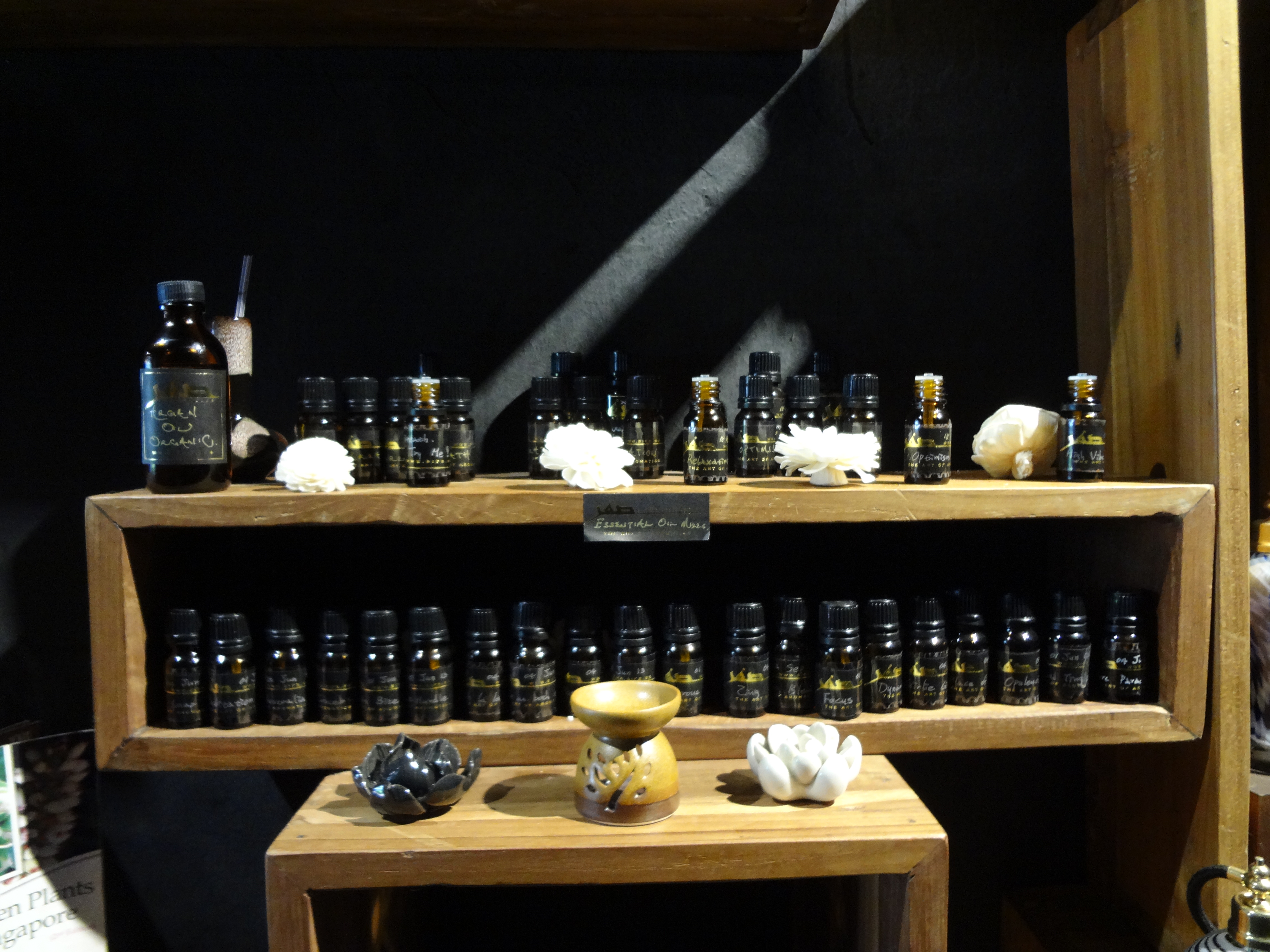
Mr. Kazura is a third generation perfume maker. He learned the business on the job, and also took some courses in Grasse, the perfume capital of the world. Perusing his shop, I came across all the books I read during the time I was doing some of my graduate school projects on smell. His store is a beautiful cornucopia of beautiful Eqyptian bottles, as well as antiques.

DSC09170


Thanks to the store, I finally came up with a list of smells for relaxation for The Apocalypse Project. You know, when that time comes when we have to evacuate climate change disaster areas and people are panicking. The list includes lavender and lemon. Rose was a good candidate, too, however, it’s too expensive and thus not a practical choice. Peppermint was added to the list because it promotes alertness.

DSC09171

Sifr is Arabic for “zero.” Johari says that in perfumery, “You start with nothing … you are a blank slate … and then later you end up with something.” And that something, smell, permeates.

Sifr is located at 42 Arab Street. Contact Johari Kazura at info@sifr.sg and visit their website here. Many thanks to Mr. Kazura and Hanz Monifiero Medina for all the help!

This past Hari Raya Haji, a holiday in Singapore, I went to the Night Safari with a couple of friends. I’m always interested in how cities look at conservation, which to me has the tension of having flora and fauna thrive in their natural habitat and having humans be a non-intrusive witness to them in the hopes that they will be inspired to care for these organisms.

No flash allowed, people! But thanks to the safari’s simulated moonlight, I was able to take some photos.

Here’s a pride of lions (siblings, I’m told). I love big cats!
DSC09353new

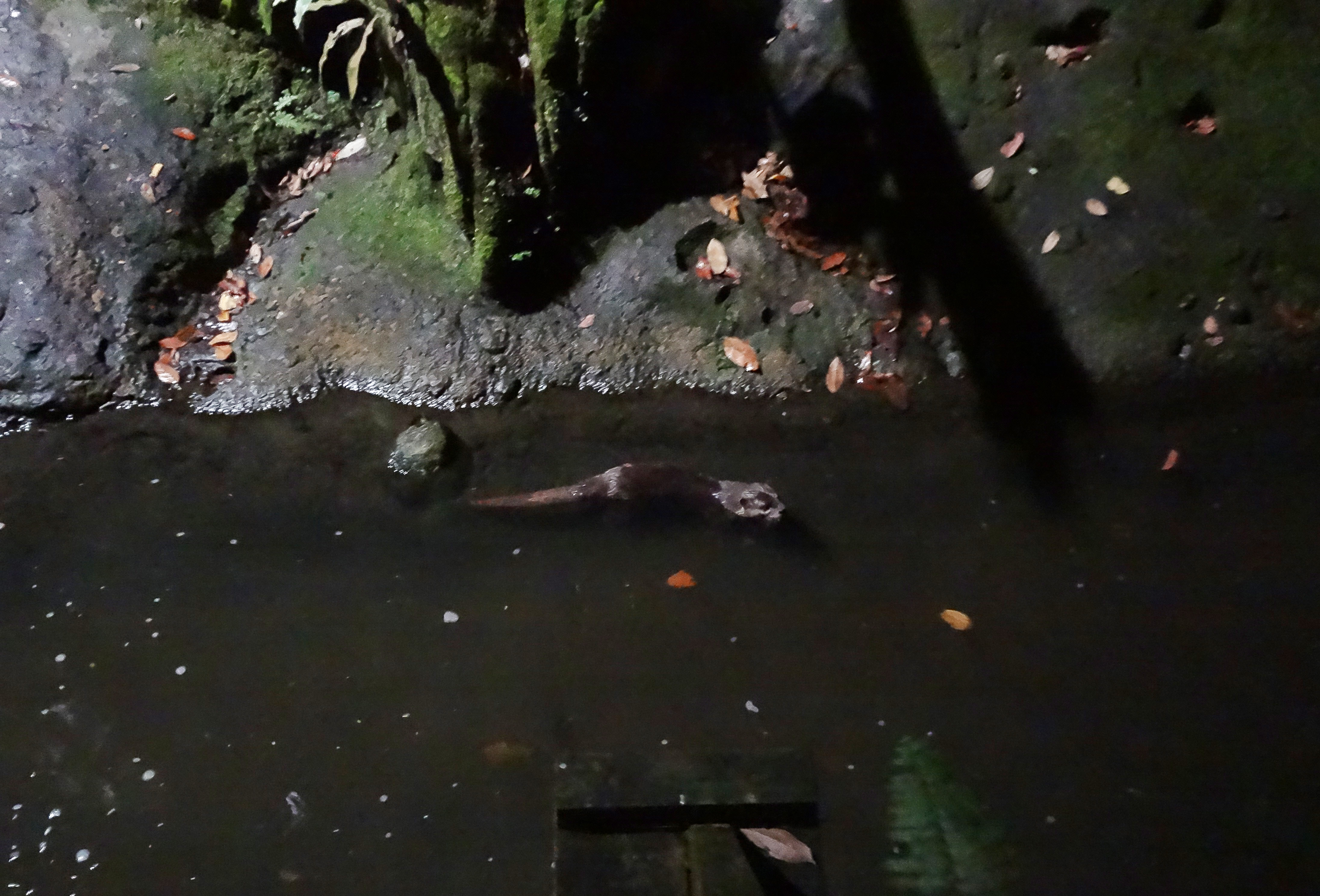
An otter!

DSC09331new

Birds hanging out.

DSC09314

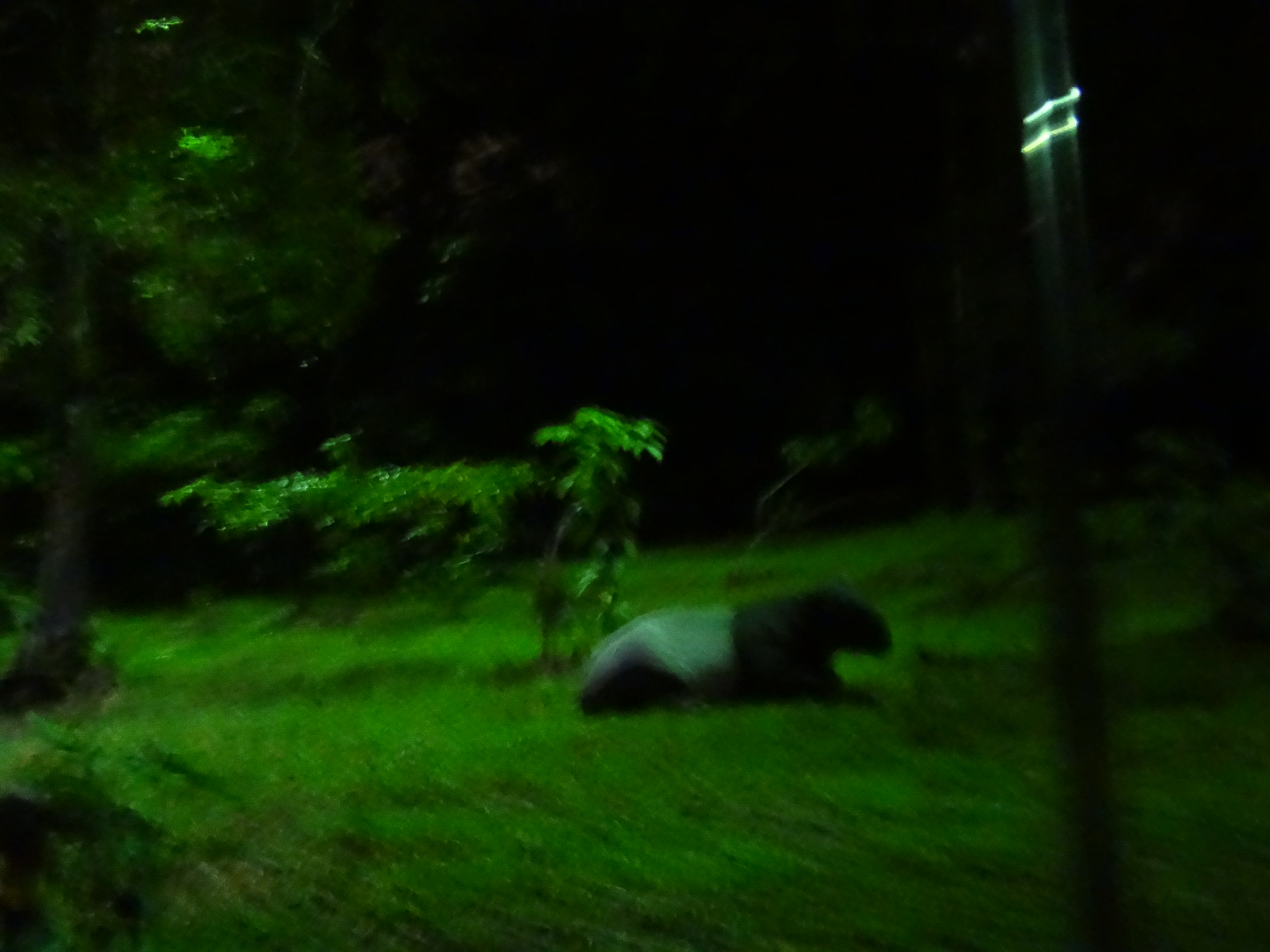
This photo is a bit blurry, but it’s all I have left of my first glimpse of a Malayan tapir. What a beautiful creature!

DSC09358


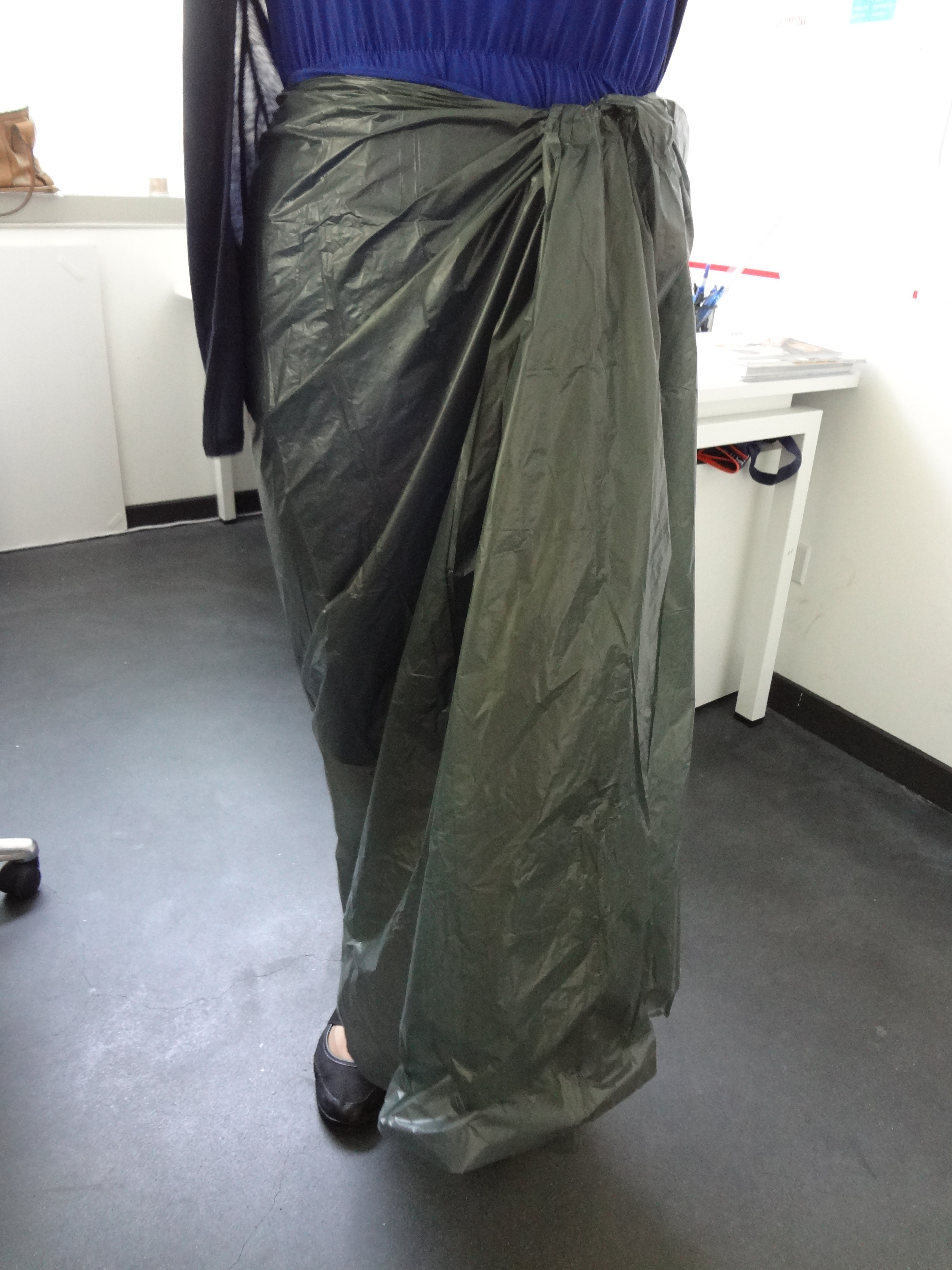
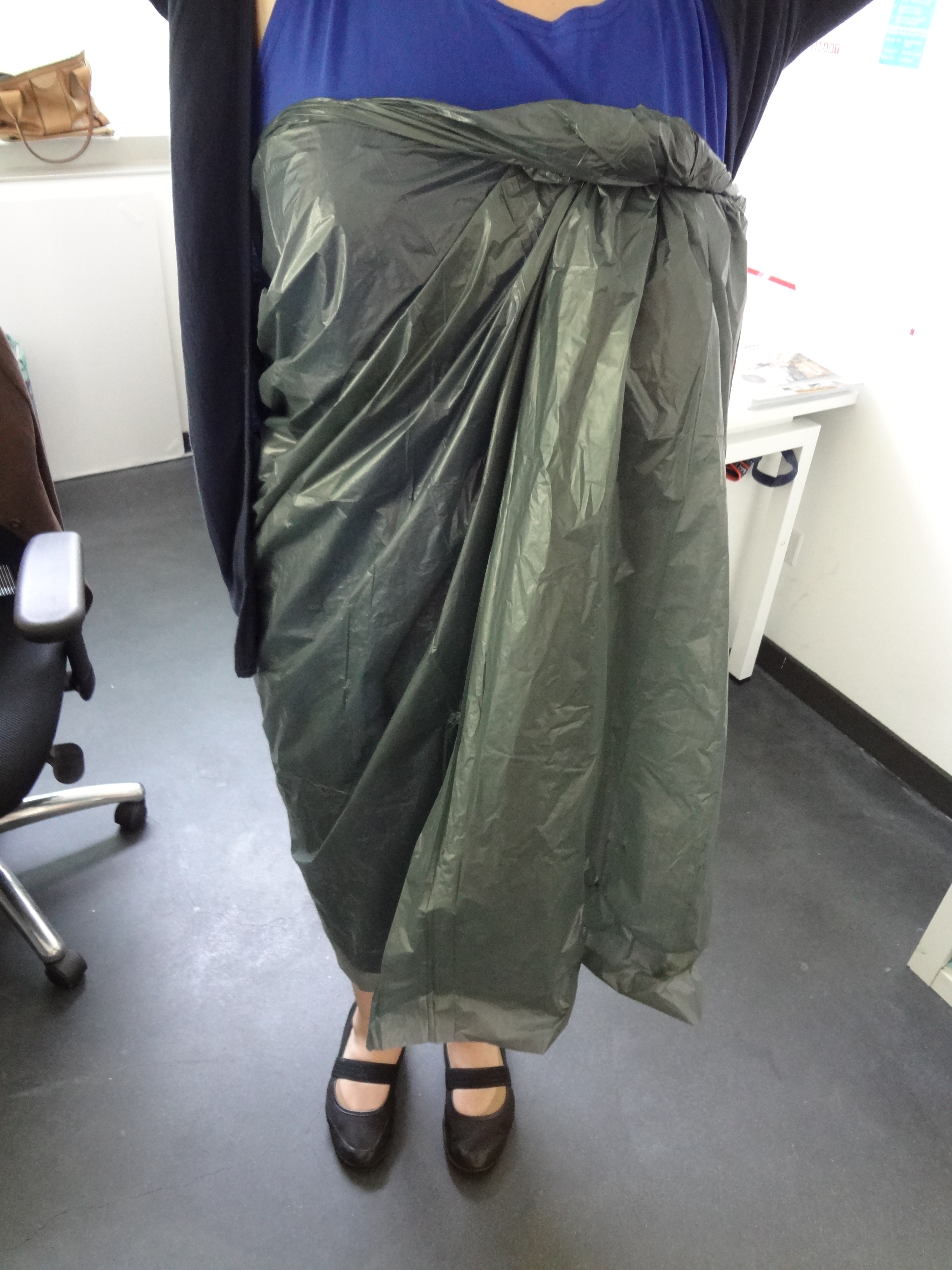
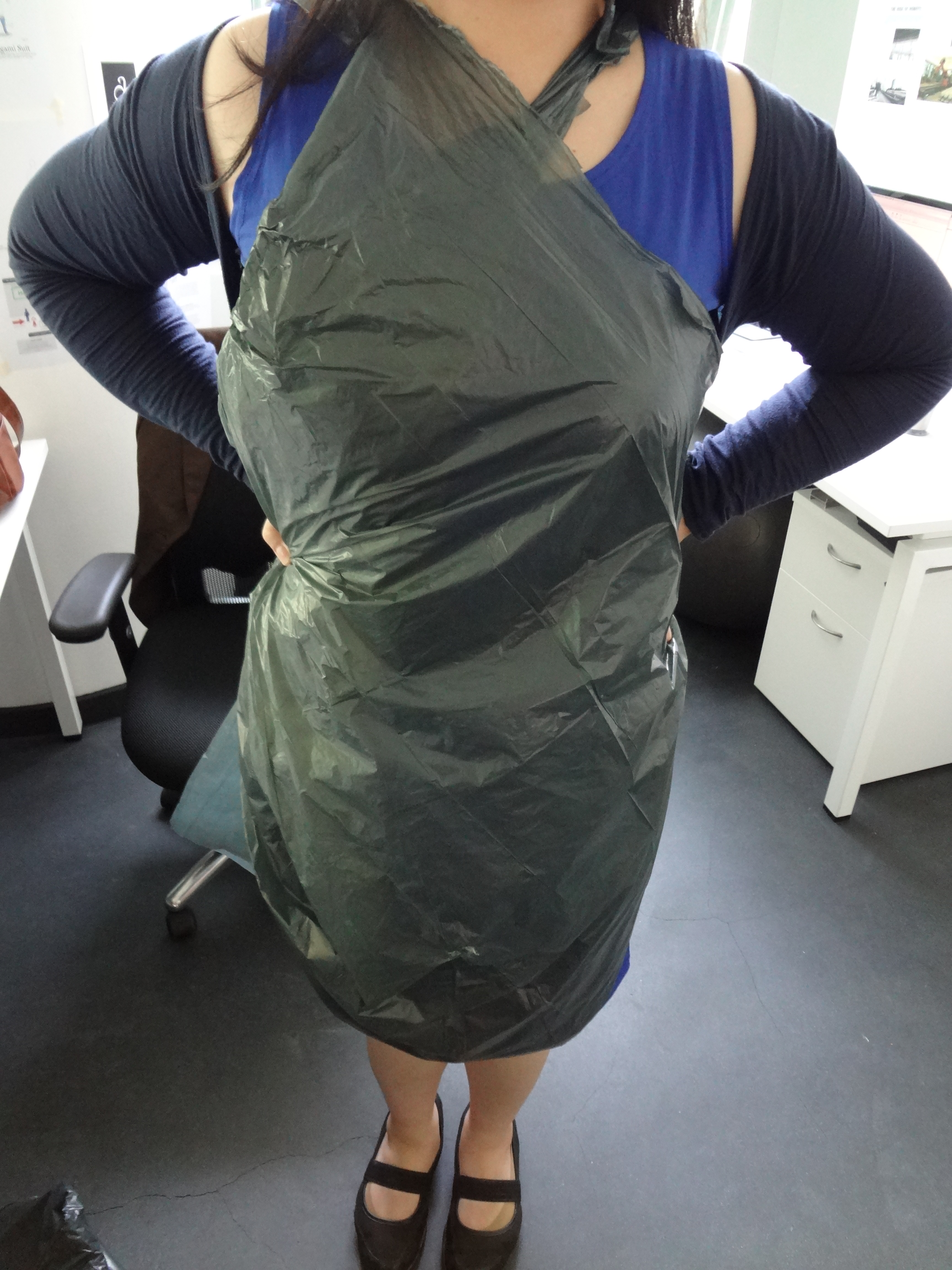
Today in the lab, I figured out some ways to turn a garbage bag into a dress. You know, in case that day may come when we can’t afford clothes any longer and will have to resort to trash to clothe ourselves.

Naturally, for The Apocalypse Project.

Here are some photos taken by Lin Kuek of the Future Cities Lab. Thanks, Lin!

A garbage bag can be a skirt:

DSC09377

A sarong:

DSC09378

An off-shoulder dress:

DSC09379

Or a halter:

DSC09381

I can classify the past few days as Learning Things I’m Very Interested in But I Probably Won’t Want a PhD In. It’s great to be learning from others while on a residency. Here are two events:

1. Numbering Climate Change: A Carbon Workshop by Dr. Ingmar Lippert

It is the middle of my residency, and one thing I realize is that while I am currently doing a project on climate change, I don’t want to label myself as a “climate change artist” necessarily. I think that I specialize primarily in how I do things, instead of what I do them for (i.e. a focus on systems over outcomes, though it doesn’t mean I don’t care about the latter). There has been and always will be a leaning towards environmentally themed projects—something I cannot undo, since I travel a lot and I’m usually outdoors. But I don’t think the bulk of my day has been about reading climate change reports (thank goodness). As an interaction / experience designer I have mainly been looking into turning bigger, more macro issues, into personal experiences that people can relate to (and hopefully care about after they encounter the project).

That being said, I think that projects should have a lot of research going on in the background, even those things I’m not particularly thrilled about. And in this case, it meant me voluntarily going through a workshop this Saturday on how the carbon market works. Led by Tembusu instructor Dr. Ingmar Lippert, it was about the politics of carbon trading and how the carbon market entered its current state.

Ingmar, laughing at my horror of dry academic papers. Thanks, man.

It was a whole day affair, and I missed taekwondo that day (and you all know that never happens). But for the record, I was very enlightened and I do not regret doing it, even if it meant reading all these depressing academic papers. I also caught myself repeatedly talking about how the users (meaning the people) should have been more involved in these systems, especially as local communities suffer the most during carbon offsetting projects. Like I said, I’m definitely here as a designer. Does anyone remember this line from a certain awesome movie?

2. Is Singapore a Model City?

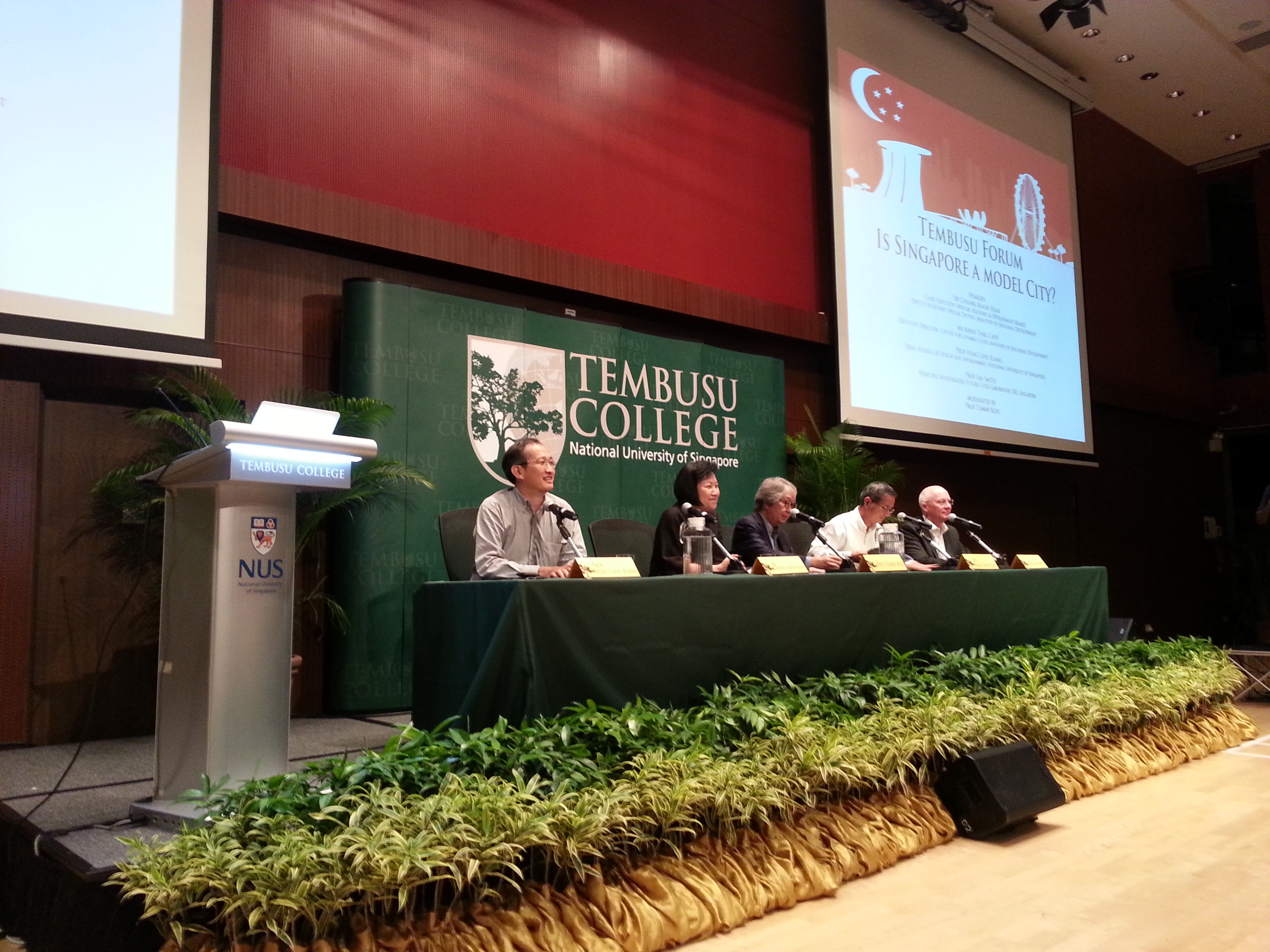
This Monday, the Tembusu Forum hosted four speakers to talk about and debate  the question, “Is Singapore a Model City?” Included were Professor Heng Chye Kiang, Dean of the School of Design and Environment of the National University of Singapore; Mr. Khoo Teng Chye, Executive Director, Centre for Livable Cities, Ministry of National Development; Professor Ian Smith, Principal Investigator of the Future Cities Lab; and Dr. Cheong Koon Hean, CEO of Singapore’s Housing and Development Board and Deputy Secretary of the Ministry of National Development (a wonderful speaker, by the way!). Professor Tommy Koh introduced the speakers and moderated the discussion afterwards. They gave great talks, but it was even better when the students asking really smart questions. As an expat, it’s always interesting to have a crash course of a city’s history and dreams for the future.

20131014_201535

L-R: Prof. Heng Chye Kiang, Dr. Cheong Koon Hean, Prof. Tommy Koh, Mr. Khoo Teng Chye, Dr. Ian Smith