Archive

Journal

This art/science residency is winding down, and my penchant for sentimentality is going up. At the risk of sounding like a Buzzfeed listicle, here are some of the smaller, yet unforgettable moments. Most of these images were taken using a crappy smartphone, but hey, I’ll take it. I’d like to remember Singapore, the fifth country I’ve lived in, with this hodgepodge of memories:

1. The constant mixture of cultures as well as the combination of the traditional and modern.

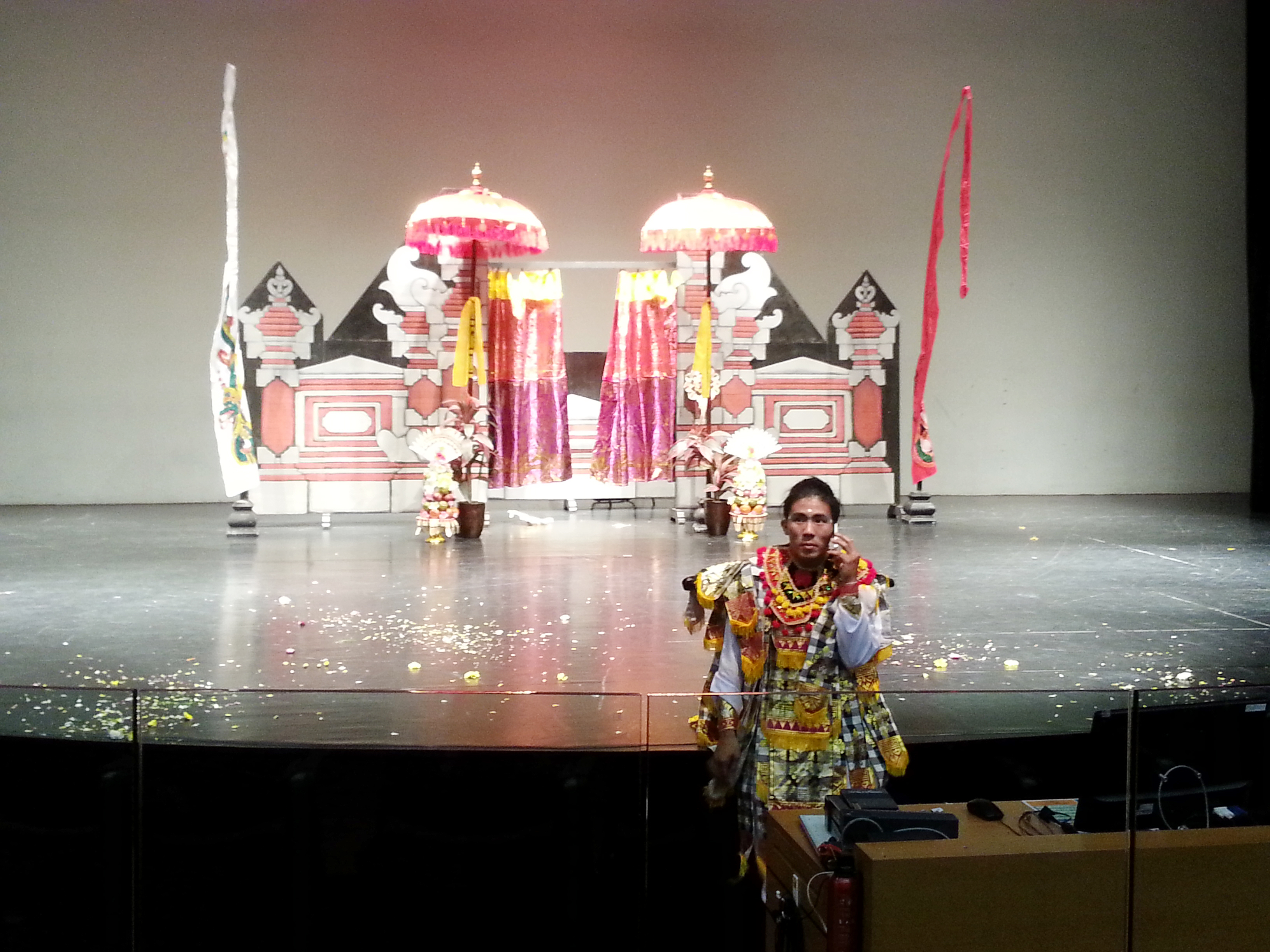
This guy in Balinese dress was on his smartphone during an intermission. This was a student performance at NUS.
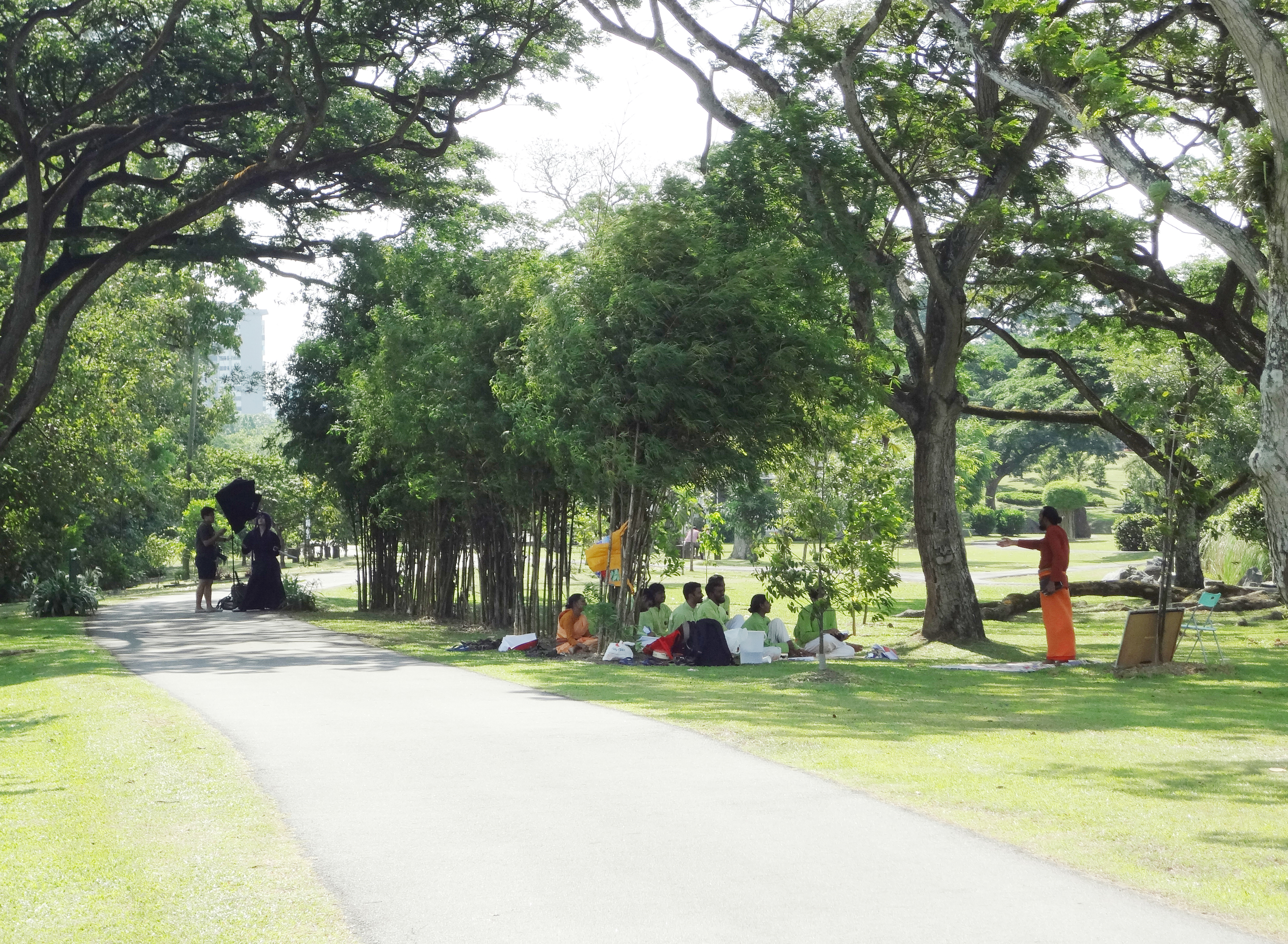
20131120_203343This cosplayer on a photo shoot and the class happening a few feet away. (I’m unsure what the latter is, and I didn’t want to interrupt them. If you think you know what this is, let me know in the comments. I’d like to be enlightened.) This was at Singapore’s Japanese Garden.
DSC08700new

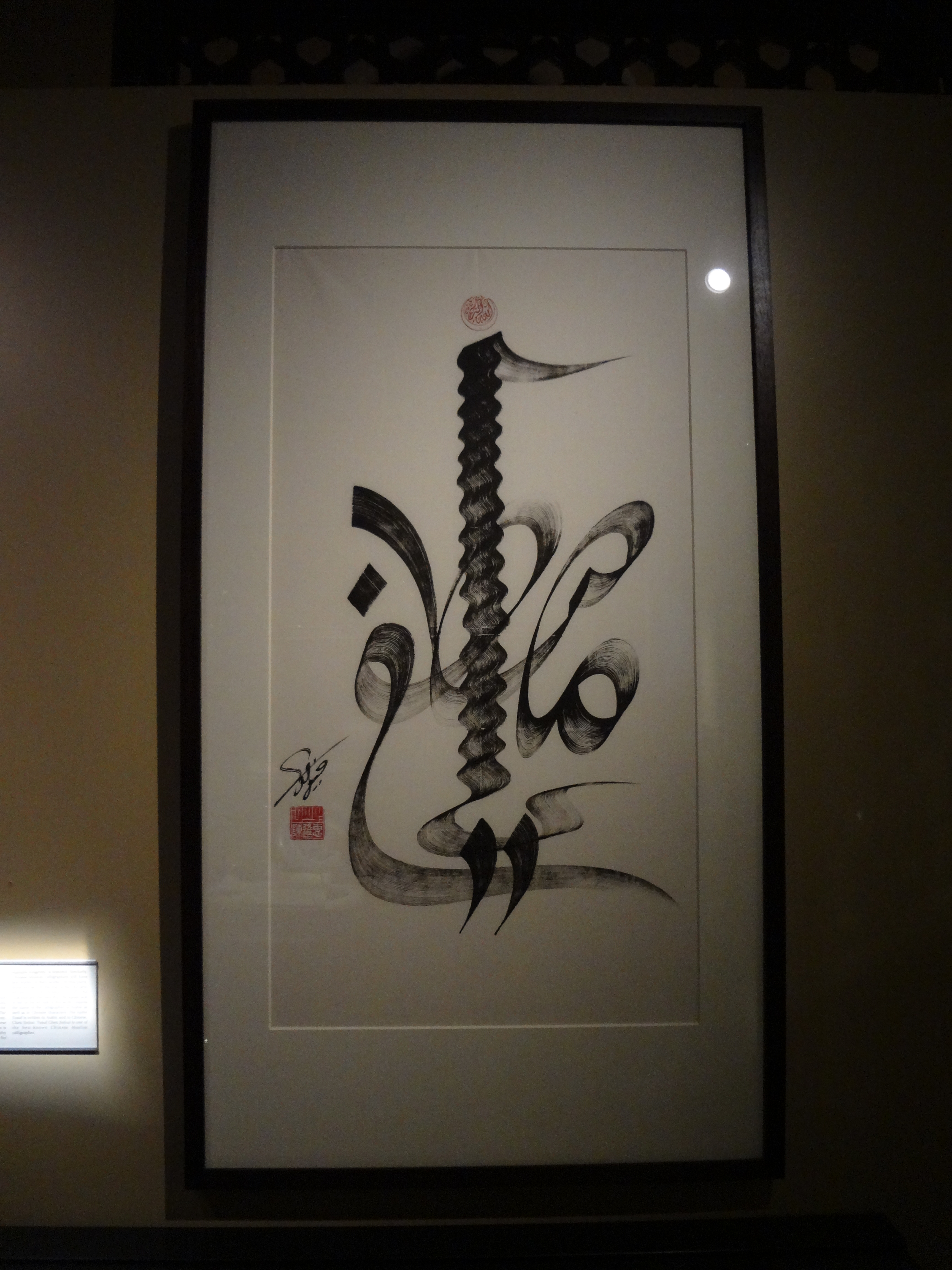
One of my favorite works in the Asian Civilisations Museum: “Mustafa” is written in sini script using a Chinese brush, by a Muslim Chinese calligrapher.
4 A DSC09250

2. Random people working out.

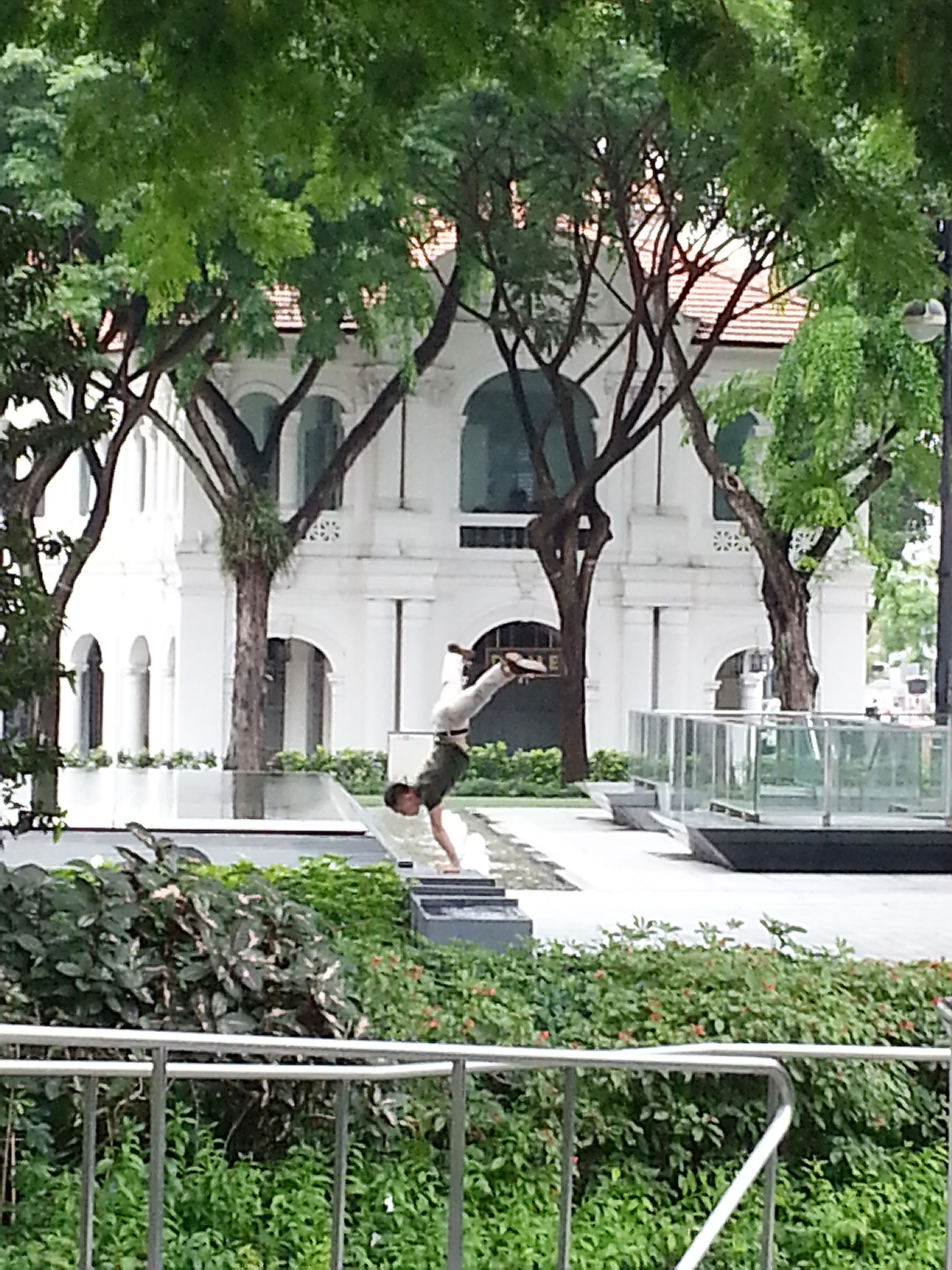
This guy doing a handstand near the Singapore Art Museum. 
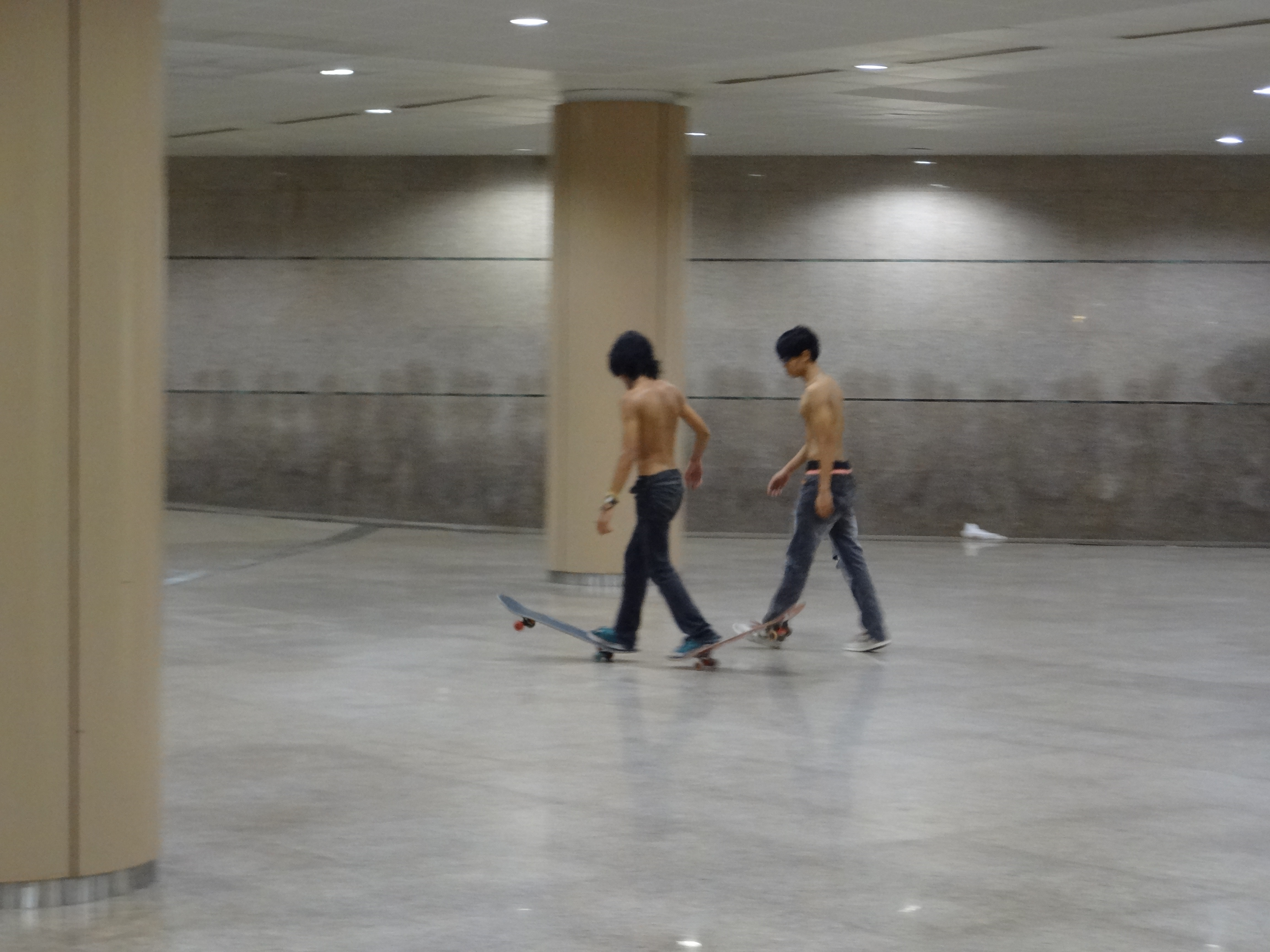
20130925_143032Or these skateboarders at Esplanade Station. They remind me of those outside the MACBA in Barcelona.
DSC09508

3. Seeing Venus.

Ok, I’ve definitely seen this before. Let me clarify: seeing Venus and knowing it’s Venus. Thanks to the Meetup group that organized this at the Singapore Science Centre.

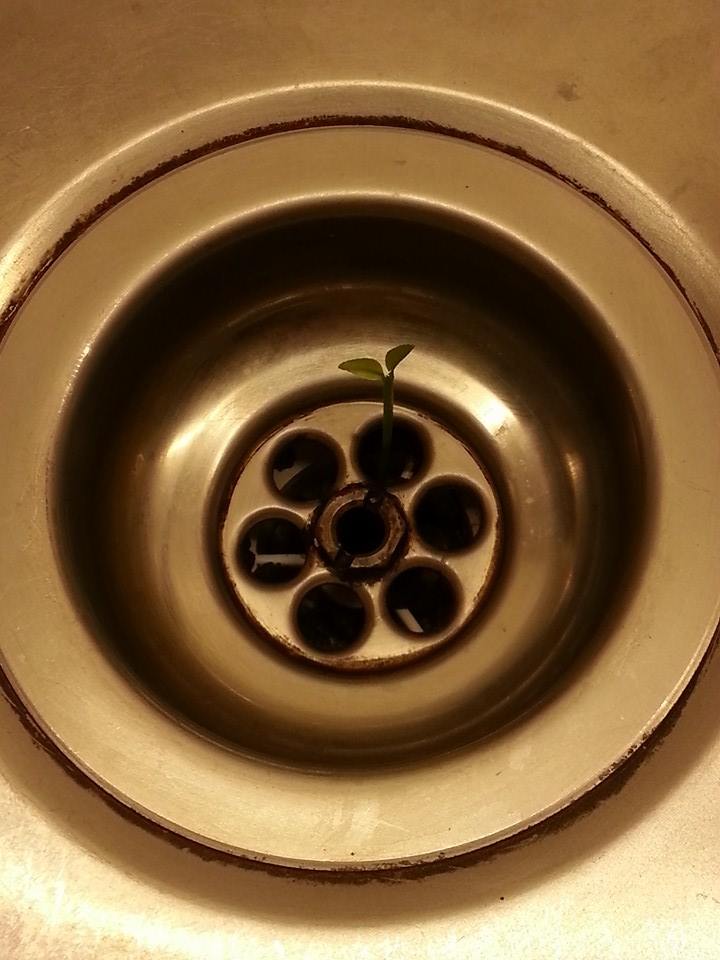
20131025_2002574. Random things that grew in my apartment.

This seedling peeked out of my kitchen sink.
1382206_10153442820240122_1415030767_n

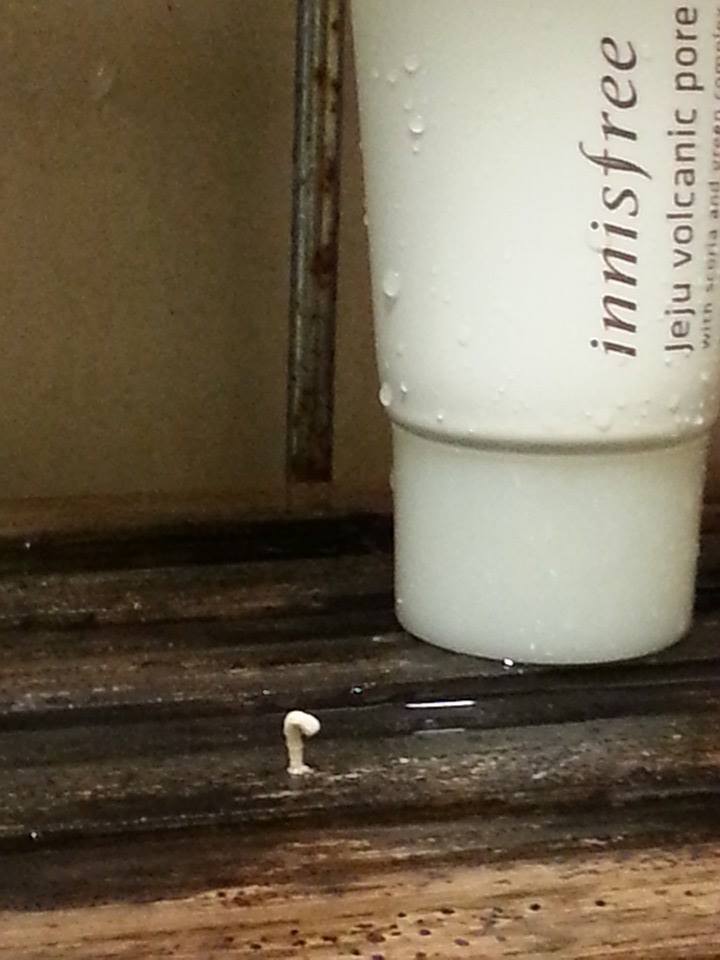
A second mushroom  sprouted in my shower.
1453386_10153628825455122_2040611026_n

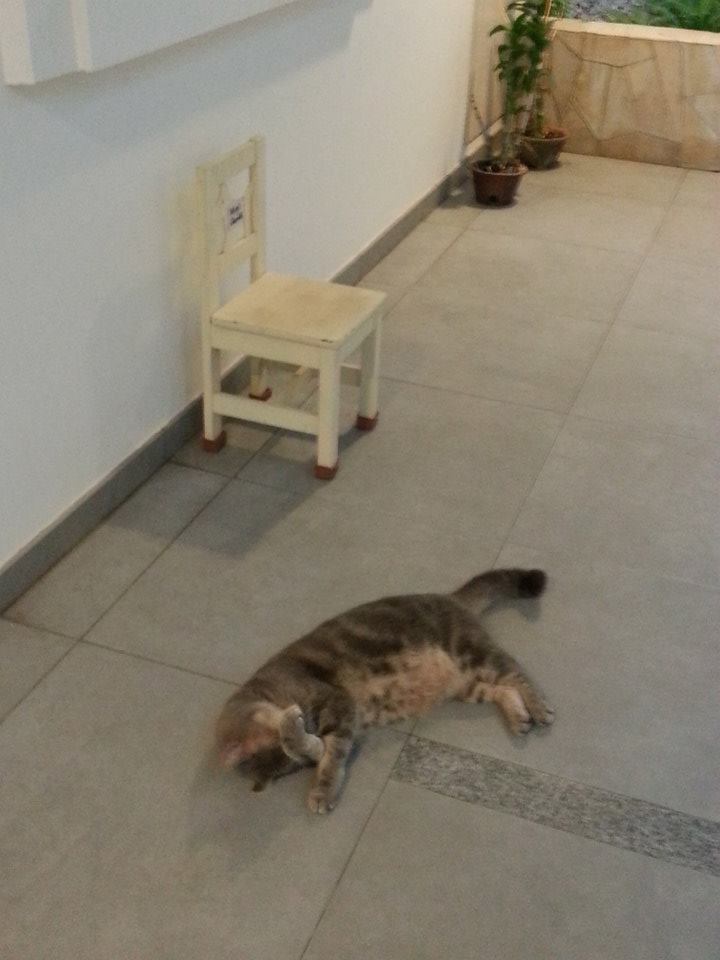
5. Professor Greg Clancey’s cat, Misty, who lives next door to me at Tembusu College.

She went from being scared of me to not caring when I walked past.
1174709_10153243072040122_697031479_n

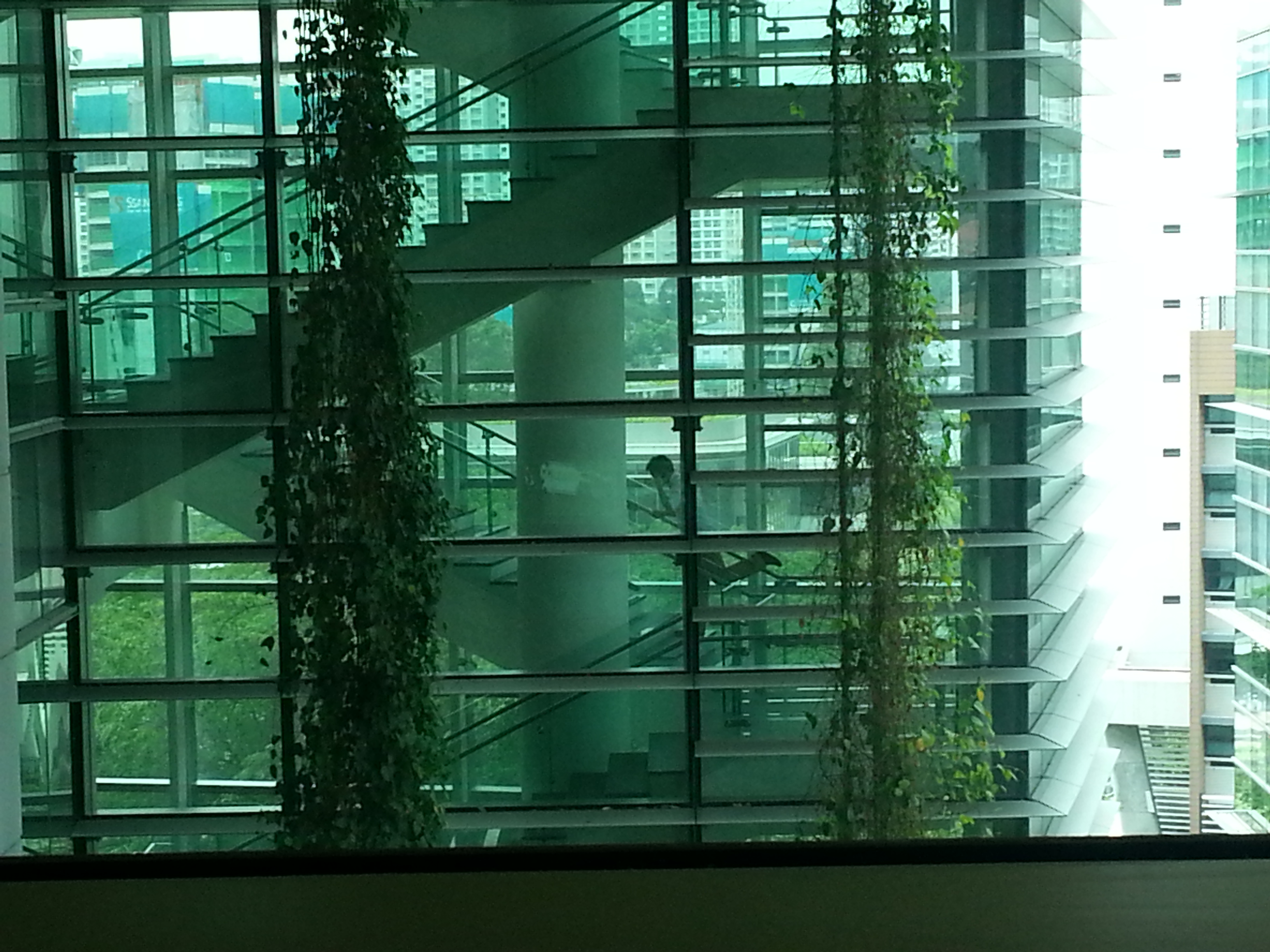
6. Being at my desk at the Future Cities Lab and seeing the people walking up and down the stairs.

The lab occupies the sixth and seventh floors. I think that how they use the stairs reflects their personalities.
20130923_131351

(On that note, seeing this guy repeatedly use the hand rail as a ballet bar is the reason why I stopped touching it.)

7. Attending lectures for the sheer enjoyment of them. 

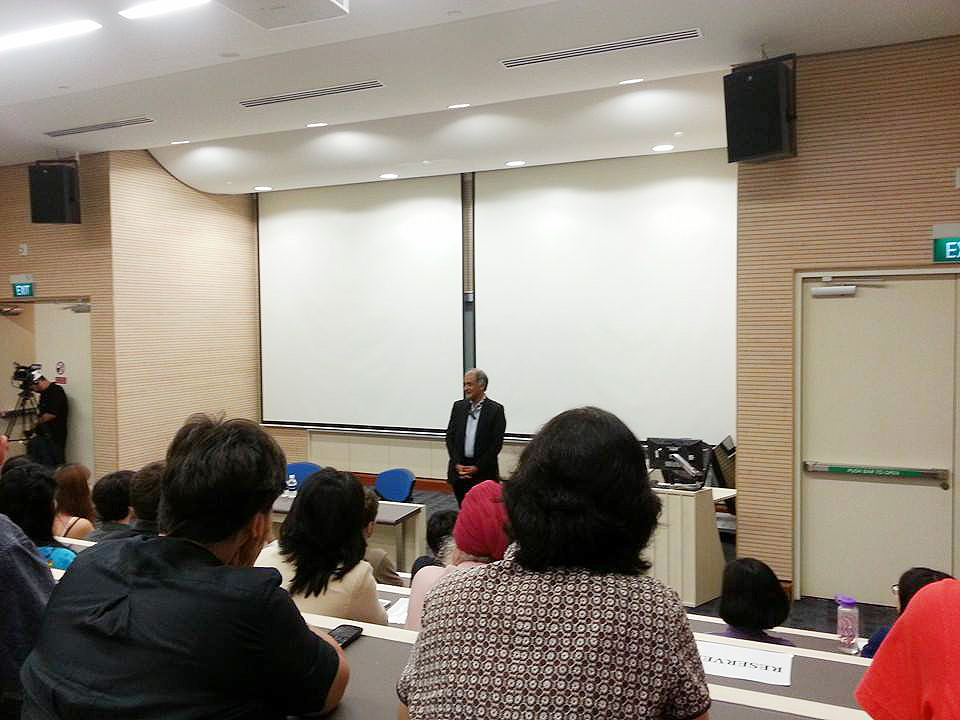
Such as this one by Pico Iyer sponsored by Yale-NUS at UTown.
Pico Iyer

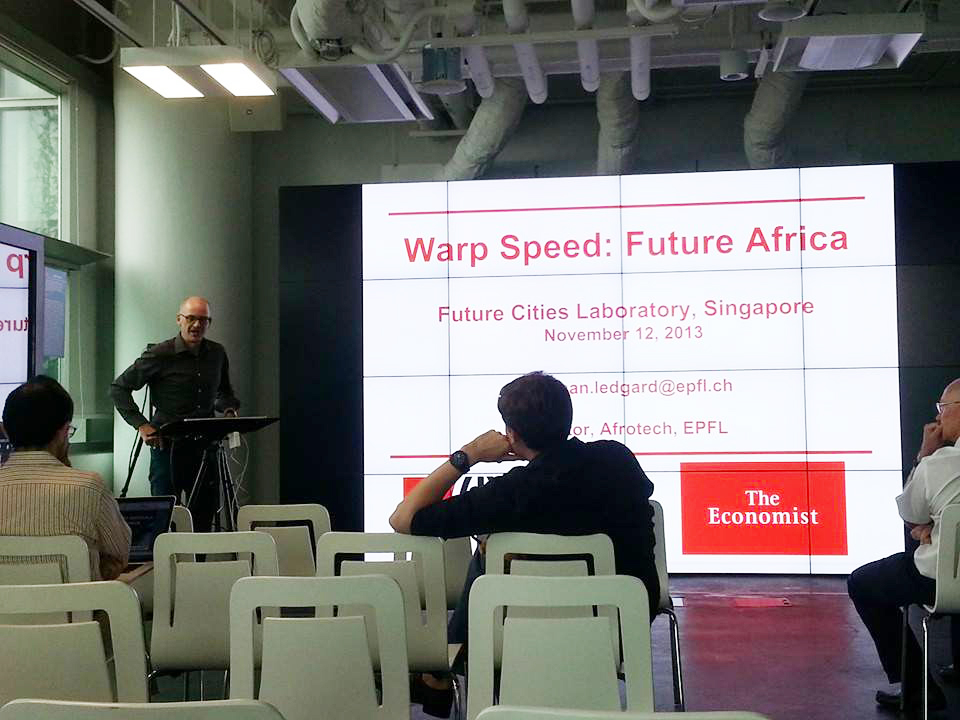
Or this one by Jonathan Ledgard at the Future Cities Laboratory, whose book, Giraffe, I read and loved last year.
Jonathan Ledgard

8. Working with scientists. 

I loved seeing their less academic side. Like so:
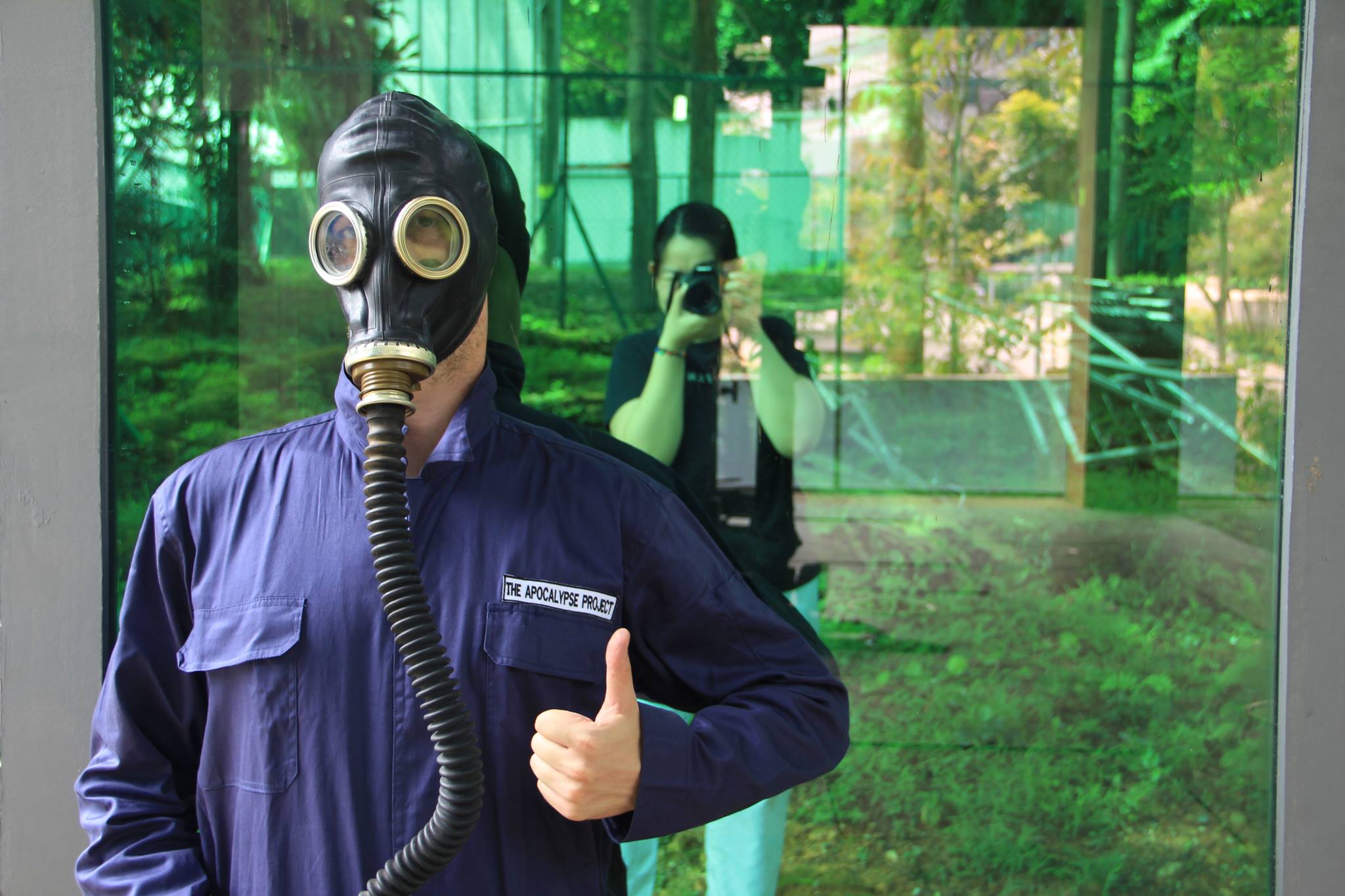
The Apocalypse Project smell mask

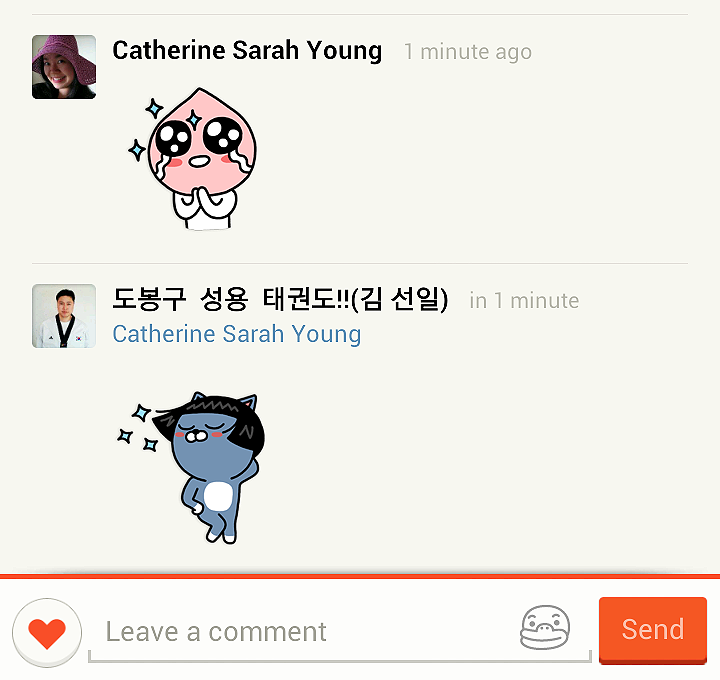
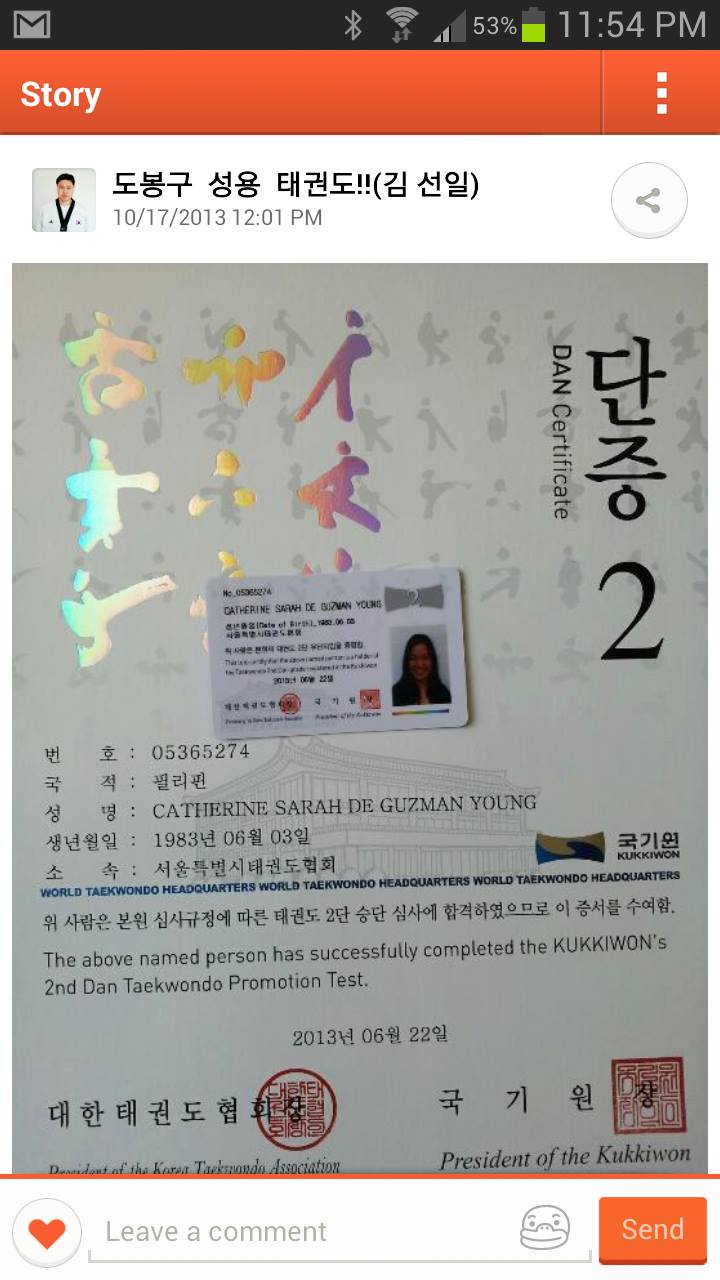
9. Getting into emoji chats with my taekwondo master in Korea (since we still can’t understand each other). 

I love my current project the most, but I definitely adjusted faster in Seoul.
Screenshot_2013-09-27-21-20-51

Hurray for Kakao Story! Thanks to interaction design, communication between two people who do not speak the other’s language is completely possible. Guess who did pass her second degree black belt test after all. Now to figure out how to ship it to me. Hmm.
1400249_10153432940980122_748657994_o

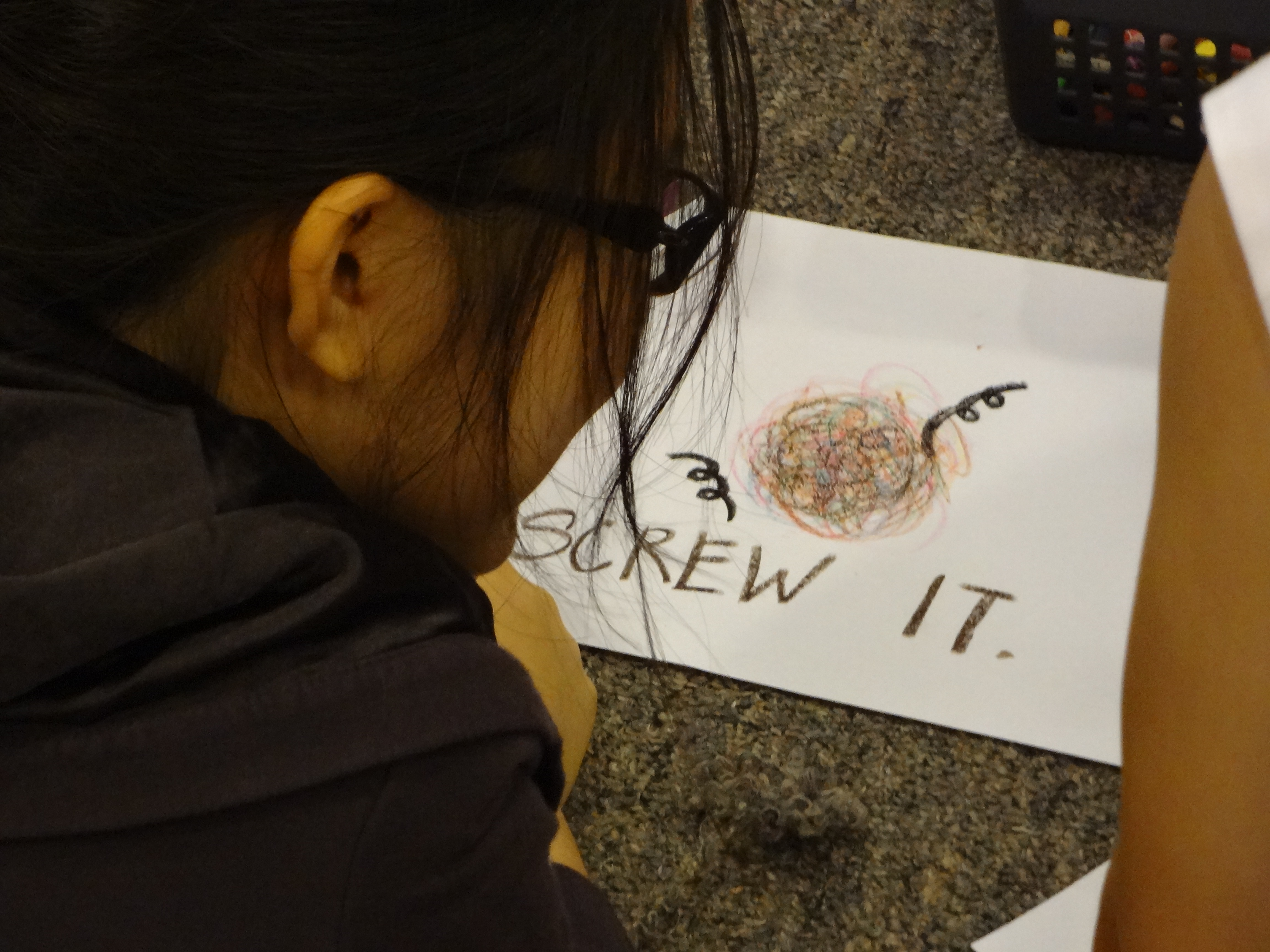
10. Holding Apocalypse Workshops and getting into uncontrollable fits of laughter.

Because, well…
DSC09518

This gig went by too fast, too soon. I’m in the goodbye-presents-and-thank-you-notes stage. Wasn’t I just doing this a few months ago? Vagabond problems, oh dear.

Perhaps as a welcome to living this near to the equator, I contracted a tropical bacterial infection during my first month in Singapore. This resulted to three weeks of congestion and mucus. There were a lot of very embarrassing social situations and a consistent need for tissues. But the most awful thing about it was the fact that I lost my sense of smell. This is absolutely catastrophic for someone who studies perception. For one who once tested the link between smell and memories. For one who made an olfactory memoir. For one who can tell cities apart by smells.

The medical term for this is anosmia. (Check this video and article on NYTimes.com for people who permanently lost their sense of smell or were born without it.)

If anything, I am grateful it only lasted a few weeks. There is nothing like valuing something more when you’ve temporarily lost it. To make it a learning experience, I pretended my anosmia was an experiment.

So, how was life without my sense of smell?

The smallest activities were voided of their pleasures. I could not smell the mint on my toothpaste, the citrus crispness of a sliced lemon, the aroma of coffee, the freshness of new bedsheets. Perfume, which was a daily habit and a mood booster, became unnecessary. Each object blurred into the next, unclearly defined.

Without smell, I was unable to detect the orange juice spilling on the opaque countertop. I could not gauge the weather, because I could no longer the smell rain or heat through the window. My days lost a dimension—like the difference between experiencing a movie on a bad screen and in HD. Life became very dull; a mere shadow of its former self. It was then that I realized that in many ways, we can smell movement, and therefore stories. Smell made things more real.

Our senses of smell and taste are related. And so without smell, I couldn’t taste anything either, apart from being able to determine if a dish was sweet, sour, salty or bitter, more or less. This robbed me of the joys of eating. I ate a lot of spicy food, mainly to clear my congested sinuses and because most of the time, spiciness that was the only thing that registered.

On a less depressing note, I learned to better appreciate the texture of food. And because I could not taste anything, I stopped eating food that was unhealthy. I don’t recall a time in my life when I ate less chocolate. Or drank less coffee. Because really, what was the point? I may have lost a couple of pounds, but I was unhappy.

There were other minor benefits, I suppose. The delight and wonder of things faded, but so did their disagreeableness. I thought it was great not to be able to smell smoke or public toilets.  In the gym, in taekwondo class, in crowded subways, I could not be offended by body odor. Hurray!

However, not being able to smell noxious substances is dangerous. It is what tells us if there is a gas leak or if our food has spoiled. And another problem with not smelling is that while nothing and no one stinks,  you don’t know if you do.

Eventually, as my colleagues told me that my cold was probably an infection, I went to the doctor and was prescribed a dose of antibiotics. As the medicine kicked in and I became better, my sense of smell started to come in short spurts, probably analogous to a blind person seeing flashes of light. Whoa, that basket of fruit actually registered. Oh my, cornflakes tasted like cornflakes. I can smell my shampoo again.

Having my sense of smell come back to me was like getting out of a bubble. I realized that like smell made me a part of my environment because I could breathe it into myself and establish a continuity with the world. Slowly, I felt more alive. I had never been so overjoyed to smell garbage again.


P.S. Huge thanks to the awesome staff of the University Health Center of the National University of Singapore, who took me in past closing time last Friday when they realized I was close to passing out. Kudos!

Seoul43 has given me a lot of moments to reflect on the impact of humanity on nature. This, of course, was not my initial intention. I wanted to climb all these mountains as a personal challenge. A city with mountains—how wonderful! I still believe it is one of the reasons that I found Seoul to be a clean city, compared to the other capitals I have been to. Before Korea, I had hiked only one mountain in the Philippines. It was a disastrous and traumatic experience—I nearly fell off of the peak, slipped many times on our descent, and slowed everyone down. I was, in chemistry terms, our group’s limiting reagent.

44 - Bukhansan

My second intention was to get people to share my experience. This is why I brought the soil from these mountains so that people can plant with them and then bring them back. “Borrowing” instead of “taking” the soil was an important part. It has always been my view that no one is exempt from environmental responsibility, artists/scientists/explorers/designers included. The tasks I asked people to do were also deliberately chosen. I wanted to ensure that this project had some positive environmental and cultural impact.

What I didn’t expect, aside from the extreme fatigue, were my unique experiences for each mountain. Many pushed me to my limits, some nearly killed me, others were places I found so fascinating that I want to revisit them. A number disappointed me for their smallness (This is it? Really?) while others made me ask a lot of questions.

As these are mountains in a bustling capital, one thing I found consistent about them was human activity. If Seoul’s mountains were a system that ensured the coexistence of nature and humanity, then it was determined by these parts:

First, there were the modern city officials, or whoever governing bodies that mandated which trails should be open to the public and what was allowed to be done. They were the ones who permitted the landscaping and gardening of these mountains, who added trails, tennis courts, exercise machines, trail signs, and other things that make them “usable” to the public.

exercise ajumma - Ansan

Second, there were the citizens and tourists, both young and old, who use these mountains everyday. Hiking is an everyday activity for many Seoulites. Although I always hiked alone (which was a stupid idea, but I couldn’t find anyone who wanted to come with me), I was never really alone—there were always groups of ajusshi, ajumma, or young people who were also on the trails and giving me a hand. For the smaller mountains that served as neighborhood parks, it was the residents’ way of getting away from urban noise. Indeed, I could not help but think of these mountains as refuge in a city whose aging population is affected greatly by Korea’s rapid change.

lonely old man - Achasan

Finally, and no less importantly, are the people from Seoul’s past—the historical figures who added fortresses, cemeteries, and many a Buddhist temple to these mountains, turning them into rich canvasses that illustrate a city’s past and provide interesting questions as to how they fit into contemporary culture.

temple - Suraksan

The historical and cultural value that these manmade structures add undoubtedly “elevates” the status of a  mountain to something more than just a park. The exercise machines and other sports amenities added in recent years add utilitarian value for the citizens who make physical fitness a priority. These make me pause to think, because as a naturalist, one would balk at mankind altering nature, and yet, adding something of historical and utilitarian value perhaps encourages the city to preserve it better.

Because Korea is a very mountainous country and one that rapidly urbanized, I observed that: 1) Many mountains that used to be bigger have been “broken” into smaller ones because of apartment buildings, schools, etc. that found their homes in the lower areas, and 2) Some mountains seem to have all but disappeared because the buildings were right on top of them. Is it alright to do this to make room for city dwellers and businesses, as the country has so many? Indeed, as the official list I obtained from Korea’s Forest Service dates back to 2006-2007, I think that 43 will not be the number once they review the list once more. It will be interesting to see how the face of a city changes and how modernization affects these natural structures that are as old as time.

Originally posted on the Seoul43 site.

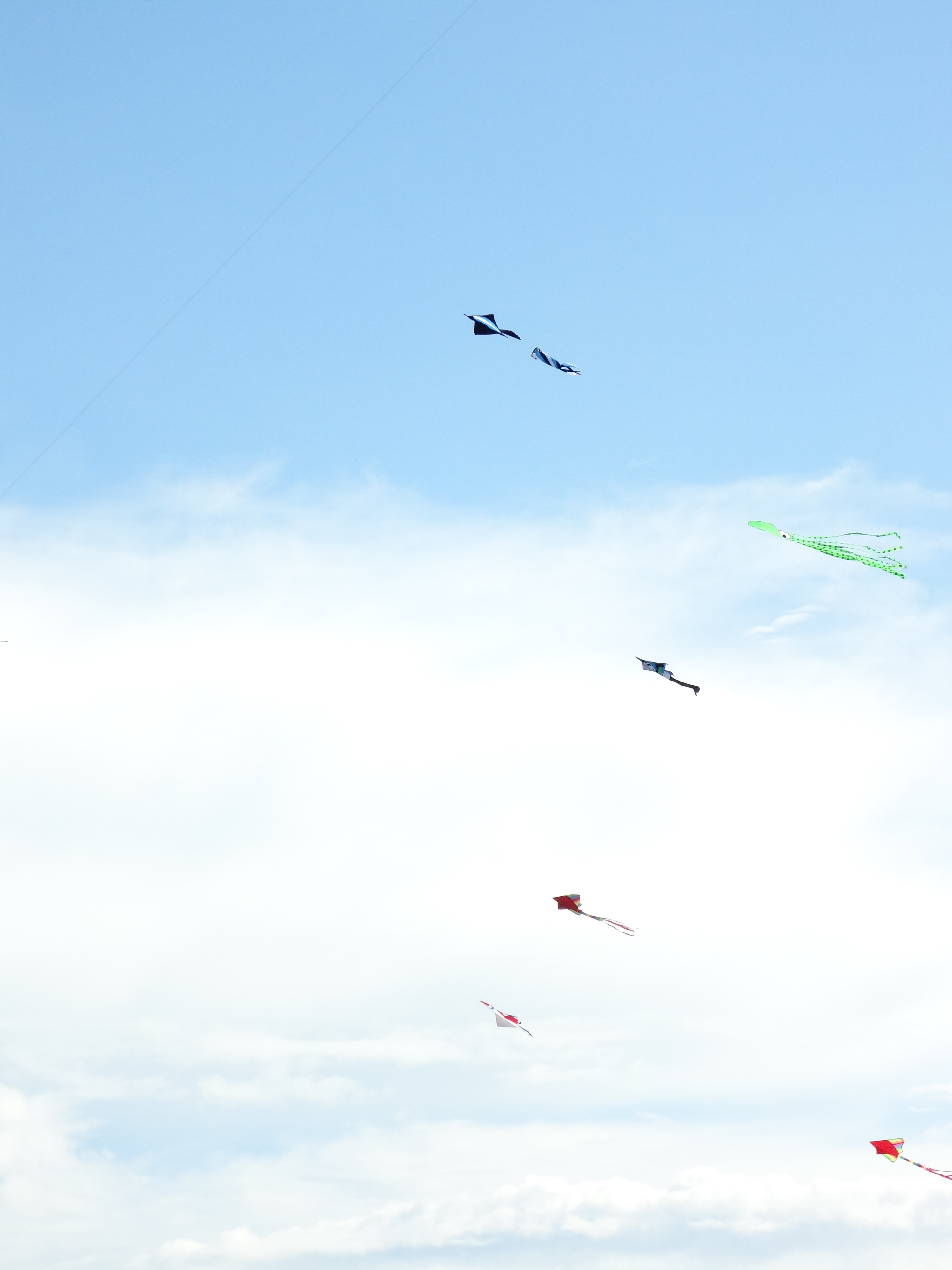
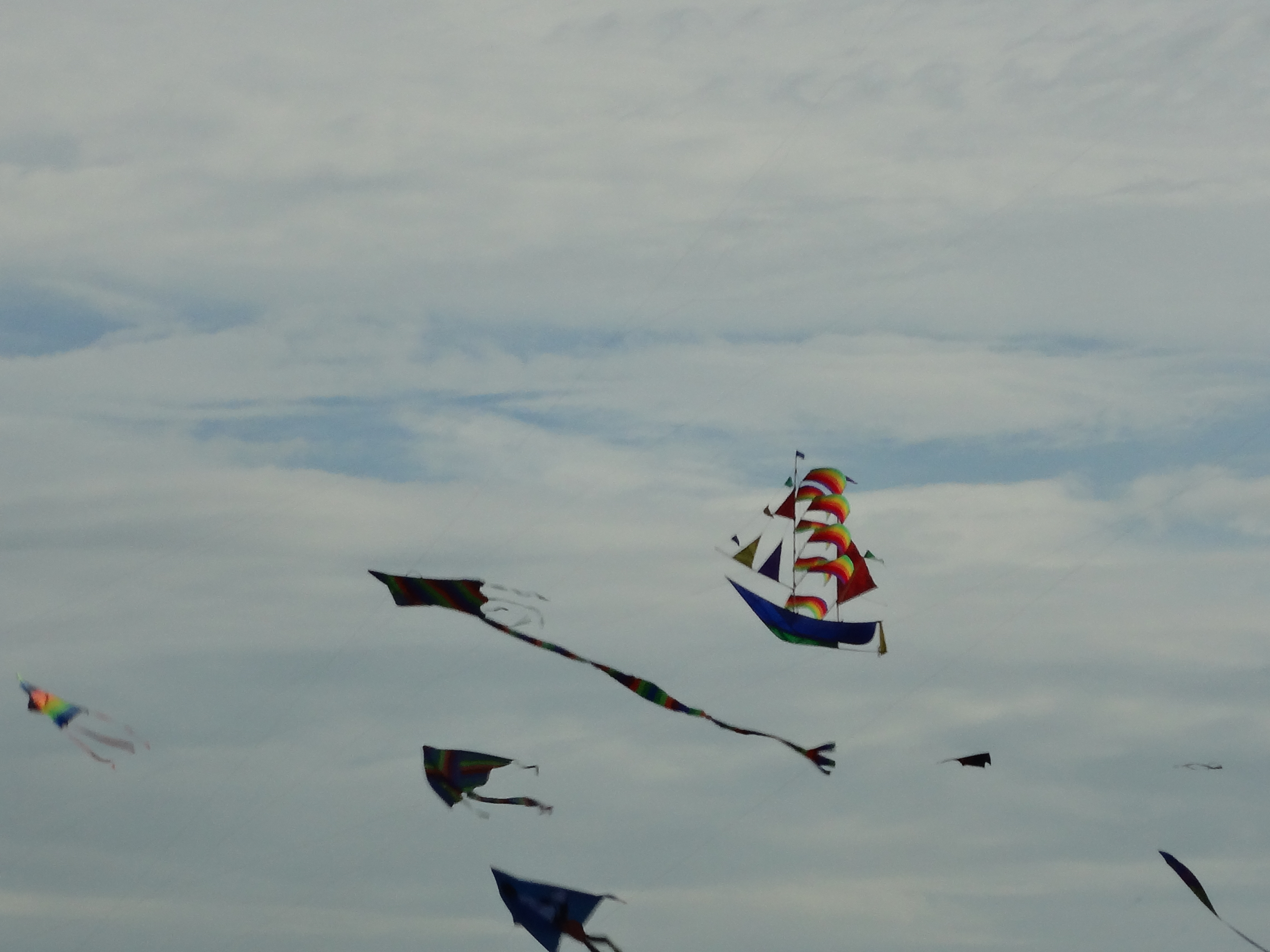
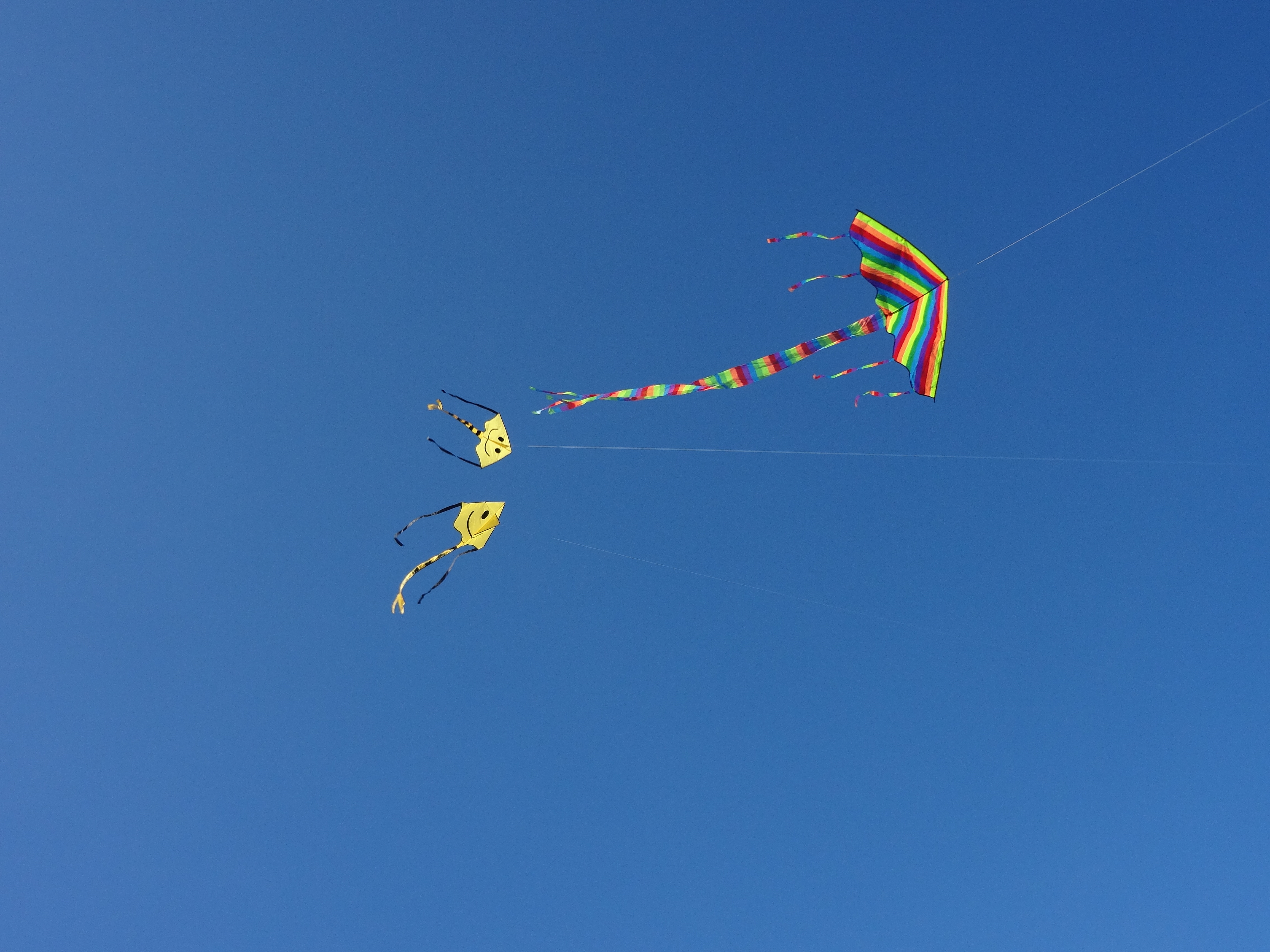
As I recover from the flu, allow me a bit of hallucinatory storytelling from the highly entertaining 2013 Singapore Kite Festival last week.

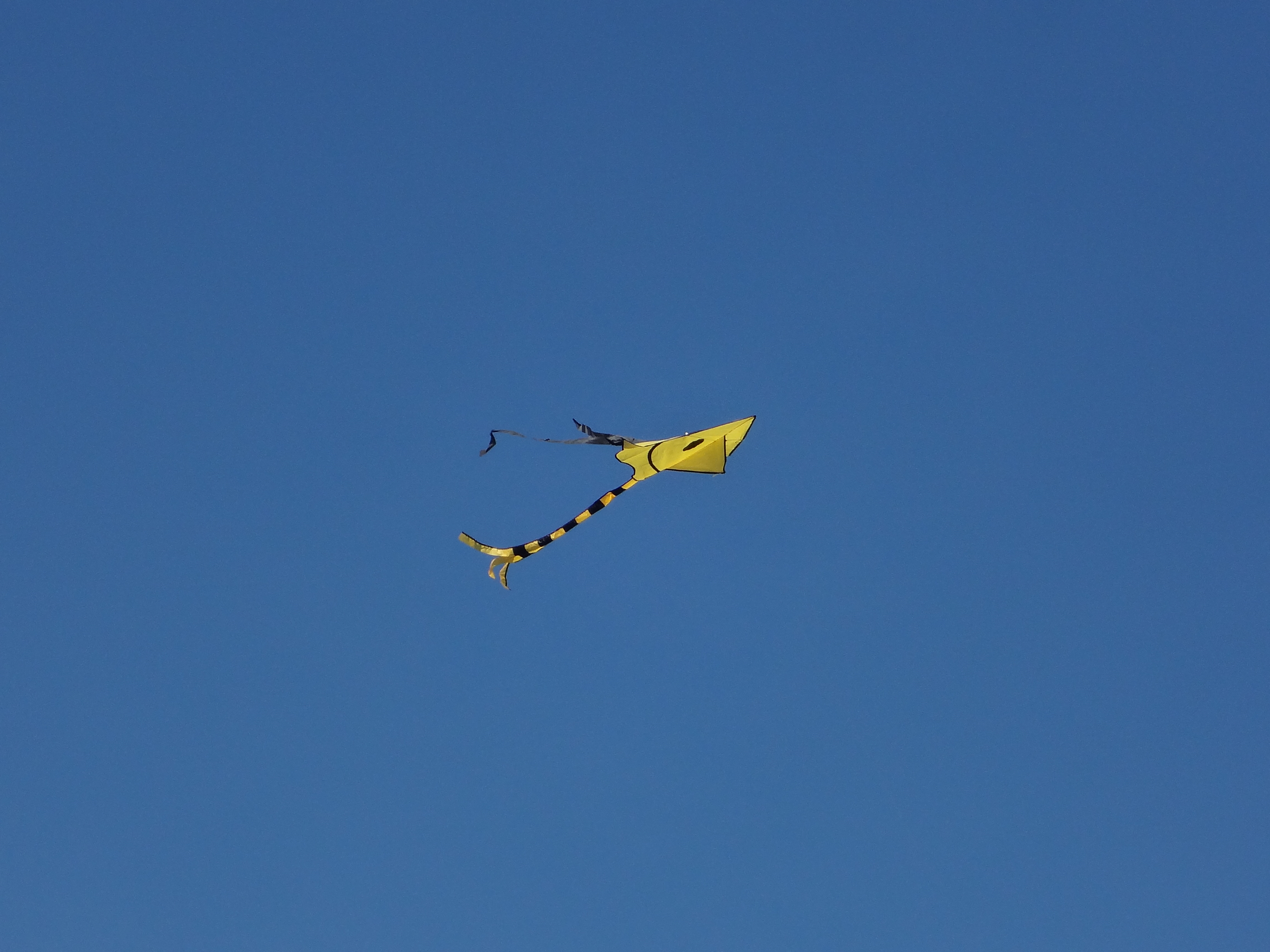
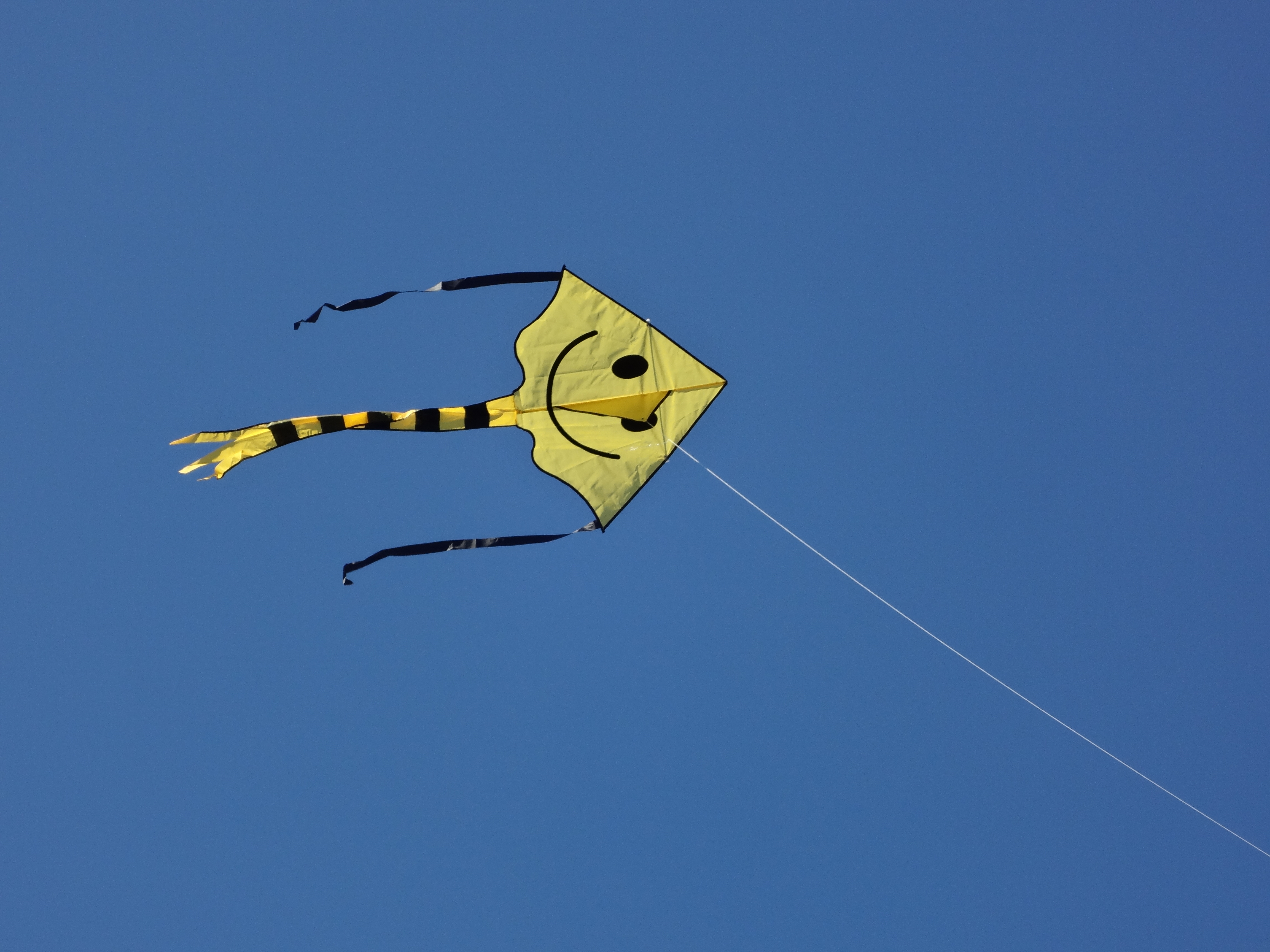
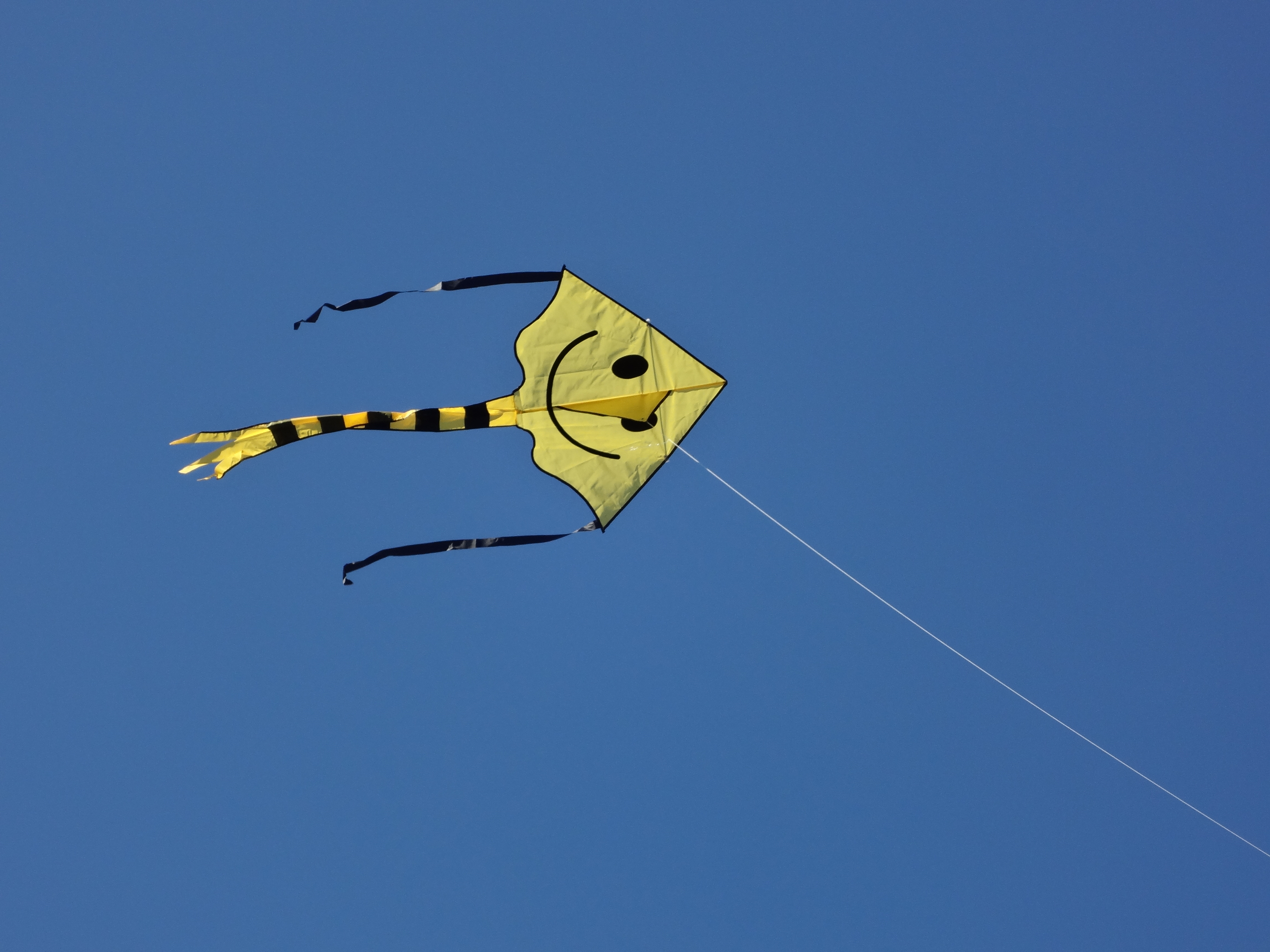
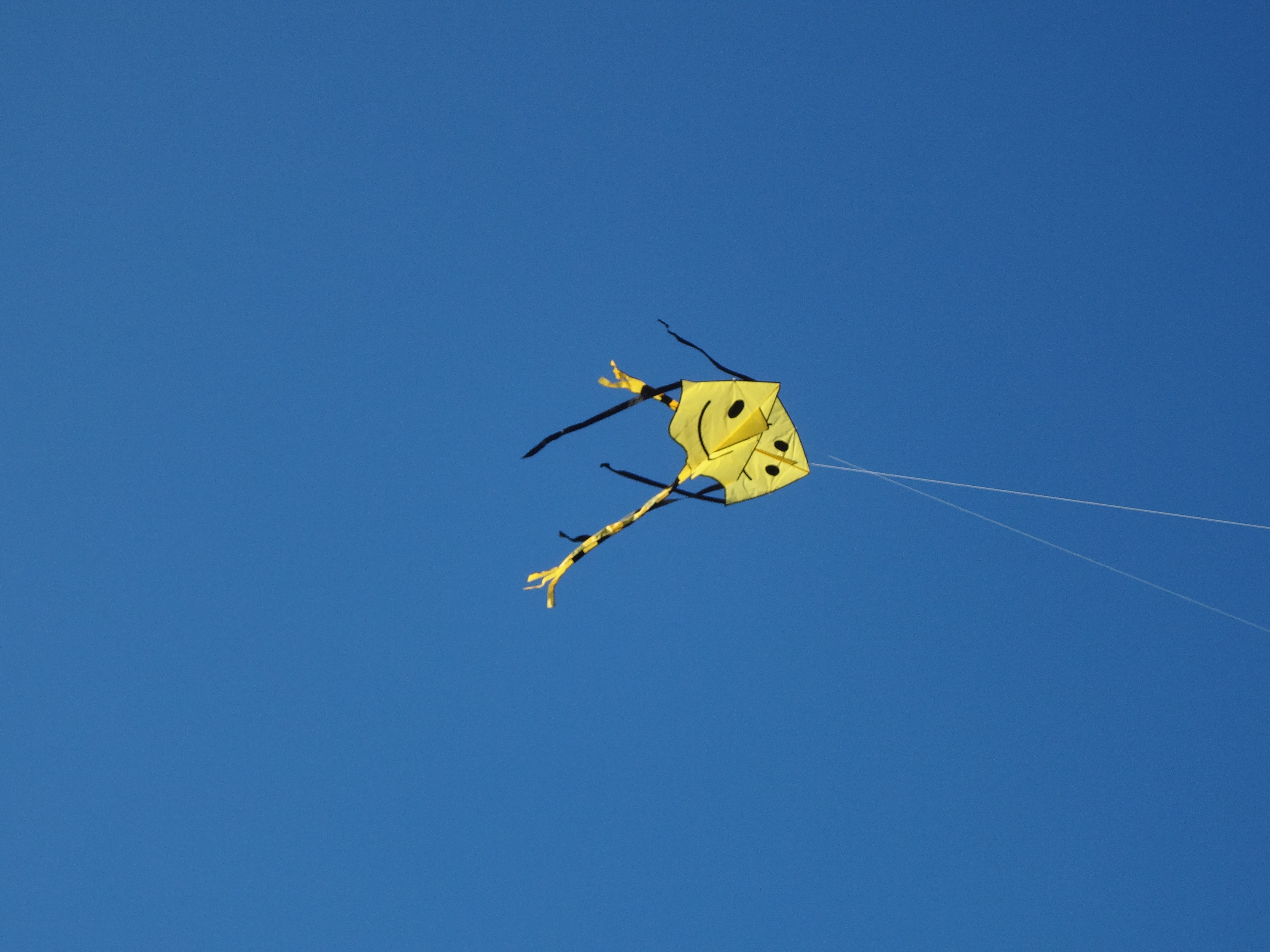
Once upon a time, there was a yellow smiley faced kite named Jack.
DSC08779

He liked to fly.

DSC08814

So off he went. Doot doot!

DSC08815

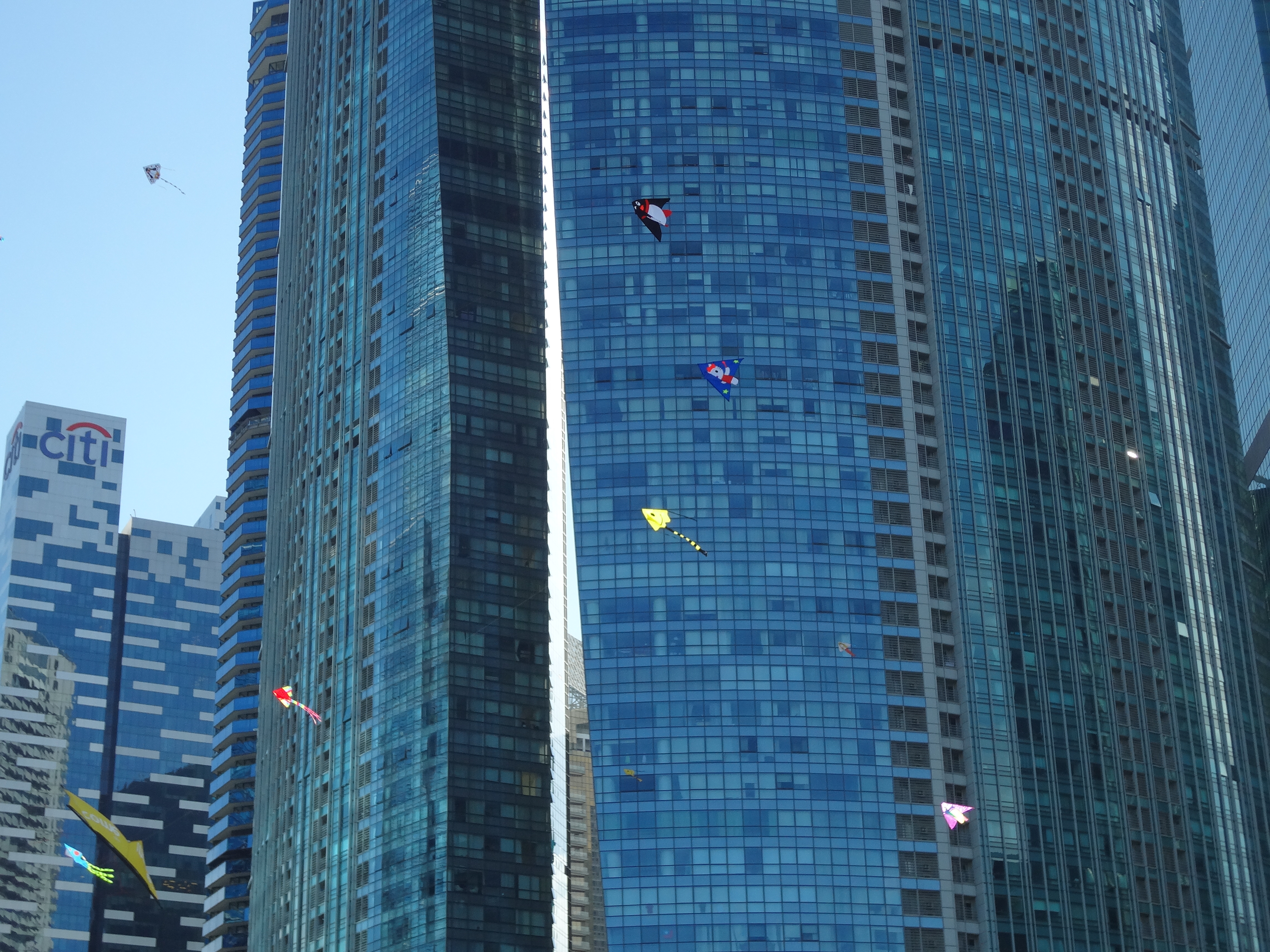
He flew to the city, where there were very tall buildings. Woo!

DSC08797

He met a lot of friends of different sizes…

DSC08798

…shapes, and colors.

DSC08780

One day, Jack was recruited by the Penguin…

DSC08804

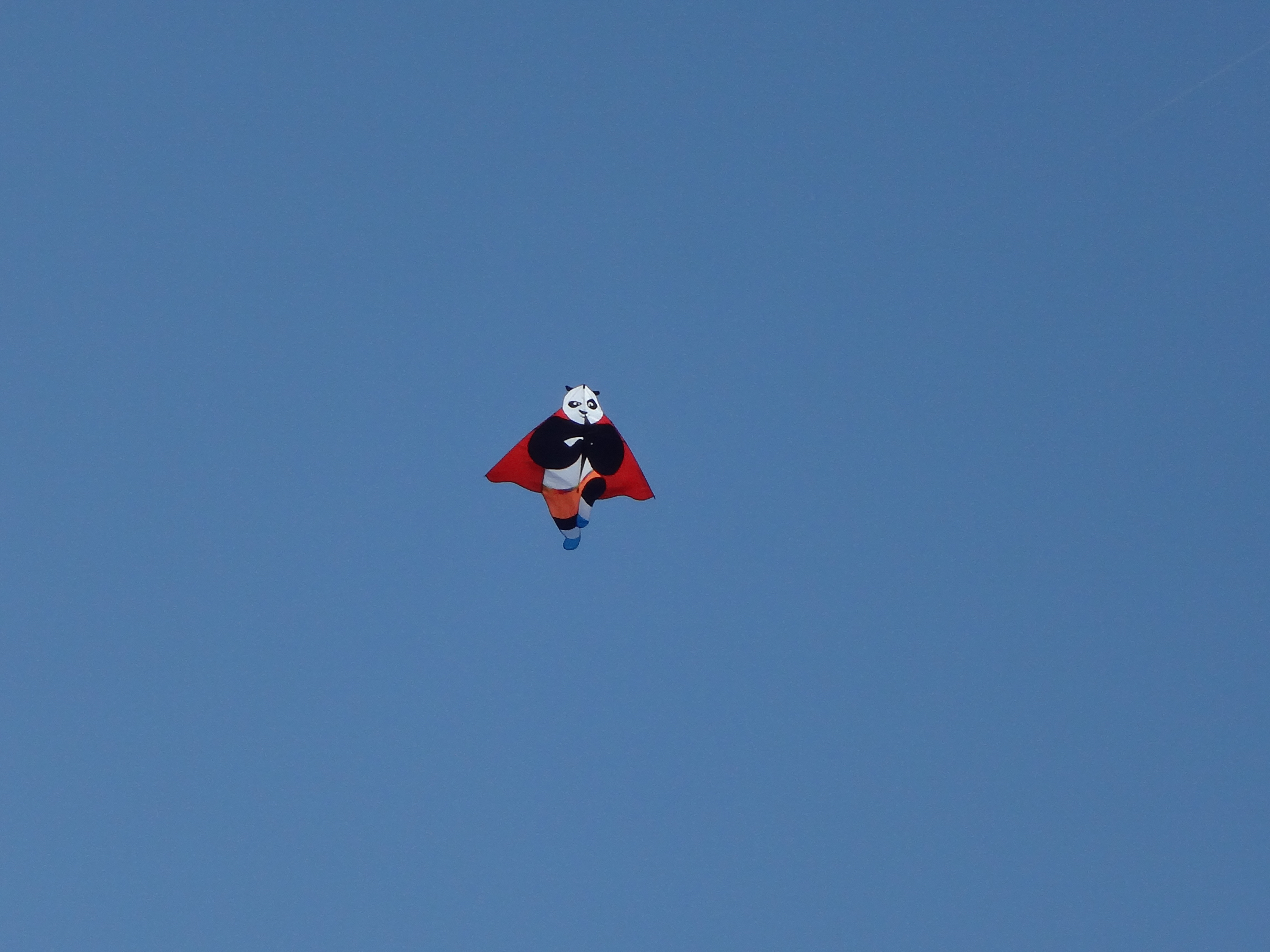
…who worked for Kung Fu Panda…

DSC08805

They wanted him to join their kite army to go against a great villain, who wanted to take over the skies.

DSC08801

Jack said yes, so off they went.

DSC08837

Jack was scared and excited at the mission. They patrolled the skies in search of the great villain.

DSC08838

Then finally, Captain Squid screeched, “Chaargggee!!!” 

DSC08843

Sure enough, Spiderman was just around the corner.

DSC08854

And the kite wars began.

DSC08829

It raged for two hours, and finally it stopped. And they won.

DSC08860

Hurray.

DSC08865

Afterwards, Jack went off on his own.

DSC08814

And met a girl.

DSC08817

They dated and lived happily ever after.

DSC08818

And made kite babies.

DSC08819

The end.

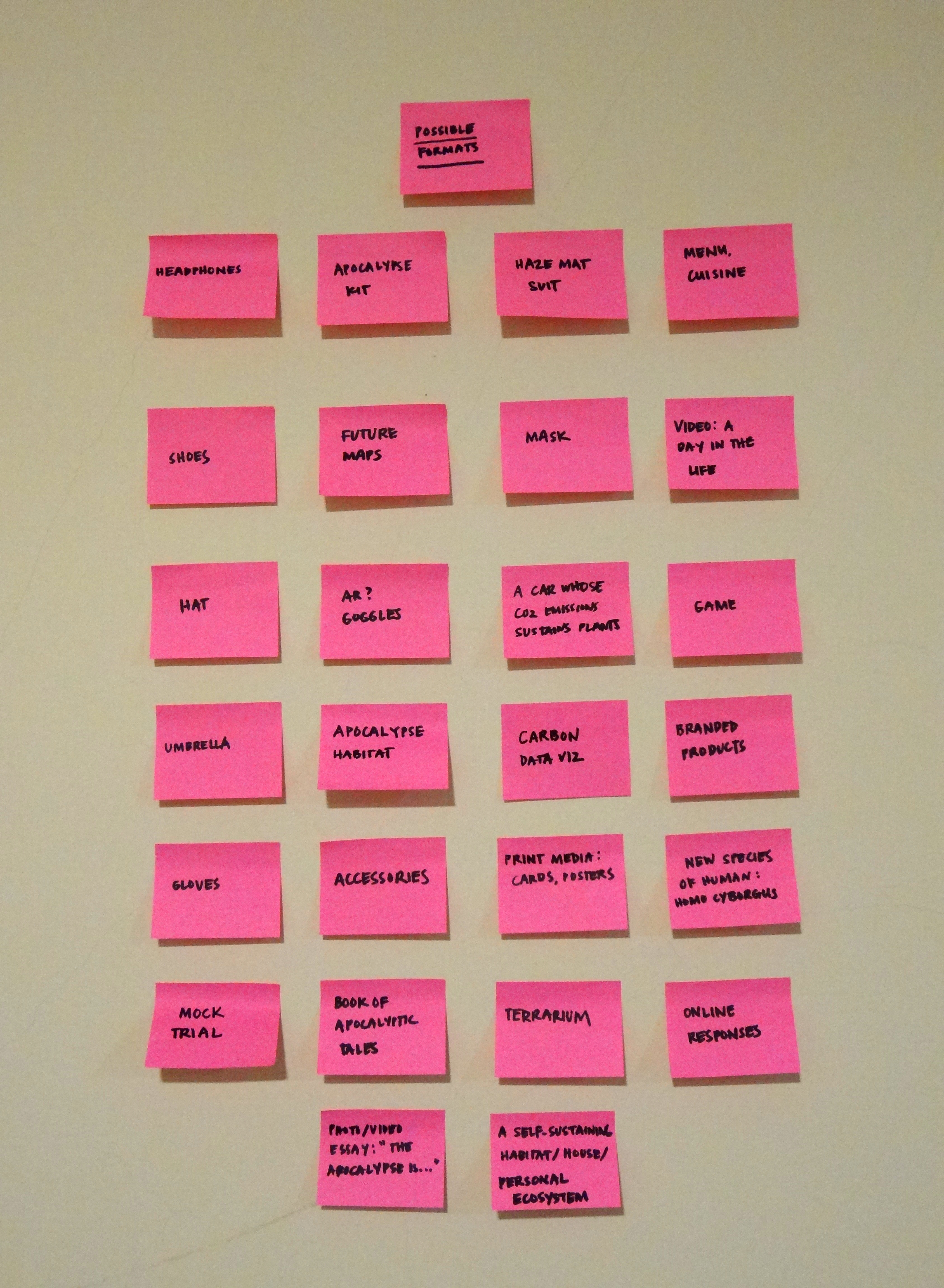
This week, apart from getting over the bad case of the flu, I spent some time refining my residency project in Singapore. Climate change is a huge, huge, HUGE subject, and it’s easy to beyond the scope of what I came here to do. I sat down to be specific about whom I wanted to involve, what my intentions were, which specific questions I am to ask (especially with the workshops I’ll be doing next week), and potential formats my exhibit will have. Here is the wall of Post-Its:

DSC08941

Below are details of it:

DSC08947

DSC08943

DSC08944

DSC08945

DSC08946

Depending on how it goes, this could either be the most hopeful or the most depressing project I will have in my life.

Being in this project in Singapore for three weeks now, I’ve had a lot of flashbacks from my previous lives before this residency. It feels interesting to be in a lab and be officially an artist and not a scientist, to be around academics and understand their academia-speak as though it were a second language I’m hearing again, and to be designing workshops instead of looking for art materials in this initial phase.

Having had different roles and modes of training and experiences, I think I’m coming into my own model of what my three primary fields (art, science, and design) are about, which isn’t to say that these do not intersect in an individual’s practice.

DSC08719new

I’m doodling this as a note to myself, and wondering if I’ll be thinking the same in four months’ time. Hmm.

When one wakes up in another world, the previous one seems like a dream. Korea, magical as it is for me, seems like it ended a year ago instead of just last month. I’m now in Singapore for the 2013 Art Science Residency Programme in partnership with ArtScience Museum™ at Marina Bay Sands, Tembusu College National University of Singapore (NUS) and the Singapore-ETH Centre’s Future Cities Laboratory.

It is such a wonderful opportunity, and a very timely one as well. I am very grateful. Because of the Seoul43 project, I realized that one potential application of my work is the environment. The things I saw while I was in the mountains made me care about what humans are doing to nature in a more visceral way. Don’t get me wrong; I’ve always cared about recycling, global warming, and polar bears, but having my hikes directly affected by what humans were doing to the environment (and ultimately affecting the direction of the project) was very unnerving. That project wasn’t too long ago, and I still have more questions than answers. (Visit the project site here.)

Climate Change and Environmental Futures

I am working on the theme, Climate Change and Environmental Futures. My project is about a potential “apocalypse” that may ensue in the future because of climate change. I aim to design objects that examine our perceptual lifestyles when that occurs. So. How will we see, hear, smell, touch, taste, etc. when we need to adapt to a less habitable earth? And on the other side of the spectrum, what can be designed along the lines of perception when we are able to mitigate climate change? These are questions that intrigue me and will keep me happily preoccupied in the next four months of this residency.

This project is also an experiment for myself and the direction of my work. I suppose this is why despite my excitement, I want to proceed with caution. This is definitely my science background talking. There are enough people misleading others about climate change; I don’t want to be one of those. I’m happy to have scientists and humanists in the college to give me their perspectives and share their research, thus informing my work.

Cousteau

I never thought I would work along the lines of climate change. And yet, I did kind of foresee this last year. Because of my passion for nature and exploration (and flying up in an ultralight), I came across the works of Jacques Cousteau, marine explorer and conservationist. In his book, The Human, the Orchid, and the Octopus (Bloomsbury, 2007, co-authored with Susan Schiefelbein), he said that “Had I known where I was going, I would not have gone.” This resonated with me, along with him quoting Albert Szent-Gyorgyi’s distinction between Apollonians and Dionysians. I fear applied research sometimes, because when one drops a product into the real world in the hopes of solving something, oftentimes there are consequences you did not account for. That, plus I think my best ideas and projects are those when I was just in states of play.

The Anthropocene 

In the past few weeks, I’ve done a lot of research on recent findings and ideas in our Anthropocene. I am encountering a lot of very interesting work by artists, scientists, journalists, etc. I will be updating this site frequently, so check it out for my progress. 

Goals

There are specifics of this project I will be working out within the next few weeks. But now that I am here and have seen the labs and met with the staff, I have a better idea of what I can and cannot do. But just like my previous projects, I aim for these qualities:

1. Inclusivity—I hope to engage not just people from within the field of climate change, architecture, sustainability, and urban design, but also the people outside of it. I want to reach out to those who have no professional stake in my project, because I believe that climate change is a human issue that affects all of us.

2. Interactivity—I intend to create pieces that people can have an experience with and engage their senses, instead of just making something people will look at.

3. Empathy—I aim to collaborate with both the sciences and the humanities. The former is to ground my work in facts, and the latter is to allow for profound human connection. I hope for the audience to move from mere awareness of environmental issues to mindfulness where they are spurred to act and maintain positive environmental habits for the long-term.

The Weekend with the Eameses

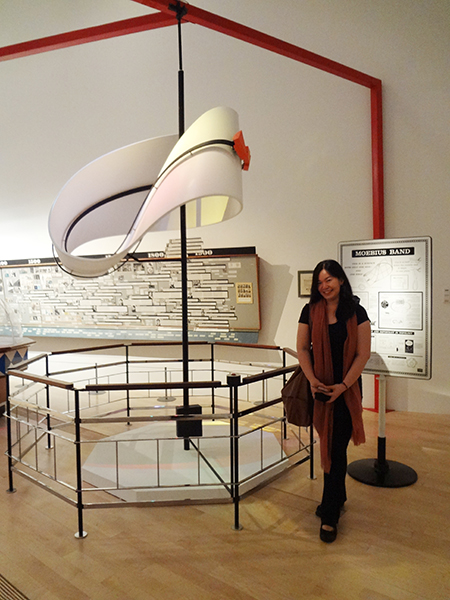
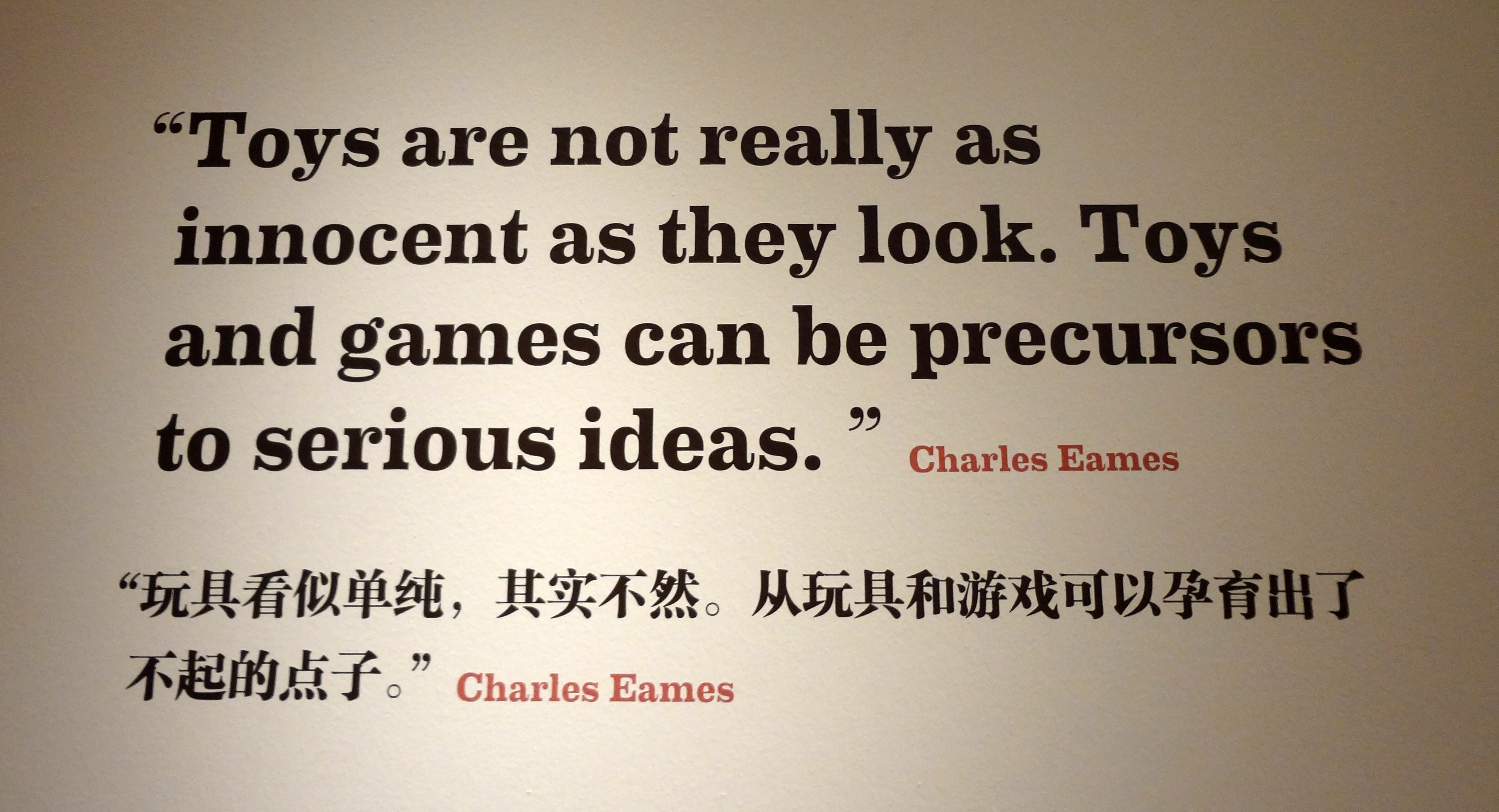
This past Saturday, as part of my research, I visited the wonderful ArtScience Museum, where we artists-in-residence are supposed to give a talk and be part of their Sunday Showcase sometime in November. I loved the Mummy exhibition and the National Geographic’s 50 Greatest Photographs, but it was the Eames exhibition that made me rejoice and gave me some level of encouragement as I begin this admittedly crazy project.

I loved seeing the Mobius Band from their Mathematica exhibition:

DSC08403small

And thanks, Charles, for this:

DSC08406

Oh well, as always, here goes nothing.

(Written last week, posting only today!)

It’s hard to pack when one hasn’t unpacked, I tell myself as I examine my suitcase whose contents have not been voided in the past four weeks of transience in Manila. I had left Korea and am now en route to Singapore for another project.  I chide myself, because the reality is quite the opposite. As the ninth (?) move, I realize my luggage hold the memories of my most immediate past. There is little to give away, and little to buy. Everything I need is in this big red bag that has traveled the world with me.

It is a suitcase that has known many stories, from its first trip more than 10 years ago, when I visited Cold Spring Harbor Laboratory as a potential graduate candidate. (I didn’t get in, but it was amazing seeing Barbara McClintock’s lab!)  This bag was with me in the interrogation room in the train station in Barcelona, when security, in their amusement, told me I was not allowed to bring training sai during my trip. Outraged, I pointed the blades to my neck, took a stab, and cried, “Mira! Mira! No sangre! Estan no peligroso!” (Look! Look! No blood! They’re not dangerous!) They let me take them in the end. I brought this bag with me again to New York, with my Fulbright bag tag on the strap (I figure if potential thieves think it’s just full of nerdy books, they will never take it.)

A few weeks ago, a couple of well meaning friends asked me where is home? It’s in my heart, distributed in pieces, all over the world, I gamely quipped. It was midnight, and I was working like mad on my computer, beating another deadline. I stopped thinking about this question in recent times.

These past few weeks have been a sharp change from the constant busyness and preoccupation in Korea to the downtime and quietness in Manila. From mowing a mountain in a monsoon and getting swept up in the flurry of goodbyes, I finally had a lot of time for thinking about how things might be in the next few months. And I realized I didn’t have a clue.

When one starts out with the mentality of an explorer, of going into the unknown (and the fearlessness of a child with that nagging curiosity of sticking her finger in an electric fan) it is difficult to discern where one will end up. In between the lives I’ve led, I found it necessary to have moments of reclusion—of, as I recently coined to a friend over dinner, my “armadillo mode,” to refer to the shell I have to ensconce myself to have time to process what just happened.

There are few things one can take with her when the airline only allows for baggage weighing 20 kg. I suppose we leave part of ourselves behind with the people we love and take only what is necessary for the next life.

In the middle of an exhibition opening, climbing 43+ mountains, and recovering from said mountains, I turned thirty years old last week. I almost forgot about it, until the studio surprised me with fruit and cake after another long hiking day. While it is a big number, perhaps due the hysteria and excitement that I’ve seen people my age show with this milestone, I felt that with everything that has happened in the past years, it was absolutely time to turn 30. Finally! The level of growth and travel that transpired made the passage of time very natural.

I also realized that I reached certain milestones in the cities I have lived in. Not just traveled to as a tourist, but lived in, for at least six months. For practical reasons, six months is usually a time when most receiving countries require you to get an alien registration card that states why you are living in that country. You are meant to declare your goals, and as such, you engage in activities that define your identity while in that place. This is in contrast to being a floating tourist for several weeks or a few months, having “fun” and getting inebriated. When you are an official resident of a country, you come out with something tangible, be it a degree, an exhibition, a portfolio. For personal reasons, well, growth just takes time. And with time often comes silence and reflection.

Now that I’m thirty, I would like to take some time from post-project recovery and thank the four cities that defined my twenties, and why:

1. Seoul, South Korea
For being the city I am happiest in (for now)

What could be better than turning thirty in one of my favorite cities in the world! In the six months of living here, I did the hardest project I have ever done, I have made some of my dearest friends, I do my favorite sport everyday, and I’ve broken a lot of personal boundaries. I love the people here,  I’m constantly challenging myself with doing new things, and I love visiting new places in the country. Because Seoul is the safest and most efficient city I’ve lived in, I can feel lost in my thoughts and let creativity take form. Perhaps it’s because this is the country where taekwondo was born, perhaps because I look like a local, or perhaps it’s because Korean and Chinese cultures have many similarities, but I feel least alien here. Go figure.

2. New York, USA
For training me to go forward

New York, without a doubt, trained me to go against anything. Five years in the City that Never Sleeps made me keep going because no one was going to do it for me. As the hardest city I lived in, it taught me not to sit on my ass and to keep working hard. There is no time for self-pity in New York. I think my years at graduate school were very formative, and started what I hope will be the trajectory of my life’s work. Oh, and I got my black belt there, so I’ll always remember it. But New York wasn’t just about the harshness or the push-ups—I also loved seeing the most diverse people, which I haven’t encountered in any other city I’ve lived in or visited.

3. Barcelona, Spain
For showing me beautiful things everyday

I ran away to Spain after one of the most difficult times in my life, and there was no better city for rejuvenation than Barcelona. You can eat the city with your eyes—it was just so beautiful in ways both small and big. I will always remember going through the old city, feeling the bullet holes in the walls and then coming across a guerilla art piece by Space Invader. I read many of the books that I still reference in my work, discovered poetry, saw some of the most astounding art and architecture in the world, and made some wonderful friends.

4. Manila, Philippines
For letting me dream

I only realize it now, but I am extremely grateful for the Philippines for having such outspoken women. I deliberately write this in a city where I feel that women do not have as many rights. Here in Seoul, I am constantly being gawked at as an Asian woman who can be very assertive with few inhibitions. I think most of the women in the Philippines, particularly my mentors, are among the toughest women I have ever encountered. Most people reference the Philippines for its beaches and natural wonders (which are better in person), or for the other extremes, such as gates-of-hell poverty (also true), but I see it as the city that allowed for the incubation of my dreams.

So that’s four cities in my twenties. I write this in gratitude, but also as a reminder to myself that the world is huge and there are more places to explore and languages to learn.

As I said, there is no momentous “whoa-I’m-30” occasion—in Korea, I’m already 32.

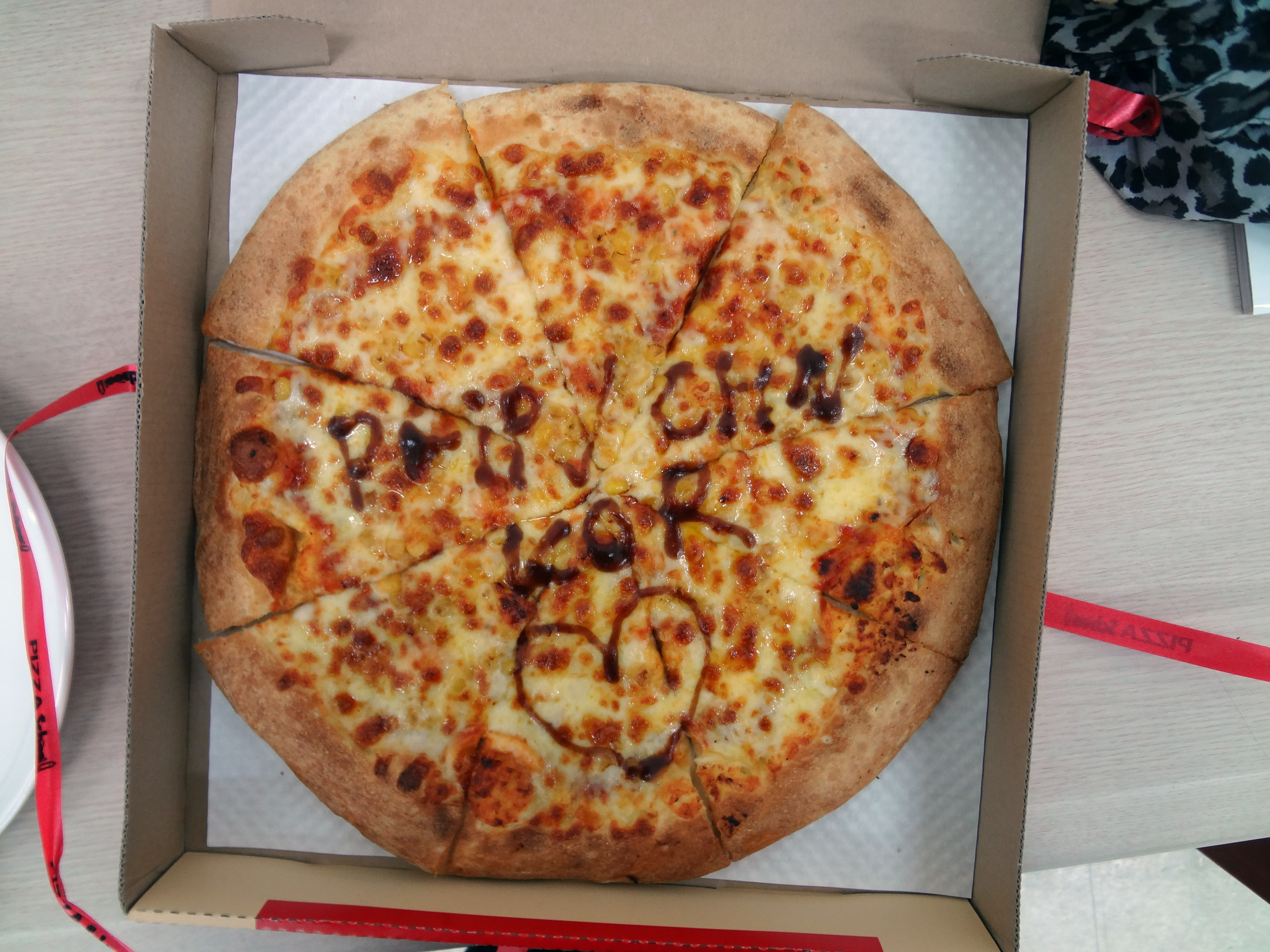
The best thing after a particularly grueling hike (hello, Inwangsan!) is a cute note from the elderly guy who runs a pizza place with his wife across my street. After learning I was Filipino-Chinese, here is what I opened the box to:

Philippine / China Korea <3

The initials stand for:

Philippines / China
Korea

In barbecue sauce.

Aww, shucks. I love you back, Korea.