Archive

Tag Archives: The Apocalypse Project

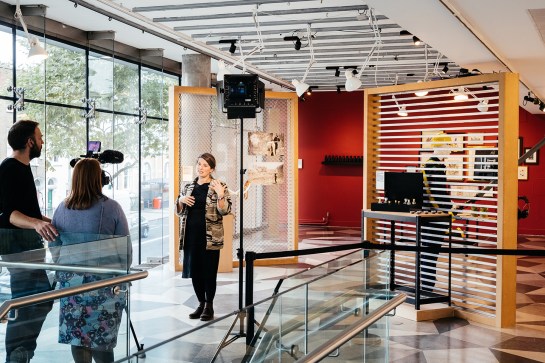
The Apocalypse Project‘s Sewer Soaperie and An Olfactory Portrait of the Amazon Rainforest are exhibited in the first Manila Biennale in the walled city of Intramuros. The theme, “Open City,” refers to Intramuros as the origin of Manila’s culture. It is a tribute to the walled city’s beginnings as a port for the Galleon Trade, a time when Intramuros opened itself up to the world and welcomed new ideas, products and people.

Image credit: Manila Biennale

The Sewer Soaperie consists of soaps made from different points in the cycle of oil in human consumption, from palm oil to used oil to raw sewage and fatbergs, to highlight the effects of our impact on cities. Support for this project was given by Arts Collaboratory, Ministry of Culture of Colombia, and Medellín-based arts organizations Platohedro and Casa Tres Patios, where I did a residency in 2016.

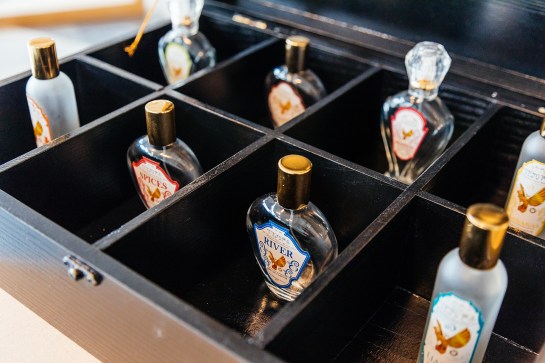
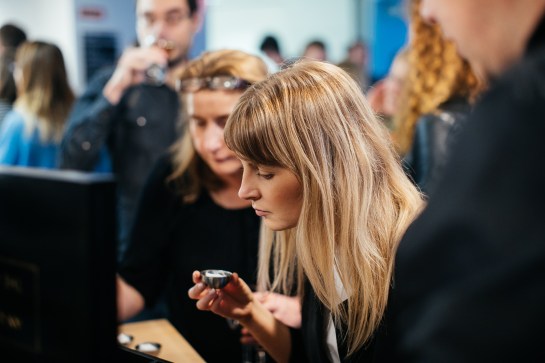
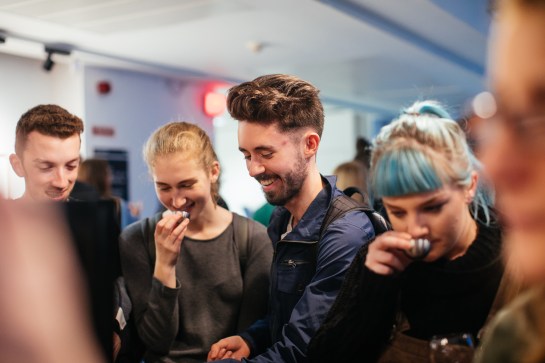
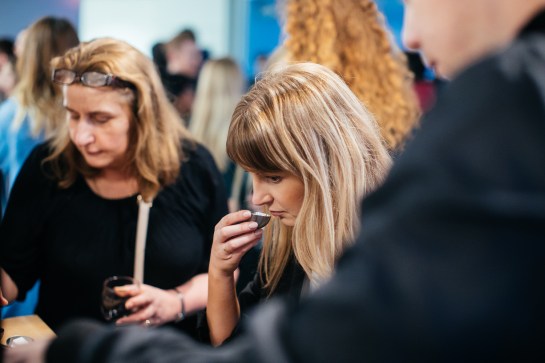
This edition of An Olfactory Portrait of the Amazon Rainforest features scents based on the travel narratives of 19th century explorers of the Amazon, where naturalists such as Alfred Russell Wallace and Alexander von Humboldt encountered this ecosystem for the first time, which relates to the “openness” theme of the biennale. Visitors are allowed to smell these scents and inhale the stories of how these explorers encountered the Amazon. On the wall is text that features the passage of the books where I based these scents from. This project was inspired by my residency in the Amazon in 2017, with the support of LABVERDE and the INPA National Institute of Amazonian Research.

Manila, Medellín, and Manaus are cities that are similar in their colonial history, richness of culture and stories, and vulnerabilities to climate change, which the works highlight. It’s been great fun to bring these together for this historic biennale as well as be reminded of my enriching residency experiences in South America, of which the Philippines share very similar characteristics.
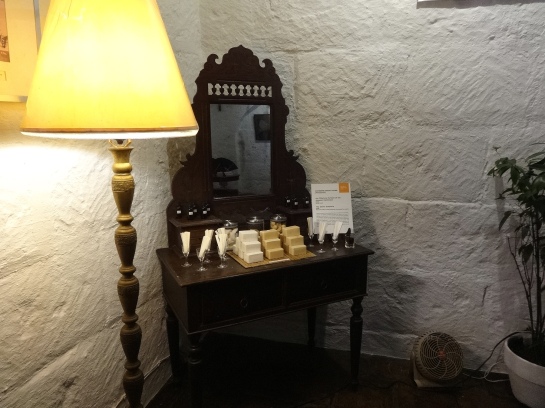
The Sewer Soaperie and An Olfactory Portrait of the Amazon Rainforest

This edition of An Olfactory Portrait of the Amazon Rainforest interprets the olfactory memories of 19th century explorers into scent, based on their travel narratives

The installation can be viewed at the biennale lounge. Image credit: Manila Biennale

Manila Biennale 2018 is led by Executive Director Carlos P. Celdran, and this installation is curated by Alice Sarmiento. Thank you!

Image credits: Photos 1-4 by Studio Catherine Sarah Young, 5-7 by Manila Biennale
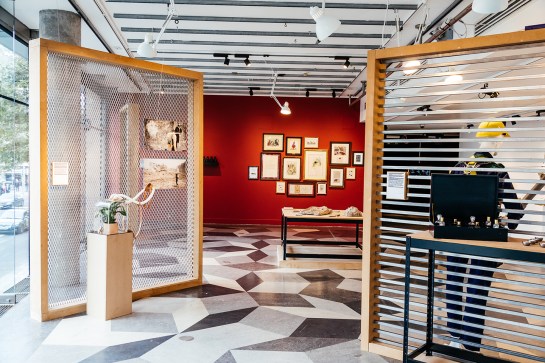
The awesome staff of Science Gallery Dublin sent me these photos from the “In Case of Emergency” group exhibition, which features The Apocalypse Project’s An Olfactory Portrait of the Amazon Rainforest, an ongoing work about the past, present, and future scents of the Amazon, which I began thanks to the support of LABVERDE and the INPA National Institute of Amazonian Research n Manaus, Brazil.

The show runs until the 11th of February; last few days!

Images courtesy of Science Gallery Dublin. Thank you and happy anniversary, you guys!

In Case of Emergency installation view

In Case of Emergency launch

An Olfactory Portrait of the Amazon Rainforest

interacting with Amazonian scents!

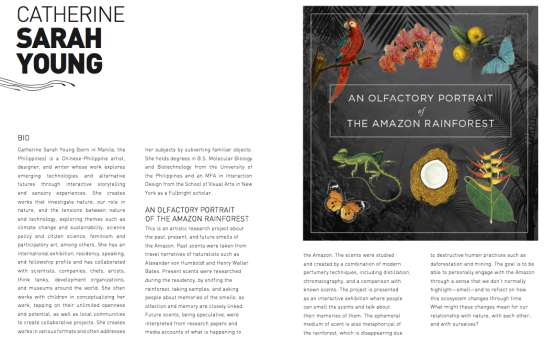
[Manaus, Brazil] LABVERDE, with whom I did an artscience residency in the Amazon Rainforest last July 2017, has a catalog of all its resident artists for the year.

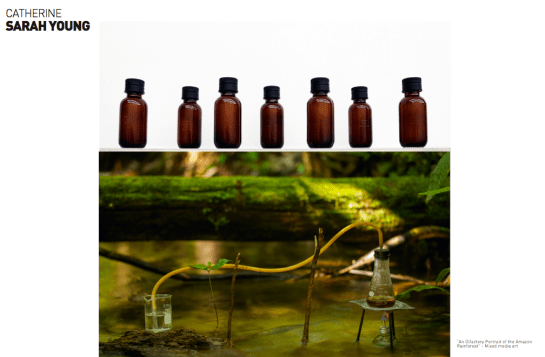
I’m on pages 128-131, featuring my works, An Olfactory Portrait of the Amazon Rainforest from The Apocalypse Project, and Experiments in Nature from Wild Science.


Thank you to the amazing LABVERDE team for all of it!

View the entire thing on LABVERDE’s website.

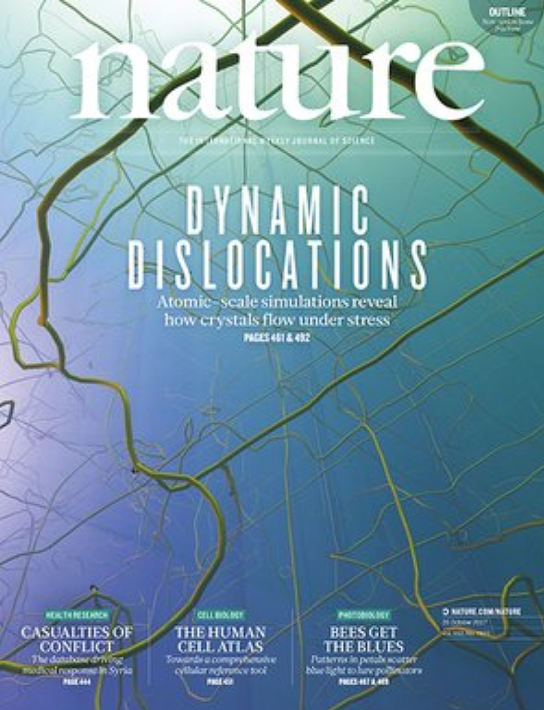
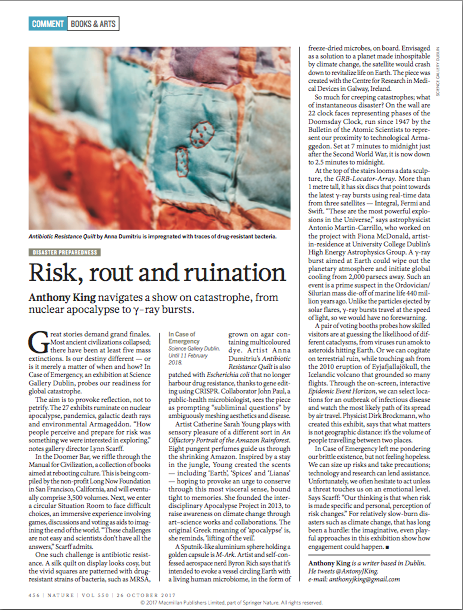
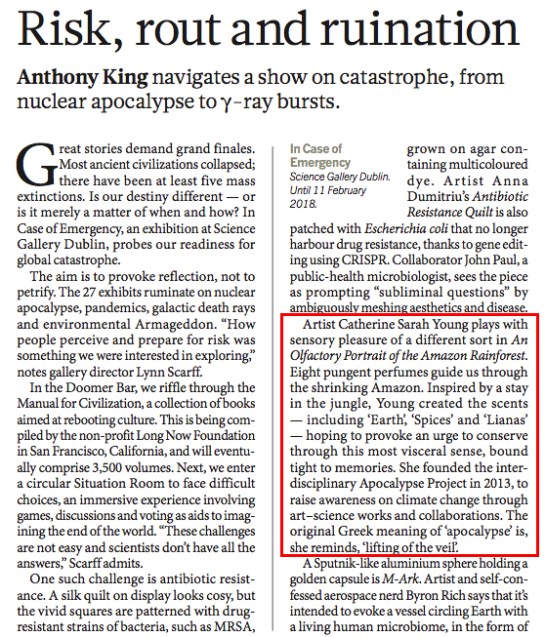
Anthony King of Nature Magazine writes about Science Gallery Dublin’s “In Case of Emergency” exhibition and mentions The Apocalypse Project and An Olfactory Portrait of the Amazon Rainforest!

“Artist Catherine Sarah Young plays with sensory pleasure of a different sort in An Olfactory Portrait of the Amazon Rainforest. Eight pungent perfumes guide us through the shrinking Amazon. Inspired by a stay in the jungle, Young created the scents — including ‘Earth’, ‘Spices’ and ‘Lianas’ — hoping to provoke an urge to conserve through this most visceral sense, bound tight to memories. She founded the inter- disciplinary Apocalypse Project in 2013, to raise awareness on climate change through art–science works and collaborations. The original Greek meaning of ‘apocalypse’ is, she reminds, ‘lifting of the veil’.”

King, Anthony. “Risk, rout and ruination,” Nature Magazine, Volume 550, Number 7677 page 456, 26 October 2017 issue

Thank you very much to everyone who has ever been a part of these projects!

xo
Catherine

Aidan Dunne of The Irish Times lists Science Gallery Dublin’s “In Case of Emergency” exhibition as one of the best art shows to see this week, and highlights An Olfactory Portrait of the Amazon Rainforest. Thanks so much!

In Case of Emergency
The Science Gallery, Trinity College, Dublin Until February 11th, 2018 sciencegallery.com

From nuclear apocalypse to environmental disaster, there’s nothing funny about global threats. Yet dystopia and disaster are staples of the film industry and other forms of fictional entertainment. Zombies, robots, bombs and post-apocalyptic wastelands are par for the course in speculations on terrible tomorrows. In Case of Emergency lays out the top threats to our world, evaluates how likely they are to happen, and asks what we can do about them. Highlights include Catherine Sarah Young’s olfactory portrait of the rainforest, Anna Dumitriu’s antibiotic resistance quilt, Dirk Brockmann’s Epidemic Event Horizon and real-time crisis management in the Situation Room.
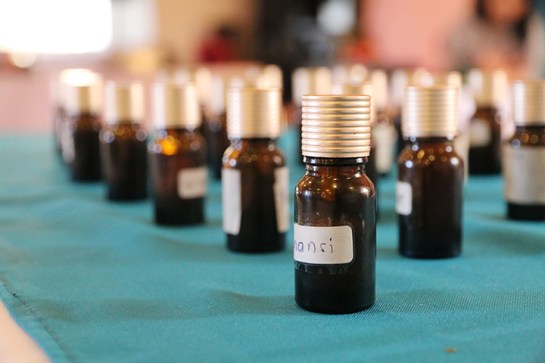
Check it out here.

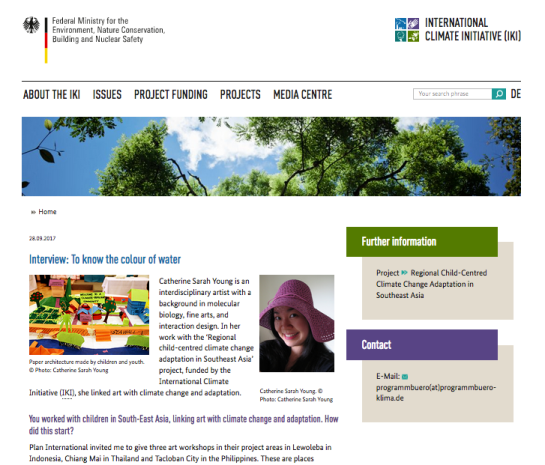
My interview with the International Climate Initiative (IKI) of Germany’s Federal Ministry for the Environment, Nature Conservation, Building, and Nuclear Safety, one of the supporters for our “Child’s Play: Climate Change through the Eyes of Children”, is now up on their website.

Here I spoke about the process of working with local children and youth of Plan International, an NGO focused on child sponsorship, about climate change adaptatation. Danke schön IKI, and thank you Plan International Asia’s fantastic staff and communities in Indonesia, Thailand, and the Philippines.

The headline, “To know the colour of water”, refers to how one of the participants thinks that in the future because of extreme storms, children like her would think that the color of water is brown.

View the entire interview here [English and German].

“The Art of Systems Analysis”, IIASA, 2017


[Laxenburg, Austria] The Ephemeral Marvels Perfume Store, a perfume project about the things we could lose because of climate change, is featured on “The Art of Systems Analysis,” by the International Institute of Systems Analysis (IIASA). The document features projects from international artists and asks the question, “How can artists support transformations to sustainability?” Featured as well is a quote by one of my longtime scientist collaborators and The Apocalypse Project’s sustainability advisor, Dr. Matthias Berger.


from “The Art of Systems Analysis,” IIASA, 2017, pages 18-19

from “The Art of Systems Analysis,” IIASA, 2017

Mentioned in the article are some of the slew of residencies, workshops, talks, and exhibitions for which this particularly project has received support through the years: Singapore-ETH Future Cities Laboratory, USAID Asia, Bio-Art Seoul, Plan International (with support from BMUB Germany, International Climate Initiative, International Institute for Environment and Development (IIED), CCCB Lab Barcelona, 1335Mabini Manila, and my recent residency in the Amazon Rainforest with LABVERDE. Thank you for being part of the process!

I love moments like these when I can look back and thank some of the scientists who have collaborated with me. Thank you for the time and hard crits! Hope to meet you all in person one day!

Check it out here (the spread is on pages 18-19, but I encourage you to read the whole thing).

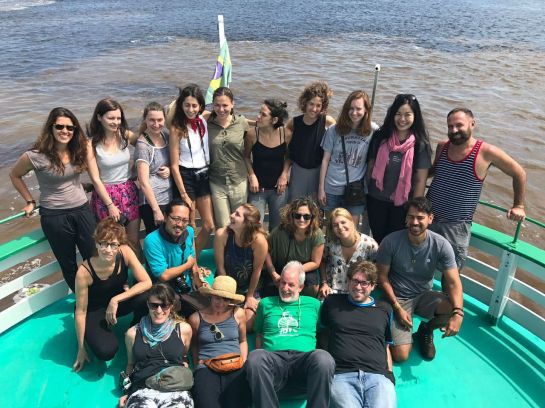
(Manaus, Brazil)—I’m back from one of the coolest residencies I’ve ever had. From July 20th to 29th, I was in the Amazon rainforest in Brazil together with 14 other international artists. I’m very grateful to have spent this time in nature.
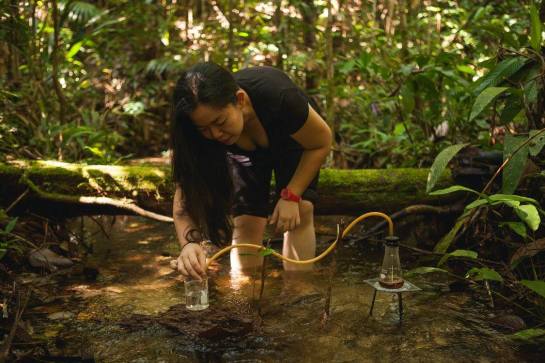
I learned a lot of things and got to do research for An Olfactory Portrait of the Amazon Rainforest!

LabVerde July 2017 edition. Photo by Gui Gomes, courtesy of Lab Verde.

I really liked exploring concepts about science and policy and how science should be more accessible to the public. A new project and line of inquiry came up, yipee!

Experiments in Nature, Nature in Experiments. Photo by Gui Gomes courtesy of LabVerde.

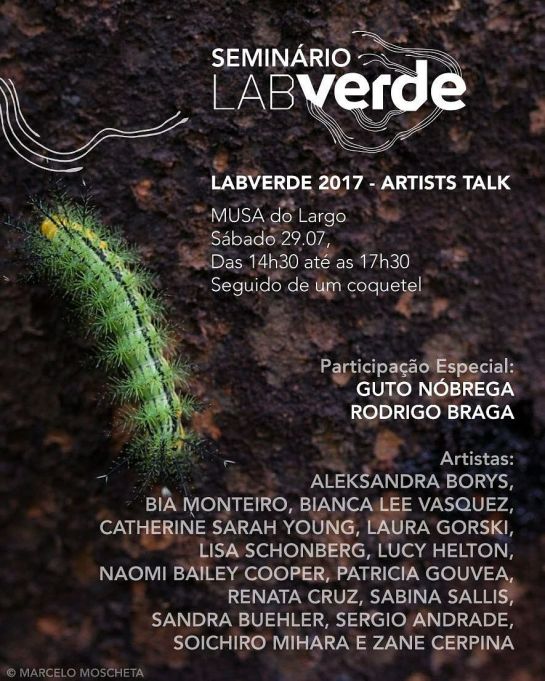
We presented our projects on the last day at the Museu da Amazonia (MUSA).

LabVerde final seminar at MUSA. Image courtesy of LabVerde.

More posts soon, as I recover from jet lag! Thanks, LabVerde, my fellow residents, and everyone else who made this happen. It was an awesome experience!

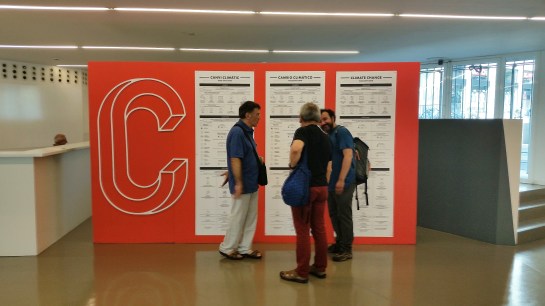
Barcelona, Spain—From June 20-22, I was in Barcelona, Spain (one of my second homes where I attended art school, hurray!) as The Apocalypse Project is a finalist for the Cultural Innovation International Prize in CCCB. The theme of this year’s biennial prize is climate change.

There were 10 finalists from all over the world, though strangely I was the only one from Asia and I think the one based outside of the EU. How curious. But in any case, I was really grateful to be a part of it; a lot of my best friends are in Barcelona and I haven’t seen them in 7 years. How fast time flies!

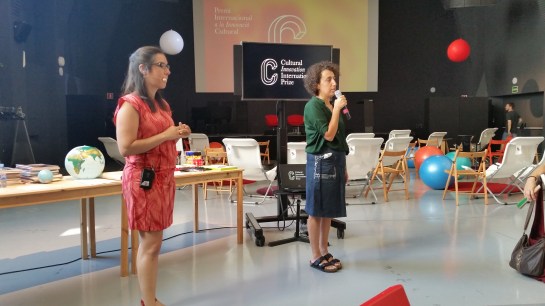
On June 20, we had a workshop to explain our proposals and then we had to give a public presentation.

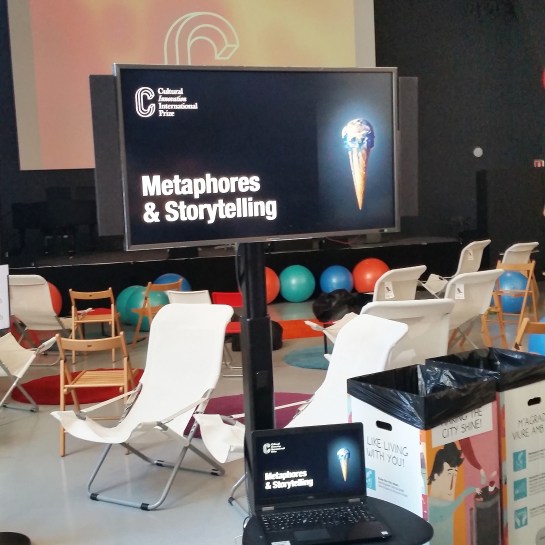
CCCB Cultural Innovation International Prize

Metaphors and storytelling

We had a bilingual workshop, which was mainly for me and James, from the UK

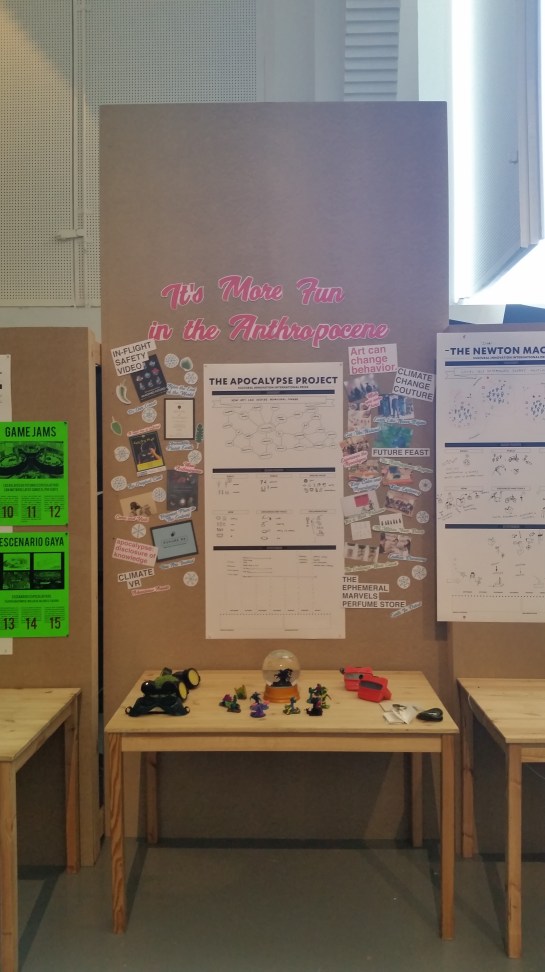
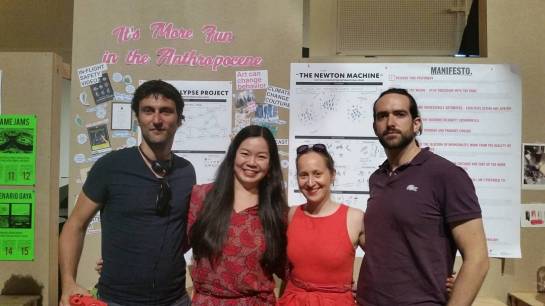
The Apocalypse Project: It’s More Fun in the Anthropocene

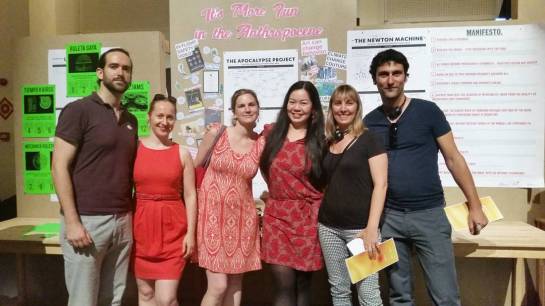
With some of my best friends whom I haven’t seen!

When your friends are with you, this talk was a breeze

Taekwondo besties!

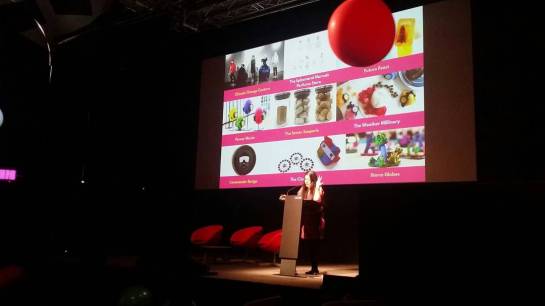
My proposal, “The Apocalypse Project: It’s More Fun in the Anthropocene,” was runner-up to the prize. I’m very happy to be a part of this, and to speak about four years of collaborations in Barcelona, one of my “home cities” where my views on interdisciplinary art and science first took root. I’m glad to have seen my friends again—I rarely travel for tourism because of the carbon—so this was a very meaningful trip! Onwards and upwards!

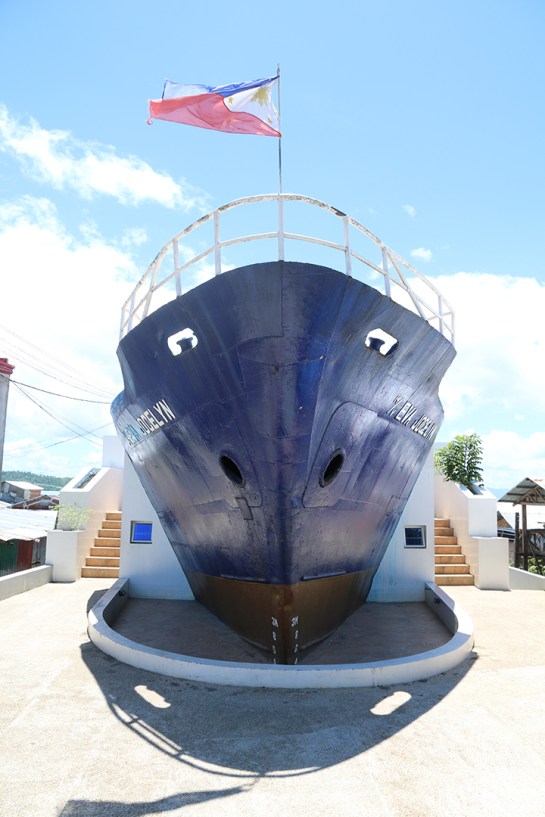
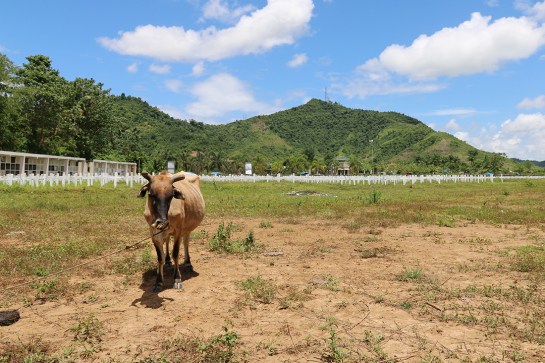
Tacloban City, Leyte, Philippines—Last May 6, I had the wonderful opportunity to visit Tacloban City, thanks to my ongoing art residency with Plan International. Tacloban was a city that was devastated by Supertyphoon Haiyan / Yolanda in 2013. I founded The Apocalypse Project around the same time, and this city figures well in my talks.

Four years later, the city has shown amazing physical recovery. A ship that ran aground has been turned into a memorial:

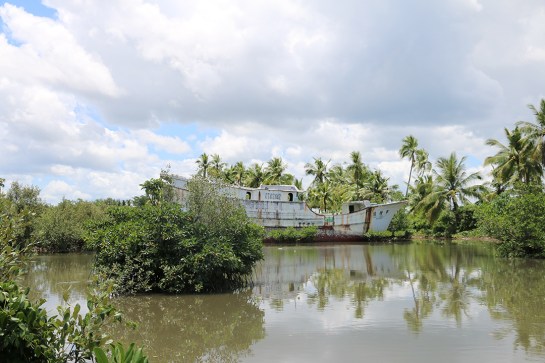
Another ship that went aground

I hopped on a tricycle and paid my respects to one of the mass graves for Haiyan victims:

A mass grave in Tacloban for Haiyan / Yolanda victims

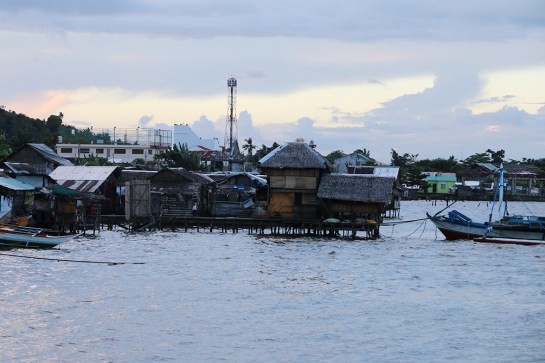
I was a bit alarmed at people who rebuilt their houses by the sea:

People rebuilt their houses by the sea

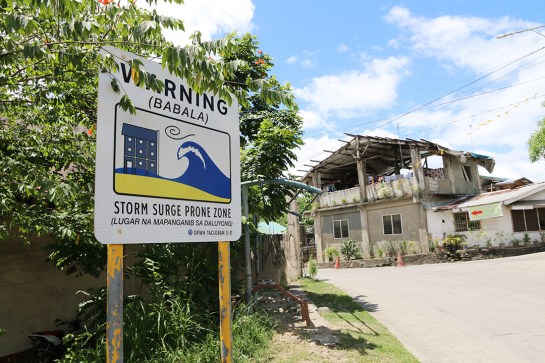
Resilience involves adaptive design. Here is a new sign that alerts for storm surges, which is a new term the residents learned, as the waves had never been that high before:

Storm surge sign

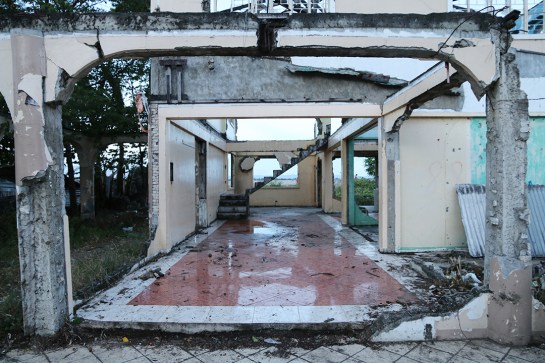
I tried to put myself in the position of people who lost their houses. Even the big ones didn’t stand a chance:

A house devastated by Haiyan

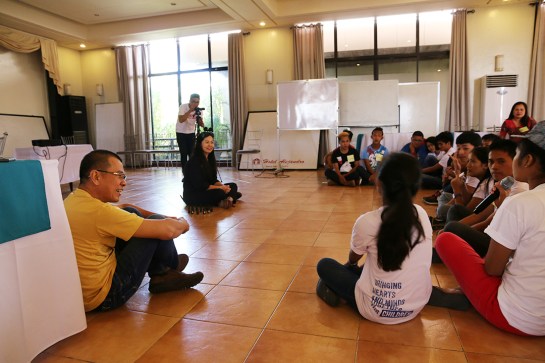
The next day was my workshop on art and climate change. I was a bit nervous—for the past years I had to encourage people to widen their imaginations on climate change events, and here I was with young people who had experienced way more than I had:

Workshop time!

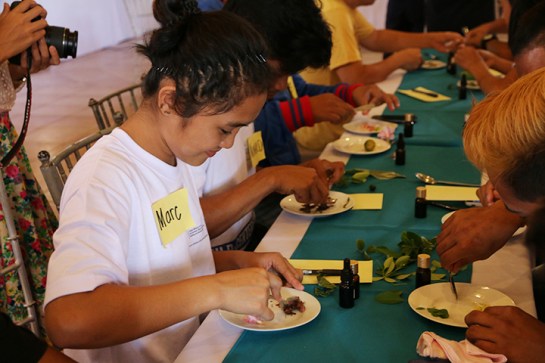
We made some perfumes for The Ephemeral Marvels Perfume Store:

Perfume making

And made science fiction shadow puppet theater:

Shadow puppet theater workshop

perfumes

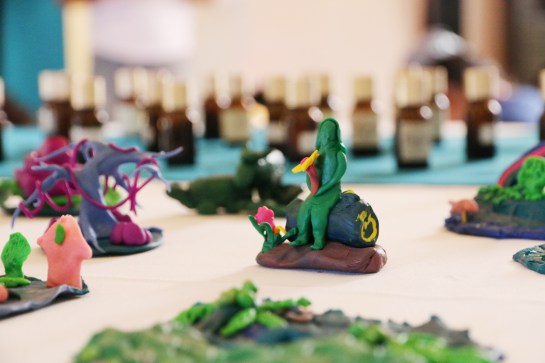
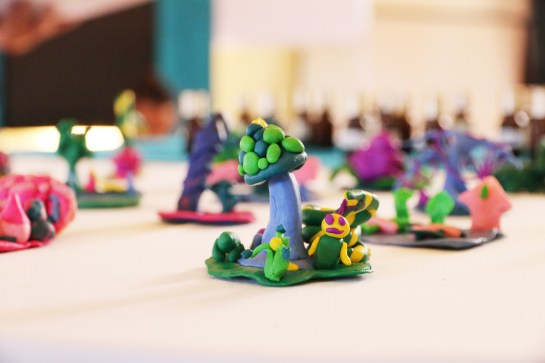
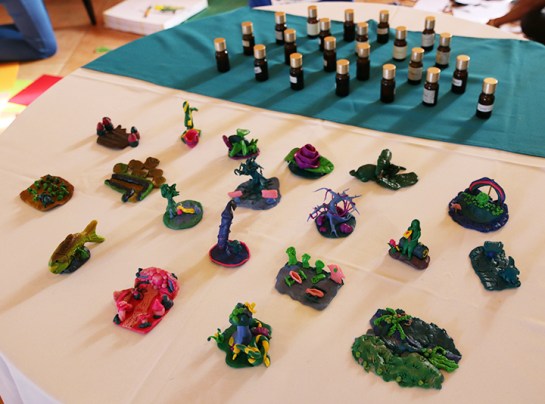
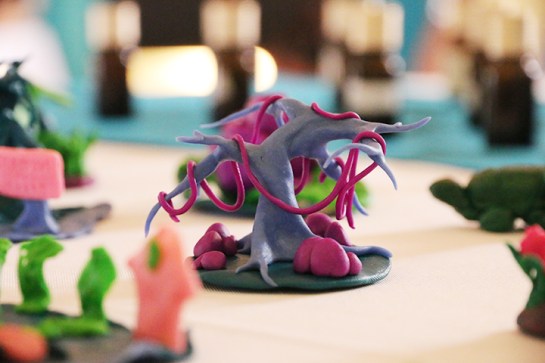
We also made sculptures for a new project I’ll be releasing in a few months:

sculpture of a tree that fell down because of the superstorm


It was the kids’ first brush with polymer clay, and it was fun toasting these in the oven.


Sculpture time! How lovely are these!


perfumes and sculptures

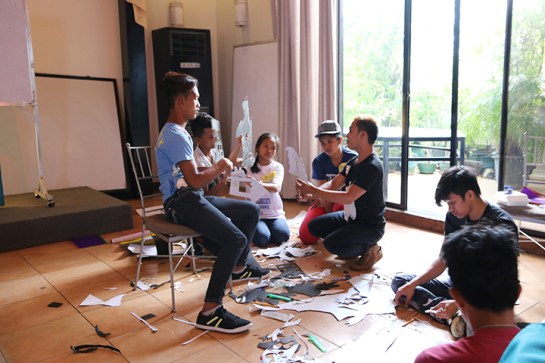
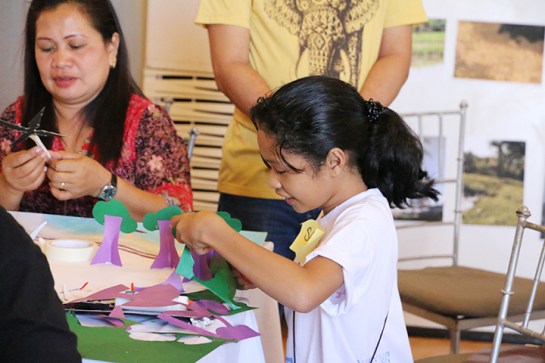
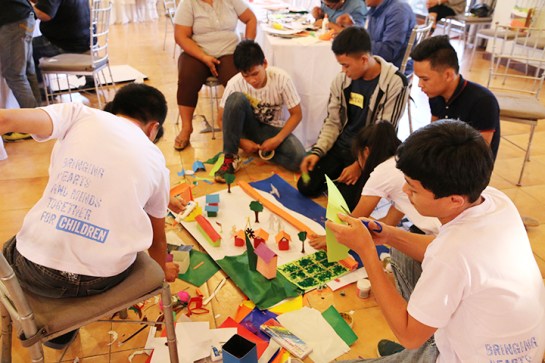
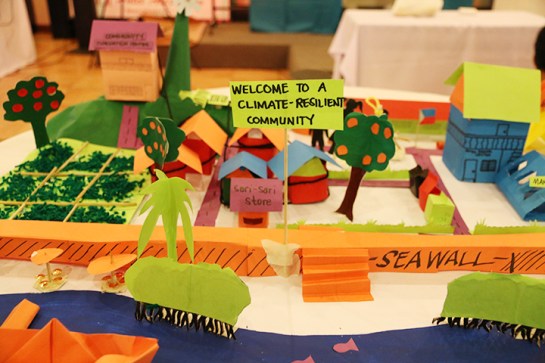
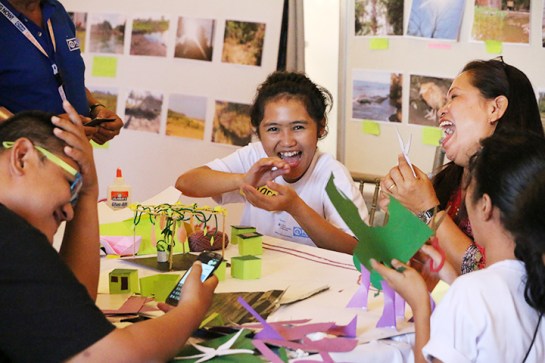
The kids’ favorite activity was building resilient communities using paper:

Cutting up paper infrastructure and nature for climate resilient communities!


Resilient architecture building!


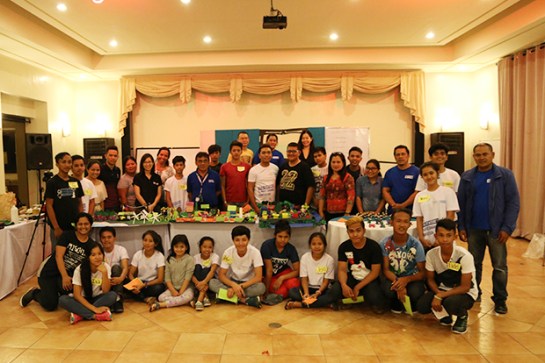
It was a true honor to work with these young people. I can’t wait to turn these outcomes into a proper exhibition! Stay tuned.

Thank you to  Plan International Tacloban staff and Kim Junmookda! As always, this was super fun!