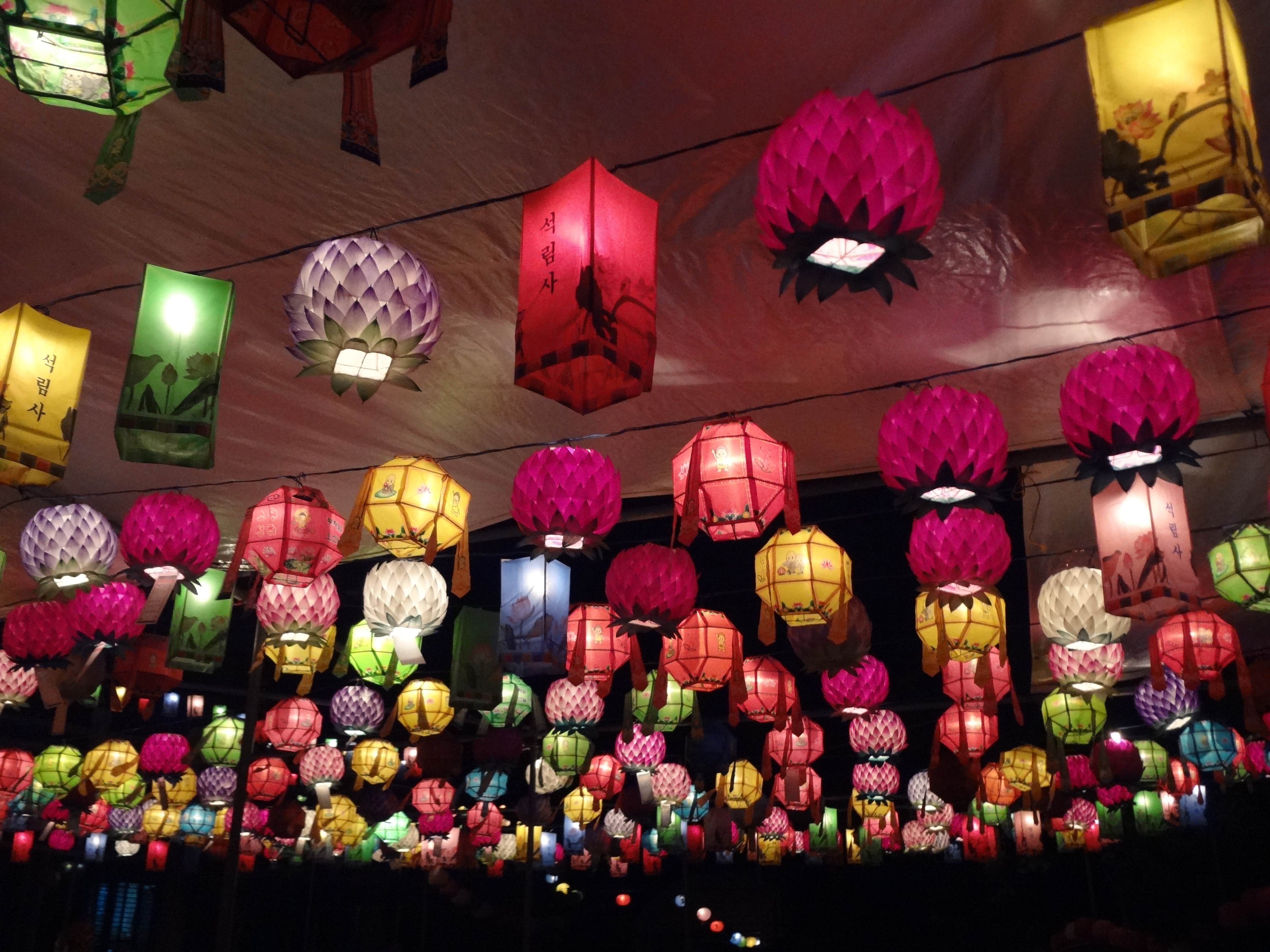
Growing up on dragon and lion dances during Chinese New Year, I love looking at the often modern footwear of these traditional practices. During this year’s Lotus Lantern Festival in Seoul held the week before Buddha’s birthday, this dragon’s feet caught my eye:

Odd pair out

Odd pair out

Spot the colored ones in the middle!

This festival would be incomplete without lions frolicking about:

DSC05177

Besties.

Roar!

Roar!

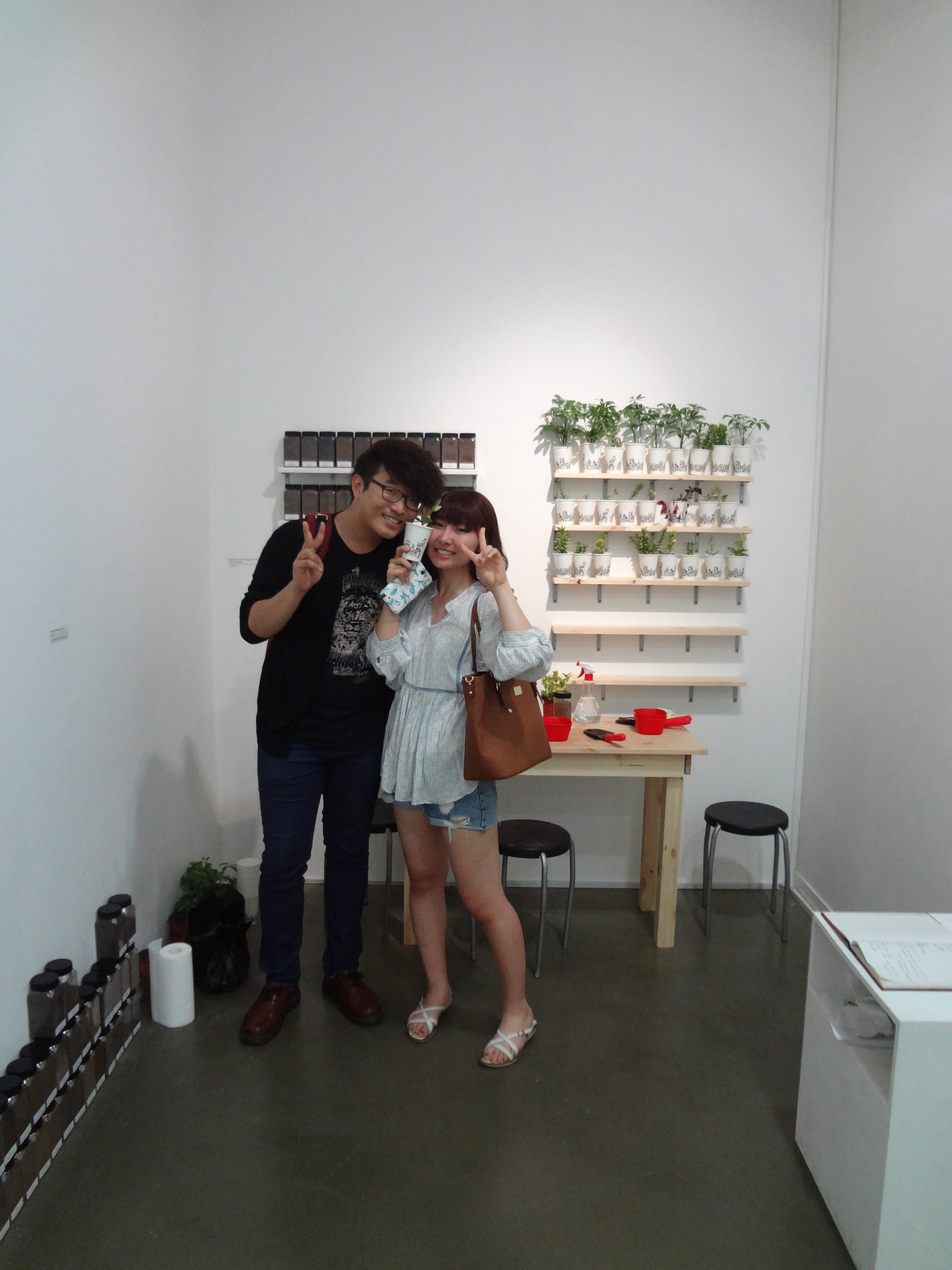
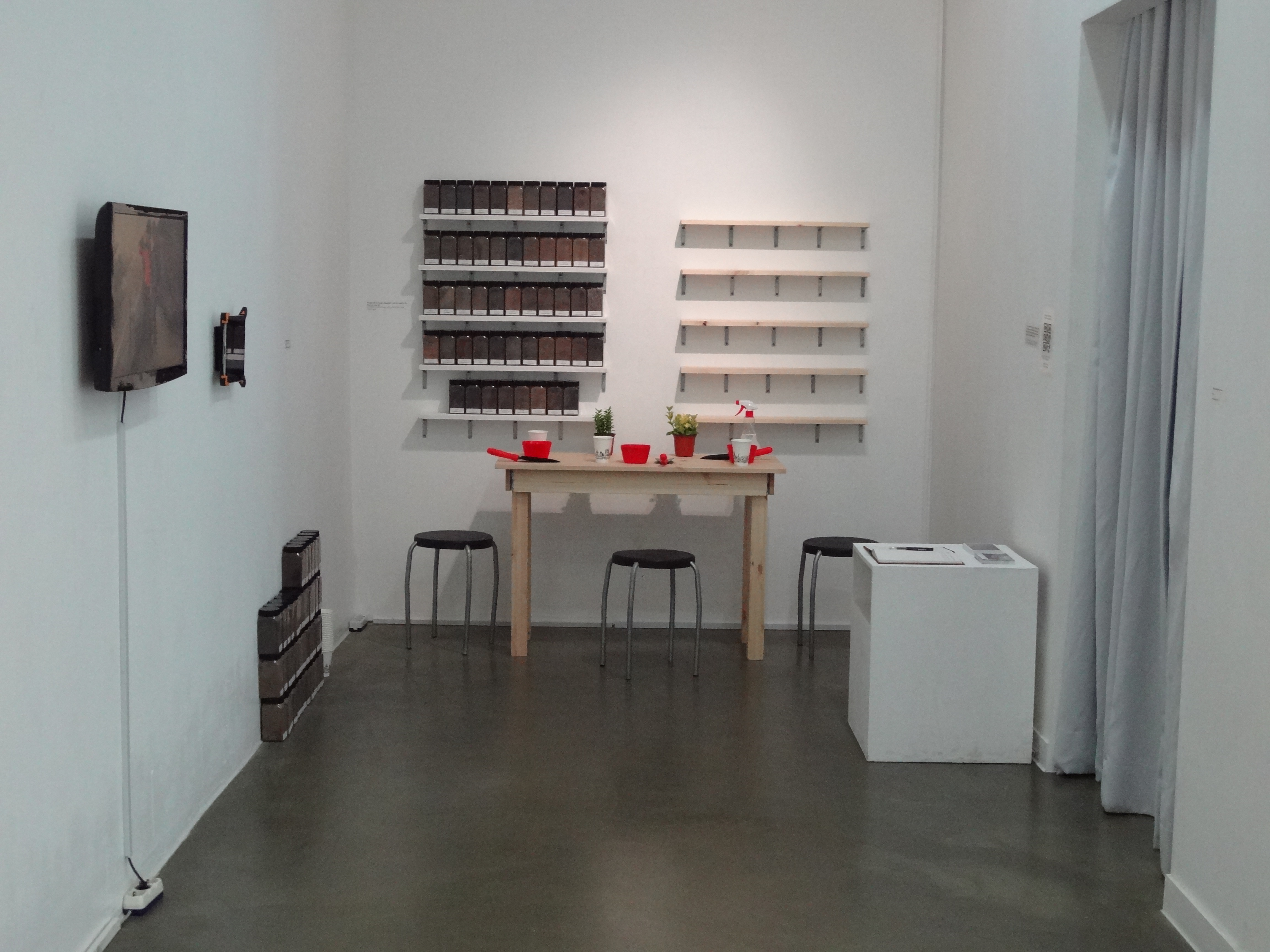
It’s post-exhibition at the International Sculpture Festa 2013 in Seoul. While installing my exhibit took hours, taking it down last Wednesday took a mere 30 minutes. Here was how it looked:

Oh hey, you.

Oh hey, you.

I exhibited four pieces:

1. Seoul37

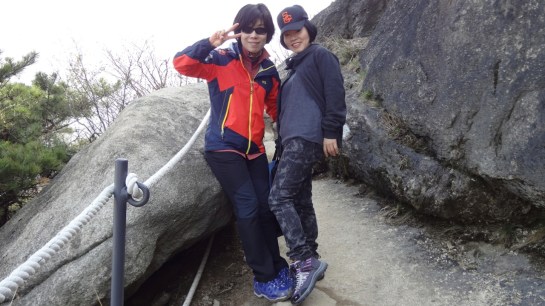
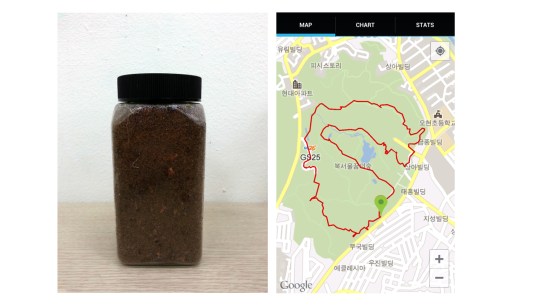
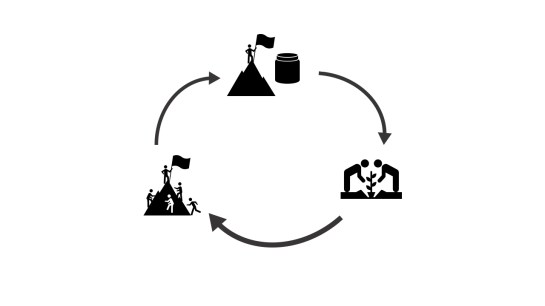
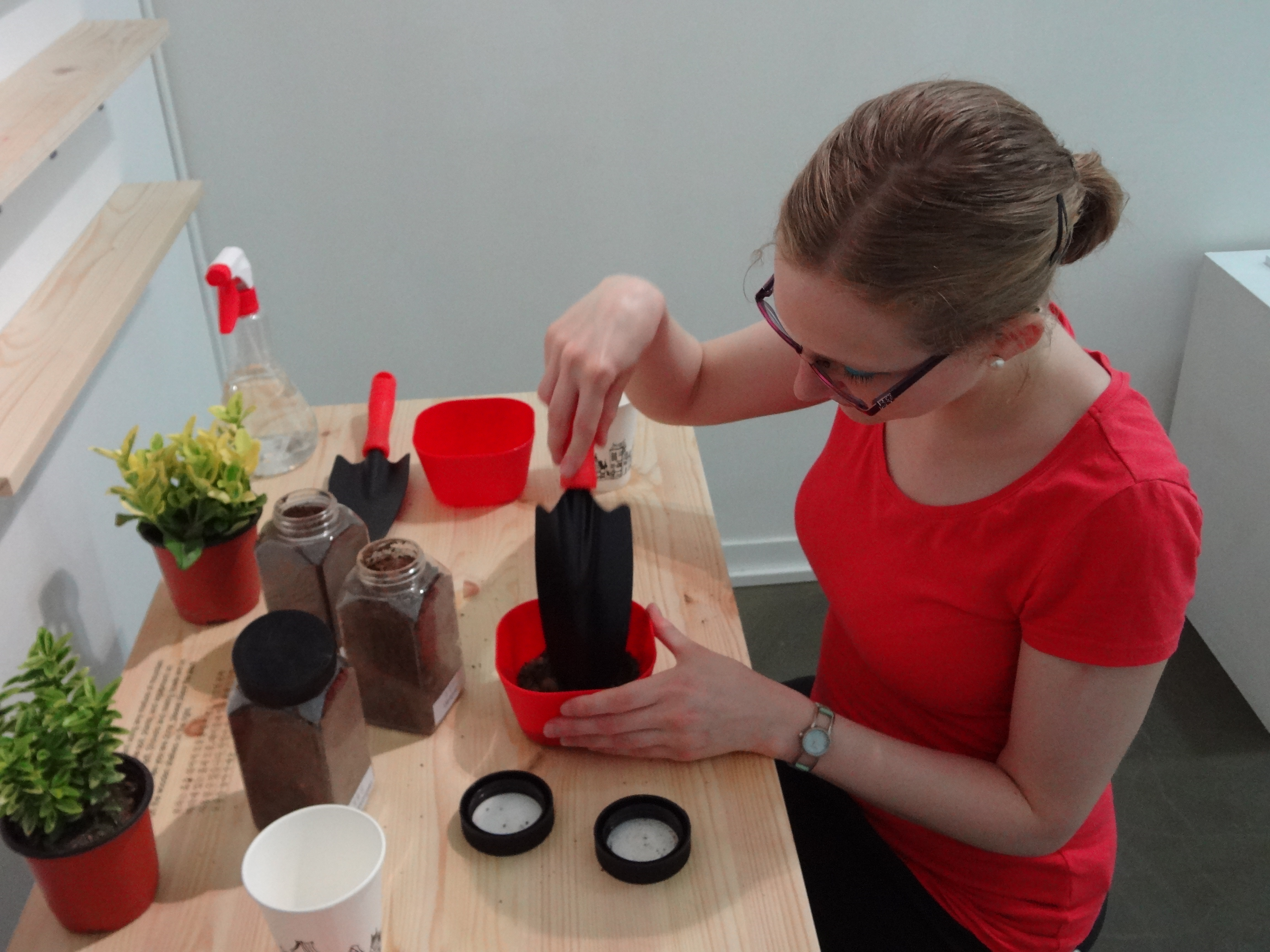
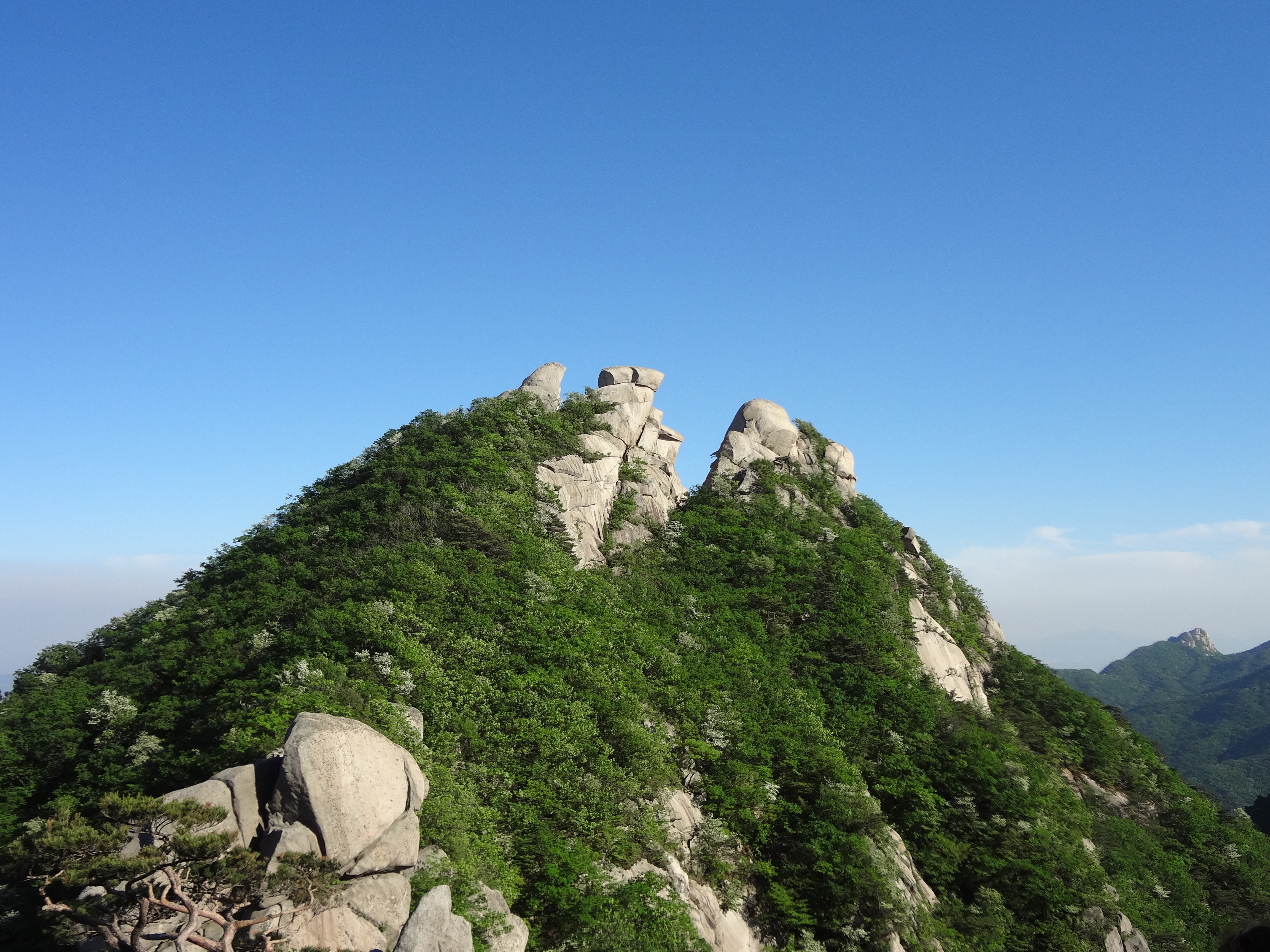
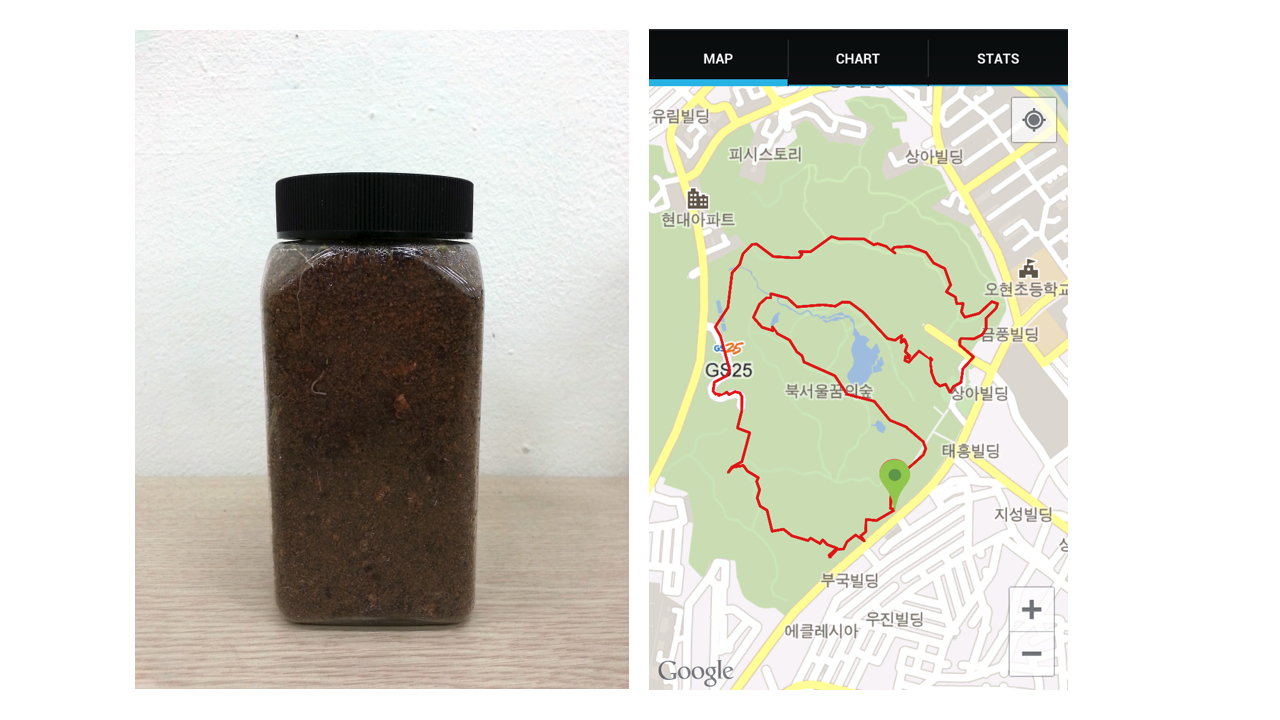
This is the main project I’m doing in my residency at the National Art Studio in Korea. This country has quite a lot of mountains, and they have been its foundation. Despite Korea, especially Seoul, changing so much in the past centuries, these mountains have withstood the test of time. I became fascinated with them (there’s quite a strong hiking culture here), and, upon learning that there are 37 mountains (or hills) in Seoul, decided to hike them all. Yes, ALL. I track each hike with a smartphone app and borrow a jar of soil. During our exhibition here at the National Art Studio, I will invite people to plant using these soil samples I have collected, and will ask 37 volunteers to plant them back to the mountains.

An earlier image of the piece

An earlier image of the piece

I was about midway through the hikes, and exhibited 18 soil samples, with 19 empty jars to show the ones I still have to hike. (As of this writing, I have hiked 27 mountains and nearly died from two.) More information to follow, and no, I don’t usually exhibit things that are not finished, but here I wanted to ask for future participation. I’m very happy that Seoulites seem interested in signing up (I posted a sign-up sheet beside the piece and so many emails were written on it.)

I... whoa! I'm speechless. Thanks, everyone!

I… whoa! I’m speechless. Thanks, everyone!

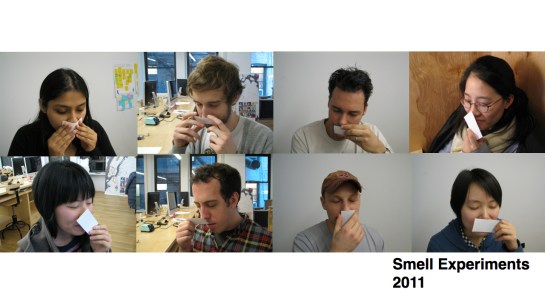
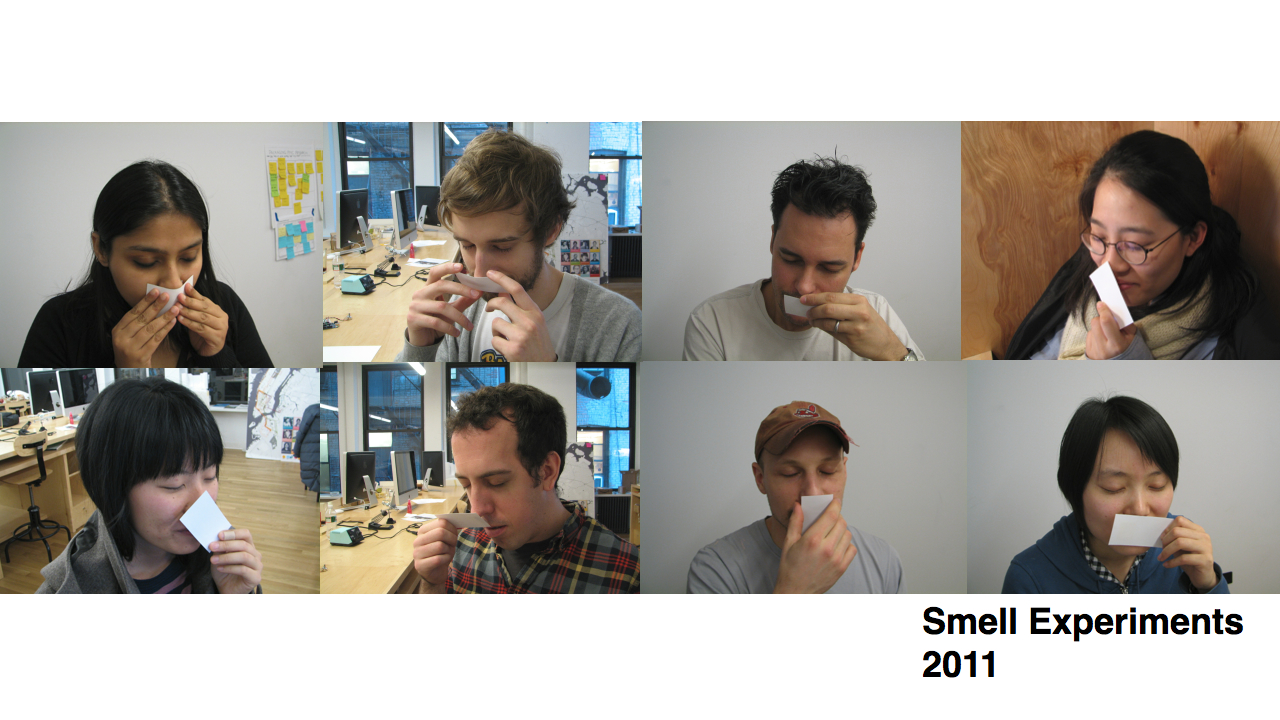
2. The Smell Wall

I glued twelve squares of different smells on the wall and invited people to smell them. It looked almost invisible, but I suppose that’s the point.

Can you see twelve squares?

Can you see twelve squares?

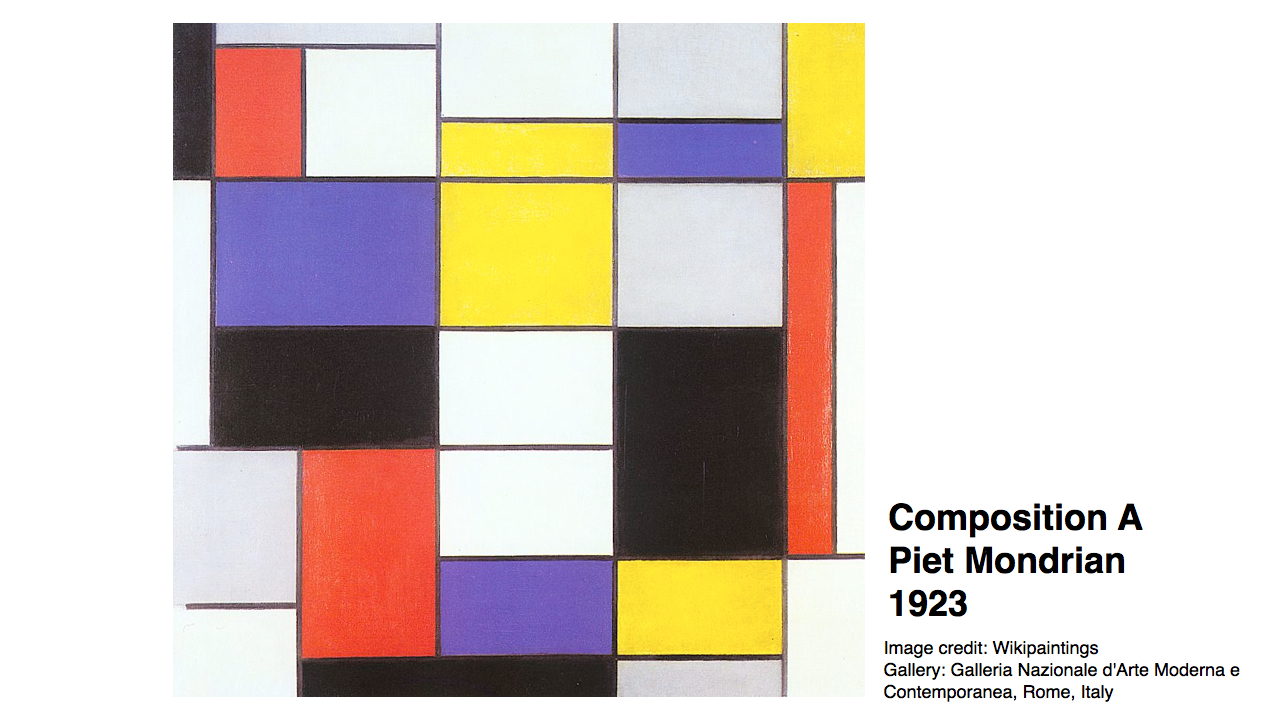
3. Mondrian Hopscotch II

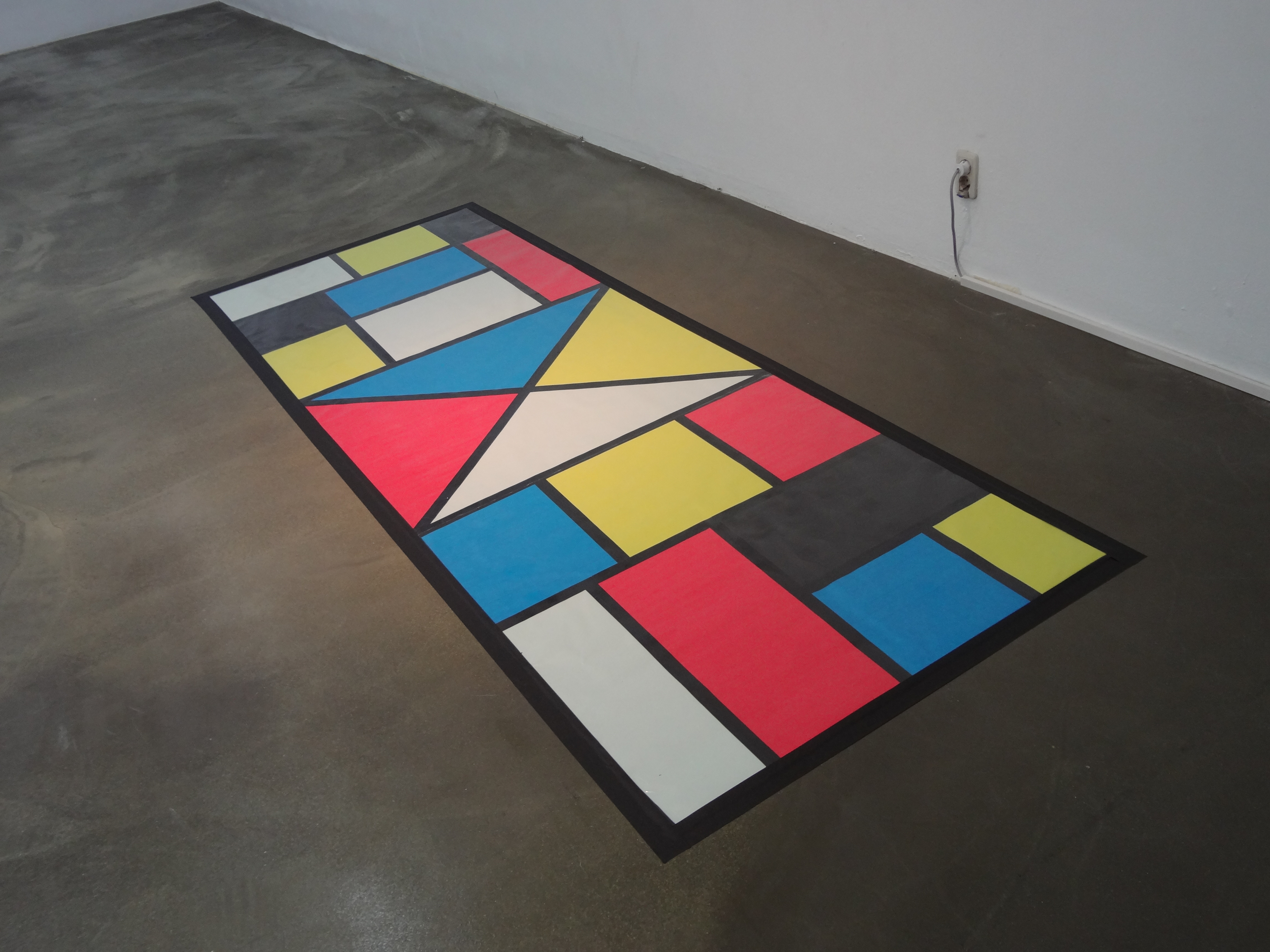
I made another interactive hopscotch board that would fit my exhibition space. I loved seeing people, especially children, jump on it. On May 5th, which was Children’s Day, it was incredibly rewarding seeing parents with their dressed-up children playing with it. Aww!

Cutie on the board!

Cutie on the board!

It’s quite fun having to write down instructions for every piece.

Art with instructions.

Art with instructions.

4. The Hug Vest

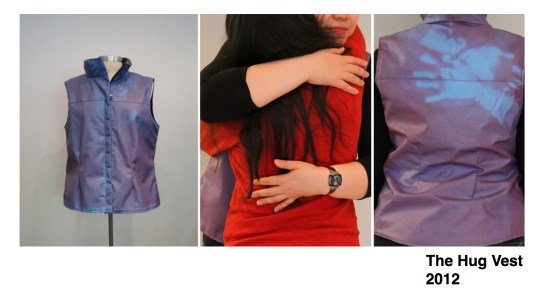
This is a vest made of thermochromic fabric that changes from purple to blue when you touch it. This feels a bit vintage to me now, since this was designed during my grad school years. However, people always get a kick out of seeing it change when it’s touched. Oh, the history this vest has had—from the nights in SVA IxD, to the conferences and lectures, to me using it on the streets of New York as protection from the cold that week when I was freezing and desperate, to being exhibited here in Seoul. This never gets old.

Hugging! With my friends Hyomin and Amy in the background.

Hugging! With my friends Hyomin and Amy in the background.

My friends were laughing at the phrase “willing volunteer.”

"Willing" being the operative word.

“Willing” being the operative word.

Very happy to have my friends there:

Group hug!

Group hug!

Thanks for coming, unni! <3

Thanks for coming, unni! ❤

Fun times. Now back to work.

After a particularly grueling and slightly life-threatening hike to Buramsan in Seoul, I came across this ajusshi and thought I was hallucinating.

What the...

What the…

Cute. I think. I bought a stuffed rabbit just like this for 500 won from an enterprising kid in this year’s cherry blossom festival.

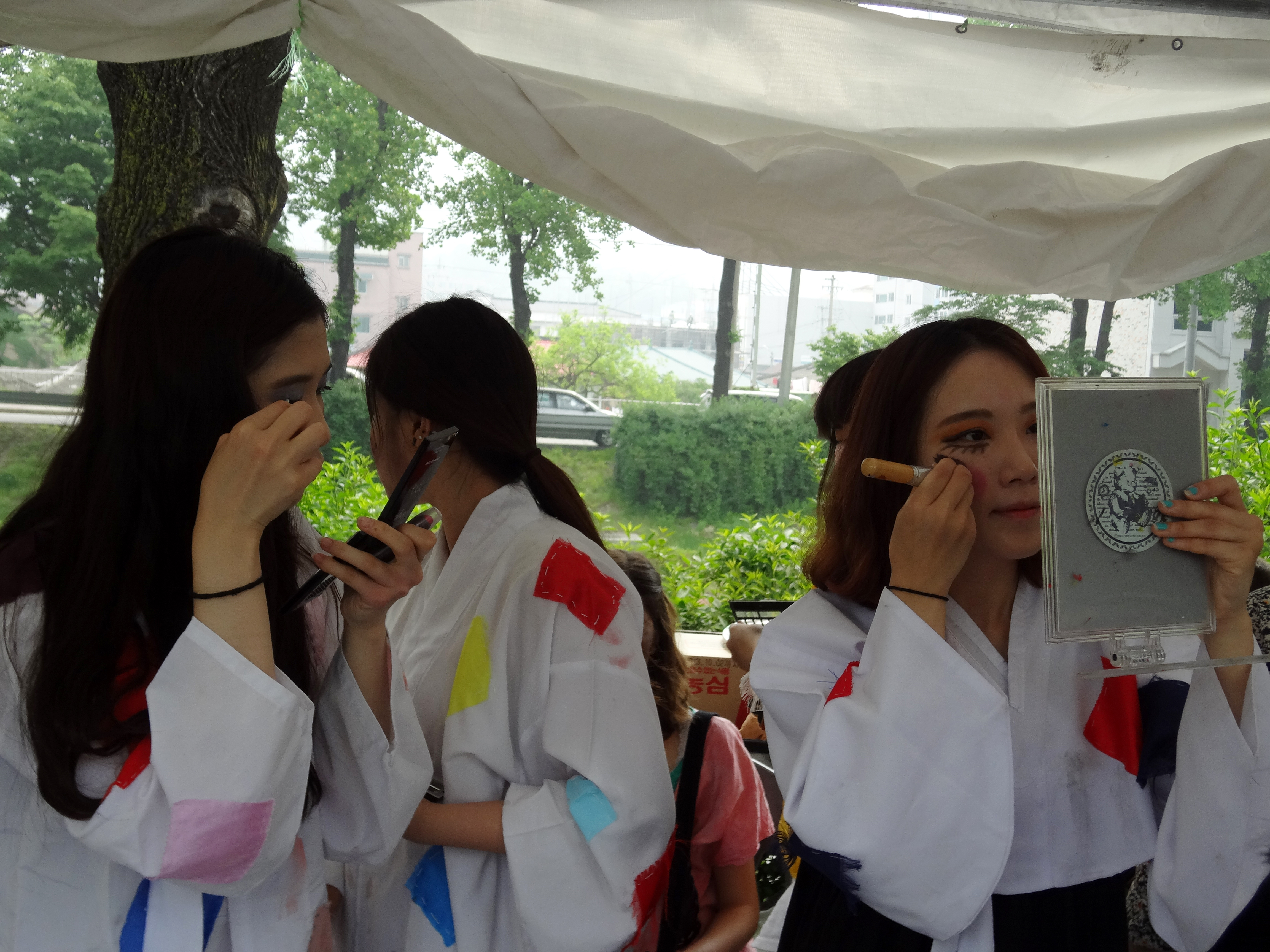
In this year’s Lotus Lantern Festival in Seoul a week before Buddha’s birthday, this lovely grandmother in a pink hanbok caught my eye.

I smiled. I waved. She waved back.

All smiles for Buddha!

All smiles for Buddha!

Happy (almost) Birthday, Buddha!

Recently, a teacher of one of the classes to whom I gave a workshop during my residency here in Korea asked me if I benefited from the visit as much as the students did. On that day, I gave a short talk in the exhibition hall, and the children drew, created their own games, and together we went through my studio upstairs. I suppose that for most people, these would fall into the category of Favors You Don’t Really Want to Do But Feel Forced To—”occupational hazards” that goes with the territory.

But as one who operates on interactivity, and one who is still in the “emerging” process, I think I actually need these visits. I’ve done three talks/workshops in Korea in the five months I’ve been here, and for one of those, I was actually the one who asked the program manager to find young people who would want to visit the studio. This doesn’t apply to all artists, of course, and quite a lot of my favorite artists prefer to be left alone, as I do most of the time. Creativity for me thrives on solitude, and anything that takes me away from my primary goals is an interruption.

But visits, particularly of the workshop-py kind and particularly from children, are special to me. (Personally, I prefer kids who are 12 years old or younger, and with at least one chaperone, thanks!) Giving a Keynote presentation is just 20% of the experience. The other 80% is about the conversation that goes on between them and me, between them and my work, and among themselves. Here are five reasons why I think I should make a conscious effort to get out of the confines of my studio and make sure I keep bringing people below five feet tall to see both process and finished piece.

1. Children bring me back to the essence of the work by asking the toughest questions.

DSC03702

Thankfully, children do not ask me any pseudo-intellectual academic queries. I also know they probably don’t care  (at least directly) about the institutional strings that come with my work, such as the artist statement, the photos, the website, the design, the branding, the talks, the tweets, the blog posts, and all the administrative work I have to do in the background. Apart from the fun they have during those few hours, they will likely not care about my work or me once they step out of the studio—it’s just another day for them, and they have no ulterior motives. I think this is why they ask me questions that make me go, “Yikes, I didn’t think of that.” It makes me think more deeply and objectively about my work.

2. Children ask questions of themselves and of each other.

DSC03599

When children use my projects as frameworks for self-discovery, it is incredibly rewarding. I remember telling a friend after one workshop that the peak of a project’s “happiness curve” (yes, I have that for all the things I have done) was that day, seeing excited kids jump on my work and doing drawings, instead of the exhibition that came soon afterwards.

3. Children are great prototype testers.

DSC03852

…because they know what to do and they don’t even have to ask questions and it’s faster to get results and oh my god with adults sometimes you have to FORCE that window of childlikeness and wonder open with a metaphorical monkey wrench and geez at the end we’re both exhausted. Happy, but exhausted. With children, it’s just easier. There, I said it.

4. Children make me admit my mistakes without shame.

DSC03883

This is something I had to admit to myself only after discussing my work a number of times to different people, but I discovered that with children for an audience, my intention is to delight, while with adults as an audience, my intention is usually to impress. Guess which one is a lot more fun?

5. I am forced to clean up.

DSC03736

This seems like a silly thing to add, but it’s good to be forced to make sure the studio is tidy, that I have sensible presentations on hand, and that I am showered and presentable. Before, you know, I go down that rabbit hole.


To add to my growing list of favorite Korean artists (Kim Beom, Choi Jeong Hwa, Lee Ufan) is Gimhongsok, whose exhibition, “Good Labor Bad Art”, is in Samsung’s Plateau Gallery.

GoodLaborBadArt

Canine Construction, which appears to be made of garbage bags yet upon close inspection is actually made of bronze, is wonderfully deceptive.

Canine Construction

Canine Construction

I also enjoyed this piece that my friend Kate pointed out (hurray for friends who tell us not to rush and encourage us to pause and read!) this speculative piece that reminds me a bit of Italo Calvino’s Invisible Cities. (Click on the photo to enlarge the text.)

GimhongsukGangnamsmall

The exhibition runs until May 26th. Go, go, go!

… is what they call this terrifying practice of getting screaming children (and occasional adults) to run after adorable farm animals, who do not look as though they’re having fun. The event, which I saw in Hampyeong’s butterfly festival, also had an enthusiastic emcee. Perhaps it’s me being a waegukin (foreigner), but I was quite horrified.

DSC04666

Check out the ears of the poor bunny:

DSC04668 DSC04673 DSC04674 DSC04676

This is a blurry shot, but I think it deserves to be published. I call this photo, “The Pig Won.”

DSC04680

Each year, thousands of locals and tourists alike gather in the island of Jindo, where Korea’s version of Moses’s parting of the Red Sea occurs. Here, the tide goes down and opens up a 2.9-kilometer “sea road” from Jindo to the island of Modo.

On cue, the crowds start to move forward.

Off to Modo

Off to Modo

It’s not everyday one walks the sea!

All of us bought brightly colored boots for sale during the festival.

All of us bought brightly colored boots for sale during the festival.

The sea level progressively decreased as I walked.

The tide goes down.

The tide goes down.

I only made it halfway to Modo when local officials on boats started ringing bells and ordered everyone to go back to the shore, as the tide started to return. It was a dash of panic as we stumbled on the uneven sea floor back to shore. I recorded my walk panicked run back to Jindo with the MyTracks app.

Turning back halfway

Turning back halfway

Although scientifically, the main reason for this phenomenon is tidal harmonics (a nice explanation of it appears in this National Geographic article), the local legend goes that a tiger used to terrorize the people on Jindo, who finally fled to Modo, leaving Grandma Mulberry behind. She missed her family and prayed to the Dragon King, who appeared in her dream, telling her that he will set a rainbow bridge over to Jindo. Indeed, a rainbow bridge appeared, and villagers from Modo came over the bridge to look for her. She passed away soon after.

This statue commemorates the legend.

Grandma Mulberry and the tiger

Grandma Mulberry and the tiger

This is definitely the coolest thing I’ve experienced in Korea so far, especially since it was a beautiful and unusual mix of science and culture. I definitely want to go back next year.