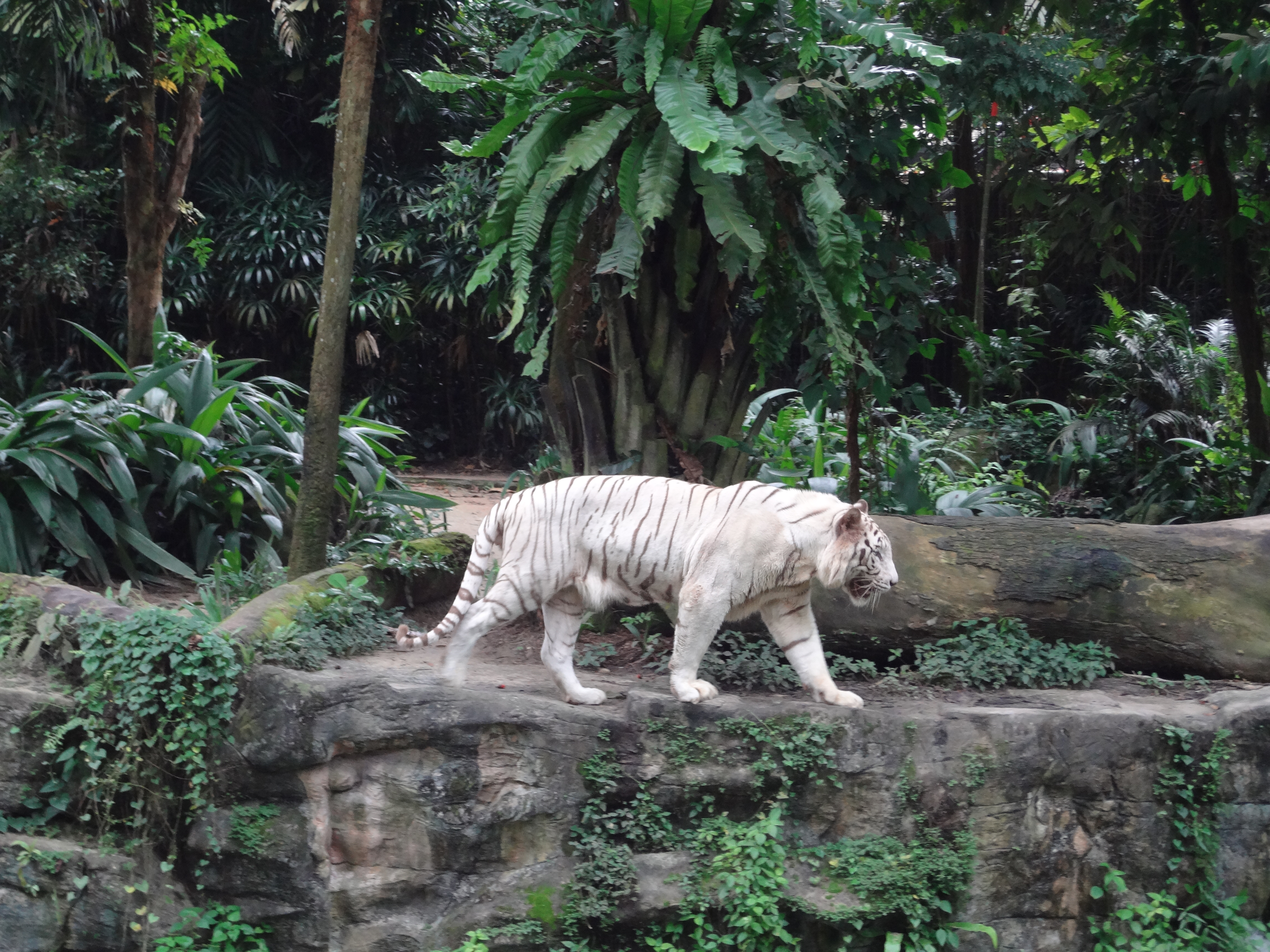
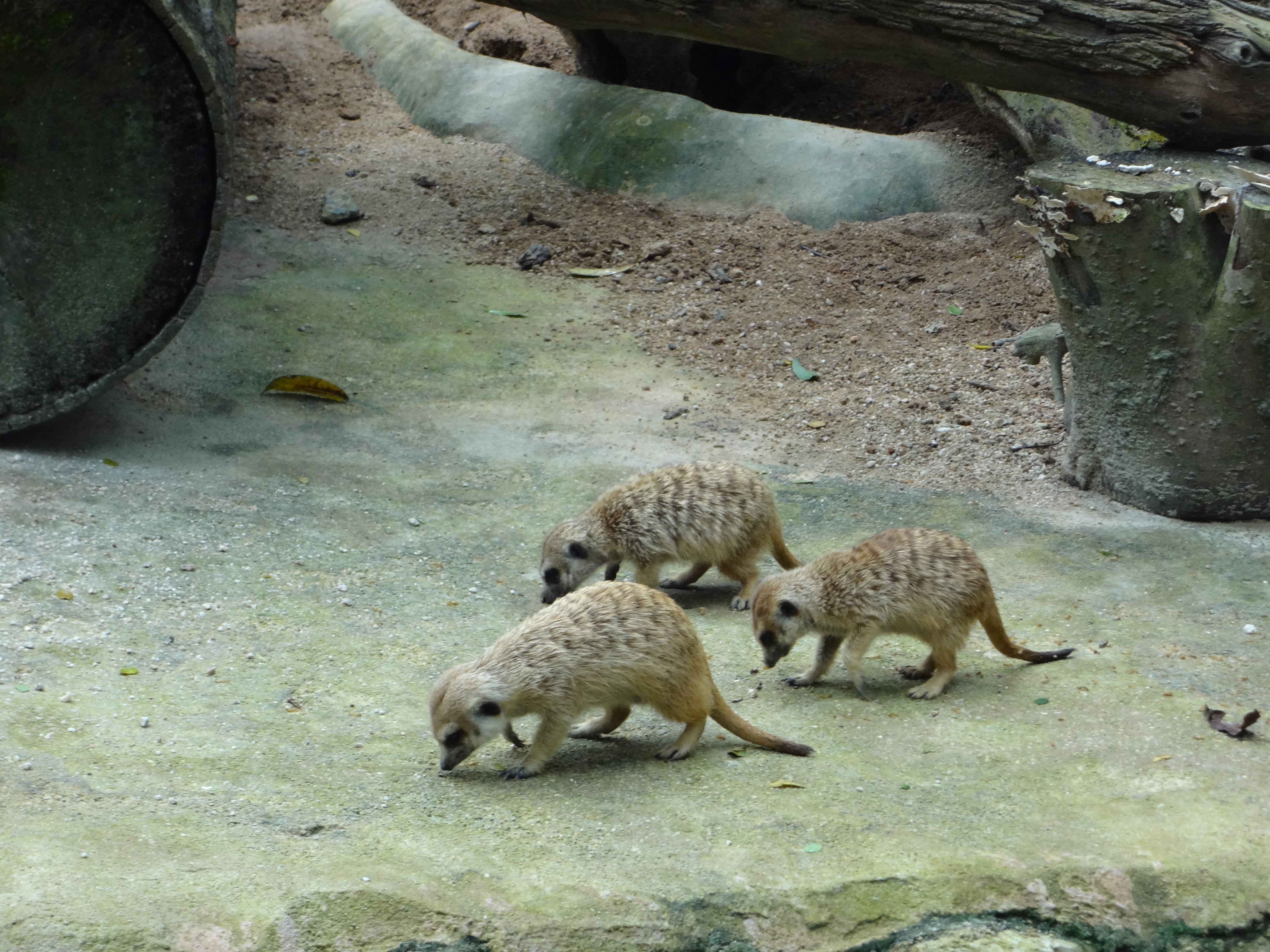
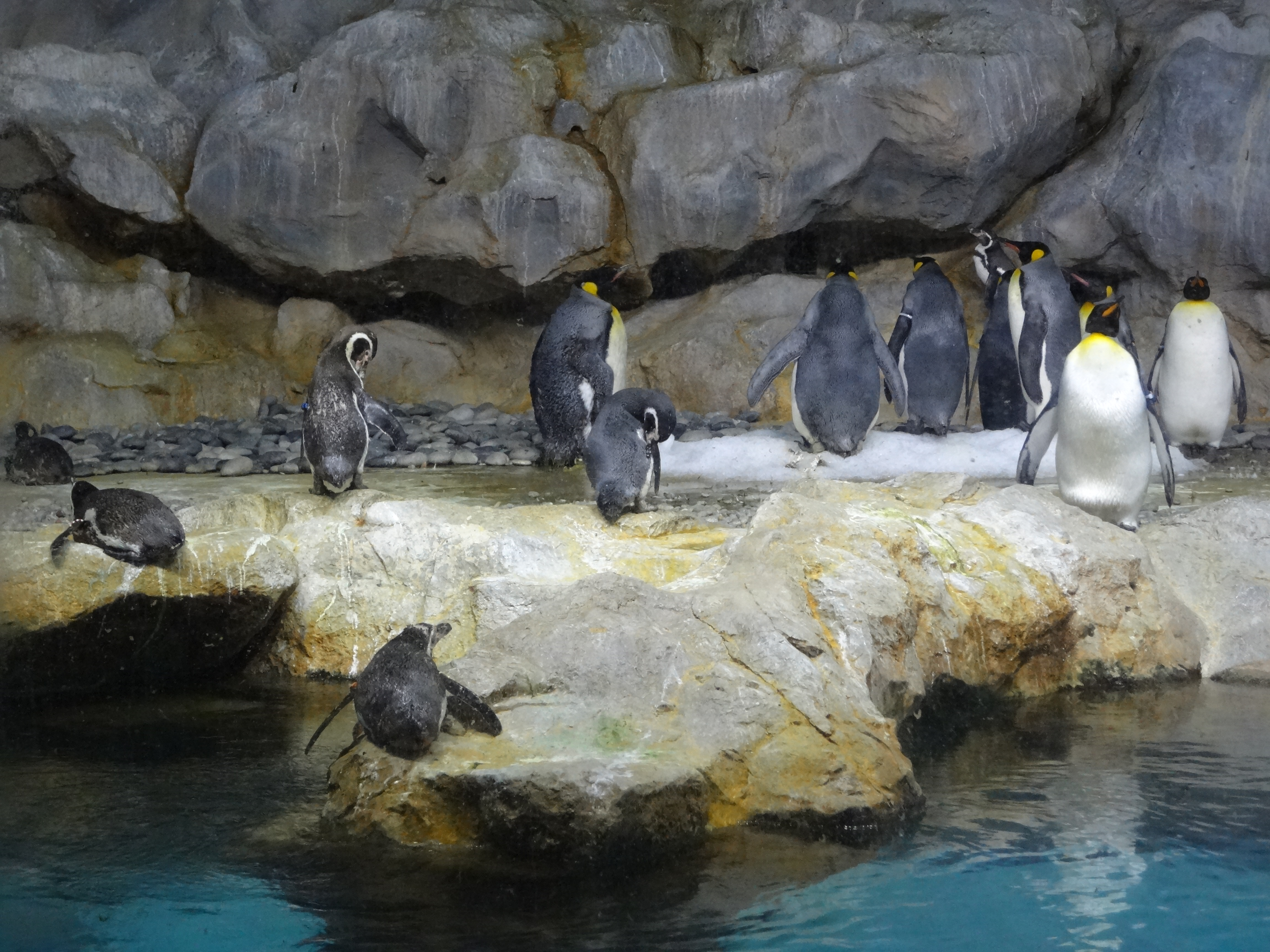
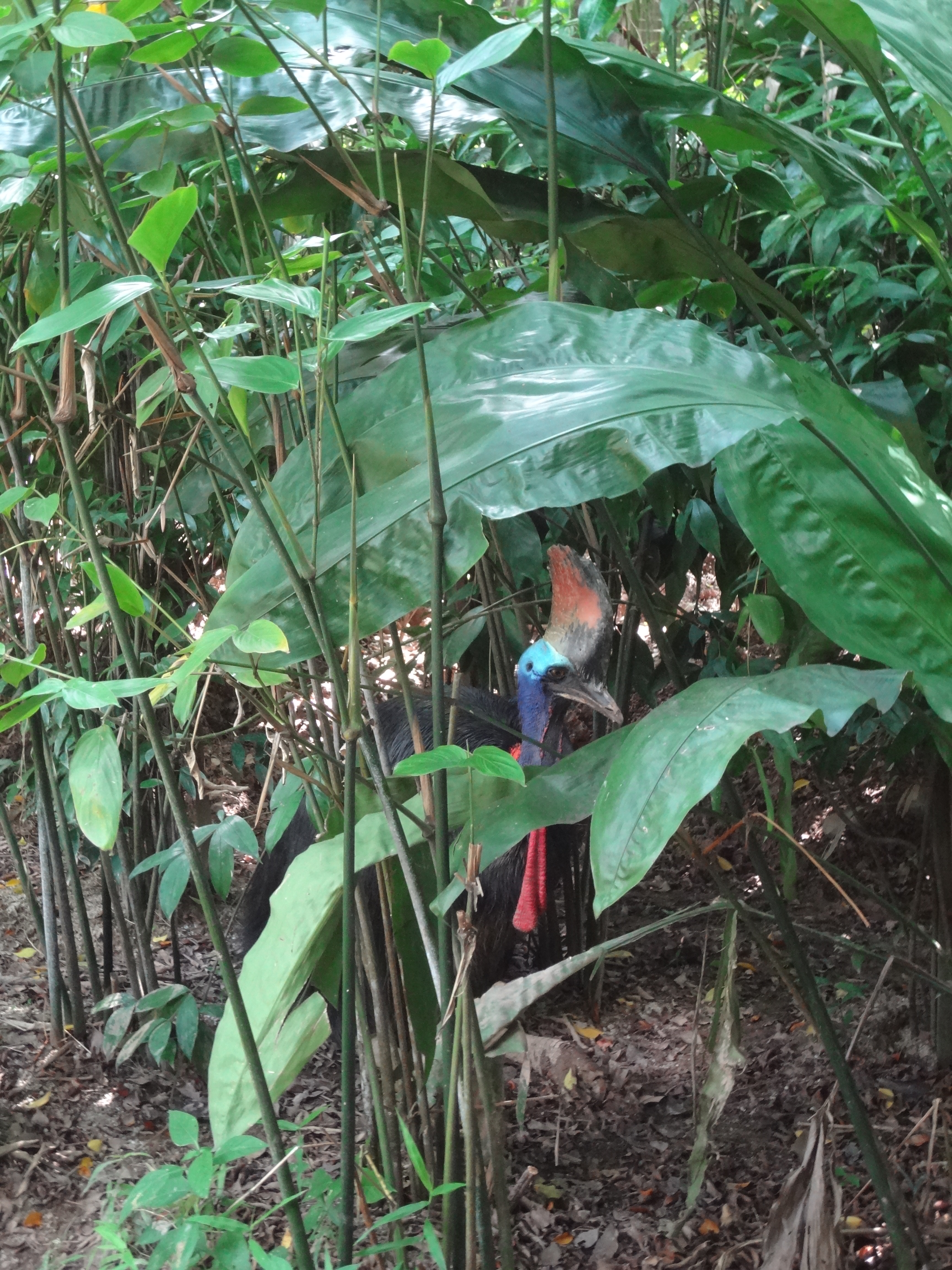
This past Hari Raya Haji, a holiday in Singapore, I went to the Night Safari with a couple of friends. I’m always interested in how cities look at conservation, which to me has the tension of having flora and fauna thrive in their natural habitat and having humans be a non-intrusive witness to them in the hopes that they will be inspired to care for these organisms.

No flash allowed, people! But thanks to the safari’s simulated moonlight, I was able to take some photos.

Here’s a pride of lions (siblings, I’m told). I love big cats!
DSC09353new

An otter!

DSC09331new

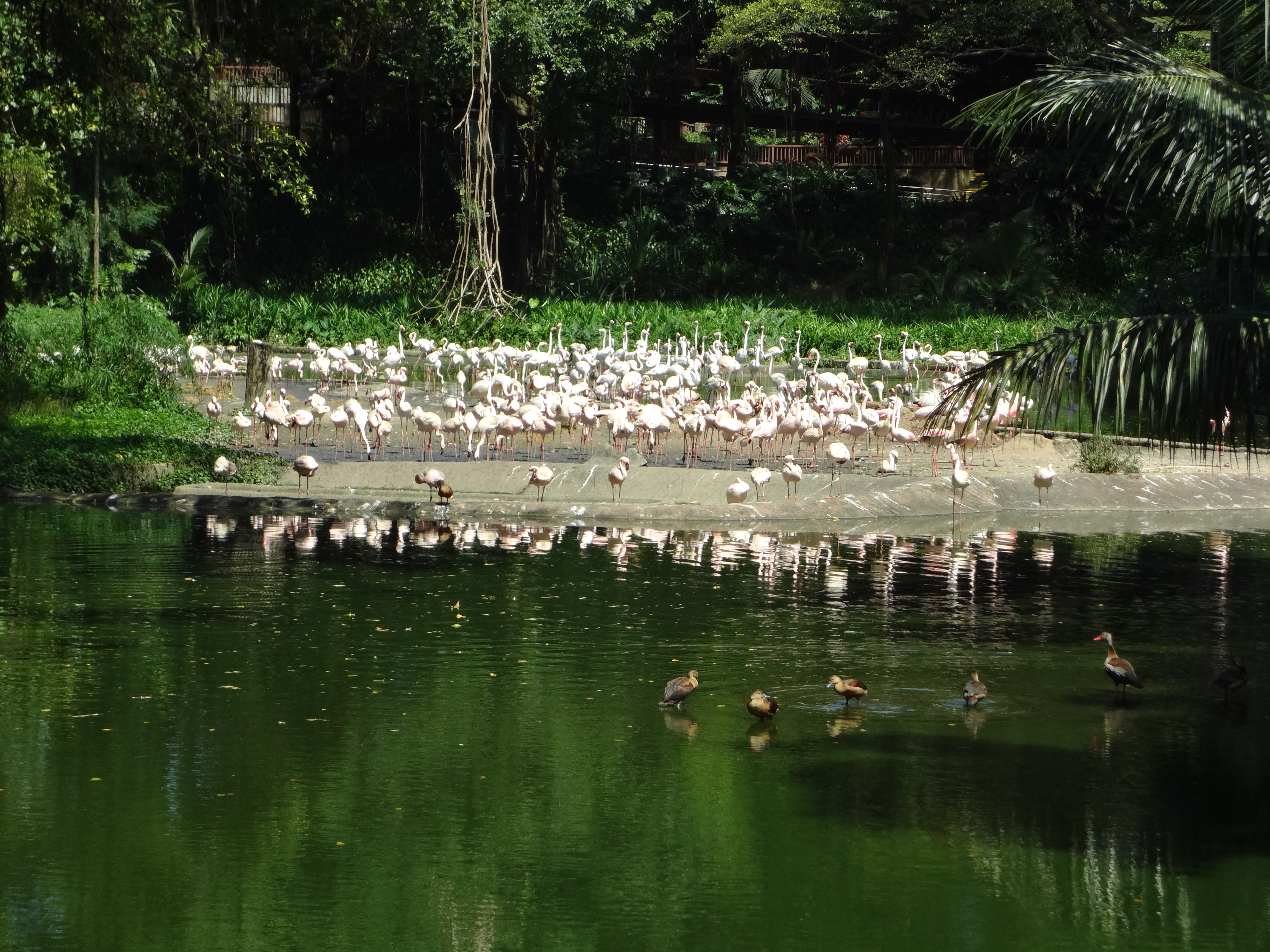
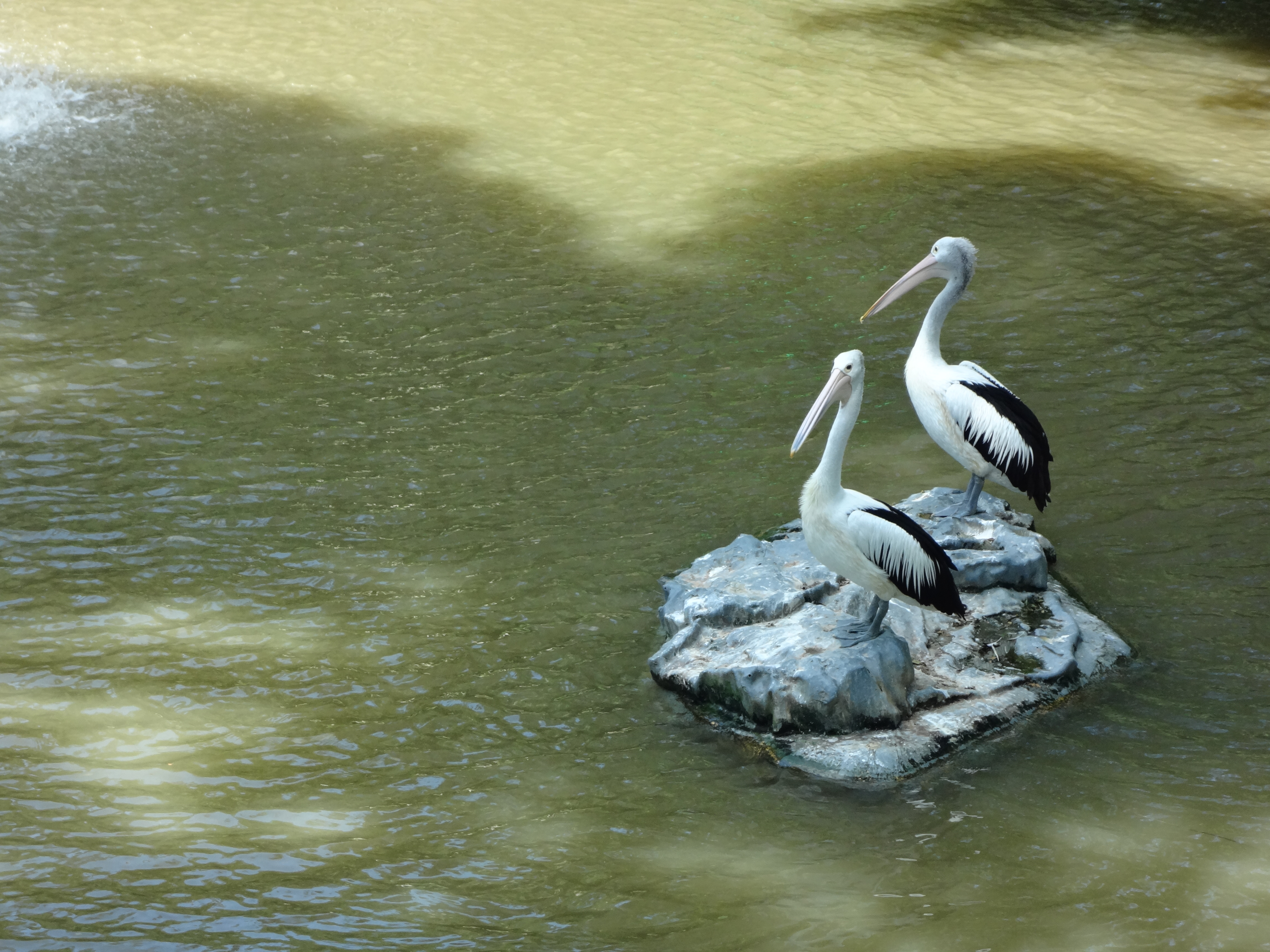
Birds hanging out.

DSC09314

This photo is a bit blurry, but it’s all I have left of my first glimpse of a Malayan tapir. What a beautiful creature!

DSC09358


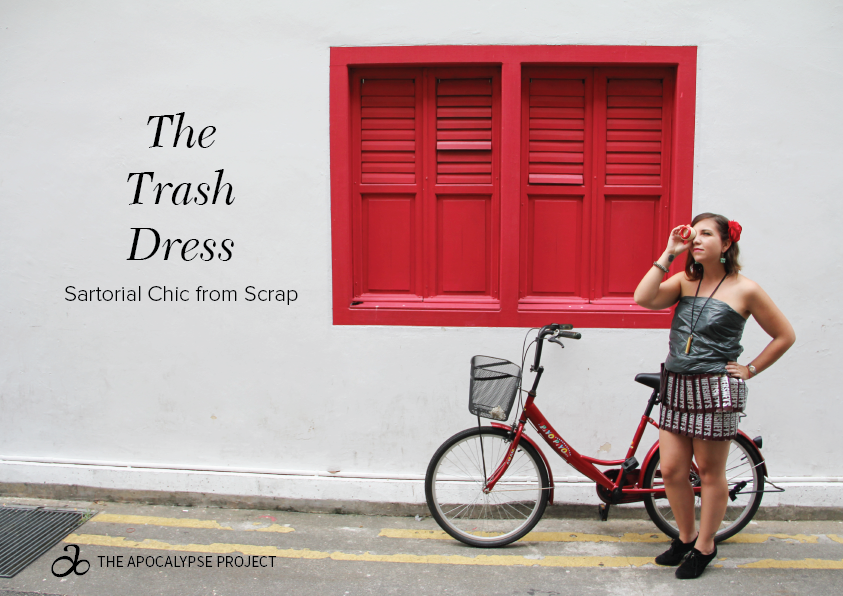
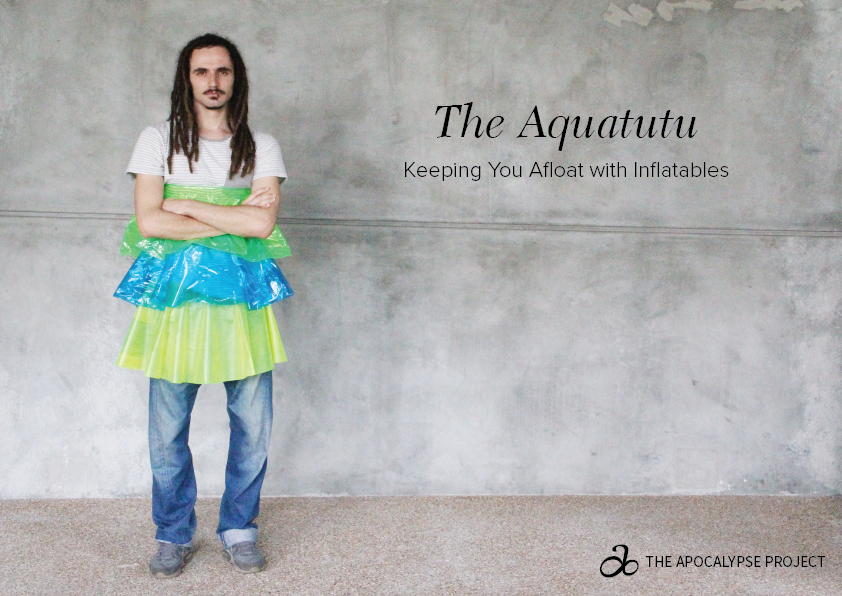
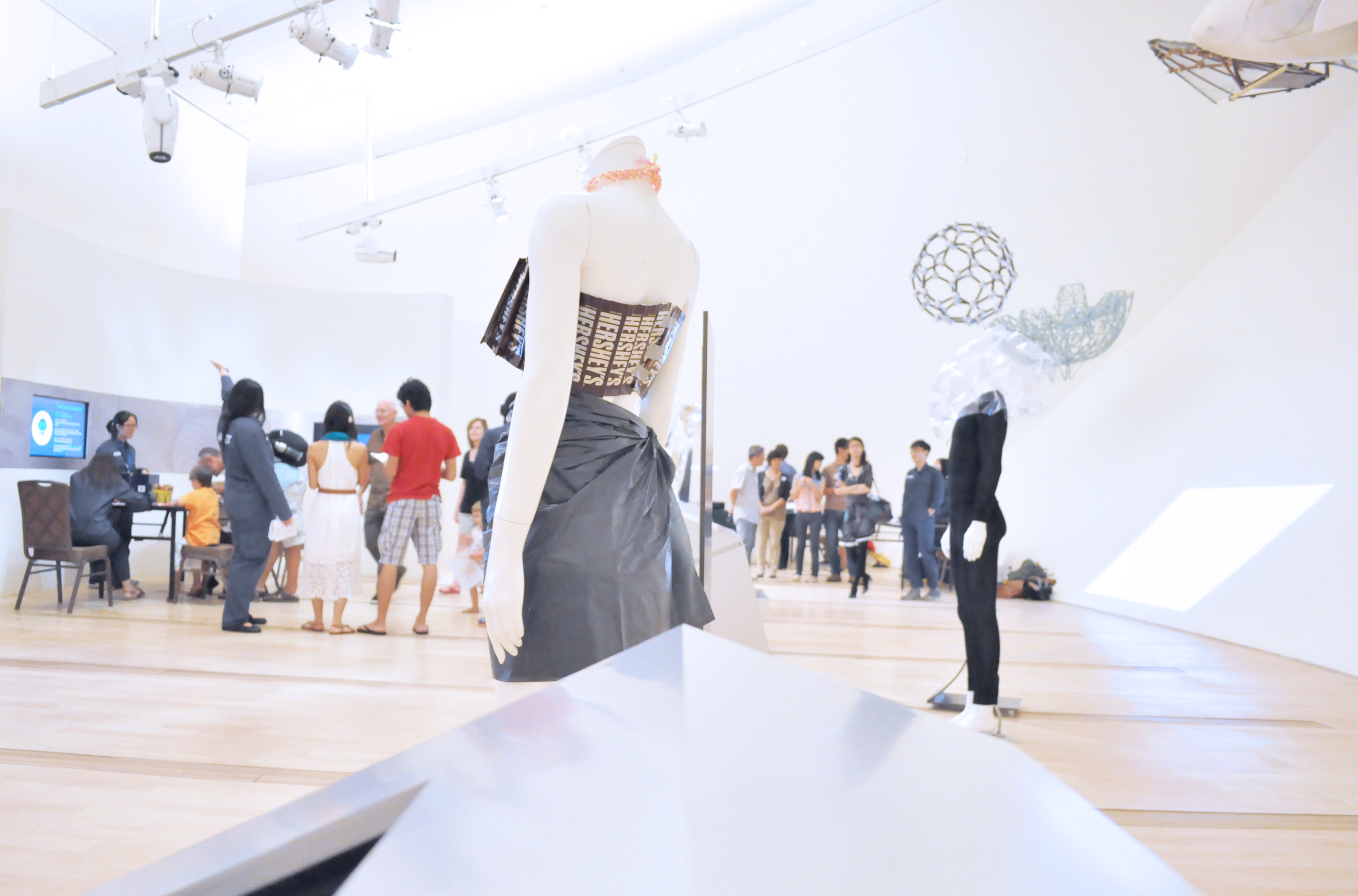
Today in the lab, I figured out some ways to turn a garbage bag into a dress. You know, in case that day may come when we can’t afford clothes any longer and will have to resort to trash to clothe ourselves.

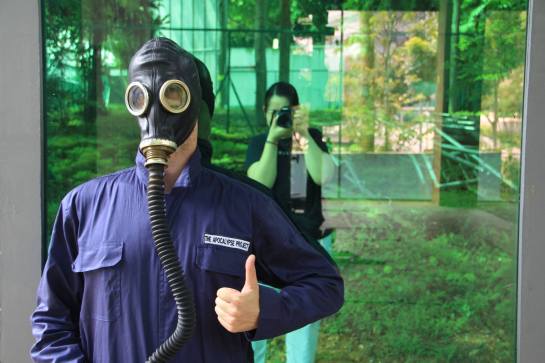
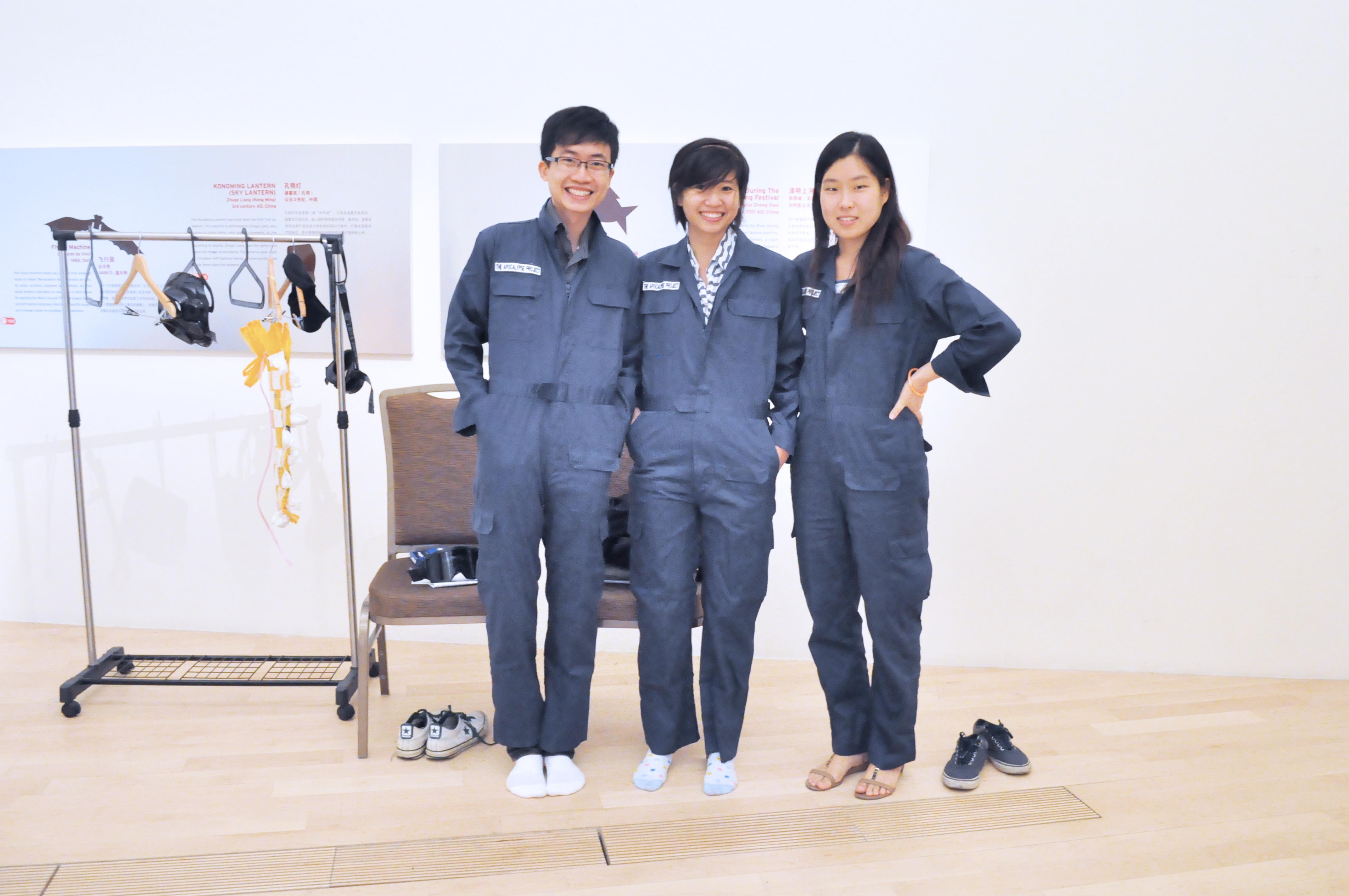
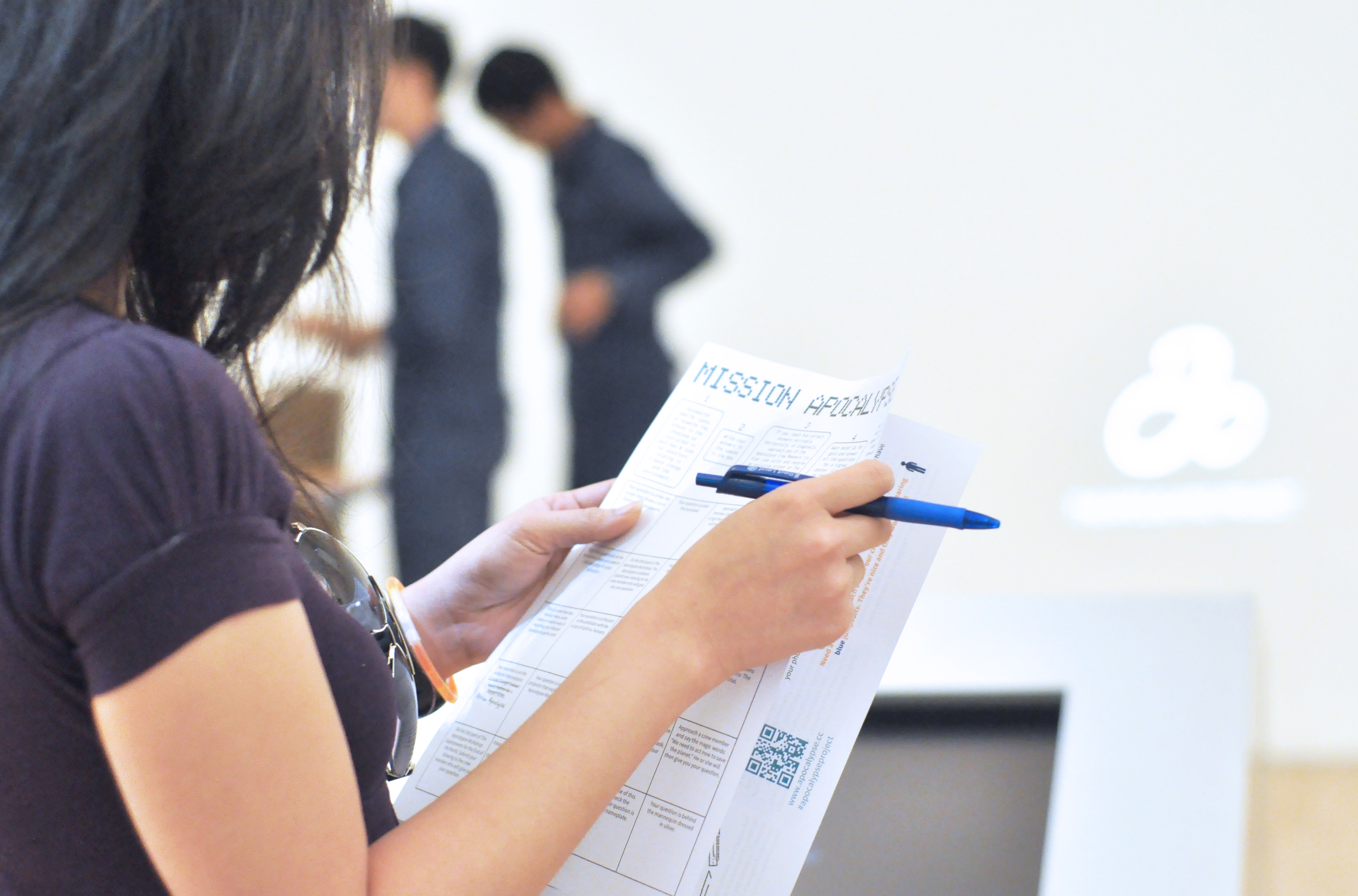
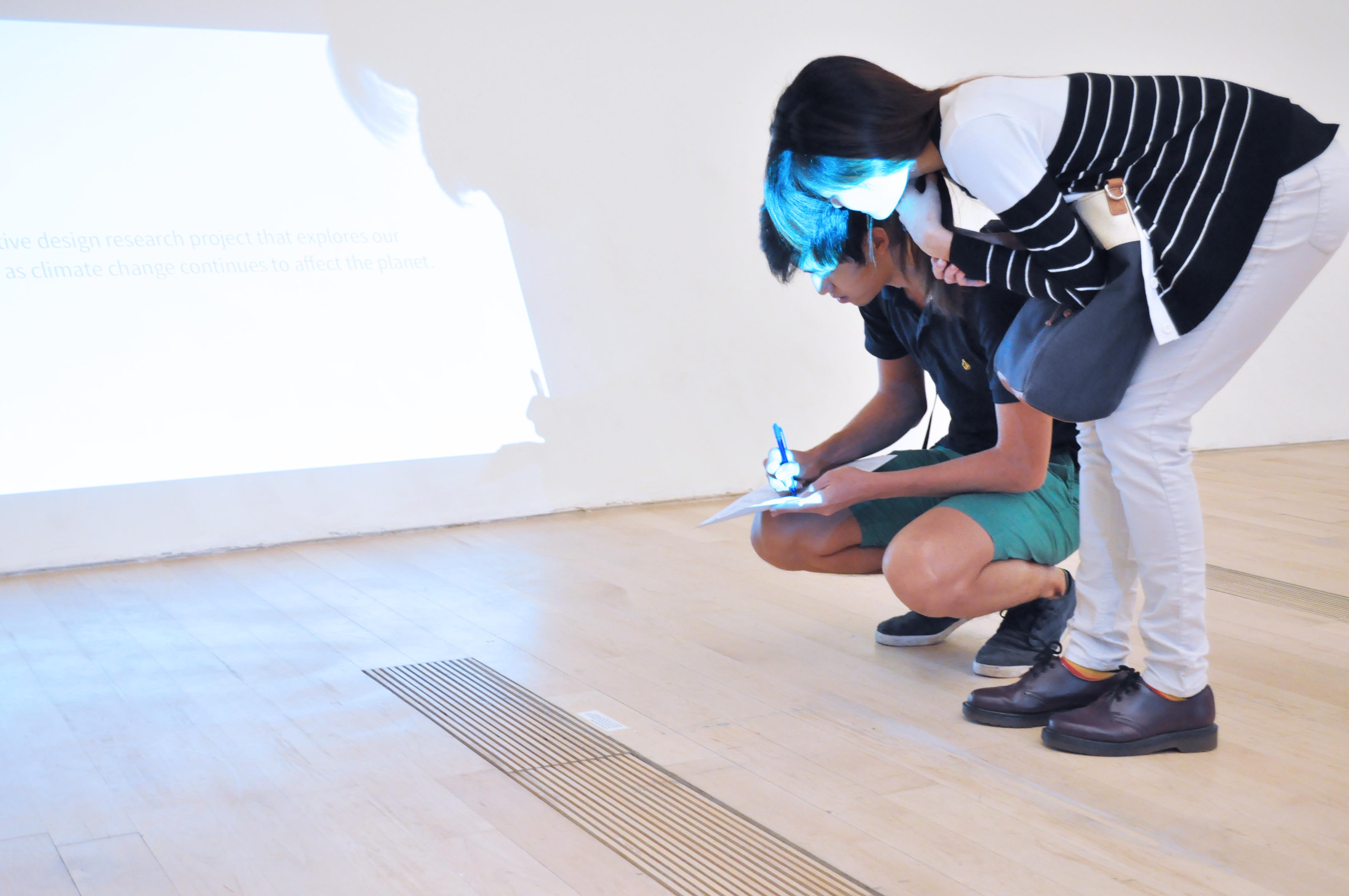
Naturally, for The Apocalypse Project.

Here are some photos taken by Lin Kuek of the Future Cities Lab. Thanks, Lin!

A garbage bag can be a skirt:

DSC09377

A sarong:

DSC09378

An off-shoulder dress:

DSC09379

Or a halter:

DSC09381

I can classify the past few days as Learning Things I’m Very Interested in But I Probably Won’t Want a PhD In. It’s great to be learning from others while on a residency. Here are two events:

1. Numbering Climate Change: A Carbon Workshop by Dr. Ingmar Lippert

It is the middle of my residency, and one thing I realize is that while I am currently doing a project on climate change, I don’t want to label myself as a “climate change artist” necessarily. I think that I specialize primarily in how I do things, instead of what I do them for (i.e. a focus on systems over outcomes, though it doesn’t mean I don’t care about the latter). There has been and always will be a leaning towards environmentally themed projects—something I cannot undo, since I travel a lot and I’m usually outdoors. But I don’t think the bulk of my day has been about reading climate change reports (thank goodness). As an interaction / experience designer I have mainly been looking into turning bigger, more macro issues, into personal experiences that people can relate to (and hopefully care about after they encounter the project).

That being said, I think that projects should have a lot of research going on in the background, even those things I’m not particularly thrilled about. And in this case, it meant me voluntarily going through a workshop this Saturday on how the carbon market works. Led by Tembusu instructor Dr. Ingmar Lippert, it was about the politics of carbon trading and how the carbon market entered its current state.

Ingmar, laughing at my horror of dry academic papers. Thanks, man.

It was a whole day affair, and I missed taekwondo that day (and you all know that never happens). But for the record, I was very enlightened and I do not regret doing it, even if it meant reading all these depressing academic papers. I also caught myself repeatedly talking about how the users (meaning the people) should have been more involved in these systems, especially as local communities suffer the most during carbon offsetting projects. Like I said, I’m definitely here as a designer. Does anyone remember this line from a certain awesome movie?

2. Is Singapore a Model City?

This Monday, the Tembusu Forum hosted four speakers to talk about and debate  the question, “Is Singapore a Model City?” Included were Professor Heng Chye Kiang, Dean of the School of Design and Environment of the National University of Singapore; Mr. Khoo Teng Chye, Executive Director, Centre for Livable Cities, Ministry of National Development; Professor Ian Smith, Principal Investigator of the Future Cities Lab; and Dr. Cheong Koon Hean, CEO of Singapore’s Housing and Development Board and Deputy Secretary of the Ministry of National Development (a wonderful speaker, by the way!). Professor Tommy Koh introduced the speakers and moderated the discussion afterwards. They gave great talks, but it was even better when the students asking really smart questions. As an expat, it’s always interesting to have a crash course of a city’s history and dreams for the future.

20131014_201535

L-R: Prof. Heng Chye Kiang, Dr. Cheong Koon Hean, Prof. Tommy Koh, Mr. Khoo Teng Chye, Dr. Ian Smith

Here are some sneak peeks into the things I am working on for this residency.

I am reaching that point when my projects are deemed too crazy by people that I have to be the one to model it. The first photo is by the lovely Cheryl Song of the Singapore-ETH Future Cities Laboratory, who has patiently put up with me.

1 - Climate Change Couture - Catherine Young

2 - Climate Change Couture - Catherine Young 3 - Climate Change Couture - Catherine Young 4 - Earth vs Humans - Catherine Young


Follow the project site at http://www.apocalypse.cc.

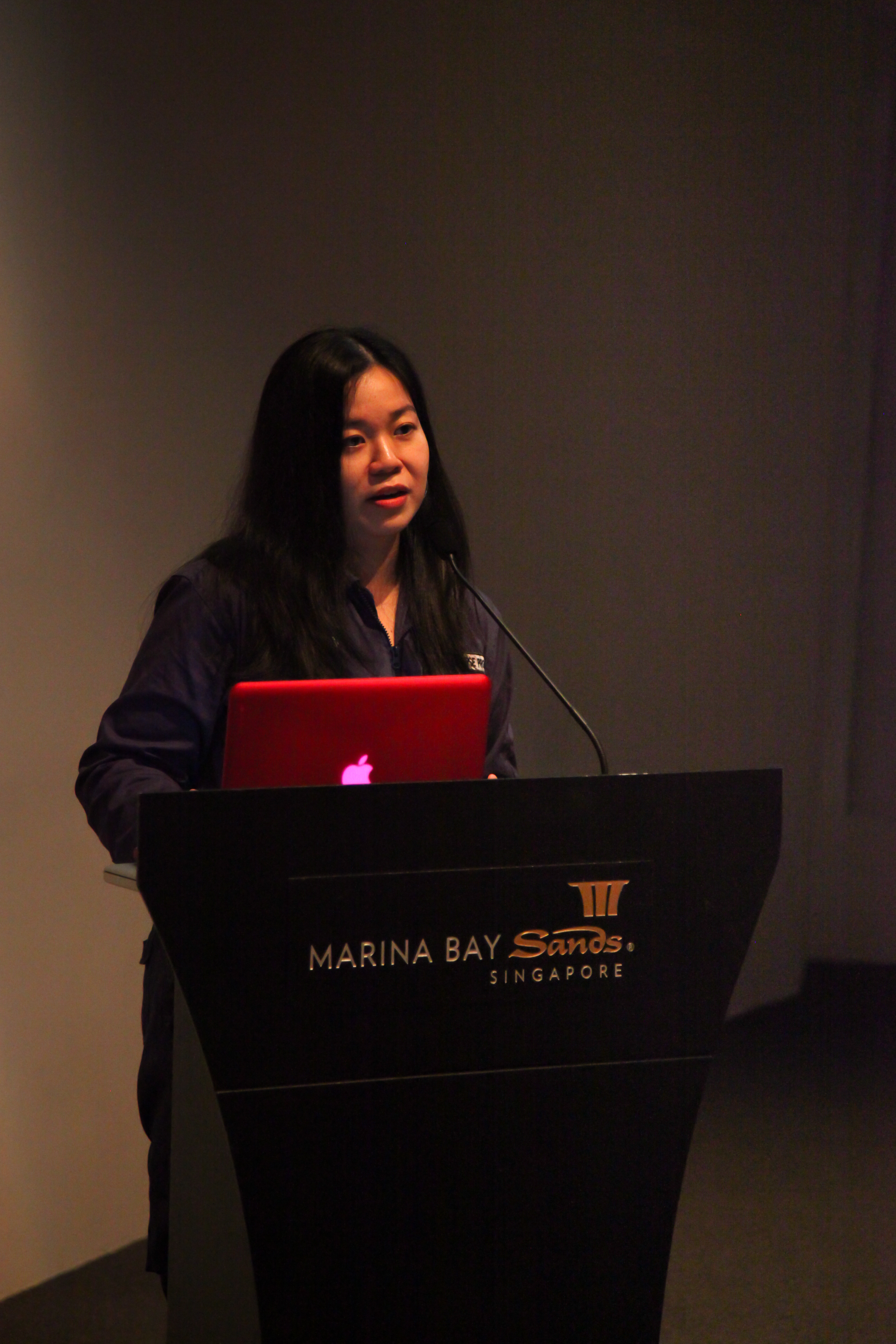
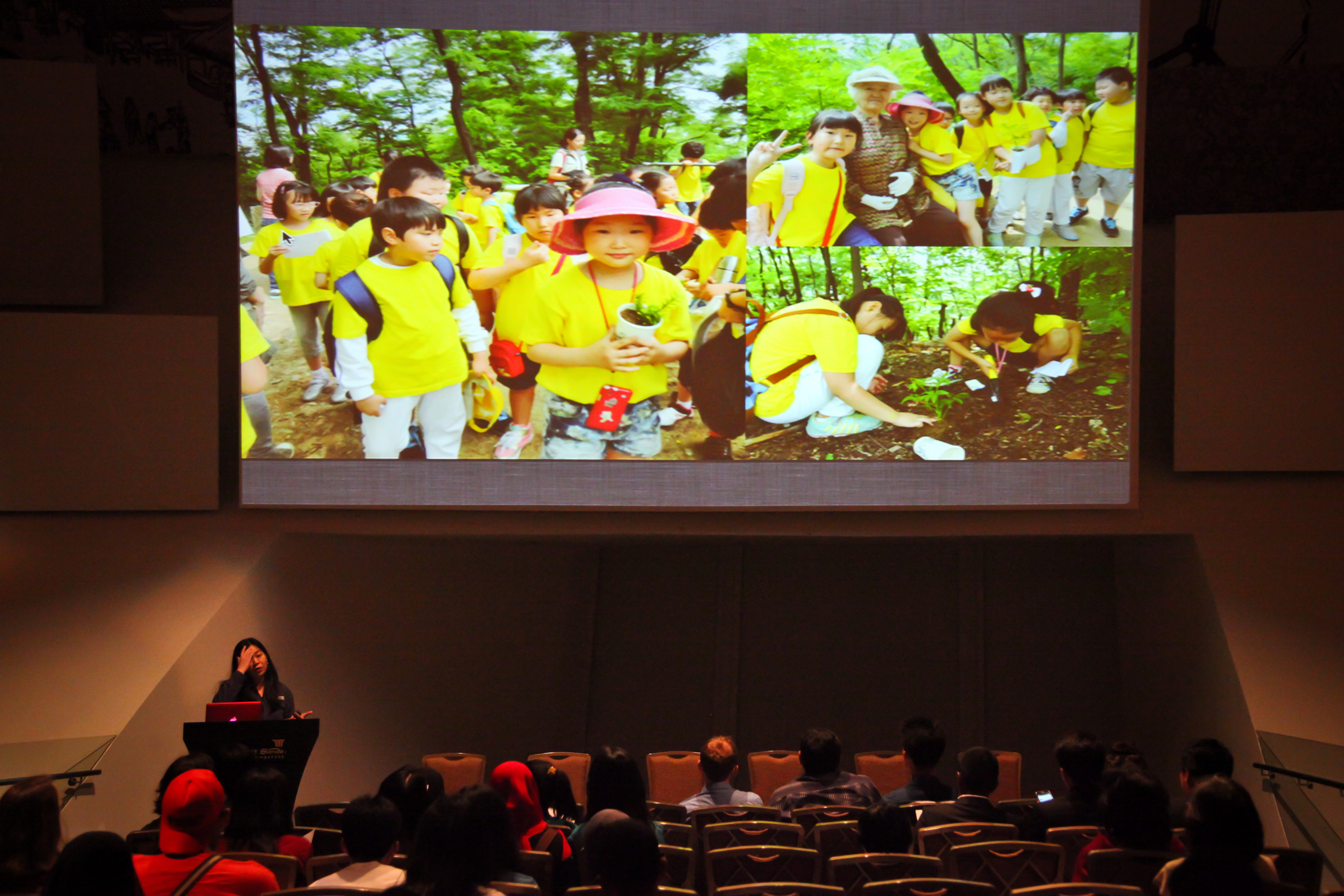
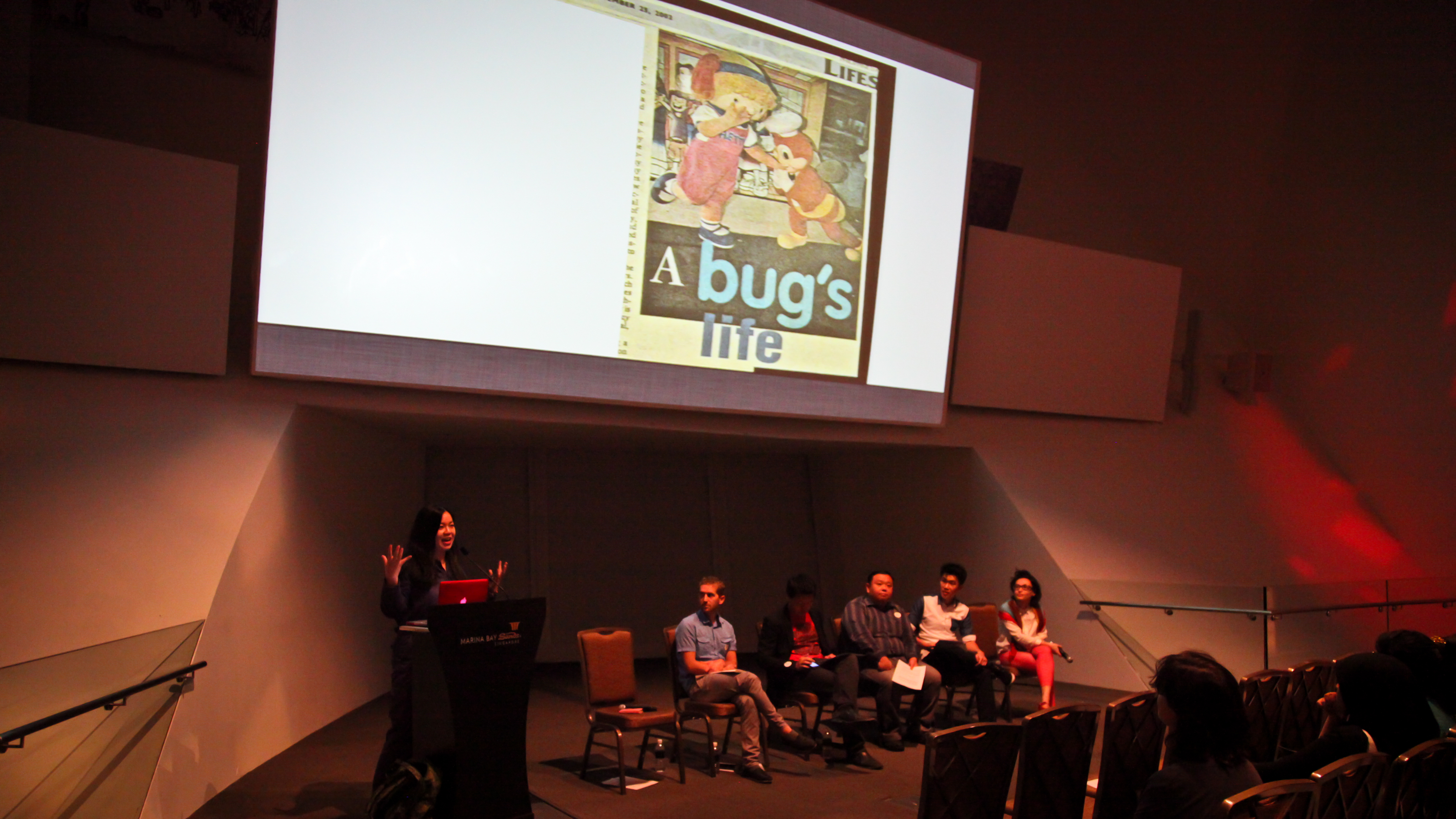
This week, I and my fellow artist-in-residence Michael spoke in Tembusu College’s Singapore as Model City class.

IMG_2532

It looks like I’m singing, but I’m not. I was just saying hi and asking if they could hear me. Thanks, Dr. Margaret Tan, for the photo.

902221_10153374097075122_226053046_o

I think I like it when the stage design is reversed and I’m looking up.

I won’t elaborate on parts of my talk that I’ve posted before, such as what happened during The Apocalypse Workshops or the comments on DrawHappy that made me rethink what the project could be about. So instead, I’ll emphasize some of the things I learned about experience design and collaborations between art and science.

Experience and memory
The image my have the last word, but for me, experience is the one that stay with you forever. I referred to a series of articles I wrote when I was a young journalist, oh so many years ago. This is a photo of me when I was 19 years old:

Jollibee.002

In this photo, I was wearing the costume on the left, although I also wore the one on the right. These are mascots from Jollibee, a Filipino fast food chain that, for me, is one of the icons of modern Filipino culture and taste. It was for a series of articles called Temporarily Yours, where I took on a job for a day and then wrote about it. Looking back, these are exercises in empathy, albeit short ones, where I realized how it was to be on the other side of the fence. Most of these jobs were in food or customer service, such as a barista or a sushi chef. Others were about performance, such as a magician’s assistant or a zookeeper. In this particular article, I wrote about how it was to be a mascot and embody a character beloved by children. I still vividly remember these experiences more than a decade later, such as how the head of Hetty (the female character, short for “spaghetti”) was so big and difficult to balance, and how Jollibee’s butt was so huge, it took two guys to shove me through a door. You know, good times.

Projects like these have shaped my views on how I execute future projects. Though I don’t feel that my work fits just one area of inquiry, I think that the common thread between all of them is that of experience. Experience is very powerful. The image may have the last word, but in a world where we are saturated by images, I believe that experience makes these images last longer and gives them more meaning.

Korea and Experience Booths

My views on experience design have also been honed through seeing South Korea’s experience booths in festivals, which will always mark my memories of that country. In festivals in the US or in Europe, I would usually find people selling me a finished product, let’s say a ceramic pot. But in Korea, I will be sold the experience of making or painting my own pot. In this case, I will find myself sitting down at the booth and getting messy at the table, thus slowing down, making my experience more personal, and hopefully have a longer lasting memory than just having the generic festival experience. Perhaps I will end up treasuring the pot I made myself rather than just another cheap souvenir. I also think these booths give wonderful creative opportunities for families, children, and the elderly.

Korean experience booths.048

A Korean experience booth on printmaking

Korea can get quite creative with their experience booths, such as this one I saw down south in Hampyeong.

I believe that the role of artists / scientists / designers is not just to have these unique experiences through their work, but to share these with others. Typically, we share that experience by writing about it for others to read. Through that reading, perhaps someone will profoundly connect with our writing. However, I think that human bonds can be stronger through a shared experience. Your audience can create their own experiences for themselves and yield results that are unexpected, like what I’ve learned from previous projects. This is when you realize that your audience teach you something as well, which is a wonderful thing. Projects become a conversation between creator and audience, which will only serve to fuel human creativity and progress.

Art, Science, and Sustainability

Personally, I believe that the wealth of human knowledge is too vast to just break down into two, but for the sake of simplicity, let’s go with these two fields: art and science. As I have been trained in both, I have felt what it was like on each “side”. I have been “the scientist” in an art/design studio, and “the artist” in a science lab. Both types of experiences have been very unique to me. Both sides have their own ivory towers. Those who choose to be in those towers, I think, should quickly parachute off. Our world is too vast and our problems too complex for petty squabbling. Unexpected things can happen when ideas from each side, as they say, have sex. Here is a nice comic by Bird and Moon that shows that.

sciencevsart

Image copyright by Bird and Moon

Collaboration is especially important in the realm of sustainability, which is a world I did not expect to enter. It’s quite a booming area, especially in Singapore. Everyone and your mother is doing sustainability.*  (That, and “cities” and “resilience.”) I referred (again) to this Ngram by xkcd.

*Did I really say that in a university class? Yes, I did.

Image copyright by xkcd

Image copyright by xkcd

Instead of being a part of the echo chamber that such “trending” fields create, perhaps new solutions can emerge by letting disciplines hang out together, as they used to do, way back when.

In the end, I emphasized empathy to these bright eyed young students who are in the middle of creating sustainable urban interventions for their class. I said this as someone from the Philippines, a developing country. I cannot tell you how many international consultants in there right now, wanting to save it from XYZ problems. Now, I am very grateful that these brilliant people are there, and I am sure they have great intentions. Certainly foreigners can see opportunities locals may have overlooked, as I have had, being a foreigner in four other countries. But I’ve seen enough projects that never get implemented or never have their full potential realized because of these gaps in empathy. I believe we can do better.

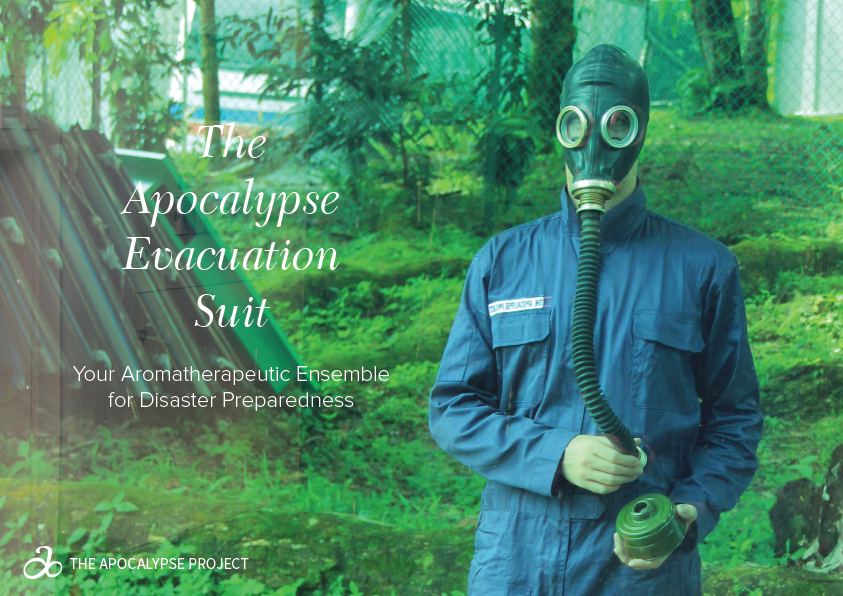
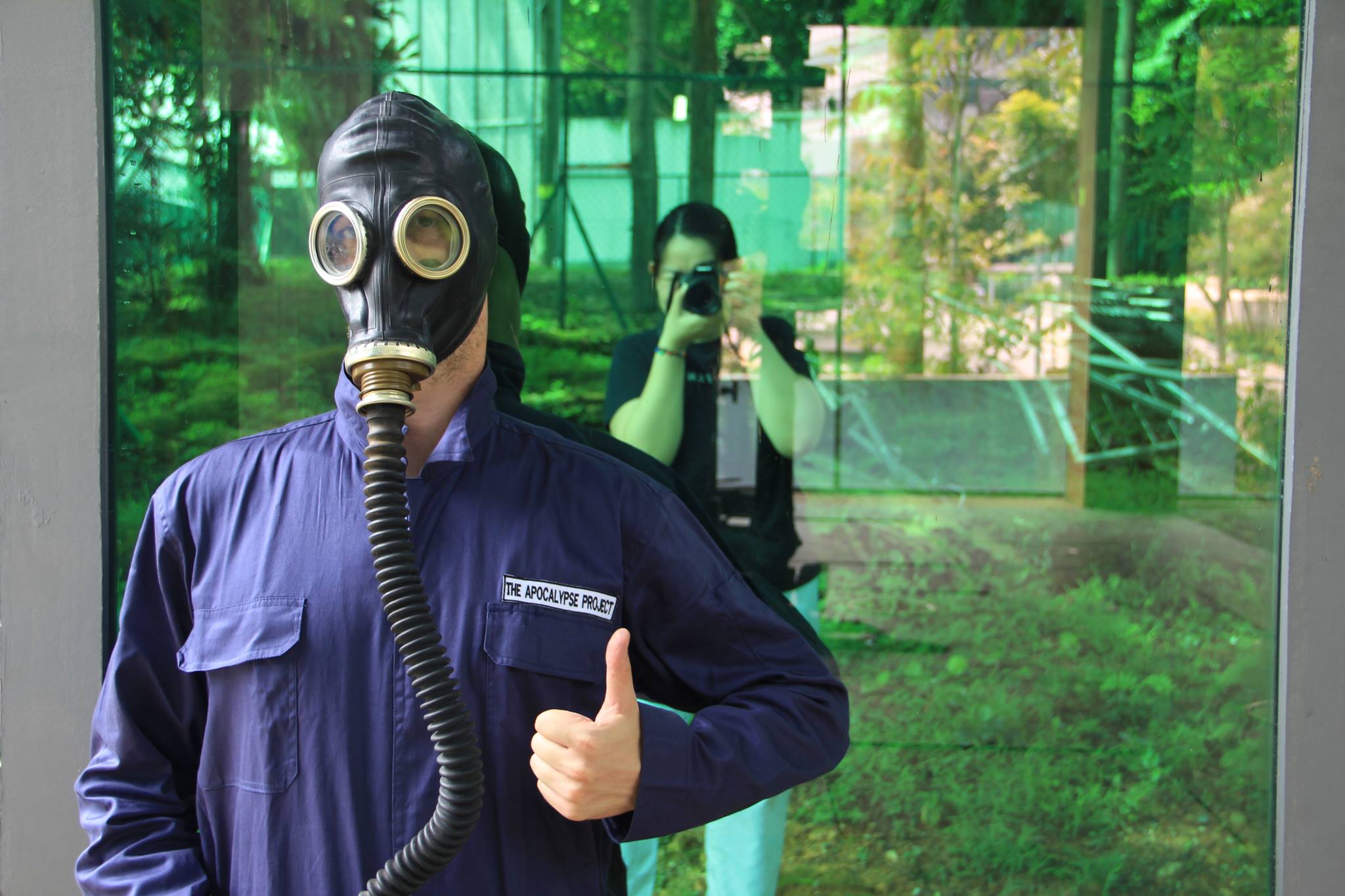
Last weekend, I visited Singapore’s army market to pick up some things for prototyping. I usually go to dollar stores or markets to buy cheap readymade objects that I can potentially hack into, but this is the first time I’ve visited a market that specializes in military gear. Of all the fields I’ve looked into, the military is the one that uses wearables in potential apocalyptic scenarios I am looking at.
DSC09158

These patches give me ideas.

DSC09157

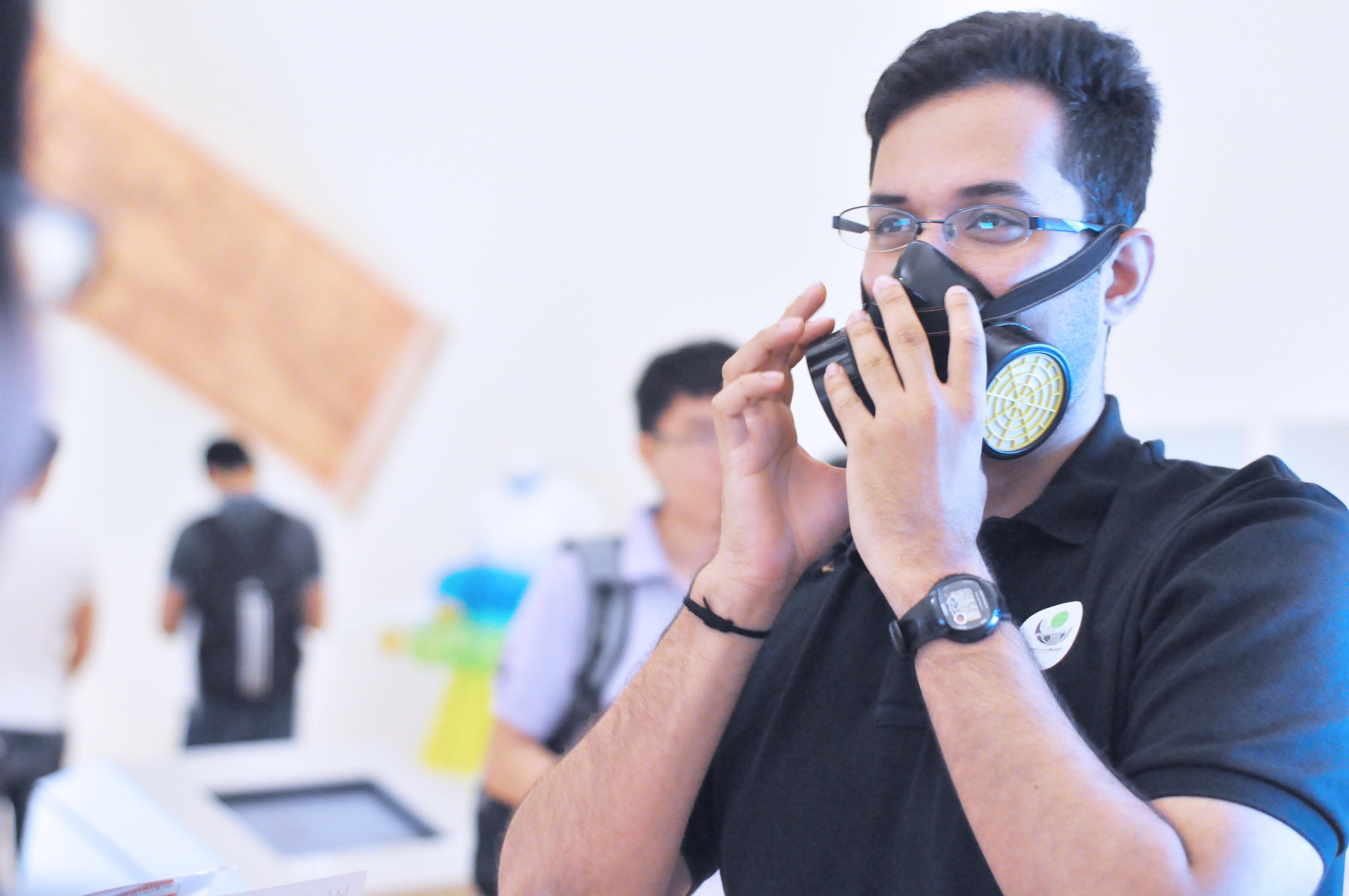
I bought a pair of goggles, a head mask, and a face mask. I’m trying to see how the design of each can possibly fit into one of my projects.

DSC09207

DSC09208

This design space is fun. A bit scary, but fun.

This morning, just for kicks, I decided to do an n-gram analysis of the main words I encounter or use in my project: climate change, global warming, apocalypse, sustainability, and resilience using Google Books Ngram Viewer. Here is a screenshot:

Screen Shot 2013-09-23 at 12.30.31 PM I think the conclusions I can make that are useful to my project are:
1. “Climate change” is more often used than “global warming.”
2. “Apocalypse” is pretty much used with the same frequency as before. (I guess that’s a great thing for this project?)
3. We’ve been using “sustainability” a lot. I’ve deliberately avoided using this word unless I absolutely had to, because, well, I feel that it’s overused to the point that it’s losing its meaning to me. This reminds me of this graph by xkcd:

Image copyright by xkcd

Image copyright by xkcd

(Original version here.)

I’m a bit sad that this tool only gives me results until 2008. But anyhow, that was an enlightening break before another day of designing, picking typefaces, and writing art/design statements.

Perhaps as a welcome to living this near to the equator, I contracted a tropical bacterial infection during my first month in Singapore. This resulted to three weeks of congestion and mucus. There were a lot of very embarrassing social situations and a consistent need for tissues. But the most awful thing about it was the fact that I lost my sense of smell. This is absolutely catastrophic for someone who studies perception. For one who once tested the link between smell and memories. For one who made an olfactory memoir. For one who can tell cities apart by smells.

The medical term for this is anosmia. (Check this video and article on NYTimes.com for people who permanently lost their sense of smell or were born without it.)

If anything, I am grateful it only lasted a few weeks. There is nothing like valuing something more when you’ve temporarily lost it. To make it a learning experience, I pretended my anosmia was an experiment.

So, how was life without my sense of smell?

The smallest activities were voided of their pleasures. I could not smell the mint on my toothpaste, the citrus crispness of a sliced lemon, the aroma of coffee, the freshness of new bedsheets. Perfume, which was a daily habit and a mood booster, became unnecessary. Each object blurred into the next, unclearly defined.

Without smell, I was unable to detect the orange juice spilling on the opaque countertop. I could not gauge the weather, because I could no longer the smell rain or heat through the window. My days lost a dimension—like the difference between experiencing a movie on a bad screen and in HD. Life became very dull; a mere shadow of its former self. It was then that I realized that in many ways, we can smell movement, and therefore stories. Smell made things more real.

Our senses of smell and taste are related. And so without smell, I couldn’t taste anything either, apart from being able to determine if a dish was sweet, sour, salty or bitter, more or less. This robbed me of the joys of eating. I ate a lot of spicy food, mainly to clear my congested sinuses and because most of the time, spiciness that was the only thing that registered.

On a less depressing note, I learned to better appreciate the texture of food. And because I could not taste anything, I stopped eating food that was unhealthy. I don’t recall a time in my life when I ate less chocolate. Or drank less coffee. Because really, what was the point? I may have lost a couple of pounds, but I was unhappy.

There were other minor benefits, I suppose. The delight and wonder of things faded, but so did their disagreeableness. I thought it was great not to be able to smell smoke or public toilets.  In the gym, in taekwondo class, in crowded subways, I could not be offended by body odor. Hurray!

However, not being able to smell noxious substances is dangerous. It is what tells us if there is a gas leak or if our food has spoiled. And another problem with not smelling is that while nothing and no one stinks,  you don’t know if you do.

Eventually, as my colleagues told me that my cold was probably an infection, I went to the doctor and was prescribed a dose of antibiotics. As the medicine kicked in and I became better, my sense of smell started to come in short spurts, probably analogous to a blind person seeing flashes of light. Whoa, that basket of fruit actually registered. Oh my, cornflakes tasted like cornflakes. I can smell my shampoo again.

Having my sense of smell come back to me was like getting out of a bubble. I realized that like smell made me a part of my environment because I could breathe it into myself and establish a continuity with the world. Slowly, I felt more alive. I had never been so overjoyed to smell garbage again.


P.S. Huge thanks to the awesome staff of the University Health Center of the National University of Singapore, who took me in past closing time last Friday when they realized I was close to passing out. Kudos!

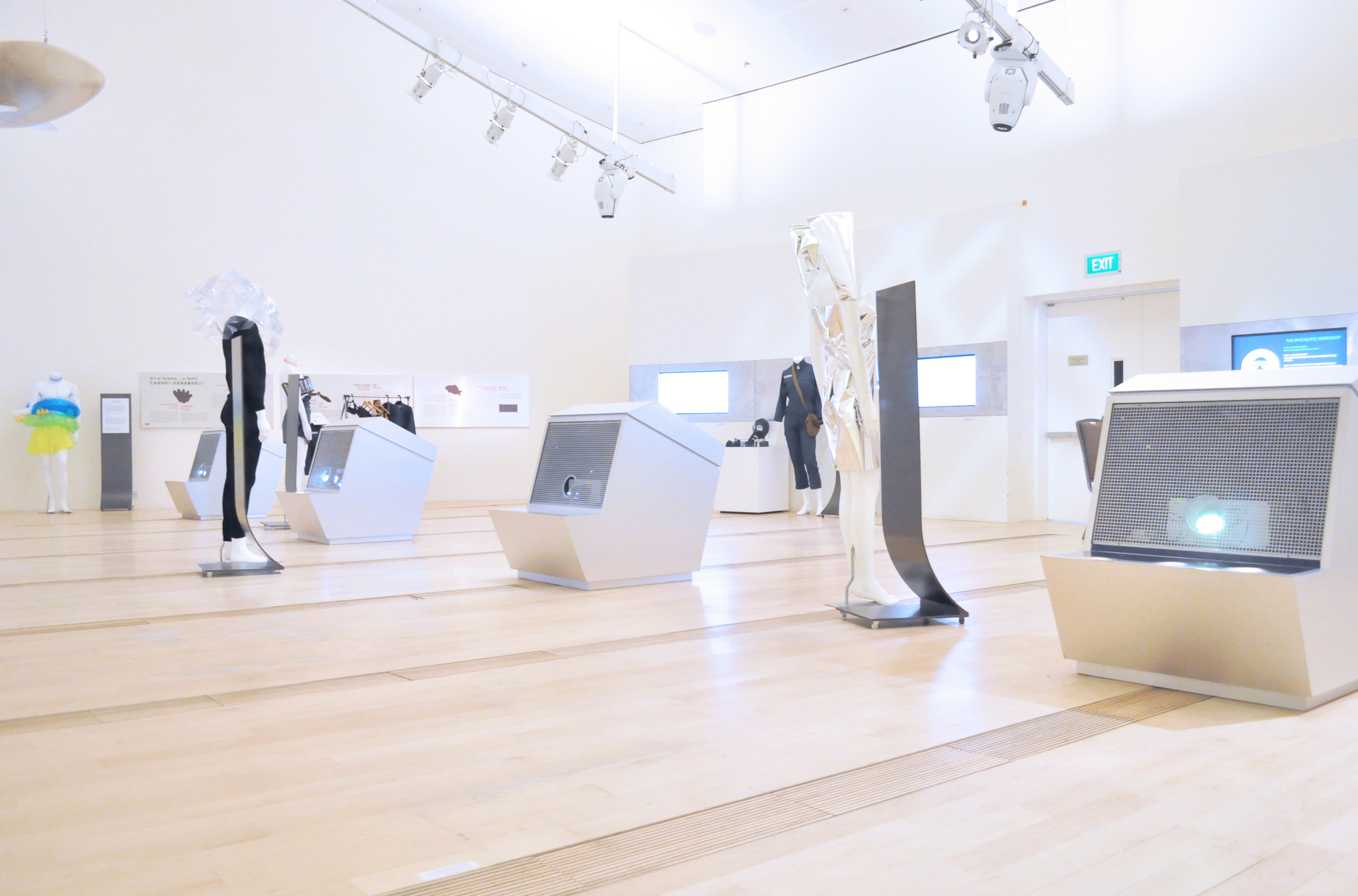
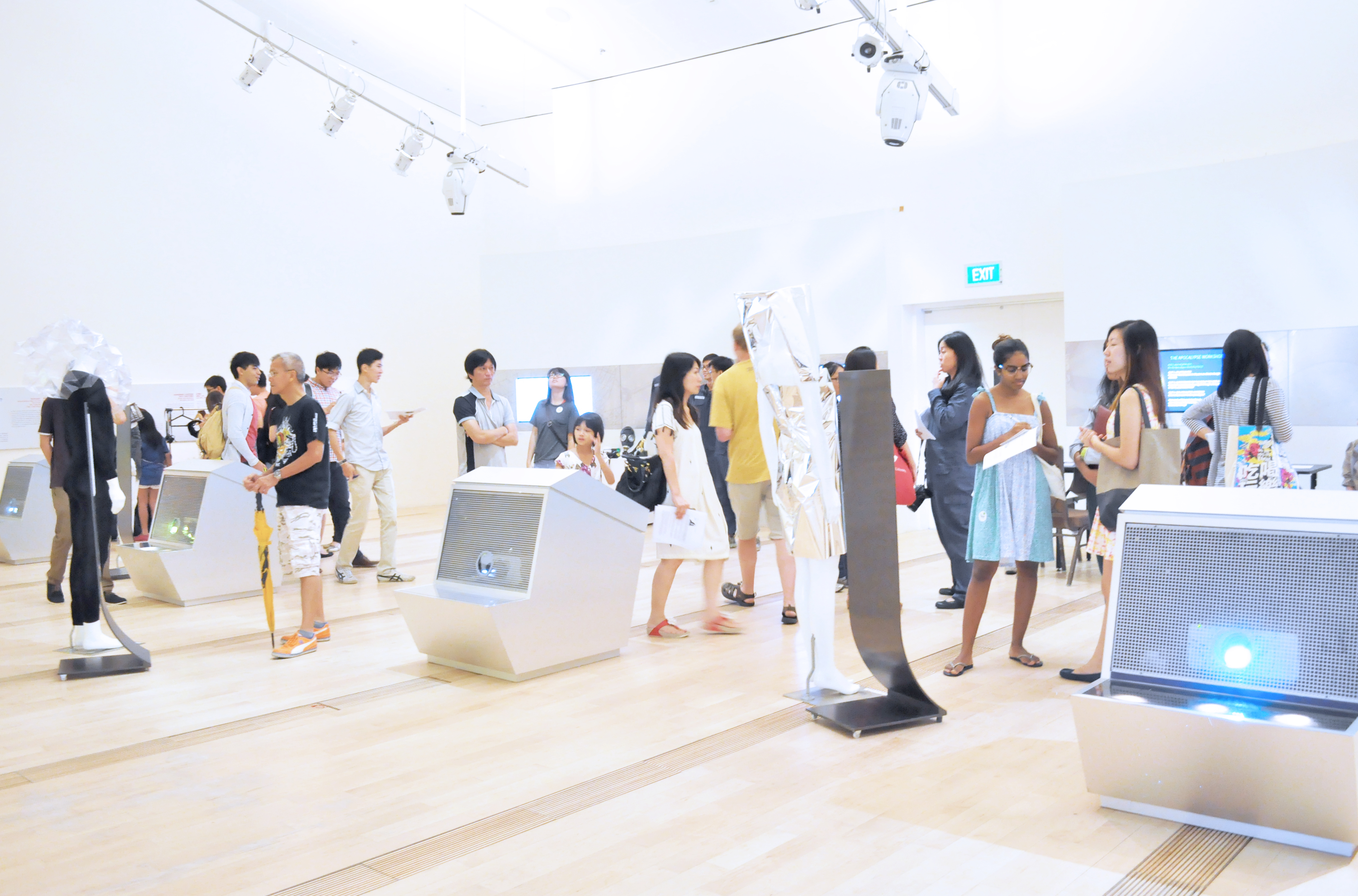
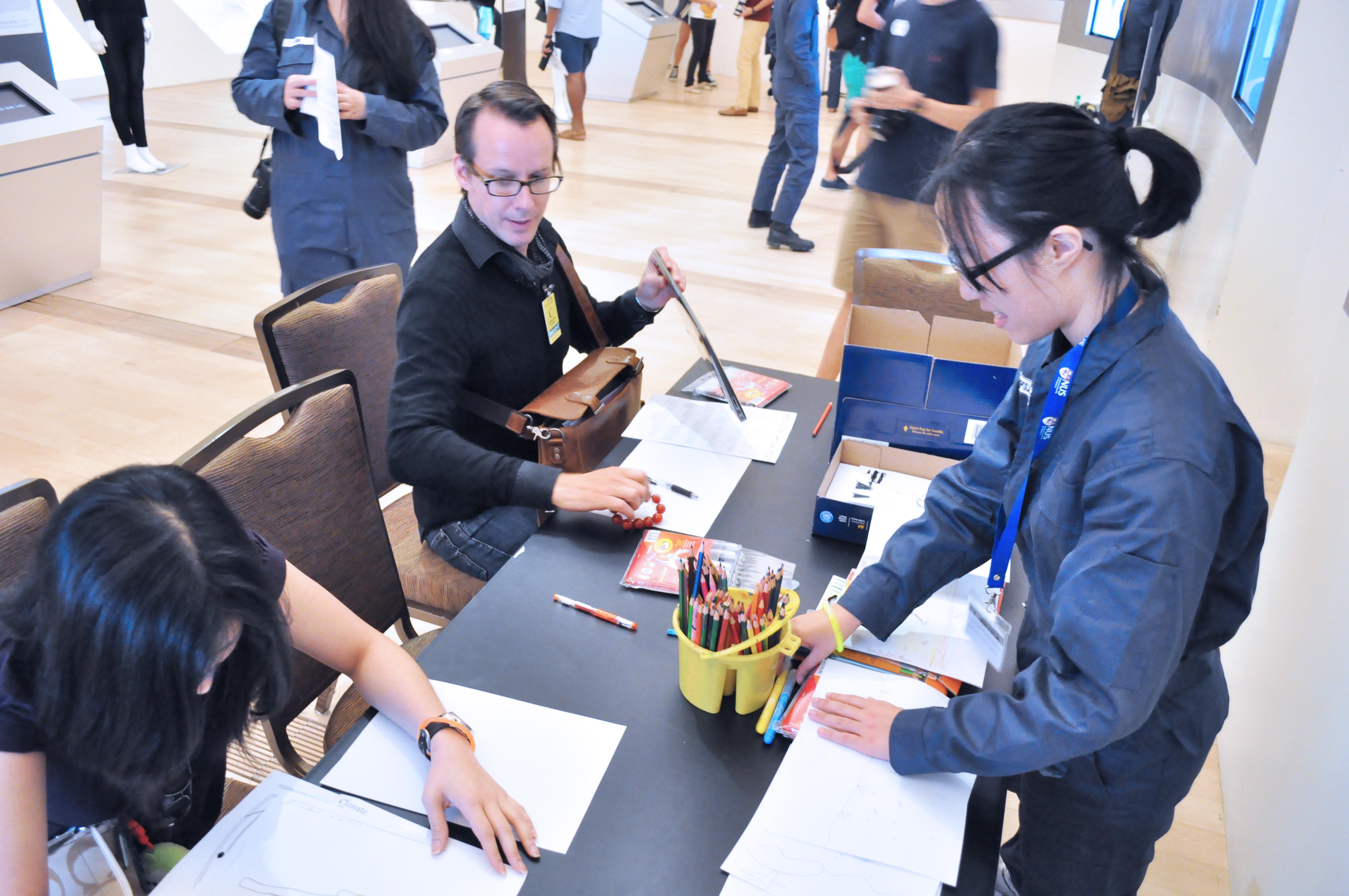
For the final part of The Apocalypse Workshop, I asked the participants, “What would you wear to the apocalypse?” and to define each wearable they design. I gave them fashion design templates. Here is the Tembusu version of an Apocalypse Lookbook:

AdelineChang

by Adeline Chang

AmandaTan

by Amanda Tan

ArjunSaha

by Arjun Saha

AuYongShiYa

by Au Yong Shi Ya

CarminaCastro

by Carmina Castro

CassandraTeo

by Cassandra Teo

ChanSzeHow

by Chan Sze How

CherlynTan

by Cherlyn Tan

GeorgiaTam

by Georgia Tam

GermaineGoh

by Germaine Goh

JaredKoh

by Jared Koh

JonathanT

by Jonathan T

LamYuenKei

by Lam Yuen Kei

LeeYingLin

by Lee Ying Lin

LyciaHo

by Lycia Ho

NaomiNeoh

by Naomi Neoh

RachelLee

by Rachel Lee

SarahLim

by Sarah Lim

SonjaChua

by Sonja Chua

TayYingYing

by Tay Ying Ying

VictoriaEr

by Victoria Er

ZoeBezpalko

by Zoe Bezpalko

ZoeBezpalko2

by Zoe Bezpalko

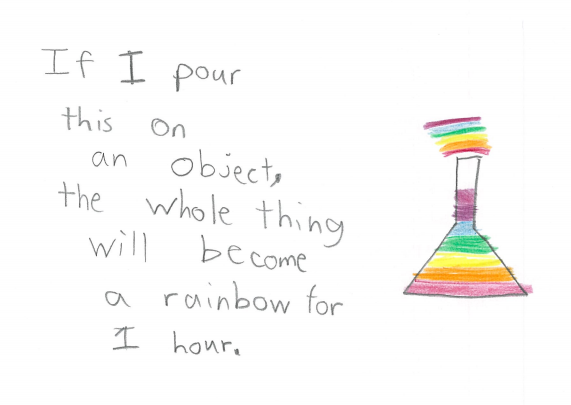
For the second part of The Apocalypse Workshop, I asked students to imagine their superpowers to navigate through the apocalypse they described in the beginning.

Here are some sketches:

AdelineChang

“Fly. Heal. Escape.” —Adeline Chang

AmandaTan

“Ability to move the sun” —Amanda Tan Ying Shyuan

ArjunSaha“Spaceship out to sun to cool it. Suicidal ice core cooler.”—Arjun Saha

AuYongShiYa

“I wish I will have the power to breathe life into the world again.” —Au Yong Shi Ya

CarminaCastro

“In the case of singularity, no one really knows what’s gonna happen, but it’s likely that people will be even more interconnected than before. e.g. chips planted inside head / linked to the brain. In this case, a helm of mind-control protector might help in preventing subliminal advances to your head space / just outright mind-jacking.

CassandraTeo

“I would teleport to the mountains, the wilderness, the forests, something of the like. The place can simply transform with a snap.” —Cassandra Teo

ChanSzeHow

“This drawing shows a Superman shooting down CO2 gas molecules to reduce greenhouse warming. He is flying and protecting the atmosphere of the Earth.” —Chan Sze How

CherlynTan

“Nose with CO2 to O2 converting nose-hair / cells. Whatever by-product will be used to “recharge” the converting mechanism. Eyes that can see temperature differences in color, that can function like binoculars to see danger from afar. Mouth that has glands that secrete substances to purify contaminated water and food.” —Cherlyn Tan
GeorgiaTam

“The Day After Tomorrow Apocalypse: 1. Engulfed by water 2. World freezes over. 3. We wait for Jake Gyllenhaal to save us all.” —Georgia TamGermaineGoh

“I will have the power to be invisible when I go out so that the heat / temperature will not be a problem! I will have the healing power to “heal” anything that comes my way, to have the strength to carry animals, people to safety. Magic wand: I will have the magic power to make plants and trees grow beautifully by having a protective shield to prevent excessive sun rays. Plants will flourish.” —Germaine Goh

JaredKo

“Neo-Atlantis human.” —Jared Koh

JonathanT

“Our skin will be able to dissipate heat and moisture so that we can cope with the increased heat and humidity. To combat bad swampy smells out skin will naturally emit happy smells.” —Jonathan T

LamYuenKei

“As humans attack humans out of desperation from the apocalypse scenario of climate change, out of need for survival, food and shelter, it is time for the power of isolation to set in.” —Lam Yuen KeiLeeYingLin

“An invisible sphere that can be activated with the click of a button. Being invisible, it will not block out the scenery but at the same time it can create a micro-climate in which people can control the temperature. It is like a force field that don’t need to be carried when you move.” —Lee Ying Lin

LyciaHo

“This device can suck in an infinite amount of carbon dioxide / greenhouse gases.”—Lycia HoNaomiNebh RachelLee

“…I think having the power to control the weather from now until the future might be of use. Perhaps I will be able to alleviate the harmful effects of global warming and reduce its negative impact on the Earth’s physical (natural?) atmosphere. Alternatively, with my ability to control the weather, I suppose I could put a stop to global warming entirely? Send thunderbolts to blast factories emitting carbon into oblivion, showers of rain to rejuvenate the plants and the rainforests, more rain to ease droughts and nourish infertile lands … bring the sun out to make the plants grow… Perhaps weather control is not necessarily the ultimate solution to preventing a future like the one I have imagined, but it can be a start. Bring on the superpower abilities!” —Rachel Lee

SarahLim

Sarah Lim

SonjaChua

Sonja Chua

TayYingYing

“A Rain Man. A Nature Recovery Wand.” —Tay Ying Ying
VictoriaEr

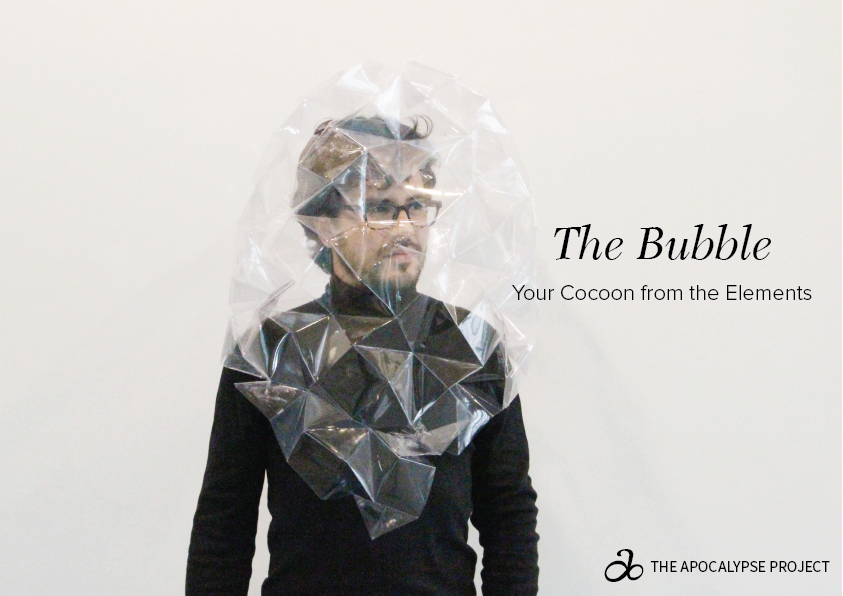
“Protective Impenetrable Bubble.”—Victoria Er

ZoeBezpalko

“Dots-connection deviece. It’s all about changing mindsets of development.” —Zoe Bezpalko