Archive

Science

This week, I and my fellow artist-in-residence Michael spoke in Tembusu College’s Singapore as Model City class.
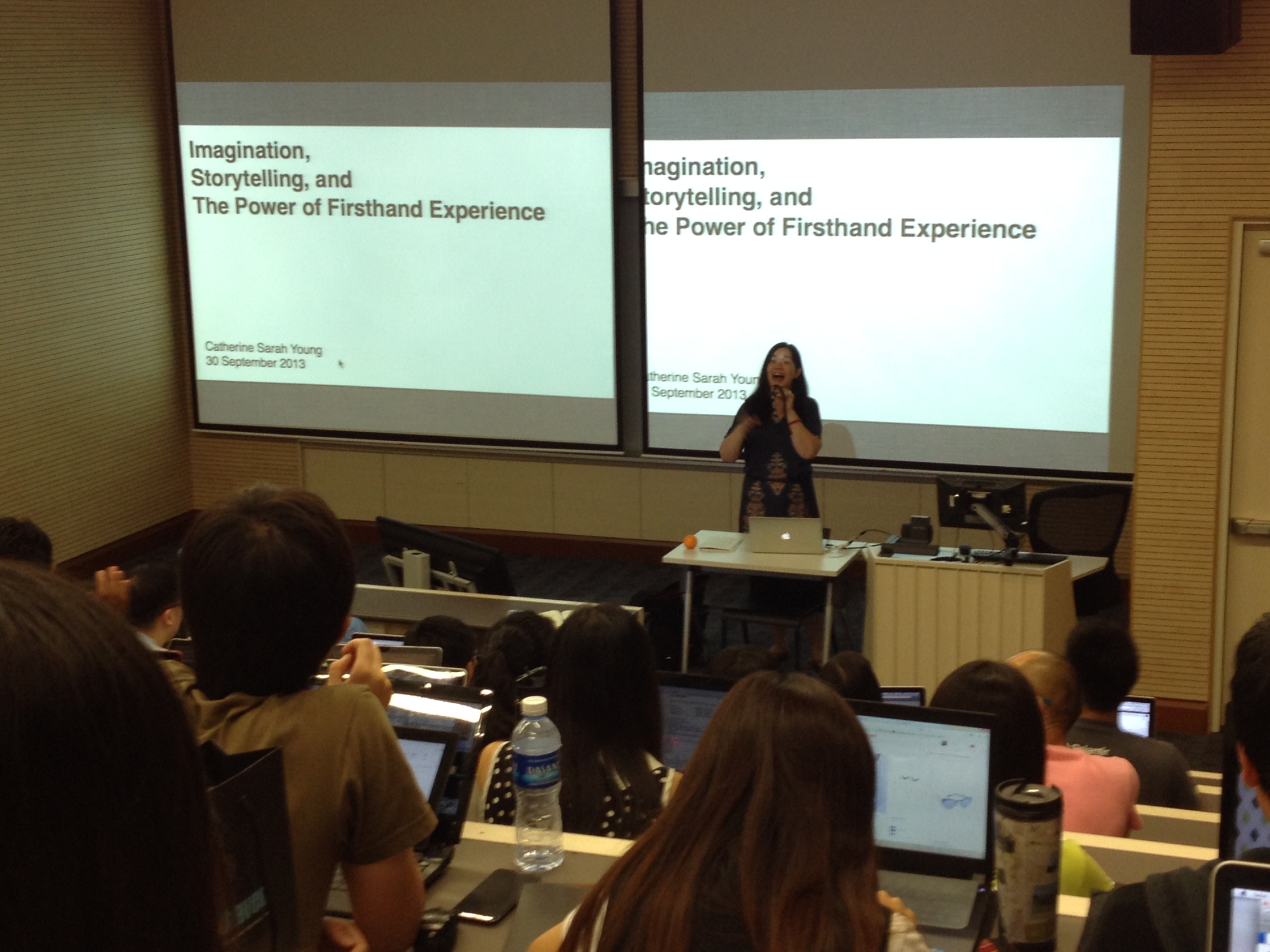
IMG_2532

It looks like I’m singing, but I’m not. I was just saying hi and asking if they could hear me. Thanks, Dr. Margaret Tan, for the photo.
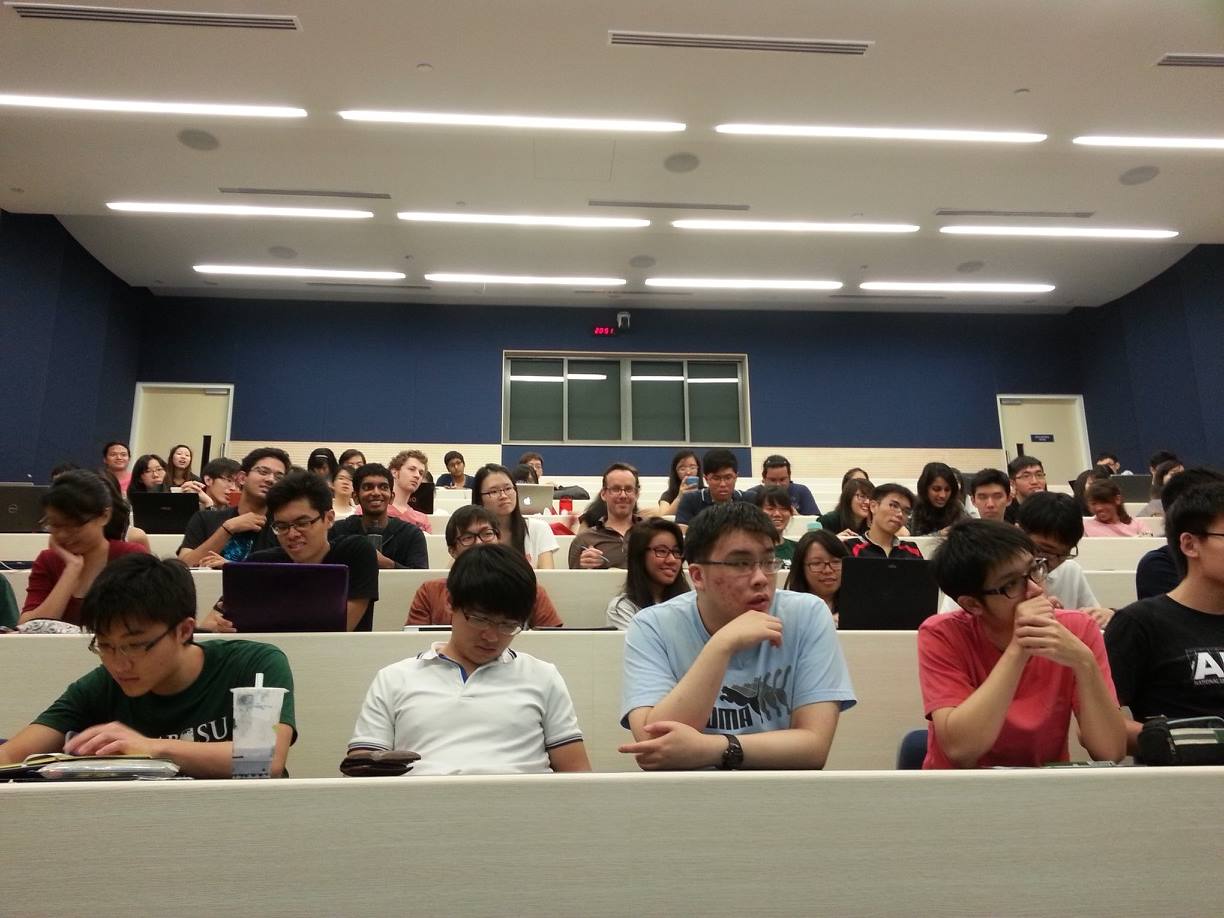
902221_10153374097075122_226053046_o

I think I like it when the stage design is reversed and I’m looking up.

I won’t elaborate on parts of my talk that I’ve posted before, such as what happened during The Apocalypse Workshops or the comments on DrawHappy that made me rethink what the project could be about. So instead, I’ll emphasize some of the things I learned about experience design and collaborations between art and science.

Experience and memory
The image my have the last word, but for me, experience is the one that stay with you forever. I referred to a series of articles I wrote when I was a young journalist, oh so many years ago. This is a photo of me when I was 19 years old:
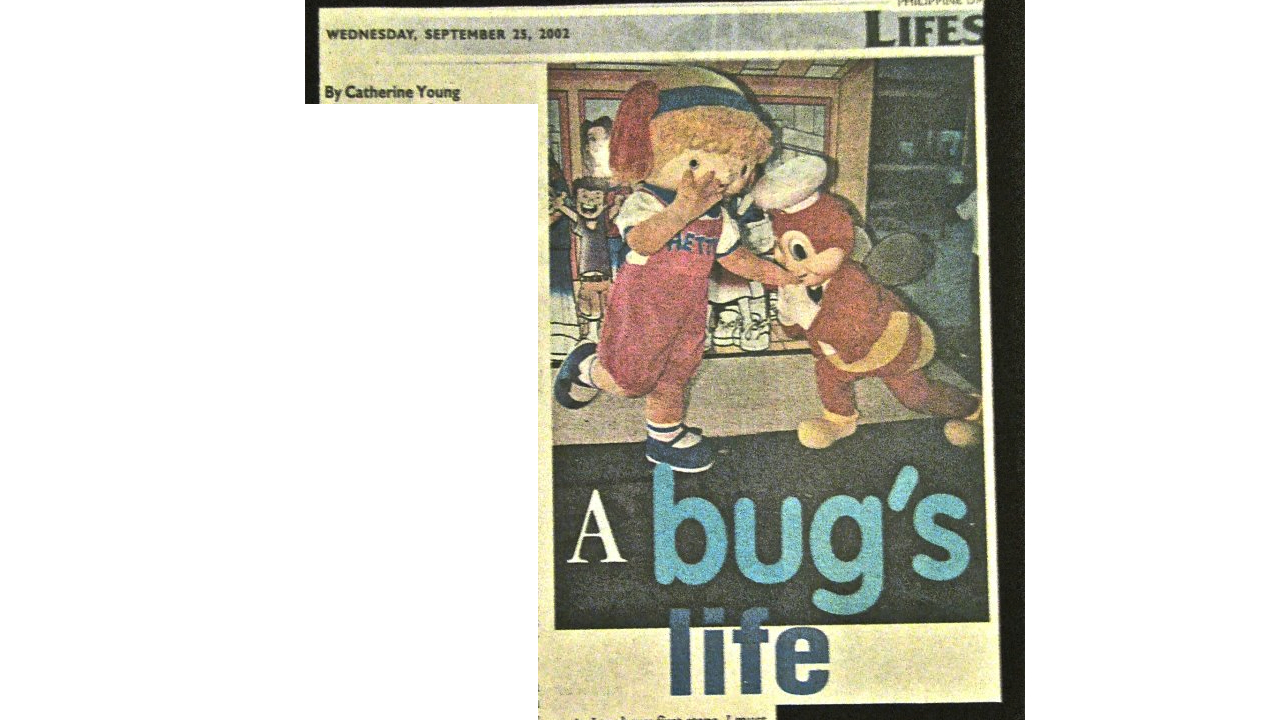
Jollibee.002

In this photo, I was wearing the costume on the left, although I also wore the one on the right. These are mascots from Jollibee, a Filipino fast food chain that, for me, is one of the icons of modern Filipino culture and taste. It was for a series of articles called Temporarily Yours, where I took on a job for a day and then wrote about it. Looking back, these are exercises in empathy, albeit short ones, where I realized how it was to be on the other side of the fence. Most of these jobs were in food or customer service, such as a barista or a sushi chef. Others were about performance, such as a magician’s assistant or a zookeeper. In this particular article, I wrote about how it was to be a mascot and embody a character beloved by children. I still vividly remember these experiences more than a decade later, such as how the head of Hetty (the female character, short for “spaghetti”) was so big and difficult to balance, and how Jollibee’s butt was so huge, it took two guys to shove me through a door. You know, good times.

Projects like these have shaped my views on how I execute future projects. Though I don’t feel that my work fits just one area of inquiry, I think that the common thread between all of them is that of experience. Experience is very powerful. The image may have the last word, but in a world where we are saturated by images, I believe that experience makes these images last longer and gives them more meaning.

Korea and Experience Booths

My views on experience design have also been honed through seeing South Korea’s experience booths in festivals, which will always mark my memories of that country. In festivals in the US or in Europe, I would usually find people selling me a finished product, let’s say a ceramic pot. But in Korea, I will be sold the experience of making or painting my own pot. In this case, I will find myself sitting down at the booth and getting messy at the table, thus slowing down, making my experience more personal, and hopefully have a longer lasting memory than just having the generic festival experience. Perhaps I will end up treasuring the pot I made myself rather than just another cheap souvenir. I also think these booths give wonderful creative opportunities for families, children, and the elderly.
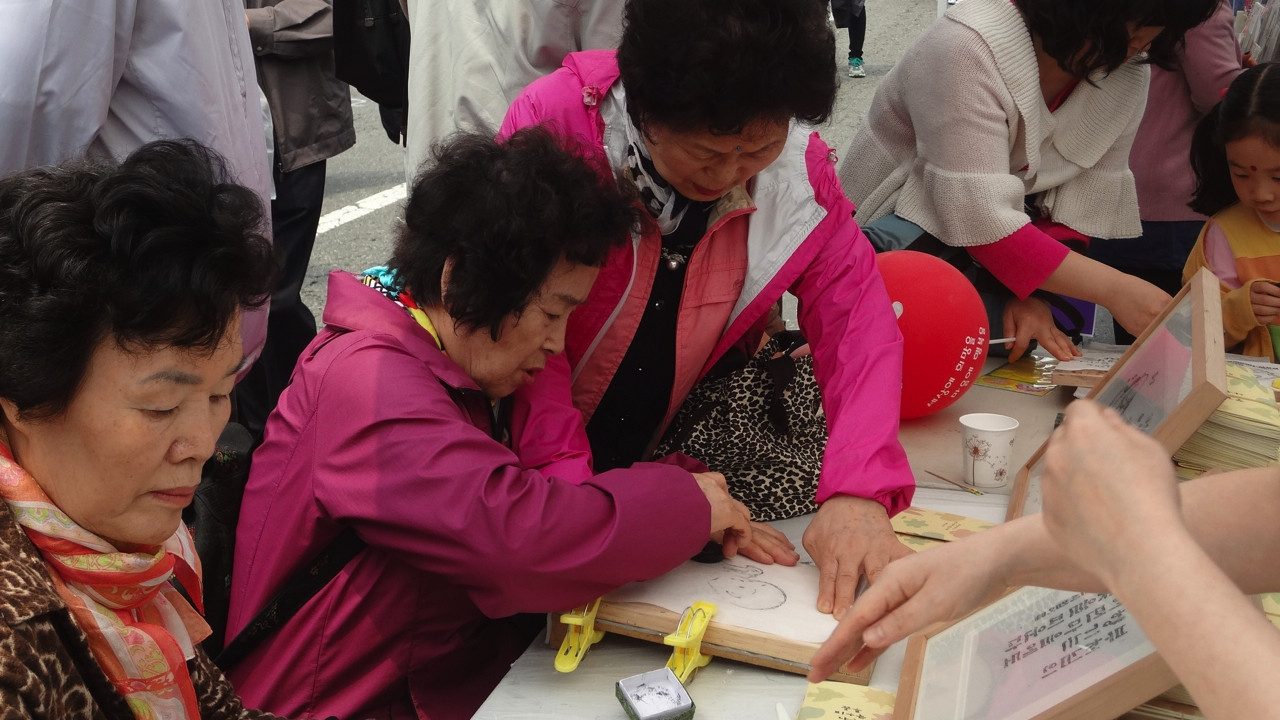
Korean experience booths.048

A Korean experience booth on printmaking

Korea can get quite creative with their experience booths, such as this one I saw down south in Hampyeong.

I believe that the role of artists / scientists / designers is not just to have these unique experiences through their work, but to share these with others. Typically, we share that experience by writing about it for others to read. Through that reading, perhaps someone will profoundly connect with our writing. However, I think that human bonds can be stronger through a shared experience. Your audience can create their own experiences for themselves and yield results that are unexpected, like what I’ve learned from previous projects. This is when you realize that your audience teach you something as well, which is a wonderful thing. Projects become a conversation between creator and audience, which will only serve to fuel human creativity and progress.

Art, Science, and Sustainability

Personally, I believe that the wealth of human knowledge is too vast to just break down into two, but for the sake of simplicity, let’s go with these two fields: art and science. As I have been trained in both, I have felt what it was like on each “side”. I have been “the scientist” in an art/design studio, and “the artist” in a science lab. Both types of experiences have been very unique to me. Both sides have their own ivory towers. Those who choose to be in those towers, I think, should quickly parachute off. Our world is too vast and our problems too complex for petty squabbling. Unexpected things can happen when ideas from each side, as they say, have sex. Here is a nice comic by Bird and Moon that shows that.
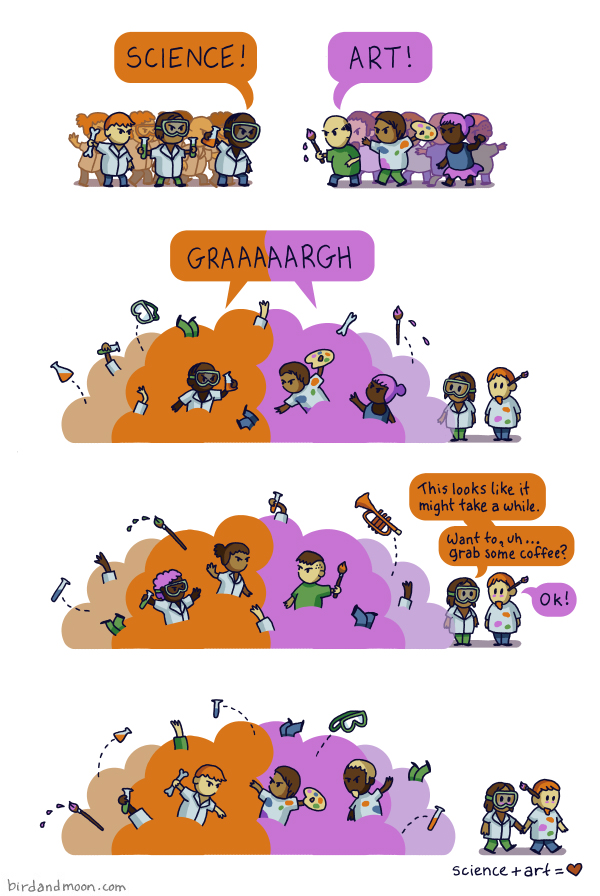
sciencevsart

Image copyright by Bird and Moon

Collaboration is especially important in the realm of sustainability, which is a world I did not expect to enter. It’s quite a booming area, especially in Singapore. Everyone and your mother is doing sustainability.*  (That, and “cities” and “resilience.”) I referred (again) to this Ngram by xkcd.

*Did I really say that in a university class? Yes, I did.
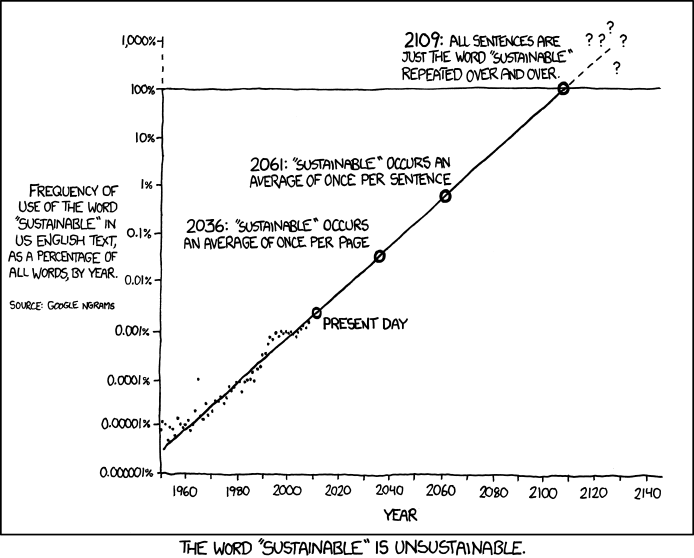
Image copyright by xkcd

Image copyright by xkcd

Instead of being a part of the echo chamber that such “trending” fields create, perhaps new solutions can emerge by letting disciplines hang out together, as they used to do, way back when.

In the end, I emphasized empathy to these bright eyed young students who are in the middle of creating sustainable urban interventions for their class. I said this as someone from the Philippines, a developing country. I cannot tell you how many international consultants in there right now, wanting to save it from XYZ problems. Now, I am very grateful that these brilliant people are there, and I am sure they have great intentions. Certainly foreigners can see opportunities locals may have overlooked, as I have had, being a foreigner in four other countries. But I’ve seen enough projects that never get implemented or never have their full potential realized because of these gaps in empathy. I believe we can do better.
Perhaps as a welcome to living this near to the equator, I contracted a tropical bacterial infection during my first month in Singapore. This resulted to three weeks of congestion and mucus. There were a lot of very embarrassing social situations and a consistent need for tissues. But the most awful thing about it was the fact that I lost my sense of smell. This is absolutely catastrophic for someone who studies perception. For one who once tested the link between smell and memories. For one who made an olfactory memoir. For one who can tell cities apart by smells.

The medical term for this is anosmia. (Check this video and article on NYTimes.com for people who permanently lost their sense of smell or were born without it.)

If anything, I am grateful it only lasted a few weeks. There is nothing like valuing something more when you’ve temporarily lost it. To make it a learning experience, I pretended my anosmia was an experiment.

So, how was life without my sense of smell?

The smallest activities were voided of their pleasures. I could not smell the mint on my toothpaste, the citrus crispness of a sliced lemon, the aroma of coffee, the freshness of new bedsheets. Perfume, which was a daily habit and a mood booster, became unnecessary. Each object blurred into the next, unclearly defined.

Without smell, I was unable to detect the orange juice spilling on the opaque countertop. I could not gauge the weather, because I could no longer the smell rain or heat through the window. My days lost a dimension—like the difference between experiencing a movie on a bad screen and in HD. Life became very dull; a mere shadow of its former self. It was then that I realized that in many ways, we can smell movement, and therefore stories. Smell made things more real.

Our senses of smell and taste are related. And so without smell, I couldn’t taste anything either, apart from being able to determine if a dish was sweet, sour, salty or bitter, more or less. This robbed me of the joys of eating. I ate a lot of spicy food, mainly to clear my congested sinuses and because most of the time, spiciness that was the only thing that registered.

On a less depressing note, I learned to better appreciate the texture of food. And because I could not taste anything, I stopped eating food that was unhealthy. I don’t recall a time in my life when I ate less chocolate. Or drank less coffee. Because really, what was the point? I may have lost a couple of pounds, but I was unhappy.

There were other minor benefits, I suppose. The delight and wonder of things faded, but so did their disagreeableness. I thought it was great not to be able to smell smoke or public toilets.  In the gym, in taekwondo class, in crowded subways, I could not be offended by body odor. Hurray!

However, not being able to smell noxious substances is dangerous. It is what tells us if there is a gas leak or if our food has spoiled. And another problem with not smelling is that while nothing and no one stinks,  you don’t know if you do.

Eventually, as my colleagues told me that my cold was probably an infection, I went to the doctor and was prescribed a dose of antibiotics. As the medicine kicked in and I became better, my sense of smell started to come in short spurts, probably analogous to a blind person seeing flashes of light. Whoa, that basket of fruit actually registered. Oh my, cornflakes tasted like cornflakes. I can smell my shampoo again.

Having my sense of smell come back to me was like getting out of a bubble. I realized that like smell made me a part of my environment because I could breathe it into myself and establish a continuity with the world. Slowly, I felt more alive. I had never been so overjoyed to smell garbage again.


P.S. Huge thanks to the awesome staff of the University Health Center of the National University of Singapore, who took me in past closing time last Friday when they realized I was close to passing out. Kudos!

This week, I got two groups of students from Tembusu College here at the National University of Singapore, to voluntarily participate in my Apocalypse Workshop. The goal was for them to imagine a climate change apocalypse.

TembusuWorkshop.035

The first activity was called My Apocalypse. These were my instructions:

Name and describe your favorite place in 50 years as climate change affects it. (Write about it and draw it.) This could be a city landmark, the family farm, your apartment building, your favorite cafe, or any other place you feel like speculating on. Please be as specific as possible. Scenarios can be positive or negative. (Some questions to ponder, but please don’t limit yourself to these: What does it smell like? What plants and/or animals are present, if any? How hot or cold will it be when you are sitting there? How will you get there? Can you see clearly? Will your pet be happy living there? What is the color you see when you look up? Are there walls, and what are they made of?)

I asked them to name the actual place (and not just write, “the world” or “the city”) because I wanted them to be as specific and detailed as possible. The participants were also more likely to choose different places and thus provide a wider range of descriptions.

TembusuWorkshop.038

The second activity was called Superpowers for the End of the World. These were the details:

If you had a superpower to navigate through what you described in Activity 1, what would it be?
Examples of superpowers can be the ability to: smell an incoming tsunami, be invisible to animals, turn into ice during a heatwave, or anything that your current senses and abilities can’t let you do right now. It can be an extension of your biological abilities, or a device that performs it. You can list more than one superpower.

I wanted to frame it in this way so that people will find it more fun and exciting and really think outside the box when it comes to climate change. Nothing like superpowers to get the creative juices flowing!

TembusuWorkshop.040

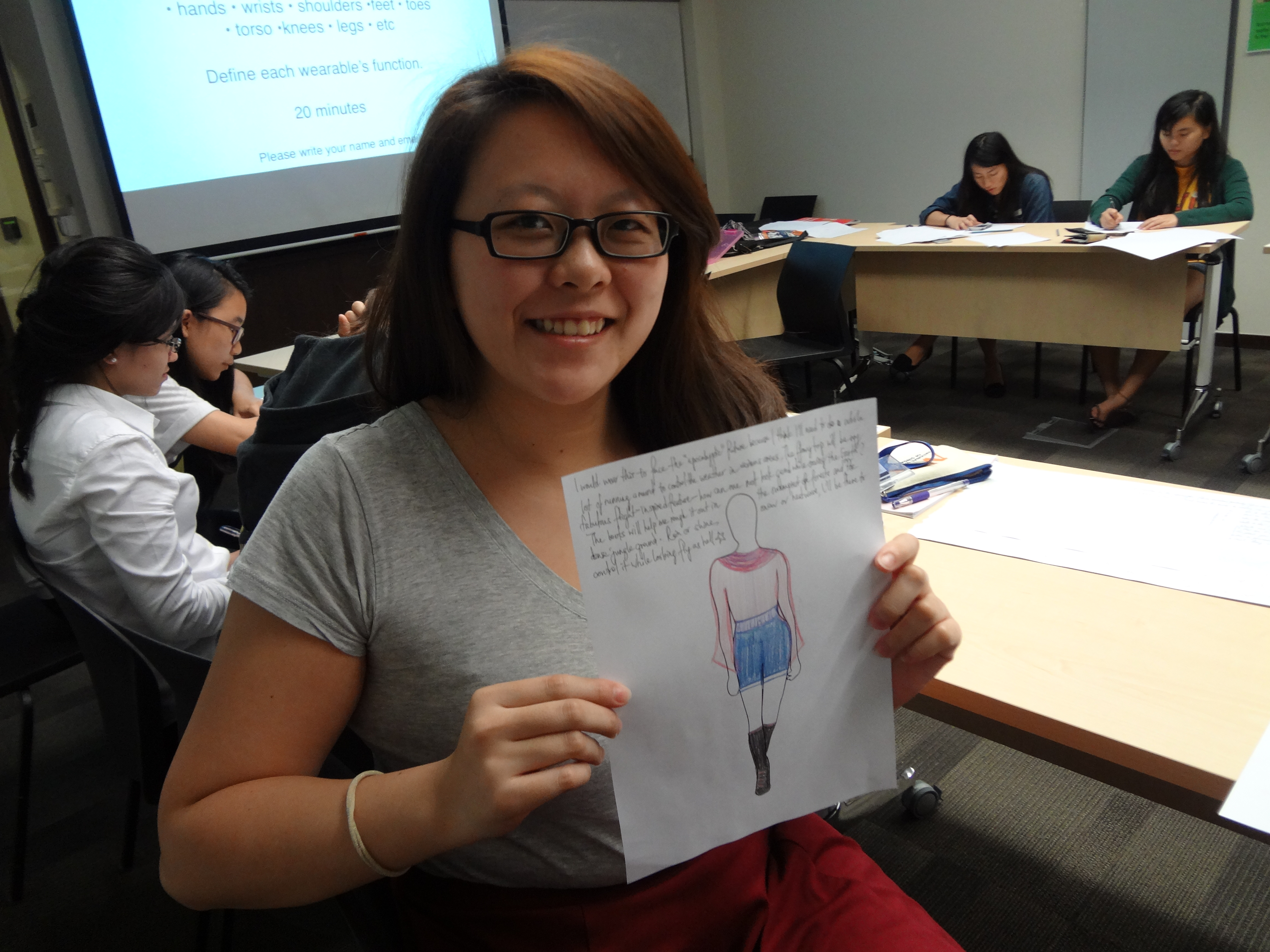
The last activity was called The Apocalypse Lookbook, where I gave them fashion design templates:

What will you wear to the apocalypse? Use the templates provided. Define the function of each wearable.

TembusuWorkshop.042

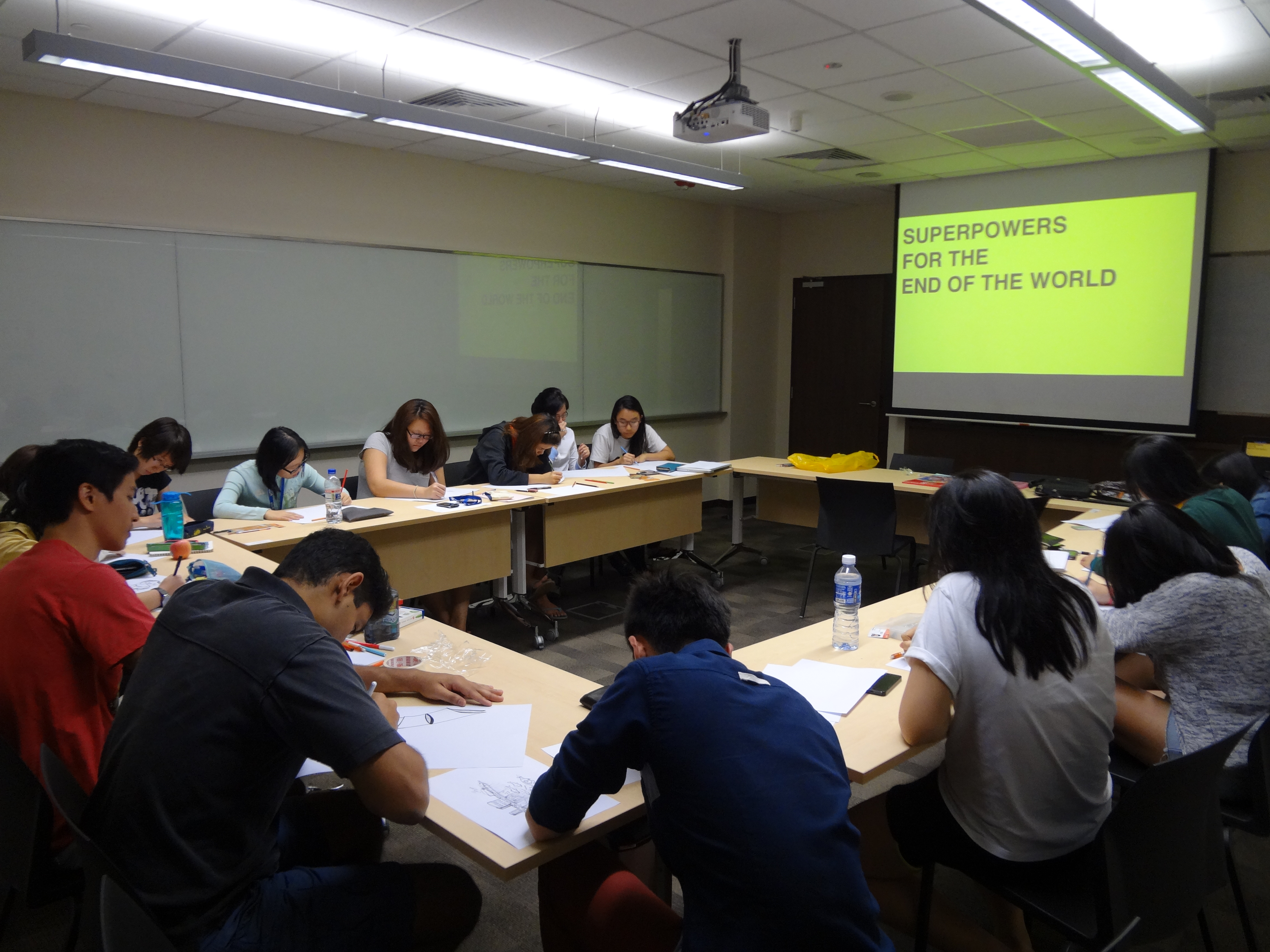
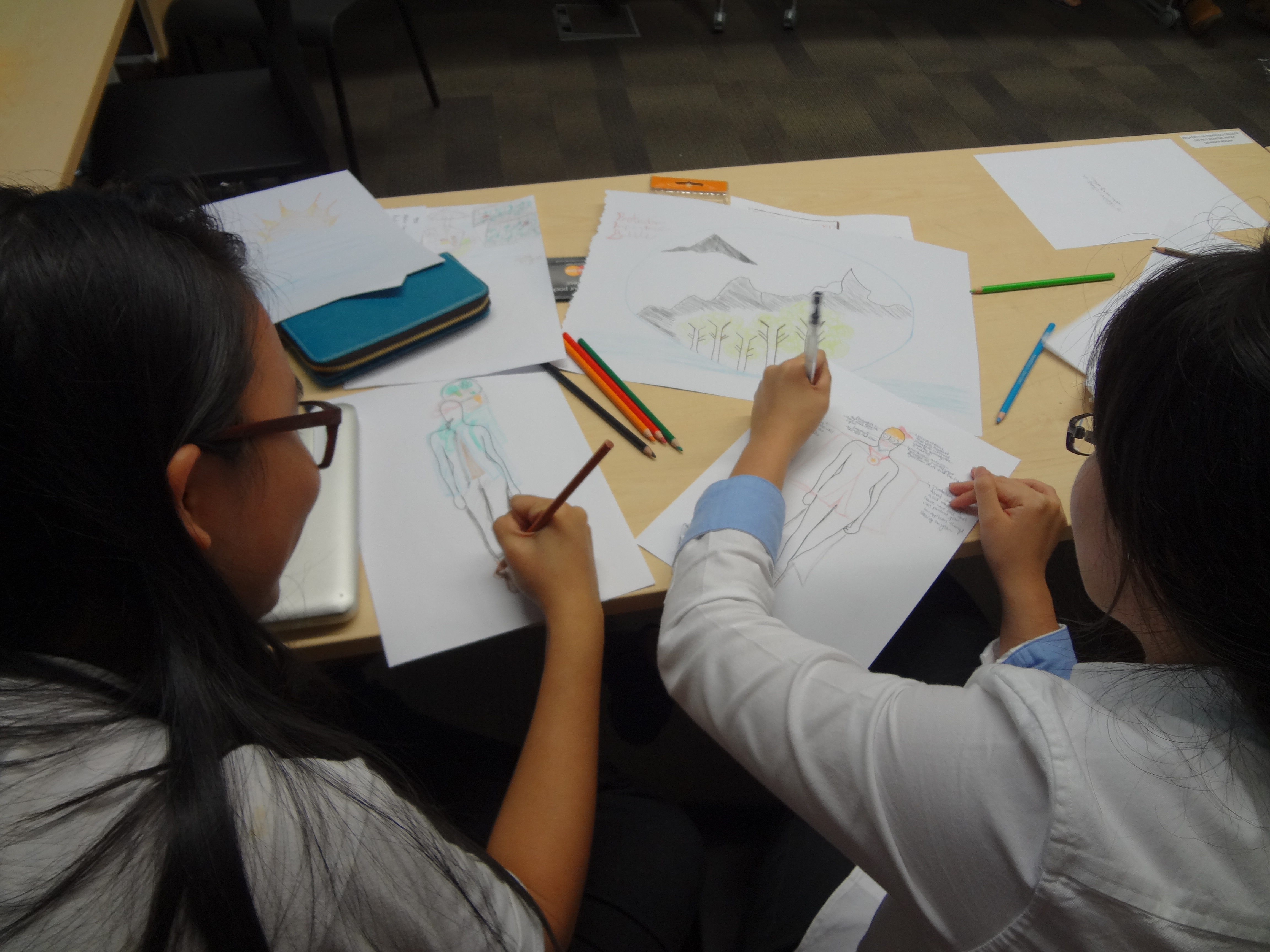
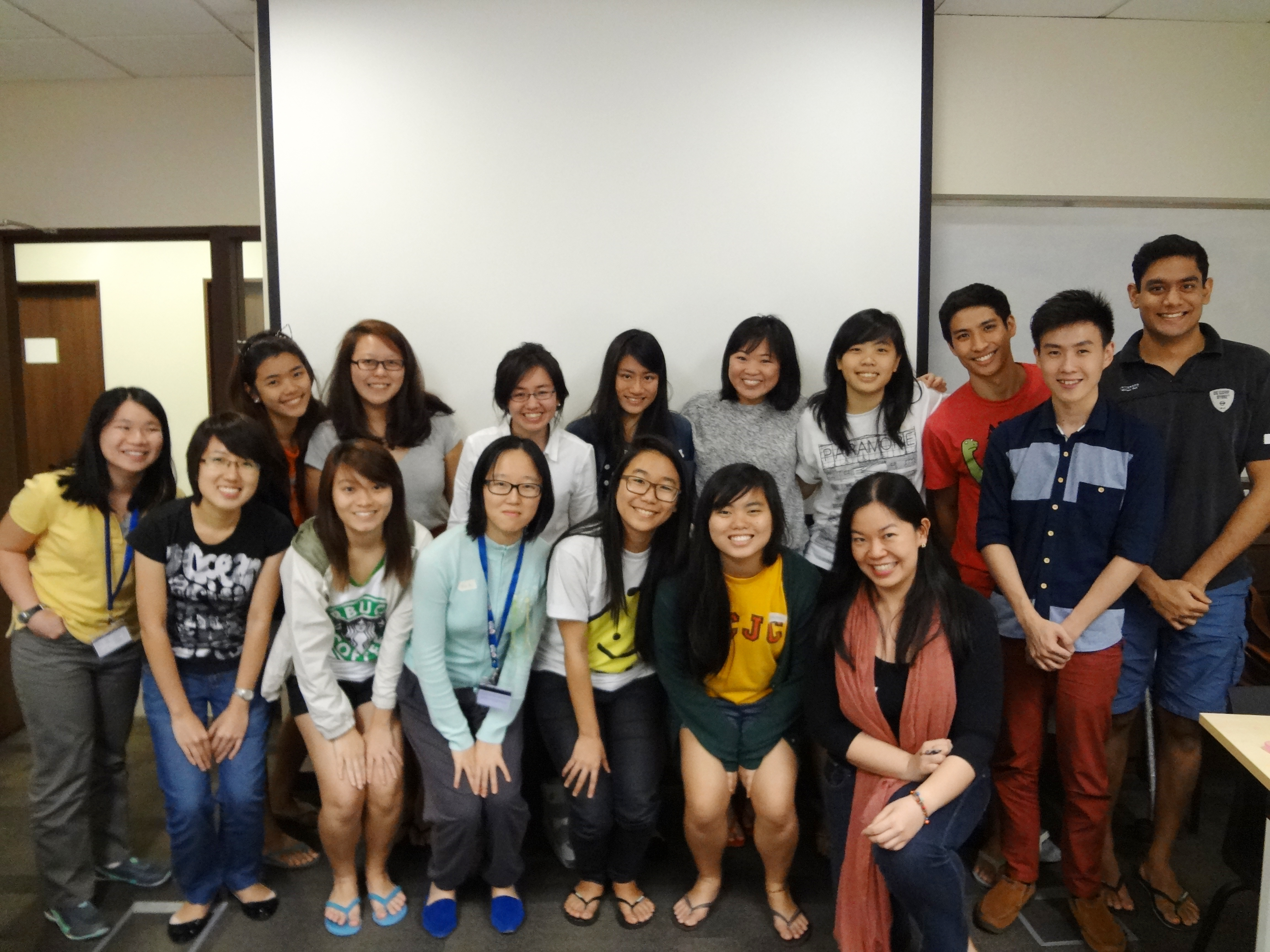
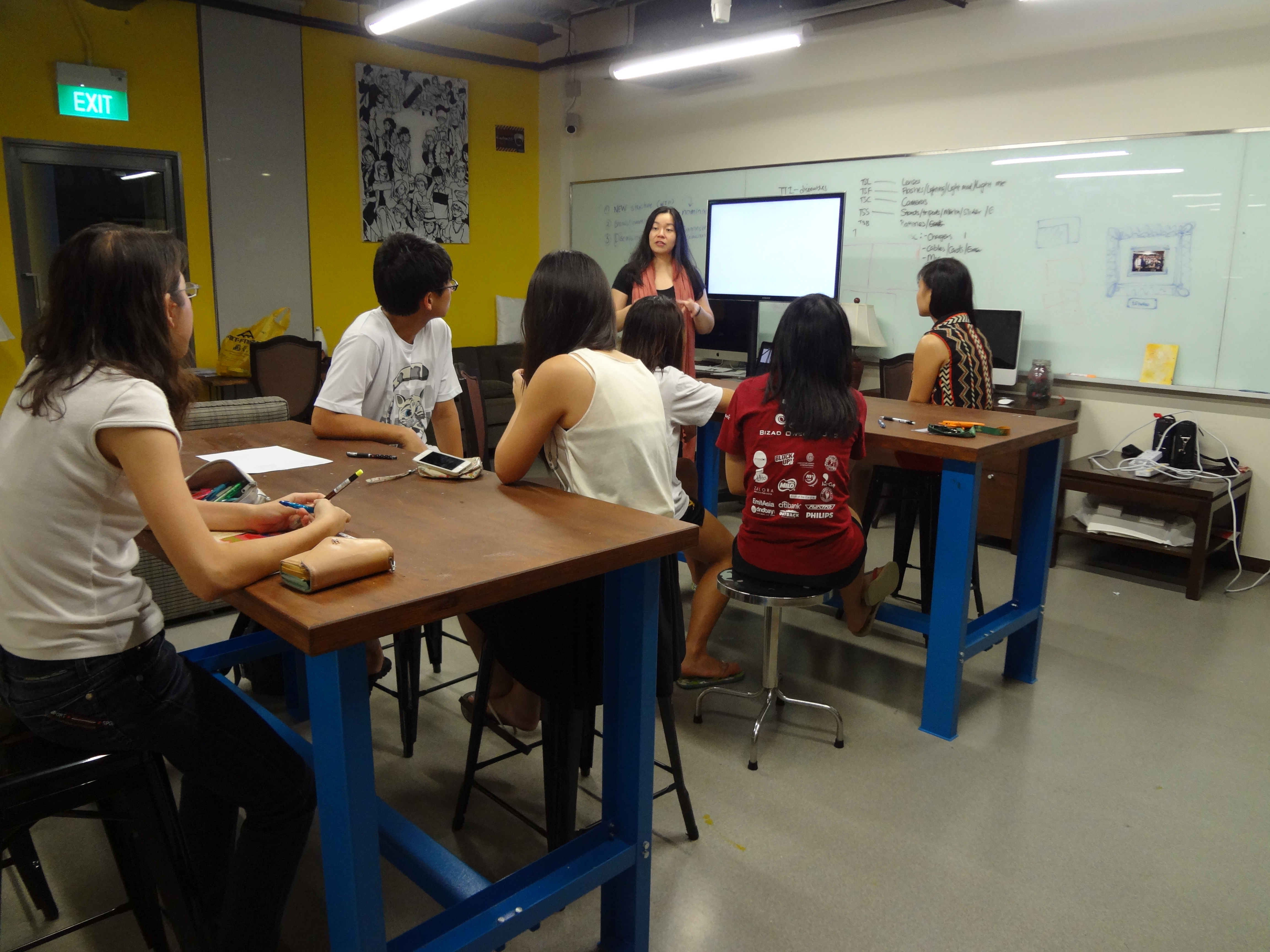
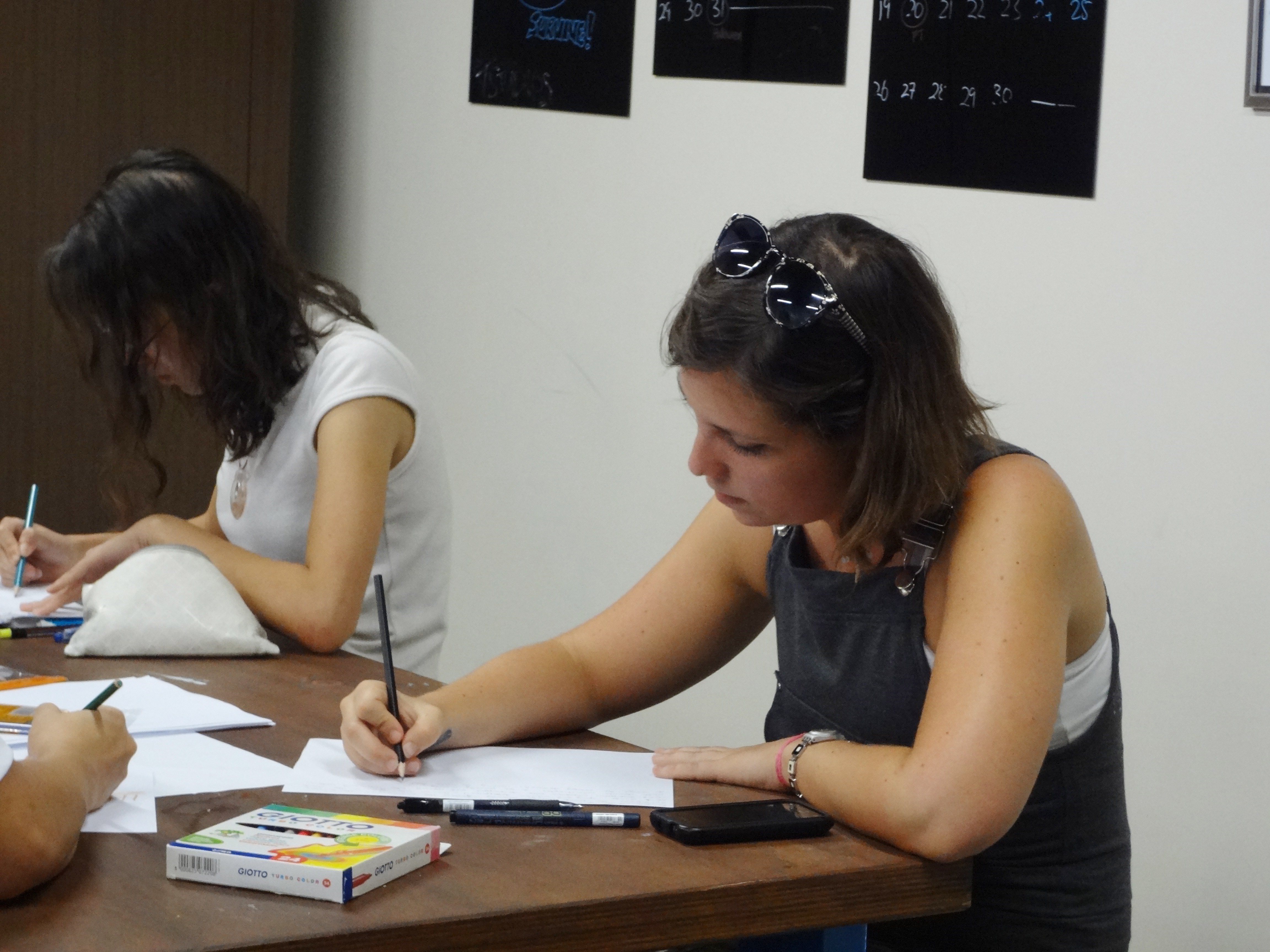
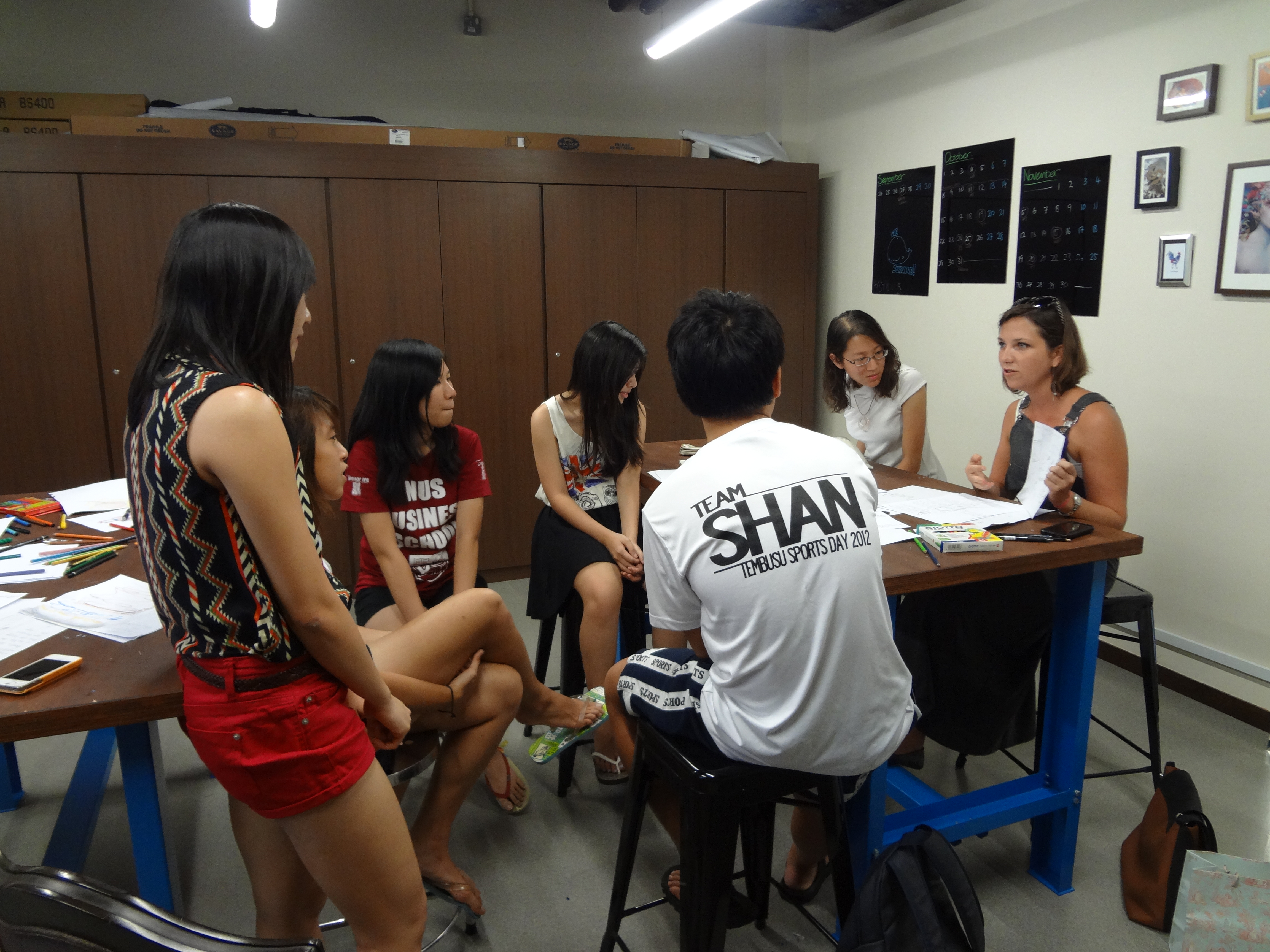
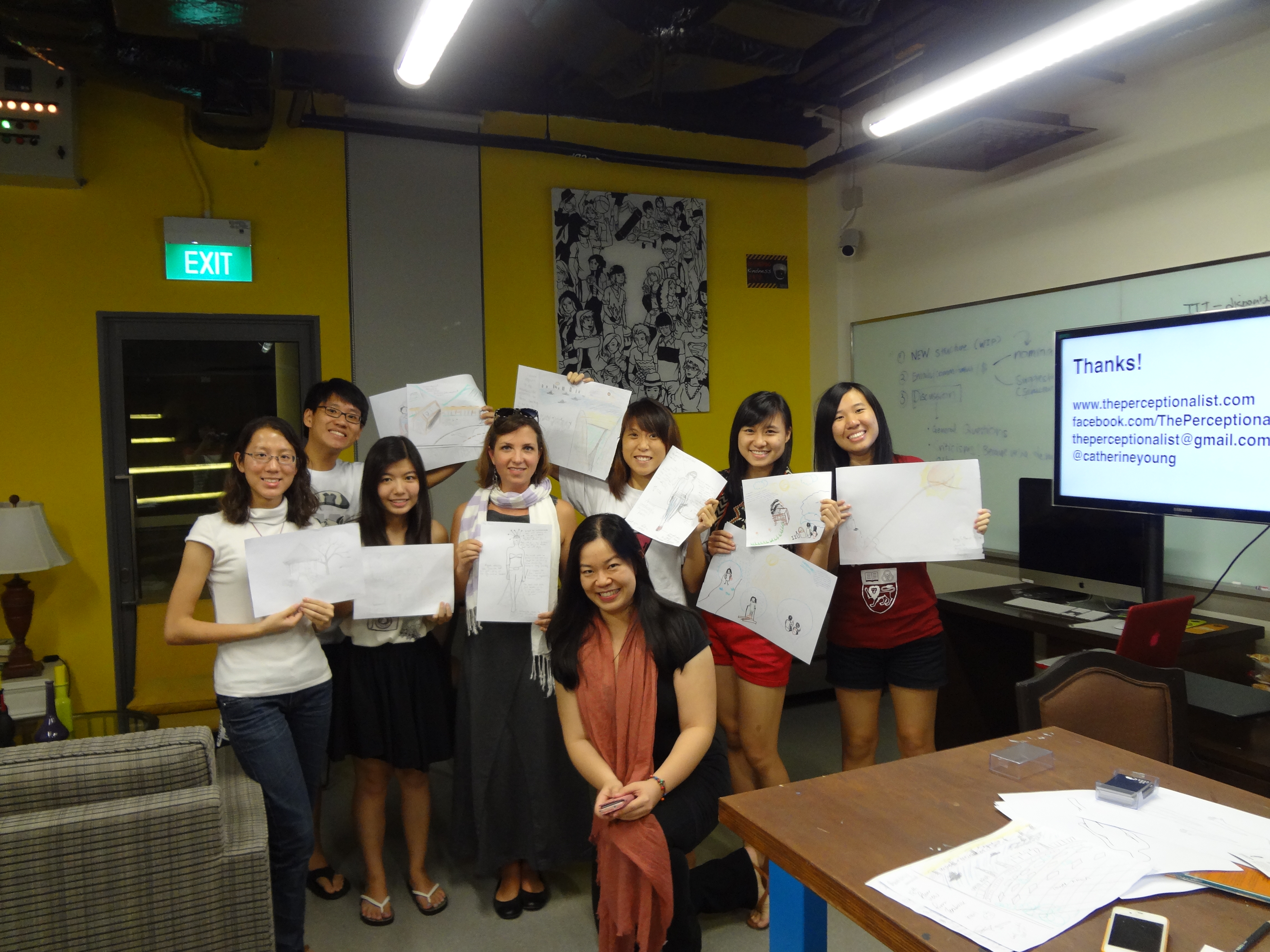
I let them do each activity for twenty minutes, and afterwards, they shared what they made to the  group. These university students all had taken a class on climate change, or were in the middle of one.  They came from business, economics, engineering, and communication majors. I also had one participant who is a professional environmental engineer.

Here are some photos from the sessions:

DSC08956 DSC08958 DSC08959 DSC08973_A DSC08984 DSC08991 DSC08998 DSC09008 DSC09013

I’ve given lots of workshops in the past few years—this definitely yielded among the most imaginative results. I’ll be sharing those soon. Thanks to all the participants, and also to those from all over the world who sent their answers online!

The first few weeks in Singapore, apart from battling a tropical superflu, one other war I was waging was contextualizing climate change in a way that was, well, less boring for people.

Put it this way, during the beginning of this residency, I was reading up on UN documents on the environment and we all know how enjoyable that is. I was beginning to be afraid that this project will be the most boring one I’ve ever done. When finally, it hit me.

Climate change has a branding problem. Not that I didn’t think so before, but it’s different when you are doing a project that is supposed to get people to want to act on climate change. My initial responses for my project were, well, meh. I felt like people were humoring me because I was a guest in their lab / college / country. I don’t blame them. People think climate change is too dry and inaccessible. Or more precisely, I believe it is seen as something separate from other concerns, when I think environmental “mindfulness” should be integrated in our lifestyles.

When I see climate change campaigns in schools and organizations, it’s mostly about recycling. Don’t get me wrong—recycling is important and we all should do it. I just don’t think that it is the cure-all for all our environmental woes. Climate change-related events are getting bigger and more serious—it’s critical to think beyond our current solutions.

Another field having a branding problem with respect to climate change is art. I think for the most part, people see it as frivolous. “Oh that’s nice,” but thinking “but let the important people do the important work” type of attitude. Again, I don’t blame them. The ivory towers and walls that distance disciplines from each other have served to alienate. (I also think that this is a one of the causes of professional burn-out, but that’s another post for another day.)

I need to get people in a state of “play” so that they will think outside the box. Hence the formation of this Apocalypse Project. It’s tricky to turn something as serious as climate change as something “fun,” but I believe that making it so will get people to start thinking beyond the box.  Dystopias and apocalypses pave the way for that. We already have these ingrained in literature and pop culture. But beyond that, ideas that seemed crazy in the beginning sometimes become the best solutions. Science fiction becomes speculative fiction and eventually reality, doesn’t it? As an example, just check out this TED talk by Steve Ramirez and Xu Liu on manipulated memories. 

Stay tuned for the next post on The Apocalypse Workshop, when the very creative minds of students here at NUS’ Tembusu college take a stab at thinking about a climate change apocalypse.

Late this week, I had a chance to attend the mid-term exhibition of the Singapore-ETH Future Cities Laboratory, which is hosting me for the duration of my residency program here in Singapore. It was wonderful to see all the work from different modules—Low Exergy, Architecture and Construction, Digital Fabrication, Transforming and Mining Urban Stocks, Housing, Architecture and Urban Design, Urban Design Strategies and Resources, Urban Sociology, Territorial Organisation, Landscape Ecology, Architecture and Territory, Mobility and Transportation Planning, and Simulation Platform.

Below are some photos I took from the event.

One of the many exhibition tables:

DSC08950

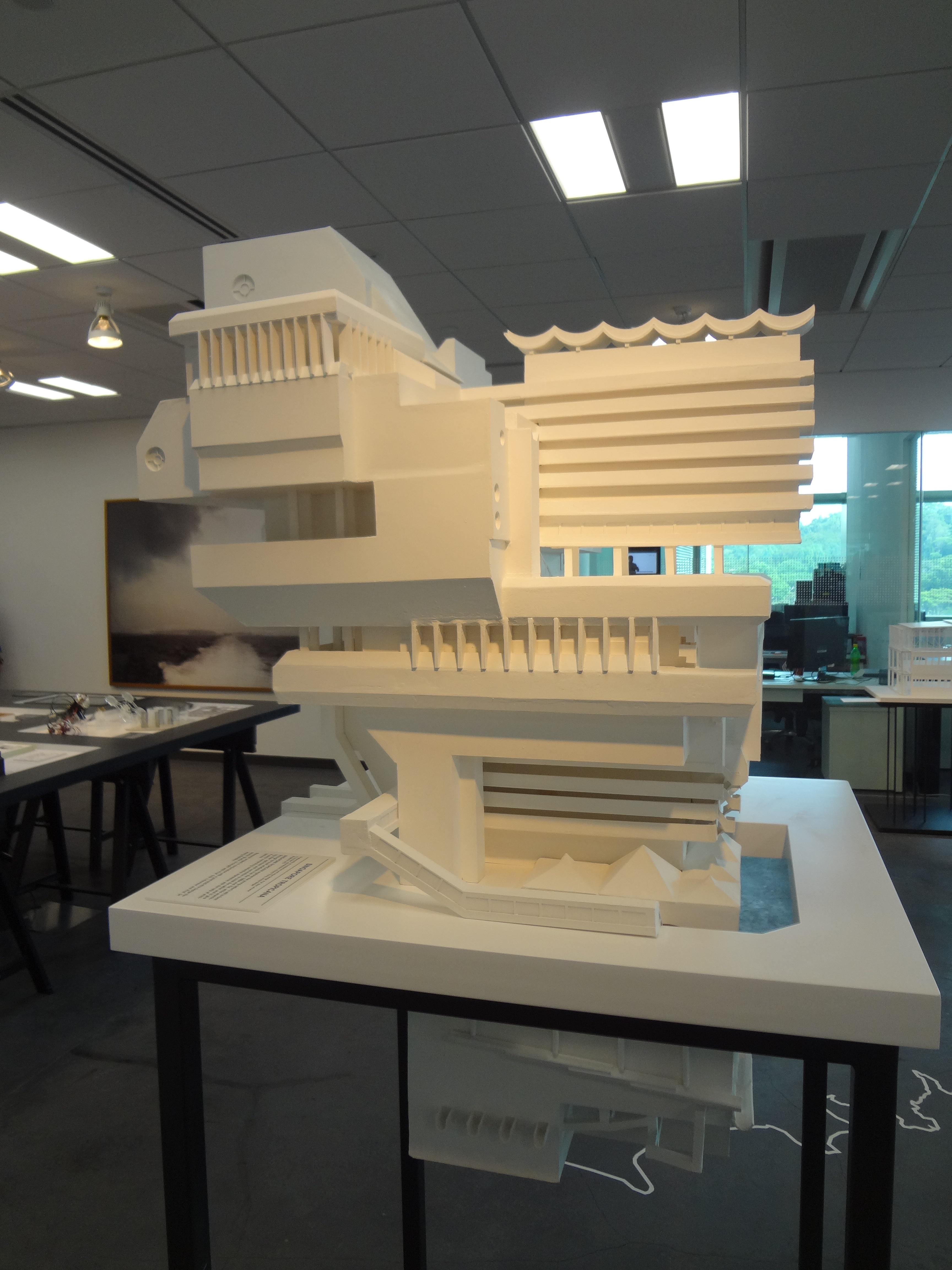
Singapore Tropicana:

DSC08948

Researcher Marcel Bruelisauer of the Low Exergy module after explaining his design solution for cooling systems:

20130905_170730

Professor Kees Christiaanse, Programme Leader and Module Leader, speaks at the book launch. Lots of books were introduced that day, including one of the coolest things I’ve heard of, Flight Assembled Architecture by Professor Fabio Gramazio, Professor Matthias Kohler, and Raffaello D’Andrea (see the monitor on the right).

20130905_173321

Some very cool things made by robots:

20130905_190245#1

Doctoral researcher Norman Hack in front of his module’s exhibition. Behind him are beautiful 3D pieces.

20130905_191755

An unmanned aerial vehicle (UAV) used for dengue research:

20130905_164247

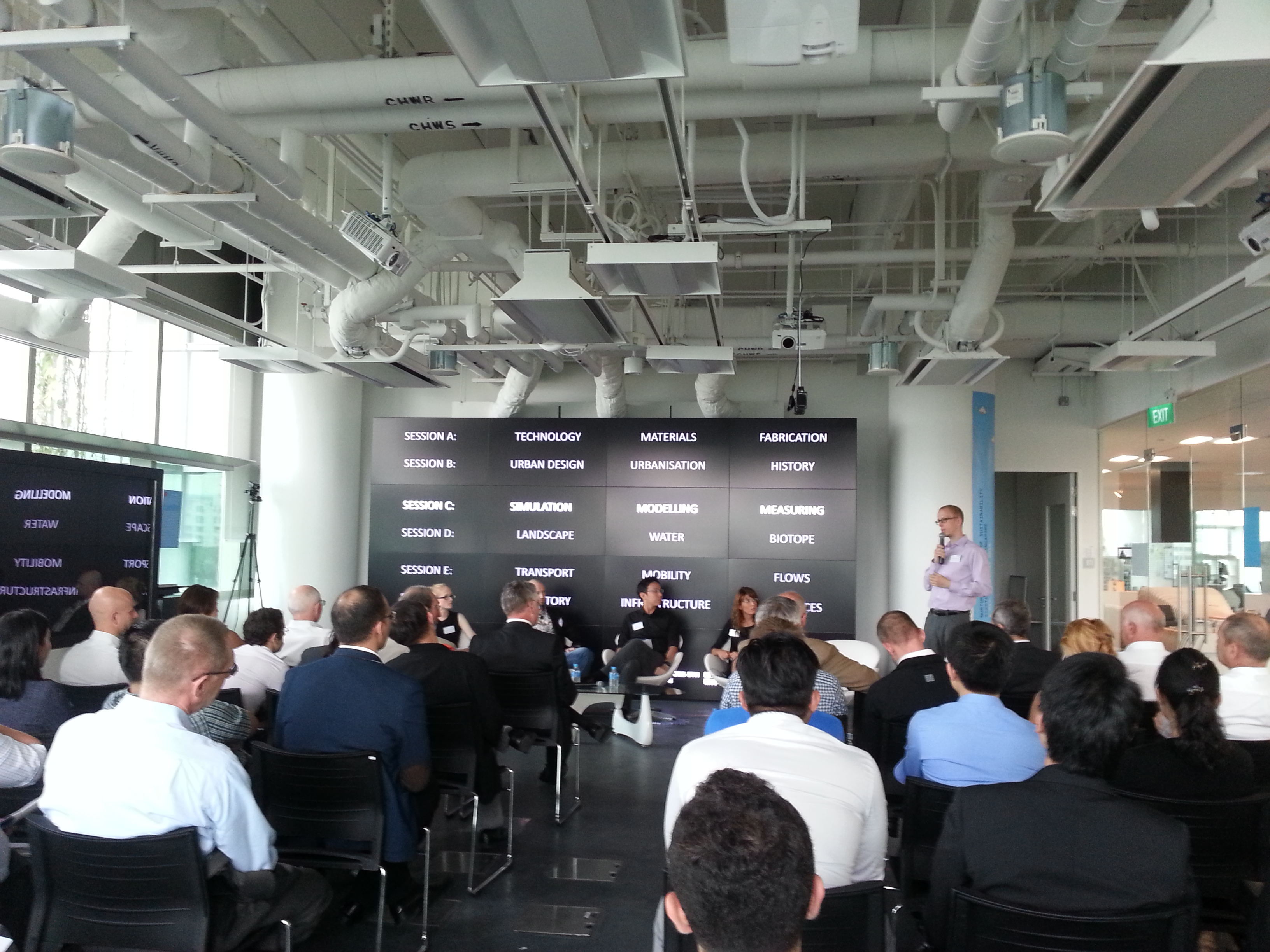
A panel discussion on Simulation, Modeling, and Measuring, moderated by Dr. Matthias Berger (standing, on the right):

20130906_140434I wish more people (non-architects / designers / computer scientists / urban planners) could visit it. It’s one of the coolest labs in the world! Check out the laboratory website here.

Being in this project in Singapore for three weeks now, I’ve had a lot of flashbacks from my previous lives before this residency. It feels interesting to be in a lab and be officially an artist and not a scientist, to be around academics and understand their academia-speak as though it were a second language I’m hearing again, and to be designing workshops instead of looking for art materials in this initial phase.

Having had different roles and modes of training and experiences, I think I’m coming into my own model of what my three primary fields (art, science, and design) are about, which isn’t to say that these do not intersect in an individual’s practice.

DSC08719new

I’m doodling this as a note to myself, and wondering if I’ll be thinking the same in four months’ time. Hmm.

Each year, thousands of locals and tourists alike gather in the island of Jindo, where Korea’s version of Moses’s parting of the Red Sea occurs. Here, the tide goes down and opens up a 2.9-kilometer “sea road” from Jindo to the island of Modo.

On cue, the crowds start to move forward.

Off to Modo

Off to Modo

It’s not everyday one walks the sea!

All of us bought brightly colored boots for sale during the festival.

All of us bought brightly colored boots for sale during the festival.

The sea level progressively decreased as I walked.

The tide goes down.

The tide goes down.

I only made it halfway to Modo when local officials on boats started ringing bells and ordered everyone to go back to the shore, as the tide started to return. It was a dash of panic as we stumbled on the uneven sea floor back to shore. I recorded my walk panicked run back to Jindo with the MyTracks app.

Turning back halfway

Turning back halfway

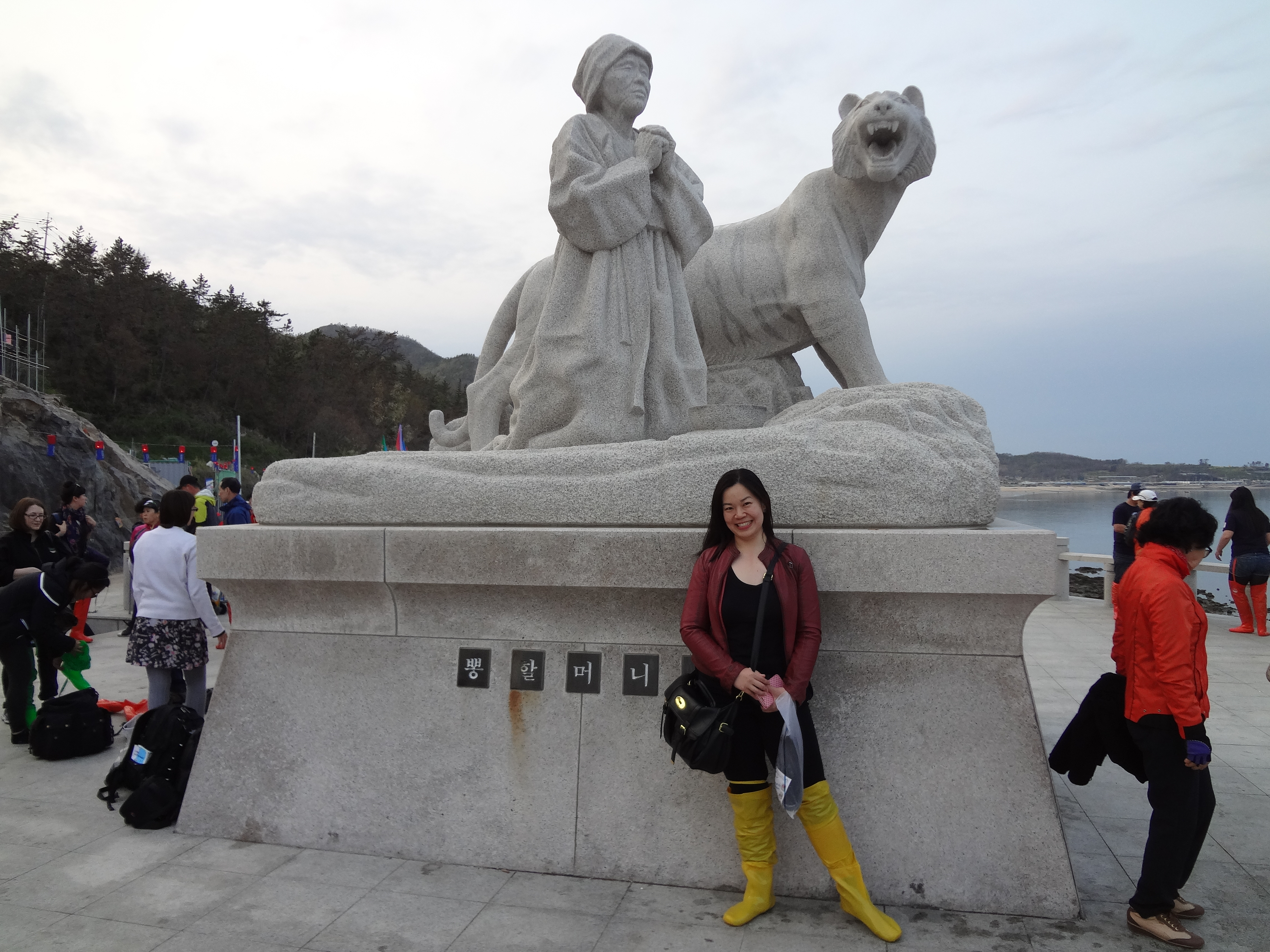
Although scientifically, the main reason for this phenomenon is tidal harmonics (a nice explanation of it appears in this National Geographic article), the local legend goes that a tiger used to terrorize the people on Jindo, who finally fled to Modo, leaving Grandma Mulberry behind. She missed her family and prayed to the Dragon King, who appeared in her dream, telling her that he will set a rainbow bridge over to Jindo. Indeed, a rainbow bridge appeared, and villagers from Modo came over the bridge to look for her. She passed away soon after.
This statue commemorates the legend.

Grandma Mulberry and the tiger

Grandma Mulberry and the tiger

This is definitely the coolest thing I’ve experienced in Korea so far, especially since it was a beautiful and unusual mix of science and culture. I definitely want to go back next year.

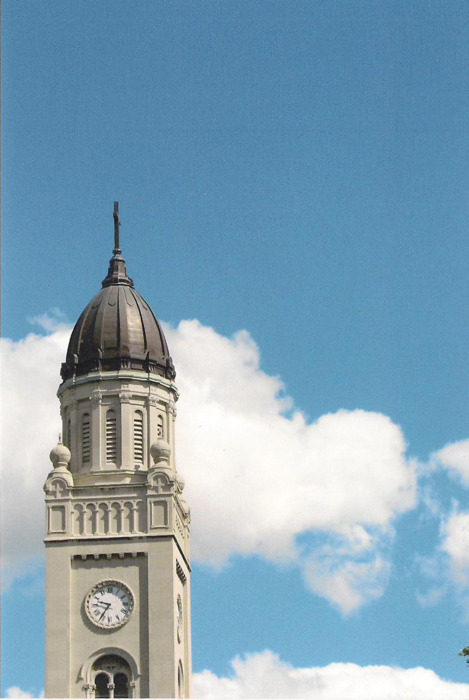
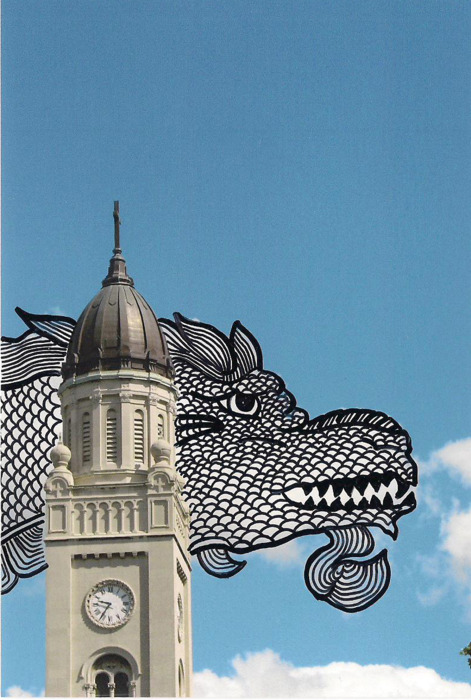
I finally had some time to gather together the images from the workshop I did several weeks back. It’s nice to see them properly categorized and truly see the different perceptions of one cloud. Here is an example:

original cloud

original cloud

I saw a dragon!

I saw a dragon!

Here are the other things these art students saw in this cloud:
DSC02069 DSC02070 DSC02073 DSC02108 DSC02113 DSC02130

Head over to the Rorsketch website to see more of them, or follow the project’s Facebook and Twitter accounts. This project just won’t die. Woo!

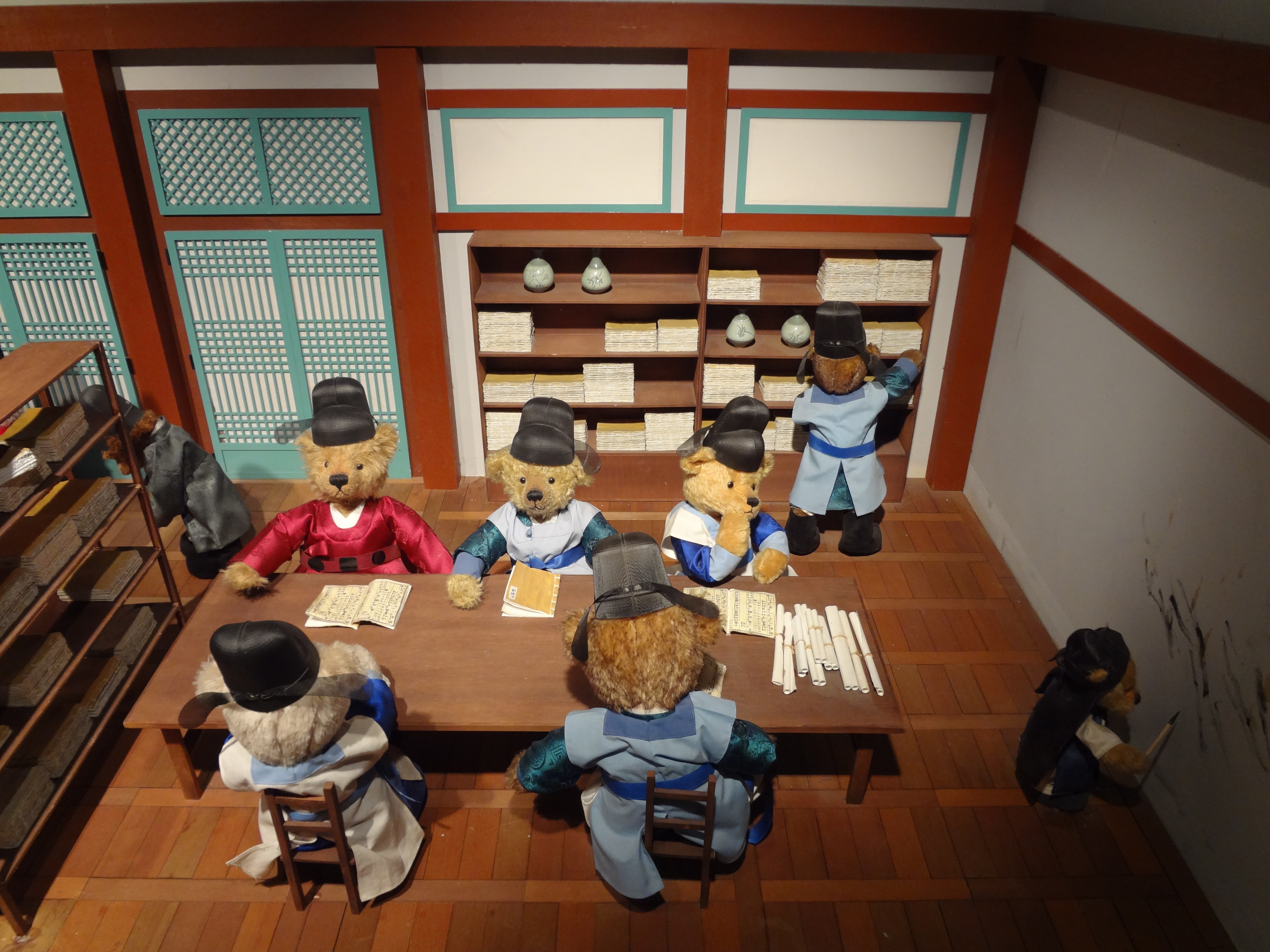
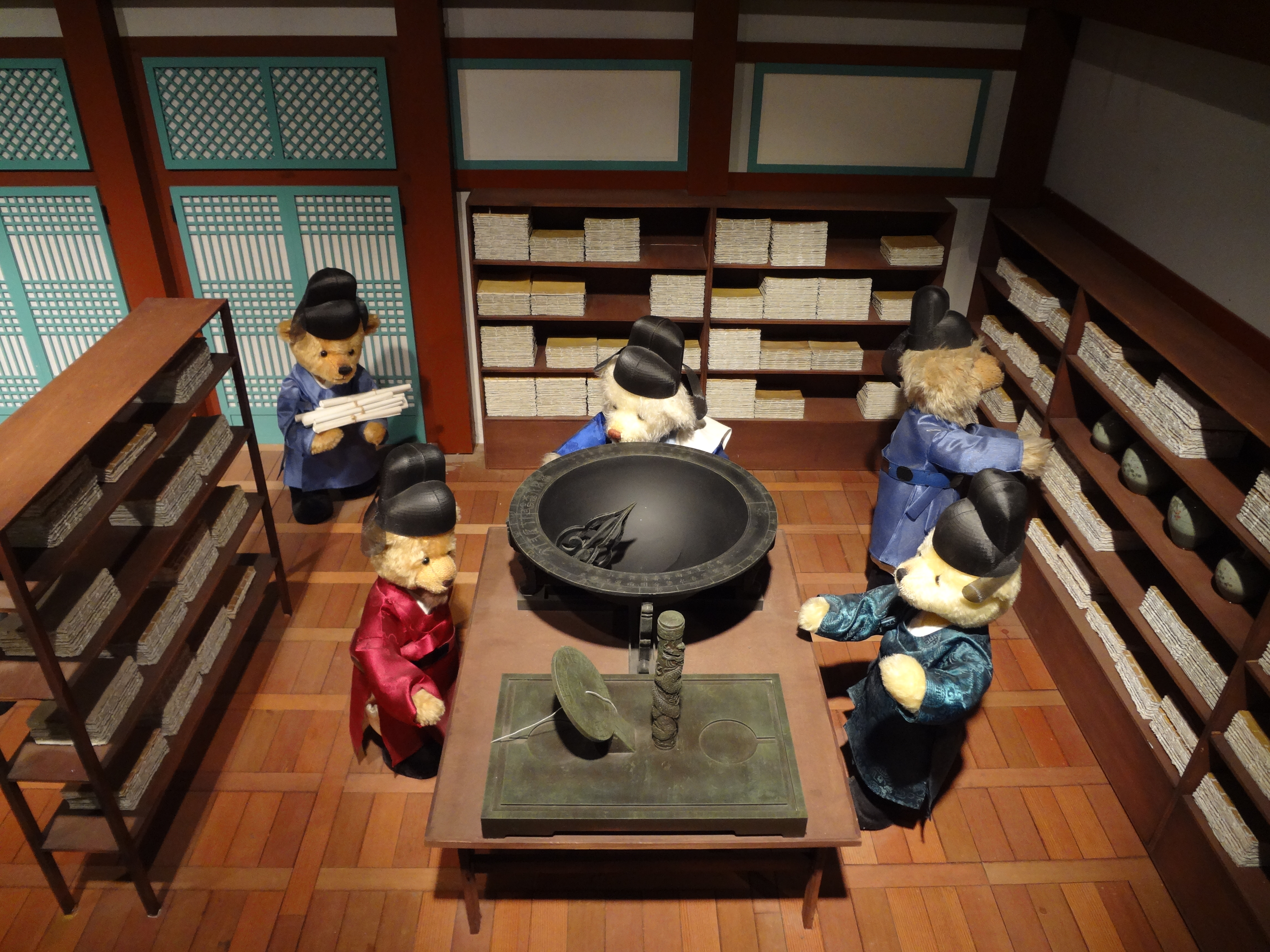
At the Teddy Bear Museum in N Seoul Tower, one can discover the history of Korea in the most adorable and saccharine way possible. Hundreds of teddy bears, with most being mechanical, are dressed and arranged to form scenes from Korea’s old and modern history. Bears in royal court! Bears at war! Bears playing polo! Bears doing breakdance! Bears going on a date! Bears getting married! Bears! Bears! Bears!

Some of my favorite scenes involve the arts and the sciences. Here’s one during with scientists during the reign of King Sejong.

scientists during King Sejong's reign

scientists during King Sejong’s reign

Here’s a scene that made me smile. Look on the lower right:

Someone's not doing what he's supposed to. Can you guess who?

Someone’s not doing what he’s supposed to. Can you guess who?

I love this little errant artist bear that could.

This bear made me laugh.

This bear made me laugh.

I also love this scene where the first light bulb was installed in Gyeongbukgung, which I visited last month:

The first electric light in Korea!

The first electric light in Korea!

Sweet, amusing, and way more entertaining than your usual history museum.

Alas, science museums in Korea have proven disappointingly bland (in a word, meh), although perhaps I had such high expectations. Designing for interactivity in a conservative Confucian society poses some challenges, perhaps one that can be easily seen by someone from the outside. But there are pockets of joyful wonder in the sometimes poorly lit rooms that reeked of overuse of audio-visual media and text. My favorite parts of the Seoul National Science Museum are in the second floor. Specifically, rainbow-colored hands wave hello at the wax station where you can cast your own hands for 8,000 won:

Rainbow hands

Rainbow hands

It’s awesome to see Marie Curie flashed on a screen. After being here for just a few weeks, seeing visible recognition for any female with strong, intellectual, and independent roles in such a rigid Confucian system as Korea’s make me do cartwheels inside (and sometimes, outside).

Marie Curie!

Marie Curie!

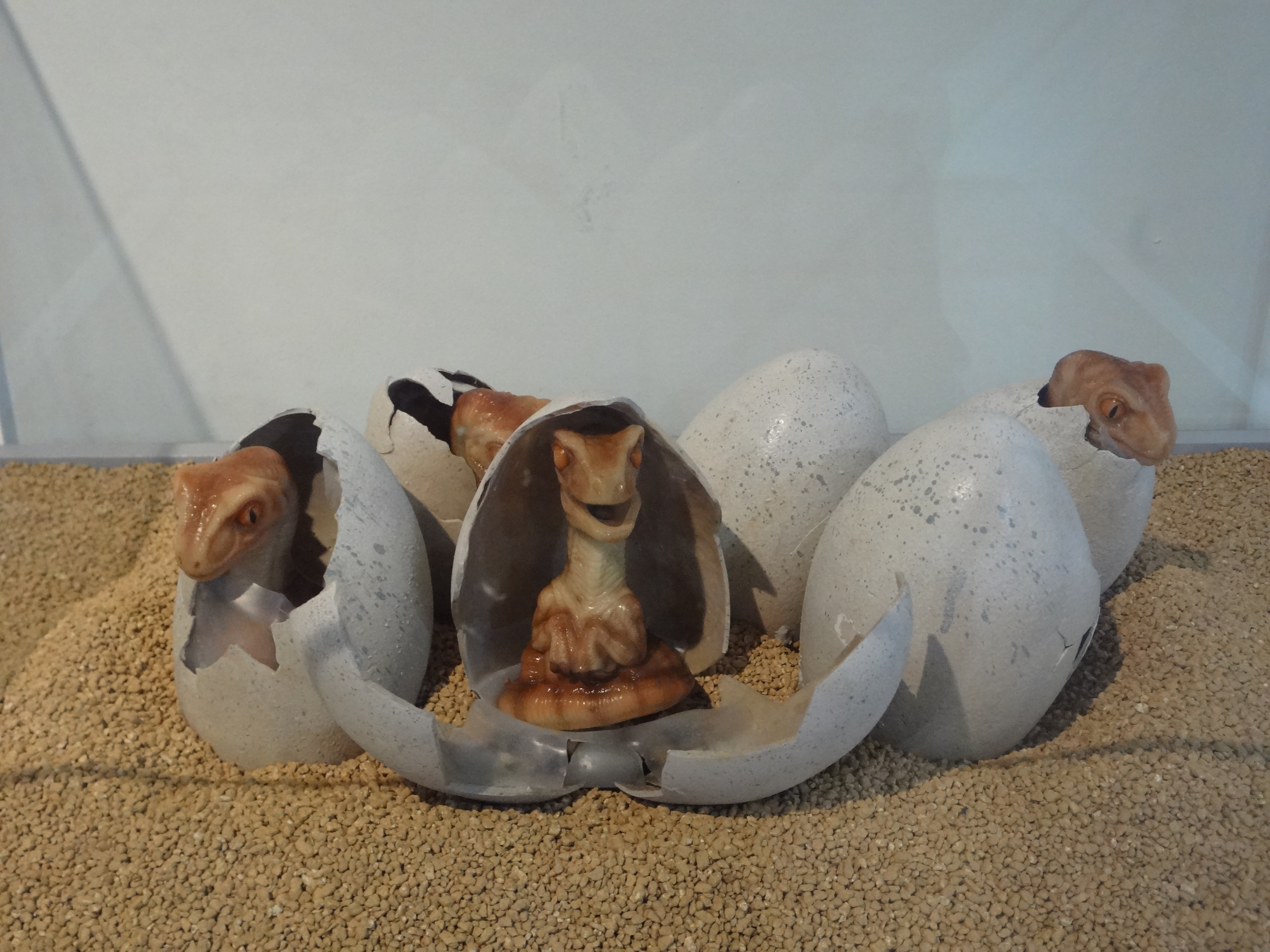
In the middle of a set of dinosaur eggs, one in the middle turned out to be mechanical and opened up to reveal a yawning dinosaur:

Hello, world.

Hello, world.

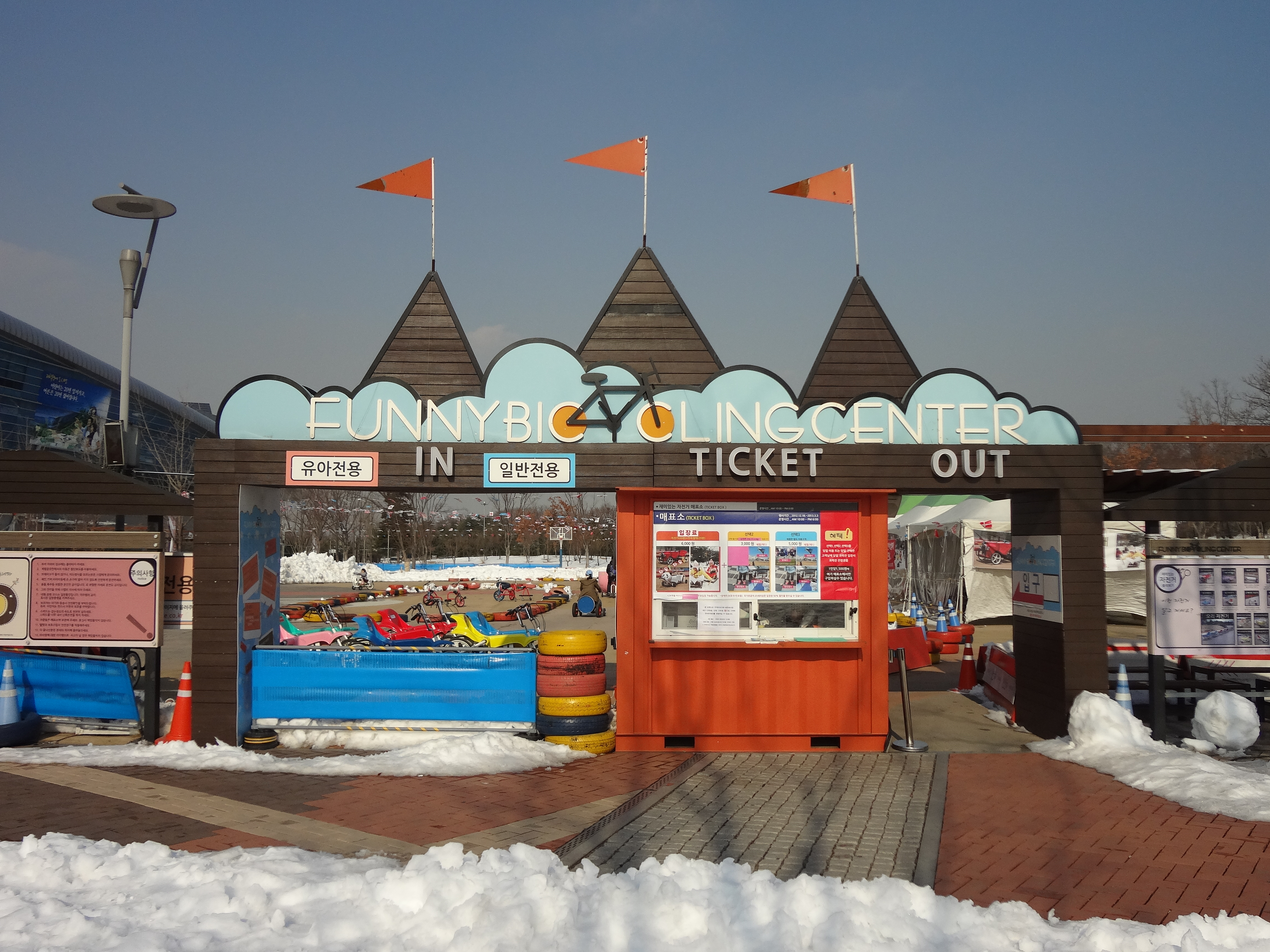
And in the enormous Gwacheon National Science Museum, my favorite parts were on the outside, such as the Funny Bicycling Center:

funny bikes

funny bikes

There are bikes with odd parts, bikes built for two, and bikes you can ride sideways:

riding a bike sideways

riding a bike sideways

This would have been a perfect bike in graduate school.

This would have been a perfect bike in graduate school.

The Narae-Seobuk (“the bell of hope”) is a traditional Korean bell made out of 3,080 speakers—quite a beautiful symbol of art, science, and tradition:

Narae-Seobuk. The Bell of Hope.

Narae-Seobuk. The Bell of Hope.