Archive

Design

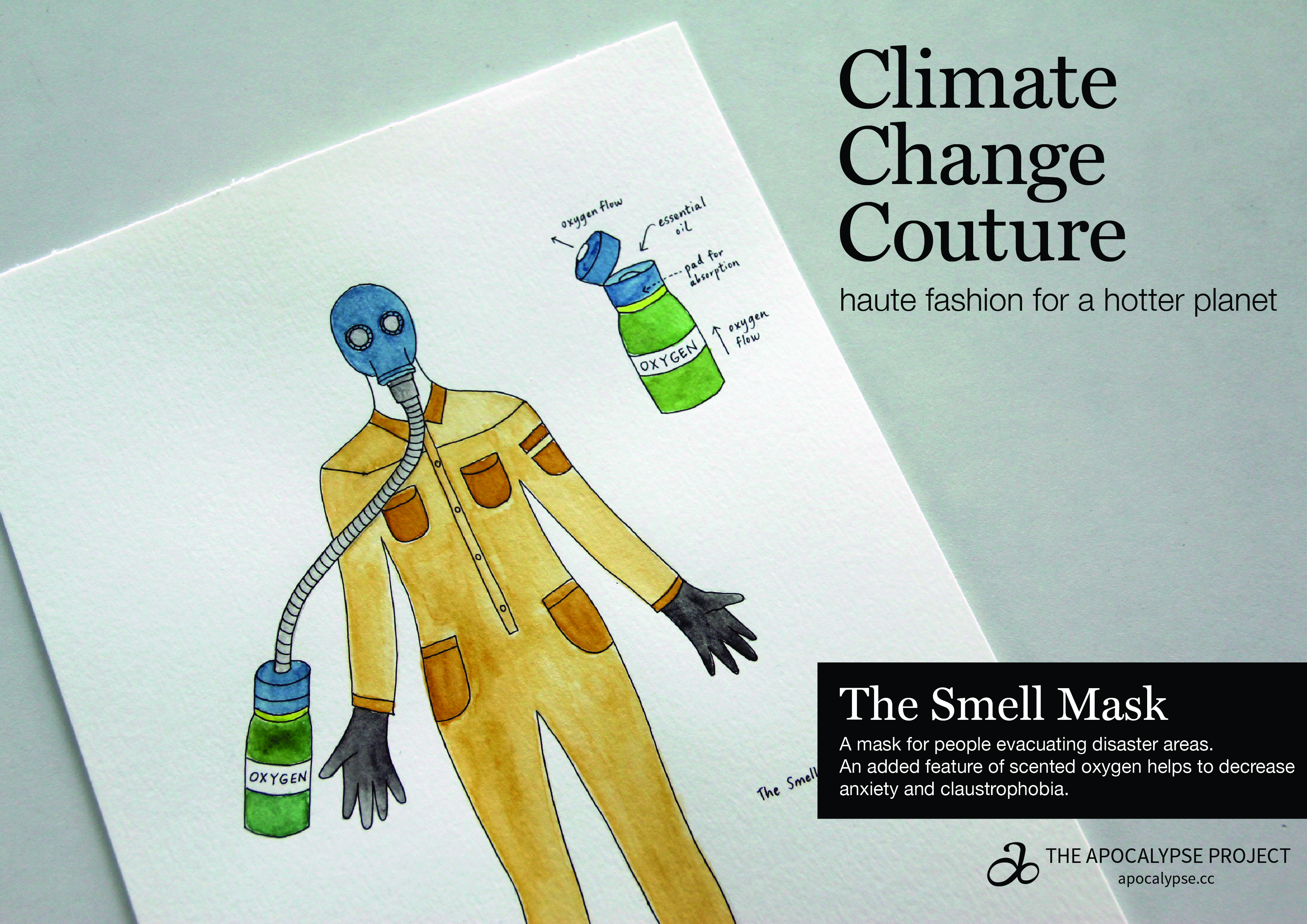
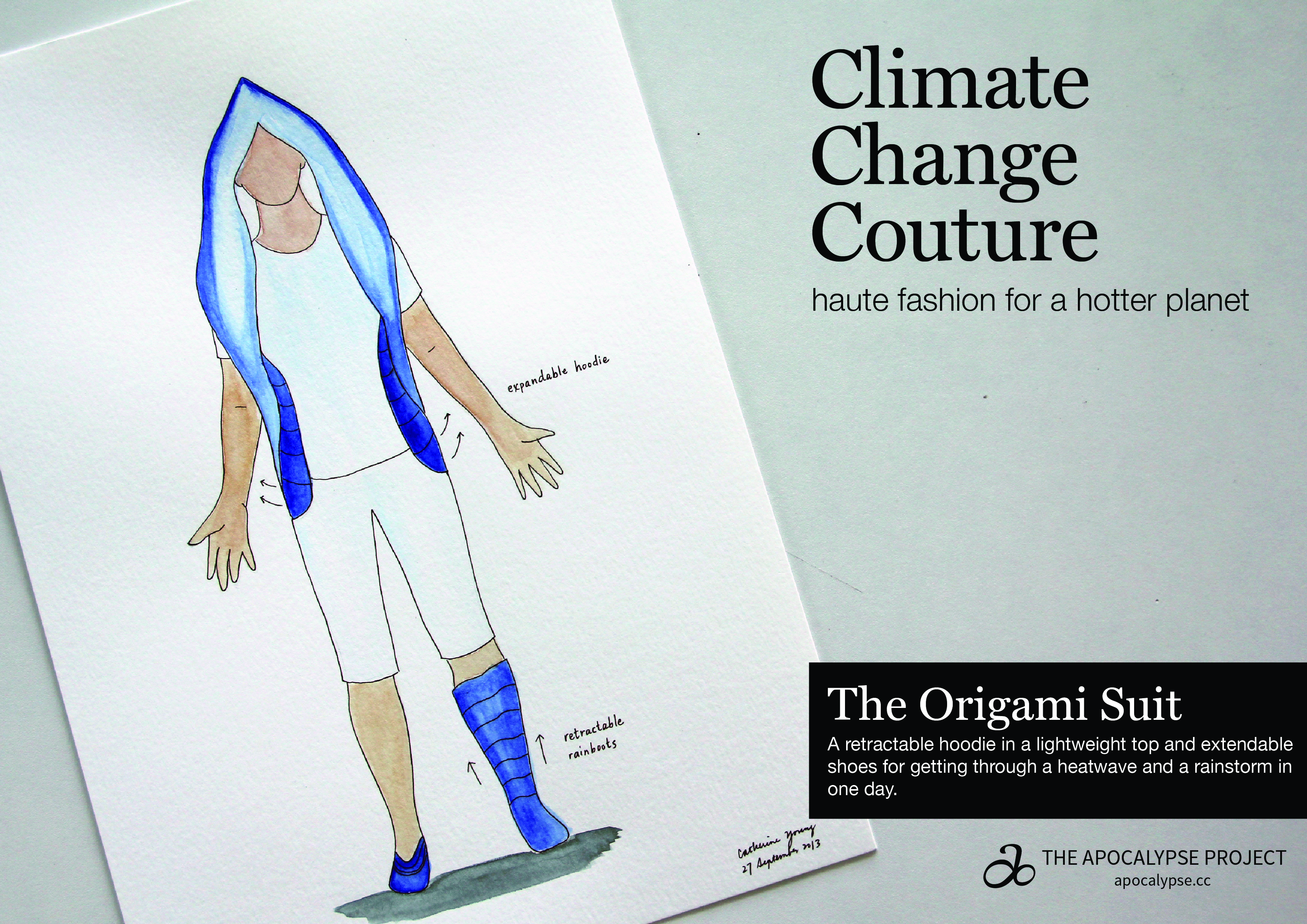
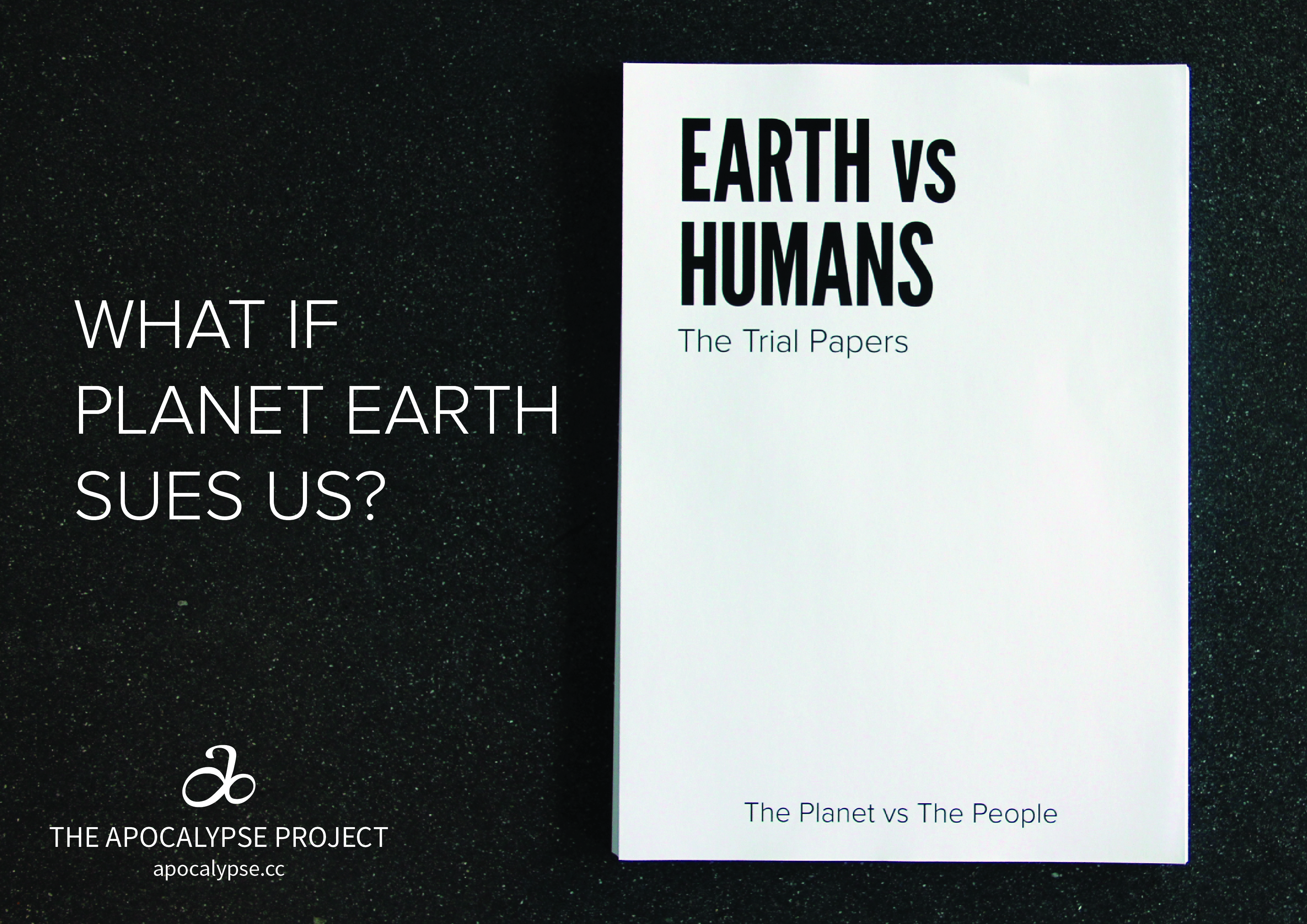
Here are some sneak peeks into the things I am working on for this residency.

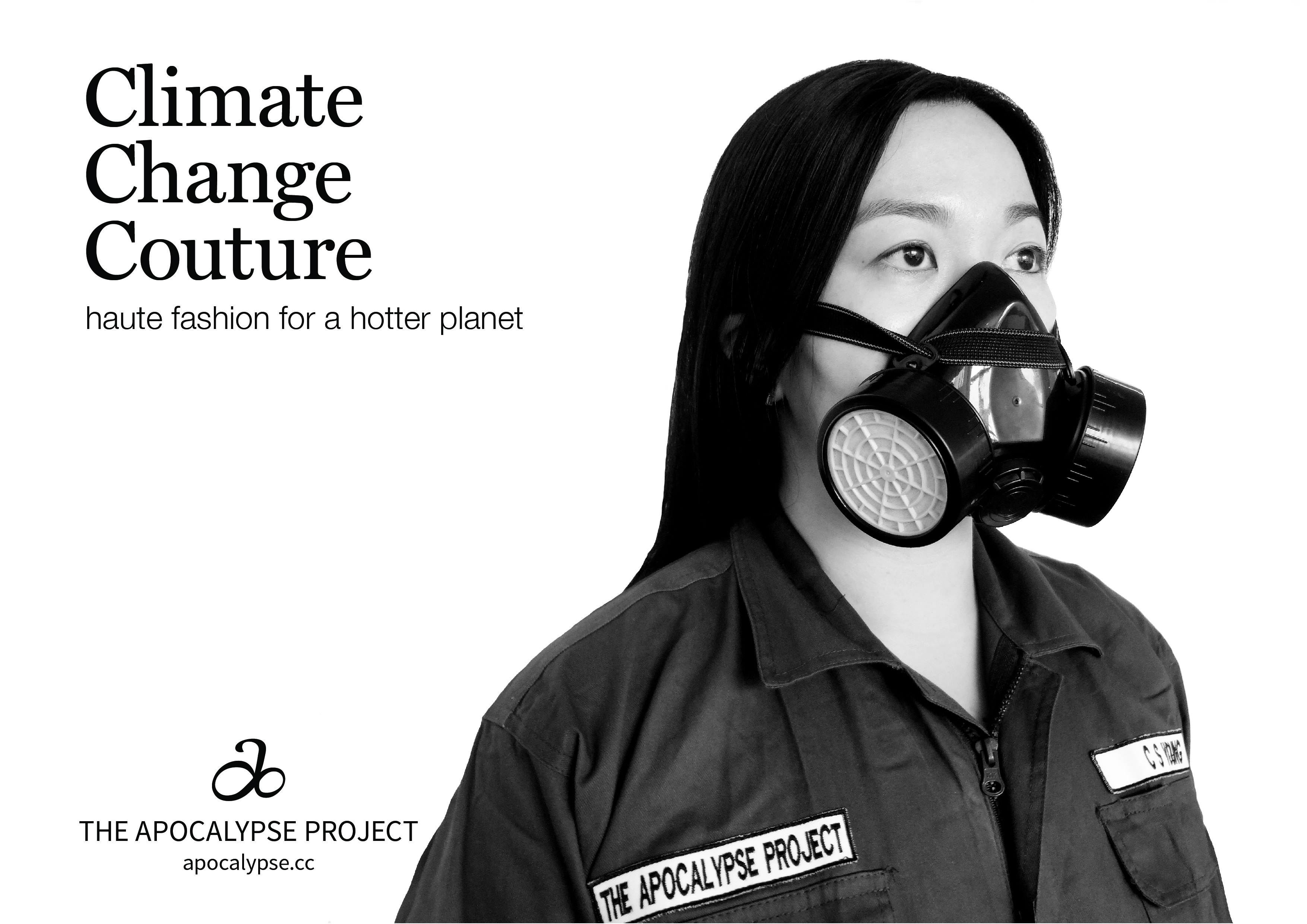
I am reaching that point when my projects are deemed too crazy by people that I have to be the one to model it. The first photo is by the lovely Cheryl Song of the Singapore-ETH Future Cities Laboratory, who has patiently put up with me.

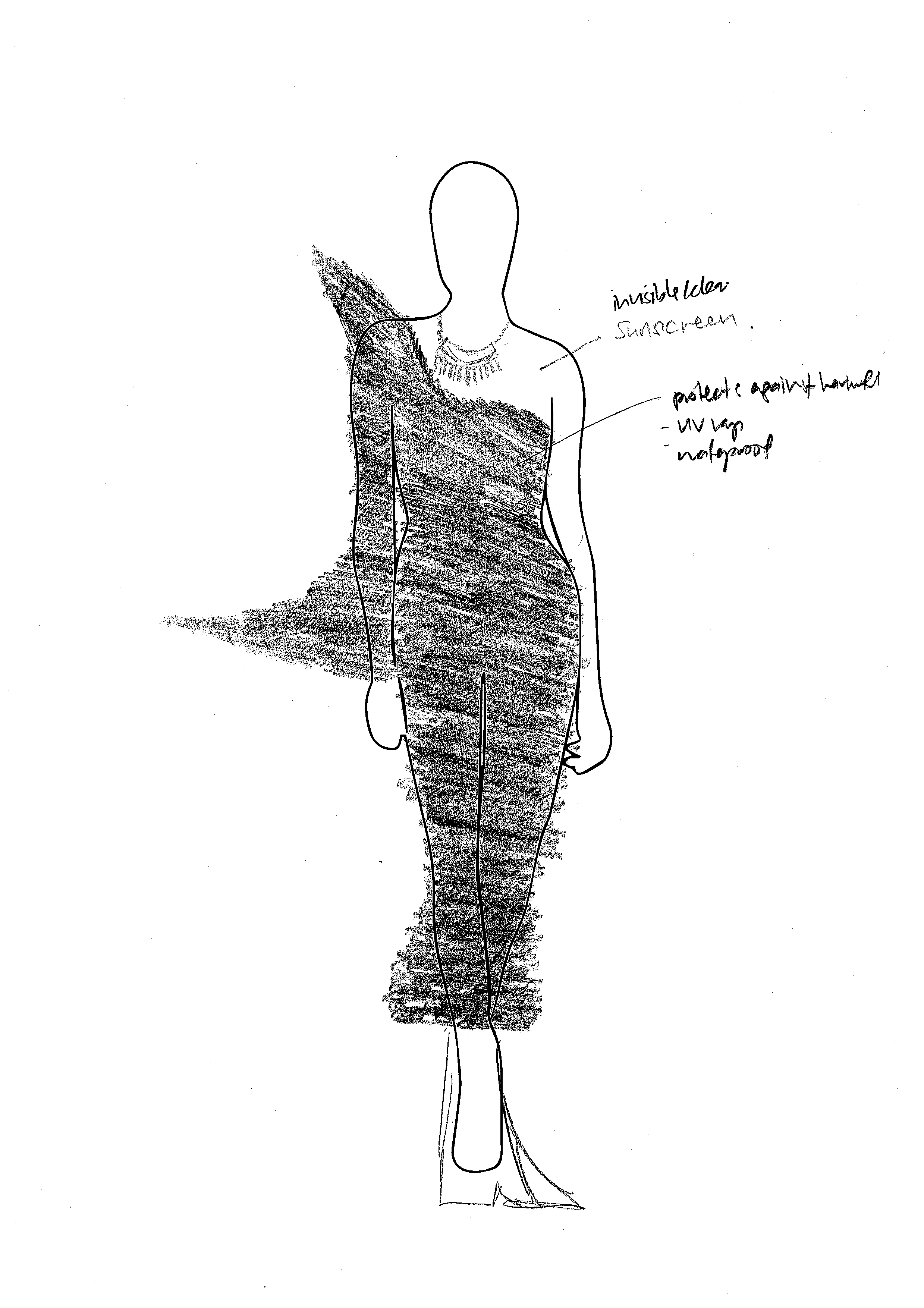
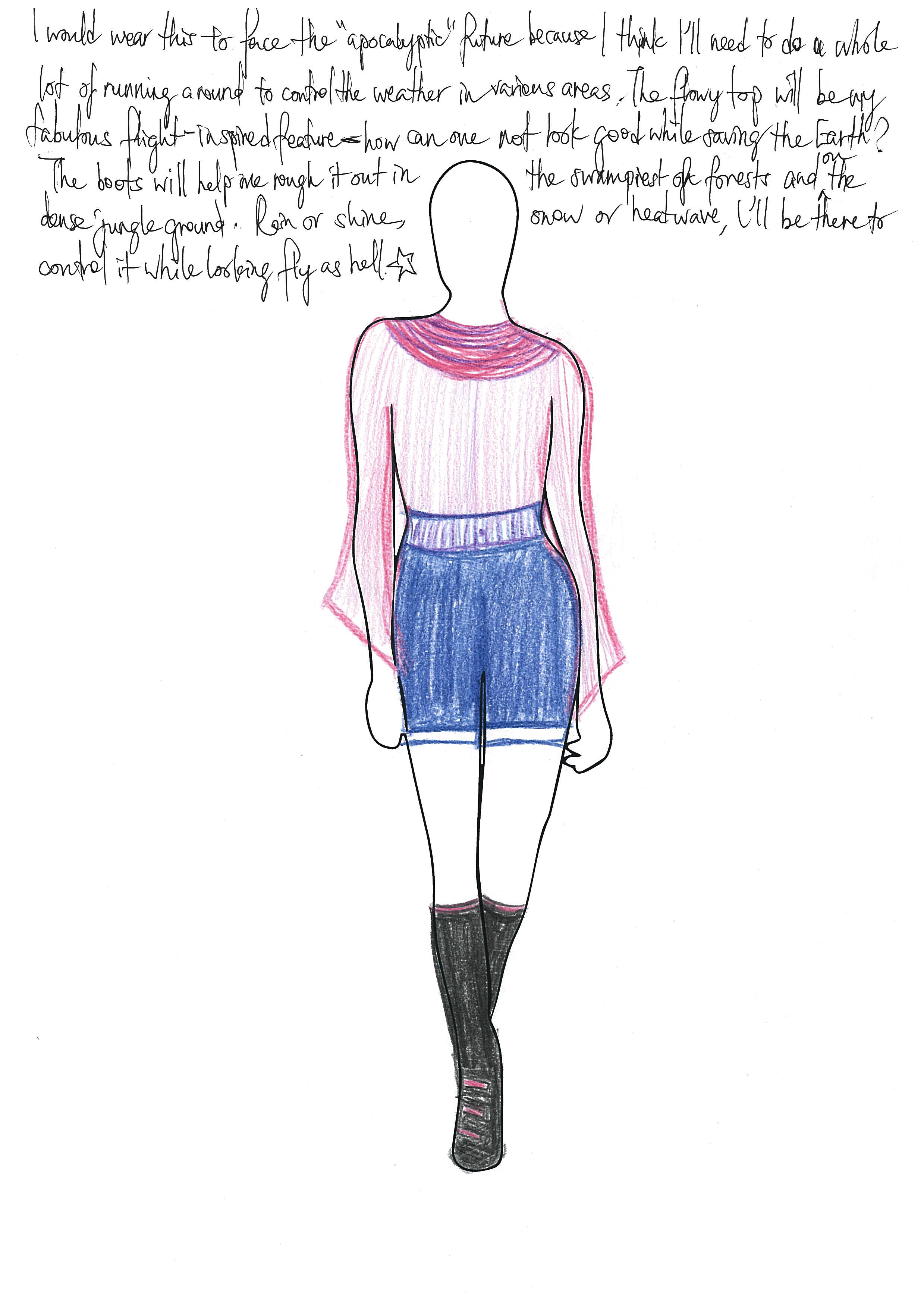
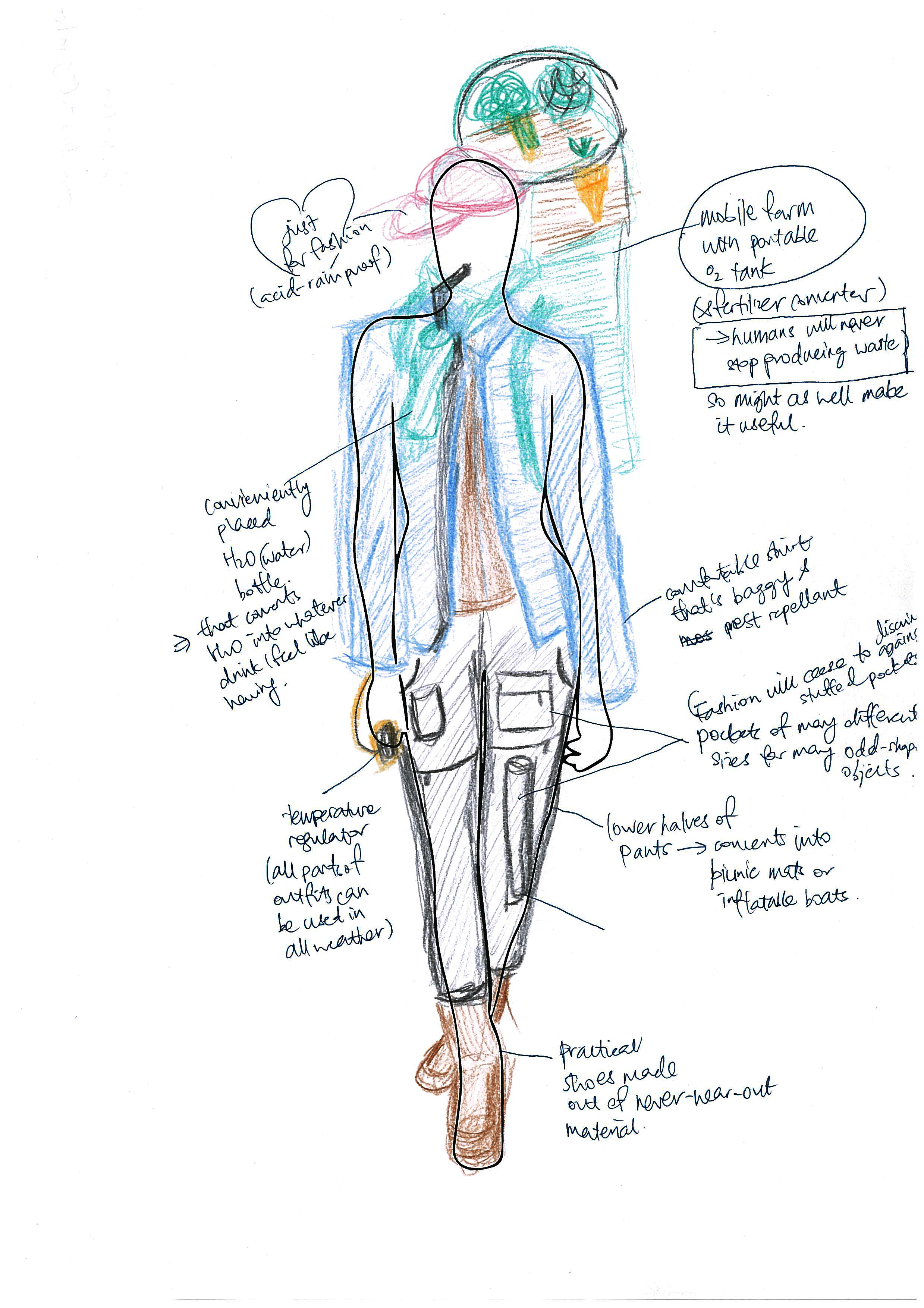
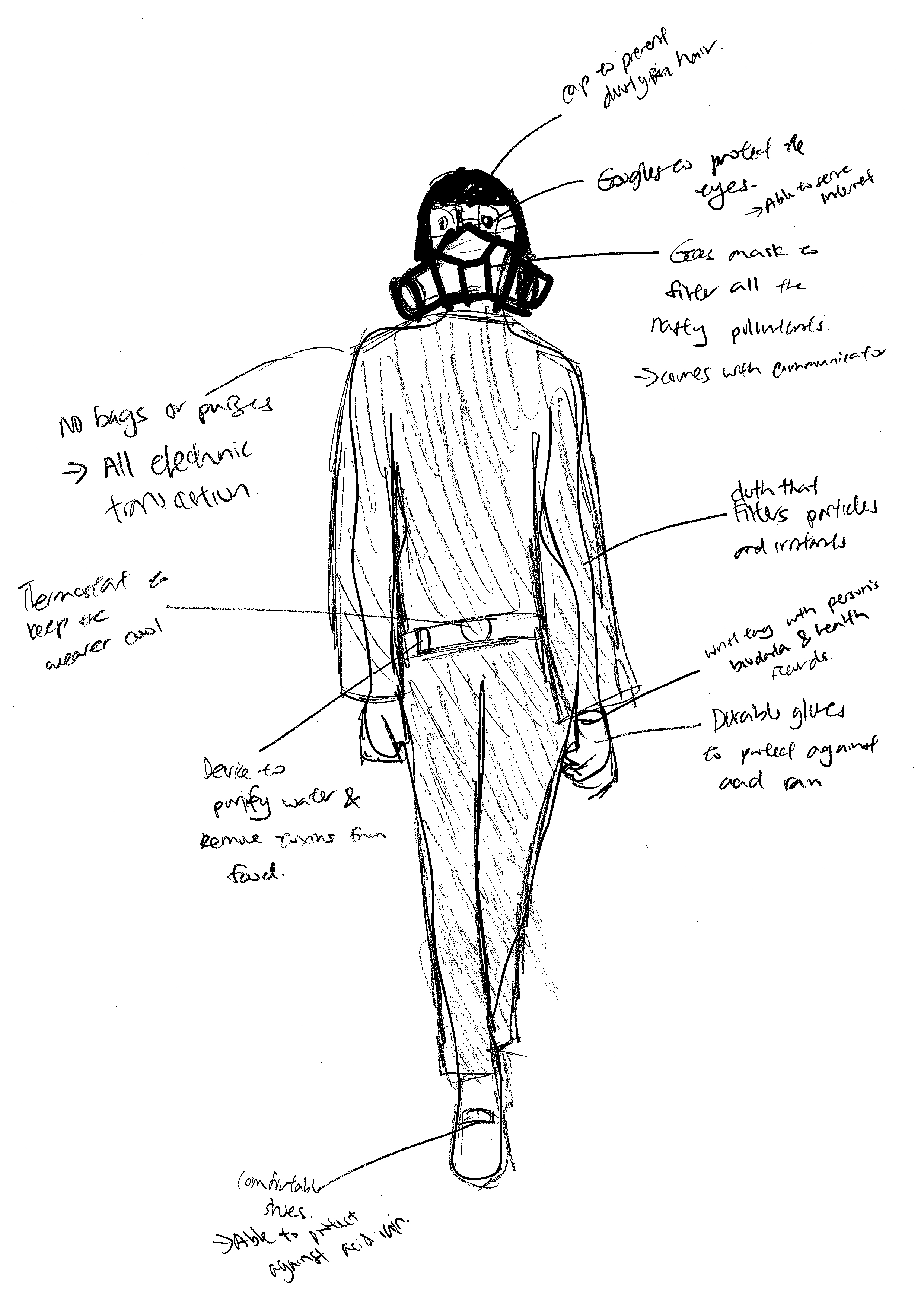
1 - Climate Change Couture - Catherine Young

2 - Climate Change Couture - Catherine Young 3 - Climate Change Couture - Catherine Young 4 - Earth vs Humans - Catherine Young


Follow the project site at http://www.apocalypse.cc.

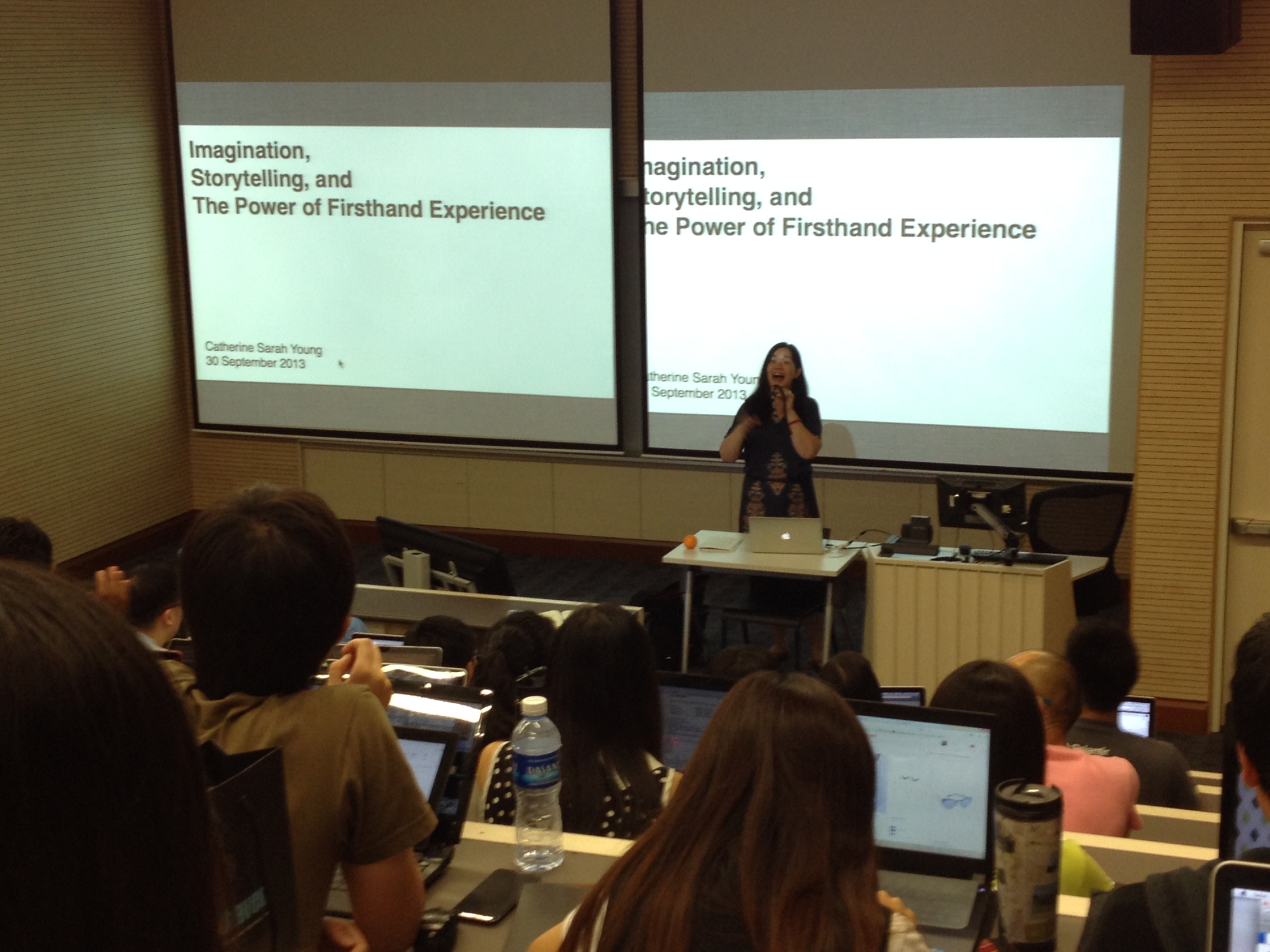
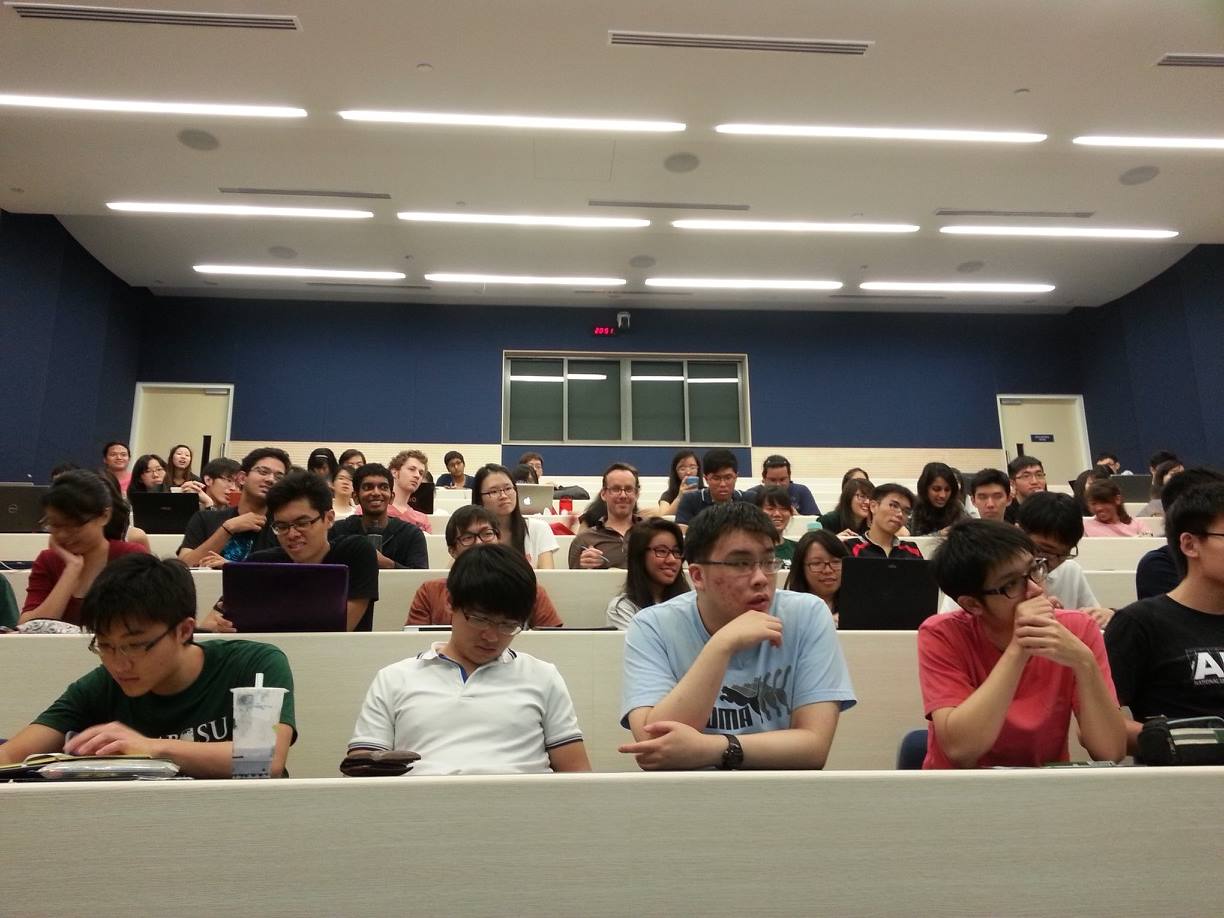
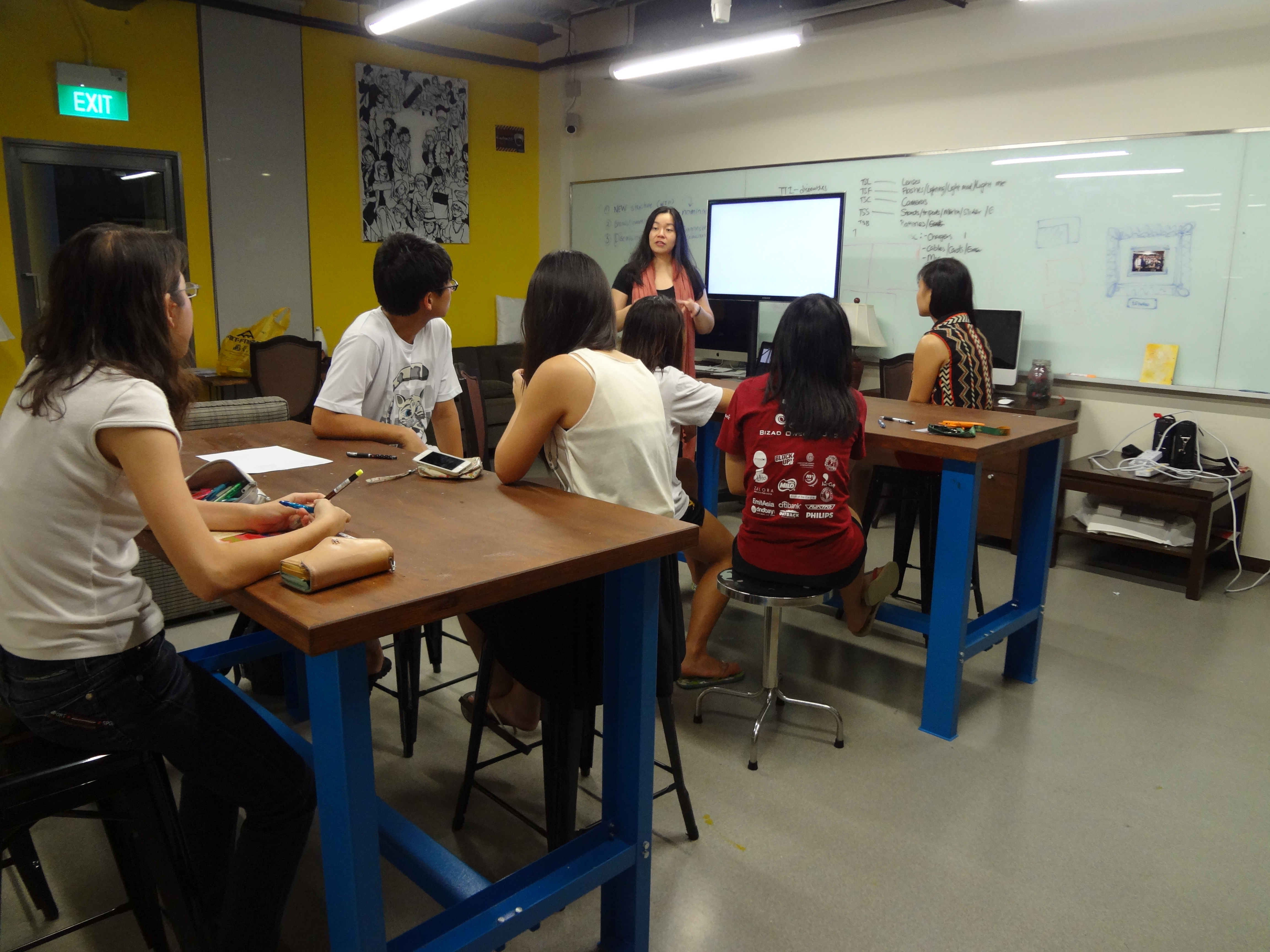
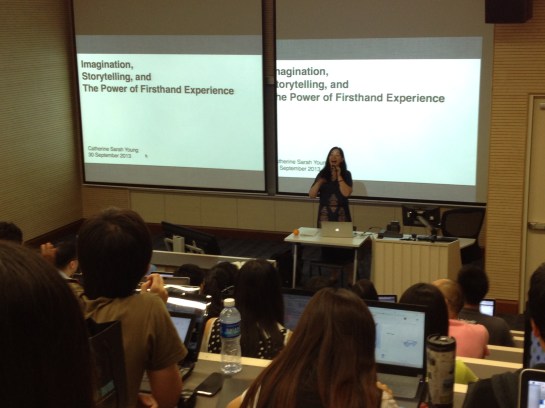
This week, I and my fellow artist-in-residence Michael spoke in Tembusu College’s Singapore as Model City class.
IMG_2532

It looks like I’m singing, but I’m not. I was just saying hi and asking if they could hear me. Thanks, Dr. Margaret Tan, for the photo.
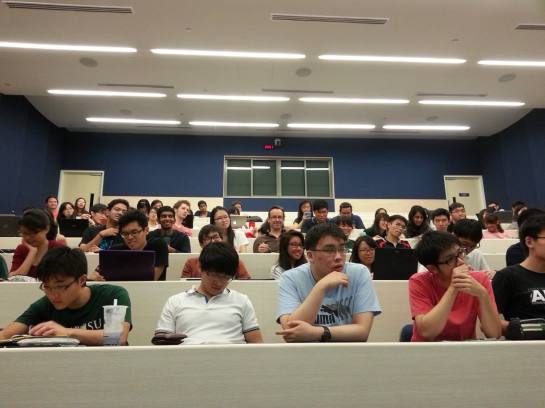
902221_10153374097075122_226053046_o

I think I like it when the stage design is reversed and I’m looking up.

I won’t elaborate on parts of my talk that I’ve posted before, such as what happened during The Apocalypse Workshops or the comments on DrawHappy that made me rethink what the project could be about. So instead, I’ll emphasize some of the things I learned about experience design and collaborations between art and science.

Experience and memory
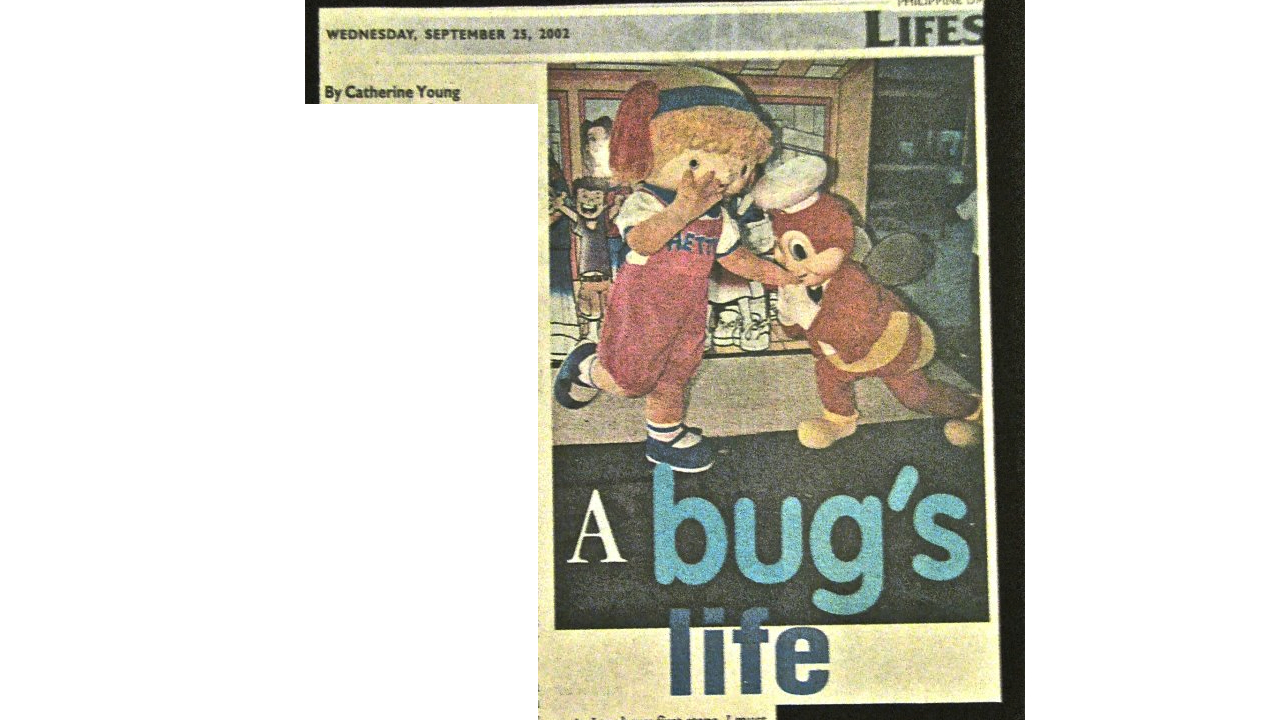
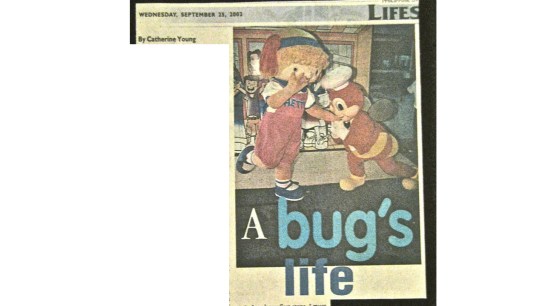
The image my have the last word, but for me, experience is the one that stay with you forever. I referred to a series of articles I wrote when I was a young journalist, oh so many years ago. This is a photo of me when I was 19 years old:
Jollibee.002

In this photo, I was wearing the costume on the left, although I also wore the one on the right. These are mascots from Jollibee, a Filipino fast food chain that, for me, is one of the icons of modern Filipino culture and taste. It was for a series of articles called Temporarily Yours, where I took on a job for a day and then wrote about it. Looking back, these are exercises in empathy, albeit short ones, where I realized how it was to be on the other side of the fence. Most of these jobs were in food or customer service, such as a barista or a sushi chef. Others were about performance, such as a magician’s assistant or a zookeeper. In this particular article, I wrote about how it was to be a mascot and embody a character beloved by children. I still vividly remember these experiences more than a decade later, such as how the head of Hetty (the female character, short for “spaghetti”) was so big and difficult to balance, and how Jollibee’s butt was so huge, it took two guys to shove me through a door. You know, good times.

Projects like these have shaped my views on how I execute future projects. Though I don’t feel that my work fits just one area of inquiry, I think that the common thread between all of them is that of experience. Experience is very powerful. The image may have the last word, but in a world where we are saturated by images, I believe that experience makes these images last longer and gives them more meaning.

Korea and Experience Booths

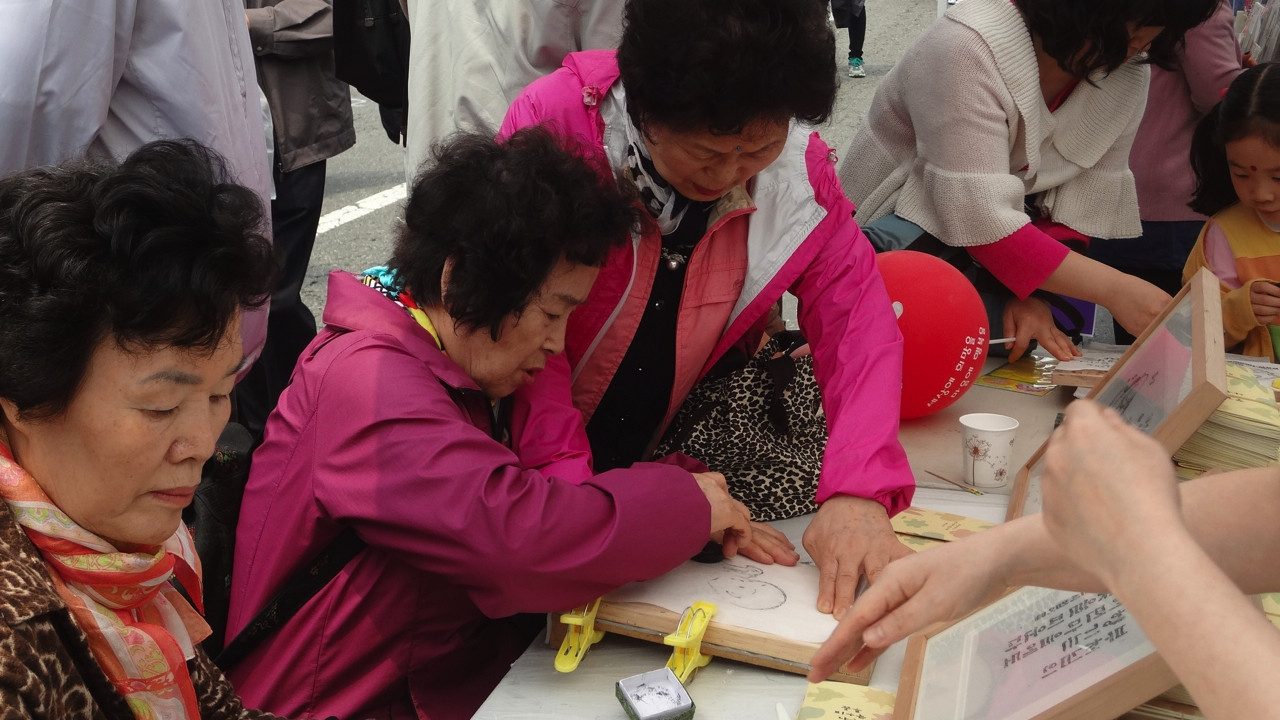
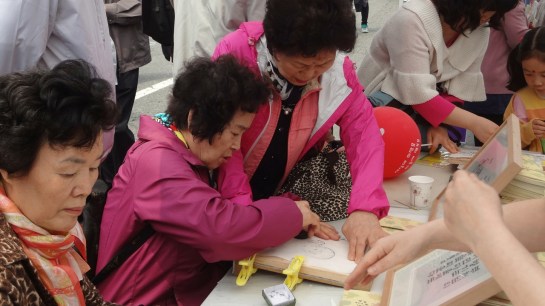
My views on experience design have also been honed through seeing South Korea’s experience booths in festivals, which will always mark my memories of that country. In festivals in the US or in Europe, I would usually find people selling me a finished product, let’s say a ceramic pot. But in Korea, I will be sold the experience of making or painting my own pot. In this case, I will find myself sitting down at the booth and getting messy at the table, thus slowing down, making my experience more personal, and hopefully have a longer lasting memory than just having the generic festival experience. Perhaps I will end up treasuring the pot I made myself rather than just another cheap souvenir. I also think these booths give wonderful creative opportunities for families, children, and the elderly.
Korean experience booths.048

A Korean experience booth on printmaking

Korea can get quite creative with their experience booths, such as this one I saw down south in Hampyeong.

I believe that the role of artists / scientists / designers is not just to have these unique experiences through their work, but to share these with others. Typically, we share that experience by writing about it for others to read. Through that reading, perhaps someone will profoundly connect with our writing. However, I think that human bonds can be stronger through a shared experience. Your audience can create their own experiences for themselves and yield results that are unexpected, like what I’ve learned from previous projects. This is when you realize that your audience teach you something as well, which is a wonderful thing. Projects become a conversation between creator and audience, which will only serve to fuel human creativity and progress.

Art, Science, and Sustainability

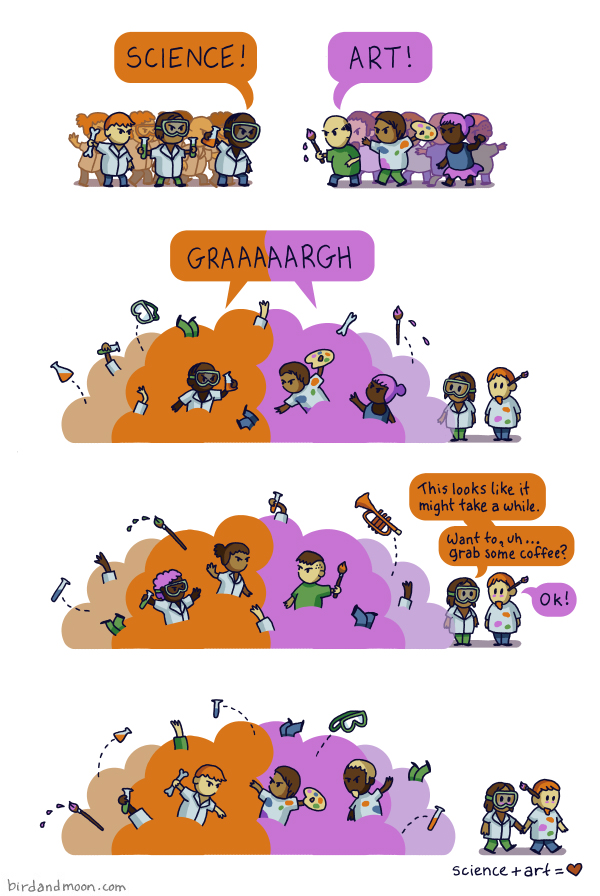
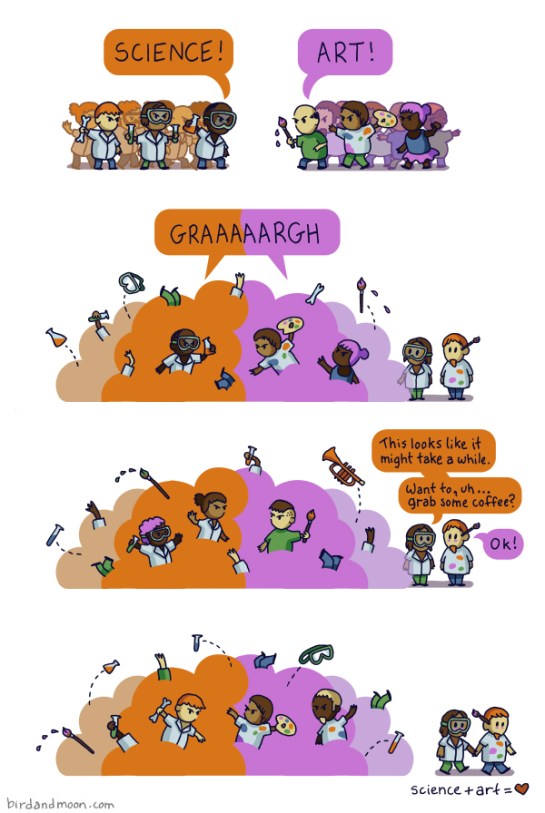
Personally, I believe that the wealth of human knowledge is too vast to just break down into two, but for the sake of simplicity, let’s go with these two fields: art and science. As I have been trained in both, I have felt what it was like on each “side”. I have been “the scientist” in an art/design studio, and “the artist” in a science lab. Both types of experiences have been very unique to me. Both sides have their own ivory towers. Those who choose to be in those towers, I think, should quickly parachute off. Our world is too vast and our problems too complex for petty squabbling. Unexpected things can happen when ideas from each side, as they say, have sex. Here is a nice comic by Bird and Moon that shows that.
sciencevsart

Image copyright by Bird and Moon

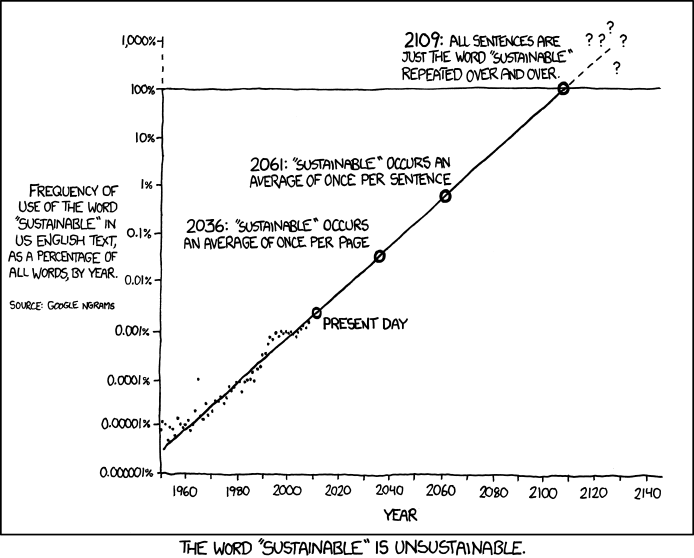
Collaboration is especially important in the realm of sustainability, which is a world I did not expect to enter. It’s quite a booming area, especially in Singapore. Everyone and your mother is doing sustainability.*  (That, and “cities” and “resilience.”) I referred (again) to this Ngram by xkcd.

*Did I really say that in a university class? Yes, I did.
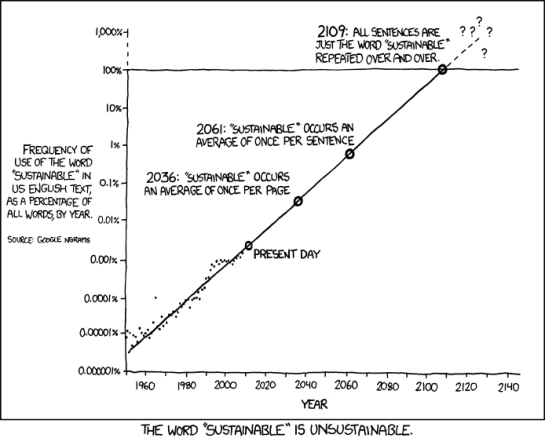
Image copyright by xkcd

Image copyright by xkcd

Instead of being a part of the echo chamber that such “trending” fields create, perhaps new solutions can emerge by letting disciplines hang out together, as they used to do, way back when.

In the end, I emphasized empathy to these bright eyed young students who are in the middle of creating sustainable urban interventions for their class. I said this as someone from the Philippines, a developing country. I cannot tell you how many international consultants in there right now, wanting to save it from XYZ problems. Now, I am very grateful that these brilliant people are there, and I am sure they have great intentions. Certainly foreigners can see opportunities locals may have overlooked, as I have had, being a foreigner in four other countries. But I’ve seen enough projects that never get implemented or never have their full potential realized because of these gaps in empathy. I believe we can do better.

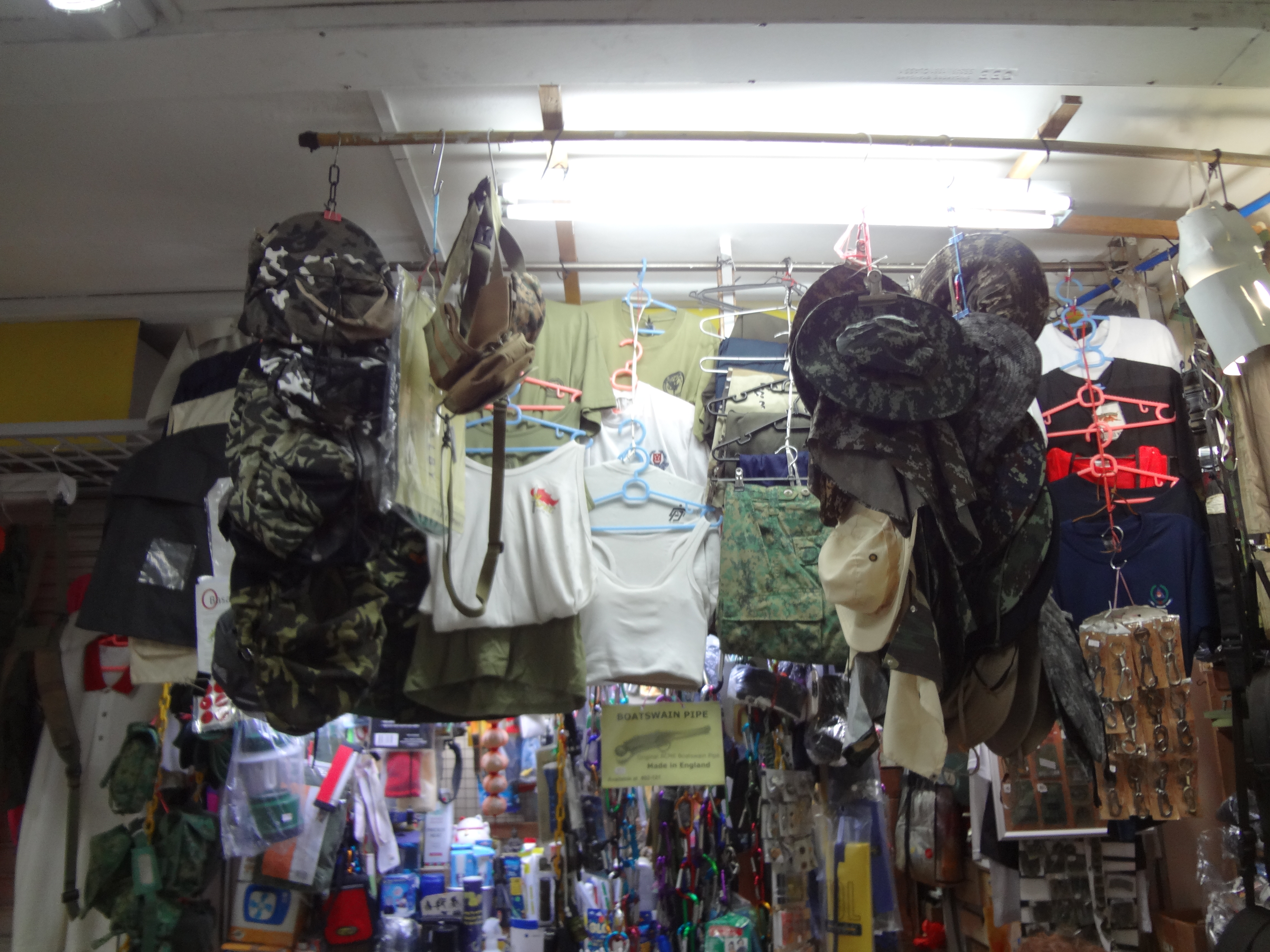
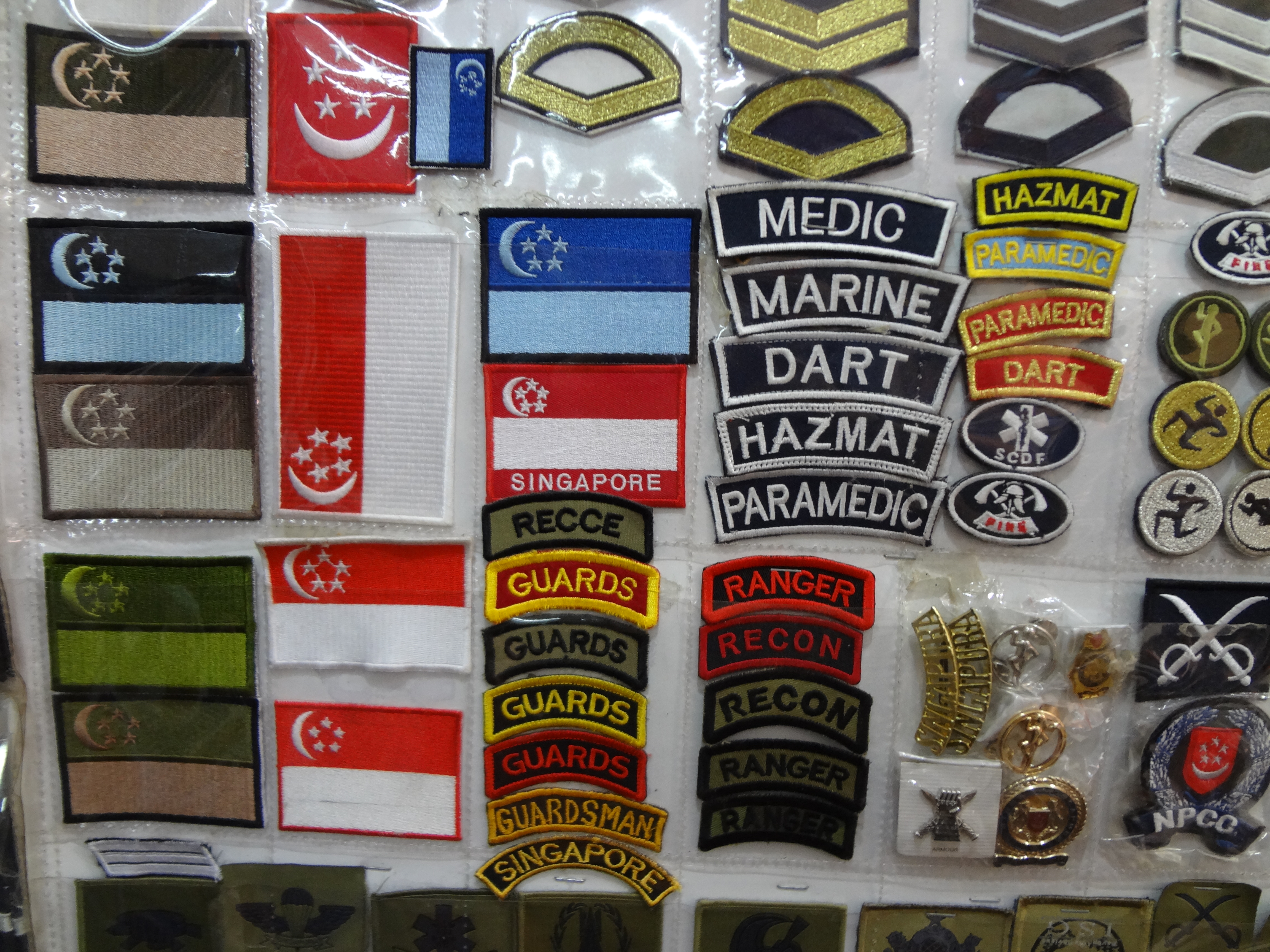
Last weekend, I visited Singapore’s army market to pick up some things for prototyping. I usually go to dollar stores or markets to buy cheap readymade objects that I can potentially hack into, but this is the first time I’ve visited a market that specializes in military gear. Of all the fields I’ve looked into, the military is the one that uses wearables in potential apocalyptic scenarios I am looking at.

DSC09158

These patches give me ideas.

DSC09157

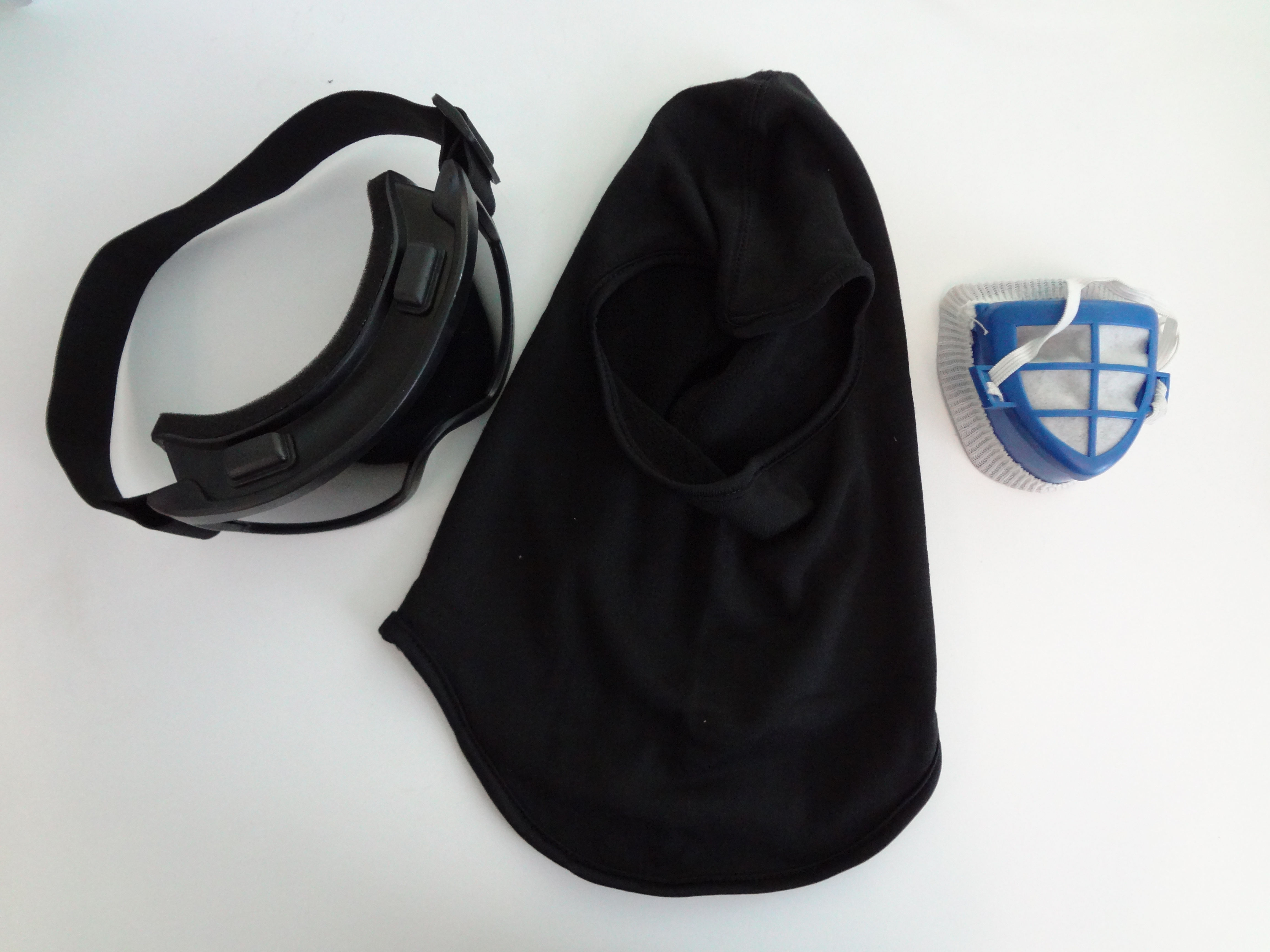
I bought a pair of goggles, a head mask, and a face mask. I’m trying to see how the design of each can possibly fit into one of my projects.

DSC09207

DSC09208

This design space is fun. A bit scary, but fun.

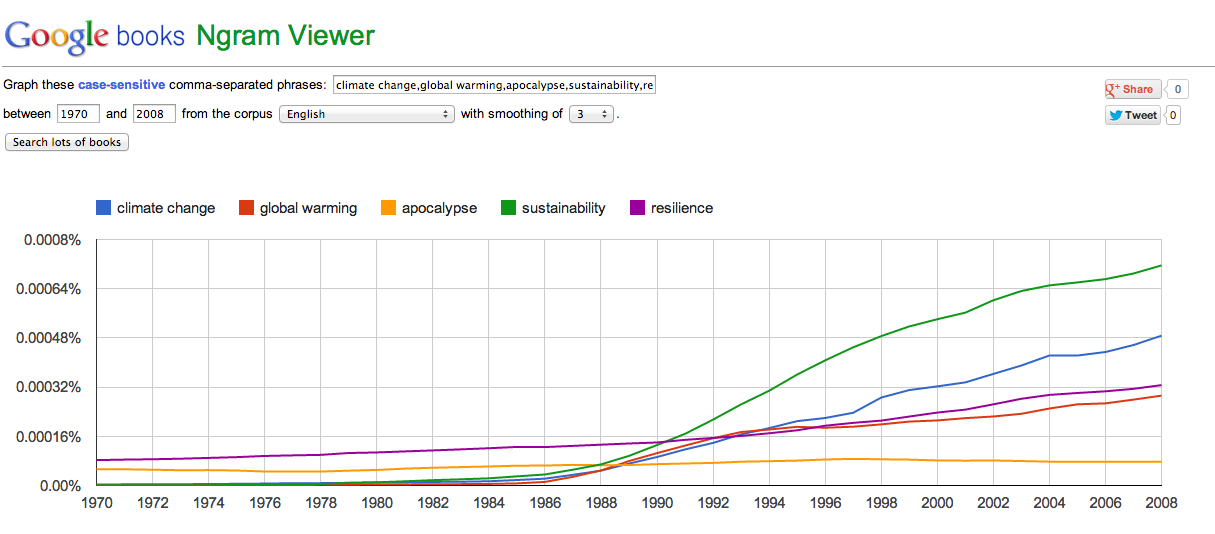
This morning, just for kicks, I decided to do an n-gram analysis of the main words I encounter or use in my project: climate change, global warming, apocalypse, sustainability, and resilience using Google Books Ngram Viewer. Here is a screenshot:
Screen Shot 2013-09-23 at 12.30.31 PM I think the conclusions I can make that are useful to my project are:
1. “Climate change” is more often used than “global warming.”
2. “Apocalypse” is pretty much used with the same frequency as before. (I guess that’s a great thing for this project?)
3. We’ve been using “sustainability” a lot. I’ve deliberately avoided using this word unless I absolutely had to, because, well, I feel that it’s overused to the point that it’s losing its meaning to me. This reminds me of this graph by xkcd:

Image copyright by xkcd

Image copyright by xkcd

(Original version here.)

I’m a bit sad that this tool only gives me results until 2008. But anyhow, that was an enlightening break before another day of designing, picking typefaces, and writing art/design statements.

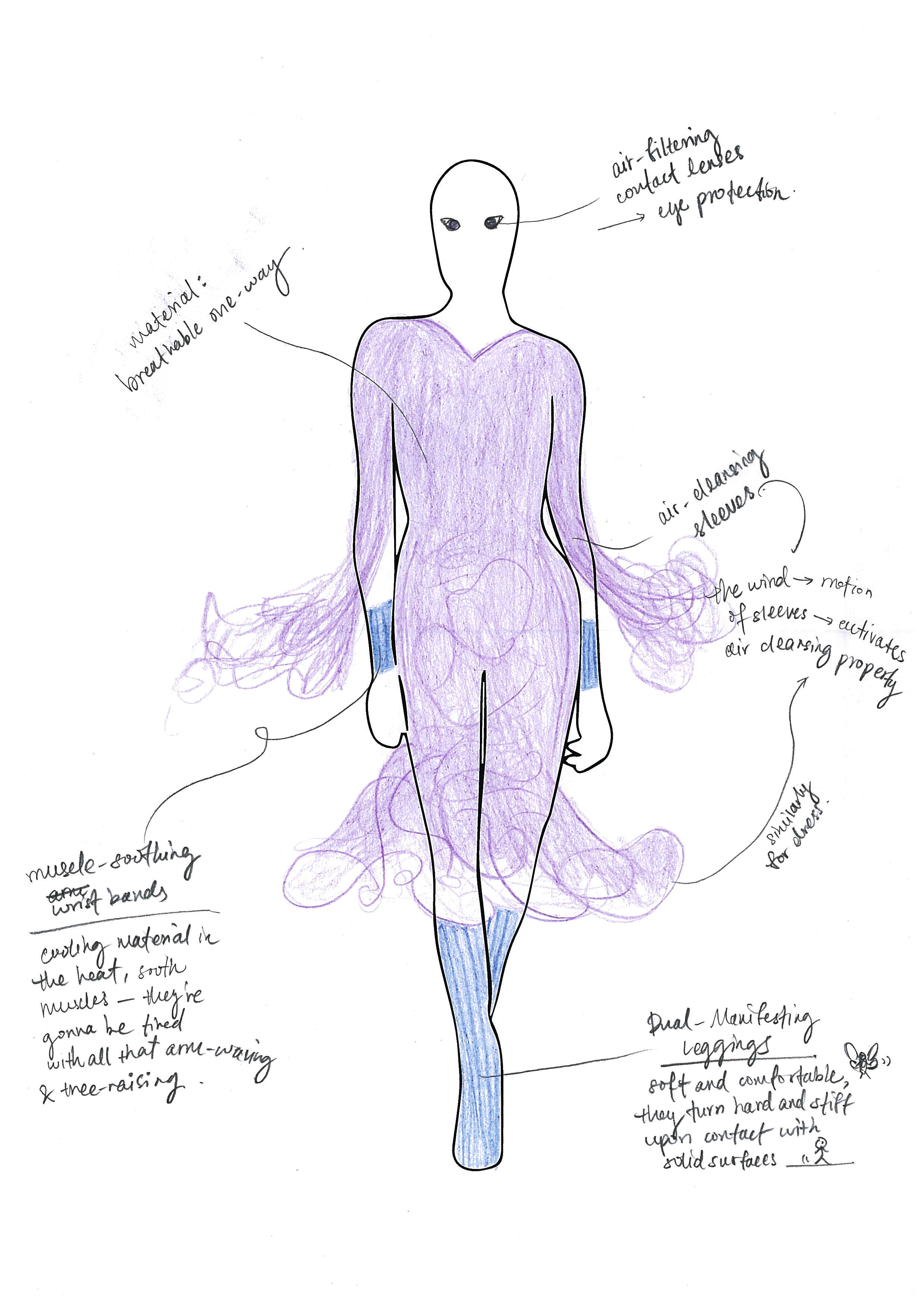
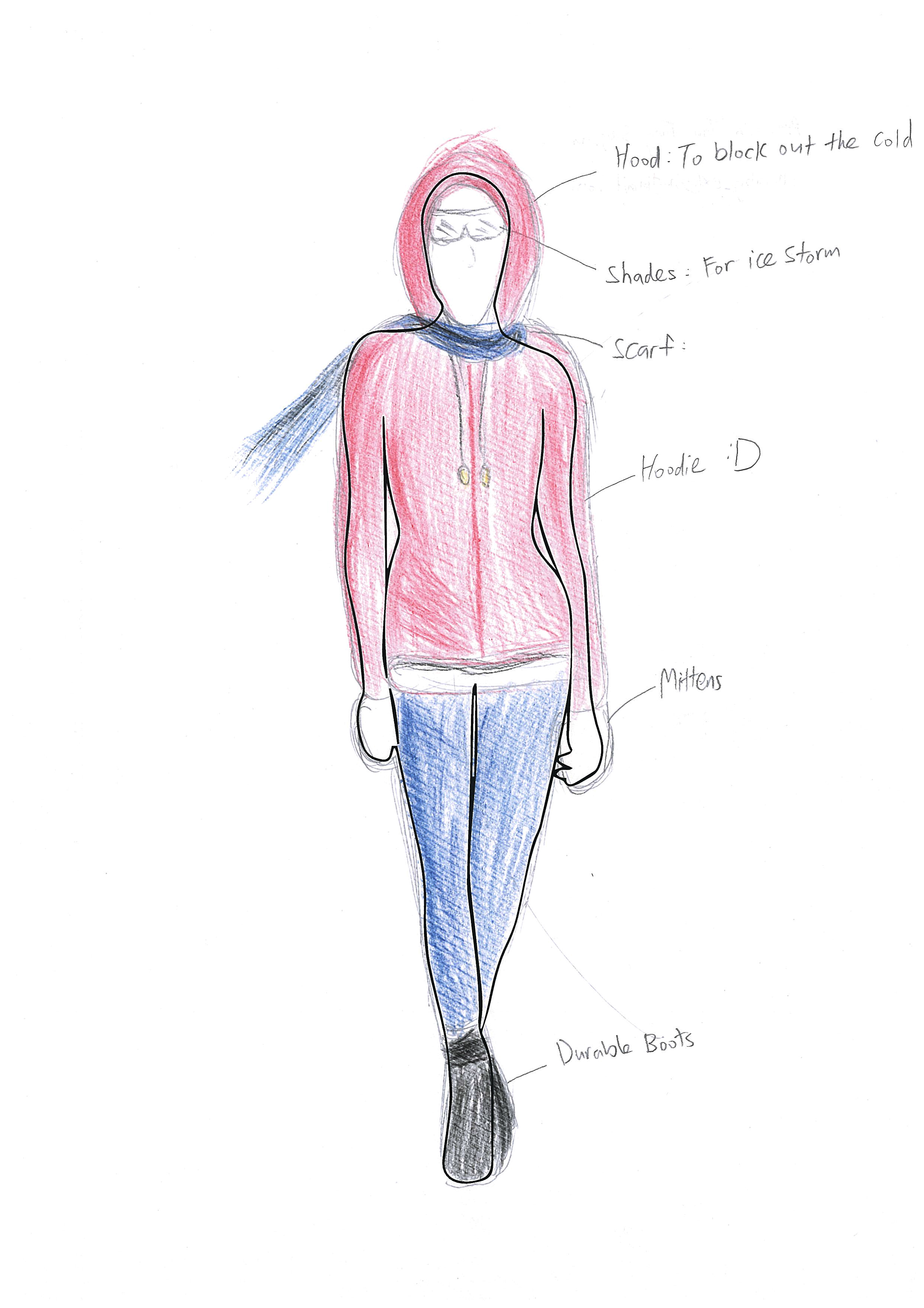
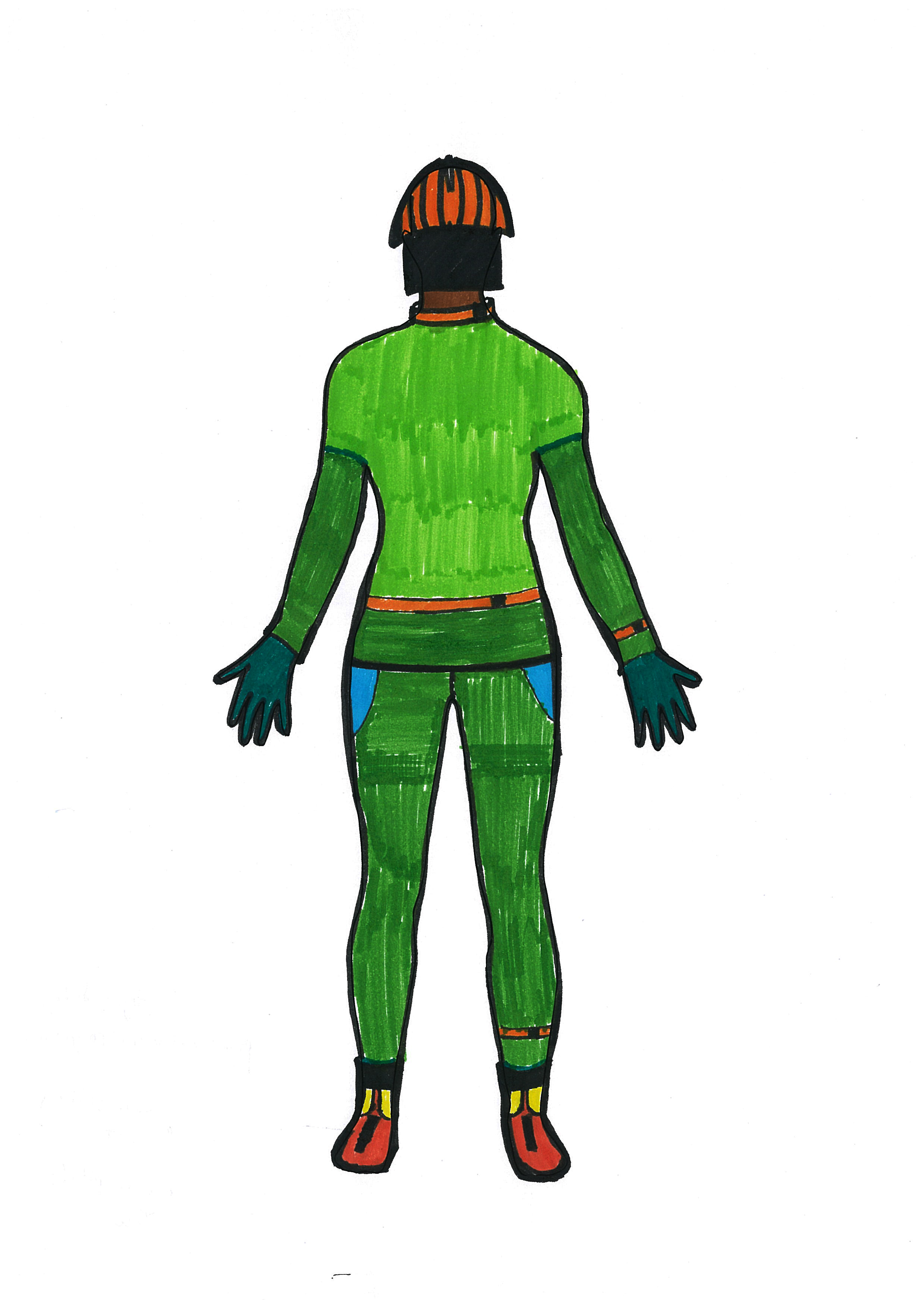
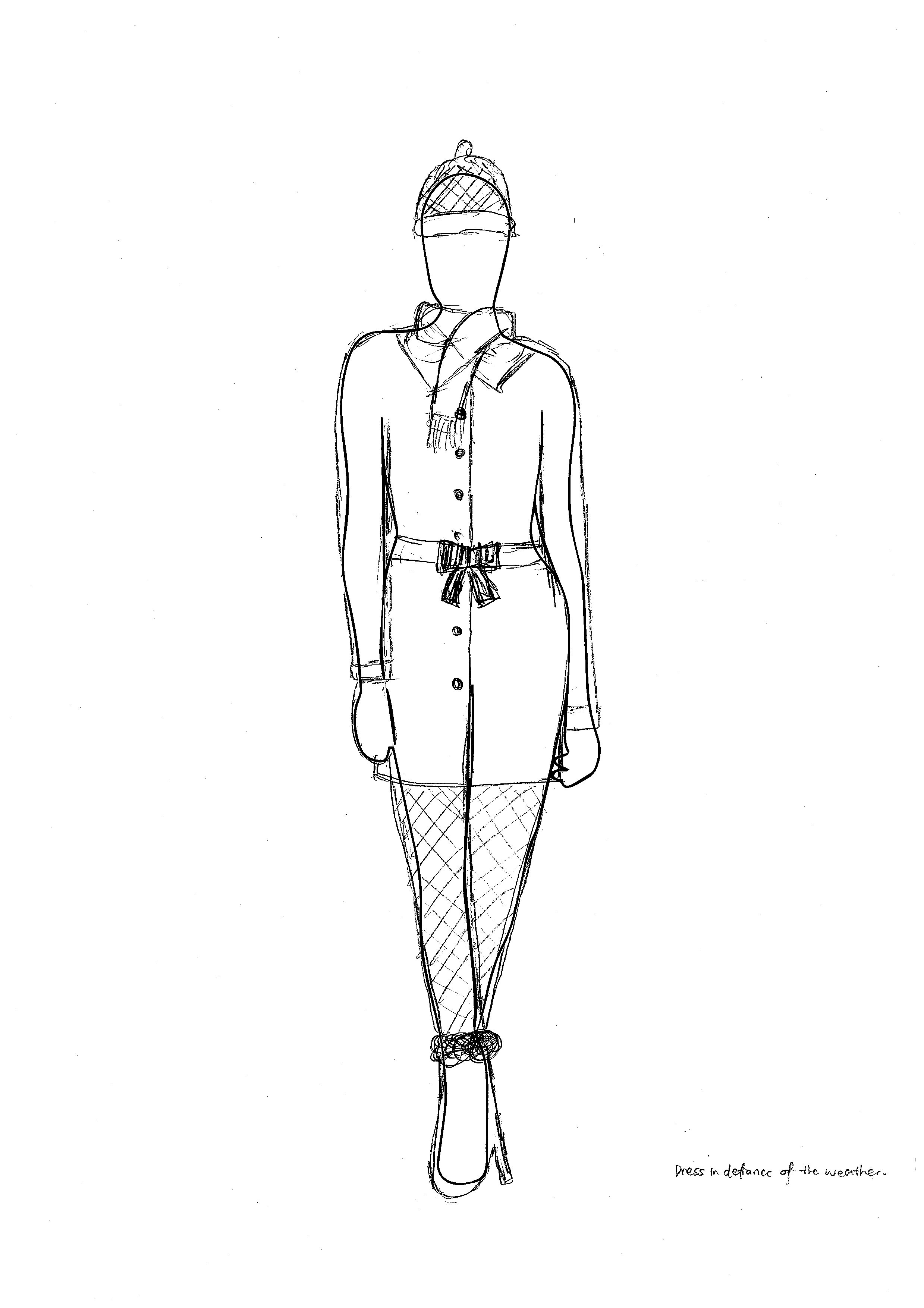
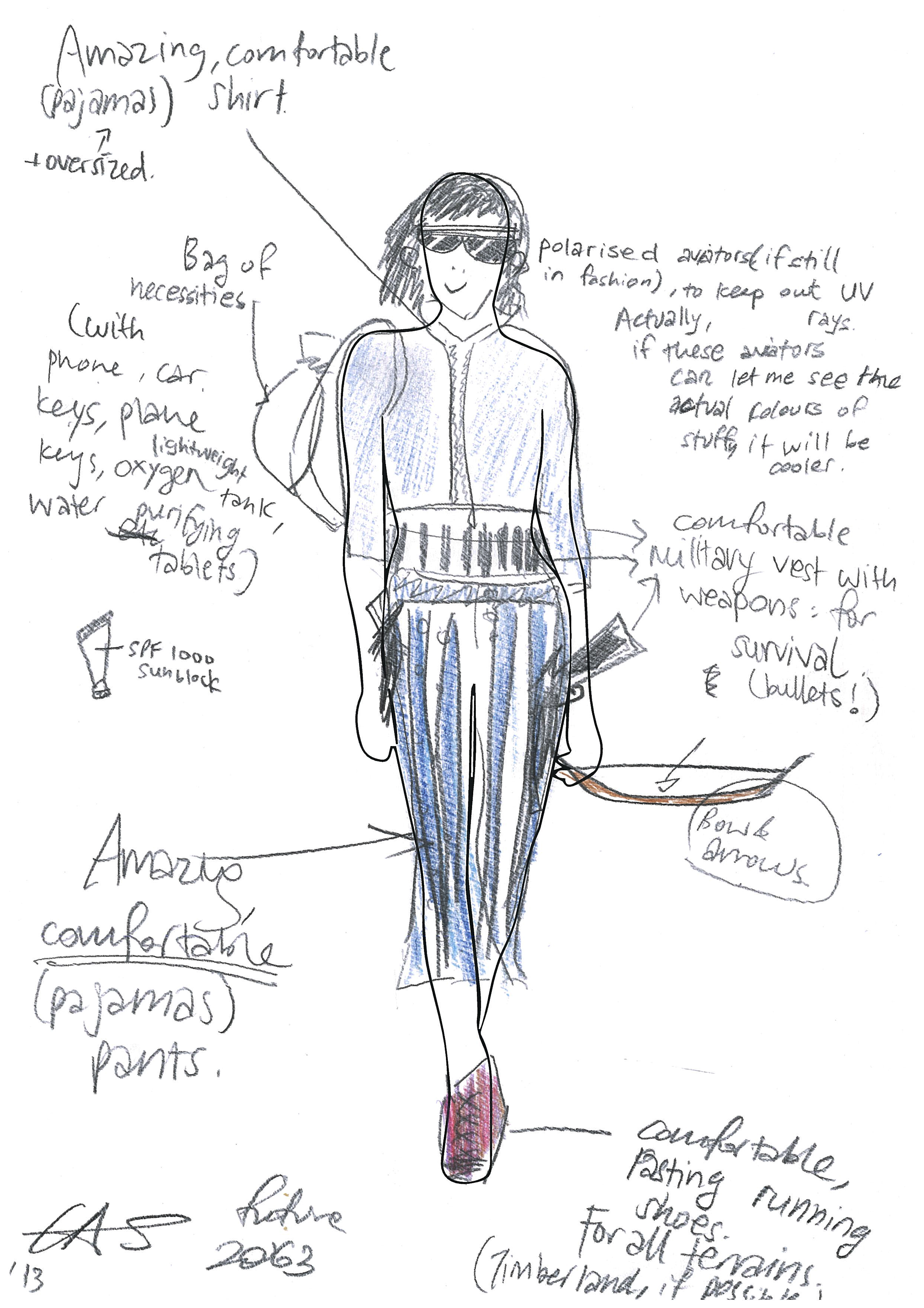
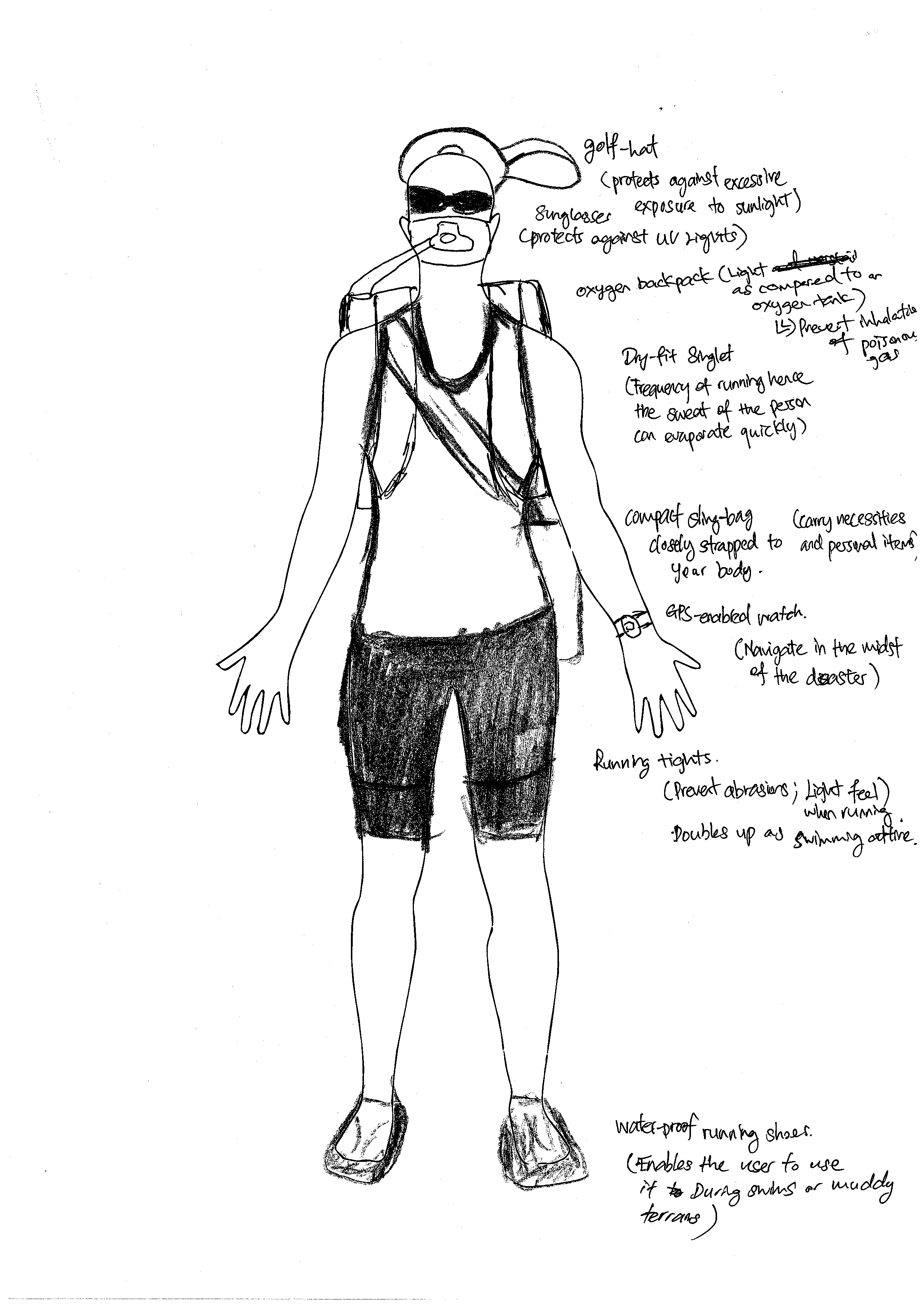
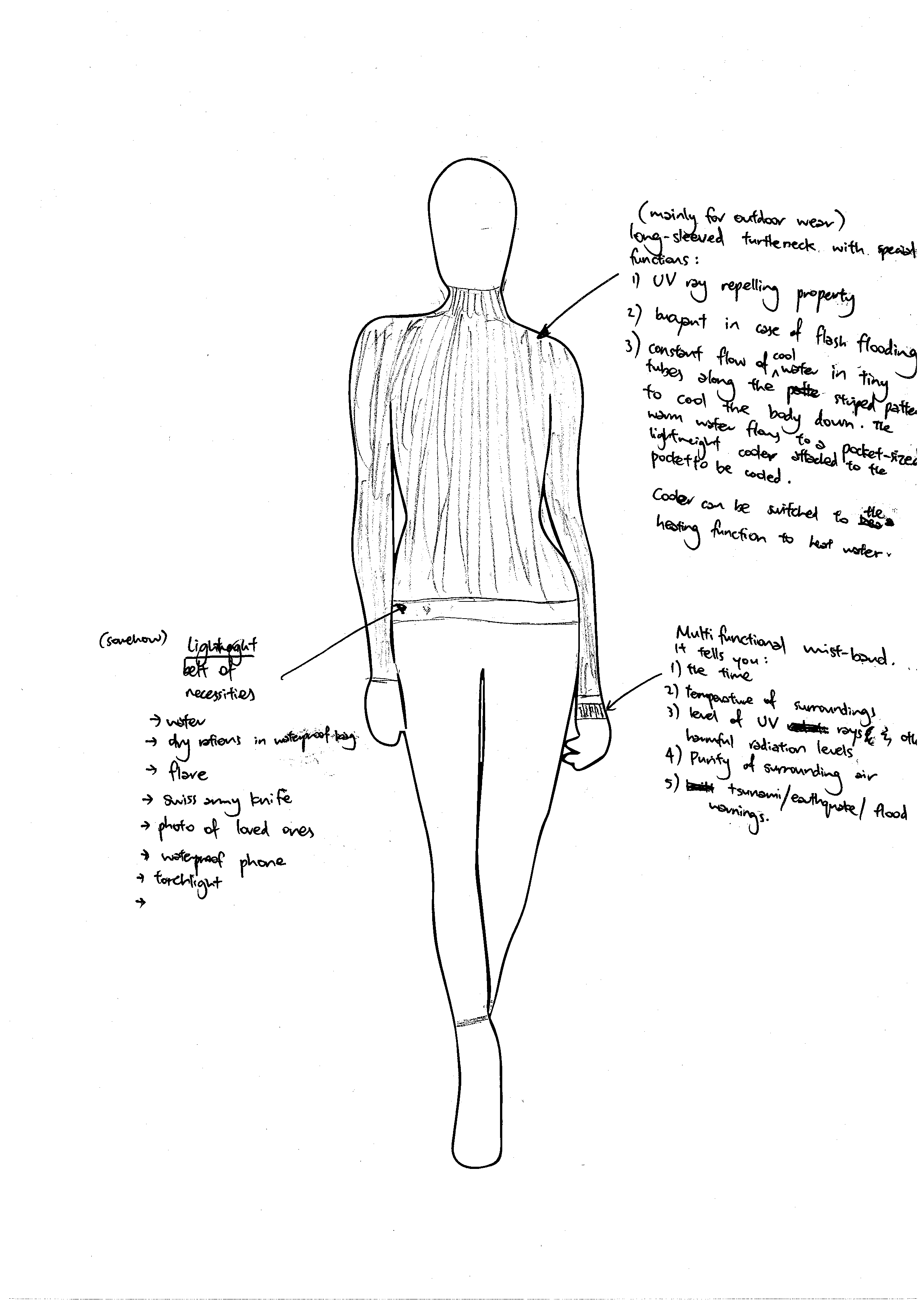
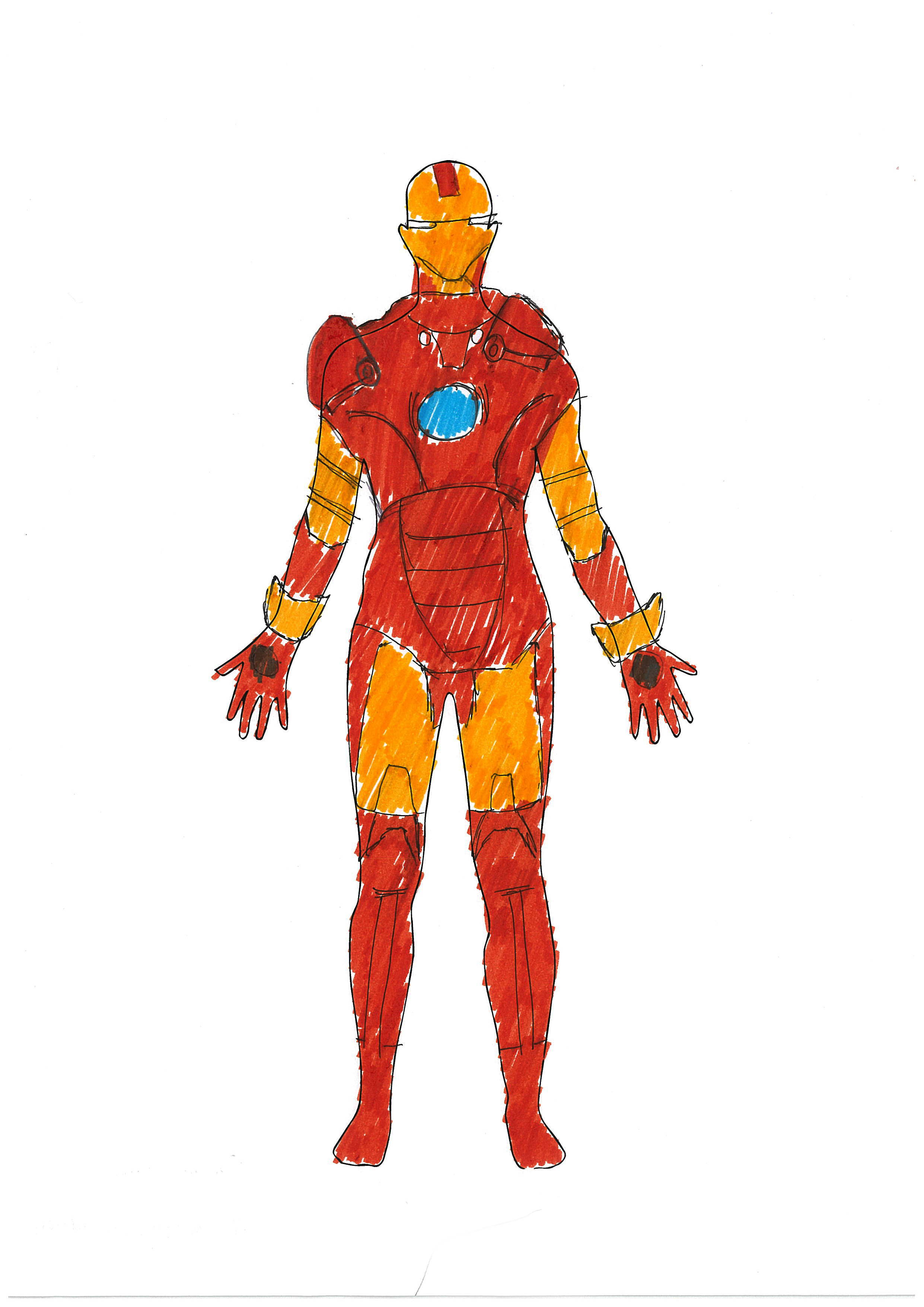
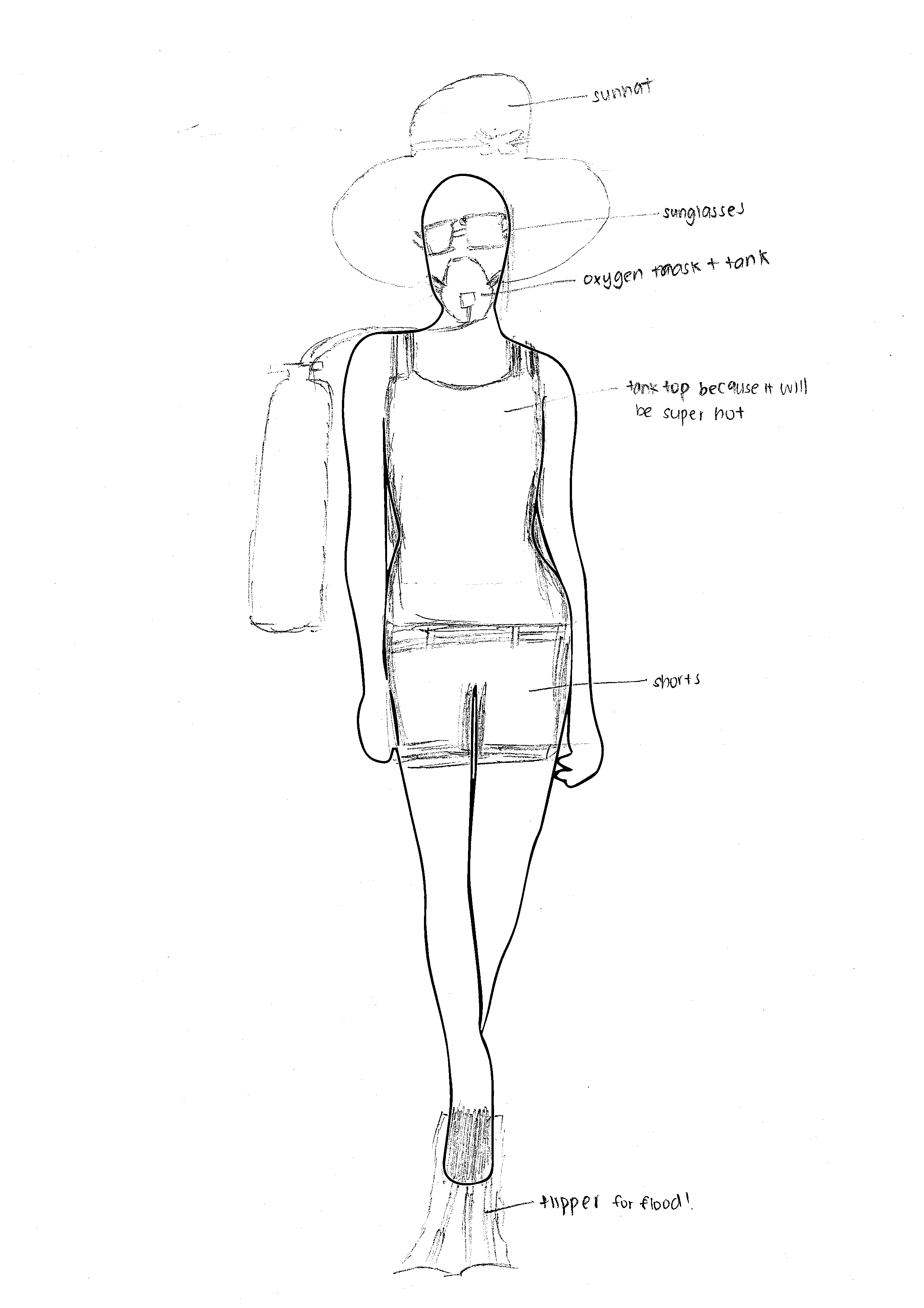
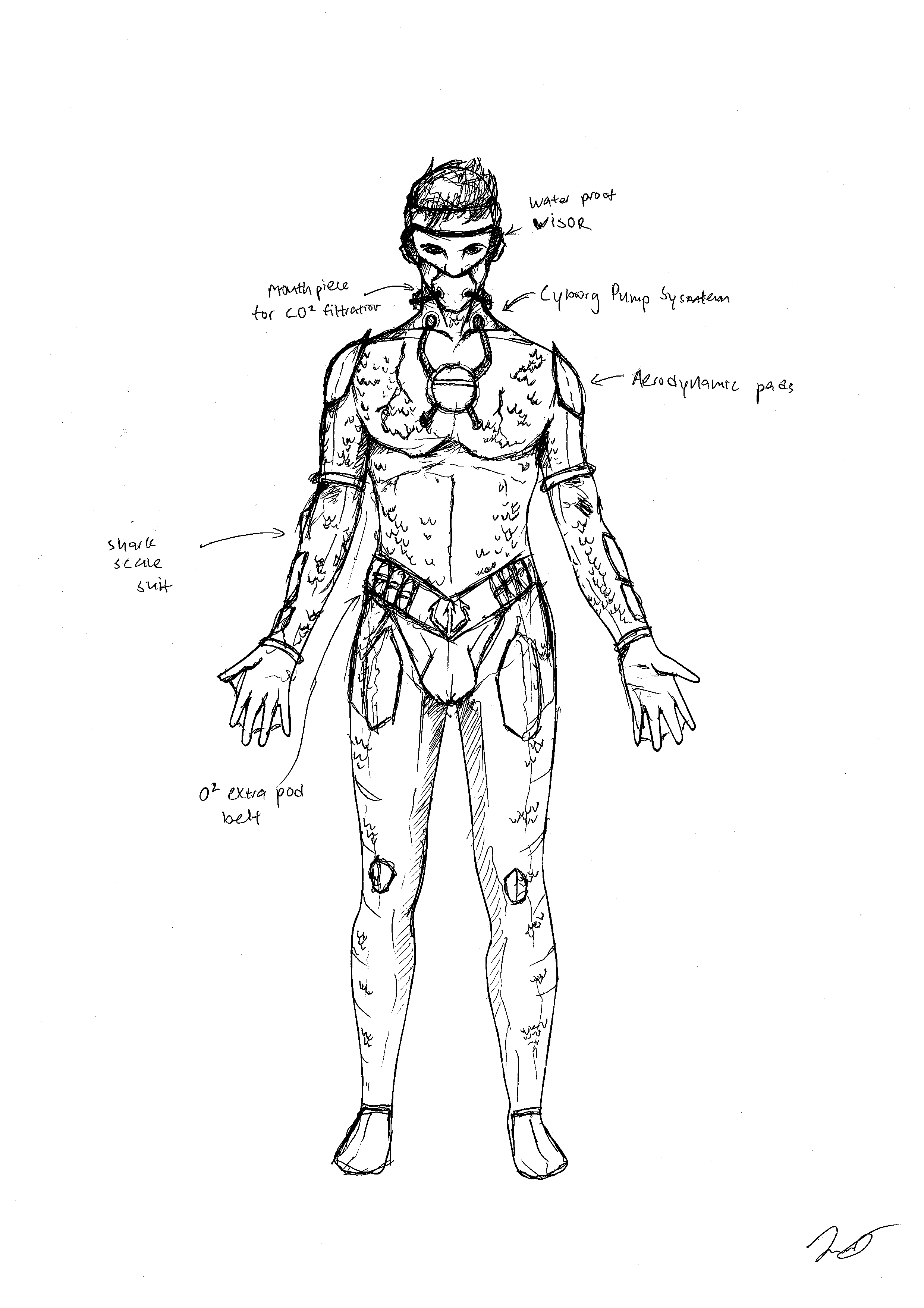
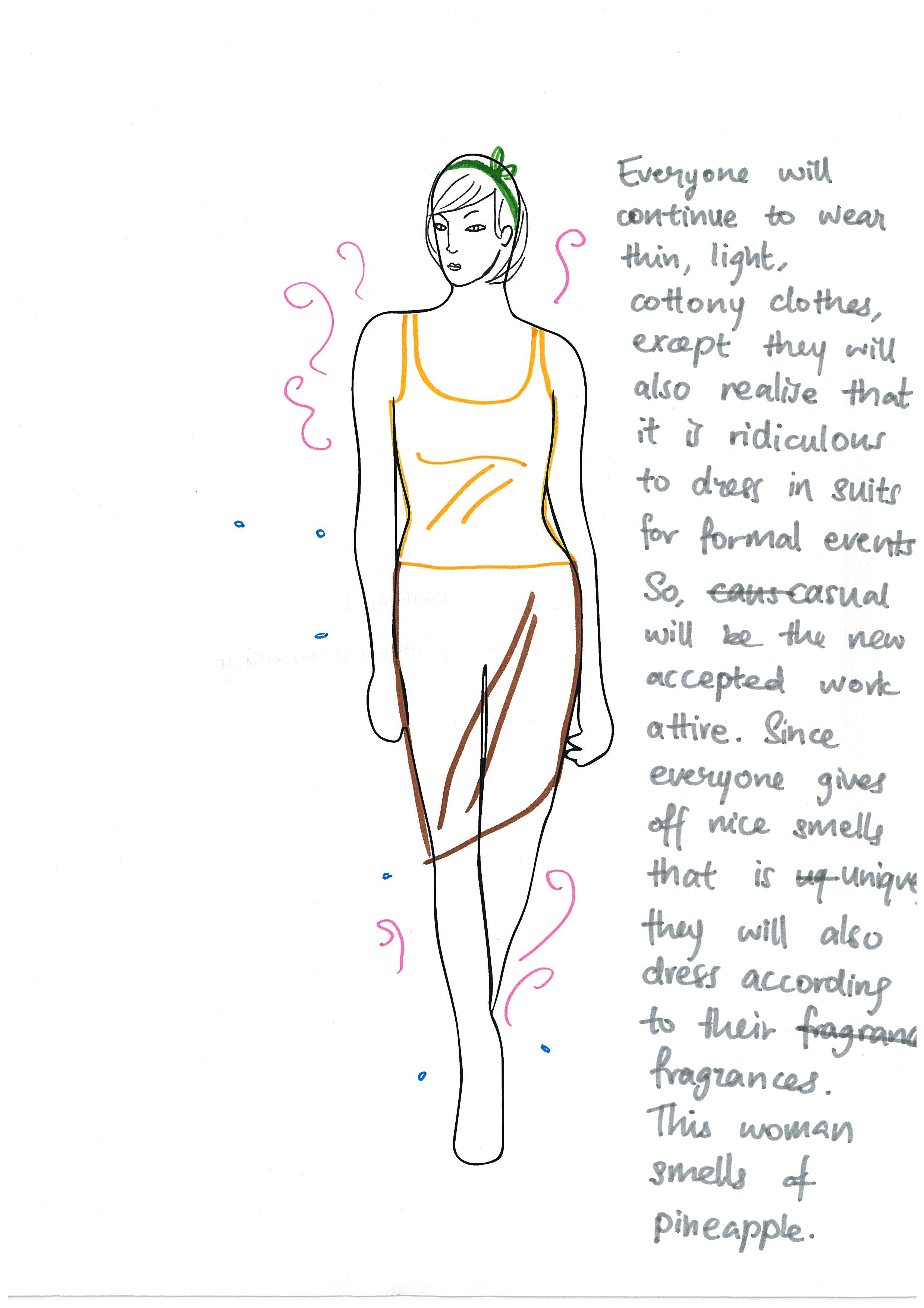
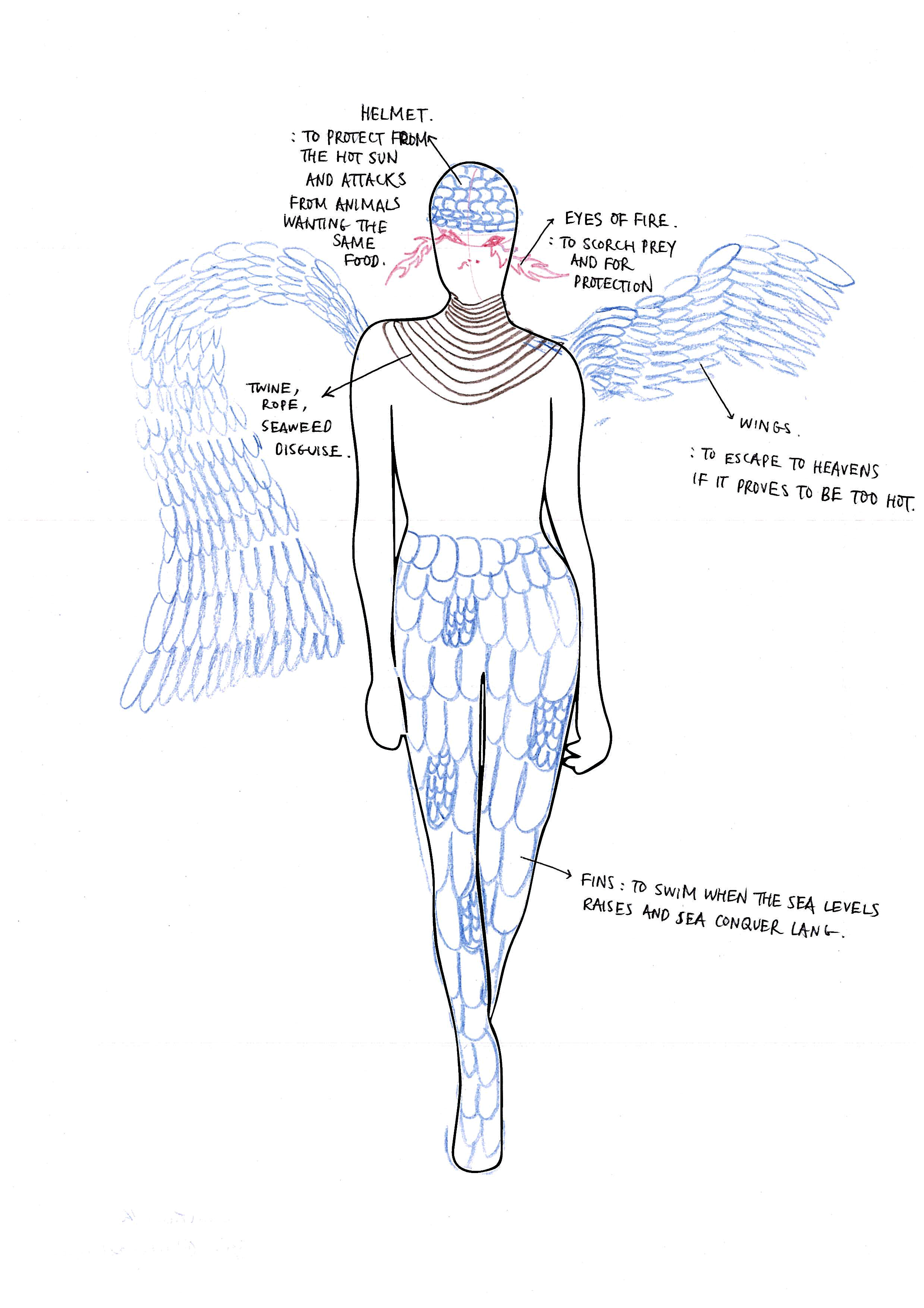
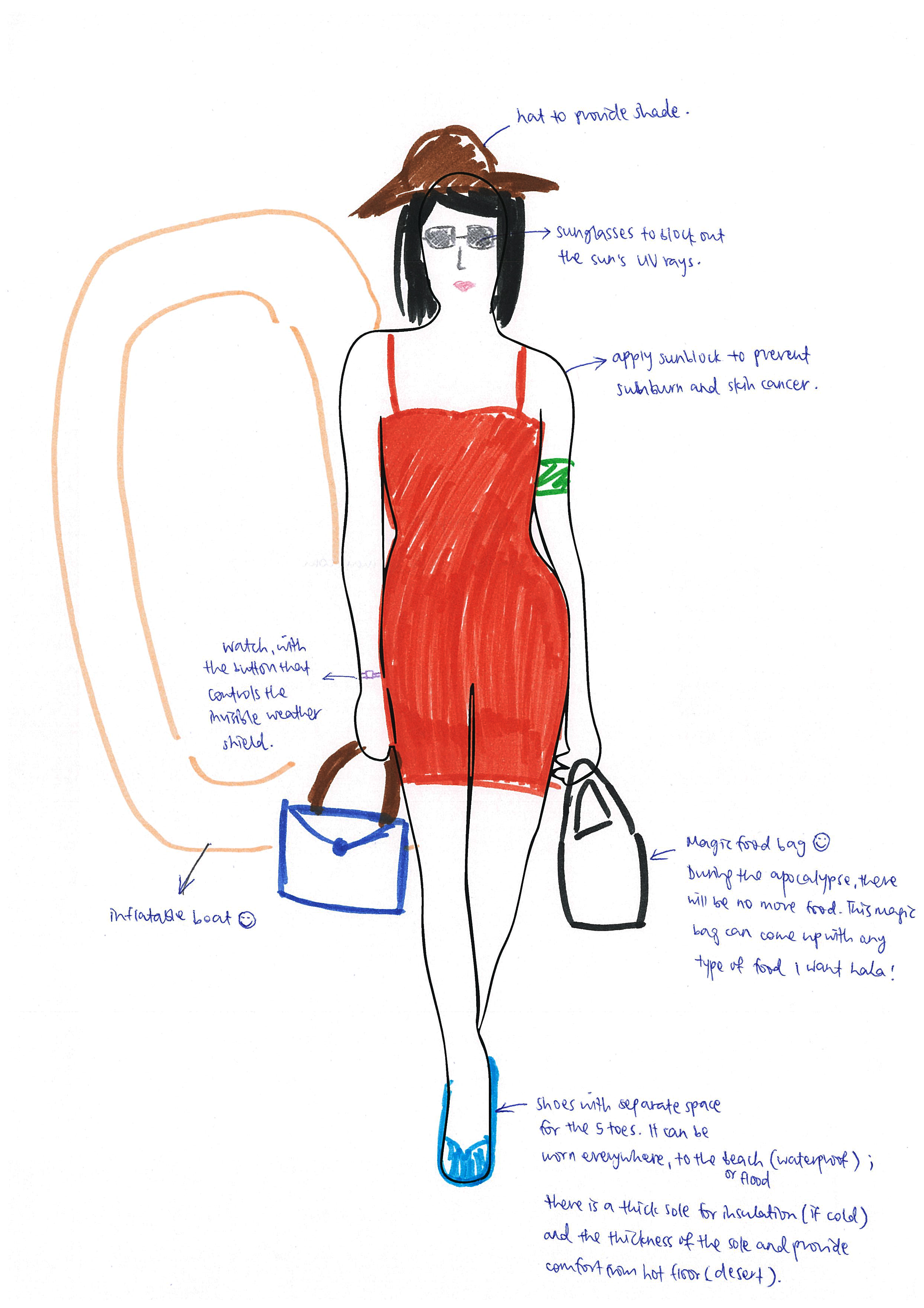
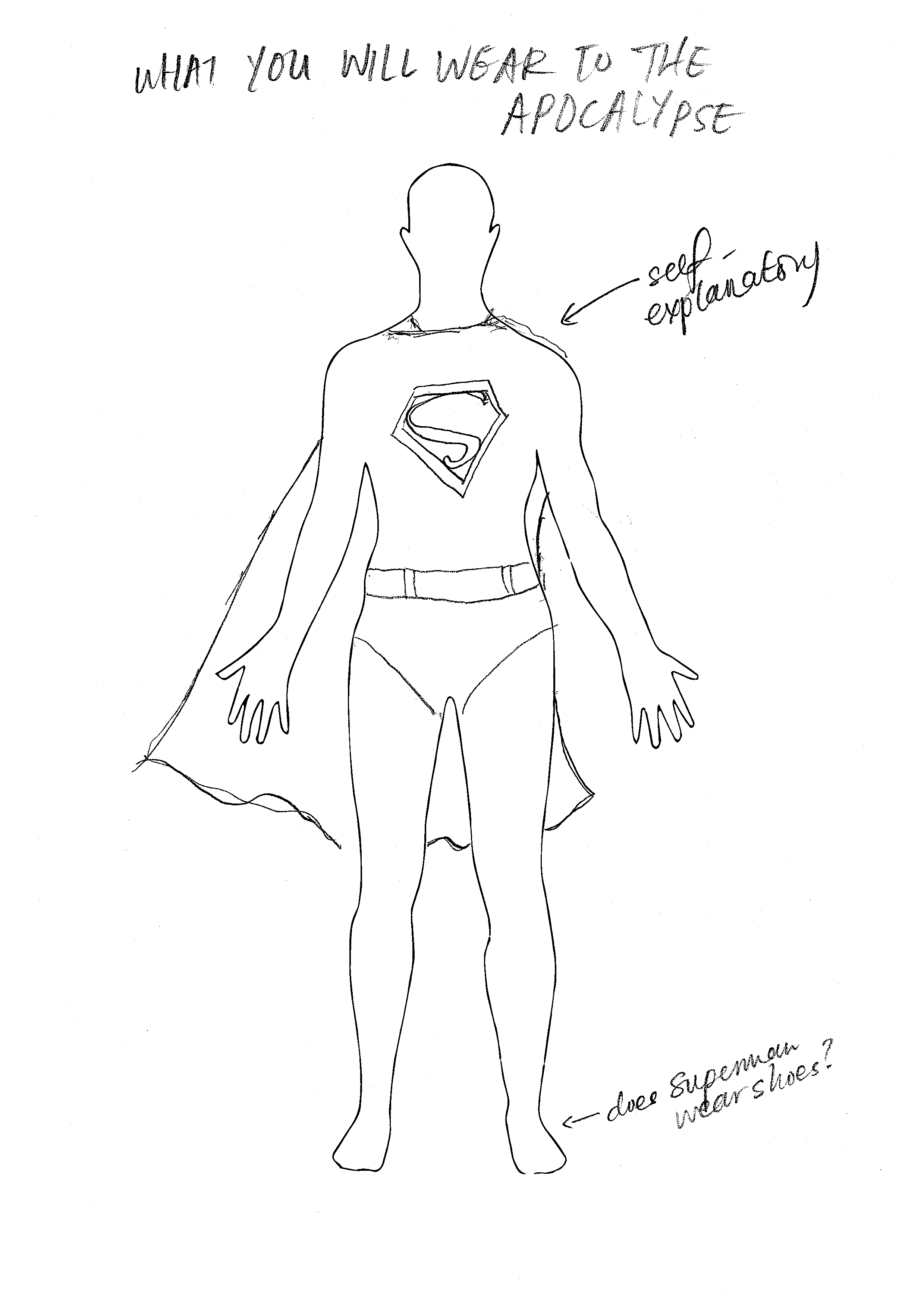
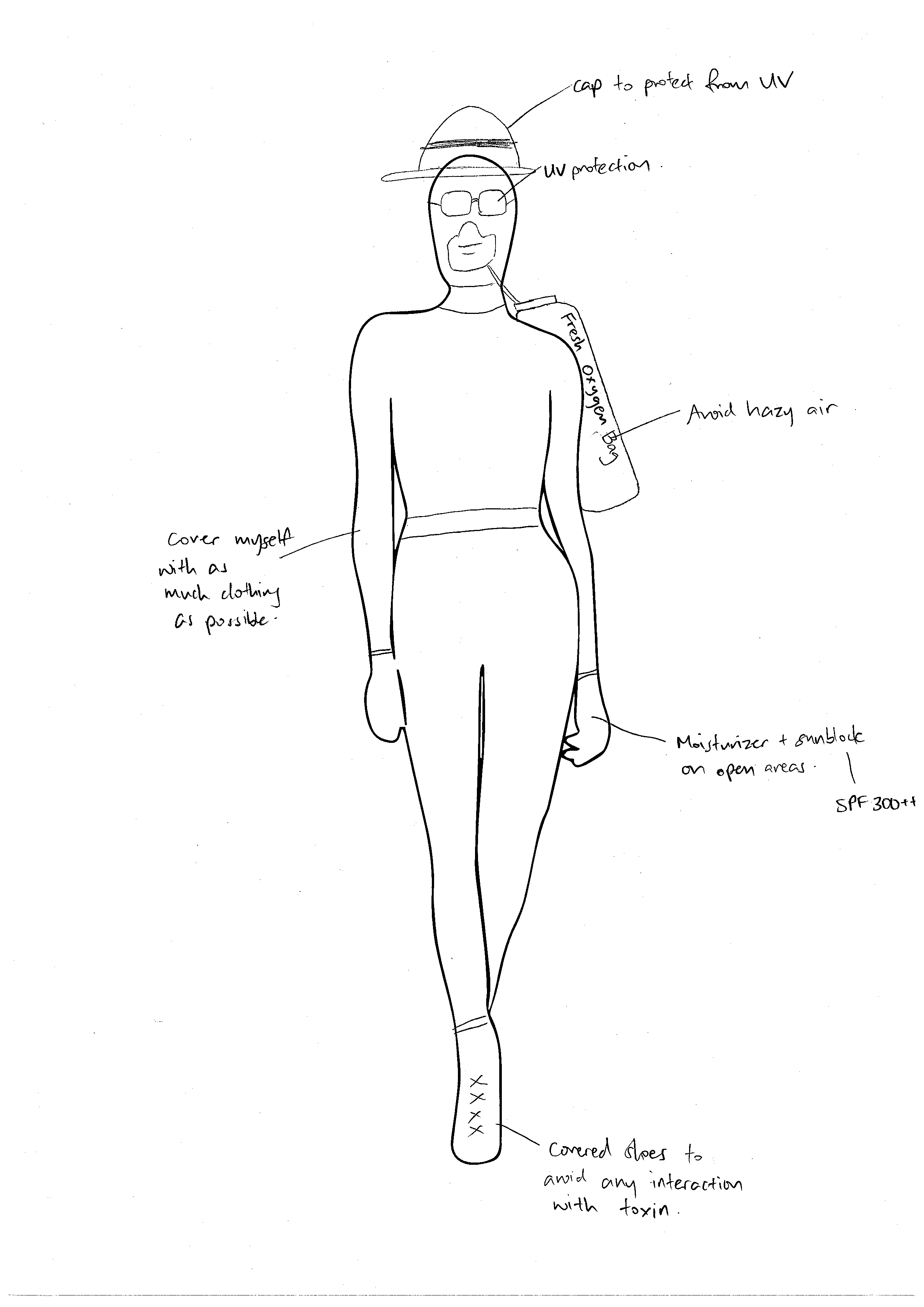
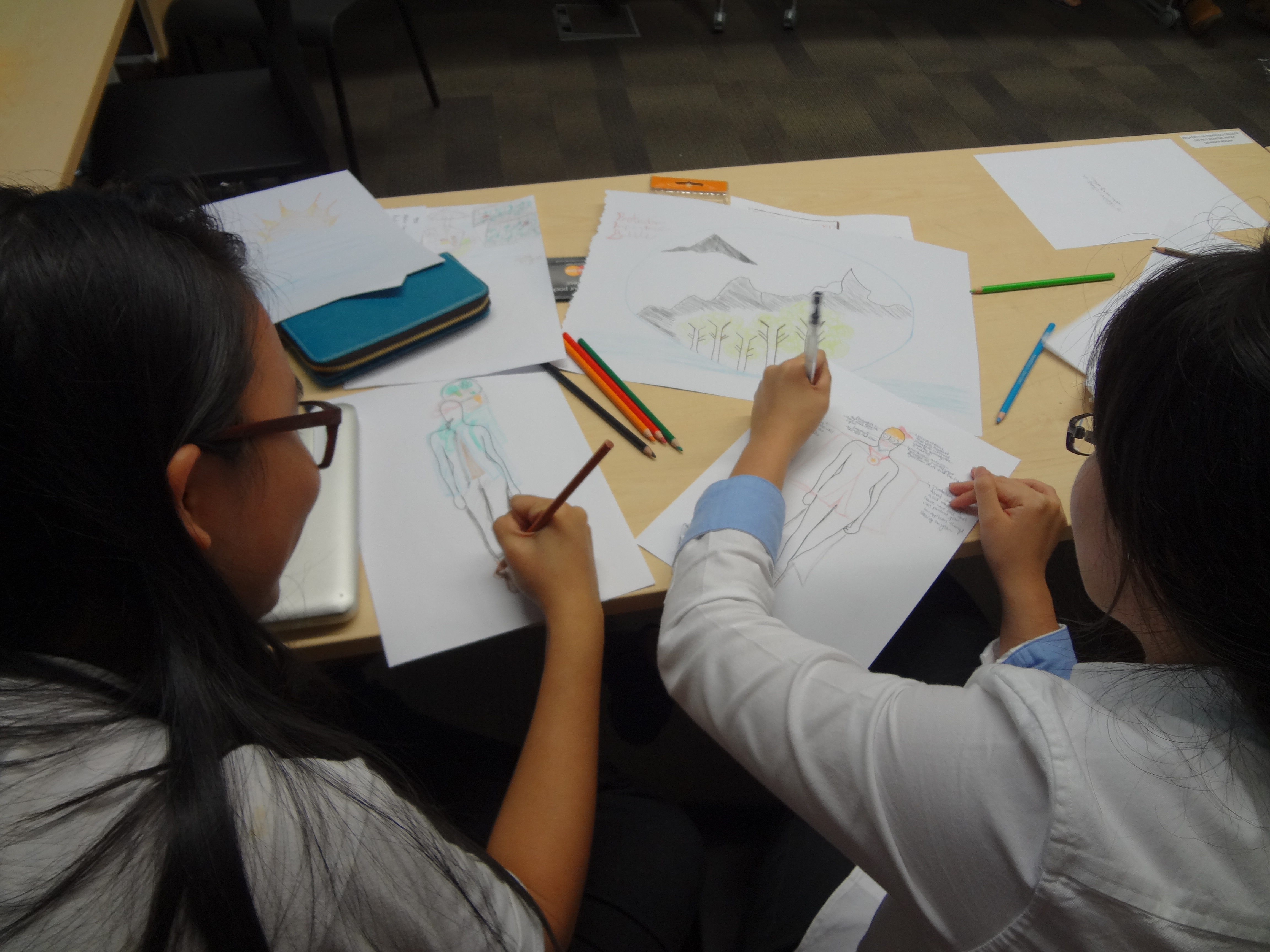
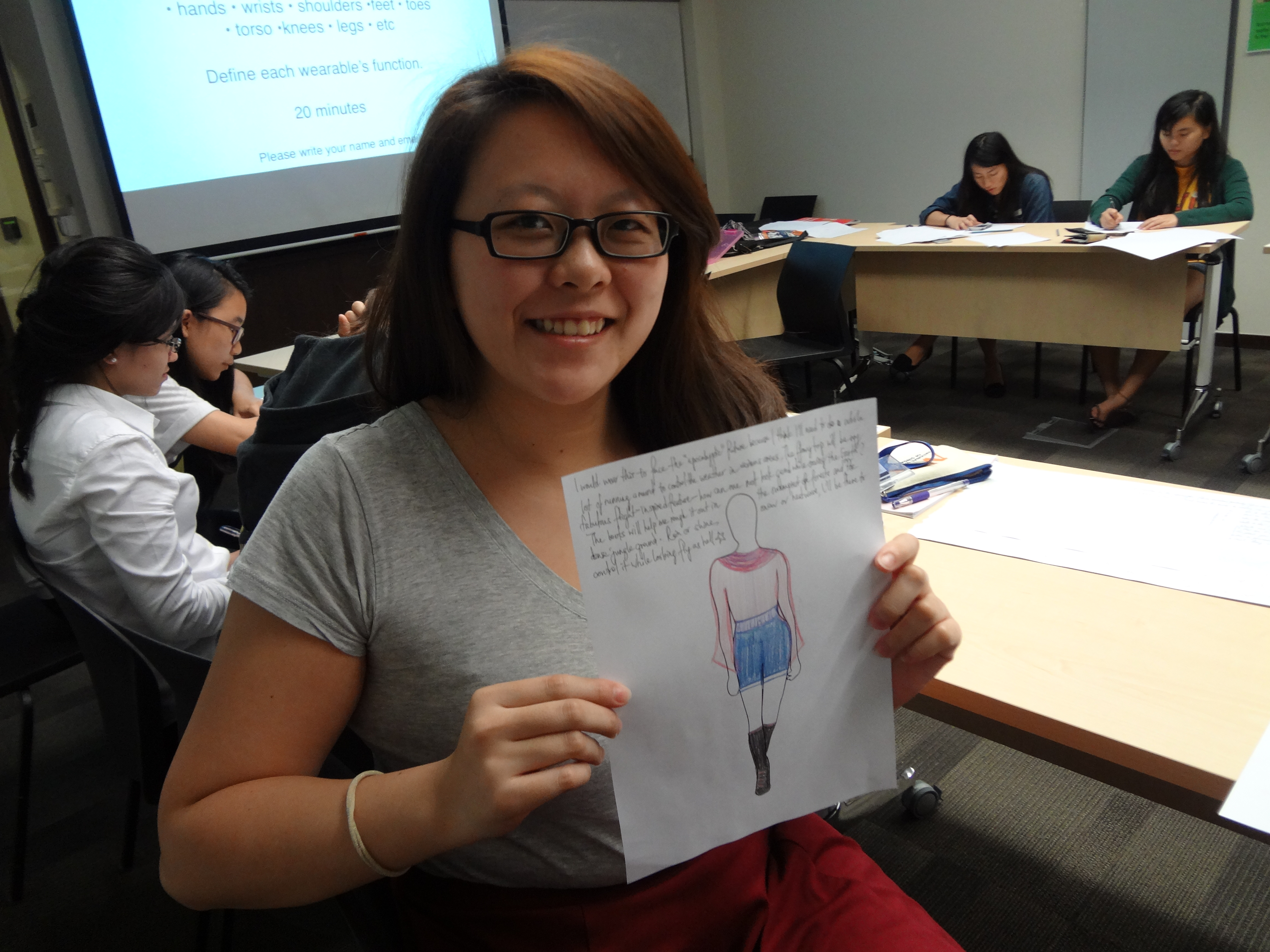
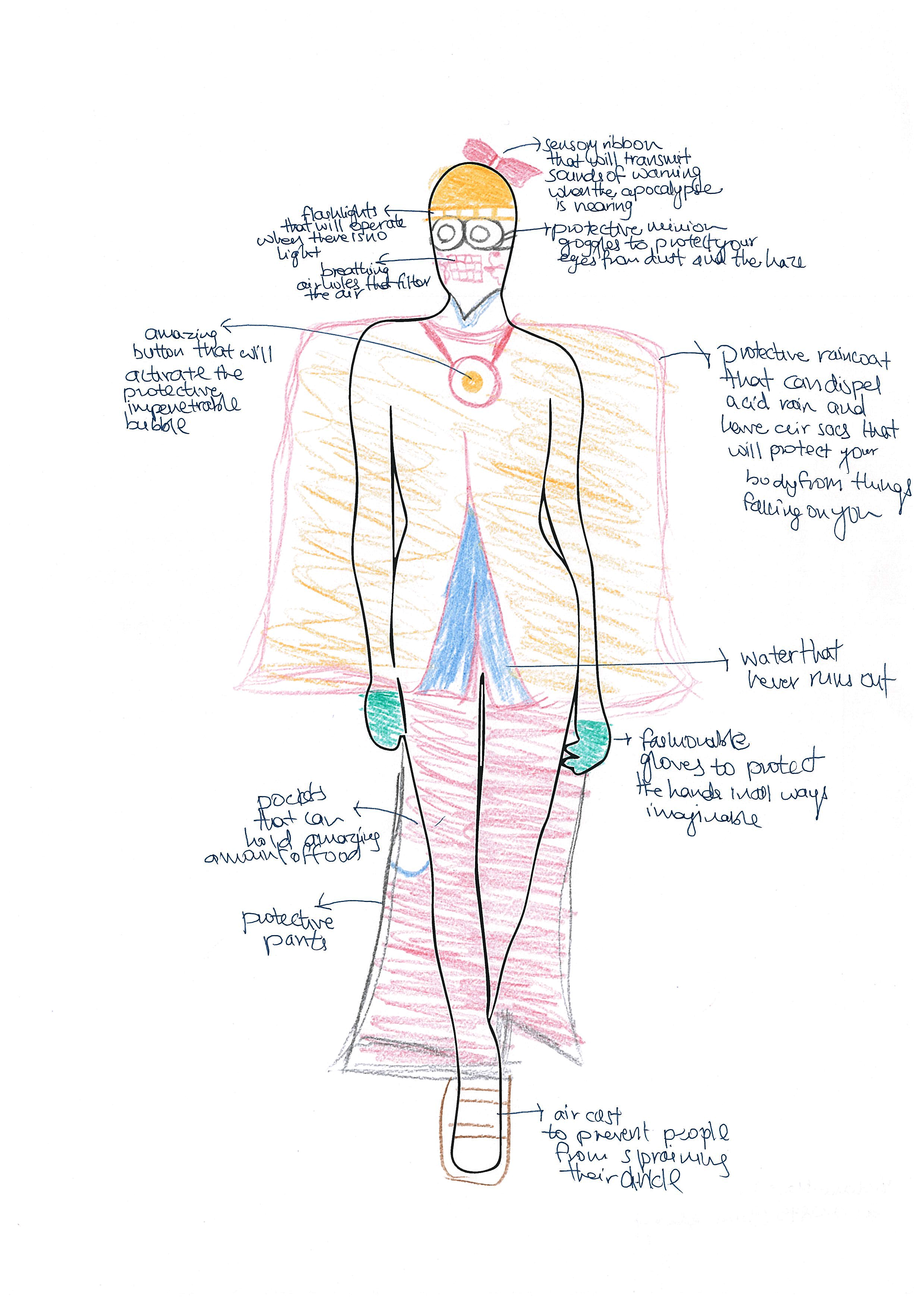
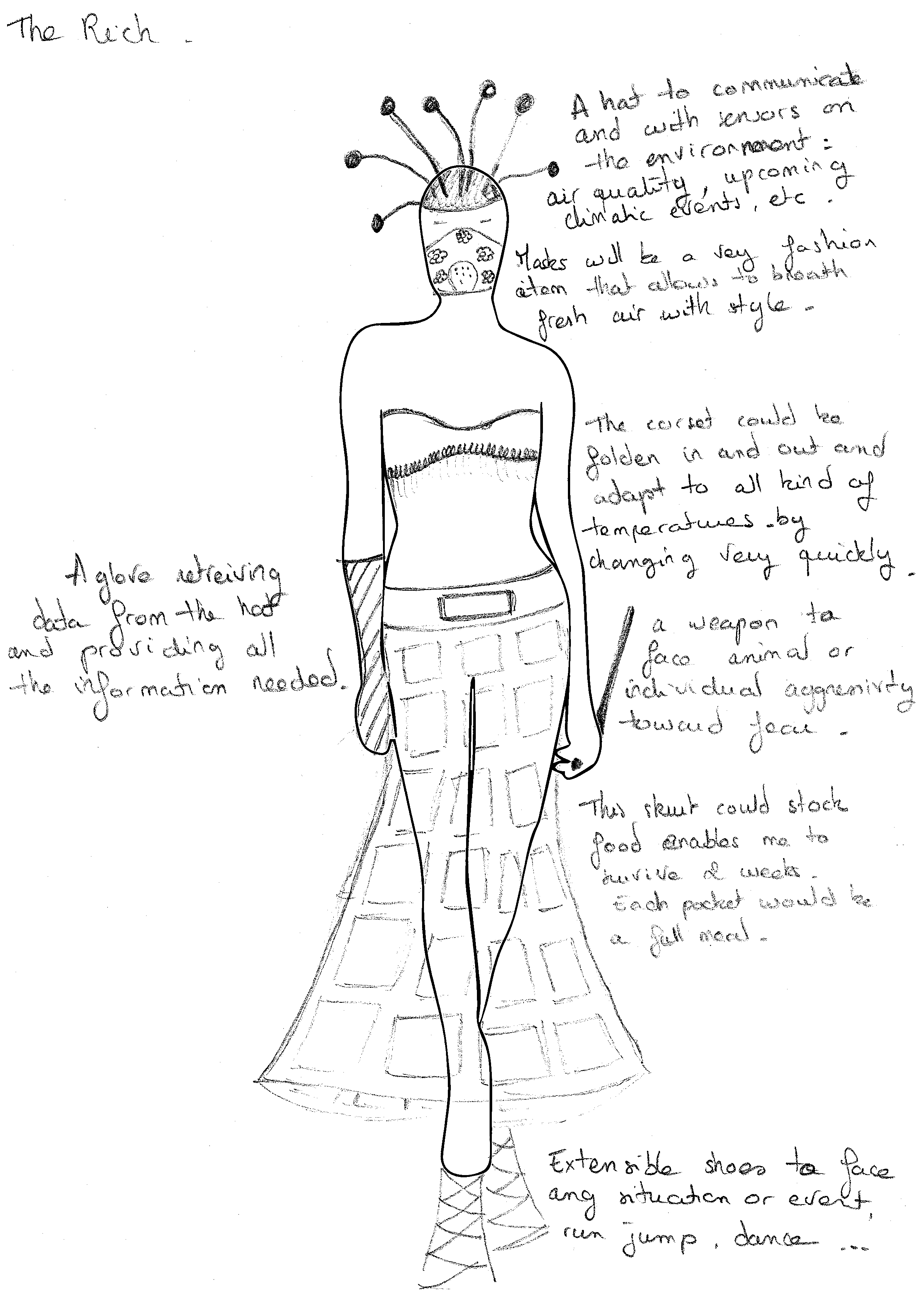
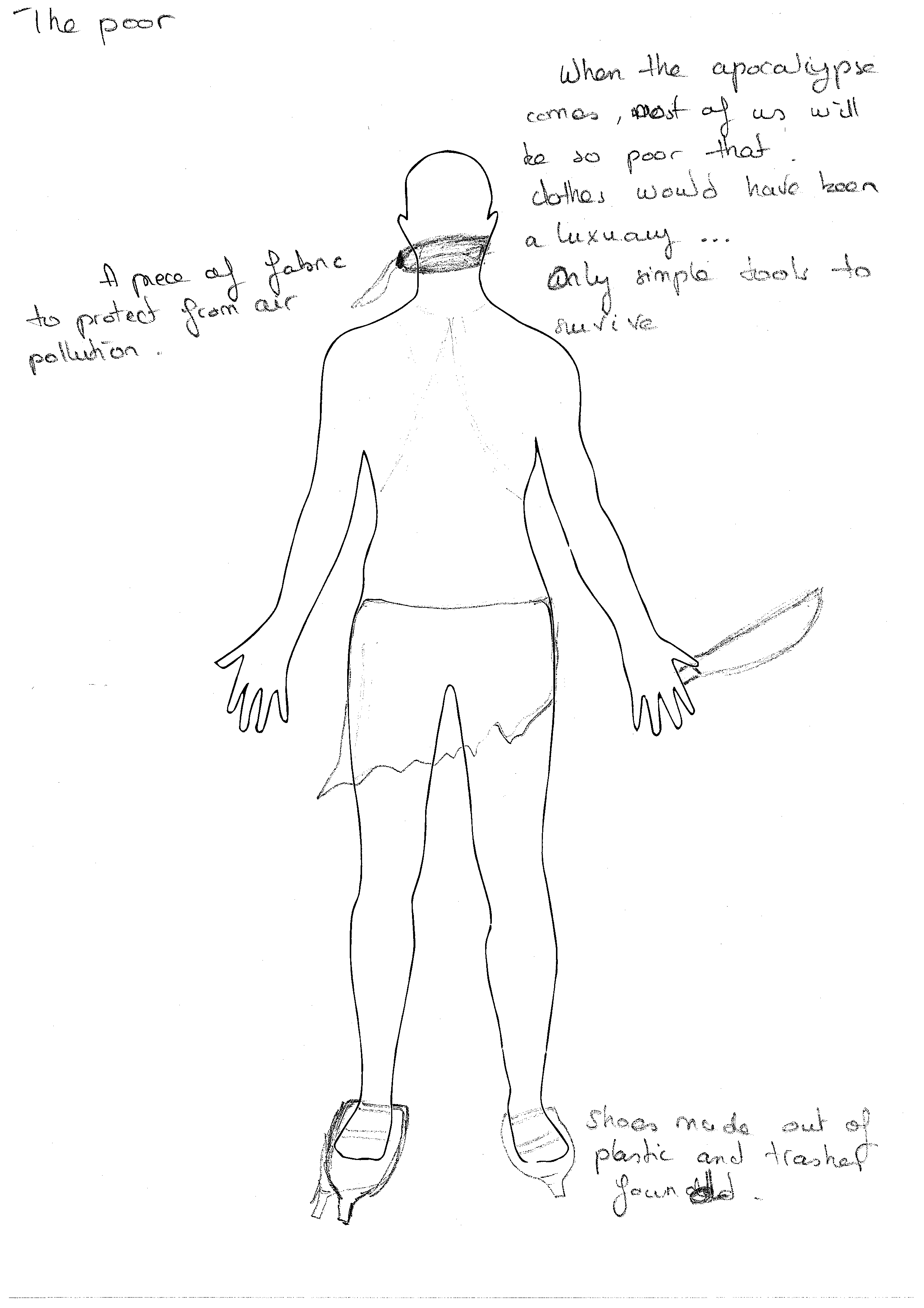
For the final part of The Apocalypse Workshop, I asked the participants, “What would you wear to the apocalypse?” and to define each wearable they design. I gave them fashion design templates. Here is the Tembusu version of an Apocalypse Lookbook:

AdelineChang

by Adeline Chang

AmandaTan

by Amanda Tan

ArjunSaha

by Arjun Saha

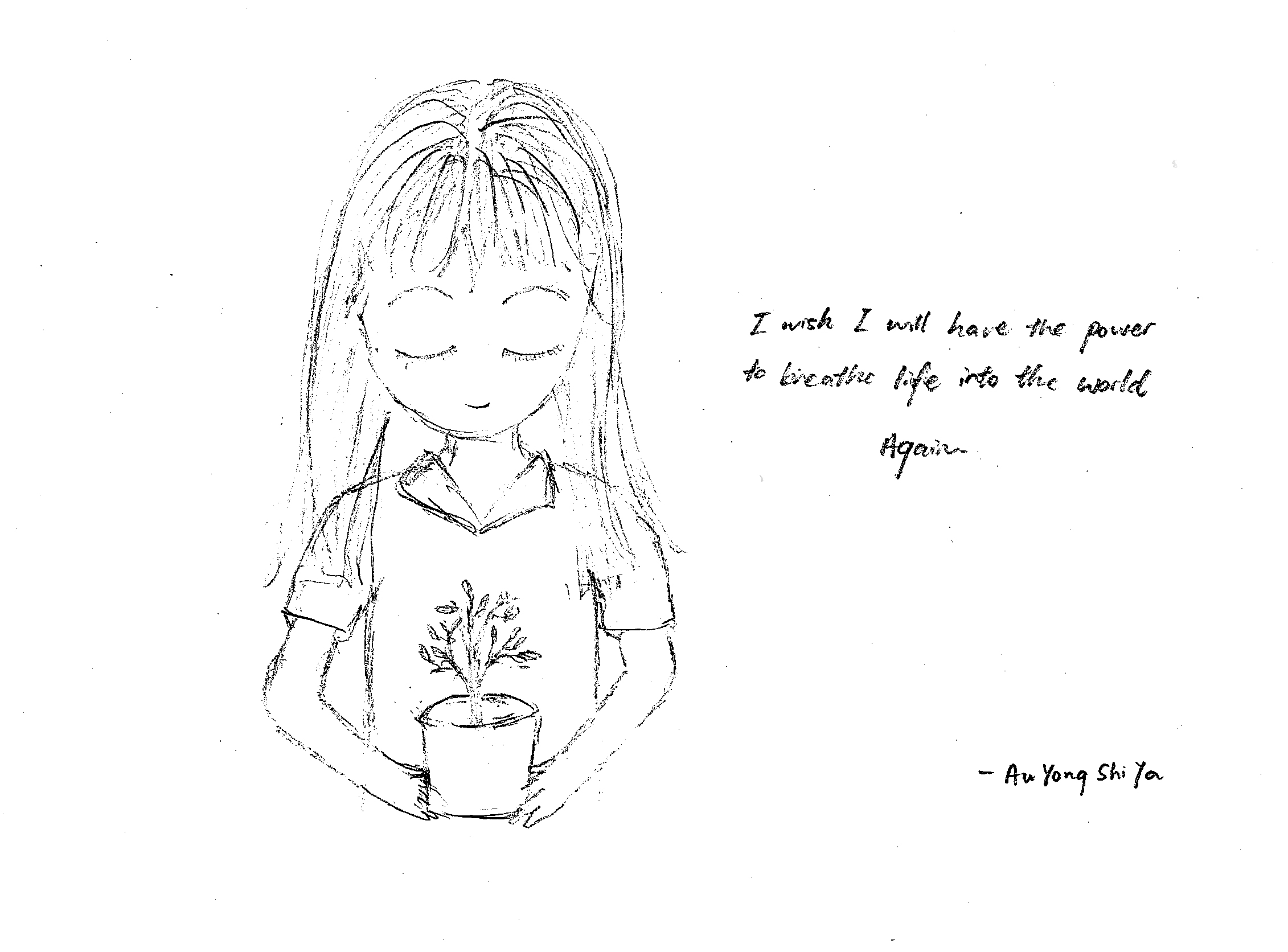
AuYongShiYa

by Au Yong Shi Ya

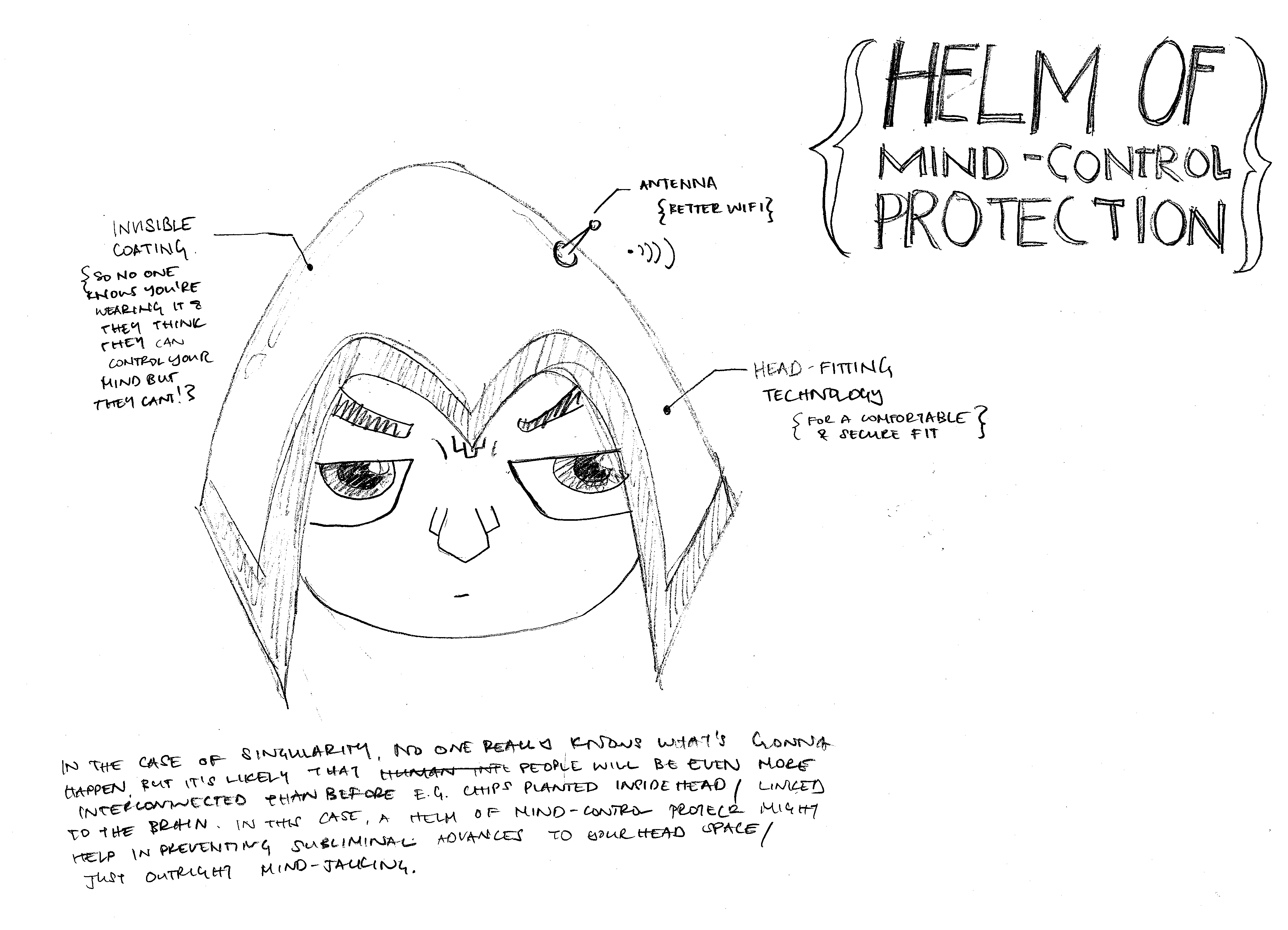
CarminaCastro

by Carmina Castro

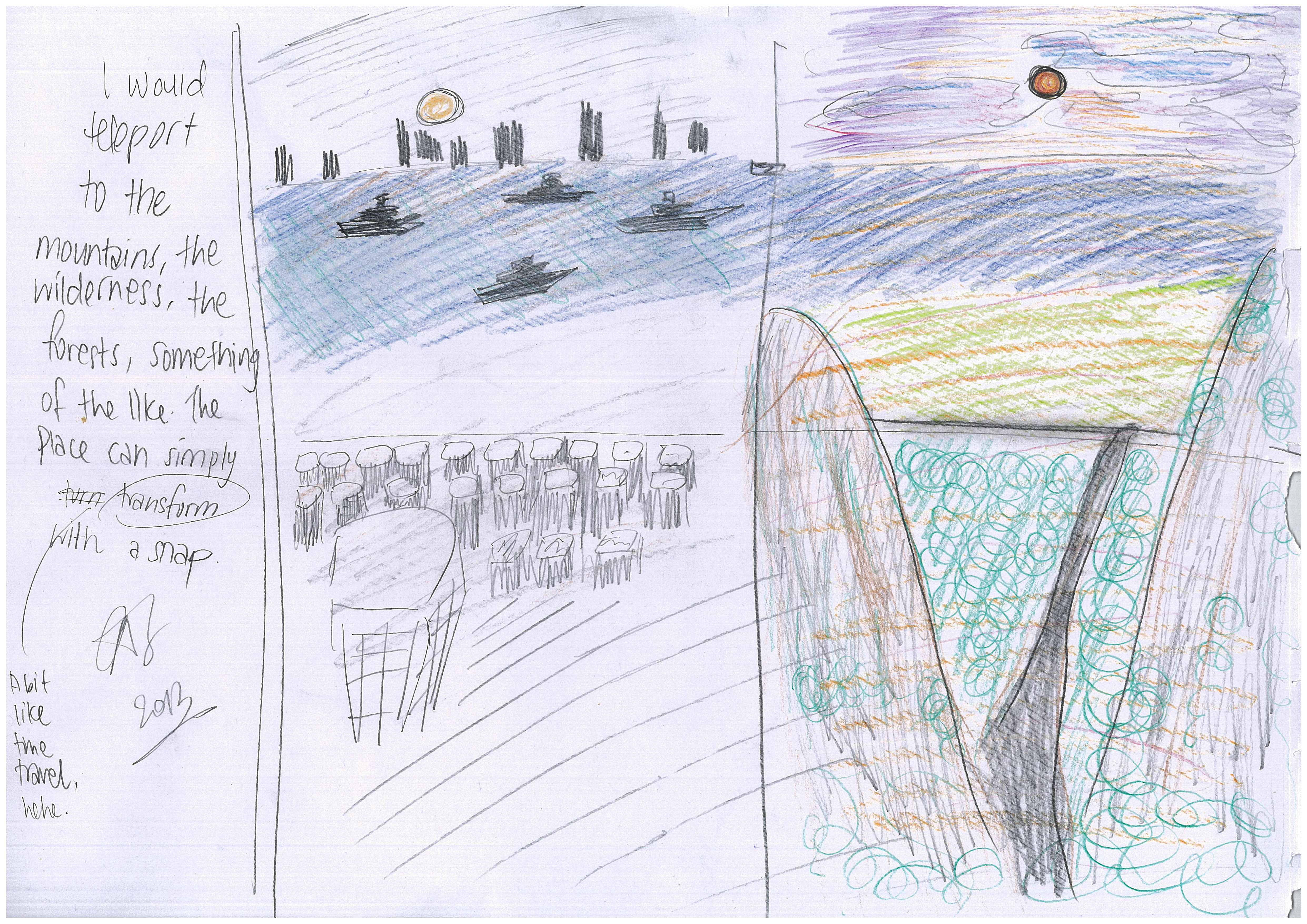
CassandraTeo

by Cassandra Teo

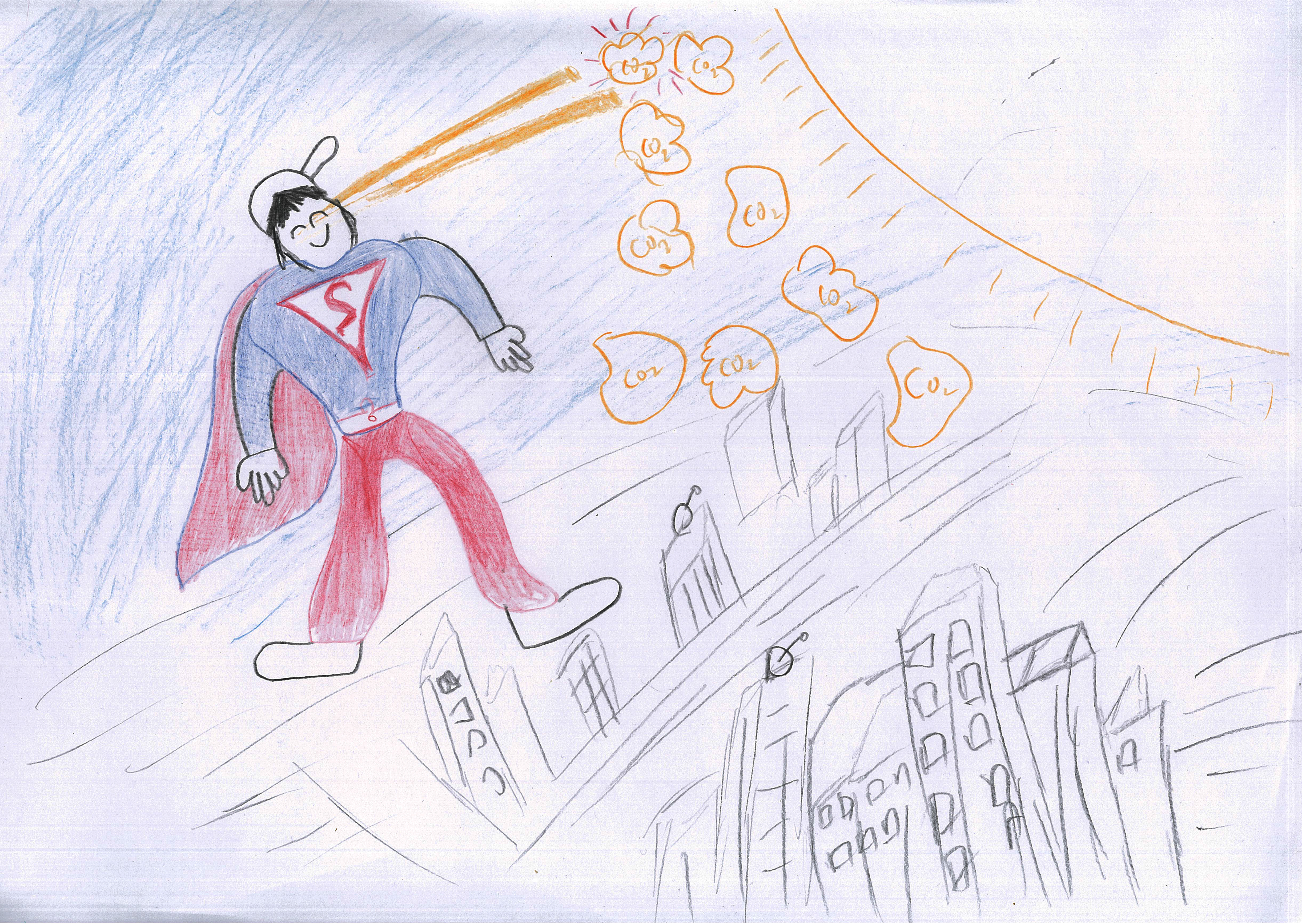
ChanSzeHow

by Chan Sze How

CherlynTan

by Cherlyn Tan

GeorgiaTam

by Georgia Tam

GermaineGoh

by Germaine Goh

JaredKoh

by Jared Koh

JonathanT

by Jonathan T

LamYuenKei

by Lam Yuen Kei

LeeYingLin

by Lee Ying Lin

LyciaHo

by Lycia Ho

NaomiNeoh

by Naomi Neoh

RachelLee

by Rachel Lee

SarahLim

by Sarah Lim

SonjaChua

by Sonja Chua

TayYingYing

by Tay Ying Ying

VictoriaEr

by Victoria Er

ZoeBezpalko

by Zoe Bezpalko

ZoeBezpalko2

by Zoe Bezpalko

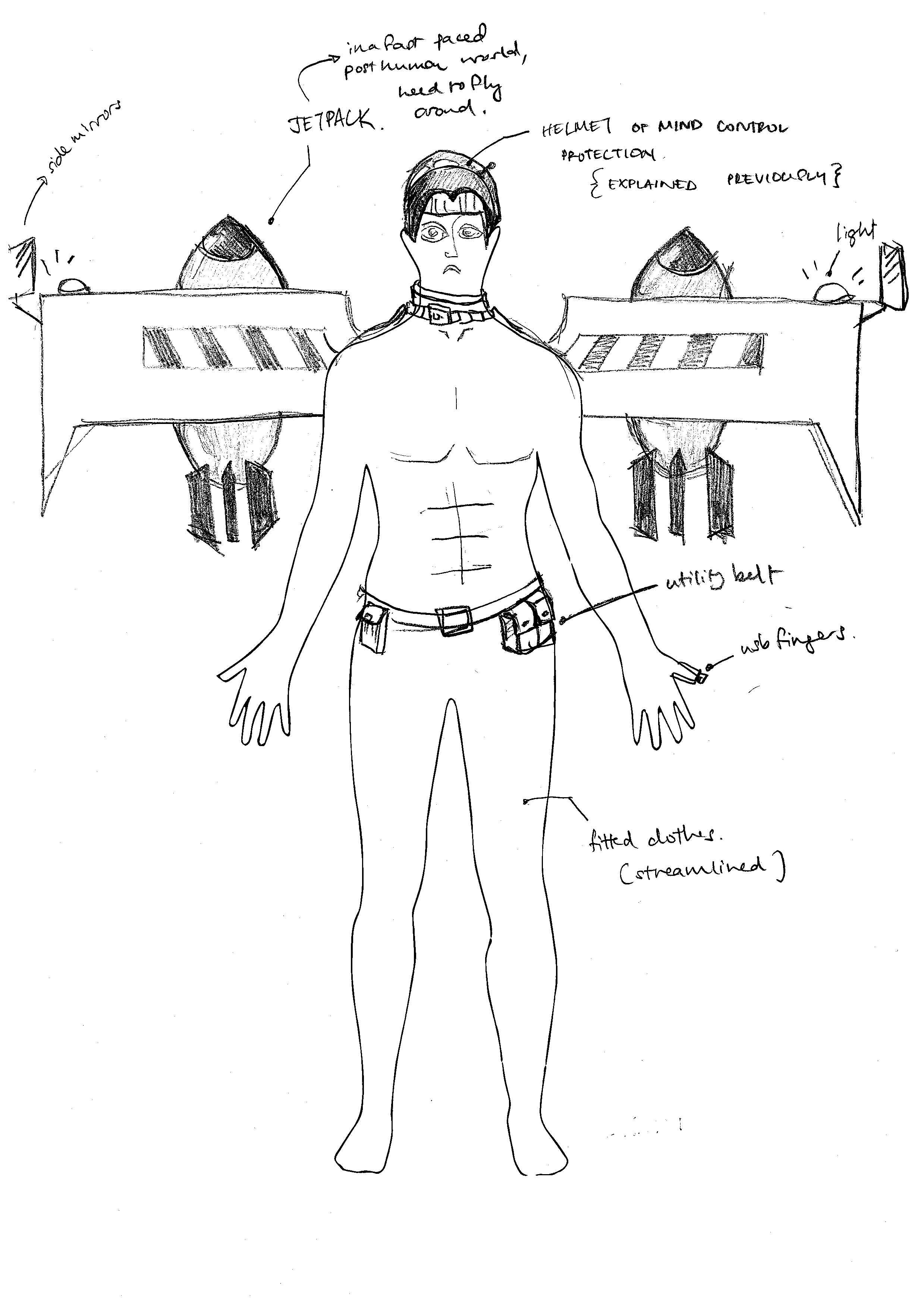
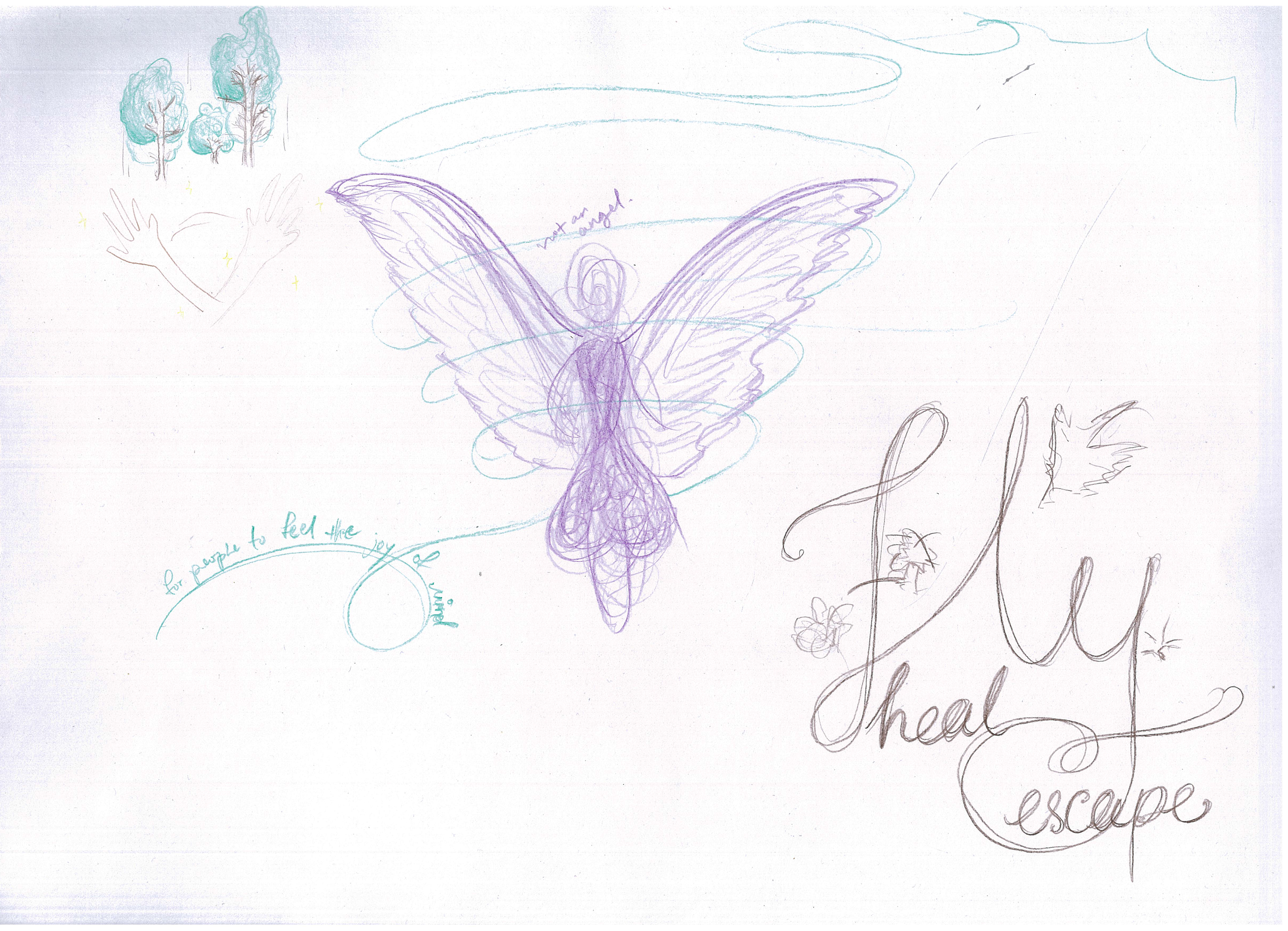
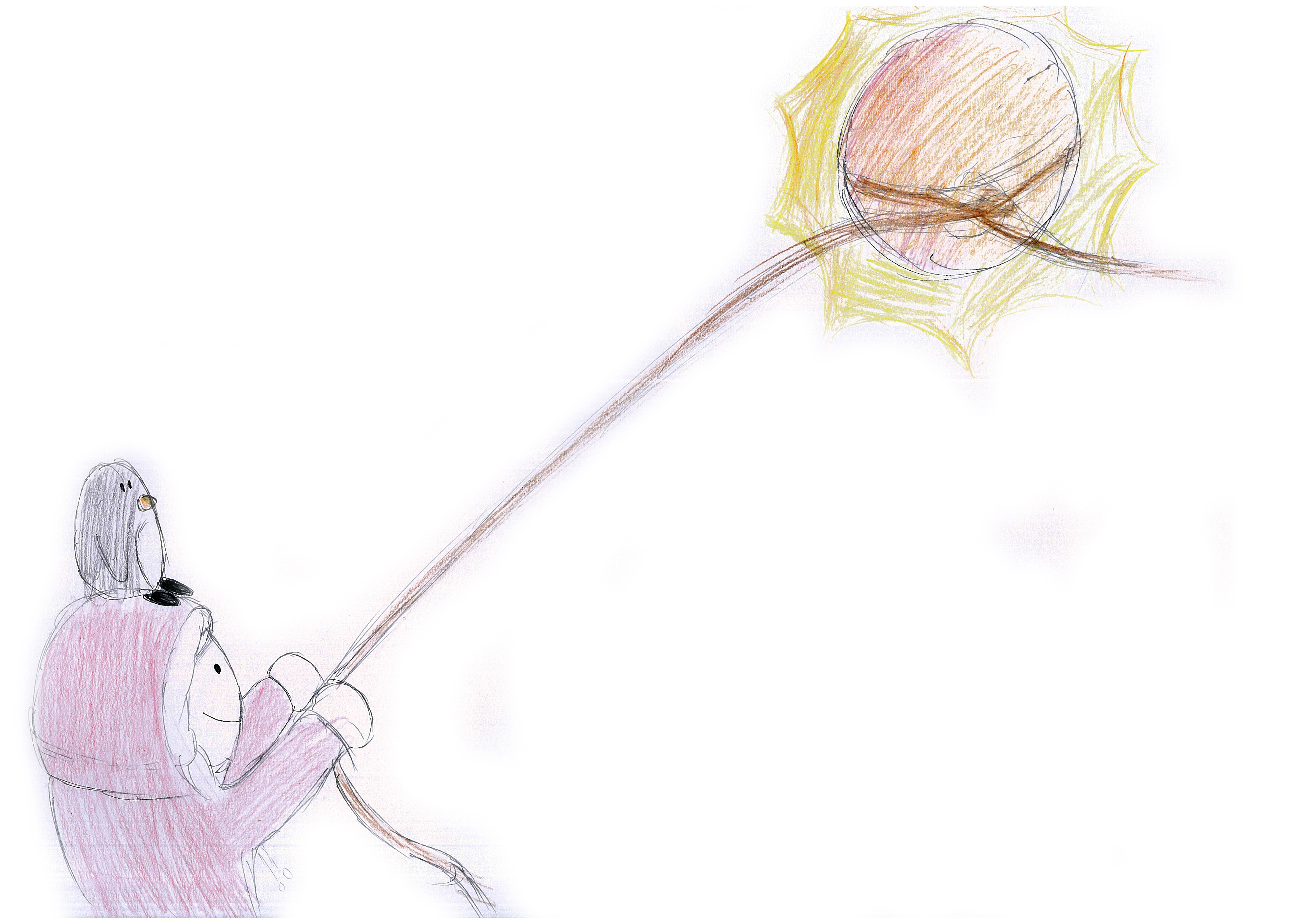
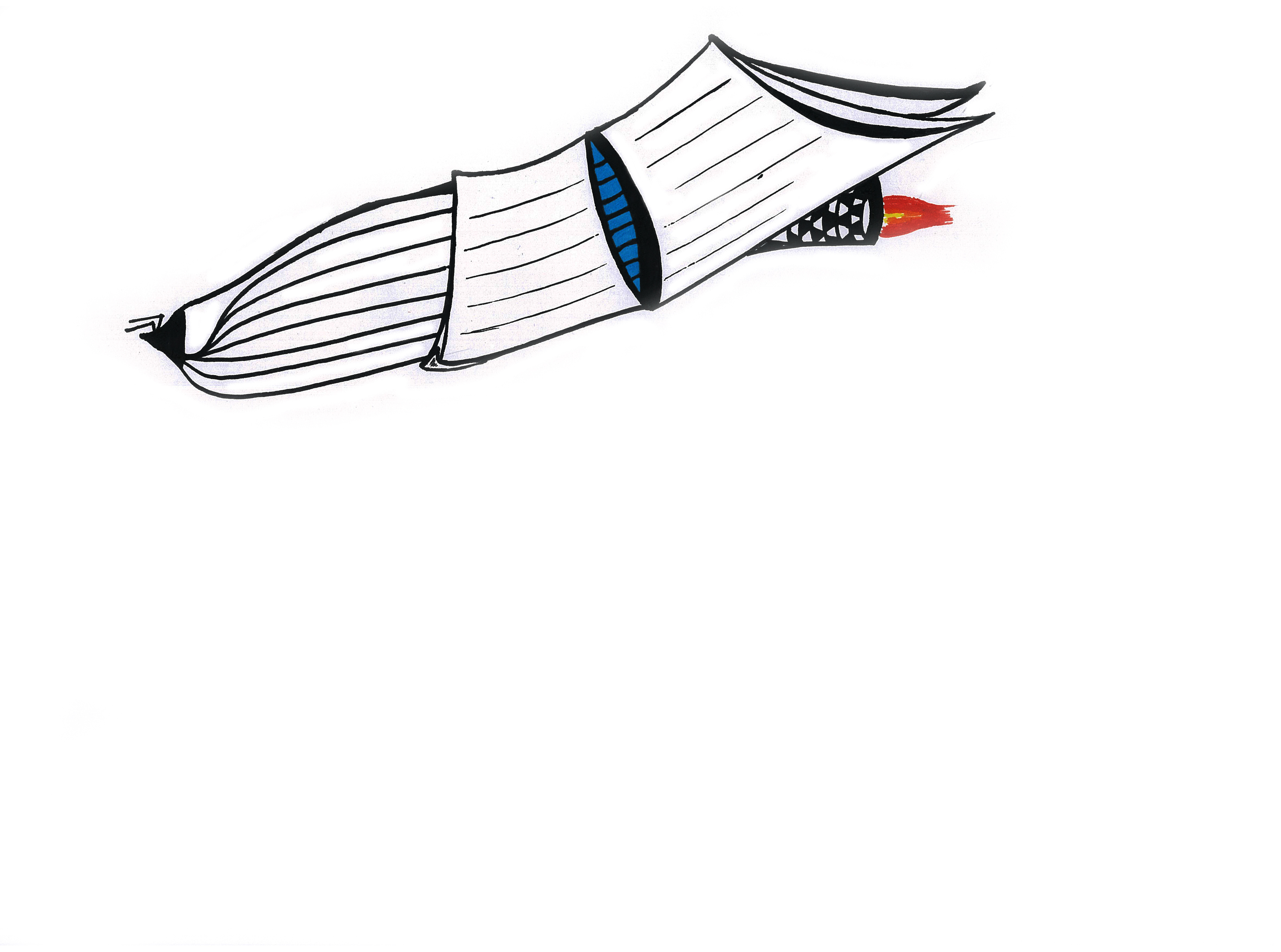
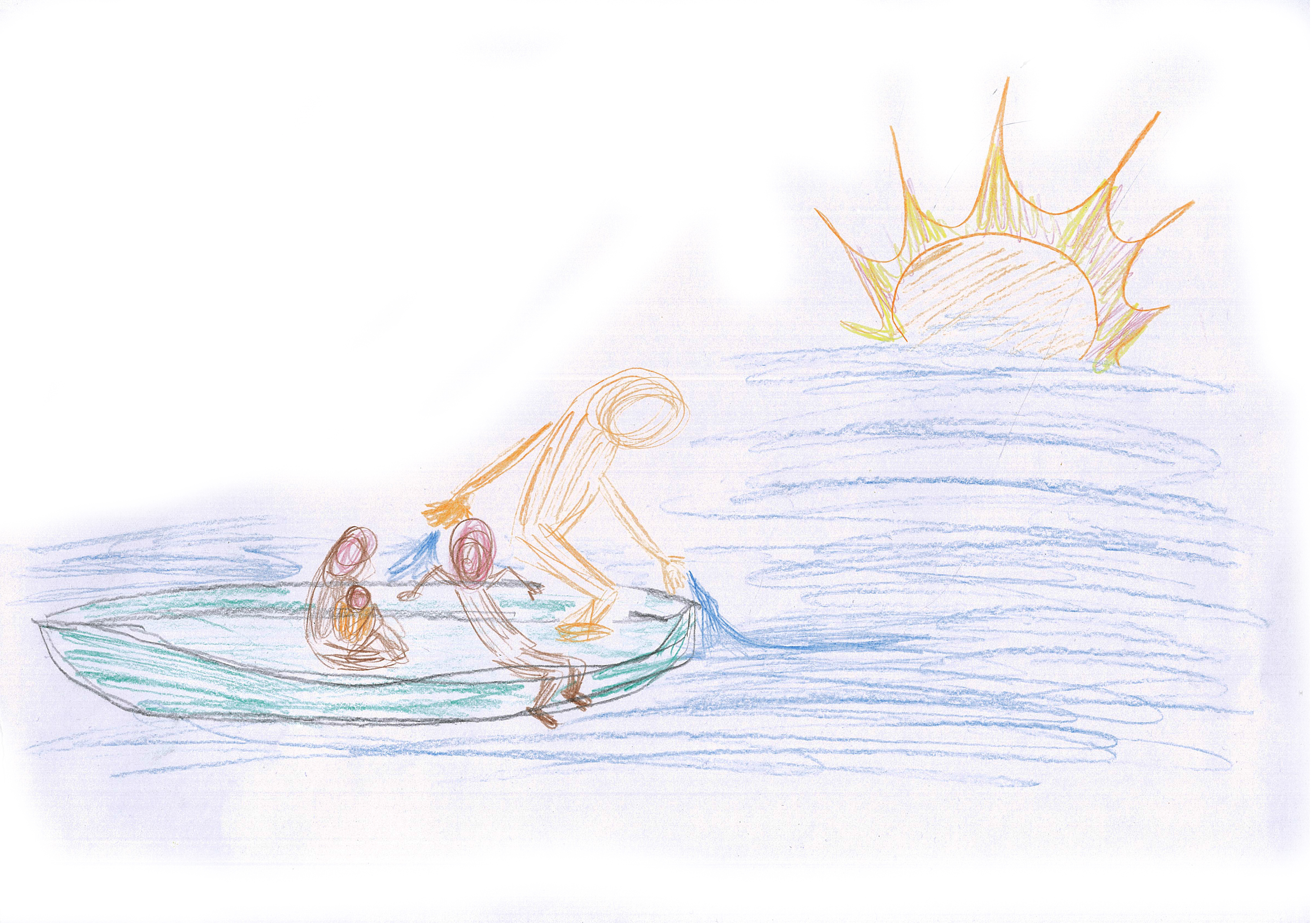
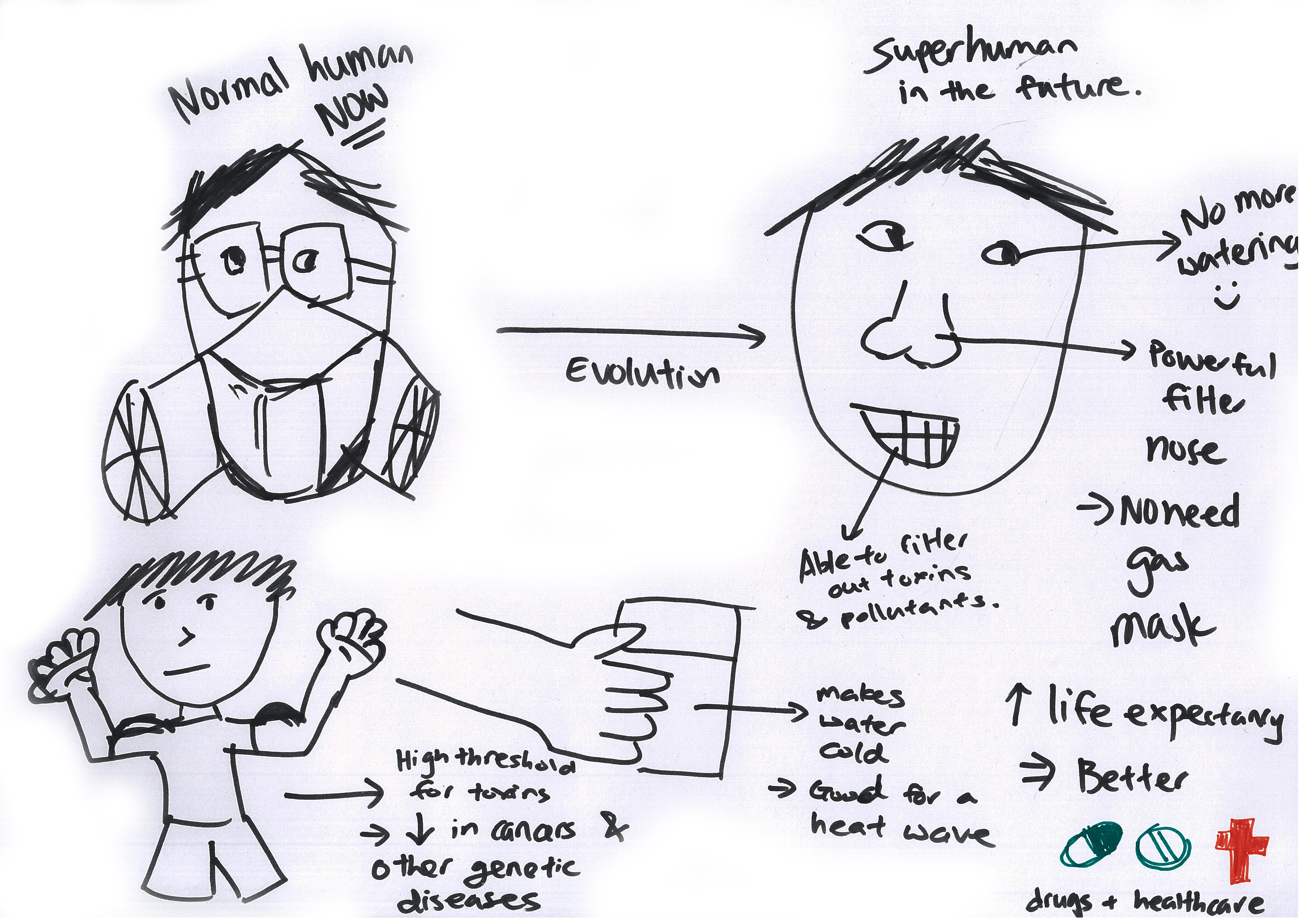
For the second part of The Apocalypse Workshop, I asked students to imagine their superpowers to navigate through the apocalypse they described in the beginning.

Here are some sketches:

AdelineChang

“Fly. Heal. Escape.” —Adeline Chang

AmandaTan

“Ability to move the sun” —Amanda Tan Ying Shyuan

ArjunSaha“Spaceship out to sun to cool it. Suicidal ice core cooler.”—Arjun Saha

AuYongShiYa

“I wish I will have the power to breathe life into the world again.” —Au Yong Shi Ya

CarminaCastro

“In the case of singularity, no one really knows what’s gonna happen, but it’s likely that people will be even more interconnected than before. e.g. chips planted inside head / linked to the brain. In this case, a helm of mind-control protector might help in preventing subliminal advances to your head space / just outright mind-jacking.

CassandraTeo

“I would teleport to the mountains, the wilderness, the forests, something of the like. The place can simply transform with a snap.” —Cassandra Teo

ChanSzeHow

“This drawing shows a Superman shooting down CO2 gas molecules to reduce greenhouse warming. He is flying and protecting the atmosphere of the Earth.” —Chan Sze How

CherlynTan

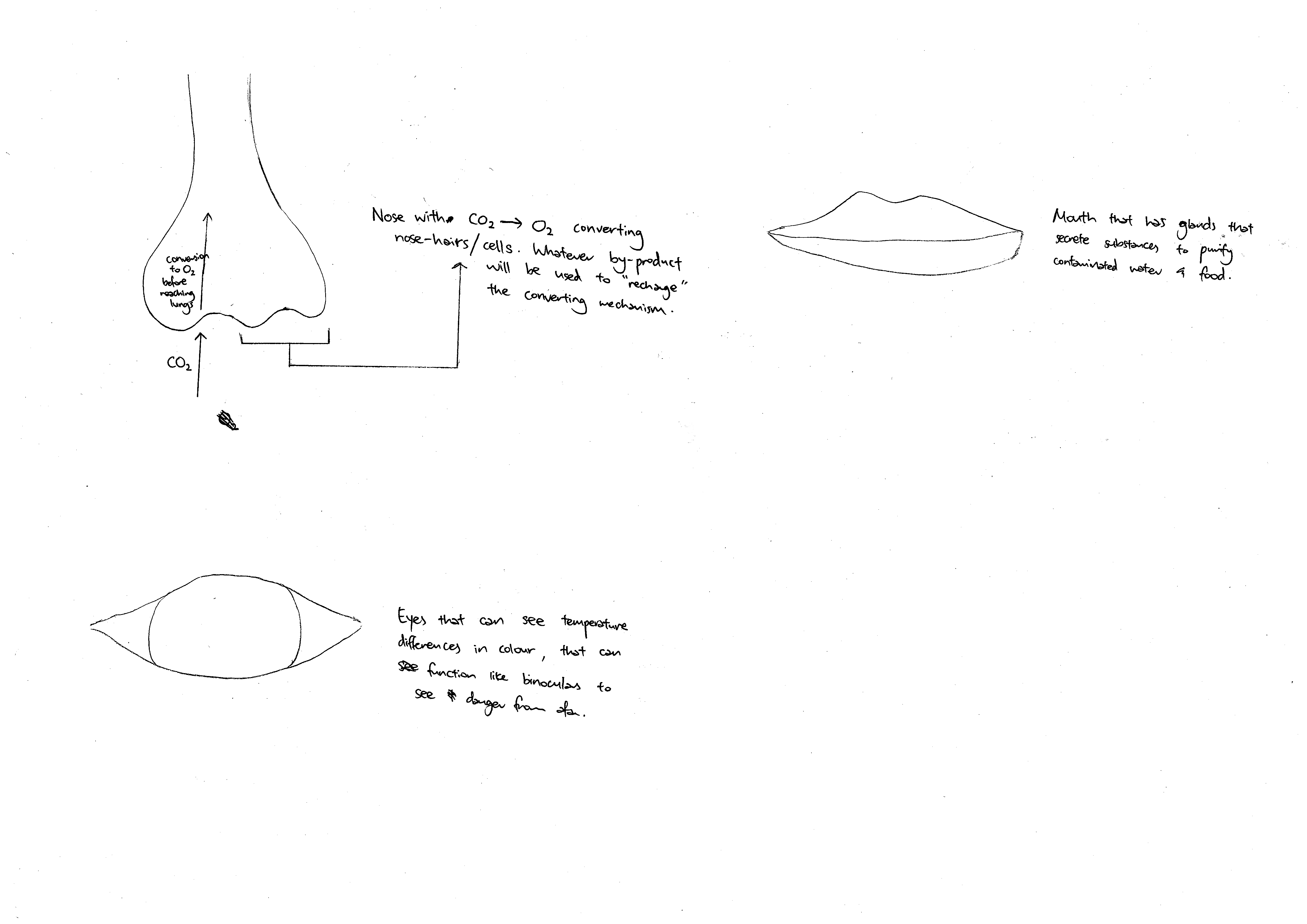
“Nose with CO2 to O2 converting nose-hair / cells. Whatever by-product will be used to “recharge” the converting mechanism. Eyes that can see temperature differences in color, that can function like binoculars to see danger from afar. Mouth that has glands that secrete substances to purify contaminated water and food.” —Cherlyn Tan
GeorgiaTam

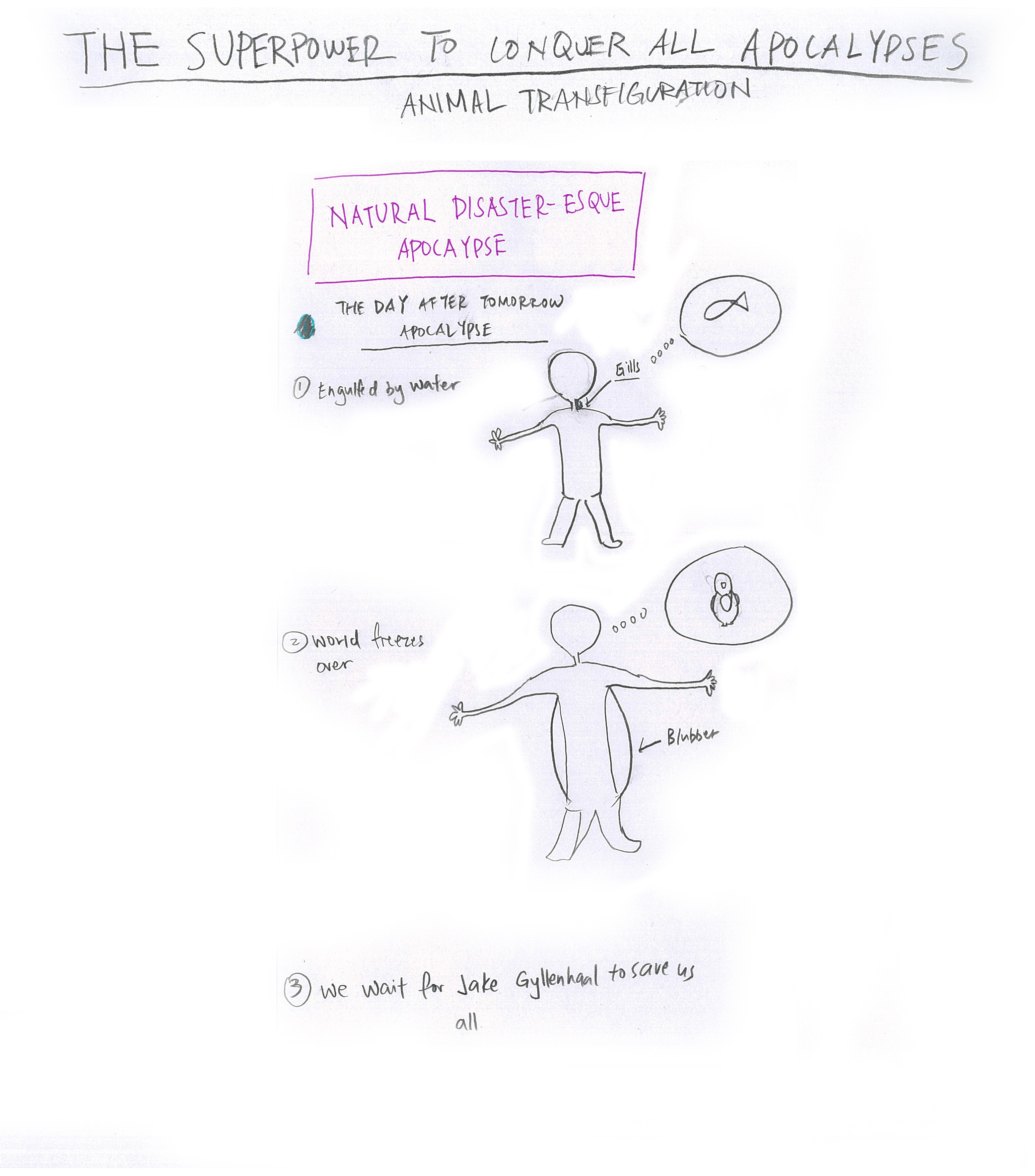
“The Day After Tomorrow Apocalypse: 1. Engulfed by water 2. World freezes over. 3. We wait for Jake Gyllenhaal to save us all.” —Georgia TamGermaineGoh
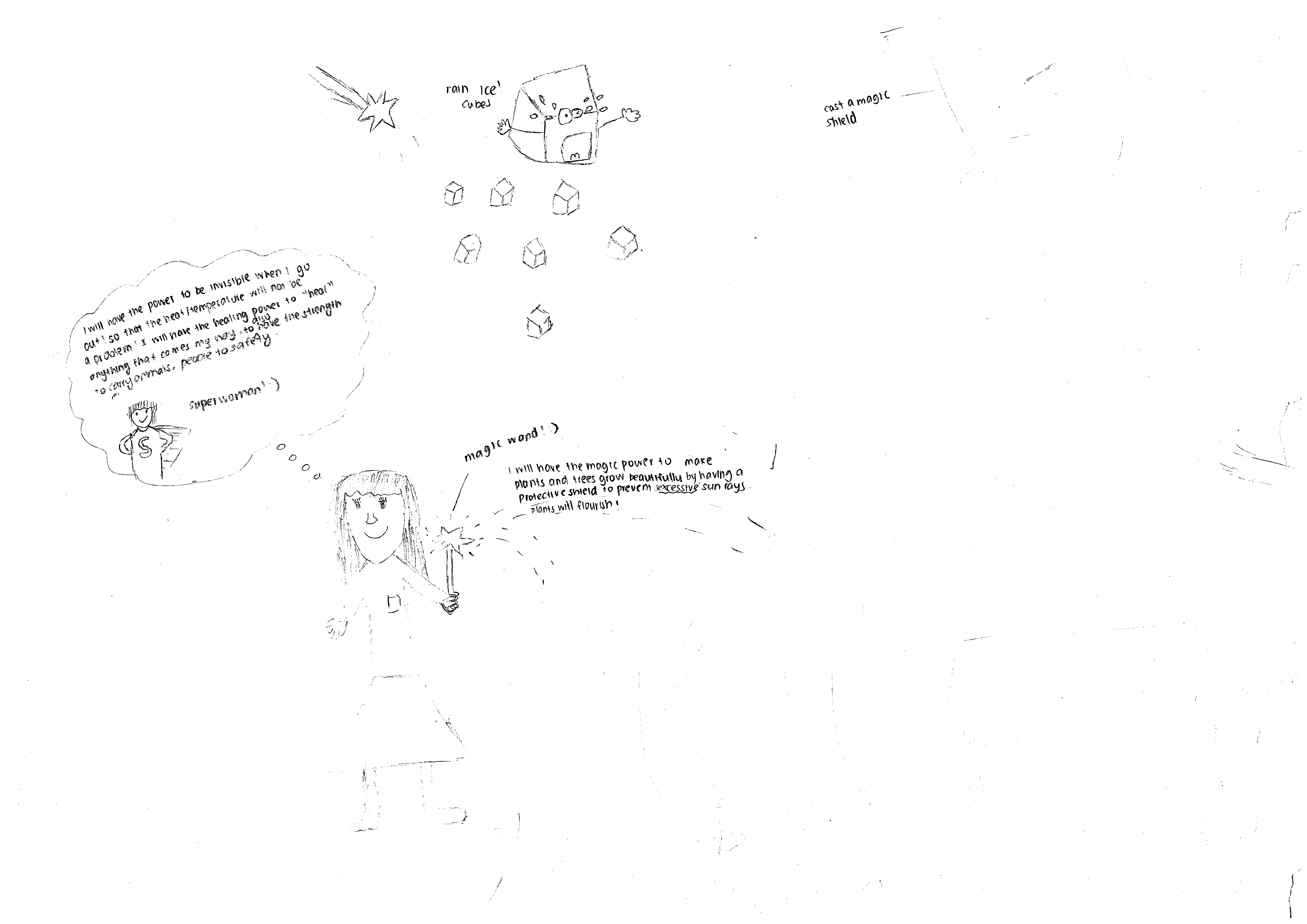
“I will have the power to be invisible when I go out so that the heat / temperature will not be a problem! I will have the healing power to “heal” anything that comes my way, to have the strength to carry animals, people to safety. Magic wand: I will have the magic power to make plants and trees grow beautifully by having a protective shield to prevent excessive sun rays. Plants will flourish.” —Germaine Goh

JaredKo

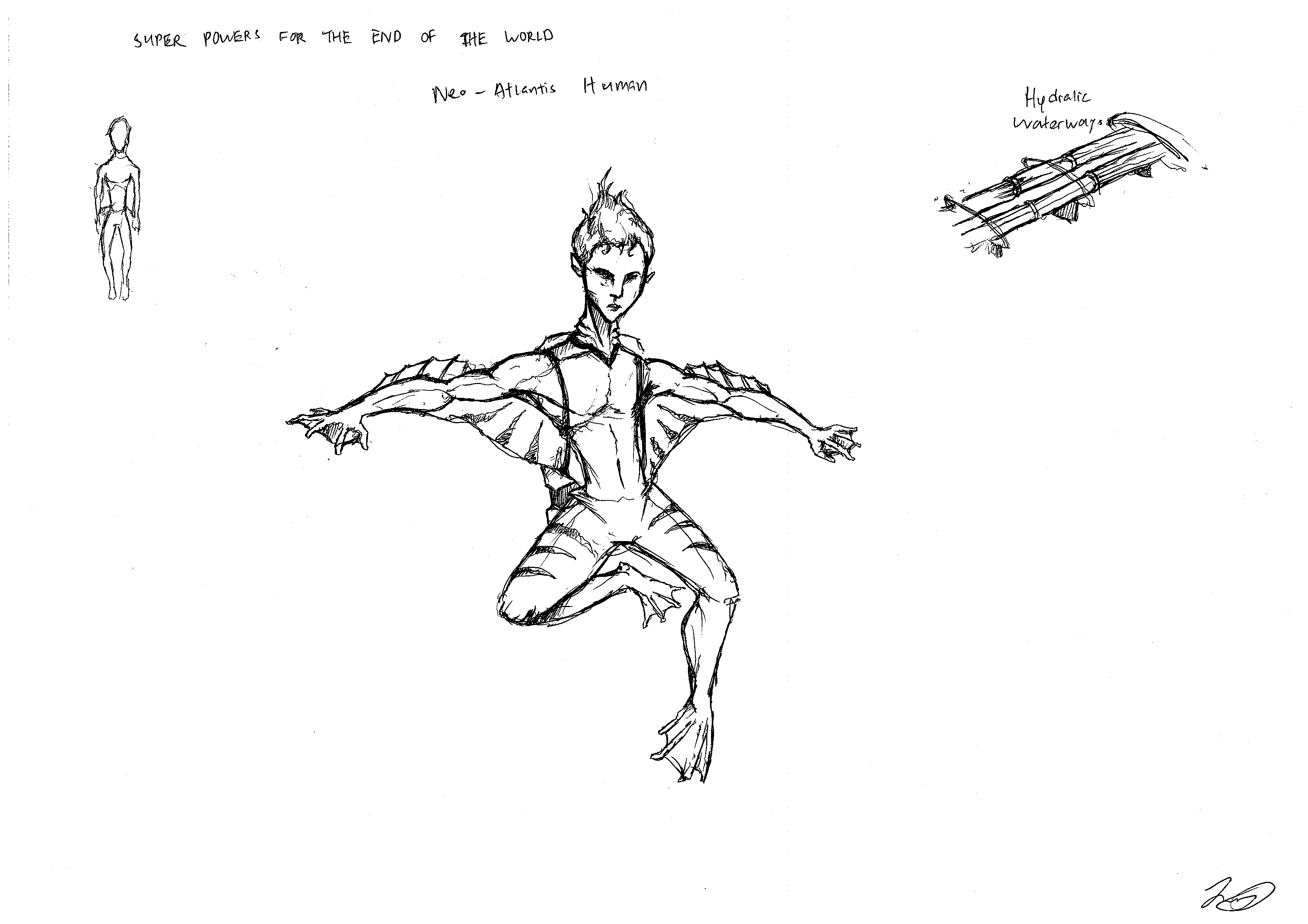
“Neo-Atlantis human.” —Jared Koh

JonathanT

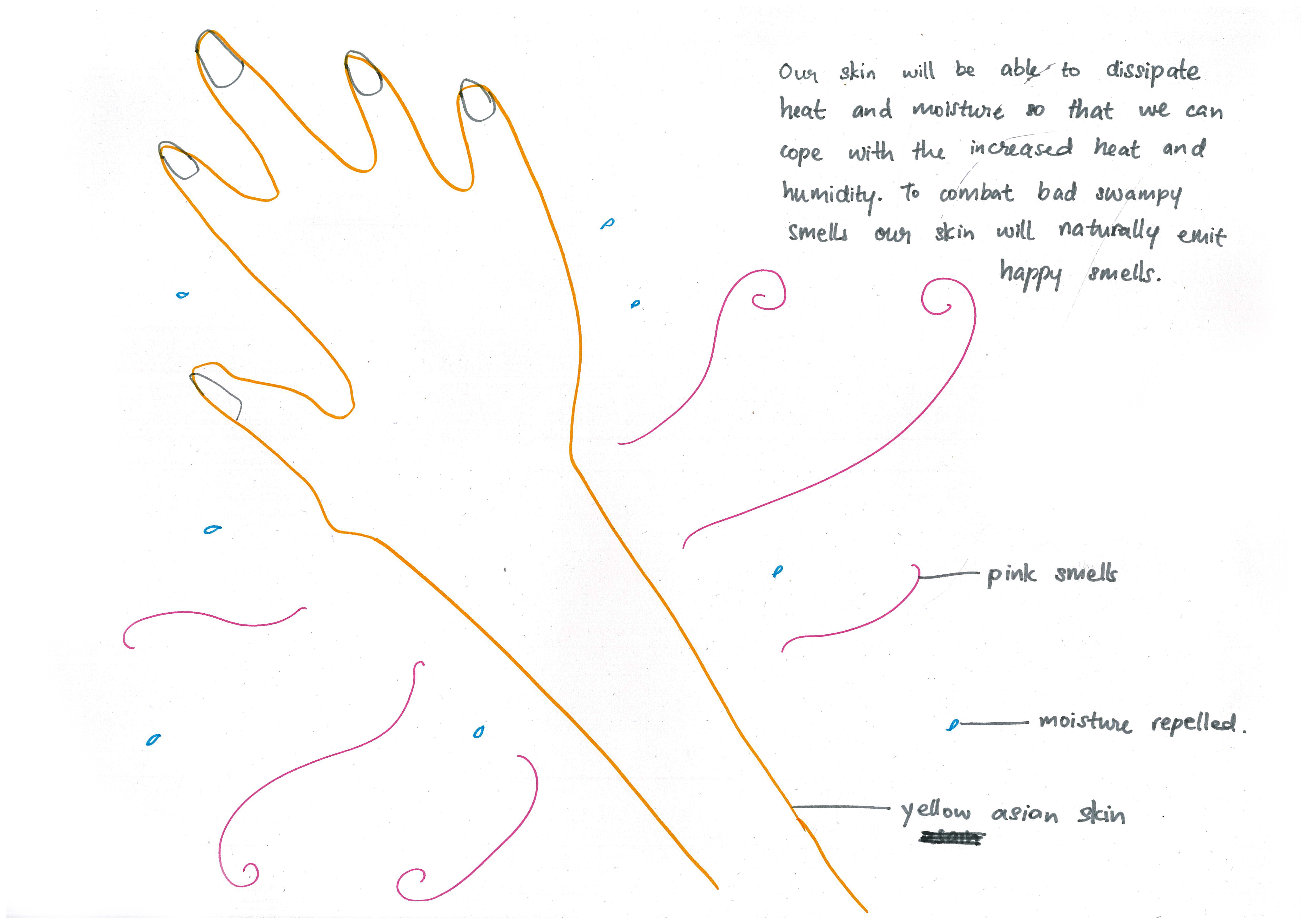
“Our skin will be able to dissipate heat and moisture so that we can cope with the increased heat and humidity. To combat bad swampy smells out skin will naturally emit happy smells.” —Jonathan T

LamYuenKei

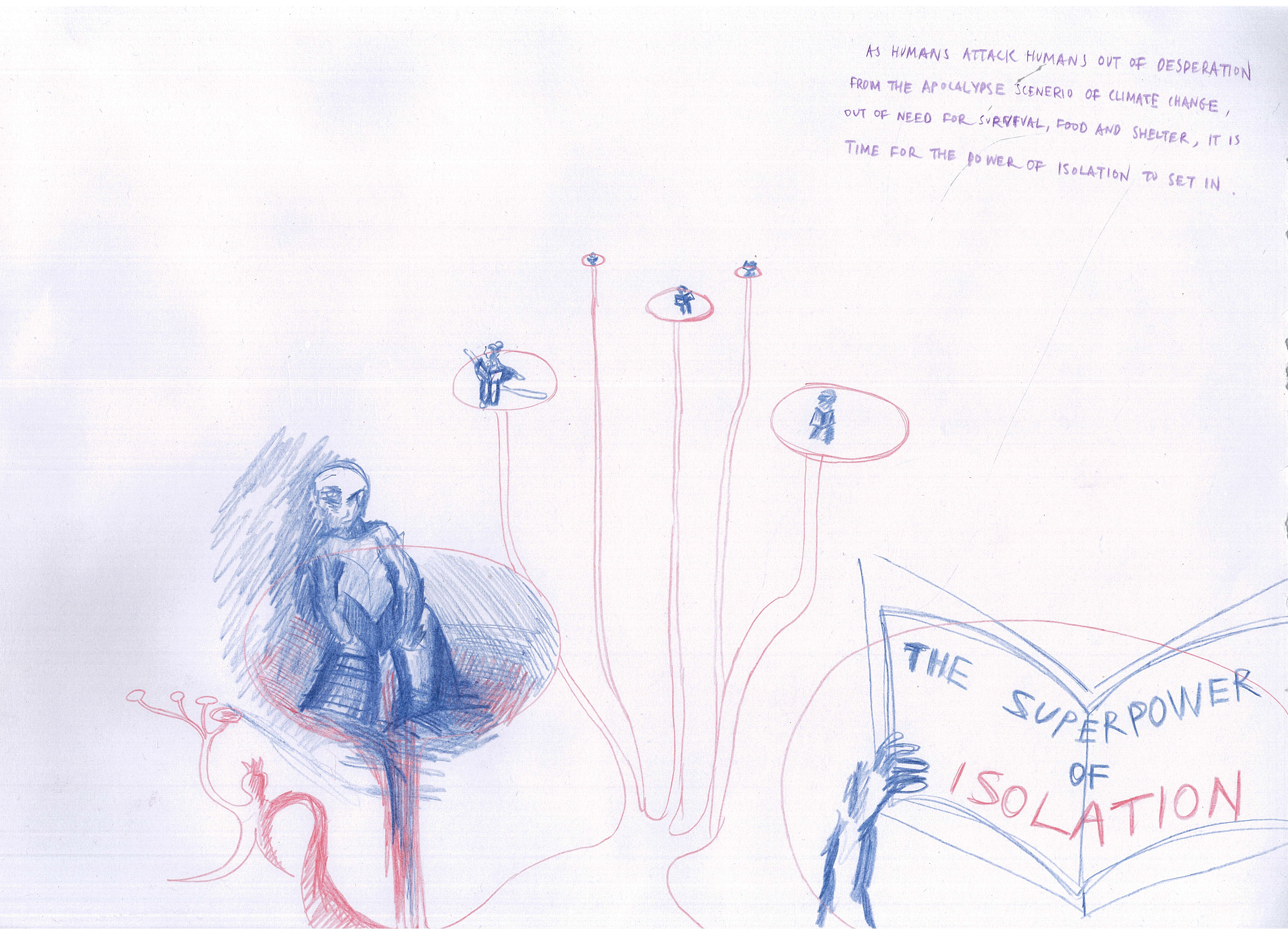
“As humans attack humans out of desperation from the apocalypse scenario of climate change, out of need for survival, food and shelter, it is time for the power of isolation to set in.” —Lam Yuen KeiLeeYingLin

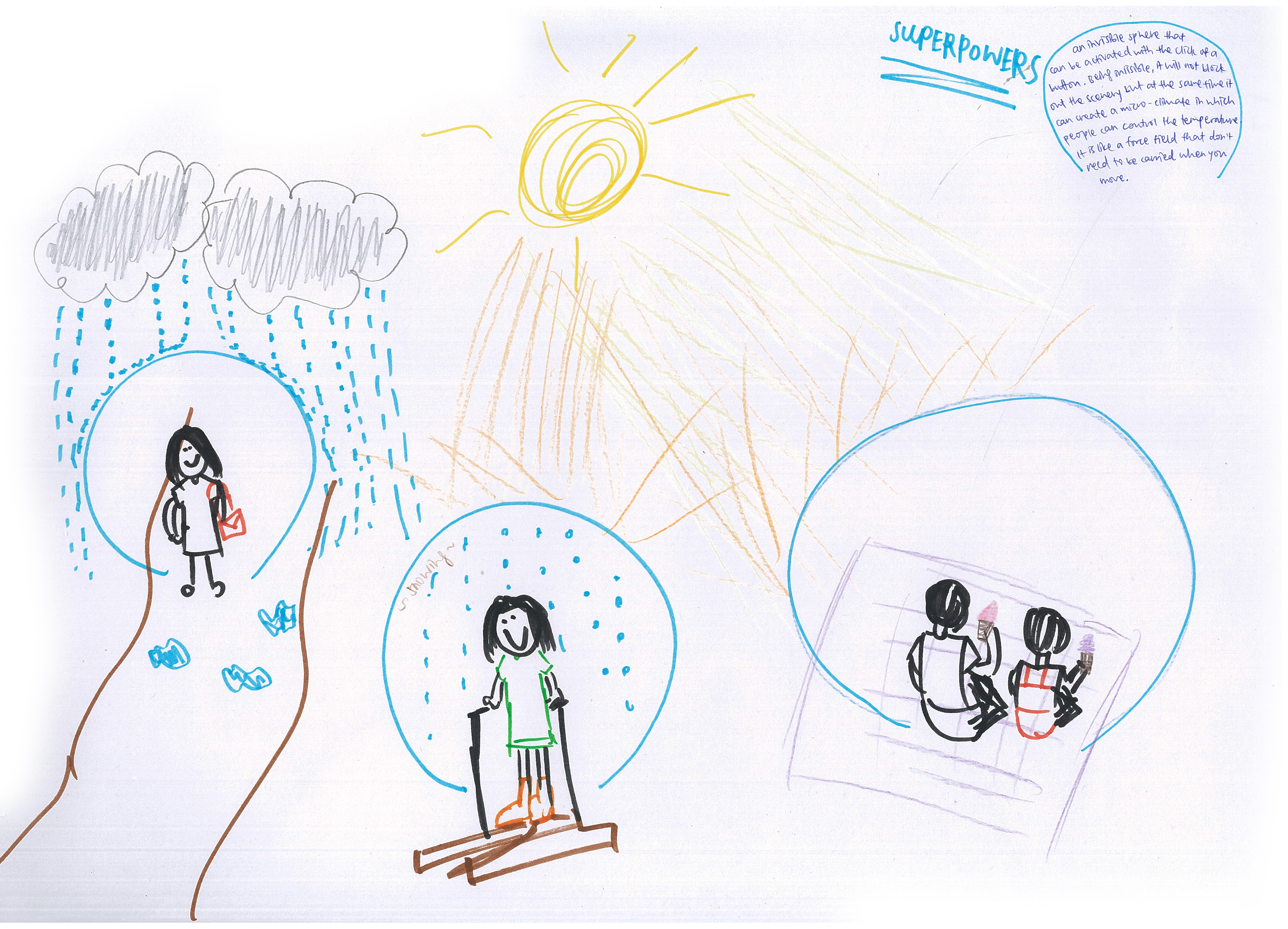
“An invisible sphere that can be activated with the click of a button. Being invisible, it will not block out the scenery but at the same time it can create a micro-climate in which people can control the temperature. It is like a force field that don’t need to be carried when you move.” —Lee Ying Lin

LyciaHo

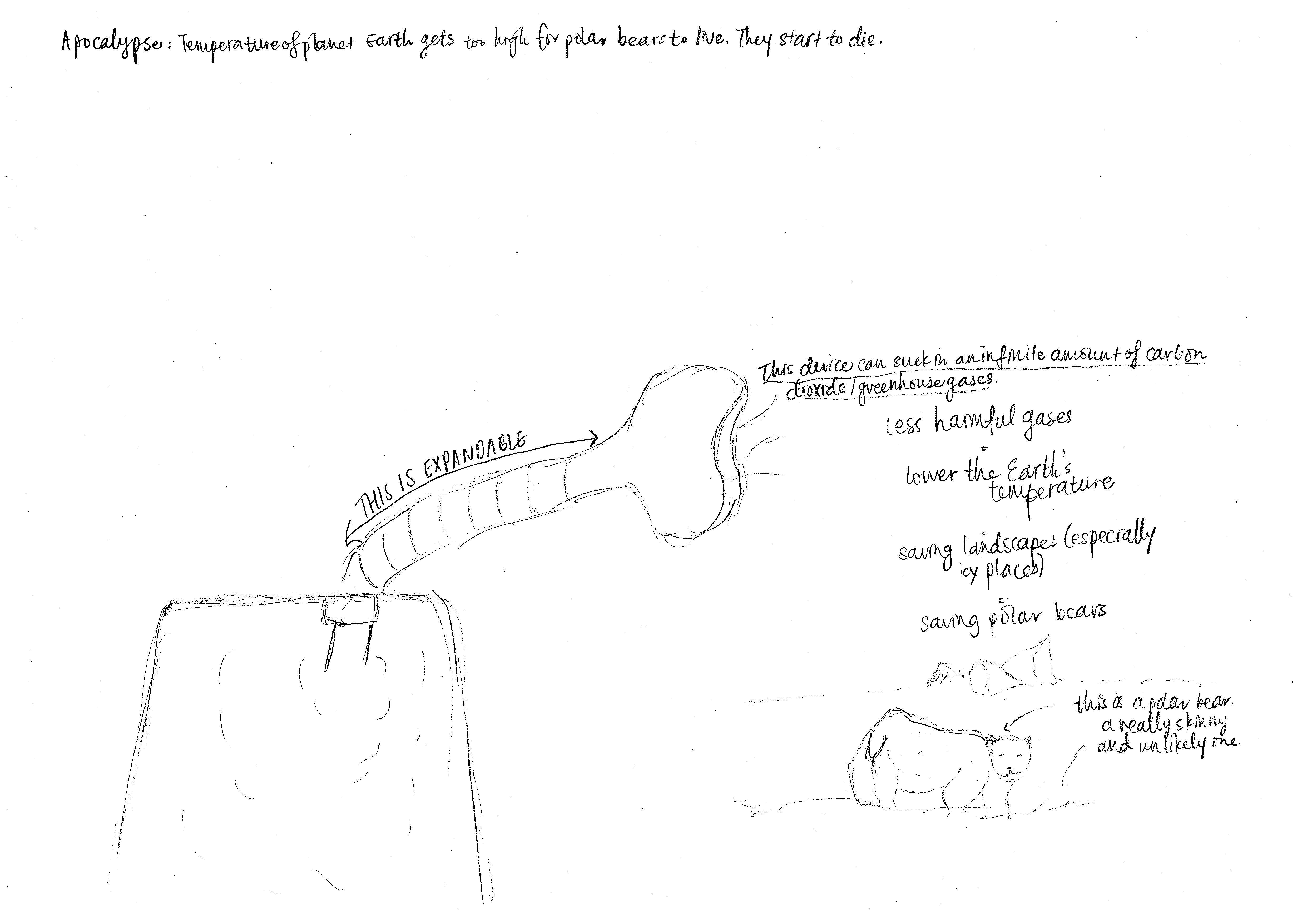
“This device can suck in an infinite amount of carbon dioxide / greenhouse gases.”—Lycia HoNaomiNebh RachelLee

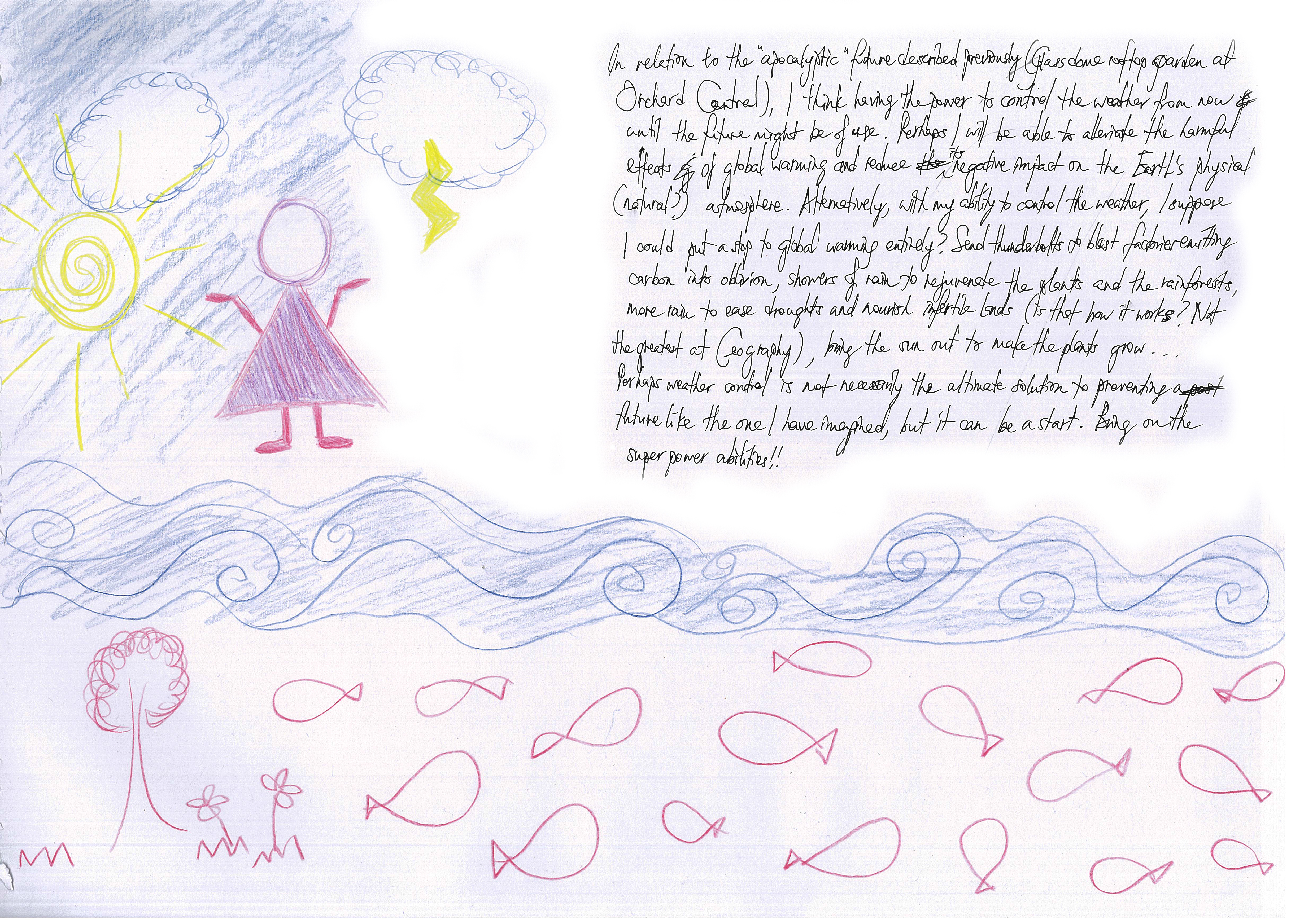
“…I think having the power to control the weather from now until the future might be of use. Perhaps I will be able to alleviate the harmful effects of global warming and reduce its negative impact on the Earth’s physical (natural?) atmosphere. Alternatively, with my ability to control the weather, I suppose I could put a stop to global warming entirely? Send thunderbolts to blast factories emitting carbon into oblivion, showers of rain to rejuvenate the plants and the rainforests, more rain to ease droughts and nourish infertile lands … bring the sun out to make the plants grow… Perhaps weather control is not necessarily the ultimate solution to preventing a future like the one I have imagined, but it can be a start. Bring on the superpower abilities!” —Rachel Lee

SarahLim

Sarah Lim

SonjaChua

Sonja Chua

TayYingYing

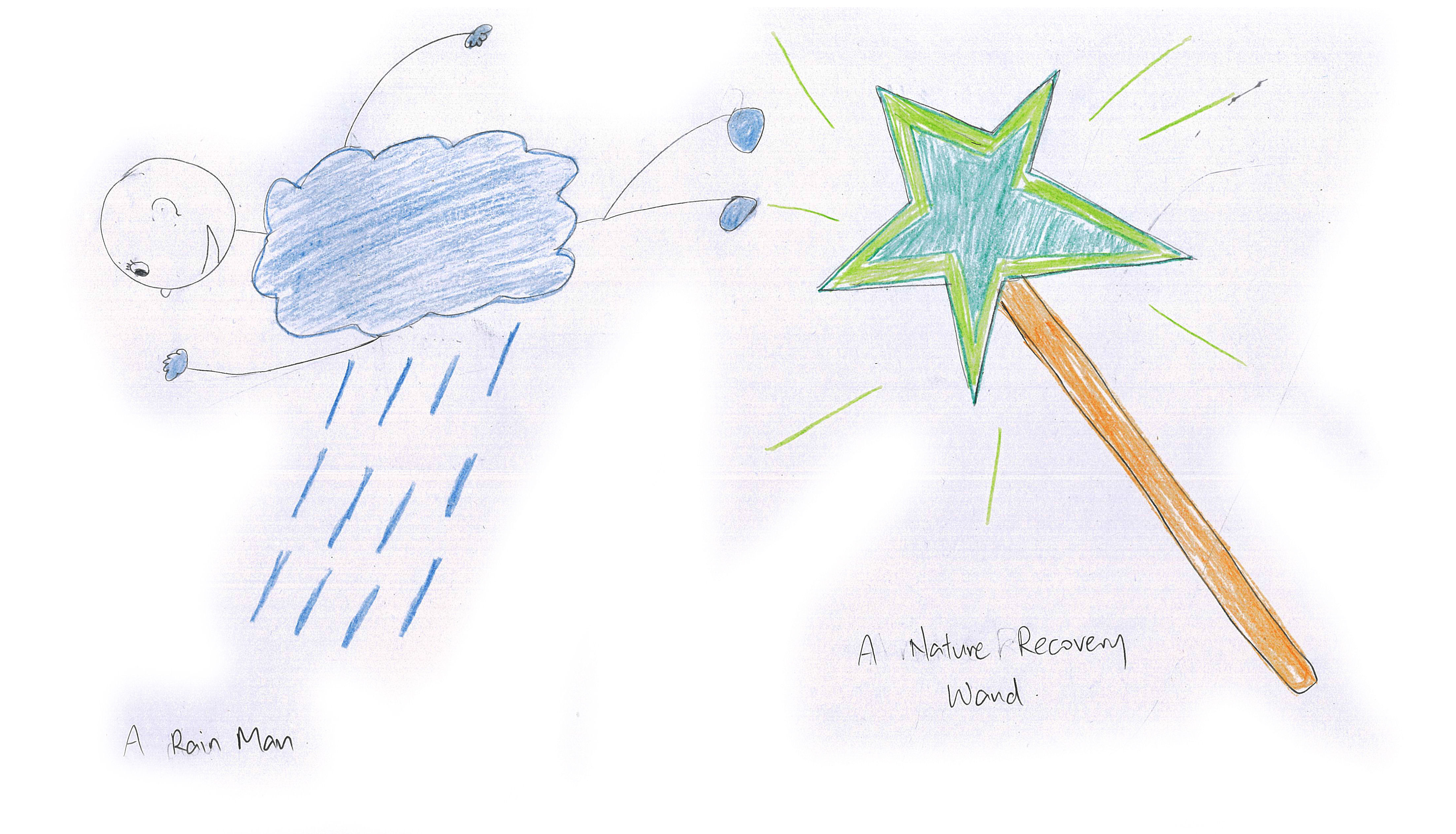
“A Rain Man. A Nature Recovery Wand.” —Tay Ying Ying
VictoriaEr

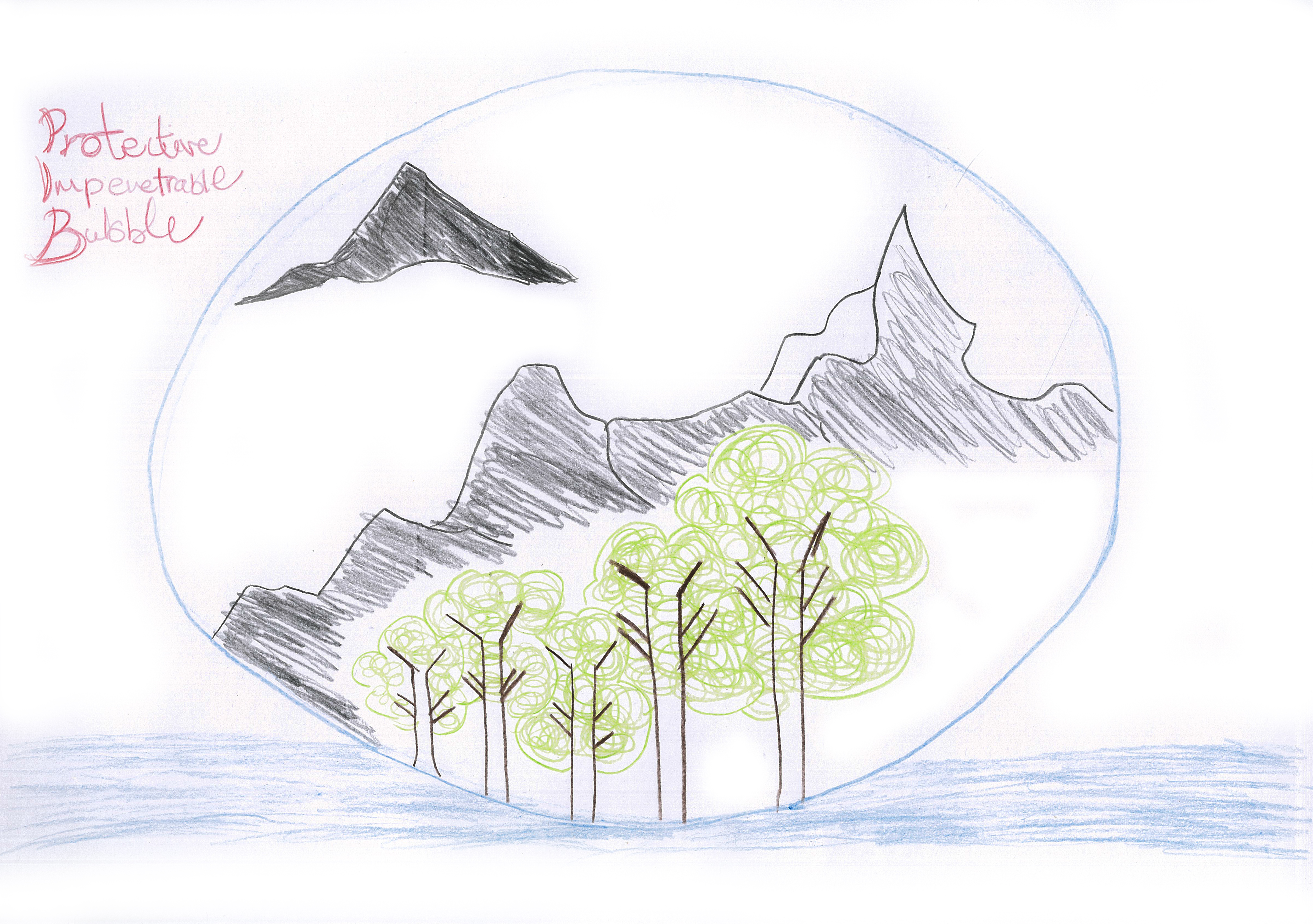
“Protective Impenetrable Bubble.”—Victoria Er

ZoeBezpalko

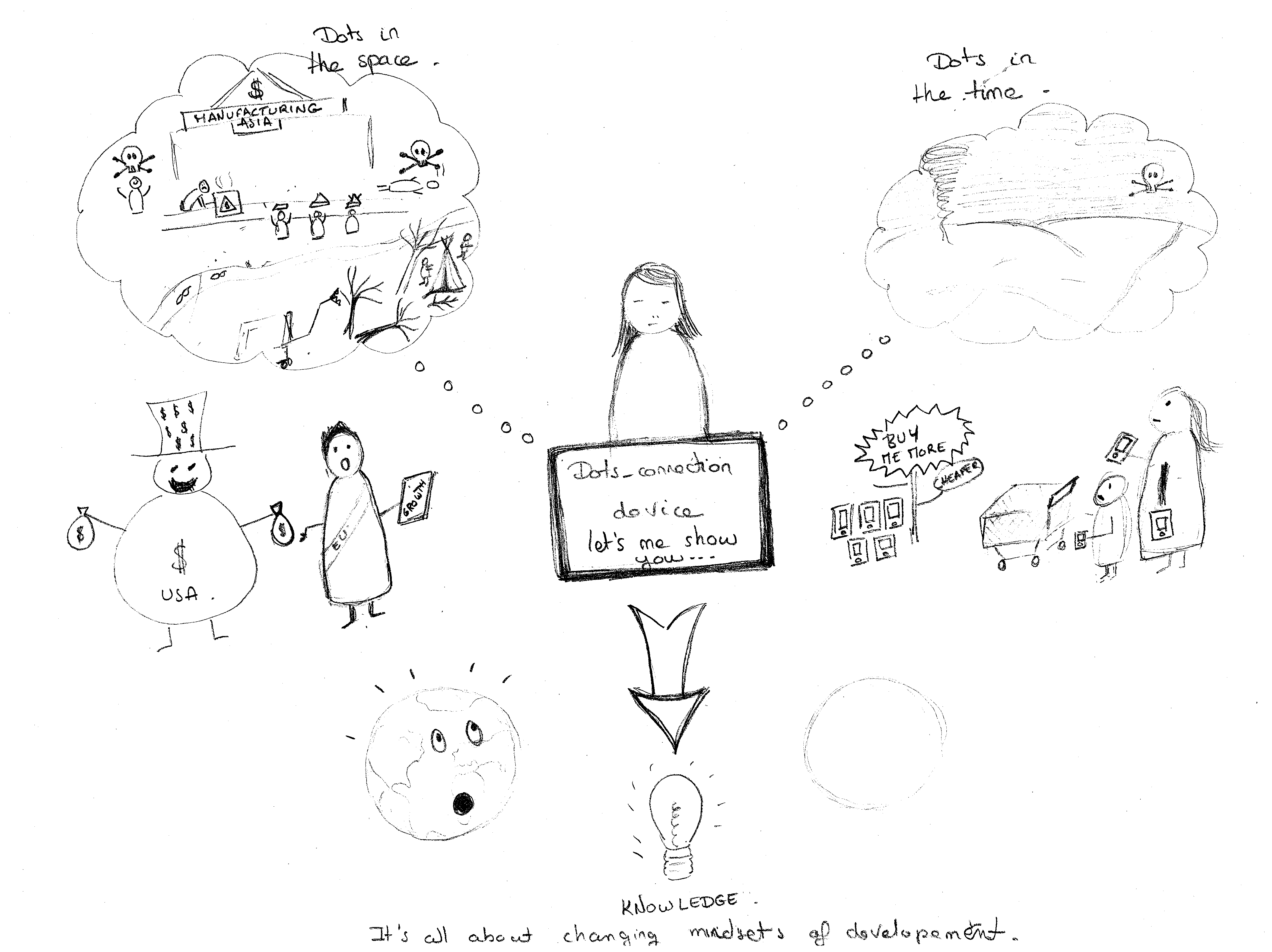
“Dots-connection deviece. It’s all about changing mindsets of development.” —Zoe Bezpalko

This week, I got two groups of students from Tembusu College here at the National University of Singapore, to voluntarily participate in my Apocalypse Workshop. The goal was for them to imagine a climate change apocalypse.

TembusuWorkshop.035

The first activity was called My Apocalypse. These were my instructions:

Name and describe your favorite place in 50 years as climate change affects it. (Write about it and draw it.) This could be a city landmark, the family farm, your apartment building, your favorite cafe, or any other place you feel like speculating on. Please be as specific as possible. Scenarios can be positive or negative. (Some questions to ponder, but please don’t limit yourself to these: What does it smell like? What plants and/or animals are present, if any? How hot or cold will it be when you are sitting there? How will you get there? Can you see clearly? Will your pet be happy living there? What is the color you see when you look up? Are there walls, and what are they made of?)

I asked them to name the actual place (and not just write, “the world” or “the city”) because I wanted them to be as specific and detailed as possible. The participants were also more likely to choose different places and thus provide a wider range of descriptions.

TembusuWorkshop.038

The second activity was called Superpowers for the End of the World. These were the details:

If you had a superpower to navigate through what you described in Activity 1, what would it be?
Examples of superpowers can be the ability to: smell an incoming tsunami, be invisible to animals, turn into ice during a heatwave, or anything that your current senses and abilities can’t let you do right now. It can be an extension of your biological abilities, or a device that performs it. You can list more than one superpower.

I wanted to frame it in this way so that people will find it more fun and exciting and really think outside the box when it comes to climate change. Nothing like superpowers to get the creative juices flowing!

TembusuWorkshop.040

The last activity was called The Apocalypse Lookbook, where I gave them fashion design templates:

What will you wear to the apocalypse? Use the templates provided. Define the function of each wearable.

TembusuWorkshop.042

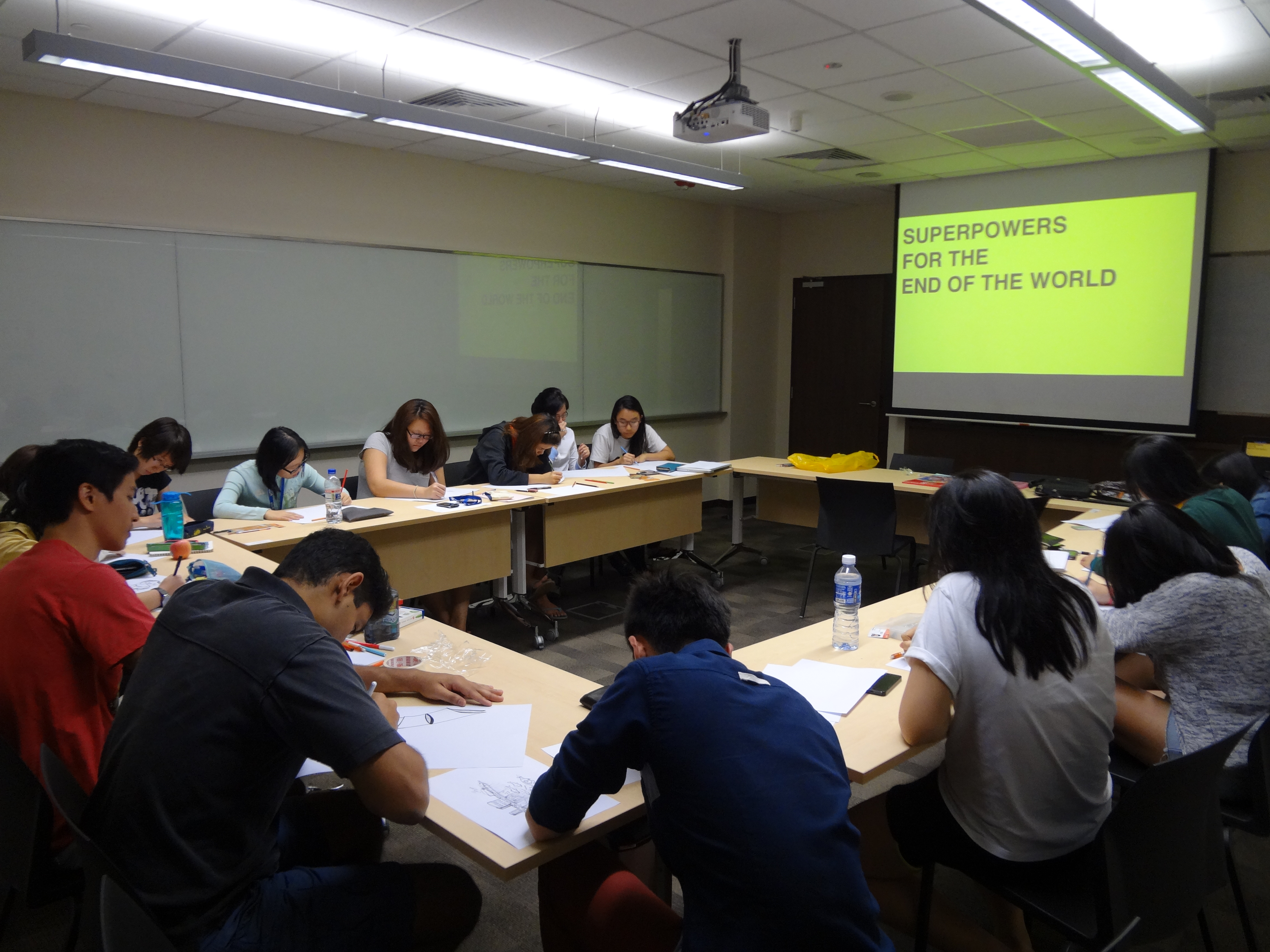
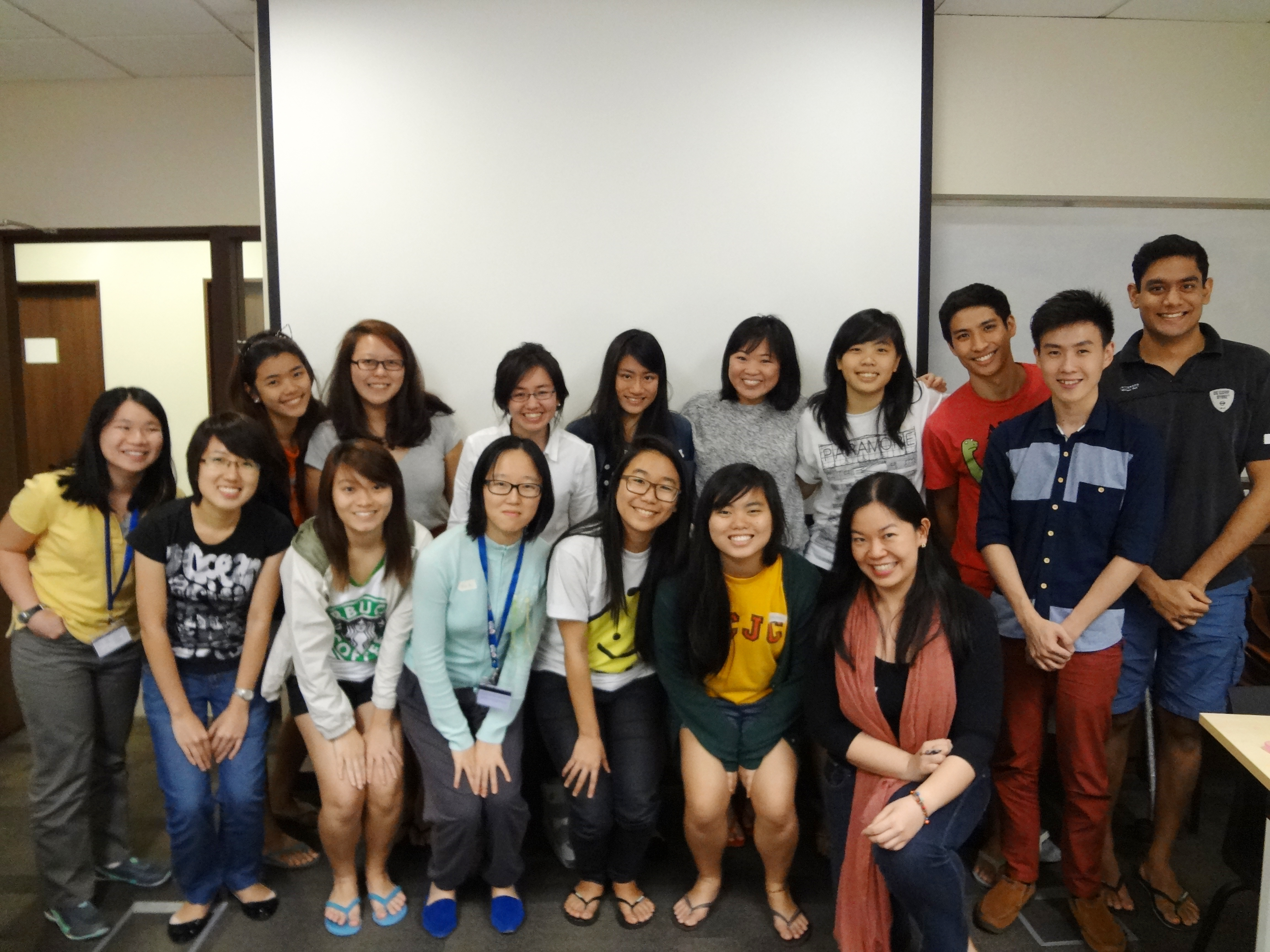
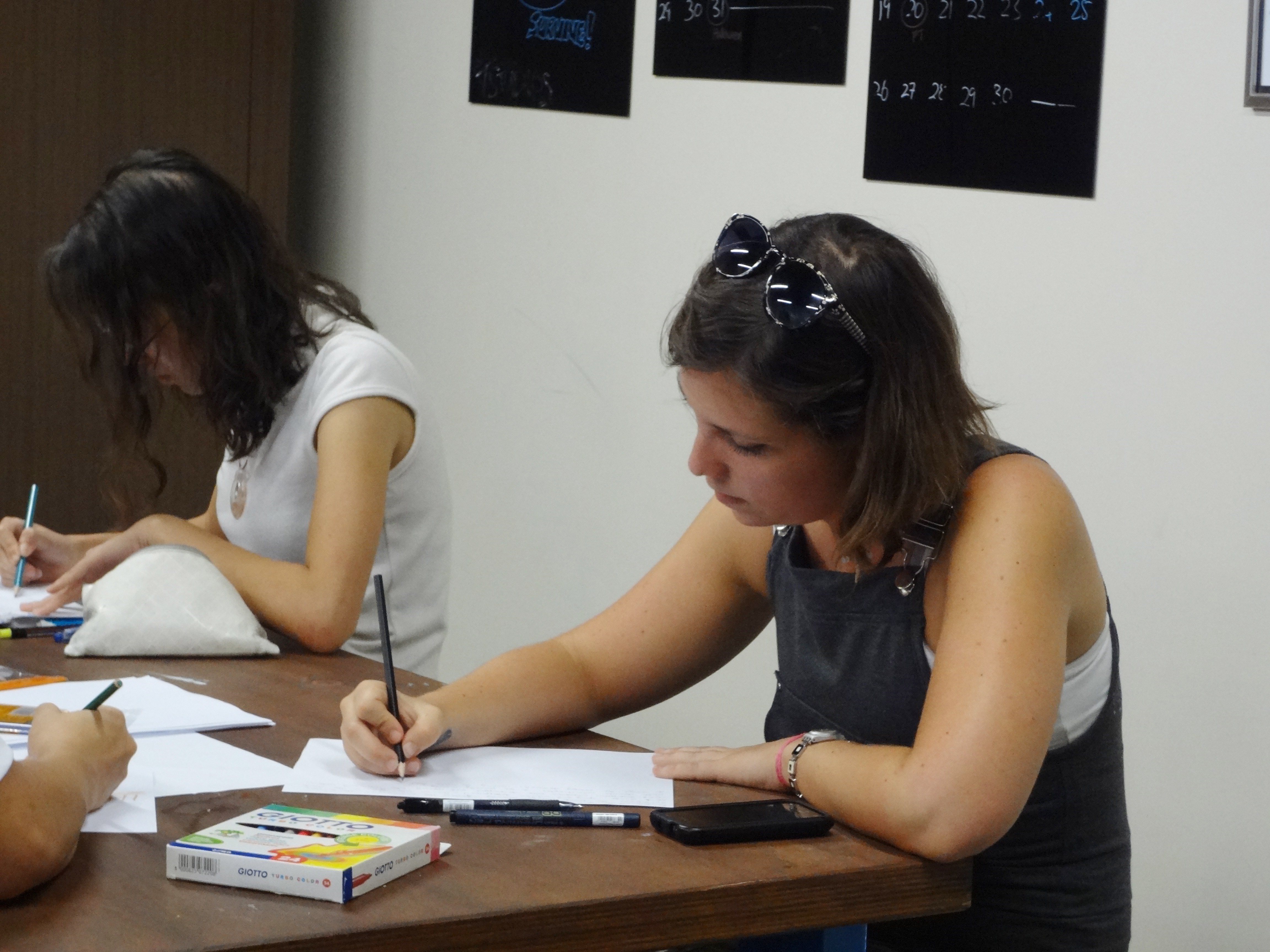
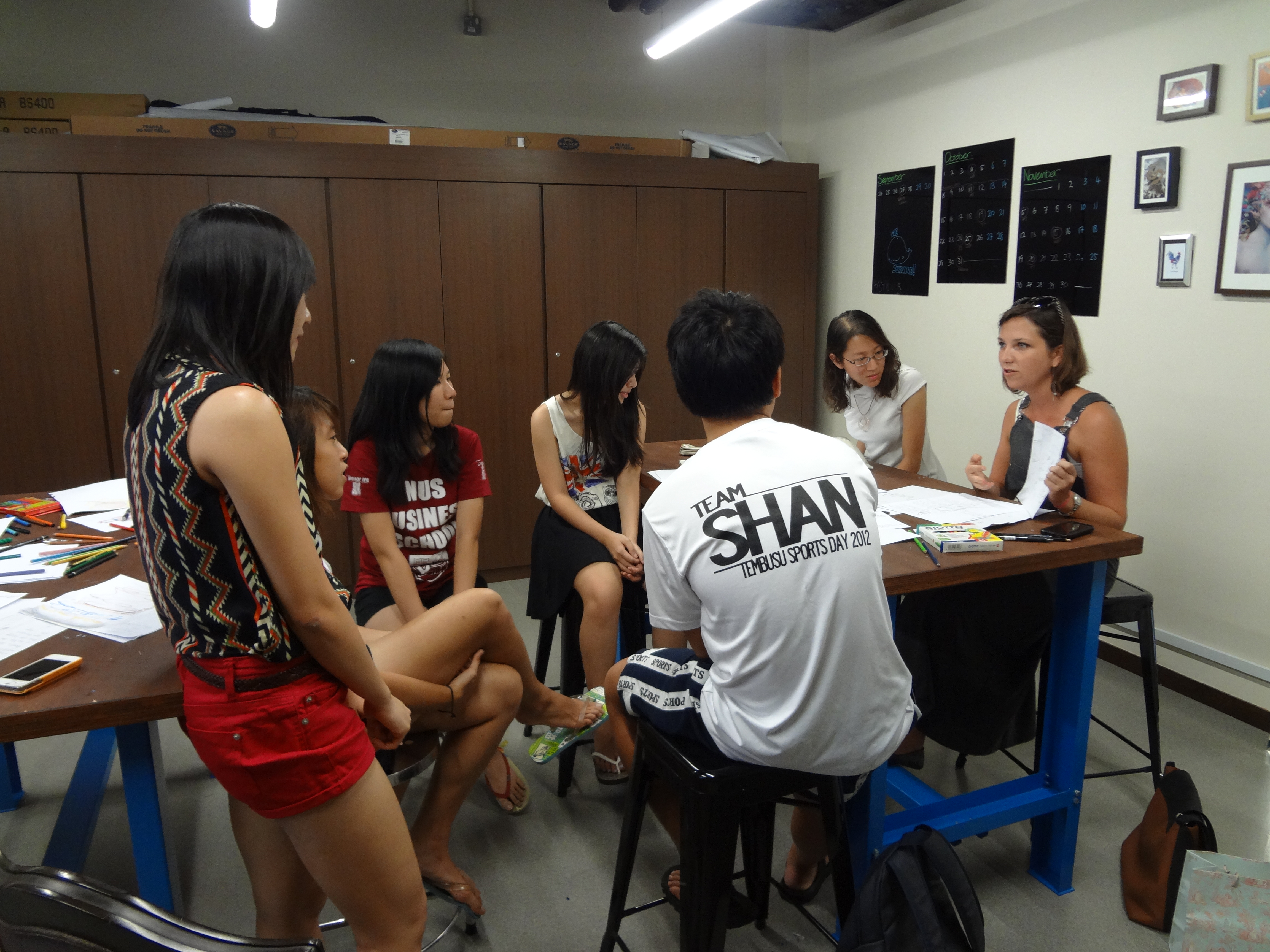
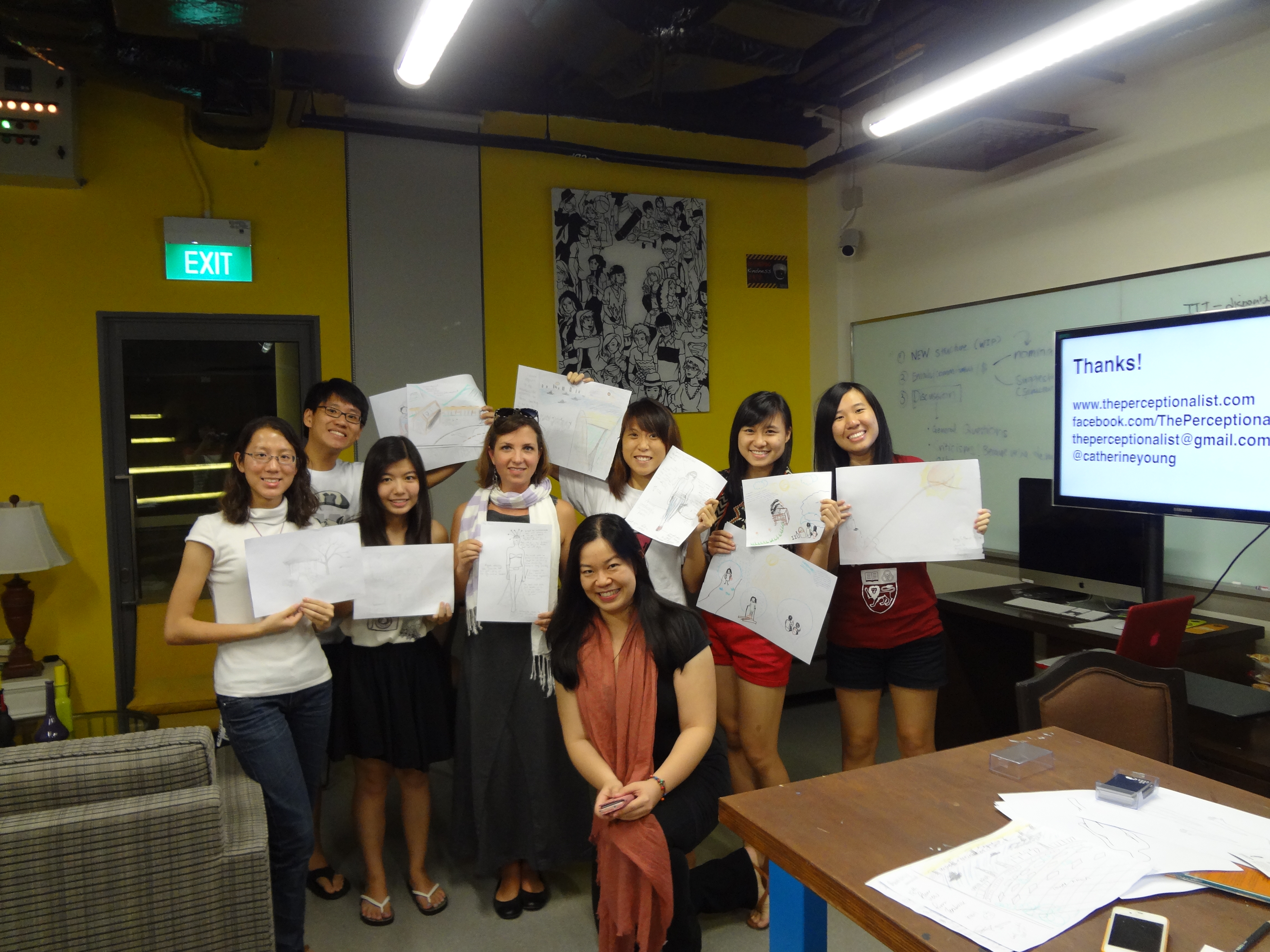
I let them do each activity for twenty minutes, and afterwards, they shared what they made to the  group. These university students all had taken a class on climate change, or were in the middle of one.  They came from business, economics, engineering, and communication majors. I also had one participant who is a professional environmental engineer.

Here are some photos from the sessions:

DSC08956 DSC08958 DSC08959 DSC08973_A DSC08984 DSC08991 DSC08998 DSC09008 DSC09013

I’ve given lots of workshops in the past few years—this definitely yielded among the most imaginative results. I’ll be sharing those soon. Thanks to all the participants, and also to those from all over the world who sent their answers online!

Late this week, I had a chance to attend the mid-term exhibition of the Singapore-ETH Future Cities Laboratory, which is hosting me for the duration of my residency program here in Singapore. It was wonderful to see all the work from different modules—Low Exergy, Architecture and Construction, Digital Fabrication, Transforming and Mining Urban Stocks, Housing, Architecture and Urban Design, Urban Design Strategies and Resources, Urban Sociology, Territorial Organisation, Landscape Ecology, Architecture and Territory, Mobility and Transportation Planning, and Simulation Platform.

Below are some photos I took from the event.

One of the many exhibition tables:

DSC08950

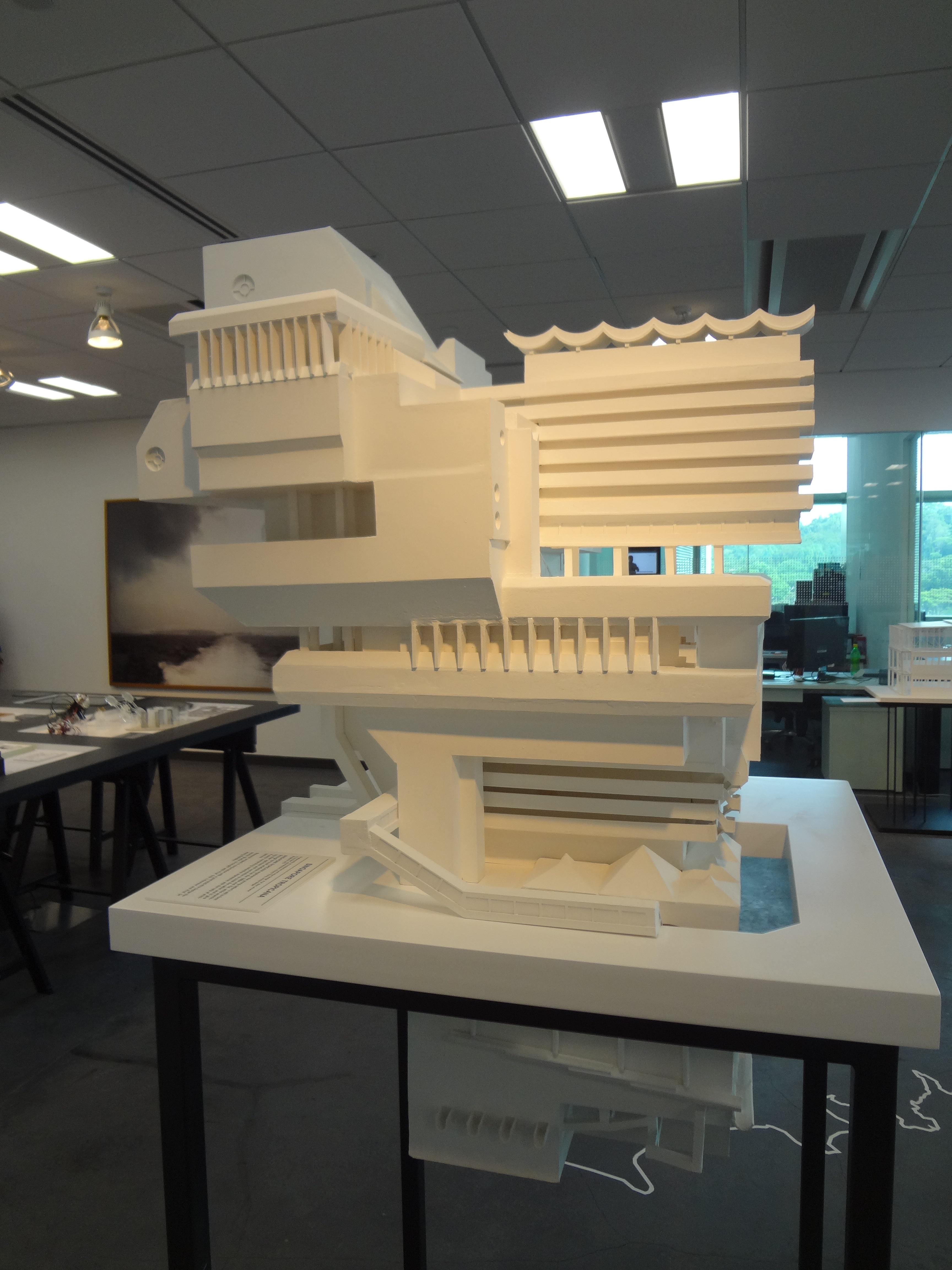
Singapore Tropicana:

DSC08948

Researcher Marcel Bruelisauer of the Low Exergy module after explaining his design solution for cooling systems:

20130905_170730

Professor Kees Christiaanse, Programme Leader and Module Leader, speaks at the book launch. Lots of books were introduced that day, including one of the coolest things I’ve heard of, Flight Assembled Architecture by Professor Fabio Gramazio, Professor Matthias Kohler, and Raffaello D’Andrea (see the monitor on the right).

20130905_173321

Some very cool things made by robots:

20130905_190245#1

Doctoral researcher Norman Hack in front of his module’s exhibition. Behind him are beautiful 3D pieces.

20130905_191755

An unmanned aerial vehicle (UAV) used for dengue research:

20130905_164247

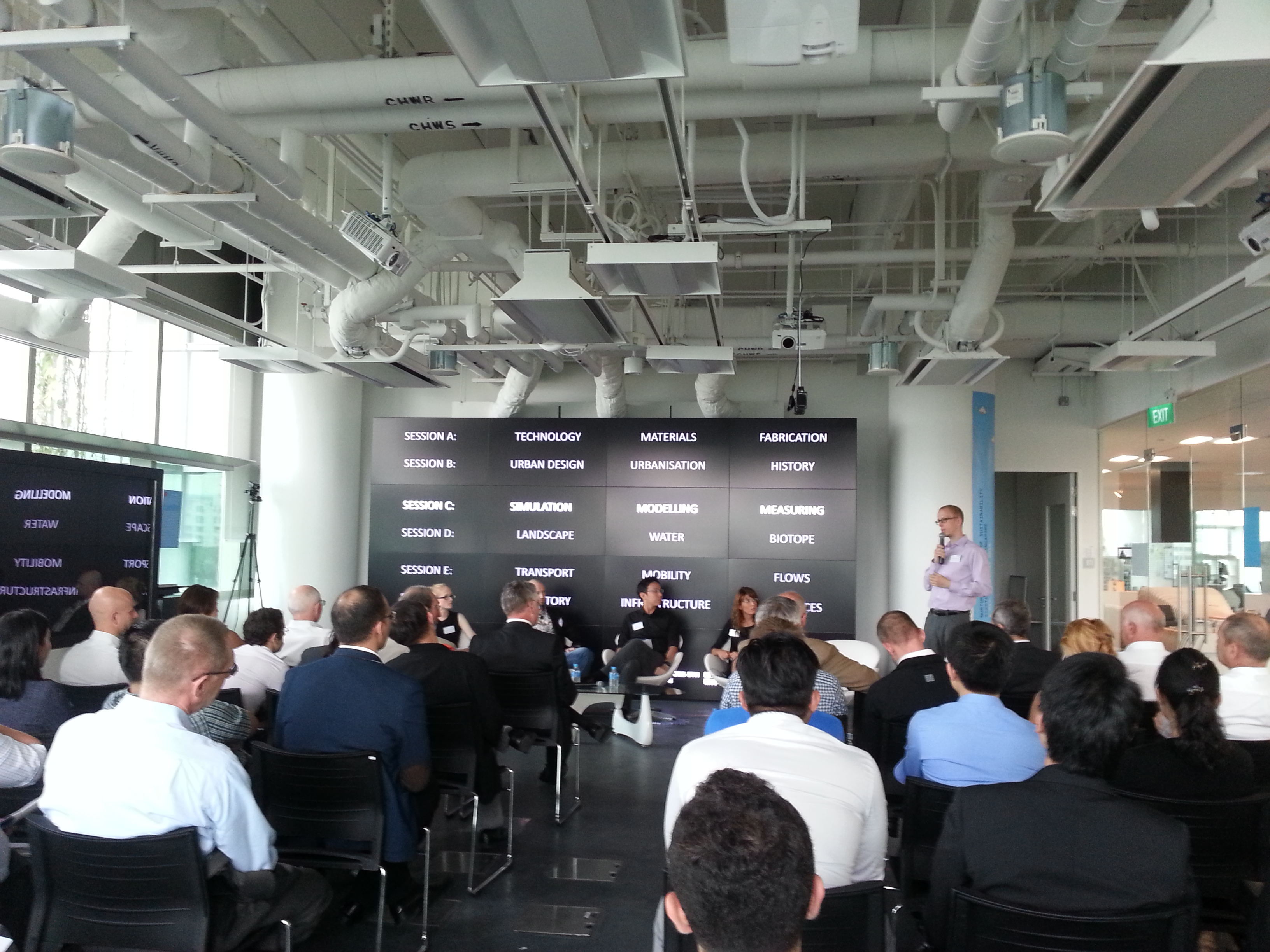
A panel discussion on Simulation, Modeling, and Measuring, moderated by Dr. Matthias Berger (standing, on the right):

20130906_140434I wish more people (non-architects / designers / computer scientists / urban planners) could visit it. It’s one of the coolest labs in the world! Check out the laboratory website here.

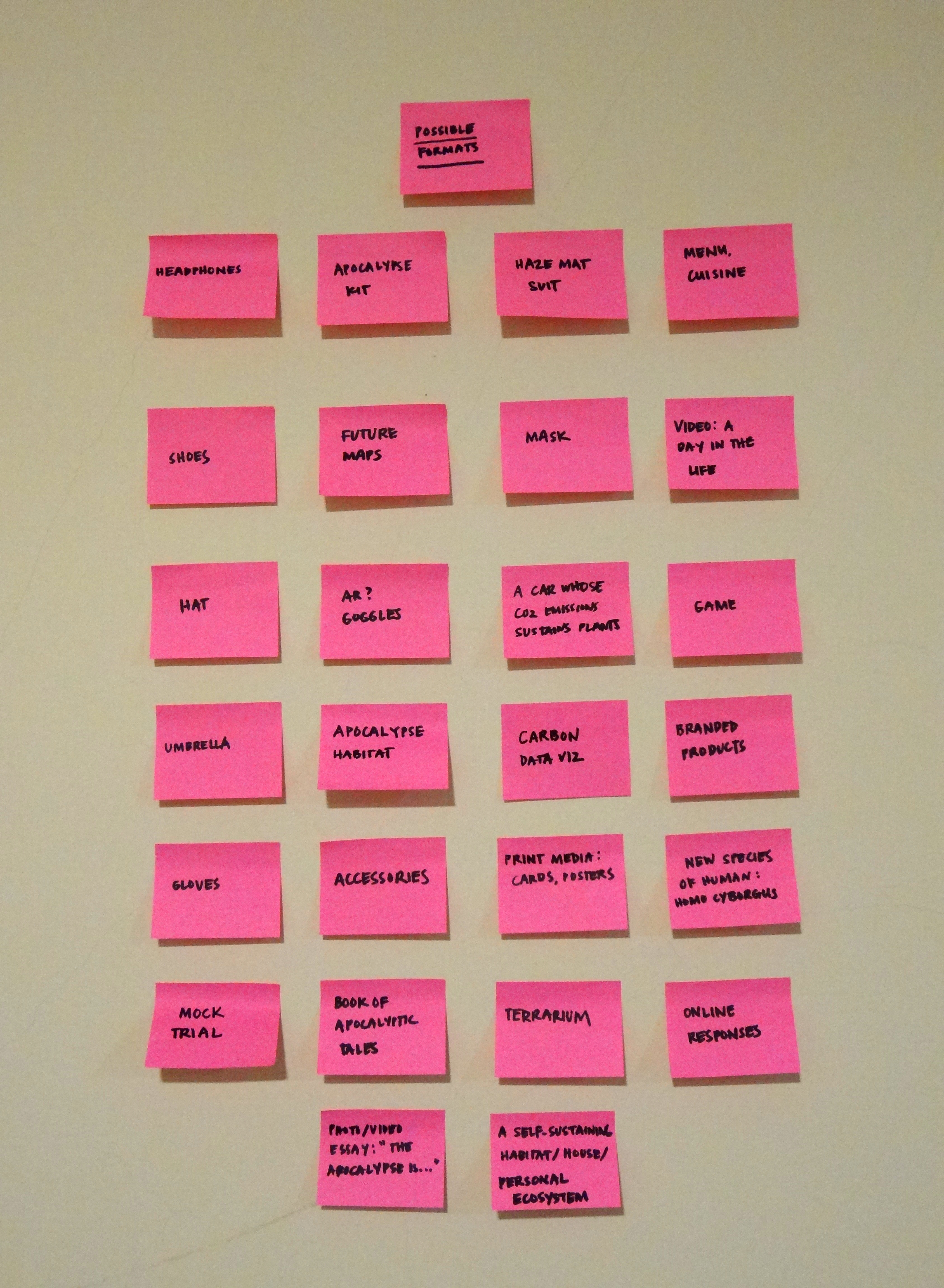
This week, apart from getting over the bad case of the flu, I spent some time refining my residency project in Singapore. Climate change is a huge, huge, HUGE subject, and it’s easy to beyond the scope of what I came here to do. I sat down to be specific about whom I wanted to involve, what my intentions were, which specific questions I am to ask (especially with the workshops I’ll be doing next week), and potential formats my exhibit will have. Here is the wall of Post-Its:

DSC08941

Below are details of it:

DSC08947

DSC08943

DSC08944

DSC08945

DSC08946

Depending on how it goes, this could either be the most hopeful or the most depressing project I will have in my life.

Being in this project in Singapore for three weeks now, I’ve had a lot of flashbacks from my previous lives before this residency. It feels interesting to be in a lab and be officially an artist and not a scientist, to be around academics and understand their academia-speak as though it were a second language I’m hearing again, and to be designing workshops instead of looking for art materials in this initial phase.

Having had different roles and modes of training and experiences, I think I’m coming into my own model of what my three primary fields (art, science, and design) are about, which isn’t to say that these do not intersect in an individual’s practice.

DSC08719new

I’m doodling this as a note to myself, and wondering if I’ll be thinking the same in four months’ time. Hmm.