Archive

Tag Archives: The Apocalypse Project

Hello, apocalypters! Thank you so much for all the support you’ve given The Apocalypse Project, especially Climate Change Couture. I’ve updated the press page with all the links to the blogs and magazines who have featured the project. Many thanks for helping keep the discussion alive.

I’ve been receiving questions from readers, journalists, and friends alike, that I decided to put them together into one FAQ post. I’ve grouped some similar questions together. If you have any more questions, please do reach out.

1. Why the name, “The Apocalypse Project”?

Although it has end-of-the-world connotations, which could be what can happen if we keep mistreating the planet, the word “apocalypse” comes from a Greek word that means “disclosure” or “to take off the cover” or “to unveil”. The Apocalypse Project isn’t solely about potential catastrophic events, it’s also about revealing the face of environmental problems through these projects.

2. How did your project in Seoul influence you to do projects on the environment?

(Pre-apocalypse, I hiked all 43 mountains of Seoul for an installation and community project about the environment. View that project’s website here.) 

Seoul43 was the most physically demanding and personal project I had. I nearly died on a couple of those mountains, and I would not recommend hiking that much in such a short period of time—the staff at The National Art Studio of Korea were definitely worried for me! That project made me witness how human activity was affecting the environment (and vice versa). Don’t get me wrong—I think the Seoul government is doing a relatively great job protecting its mountains and most of the hikers I’ve met were very respectful of the environment. I’ve definitely seen worse in other cities. But some mountains were disappearing or were repurposed as parks or apartment buildings. I wondered if this was ok or not. There is such a big population there that I can understand that they need space. Does that mean it was ok to eliminate a tiny hill or two for the sake of a growing population? Is it ok to make a mountain “bigger” by adding fake soil to it? Is it ok to modernize nature so that we can better take care of it? I still don’t have the answers to that. I usually design my projects around the questions that I’m curious about, which for now are those that are about how we relate to the world.

3. What are your intentions? / Why speculative design? / Is Climate Change Couture a satire? 

I want us all to think about our relationship with the planet and make better choices.  There are many ways by which we can catalyze discussion and take action about these issues. These projects are my own way of doing that.

I chose this type of design (i.e. design that thinks about the what ifs and what could bes) because I want to remove climate change from its usual political strings, which for me sometimes miss the more crucial seeds of a conversation about the environment. With this type of creative platform, I can engage people of all ages and backgrounds. We should think about the planet with respect to our humanity, not in terms of power and money.

Yes, Climate Change Couture is a bit of a satire. The stories that go with them definitely have a tongue-in-cheek tone in them. Remember, these are dystopias—I actually hope that we won’t ever have to use these designs. I wanted to highlight the scenarios we may get ourselves into.

4. Why climate change? Don’t you know it’s not real?

Oh my god.

5. If the Climate Change Couture images are dystopias, why are the photographs beautiful?

Beauty is one of the best ways to get you to look. (P.S. Thanks!)

6. What influenced you? / What is your background?

My background is a bit eclectic. I studied molecular biology and contemporary art, and did my MFA in Interaction Design at SVA. I’ve lived in about five countries, which helped me see that there are many sides to an issue. I feel like I soak up everything around me and I’m inspired by a lot of things, from books to conversations to things I see everyday. I also worked as a journalist, so I’m used to asking a lot of questions. As an artist/designer, I can turn those questions into projects.

7. What was your previous work like? 

My earlier work had to do with interactive projects about our senses. For example, I designed the Hug Vest, which changes color if you hug the wearer; an Olfactory Memoir which is a book of printed smell memories that you can smell; Rorsketch, an illustration project of drawing what I see in clouds, etc. I also started DrawHappy in Iceland a few years ago, which is a project about drawing your happiness.

8. How can I support this project?

If you’d like to:

• collaborate on a project

buy an Apocalypse Patch to help fund the project

• invite me to speak in your school or organization to spread awareness of the project

• share your research on climate change so I can do another project based on your data

• model for one of my projects

• make a donation either in cash or in kind to help bring some projects to life (for example, I need help from a carpenter right about now)

• just drop me a line to offer constructive critique or recommend books/movies/projects/people to check out

…I would be extremely grateful.

9. Where are you now? / What’s next after this?

I’m in Manila working on five projects under The Apocalypse Project and I hope to have my first solo show this April. Check this site for updates.
I came to Singapore to imagine the apocalypse. Previously, I was on a residency in South Korea where I hiked all the mountains of Seoul and saw firsthand what human activity was doing to the environment. Doing a subsequent residency on climate change and environmental futures was, to me, the logical next step.

ClimateChangeCouturePhotos-01

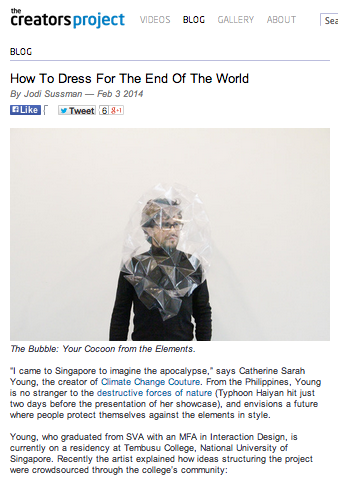
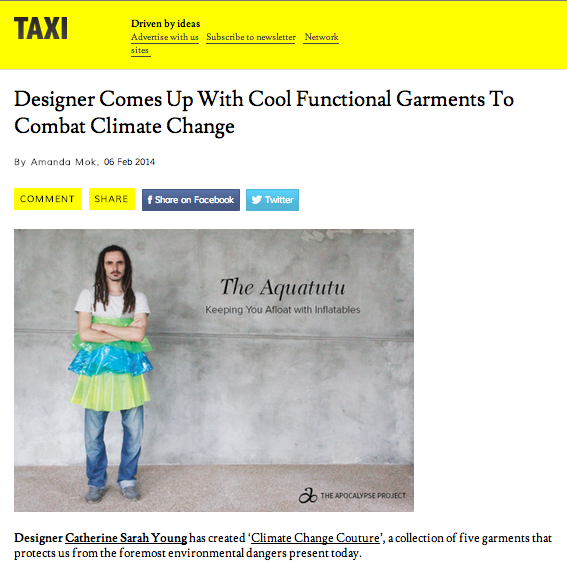
To adequately prepare for the future, we must imagine it as concretely as possible. This was the impetus for creating The Apocalypse Project, a speculative design research inquiry that imagines the future as climate change continues to affect the planet. Initially, I held drawing workshops in Tembusu College, National University of Singapore, asking questions such as “What superpowers would you like to have to navigate through a climate change apocalypse?” or “What would you like to wear to your apocalypse?” I realized that the question on clothes was the one that participants related to the most—they found it fun, engaging, and could better imagine designing clothing that they themselves can wear, as opposed to more abstract questions.

ClimateChangeCouturePhotos-03

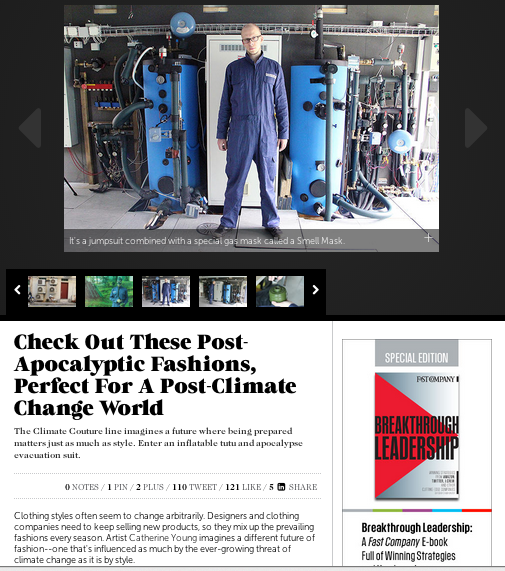
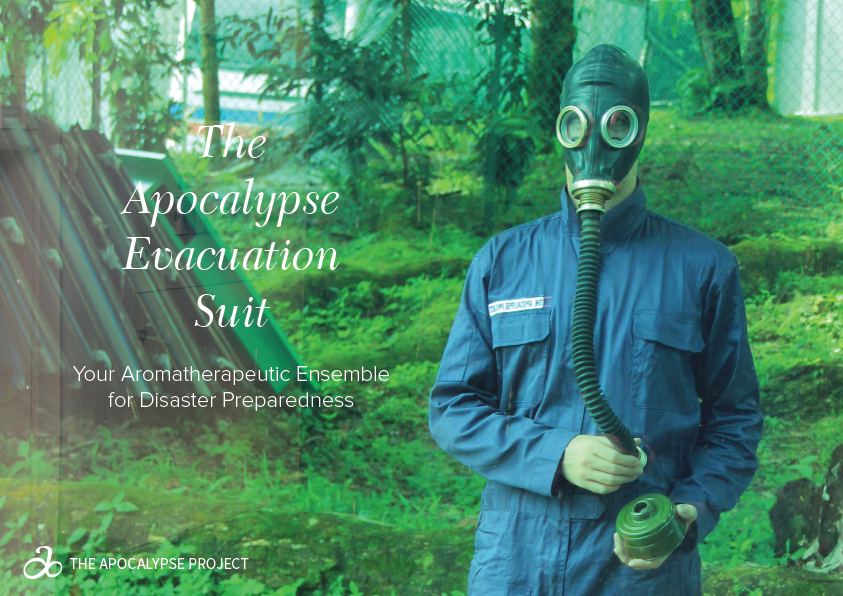
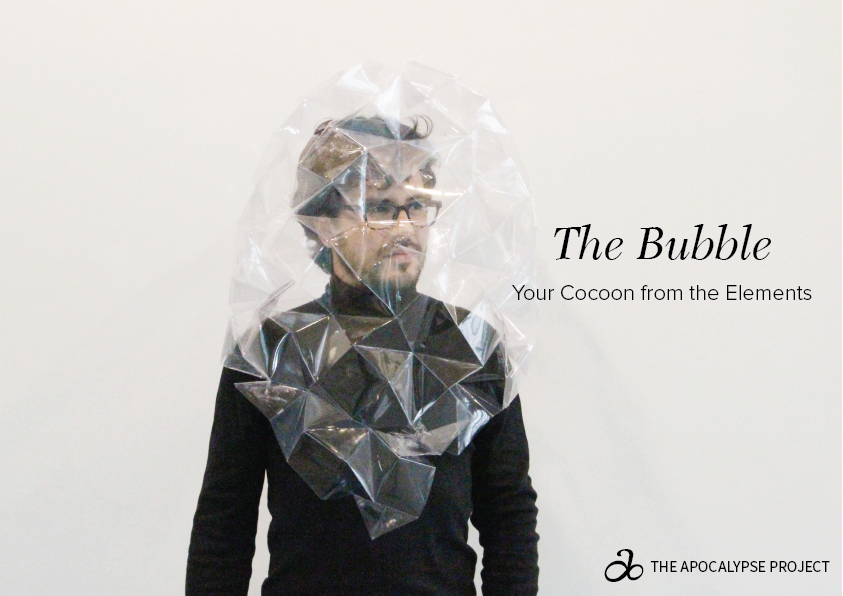
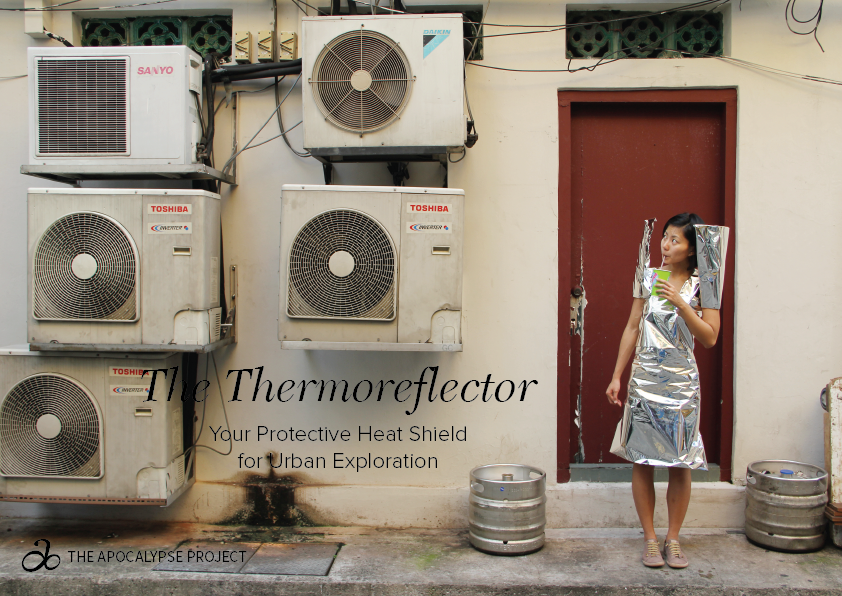
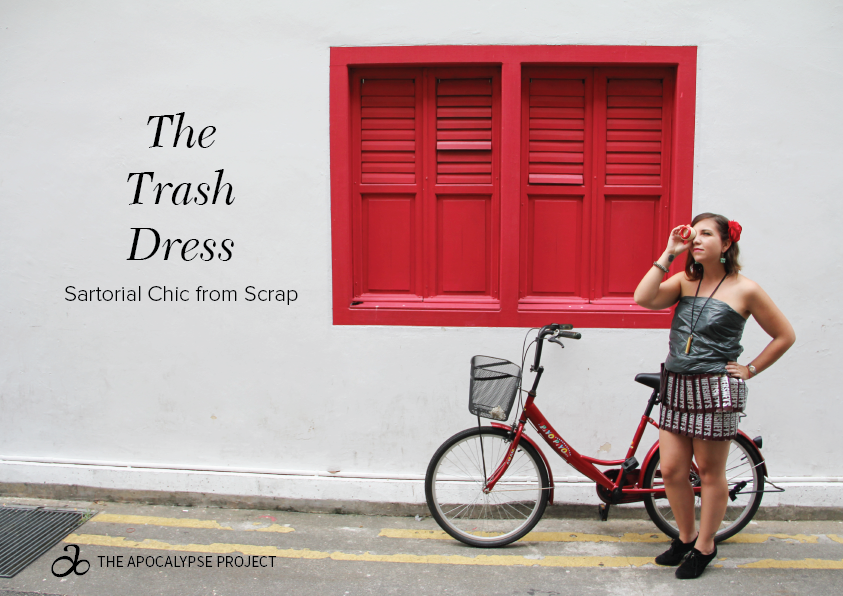
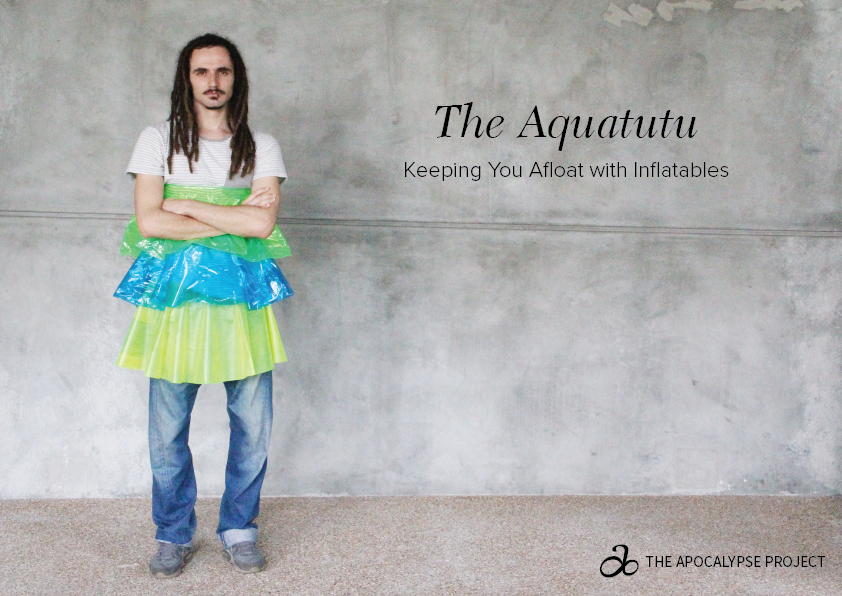
Based on the workshops, I created the series, Climate Change Couture: Haute Fashion for a Hotter Planet. Using the research done by the Singapore-ETH Future Cities Laboratory, I designed the first five garments in the series, imagining clothing we might wear in specific environmental scenarios and writing a narrative around them. I asked people from FCL to model them for me and photographed them against selected locations in the lab and around Singapore.

I consider myself as someone who works at the intersection of art and science by bringing them together through design, which I believe makes the work accessible and relevant to the audience. I believe that all of us are born artists and scientists—that is, we all have the innate curiosity to explore the world and manifest this in various forms—and it was a pleasure to work with the people in the lab and get to know their artistic sides. Some of the researchers modeled clothes based on their own research, and they were instrumental in the iteration of the designs. I also love working with young people, and some students from Tembusu College collaborated with me during the project.

ClimateChangeCouturePhotos-02

A common thread that ties my projects together is a focus on people. I believe in participatory art, especially as climate change affects all of us as a species and not just a select few. Two days before our showcase at ArtScience Museum in Marina Bay Sands, typhoon Haiyan hit my home country, the Philippines. Ironically, the apocalypse I imagined had already happened in my own backyard and will probably keep happening. I’d like to be one of those artists with a cause to work towards, and I think I found it in this residency.

I was one of the two artists who participated in the 2013 Art Science Residency Programme, in partnership with ArtScience Museum at Marina Bay Sands, Tembusu College National University of Singapore, and the Singapore-ETH Future Cities Laboratory. You can find the output of my residency at http://www.apocalypse.cc.

This post appears on the website of the Future Cities Laboratory. Thanks, guys!

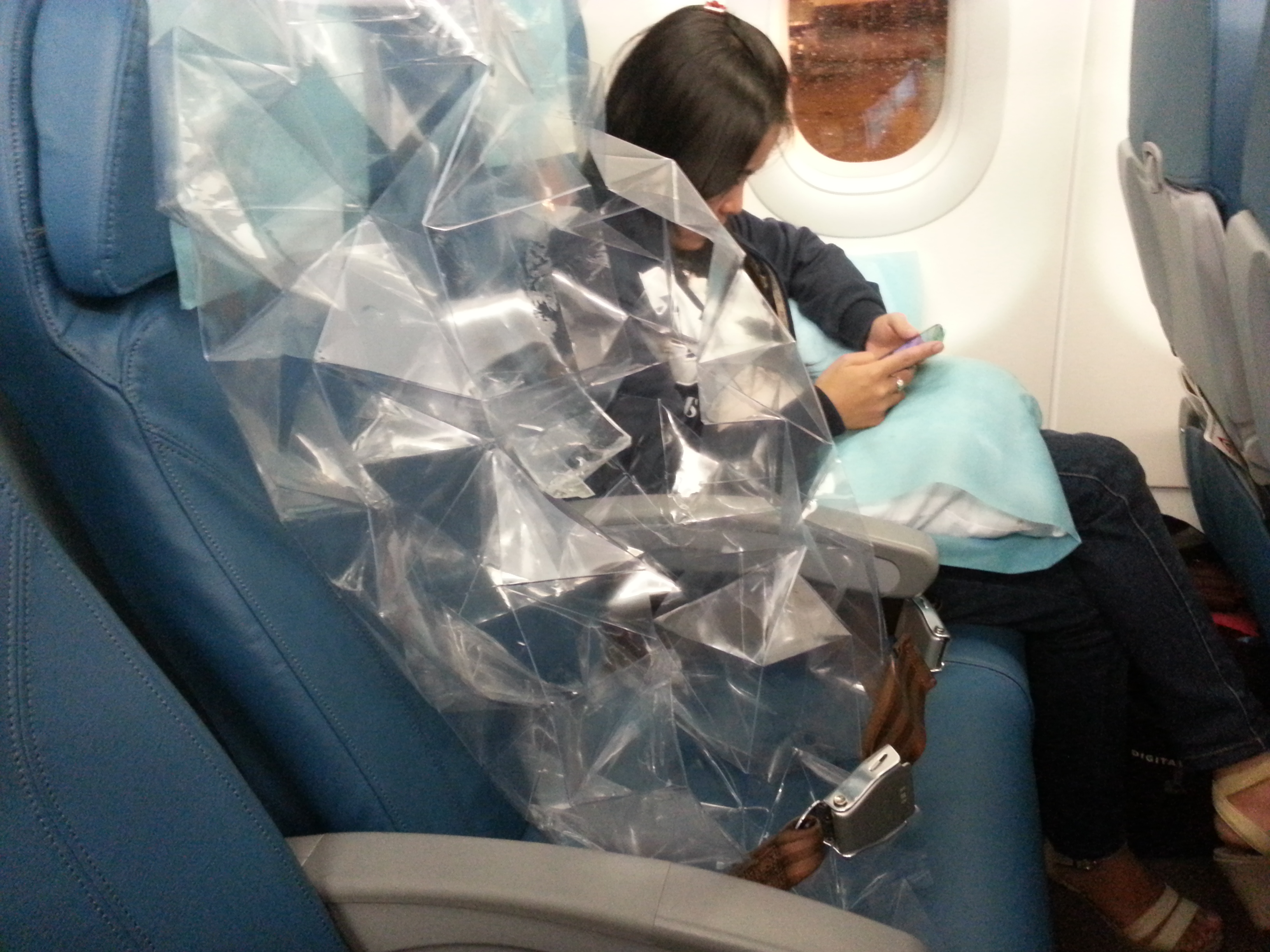
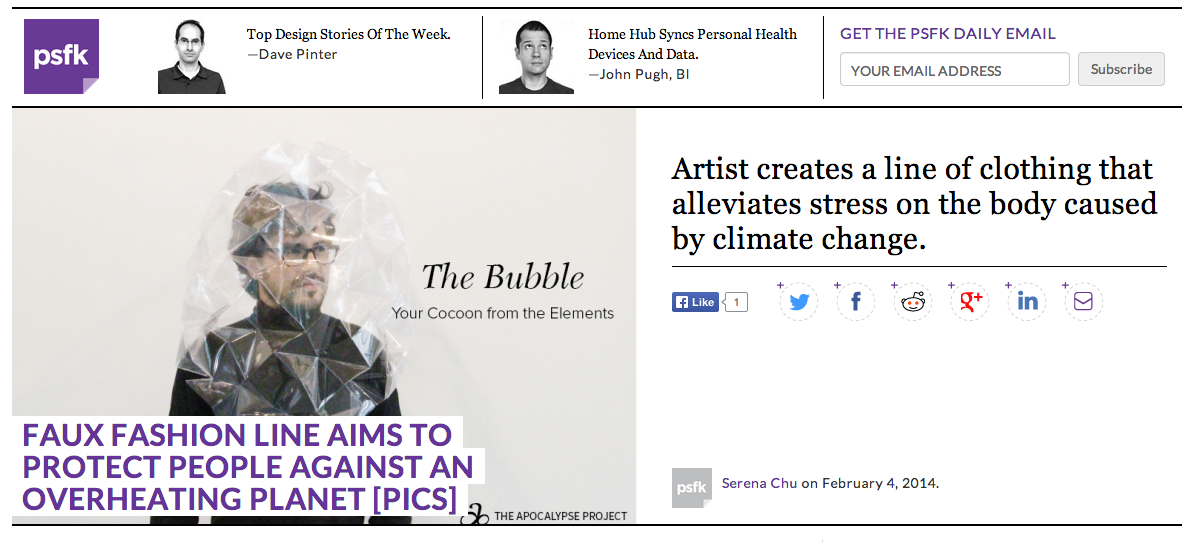
Philippine Airlines Flight No. PR 512 had a strange guest buckled up on Seat No. 73B. My sentimental side insisted on bringing The Bubble prototype for Climate Change Couture. It got through so many things already—a gallery show, a photo shoot, was co-designed by someone on my Apocalypse Squad, and has been the starter for many a conversation that I didn’t care about the bulkiness of it. I was going to drag this $2 piece of plastic across international barriers if it killed me.

And so, we begin.The Bubble got through all the security checks and immigration without problems (as it was transparent and clearly made of plastic) but with lots of curious looks, questions, and chuckles. Even I had to laugh when I realized that, instead of squashing it in the overhead bin, the best way to transport this was to buckle it in the empty seat next to me.
20131231_211652

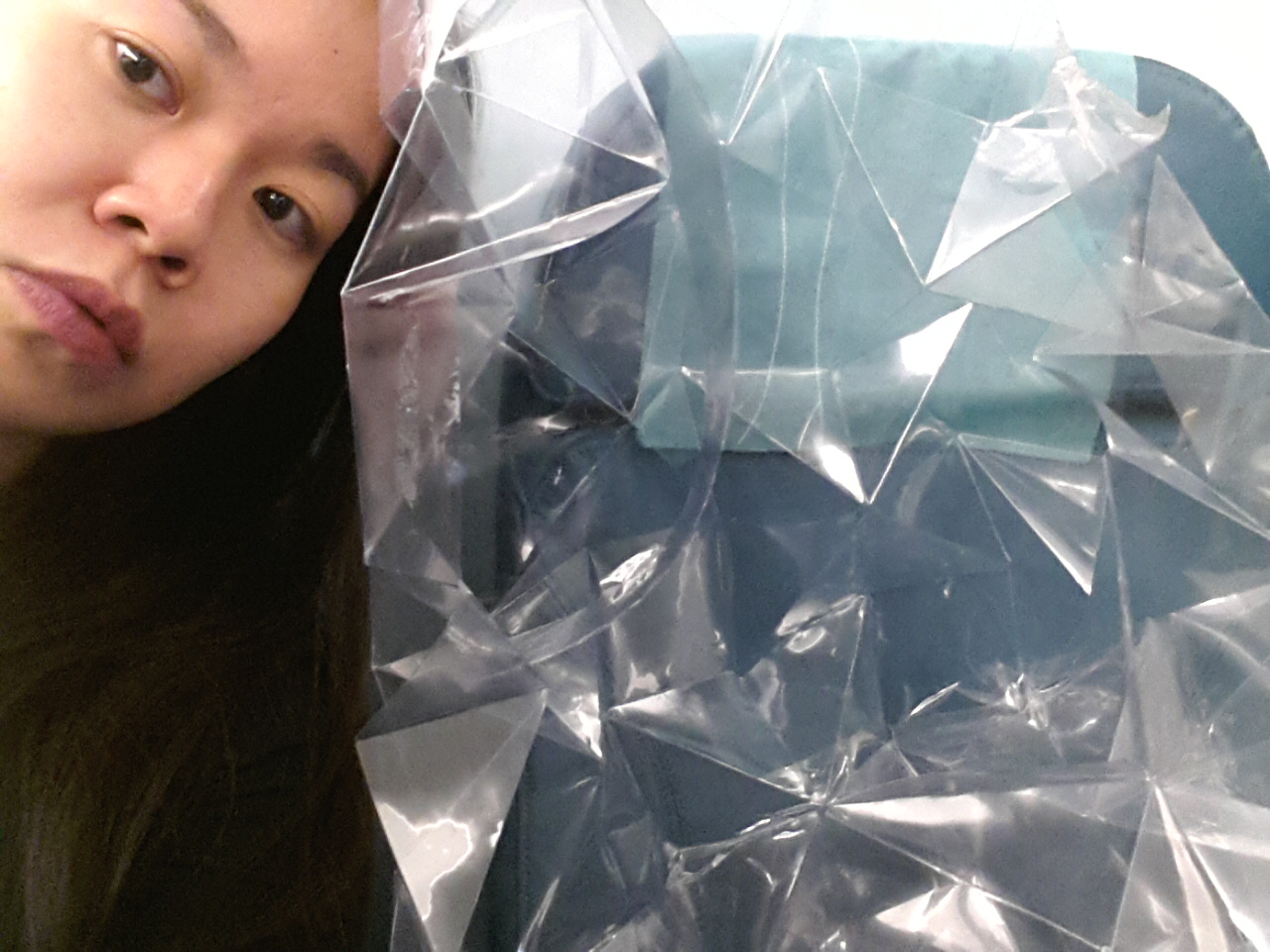
And hi! I was right next to it, 73C. What do you do with a plastic bubble on an international flight? You take selfies…

20131231_221440

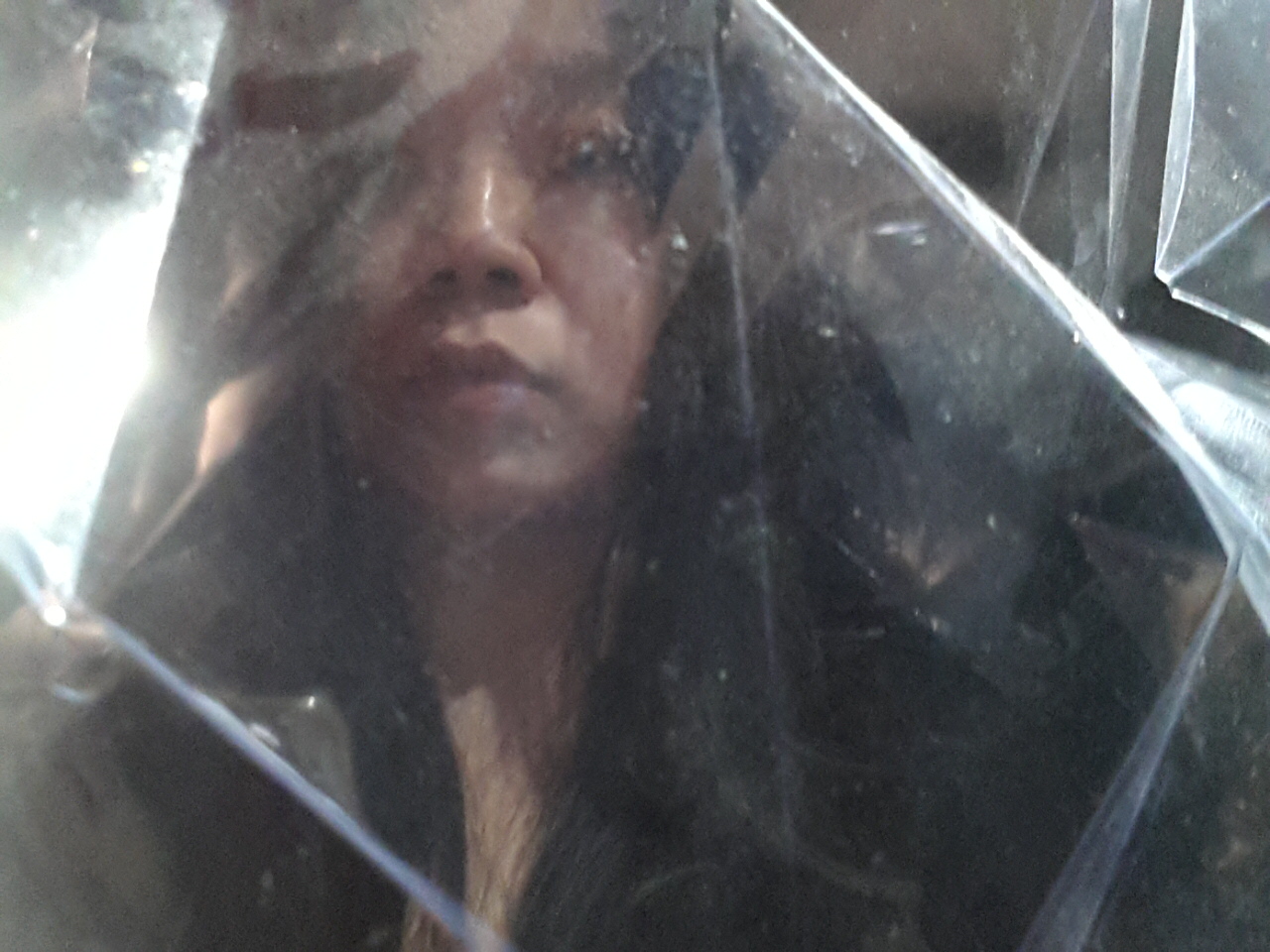
…and of course, wear it. The AC on flights is always too cold for me.

20140101_004414

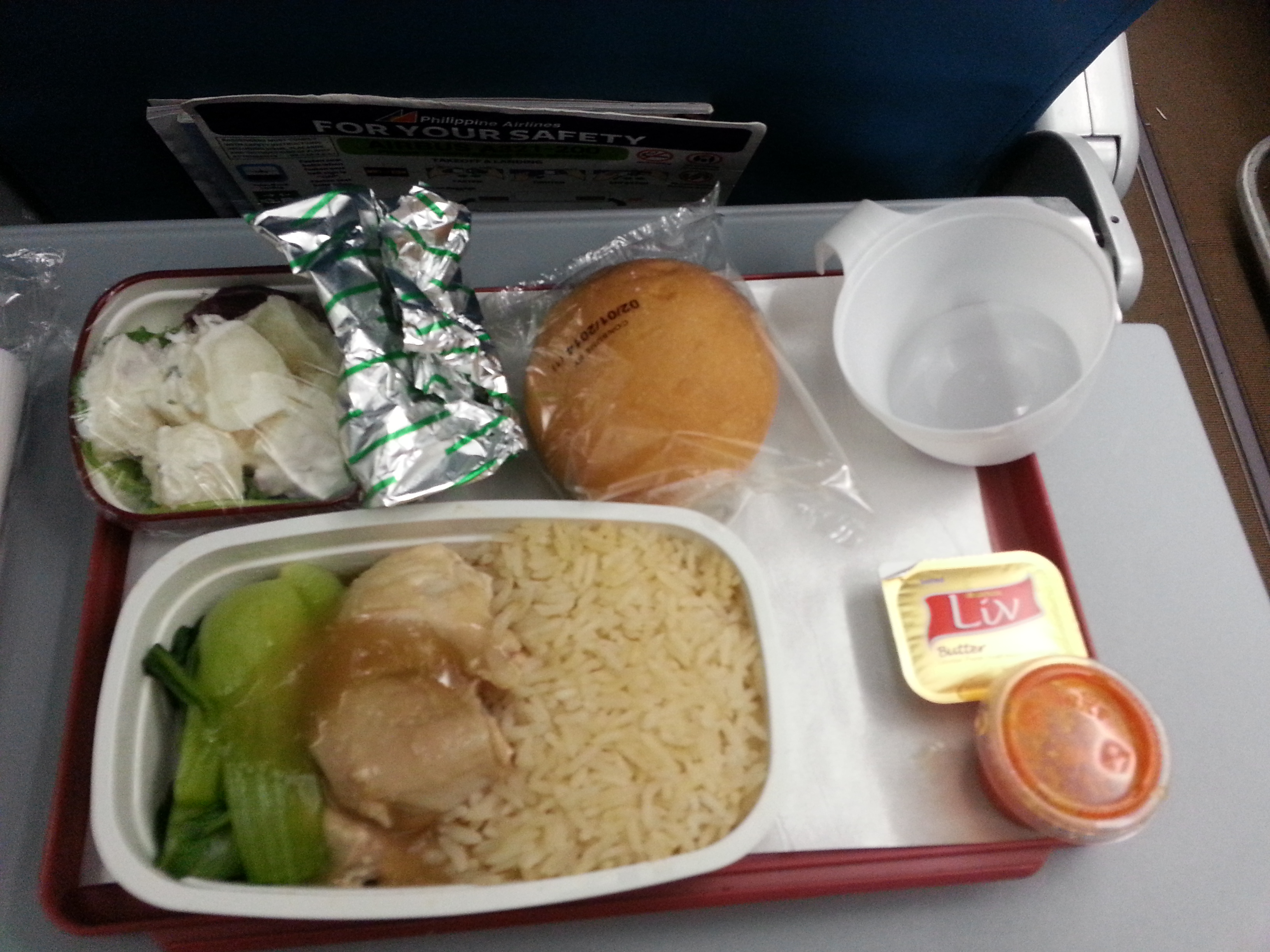
I had to take it off when I was eating (or not eating, as I can’t eat chicken).

20131231_223730

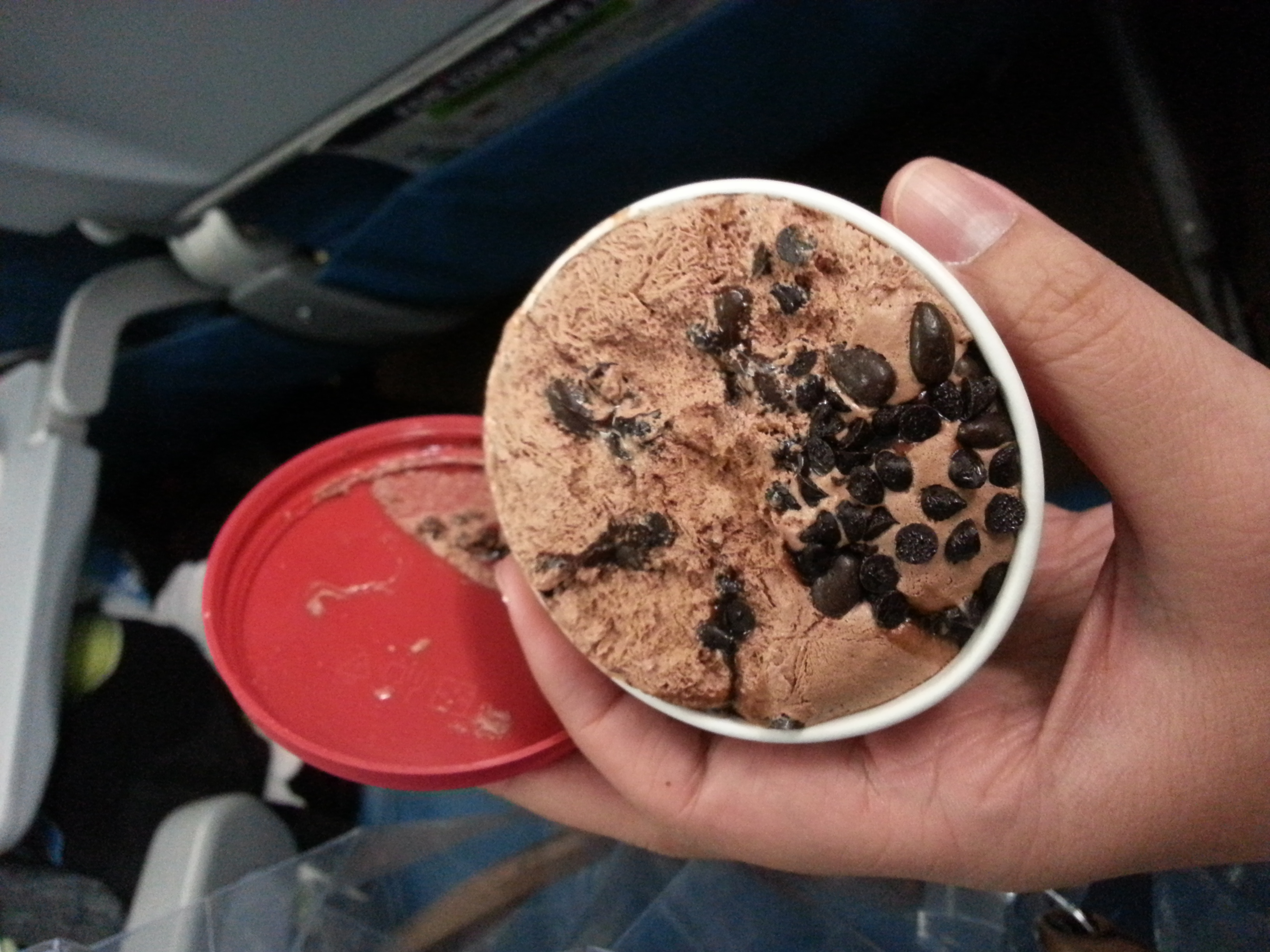
I can, however, eat ice cream! Why haven’t I flown this airline before?

20131231_230303

About four hours later, The Bubble made it! Welcome to the Republic of the Philippines, where climate change hits quite hard and The Apocalypse Project just got transplanted to.

DSC00314edit

They say that what you do on New Year’s Eve will be what you will do for the year. If doing crazy experiments like these is my fate, then please oh please bring it on.

Climate Change Couture
Volume 1, Singapore

A preview, my fellow earthlings.

ClimateChangeCouturePhotos-01 ClimateChangeCouturePhotos-02 ClimateChangeCouturePhotos-03


ClimateChangeCouturePhotos-04


ClimateChangeCouturePhotos-05

Climate Change Couture: Haute Fashion for a Hotter Planet

This project explores the future of fashion as climate change continues to impact our lifestyle. This first collection is borne out of my Art Science Residency Programme, collaborating with researchers from the Singapore-ETH Future Cities Laboratory. The models of these clothes are active researchers or have a science background. Visit The Apocalypse Project for future updates!

This art/science residency is winding down, and my penchant for sentimentality is going up. At the risk of sounding like a Buzzfeed listicle, here are some of the smaller, yet unforgettable moments. Most of these images were taken using a crappy smartphone, but hey, I’ll take it. I’d like to remember Singapore, the fifth country I’ve lived in, with this hodgepodge of memories:

1. The constant mixture of cultures as well as the combination of the traditional and modern.

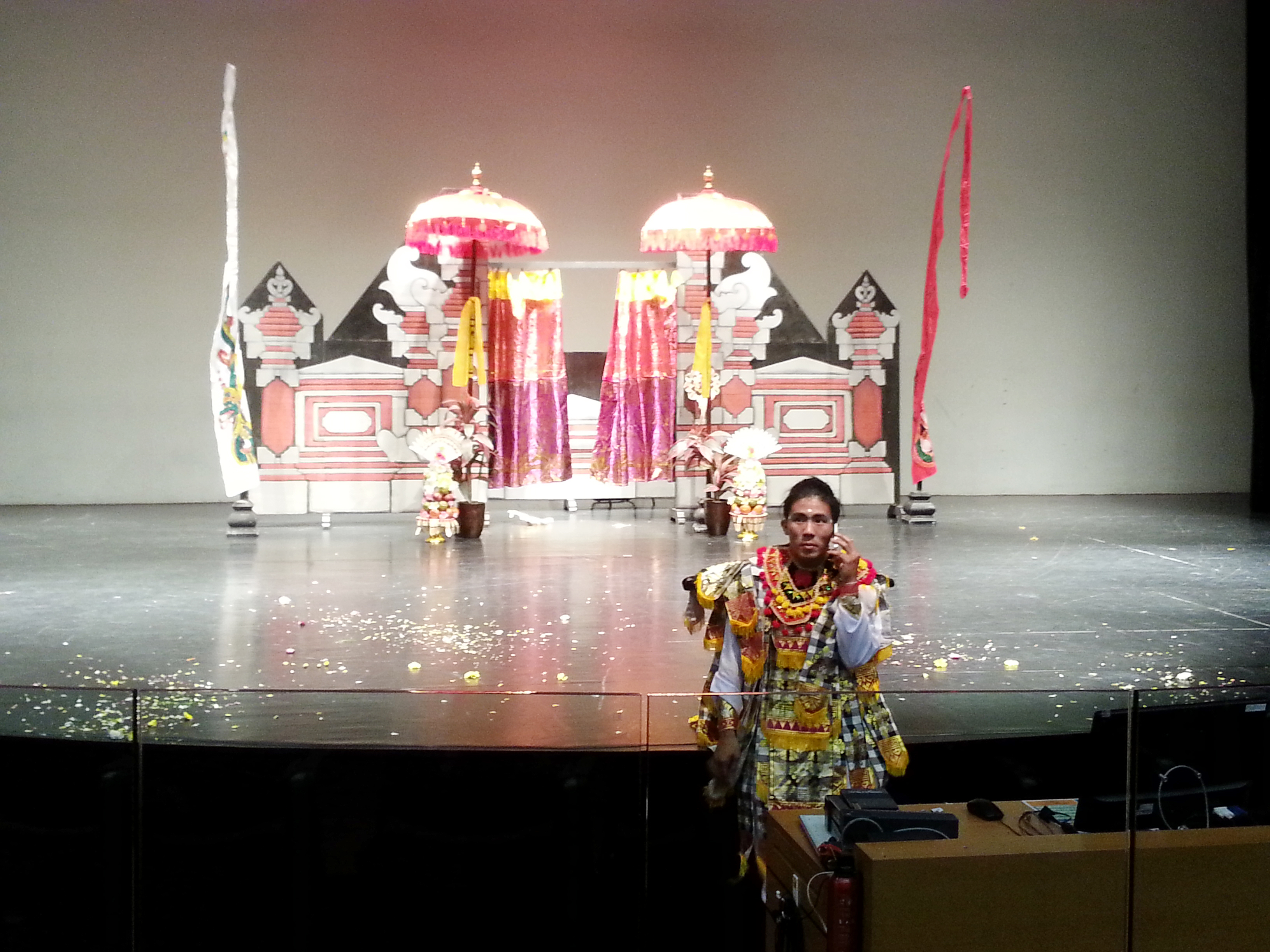
This guy in Balinese dress was on his smartphone during an intermission. This was a student performance at NUS.

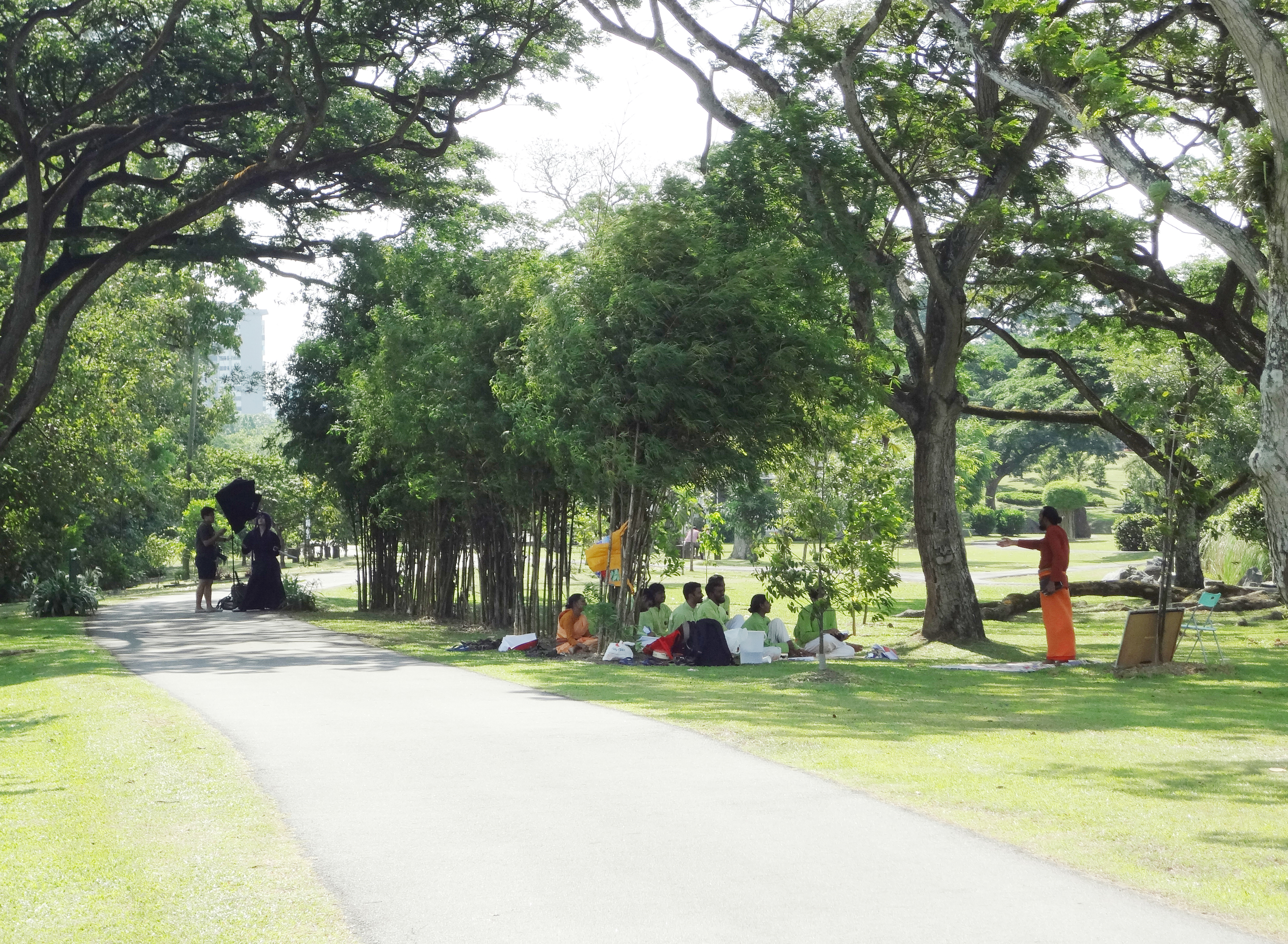
20131120_203343This cosplayer on a photo shoot and the class happening a few feet away. (I’m unsure what the latter is, and I didn’t want to interrupt them. If you think you know what this is, let me know in the comments. I’d like to be enlightened.) This was at Singapore’s Japanese Garden.

DSC08700new

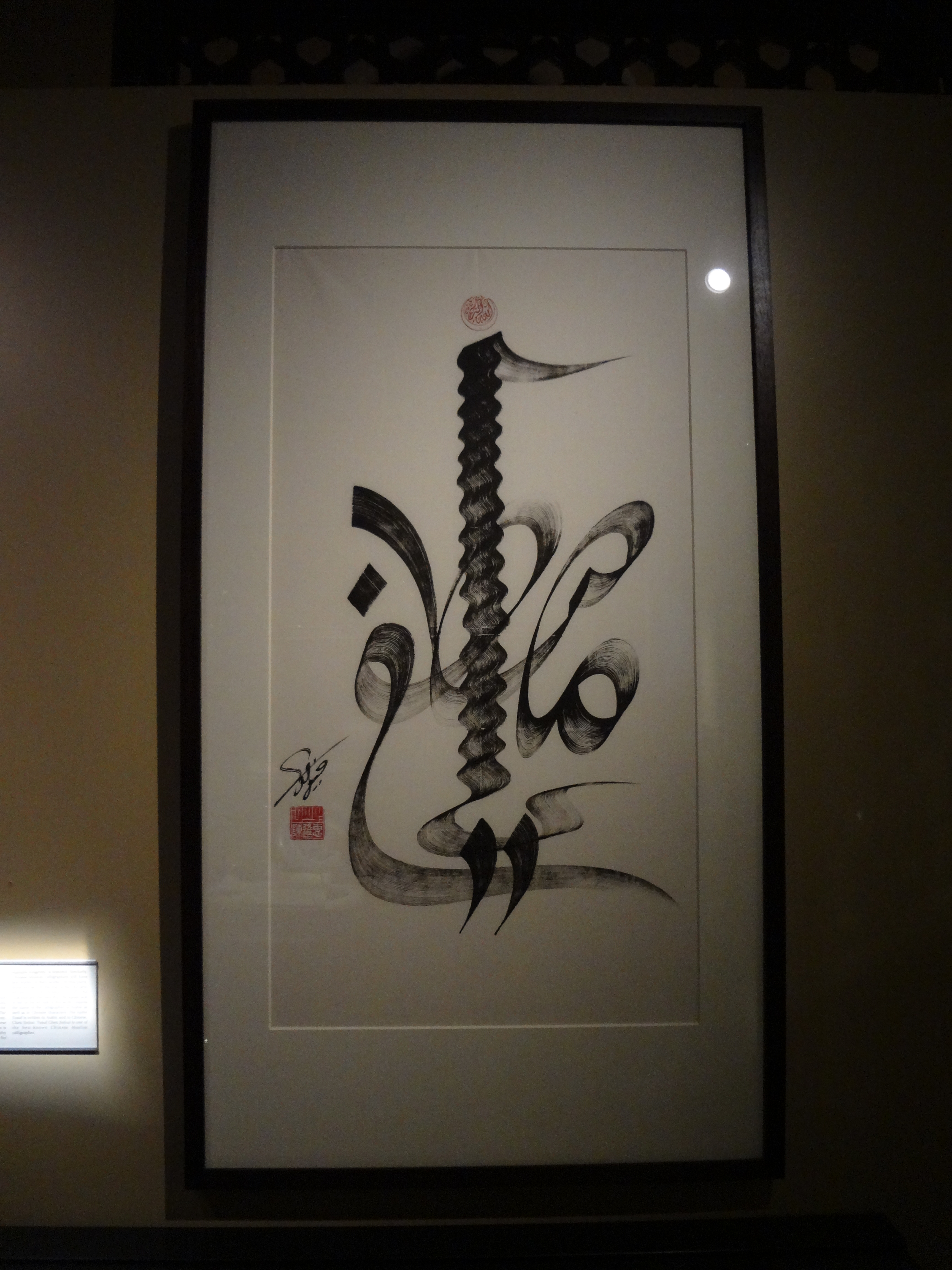
One of my favorite works in the Asian Civilisations Museum: “Mustafa” is written in sini script using a Chinese brush, by a Muslim Chinese calligrapher.

4 A DSC09250

2. Random people working out.

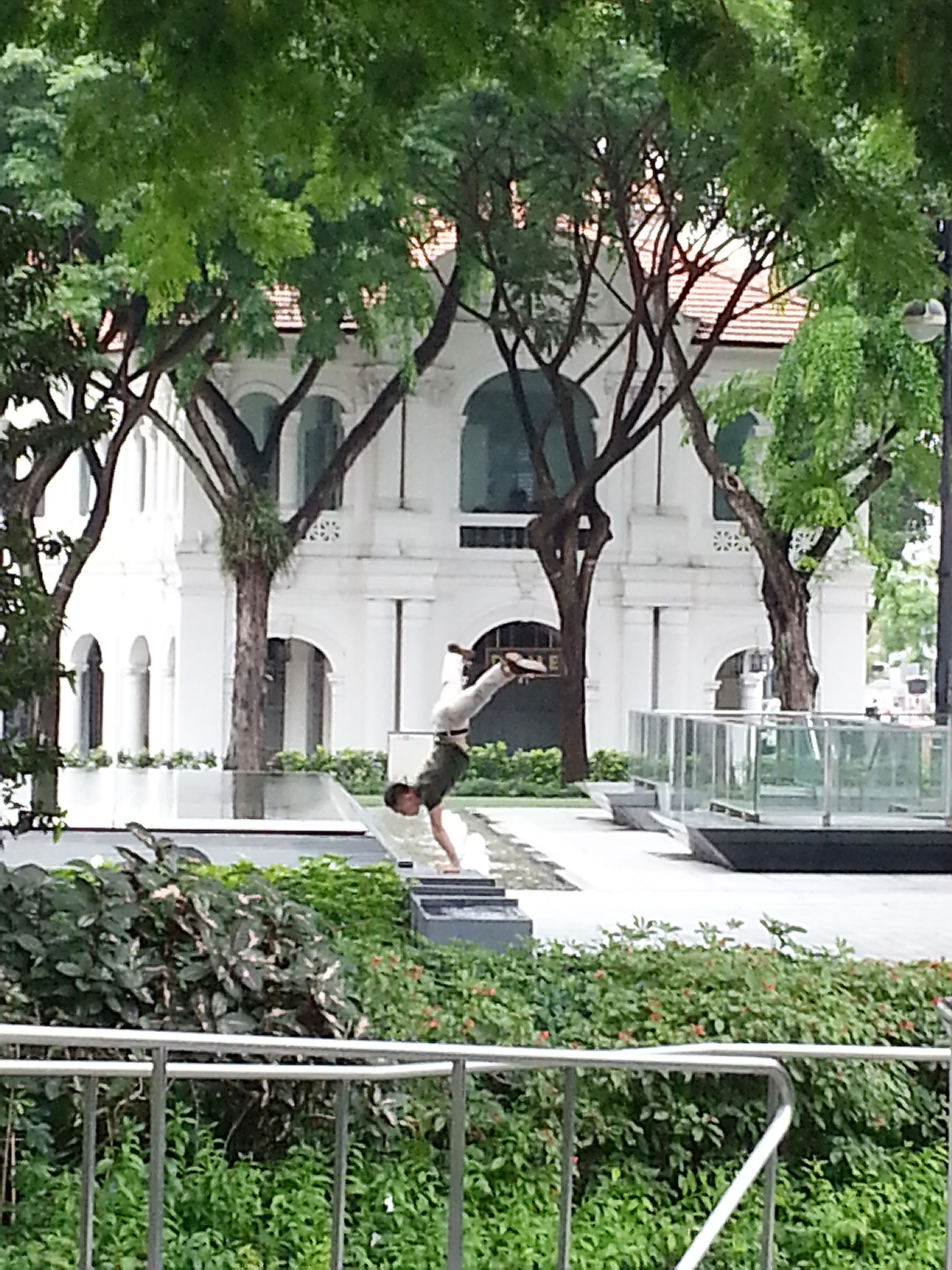
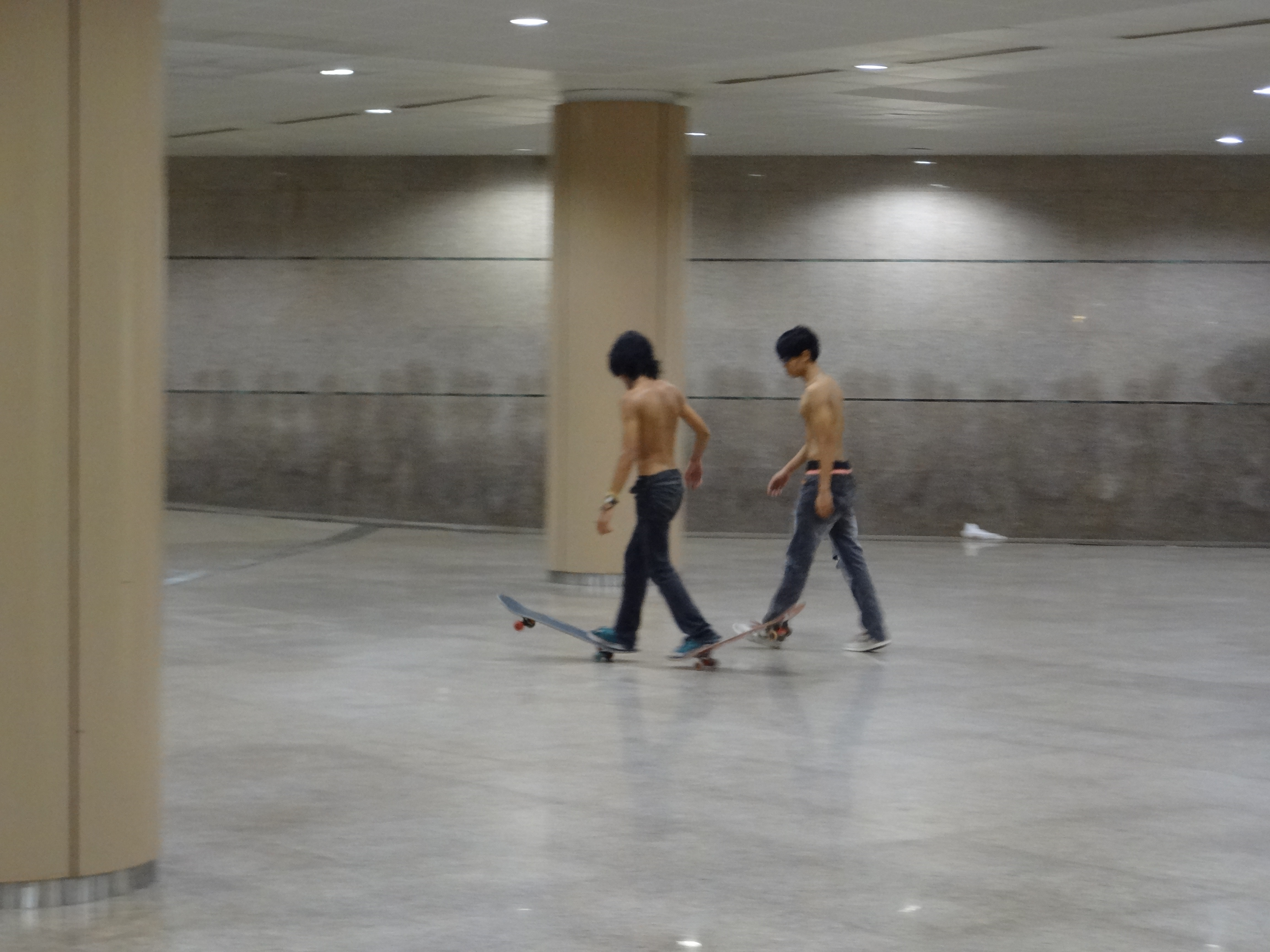
This guy doing a handstand near the Singapore Art Museum. 

20130925_143032Or these skateboarders at Esplanade Station. They remind me of those outside the MACBA in Barcelona.

DSC09508

3. Seeing Venus.

Ok, I’ve definitely seen this before. Let me clarify: seeing Venus and knowing it’s Venus. Thanks to the Meetup group that organized this at the Singapore Science Centre.

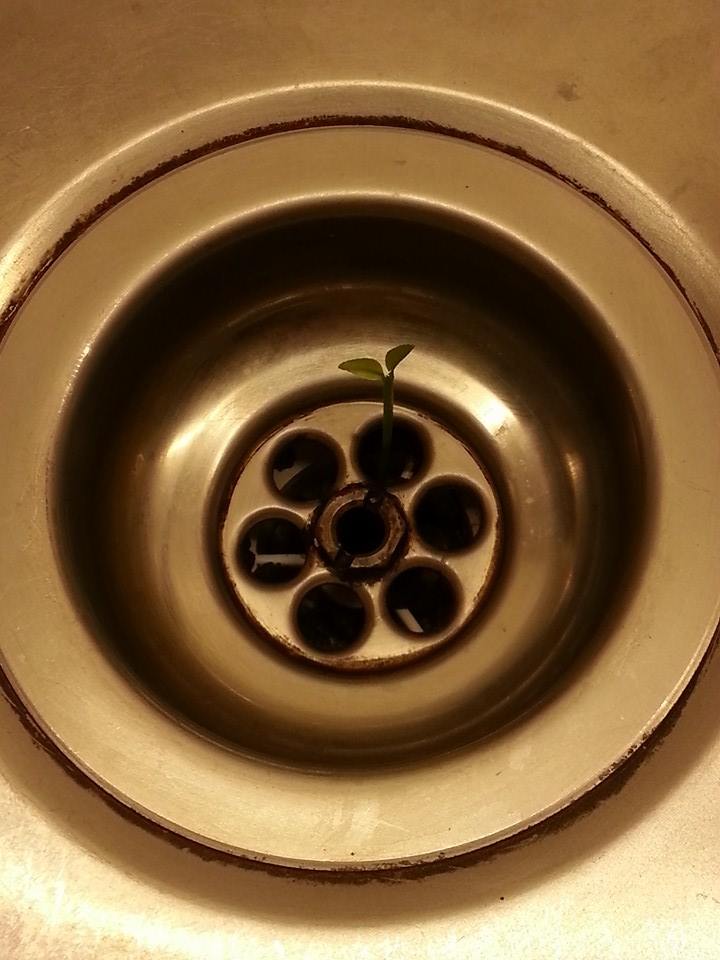
20131025_2002574. Random things that grew in my apartment.

This seedling peeked out of my kitchen sink.

1382206_10153442820240122_1415030767_n

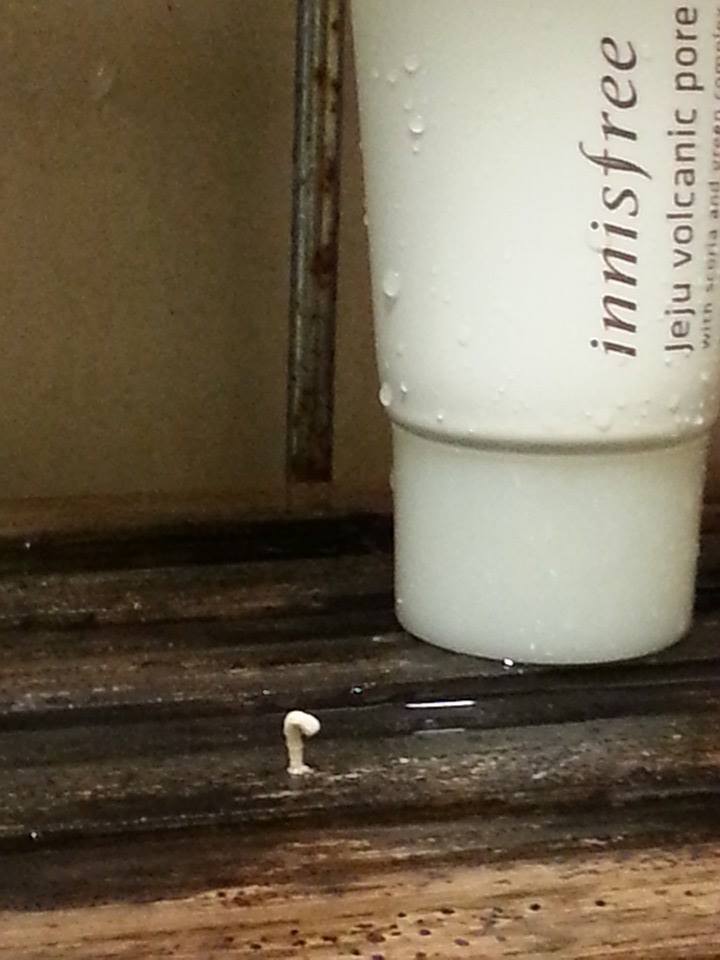
A second mushroom  sprouted in my shower.

1453386_10153628825455122_2040611026_n

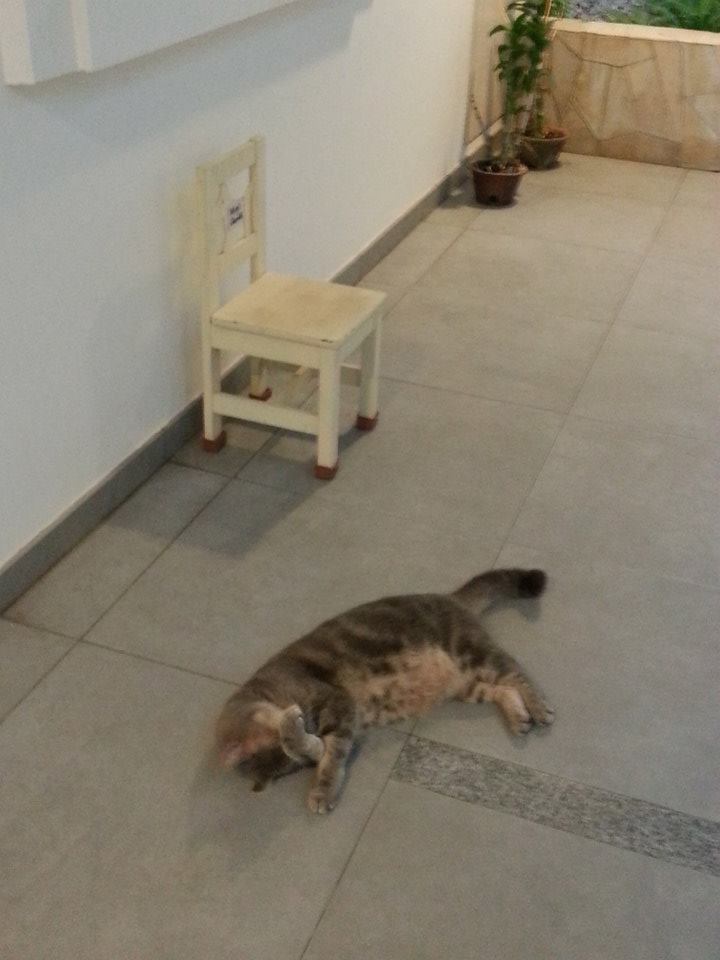
5. Professor Greg Clancey’s cat, Misty, who lives next door to me at Tembusu College.

She went from being scared of me to not caring when I walked past.

1174709_10153243072040122_697031479_n

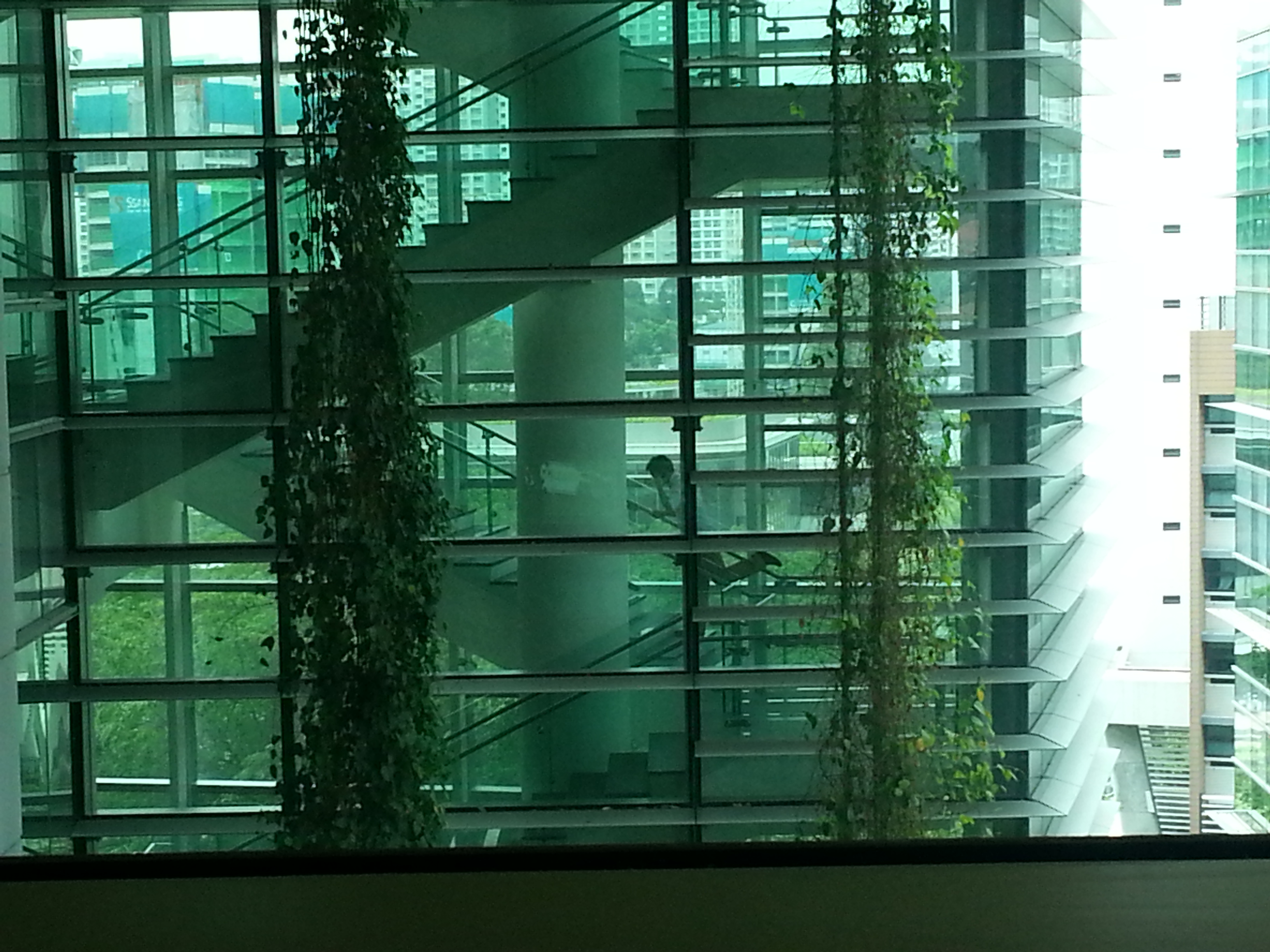
6. Being at my desk at the Future Cities Lab and seeing the people walking up and down the stairs.

The lab occupies the sixth and seventh floors. I think that how they use the stairs reflects their personalities.

20130923_131351

(On that note, seeing this guy repeatedly use the hand rail as a ballet bar is the reason why I stopped touching it.)

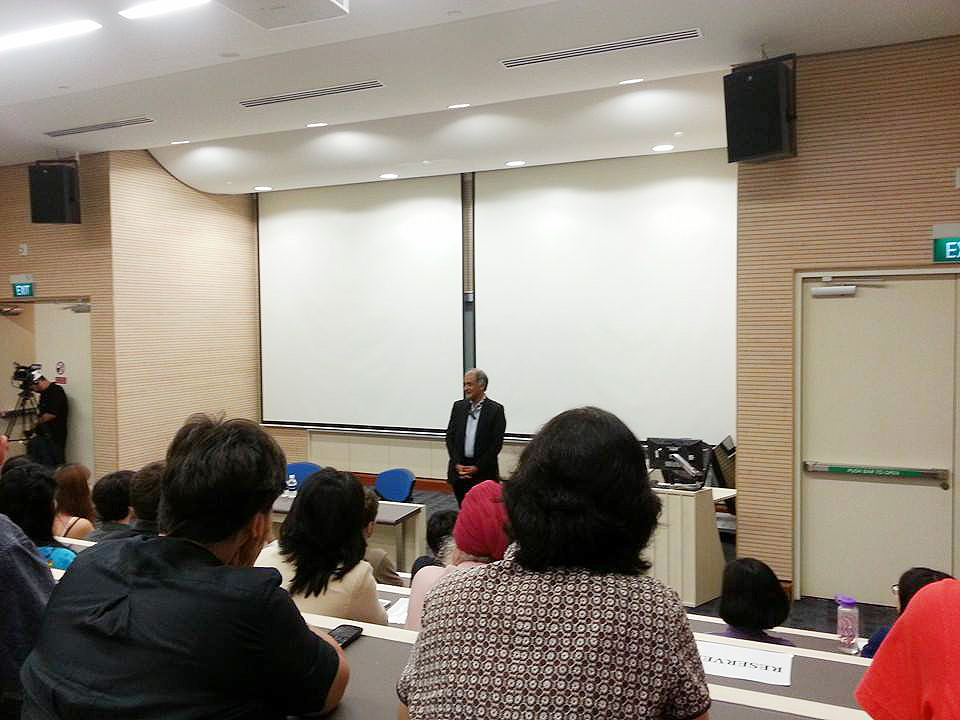
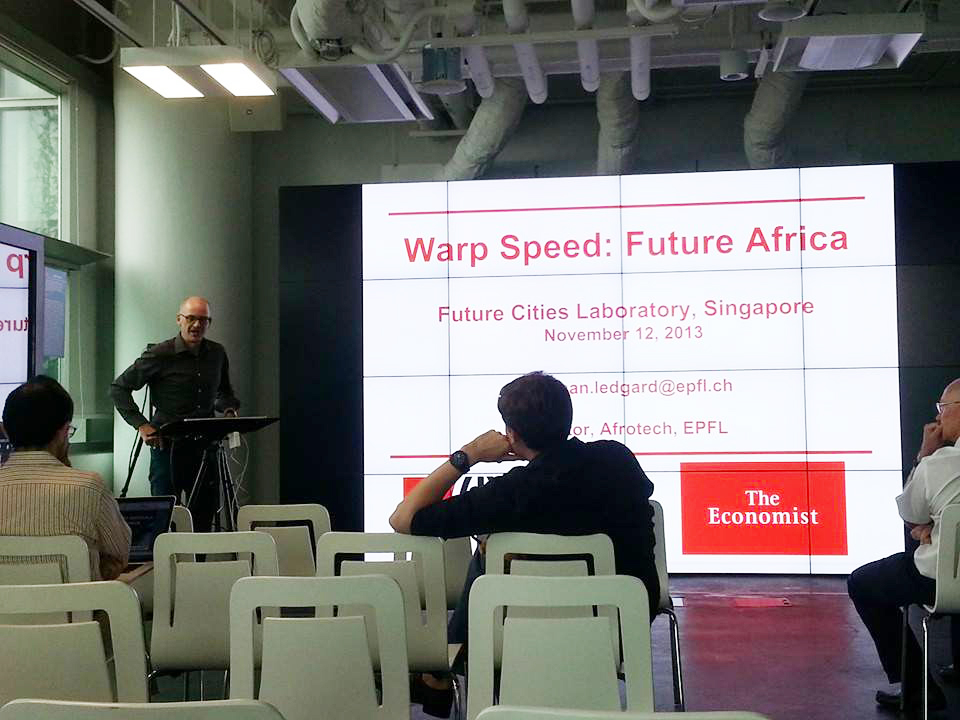
7. Attending lectures for the sheer enjoyment of them. 

Such as this one by Pico Iyer sponsored by Yale-NUS at UTown.

Pico Iyer

Or this one by Jonathan Ledgard at the Future Cities Laboratory, whose book, Giraffe, I read and loved last year.

Jonathan Ledgard

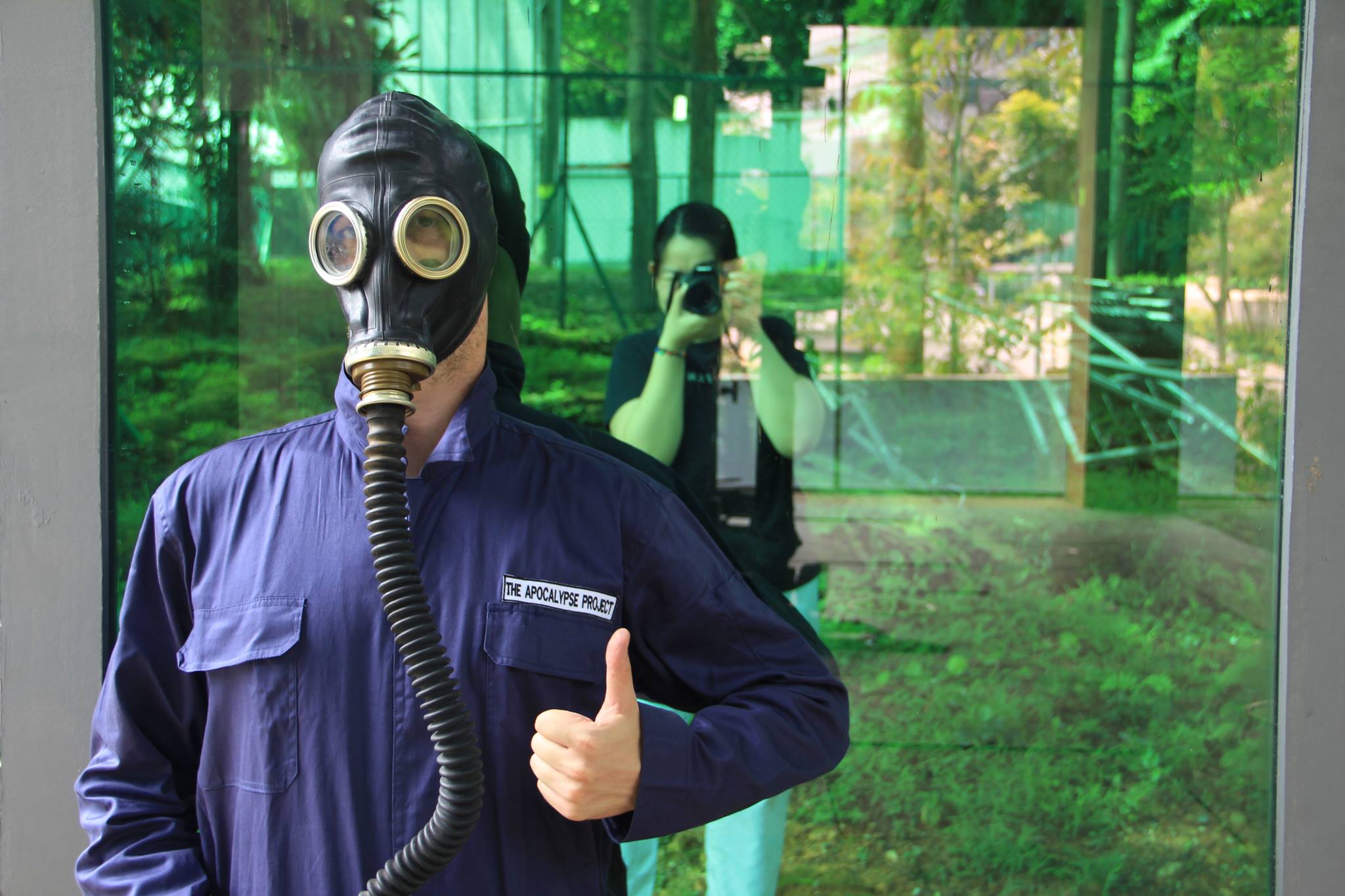
8. Working with scientists. 

I loved seeing their less academic side. Like so:

The Apocalypse Project smell mask

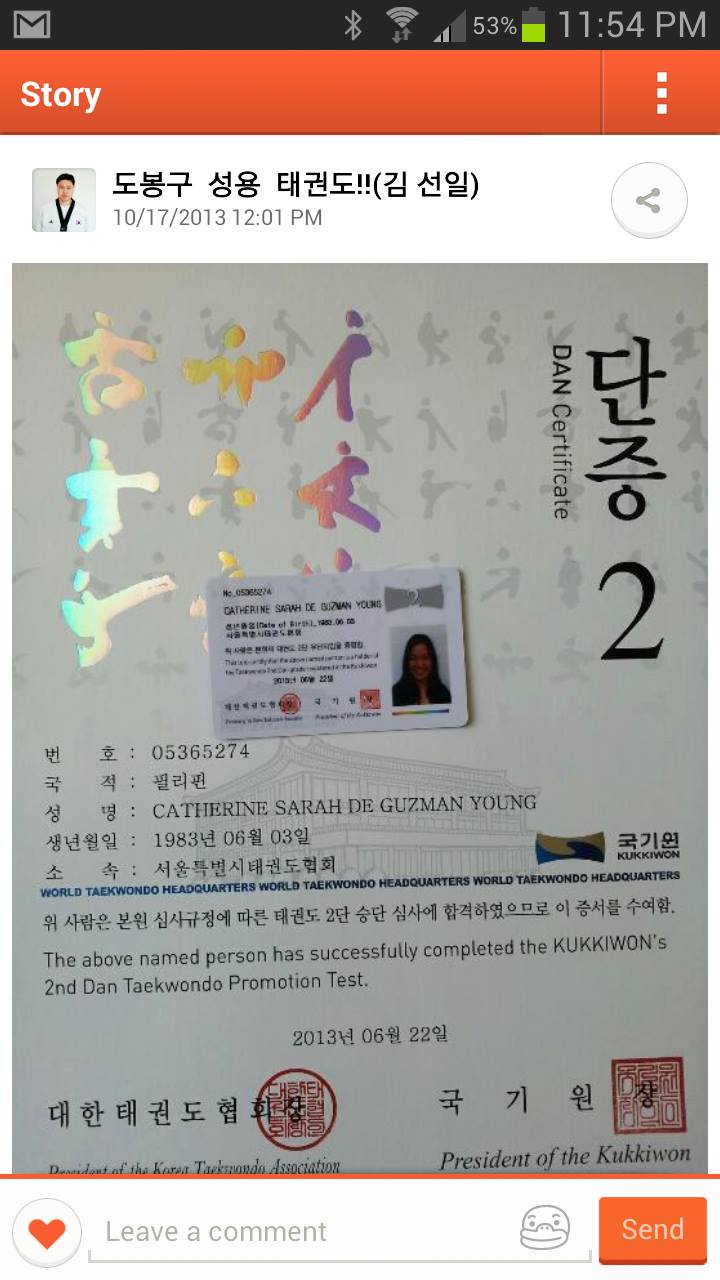
9. Getting into emoji chats with my taekwondo master in Korea (since we still can’t understand each other). 

I love my current project the most, but I definitely adjusted faster in Seoul.

Screenshot_2013-09-27-21-20-51

Hurray for Kakao Story! Thanks to interaction design, communication between two people who do not speak the other’s language is completely possible. Guess who did pass her second degree black belt test after all. Now to figure out how to ship it to me. Hmm.

1400249_10153432940980122_748657994_o

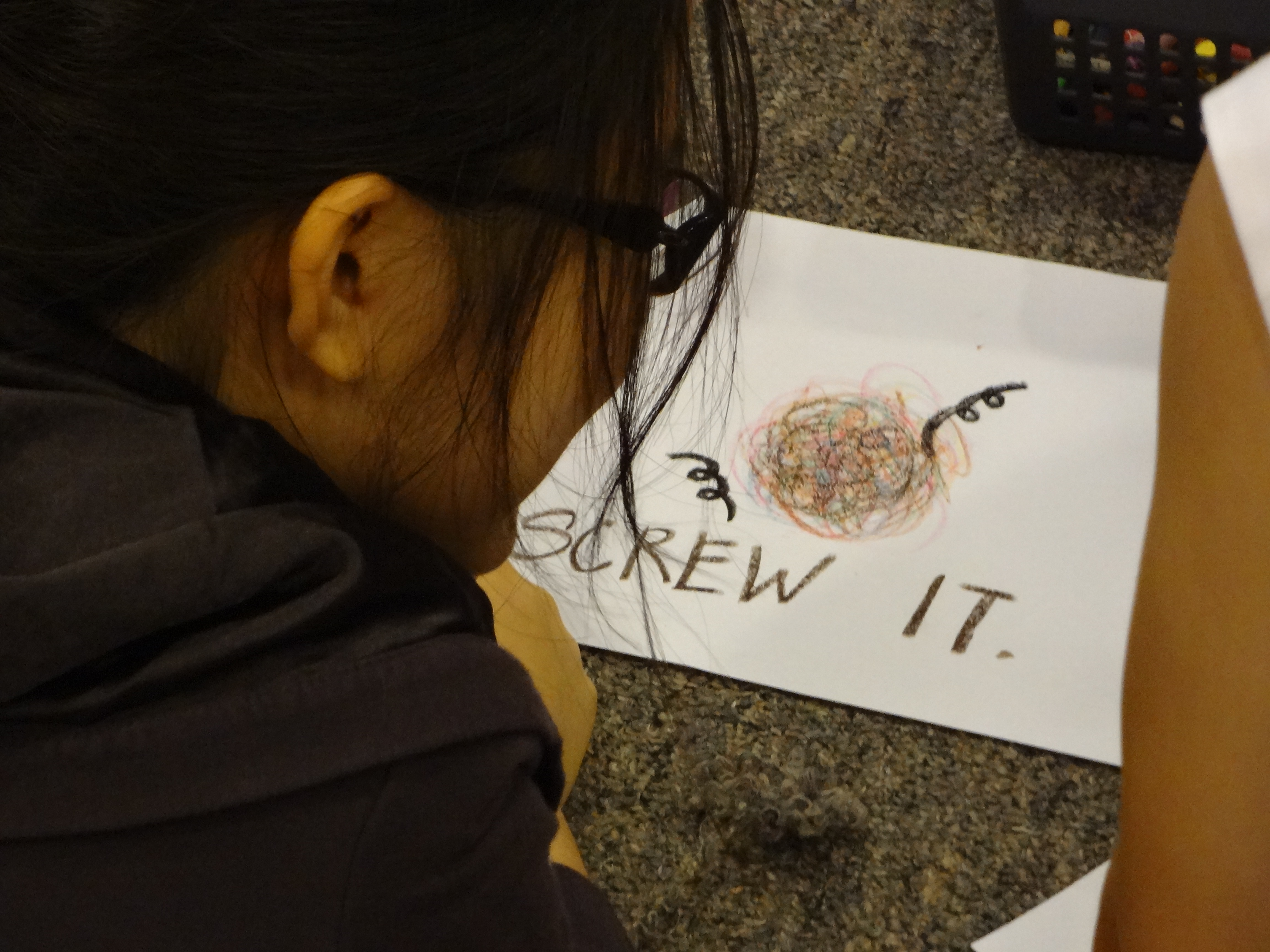
10. Holding Apocalypse Workshops and getting into uncontrollable fits of laughter.

Because, well…

DSC09518

This gig went by too fast, too soon. I’m in the goodbye-presents-and-thank-you-notes stage. Wasn’t I just doing this a few months ago? Vagabond problems, oh dear.

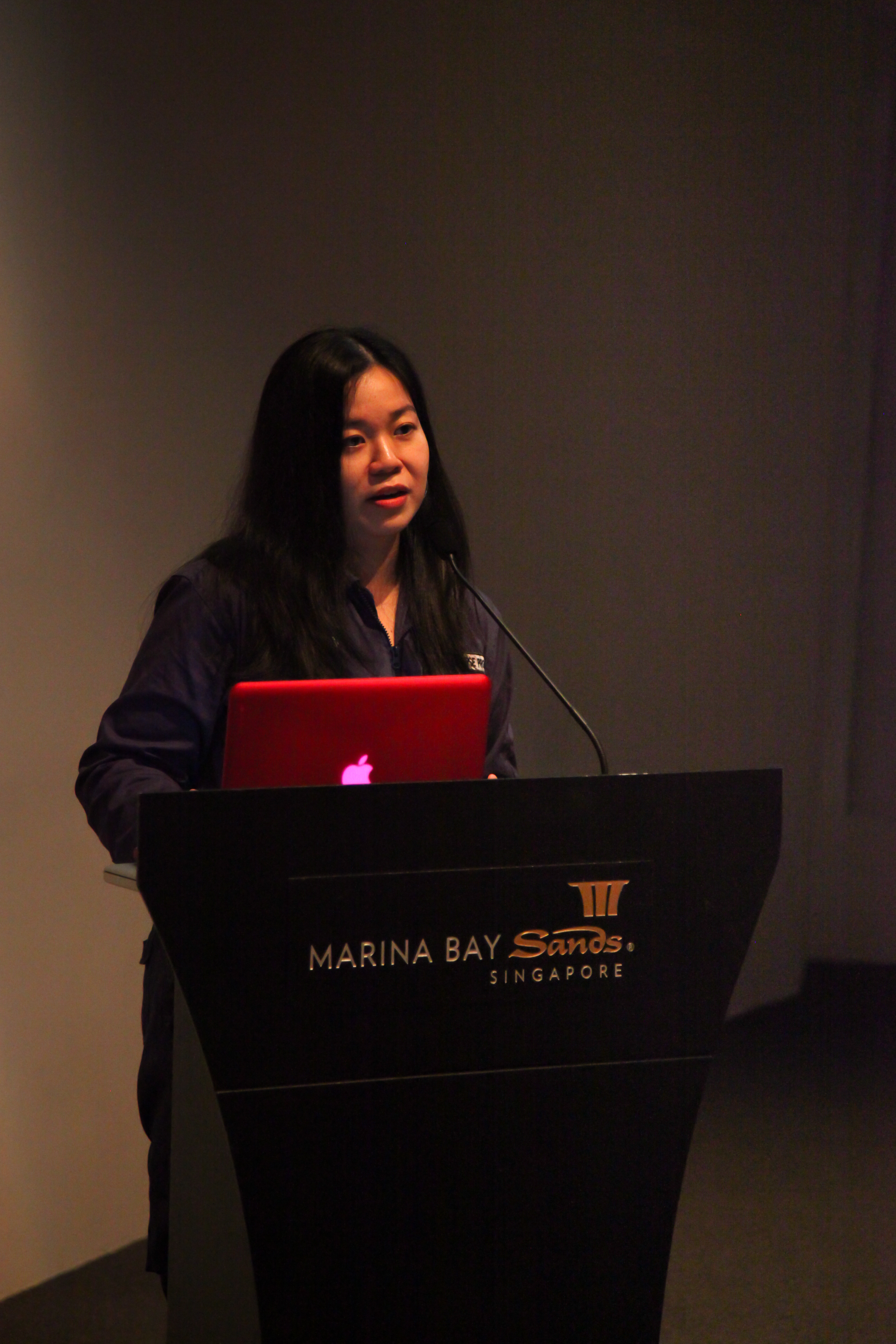
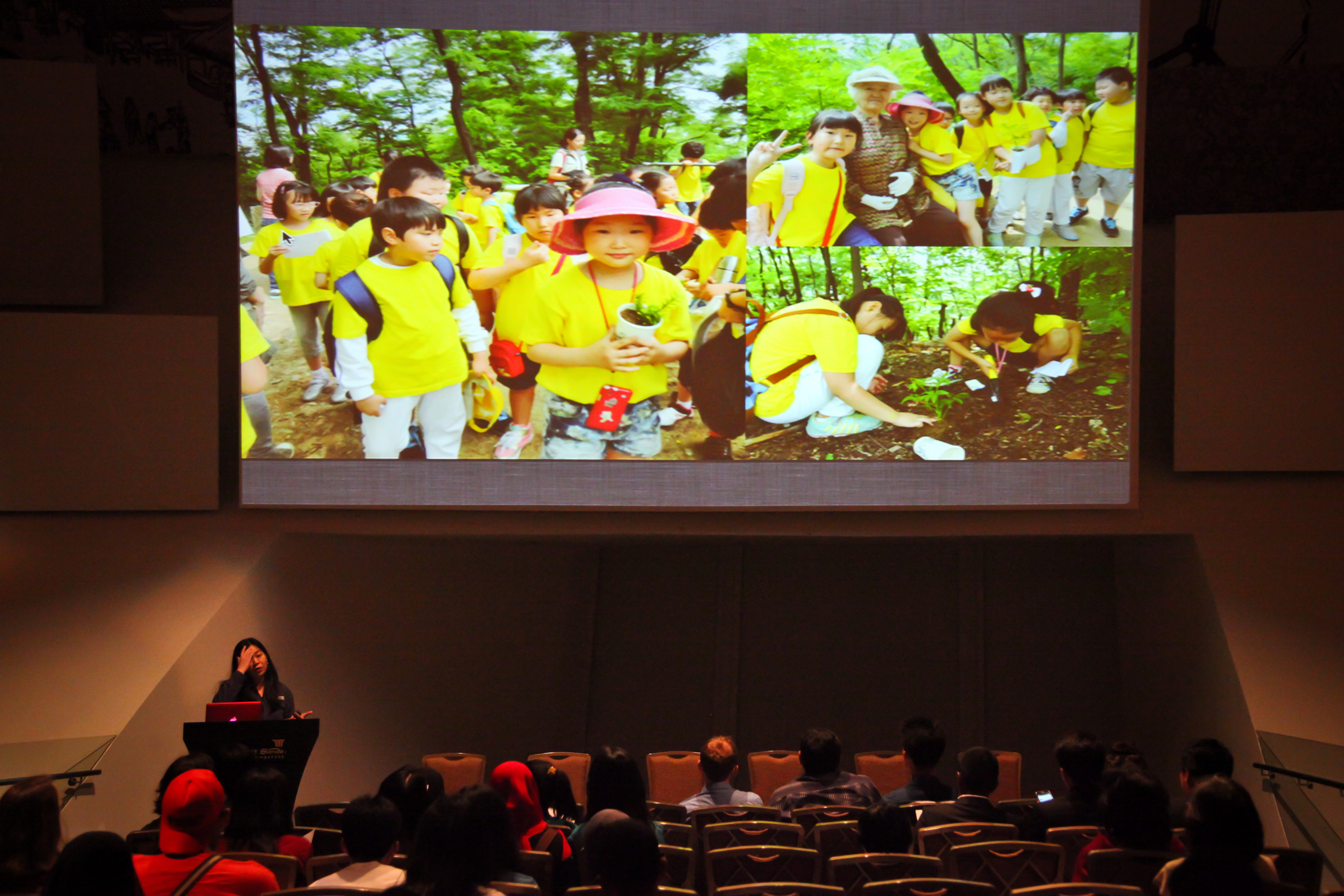
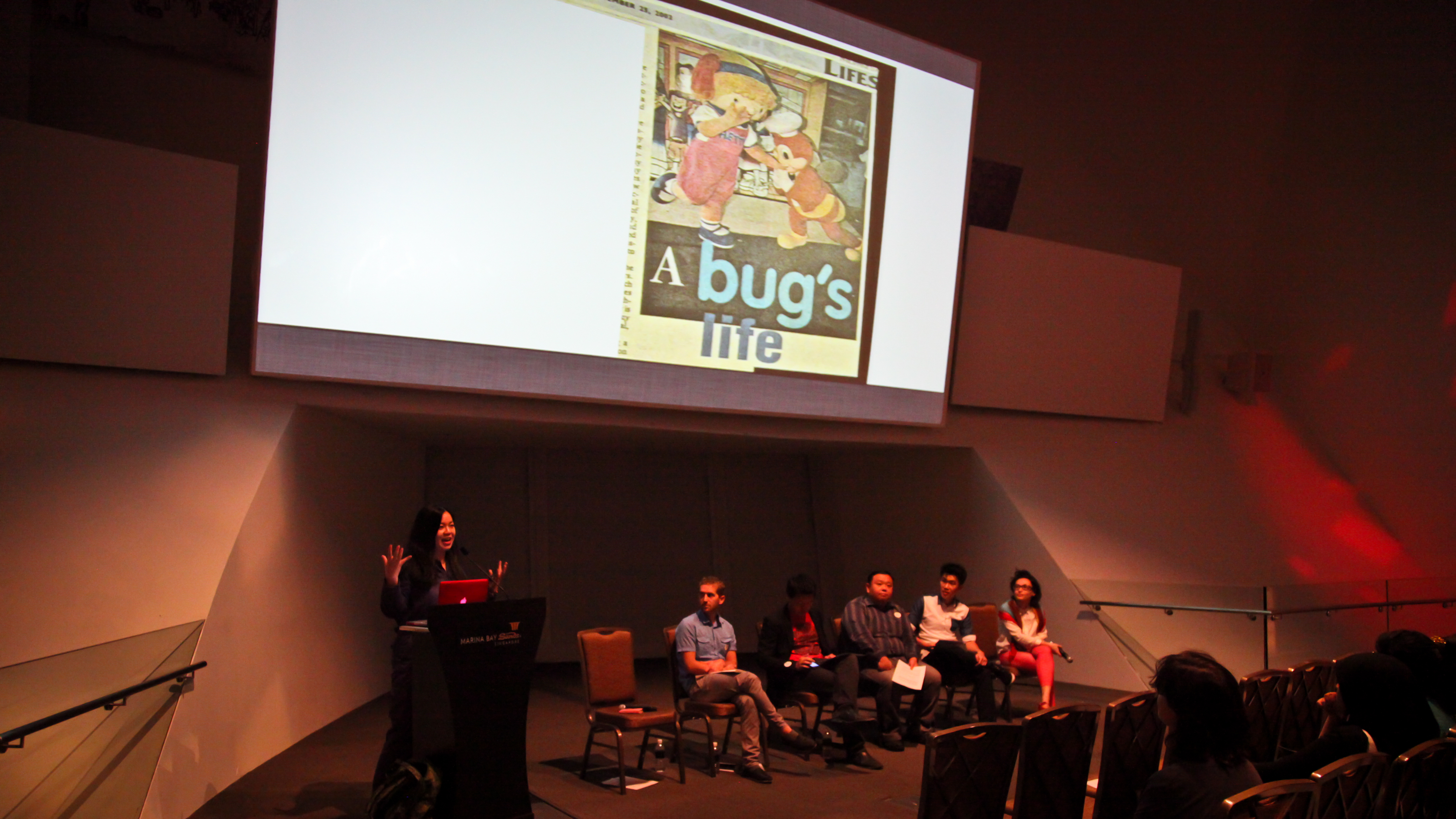
Last November 16th, I spoke on the panel, Negotiating Cities of the Future, part of the ArtScience Conversations hosted by ArtScience Museum, together with fellow artist-in-residence Michael Doherty, Shannon Lim, William Hooi, and Luther Goh. The museum was kind enough to send me photos from my part of the panel.

IMG_2052

My talk was entitled, “The Apocalypse Playbook: Strategies for the End of the World.” I spoke about my previous work that led me to do The Apocalypse Project.

IMG_2003

For example, I talked about the Seoul43 project. Even talking about it made me recall the exhaustion of climbing more than 43 mountains. Ha.

IMG_2028

I also spoke about my previous sensory projects, such as The Hug Vest.

IMG_2025

I also talked about how I came to value interactivity and experience-based design through my previous jobs and lives. As a youth correspondent at The Philippine Daily Inquirer, one of my favorite series of articles was something I called Temporarily Yours, where I took on a job for a day and wrote about it. My favorite one was about being a mascot for Jollibee, a Filipino fast-food chain. This is an 11-year newspaper clipping. In the job, I wore both suits, but for that particular photo, I was the blonde girl on the left.

IMG_2014

Oh hi again, my Art, Science, and Design slide.

IMG_2018

Dr. Margaret Tan, Fellow at Tembusu College and Director of Programmes, introduced us.

IMG_1997

Denisa Kera, professor at the National University of Singapore, moderated the event.

IMG_2000

Yep, I was wearing the Apocalypse Suit. I should wear that at all times. It’s comfy with a lot of pockets. It’s probably one of the few outfits I wouldn’t mind wearing everyday, other than a dobok.