Archive

Tag Archives: Korea

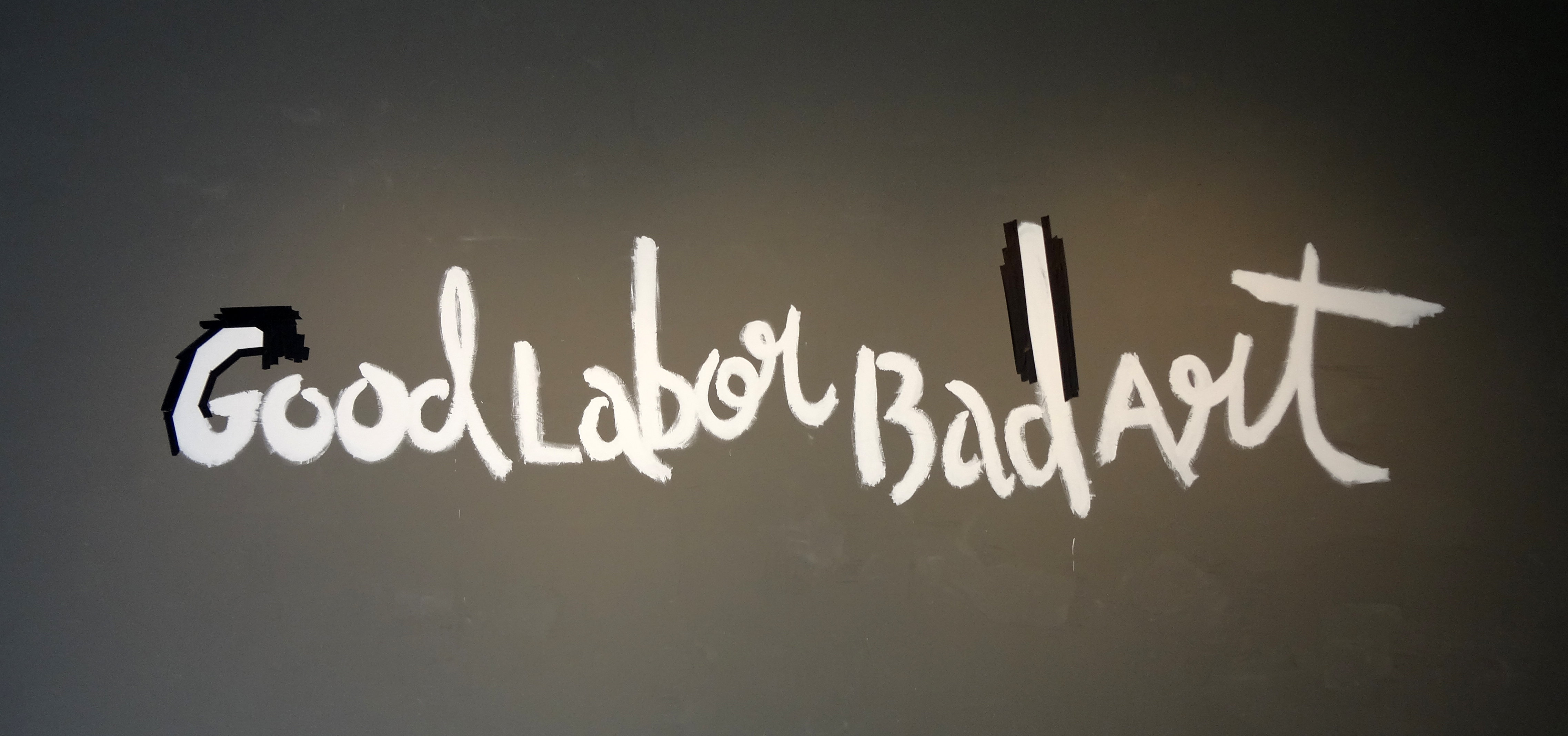
To add to my growing list of favorite Korean artists (Kim Beom, Choi Jeong Hwa, Lee Ufan) is Gimhongsok, whose exhibition, “Good Labor Bad Art”, is in Samsung’s Plateau Gallery.

GoodLaborBadArt

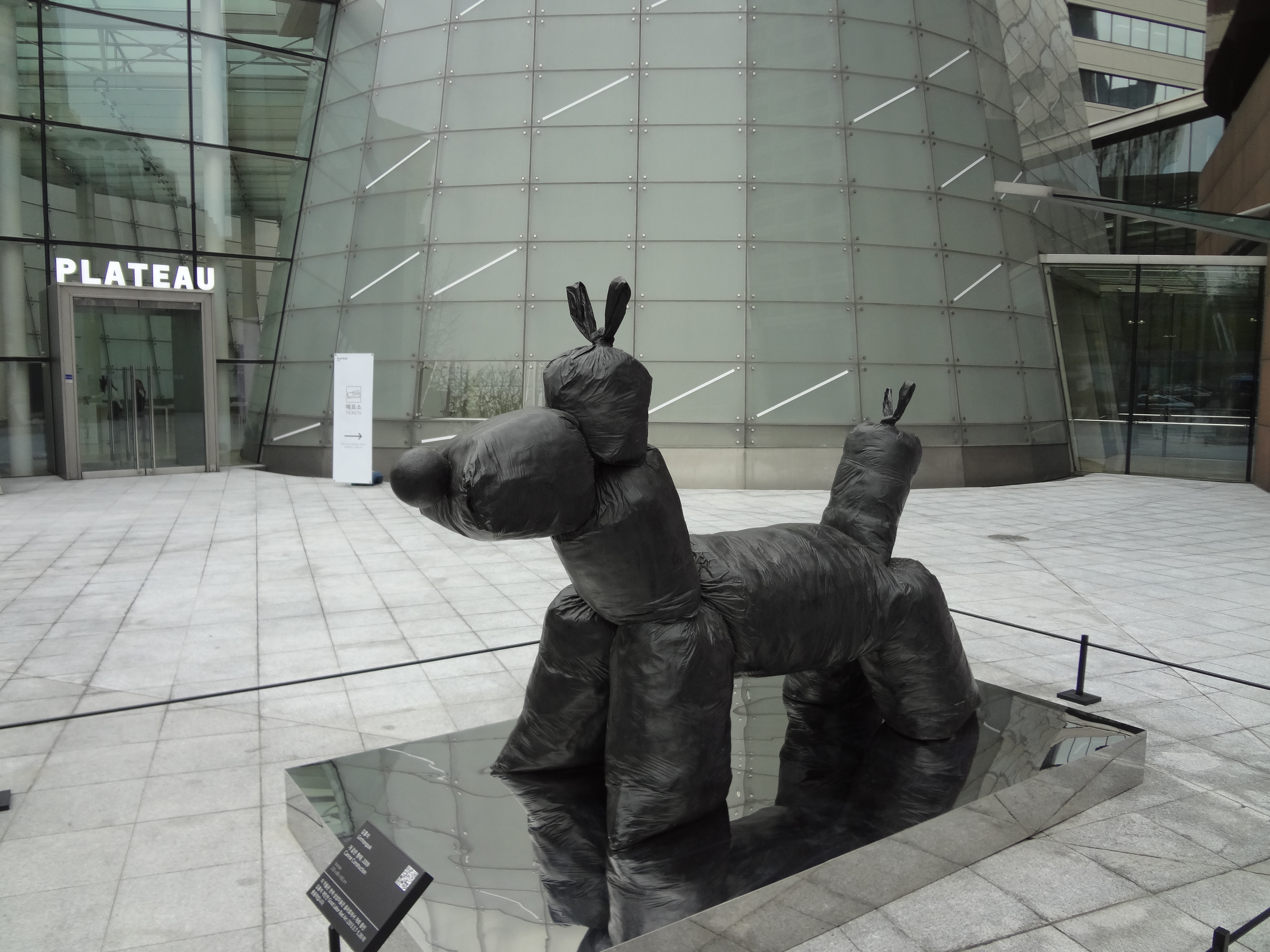
Canine Construction, which appears to be made of garbage bags yet upon close inspection is actually made of bronze, is wonderfully deceptive.

Canine Construction

Canine Construction

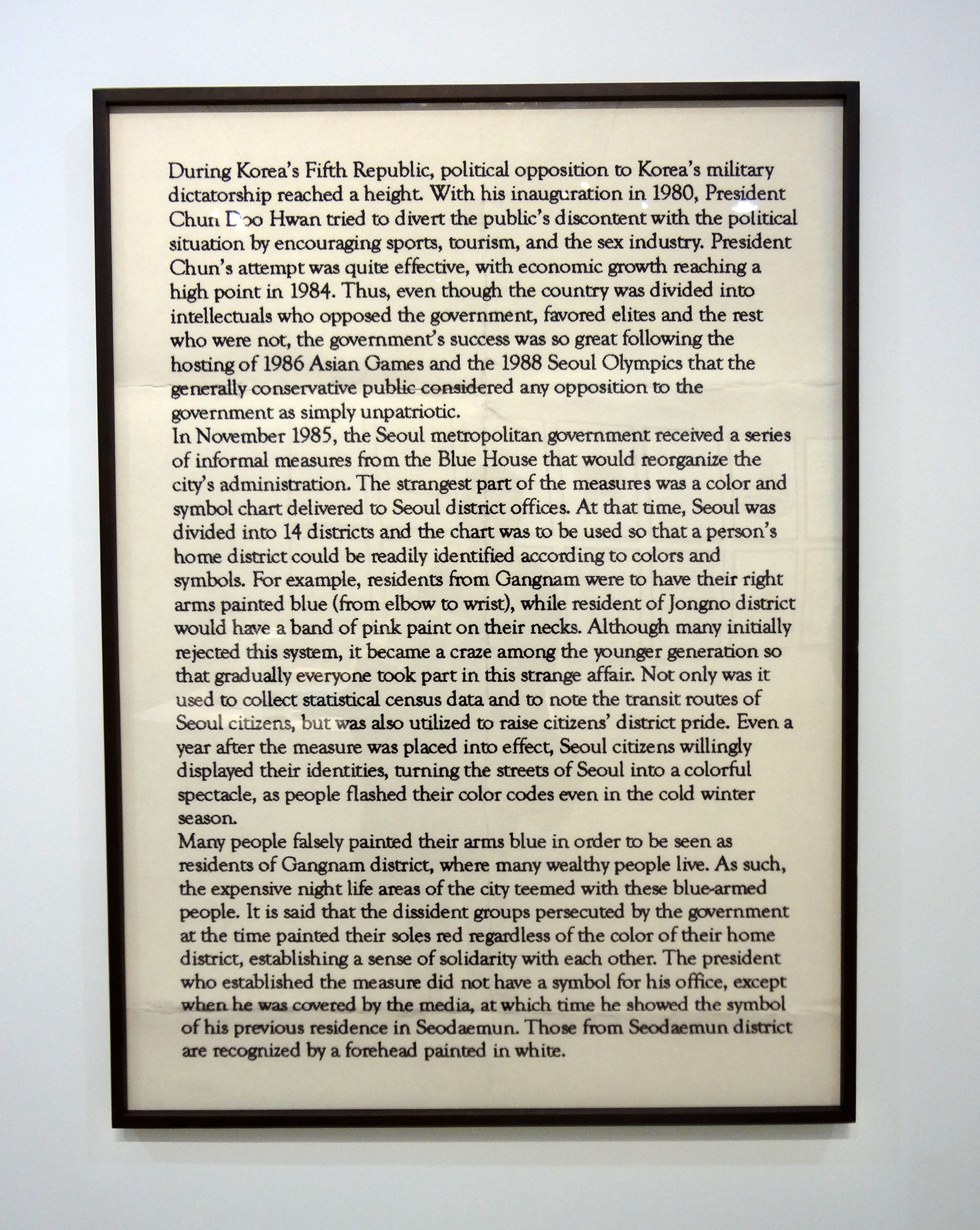
I also enjoyed this piece that my friend Kate pointed out (hurray for friends who tell us not to rush and encourage us to pause and read!) this speculative piece that reminds me a bit of Italo Calvino’s Invisible Cities. (Click on the photo to enlarge the text.)

GimhongsukGangnamsmall

The exhibition runs until May 26th. Go, go, go!

Each year, thousands of locals and tourists alike gather in the island of Jindo, where Korea’s version of Moses’s parting of the Red Sea occurs. Here, the tide goes down and opens up a 2.9-kilometer “sea road” from Jindo to the island of Modo.

On cue, the crowds start to move forward.

Off to Modo

Off to Modo

It’s not everyday one walks the sea!

All of us bought brightly colored boots for sale during the festival.

All of us bought brightly colored boots for sale during the festival.

The sea level progressively decreased as I walked.

The tide goes down.

The tide goes down.

I only made it halfway to Modo when local officials on boats started ringing bells and ordered everyone to go back to the shore, as the tide started to return. It was a dash of panic as we stumbled on the uneven sea floor back to shore. I recorded my walk panicked run back to Jindo with the MyTracks app.

Turning back halfway

Turning back halfway

Although scientifically, the main reason for this phenomenon is tidal harmonics (a nice explanation of it appears in this National Geographic article), the local legend goes that a tiger used to terrorize the people on Jindo, who finally fled to Modo, leaving Grandma Mulberry behind. She missed her family and prayed to the Dragon King, who appeared in her dream, telling her that he will set a rainbow bridge over to Jindo. Indeed, a rainbow bridge appeared, and villagers from Modo came over the bridge to look for her. She passed away soon after.

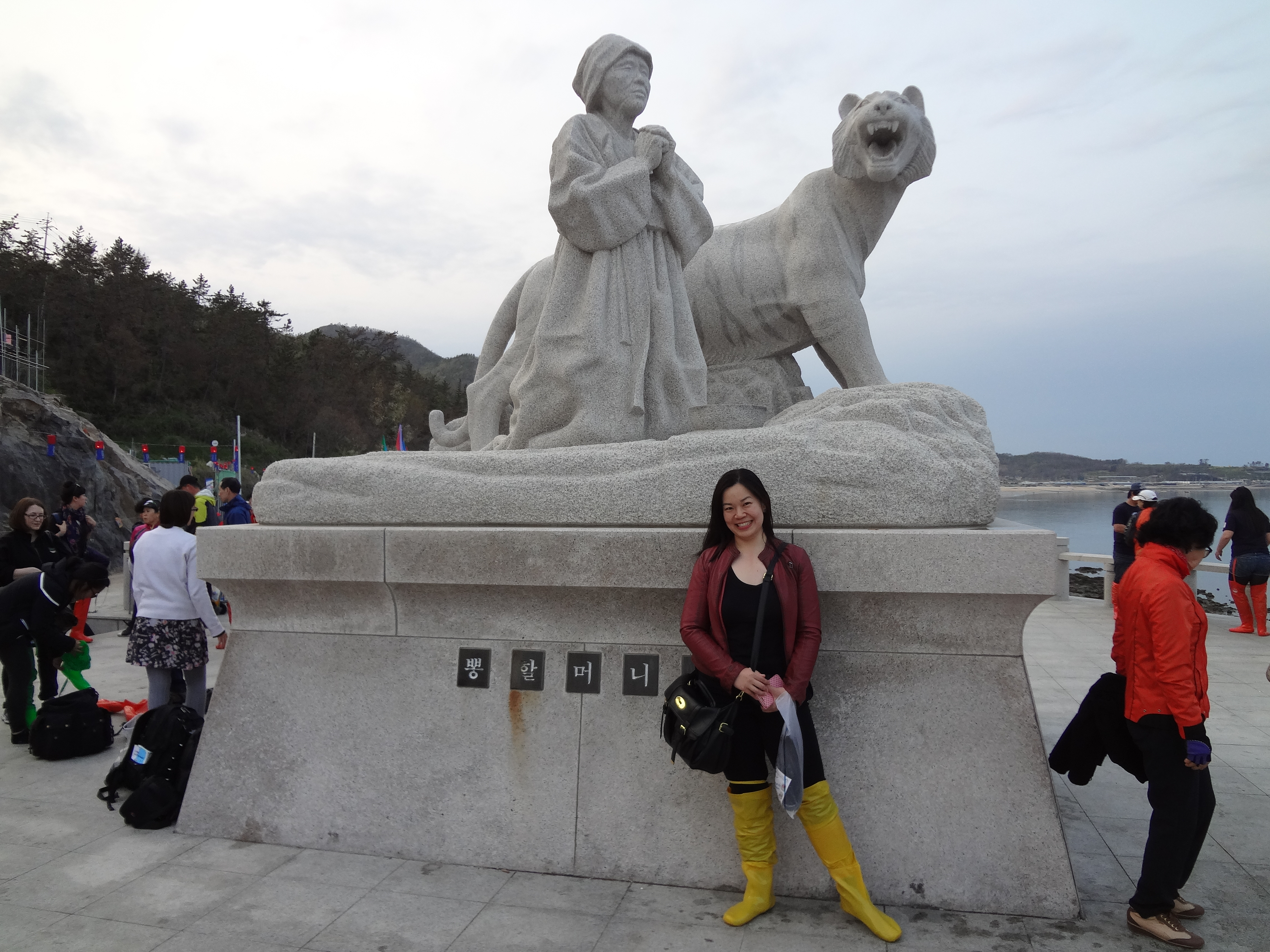
This statue commemorates the legend.

Grandma Mulberry and the tiger

Grandma Mulberry and the tiger

This is definitely the coolest thing I’ve experienced in Korea so far, especially since it was a beautiful and unusual mix of science and culture. I definitely want to go back next year.

Hi all! I and my friends at the National Art Studio of Korea will be part of the International Sculpture Festa 2013 at the Hangaram Museum of Art in Seoul Arts Center.

It opens tomorrow, May 4, with art talks by yours truly and other international artists.

via ISF 2013 Facebook page

via ISF 2013 Facebook page

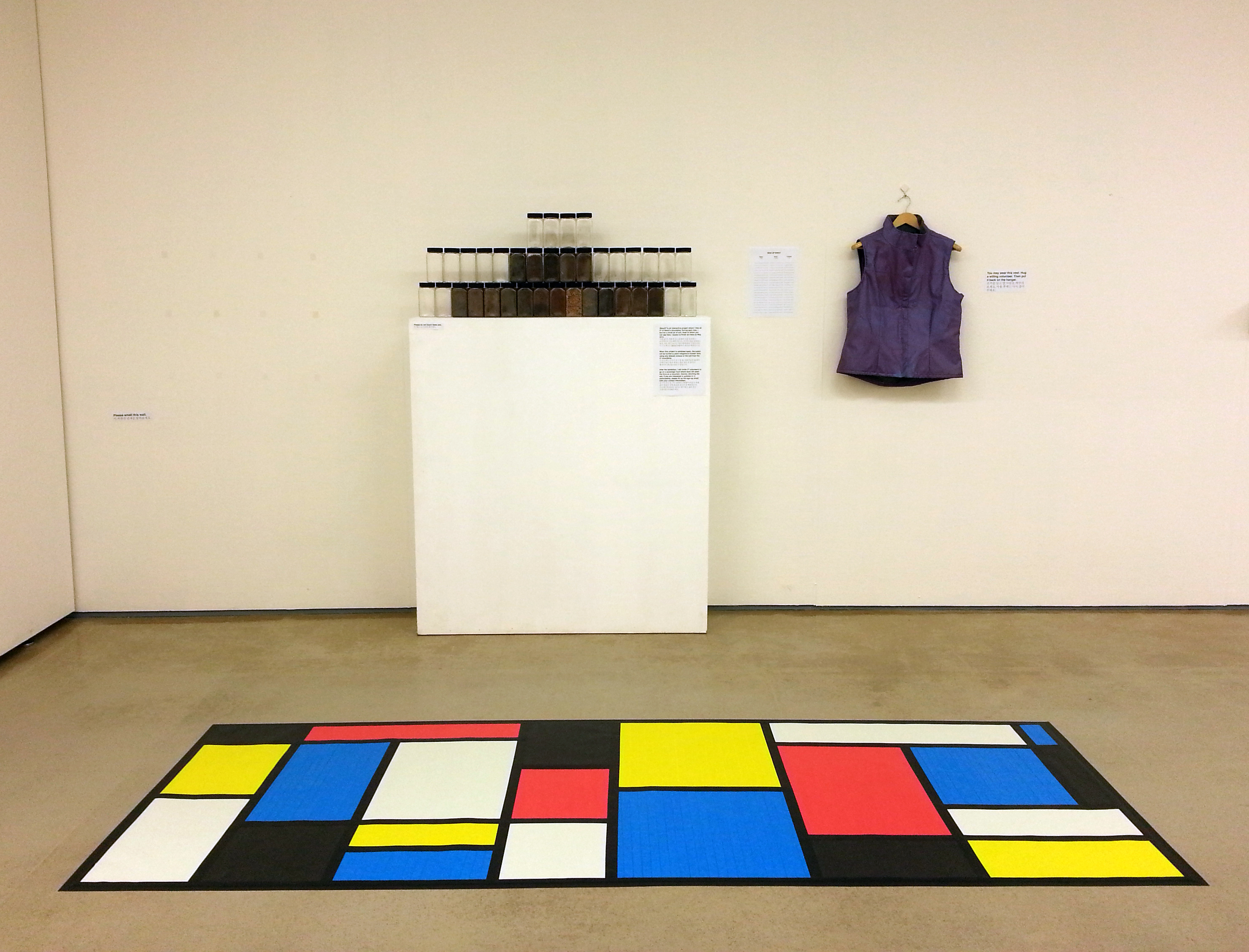
We installed today, and here’s how mine looks, on the second floor.

Installation view

Installation view

As an interactive and perceptual artist, I’m placed in the category, “What Can Sculpture Be?” I have four pieces: a wall with microencapsulated odors you can smell, The Hug Vest that you can wear, a Mondrian Hopscotch board you can play with, and 37 jars that are and yet to be filled with soil from all 37 mountains of Seoul that I’ve hiked. The last one is to be exhibited again in the National Art Studio in June, when I’ve finished all the hikes and get willing participants to join me on an interactive project afterwards.

Check out the festival website here.

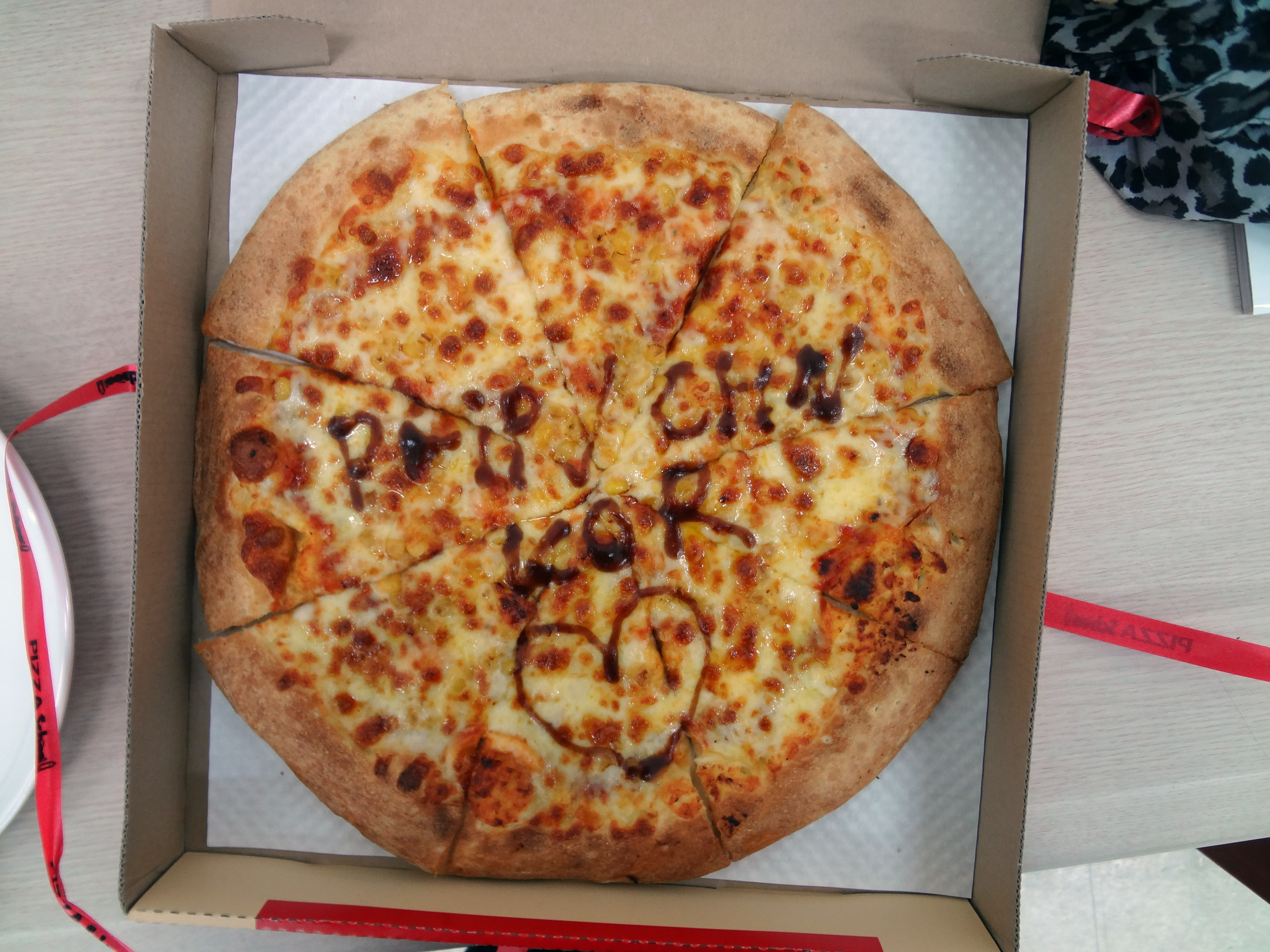
The best thing after a particularly grueling hike (hello, Inwangsan!) is a cute note from the elderly guy who runs a pizza place with his wife across my street. After learning I was Filipino-Chinese, here is what I opened the box to:

Philippine / China Korea <3

The initials stand for:

Philippines / China
Korea

In barbecue sauce.

Aww, shucks. I love you back, Korea.

On my street lies Choansan, a mountain that has thousands of tombs of aristocrats, eunuchs, and commoners from Korea’s Joseon era. After being sick for a few days and being stuck in a creative rut, I headed up there today to free my mind from the “stuckness,” as though being high up there can make me look down on my worries, as though physically meandering through the mountain can translate to mentally untangling my thoughts.

I can't believe this is on my street.

I can’t believe this is on my street.

No head! Uh oh.

No head! Uh oh.

The marker at the top told me a bit of the cemetery’s history, along with these odd words.

A Department of Eunuchs!

A Department of Eunuchs!

It is such a blessing to have so much nature in the middle of the cemented progressiveness of the city.

It feels like a scene from Bridge to Terabithia.

It feels like a scene from Bridge to Terabithia.

The romance and sadness of it was slightly marred by the mild absurdity (yet awesome practicality) of seeing exercise machines along the way.

Exercise machines amidst historical treasures. But of course in Korea.

Exercise machines amidst historical treasures. But of course in Korea.

It was a good afternoon.

Fly.

Fly.

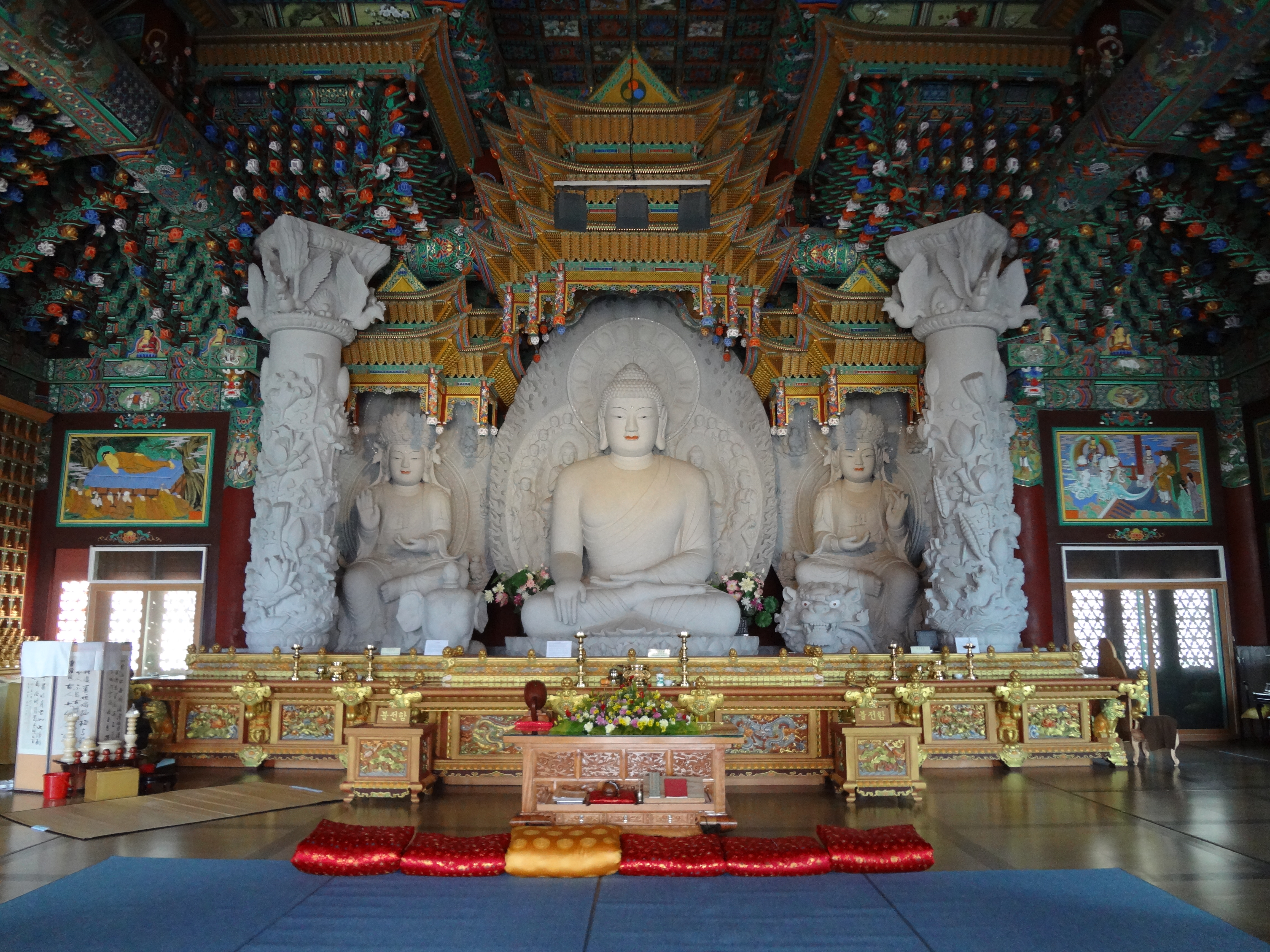
(Gyeonggi-do, South Korea) In Bubryunsa, a beautiful temple set in the mountains about two hours from Seoul, I was happy to participate in a temple stay with fellow artists. I was struck at seeing this swastika, used without the Nazi connotations, but to represent what it originally supposed to—auspiciousness, eternity, and Buddhism.

Beautiful!

Beautiful!

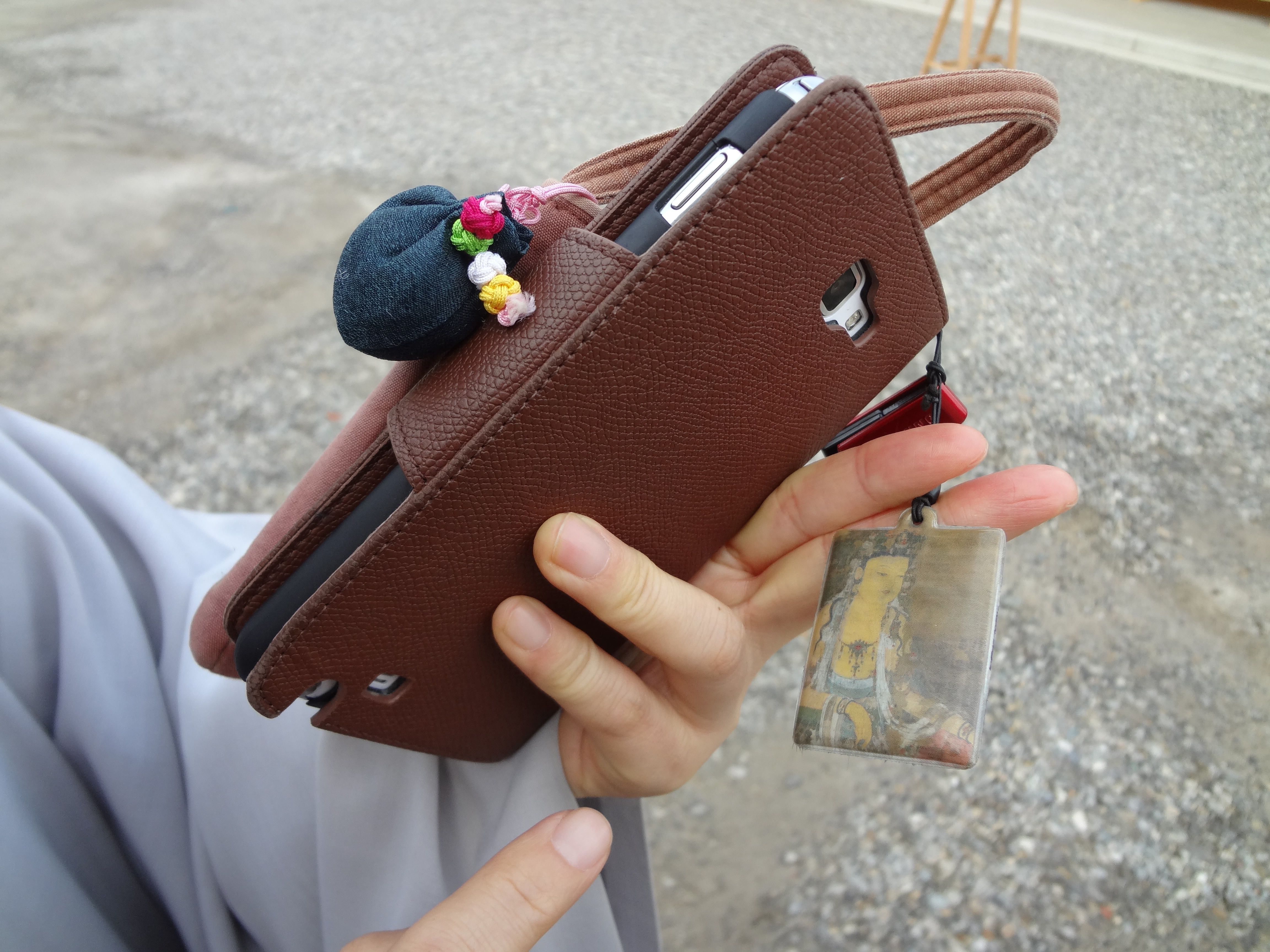
Tae Min, the monk who guided us through a tea ceremony, meditation, and a tour of the temple grounds, made me smile when I saw that she has a smartphone. It’s the same one I have: a Samsung Galaxy S3.

Hello, fellow Android user!

Hello, fellow Android user!

Her phone’s cleaner had a Buddha on it.

Buddha!

Buddha!

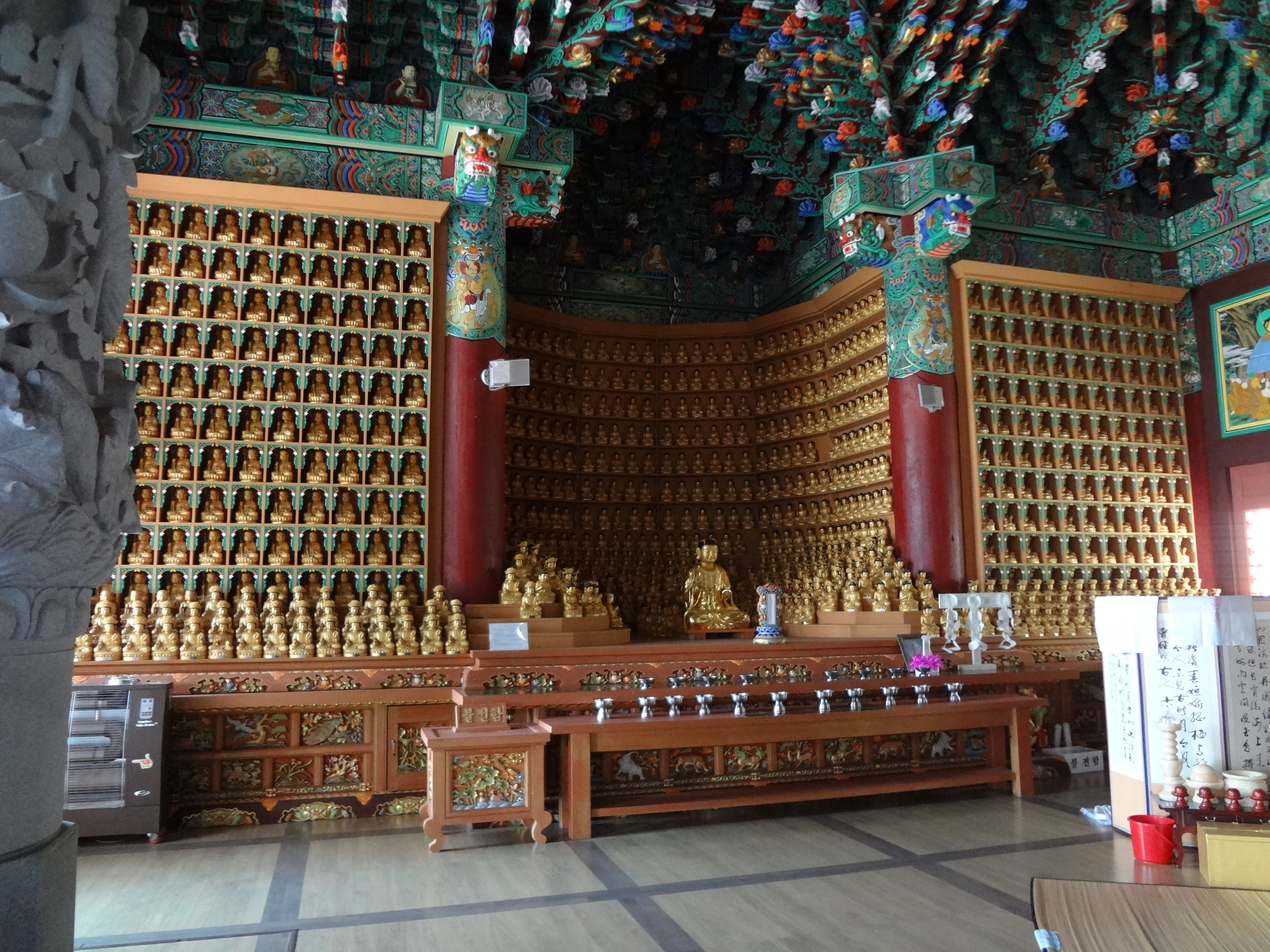
We saw a lot of buddhas.

Each statue is carved out of one rock. They were made first and then the structure was built around them.

Each statue is carved out of one rock. They were made first and then the structure was built around them.

And I mean, a lot of buddhas.

Whoa, buddha, whoa.

Whoa, buddha, whoa.

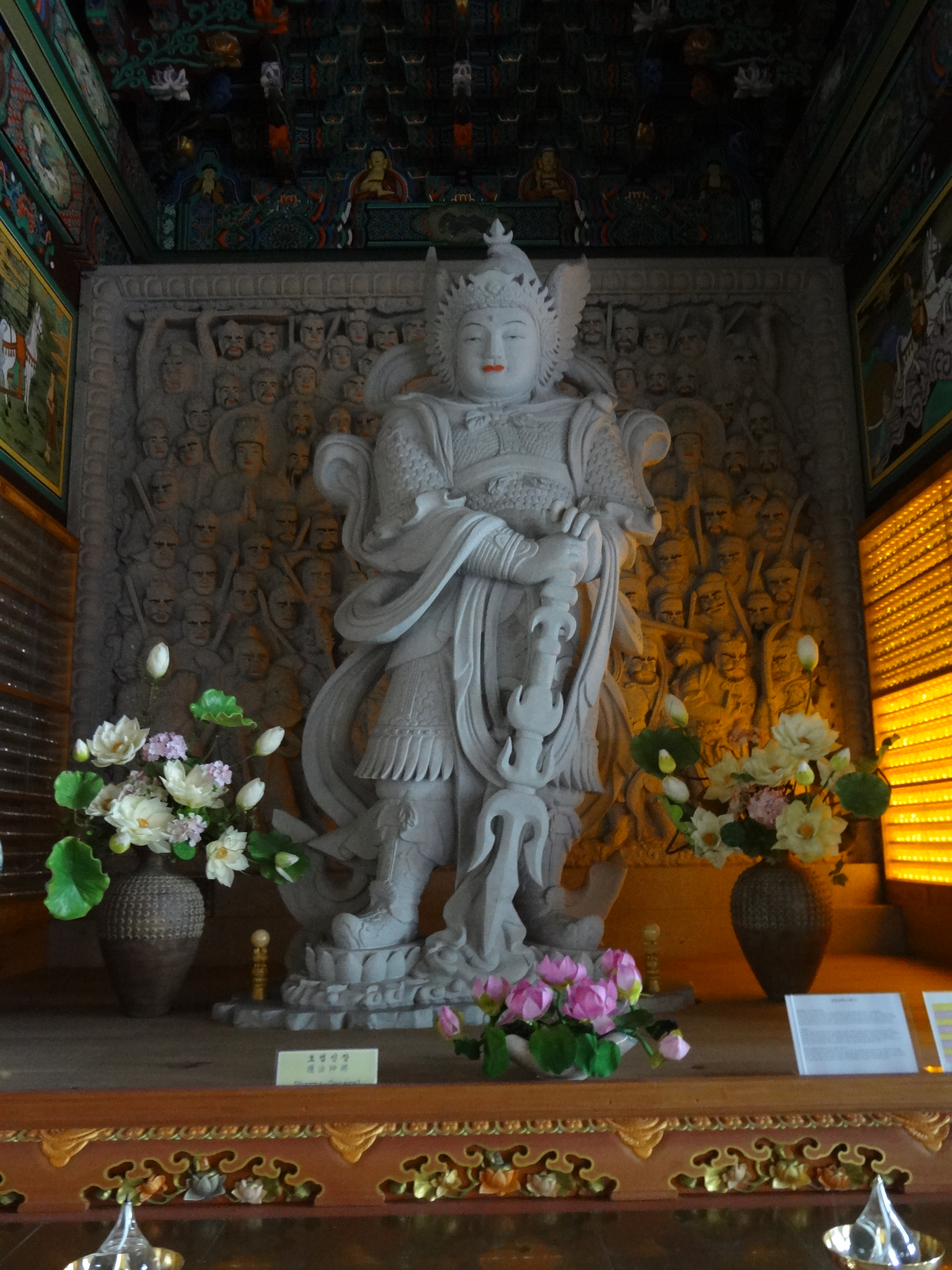
But I think the statue I liked best was this one. He looks badass, and probably does martial arts.

A sword!

A sword!

I leave you with this lovely rock balancing we came across. Peace, love, and get your Zen on.

Rock balancing!

Rock balancing!

I loved this mash-up and I loved this kid.

I loved this mash-up and I loved this kid.

(D-Cube City, Sindorim)—I had no idea St. Patrick’s Day was big in Korea. My favorite part was the ladies who mixed Irish dancing with K-pop, and the little kid with stripes who followed them. People had green balloons and could get free scones and nearly everyone was civilized and no one was vomiting. I love globalization.

Happy St. Patrick’s Day, one and all!


Unofficial holidays meant for love are quite an event here in Seoul, with people filling out specific roles. In Confucian Korea, I’m quite pleased when people break out of the norm, or when I break it (usually out of ignorance of the custom) and they appreciate it anyway. (For example, last Valentine’s Day, when women are supposed to give out chocolates to the men of their desire, I handed out origami hearts to everyone I knew.)

The month after Valentine’s Day, March 14, may be Pi Day for those mathematically inclined, but here on this side of the world, it is also White Day, a day where it’s the men’s turn to give out hard candy to women they like. Like my belief in Valentine’s Day hacks, I appreciate it when guys do the same and hand out goodies to their friends.

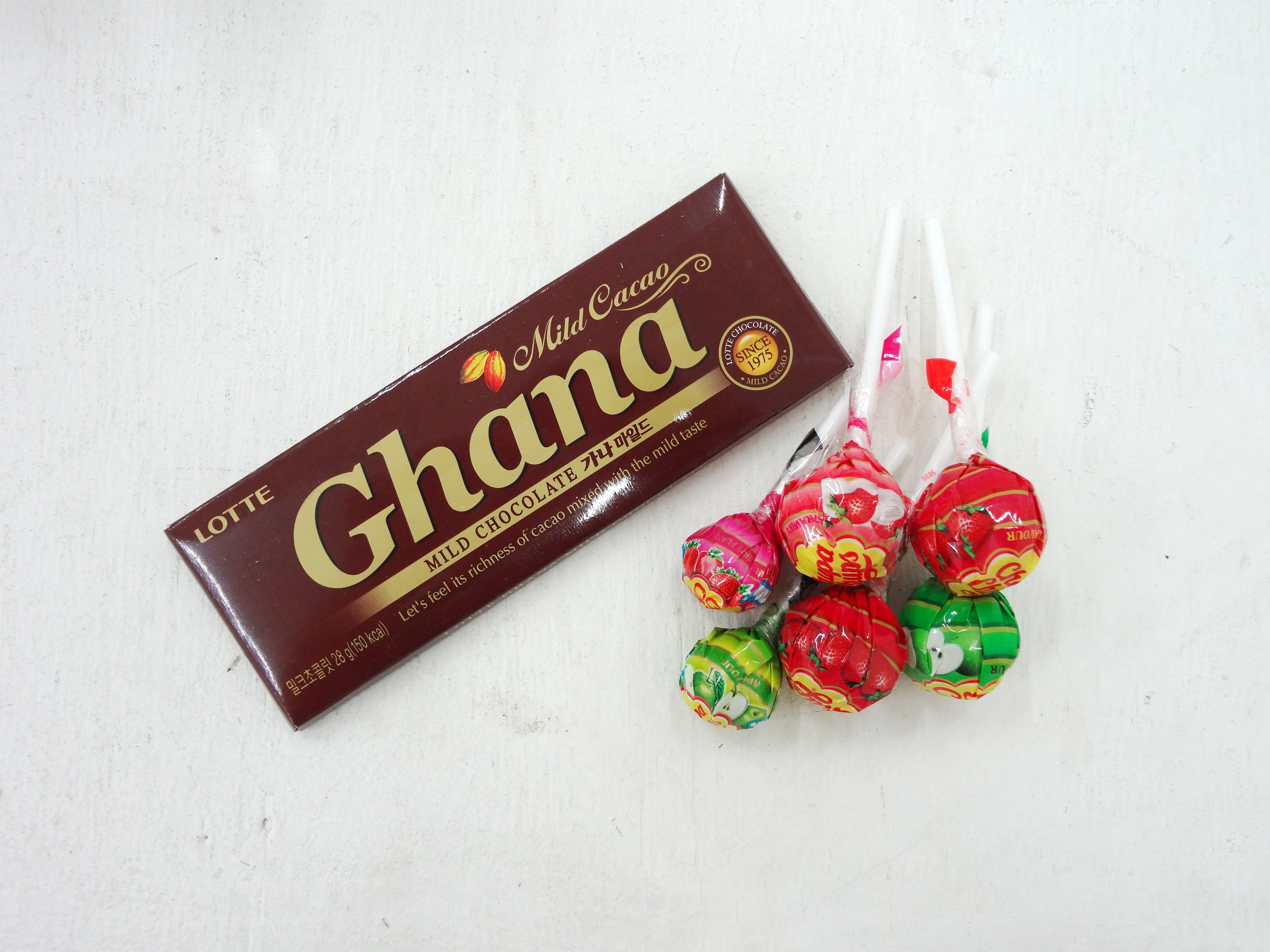
My haul for my first White Day is chocolate from a married studiomate and lollipops from my taekwondo class. The four big lollipops are from Master Kim who handed out an entire box’s worth to the class while the two were from one of the kids. We may not know each other’s languages and have different opinions on eye contact, but hey, there are definitely other ways to communicate. This was, literally and figuratively, quite sweet.

White Day haul. Aww, shucks. <3

White Day haul. Aww, shucks. ❤

Say it with sugar. Arigato and kamsahamnida, gentlemen!

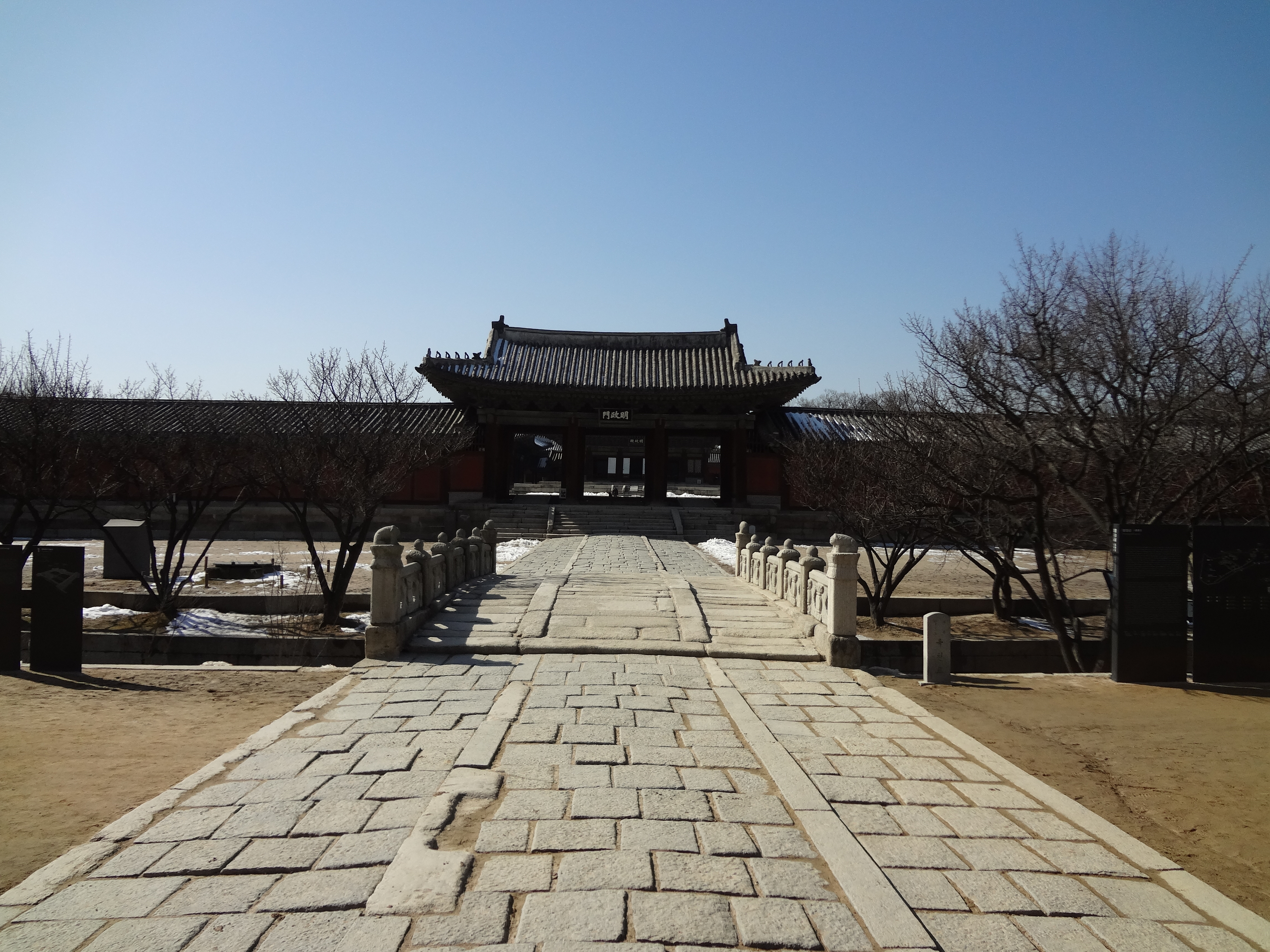
(Seoul)—Changgyeonggung, the palace to the east of yet another royal abode with a similar-sounding name (Changdeokgung), seems to be the least popular one among all the Korean palaces I’ve seen. On this cold winter’s day, the few people I encountered were mostly locals. However, this is one of my favorite palaces because of all the fascinating stories it harbors behind its silent walls.

Changgyeonggung

Changgyeonggung

The First Female Royal Physician

Hwangyeongjeon may look like most of the pavilions I’ve seen, but its story of being a “feminist pavilion” deserves to be told. Dae Jang Geum was the only female royal physician to attend to the king, delivering Queen Janggyeong’s baby and curing Queen Dowager’s Jasun of her illness. Her skills won the confidence of the king, who appointed her the top royal physician, a move that traditional Confucian ministers objected to. Dae Janggeum was the most trusted physician of the king, and attended to him until his death. Her story is the subject of an eponymous Korean historical TV series.

Hwangyeongjeon

Hwangyeongjeon

The Puppet Curse

At the site of Tongmyeongjeon, the queen’s bed chamber, is a scandal that trumps all tabloid stories. King Sukjong had an affair with a maid named Jang Ok-jeong, who gave birth to their son, Prince Gyun. While trying to make Gyun as the crown prince, King Sukjong removed those who opposed this move and deposed Queen Inhyeon, installing Jang as the queen. Followers of Queen Inhyeon restored her to power, demoting Jang as consort. Jang cursed Queen Inhyeon by burying a puppet of the queen together with dead animals near Tongmyeongjeon. Upon discovery, Jang was forced to commit suicide at 43 years old by ingesting poison. Nearby is a garden with a round well and a square pond.

Surprise, surprise, this year her story will make it as a TV serieswhich itself is based on a chick-lit novel.

Tongmyeongjeon

Tongmyeongjeon

The Playboy Mansion

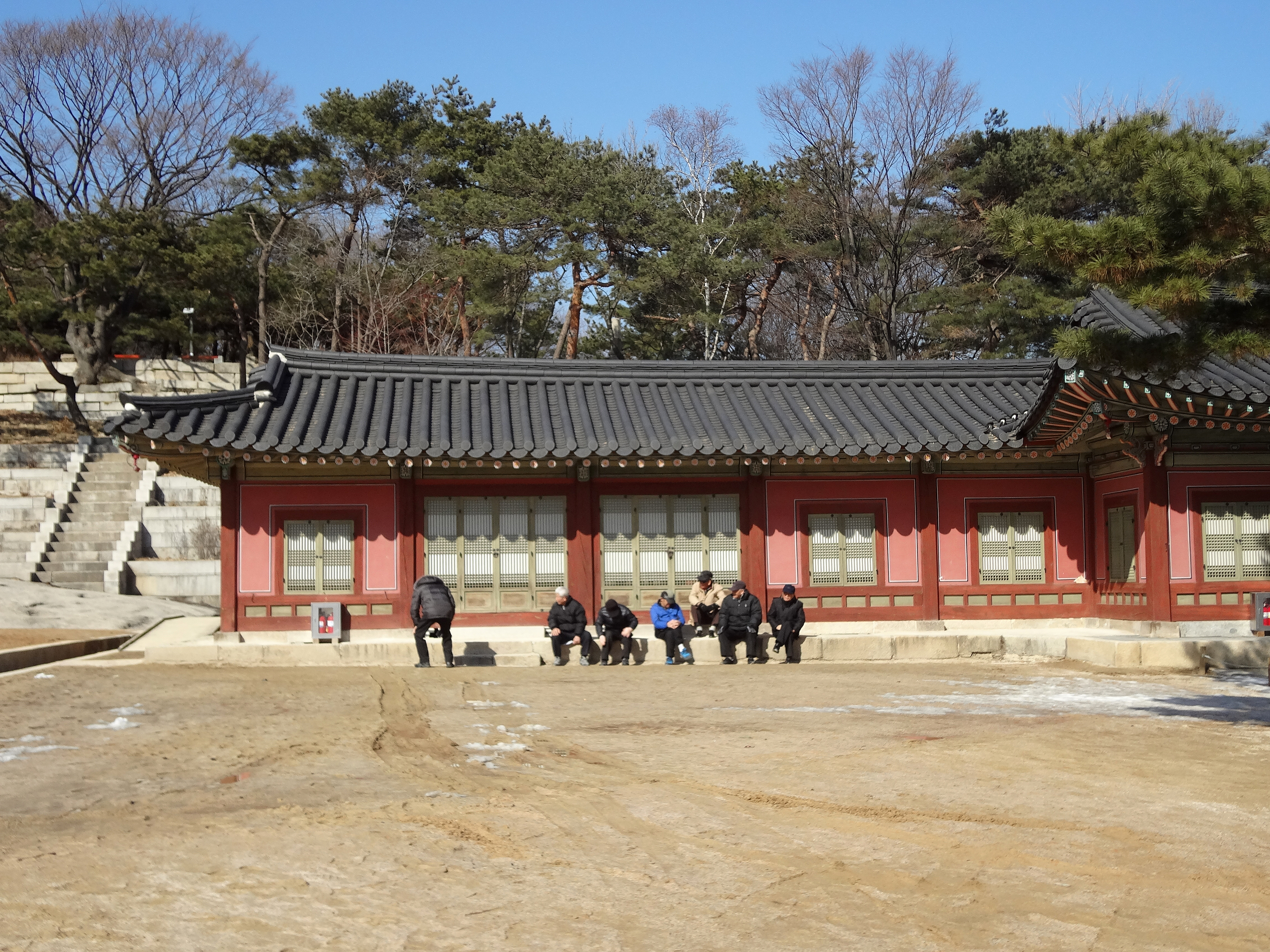
Yeongchunheon and Jipbokheon are believed to be residences for concubines. Seeing that these buildings are now empty and seems to be a place where these old guys hang out to gossip made me laugh.

I’m positive there are Korean TV series on something like this.

The playboy mansion
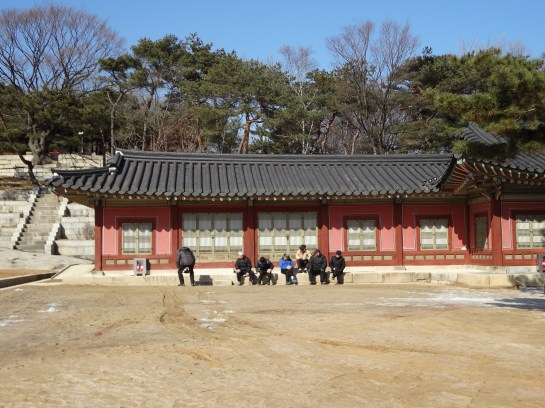
The playboy mansion

The playboy mansion

The playboy mansion

The King’s Placenta

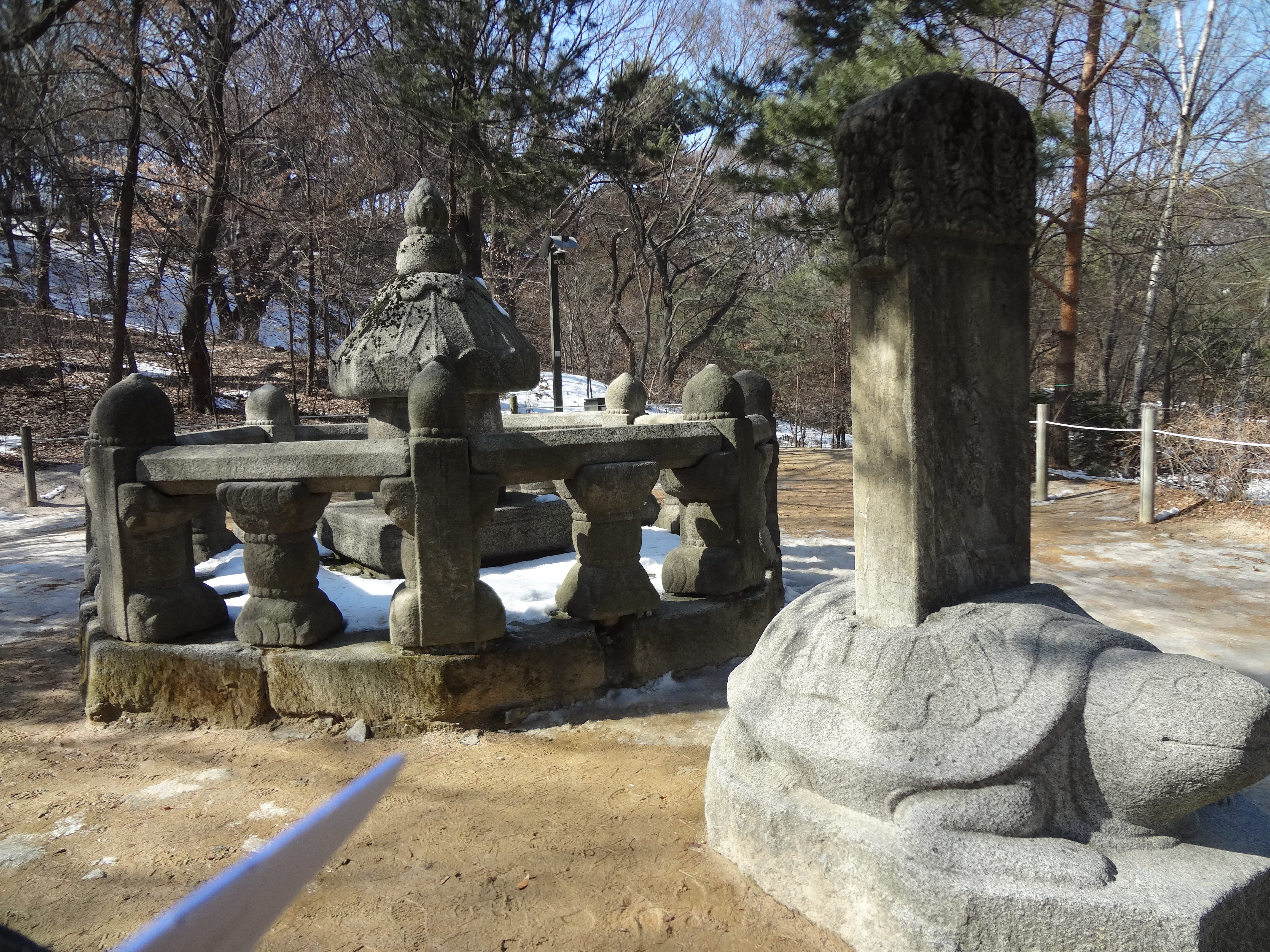
This is the site of King Seongjong’s taesil and taesilbi (placenta chamber monument). According to the Korean age system, a baby is one year old at the moment of birth because life is considered to begin at conception. The placenta is stored in a porcelain jar a few days after being born. The jaris sealed several times and enshired in a stone chamber after a few months. I’ve seen other placenta jars in the National Palace Museum of Korea.

King Seongjong's placenta chamber monument

King Seongjong’s placenta chamber monument

The Glass House

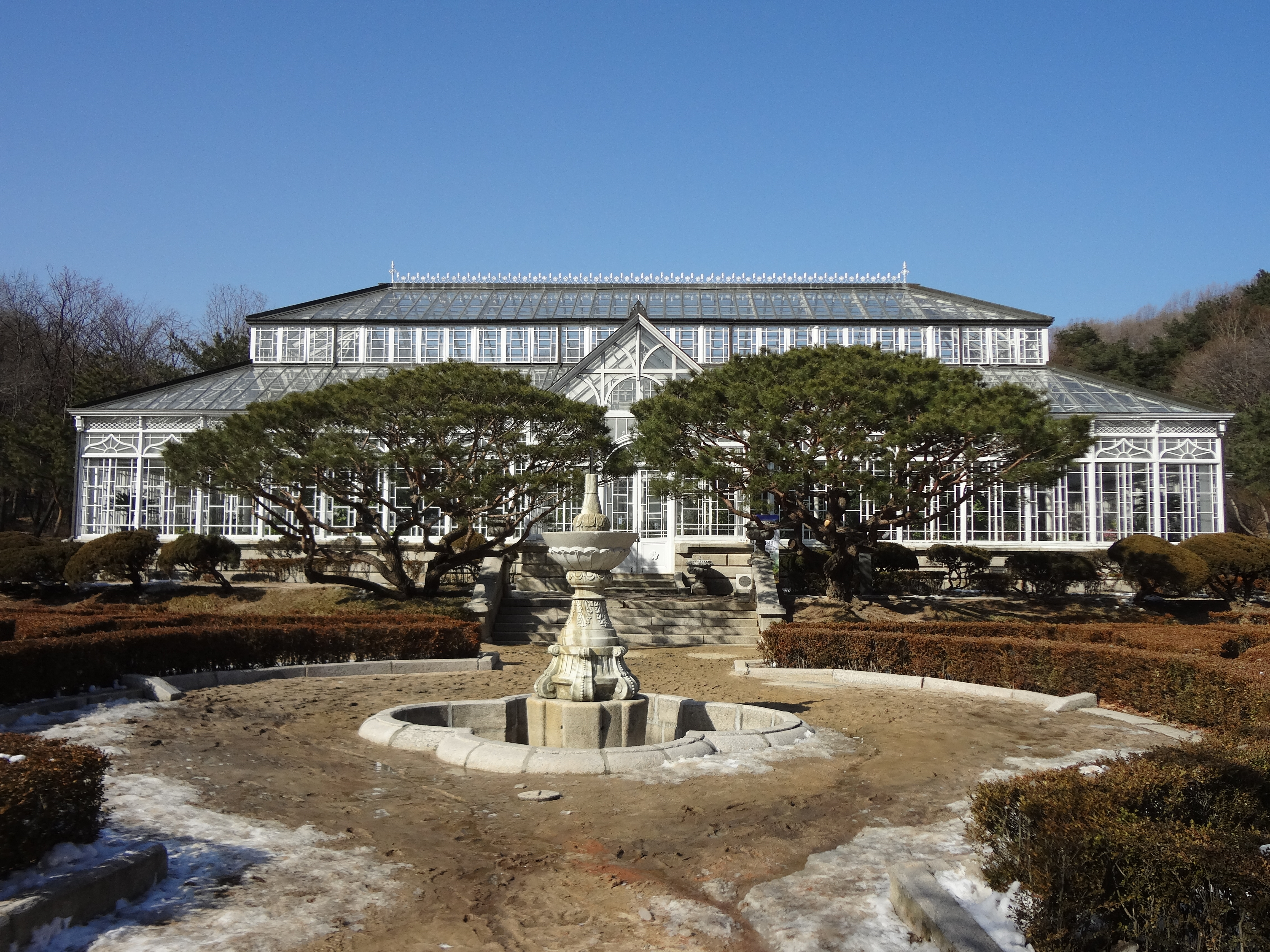
A year before Japan formally annexed Korea, Changgyeonggung was turned into a botanical garden and a zoo, demoting a palace into a public park. Daeonsil, the glass house, was built as Korea’s first Victorian-style greenhouse. The zoo was removed in 1983, but the glass house exists and contains a many indigenous plants.

Daeonsil, the glass house

Daeonsil, the glass house

Lessons learned: Beware the quiet ones, for they hold the juiciest stories. And the more scandalous or noteworthy it is, the better the chances of making it big on TV posthumously, centuries later.

Sources
(1) Cultural Heritage Administration of Korea (2011). Changgyeonggung. Pamphlet.
(2) Discovering Korea blog