On a recent trip to New Orleans, I was without a plan and without a clue. And yet, on this plan-less and clueless visit, there were two things that captured my attention amidst the remnants of Mardi Gras beads, tourists with stale beer in their go cups, capybara sightings, and fascinating reptiles.

1. Puzzle animal sculptures by Peter Chapman

My absolute favorite store in New Orleans is undoubtedly The Idea Factory, a wonderful shop that sells interactive wooden toys in the French Quarter.

The Idea Factory is located on 838 Chartres Street in the French Quarter.

The Idea Factory in New Orleans sells wonderful interactive wooden toys.

The store carries works by several artists, and while I loved the trains, the puzzle boxes, and the animals on wheels, what made me so incredibly happy were these three-dimensional interlocking wooden animal puzzles by Peter Chapman.

3D wooden animal puzzles by Peter Chapman

The eyes of the animal serves as the “lock”—remove it and it becomes possible to dismantle the puzzle. What makes it even better is the surprise inside each animal. An egg lies inside the brontosaurus. A finger falls out of the piranha.

On the last day of my visit, I caved in and bought one (the dinosaur, naturally). His name is Max.

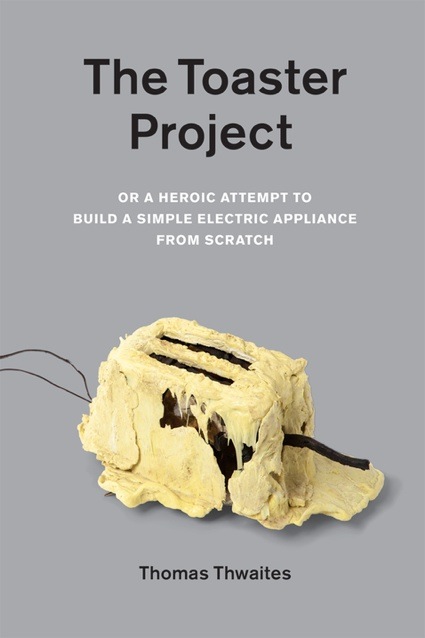
2. The Toaster Project by Thomas Thwaites

The Toaster Project by Thomas Thwaites

The book that held my attention during idle moments this week was Thomas Thwaites brilliant (!) book, The Toaster Project, the documentation of his MA project  at the Design Interactions program in the Royal College of Art. In it, he chronicles his misadventures of creating a toaster from scratch, showing how he obtained materials such as steel, mica, plastic, copper, and nickel. Apart from being a modern quixotic tale of a seemingly impossible and foolish task, it is also a poetic reflection of sustainability and global capitalism.

Thwaites' toaster. Image via the designer's website. Photo credit: Daniel Alexander

As a designer of a more speculative and conceptual kind, and one who is sometimes weary of seeing only apps, websites, and flowcharts, I feel encouraged at seeing projects like this. I think my favorite part was when Thwaites was writing his thank-yous:

“…for making the Design Interactions MA a place where toasters can be made from scratch, and saving me from a life as a bad web designer.”

Spot on.

***

I am not embarrassed to admit that when I see things like Chapman’s puzzles or Thwaites’ toaster, I jump up and down with glee and spread the joy by telling everyone in my path. I love being humbled and reminded that wonder can go beyond our digital devices and can actually reside in simple materials and objects such as wood and toasters. Wood isn’t just wood; it can stoke the fires of human imagination and hide delightful secrets. Toasters aren’t just toasters; they contain histories of our technology and consumption.

There is always the potential of poetry in everyday things.

A white alligator in New Orleans' Audubon Zoo

Back in the 80s, a nest with white alligator babies were discovered in Louisiana and instantly became reptilian celebrities. The gators are leucistic instead of albinic; the pigmentation is reduced and their eyes are blue.

Today, in the New Orleans’ Audubon Zoo, some of these white alligators, now fully grown, sit silently behind glass. It seems debatable whether they are waiting to pounce on prey or, like child prodigies that burned out, lie jaded and oblivious to the excited and perhaps startled viewers on the other side.

Up close, it looks as though it’s grinning.

A white alligator up close

White alligators. It’s almost like seeing a unicorn, no?

A confession: I can tell my entire personal history through smells—baby powder and shampoo, my parents’ laundry detergent, the sea while growing up in Southeast Asia, tea tree oil I used to treat teenage acne, old books, lab chemicals, studio paints, and the many kitchens and apartments in the cities I have lived in. Smell can transport me to space and time, and thus, can serve as my olfactory timeline.

Helen Keller, who could neither see nor hear, used smell as a portal, too:

“Smell is a potent wizard that transports you across thousands of miles and all the years you have lived.”

Smell is our oldest sense and is the most powerful. About 2% of our genes are devoted to olfaction; other genes that can compare to this quantity are those for the immune system, which as we know are important for our survival. Hence, scientists believe that smell is more important than we think it is.

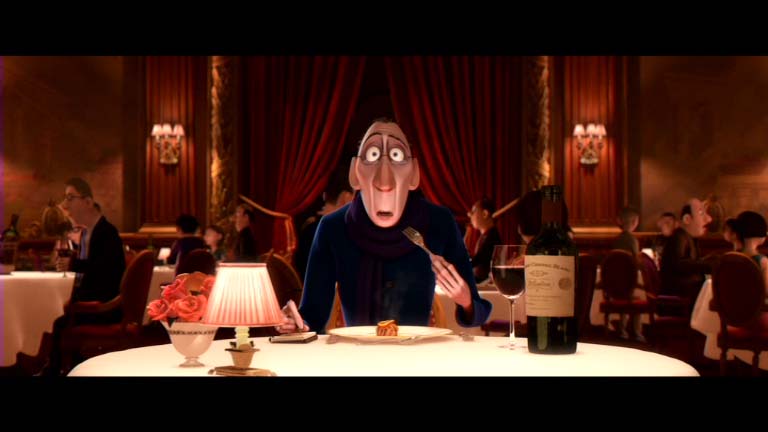
Smell is important for memory; this sense is processed in the brain’s limbic system where emotions are also processed. Hence, smell can be a very sentimental one. Impairment of smell has been found to be linked to Alzheimer’s disease, Parkinson’s disease, and aging. In literature, Proust’s encounter with the madeleine is often referenced, where eating the biscuit unleashed memories. A similar scene in Pixar’s 2007 film Ratatouille involves the food critic Anton Ego being transported to his childhood while eating Remy’s ratatouille. (Note that while these episodes involve eating, it is the smell that evokes emotion; consider pinching your nose while eating a meal. You will not be able to properly taste it.)
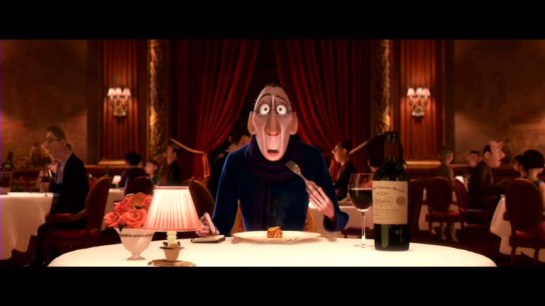
Anton Ego in Ratatouille (copyright Pixar 2007)

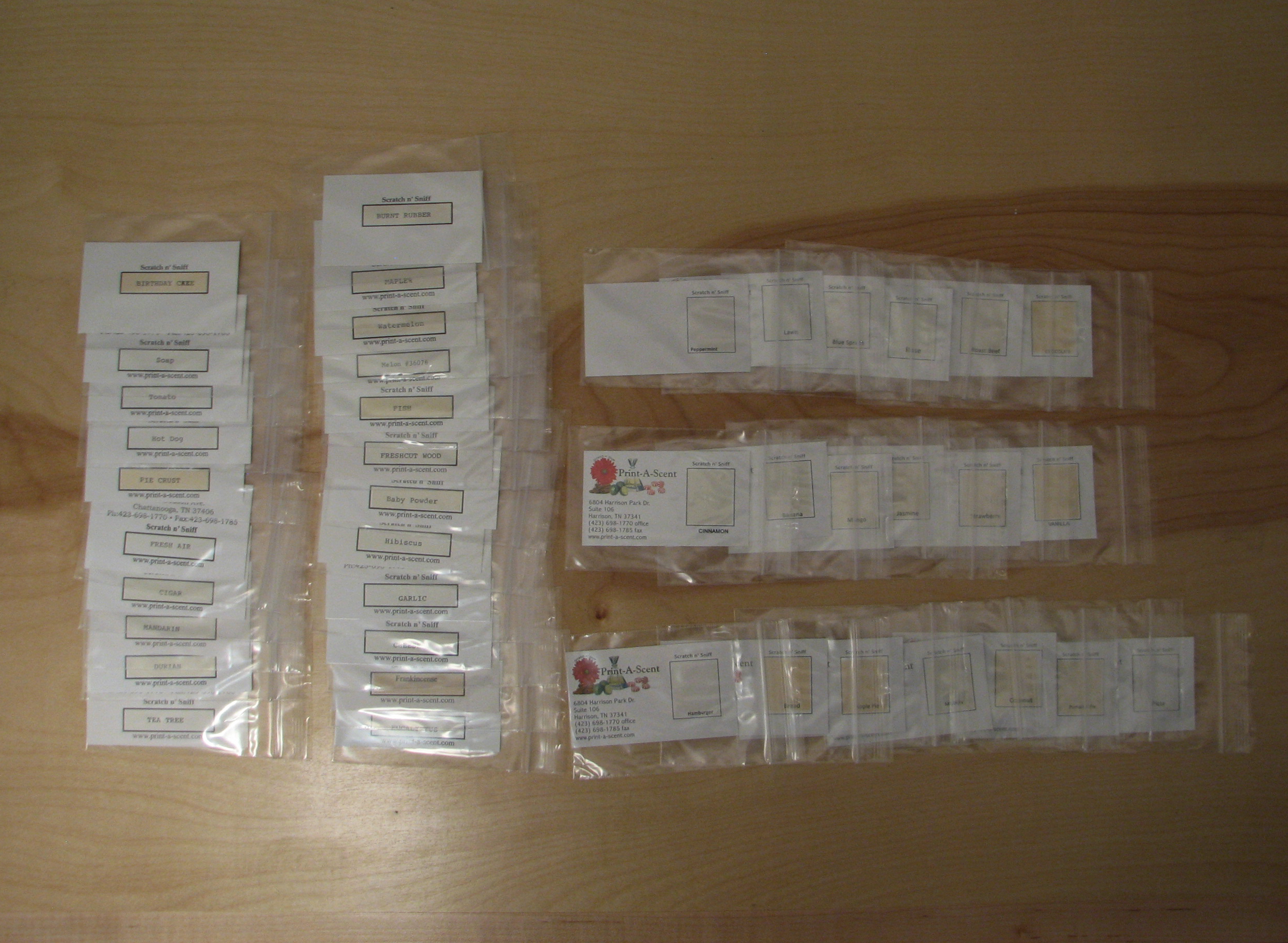
This obsession with smell led me to conduct a blind smell experiment using smells that were printed via microencapsulation.
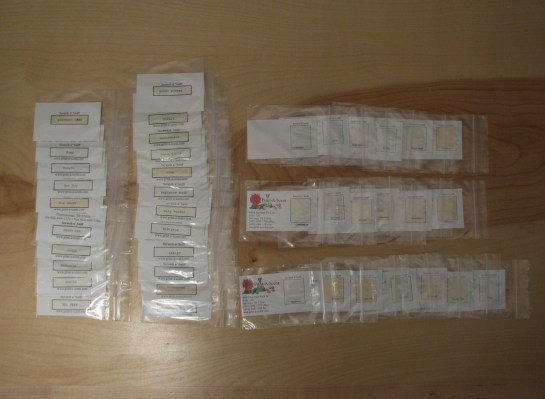
I asked the participants to close their eyes and to do two things: 1) Describe the smell (and if they could, guess what they are smelling), and 2) Talk about a memory that comes to mind. Their eyes were closed so that they would not be influenced by what the label on the card said. Their responses, which were usually streams of consciousness, were recorded. When appropriate, I prompted them with additional questions, such as when the episode occurred, or if they were stumped with identifying it, to focus on describing the smell (e.g. sweet, sour, etc.) or mention metaphorical associations with it (e.g. smells like a flower, a dish, etc). In between sniffing the cards, they had the option of smelling a hot cup of coffee to clear their sinuses, or to pause for a bit to take some fresh air.
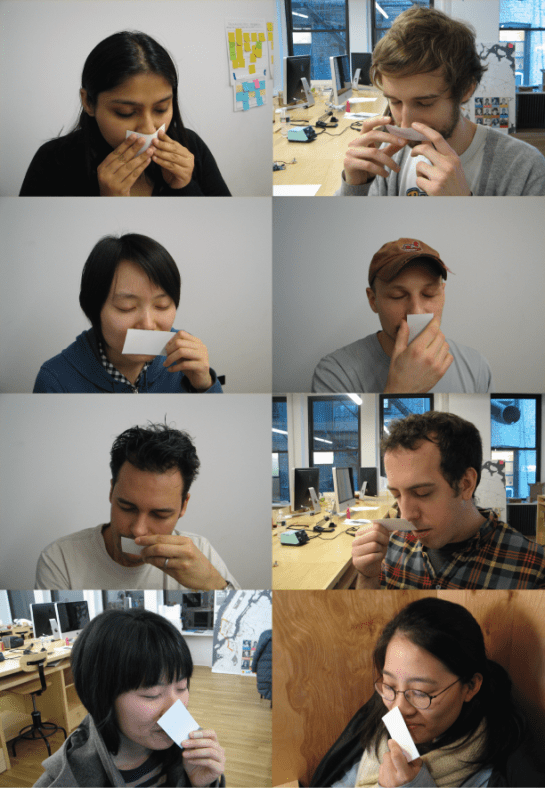
The results of this experiment were quite astonishing. Here are some highlights and what I’ve learned from them:

Fresh air – Unsurprisingly, smells of what we buy do linger in our olfactory consciousness. This participant was interesting in that he could associate the smell with a product, recall a specific episodic memory, and associate the smell with a color.

“It smells like that freshening block you hang in a toilet …  Not that it seems like an air freshener. I definitely get that synthetic quality to it. I thought of this house that I went to once. It was with an ex-girlfriend—I was maybe 16 or 17. It was with her and her mother and it was her friend’s house, which I’ve probably went to once in my life. It reminds me of color as well—a pale pink peach color.”

Eucalyptus  – Some smells could not trigger a specific episodic memory, but concrete associations.

“It smells like a woman, some florally perfume … I guess i could smell a grandma, not mine but what I imagine … like a fat grandma with big boobs.”
Garlic – I was impressed by the associations of gender and abstract attributes.

“I don’t know what it smells like. But if it had a sex, it would be male, not female because for me it’s strong and a little cold.”

Strawberry – Some memories were specific to a particular event or interaction.

“It reminds me of Strawberry Shortcake, the doll. When I was in fourth grade, I had a friend… he had a younger sister who had one. We were in the playroom … Yeah, smells like strawberry, smells like neapolitan ice cream.”

Tea tree – This was striking because the smell on the card was very faint, and the participant had a minor cold. This made me think that smell can indeed be trained; the participant grew up in India, perhaps similar to my experience growing up in tropical Manila where the smells are more potent.

“It smells like winter, not in a plant way, because I’m usually sick in winter. smells like the cold balm I would use … some sort of a minty, oily smell. It’s [the balm] is strong; despite having a cold, I can still smell it. It also reminds me of a really famous clothing store in India because it uses organic dyes. Eucalyptus, tea tree oil or mint smell to it.”

Burnt rubber – This was particularly interesting because of the divergent associations these two participants had. One had a traumatic incident involving this smell while the other did not and so picked up on the sweeter notes of the smell.

“Whoa. This reminds me of something. It reminds me of going to the dentist. The smell of rubber gloves maybe? Having a hand placed in my mouth. Getting braces … in the 6th-8th grade. Teeth started to hurt smelling this.”

“It reminds me of my grandfather’s old house they [grandparents] used to live in. It’s not a cooking smell, it’s not as fresh. It’s sort of a flowery smell close to parma violets. Lavender flower, I suppose. Maybe it’s something between flowers and sweets. It reminds me of a specific part of the house which is to the back of it … a cupboard that had sweet things and flowers. The memory made me smell the thing, but the smell itself didn’t remind me of these things.”
While memories and associations of these smells are diverse, smell is indeed transportive, and is strong enough to take a person back to a specific time and place, remembering actual people, objects, and interactions. What could we do with this underestimated sense? How can we improve our memories, our relationships, and ultimately, our lives, by consciously engaging with smell?

Update: The resulting project from this experiment is An Olfactory Memoir of Three Cities, a book of my smell memories.

Main References
Angier, Natalie. “The Nose, an Emotional Time Machine.” New York Times, 5 August 2008.
Herz, Rachel S. and Schooler, Jonathan W. A naturalistic study of autobiographical memories evoked by olfactory and visual cues. The American Journal of Psychology, Vol. 115, No. 1 (Spring, 2002), pp. 21-32.

The Translation Project, which marks a new beginning for The Poetry Society of New York, bridges the Poetry Brothel of New York and the Prostibulo Poetico of Barcelona. Poets from each poetry brothel were paired to translate each other’s work. Edited by Nicholas Adamski and Stephanie Berger of the Poetry Brothel in New York, and Kiely Sweatt of the Poetry Brothel in Barcelona (my lovely madame!), the book is a collection and translation of work by emerging poets from diverse cultures that is a valuable and lacking element of the culture at large.

The Translation Project, volume 1

Please support us! The book is now available on Amazon.

***

On another poetic note, this reminds me of last month’s BOWWOW poetry reading series at the Bowery Poetry Club where I read or listen to poetry once a month.

Bowery Poetry Club

At that time, writer Claire Basarich and I, who met as poets for the Poetry Brothel in Barcelona and have remained great friends, saw each other again after two years. I read the following poem and she read the French translation she wrote (blogged here with permission).

Euclid’s Lament, or the Infinity of Primes
by Catherine Young

Perhaps the only things that are greater
Than the lonely wanderers on earth
Are prime numbers. Are there more of them
Than the stars in the galaxy or the
Grains of sand on the shore? Stars can
Die, after all, while sand can be washed away.
Should we pity their solitude, or envy their
Indestructibility? It seems that we humans are the
Fragile products of shattered pieces that are
Easily divided with drunken inexactitude.
But nevertheless, to list them all is madness—
They will outlast us all.

La Lamentation d’Euclide
by Claire Basarich

Peut-etre que les seules choses qui sont plus
Importantes que les pauvres vagabonds sur terre
Sont les nombres premiers.
Sont-ils plus nombreux
que  les étoiles dans la galaxie ou les
grains de sable sur le rivage? Les etoiles peuvent
mourir, après tout, tandis que le sable peut etre emporté.
Devrions-nous plaindre leur solitude, ou envier
Leur indestructibilité? Il parait que nous les humains sommes
des produits fragiles de morceaux brisés qui sont
Facilement divisés avec une inexactitude ivre.
Néanmoins, en faire la liste est de la folie—
Ils nous survivrons tous.

Are you getting enough hugs a day? According to American psychologist and educator Virginia Satir, we need four hugs a day for survival, eight a day for maintenance, and twelve a day for growth.

Hugging triggers the release of oxytocin, which is important in human social behavior, bonding, and sexual response, among others. It promotes the feeling of contentment, calm and security, and also reduces anxiety. It is sometimes referred to as the “love hormone.” The inability to secrete oxytocin is linked to sociopathy, narcissism, and manipulativeness.

In 1983, Kathleen Keating published the book, Hug Therapy, which sent the message about the healing power of touch. She argued that hugging was important for both our physical and emotional well-being.

Watch this lovely video from Italy showing people giving free hugs:

Go hug your loved ones. It’s Valentine’s Day, after all.

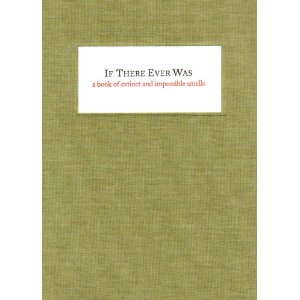
In the wonderful If There Ever Was: A Book of Extinct and Impossible Smells, Robert Blackson commissioned some of the “finest noses in fragrance production” to design accords of things that were absent. For instance, smells of Hiroshima (inspired by the vibration of the atomic blast), surrender (as manifested through incense, which was burned as an indication of defeat in ancient Egypt), the space station Mir, and the sun, become blank pages of olfactory fascination. One of my favorite smell artists, Sissel Tolaas, created the scent of communism.

If There Ever Was: A Book of Extinct and Impossible Smells by Robert Blackson. Image via Amazon.uk

Currently, I think smell is, for lack of a better word, “trending” in design. Consider Tolaas’ work in MoMA’s Talk to Me exhibition last year, the delightful Olly by Mint Digital, or the slew of smell sensors that are or will be available on the market. And not a moment too soon for one of our most visceral and powerful senses. Blackson writes:

“Smell is an unlikely subject in the aesthetic discourse of contemporary art. The tendency to exclude our sense of smell from philosophical and art historical discussions began in the Age of Enlightenment. It was then that philosophers such as Kant and Descartes argued for the power of vision over our ‘lesser’ senses. These thoughts were further reflected in scientific advancements such as Louis Pasteur’s breakthrough that germs rather than miasma (foul stenches) were the carriers of disease.”

Thanks to designer Nikki Sylianteng who lent me this awesome book.

Last Sunday, I gave a talk / workshop about my work at the Intrepid Museum for Camp G.O.A.L.S. (Greater Opportunities Advancing Leadership and Science) for girls, a free six-week camp for 8th and 9th graders in New York City’s public schools. The intention of the camp was to help 50 to 55 accepted applicants build proficiency in math and science.

Excuse me while I ogle this fantastic flying machine:

Sara Chipps, a developer and co-founder of Girl Develop It, gave a great keynote speech about how the population of female developers has dwindled over time, encouraging the students to help build the Internet. (Yes!)

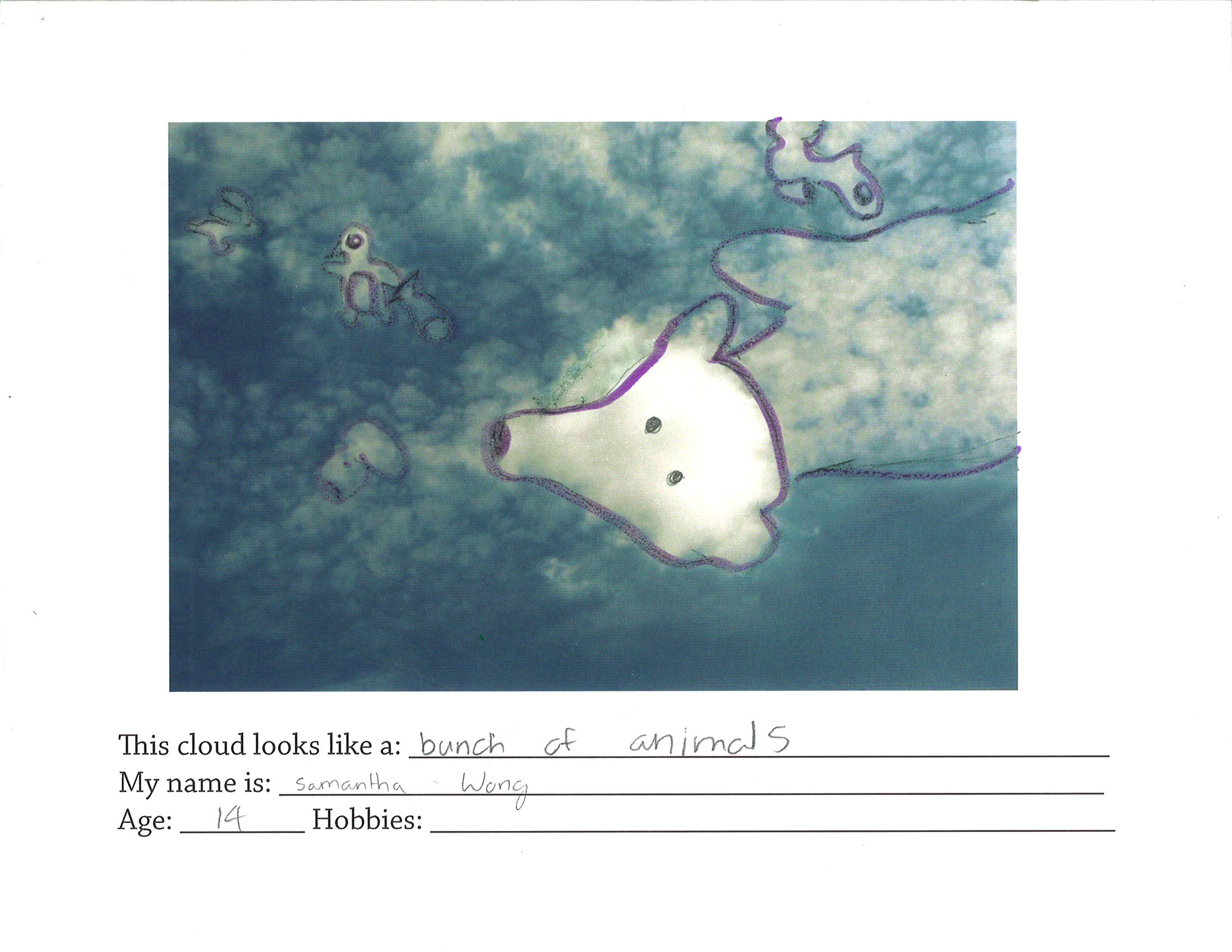
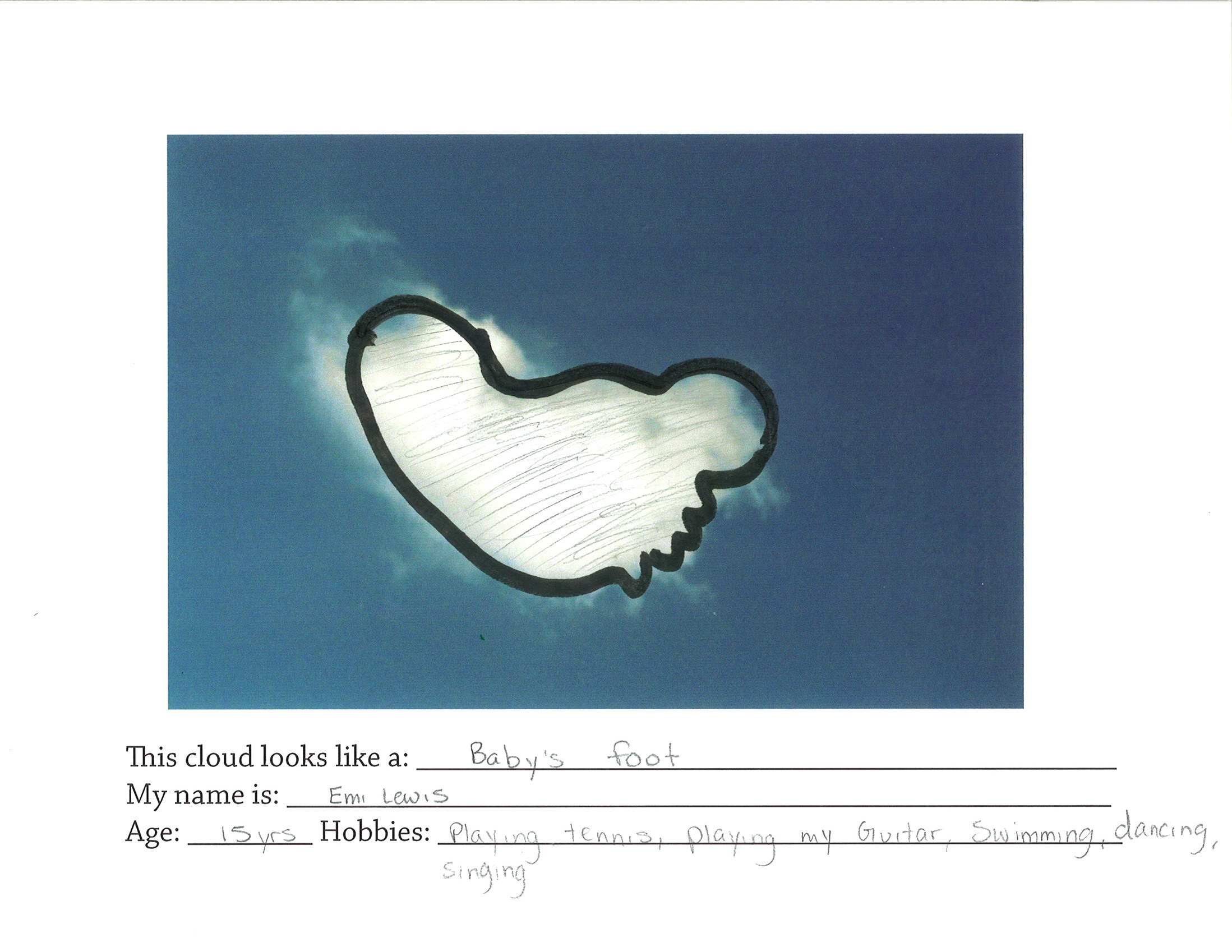
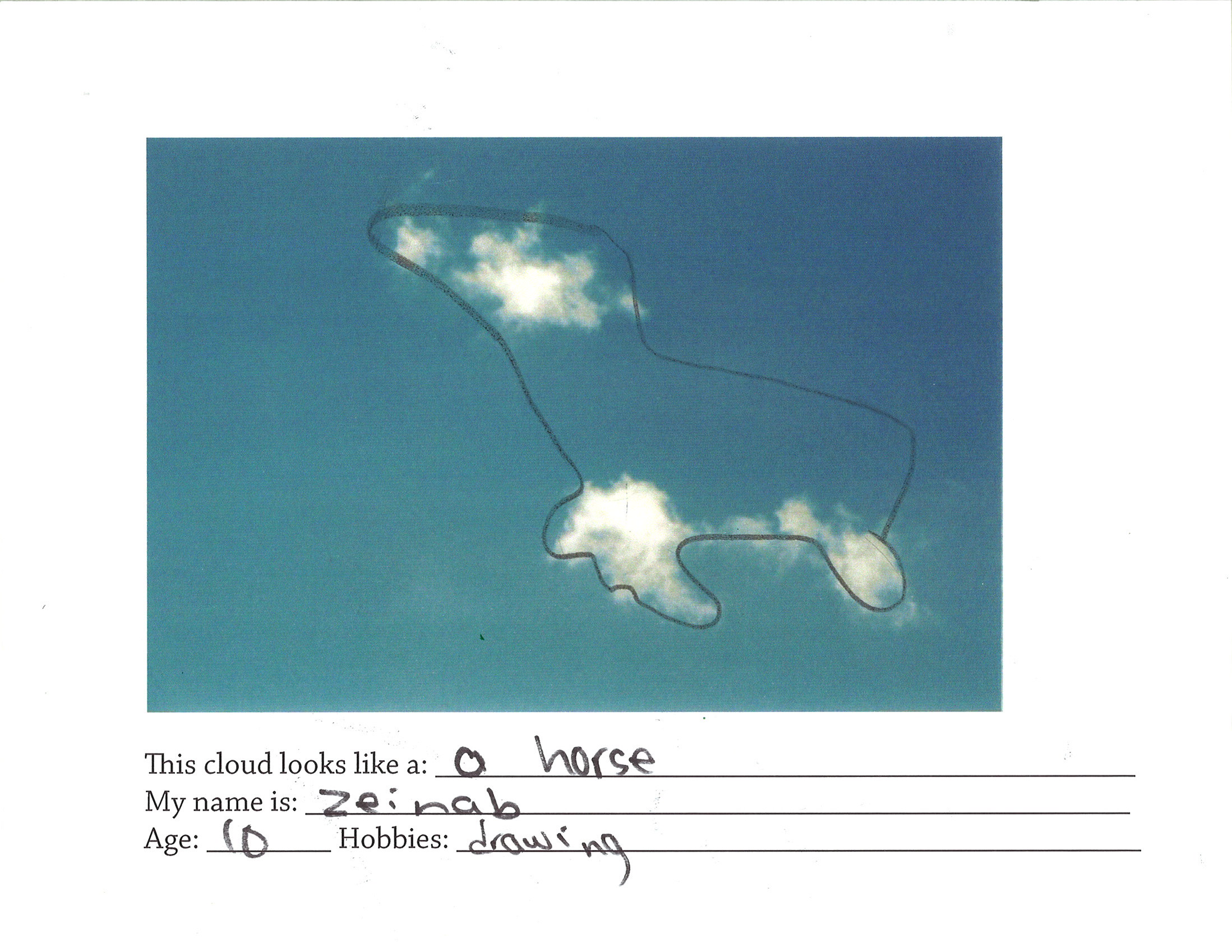
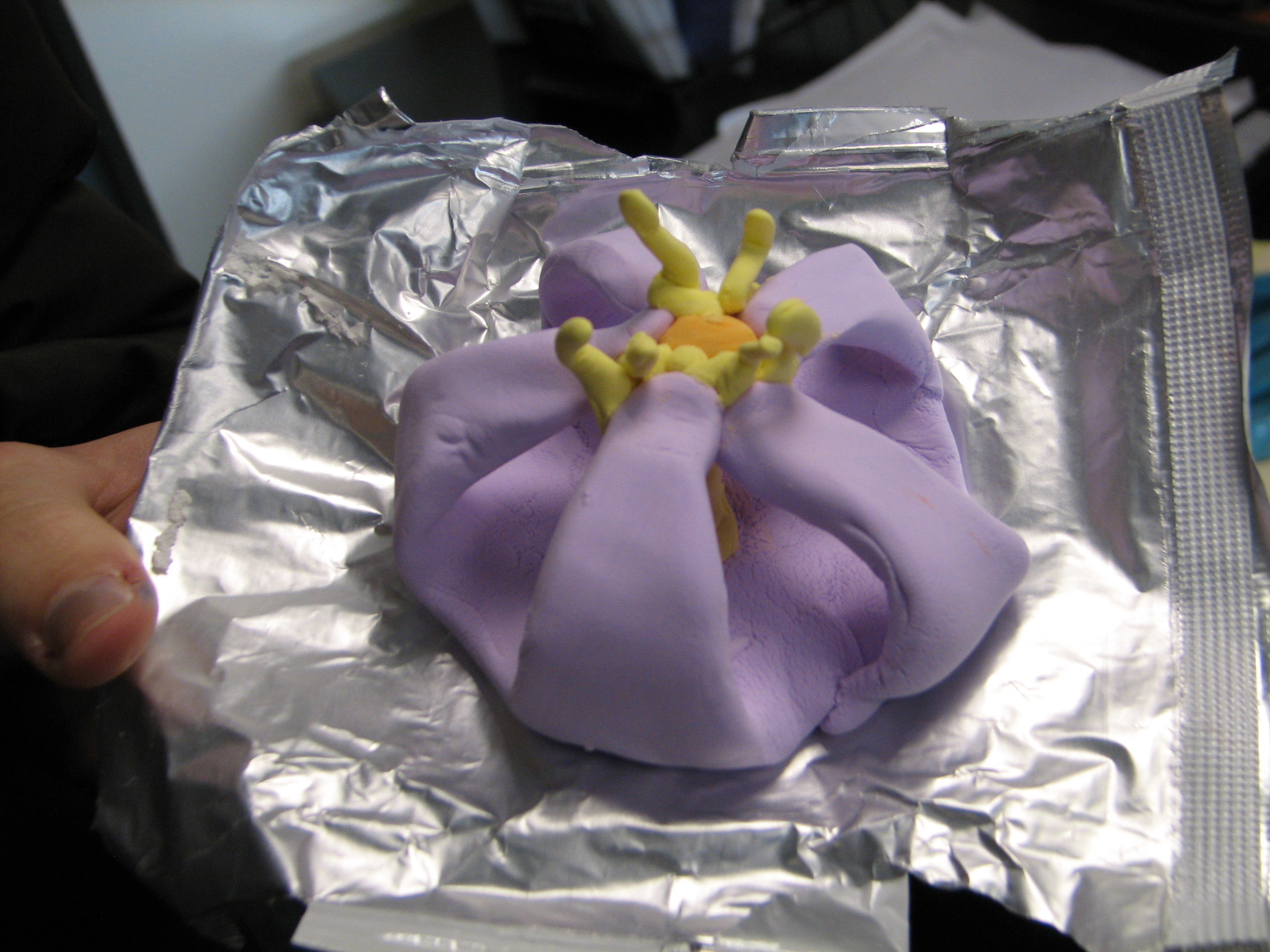
My workshop was entitled, “Wonder, Unlimited: A Speculative Workshop” after giving them a short talk about some of the things I’ve done. I asked them to take a piece of today and to imagine how it would be tomorrow. It could be it a city, an app (if we will still have apps), a piece of clothing, an organism, a gadget, etc. The kids were provided with clay, magic markers, crayons, and some activity worksheets that related to some of my projects so that they can experience them and get their creative juices flowing (which is not very difficult for kids).

The students were intelligent creative young ladies, aged 9 to 15, with some family members. They were prodigious and driven, asking questions on how to engage in science and technology, and professing their dislike for sparkly vampires. (That’s hope, right there.) I wasn’t allowed to photograph the kids, but here are some photos of their work, which included meta-looking apps, new animals, and futuristic flowers:

Thanks to Emma Nordin of the Intrepid’s Education Department, who assisted me through the whole event.

In 1954, Aldous Huxley published the book, The Doors or Perception, which details his experiences after swallowing 4/10ths of a gram of mescaline dissolved in half a glass of water. It’s a book that, thanks to my tutor, the Barcelona-based sculptor Frank Plant, has been one of my go-to books when exploring how we can perceive. This post is based on 18 pages of notes I wrote three years ago while reading this book.

Mescaline is an alkaloid, whose effects wear off after 8 to 10 hours with no hangover. It is the principal agent of peyote, a psychedelic cactus. It was first isolated and identified in 1897 by Arthur Heffter and first synthesized in 1919 by Ernst Späth. It inhibits production of an enzyme that regulates the supply of glucose to the brain. The individual remembers less, but has heightened visual impressions. His perceptions, such as of color, improve drastically, though the will to do anything decreases.

While under the influence of mescaline, Huxley observed carnations such as this. Image via The Guardian

Among the things Huxley discovered, or re-discovered, are magenta and cream carnations such as above, which he wrote as to be “breathing” — “repeated flow from beauty to heightened beauty, from deeper to ever deeper meaning.”  Books glowed, and walls no longer met in right angles. Spatial relationships stopped mattering; mind was perceiving the world in terms of other criteria, more on the intensity of experience, profundity of significance, and relationships within a pattern. Furniture became a pattern of horizontals, uprights, and diagonals —  of pure aesthetic purpose, concerned only with form. Huxley’s general reaction:

“This is how one ought to see, how things really are.”

What was intriguing was Huxley’s outlook on relationships when he was under the influence. He wrote:

“Wife and friend belonged to the world from which, for the moment, mescaline had delivered me—the world of selves, of time, or moral judgments and utilitarian considerations, the world of self-assertion, or cocksureness, or over-valued words and idolatrously worshipped nations.”

And when he was done, he also raised the age-old debate between the actives and the contemplatives:

“How was this cleansed perception to be reconciled with a proper concern with human relations, with the necessary chores and duties, to say nothing of charity and practical compassion?”

Or, how can we bridge the transcendent with our worldly cares?

Perhaps, as a suggestion, we can do so by sharing, by making visible what we perceive, or by letting positive feelings, such as joy, be contagious.

The Guardian has a gallery of what Huxley saw in pictures. Also, a reminder of where Huxley’s title came from:

“If the doors of perception were cleansed, everything would appear to man as it is, infinite.”
—William Blake, The Marriage of Heaven and Hell

The following is a post where I look back at DrawHappy, project I’ve been doing for a year. This article also appears in the project’s main site.

Looking back on this project, I remember how my heartbeat would begin to race every time I received an email with “DrawHappy submission” or “My happy drawing” in the subject line, when I would get a package in the mail, or when I approached a stranger and left that interaction with a sketch in my hand. Here are a few drawings with my own vivid memories attached to them.

The Iceland 100

1. Kindness by Arnar Snær

“When I see people do an act of kindness, that makes me feel truly happy.”

When one does a project, she will always remember the first stab at it, mainly because of the memory of feeling like a complete idiot, that the project wasn’t good, that the objectives weren’t thought out, that I should probably just go on being yet another tourist in Iceland and go hunt for the Northern Lights. But this kid was so nice and accommodating in spite of my unpracticed spiel. Moreover, “kindness” was something I did not expect and remains one of the most touching drawings I have ever received.

2. Family by Maria Sigurdordottir

It was closing time for most stores in Laugavegur, one of the big commercial streets in Reykjavik, and naturally I was turned away by most shopkeepers. This sketch, however, was from a girl who didn’t need to be forced into drawing; she held the sketchbook as a drill sergeant would hold a clipboard, and drew in the very precise strokes of a fashion designer. I walked back to my hostel feeling very accomplished and cold to the bone.

3. Stillness by Barbara

Earlier on in the project, I was in a bookstore’s cafe in downtown Reykjavik, trying to catch another stranger’s eye when I felt her staring at me. When I shyly asked her if she wanted to draw, I was almost apologetic, but she nodded understandably and said, “But all of life is a project!” I also appreciated her sketch especially because she wrote about the difficulty of drawing due to the intangibility of happiness.


4. Me on a sailing cheese by Swantje

Points for sheer imagination! This was in Iceland, and I left my Moleskine with her, went upstairs to take a shower. When I came back to the lobby, this is what she had. It’s one of the best uses of a pencil I have ever seen, done in less than two hours.

5. Control and attention by Rosa R.

I realize that having a stranger come up to you and being physically identified with your sketch may make people be extra-mindful of what they drew.  Sketching what arguably seems to be the darker side of our human desires was refreshingly raw and honest.

Post-Iceland

6. Moving forward by Humberto Martinez

Not only is it a gorgeous sketch, but the subjects of graphic designer and illustrator Humberto Martinez’s work, hummingbirds, is replete with symbolism. Hummingbirds are a symbol of love, joy, beauty, and resurrection. It is also the only bird that can fly backwards, and is therefore a reminder of looking back on one’s past. Did I mention it’s so gorgeous?

7. Jiu jitsu with my friends by Marta Ássimos

I loved this sketch because I do taekwondo and like her, martial arts is one of the things that make me so, so happy!

8. Godzilla by Jamiel Pridgen

I remember this drawing very clearly for the method in which I acquired it. Back when I was an intern at the American Museum of Natural History, I was line in the cafeteria when this extremely hyperactive guy in front of me started telling us a story. I told him about this project and left, thinking it was the end of it. A few days later while getting tickets for the planetarium, a security guard stared at me and asked, “Is your name Catherine?” He called Jamiel on his radio and he arrived, bearing three copies of this sketch and telling me he’s been looking for me everywhere. Quite fitting for someone who works in a natural history museum. Remind me to start making business cards.

9. Joy on sneakers by Brian Foo

I often receive gloriously imaginative drawings. On rare occasions, I get gloriously imaginative drawings by a joy evangelist. This has always been one of my favorite sketches.

10. Sun is joy! by Ilana Paterman

According to media art student and designer Ilana Paterman, this is a six-year-old sketch done during her first winter in Germany. I can relate, it being winter here in New York.

11. We still have options by Timothy J. Reynolds

I am always impressed by what can be done with a Moleskine. Very inspiring!”

12. A letter from Samah El Hakim

I love getting things in the mail, and this one from Lebanon made my day.