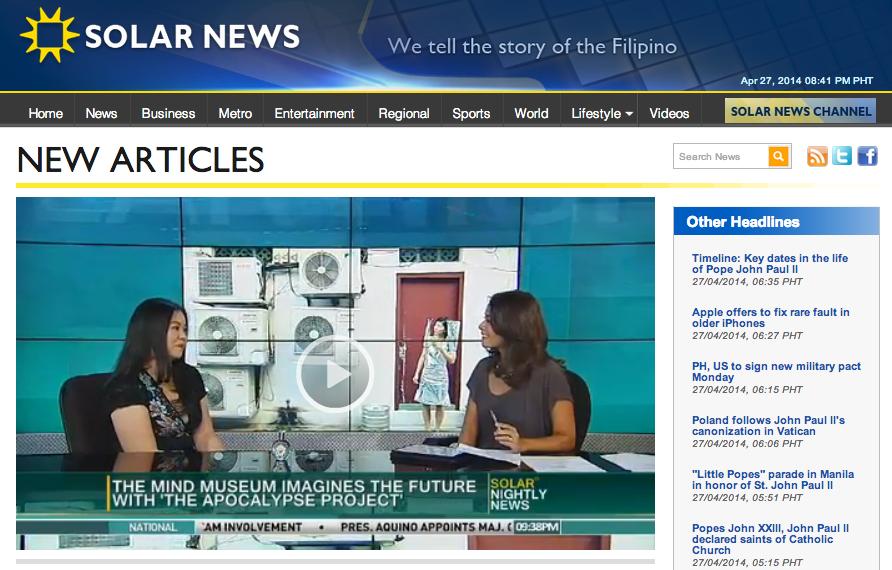
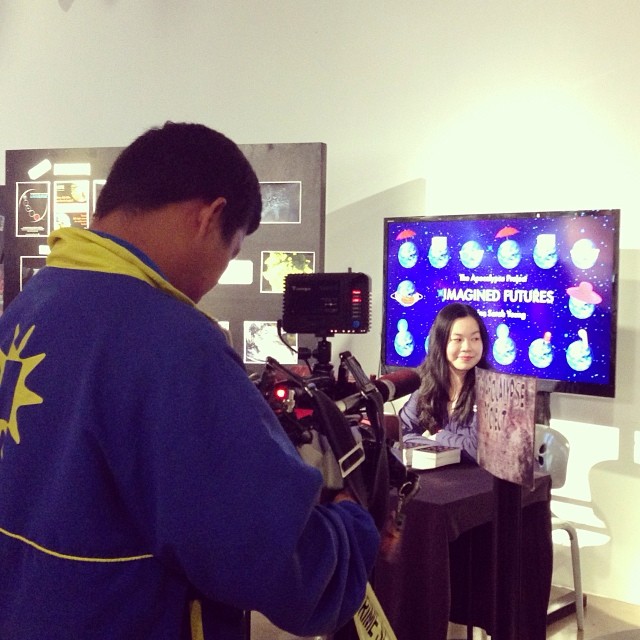
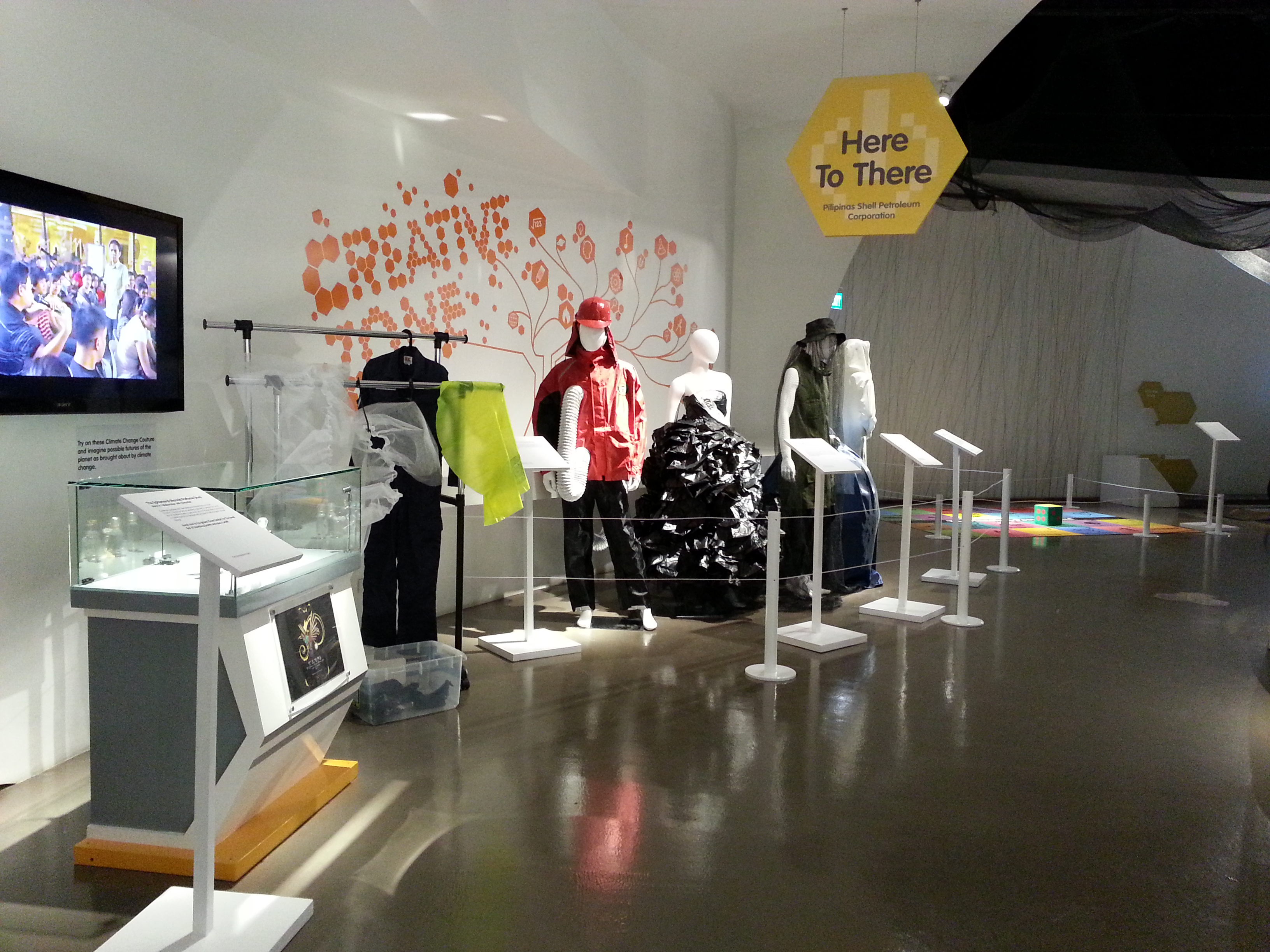
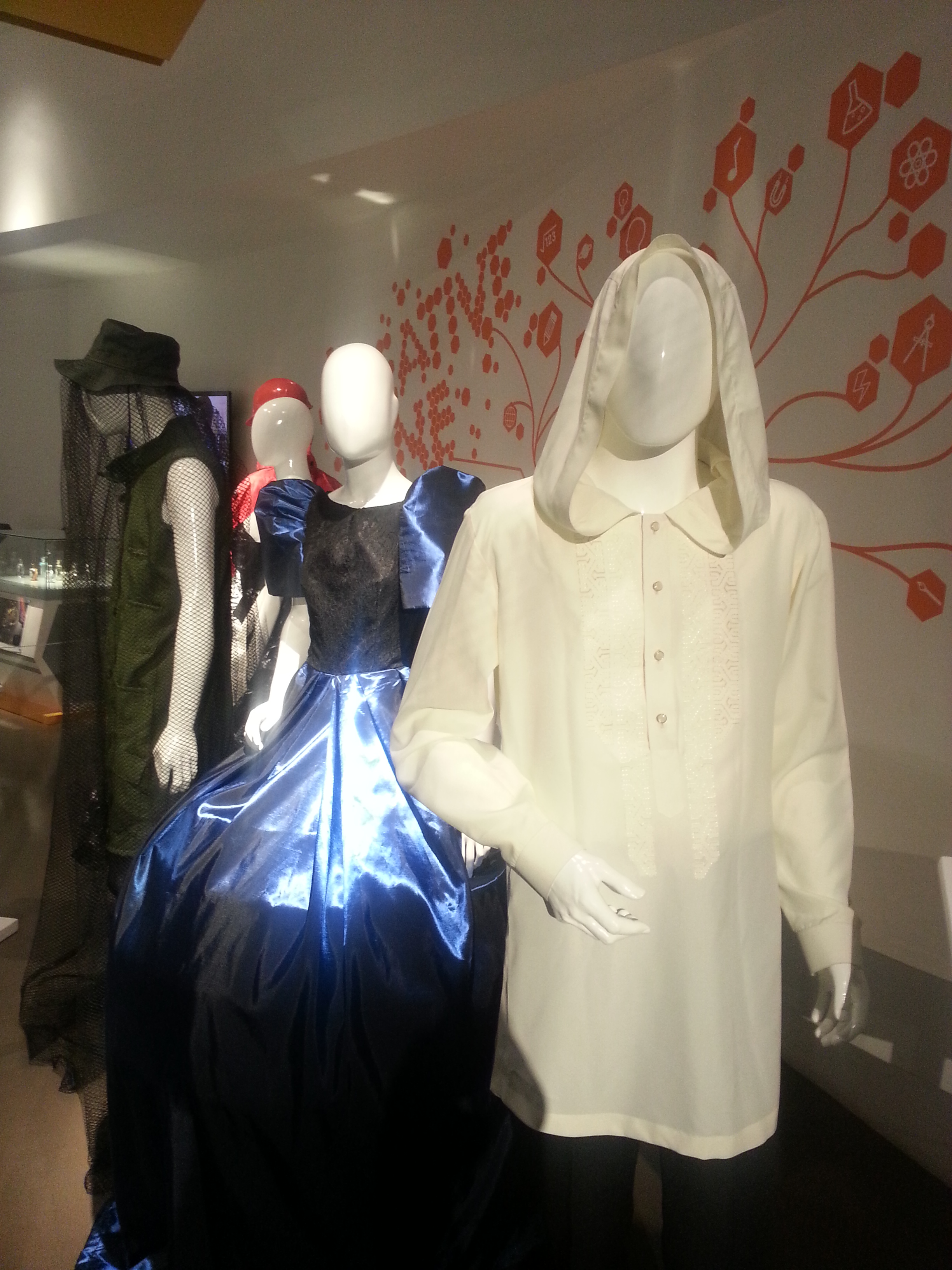
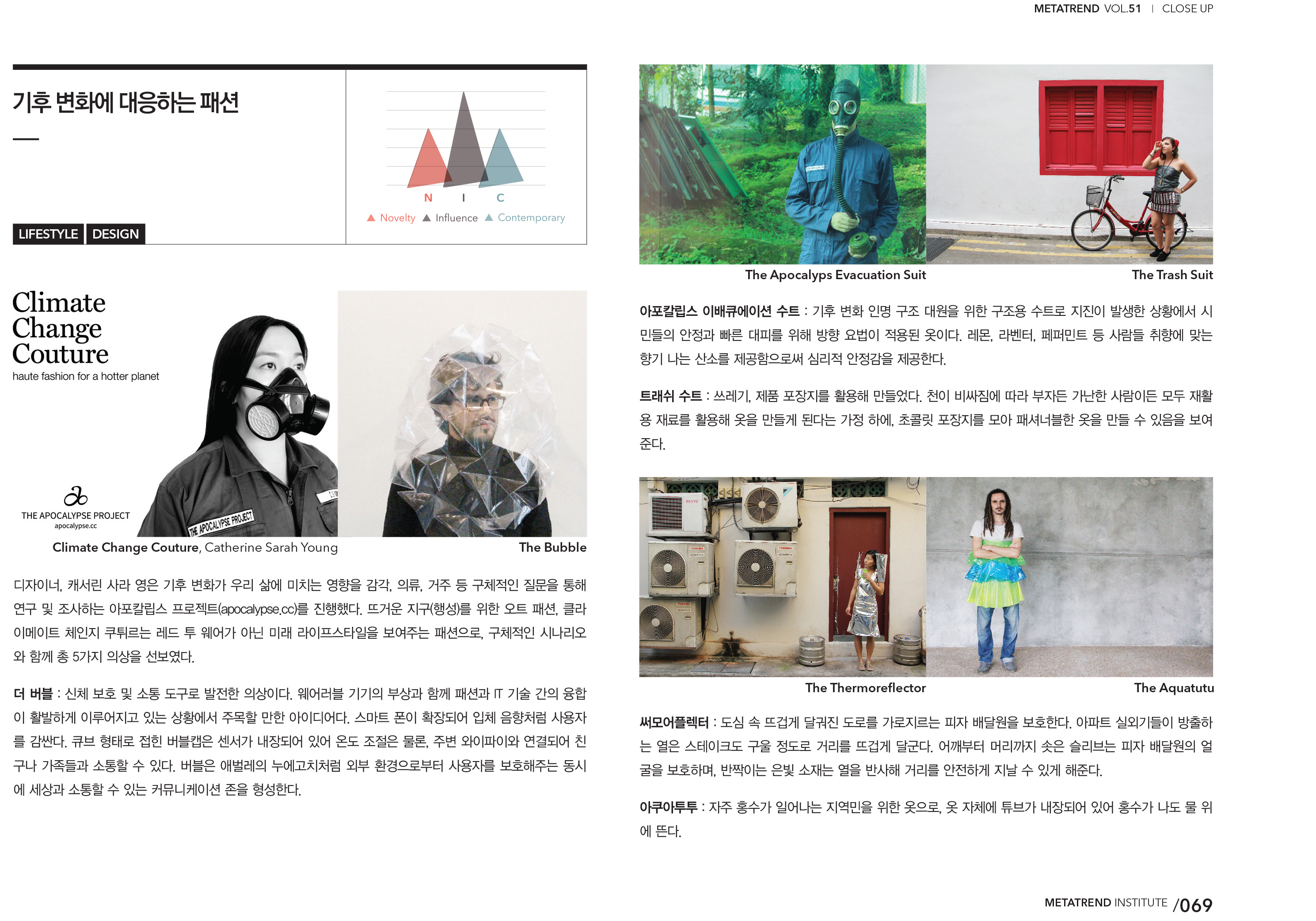
Hello, apocalypters! Thank you so much for all the support you’ve given The Apocalypse Project, especially Climate Change Couture. I’ve updated the press page with all the links to the blogs and magazines who have featured the project. Many thanks for helping keep the discussion alive.

I’ve been receiving questions from readers, journalists, and friends alike, that I decided to put them together into one FAQ post. I’ve grouped some similar questions together. If you have any more questions, please do reach out.

1. Why the name, “The Apocalypse Project”?

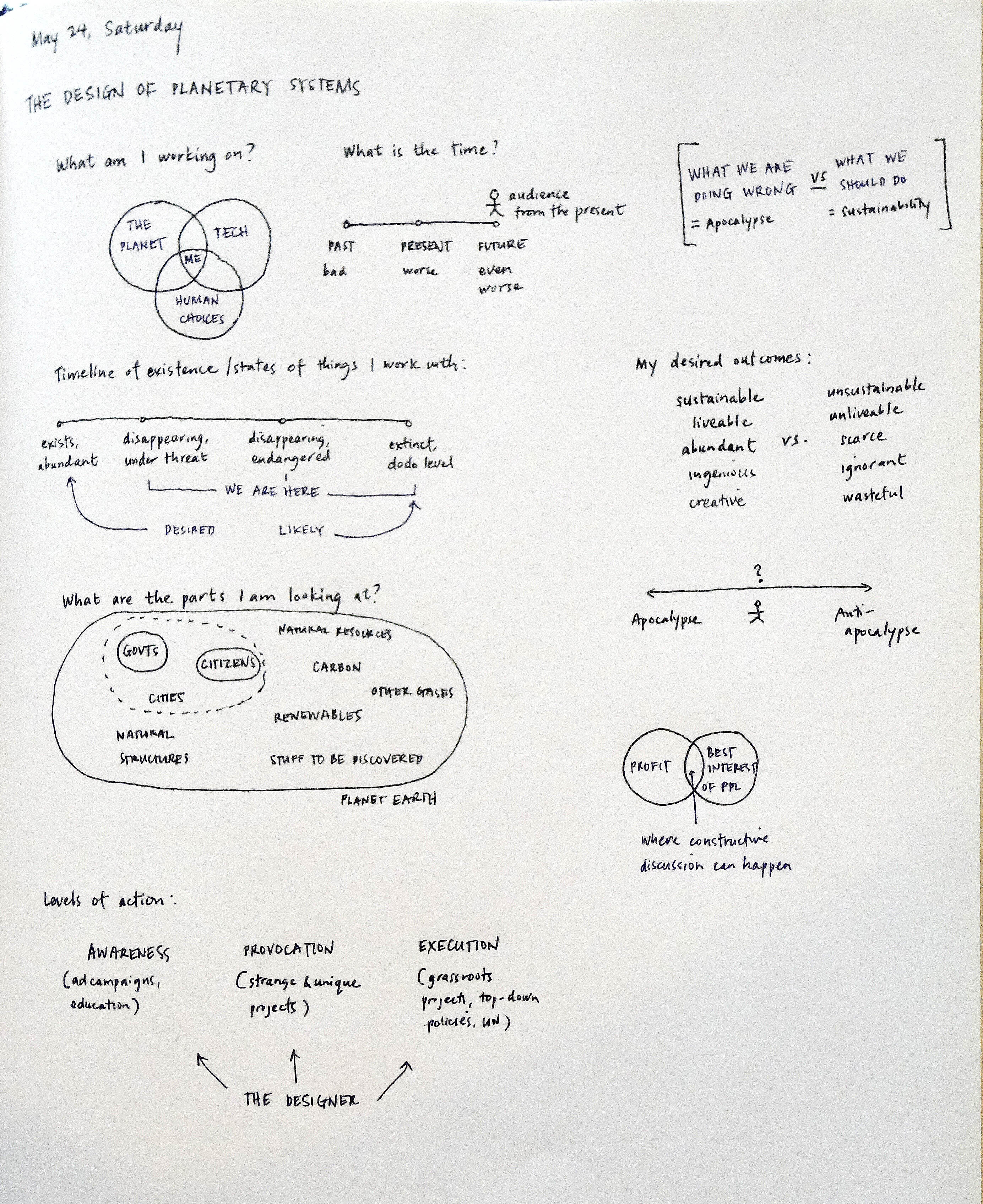
Although it has end-of-the-world connotations, which could be what can happen if we keep mistreating the planet, the word “apocalypse” comes from a Greek word that means “disclosure” or “to take off the cover” or “to unveil”. The Apocalypse Project isn’t solely about potential catastrophic events, it’s also about revealing the face of environmental problems through these projects.

2. How did your project in Seoul influence you to do projects on the environment?

(Pre-apocalypse, I hiked all 43 mountains of Seoul for an installation and community project about the environment. View that project’s website here.) 

Seoul43 was the most physically demanding and personal project I had. I nearly died on a couple of those mountains, and I would not recommend hiking that much in such a short period of time—the staff at The National Art Studio of Korea were definitely worried for me! That project made me witness how human activity was affecting the environment (and vice versa). Don’t get me wrong—I think the Seoul government is doing a relatively great job protecting its mountains and most of the hikers I’ve met were very respectful of the environment. I’ve definitely seen worse in other cities. But some mountains were disappearing or were repurposed as parks or apartment buildings. I wondered if this was ok or not. There is such a big population there that I can understand that they need space. Does that mean it was ok to eliminate a tiny hill or two for the sake of a growing population? Is it ok to make a mountain “bigger” by adding fake soil to it? Is it ok to modernize nature so that we can better take care of it? I still don’t have the answers to that. I usually design my projects around the questions that I’m curious about, which for now are those that are about how we relate to the world.

3. What are your intentions? / Why speculative design? / Is Climate Change Couture a satire? 

I want us all to think about our relationship with the planet and make better choices.  There are many ways by which we can catalyze discussion and take action about these issues. These projects are my own way of doing that.

I chose this type of design (i.e. design that thinks about the what ifs and what could bes) because I want to remove climate change from its usual political strings, which for me sometimes miss the more crucial seeds of a conversation about the environment. With this type of creative platform, I can engage people of all ages and backgrounds. We should think about the planet with respect to our humanity, not in terms of power and money.

Yes, Climate Change Couture is a bit of a satire. The stories that go with them definitely have a tongue-in-cheek tone in them. Remember, these are dystopias—I actually hope that we won’t ever have to use these designs. I wanted to highlight the scenarios we may get ourselves into.

4. Why climate change? Don’t you know it’s not real?

Oh my god.

5. If the Climate Change Couture images are dystopias, why are the photographs beautiful?

Beauty is one of the best ways to get you to look. (P.S. Thanks!)

6. What influenced you? / What is your background?

My background is a bit eclectic. I studied molecular biology and contemporary art, and did my MFA in Interaction Design at SVA. I’ve lived in about five countries, which helped me see that there are many sides to an issue. I feel like I soak up everything around me and I’m inspired by a lot of things, from books to conversations to things I see everyday. I also worked as a journalist, so I’m used to asking a lot of questions. As an artist/designer, I can turn those questions into projects.

7. What was your previous work like? 

My earlier work had to do with interactive projects about our senses. For example, I designed the Hug Vest, which changes color if you hug the wearer; an Olfactory Memoir which is a book of printed smell memories that you can smell; Rorsketch, an illustration project of drawing what I see in clouds, etc. I also started DrawHappy in Iceland a few years ago, which is a project about drawing your happiness.

8. How can I support this project?

If you’d like to:

• collaborate on a project

buy an Apocalypse Patch to help fund the project

• invite me to speak in your school or organization to spread awareness of the project

• share your research on climate change so I can do another project based on your data

• model for one of my projects

• make a donation either in cash or in kind to help bring some projects to life (for example, I need help from a carpenter right about now)

• just drop me a line to offer constructive critique or recommend books/movies/projects/people to check out

…I would be extremely grateful.

9. Where are you now? / What’s next after this?

I’m in Manila working on five projects under The Apocalypse Project and I hope to have my first solo show this April. Check this site for updates.

DSC08751small

I snapped this photo from Books Actually, a lovely independent bookstore in Singapore.

2013 was the year I turned 30. I feel wise, or perhaps to be more specific, wizened, and thus a recap of “lessons learned.” Ha. Working in the intersection of art, science, and design, I have learned many things both enriching and hilarious from the three primary groups of people I work with. And thus a blogpost to remember. (I identify with all of these groups, so this isn’t a judgy list; I am part of this, too).

1.Everyone desires meaningful work.

2. Everyone desires to be with family and loved ones and to do what really matters to them.

3. Things would work so much better if one person can speak the “language” of at least two disciplines.

4. Artists in black (or clothes stained in their chosen media) and scientists in lab coats (the cool ones would have interesting hair) and designers in plaid shirts and special mention of architects in crisp white shirts. Because fashion.

5. At the end of the day, people are just afraid of messing up and looking like a fool. (Hello, Impostor Syndrome.)

6. Vanity. #Facebook #TrueStory

7. People ranked in increasing order of empathy: scientists<artists<designers

8. People ranked in increasing order of engaging Powerpoint presentations: scientists<<artists <<<<designers. Also: favorite fonts. Scientists: Verdana. (Oh dear.) Artists: Arial. Designers: Gotham, Helvetica, Proxima.

9. People ranked in increasing order of prompt and well-thought-of email I receive: artists<scientists<designers.

10. Every saint has a past, every sinner has a future.

(Note that I only use scientists, artists, and designers to define what people project on the outside. I think many of the scientists I’ve met are also artists—they just don’t have a chance to show that side very much—and many artists are designers, and designers are artists and scientists, and so on. And yes, I suppose this only applies to the artists, scientists, and designers I have met.)

I came to Singapore to imagine the apocalypse. Previously, I was on a residency in South Korea where I hiked all the mountains of Seoul and saw firsthand what human activity was doing to the environment. Doing a subsequent residency on climate change and environmental futures was, to me, the logical next step.

ClimateChangeCouturePhotos-01

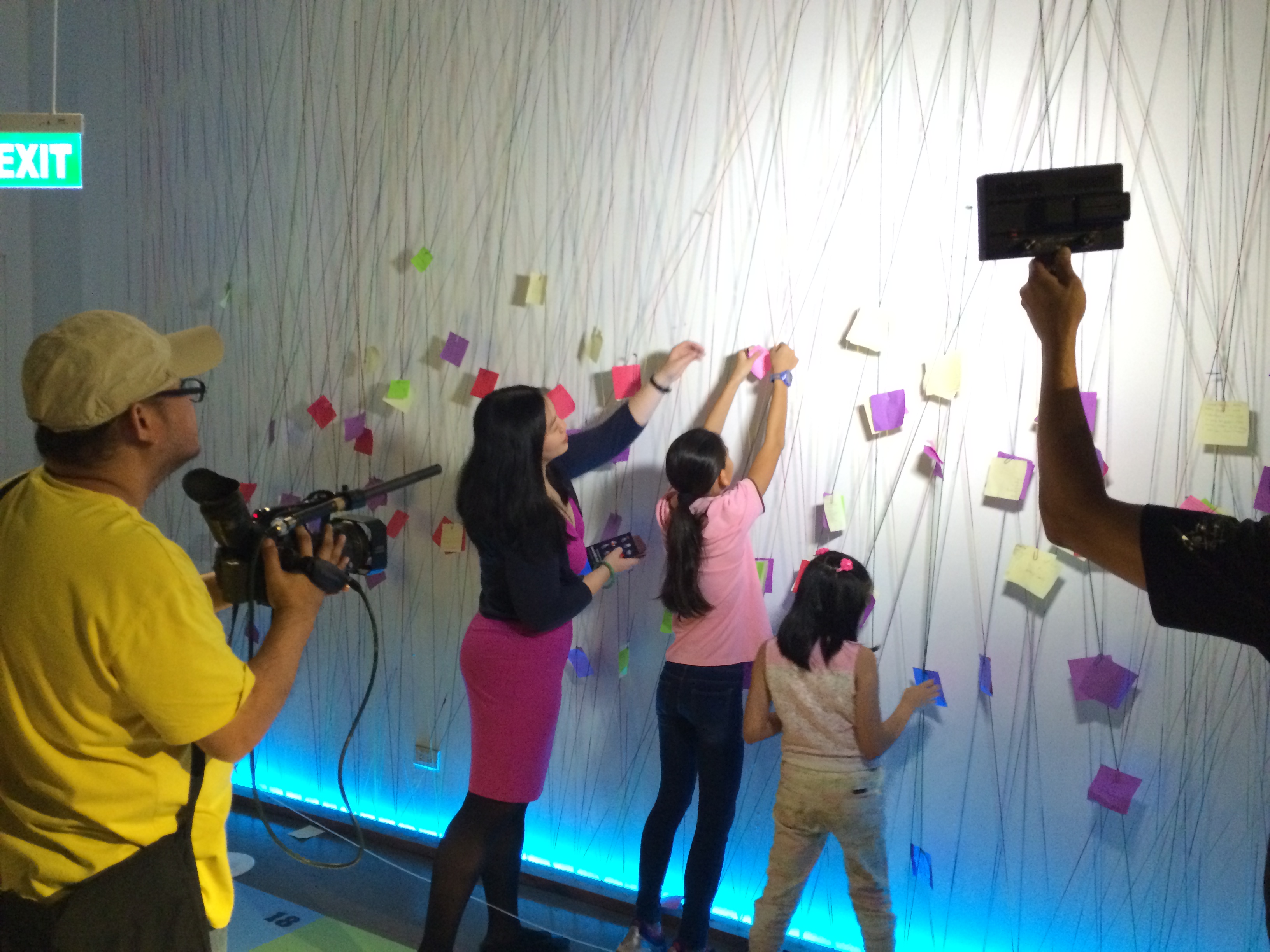
To adequately prepare for the future, we must imagine it as concretely as possible. This was the impetus for creating The Apocalypse Project, a speculative design research inquiry that imagines the future as climate change continues to affect the planet. Initially, I held drawing workshops in Tembusu College, National University of Singapore, asking questions such as “What superpowers would you like to have to navigate through a climate change apocalypse?” or “What would you like to wear to your apocalypse?” I realized that the question on clothes was the one that participants related to the most—they found it fun, engaging, and could better imagine designing clothing that they themselves can wear, as opposed to more abstract questions.

ClimateChangeCouturePhotos-03

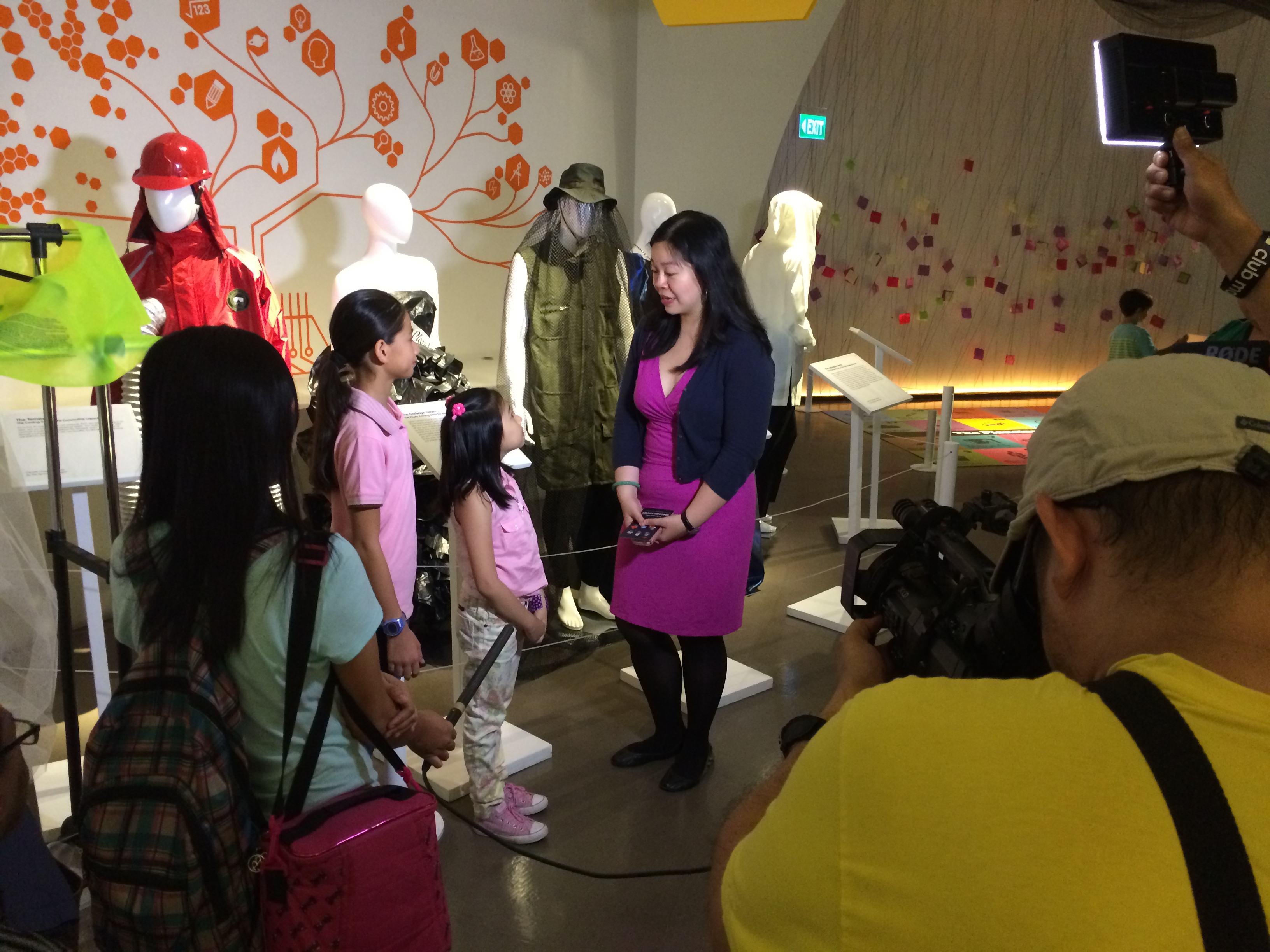
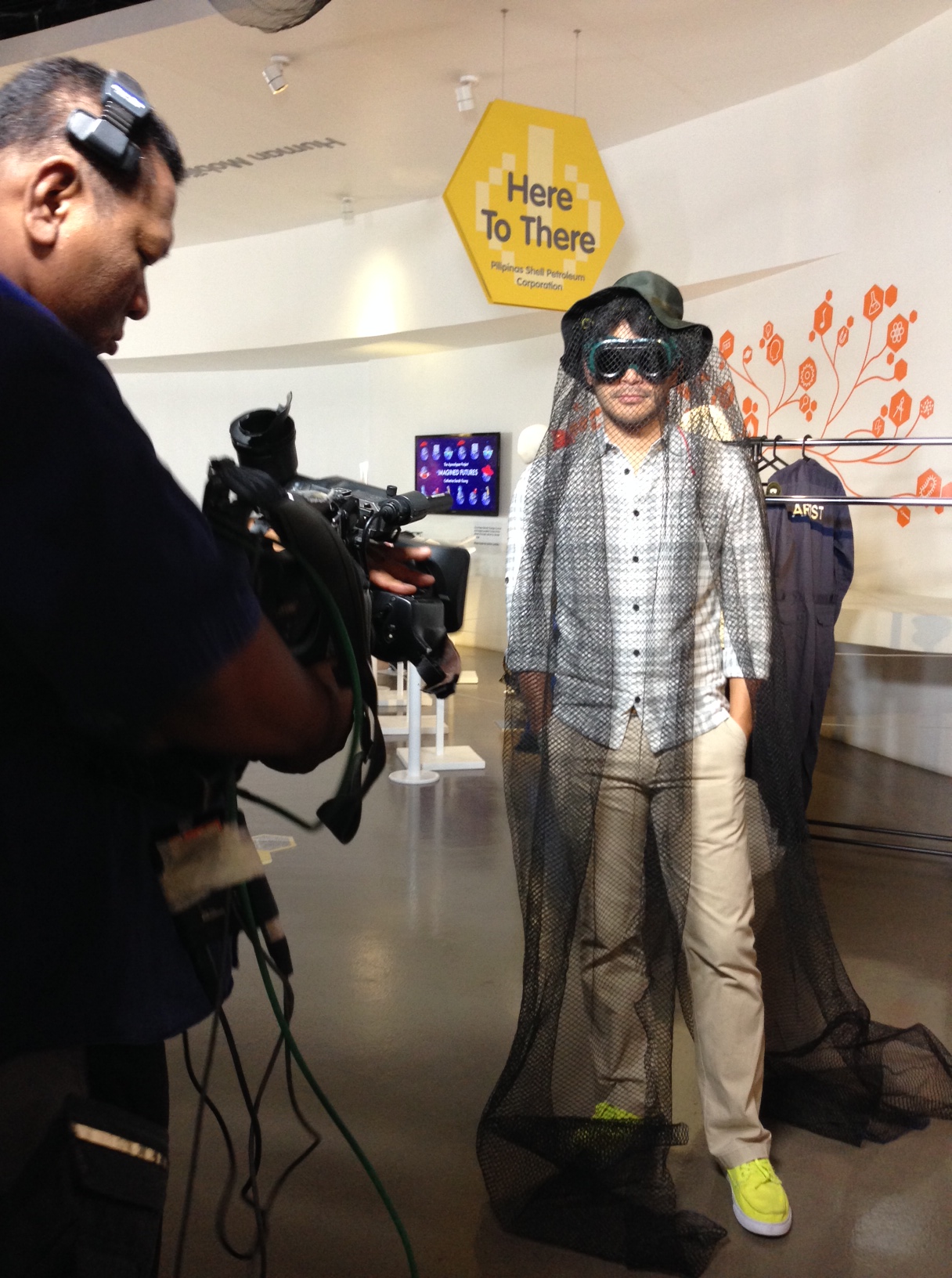
Based on the workshops, I created the series, Climate Change Couture: Haute Fashion for a Hotter Planet. Using the research done by the Singapore-ETH Future Cities Laboratory, I designed the first five garments in the series, imagining clothing we might wear in specific environmental scenarios and writing a narrative around them. I asked people from FCL to model them for me and photographed them against selected locations in the lab and around Singapore.

I consider myself as someone who works at the intersection of art and science by bringing them together through design, which I believe makes the work accessible and relevant to the audience. I believe that all of us are born artists and scientists—that is, we all have the innate curiosity to explore the world and manifest this in various forms—and it was a pleasure to work with the people in the lab and get to know their artistic sides. Some of the researchers modeled clothes based on their own research, and they were instrumental in the iteration of the designs. I also love working with young people, and some students from Tembusu College collaborated with me during the project.

ClimateChangeCouturePhotos-02

A common thread that ties my projects together is a focus on people. I believe in participatory art, especially as climate change affects all of us as a species and not just a select few. Two days before our showcase at ArtScience Museum in Marina Bay Sands, typhoon Haiyan hit my home country, the Philippines. Ironically, the apocalypse I imagined had already happened in my own backyard and will probably keep happening. I’d like to be one of those artists with a cause to work towards, and I think I found it in this residency.

I was one of the two artists who participated in the 2013 Art Science Residency Programme, in partnership with ArtScience Museum at Marina Bay Sands, Tembusu College National University of Singapore, and the Singapore-ETH Future Cities Laboratory. You can find the output of my residency at http://www.apocalypse.cc.

This post appears on the website of the Future Cities Laboratory. Thanks, guys!

My graduate school alma mater, the MFA Interaction Design program of the School of Visual Arts, recently published 20 Lessons in Interaction Design, inviting alumni to share insights about design and their careers, with some lovely quotes from the faculty. I was Lesson #19. Here is what I wrote, which I will be the first to admit was an episode of me talking to myself:

When I was a student, my self-doubt came from not wanting the same things as my peers. I wanted a life primarily of adventure, of immersing myself in the unknown, and getting through it a stronger person.

You are the architect of your dreams—do not waste any time focusing on what other people want. Make sure that your accomplishments as a student pale in comparison to your accomplishments as an independent adult. I still learn this every day, a year out of school. I experienced a lot of growth in SVA IxD, which prepared me for my present challenges that are making me break even more personal barriers. Two years of graduate school were a valuable stepping-stone; they were a way of filling up my creative arsenal as I venture even further into the unknown.

As I write this, I am on my fourth passport, learning my sixth language, and will soon be living and working in my fifth country. As you enter the real world, if you feel that you are not growing any further—and if this makes you unhappy—it probably means you need to dream bigger.

Visit the IxD blog for more.

Philippine Airlines Flight No. PR 512 had a strange guest buckled up on Seat No. 73B. My sentimental side insisted on bringing The Bubble prototype for Climate Change Couture. It got through so many things already—a gallery show, a photo shoot, was co-designed by someone on my Apocalypse Squad, and has been the starter for many a conversation that I didn’t care about the bulkiness of it. I was going to drag this $2 piece of plastic across international barriers if it killed me.

And so, we begin.The Bubble got through all the security checks and immigration without problems (as it was transparent and clearly made of plastic) but with lots of curious looks, questions, and chuckles. Even I had to laugh when I realized that, instead of squashing it in the overhead bin, the best way to transport this was to buckle it in the empty seat next to me.
20131231_211652

And hi! I was right next to it, 73C. What do you do with a plastic bubble on an international flight? You take selfies…

20131231_221440

…and of course, wear it. The AC on flights is always too cold for me.

20140101_004414

I had to take it off when I was eating (or not eating, as I can’t eat chicken).

20131231_223730

I can, however, eat ice cream! Why haven’t I flown this airline before?

20131231_230303

About four hours later, The Bubble made it! Welcome to the Republic of the Philippines, where climate change hits quite hard and The Apocalypse Project just got transplanted to.

DSC00314edit

They say that what you do on New Year’s Eve will be what you will do for the year. If doing crazy experiments like these is my fate, then please oh please bring it on.

(Pulau Ubin, Singapore)—My final natural excursion in Singapore was a trip to Chek Jewa wetlands in Pulau Ubin, an island northeast of the country and according to people, the second most famous island off of Singapore next to Sentosa, the latter of which I confess I have never been to because of the excess of crowds and commercialization.

Pulau Ubin is as wild as it can get here in the police state. There are insects here I have never seen before:

DSC00304

I decided to walk all the way to Chek Jawa, an eastern spot on the island that is preserved due to the large amount of biodiversity. I slightly regret that choice—an 8-km bike ride would have been easier than going about it on foot. But I think about my Seoul43 project, and I suppose this far from the hardest thing I’ll ever do. And so I began to walk, and along the way, I came across quirky homes, such as this one with a battered statue of Cookie Monster:

DSC00159

There were some abandoned houses as well, looking peaceful and gloomy amidst the dense forests:

DSC00167

Signs warned me of wild animals, such as monkeys and, oh dear, wild boars. There was a little army of monkeys who were following me and some other hikers, having learned to associate people with food. I warily walked past them on the trees. After I passed, they appeared on the trail. I was only able to get this quick blurred shot before I fled.

DSC00197

Upon reaching Chek Jewa, I saw this lovely coastal forest.

DSC00228

I also saw these beautiful mangroves, as well as organisms that live near it, such as crabs, sea grass, etc. I groaned at the sight of a discarded plastic bottle, and gave the stink eye to two men smoking nearby.

DSC00252

Walking back, I passed by a cluster of nipa trees. There was an observation dock you can climb the top of, allowing you to see the tops of the trees and beyond. I felt like a flea finally seeing what lay beyond the realm of a dog:

DSC00271

DSC00273

And so was my final expedition in the Lion City. Thanks, Singapore! The past four and a half months were oh so very lovely. You kicked my ass, just as I hoped you would. Salut!

The Holiday Hackathon is an exploration/discovery project of me spending my last couple of weeks in Singapore. I just finished an art/science residency, and I’m hoping that asking questions and going to new places will help me figure out that next step/project.