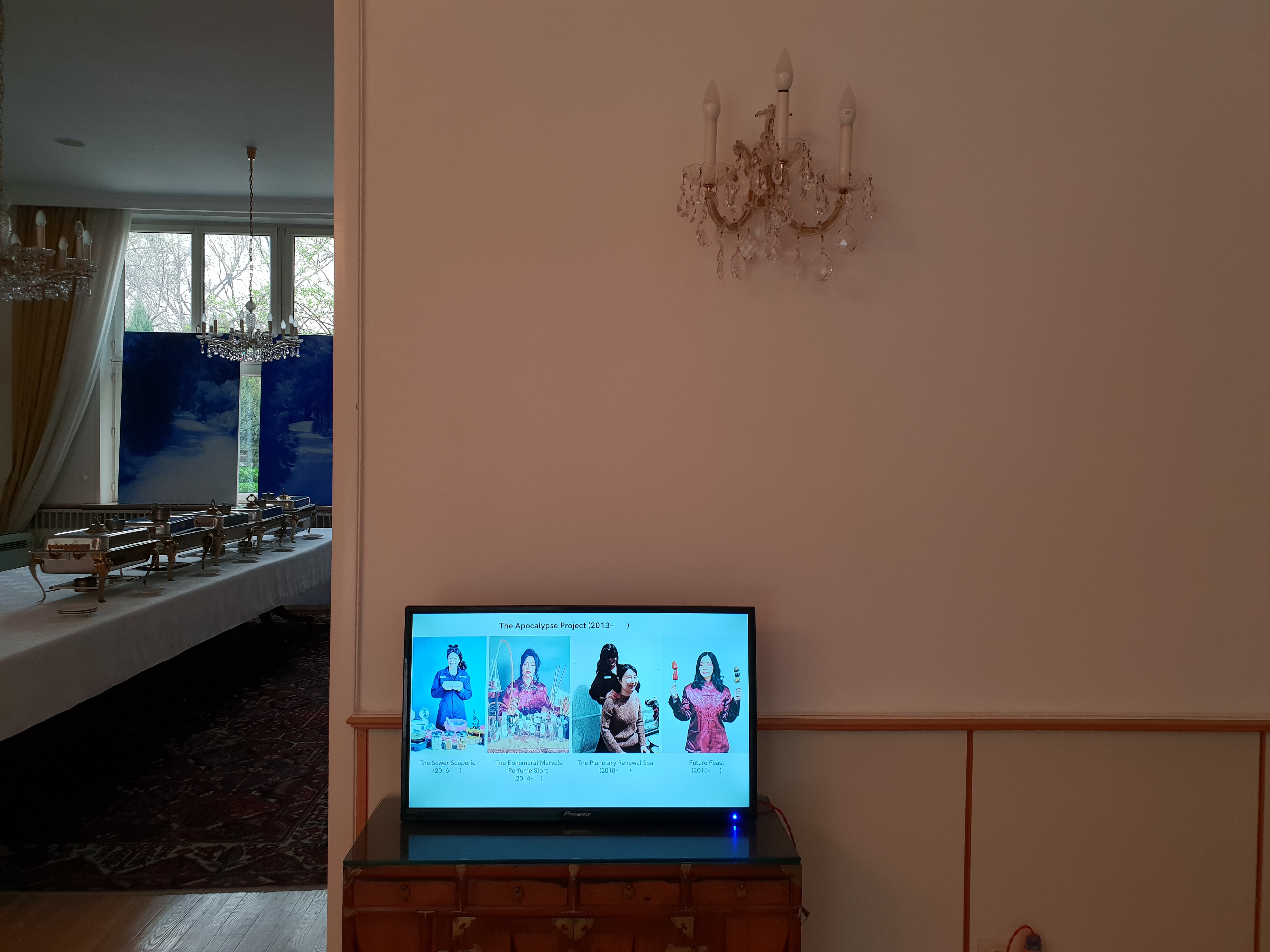
The Planetary Renewal Spa

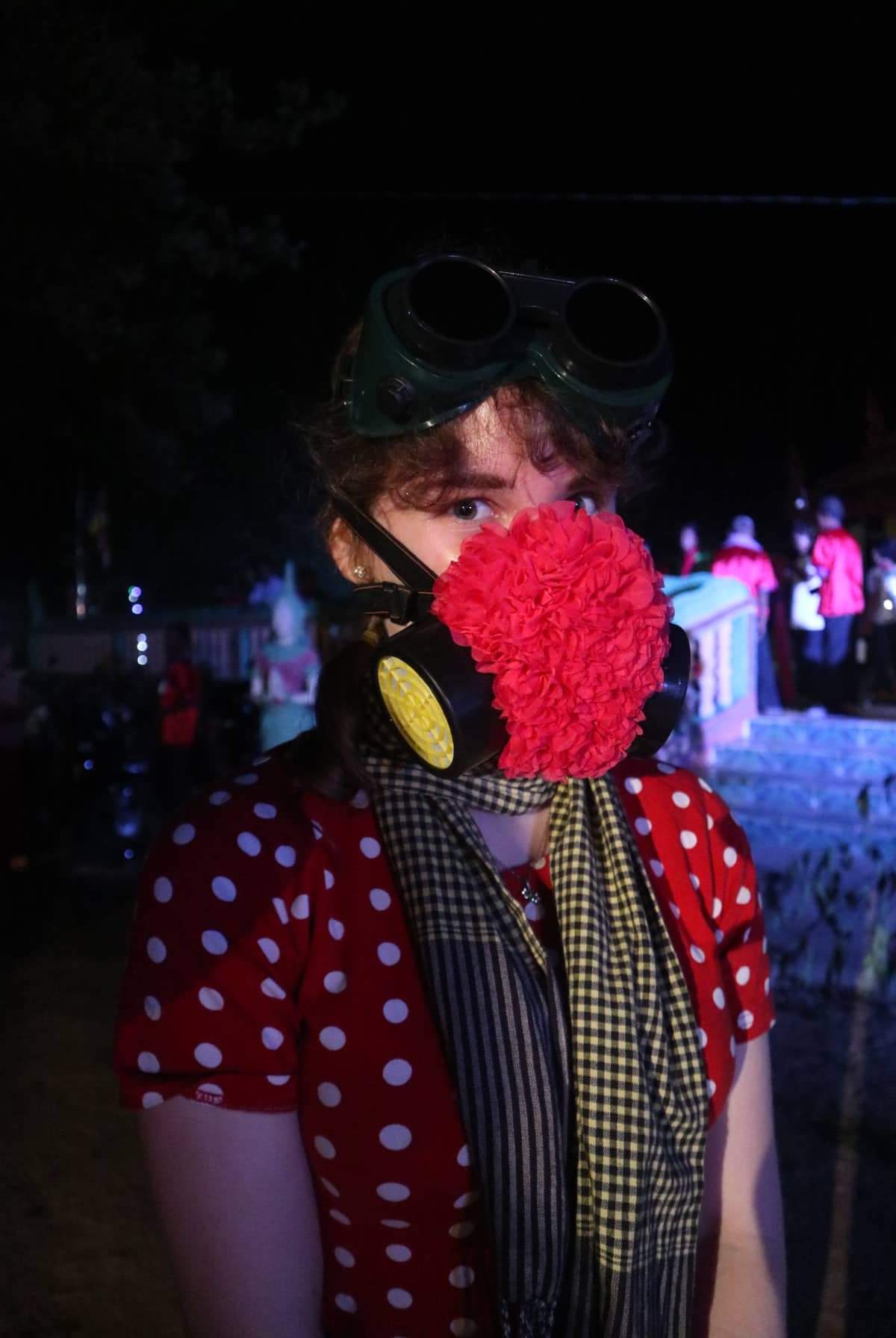
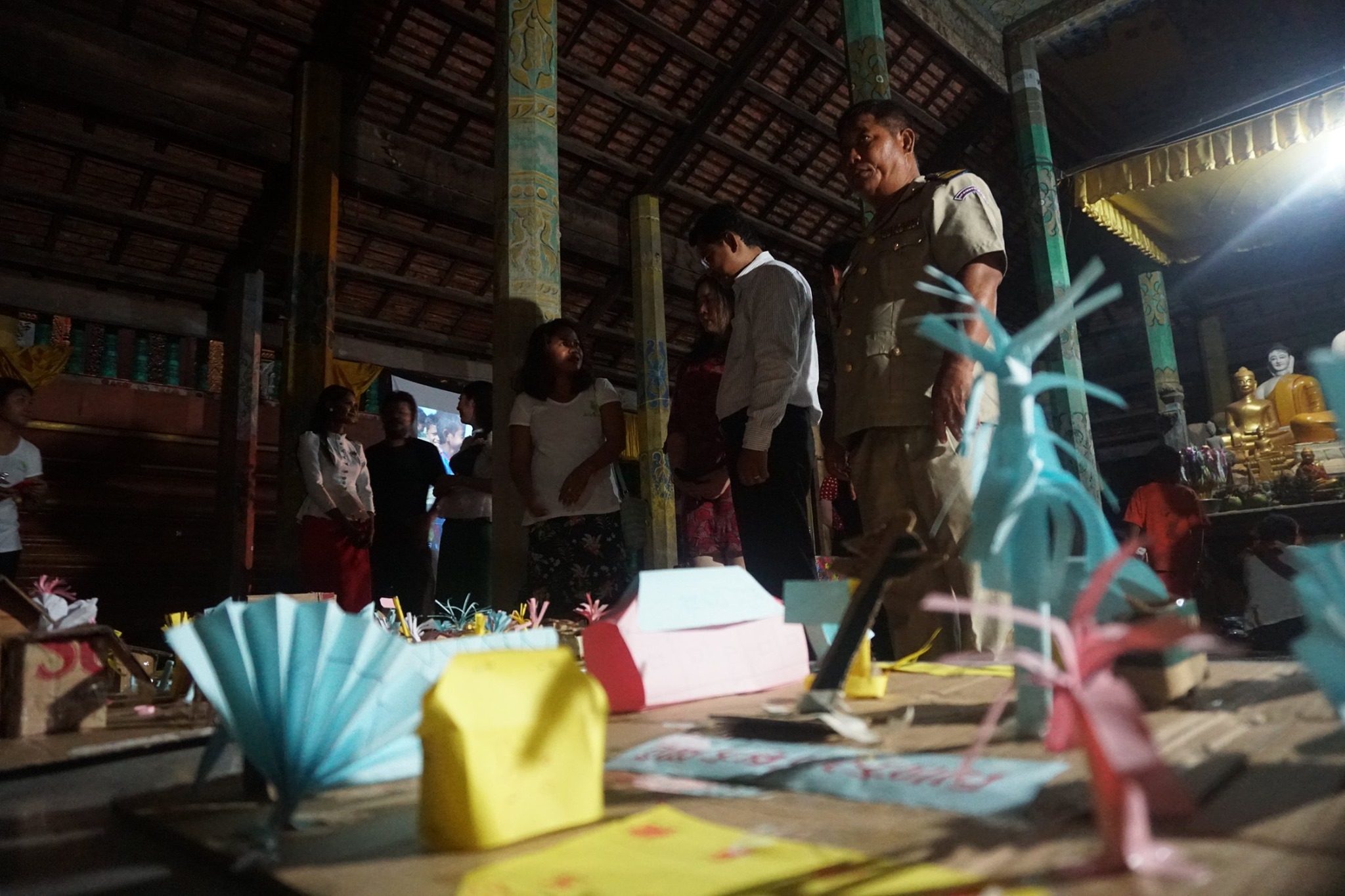
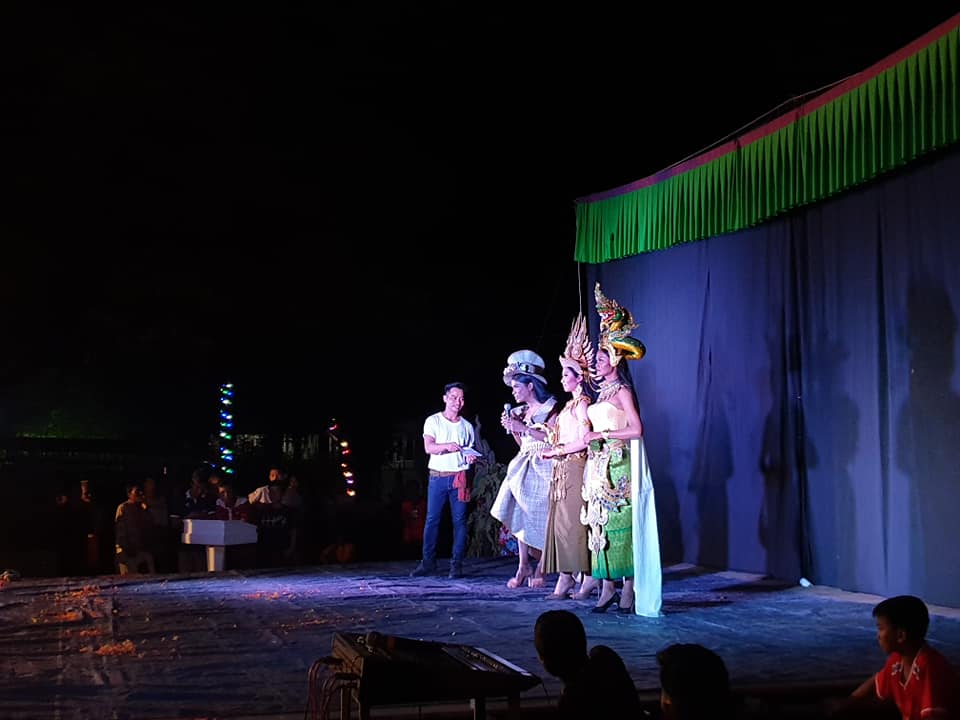
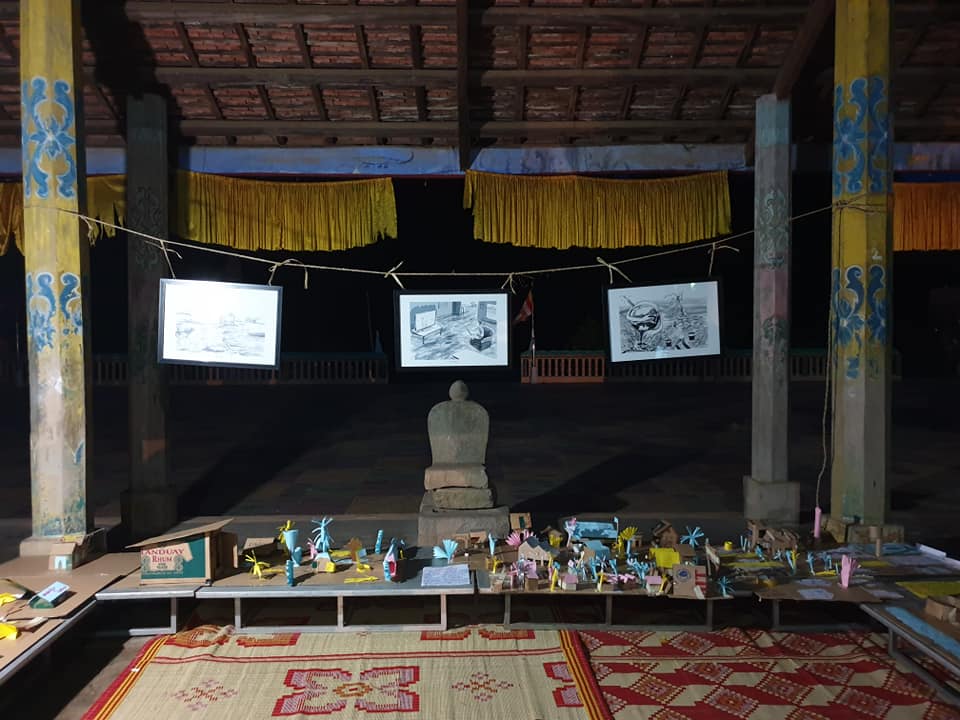
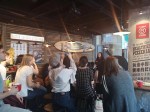
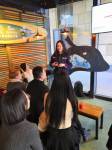
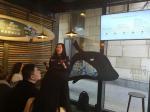
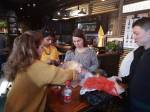
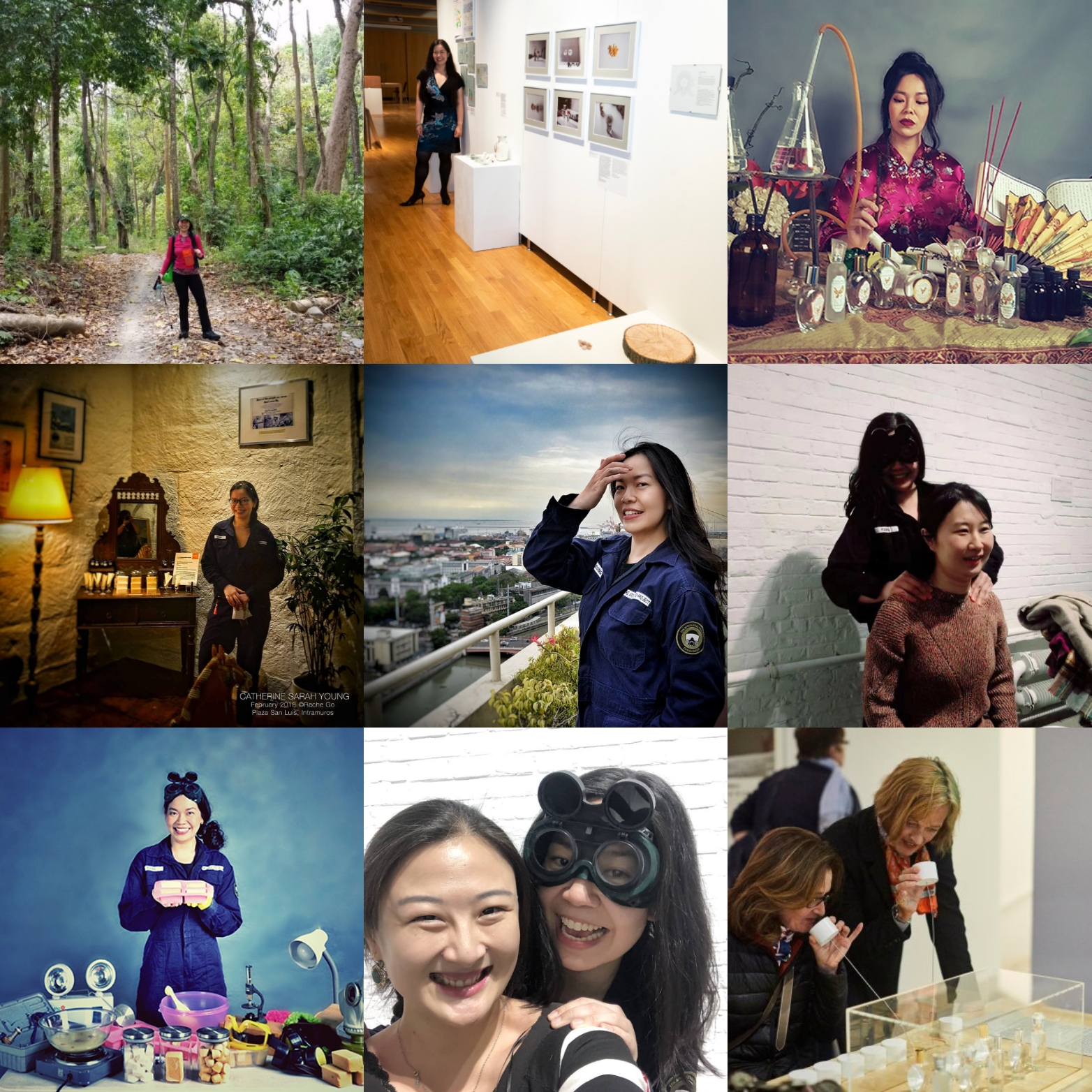
The Planetary Renewal Spa (2018- ) is a series of self-care performance rituals that illuminate the effects of climate breakdown. The spa currently offers two services: Back Massage to Simulate Hurricanes and Disappearing Honey Facial.

The Planetary Renewal Spa: Back Massage to Simulate Hurricanes

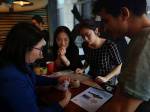
Back Massage to Simulate Hurricanes takes clients on a sensory experience of a hurricane, from light feathery touches of the coming storm to a full catastrophe.


The Planetary Renewal Spa: Disappearing Honey Facial


Disappearing Honey Facial gives clients a relaxing facial massage using raw honey while the artist narrates the story of bees disappearing because of climate change.


The Planetary Renewal Spa: Back Massage to Simulate Hurricanes


The Planetary Renewal Spa was first performed at Red Gate Gallery in Beijing as part of my residency as the 5th Crystal Ruth Bell resident of China Residencies.

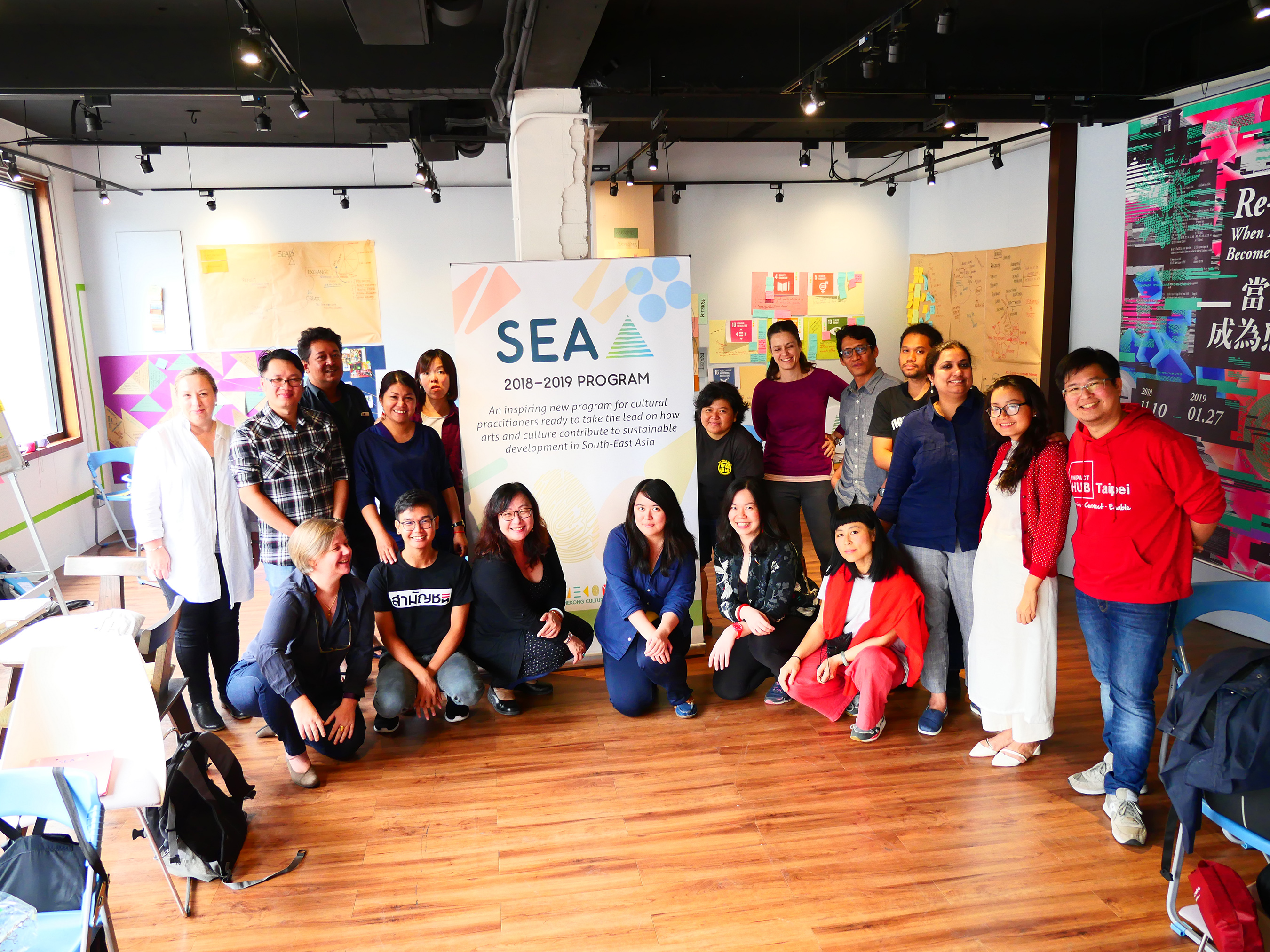
What’s up, Taipei! I’m honored to be one of the 10 inaugural SEAΔ fellows for 2018-2019, with my aim to develop the arts-led climate change educational program of The Apocalypse Project. Very excited for what looks like a kick-ass program and to meet some incredible people. I’ll be in Taiwan from November 25 to December 8; an obvious invite to meet up of you’re there! 😙

SEAΔ is a program co-created by Mekong Cultural Hub @mekonghub and the British Council @britishcouncil which creates space for cultural practitioners to reflect on how their work in arts and culture can contribute to sustainable development within South East Asia through their individual and collective leadership.

Learn more about the program and the other fellows here: https://mekongculturalhub.org

I’ll be traveling for some residencies and fellowships, so until then, here is a preview of some work coming soon:

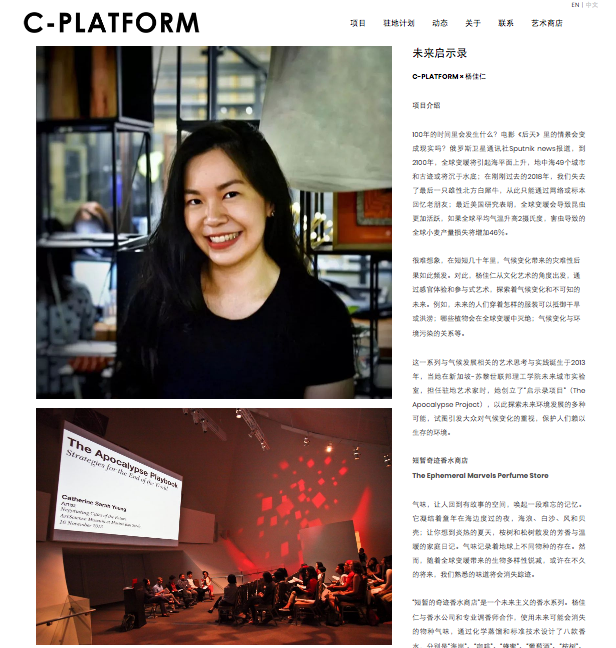
I got dolled up to create videos for The Sewer Soaperie and The Ephemeral Marvels Perfume Store:

I explore the intersection of religion, belief, and technology in the center of mysticism in Manila:

Ciao!

xo
Catherine

“The best thing about being an artist is being able to mingle with all kinds of people.” I’m stoked to be in the Fall 2018 issue of the magazine of my beloved grad school alma mater, the Visual Arts Journal of the School of Visual Arts NYC about my art residencies and speaking engagements around the world. A sure sign of old age.

Together with other international students and scholars from The Fulbright Program, the article, “Global Warming”, is written by Alexander Gelfand (pp 20-23) and I talk mostly about how I’ve adapted to many places around the world (TLDR: take care of your mental health, have a healthy diet, exercise, and make friends 😉).

This interview happened during a late night in my residency in Vienna with KulturKontakt Austria and the Austrian Federal Chancellery; residencies are always great time to reflect on past work to see where we want to go next. Images courtesy of USAID Asia, Rache Go, Plan International Asia, Gui Gomes, LABVERDE, Joni Ong, & Centre for Sustainability PH. Always wonderful to remember all the places art has taken us!

Check out the issue here for more articles: http://www.sva.edu/about/visual-arts-journal

I’m honored to contribute an article to the October issue of Vienna-based springerin – Hefte für Gegenwartskunst, a quarterly magazine dedicated to the theory and critique of contemporary art and culture. Entitled “A Different Shape of Progress” (Fortschritt in anderer Form), I write about contemporary art and social inclusion through the context of my interdisciplinary art practice.

Order the issue here: http://www.springerin.at/en/2018/4/

The article is in German but send me a message if you want the original English article.

From the editor:

Issue 4/2018

#Progress

Is our society developing further? “Further” in the sense that efforts are made, in real practical terms, to remediate circumstances recognised as unjust and to actively set in motion processes that aim to promote balanced modes of living together? Is progress, which has so long determined the narrative of modernisation and social redistribution, still a significant category today? Are aspects of progress or more viable approaches to overcoming unjust, non-egalitarian relations perhaps to be found in the cultural realm rather than elsewhere? And should we give credence to ideologies of progress that locate such progress above all in the technological realm, possibly harbouring as a hidden agenda a conviction that societal mechanisms will somehow or other come into play in the wake of developments on the technological front? Contemporary art may perhaps always be one step ahead of all this, in that it seeks to impact on an irksome Here and Now from the perspective of the future, of a vision drawn with idealised or utopian brushstrokes. The fall issue unfurls scenarios that engage with this impact, asking to what extent it offers a viable means of working toward (also social) progress that genuinely merits this designation.

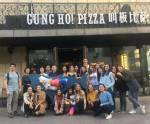
I’m starting to pack for some fellowships, one of which is for China Residencies and while decluttering I came across some CDs (CDs!) from 2005 (2005!) which had photos of my lone trip to China, as a journalist covering a youth delegation to Beijing, Shanghai, and Huangzhou which aimed to foster good Sino-Philippine diplomatic ties. This was before the Beijing Olympics and China was opening its doors to the world. I can’t wait to see what has changed, to re-discover my roots, and to get scolded by lots of ahmas on the state of my Mandarin.

Also, as this was pre-social media days, who on earth are these people?! The only person I remember is the head of the youth commission who went on to be a senator. (He’s a good one, not one of those horrifying hacks you normally read about to see the decaying state of humanity.) Ah, the joy of forgetting.

I was a journalistic non-entity but was front and center here because I was the tallest.

I’m honored to show “The Ephemeral Marvels Perfume Store” at the “Victor Papanek: The Politics of Design” exhibition at the Vitra Design Museum in Weil am Rhein, Germany, which shows from September 30, 2018 to March 10, 2019! I’m excited to be one of the contemporary designers and honored to have a small contribution to this fantastic exhibition for my work on climate change. Very humbled to be among some amazing people whose work I’ve learned from through the years. Deepest thanks to the curators and exhibition team!

An excerpt from the VDM site:

With the exhibition »Victor Papanek: The Politics of Design«, running from 29 September 2018 to 10 March 2019, the Vitra Design Museum will present the first large retrospective focussing on the designer, author, and activist Victor J. Papanek (1923–1998). Papanek was one of the twentieth century’s most influential pioneers of a socially and ecologically oriented approach to design beginning in the 1960s. His key work, »Design for the Real World« (1971), remains the most widely read book about design ever published. In it, Papanek makes a plea for inclusion, social justice, and sustainability – themes of greater relevance for today’s design than ever before. The exhibition includes high-value exhibits such as drawings, objects, films, manuscripts, and prints, some of which have never before been presented. These are complemented by works of Papanek’s contemporaries from the 1960s to 1980s, including George Nelson, Richard Buckminster Fuller, Marshall McLuhan, or the radical design initiative »Global Tools«. Contemporary works from the areas of critical and social design provide insight into Papanek’s lasting impact.

»Victor Papanek: The Politics of Design« is organized into four sections offering an in-depth look at Papanek’s life and work. The exhibition begins with an introductory, large-format media installation presenting the designer’s ideas in a contemporary context and follows with a biographical overview tracing Papanek’s life from his escape from Europe to his international success. For the first time, organizers were able to draw upon materials of the Papanek estate held by the Papanek Foundation at the University of Applied Arts Vienna, which includes a number of documents that have never been exhibited, including notebooks, letters, furniture, pieces from Papanek’s collection of ethnological objects, as well as over thousands slides that the designer used for his lectures.

Two other sections focus on the main themes of Papanek’s work, including his fundamental criticism of consumerism and his engagement with social minorities, his commitment to the needs of what was then known as the »Third World«, ecology, sustainability, and »making« culture – creation and production using one’s own resources – which had its origins in the 1960s do-it-yourself movement. Visitors can also view a wealth of designs by Papanek, his students, and other collaborators, including those by the Danish designer Susanne Koefoed, who as a student of Papanek developed the first International Symbol of Access in 1968.

The exhibition is supplemented with around twenty carefully selected contemporary works that transport Papanek’s ideas into the twenty-first century by designers including Catherine Sarah Young, Forensic Architecture, Jim Chuchu, Tomás Saraceno, Gabriel Ann Maher, or the Brazilian collective Flui Coletivo and Questtonó. They, too, deal with complex themes such as global climate change, fluid gender identities, consumer behaviour, or the economic realities of migration, meaning they reflect the continuing resonance of the questions Papanek was already addressing in the 1960s. At the same time, they break out of the white, Western, and male-dominated world to which Papanek was bound despite all his efforts to the contrary.

»Victor Papanek: The Politics of Design« is thus both a retrospective as well as a themed exhibition. By focusing on Papanek the person, we can better understand a larger theme, namely the significance of design as a political tool. After all, what was revolutionary for Papanek’s time is now generally accepted: design is not only about giving form to something; it is a tool for political transformation that must consider social and ethical points of view. This is reflected by the fact that today’s debates over themes such as social design and design thinking draw upon Papanek’s ideas as a matter of course. The exhibition seeks to rediscover Papanek as a pioneer of these debates – and as one of design’s greatest forward thinkers – for the twenty-first century. At the same time, it examines how Papanek’s socially engaged design is changing our world today – as well as how it can make the world a better one.

The Ephemeral Marvels Perfume Store at the “Victor Papanek: The Politics of Design” opening. Image by Vitra Design Museum

More here.

Hello friends! The online voting polls for the Best Climate Solutions Award are open from September 24 until October 15 (5:00 PM CEST). The Apocalypse Project is in the running under “Education and Media”. I’m hoping to fund a future series of projects benefiting an indigenous rainforest community in the Philippines, and to create an arts-led curriculum that outlines the frameworks of the climate change adaptation projects and workshops I’ve been leading in all of these places around the world you’ve seen me in. If you can please take a few minutes to vote and/or share with your friends, that would be great. Thank you very much!

HOW TO VOTE: Sign up or log onto http://www.bestclimatesolutions.eu/solutions/ and search for The Apocalypse Project. You can also visit http://www.apocalypse.cc for everything this project has done in the last 5 years.

Bestclimatesolutions.eu is a new platform to showcase the most innovative and compelling efforts from around the world to build a climate-smart and resilient future, and engaging with local developers, innovators, business operators, and researchers to support the scaling up of tools, technologies and business models that can generate tangible impacts.

Best Climate Solutions builds on the unique experience of the Best Climate Practices observatory, an initiative developed by ICCG in partnership with the Euro-Mediterranean Center on Climate Change (CMCC). Since 2012 the Best Climate Practices observatory has collected and promoted a wide range of concrete actions for dealing with climate change challenges such as energy access, water management, climate finance, disaster risk reduction.

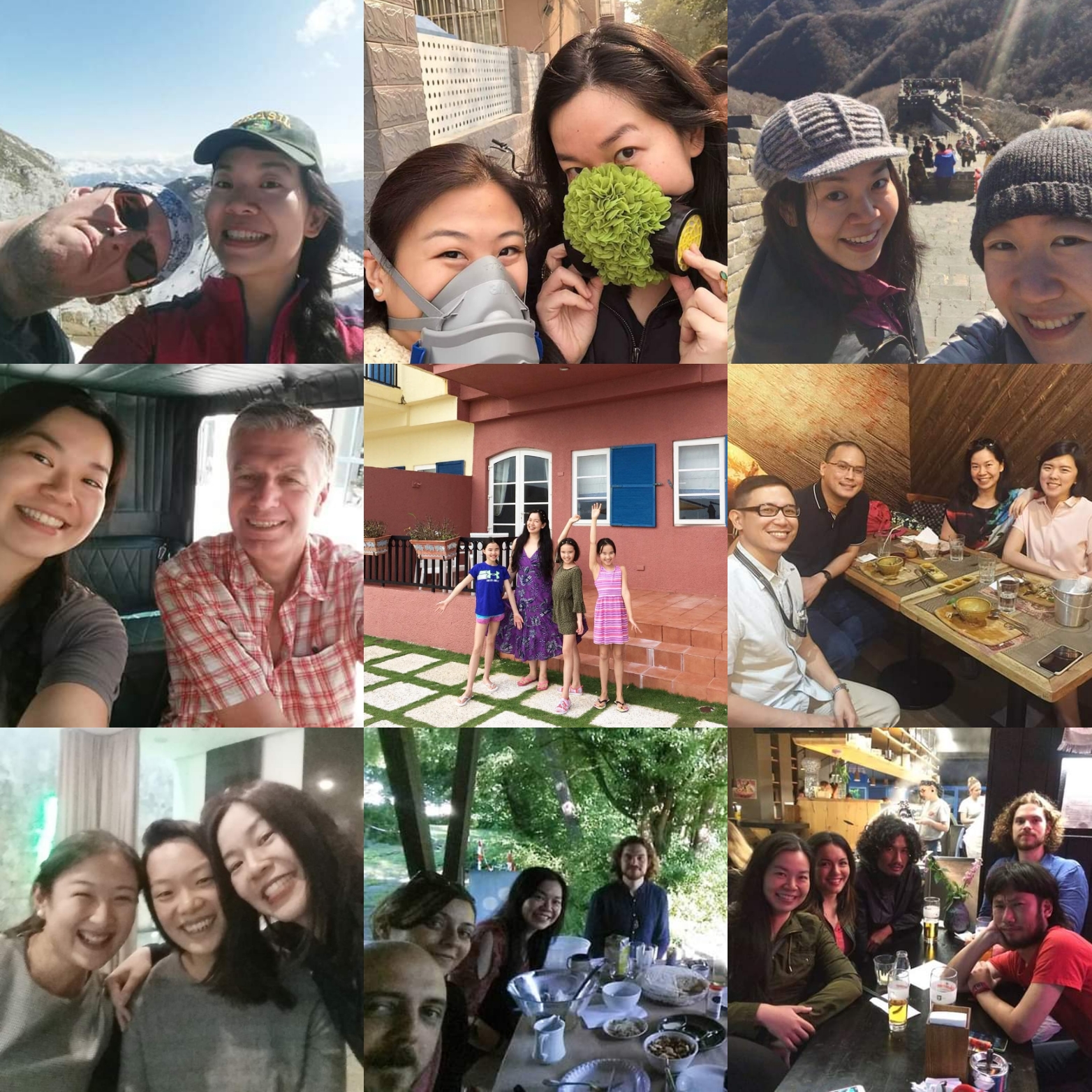
Ni hao, you guys! I’m honored and excited to be selected from a pool of 700 artists for the 5th Crystal Ruth Bell residency by China Residencies, from November to December in Beijing. What an awesome way to round up the year! I’m looking forward to continuing my work in climate change and sustainability with the residency theme, Nourish. The last time I was in China was more than 10 years ago, on a journalism assignment / youth ambassador thing before the Beijing Olympics, so another visit is long overdue. Let’s get this Mandarin restarted, y’all. I even have my reusable chopsticks ready.

This is the second time I applied for this grant, so kids, it just goes to show: If at first you don’t succeed, eat your feelings then try again.

Xie xie, everyone! 我很高興!
More here: https://www.chinaresidencies.com/news/205

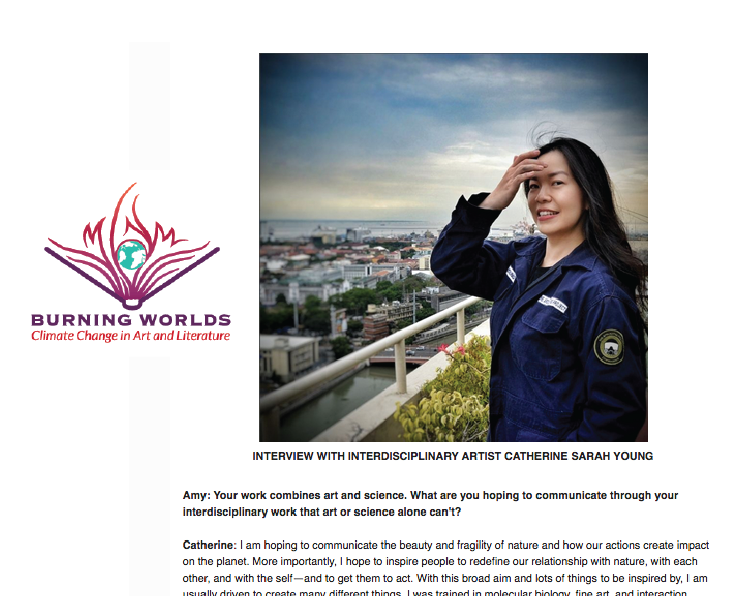
I’m honored to be listed as one of the ten Future Greats by ArtReview Asia with me selected by Poklong Anading, one of the region’s top artists, for their Summer 2018 issue. This is truly the kindest thing anyone has ever said about me that’s Google-able, and it’s more than I deserve. Thank you very much!

“I was invited to be on a jury for a residency in France, she applied and that’s where I first came across her name. She’s not so active in the local scene in Manila and more into producing works through residencies outside the Philippines. Nevertheless, it was a real surprise that no one in the local scene knew her. I find her work very interesting because there is a scientific base to it (she has collaborated with scientists, local communities, corporate entities and chefs), and it’s rare to see this. You have to study her work to really feel it, because it has a delicate nature. She’s concerned with the environment in a way that’s not so close to my own concerns (even though I’m doing some research on sewage systems in various countries): she has a way of working that’s more accurate, more responsible.

Sometimes I think I shouldn’t be part of the art scene: why are we making art rather than fixing society? The more art that is made, the more it spreads and the more problematic it becomes: we talk about a problem rather than addressing it. But Catherine uses art to bring extra perspectives to bear on environmental and social issues, which leads to a better understanding of the problems, and that’s what impresses me. Works from her Climate Change Couture (2013) series, part of The Apocalypse Project (2013–; an interdisciplinary platform that seeks to reveal the humane face of climate change), for example, draw on the disciplines of design and fashion to produce artworks in the form of wearable costumes that speak about what humans might have to do to adapt to climate change. I trust her knowledge. For me artmaking is more poetic, but I see the weight of knowledge behind her work as giving it importance. More than that, she plays with things and mixes things up. Her Sewer Soaperie series (2016) uses research into so-called fatbergs, conducted in Manila and Medellín, to trace the journeys of various cooking oils, ending up in the saponification of various used cooking oils and greases collected from sewers and open pipes in Manila (interestingly the saponification of used palm oil raised questions about how pure it was in the first place). She has a sharp mind and is very serious about what she does.”
—Poklong Anading

Works featured here are from The Apocalypse Project, a body of work that explores climate change and our environmental futures, specifically Climate Change Couture (2013) done during a residency at the Singapore-ETH Future Cities Laboratory, and the Sewer Soaperie (2016) created during a residency at Casa Tres Patios and Platohedro.

I’m very cognizant of how I’m able to do my work thanks to residencies and fellowships, as well as the generosity of time and resources of a lot of people. I’m going to work really hard for this to come true. Many thanks to all my previous and current collaborators!

View the article here.