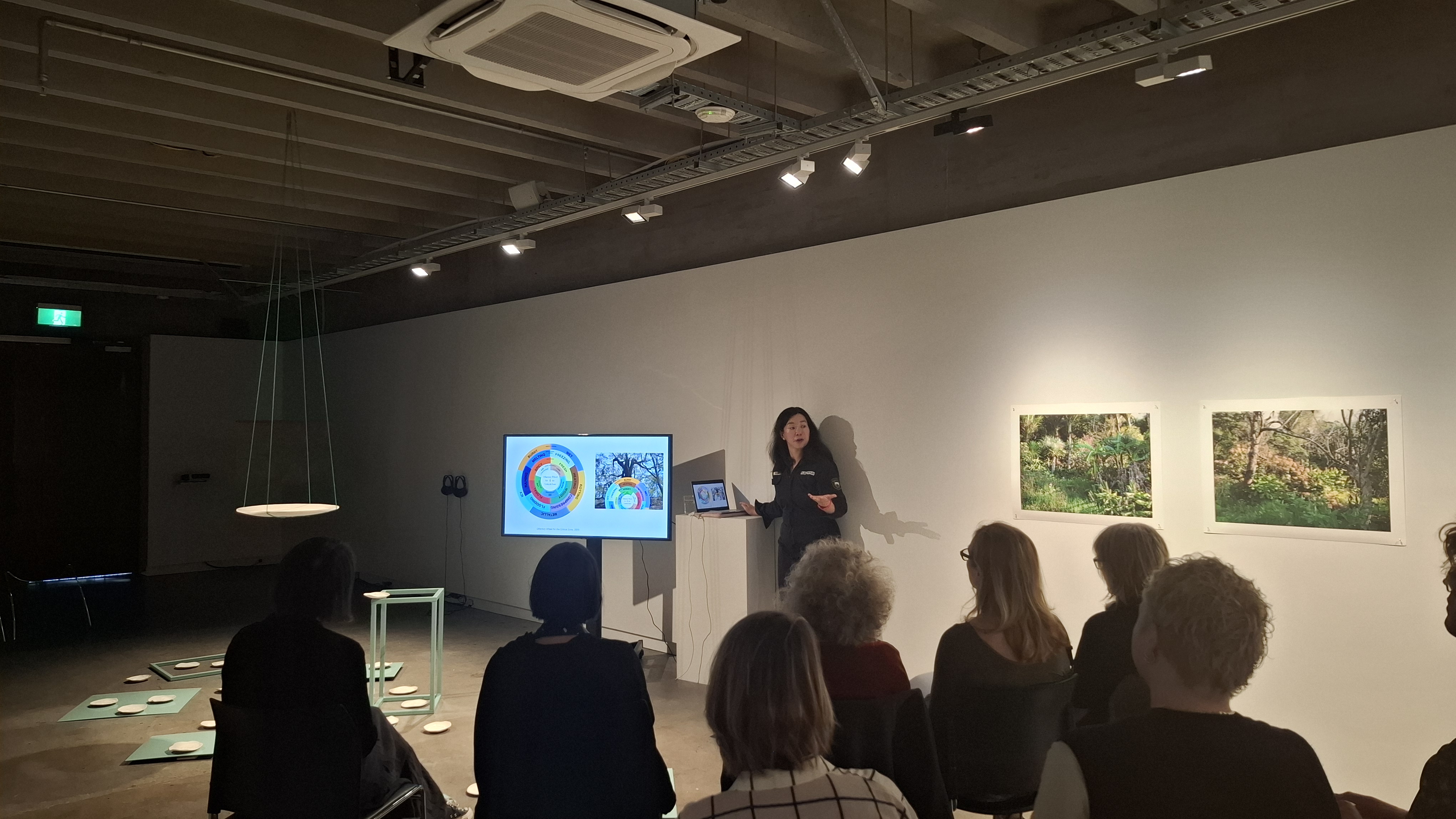
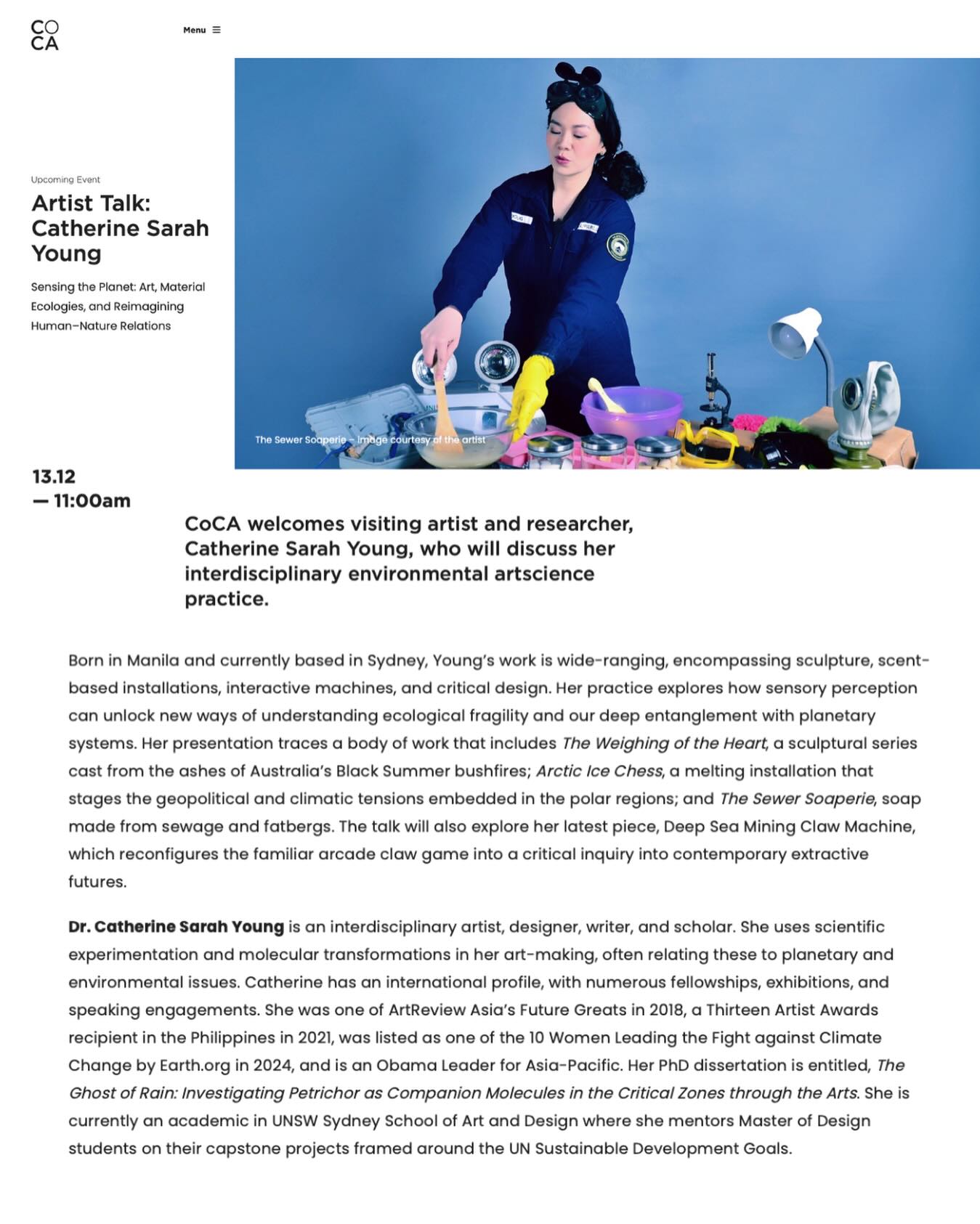
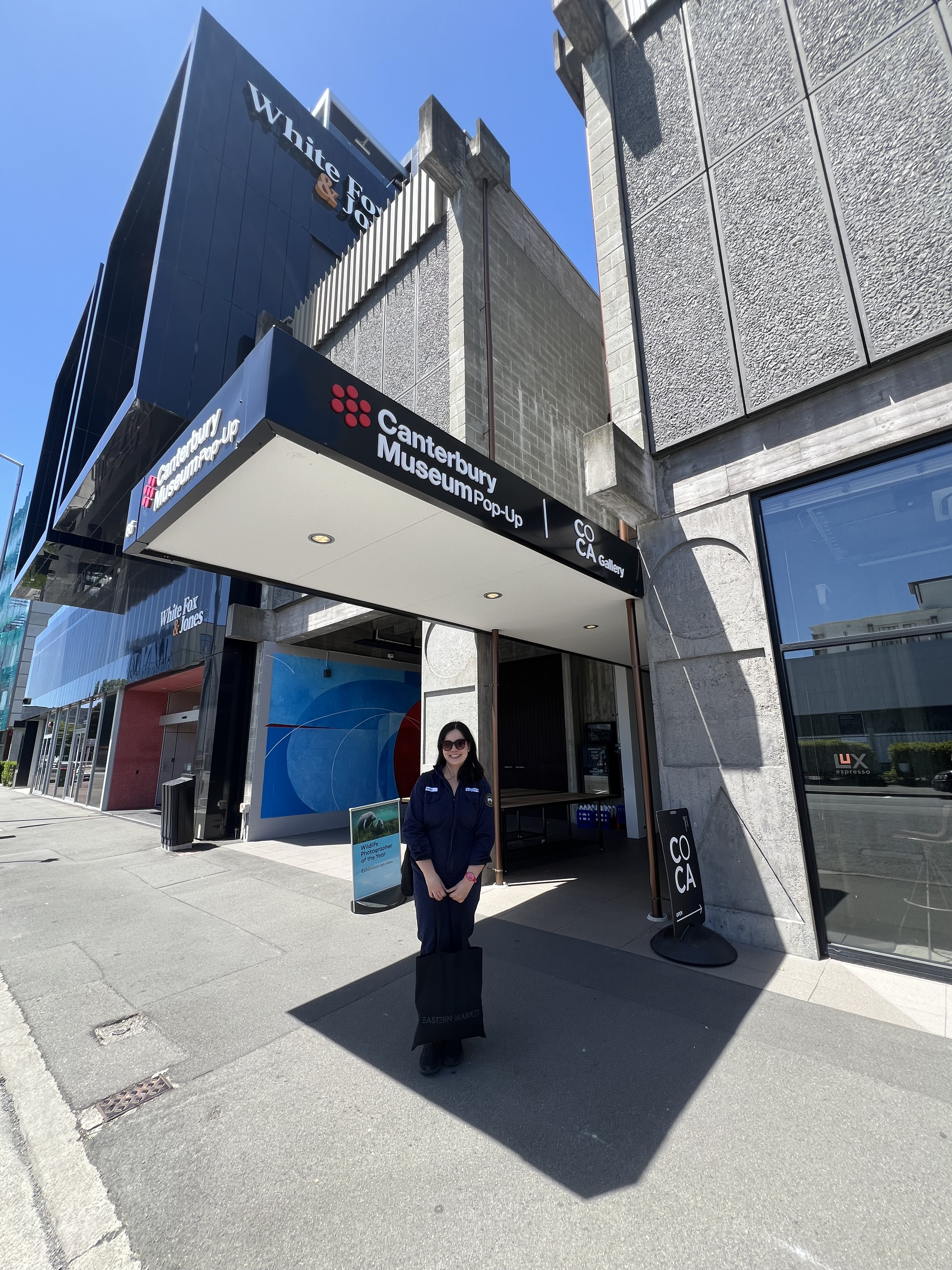
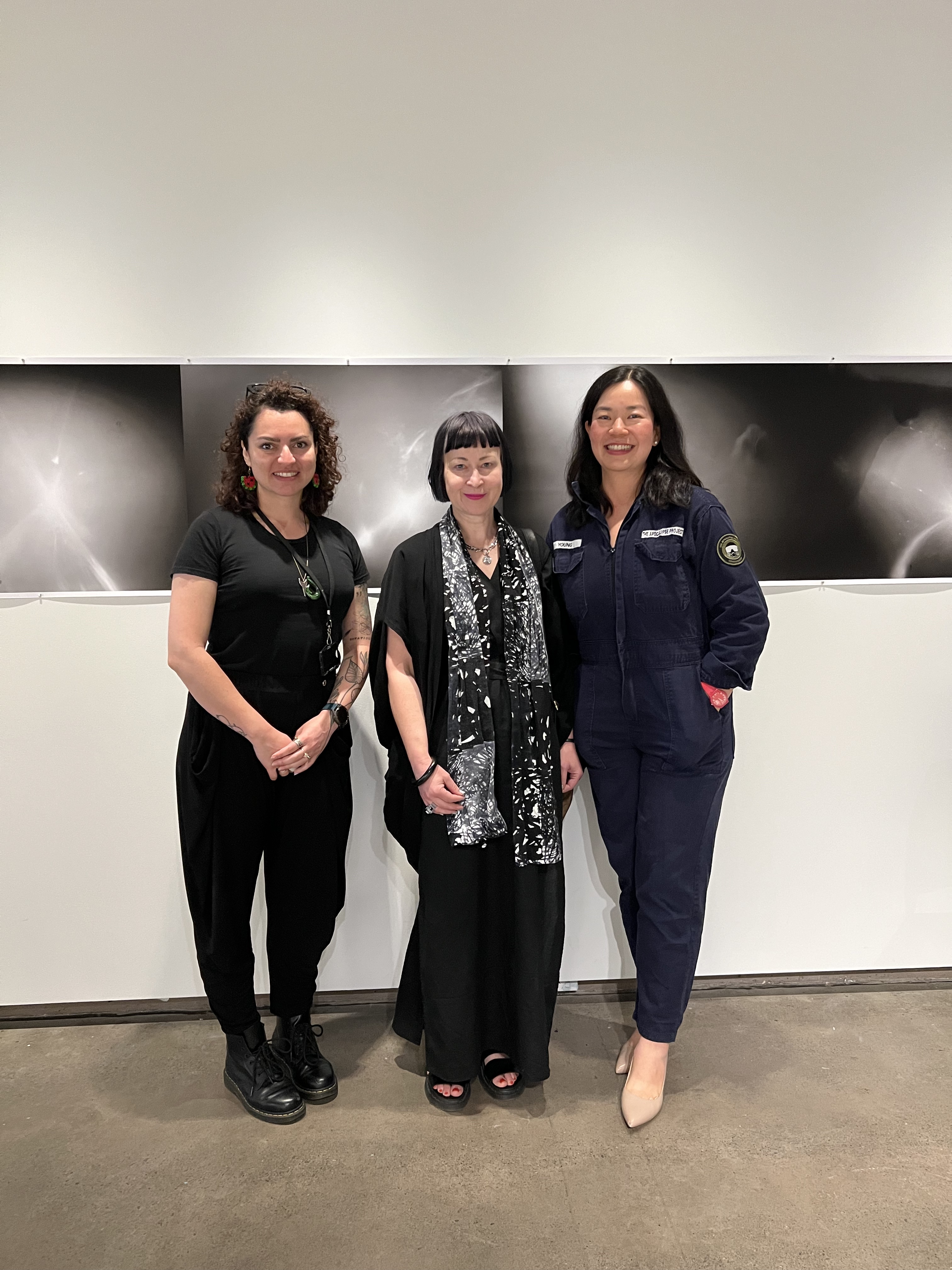
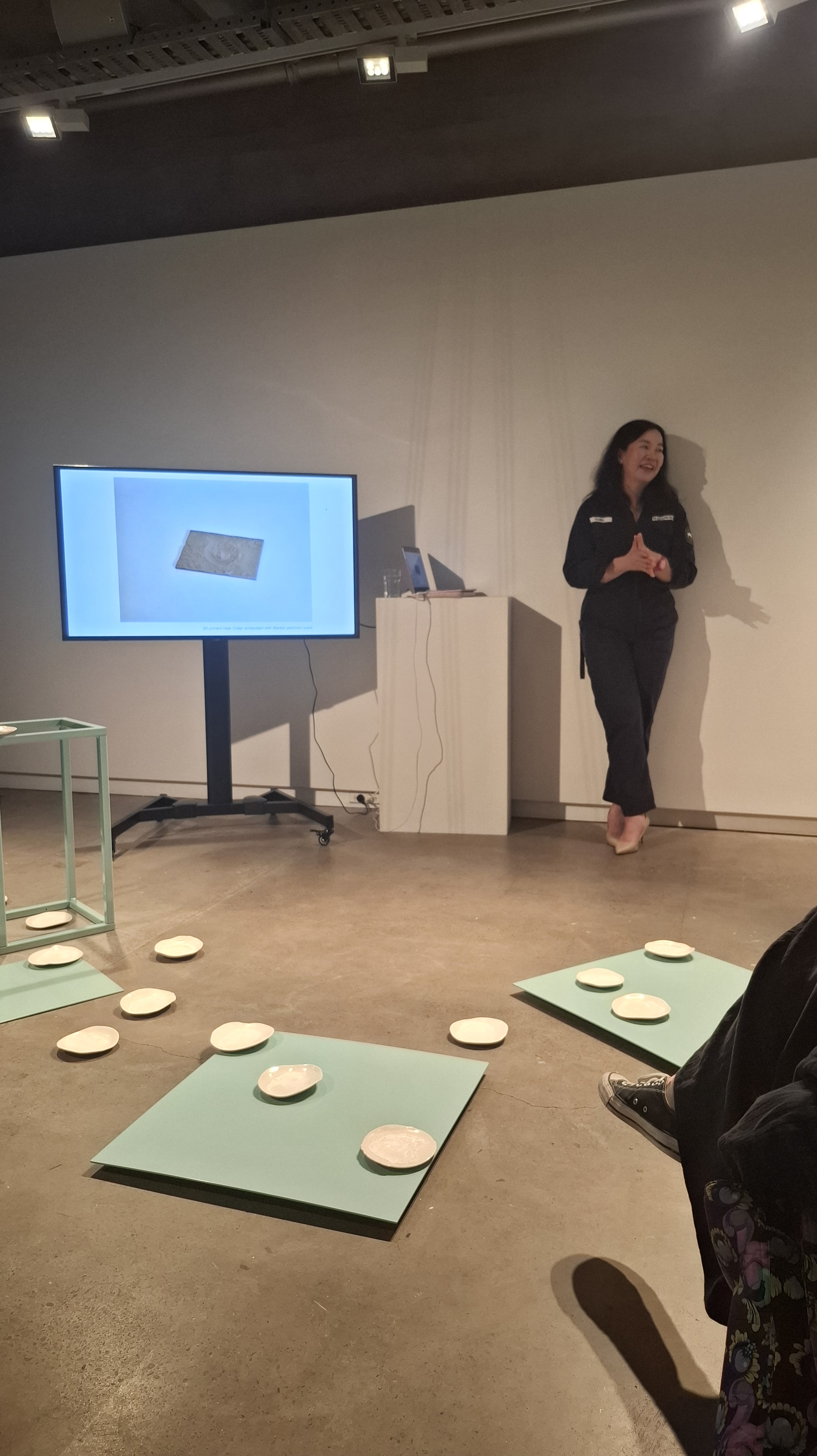
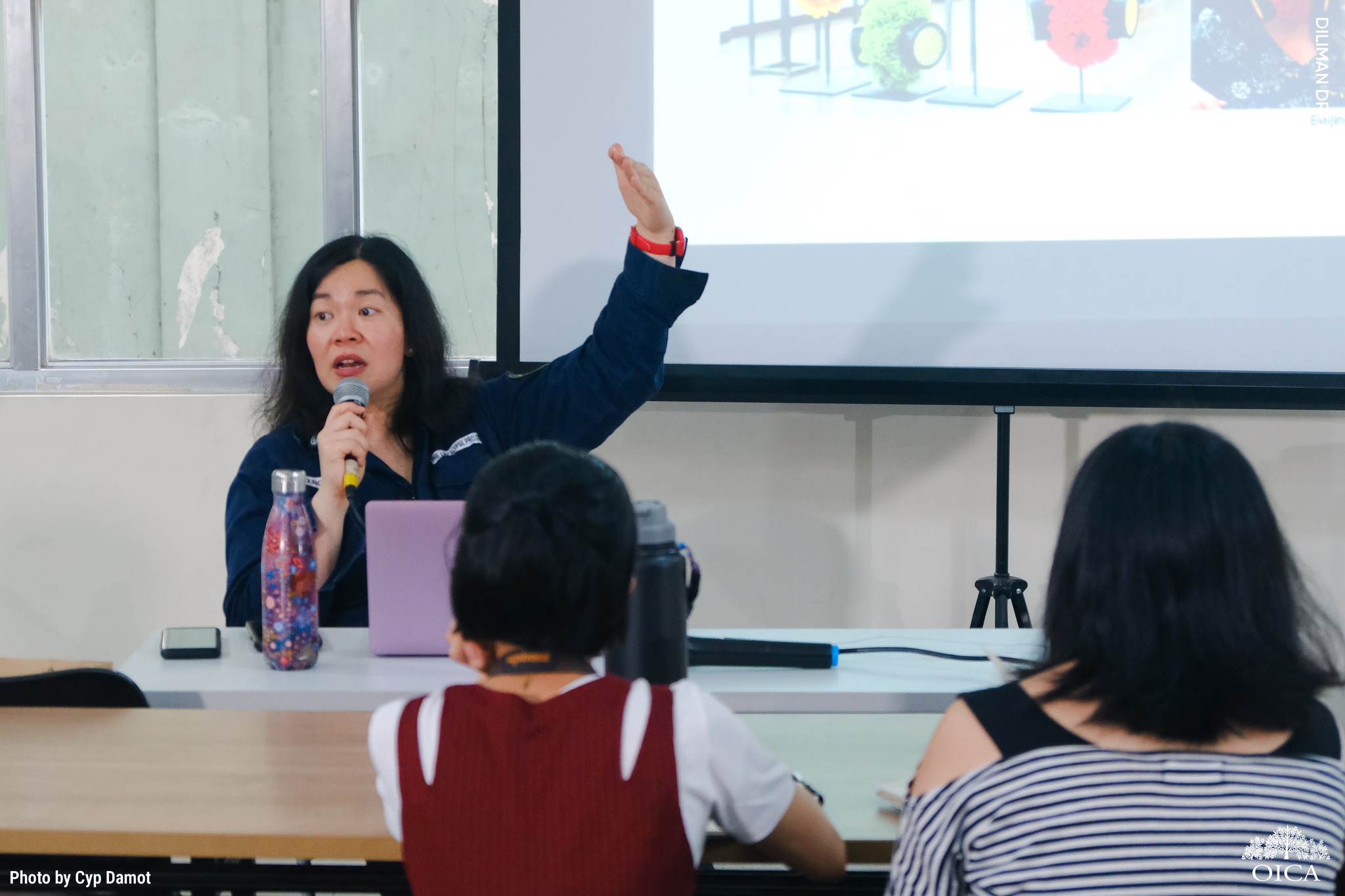
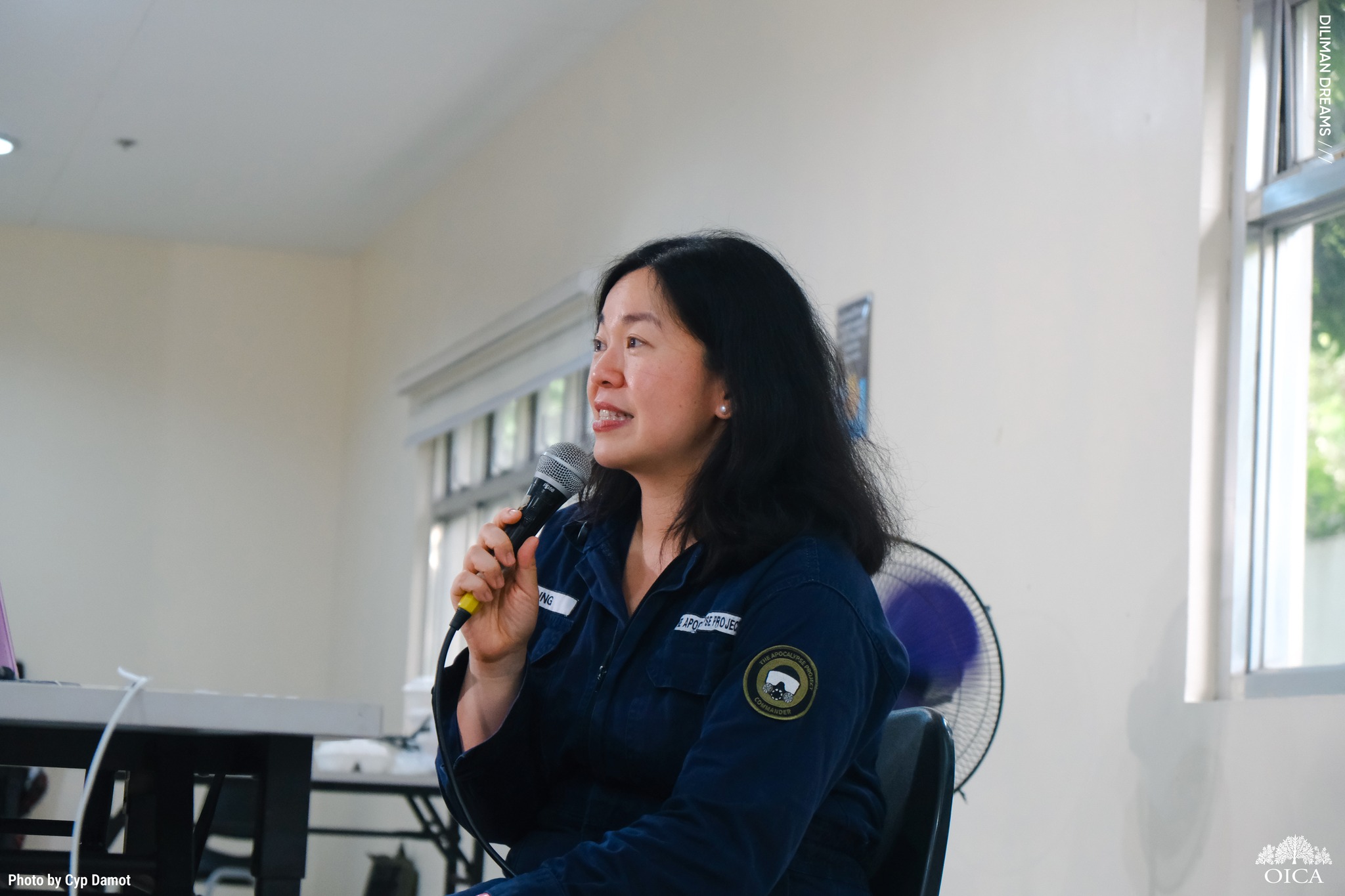
I had a wonderful time speaking at the Centre for Contemporary Art Toi Moroki in beautiful Ōtautahi Christchurch. My talk was entitled, ‘Sensing the Planet: Art, Material Ecologies, and Reimagining Human–Nature Relations’ where I shared my environmental practice and recent work developed this year in the Philippines, as well as Deep Sea Mining Claw Machine. It was a pleasure engaging with such a vibrant and thoughtful local arts community. I hope to return and continue the conversation soon. Thank you for having me!
I am excited to premiere ‘Deep Sea Mining Claw Machine’, an interactive artwork that turns the familiar arcade claw game into a reflection on one of today’s most debated industries: deep sea mining.
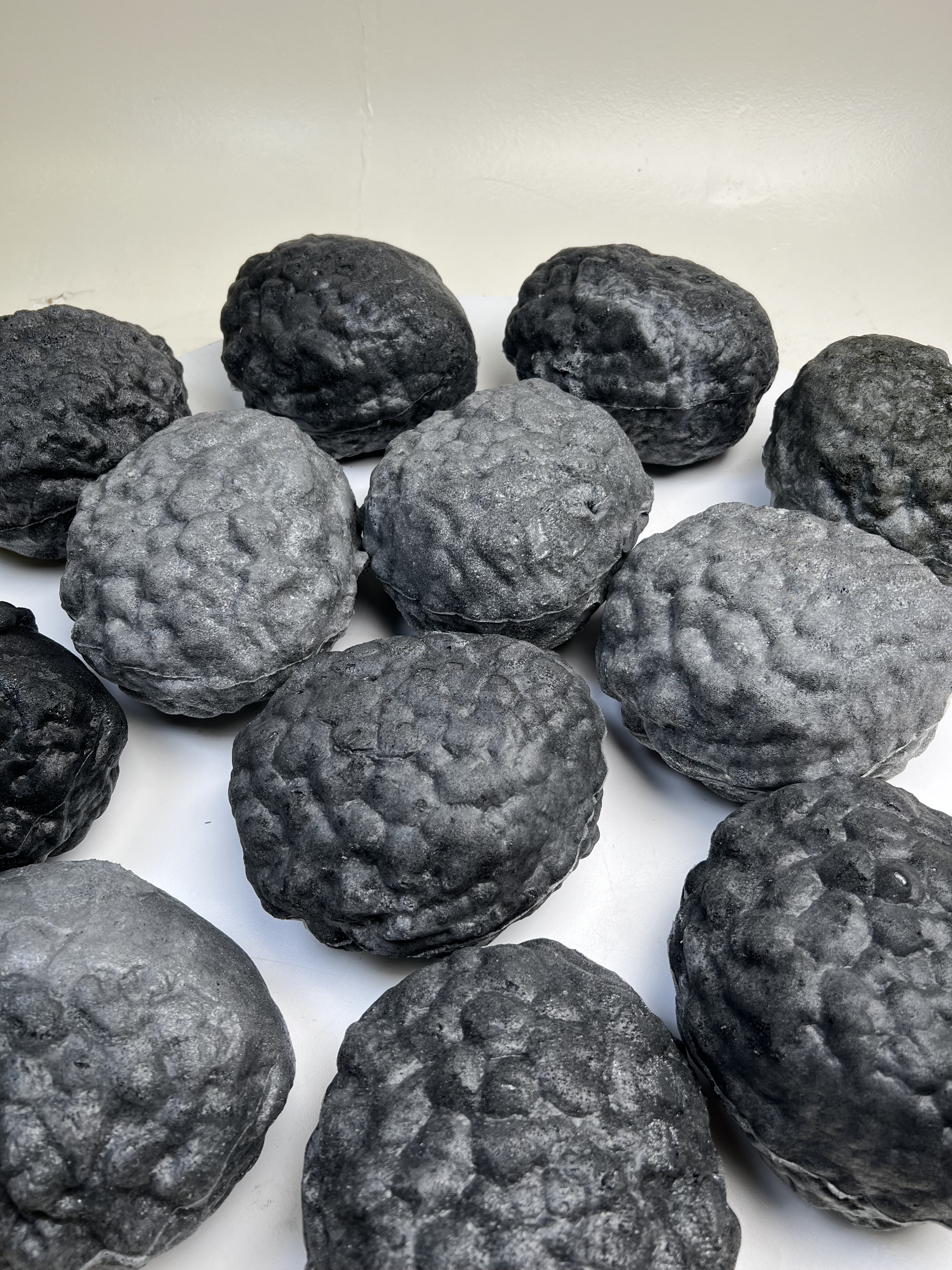
Instead of plush toys, this machine is filled with soft, squishy objects shaped like polymetallic nodules — real mineral deposits found on the ocean floor that contain metals used in batteries, electric vehicles, and clean energy systems. These playful stand-ins invite visitors to think about how “green” technologies can still depend on extractive practices that harm the environment. The machine plays a custom audio track of a mining expedition.
The claw machine itself has an industrial past. Early versions, created in the 1890s, were inspired by excavation equipment from massive projects like the Panama Canal — icons of ambition and control over nature. That history echoes in today’s global struggles over ocean resources and questions of who has the right to mine them.
Claw machines are also games of chance, sitting somewhere between skill and luck. This gray area mirrors the uncertain ethics of deep sea mining — a field caught between economic opportunity, environmental risk, and global inequality.
Through touch, play, and chance, the Deep Sea Mining Claw Machine invites visitors to consider: who really wins when we extract from the planet’s depths?
‘Deep Sea Mining Claw Machine’ is part of an international group exhibition, uncommissioned, a site-responsive exhibition that engages with the city as both canvas and contested space. Its first edition, ‘Playground of the Invisible’, invites artists to slip playful, overlooked, or quietly defiant gestures into the cracks of everyday life.
You can play to win a squishy nodule thanks to our sponsor, Lucky Dip, an arcade in Adelaide, South Australia!
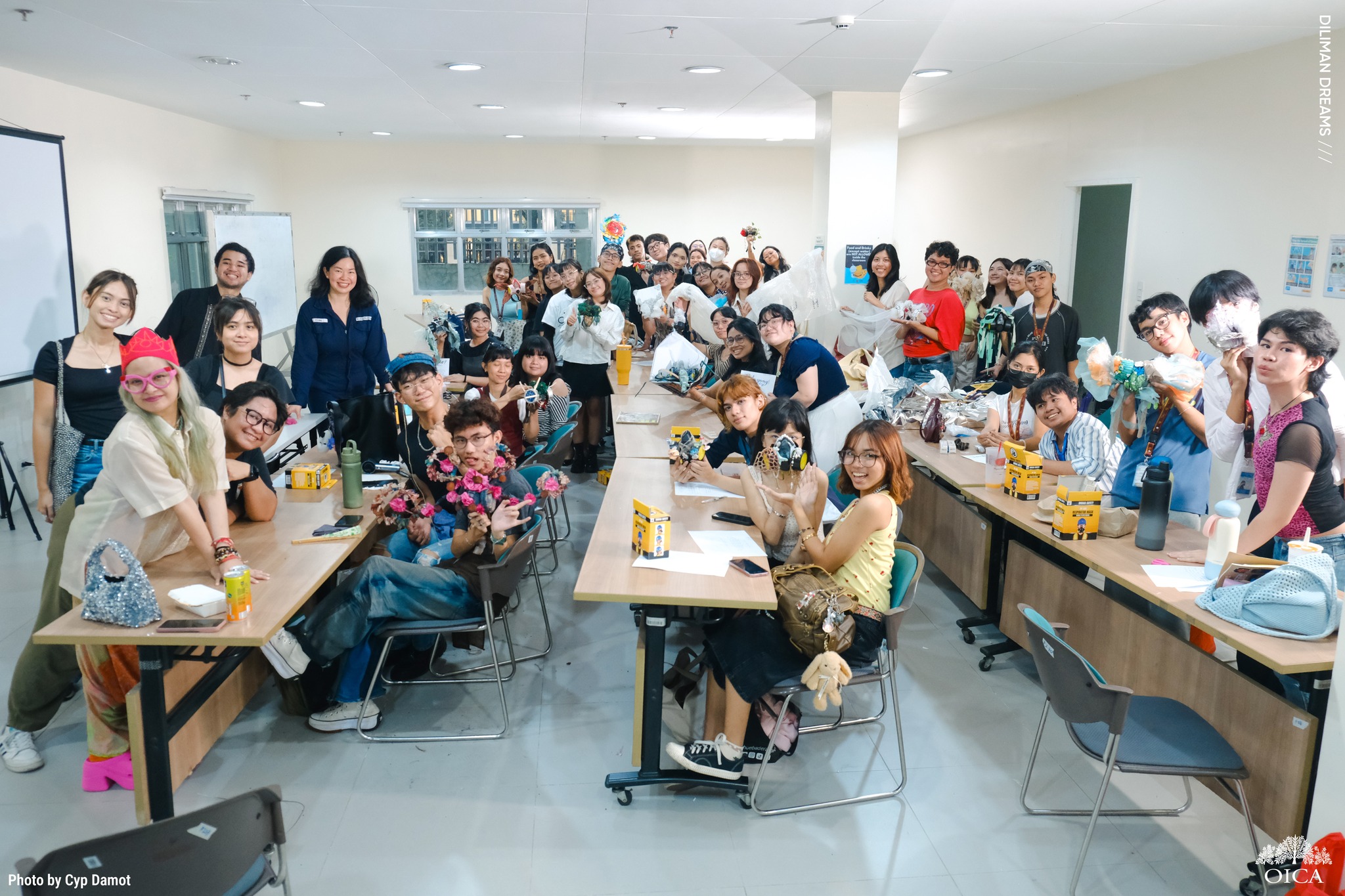
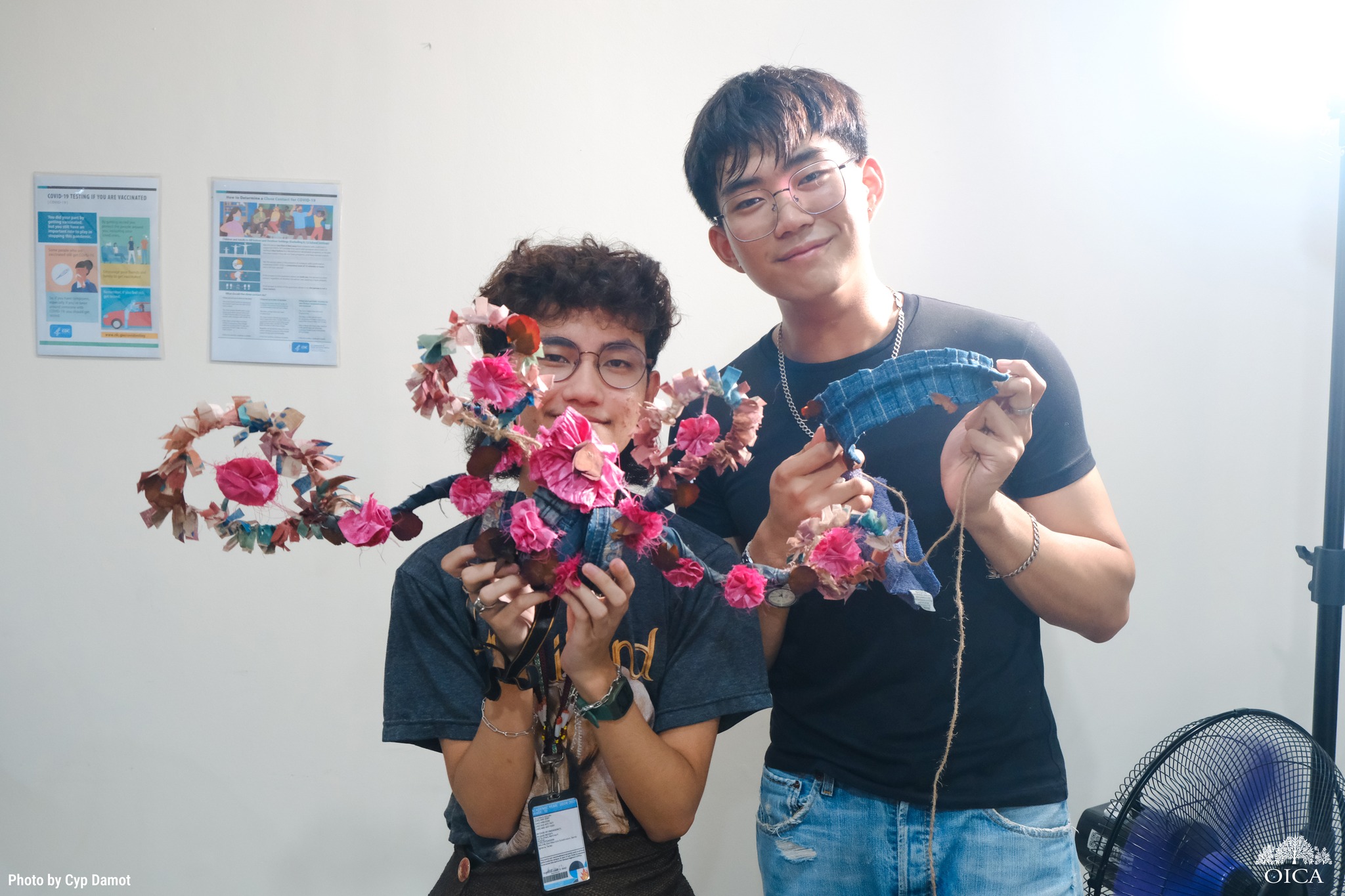
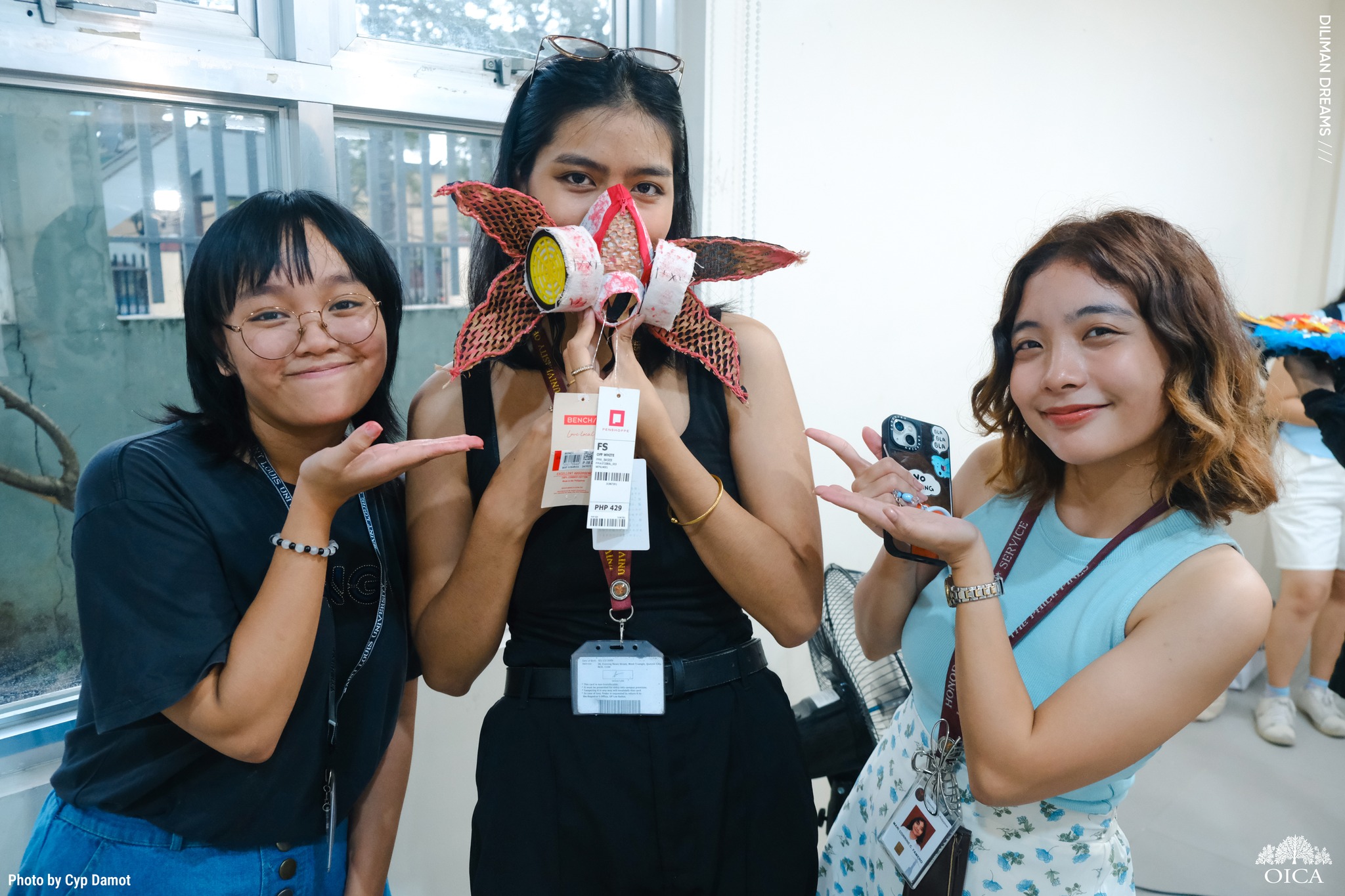
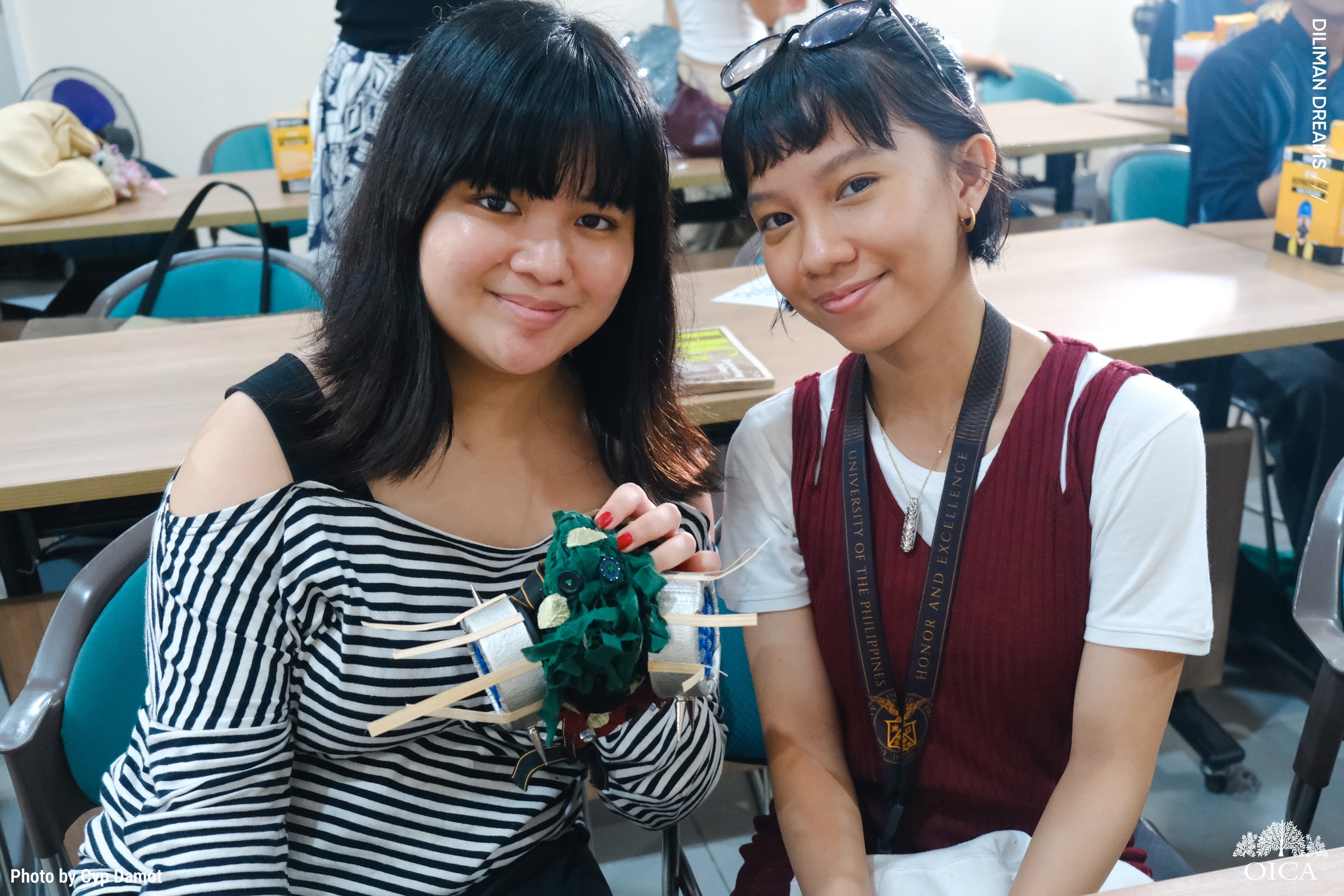
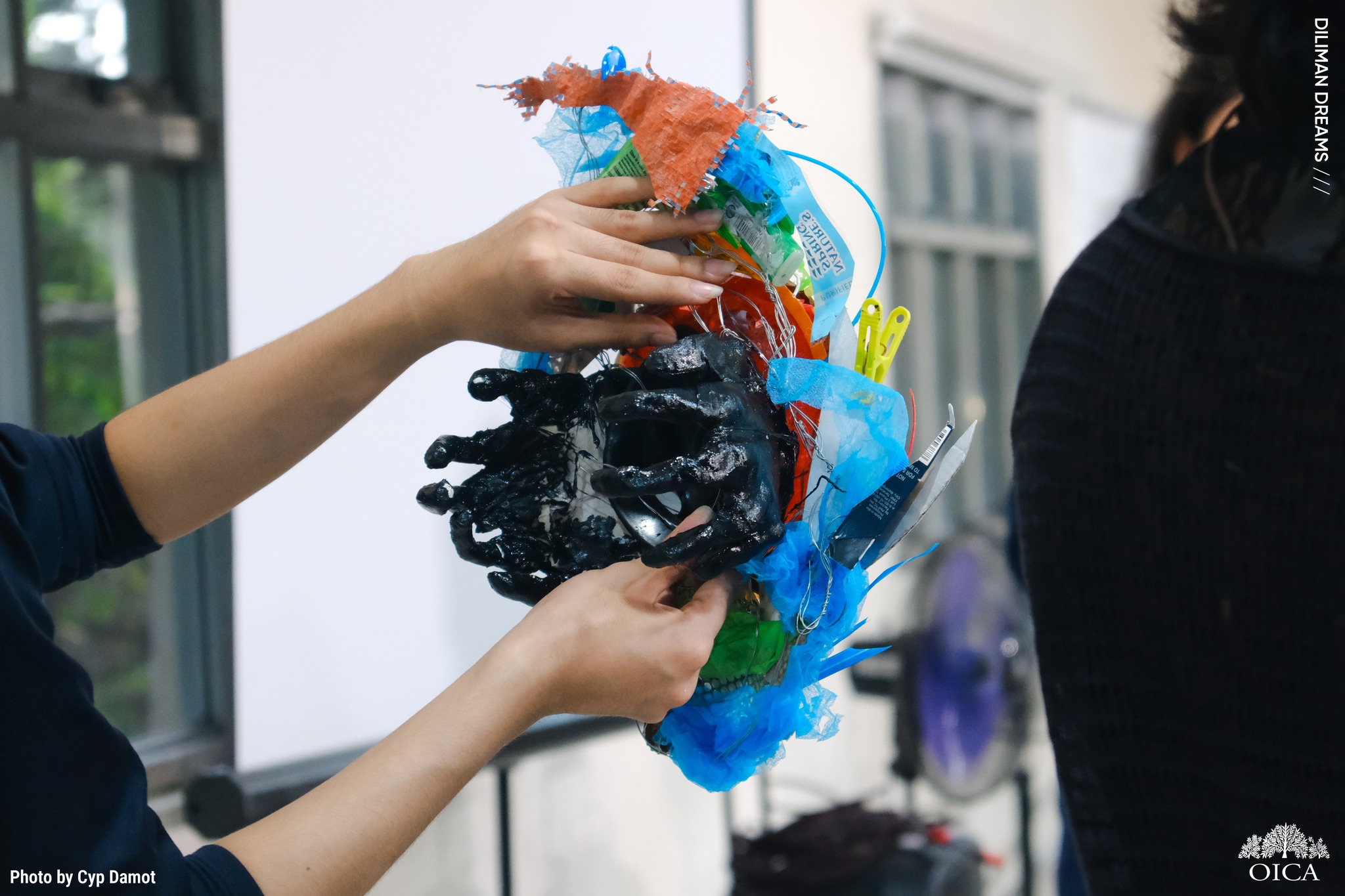
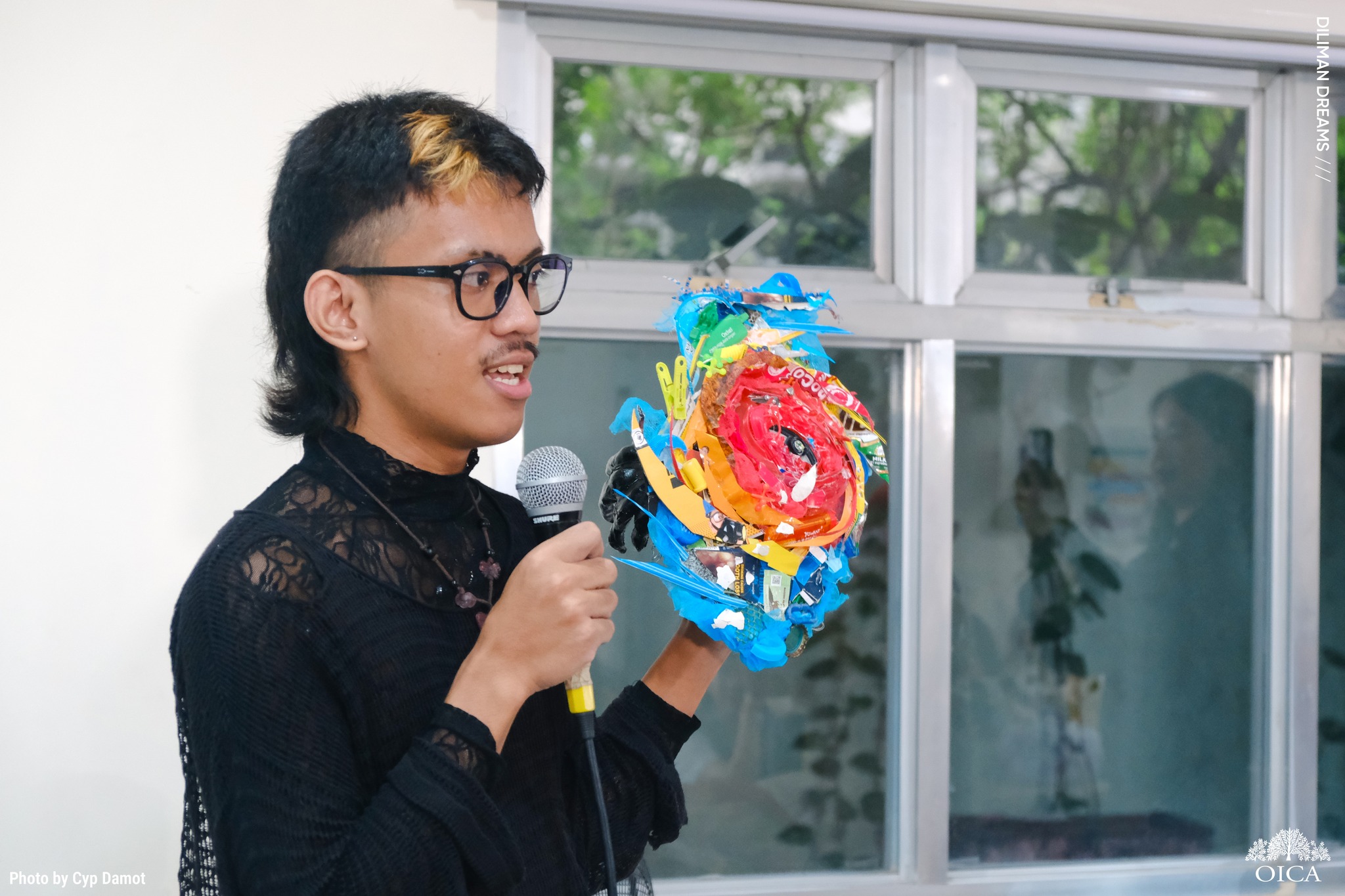
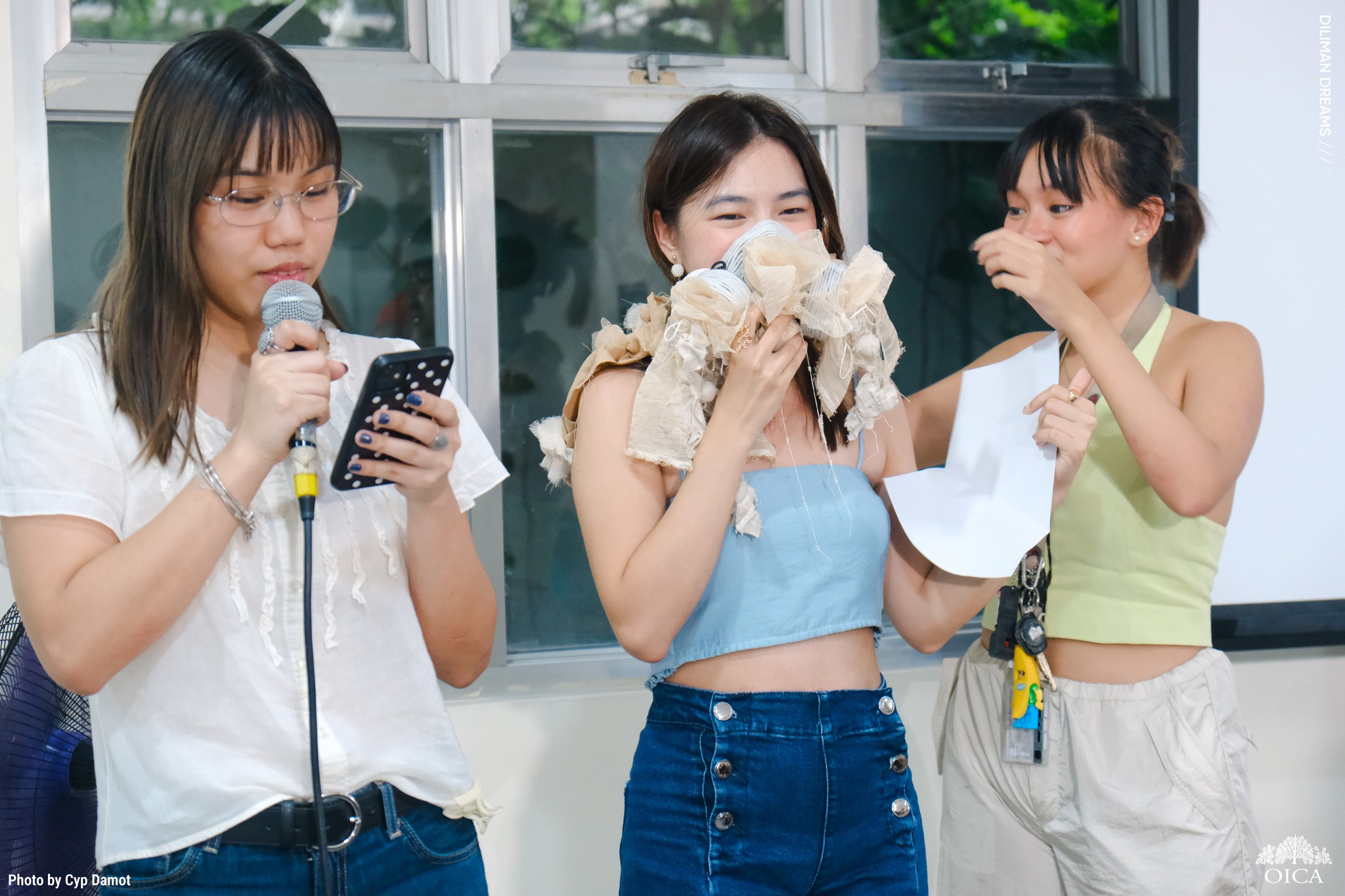
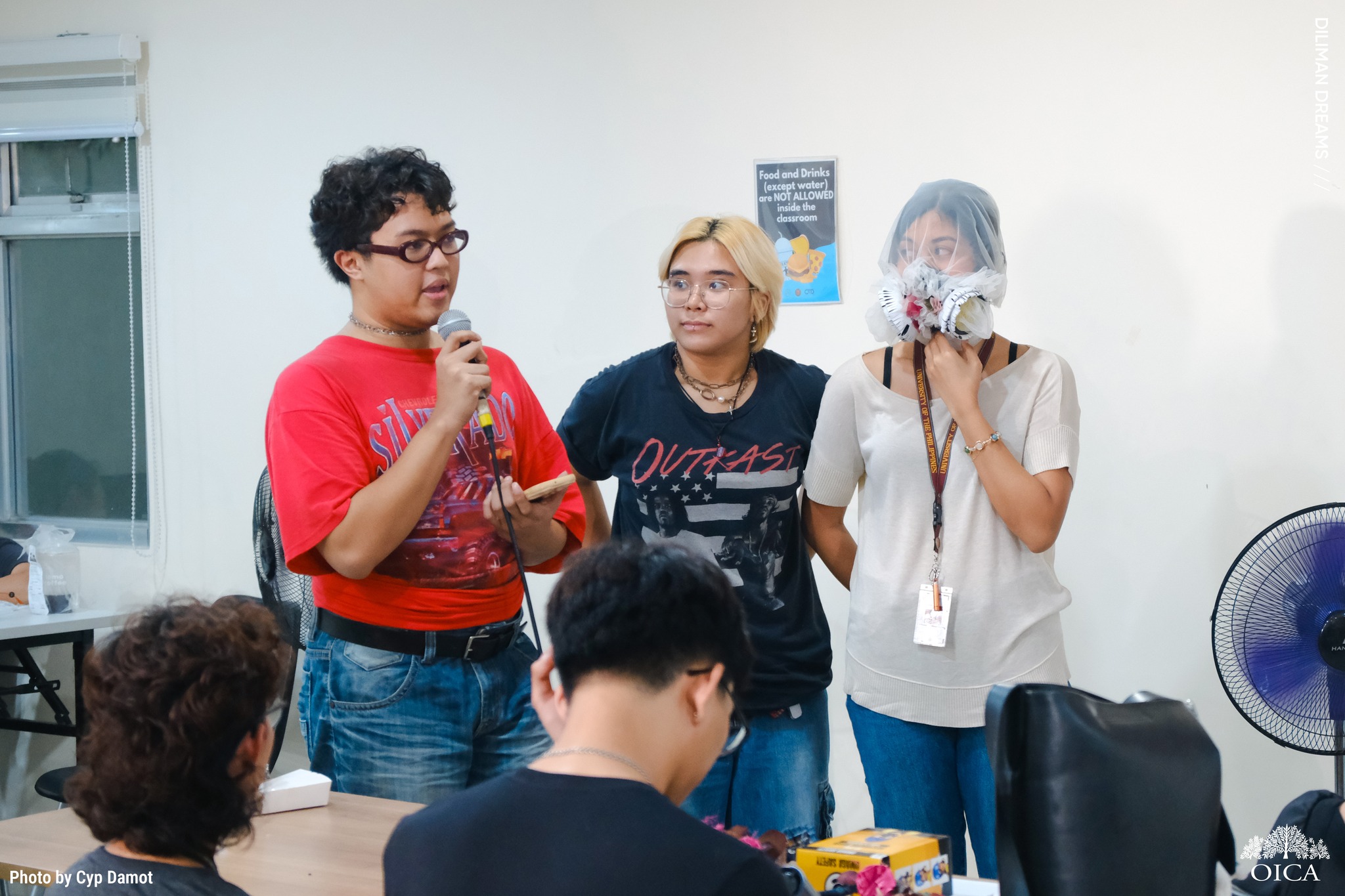
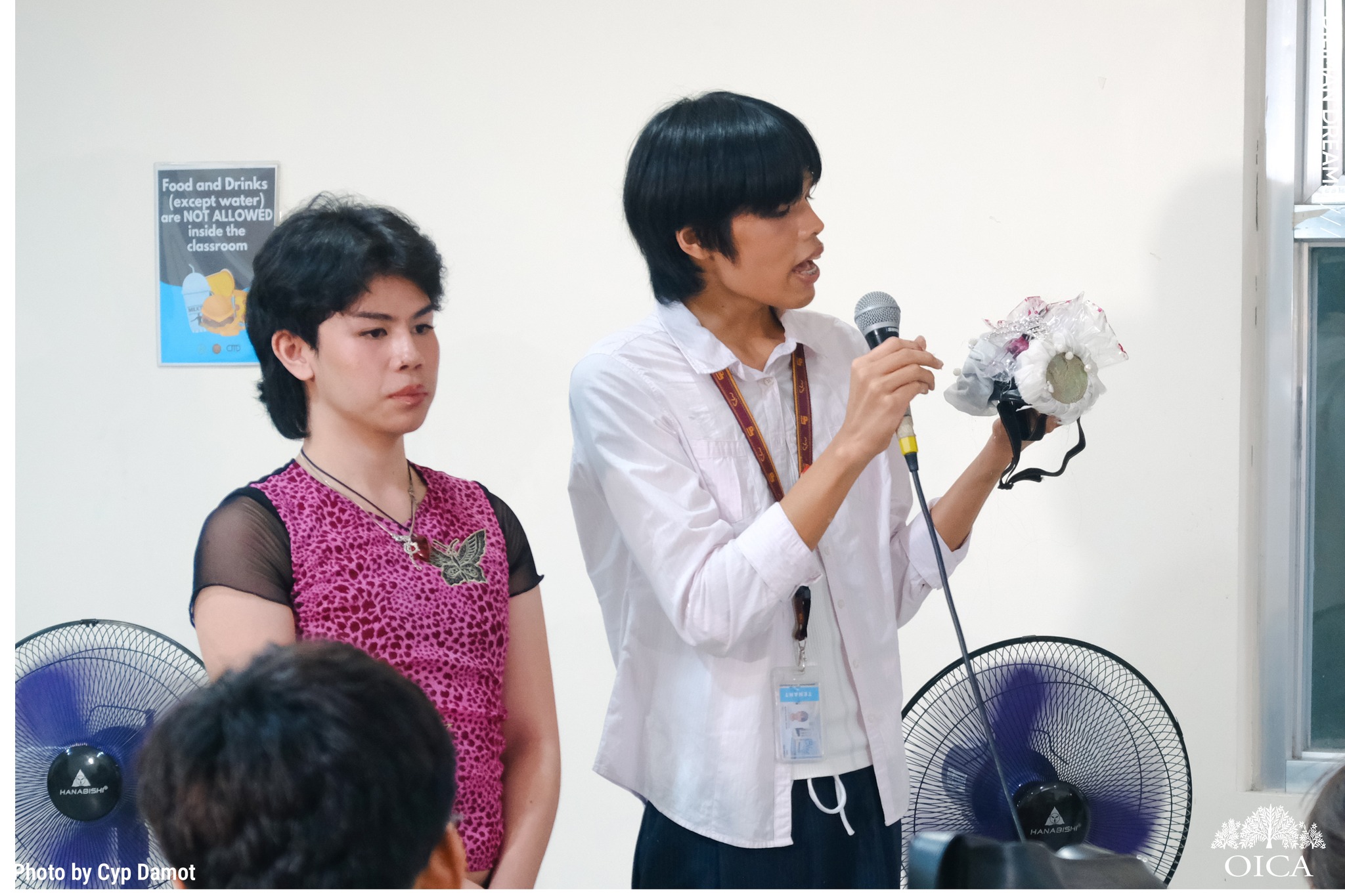
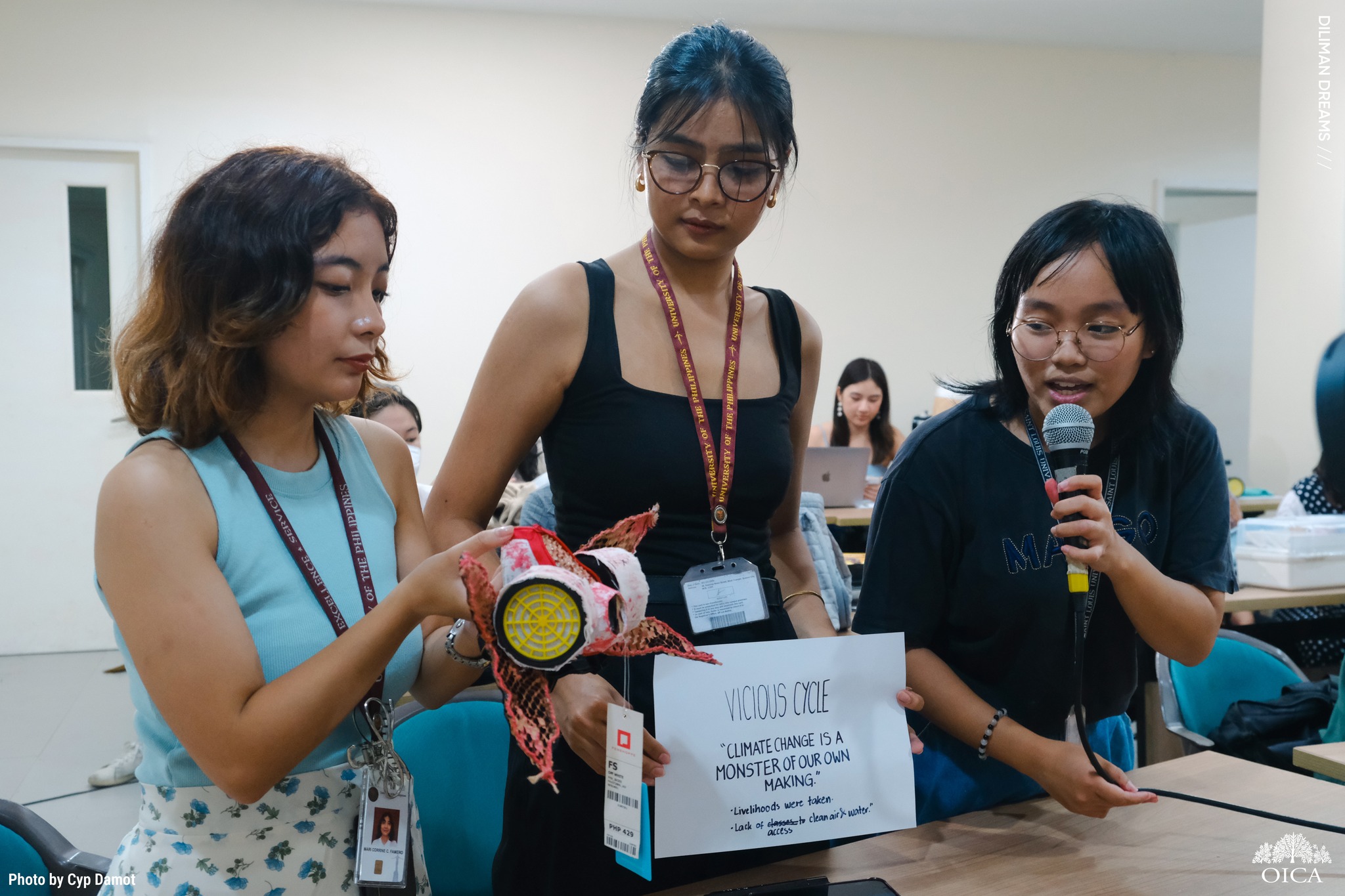
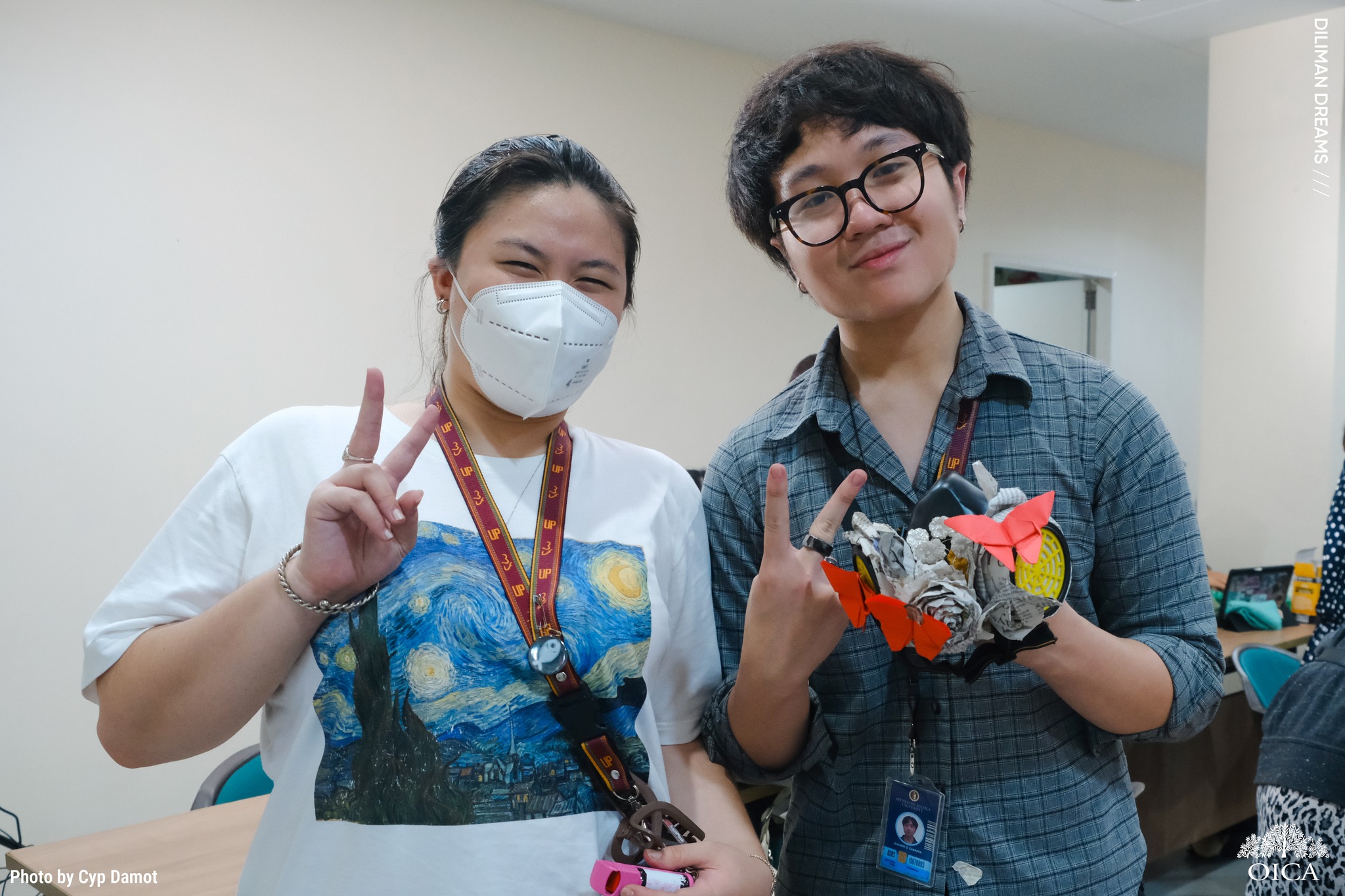
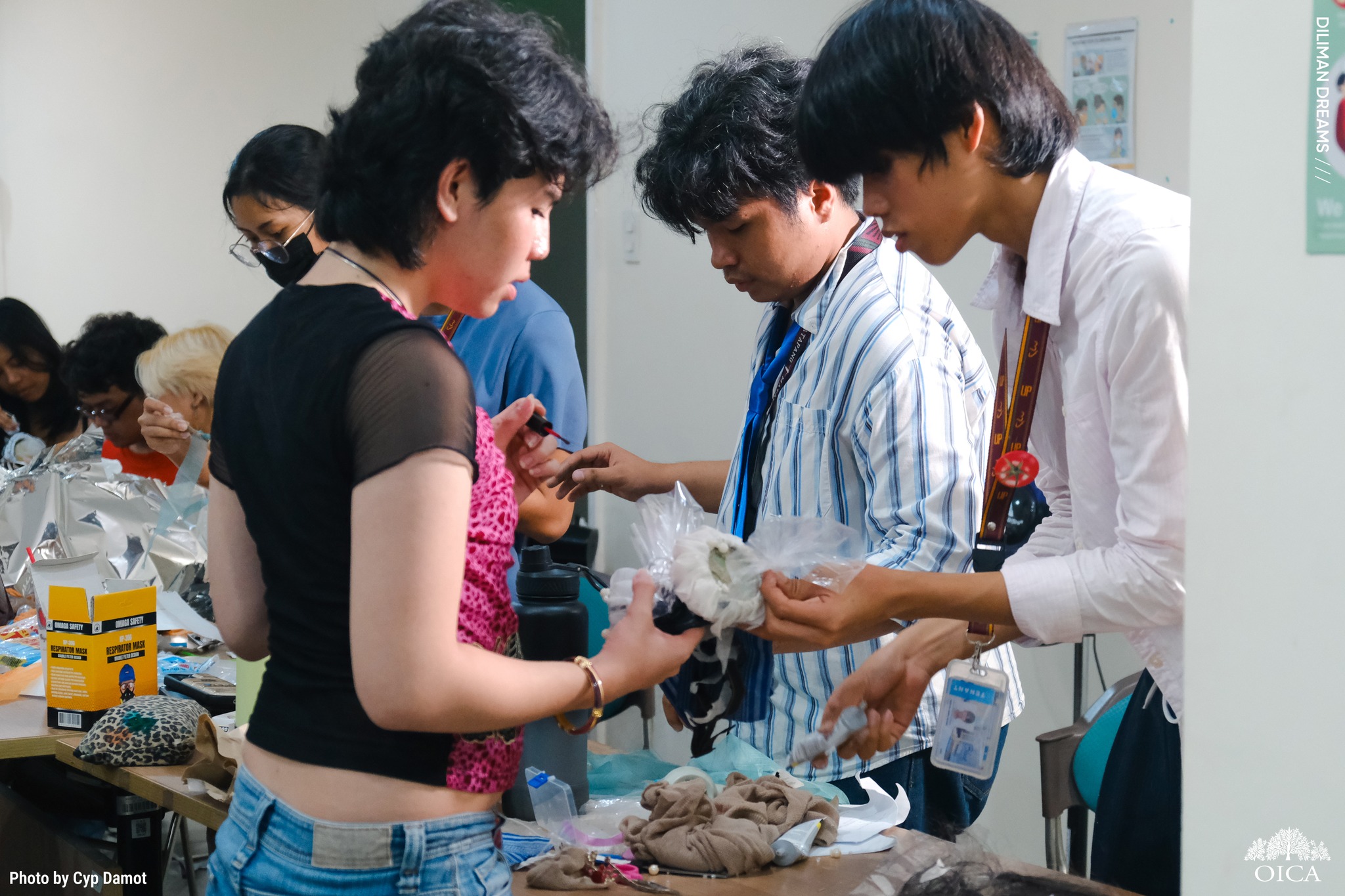
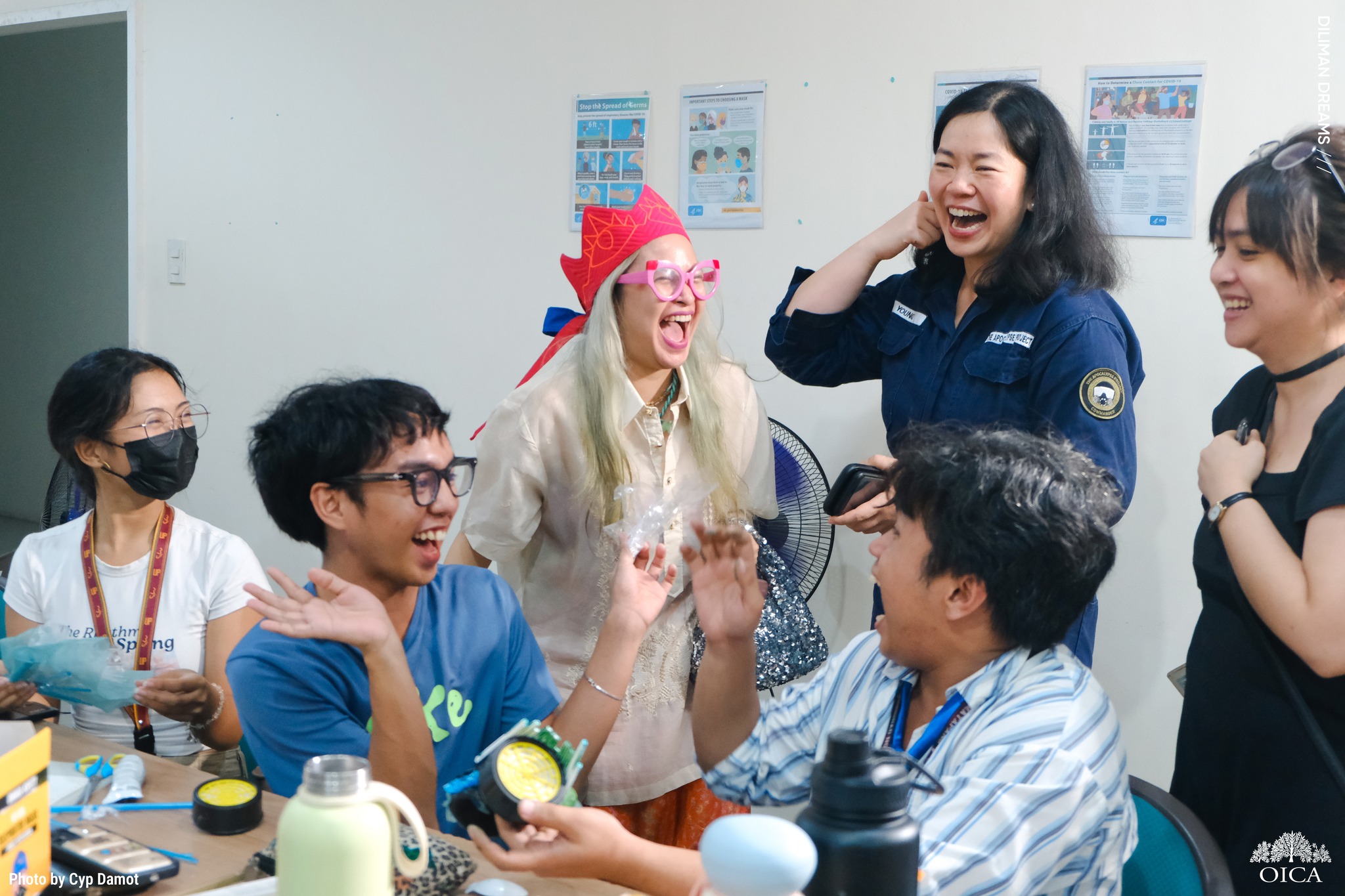
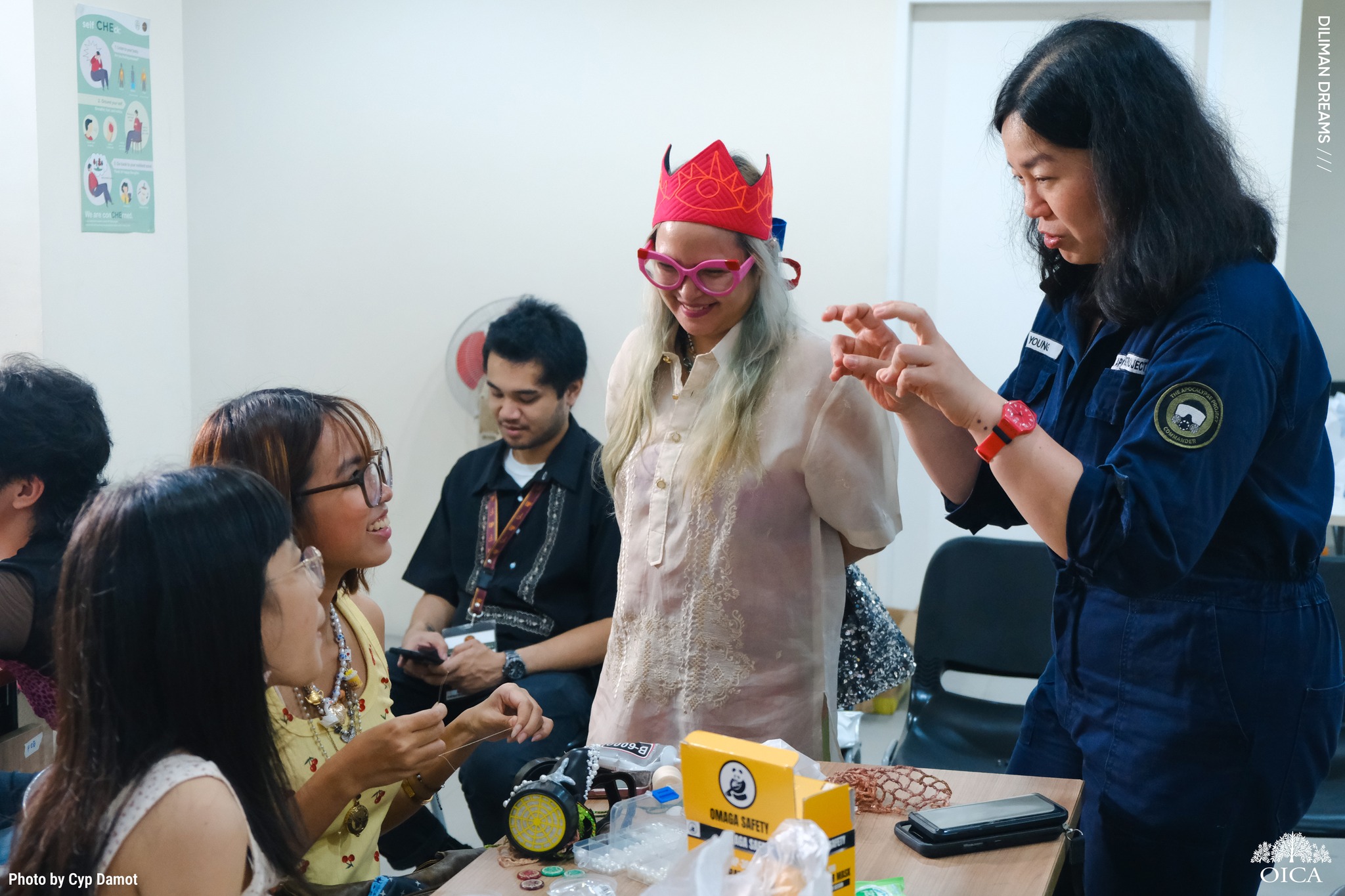
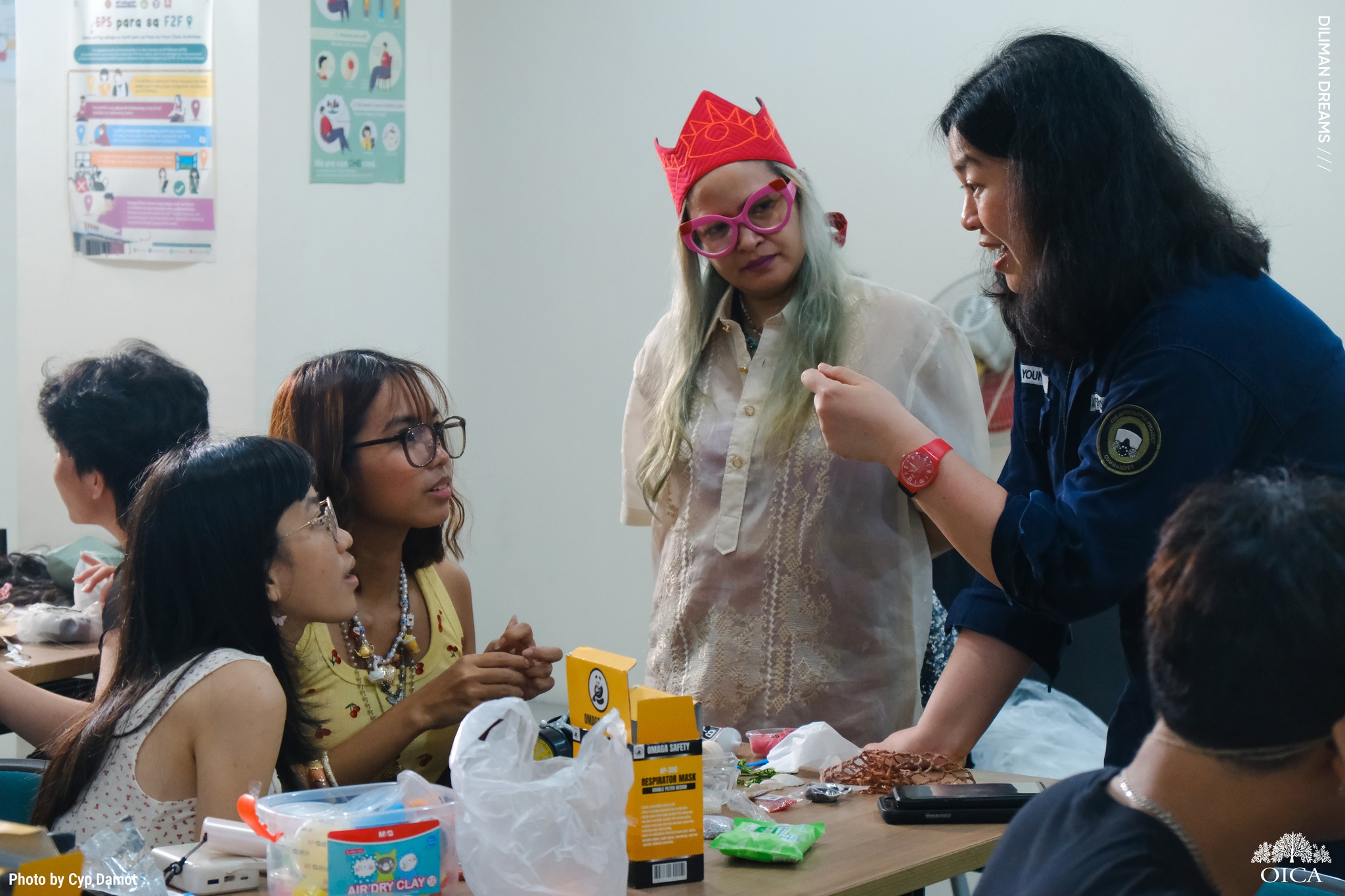
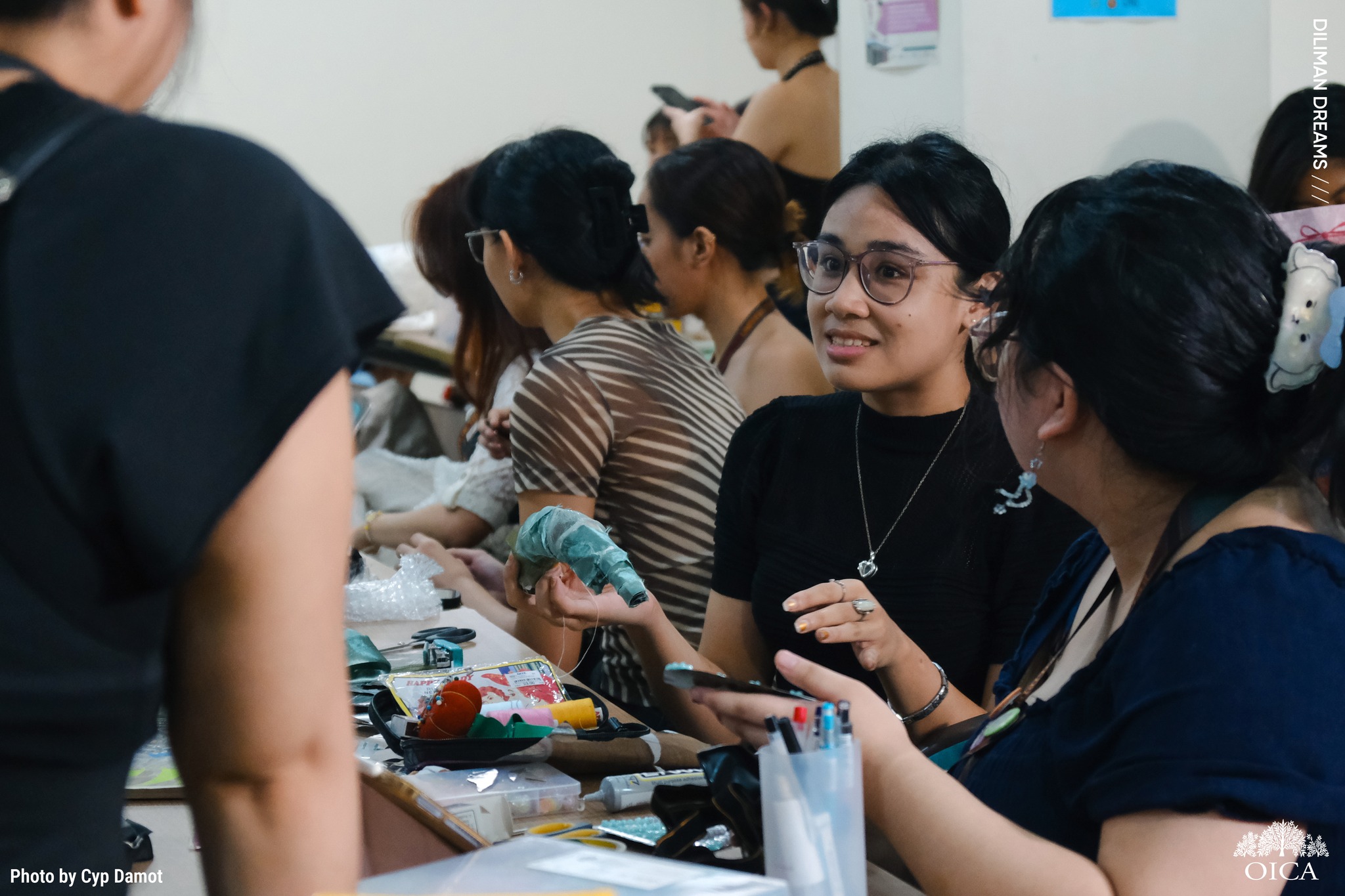
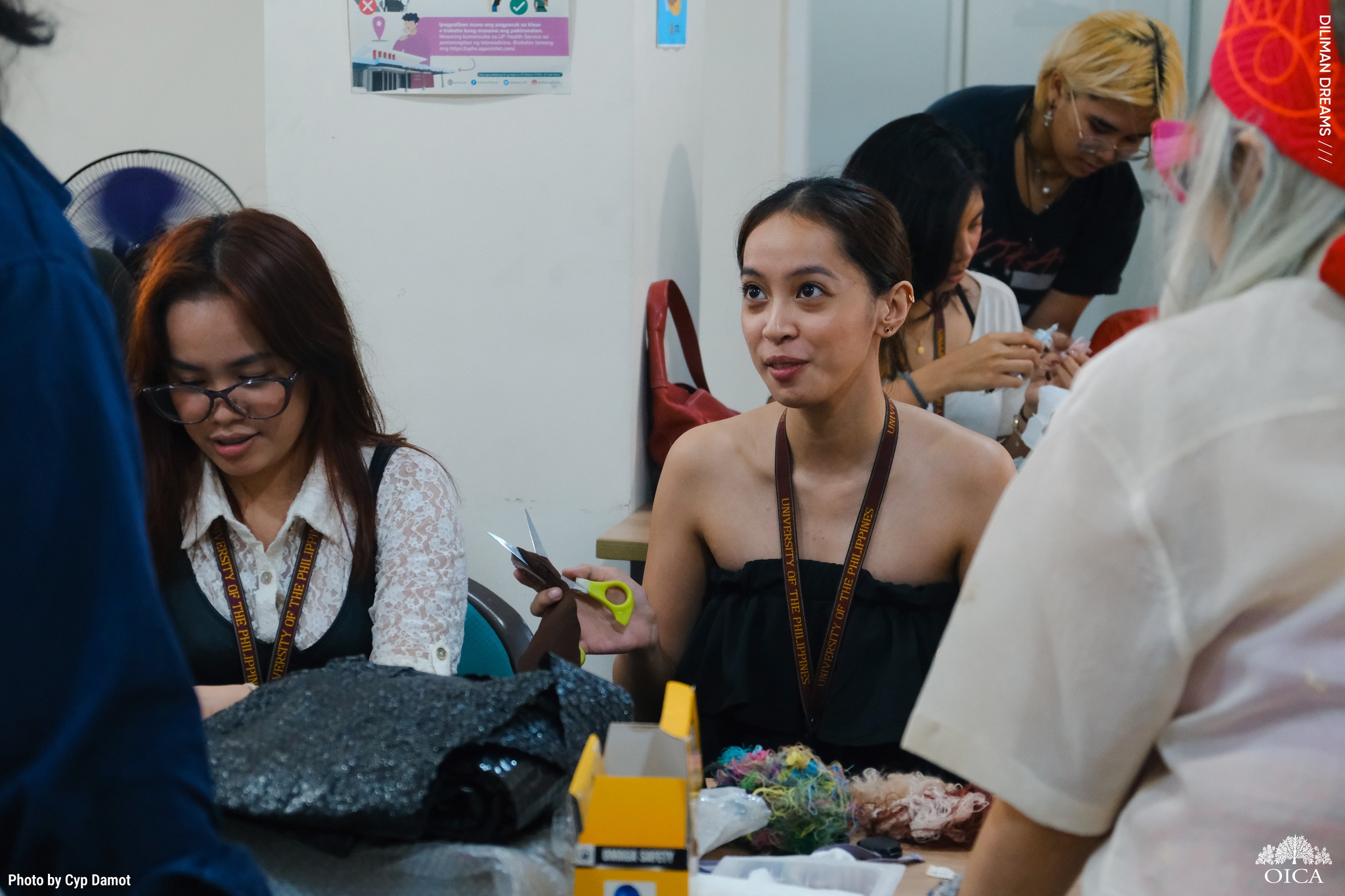
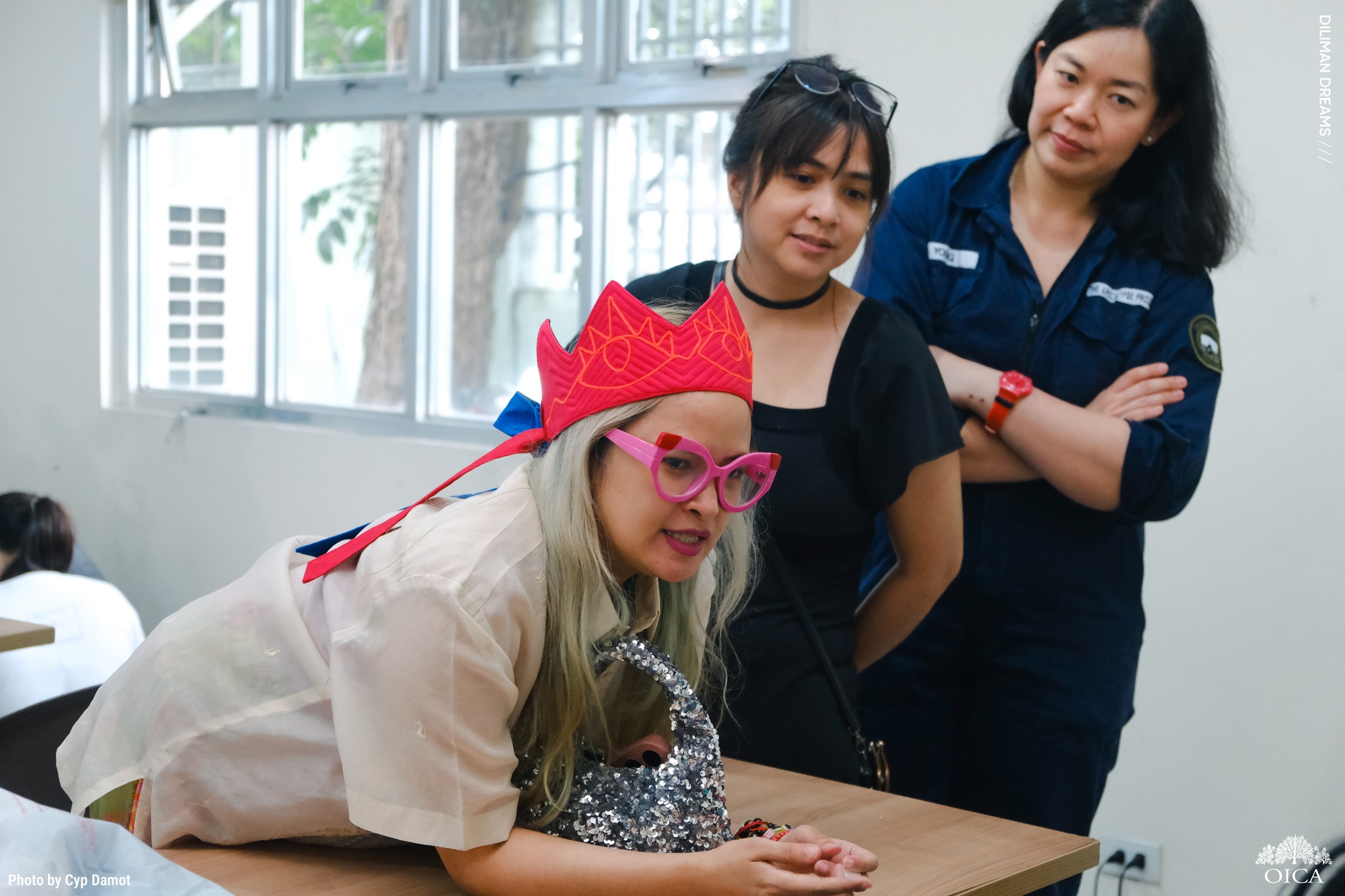
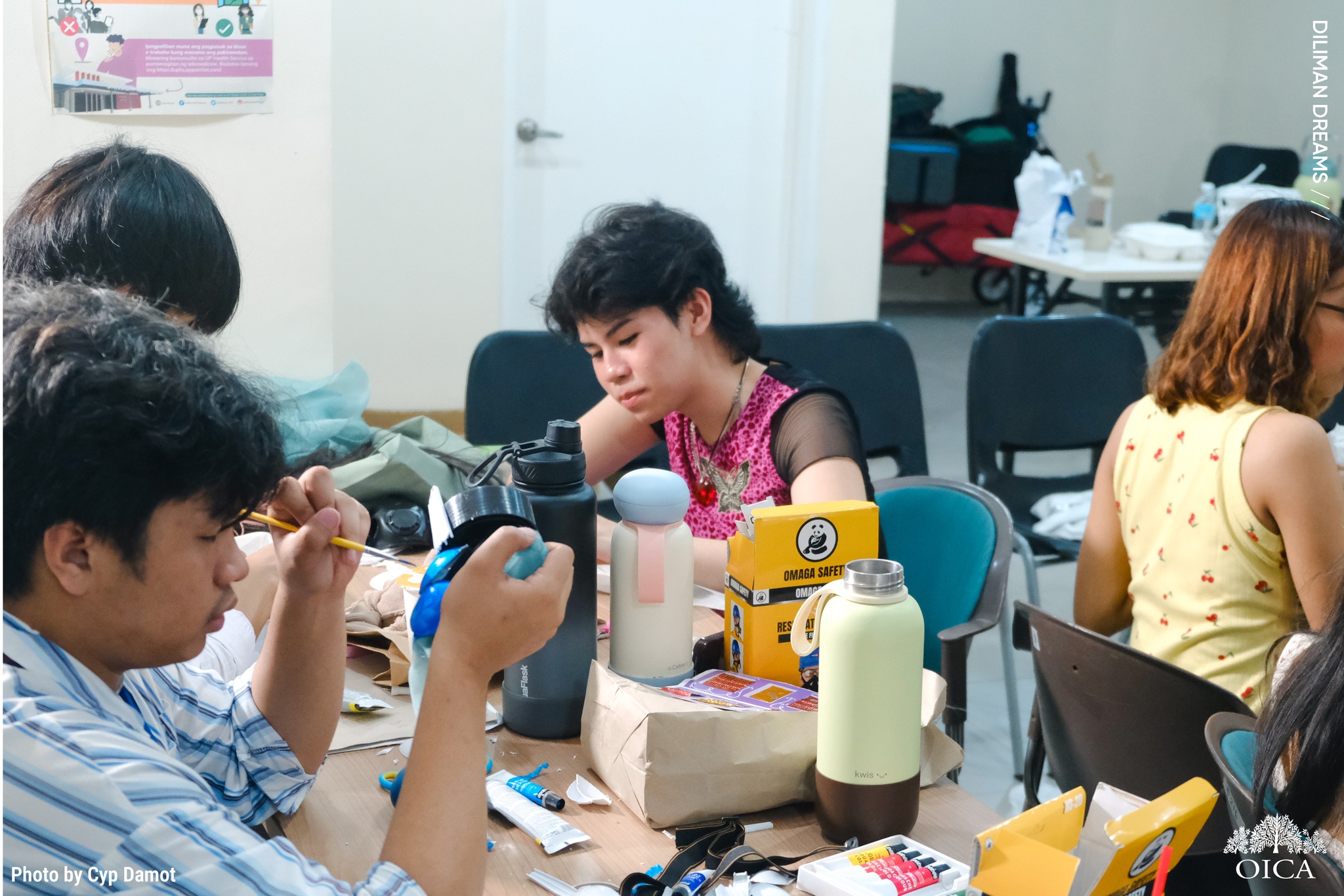
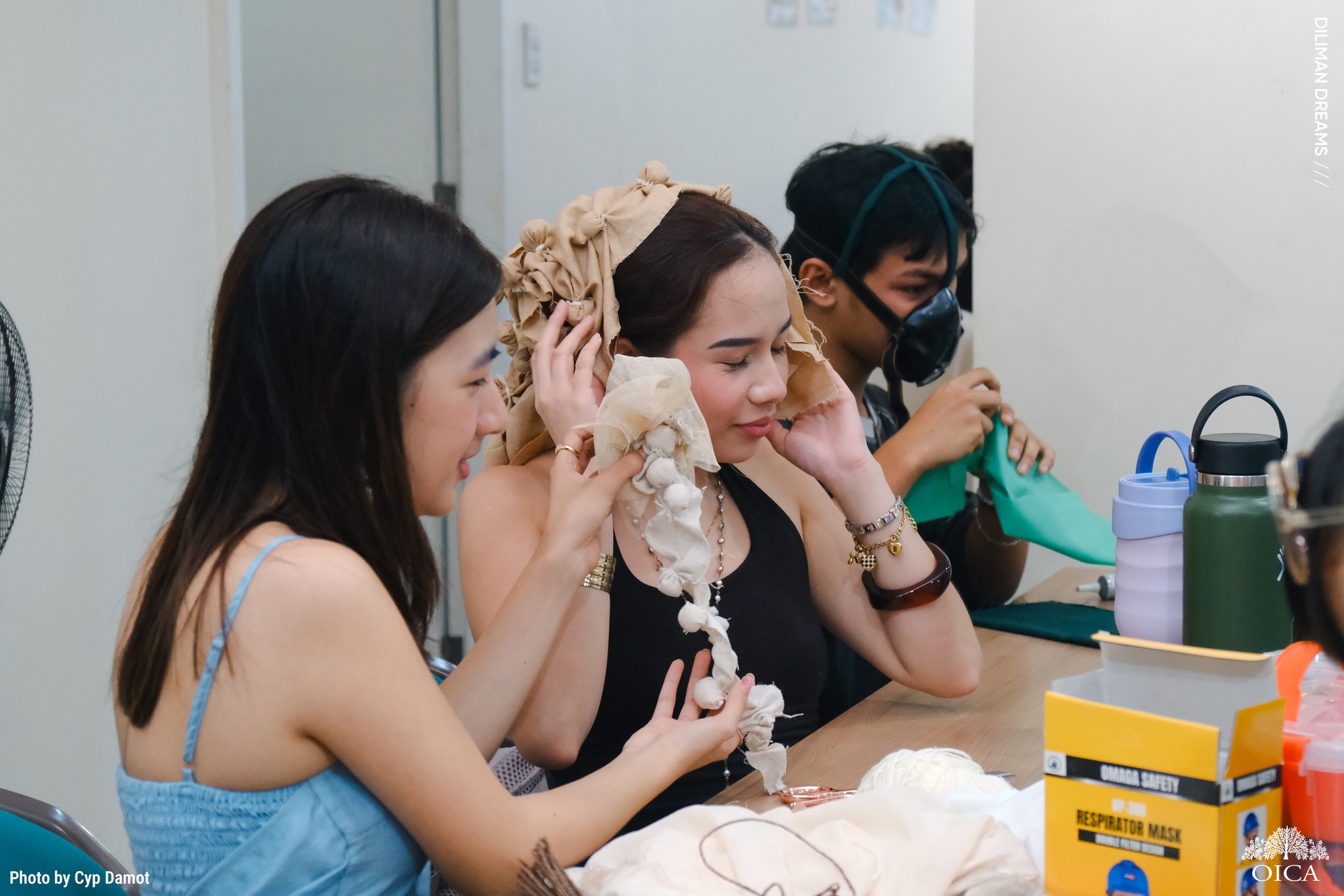
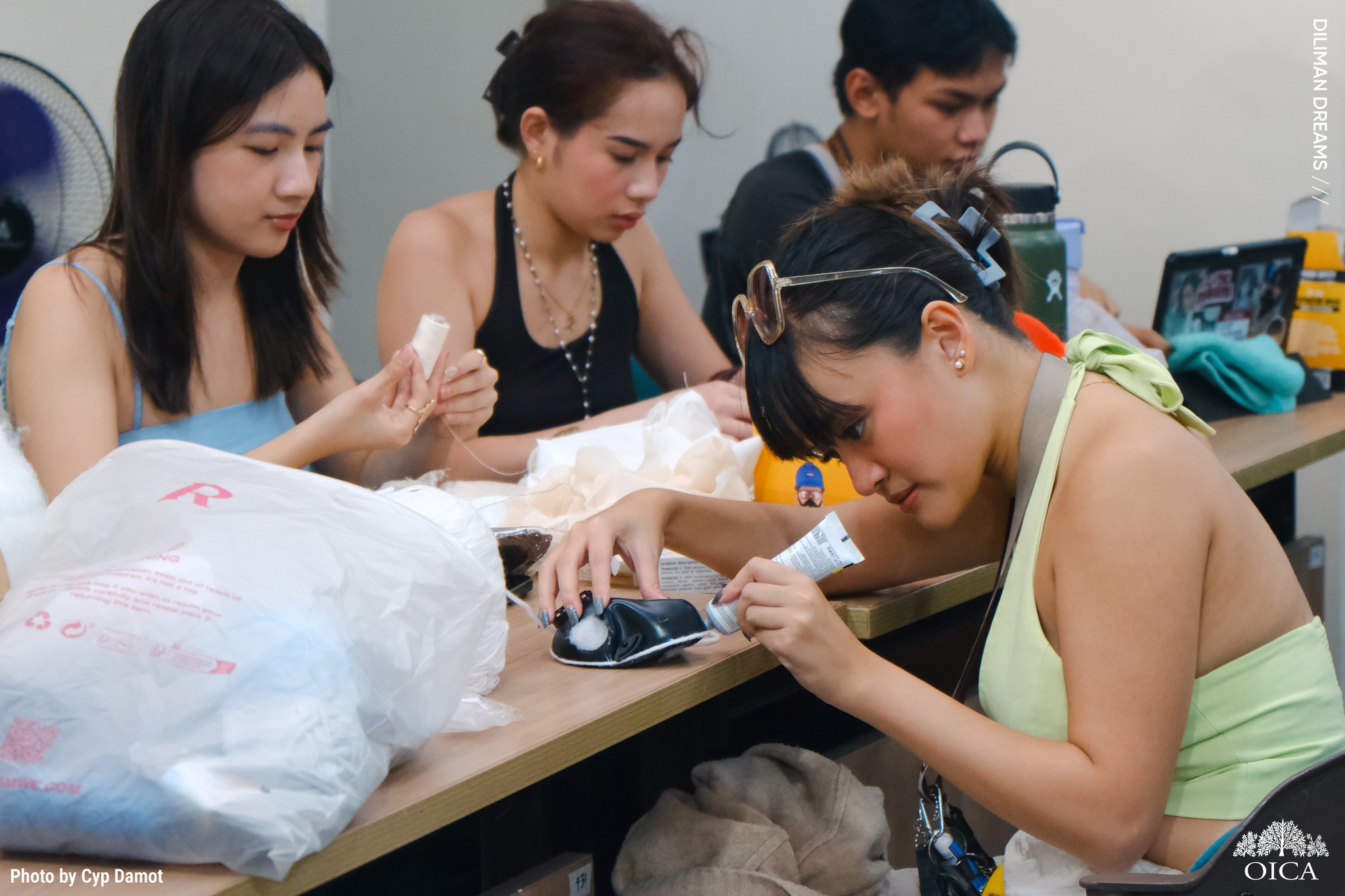
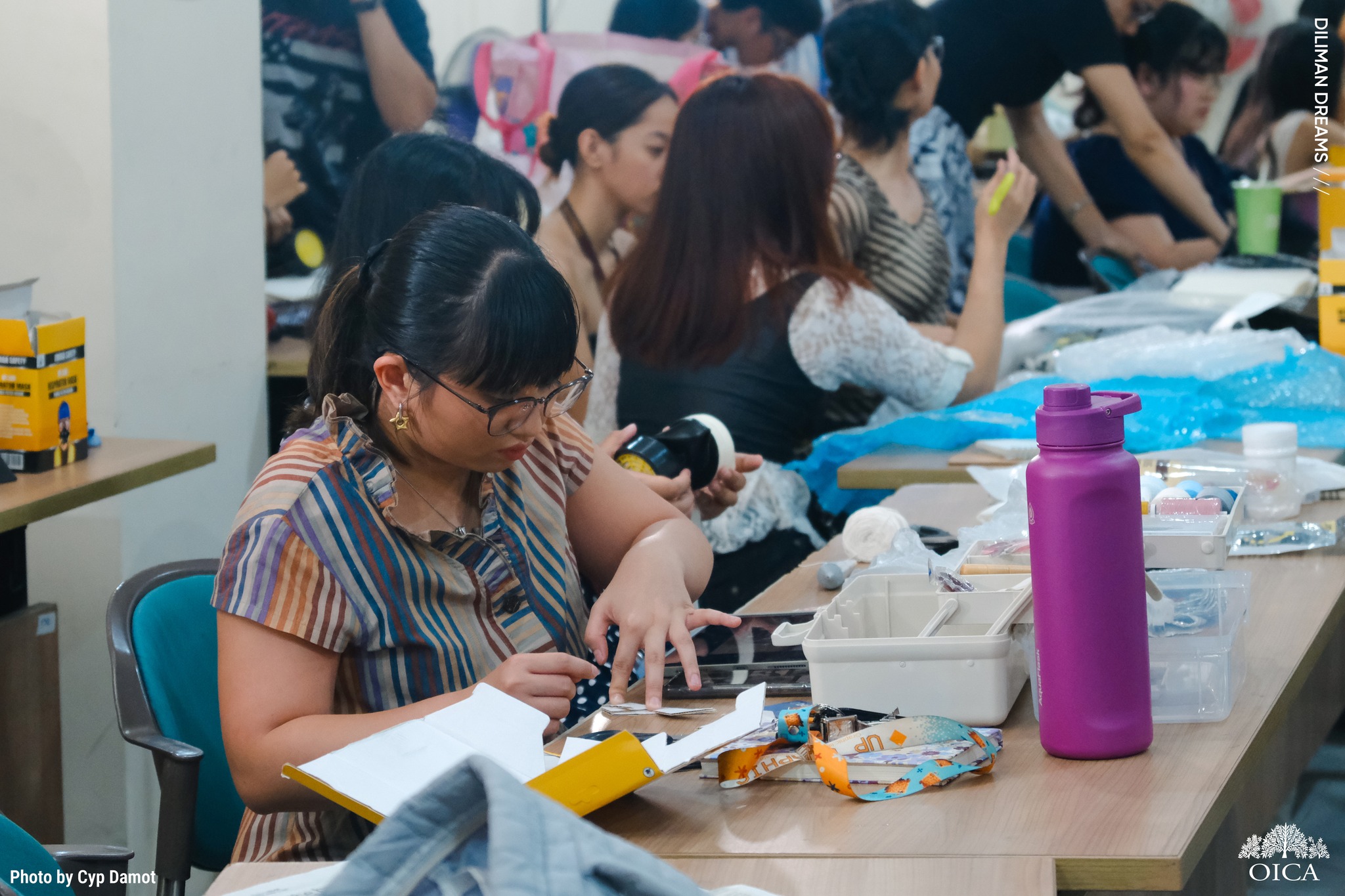
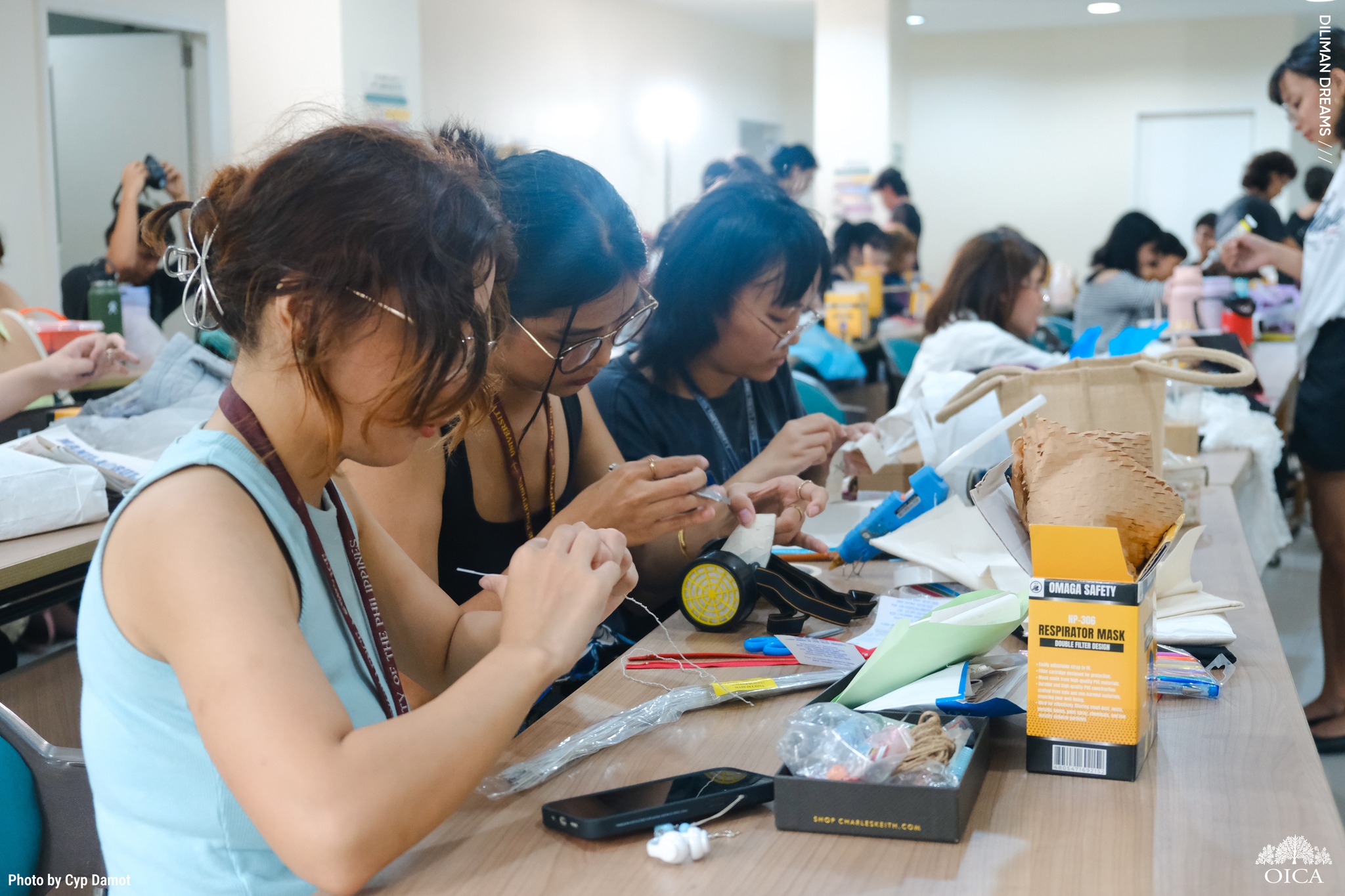
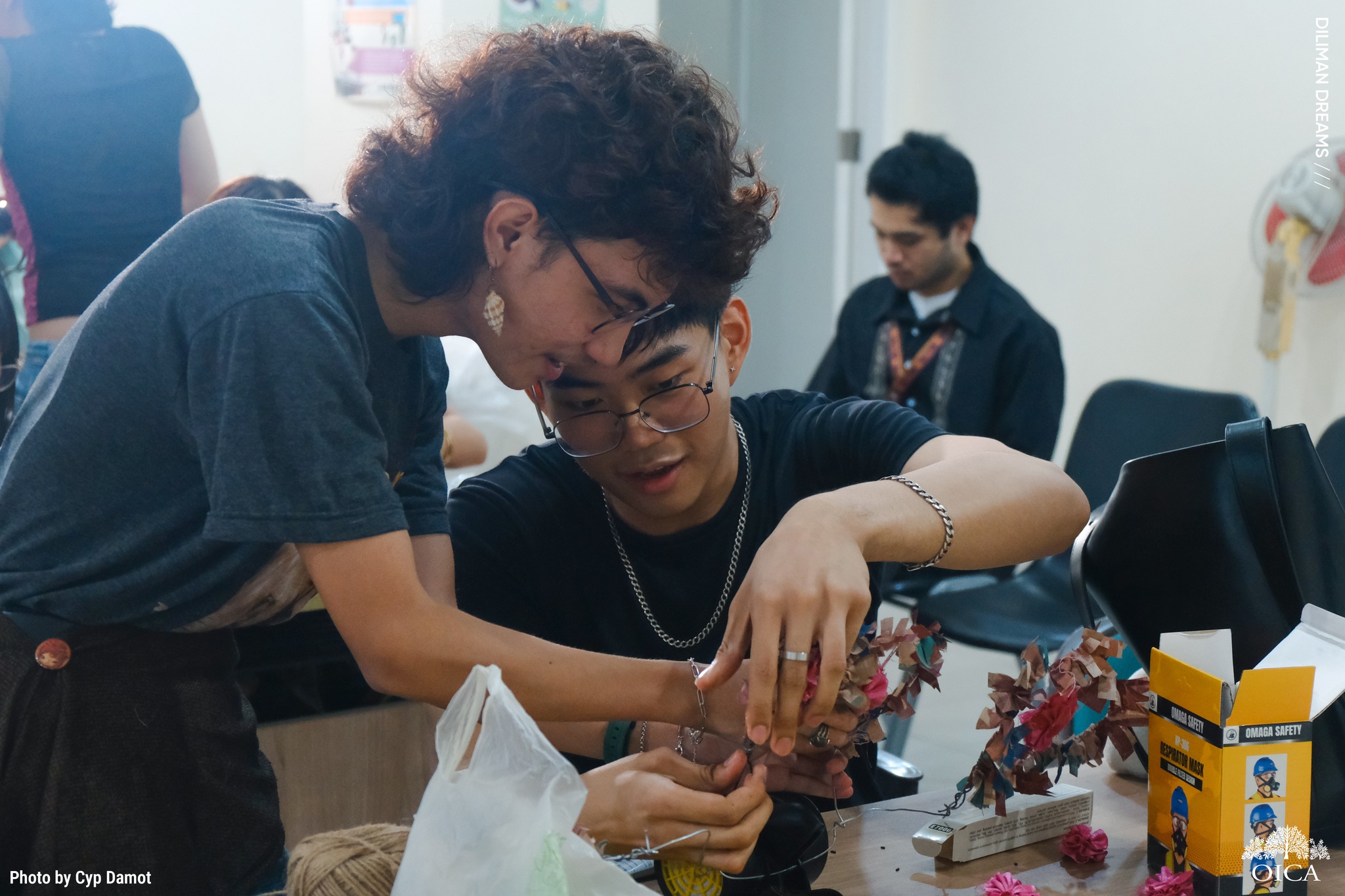
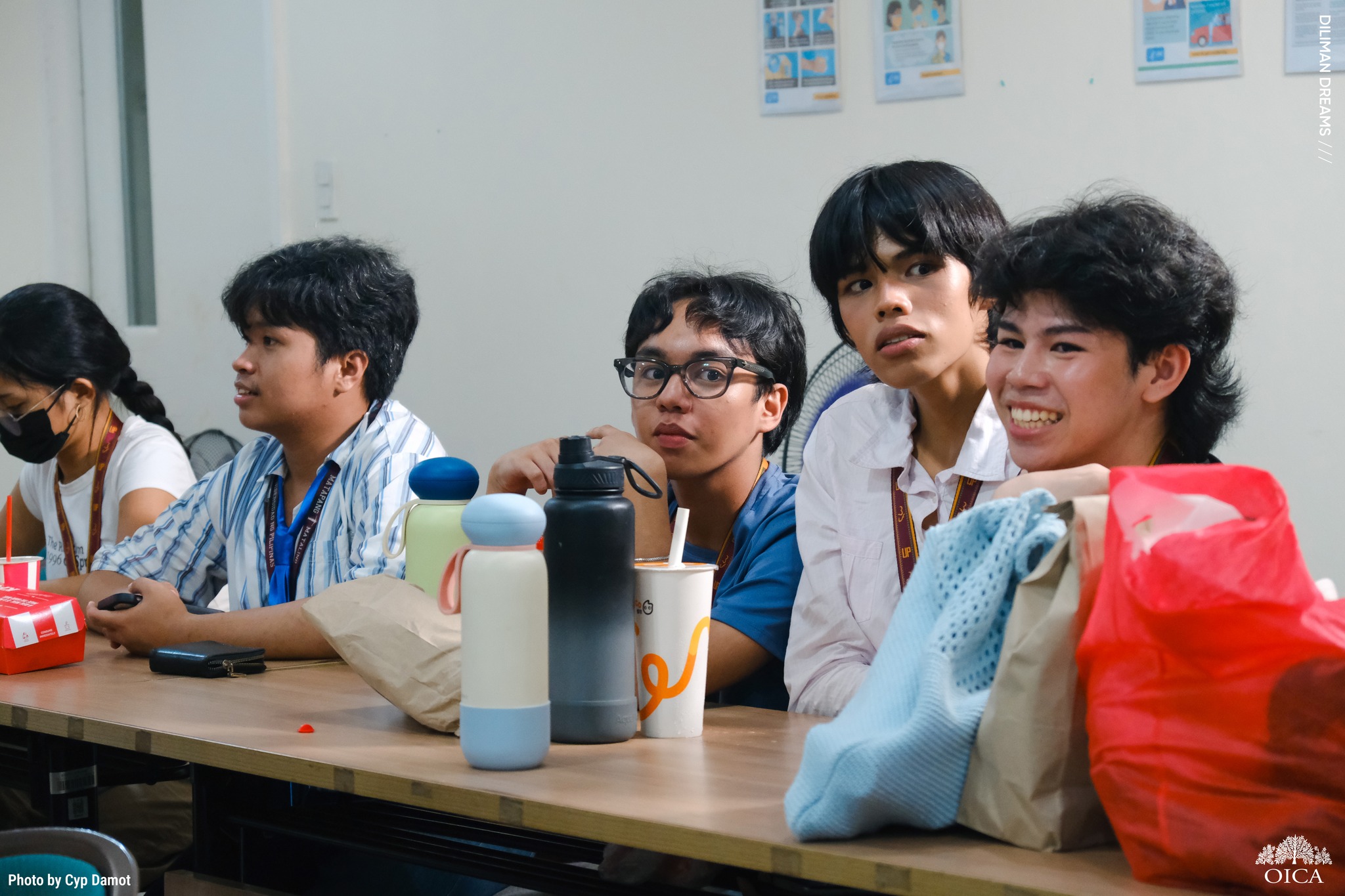
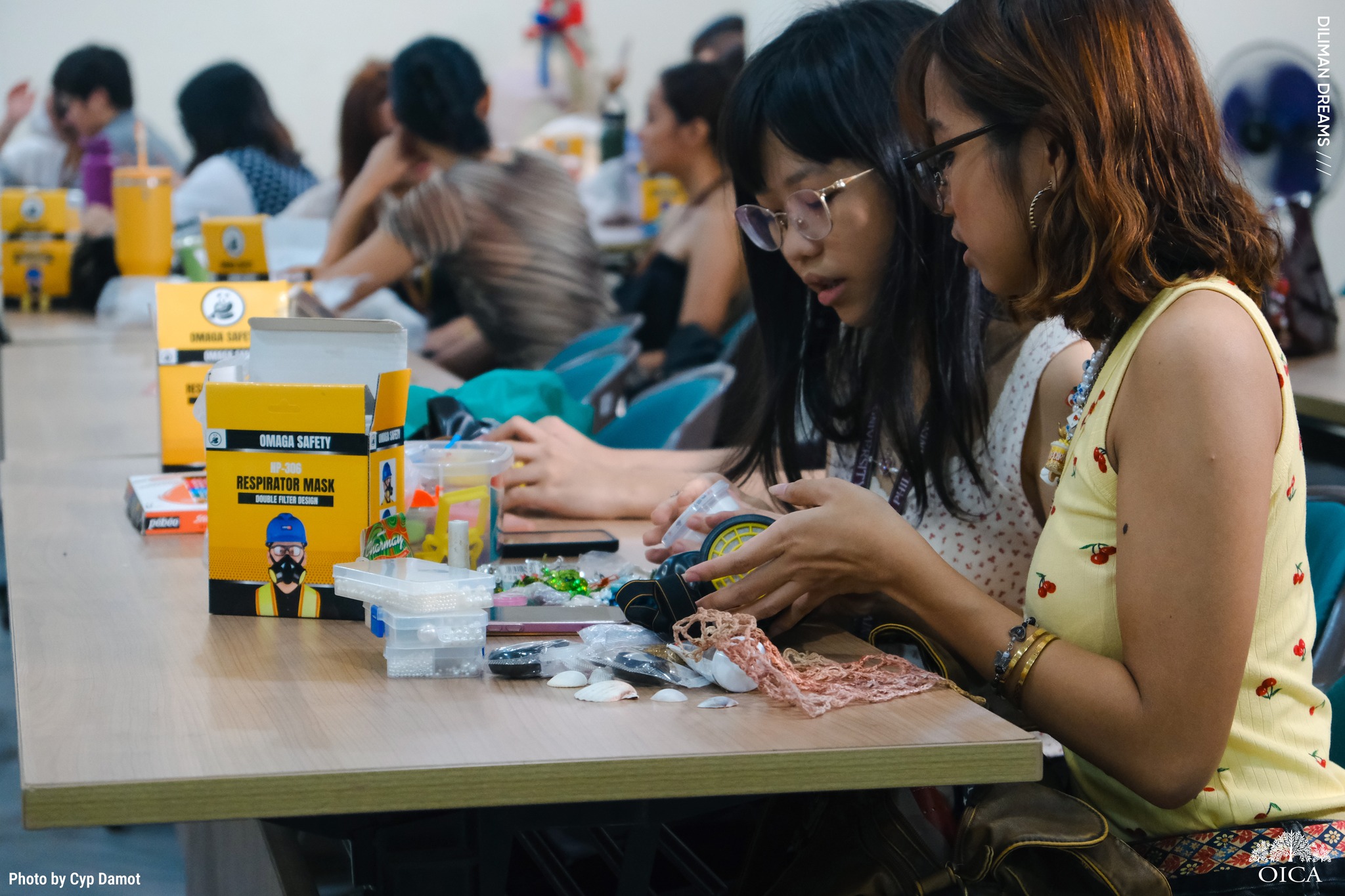
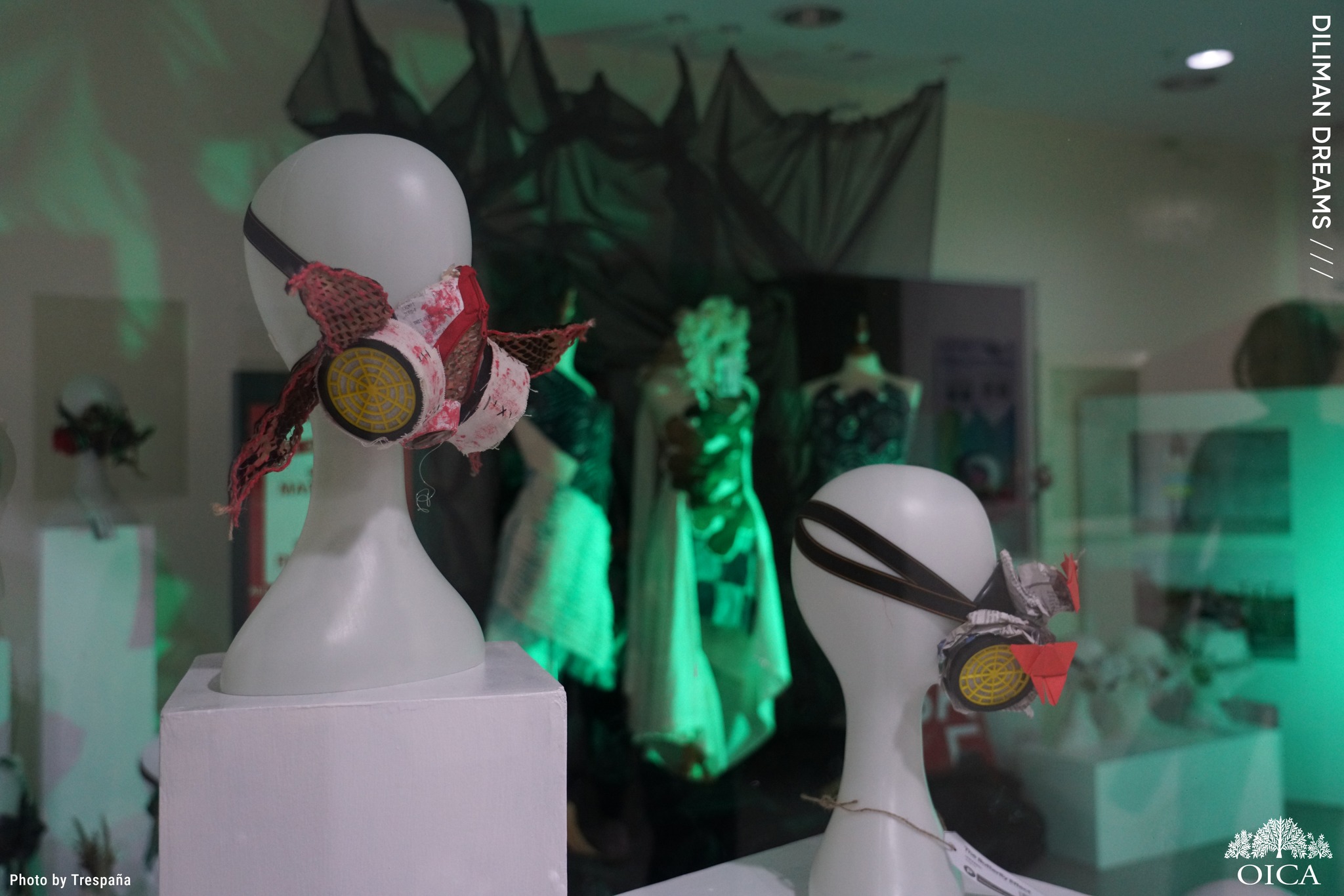
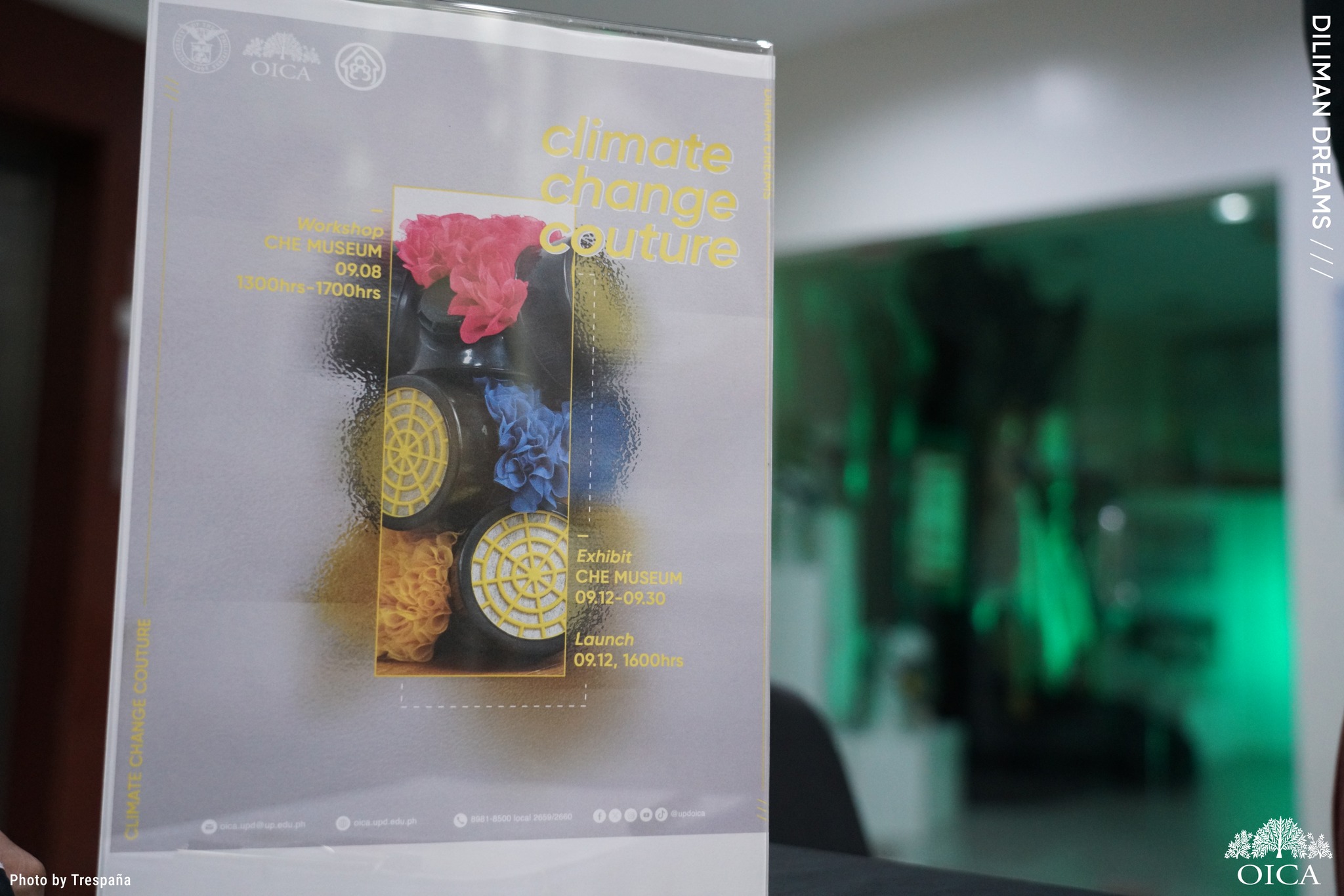
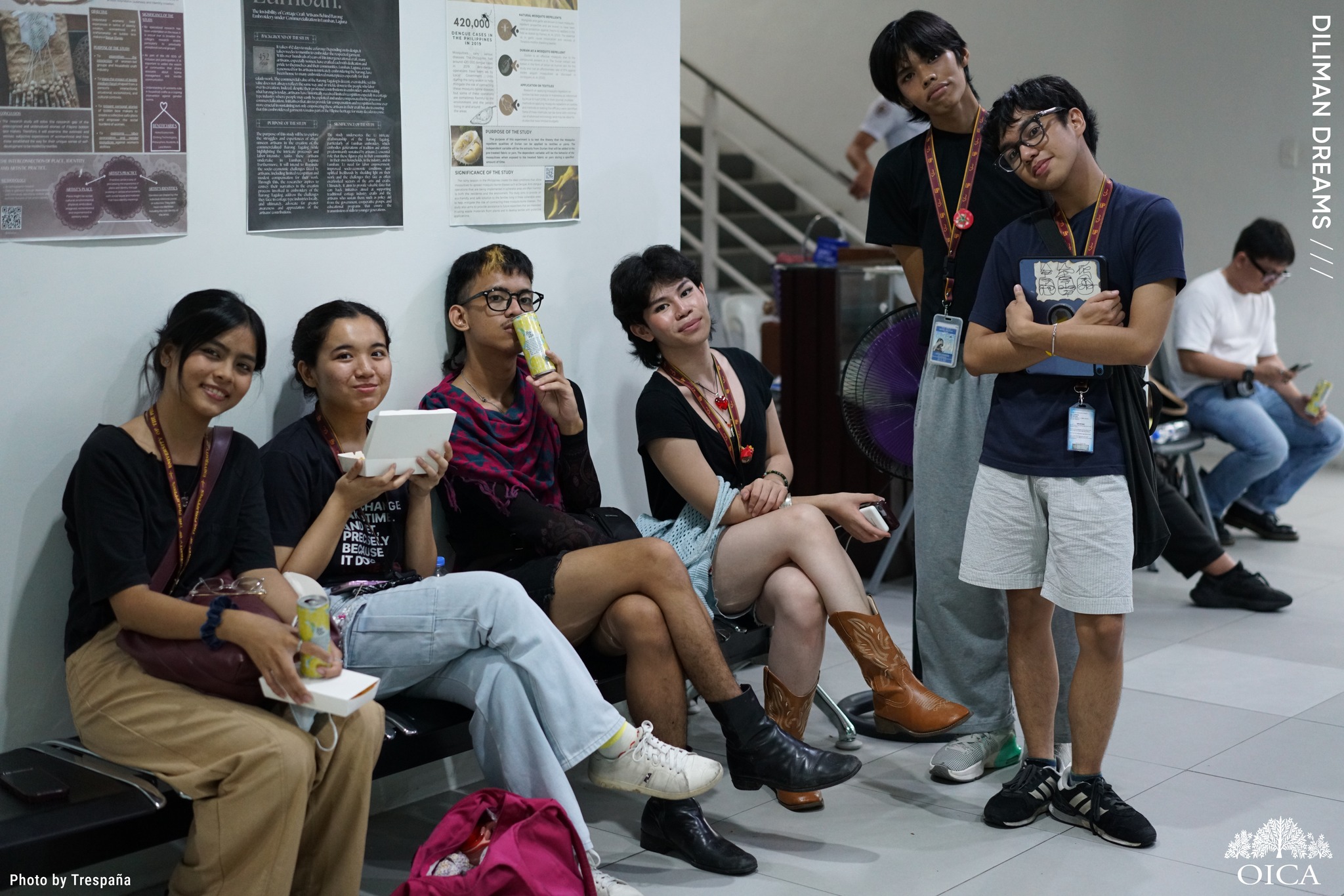
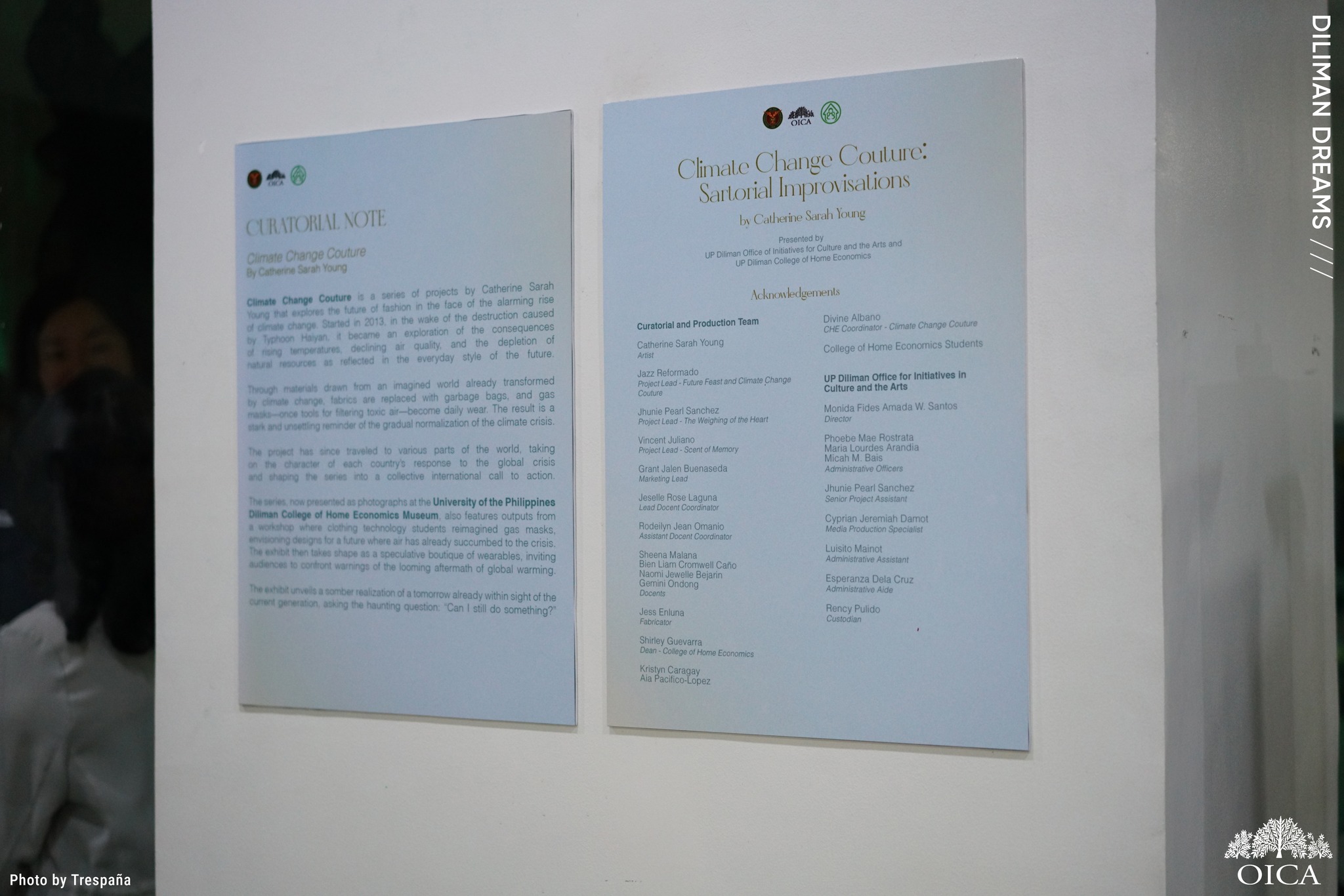
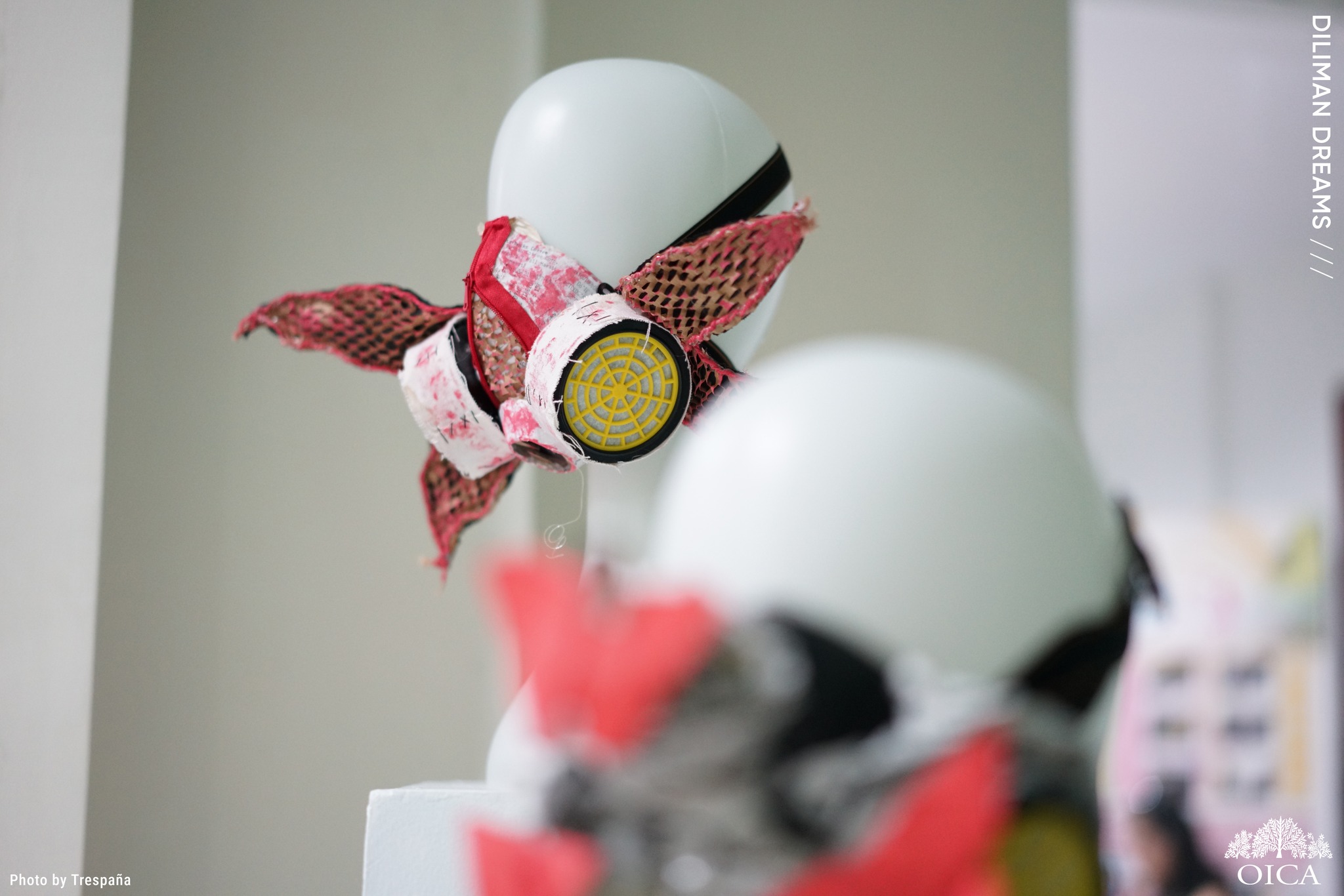
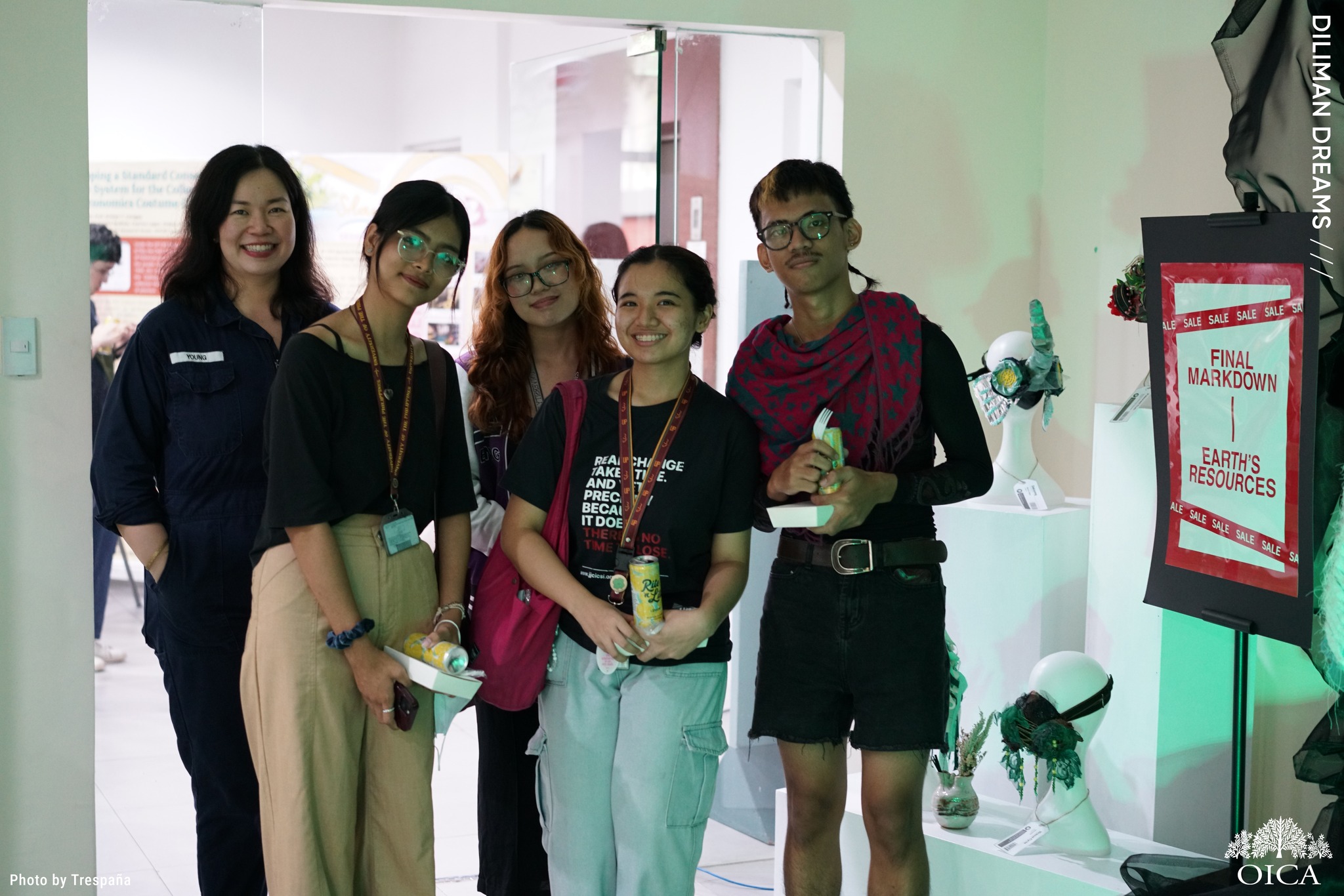
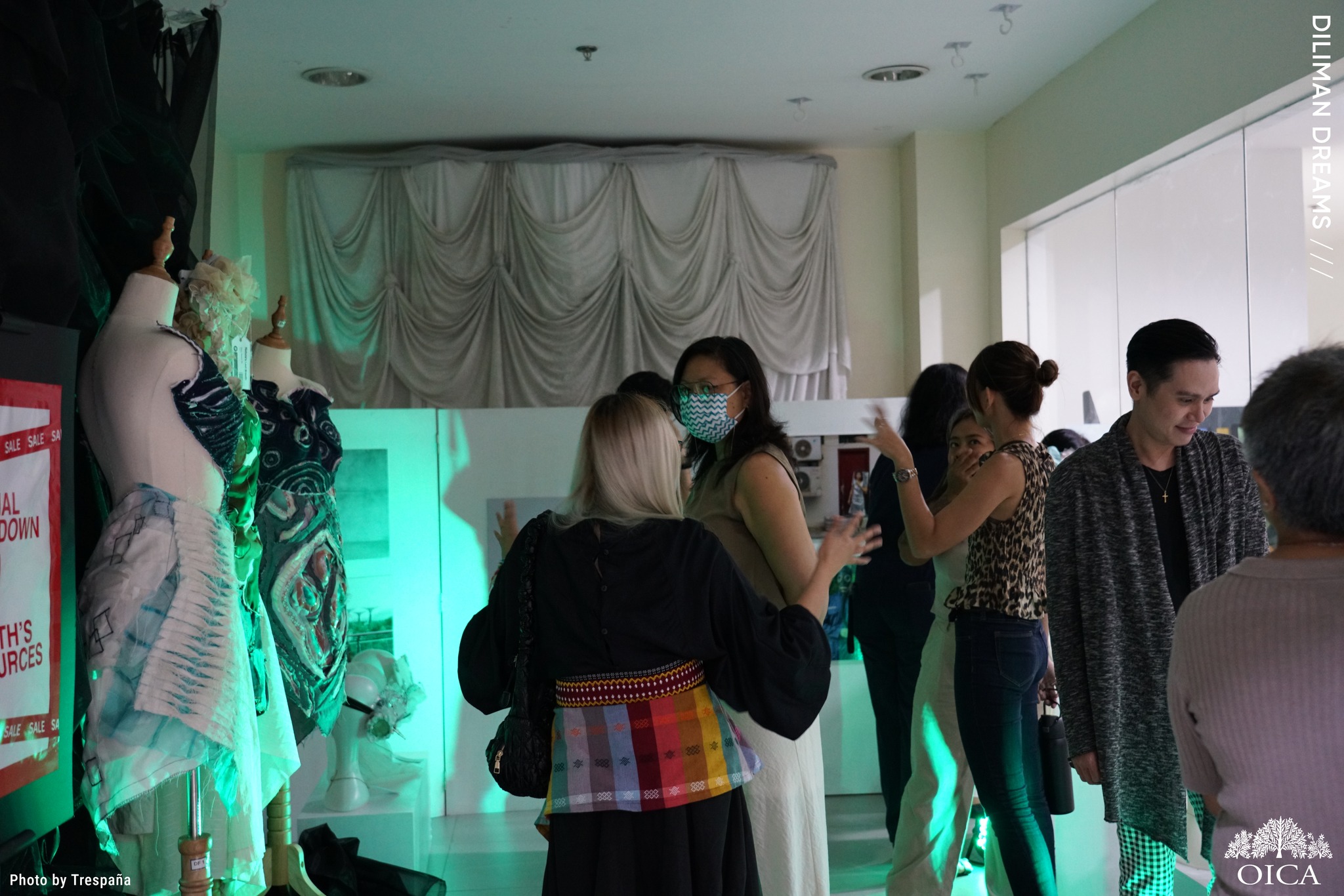
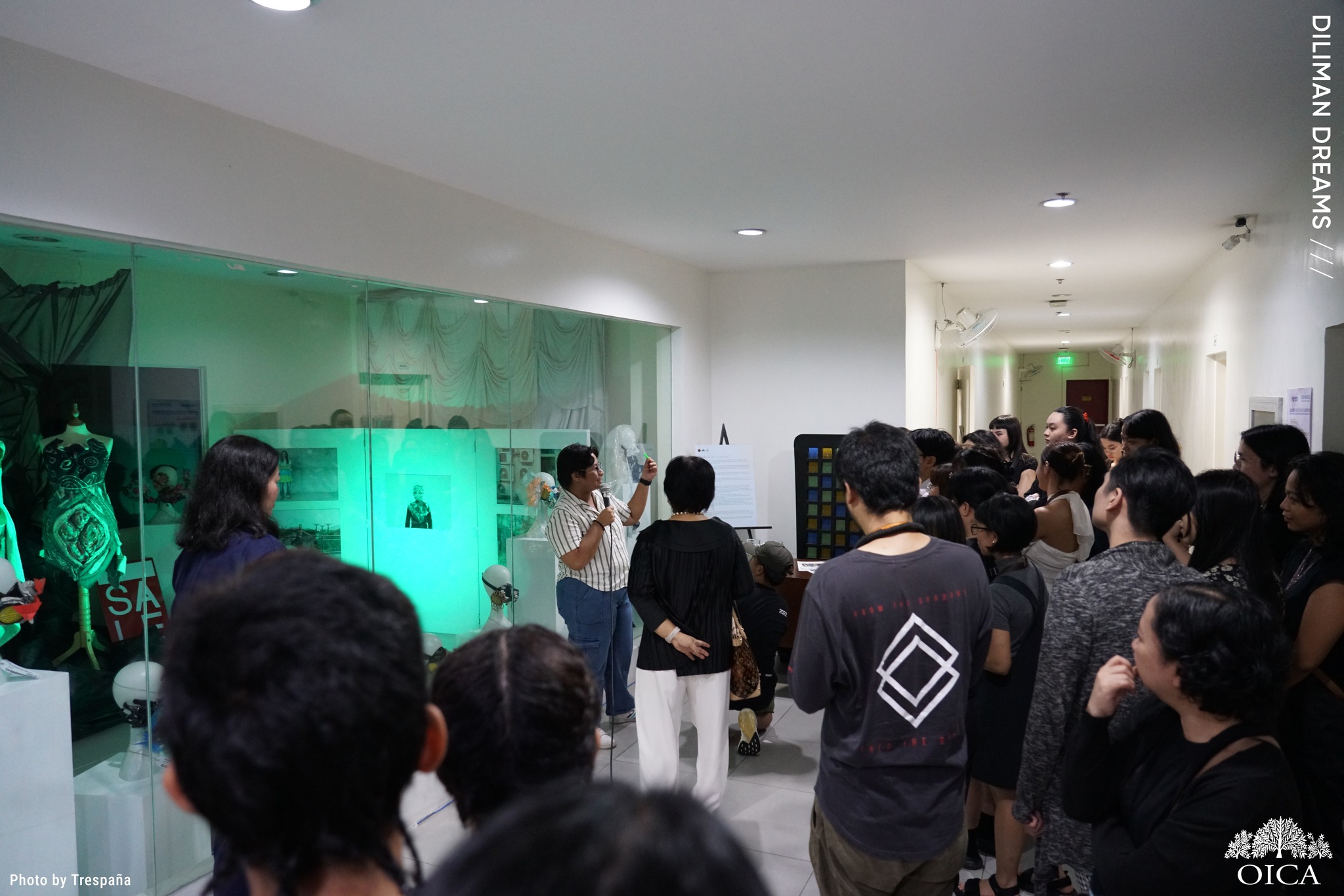
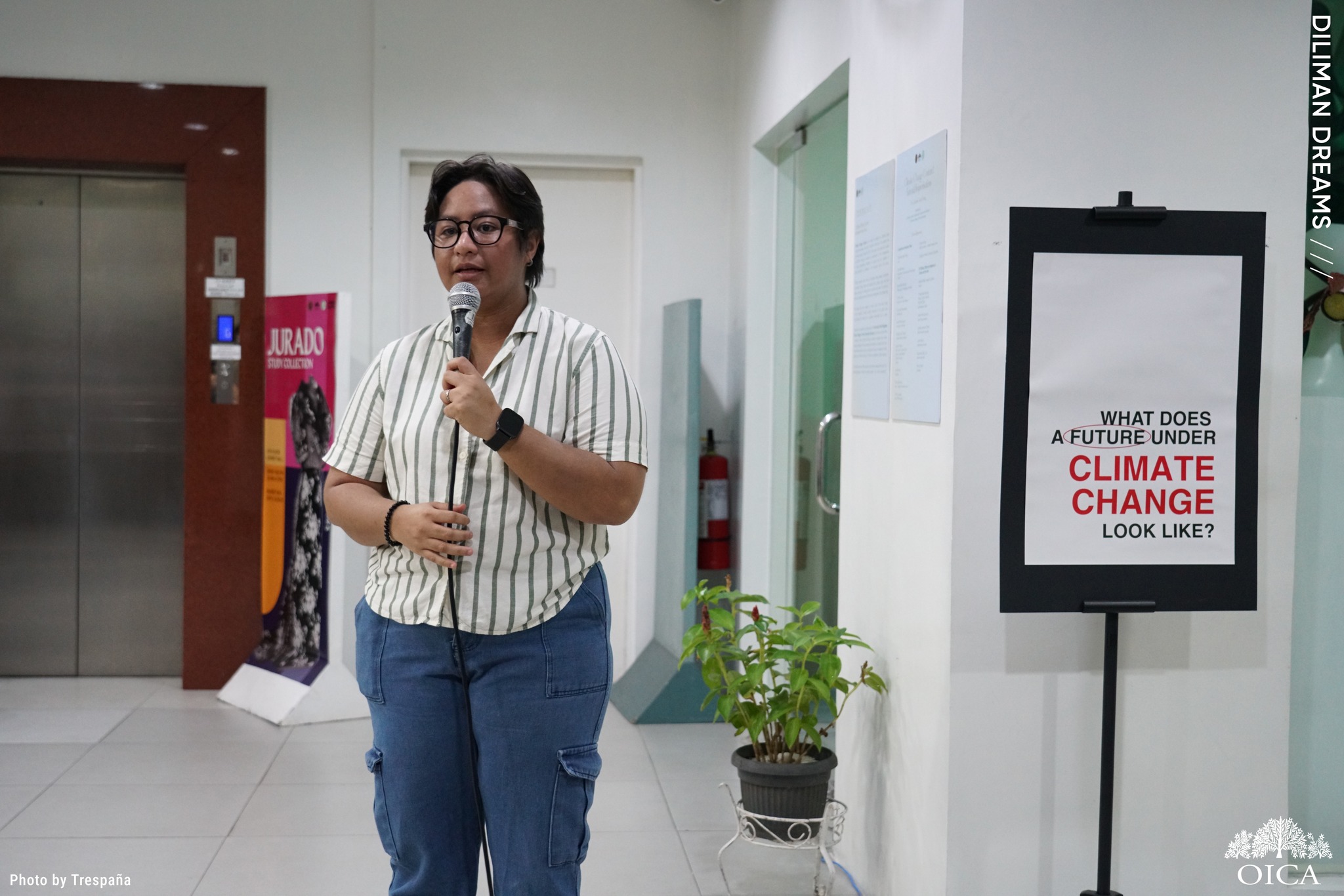
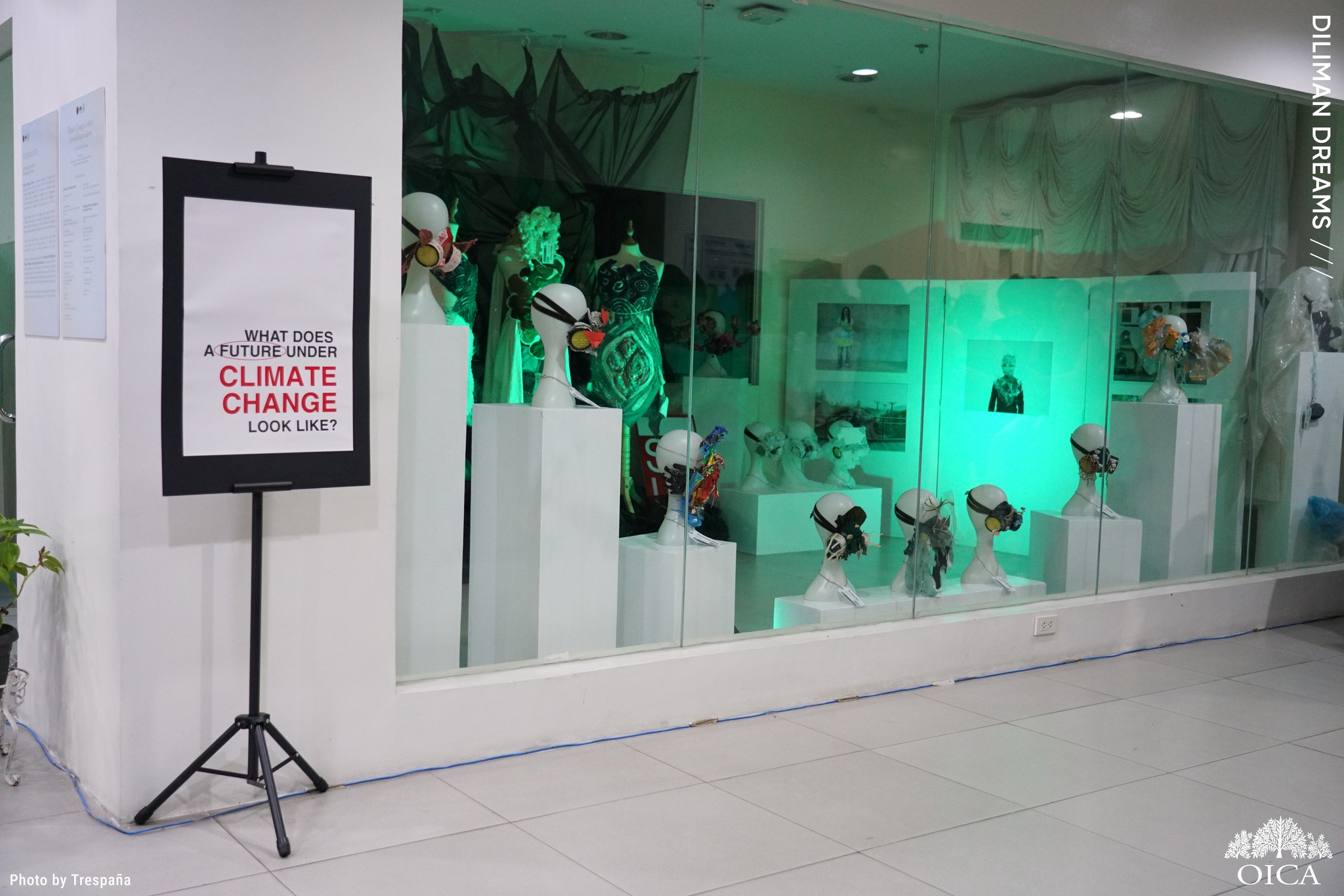
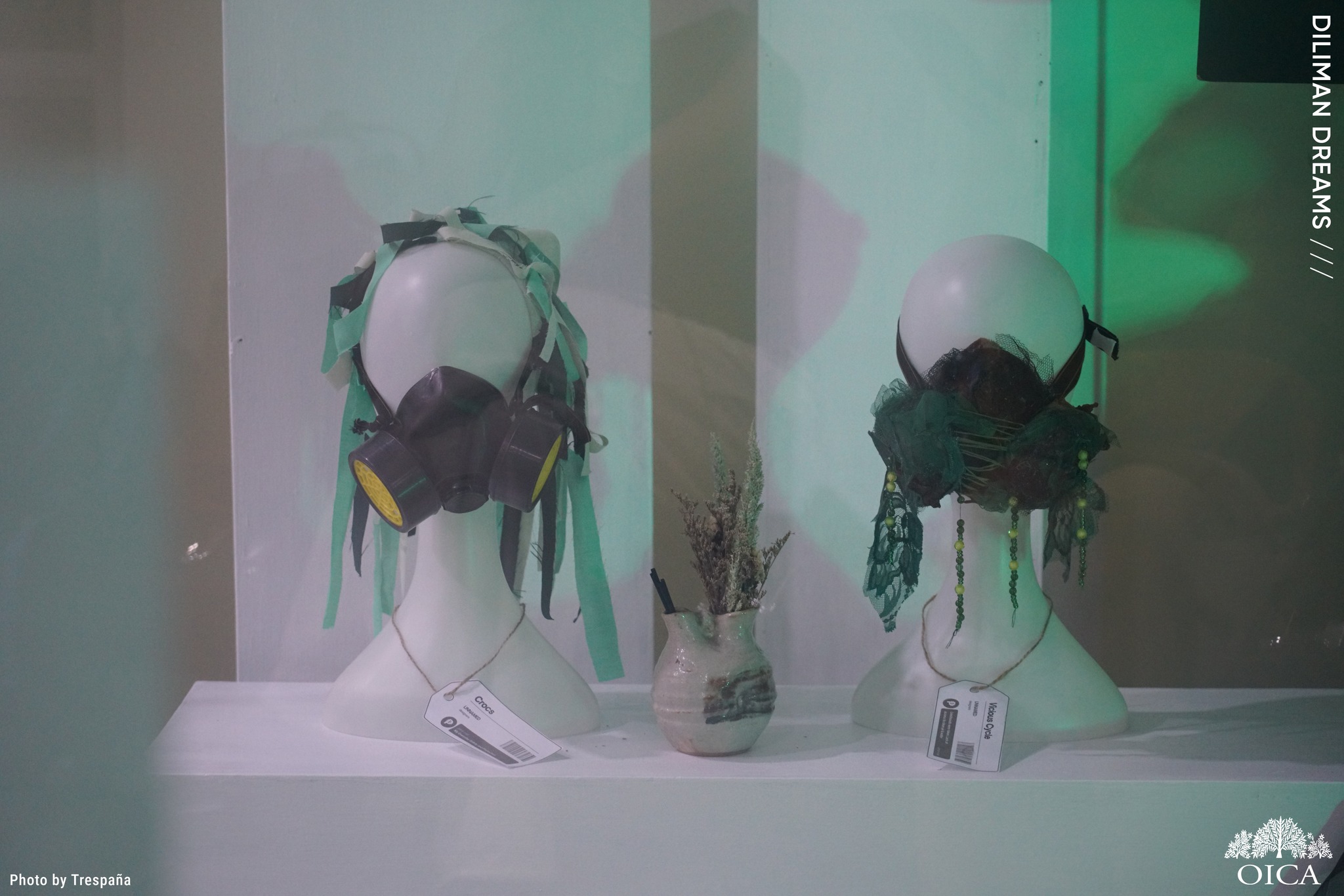
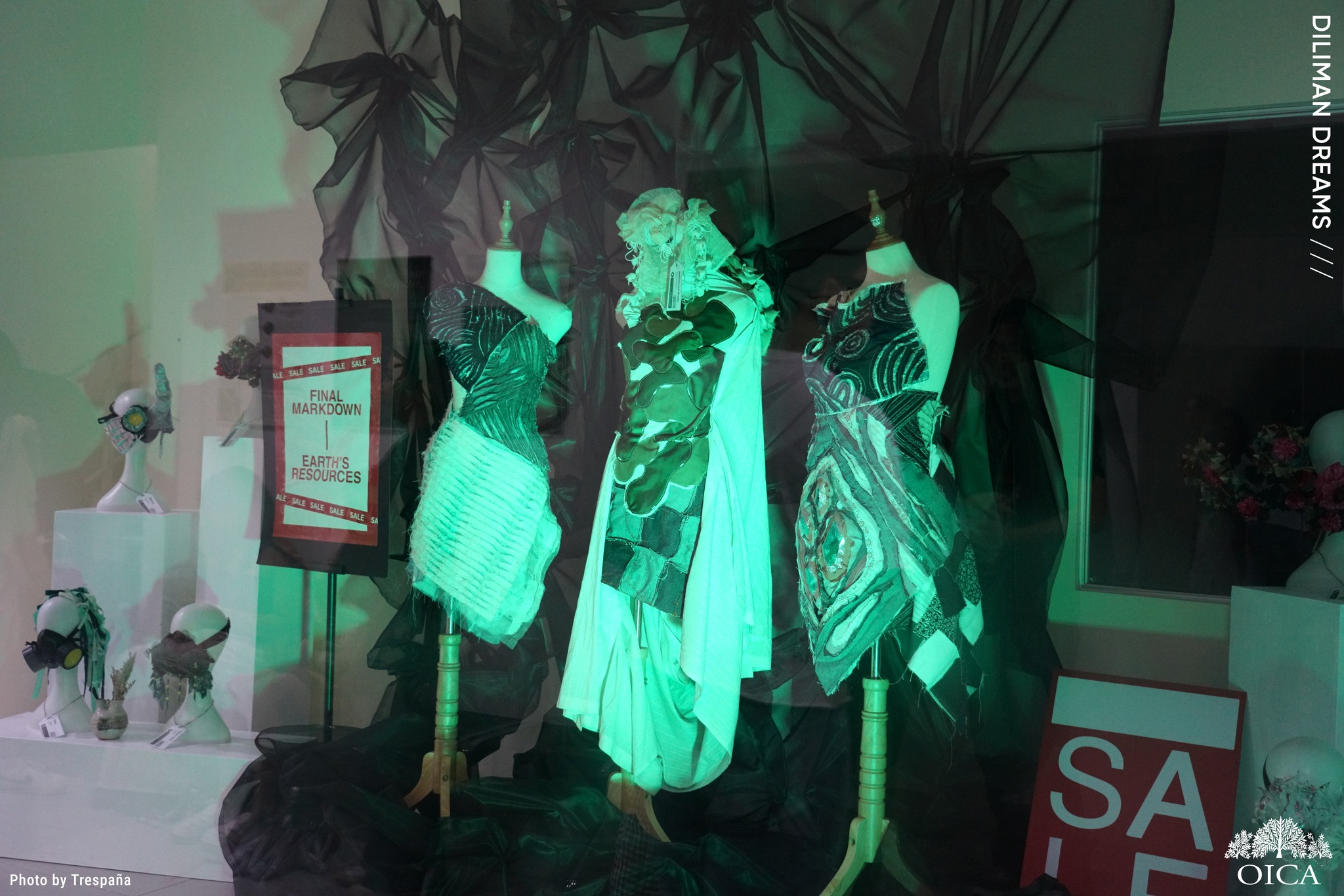
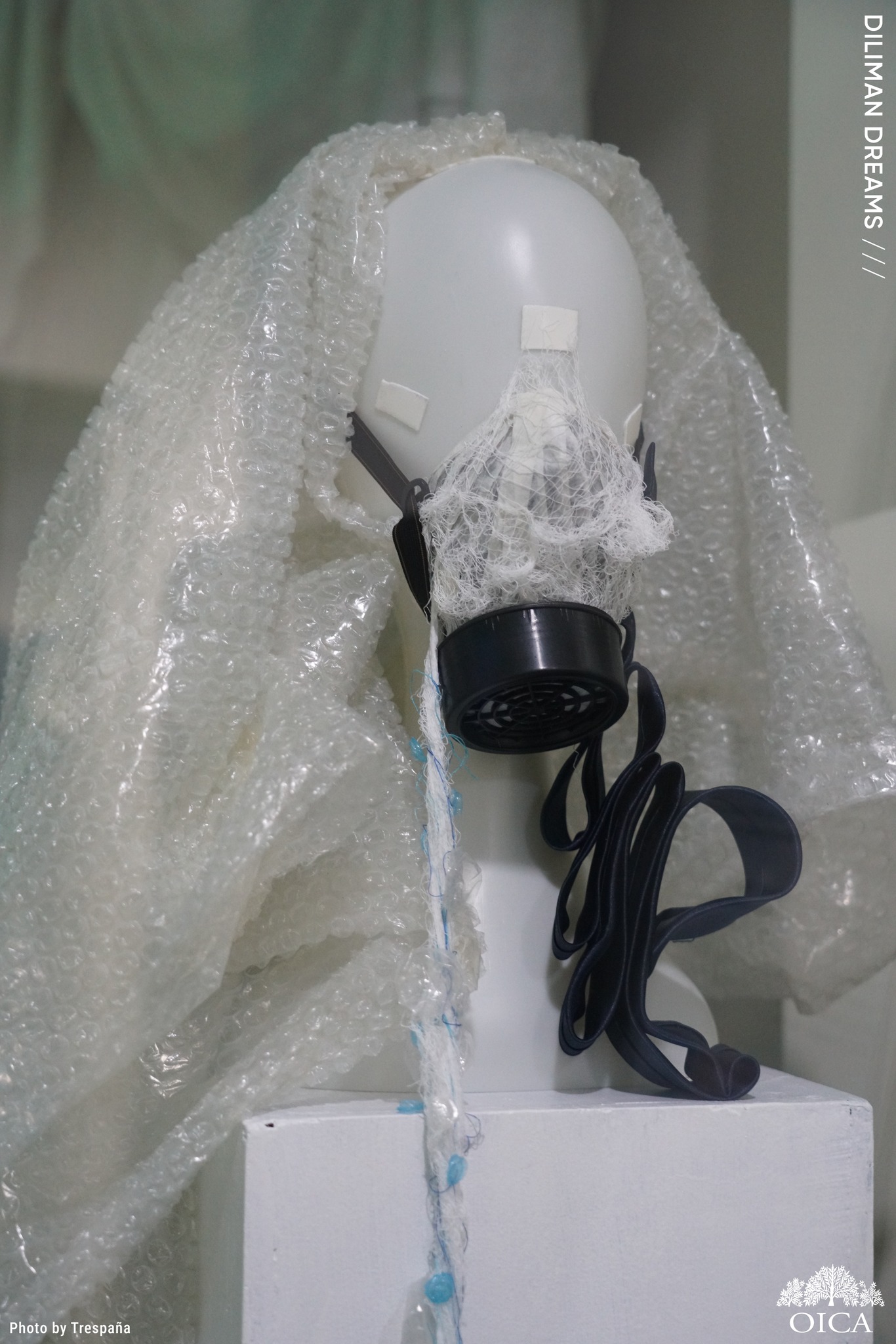
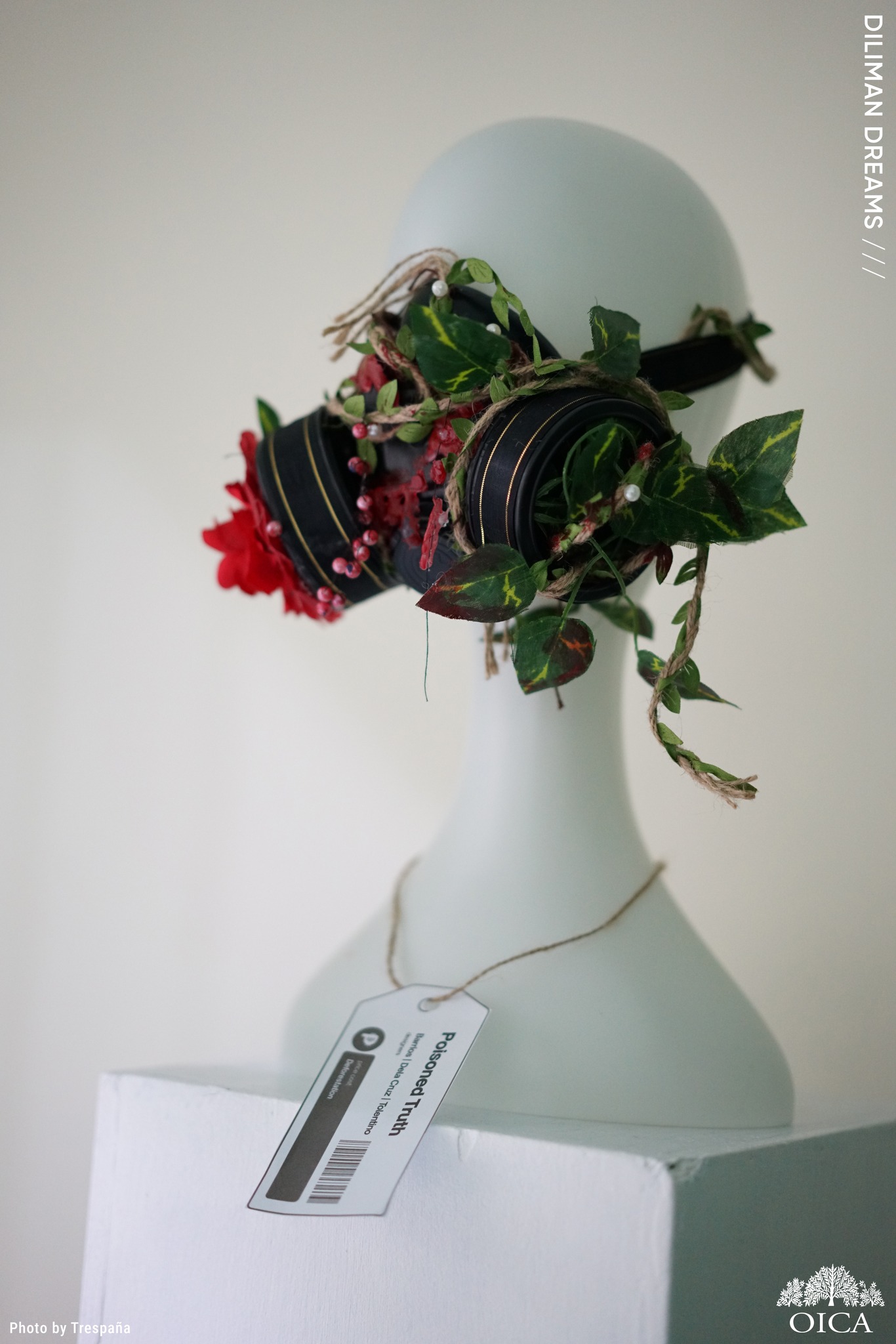
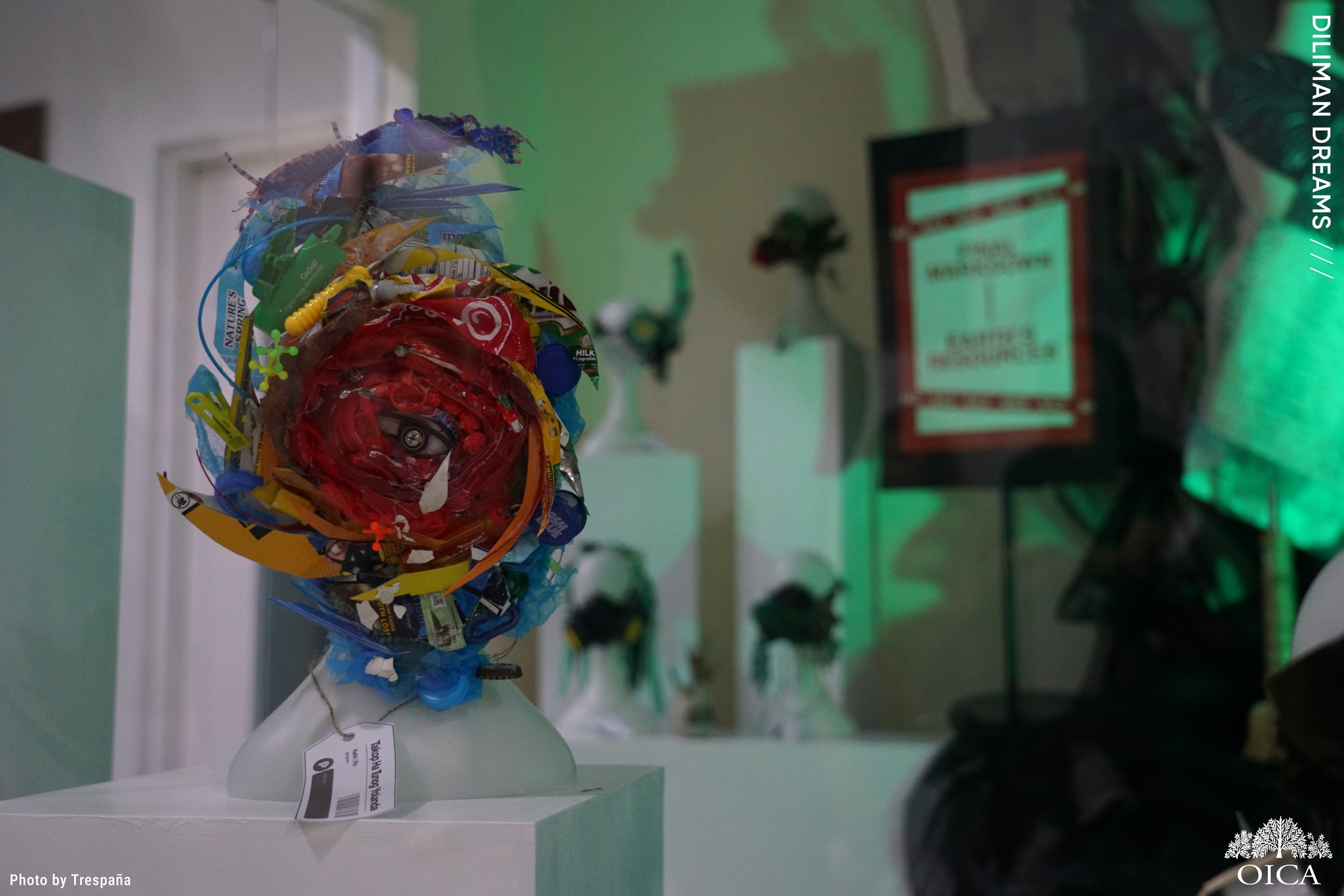
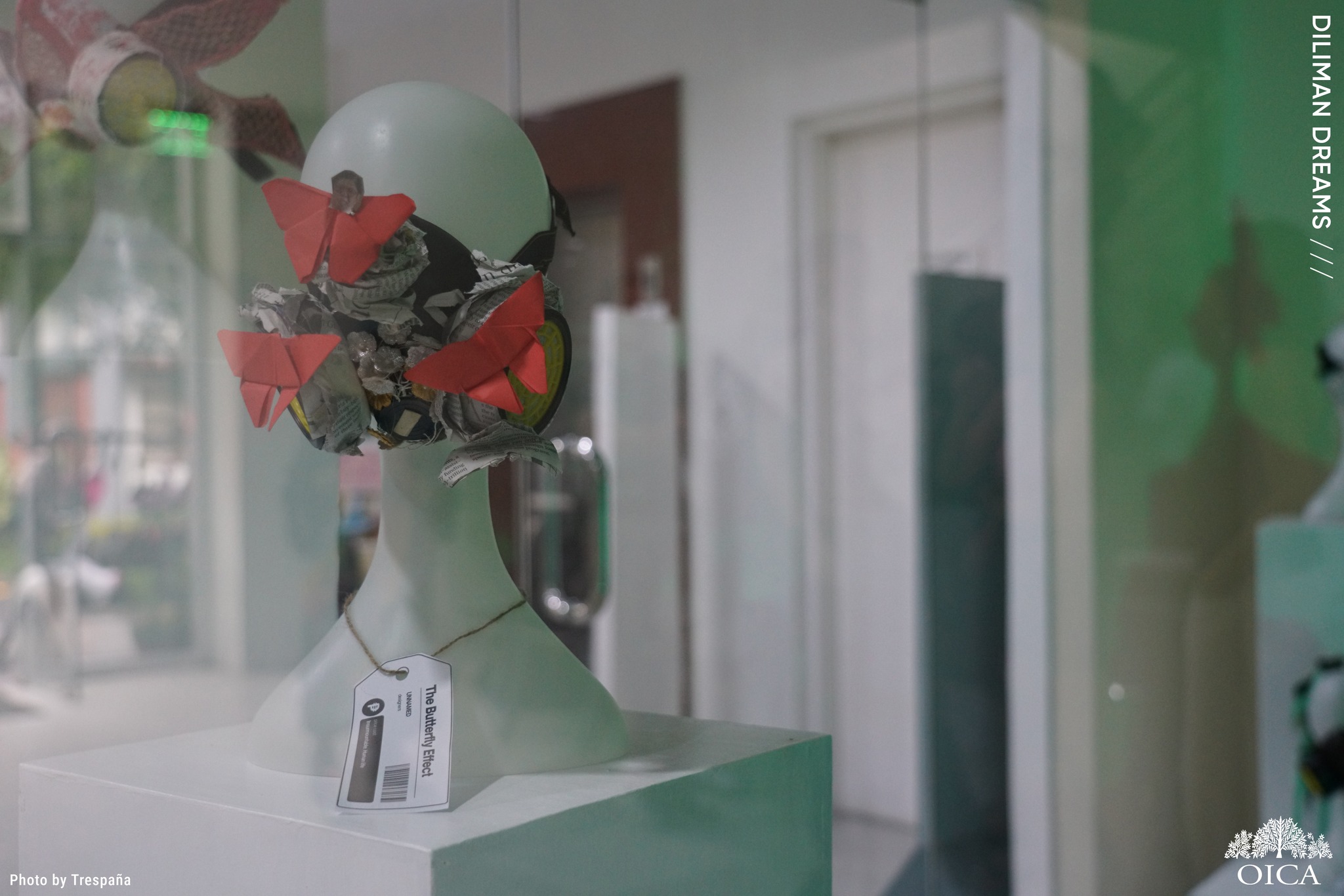
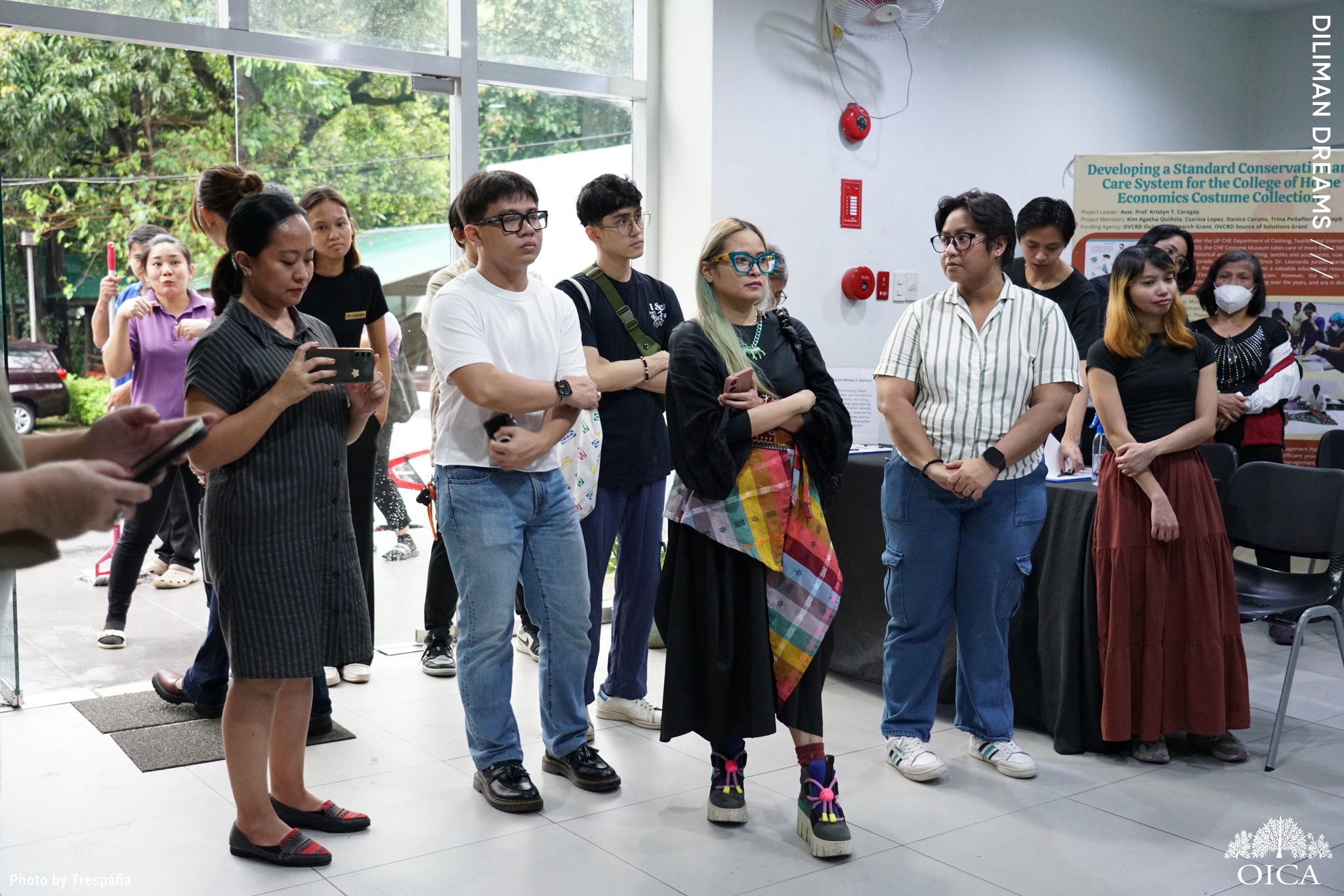
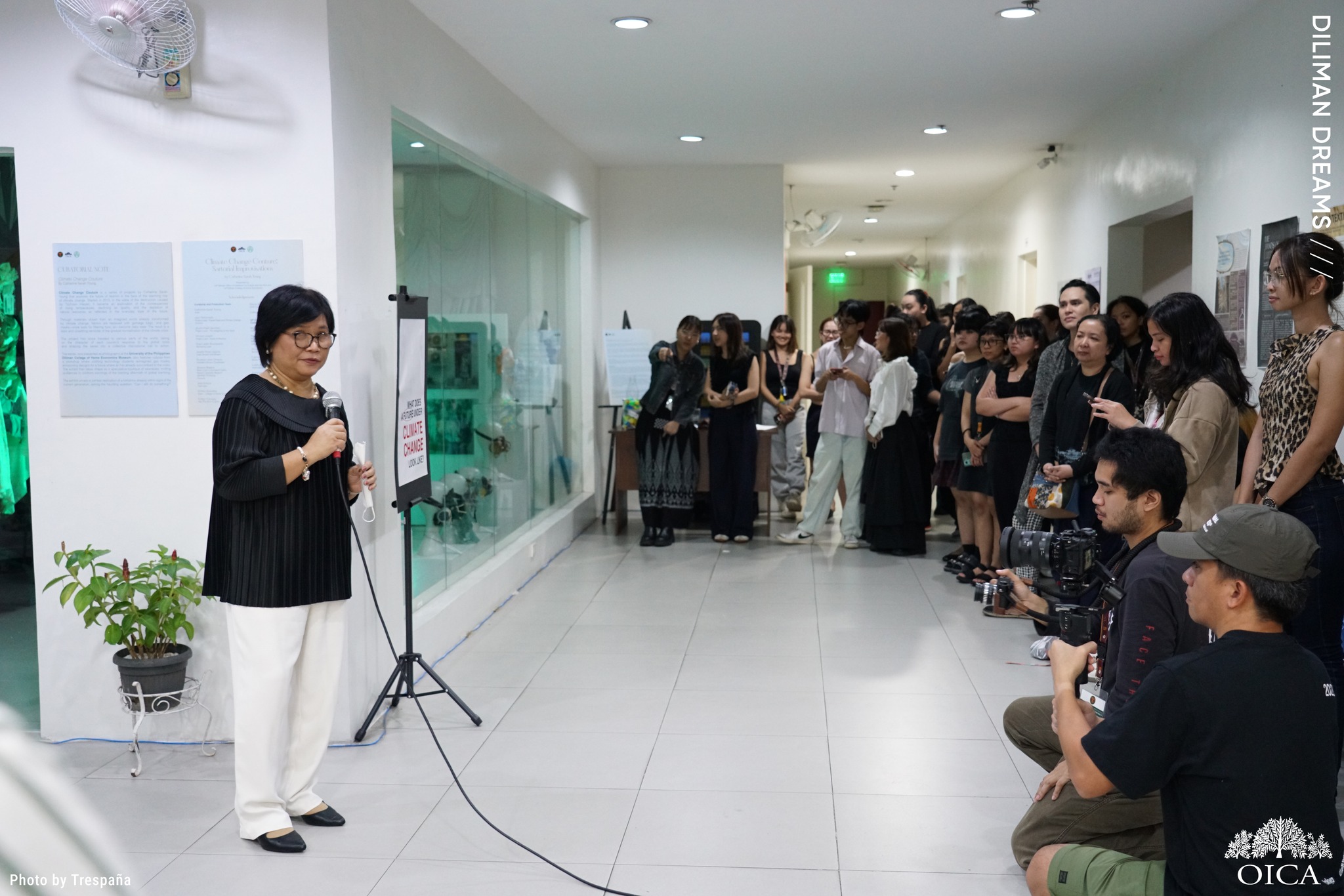
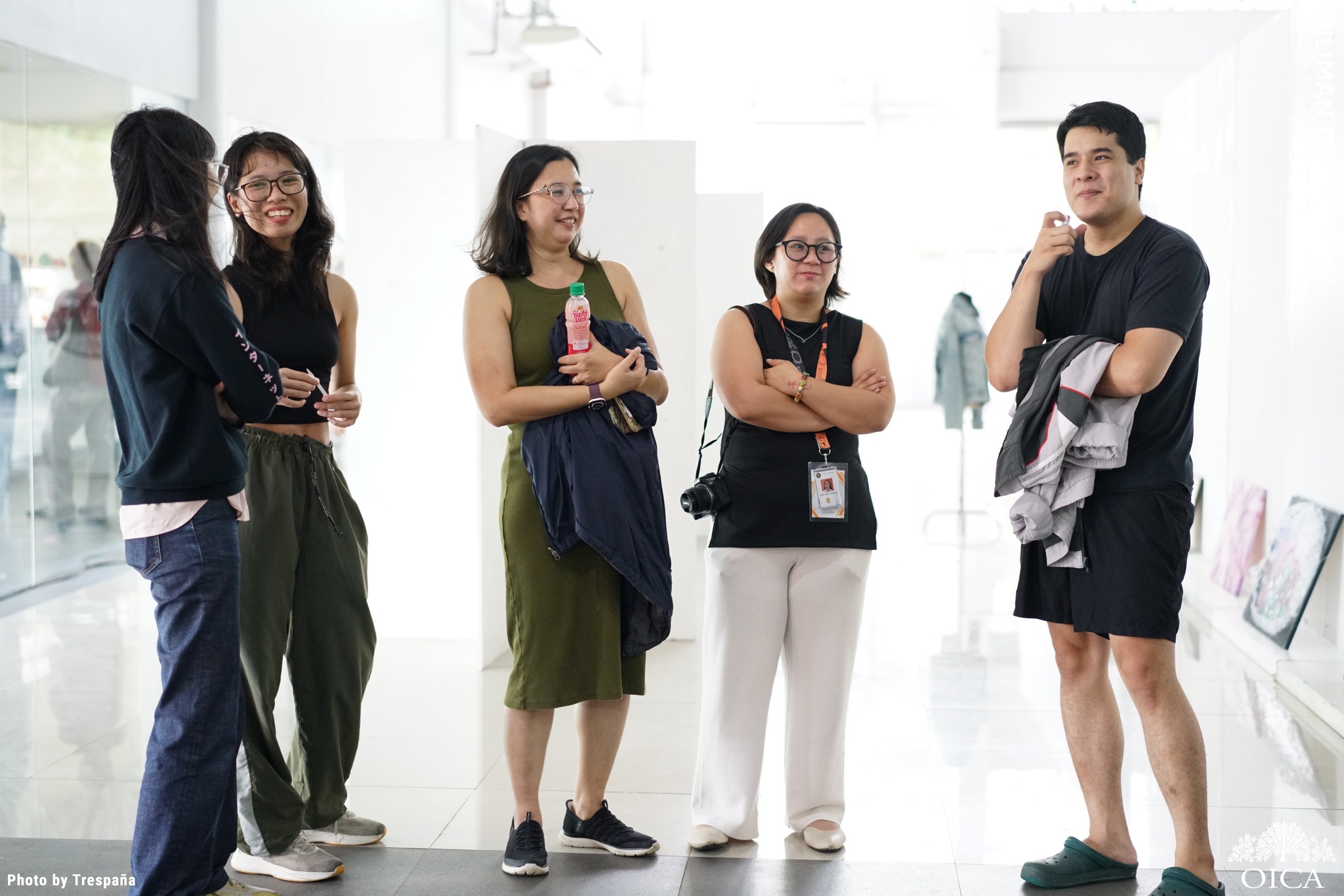
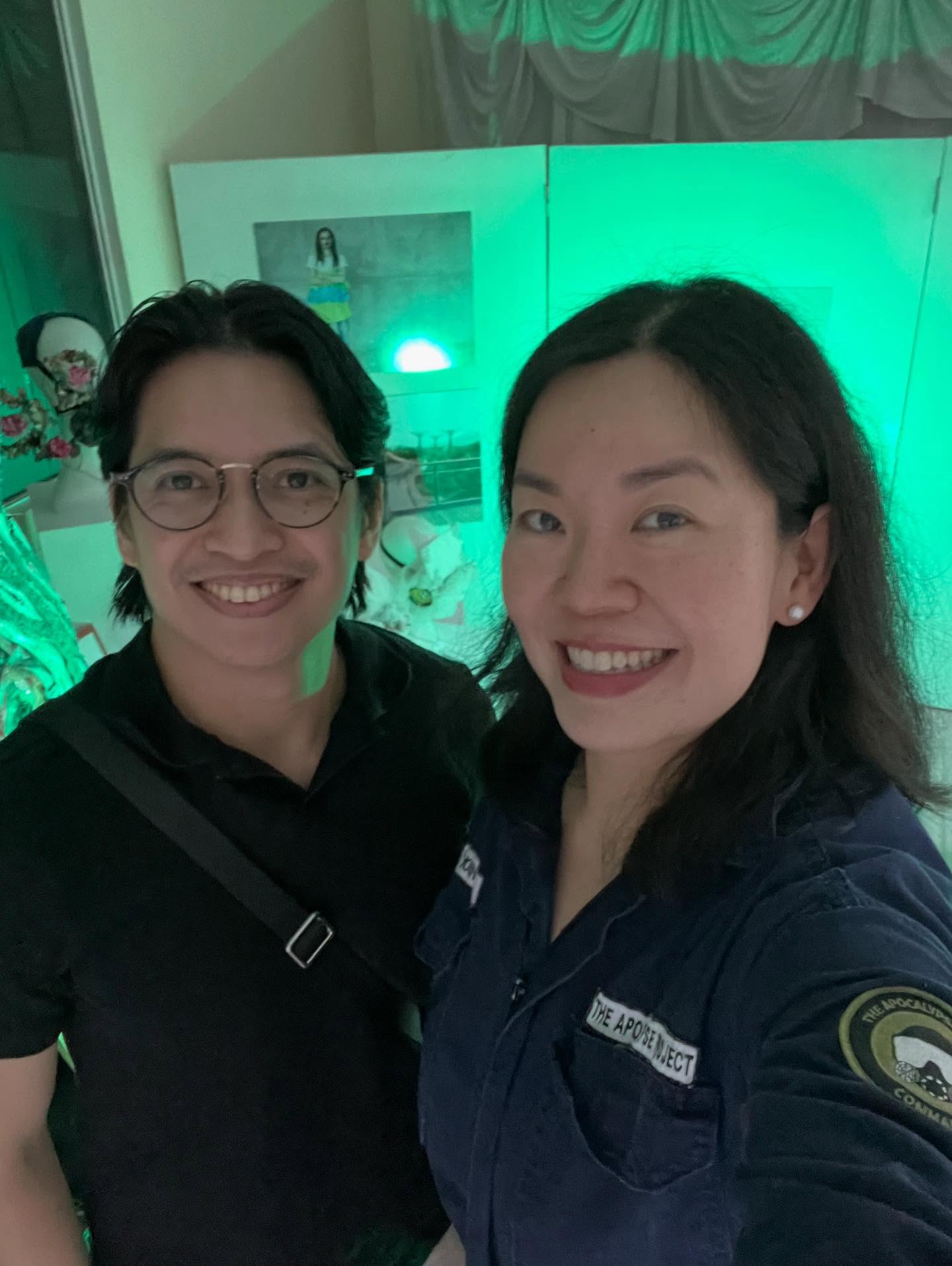
We opened the exhibition, ‘Climate Change Couture: Sartorial Improvisations’ at the College of Home Economics Museum, featuring my original Climate Change Couture photographs from 2013 and highlighting the work of the clothing technology students from the ‘Masks for a Warming World’ workshop. The exhibition design was a result of collaborative proposals from interior design students.
The exhibition is very timely, opening under the shadow of a major government scandal involving the theft of billions of pesos of taxpayers’ money in flood control projects that never came to pass and was instead used to fund lavish lifestyles that include luxury cars.
Two of my favourite parts in the exhibition: 1. Each mask comes with a price tag, including the price of government corruption to these young designers’ lives and their futures.
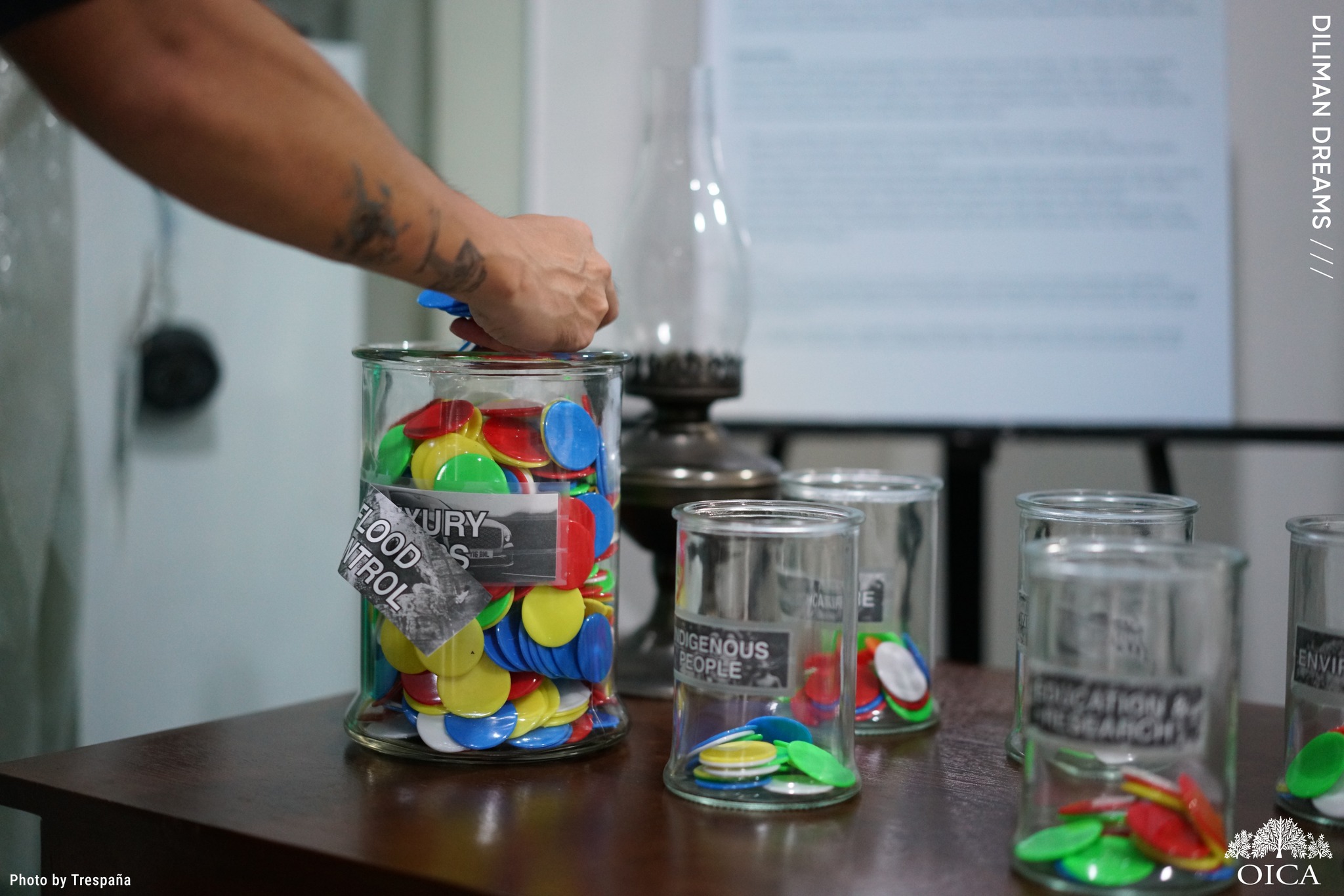
2. Visitors can take a token representing 100 million pesos from the billions in flood control funding and allocate it to one of five issues: Education and Research, Infrastructure, Indigenous Peoples, Health Care, and Environmental Projects, allowing the members of the country’s premier state university to give their input on how the country must be governed.
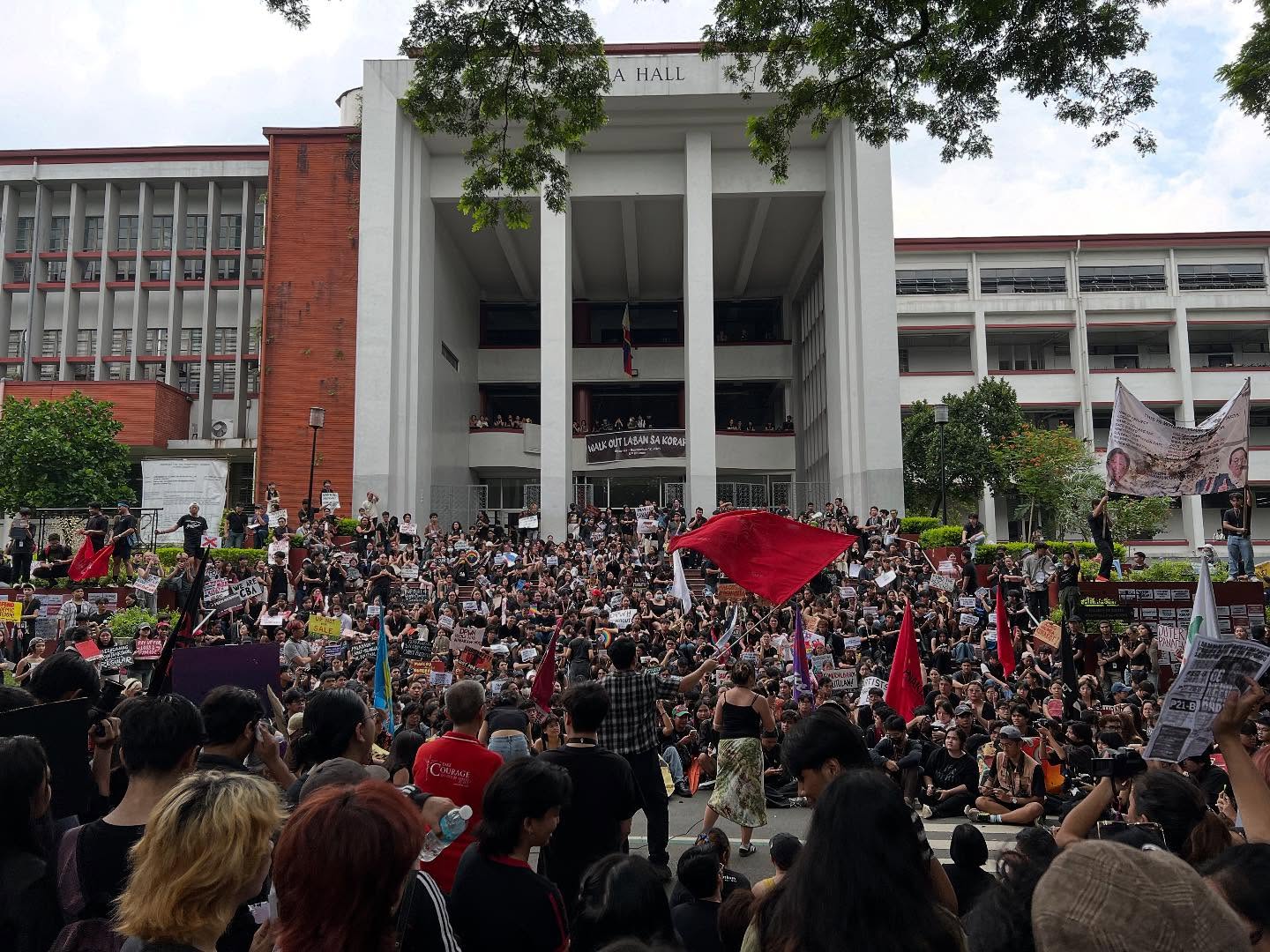
Earlier in the day, thousands of students, faculty and staff united in protest in the largest walkout since the pandemic.
I was very moved by the students’ work, as they recognise what the climate crisis and bad governance cost their lives. One student survived Supertyphoon Yolanda at ten years old. I am so floored by the collaborative spirit in the uni, and grateful once again for @updoica and the CHE deans, faculty, and staff for their efforts. This huge projected was led by Jazz Reformed of the UP Office for Initiatives for Culture and the Arts. Congratulations to all!
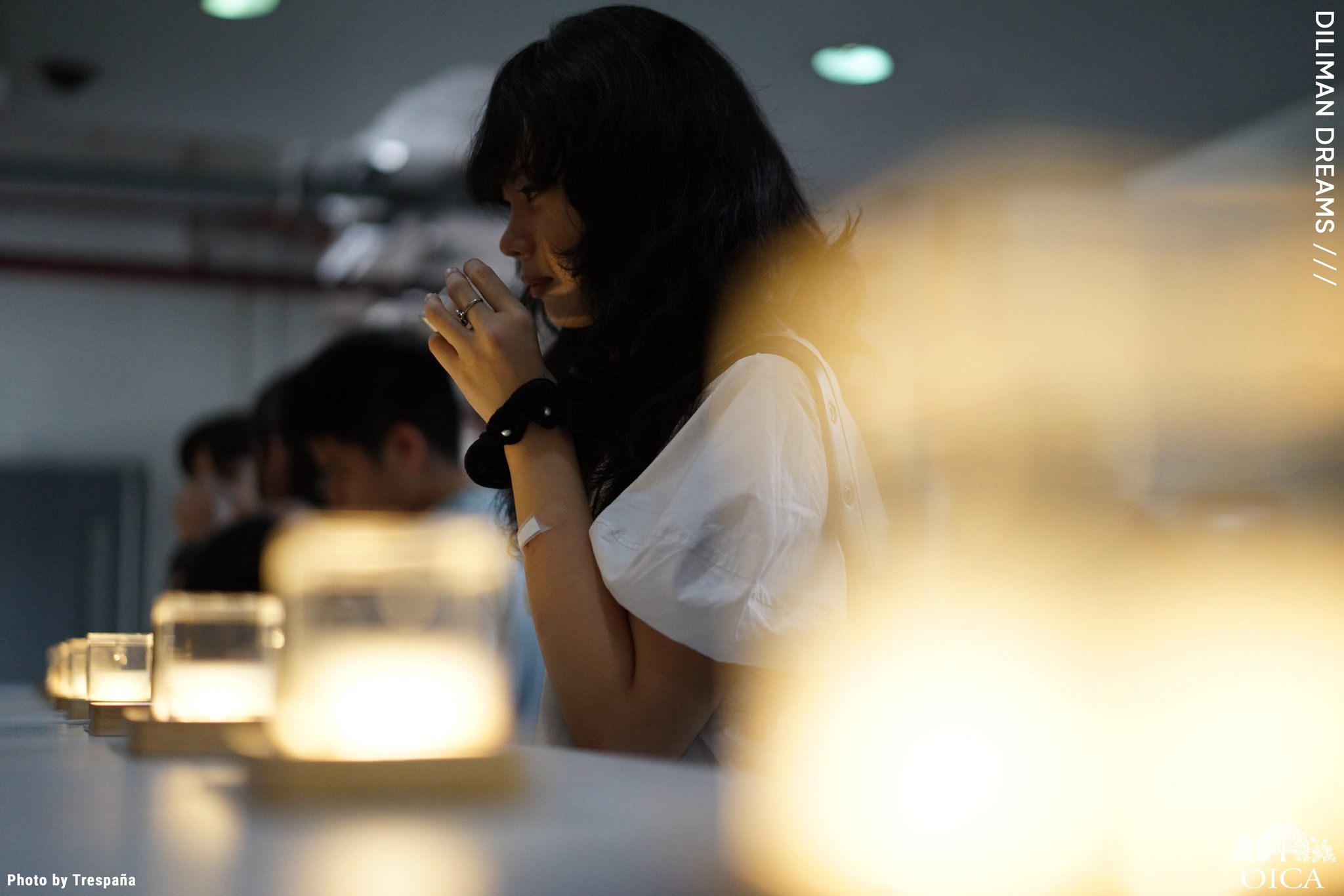
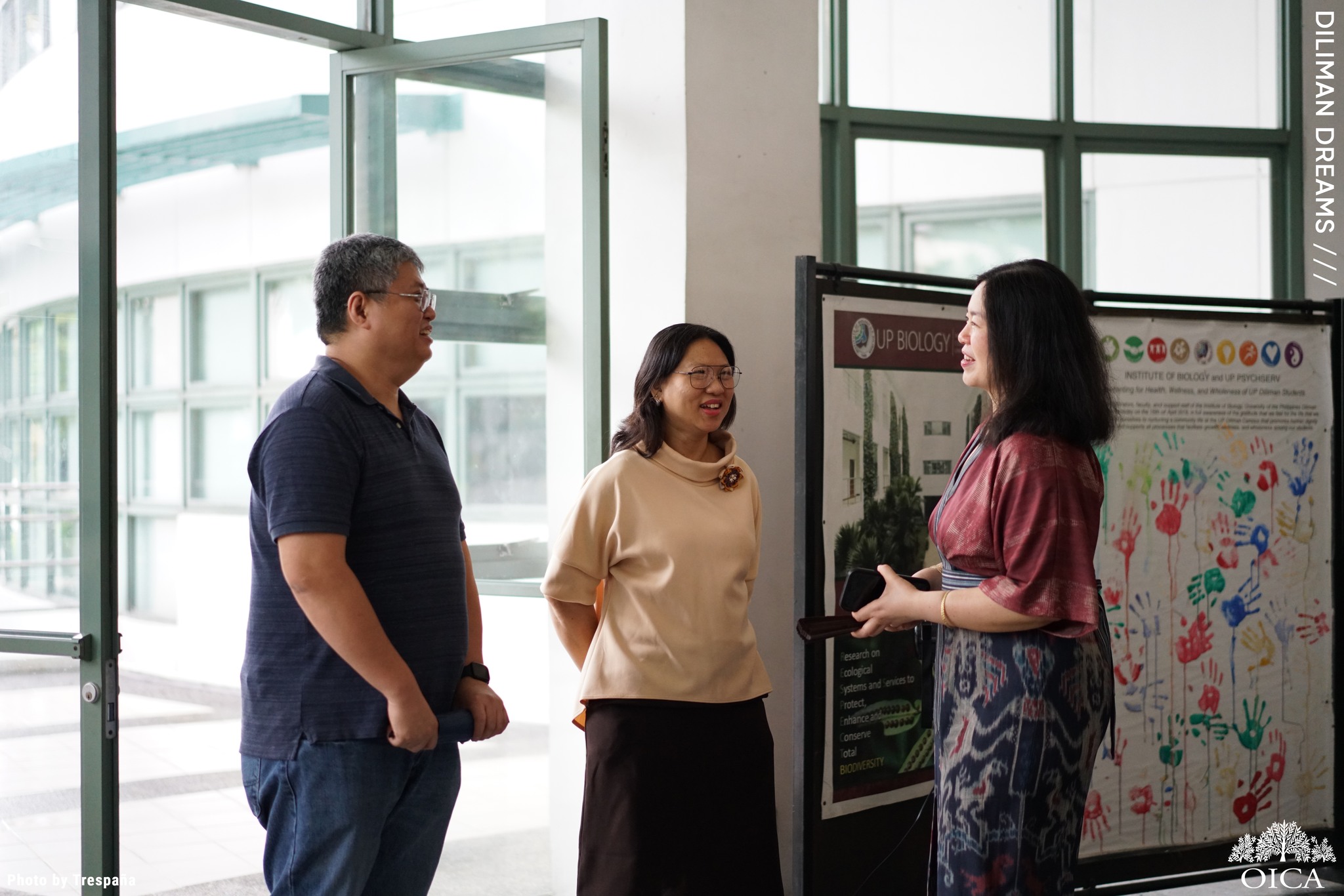
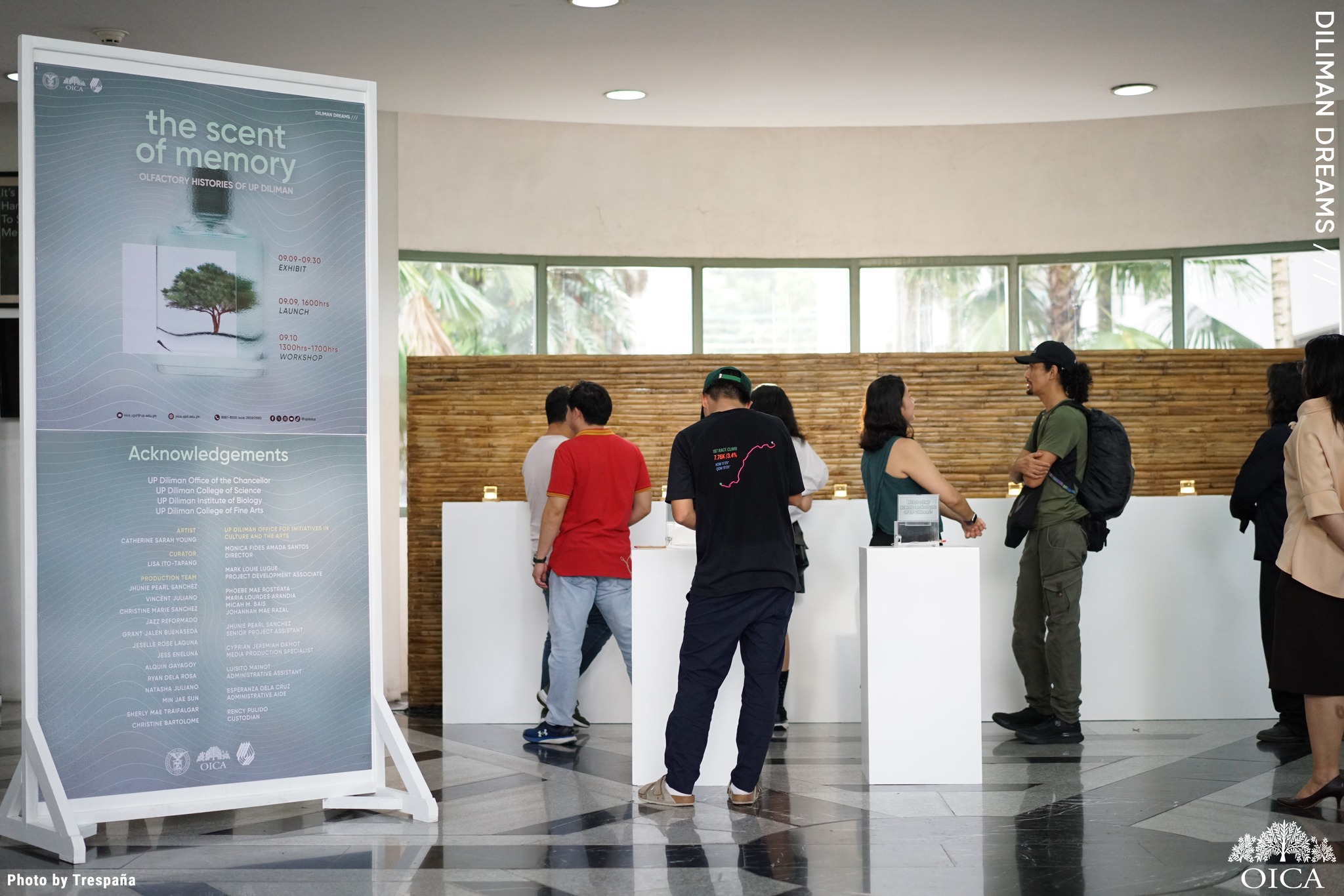
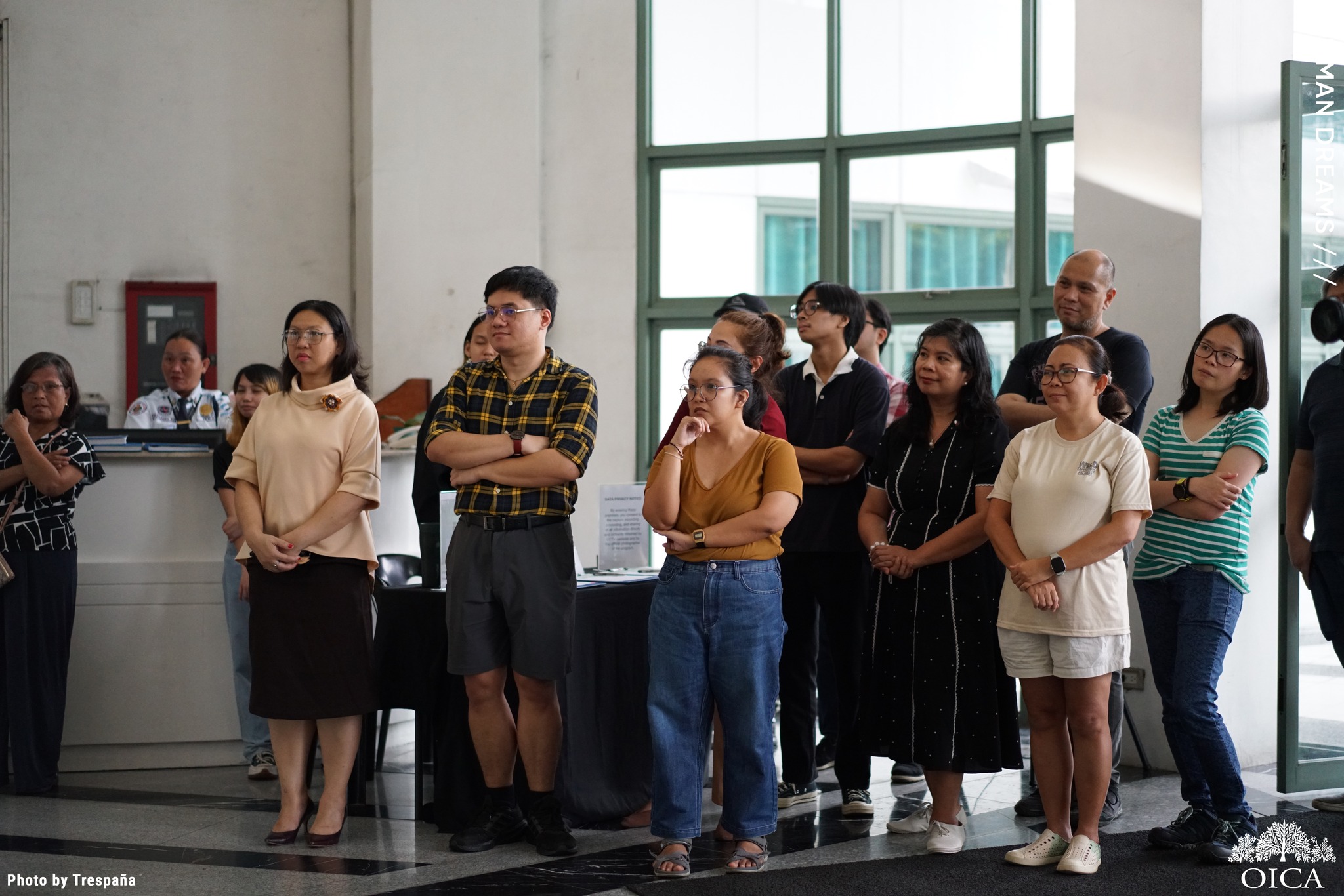
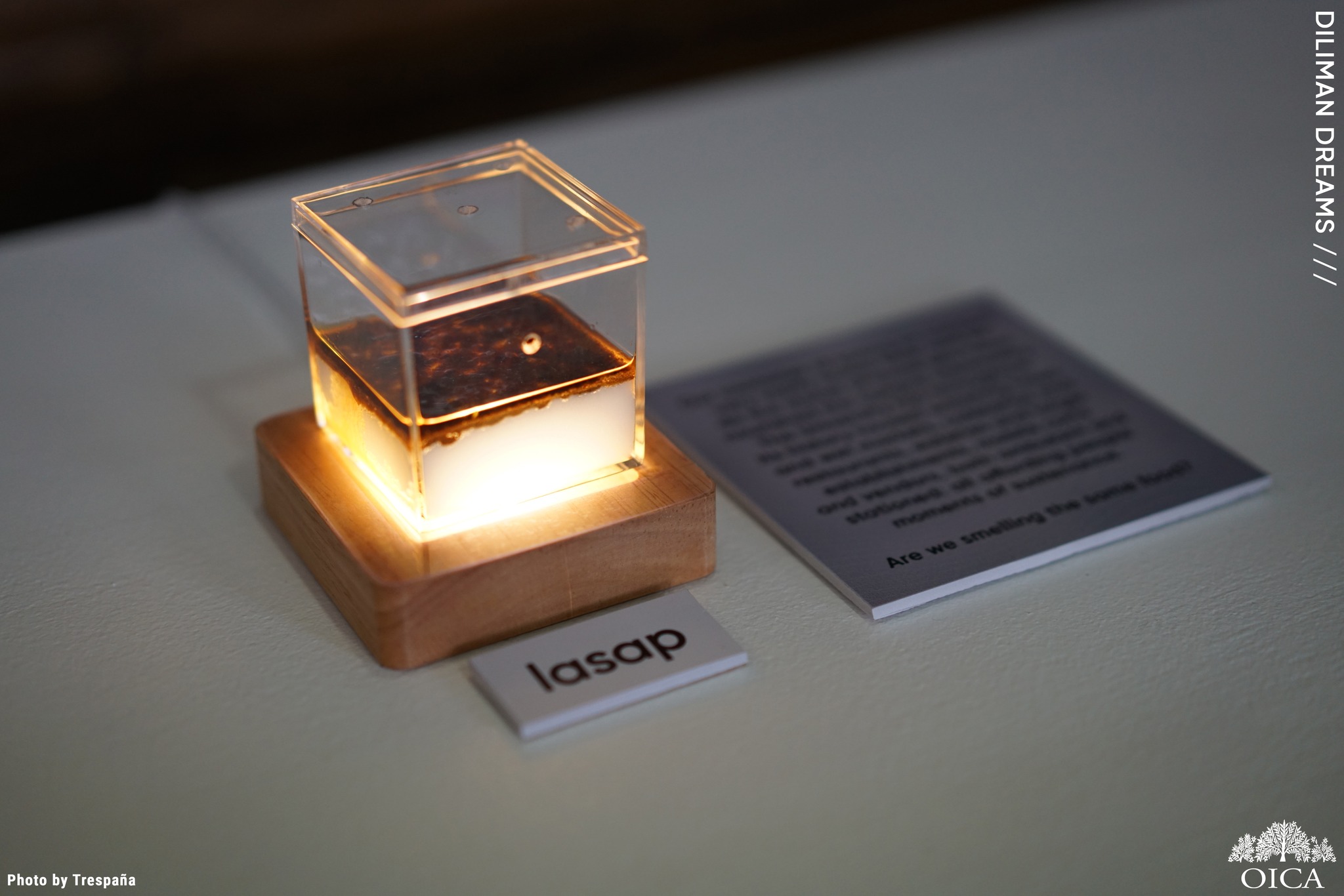
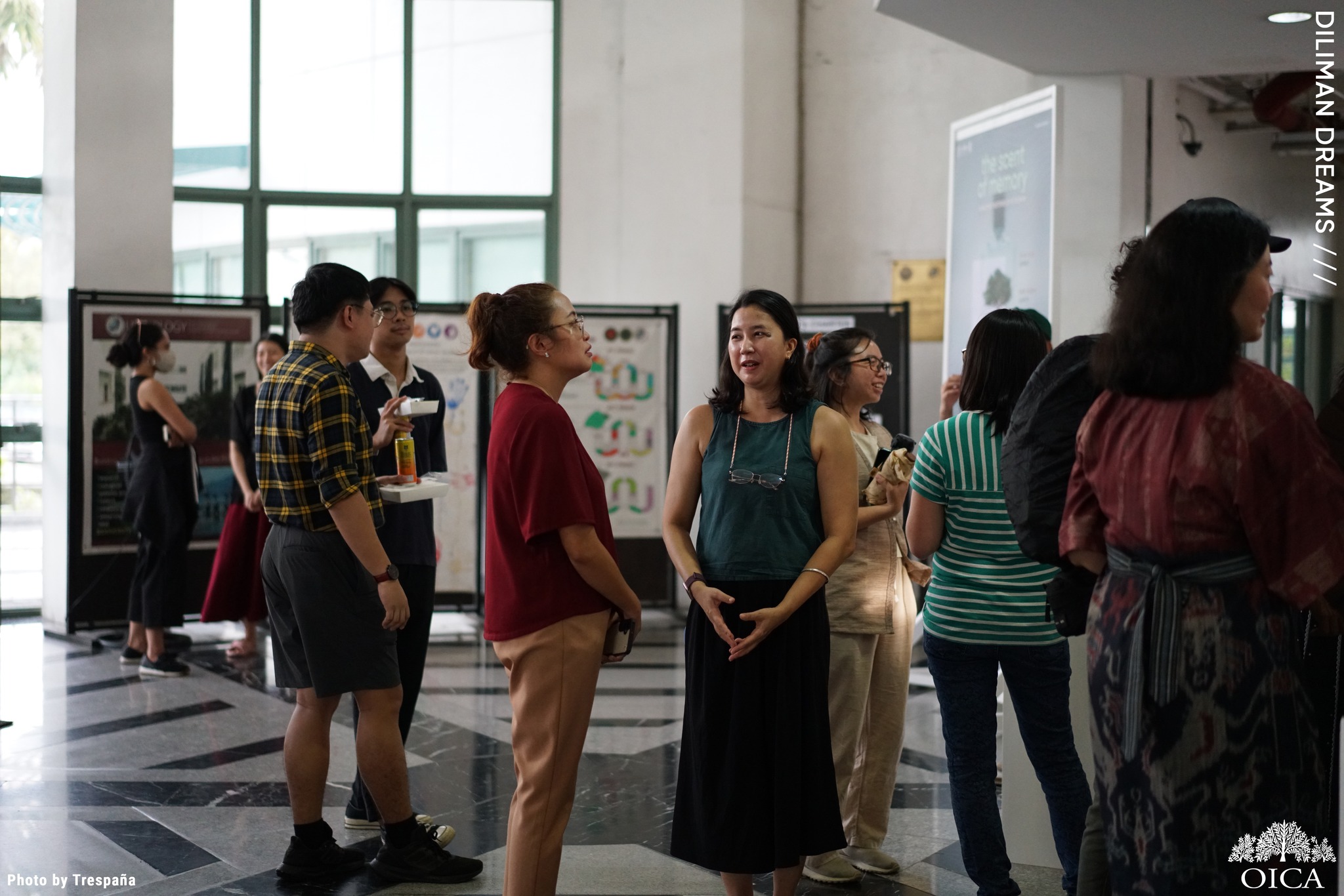
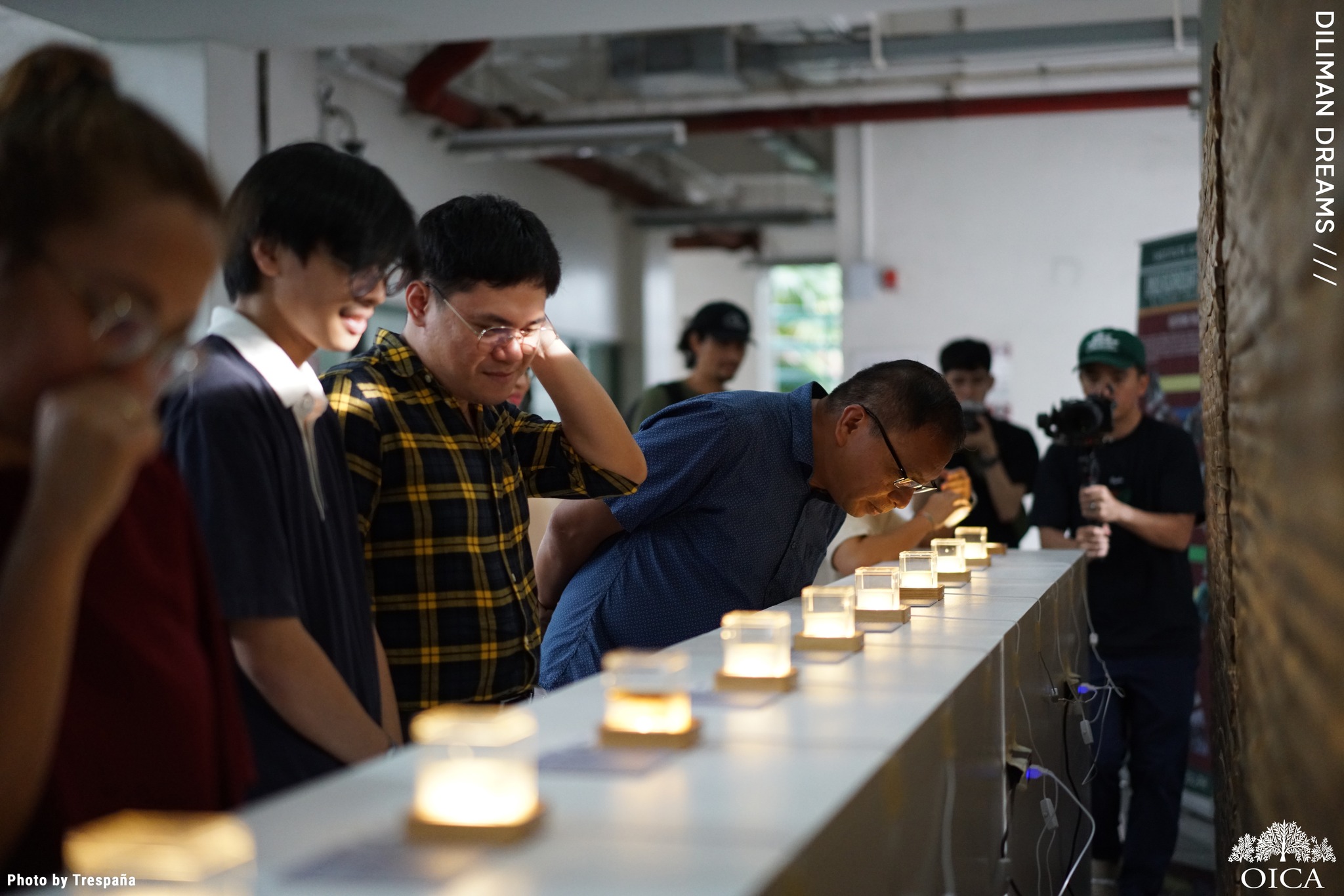
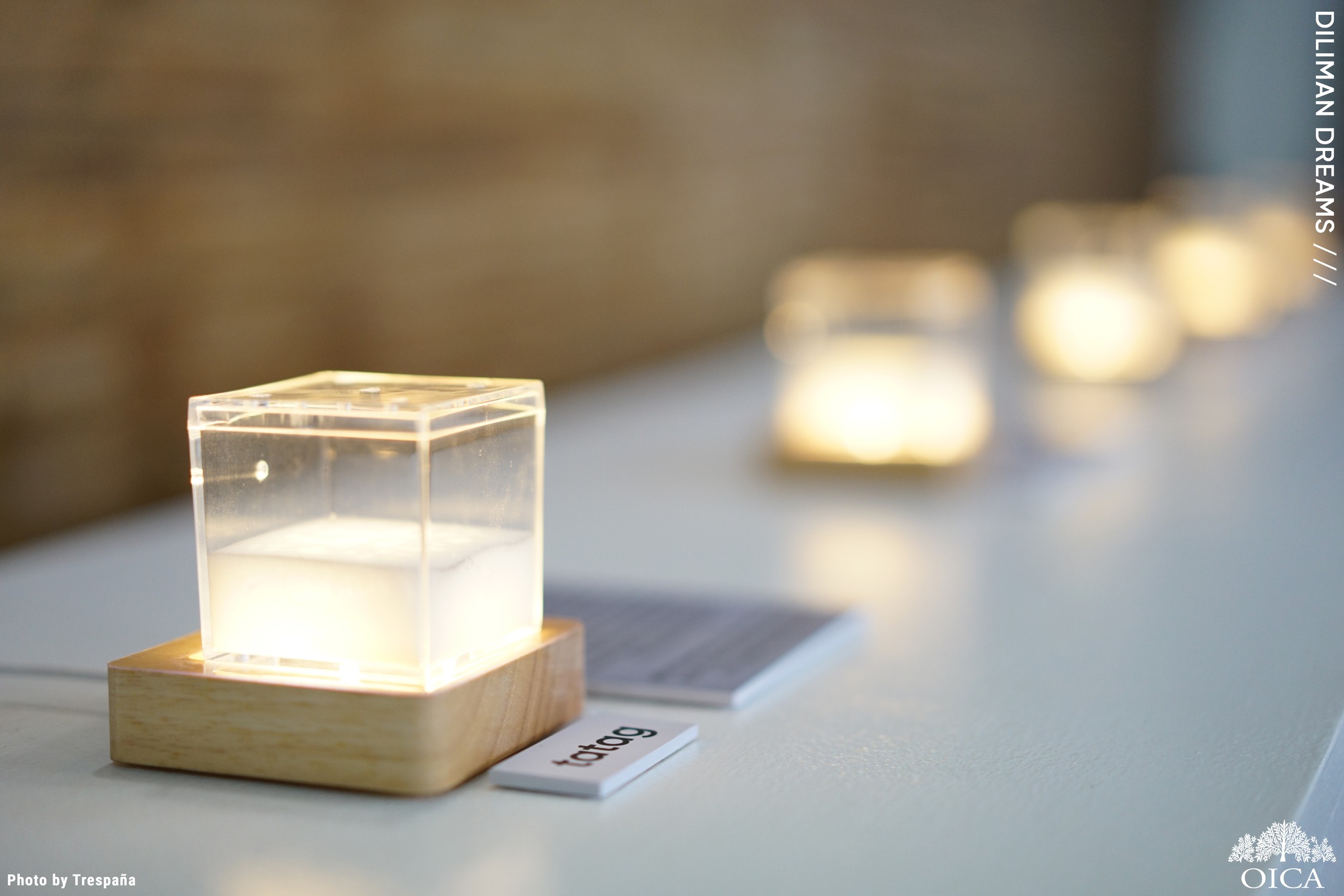
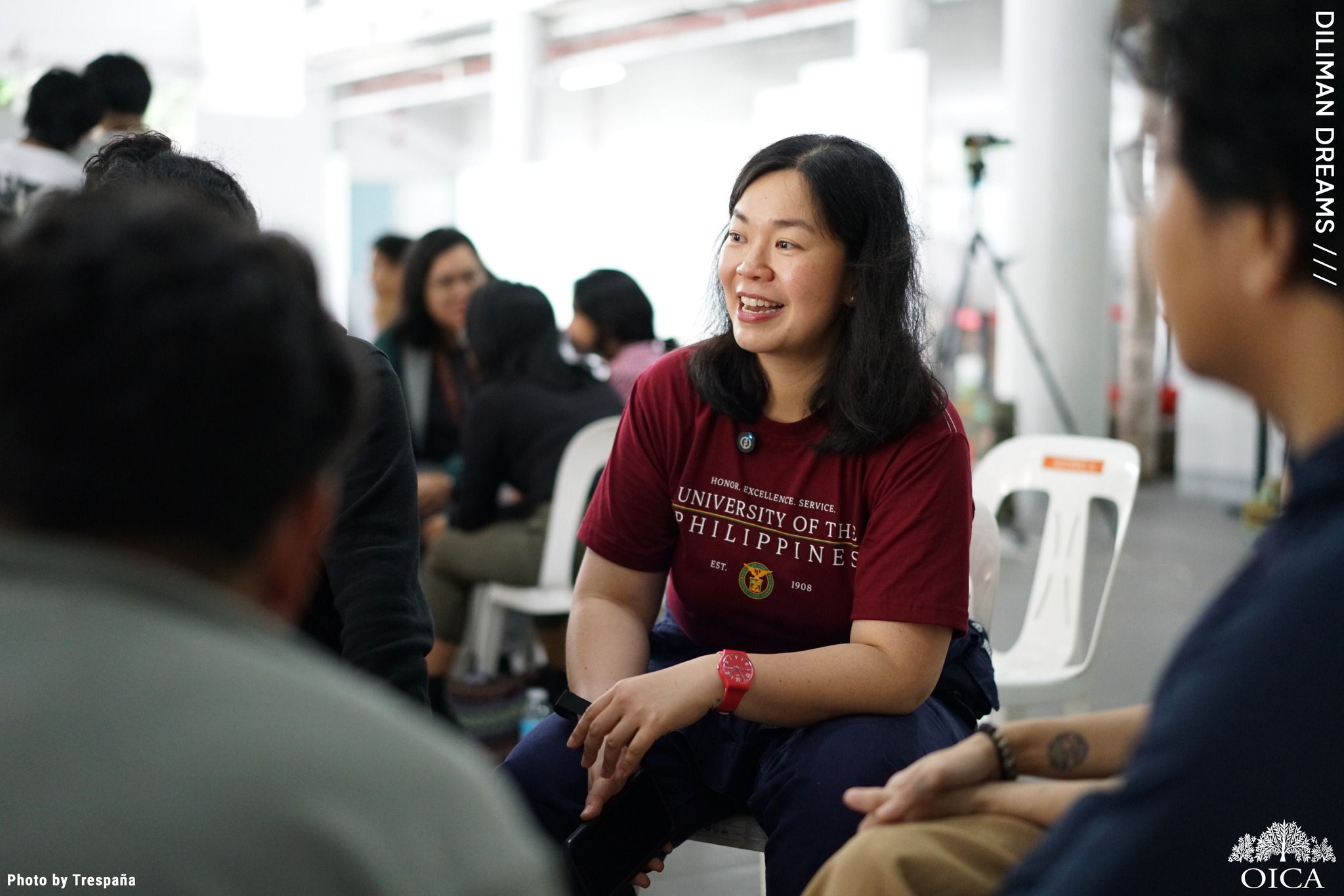
The Scent of Memory: Olfactory Histories of UP Diliman is an exhibit that captures the sensorial experience of being and living in UP Diliman. The exhibition was curated by Lisa Ito of the College of Fine Arts. Below is her exhibition text:
“An Invitation to Breathe
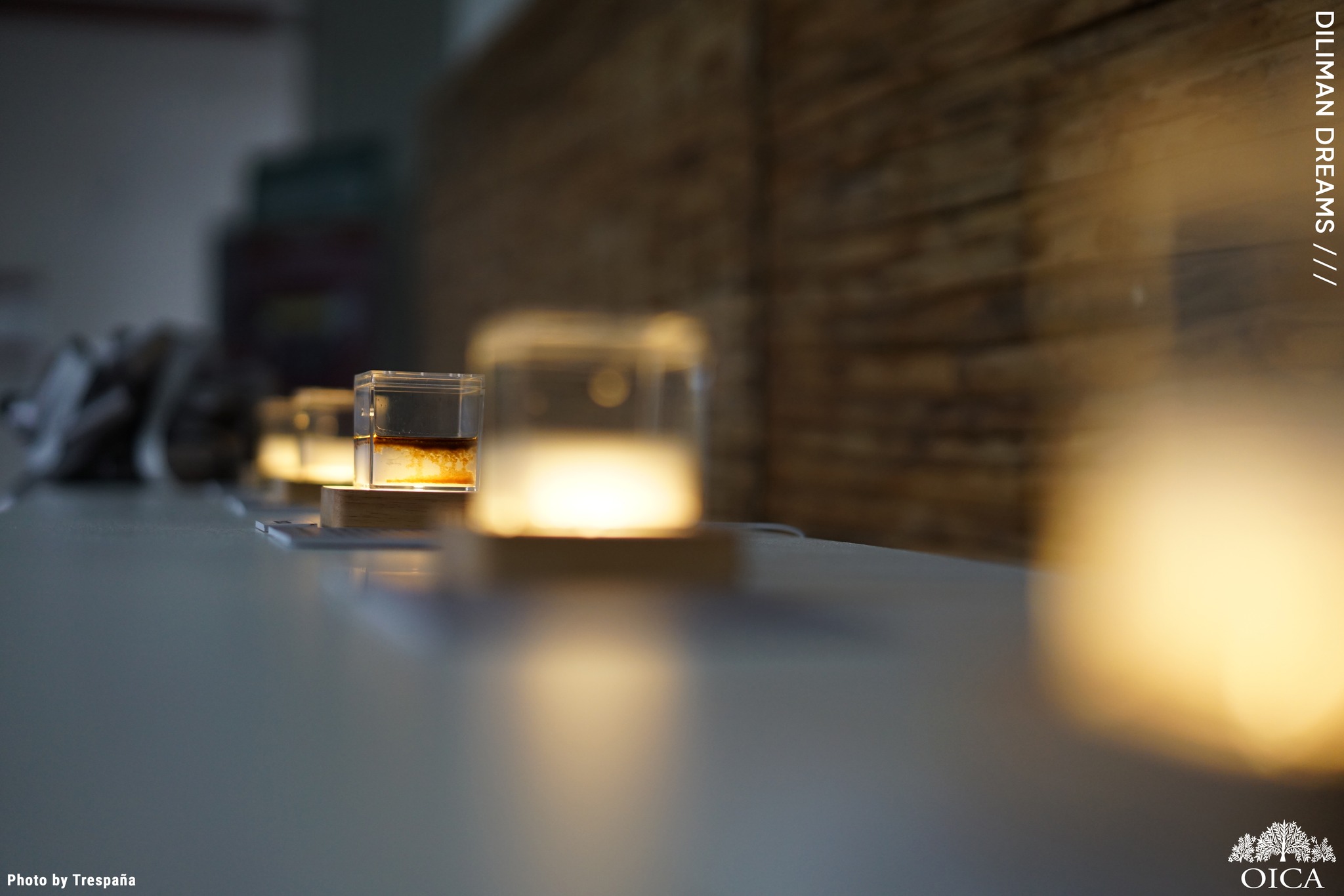
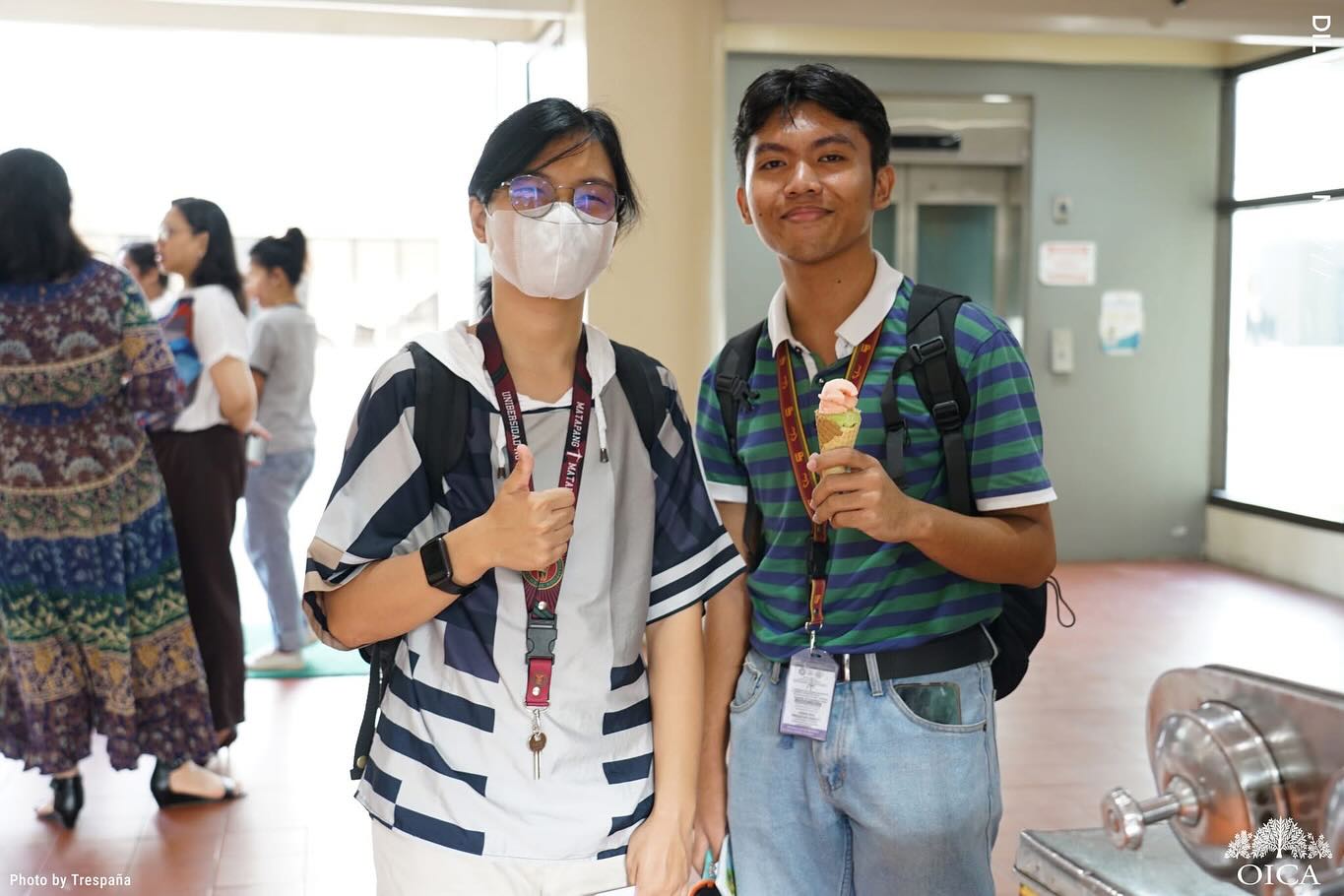
Art, science, and memory merge in this olfactory installation by Catherine Sarah Young. Through a suite of ten scents, she distills intergenerational impressions of the University of the Philippines Diliman campus across its history since 1949: as a place, site, and space of meaning in and across time.
In exploring scent as a material for memory projects, Young presents both a homecoming gesture as a UPD College of Science alumnus and an inter-sensorial inquiry about the present. The works signify moments recalled from archival narratives from the university’s collective history and distilled from the environment: from spaces inhabited by various generations to the land comprising the Diliman campus in the postwar era.
In Marcel Proust’s novel, In Search of Lost Time (1927), an oft-cited passage describes affects triggered by a delicate cake and reminds us of the entangled relationship between the senses and remembering. These moments of olfaction are a way of cuing us into what was, and shape our own sense of what can be.
Offered as evocations and prompts, the works in this installation thus serve as a prelude to a smellscape of the present milieu:
Tatag. Aral. Tambay. Pahinga. Hilom.
Libot, Tipon. Lasap. Liyab. Tala.
What scents have steered our understanding of the past? What scents are now shaping a generation steeped in climate crises and global war?
Savor a moment to breathe and take in these re-collections. As fleeting presences, these are doubly precious in this time of rapid ecological and socio-economic change and unrest. The challenge asked of us: to attune oneself and ourselves, sensorially and sensitively, to shaping what lies next.”
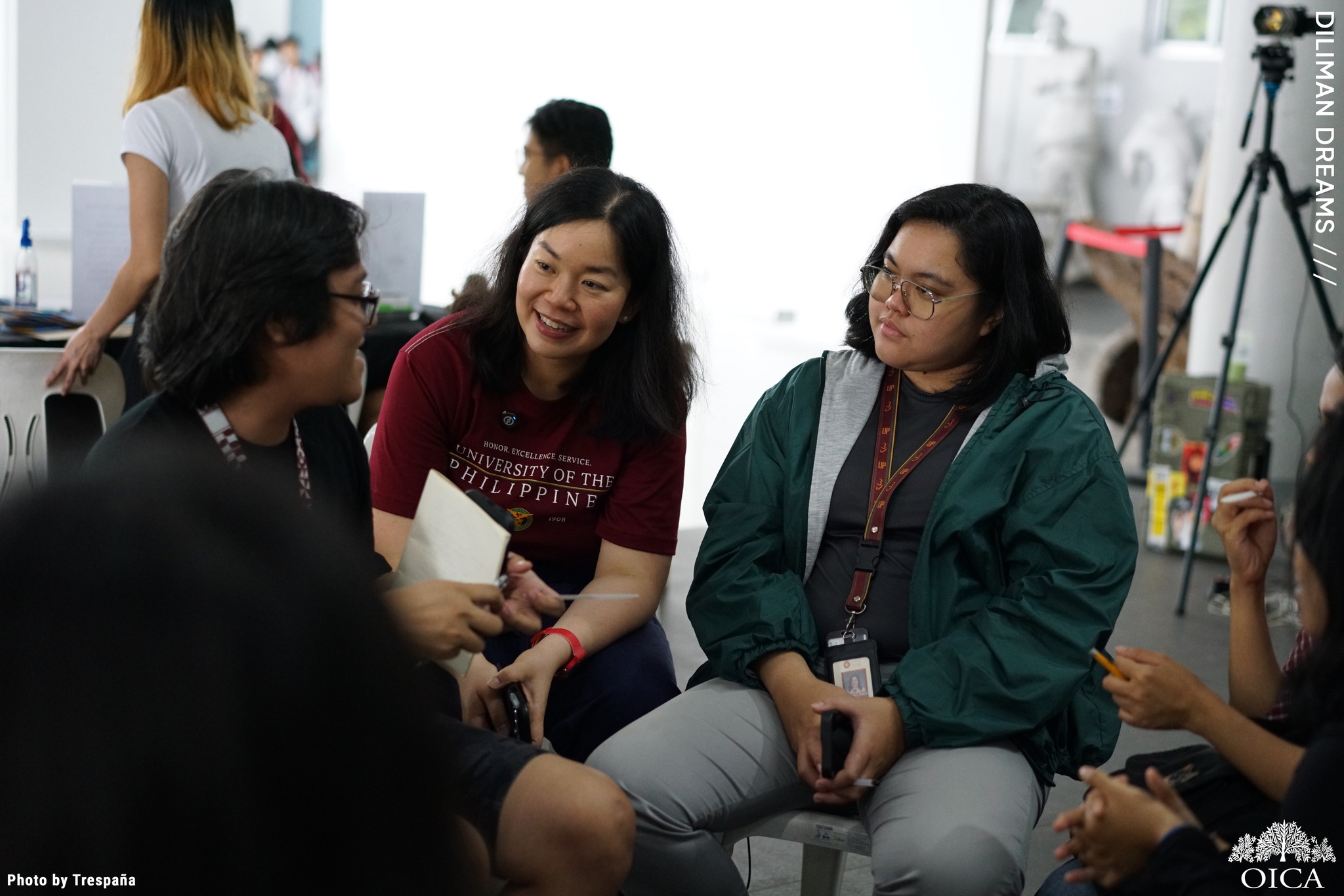
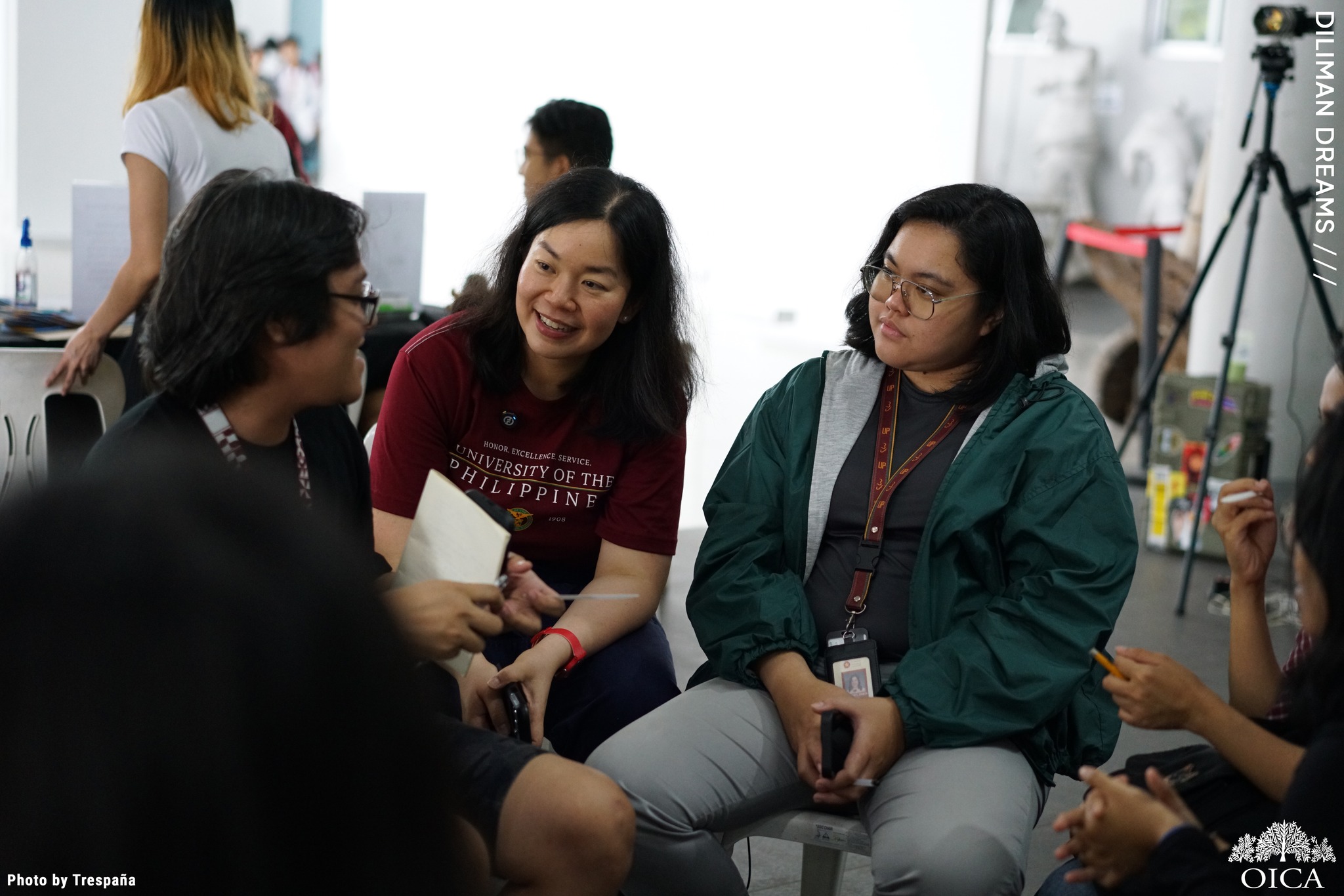
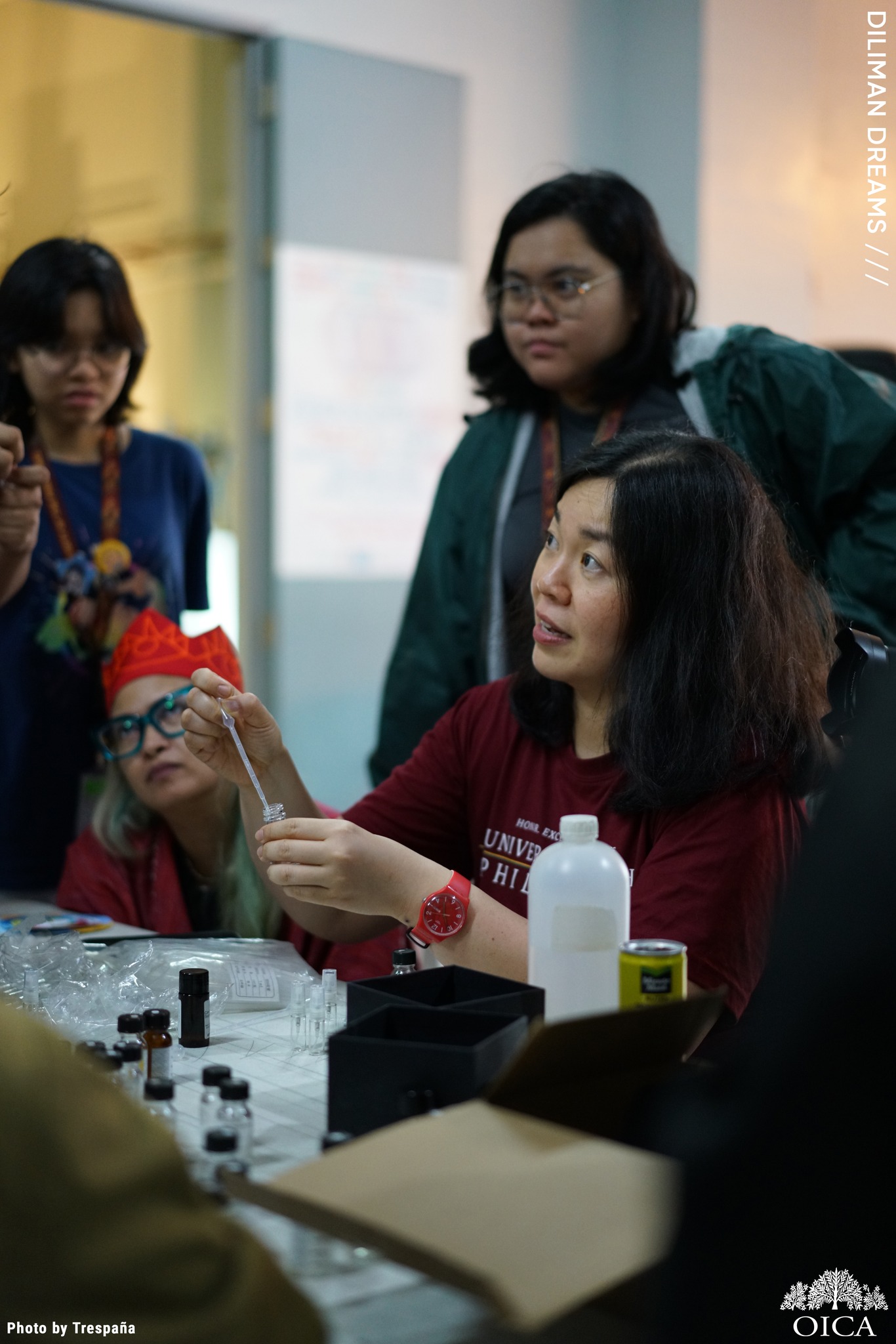
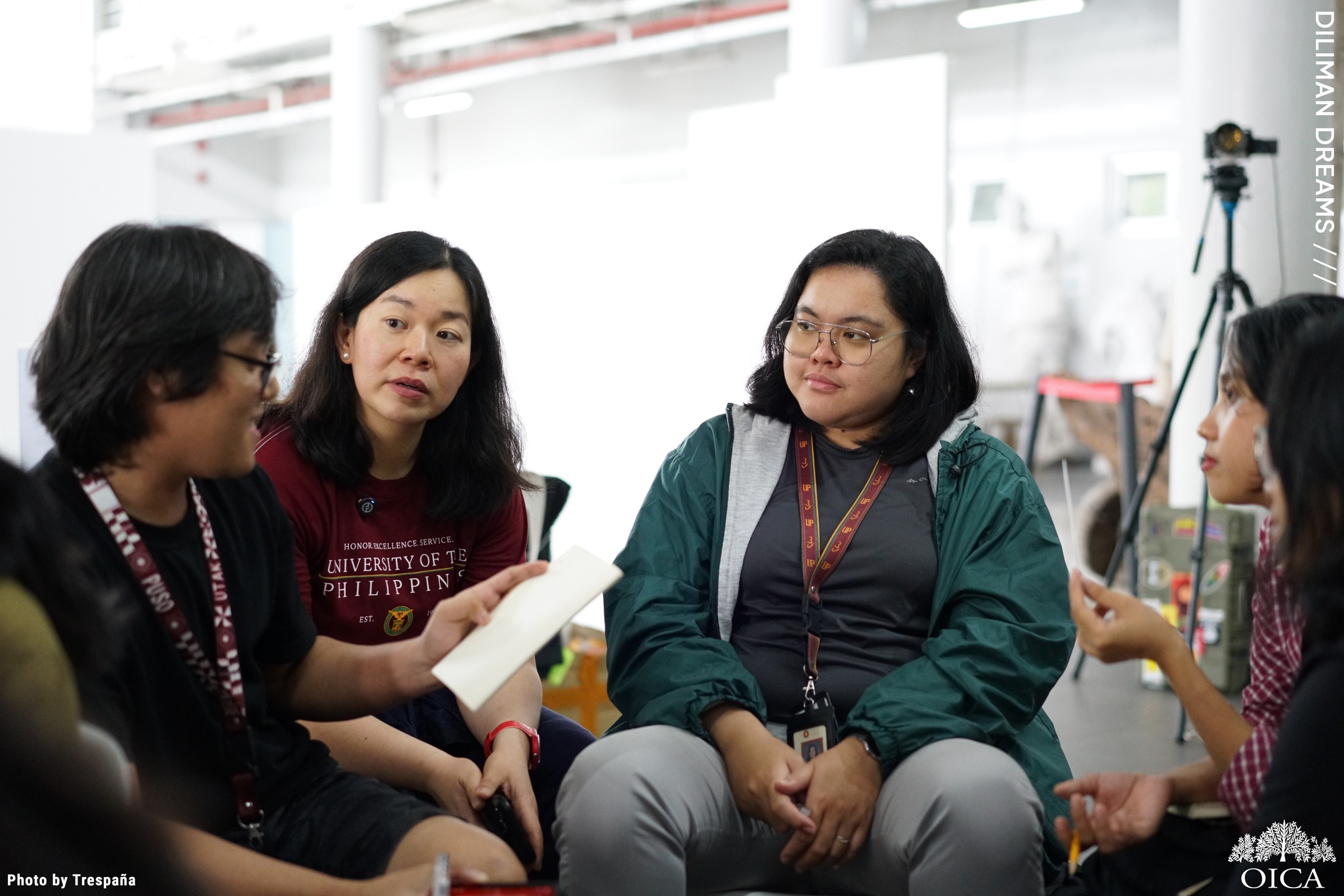
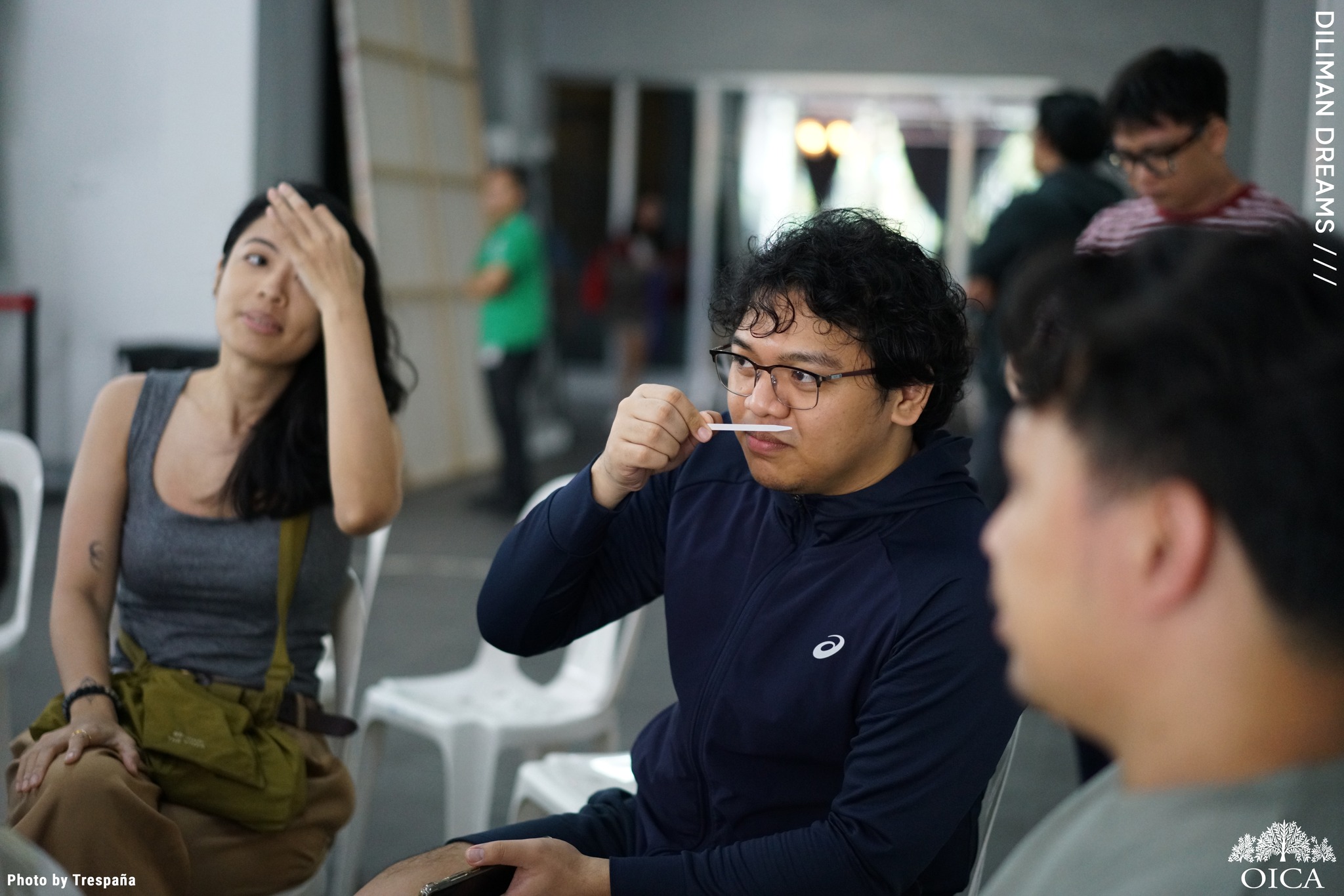
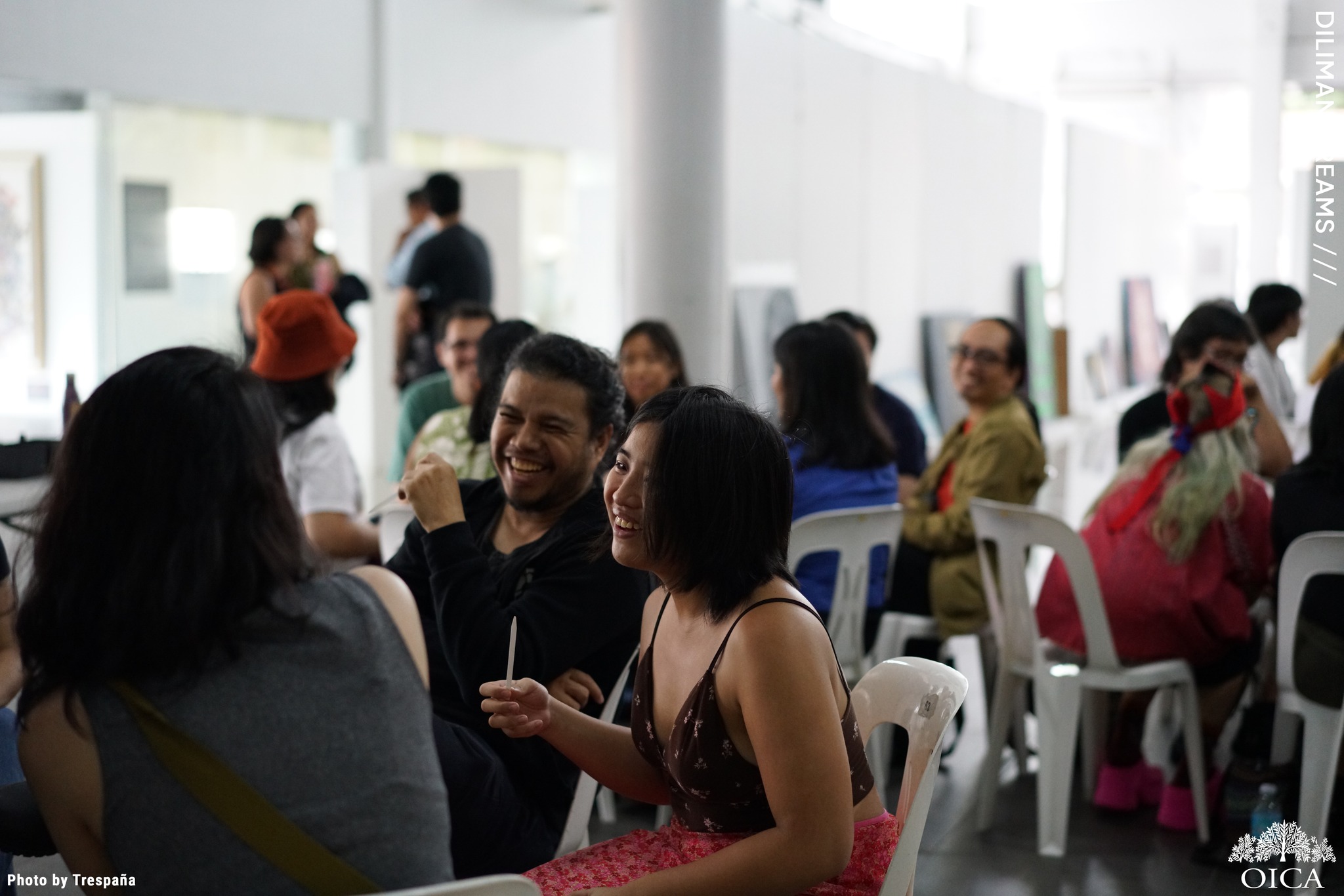
I ran a workshop with university alumni and staff to agree on the ten scents, ranging from the environmental (petrichor!), to the intellectual (pens!), to the place-based (the university infirmary), to the gustatory (pancit canton!) and to the symbolism of the university as a place of struggle and student protest (Molotov cocktail). As an alumna of the college’s molecular biology and biotechnology program, it was fitting to host this artscience exhibition here. It was also awesome seeing my art colleagues here, as well as my former biology teacher who was one of those who taught me how to distill. The show ran until September 30th and in celebration of National Science and Technology Month.
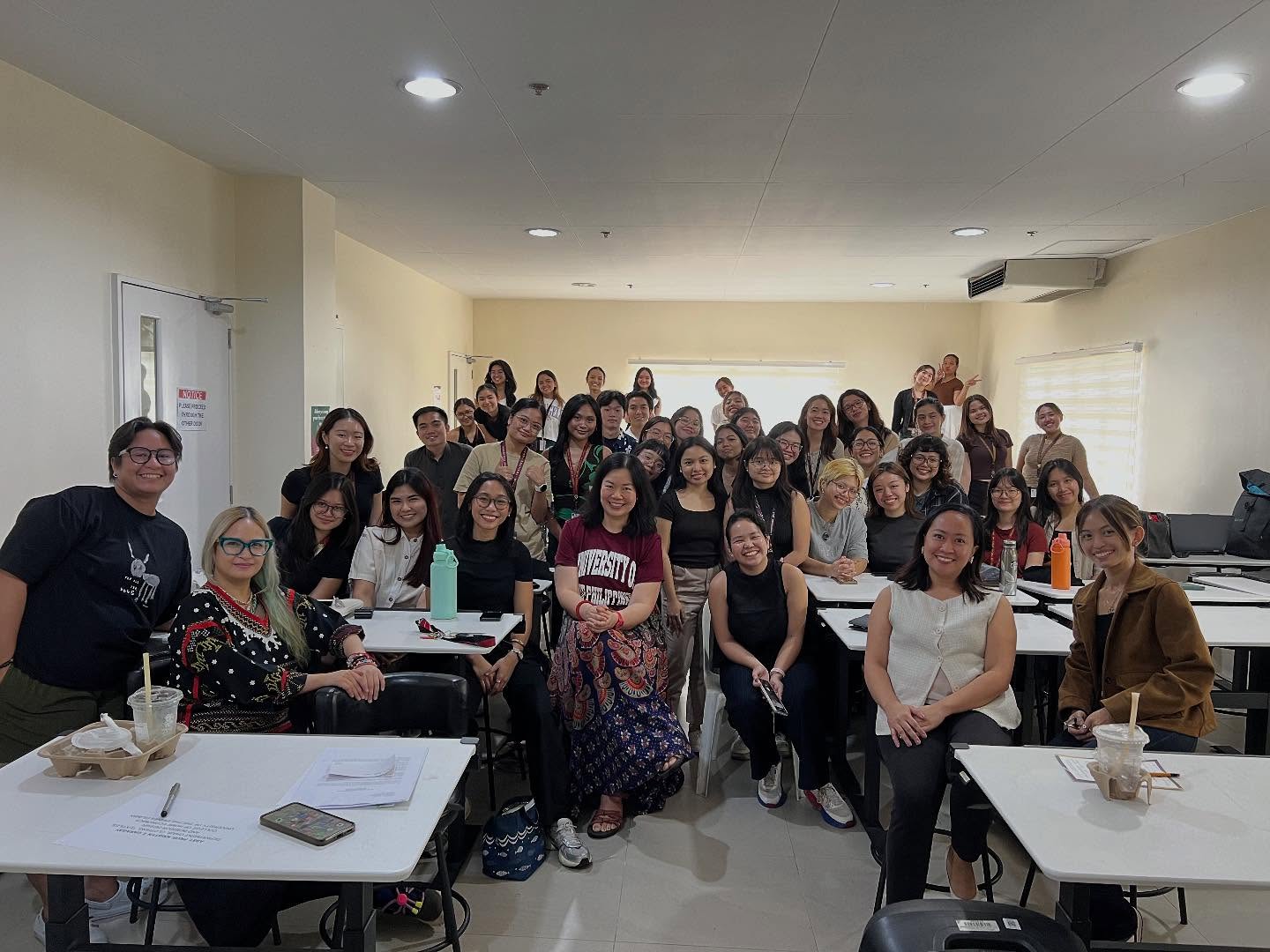
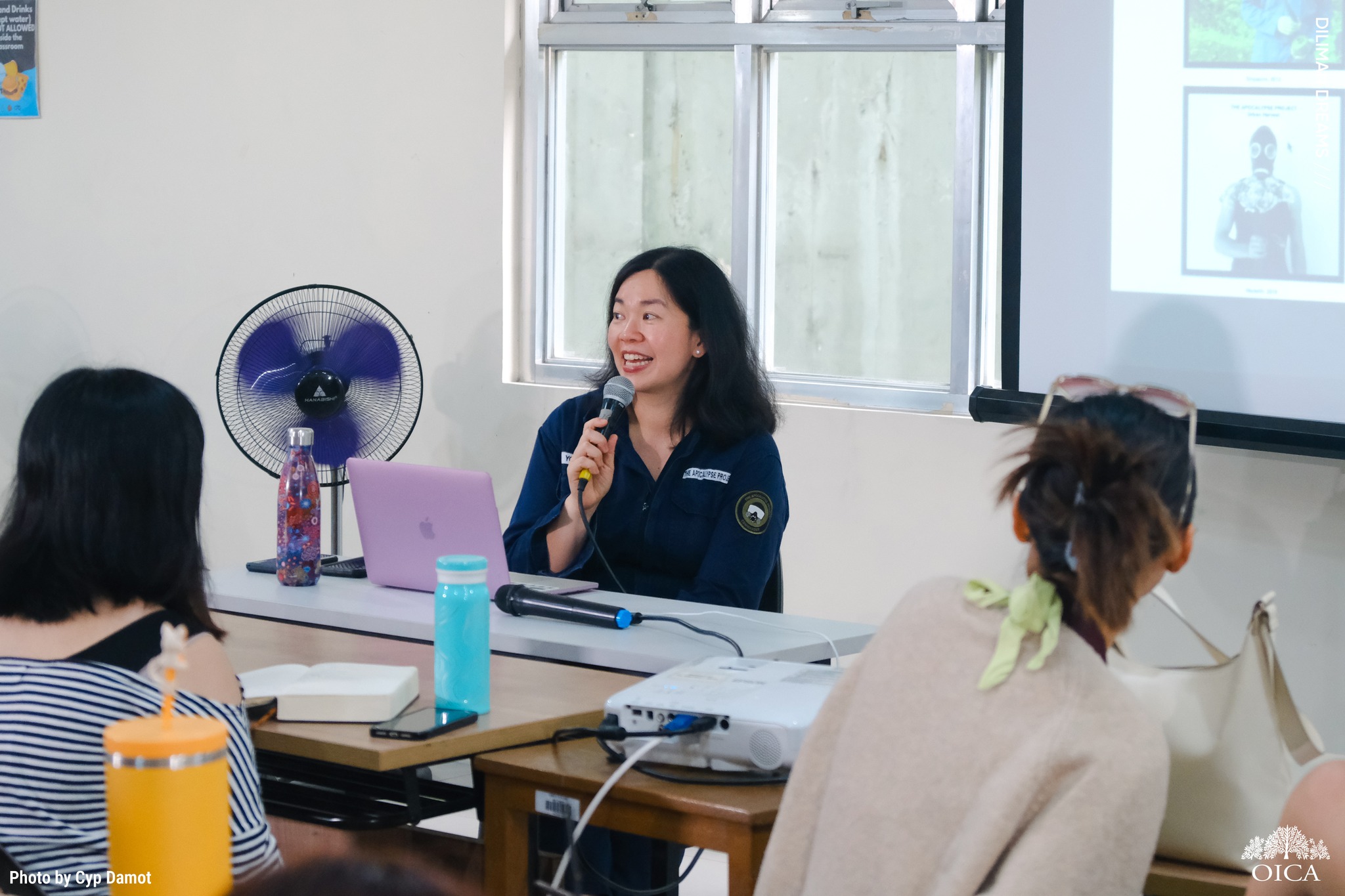
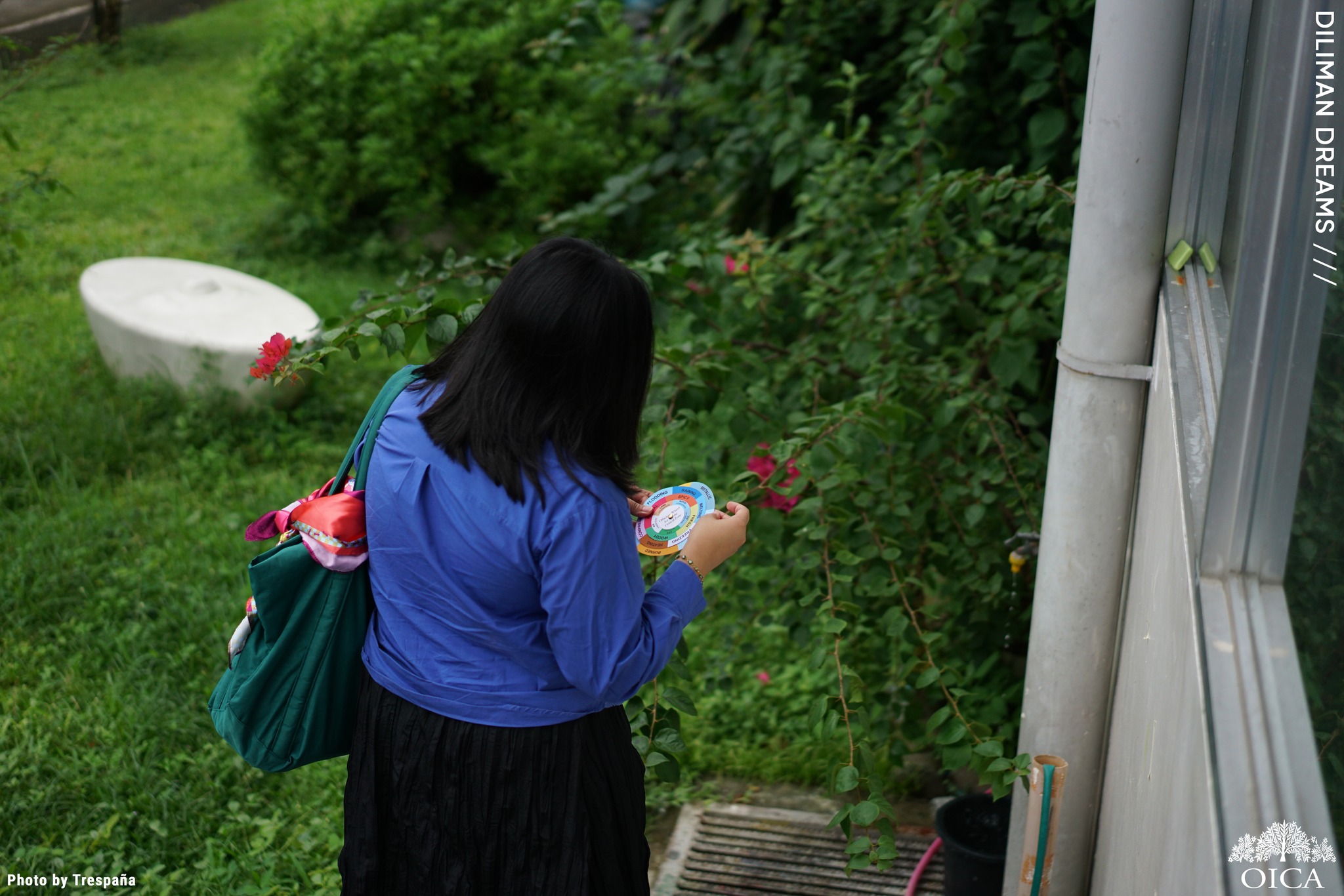
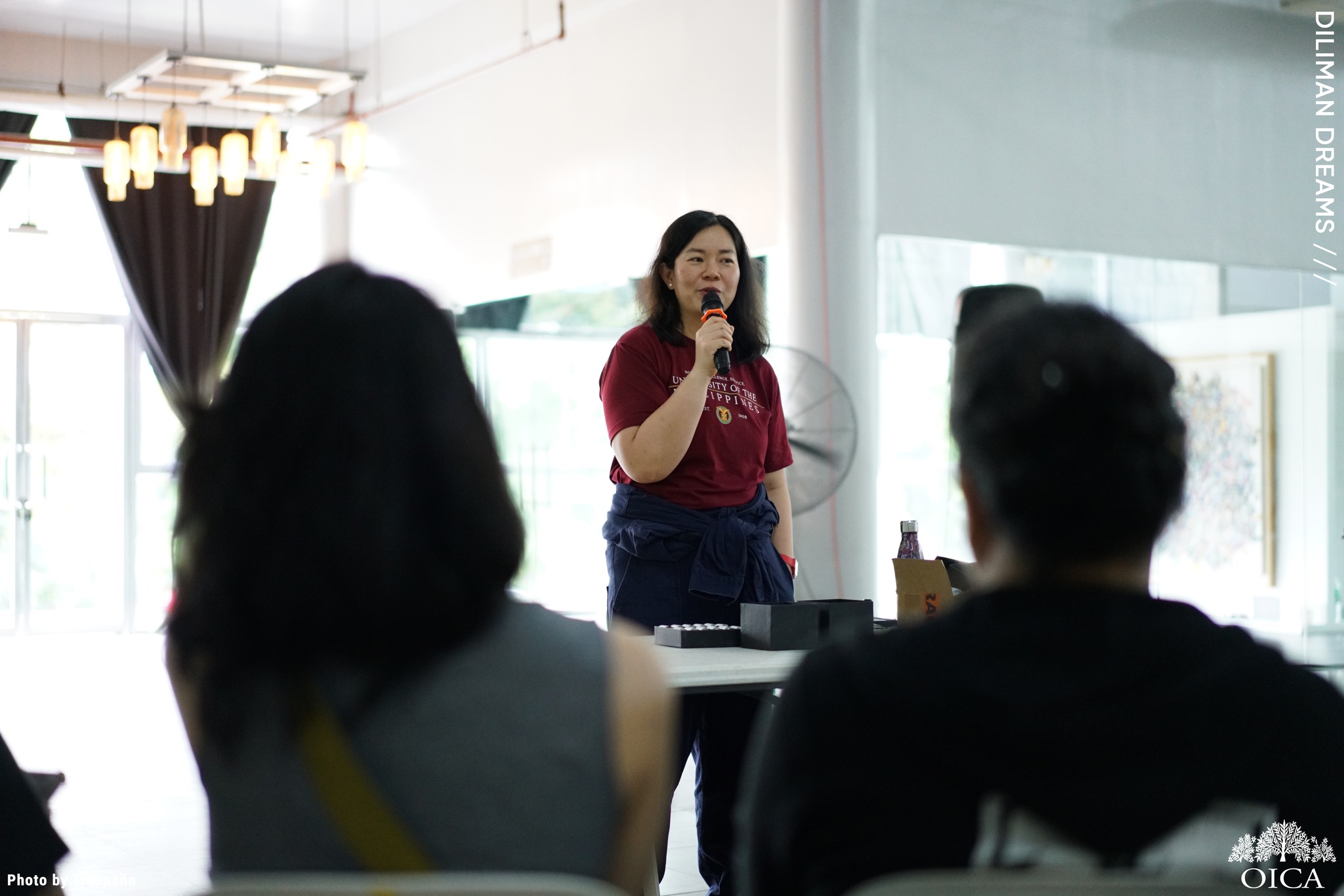
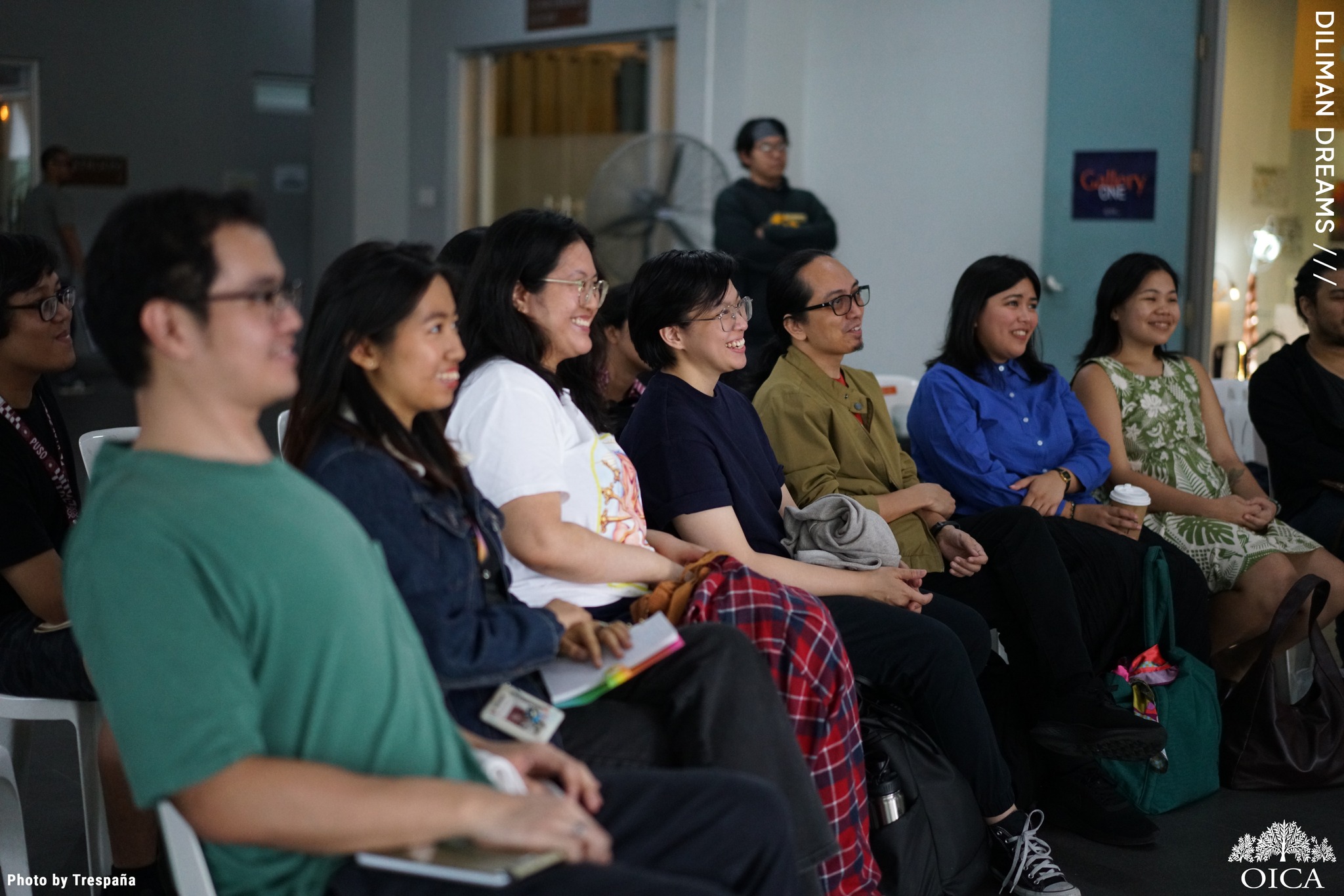
I also ran an olfactory masterclass at the College of Fine Arts, which included a smell memory workshop, and my PhD work, the Olfactory Wheel for the Critical Zones.
This art-science collaboration with the College of Science and the College of Fine Arts was led by Vincent Juliano of the UP Office for Initiatives for Culture and the Arts.
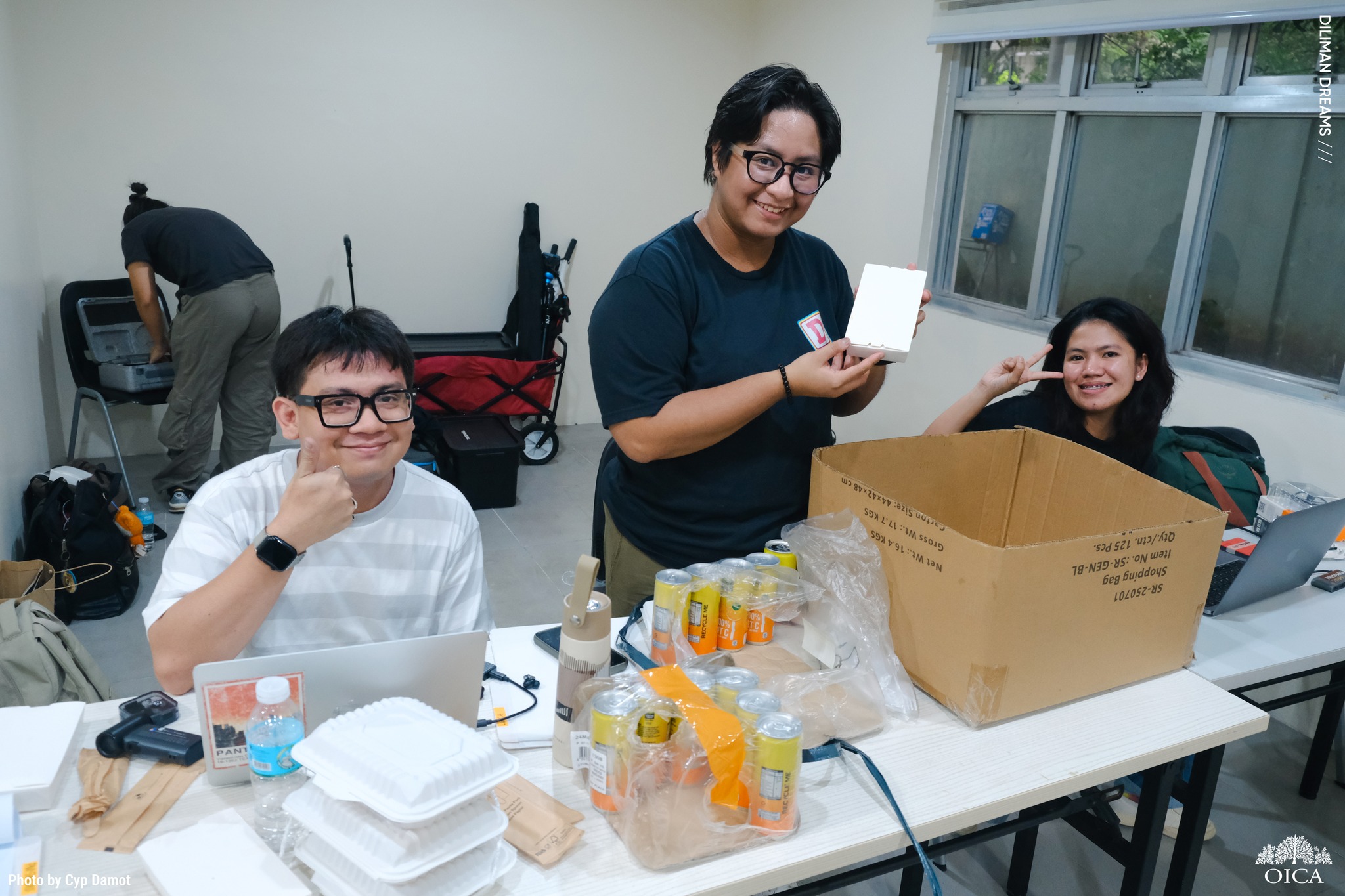
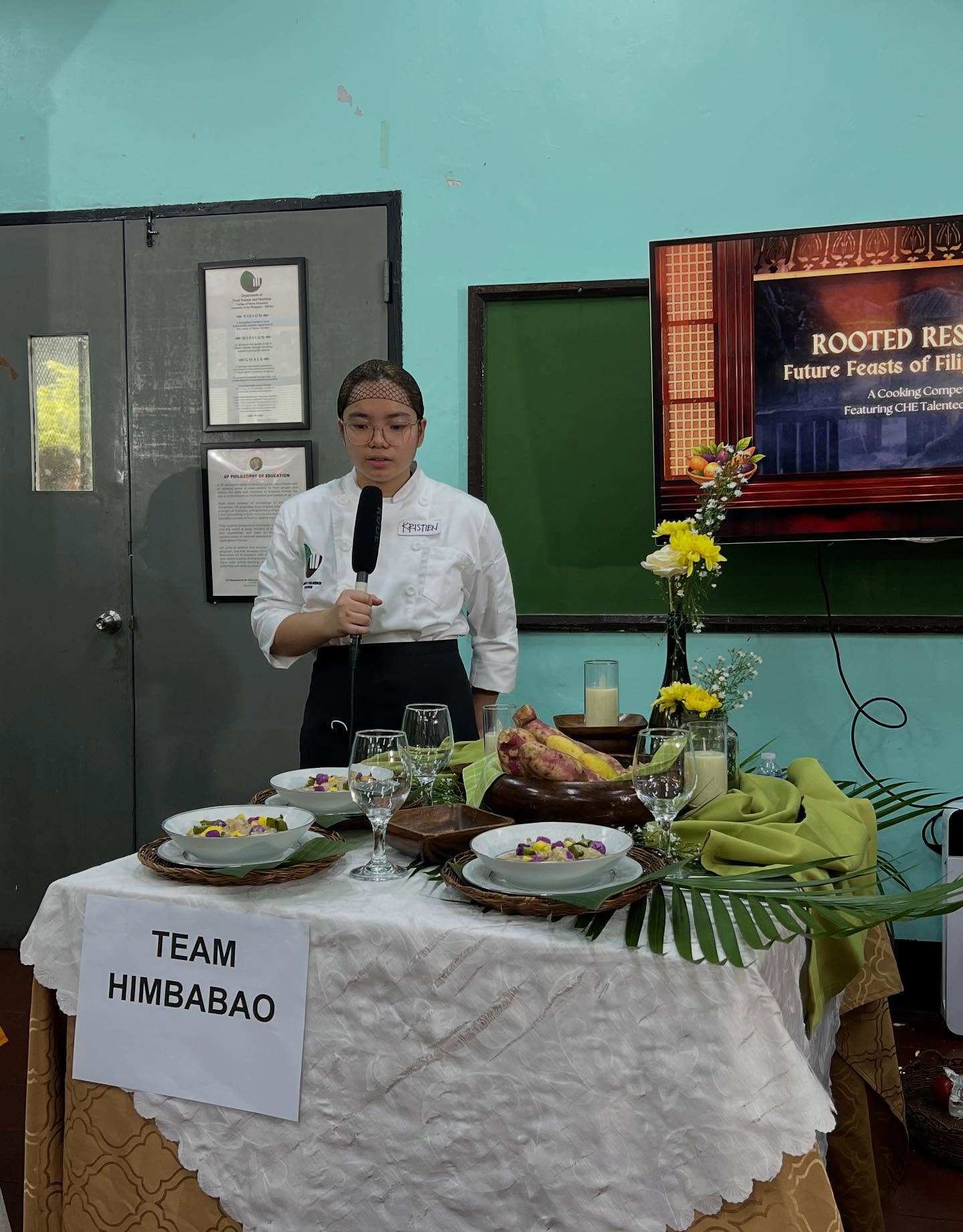
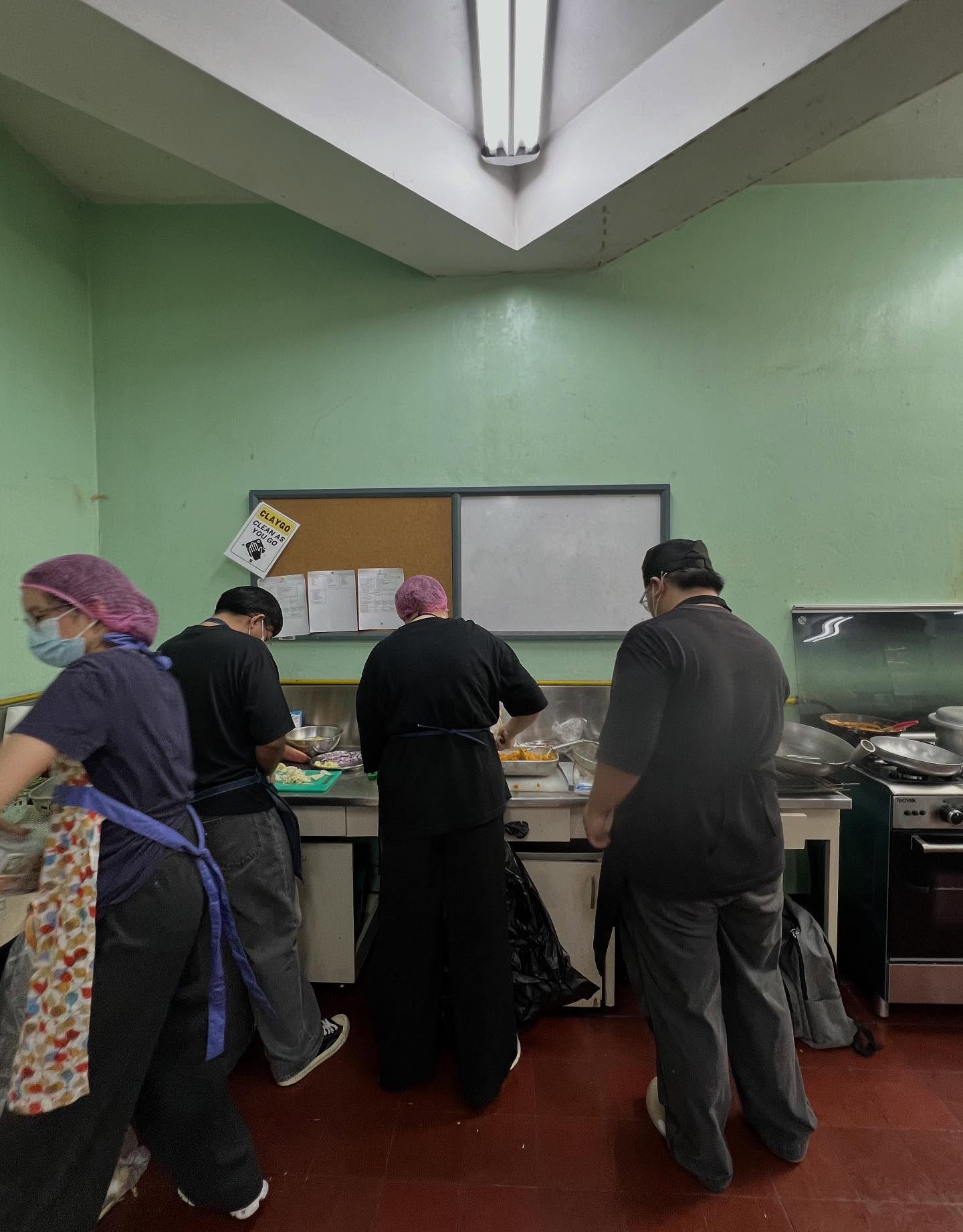
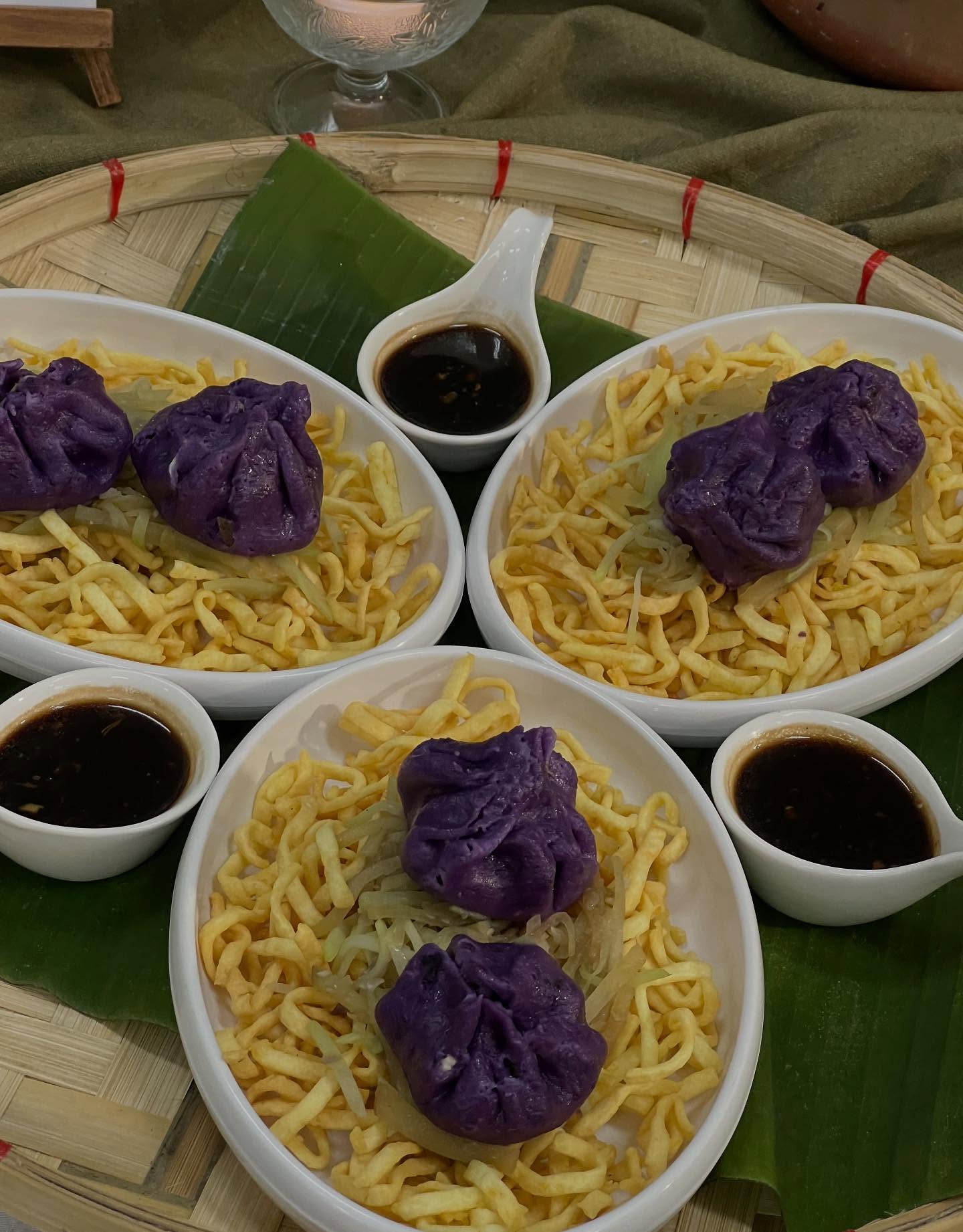
The College of Home Economics of the University of the Philippines held a Future Feast, where students from different specialisations worked in teams to design sustainable dishes of the future with the theme, Rooted in Resilience’, centred around endemic root crops, yielding the likes of kare-kare ravioli, kamote croquette, and ube dumpling wrapper. I was honoured to be one of the judges together with OICA Director Dr. Monica Santos, and celebrity chef Claude Tayag (catch him in the series ‘I Love Filipino’ on Netflix). Students won cash prizes and we had a lot of fun.
This has been the best Future Feast since I started this in 2014, owing to the students’ efforts as well as the vision of both OICA and the College of Home Economics. I was overjoyed to hear Dean Shirley Guevarra say that she is advocating to make this an annual event. We need sustainability education and celebrations more than ever. Congratulations, dear students! We look forward to seeing these dishes in the restaurants and kitchens of the future!
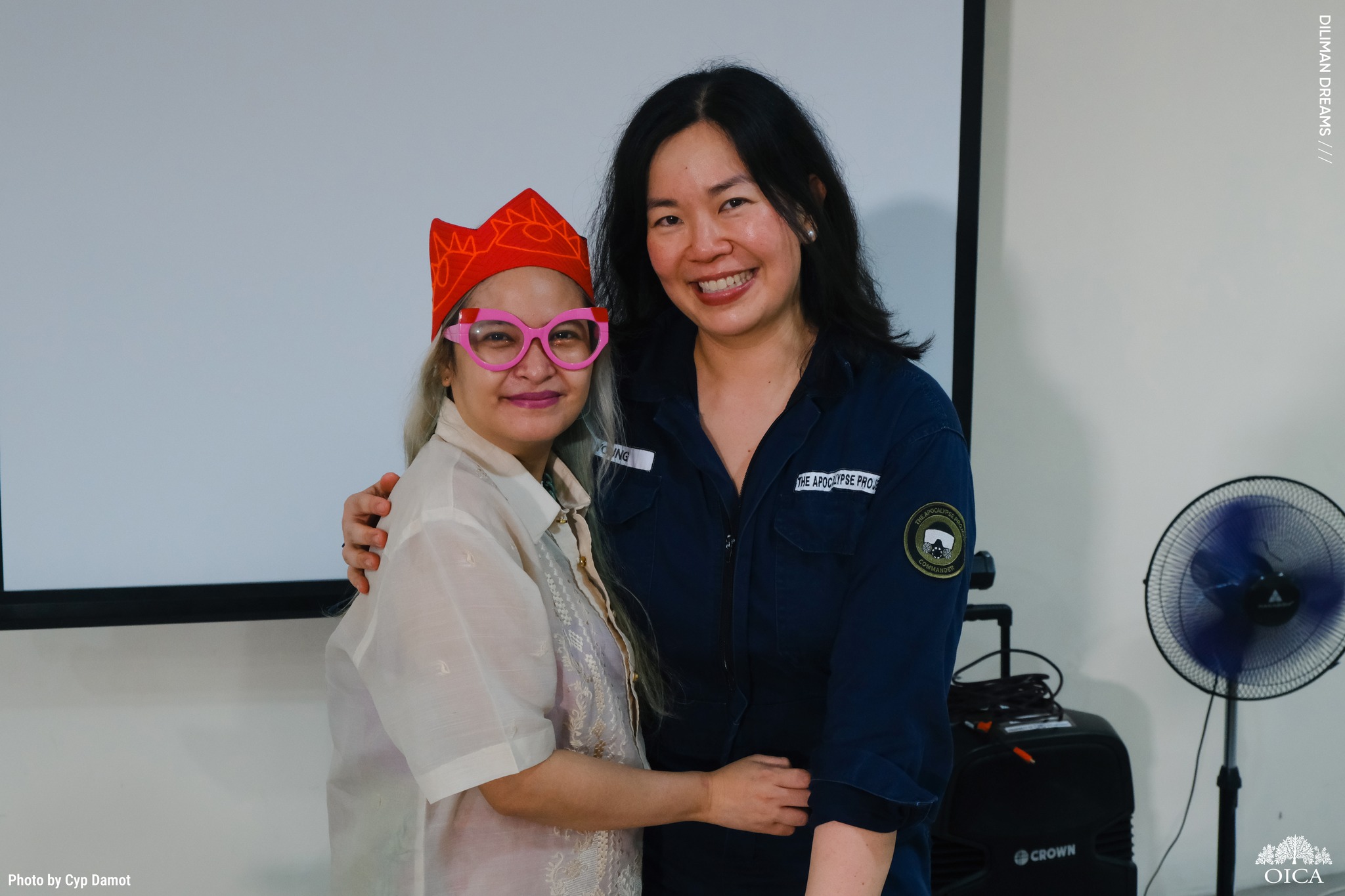
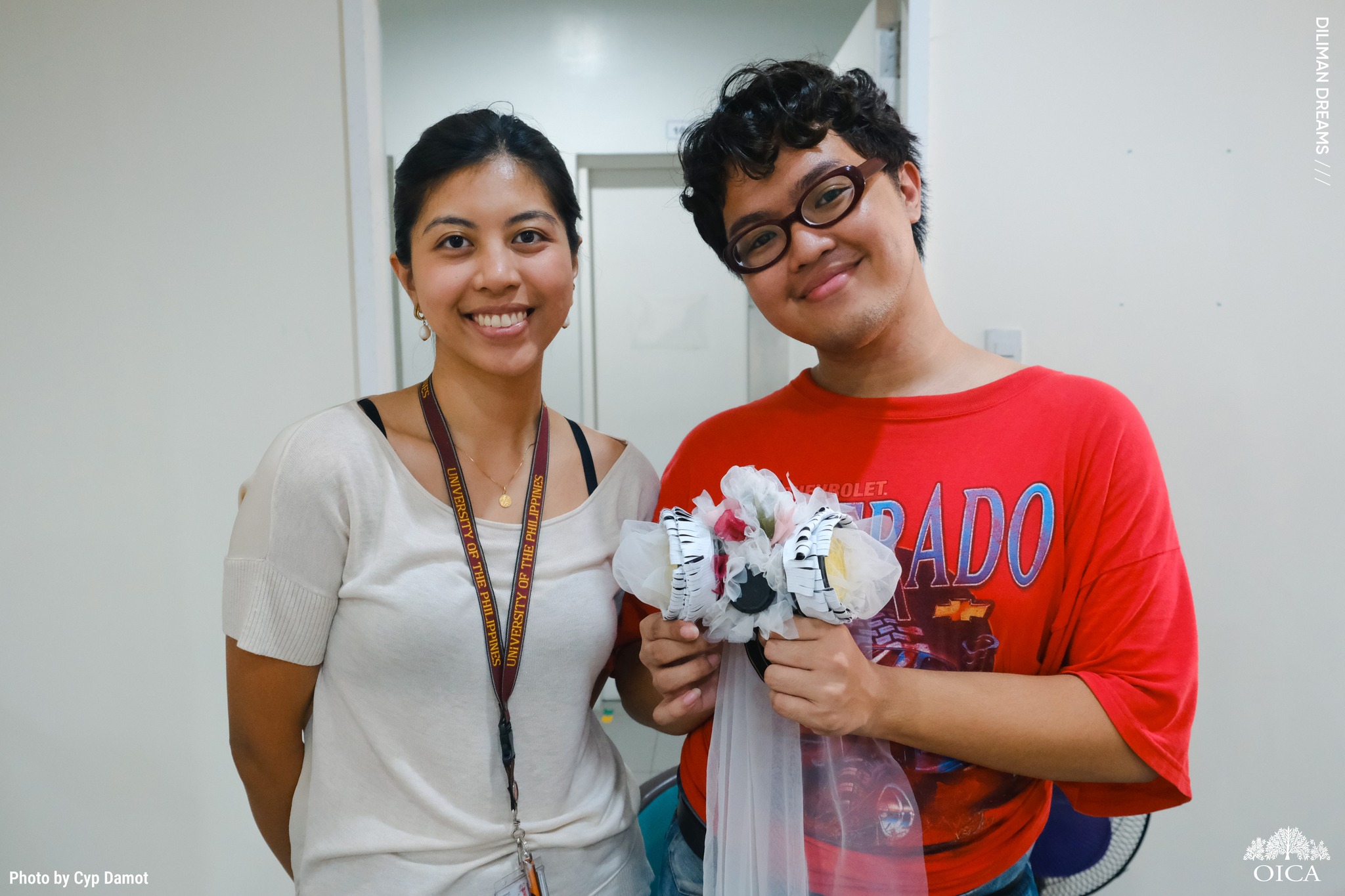
‘Future Feast: Rooted in Resilience’ was part of ‘Diliman Dreams: Planetary Improvisations in a Critical Age’, my collaboration with the University of the Philippines Office for Initiatives in Culture and the Arts in September 2025.
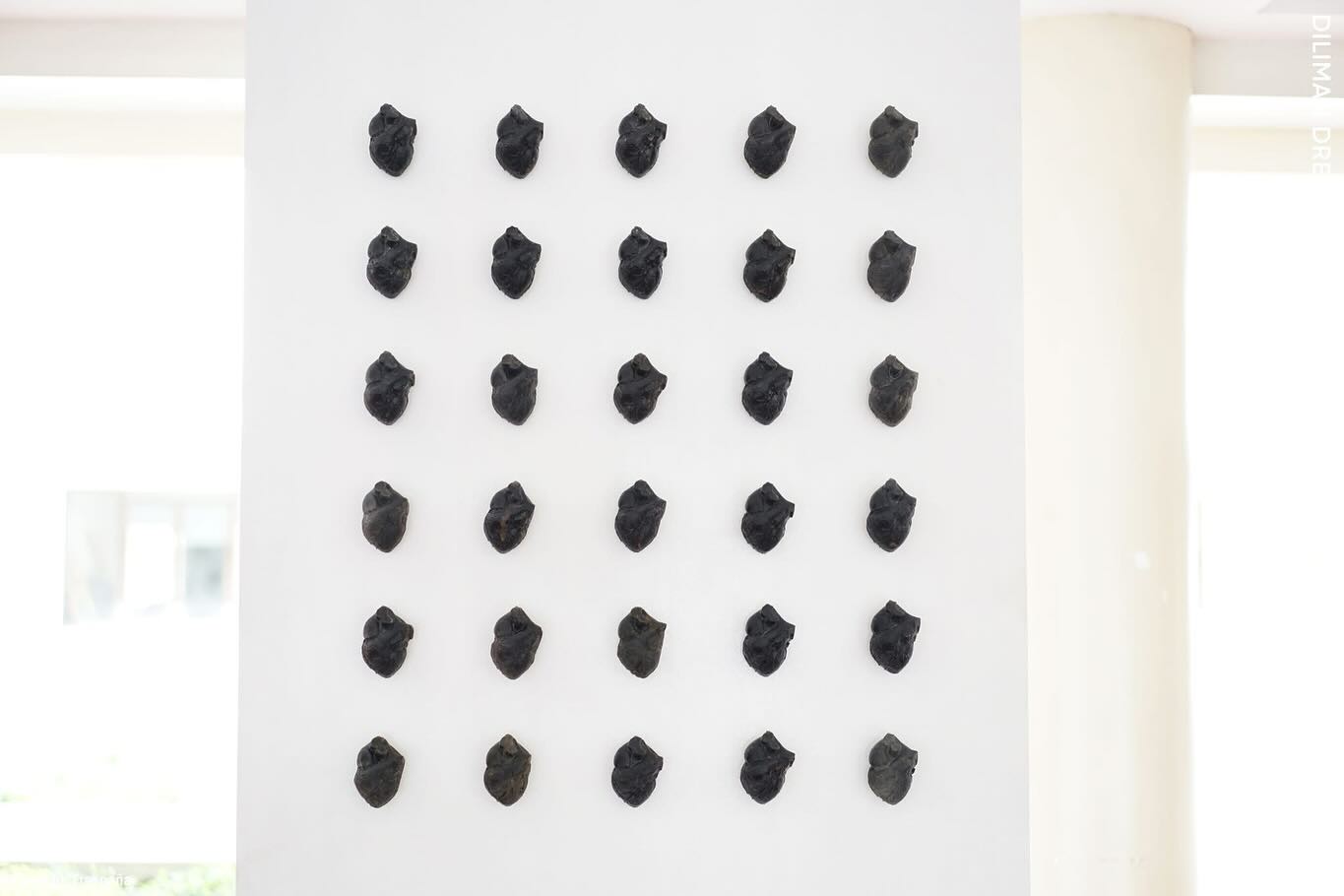
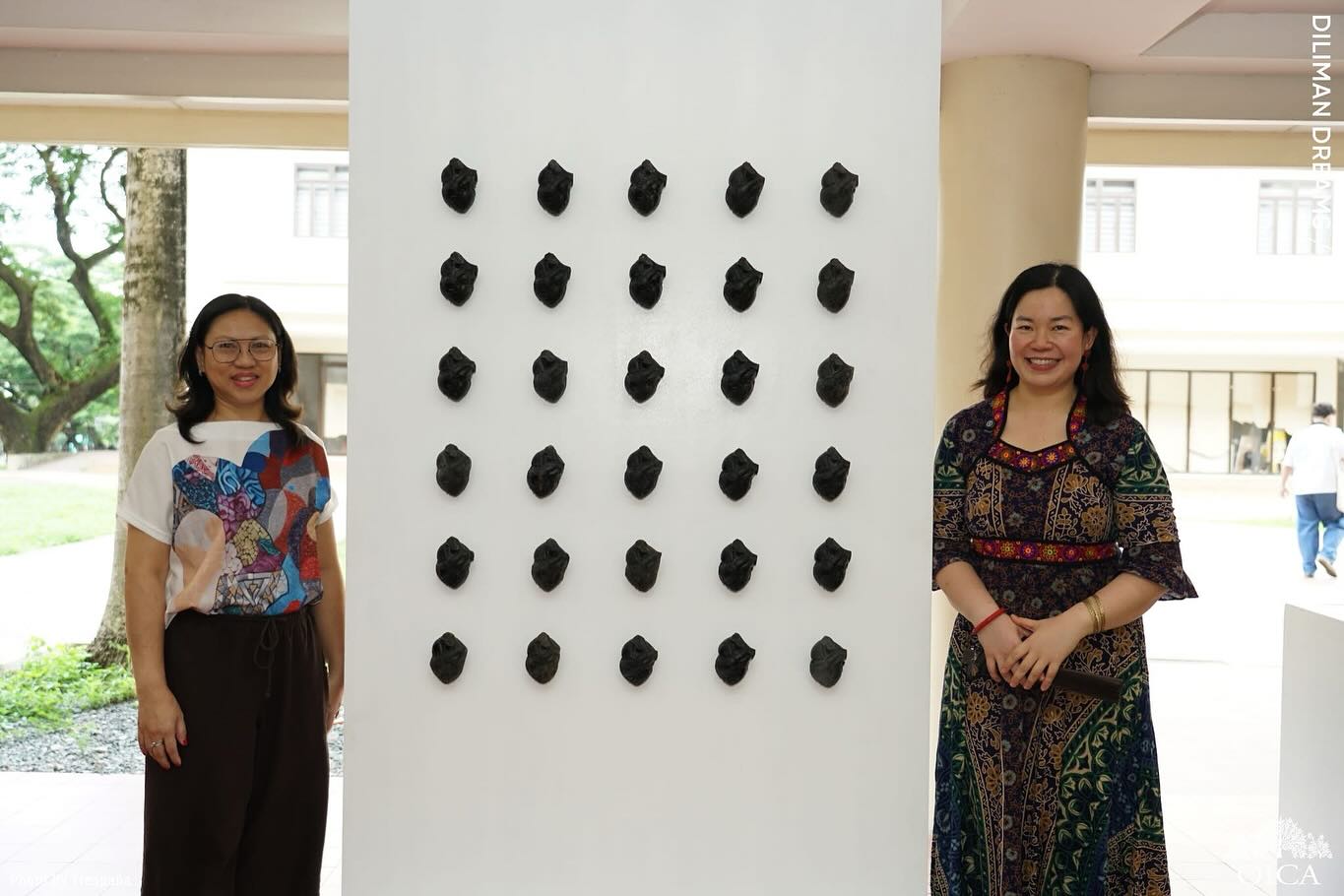
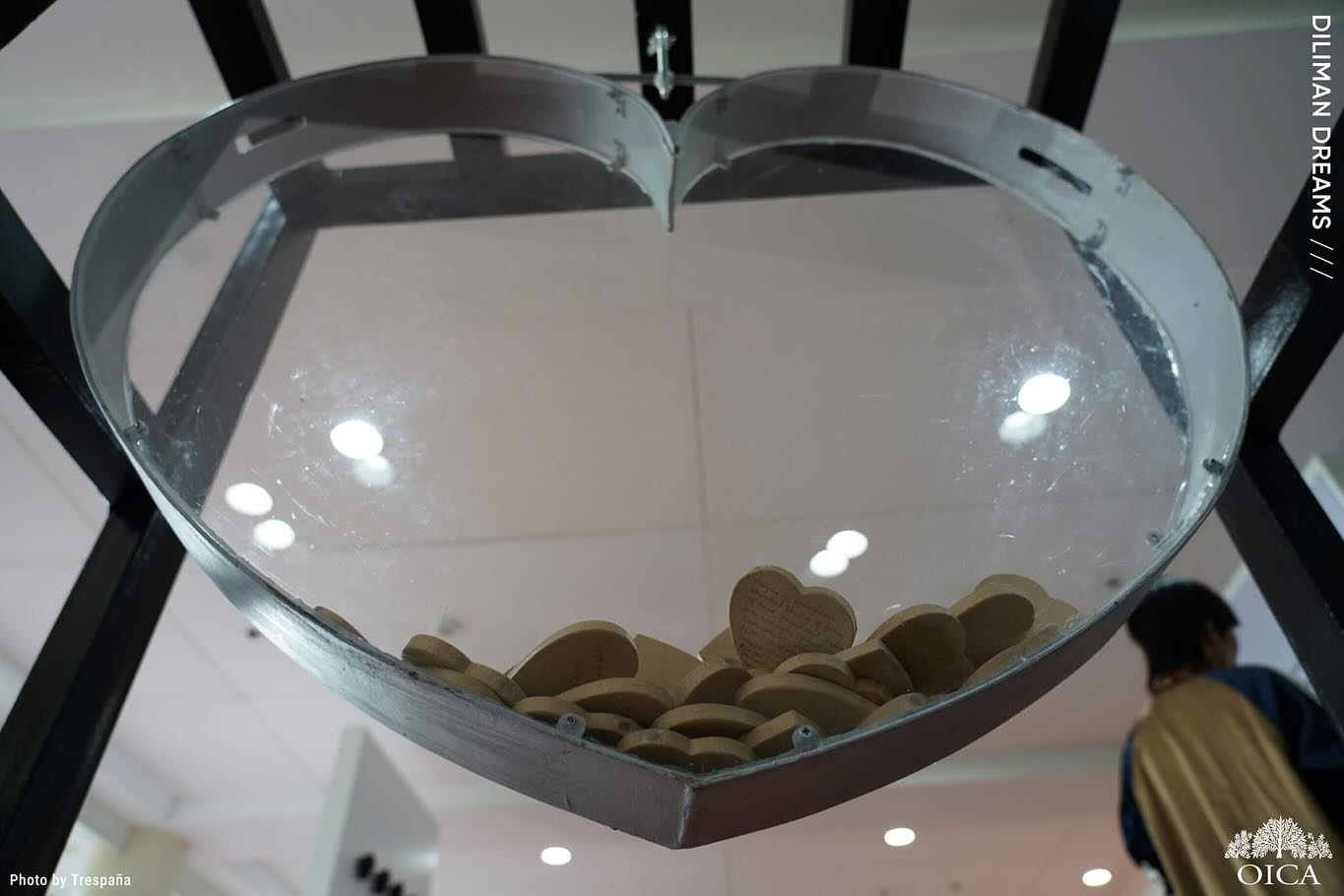
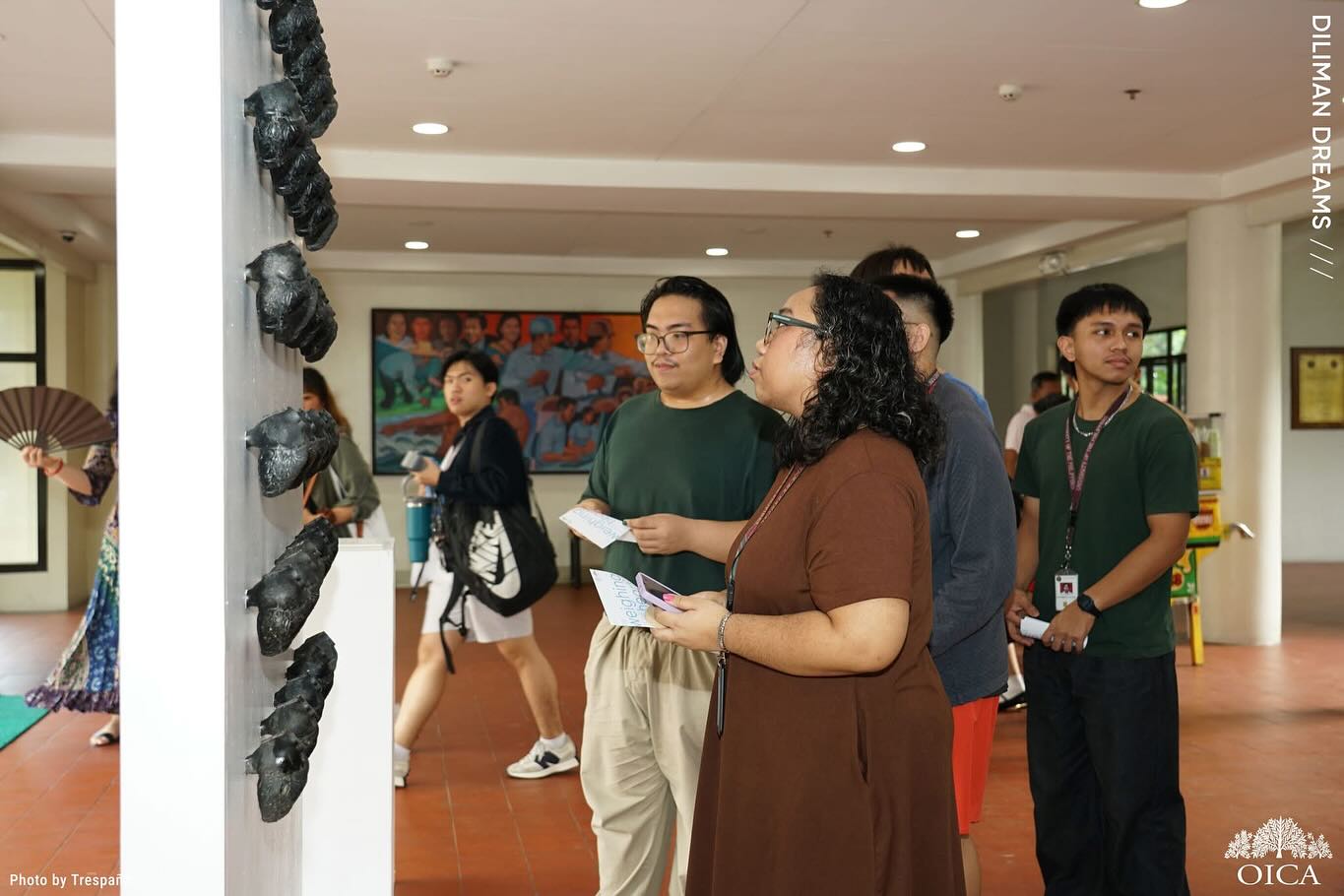
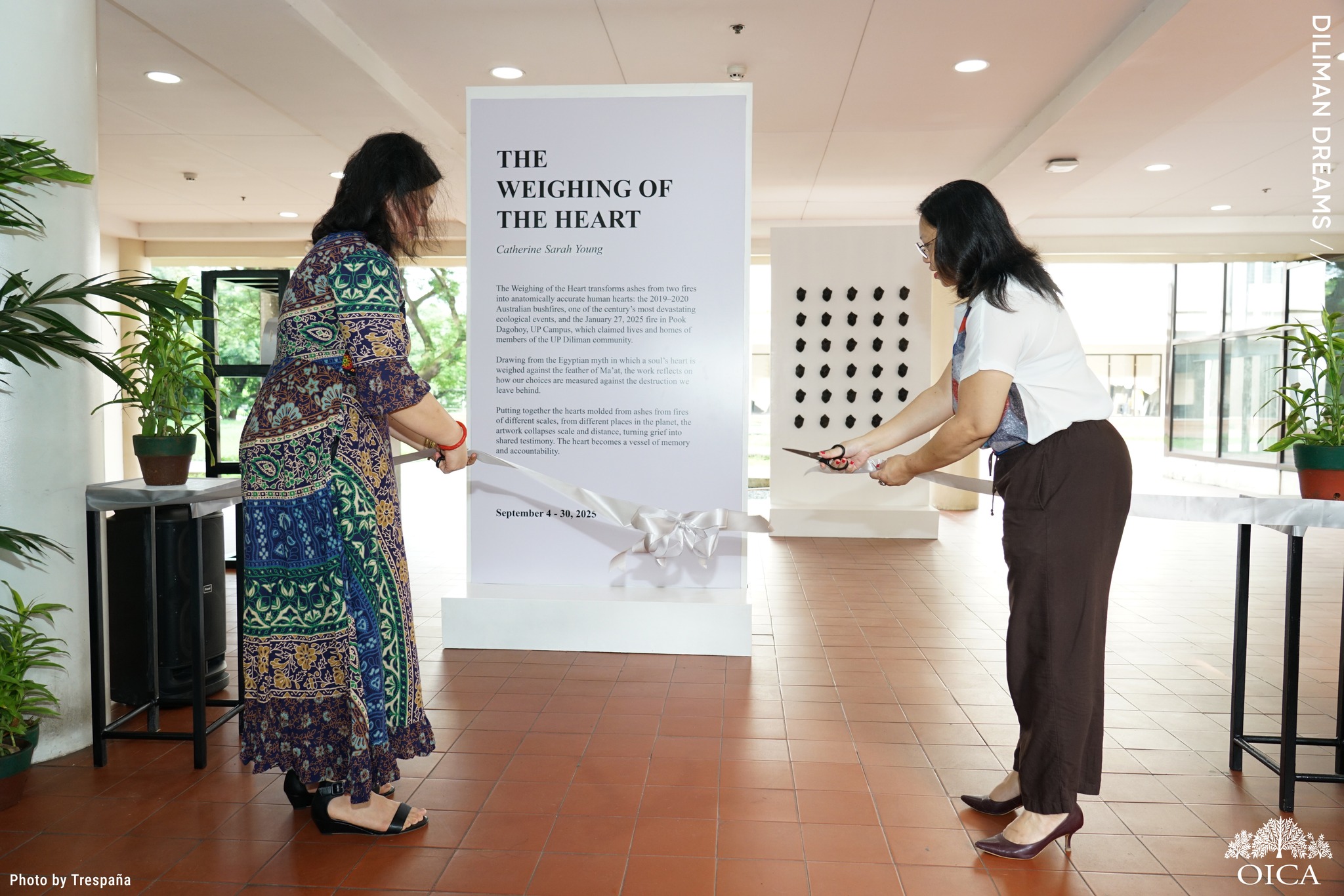
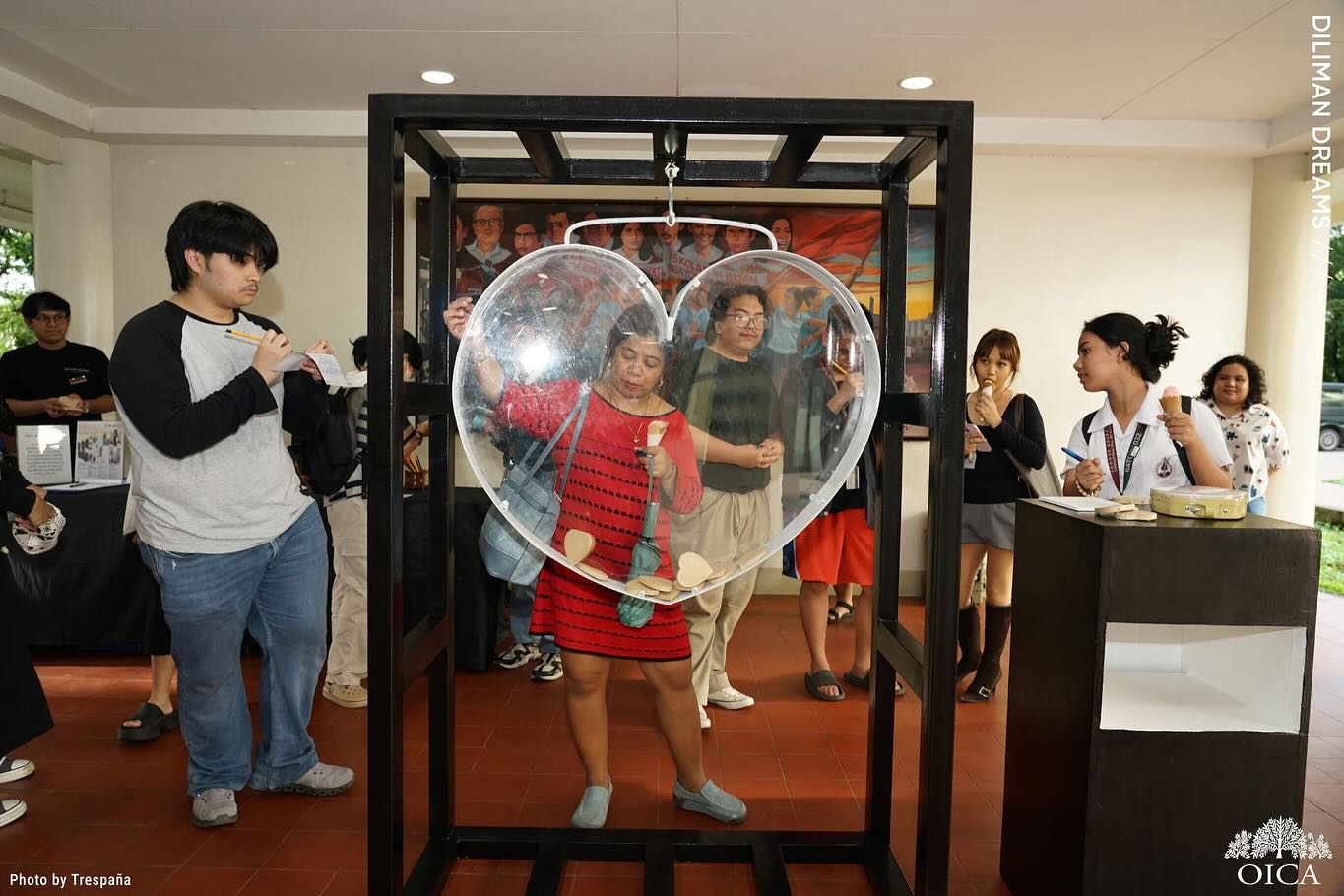
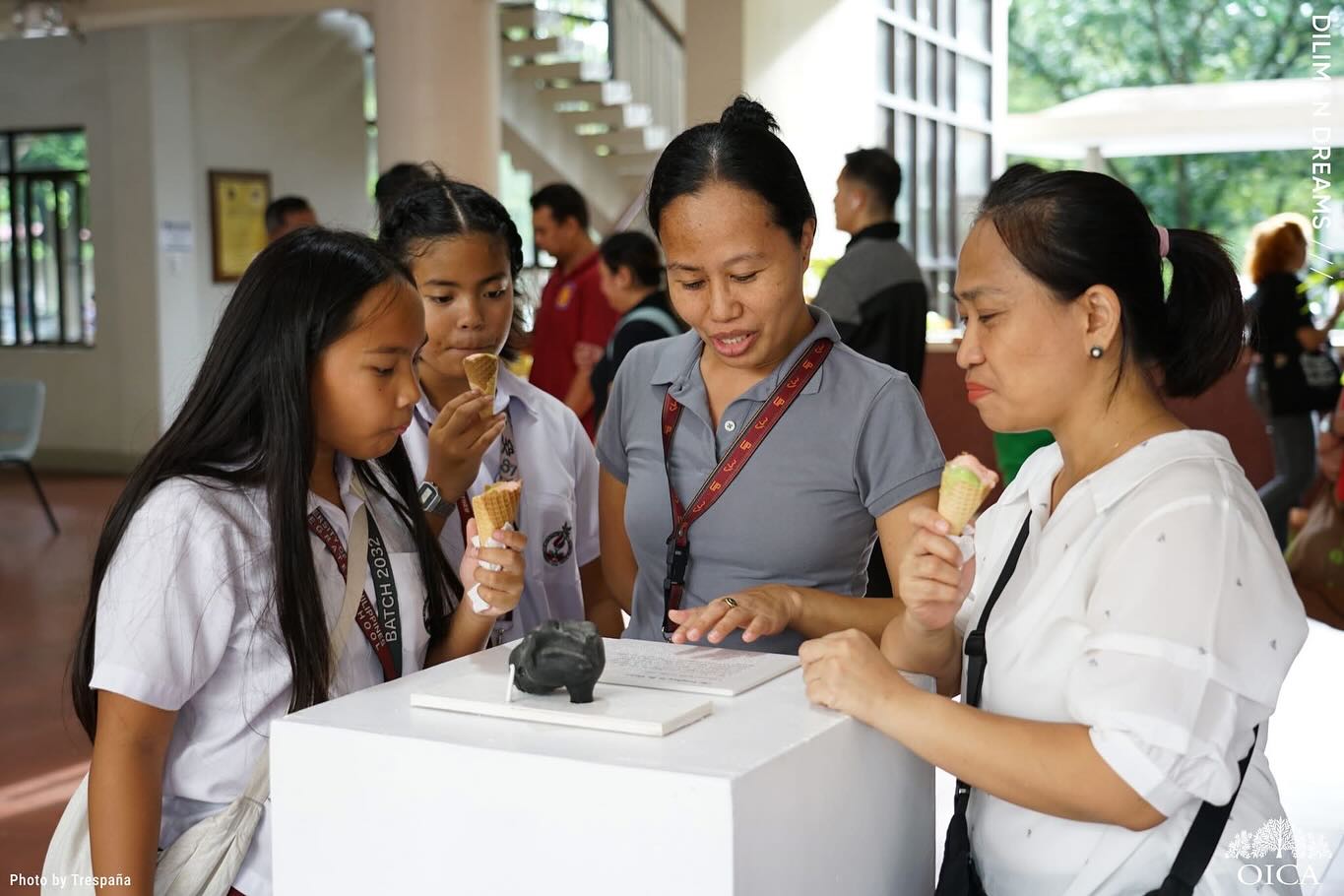
The Weighing of the Heart is exhibited until September 30 at Vinzons Hall in the University of the Philippines Diliman. The exhibit features anatomically accurate heart sculptures made with ashes from the 2019-2020 Australian bushfires and the January 27, 2025 fire in Pook Dagohoy, UP Campus.
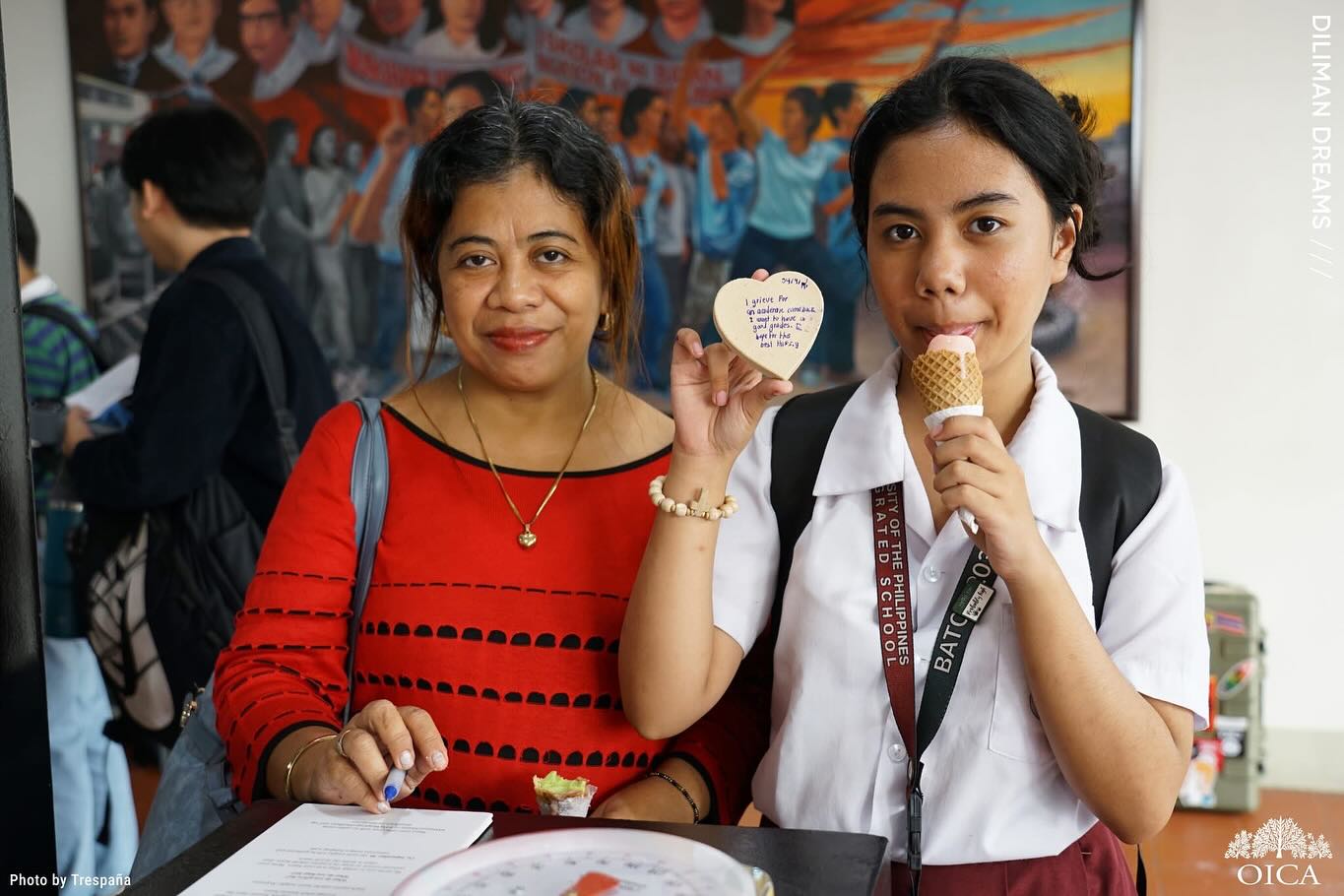
What I love about this edition is that visitors are invited to write the ‘weight’ of their hearts on a ‘taka’ heart. Taka is a traditional Philippine paper-mâché craft originating from Paete, Laguna. The exhibition is curated by Jhunie Sanchez, a native of Laguna. I am deeply touched by the emotional response to this growing project, and am excited to read what people wrote at the end of the exhibition.
I spent a few weeks in Manila this September to be a commissioned artist for my university in my undergraduate years, the University of the Philippines. More posts coming up, but in the meantime, how wonderful was it to re/connect with my UP / Fulbright/ Obama Leaders / Thirteen Artist Awards friends. In the troubled times we live in, I feel very lucky and relieved to have spent some of my most formative years in a university with a long tradition of student activism that taught us that standing up for something is important. Thank you, all!
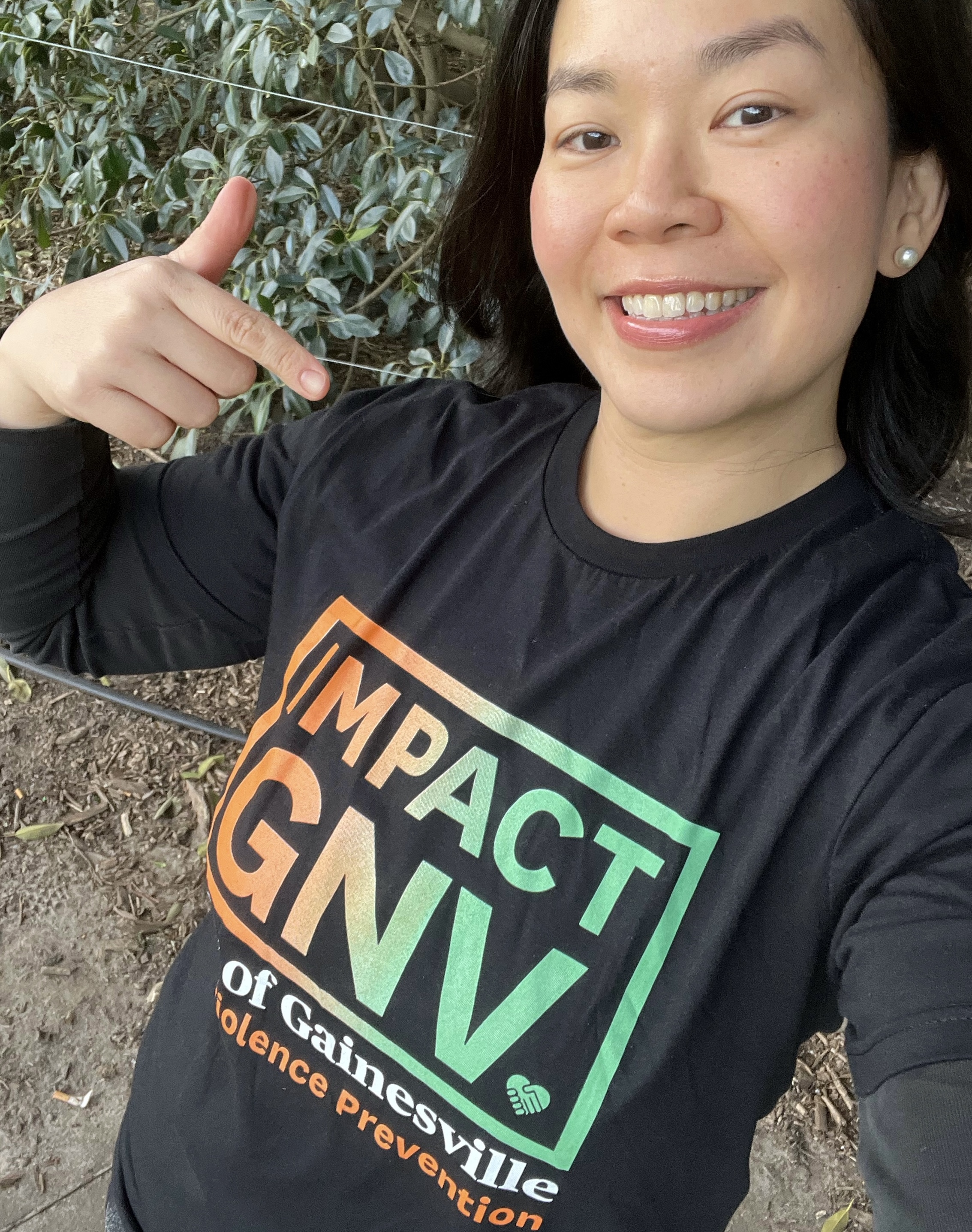
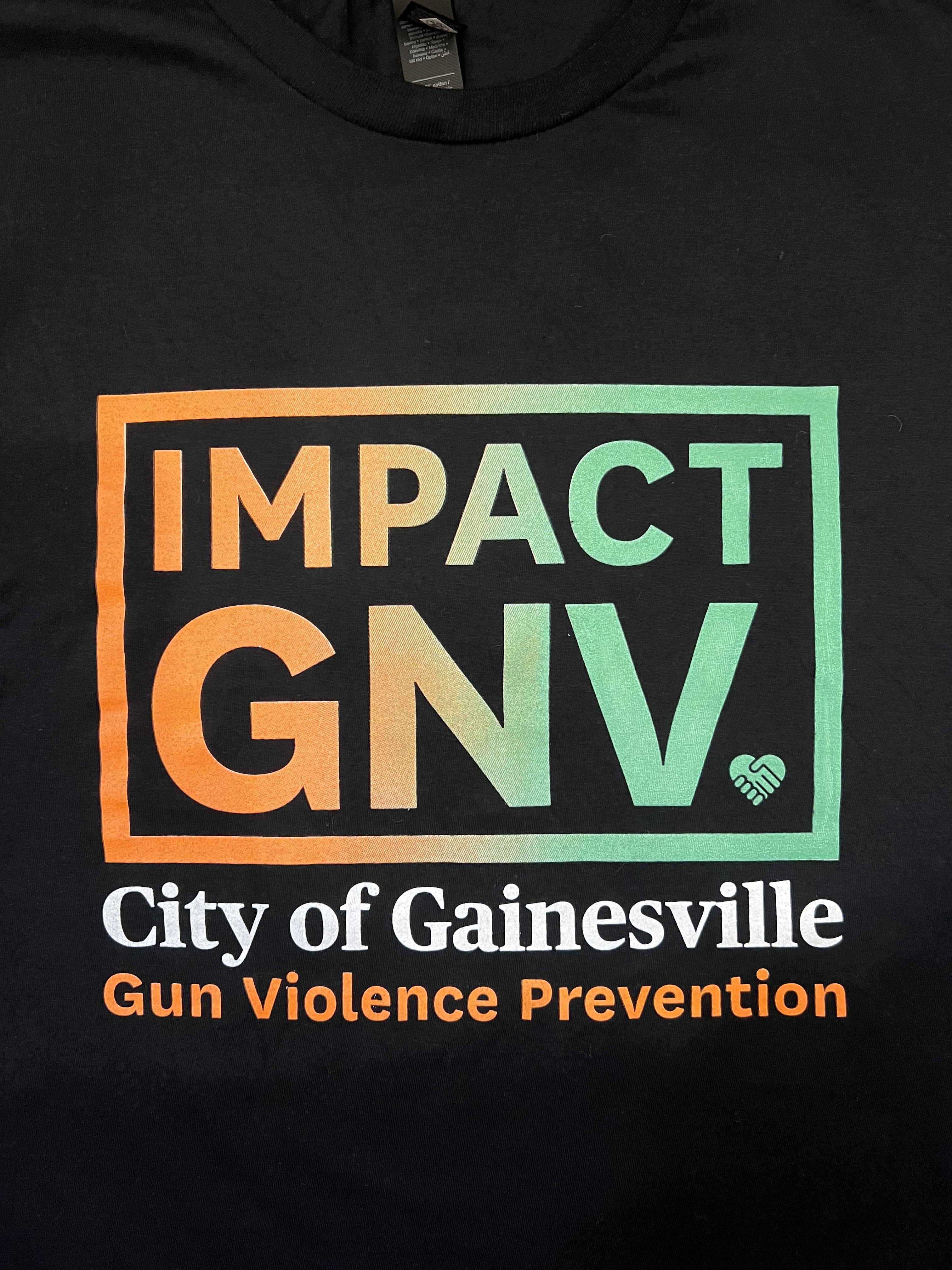
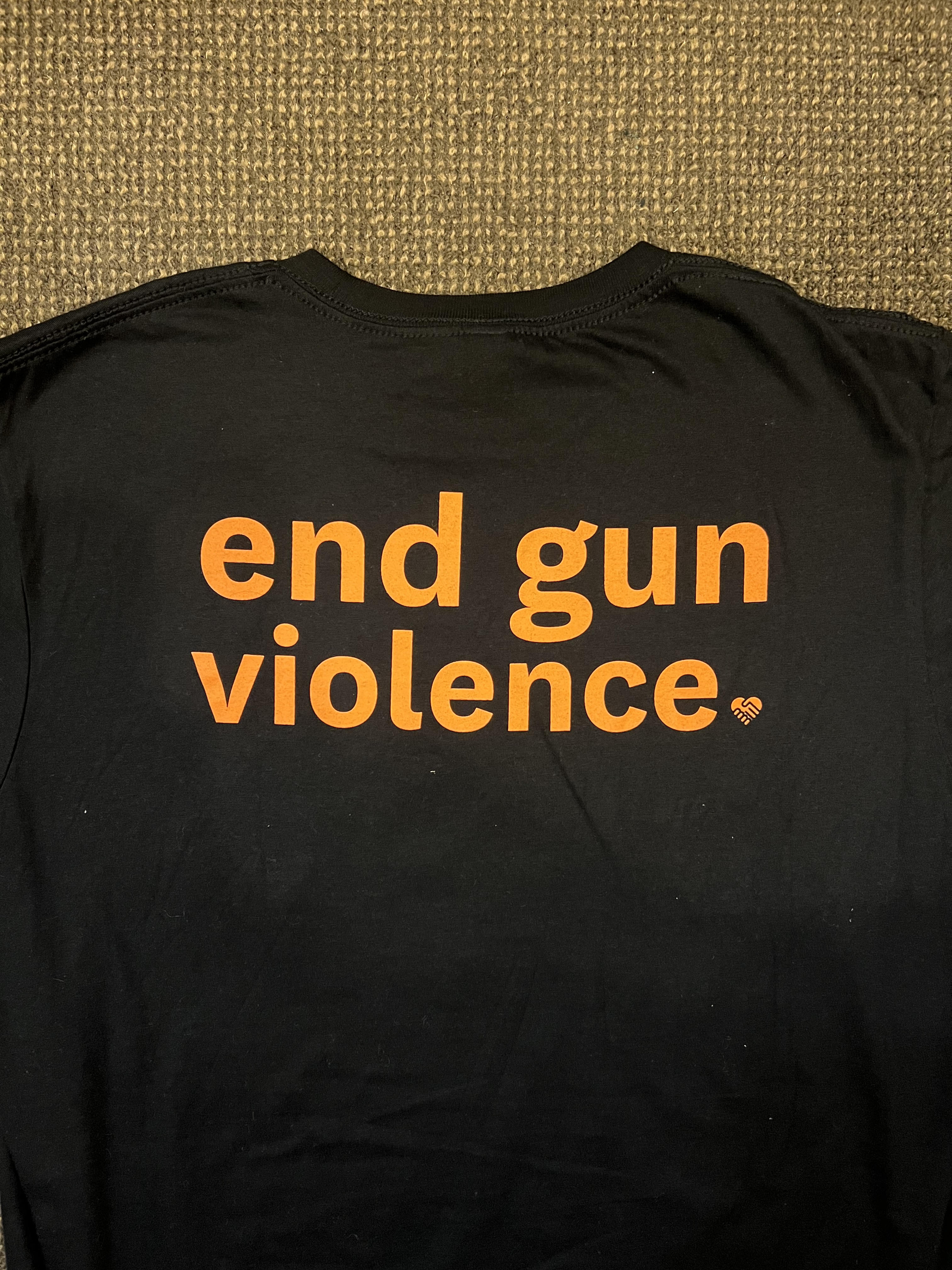
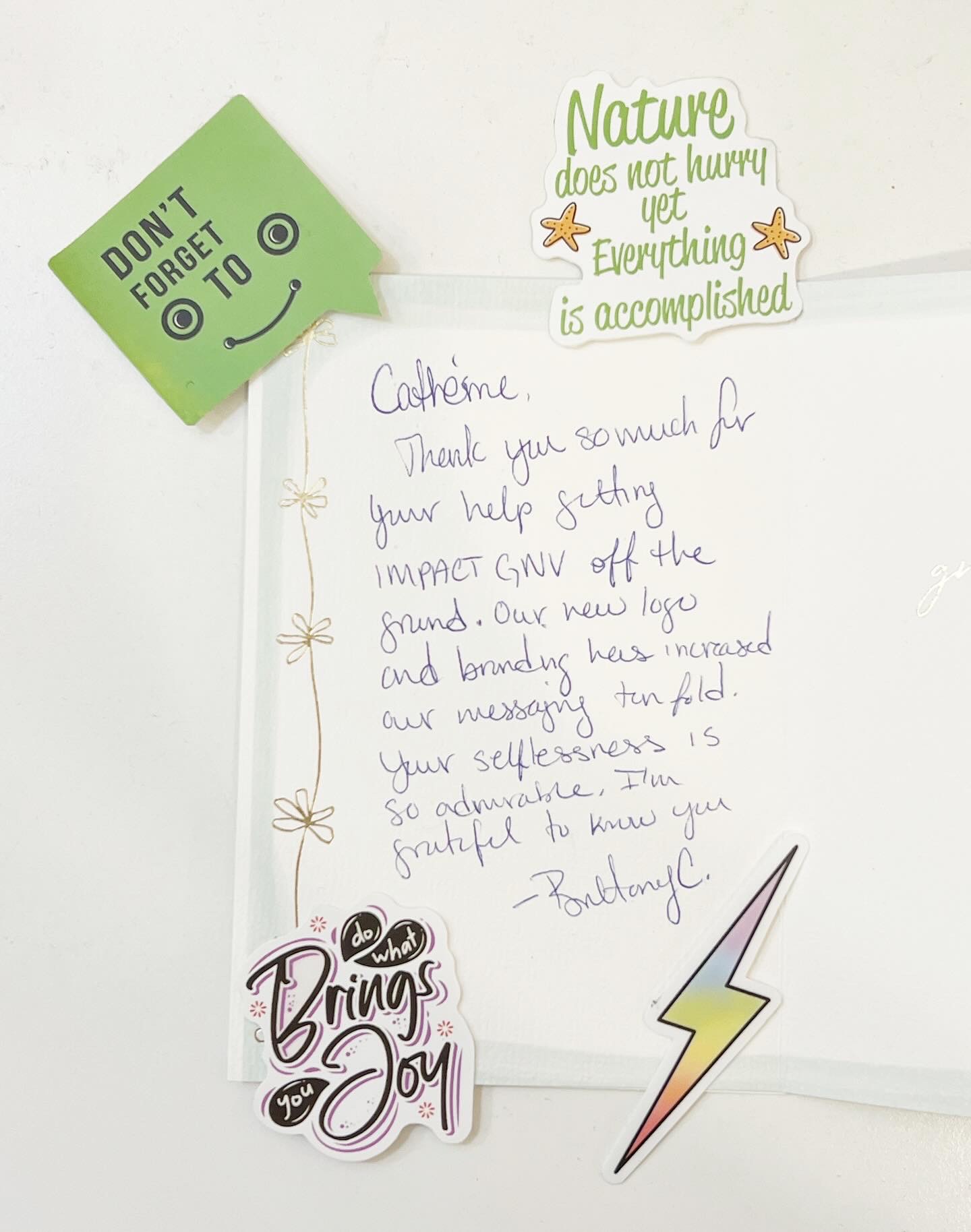
The City of Gainesville, Florida has a community-based engagement strategy called IMPACT GNV as the next step in citywide efforts to prevent gun violence. I was happy to contribute a bit to their branding. While I have never been to Florida, Brittany Coleman, their Gun Violence Intervention Program Manager, is a fellow Obama Leader whom I met in a Zoom breakout room last year. I love random meetings like this that lead to meaningful outcomes! Thank you for the merch; I wear it with joy. Thinking of you, dear friends in the US, especially those who care deeply about this issue.
It’s been a fun few weeks and here are some of what’s happened in May:
I spoke in a panel for Sydney Build 2025, Australia’s largest construction and design show, with Michael Bird, CEO of urban.com.au; moderated by Ann Austin, Executive Director of ESG Strategy, on the future of the construction industry:
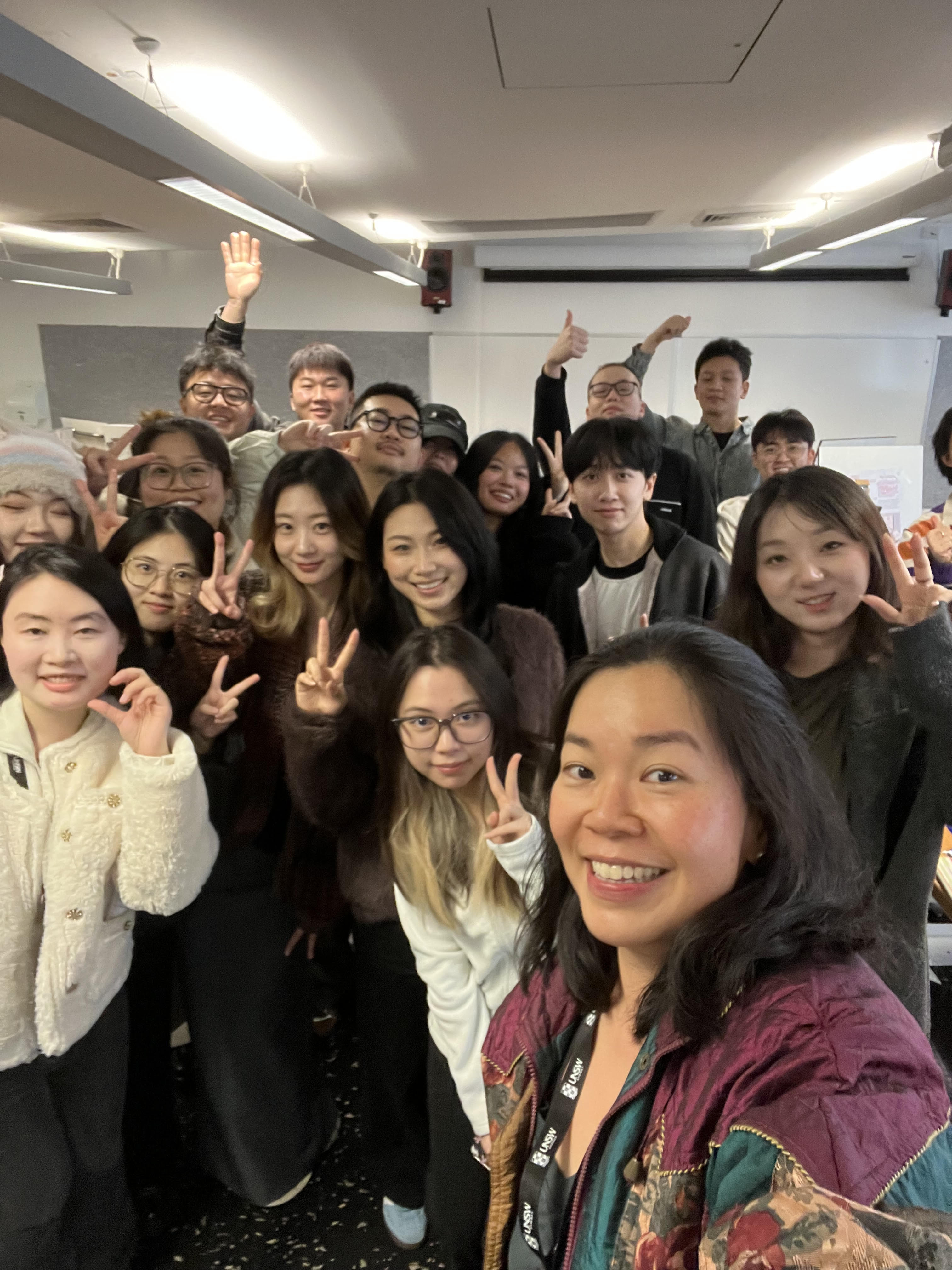
I spoke in my dear friend Zoe Bezpalko’s class in the MBA in Design Strategy in the California College of the Arts about my art practice. Zoe was one of my models for the Climate Change Couture project I did in Singapore back in 2013 when I was artist in residence at the Singapore-ETH Future Cities Laboratory:
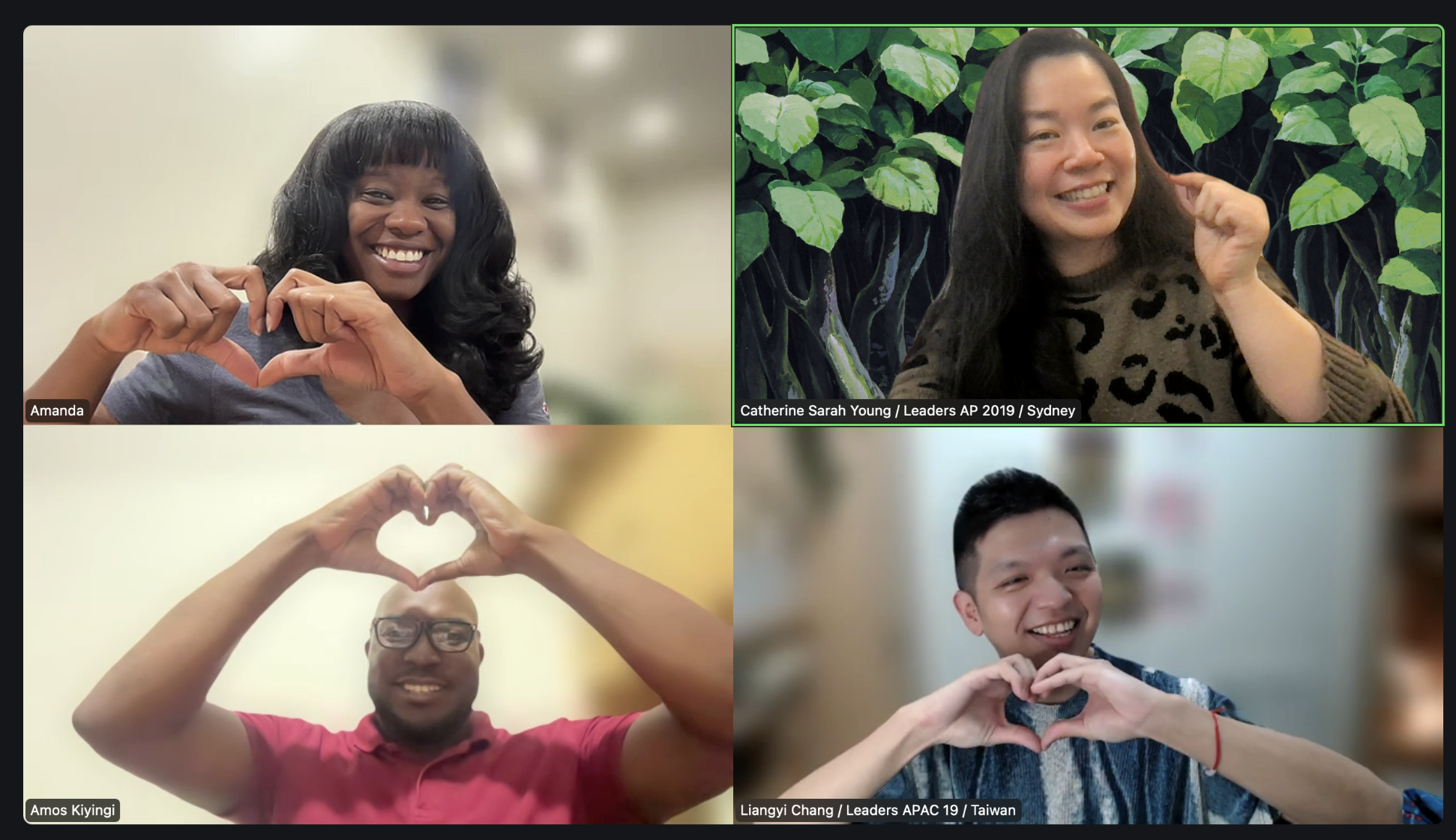
It was also the kickoff meetings for the Obama Leaders Network, and I am super stoked to be part of the Virtual Events Committee with fellow leaders Liangyi Chang, Amanda Morrell, Joseph Nguthiru, and Victoria Anastasia Belle. I’m looking forward to the year ahead!













































































































 Catherine Sarah Young