Archive

Speaking

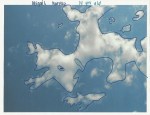
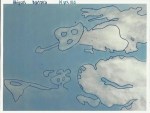
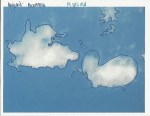
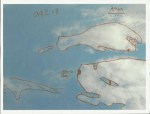
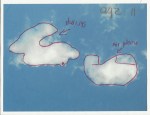
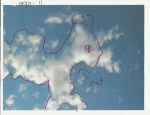
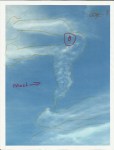
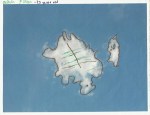
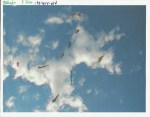
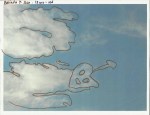
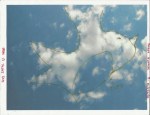
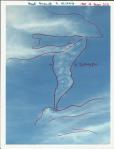
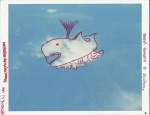
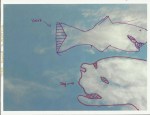
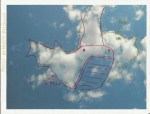
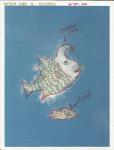
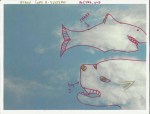
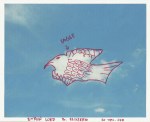
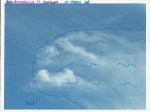
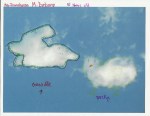
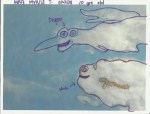
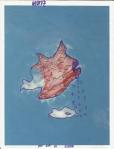
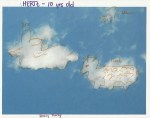
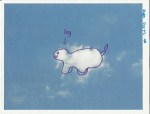
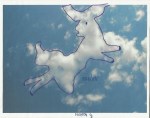
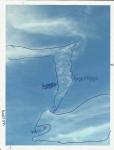
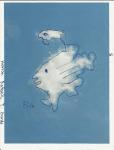
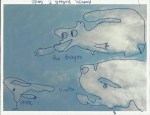
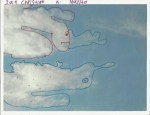
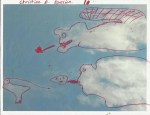
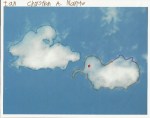
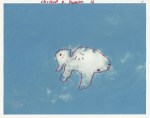
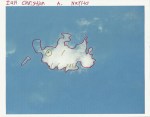
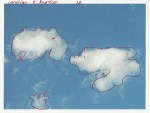
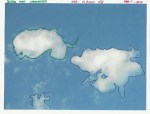
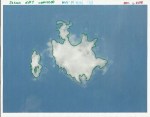
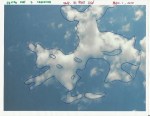
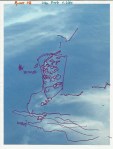
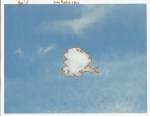
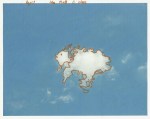
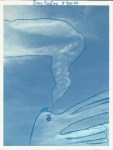
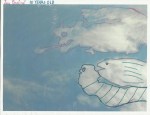
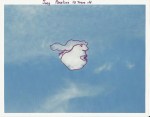
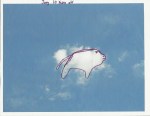
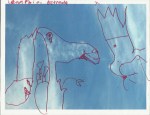
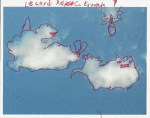
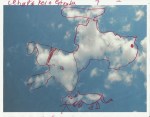
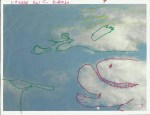
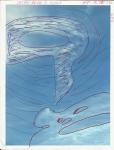
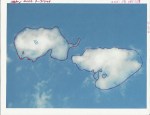
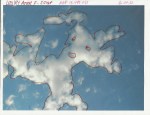
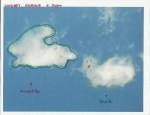
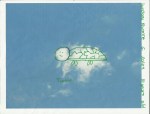
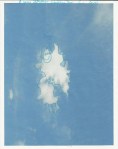
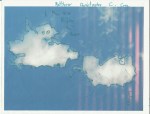
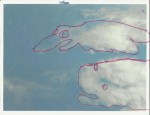
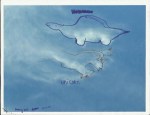
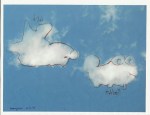
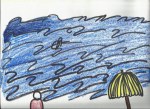
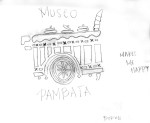
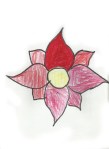
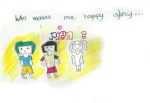
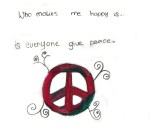
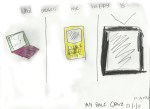
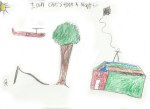
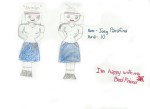
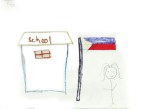
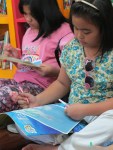
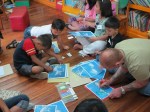
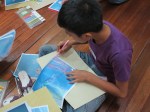
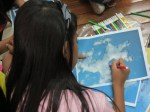
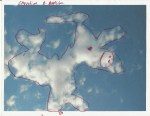
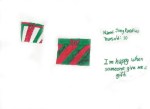
Last December 1st, I held my first draw-a-thon. (You know what a marathon is, right? It’s just like that, except that you’re drawing.) It was at the Museo Pambata (Children’s Museum) of Manila, Philippines, for their Children’s Advocacy Program. I brought in two of my projects, DrawHappy (a global art project on drawing your happiness) and Rorsketch (a visual perception project where you draw your interpretations of clouds). After showing them some current sketches and making them warm up their hands, we got to drawing.

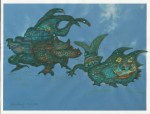
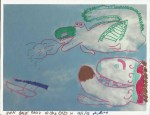
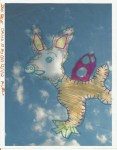
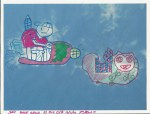
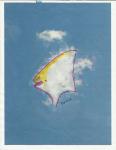
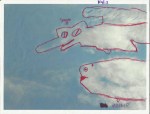
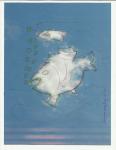
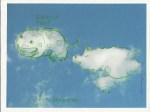
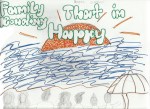
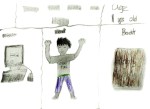
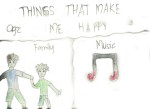
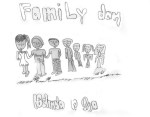
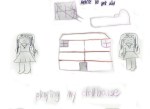
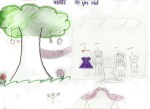
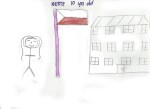
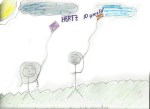
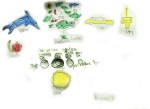
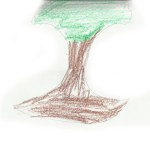
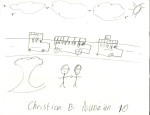
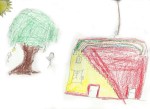
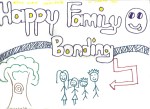
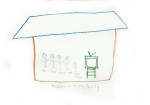
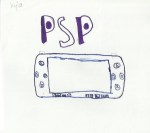
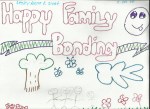
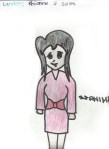
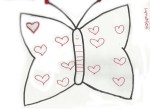
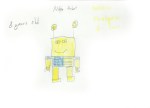
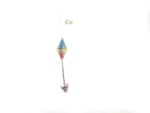
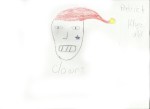
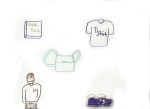
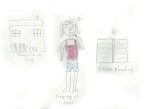
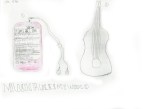
Kids, I have to say, are not only talented and completely open to new experiences, but also insatiable when it comes to pouring their imaginations on paper. The terror of a blank canvas doesn’t apply much. Here are some of the sketches:

Rorsketch

DrawHappy

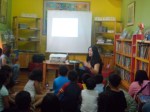
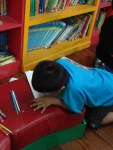
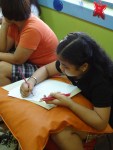
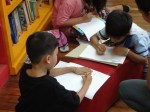
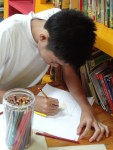
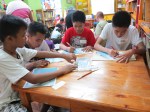
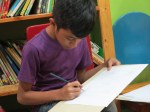
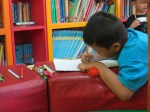
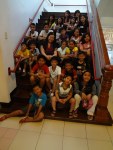
And some photos of how it rolled:

Then we had chocolate ice cream, fudgee bars, and grape juice. Oh, to be eight years old again!

Thanks so much to the Museo Pambata for hosting me! Visit them on your next trip to Manila. And do emaill me at theperceptionalist[at]gmail.com if you’d like to do a draw-a-thon in your school or organization.

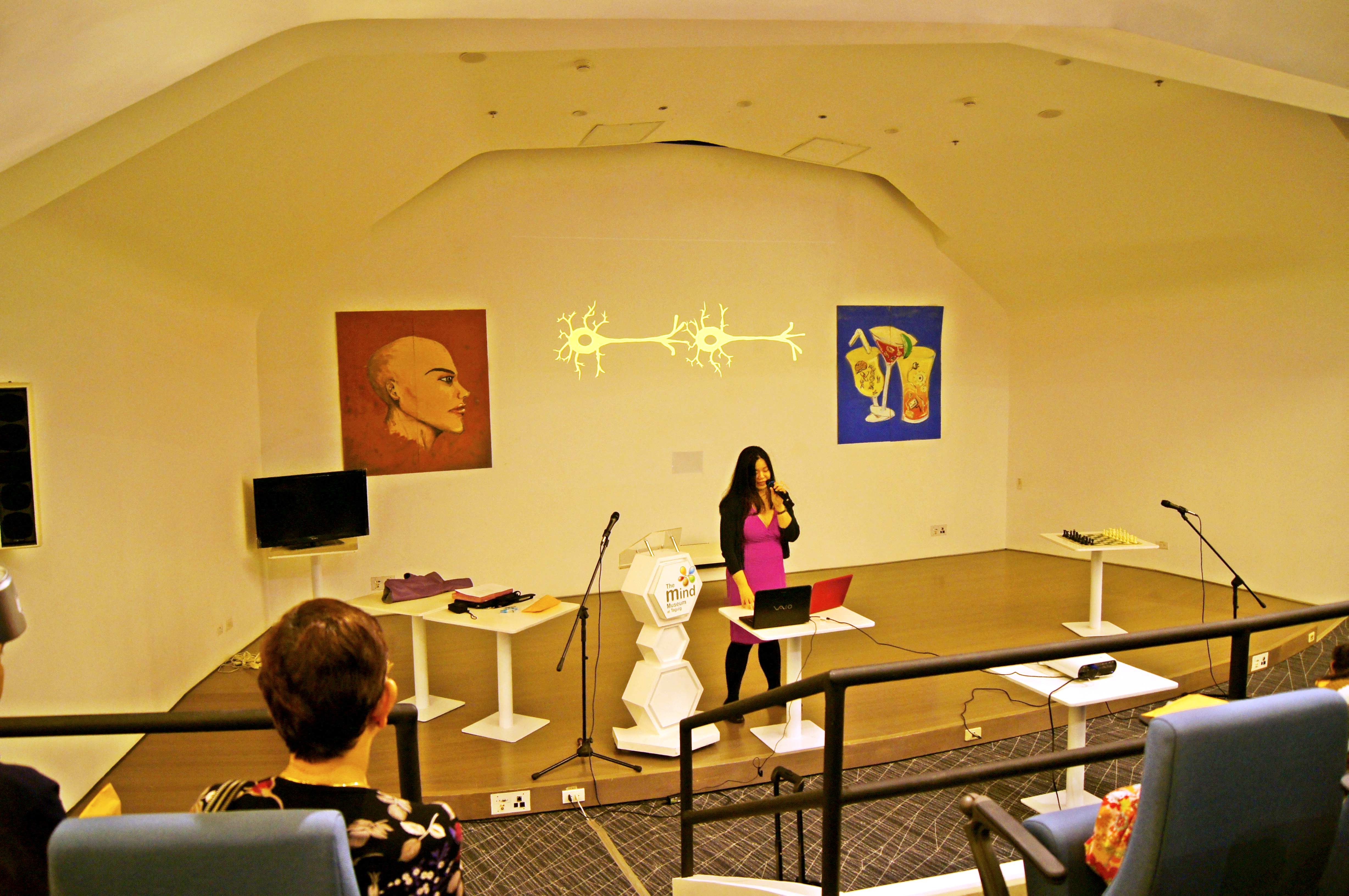
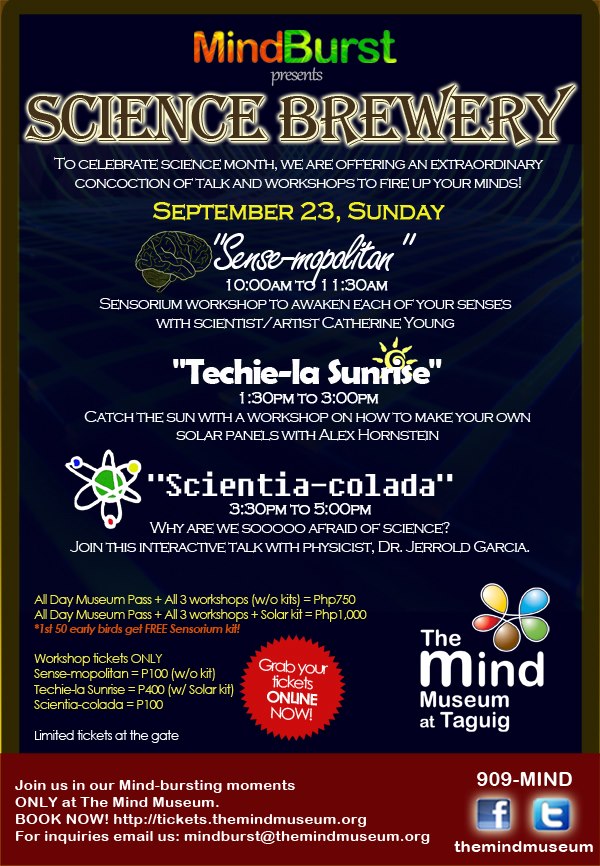
Last September 23, I was invited to give a talk / workshop at my favorite place in Manila The Mind Museum about my sensory projects. Like my other talks, this one had a sense kit, interactivity, etc. Unlike my other talks, I explained the science behind my work. After having to consciously remove the science from my explanations in art and design schools, it was quite refreshing to be required to explain the neuroscience and psychology behind my work. It felt like riding a bike after so long—thankfully, your mind still does remember what a synapse is! Whew.

Another big difference is that there were quite a number of kids in the audience. This was important (and also a big test for me), because I always felt that children were my primary audience. For me, if they didn’t “understand” the work, it meant that I wasn’t being clear enough and that there were still some things I could take away. And so it was gratifying to see kids eagerly raising their hands when I asked them questions. They were always responsive, most of the time even more so than the adults.

I’m also grateful to the museum staff because this is the first time I didn’t have to make the kits. A big thank you especially to my lovely assistant Steph as well as the museum’s science education officer, Marco, who took care of me the entire day.

Some photos, thanks to The Mind Museum:

Neurons! Drawn on Illustrator! Whee!

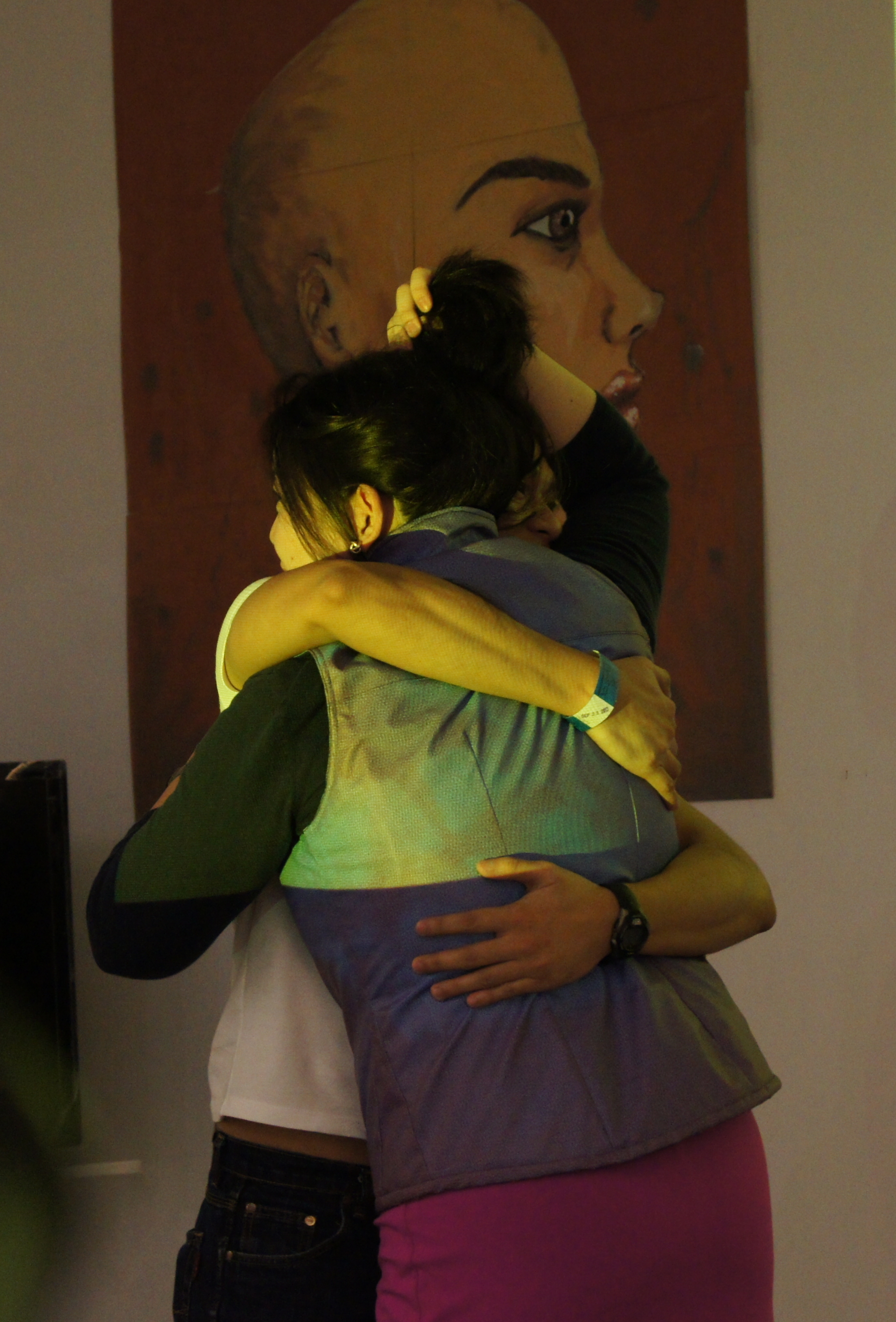
Hugging. The curator told me from the front row to hold my hair up. So I did.

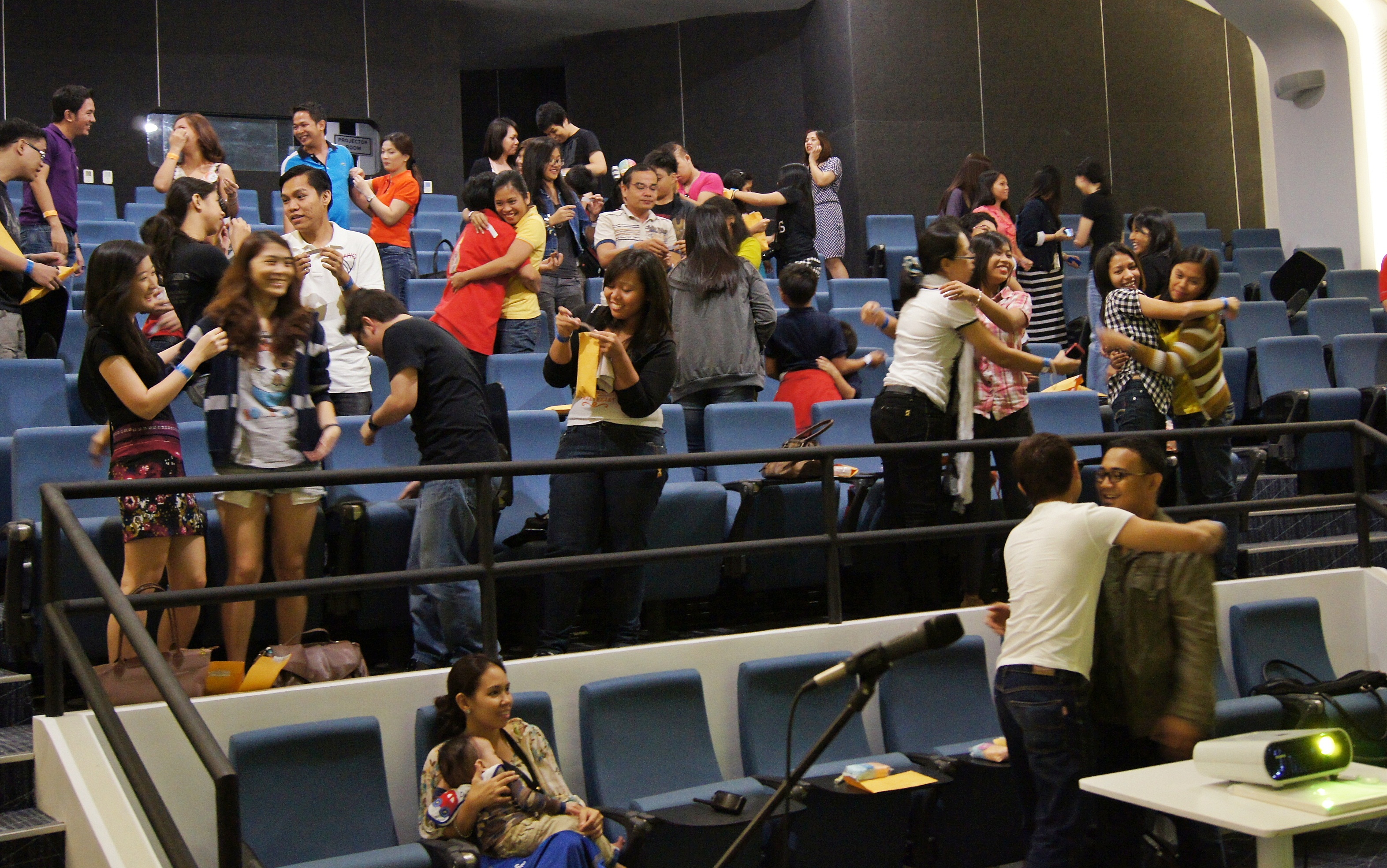
Group hugs!

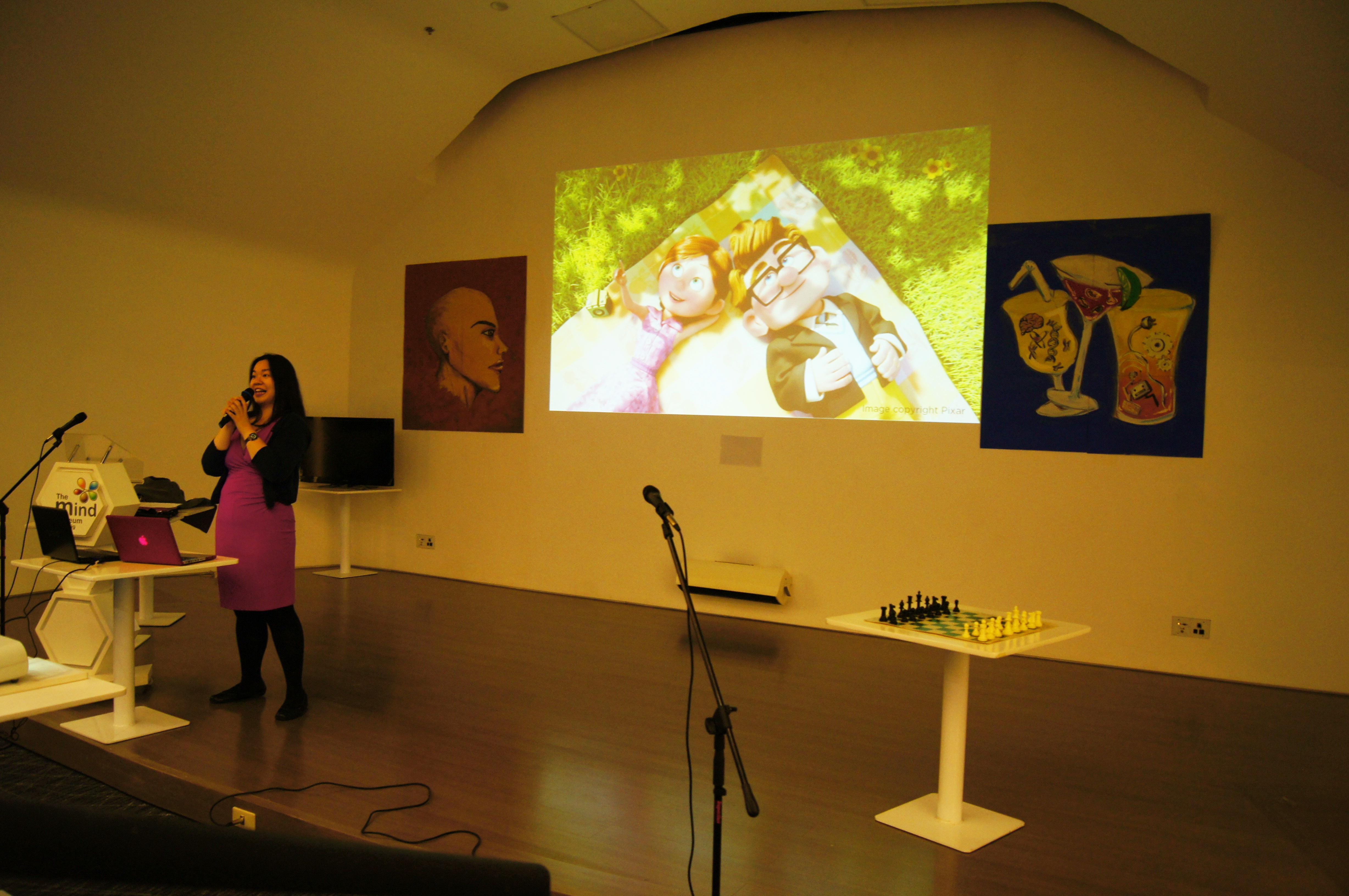
I really should just work for Pixar. Seriously.

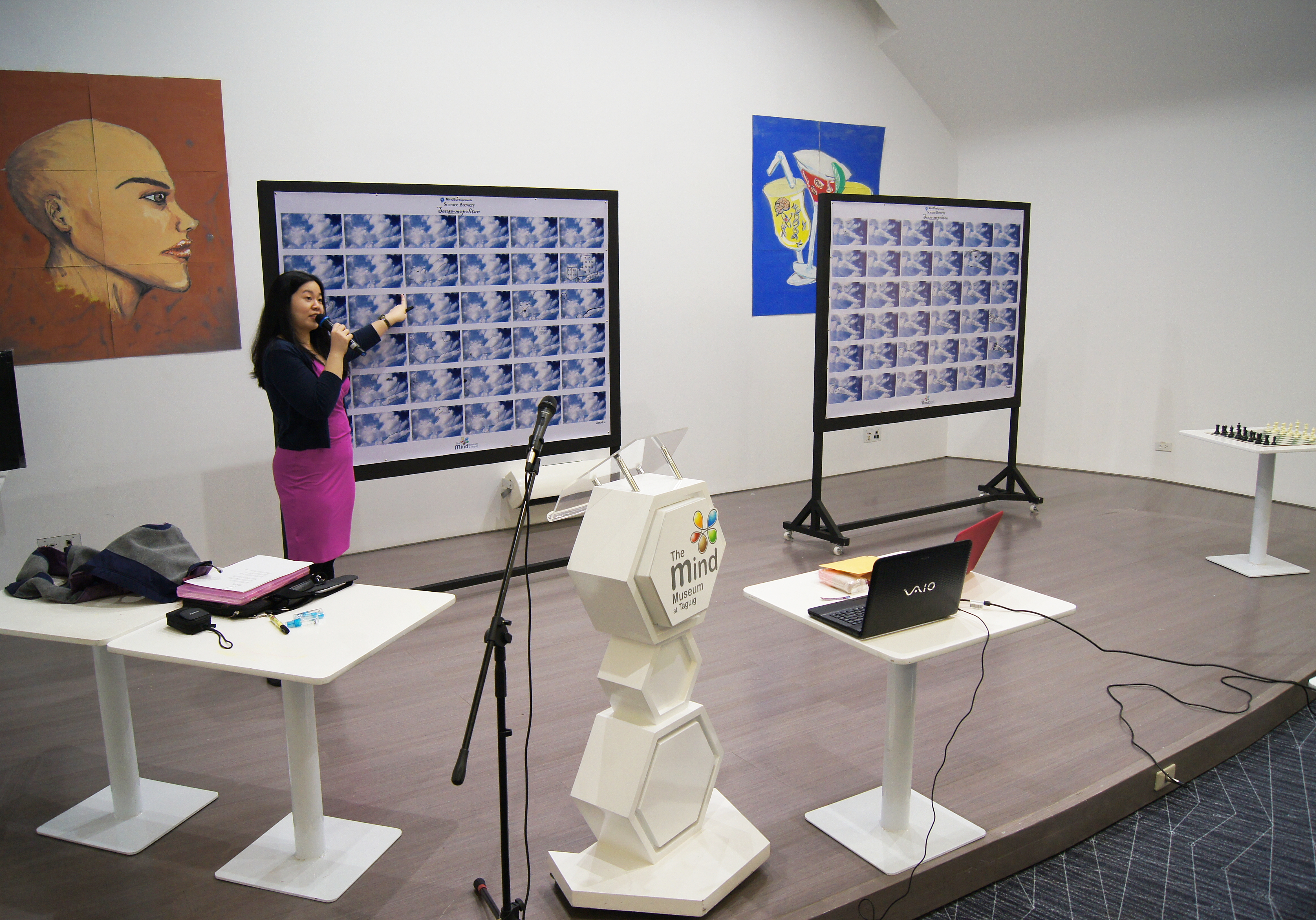
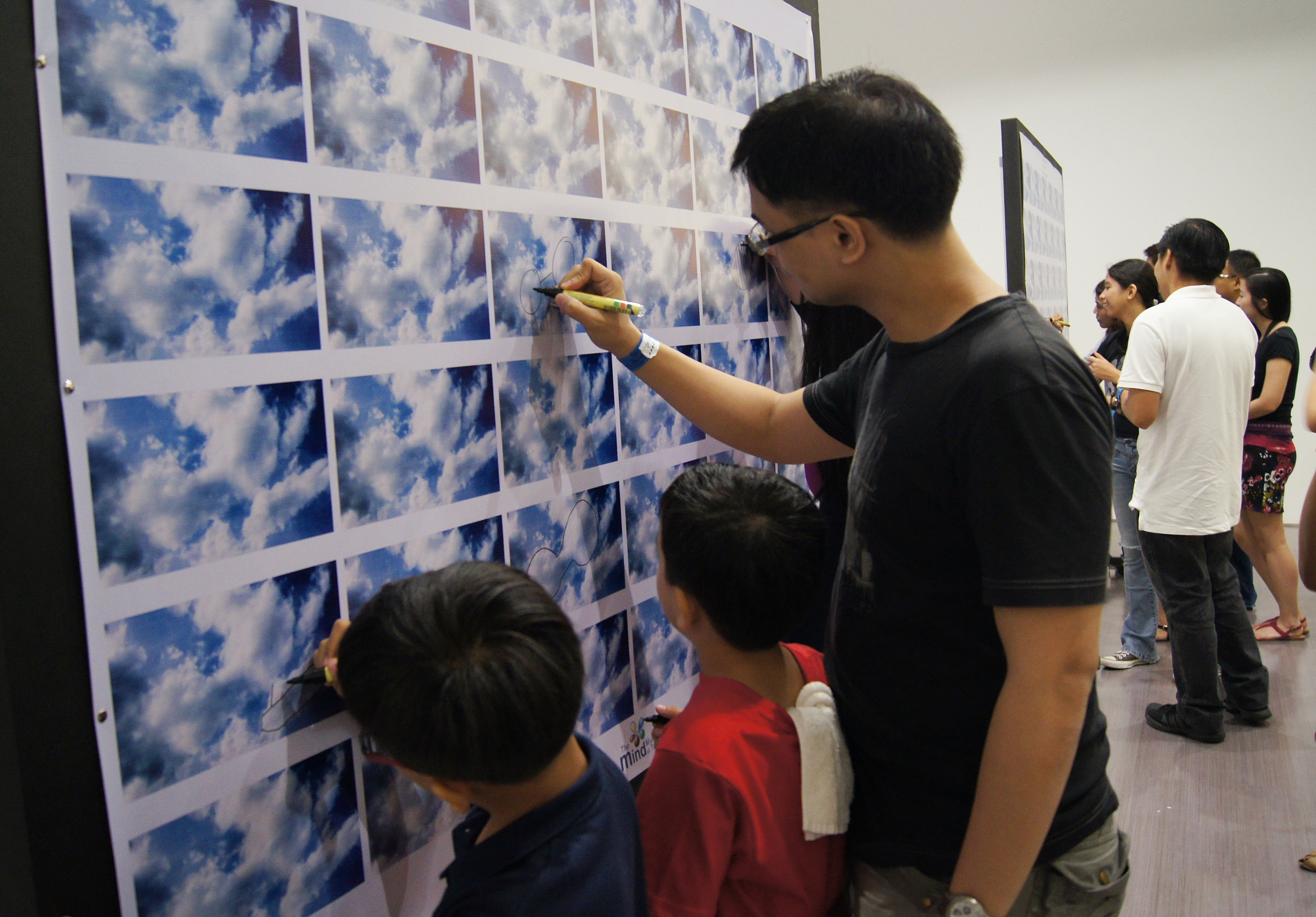
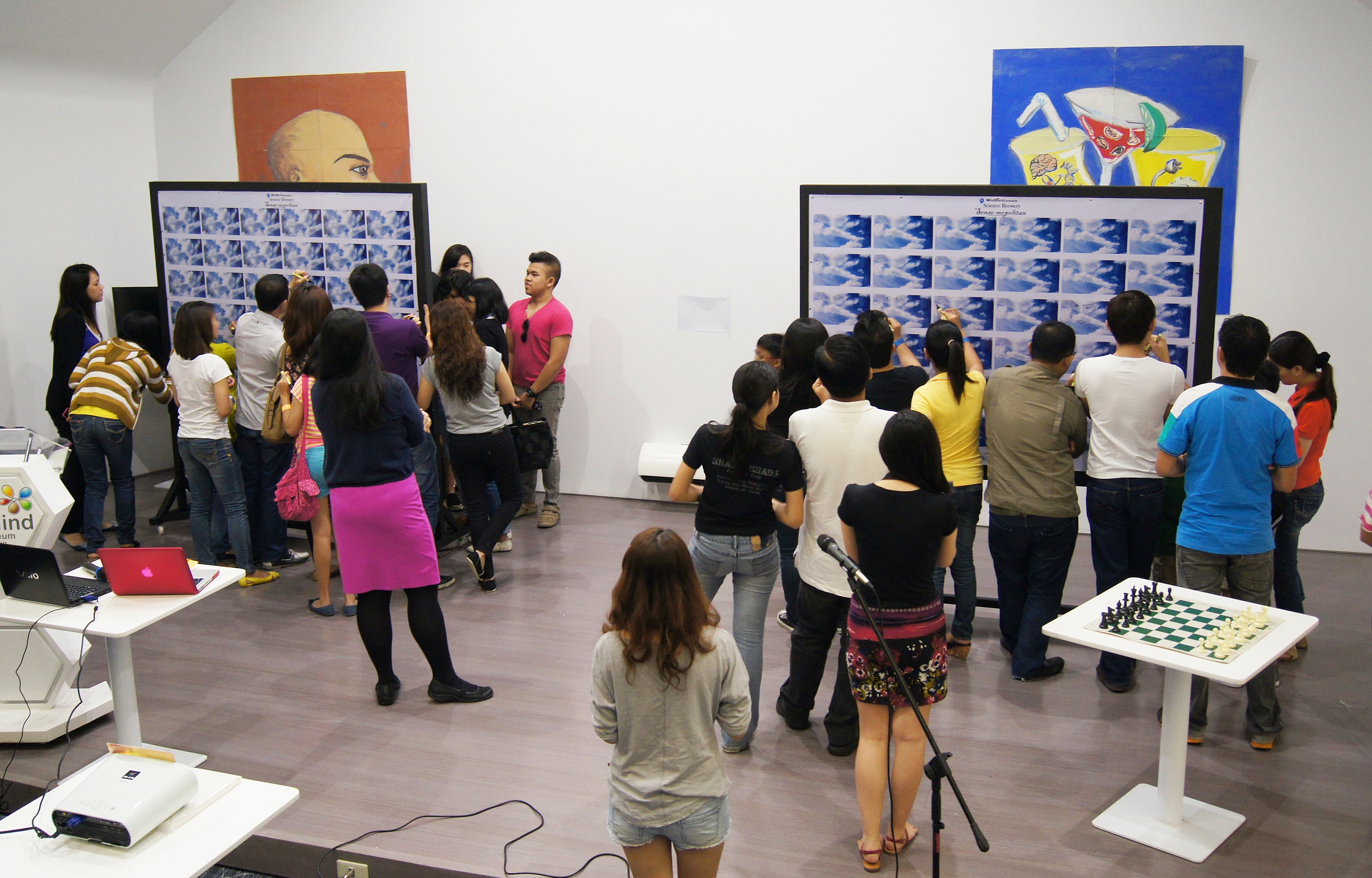
The Cloud Walls!

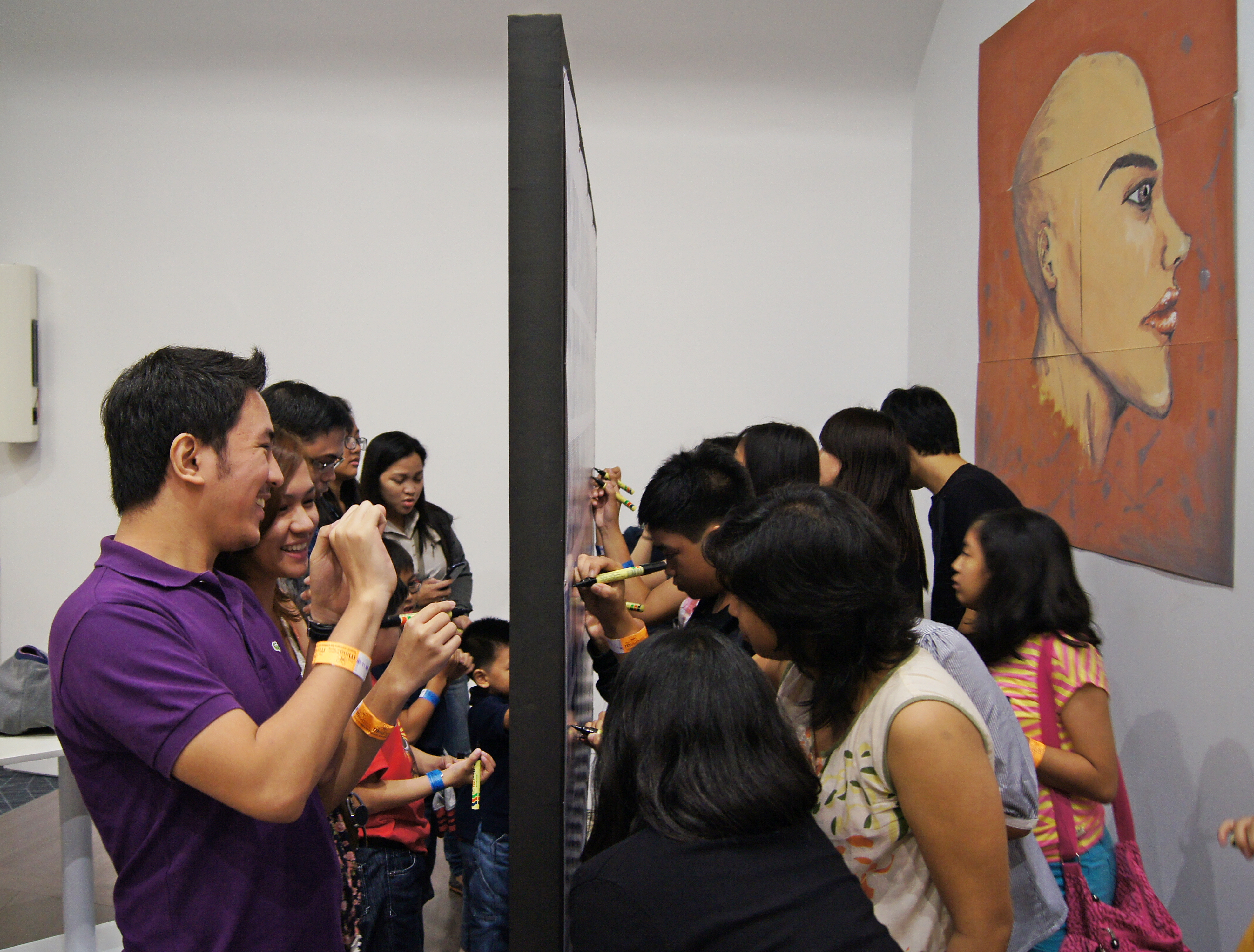
Kids. Adults. Imagination.

Cloud walls, front and back

Cloud Walls

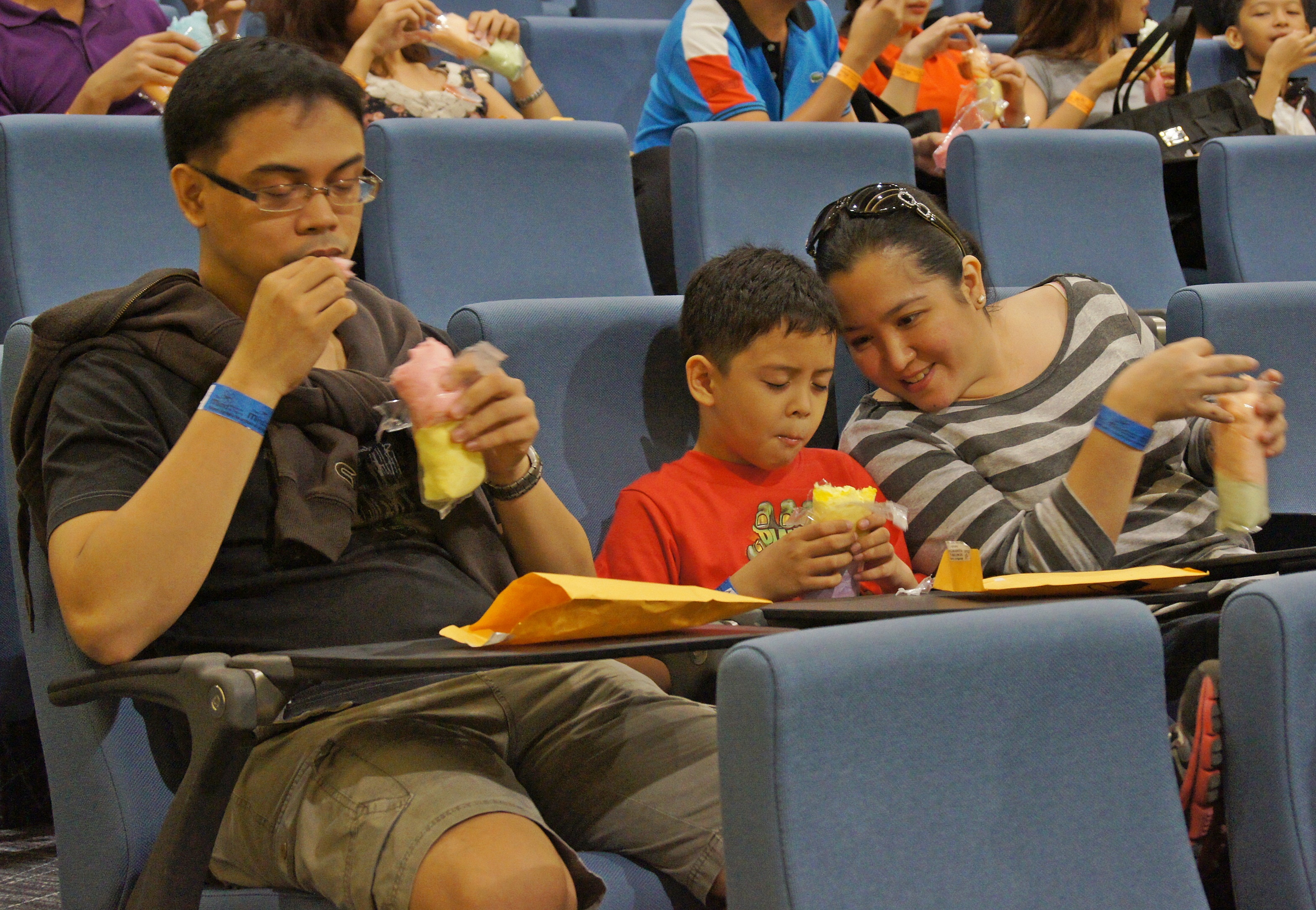
EatPoetry: cotton candy

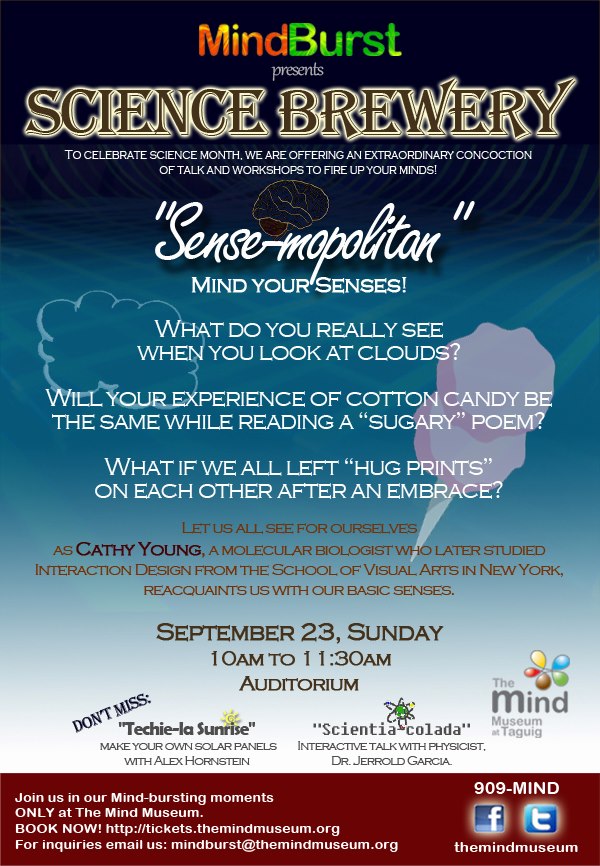
This Sunday, September 23rd, I’ll be presenting this project together with my other sense projects at The Mind Museum in Taguig, Manila. I absolutely LOVE this museum—its exhibits, staff, and spaceship-like architecture— so if you’re in the area, hope to see you there! There are two other speakers in the afternoon: Alex Hornstein who just launched a successful Kickstarter project, The Solar Pocket Factory, and Dr. Jerrold Garcia, a physicist who asks, “Why are we so afraid of science?”


I also have to remember that in Manila, people call me “Cathy.” It’s so strange. I’ve been “Catherine” and “Cat” for so long. (There was an anchorwoman named Cathy Yang years ago; I suppose that’s why “Cathy Young” is easier to remember.) So you know, this is still me:


Book tickets at www.tickets.themindmuseum.org. Hope to see you!

What graduate school, TEDx, and speaking up have taught me about creativity, empathy, and the ego

Lessons on Creativity from TEDx and Grad School, page G4, Learning section, Philippine Daily Inquirer.

There are many types of makers, but alas, I am a reclusive one. My dream house will likely resemble the Bat Cave, with wifi and a martial arts room. I can work in yoga or taekwondo pants the whole week. I have gone for days without speaking to a soul.

The agony of the Powerpoint

In the School of Visual Arts, where I attended graduate school, I was notorious for taking over the back room, where I would spend hours working on projects. Occasionally, I would come out, corner one of my colleagues, and squeal, “Guess what I made?” One of them said I was like a crazy scientist.

I grew up loathing Powerpoint presentations. And so it wasn’t without biblical agony that we had to keep giving them in all my classes at SVA.

In the beginning, my slides were admittedly very simple. Coming from a very scientific upbringing, I grew up thinking that presentation was secondary.

Slides as currency

But like it or not, slides and videos are the currency of today’s digital world. It is, according to a friend of mine, a way to figure out what is going through my head, so that one does not exist in a vacuum.

Graduate school is an exercise in, among other things, humility. And so I sucked it up and improved myself, one Powerpoint presentation at a time. I concentrated on making my images pretty and my fonts well thought out. One time, my classmate Benjamin sat me down and made me redo all my slides for a final project in class. It was late in the evening, but I gritted my teeth, silently wished him evil thoughts, and worked on the feedback that he gave.

Taking feedback

Speaking in public was also an ordeal I learned to get over. Graduate school critiques tend to be overly, well, critical and skeptical, as they are supposed to. It’s easy to be wounded by comments from your professors and classmates who just want your projects to reach their full potential. I learned to take feedback with a grain of salt, listening politely and acting on the things I agreed with and ignoring those I didn’t.

Pay-offs

Towards the end of the two years, I realized something. I actually like giving talks. Because my work tends to be interactive, each presentation I give leads to the audience doing something. I have hugged people, drawn on clouds, recited poetry, and fed people candy on many different occasions. It’s quite fun.

I also learned to be able to do these talks under extreme stress. Right after my thesis defense, I had to hop on a train to Connecticut to speak at TEDxNewHaven the very next day. It was a test of not passing out and still looking alive and peppy, since I had four talks to give throughout the day. One of my fellow speakers told me that she thought I was very brave, “having four interactive talks while I have one memorized talk.” “Oh sweetie, if you only knew I was dying inside,” I said silently through my frozen smile.

Presos as performance

A slide presentation is just like theater. The audience matters just as much as your talk. The times when I felt most alive while clicking through a Powerpoint were when the audience was warm and receptive. I would feel joyous when I saw that my work, which I did primarily out of curiosity, actually touched another human being. I learned that I didn’t have to talk as though I were on a home TV shopping channel, and that I can engage the audience in an actual meaningful conversation. Slowly, I finally got out of my hermetic shell.

Finally, it is important to involve your friends. I think that 80% of the work should be done before you even go onstage, and my friends have always been silently in the background. Thankfully, I have friends who know more about styling one’s hair and clothes than I do, and this will likely be something I will always entrust to them.

I suppose my department at SVA was relieved when I finally switched fully to a Mac, using Keynote instead of Powerpoint. (Actually, I am, too!)

But I still hate using flashy animations.

For everyone who has helped, listened, and critiqued. 

An edited version of this essay appeared as “Lessons in Creativity from TEDx, grad school,” on page G4 of the Learning section of the Philippine Daily Inquirer on 3 September 2012. It also appears in its online edition on 2 September 2012 here

Speaking at my first TEDx conference was a challenge. It was not just because it was a great platform for ideas, but because of the timing, design, and execution needed to pull off four interactive talks in one day.
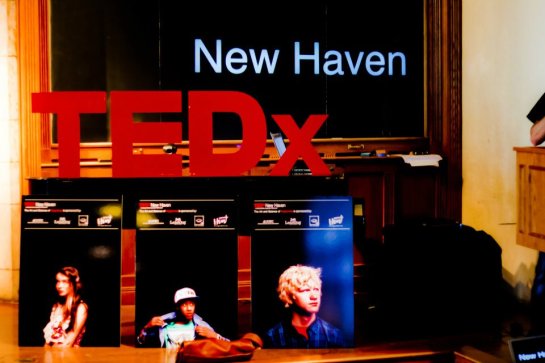
TEDxNewHaven: The Art and Science of Happiness. Photo by Chris Randall

The theme for TEDxNewHaven was The Art and Science of Happiness. My goal for the talks was two-fold: to engage the audience in something interactive in the course of the day, and to enable them to view their senses as tools by which to achieve happiness. To achieve these, I had to produce 200 “sense kits” that contained physical, non-digital formats of my projects: HugPrints, Rorsketch, Smellbound, and EatPoetry.

Round One. Photo by Liz Danzico

First Talk: Touch

My first talk was about using our sense of touch. I presented HugPrints, my project where I am attempting to hug everyone in the world and getting visual feedback through a specially designed thermochromic vest. I asked volunteers to come up the stage to hug me.
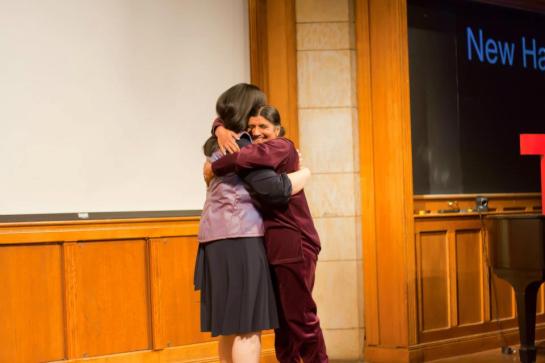
Hugging on stage. Don’t you just love it? Photo by Chris Randall

Afterwards, I asked the rest of the audience to pull out the HugPrints cards in their sense kits, which contained hugging instructions so they can hug each other (if they wished).

Are you getting enough hugs a day? Photo by Chris Randall

Second Talk: Sight

For the second talk, I explained Rorsketch and first engaged the audience in a guessing game of what clouds looked like and then revealed what drawings I made. After doing this project for a while, I wasn’t surprised about how some people were calling out the same things, while other clouds had very different interpretations.

You know what my favorite Pixar movie is! Photo by Ruoxi Yu.
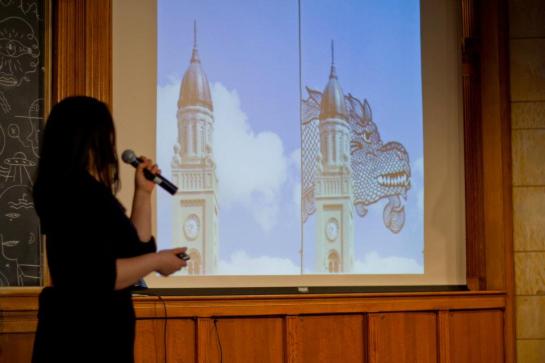
Yes, it’s a dragon! Photo by Chris Randall

I then asked the audience to pull out the blue Rorsketch cards and the Sharpies in their kits, and they drew their own interpretations on the clouds printed on their cards. To encourage them to draw, I did a live drawing session on a big cloud on stage.
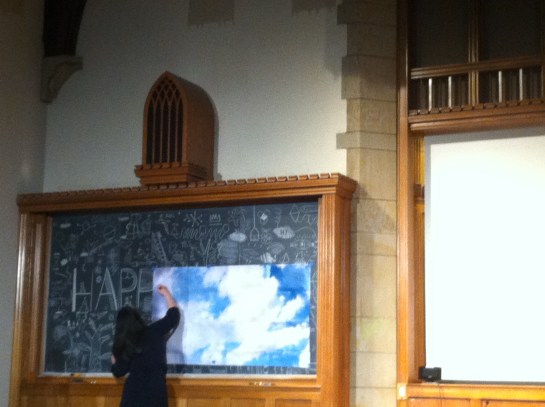
Drawing on a cloud. The cloud I sketched on was taken by Nikki Sylianteng. Photo by Liz Danzico

One of my fellow speakers, Nima Tshering, sent me his cloud drawing. (Thanks, Nima!)

A fairy grandma with a baby by Nima Tshering

Third Talk: Smell, Hearing and Taste

I explained two projects for this post-lunch session: Smellbound and EatPoetry. First, I explained the connection between smell and memory and had the audience remove the Smellbound postcard which contained a printed smell. I showed them the book I made, An Olfactory Memoir of Three Cities. Afterwards, I read them After Apple-Picking by Robert Frost while they ate the apple lollipop inside their kits.
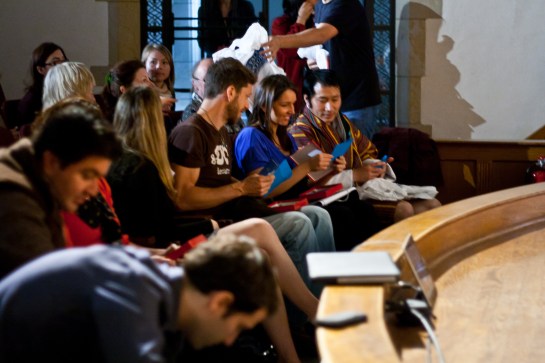
“Now please remove another envelope from your kits…” Photo by Chris Randall

Fourth Talk: Happiness and the Senses

For my fourth talk at the end of the conference, I summarized how we can use our senses to be happy. The key points were that we are all equipped with these tools; i.e. we all had the capacity to hug our loved ones, to interpret a cloud, to smell a memory, and to connect poetry with food, and that if we paid more attention to the world around us, it would promote our feelings of well-being and optimism. I also explained my own explorations with happiness by showing submissions from DrawHappy, as well as what I’ve learned from the project so far.
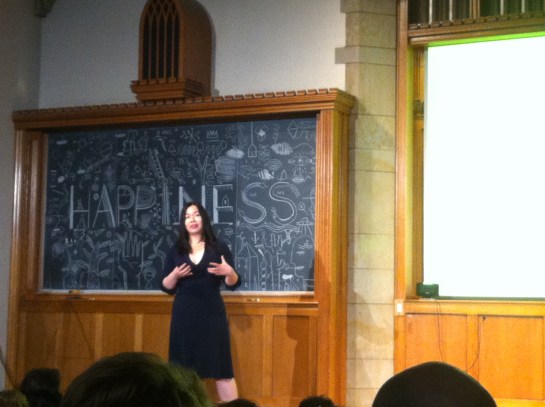
Photo by Liz Danzico

What Worked, and What I Would Do Differently Next Time

All the sleepless nights making sure all 200 kits had the right contents were definitely called for. So much craft and attention were given to every single detail—each postcard had to be sealed in an envelope so people can only view them as instructed, the envelopes had to match the main color of each project’s logo for easy recall, each postcard had to be branded and oriented in a specific direction, each kit had to contain envelopes in a particular order and needed both a Sharpie and a lollipop. Anything less would have taken away from the experience or would have confused people. Doing something onstage so that people can mirror my actions was also important, and getting all the props together also was something I had to keep in mind in addition to the actual slides.

I’ve also been onstage on different occasions and it was interesting to feel these variegations of audience contact. When performing for the Poetry Brothel in Barcelona, I had to inhabit a certain character and, depending on the piece we were doing, had to maintain a certain mystique. When doing poetry readings just as myself, there was a bit of conversation with the audience when I talk about the process of writing, but during the reading of the actual poem, it was just myself and the text. I felt this while reading the Frost poem to the TEDx crowd—the entire hall was dead silent in contrast to all the other times I was up there. (That was quite fun, actually.) But doing a talk that involved not just a Keynote presentation but an actual creative activity was another world altogether—it’s difficult to assess if everyone was enjoying the activity, although what was great about having a particularly open audience such as this one was that they weren’t afraid of trying new things.

For the next time I do something of this nature, I would have a card that had explicit instructions not to use the objects inside the kit unless asked. Although I anticipated this by making sure the envelopes were sealed, I did catch at least one person eating their candy before lunch. (We were running a bit late, and I suppose he was hungry.) One thing about having a sealed and long candy stick was that it affords a long eating session; they wouldn’t have finished it to begin with and they could just put the candy back in the plastic and in the kit. Hard candy was definitely the way to go.

Also, I would have split the third talk (Smellbound and EatPoetry) into two and let each project have its own 10 minutes. Thus, I would have placed EatPoetry for the fourth talk and followed it with a short summary of the senses. When I went up for the last talk and said that “Ok, I’m not going to make you do anything now,” I could swear I felt the disappointment of some people. If the schedule allowed it, giving each project its own time in the spotlight would have allowed the audience to absorb the concept more fully, instead of rushing to the next project right away. I can’t wait until I develop these projects more and more, and see what I will ask people to do the next time.

Finally

I have to say, I love this format of getting the audience to actually do something creative in a talk, instead of me just standing there telling them about myself. Thanks again to the audience for being open to these ideas, my friends and colleagues for helping me pull this off, and to the wonderful team at TEDxNewHaven who worked tireless to make it all happen!

Thanks to Kate Russell and Liz Danzico, my plus two!

I have been invited as a speaker at the inaugural TEDxNewHaven conference at Yale University. The theme of the conference is “The Art and Science of Happiness”, and it will take place on April 28th from 10am to 6pm. I will give four talks / exercises of most of my thesis projects as well as some other projects I’ve made in my two years here at SVA, along with 12 other speakers who will explore the theme of happiness through the lens of their respective research and work. Topics will be drawn from a diverse set of disciplines, ranging from positive psychology, entrepreneurship, education, politics, media, culture, technology, and art.

This conference is designed to inspire people and make them happy. Its primary goal is to foster connections among the diverse audience which will consist of Yale students and professors, New Haven residents, and a global online audience. To that end, the primary aim of the conference is to spark a deep conversation about individual as well as the community’s collective well-being. It is the first time that a TED event specifically presents the theme of happiness, so this conference promises to be very interesting!
I hope you will be able to join me! It will take place in the Sudler Hall auditorium, in William L. Harkness Hall (WLH) on 100 College Street, on the Yale University campus in New Haven, CT. You can apply for a ticket here.
Currently, I am neck deep in my thesis and making 200 sense kits for the TEDxNewHaven audience. This week, I’m defending my thesis on Friday, then catching the train to New Haven to get some sleep in a hotel then wake up to do my talks and learn more about a subject I hope to be fascinated with for the rest of my life. Did you catch all that caffeine in that run-on sentence? I’m excited for it all; I hope you do come!