Archive

Korea

(Gyeonggi-do, South Korea) In Bubryunsa, a beautiful temple set in the mountains about two hours from Seoul, I was happy to participate in a temple stay with fellow artists. I was struck at seeing this swastika, used without the Nazi connotations, but to represent what it originally supposed to—auspiciousness, eternity, and Buddhism.

Beautiful!

Beautiful!

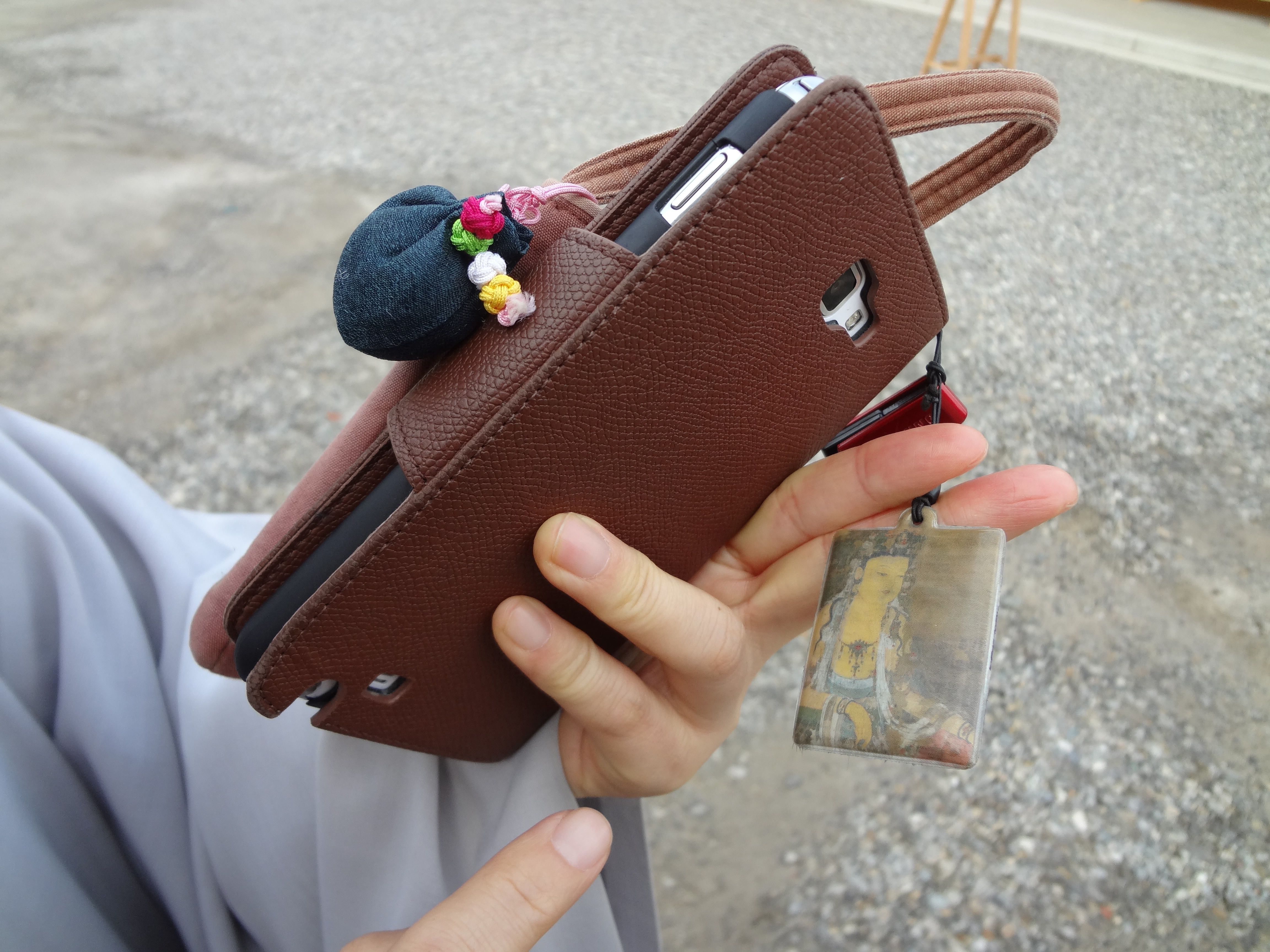
Tae Min, the monk who guided us through a tea ceremony, meditation, and a tour of the temple grounds, made me smile when I saw that she has a smartphone. It’s the same one I have: a Samsung Galaxy S3.

Hello, fellow Android user!

Hello, fellow Android user!

Her phone’s cleaner had a Buddha on it.

Buddha!

Buddha!

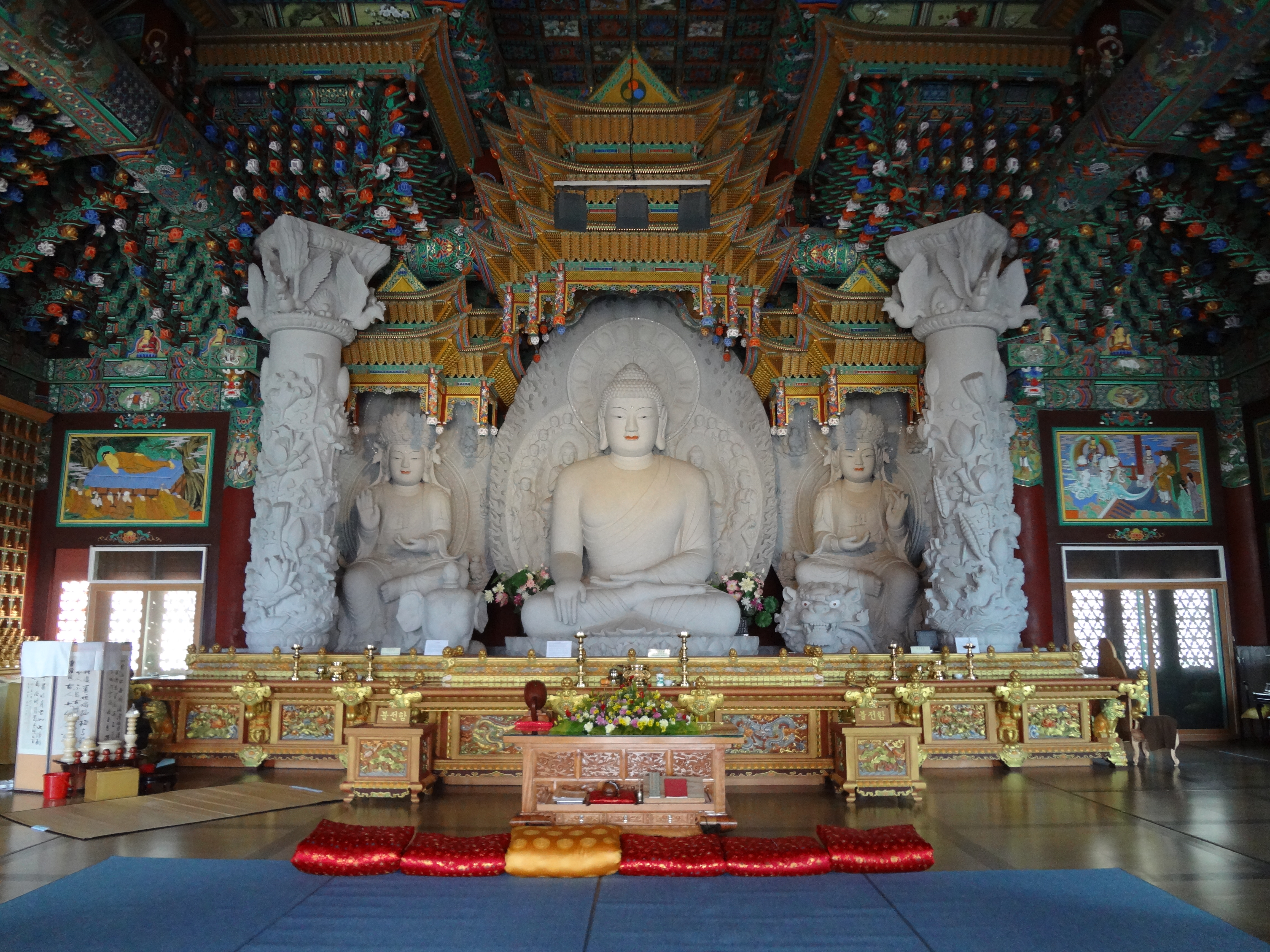
We saw a lot of buddhas.

Each statue is carved out of one rock. They were made first and then the structure was built around them.

Each statue is carved out of one rock. They were made first and then the structure was built around them.

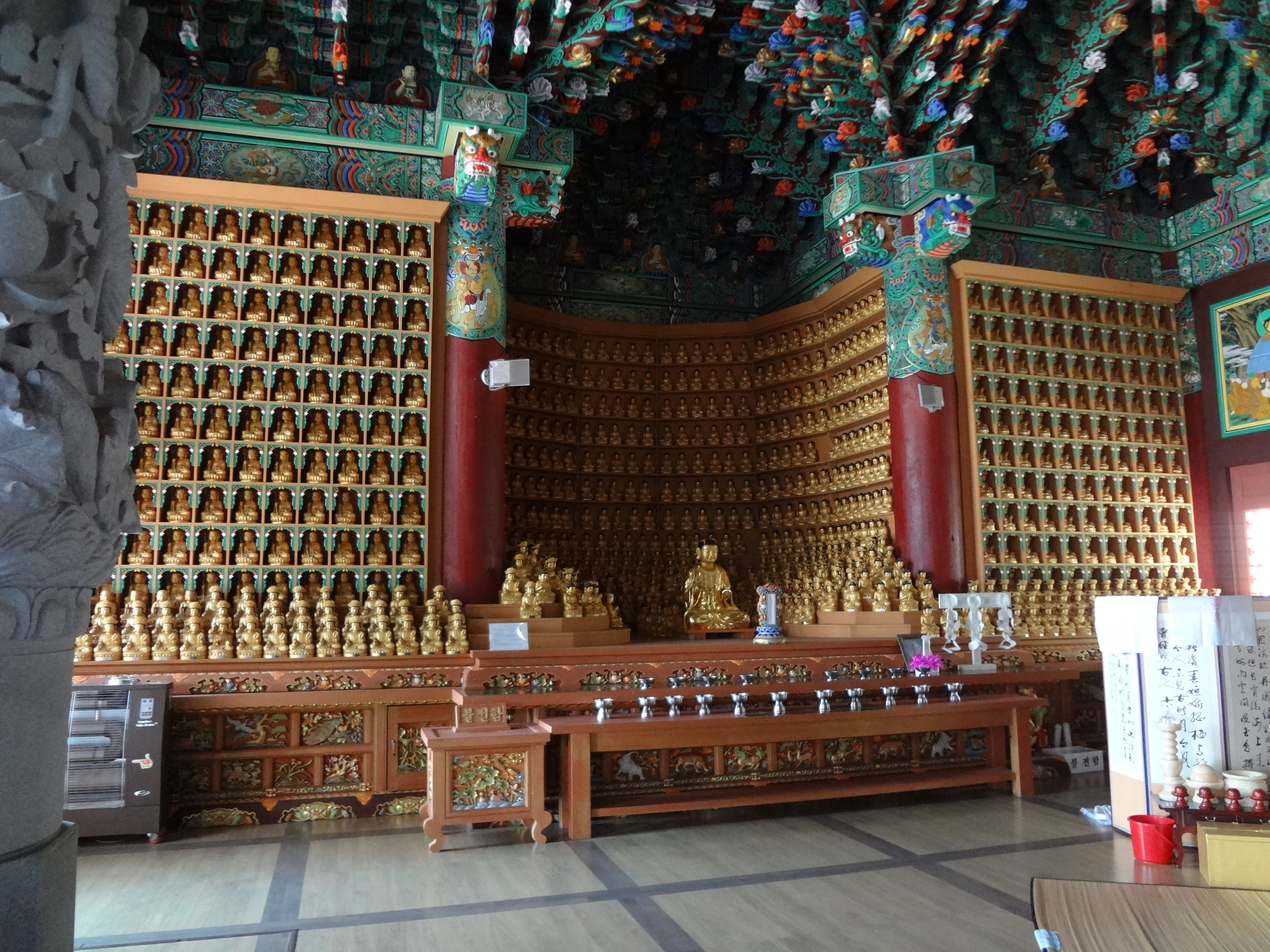
And I mean, a lot of buddhas.

Whoa, buddha, whoa.

Whoa, buddha, whoa.

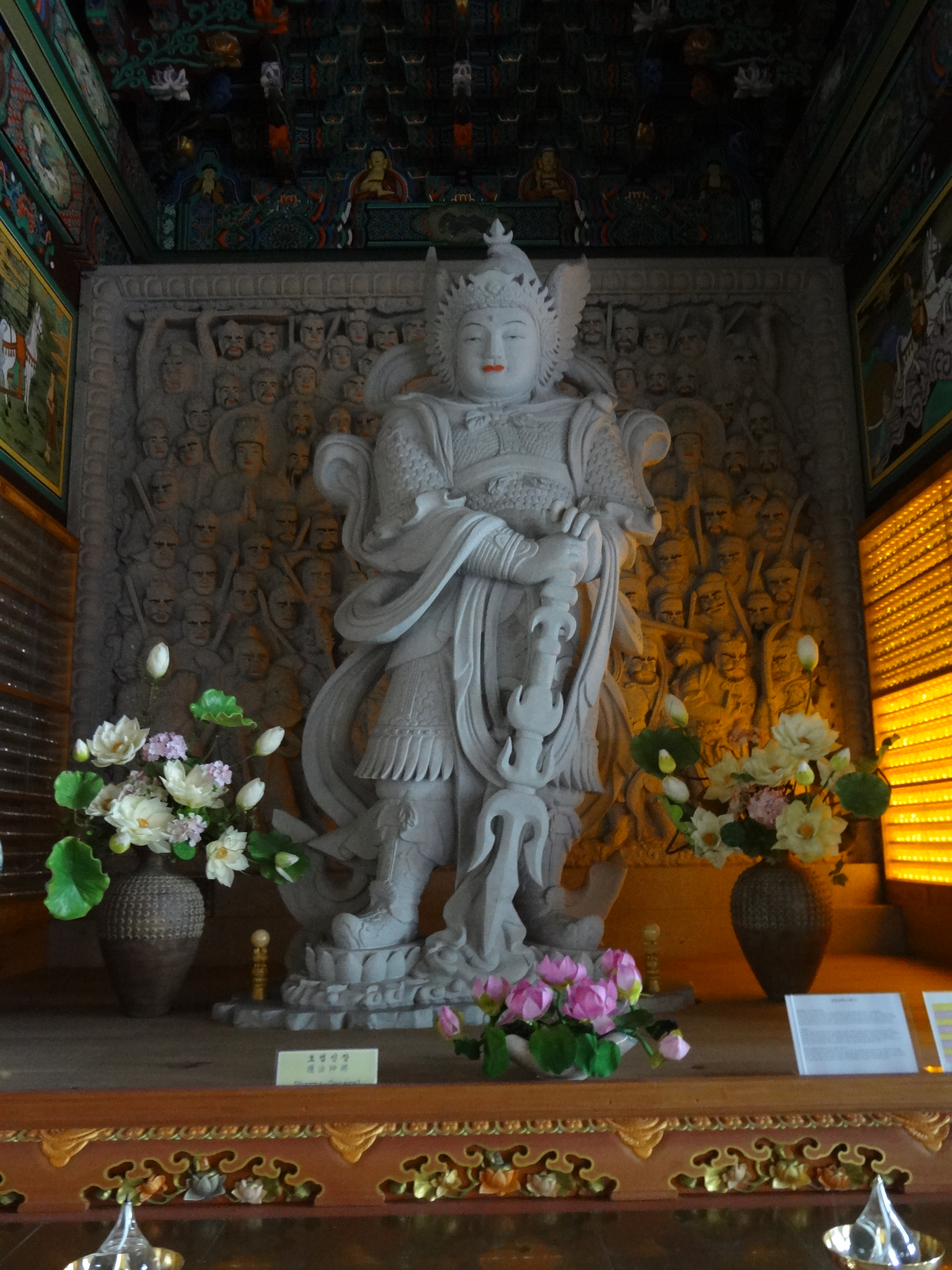
But I think the statue I liked best was this one. He looks badass, and probably does martial arts.

A sword!

A sword!

I leave you with this lovely rock balancing we came across. Peace, love, and get your Zen on.

Rock balancing!

Rock balancing!

I loved this mash-up and I loved this kid.

I loved this mash-up and I loved this kid.

(D-Cube City, Sindorim)—I had no idea St. Patrick’s Day was big in Korea. My favorite part was the ladies who mixed Irish dancing with K-pop, and the little kid with stripes who followed them. People had green balloons and could get free scones and nearly everyone was civilized and no one was vomiting. I love globalization.

Happy St. Patrick’s Day, one and all!


Unofficial holidays meant for love are quite an event here in Seoul, with people filling out specific roles. In Confucian Korea, I’m quite pleased when people break out of the norm, or when I break it (usually out of ignorance of the custom) and they appreciate it anyway. (For example, last Valentine’s Day, when women are supposed to give out chocolates to the men of their desire, I handed out origami hearts to everyone I knew.)

The month after Valentine’s Day, March 14, may be Pi Day for those mathematically inclined, but here on this side of the world, it is also White Day, a day where it’s the men’s turn to give out hard candy to women they like. Like my belief in Valentine’s Day hacks, I appreciate it when guys do the same and hand out goodies to their friends.

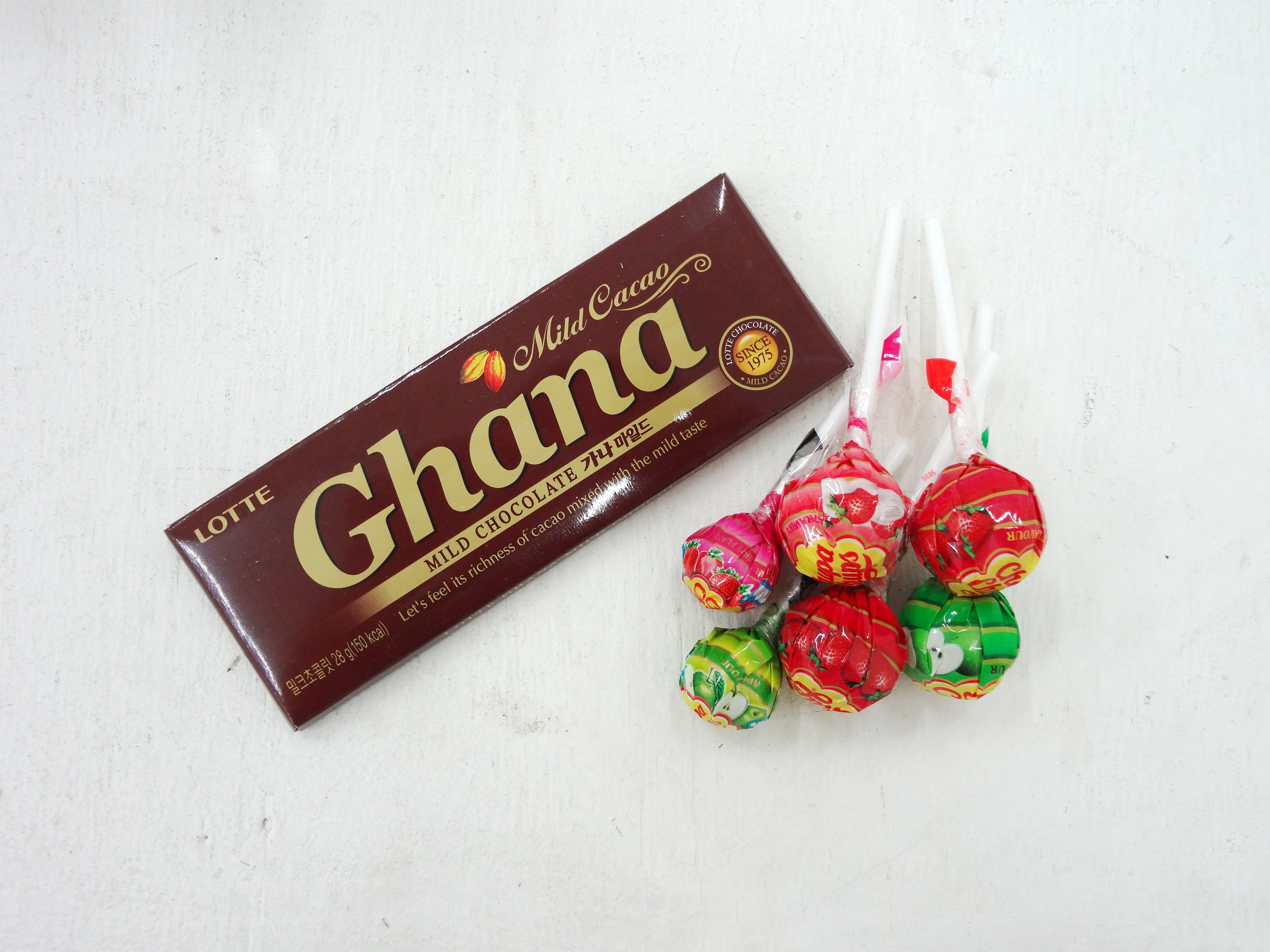
My haul for my first White Day is chocolate from a married studiomate and lollipops from my taekwondo class. The four big lollipops are from Master Kim who handed out an entire box’s worth to the class while the two were from one of the kids. We may not know each other’s languages and have different opinions on eye contact, but hey, there are definitely other ways to communicate. This was, literally and figuratively, quite sweet.

White Day haul. Aww, shucks. <3

White Day haul. Aww, shucks. ❤

Say it with sugar. Arigato and kamsahamnida, gentlemen!

A clear sky at N Seoul Tower

A clear sky at N Seoul Tower

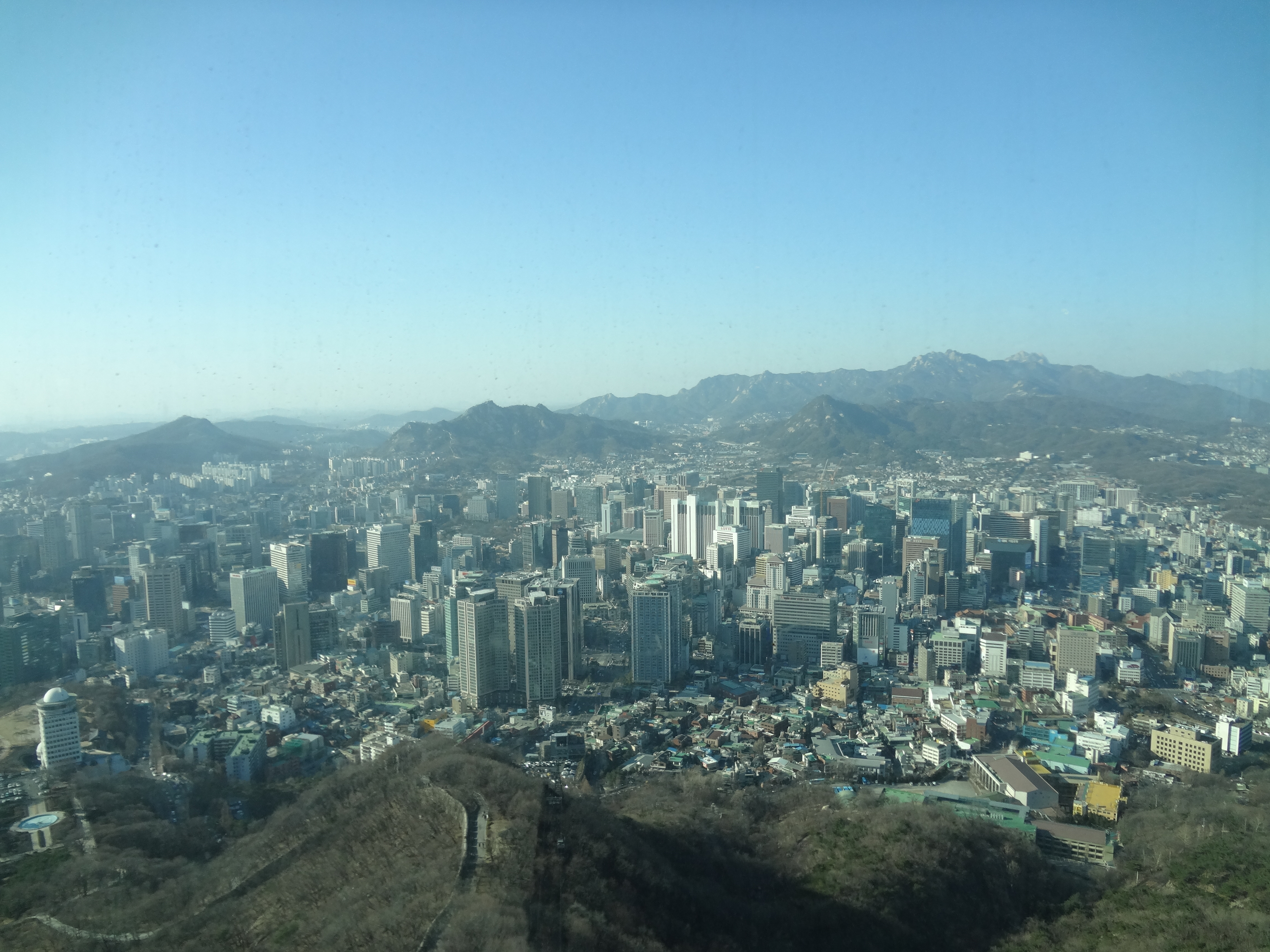
It was a beautiful clear Sunday at N Seoul Tower, whose observatory is the highest spot in Seoul. Amidst the locks of love, lovebird chairs, and kitschy space-themed elevators, what I really enjoyed was the warriors at the base, wielding swords at a demonstration I happened to come across.

Old meets new. Again!

Old meets new. Again!

But yes, the view was great, too!

Seoul!

Seoul!

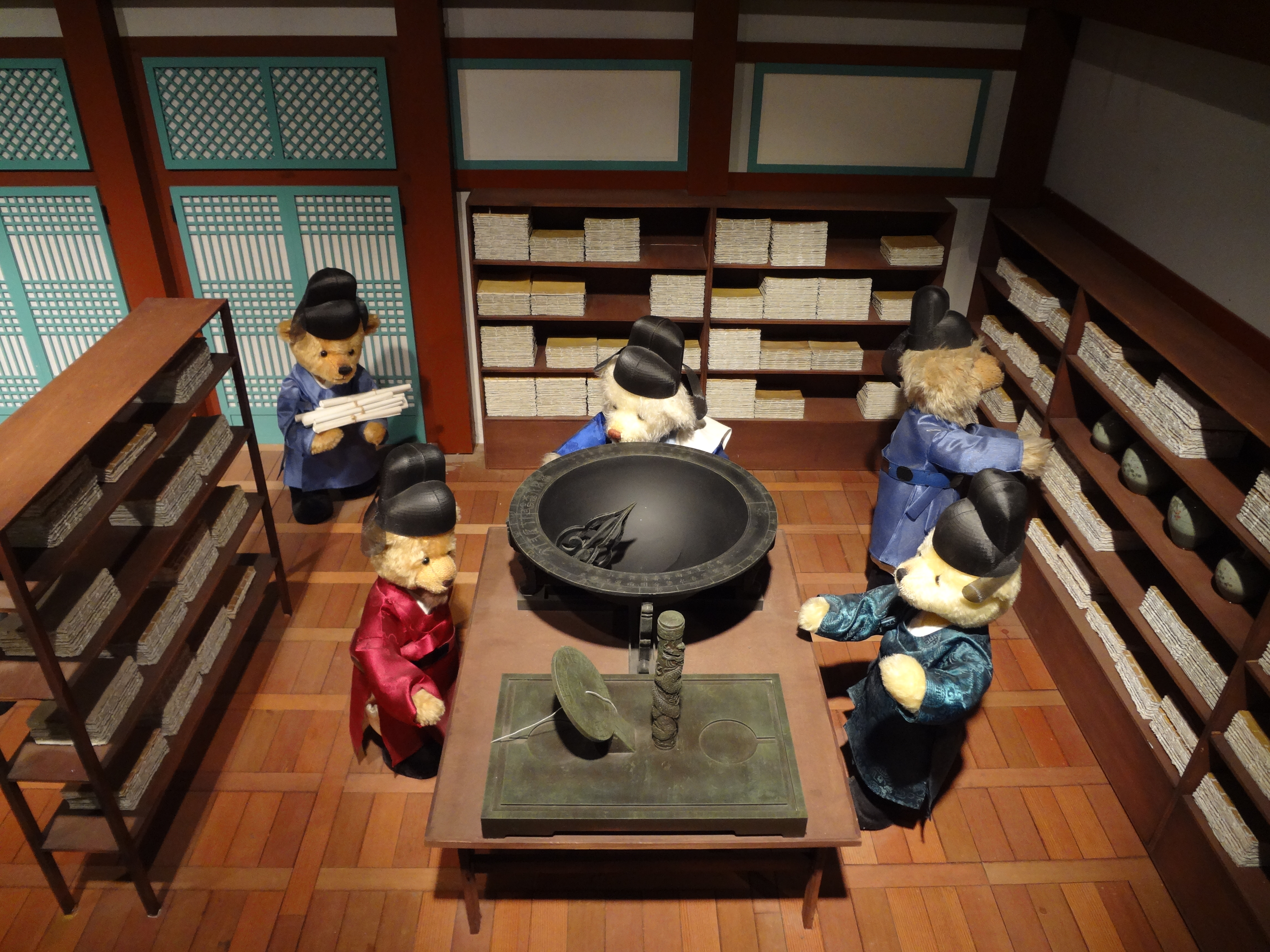
At the Teddy Bear Museum in N Seoul Tower, one can discover the history of Korea in the most adorable and saccharine way possible. Hundreds of teddy bears, with most being mechanical, are dressed and arranged to form scenes from Korea’s old and modern history. Bears in royal court! Bears at war! Bears playing polo! Bears doing breakdance! Bears going on a date! Bears getting married! Bears! Bears! Bears!

Some of my favorite scenes involve the arts and the sciences. Here’s one during with scientists during the reign of King Sejong.

scientists during King Sejong's reign

scientists during King Sejong’s reign

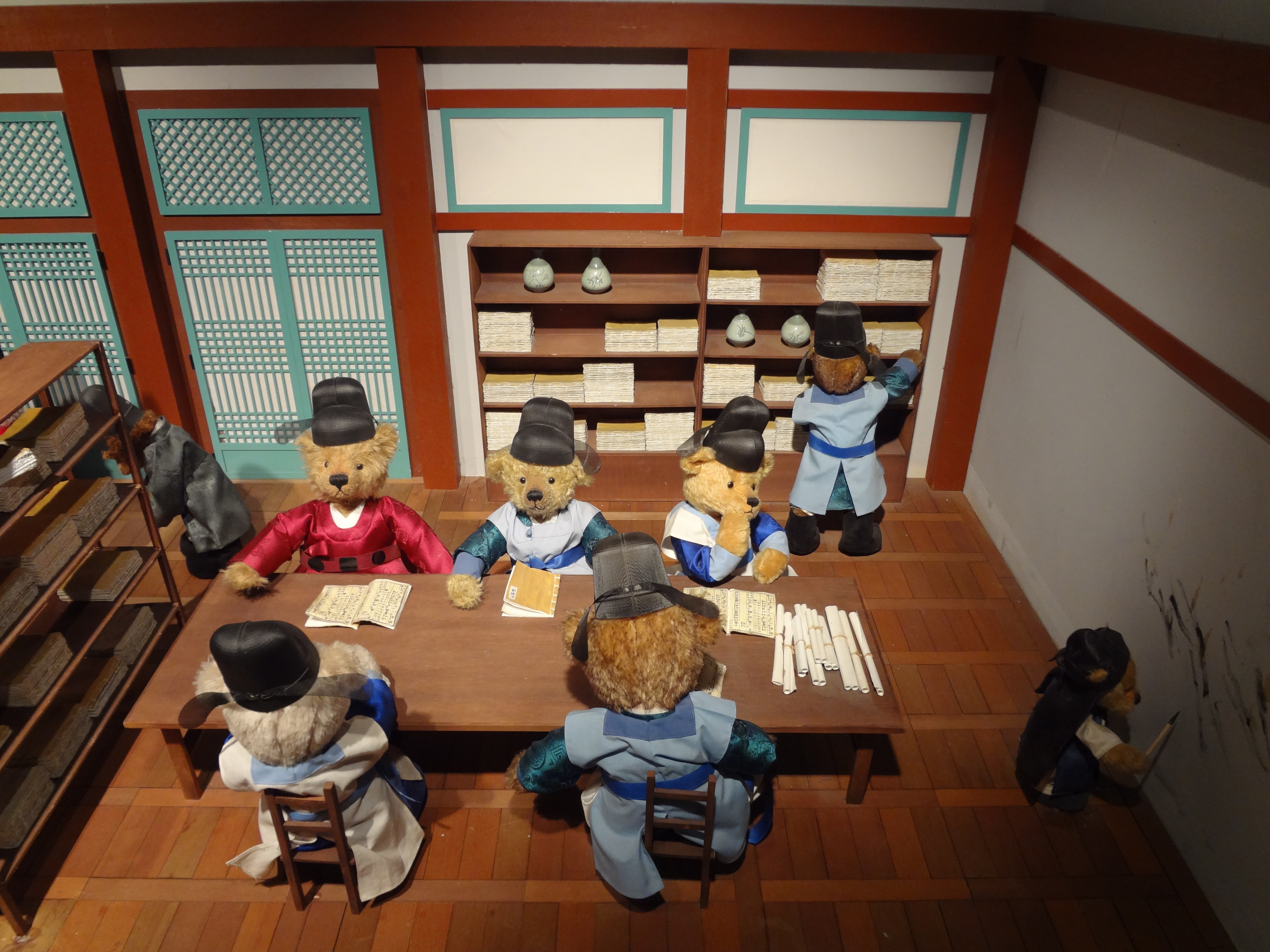
Here’s a scene that made me smile. Look on the lower right:

Someone's not doing what he's supposed to. Can you guess who?

Someone’s not doing what he’s supposed to. Can you guess who?

I love this little errant artist bear that could.

This bear made me laugh.

This bear made me laugh.

I also love this scene where the first light bulb was installed in Gyeongbukgung, which I visited last month:

The first electric light in Korea!

The first electric light in Korea!

Sweet, amusing, and way more entertaining than your usual history museum.

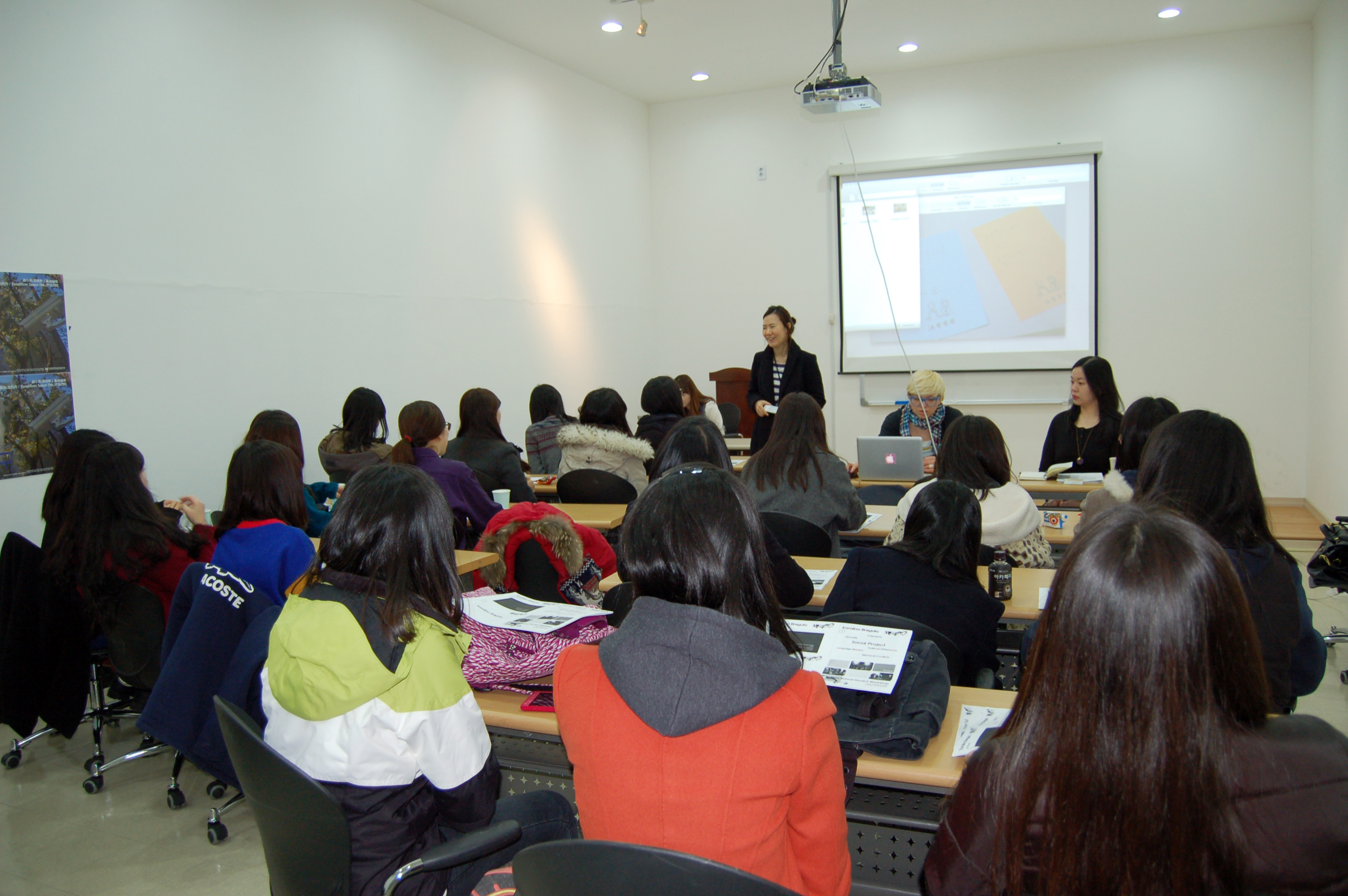
(Seoul)—Last Saturday, a group of high school students from the docent program of the National Museum of Contemporary Art of Korea made their way over to the Changdong Art Studio for a talk and workshop with me and fellow artist-in-residence, Karolina Bregula.

Ms. Sung-hee Cho of the NMCA Korea's Department of Education & Residency Program

Ms. Sung-hee Cho of the NMCA Korea’s Department of Education & Residency Program

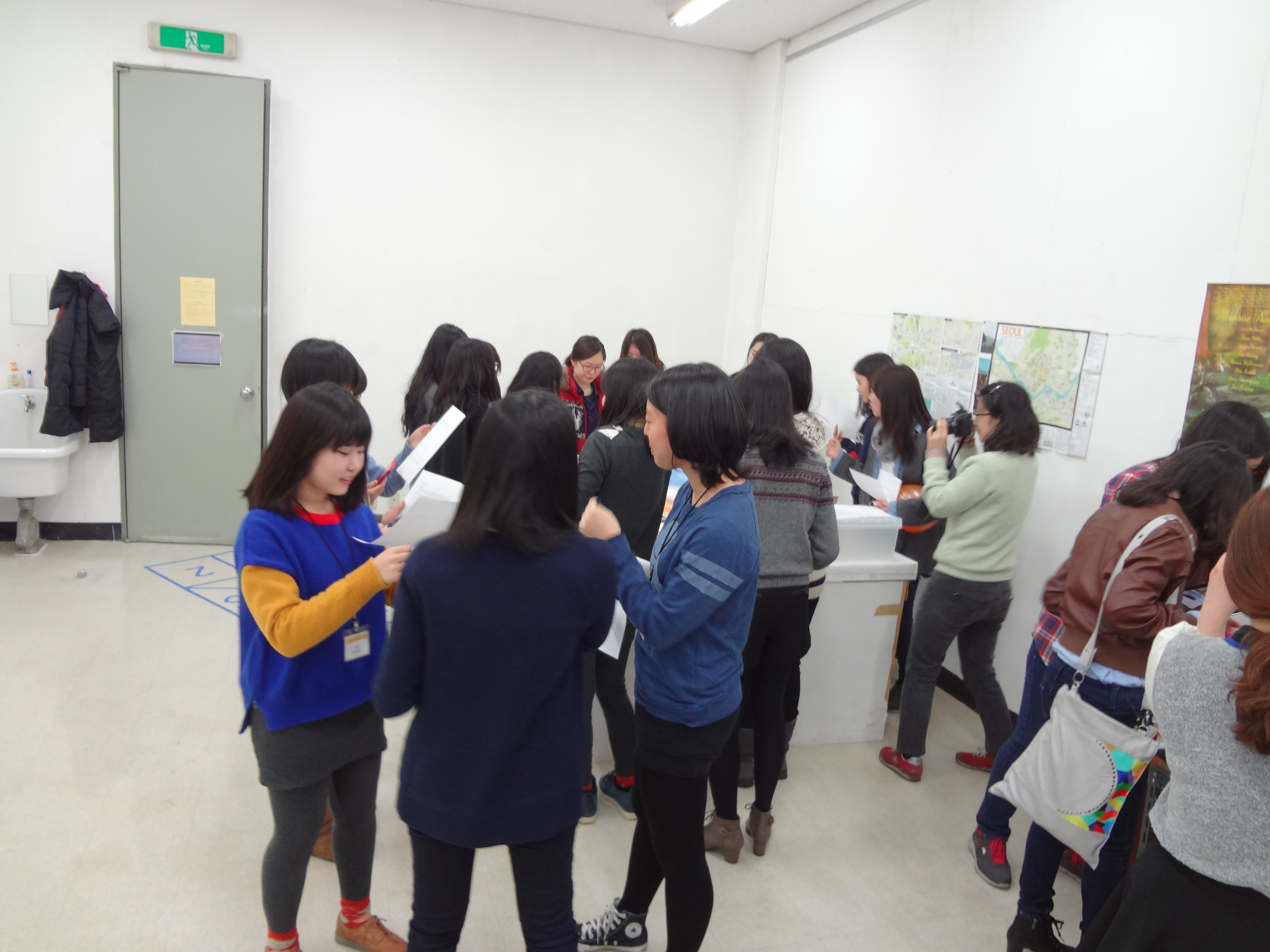
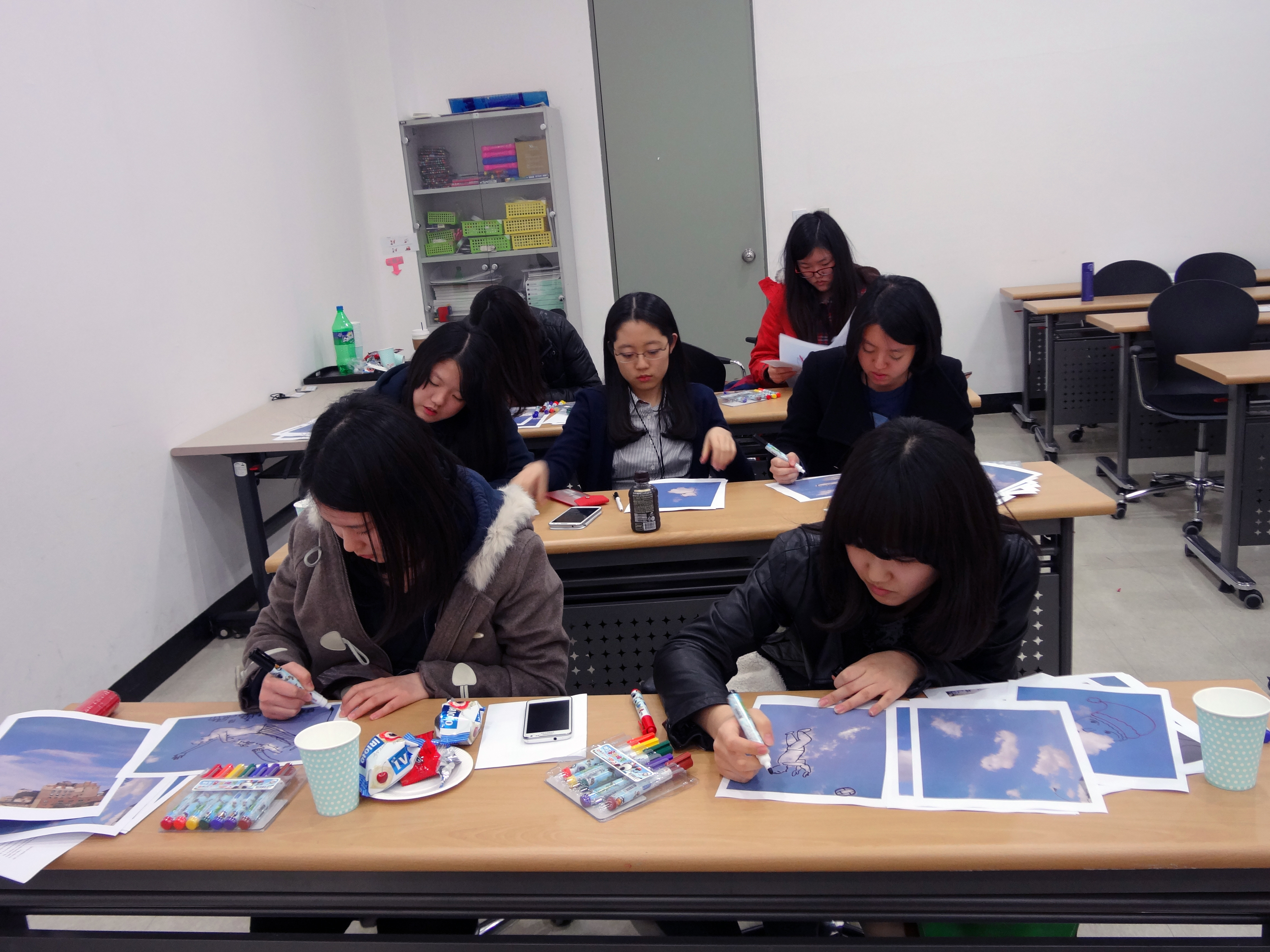
After I made the students go on a scavenger hunt in my studio, we had homemade kimbap and tteokbokki for lunch. Then, I facilitated short workshops on drawing what they see in clouds, assigning colors to memories, and a blind smell test to dig through their memories.

There are few days when I think having a group of teenagers go through my room is a good idea. This was one of them. Such bright young ladies!

There are few days when I think having a group of teenagers go through my room is a good idea. This was one of them. Such bright young ladies!

Drawing cloud interpretations

Drawing cloud interpretations

A wall of clouds!

A wall of clouds!

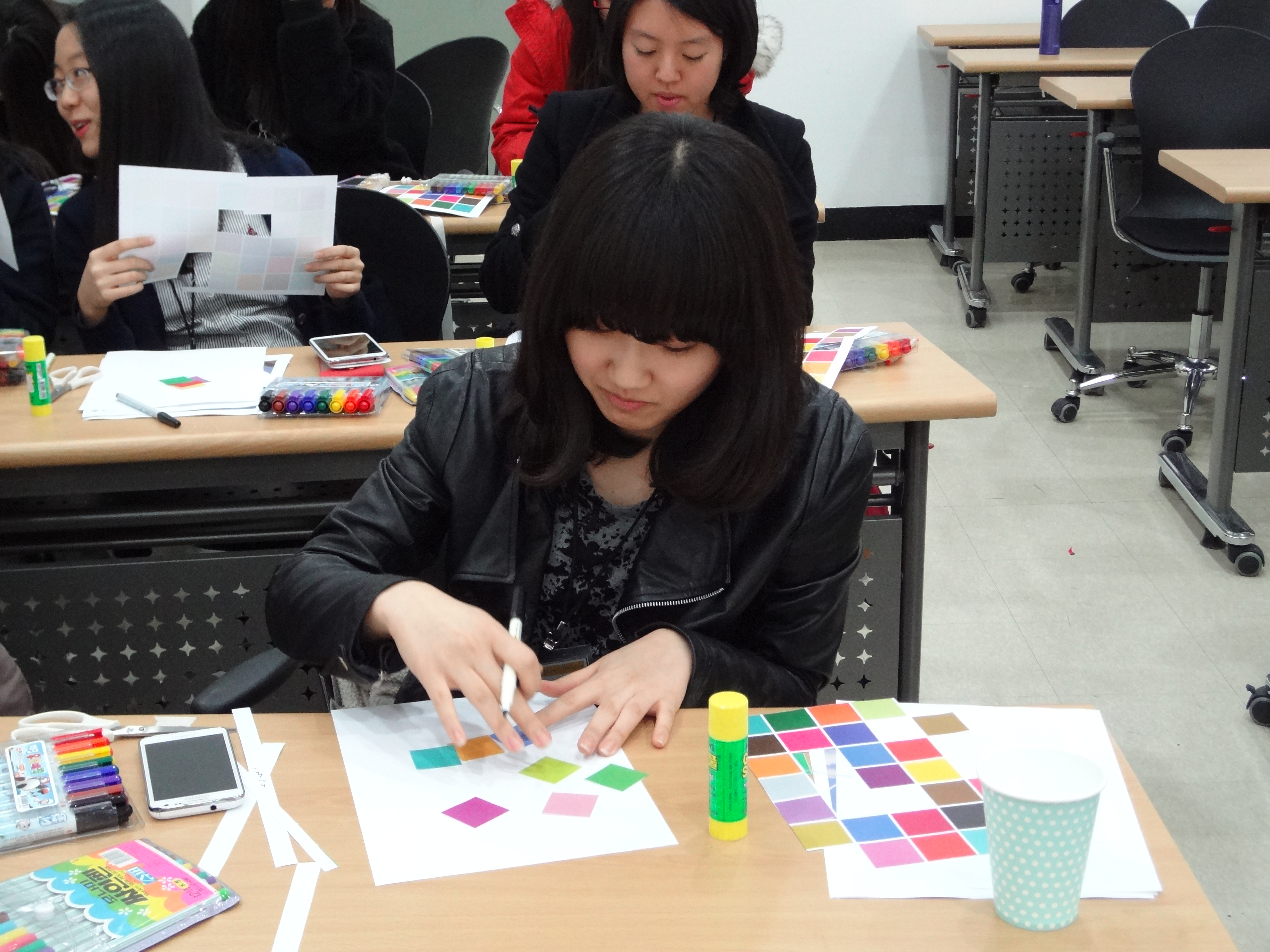
Connecting color to memory

Connecting color and memory

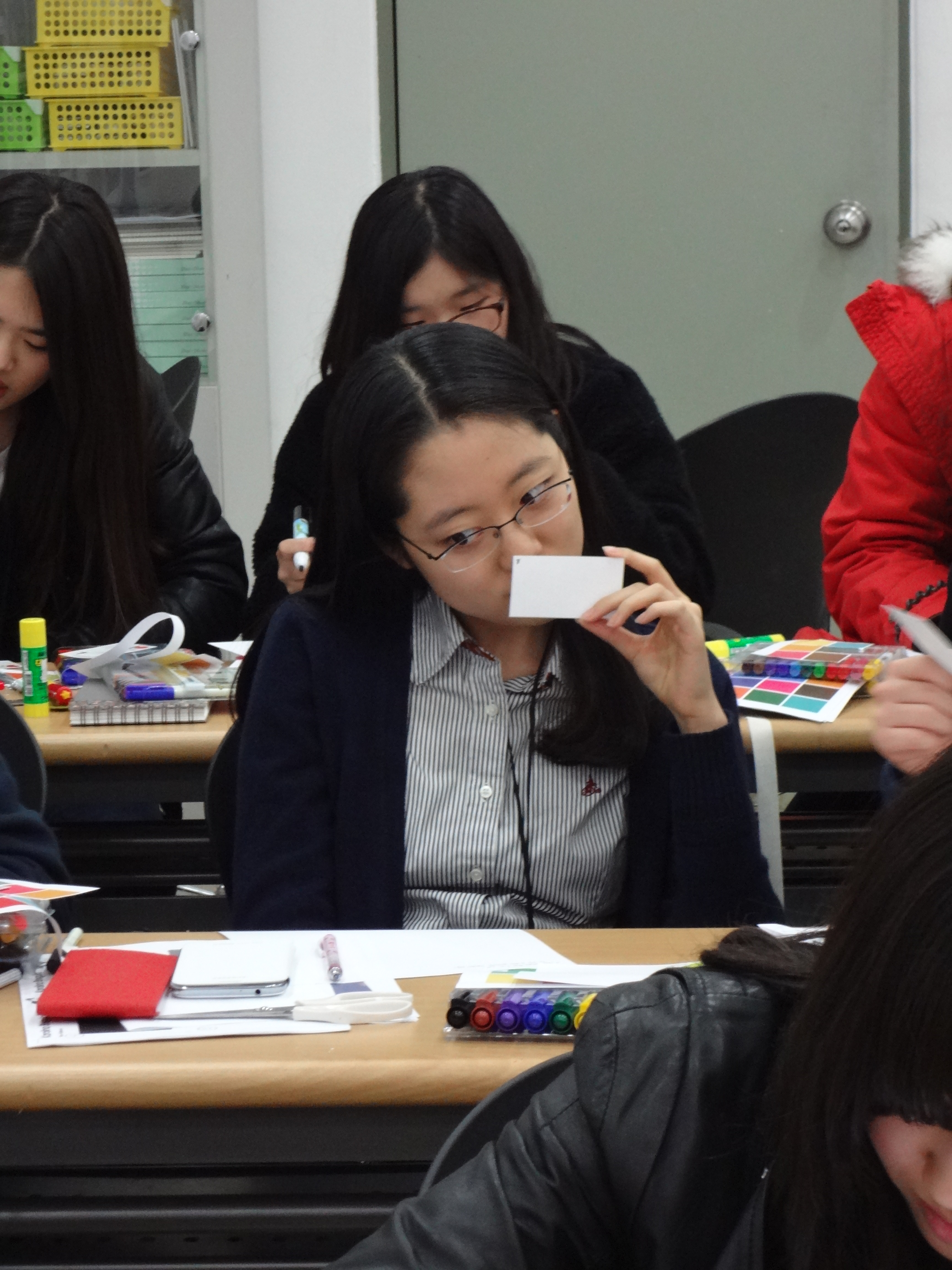
A smell test

A smell test

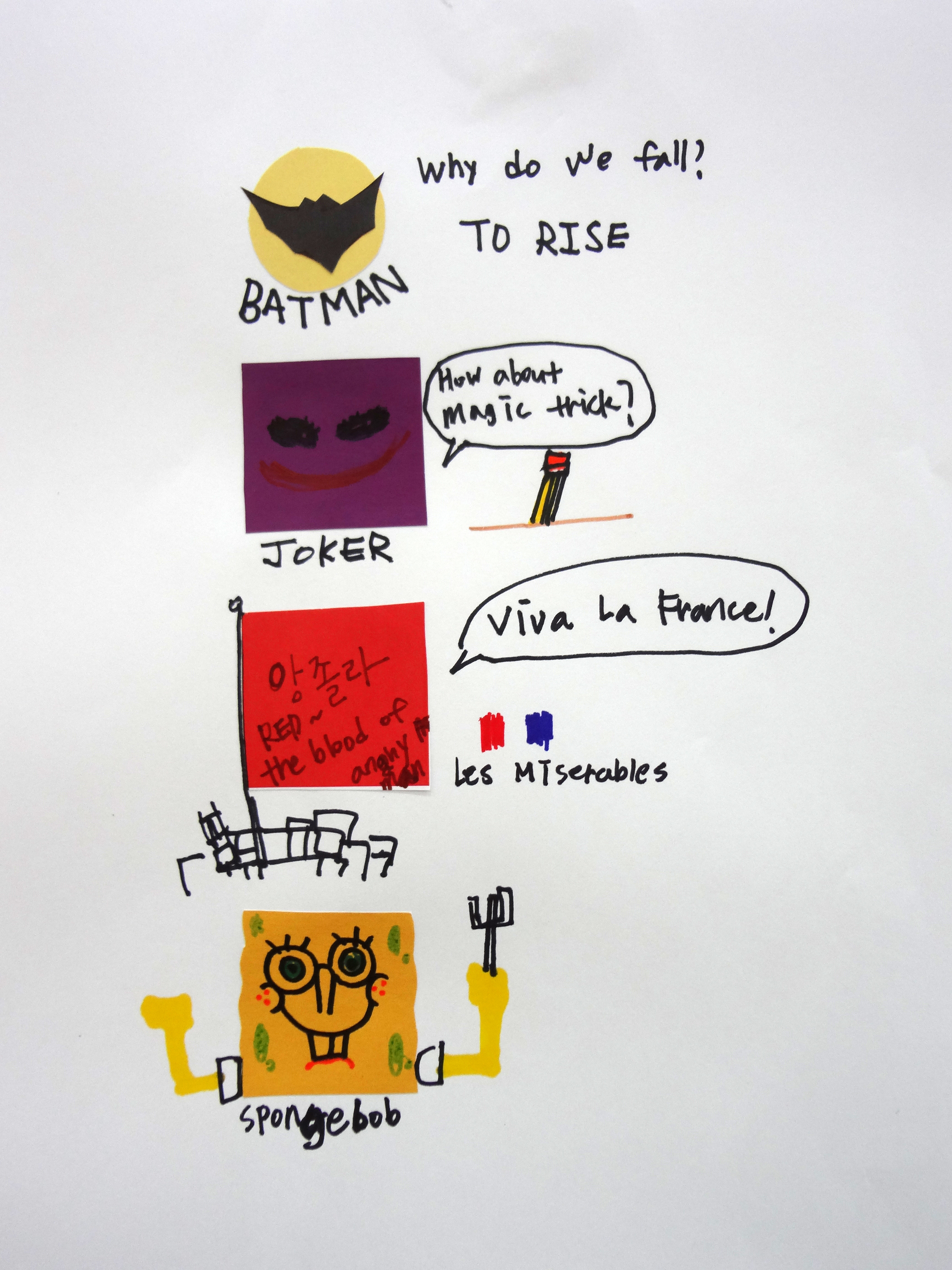
For the color workshop, I thought the work of this student who matched color with pop culture was spot on:

Colors as pop culture references

Colors as pop culture references

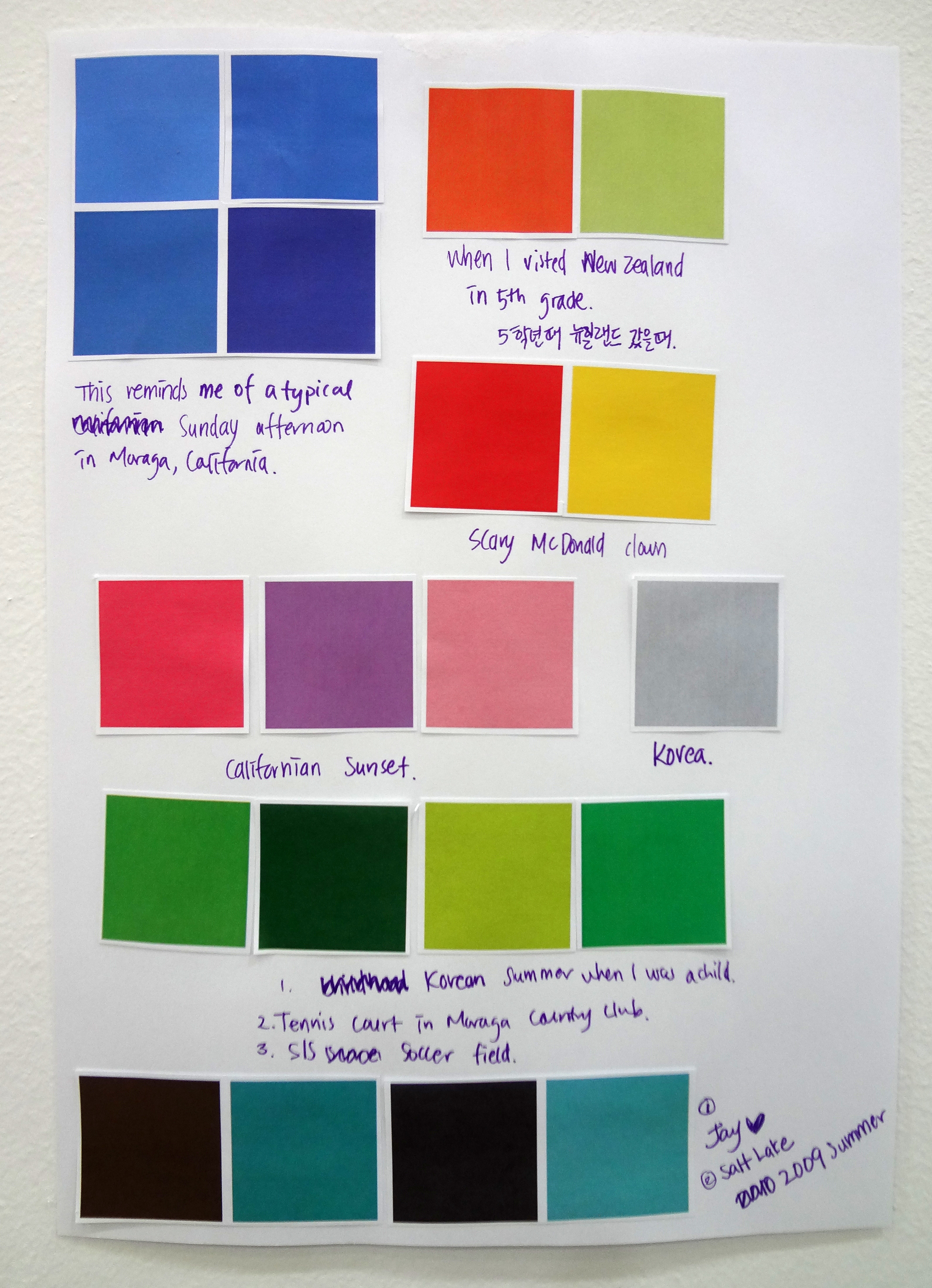
I also loved this color palette of memories by another student:

Color and memories of places

Color and memories of places

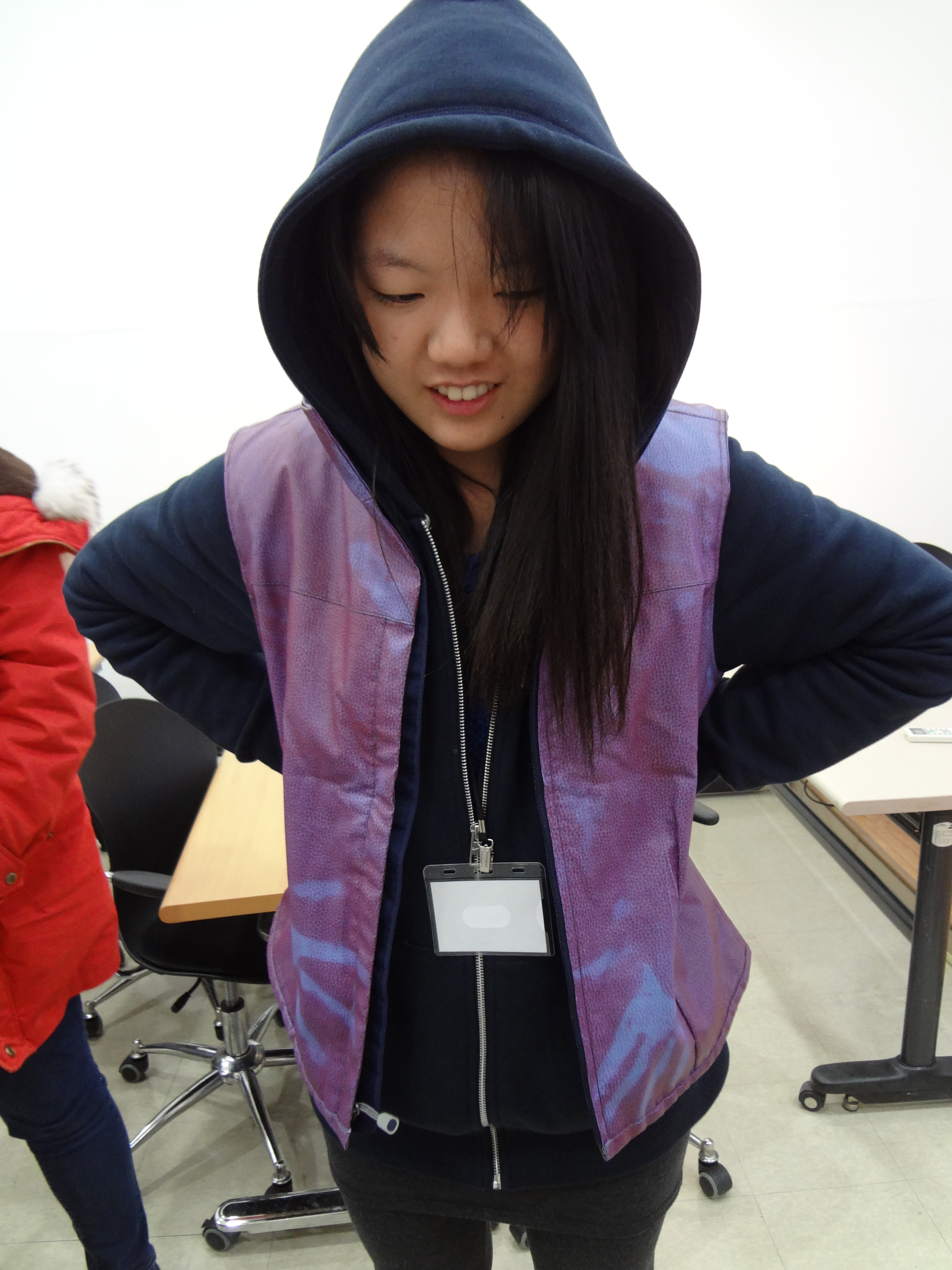
Oh, and some used The Hug Vest as well.

The Hug Vest lives!

The Hug Vest lives!

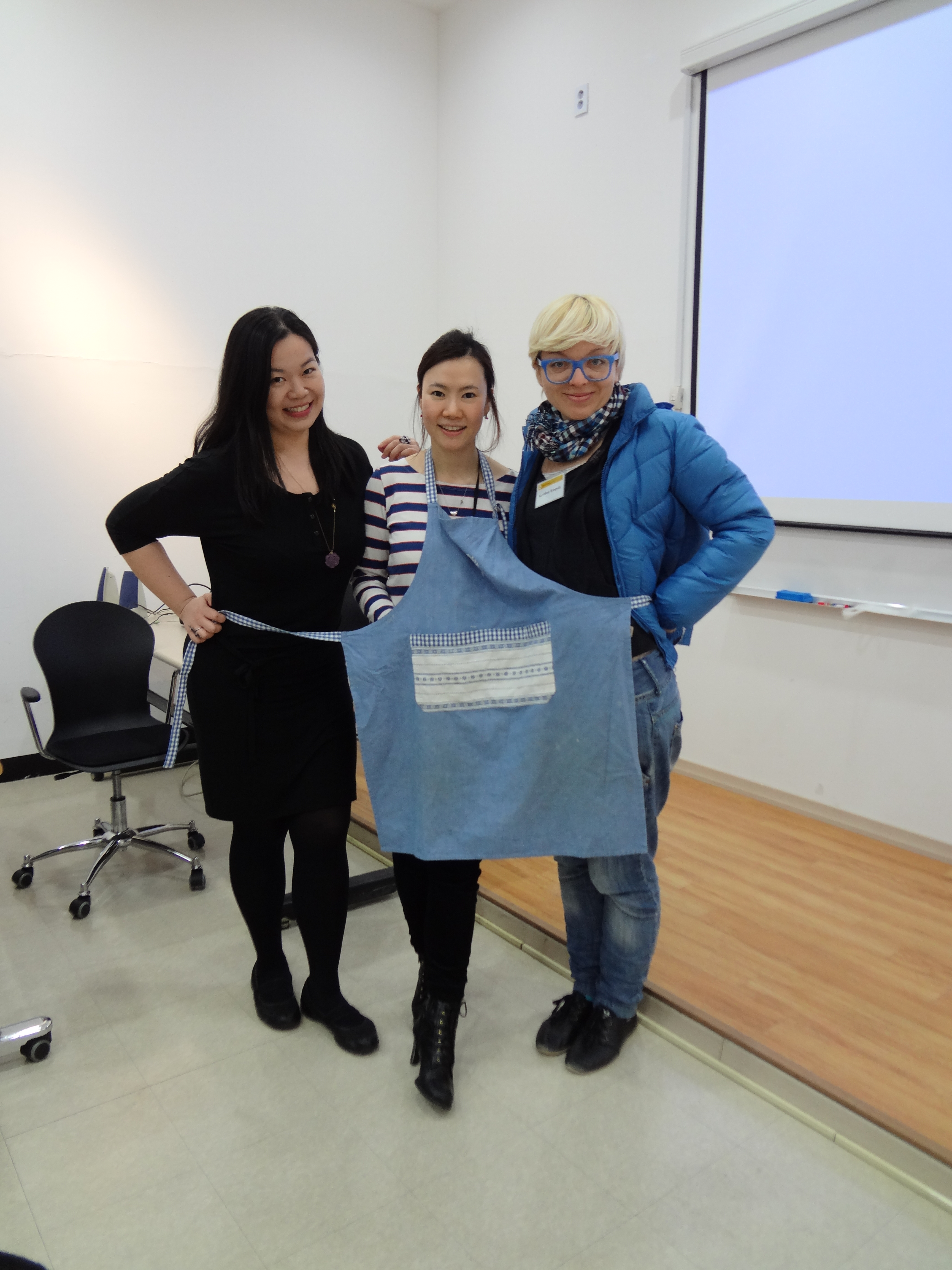
Post-workshop cleanup wearing an apron. Ms. Cho and her assistant spent an entire day making tteokbokki for all of us. And it was great!

Post-workshop cleanup wearing an apron. Ms. Cho and her assistant spent hours making tteokbokki for all of us. And it was great!

All in all, a lovely and inspiring day with such intelligent women, who will soon be off to university.

With thanks to Ms. Sung-hee Cho of the National Museum of Contemporary Art, Korea, and the staff of the National Art Studio of Korea, Changdong. Also huge thanks to Ashlee Seo Hyung Lee, who translated for me during the day.  

During a post-bibimbap walk in Jeonju, a three-hour bus ride south of Seoul, I came across the perfect symbol of my impression of Korea in the past two months:

The Hyundai logo co-existing among traditional hanok, or Korean houses.

The Hyundai logo among traditional Korean houses

The Hyundai logo among traditional Korean houses

Alas, science museums in Korea have proven disappointingly bland (in a word, meh), although perhaps I had such high expectations. Designing for interactivity in a conservative Confucian society poses some challenges, perhaps one that can be easily seen by someone from the outside. But there are pockets of joyful wonder in the sometimes poorly lit rooms that reeked of overuse of audio-visual media and text. My favorite parts of the Seoul National Science Museum are in the second floor. Specifically, rainbow-colored hands wave hello at the wax station where you can cast your own hands for 8,000 won:

Rainbow hands

Rainbow hands

It’s awesome to see Marie Curie flashed on a screen. After being here for just a few weeks, seeing visible recognition for any female with strong, intellectual, and independent roles in such a rigid Confucian system as Korea’s make me do cartwheels inside (and sometimes, outside).

Marie Curie!

Marie Curie!

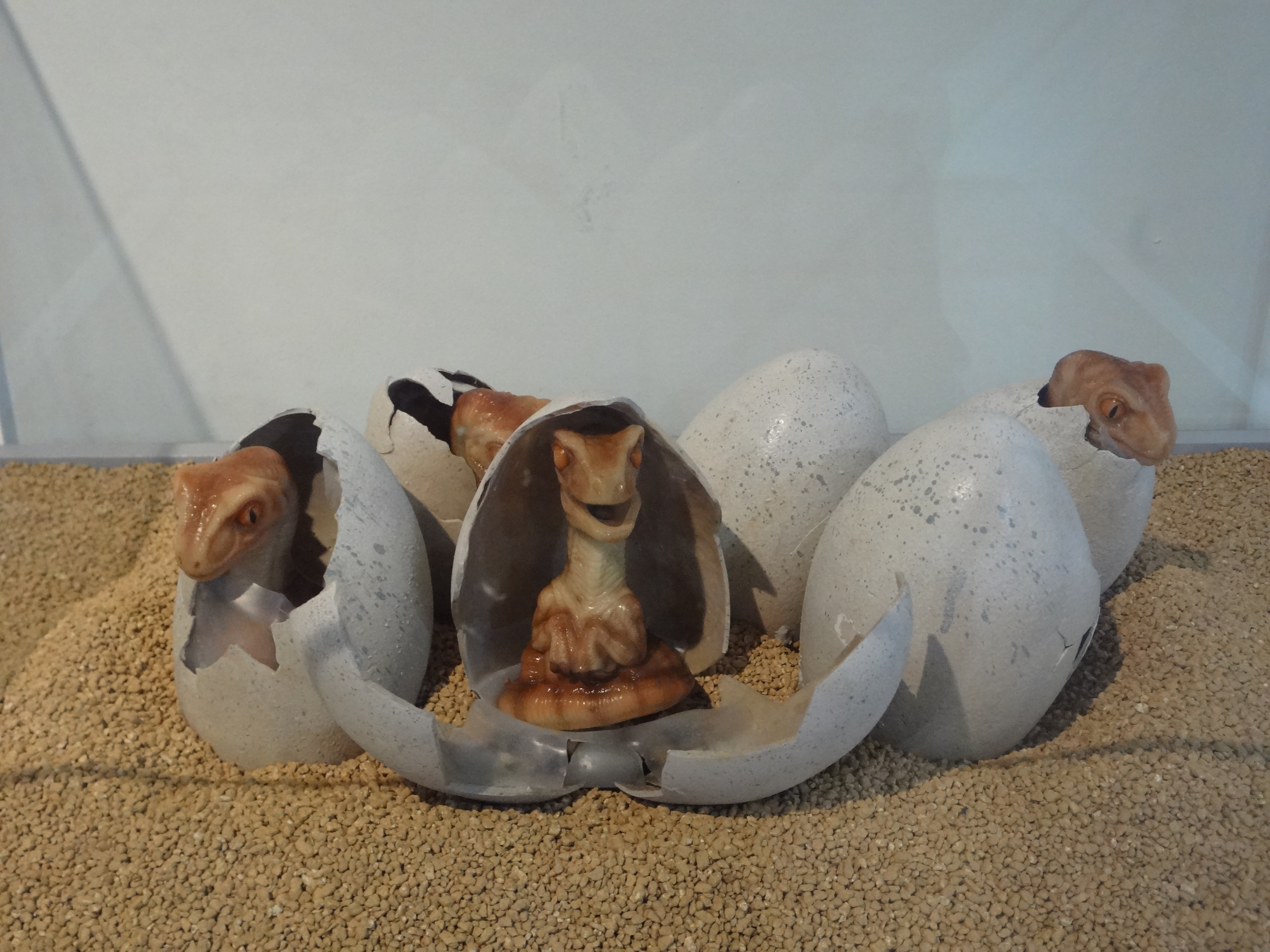
In the middle of a set of dinosaur eggs, one in the middle turned out to be mechanical and opened up to reveal a yawning dinosaur:

Hello, world.

Hello, world.

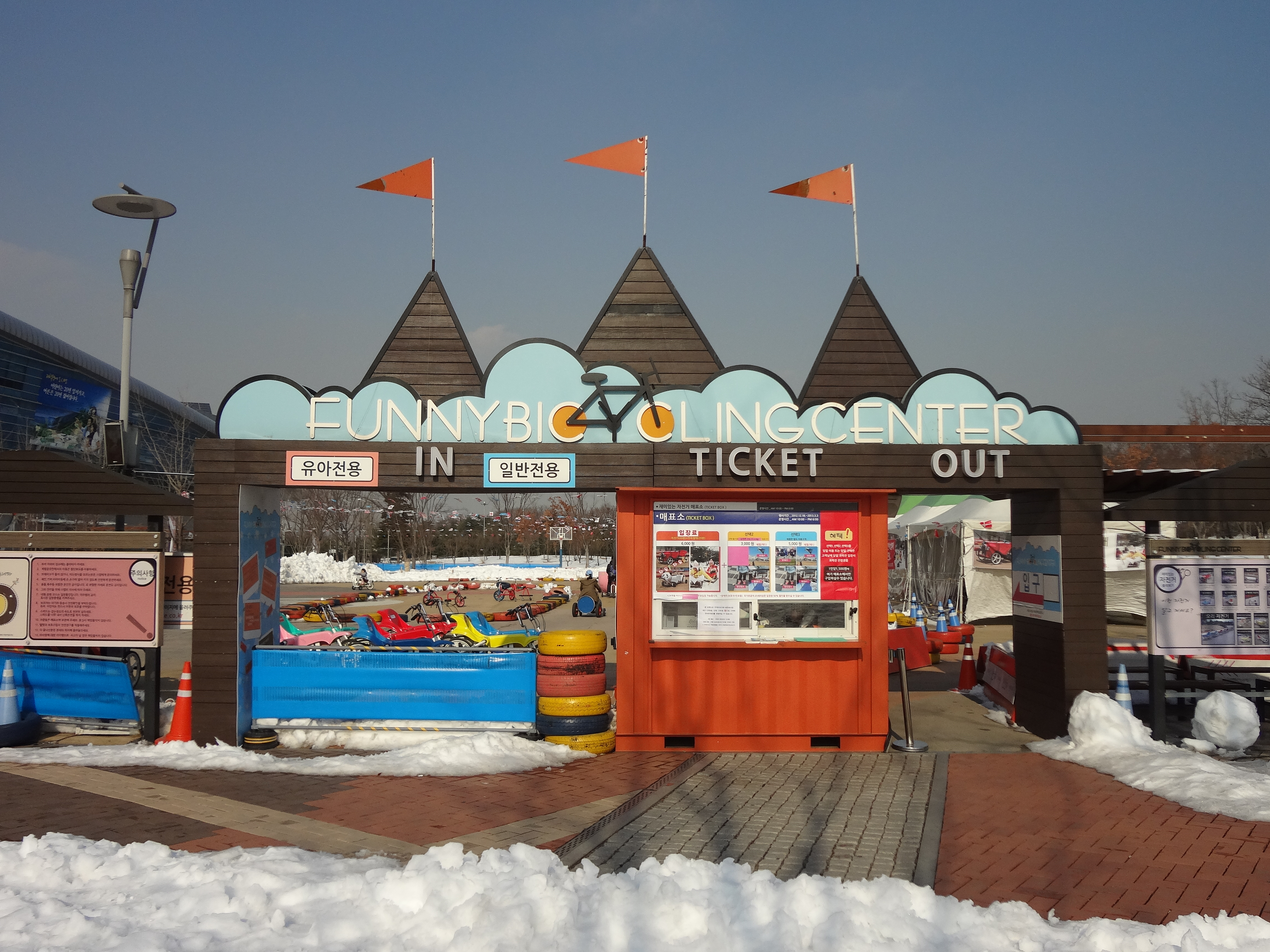
And in the enormous Gwacheon National Science Museum, my favorite parts were on the outside, such as the Funny Bicycling Center:

funny bikes

funny bikes

There are bikes with odd parts, bikes built for two, and bikes you can ride sideways:

riding a bike sideways

riding a bike sideways

This would have been a perfect bike in graduate school.

This would have been a perfect bike in graduate school.

The Narae-Seobuk (“the bell of hope”) is a traditional Korean bell made out of 3,080 speakers—quite a beautiful symbol of art, science, and tradition:

Narae-Seobuk. The Bell of Hope.

Narae-Seobuk. The Bell of Hope.

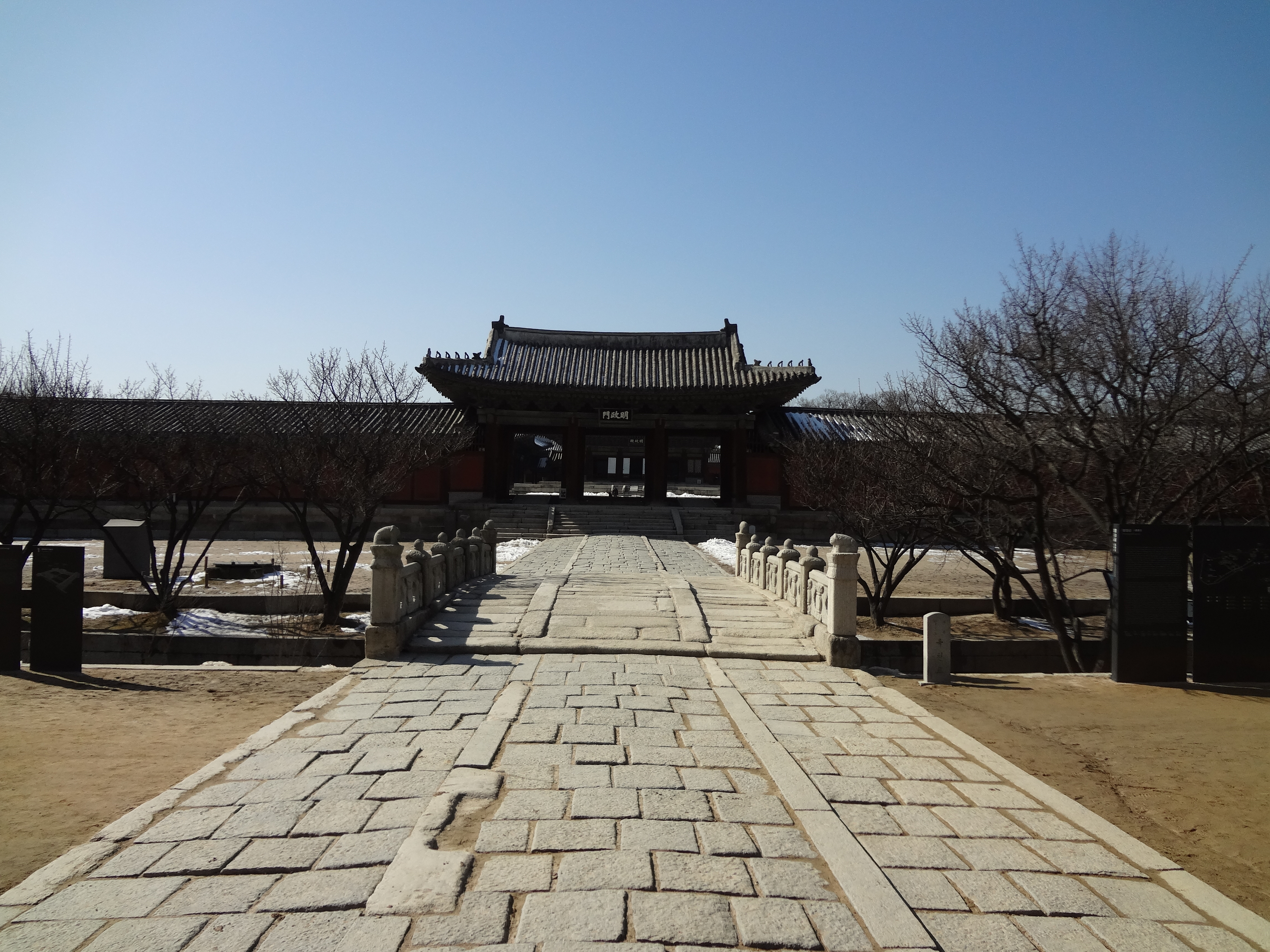
(Seoul)—Changgyeonggung, the palace to the east of yet another royal abode with a similar-sounding name (Changdeokgung), seems to be the least popular one among all the Korean palaces I’ve seen. On this cold winter’s day, the few people I encountered were mostly locals. However, this is one of my favorite palaces because of all the fascinating stories it harbors behind its silent walls.

Changgyeonggung

Changgyeonggung

The First Female Royal Physician

Hwangyeongjeon may look like most of the pavilions I’ve seen, but its story of being a “feminist pavilion” deserves to be told. Dae Jang Geum was the only female royal physician to attend to the king, delivering Queen Janggyeong’s baby and curing Queen Dowager’s Jasun of her illness. Her skills won the confidence of the king, who appointed her the top royal physician, a move that traditional Confucian ministers objected to. Dae Janggeum was the most trusted physician of the king, and attended to him until his death. Her story is the subject of an eponymous Korean historical TV series.

Hwangyeongjeon

Hwangyeongjeon

The Puppet Curse

At the site of Tongmyeongjeon, the queen’s bed chamber, is a scandal that trumps all tabloid stories. King Sukjong had an affair with a maid named Jang Ok-jeong, who gave birth to their son, Prince Gyun. While trying to make Gyun as the crown prince, King Sukjong removed those who opposed this move and deposed Queen Inhyeon, installing Jang as the queen. Followers of Queen Inhyeon restored her to power, demoting Jang as consort. Jang cursed Queen Inhyeon by burying a puppet of the queen together with dead animals near Tongmyeongjeon. Upon discovery, Jang was forced to commit suicide at 43 years old by ingesting poison. Nearby is a garden with a round well and a square pond.

Surprise, surprise, this year her story will make it as a TV serieswhich itself is based on a chick-lit novel.

Tongmyeongjeon

Tongmyeongjeon

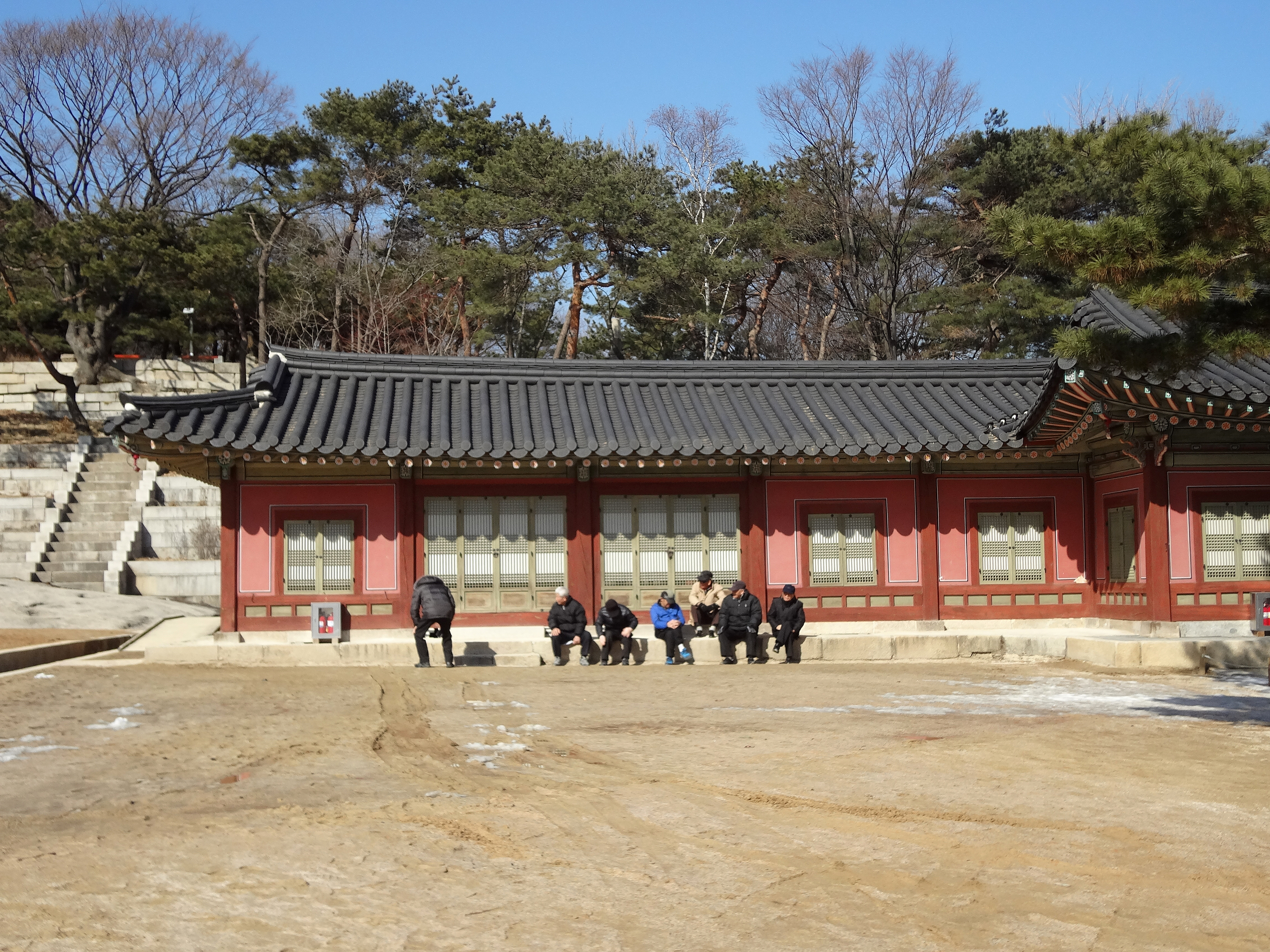
The Playboy Mansion

Yeongchunheon and Jipbokheon are believed to be residences for concubines. Seeing that these buildings are now empty and seems to be a place where these old guys hang out to gossip made me laugh.

I’m positive there are Korean TV series on something like this.

The playboy mansion
The playboy mansion

The playboy mansion

The playboy mansion

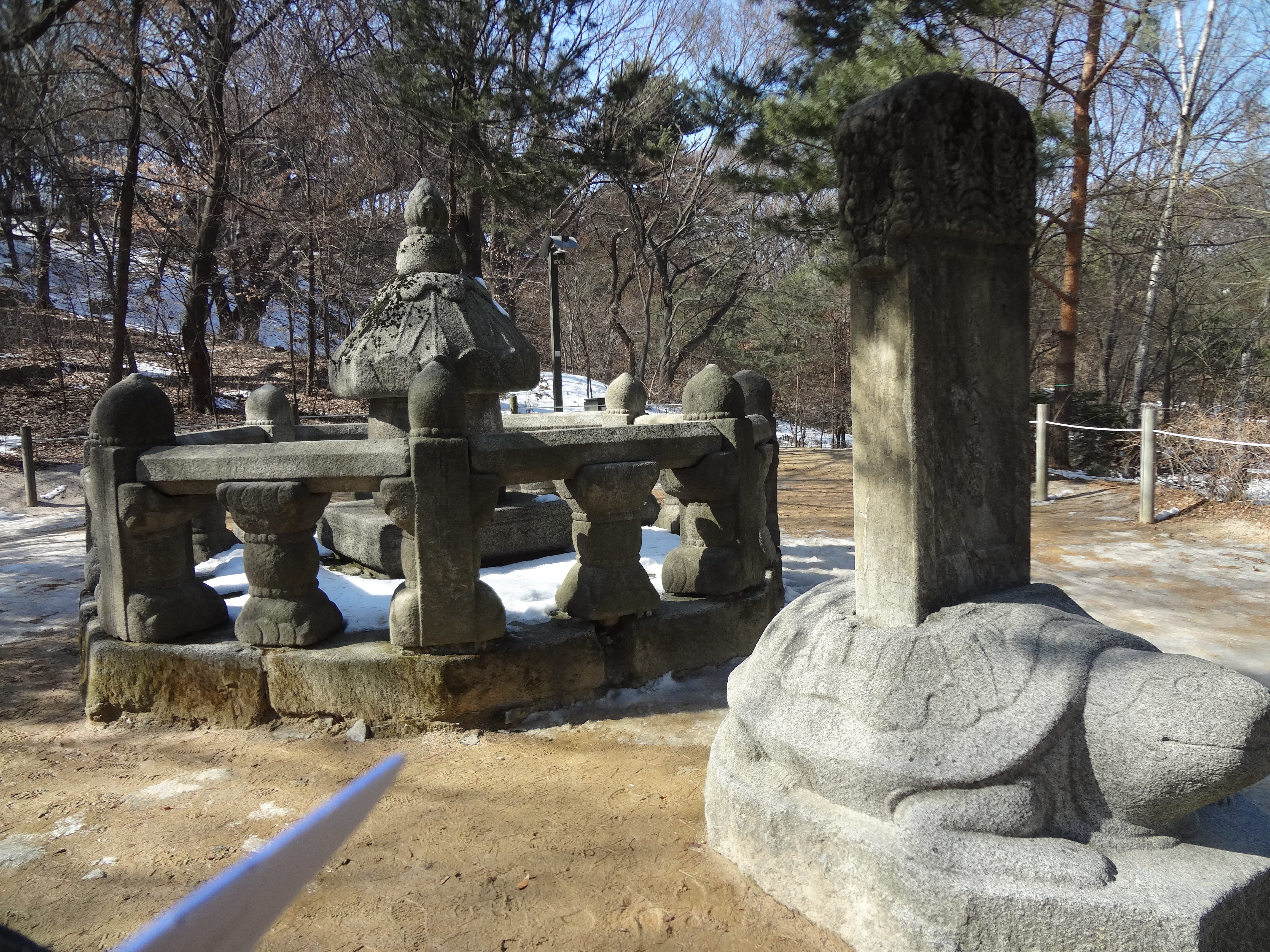
The King’s Placenta

This is the site of King Seongjong’s taesil and taesilbi (placenta chamber monument). According to the Korean age system, a baby is one year old at the moment of birth because life is considered to begin at conception. The placenta is stored in a porcelain jar a few days after being born. The jaris sealed several times and enshired in a stone chamber after a few months. I’ve seen other placenta jars in the National Palace Museum of Korea.

King Seongjong's placenta chamber monument

King Seongjong’s placenta chamber monument

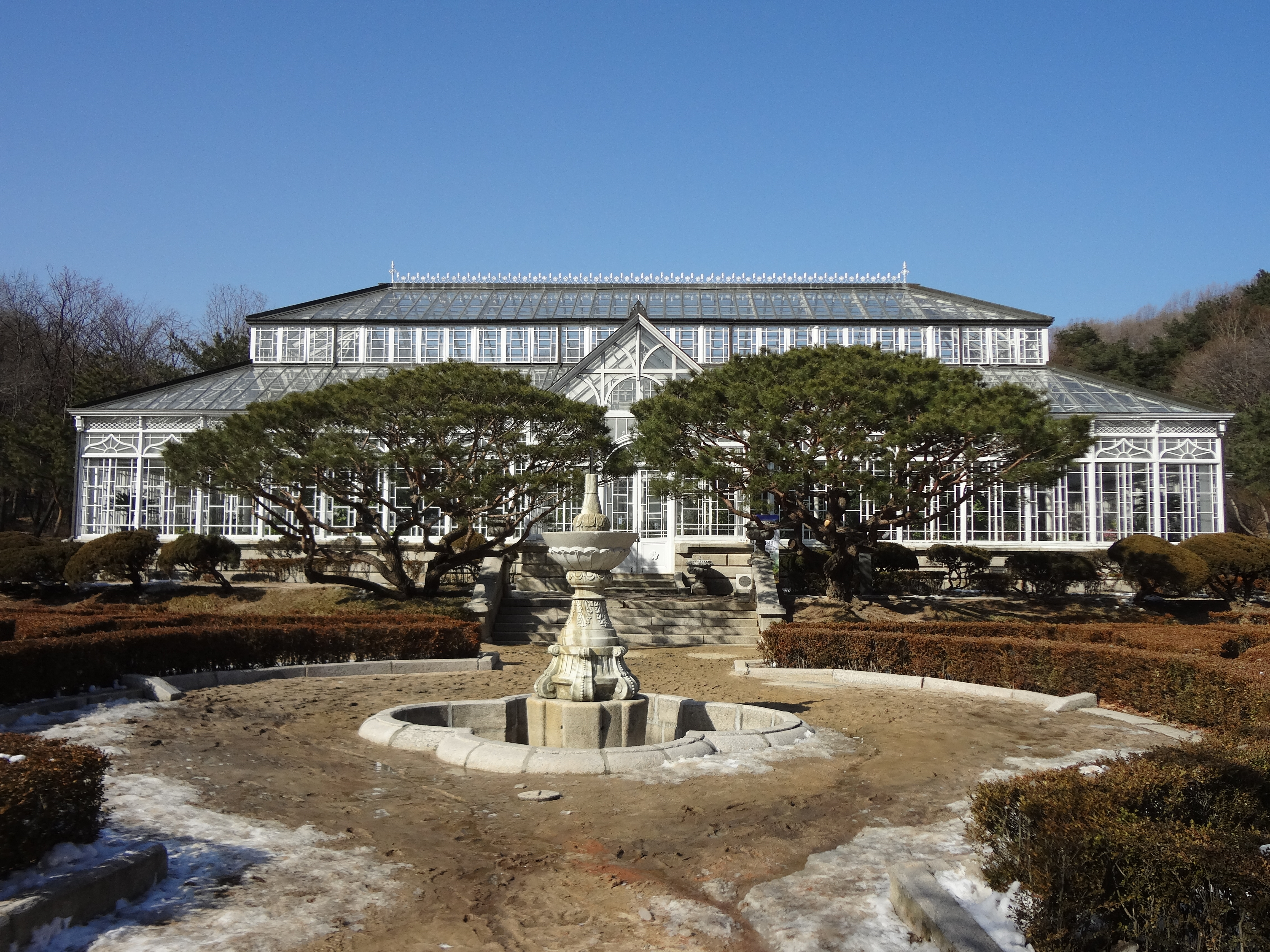
The Glass House

A year before Japan formally annexed Korea, Changgyeonggung was turned into a botanical garden and a zoo, demoting a palace into a public park. Daeonsil, the glass house, was built as Korea’s first Victorian-style greenhouse. The zoo was removed in 1983, but the glass house exists and contains a many indigenous plants.

Daeonsil, the glass house

Daeonsil, the glass house

Lessons learned: Beware the quiet ones, for they hold the juiciest stories. And the more scandalous or noteworthy it is, the better the chances of making it big on TV posthumously, centuries later.

Sources
(1) Cultural Heritage Administration of Korea (2011). Changgyeonggung. Pamphlet.
(2) Discovering Korea blog