Archive

Field Trips

At the Teddy Bear Museum in N Seoul Tower, one can discover the history of Korea in the most adorable and saccharine way possible. Hundreds of teddy bears, with most being mechanical, are dressed and arranged to form scenes from Korea’s old and modern history. Bears in royal court! Bears at war! Bears playing polo! Bears doing breakdance! Bears going on a date! Bears getting married! Bears! Bears! Bears!

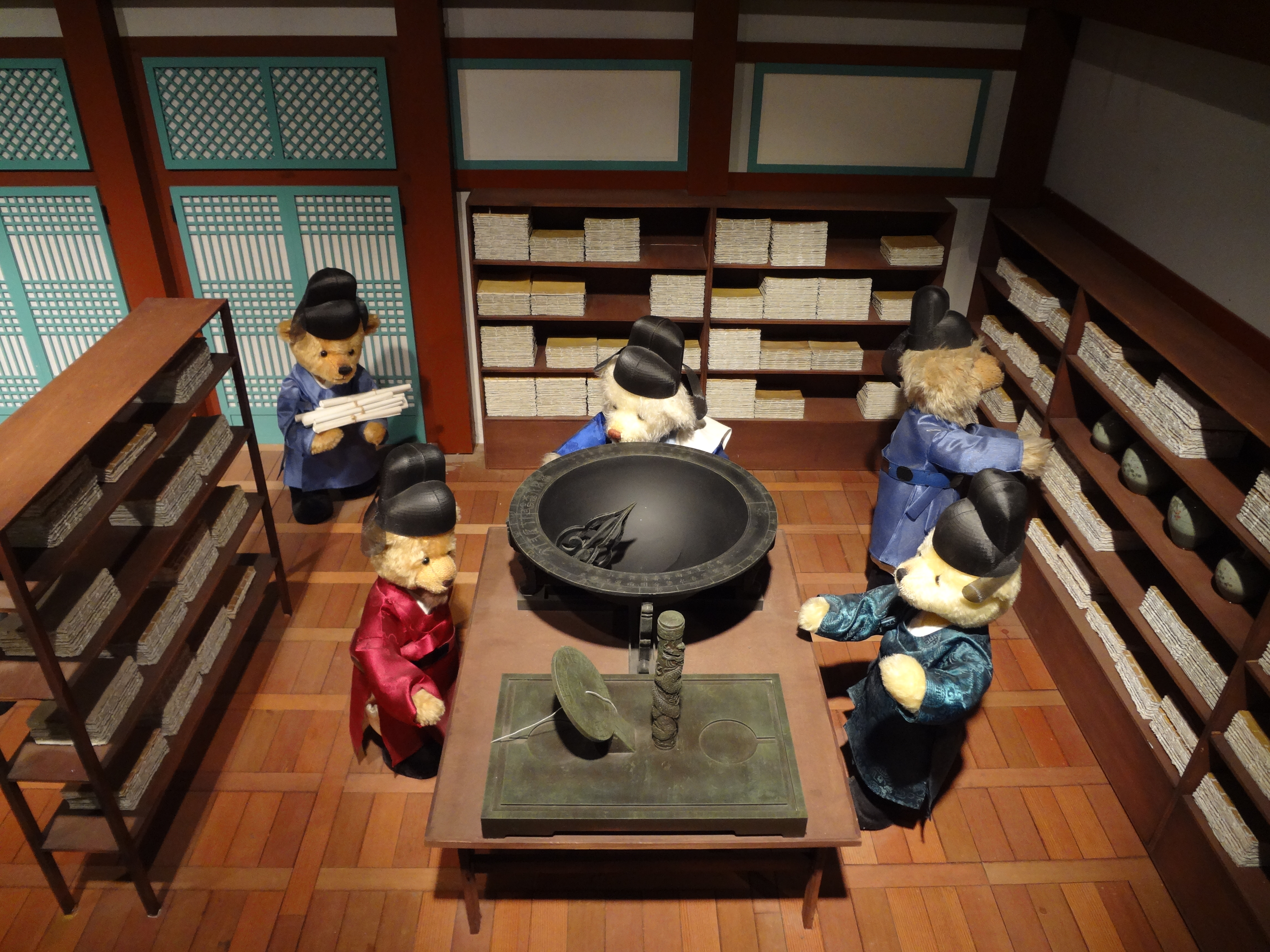
Some of my favorite scenes involve the arts and the sciences. Here’s one during with scientists during the reign of King Sejong.

scientists during King Sejong's reign

scientists during King Sejong’s reign

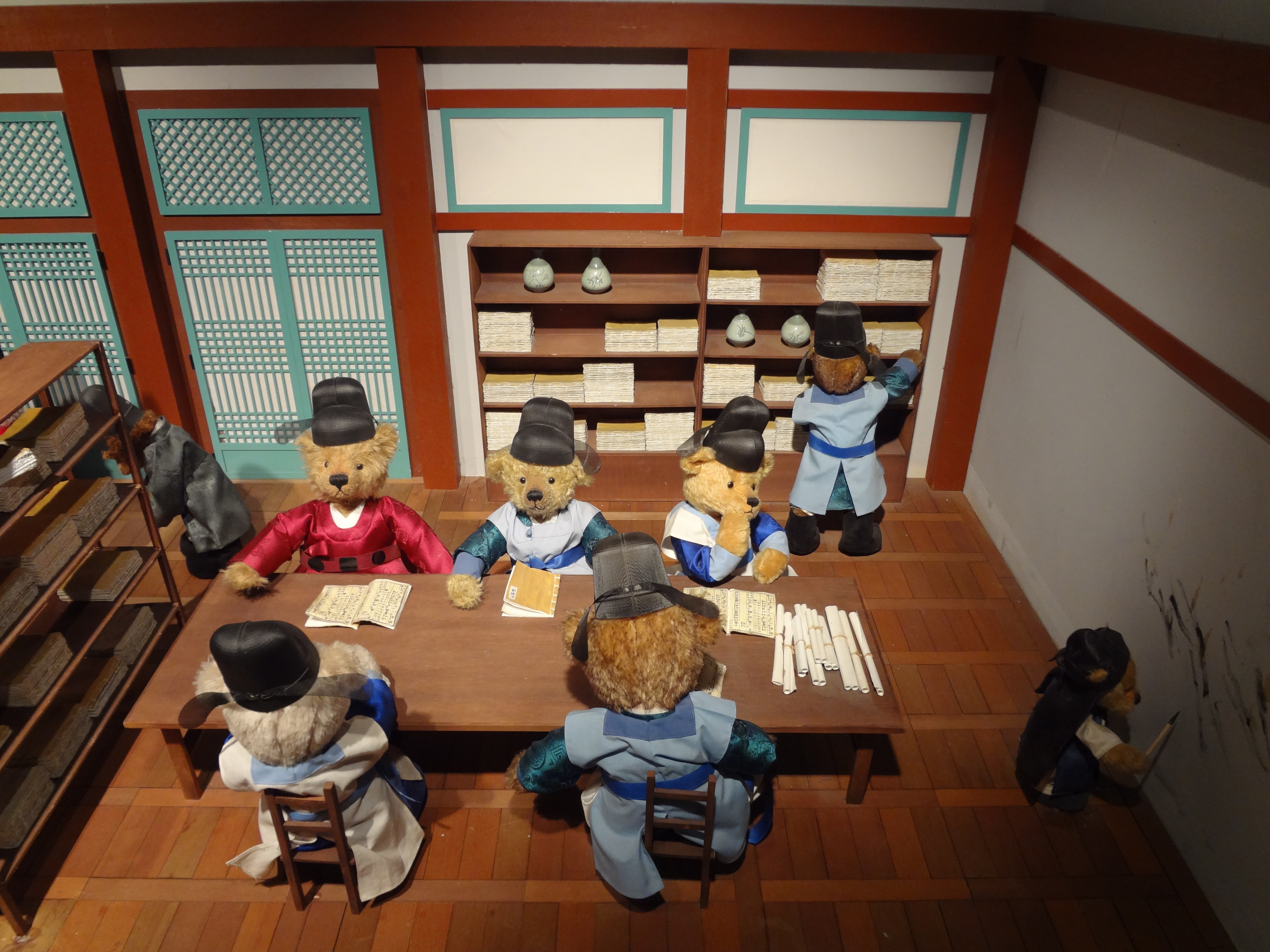
Here’s a scene that made me smile. Look on the lower right:

Someone's not doing what he's supposed to. Can you guess who?

Someone’s not doing what he’s supposed to. Can you guess who?

I love this little errant artist bear that could.

This bear made me laugh.

This bear made me laugh.

I also love this scene where the first light bulb was installed in Gyeongbukgung, which I visited last month:

The first electric light in Korea!

The first electric light in Korea!

Sweet, amusing, and way more entertaining than your usual history museum.

During a post-bibimbap walk in Jeonju, a three-hour bus ride south of Seoul, I came across the perfect symbol of my impression of Korea in the past two months:

The Hyundai logo co-existing among traditional hanok, or Korean houses.

The Hyundai logo among traditional Korean houses

The Hyundai logo among traditional Korean houses

Alas, science museums in Korea have proven disappointingly bland (in a word, meh), although perhaps I had such high expectations. Designing for interactivity in a conservative Confucian society poses some challenges, perhaps one that can be easily seen by someone from the outside. But there are pockets of joyful wonder in the sometimes poorly lit rooms that reeked of overuse of audio-visual media and text. My favorite parts of the Seoul National Science Museum are in the second floor. Specifically, rainbow-colored hands wave hello at the wax station where you can cast your own hands for 8,000 won:

Rainbow hands

Rainbow hands

It’s awesome to see Marie Curie flashed on a screen. After being here for just a few weeks, seeing visible recognition for any female with strong, intellectual, and independent roles in such a rigid Confucian system as Korea’s make me do cartwheels inside (and sometimes, outside).

Marie Curie!

Marie Curie!

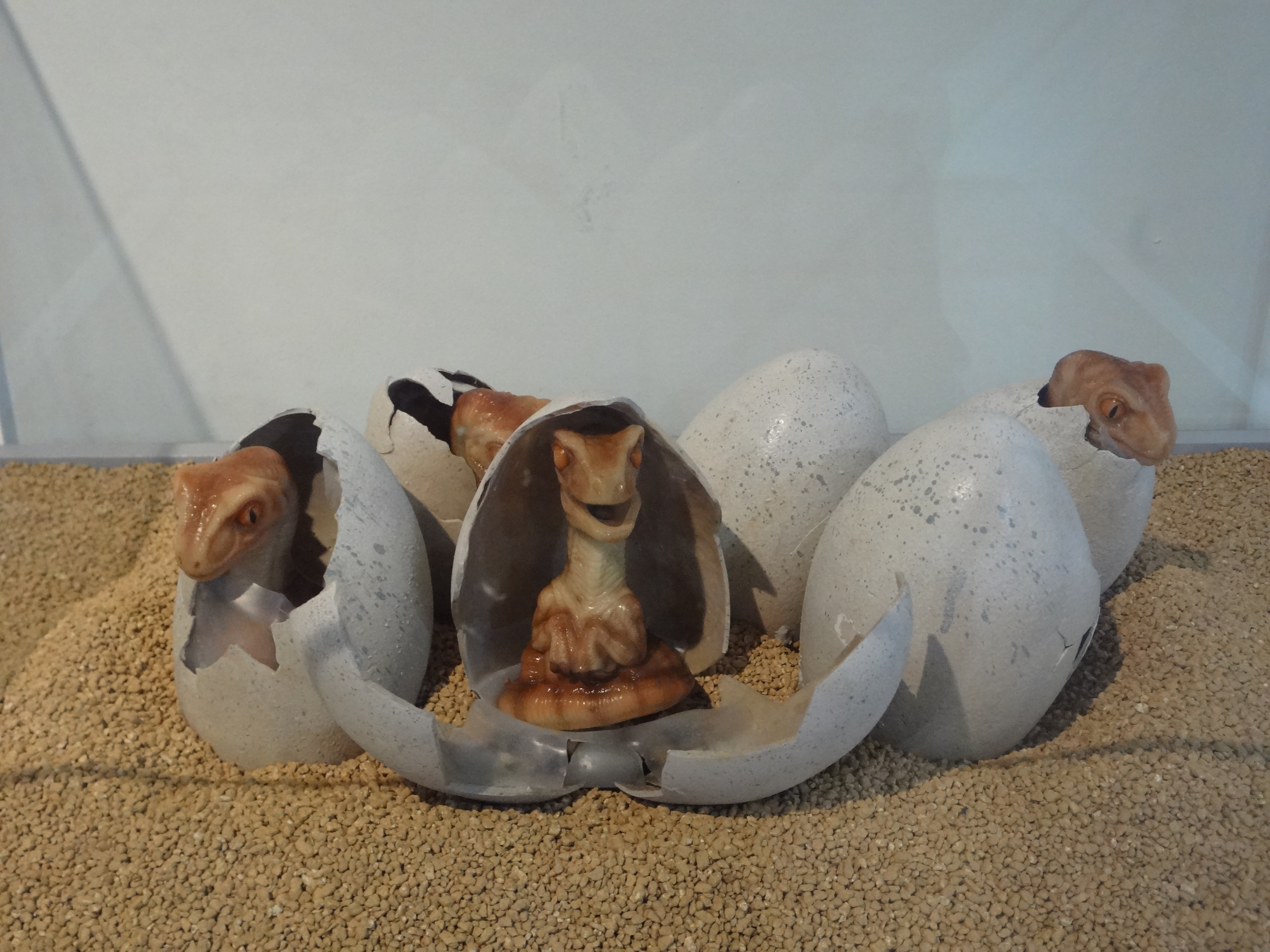
In the middle of a set of dinosaur eggs, one in the middle turned out to be mechanical and opened up to reveal a yawning dinosaur:

Hello, world.

Hello, world.

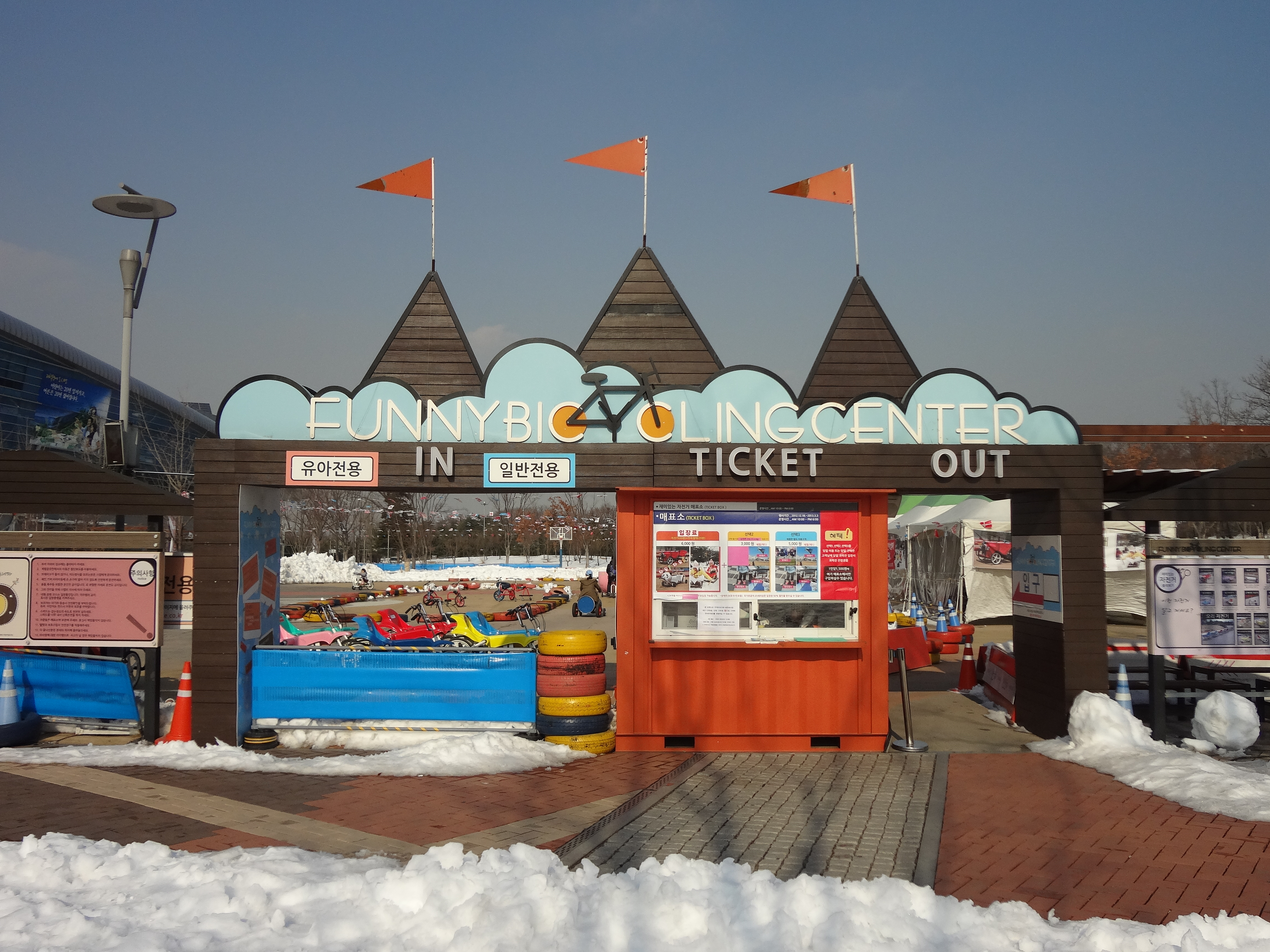
And in the enormous Gwacheon National Science Museum, my favorite parts were on the outside, such as the Funny Bicycling Center:

funny bikes

funny bikes

There are bikes with odd parts, bikes built for two, and bikes you can ride sideways:

riding a bike sideways

riding a bike sideways

This would have been a perfect bike in graduate school.

This would have been a perfect bike in graduate school.

The Narae-Seobuk (“the bell of hope”) is a traditional Korean bell made out of 3,080 speakers—quite a beautiful symbol of art, science, and tradition:

Narae-Seobuk. The Bell of Hope.

Narae-Seobuk. The Bell of Hope.

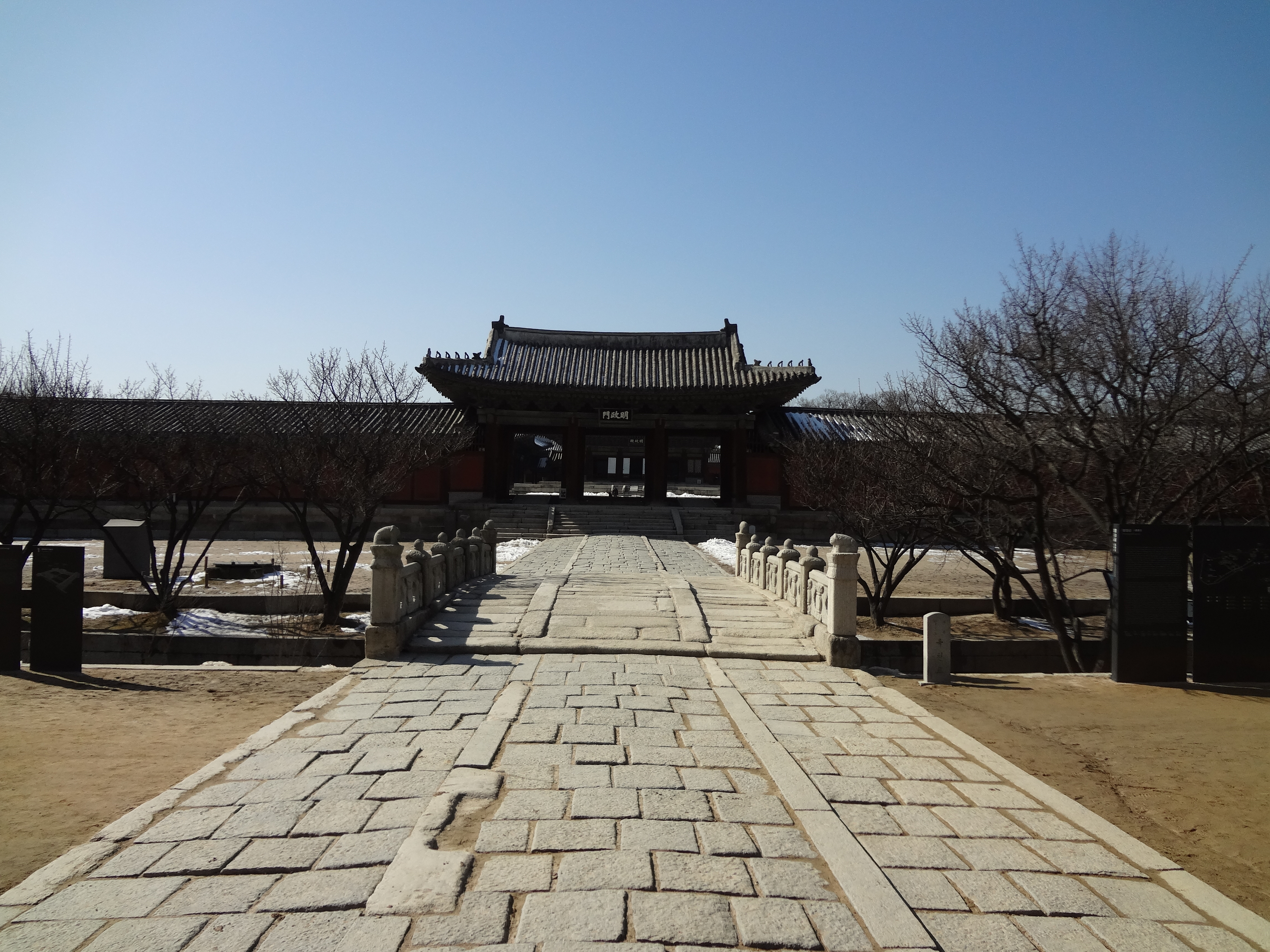
(Seoul)—Changgyeonggung, the palace to the east of yet another royal abode with a similar-sounding name (Changdeokgung), seems to be the least popular one among all the Korean palaces I’ve seen. On this cold winter’s day, the few people I encountered were mostly locals. However, this is one of my favorite palaces because of all the fascinating stories it harbors behind its silent walls.

Changgyeonggung

Changgyeonggung

The First Female Royal Physician

Hwangyeongjeon may look like most of the pavilions I’ve seen, but its story of being a “feminist pavilion” deserves to be told. Dae Jang Geum was the only female royal physician to attend to the king, delivering Queen Janggyeong’s baby and curing Queen Dowager’s Jasun of her illness. Her skills won the confidence of the king, who appointed her the top royal physician, a move that traditional Confucian ministers objected to. Dae Janggeum was the most trusted physician of the king, and attended to him until his death. Her story is the subject of an eponymous Korean historical TV series.

Hwangyeongjeon

Hwangyeongjeon

The Puppet Curse

At the site of Tongmyeongjeon, the queen’s bed chamber, is a scandal that trumps all tabloid stories. King Sukjong had an affair with a maid named Jang Ok-jeong, who gave birth to their son, Prince Gyun. While trying to make Gyun as the crown prince, King Sukjong removed those who opposed this move and deposed Queen Inhyeon, installing Jang as the queen. Followers of Queen Inhyeon restored her to power, demoting Jang as consort. Jang cursed Queen Inhyeon by burying a puppet of the queen together with dead animals near Tongmyeongjeon. Upon discovery, Jang was forced to commit suicide at 43 years old by ingesting poison. Nearby is a garden with a round well and a square pond.

Surprise, surprise, this year her story will make it as a TV serieswhich itself is based on a chick-lit novel.

Tongmyeongjeon

Tongmyeongjeon

The Playboy Mansion

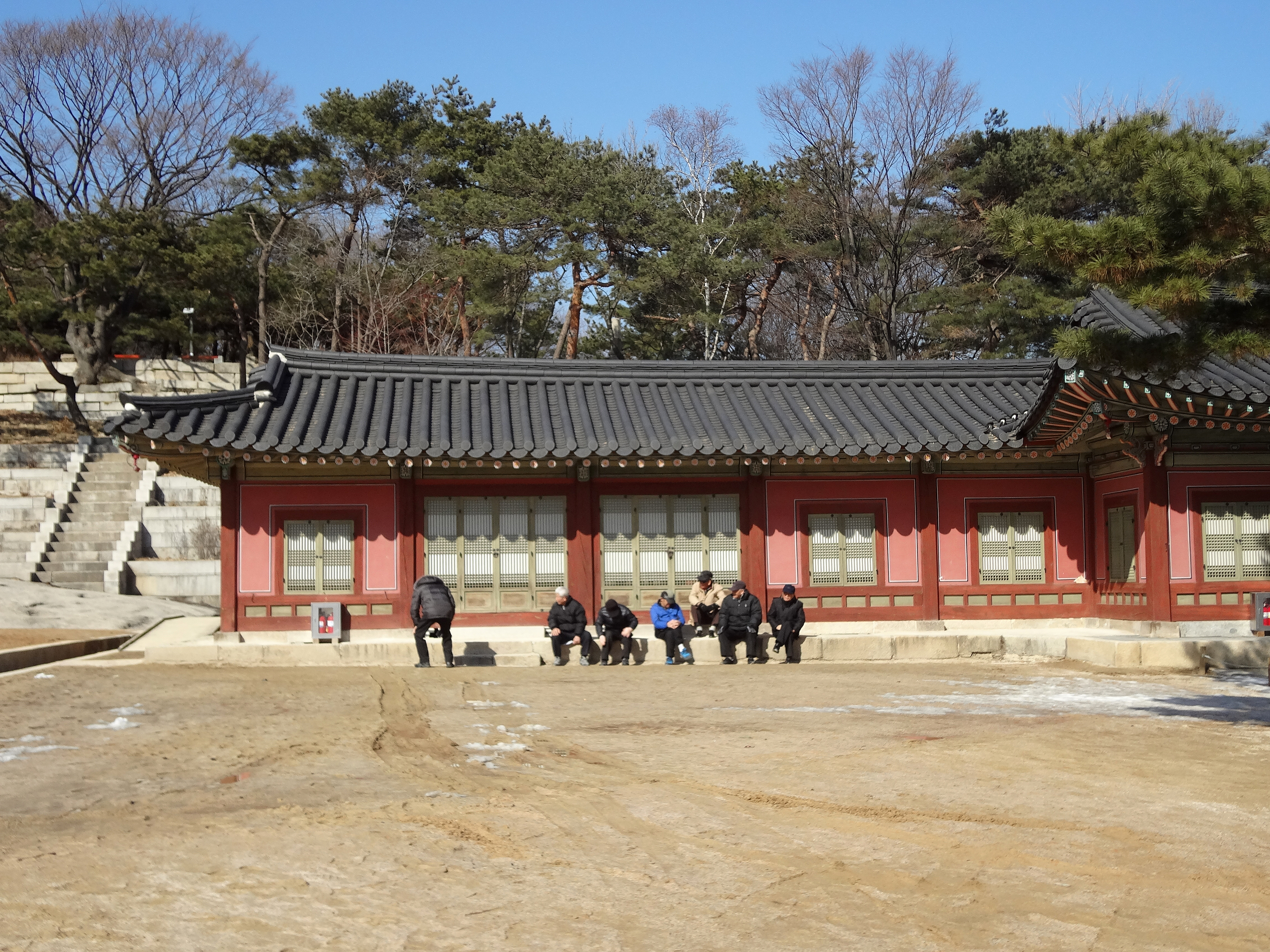
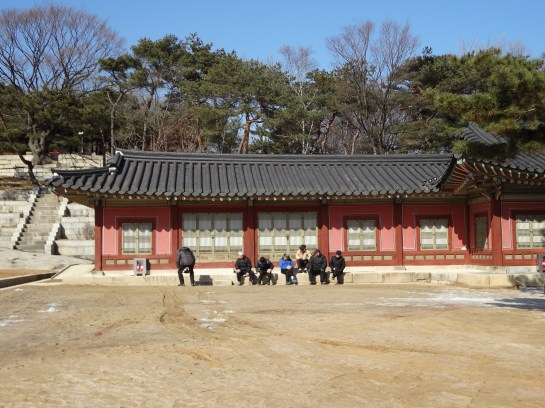
Yeongchunheon and Jipbokheon are believed to be residences for concubines. Seeing that these buildings are now empty and seems to be a place where these old guys hang out to gossip made me laugh.

I’m positive there are Korean TV series on something like this.

The playboy mansion
The playboy mansion

The playboy mansion

The playboy mansion

The King’s Placenta

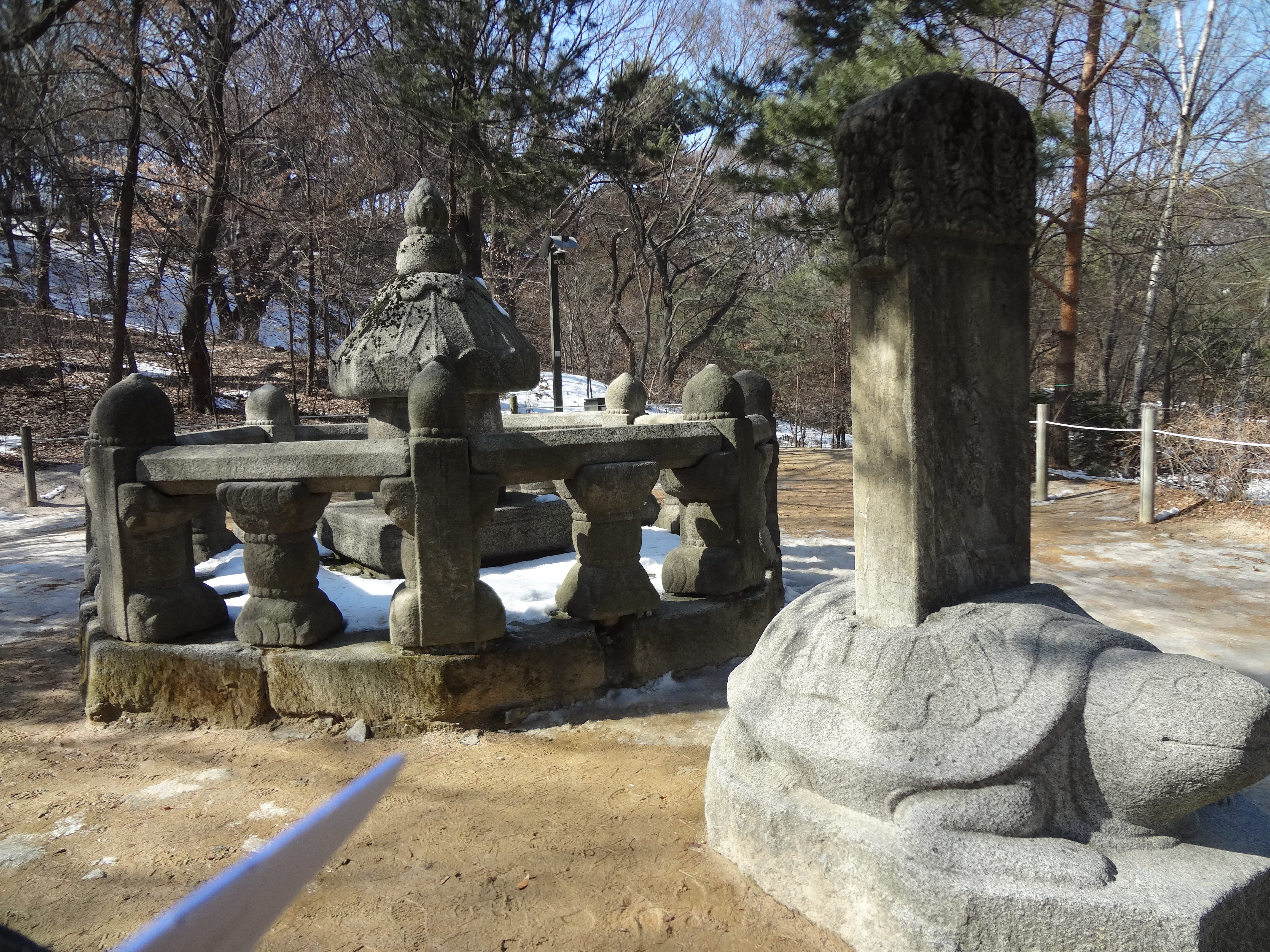
This is the site of King Seongjong’s taesil and taesilbi (placenta chamber monument). According to the Korean age system, a baby is one year old at the moment of birth because life is considered to begin at conception. The placenta is stored in a porcelain jar a few days after being born. The jaris sealed several times and enshired in a stone chamber after a few months. I’ve seen other placenta jars in the National Palace Museum of Korea.

King Seongjong's placenta chamber monument

King Seongjong’s placenta chamber monument

The Glass House

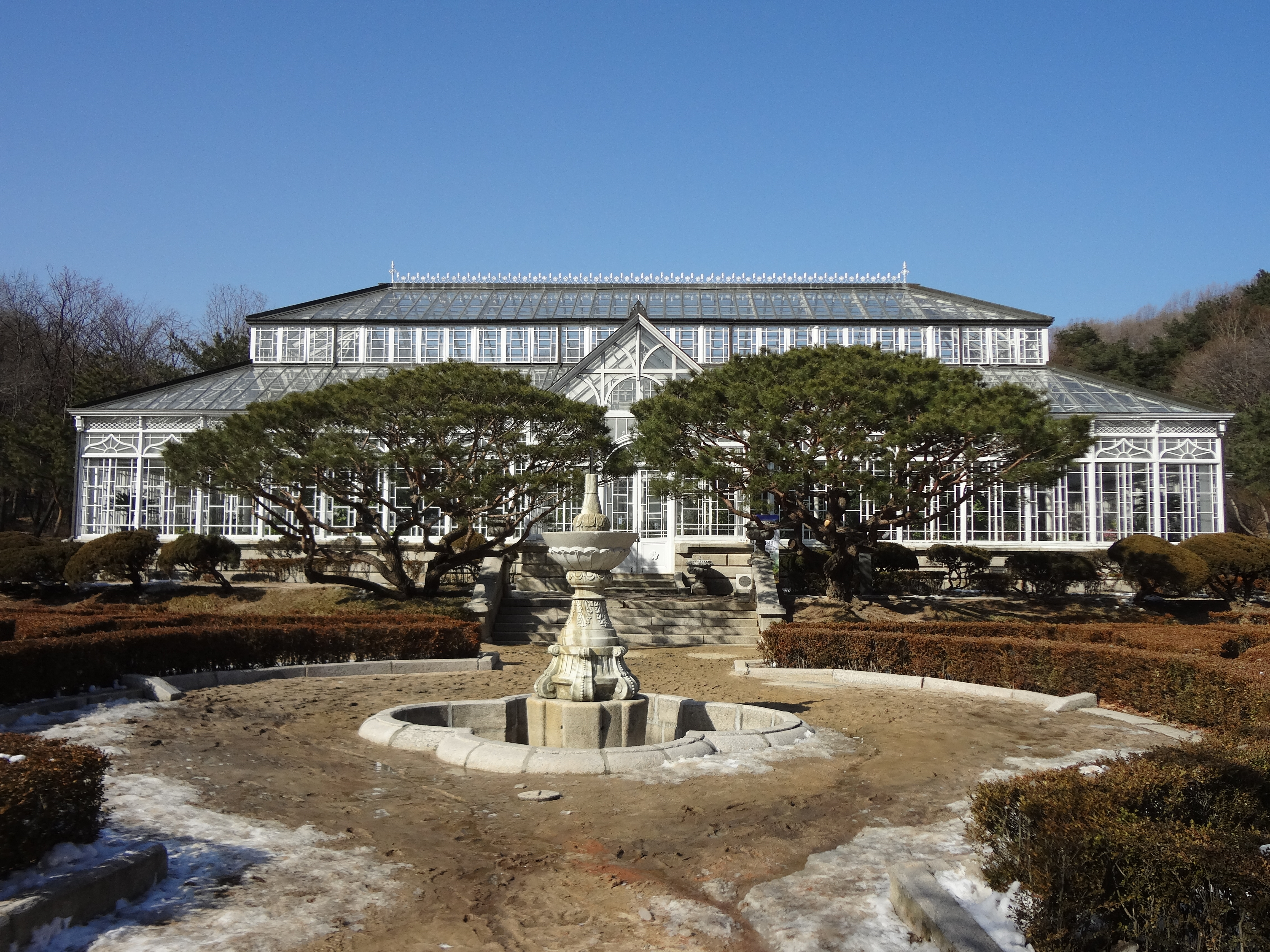
A year before Japan formally annexed Korea, Changgyeonggung was turned into a botanical garden and a zoo, demoting a palace into a public park. Daeonsil, the glass house, was built as Korea’s first Victorian-style greenhouse. The zoo was removed in 1983, but the glass house exists and contains a many indigenous plants.

Daeonsil, the glass house

Daeonsil, the glass house

Lessons learned: Beware the quiet ones, for they hold the juiciest stories. And the more scandalous or noteworthy it is, the better the chances of making it big on TV posthumously, centuries later.

Sources
(1) Cultural Heritage Administration of Korea (2011). Changgyeonggung. Pamphlet.
(2) Discovering Korea blog

My favorite part of Gyeongbukgung, the main palace of the Joseon dynasty of Korea, is a lovely pavilion named Hyangwonjeong and its surrounding pond.

Hyangwonjeong pavilion. Isn't she lovely?

Hyangwonjeong pavilion. Isn’t she lovely?

It is usually more known for the ghastly assassination of Queen Myeongseong by the Japanese government. But in Choi Joon-sik’s book, Soul in Seoul (2005), I came across another interesting (and less gruesome) fact: This pond is the place where an electric light was turned on for the first time in Korea in March 1887. Mr. Choi writes:

“The Joseon government sent off an official letter to the American bulb inventor Thomas Edison in 1883, asking him to set up the lighting system within the palace. Four years later in 1887, the first light bulb was switched on at this pond, which was two years before the Forbidden City in China was brightened with electricity. One of the reasons why light bulbs were installed here so early is because King Gojong, with his kingdom on the verge of collapse, was very afraid of potential threats from his rivals. He was particularly scared of nights, so he seemed to have wanted his residence to be brightened up with lights at night. The reason why the power generator was set up around the pond was because it needed water to produce electricity. There are many other interesting stories involving the nation’s first power generation: for example, it is said that people couldn’t sleep because of loud noise coming from the generator or that the fish living in the pond went belly up due to hot water flowing from the generator.”

In a field trip to the National Museum of Contemporary Art of Korea, I came across the piece Wol In Cheon Ji (2012) by Korean artist Choon Sup Lim in his solo exhibit, Luna, and Her Thousand Reflections.

On one side stands an enormous wooden structure that resembles a loom. The other side consists of four columns with thread.

DSC01681


Wol In Cheon Ji (2012) by Choong Sup Lim

Wol In Cheon Ji (2012) by Choong Sup Lim


In the middle lies a lovely installation of a tiny pavilion that is hovering over a changing projection of the moon’s surface.

Wol In Cheon Ji (2012) by Choong Sup Lim

Wol In Cheon Ji (2012) by Choong Sup Lim

Wol In Cheon Ji (2012) by Choong Sup Lim

Wol In Cheon Ji (2012) by Choong Sup Lim

There was something incredibly light and peaceful about this piece, which took up an entire room. So lovely! The exhibit runs until February 24, 2013.


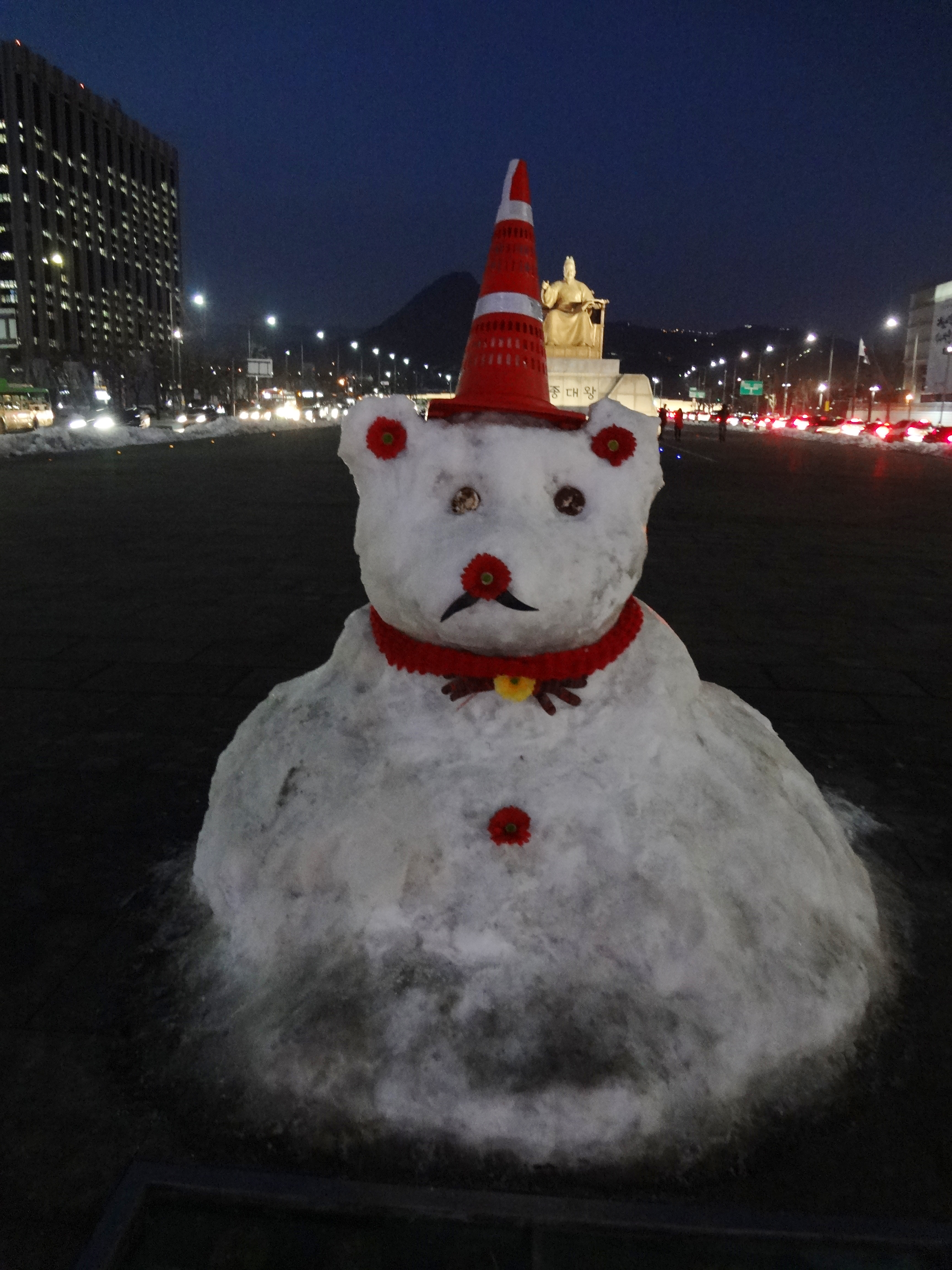
(Seoul)—In Gwanghwamun Square today, I came across a snow bear in front of the statue of King Sejong, under whose reign science and technology flourished in Korea. In his rule, Hangul was also introduced to the country.

A snow bear in front of Sejong the Great

A snow bear in front of Sejong the Great

Up close, the bear is decorated with flowers for ears, cookies for eyes, a glove for his neck and a traffic cone for a hat.

Yes, the hat is a traffic cone

Yes, the hat is a traffic cone

Flowers for its nose and ears, cookies for its eyes, and a glove for its neck

Flowers for its nose and ears, cookies for its eyes, and a glove for its neck

Behind King Sejong is Gwanghwamun, one of the gates that leads to Gyeongbokgung, the main palace of the Jeoson dynasty. The mountain behind it is Bukhansan.

Gwanghwamun by night

Gwanghwamun by night

It’s such a pretty sight in the evening, isn’t it?

A kite! A kite! I adore kites!

A kite! A kite! I adore kites!

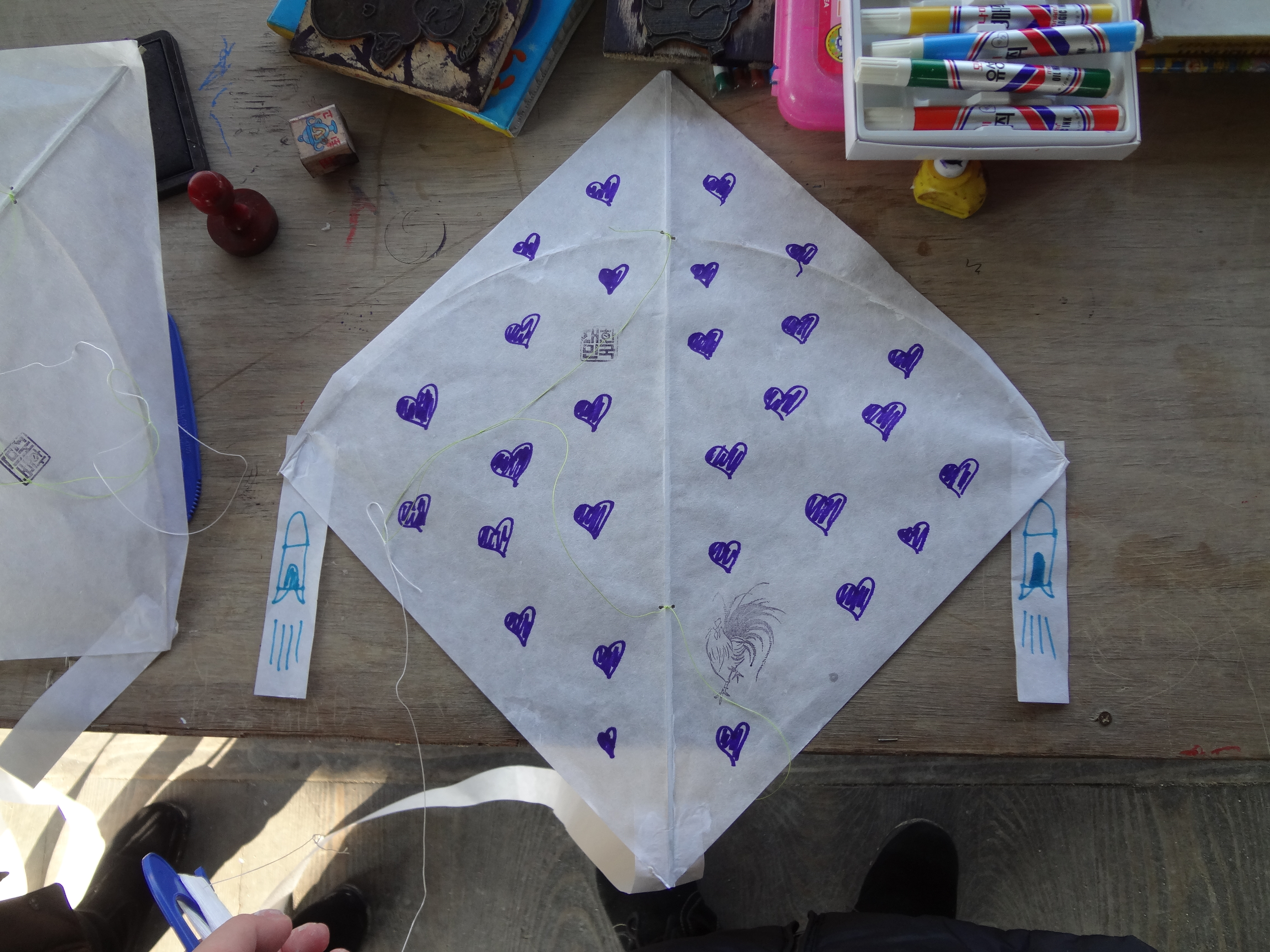
Today, on the eve of Seollal, the Korean New Year, I went with some friends to Namsangol Hanok Village. Among other things, I made and flew a purple-hearted rocket-powered kite. Kite-flying, or yeonnalligi (연날리기) is among the traditional games played during the new year. We had fortunes told, ate traditional Korean food (such as tteokguk), made our New Year wishes, and watched wonderful performances.

Purple hearts and blue rockets. It was quite cold and this was the best I could do with freezing hands.

Purple hearts and blue rockets. It was quite cold and this was the best I could do with freezing hands.

And away we go!

And away we go!

Happy Lunar New Year to you all! Gong Xi Fa Cai & Sae He Bok Mani Ba Deu Se Yo! Bring it on, Year of the Snake.