Archive

Field Trips

Each year, thousands of locals and tourists alike gather in the island of Jindo, where Korea’s version of Moses’s parting of the Red Sea occurs. Here, the tide goes down and opens up a 2.9-kilometer “sea road” from Jindo to the island of Modo.

On cue, the crowds start to move forward.

Off to Modo

Off to Modo

It’s not everyday one walks the sea!

All of us bought brightly colored boots for sale during the festival.

All of us bought brightly colored boots for sale during the festival.

The sea level progressively decreased as I walked.

The tide goes down.

The tide goes down.

I only made it halfway to Modo when local officials on boats started ringing bells and ordered everyone to go back to the shore, as the tide started to return. It was a dash of panic as we stumbled on the uneven sea floor back to shore. I recorded my walk panicked run back to Jindo with the MyTracks app.

Turning back halfway

Turning back halfway

Although scientifically, the main reason for this phenomenon is tidal harmonics (a nice explanation of it appears in this National Geographic article), the local legend goes that a tiger used to terrorize the people on Jindo, who finally fled to Modo, leaving Grandma Mulberry behind. She missed her family and prayed to the Dragon King, who appeared in her dream, telling her that he will set a rainbow bridge over to Jindo. Indeed, a rainbow bridge appeared, and villagers from Modo came over the bridge to look for her. She passed away soon after.

This statue commemorates the legend.
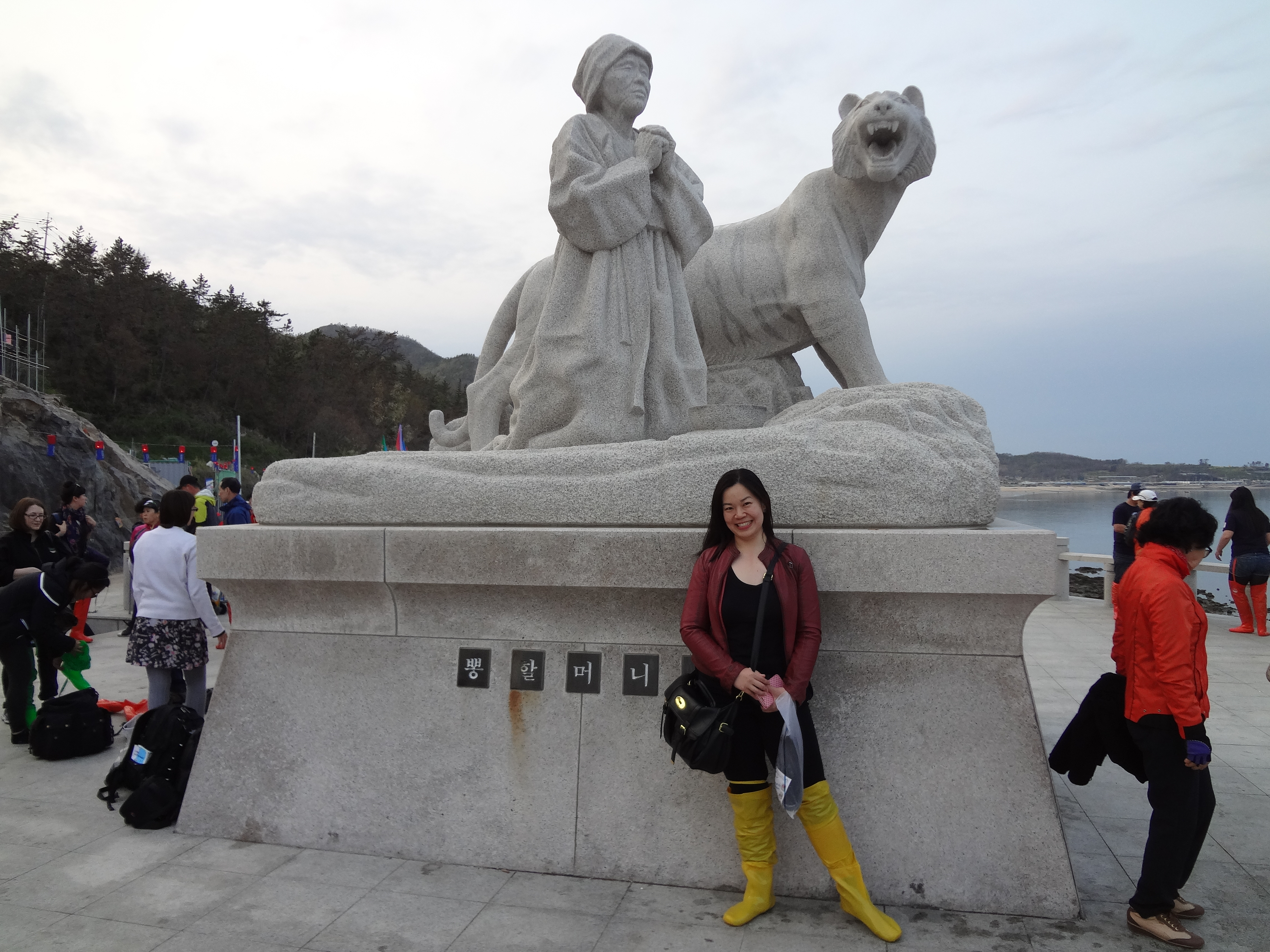
Grandma Mulberry and the tiger

Grandma Mulberry and the tiger

This is definitely the coolest thing I’ve experienced in Korea so far, especially since it was a beautiful and unusual mix of science and culture. I definitely want to go back next year.
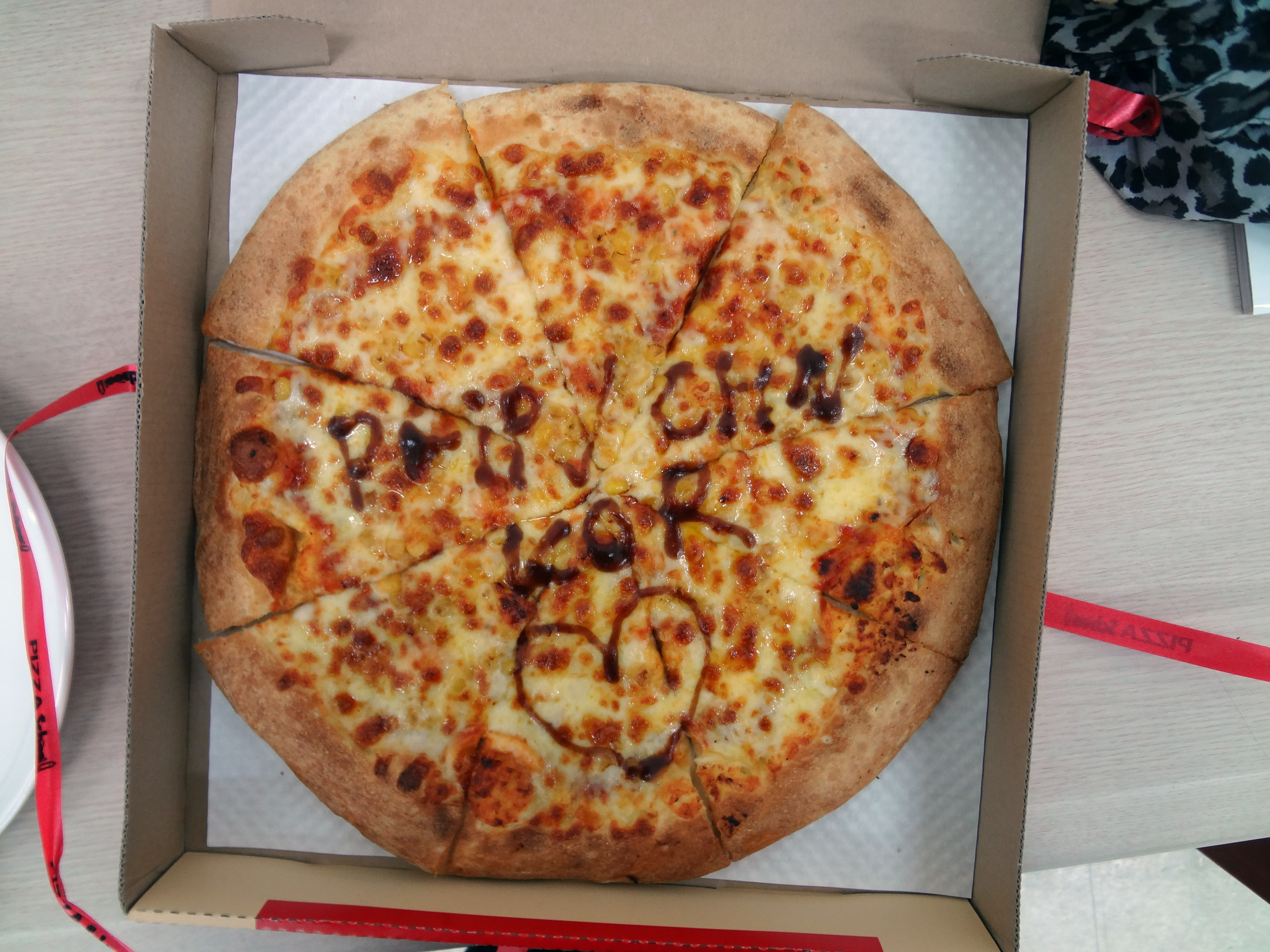
The best thing after a particularly grueling hike (hello, Inwangsan!) is a cute note from the elderly guy who runs a pizza place with his wife across my street. After learning I was Filipino-Chinese, here is what I opened the box to:

Philippine / China Korea <3

The initials stand for:

Philippines / China
Korea

In barbecue sauce.

Aww, shucks. I love you back, Korea.

At Seoul’s Leeum Samsung Museum of Art, I was struck by two things:

1. 89 Seconds at Alcazar by Eve Sussman / Rufus Corporation

One of my favorite paintings is Diego Velasquez’s Las Meninas. This film, shown in the excellent exhibition, Mise-en-Scène, imagines the events before and after the painting, depicting the actual moment as a fleeting one. And hey, GoT fans, Peter Dinklage is part of the cast!

via artpulsemagazine.com

via artpulsemagazine.com


2. Interaction Design and Korean Treasures

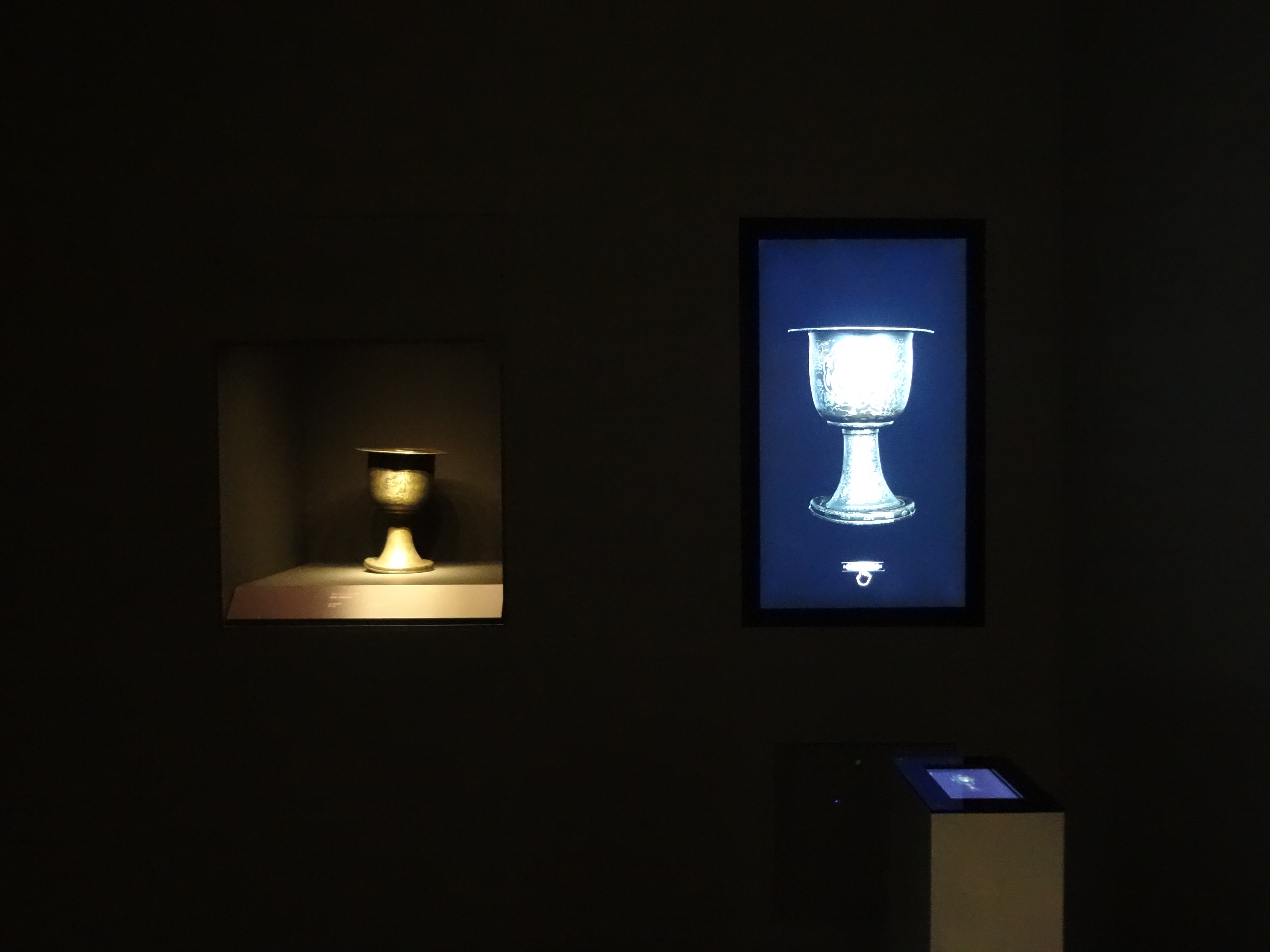
In the exhibition Opulence: Treasures of Korean Craft, I was impressed at how the audience can view the art. In addition to seeing the actual relic, it was possible to explore the piece through a high resolution photo of the work, and a touch screen that allows you to zoom into different details.

Like Google Art Project in an actual museum

Like Google Art Project in an actual museum

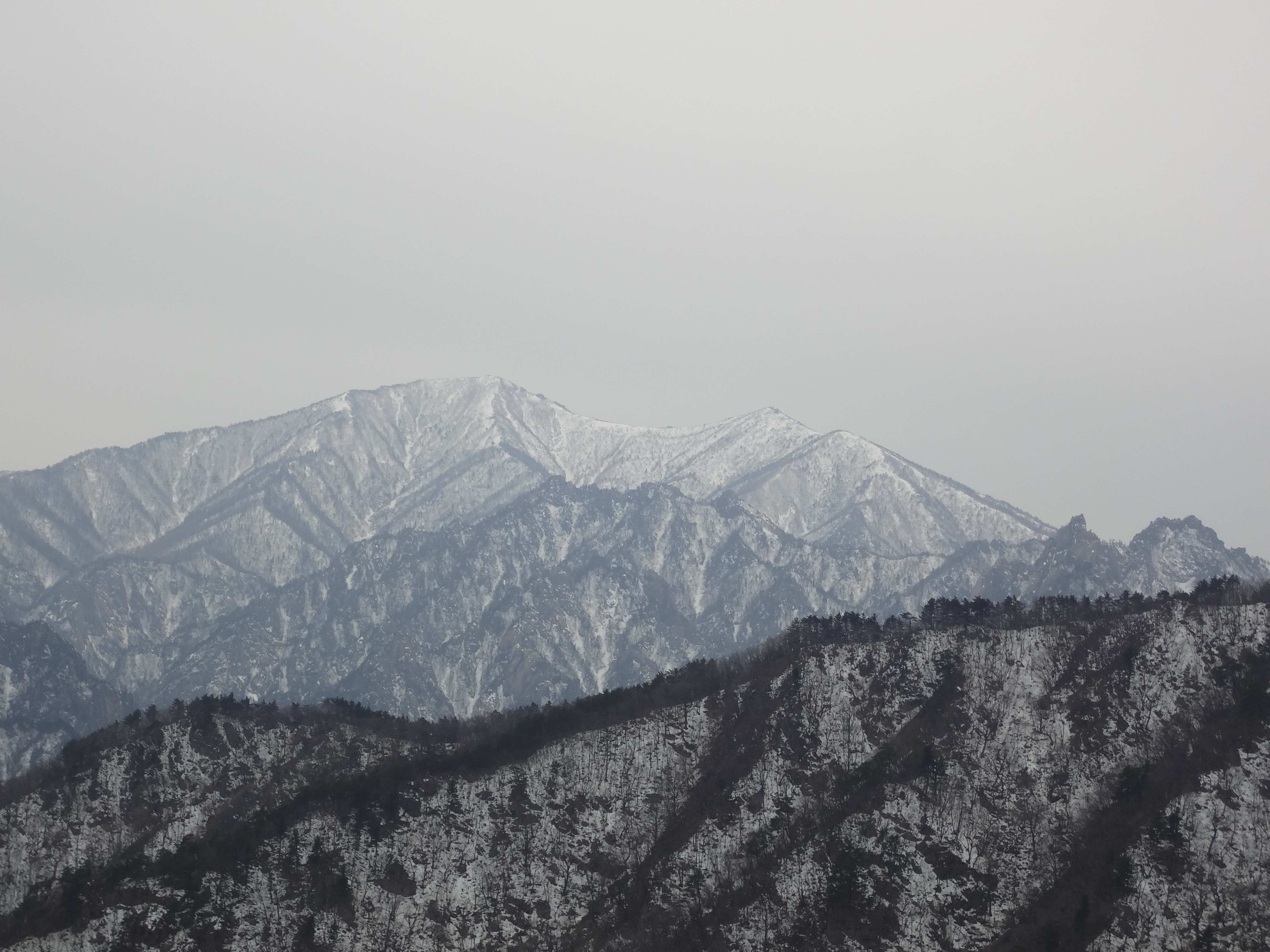
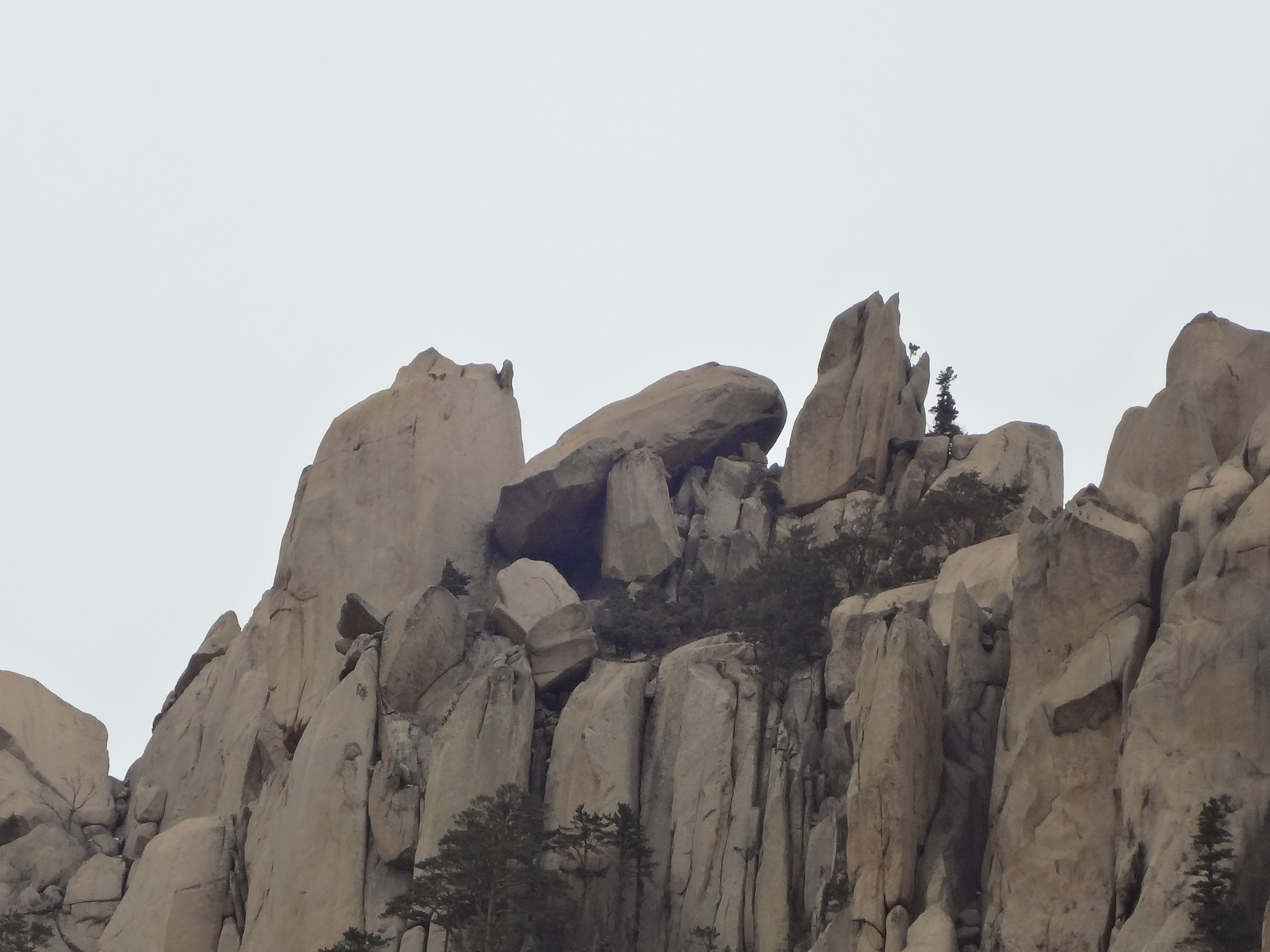
In Seoraksan, a mountain in the east of South Korea, it’s like a calligraphy painting that came to life. It was a grueling yet doable trek, with me giving high fives and fist bumps to the friendly elderly Korean people who regularly climb these mountains. It seemed as though they do it without breaking a sweat.

(I want to be an ajumma when I grow up. Such respect for these badass people who are so physically fit and look as though they just stepped out of a hiking catalog.)

It's like a calligraphy painting that came to life!

It’s like a calligraphy painting that came to life!

I bet it will look beautiful in the fall. I bet that’s enough reason for me to go back.

Gorgeous.

Gorgeous.

There is nothing like getting physically and mentally pushed to my limits to power me through the second half of this residency. Hwaiting!

On my street lies Choansan, a mountain that has thousands of tombs of aristocrats, eunuchs, and commoners from Korea’s Joseon era. After being sick for a few days and being stuck in a creative rut, I headed up there today to free my mind from the “stuckness,” as though being high up there can make me look down on my worries, as though physically meandering through the mountain can translate to mentally untangling my thoughts.

I can't believe this is on my street.

I can’t believe this is on my street.

No head! Uh oh.

No head! Uh oh.

The marker at the top told me a bit of the cemetery’s history, along with these odd words.

A Department of Eunuchs!

A Department of Eunuchs!

It is such a blessing to have so much nature in the middle of the cemented progressiveness of the city.

It feels like a scene from Bridge to Terabithia.

It feels like a scene from Bridge to Terabithia.

The romance and sadness of it was slightly marred by the mild absurdity (yet awesome practicality) of seeing exercise machines along the way.

Exercise machines amidst historical treasures. But of course in Korea.

Exercise machines amidst historical treasures. But of course in Korea.

It was a good afternoon.

Fly.

Fly.

While exploring Korea, which slowly becoming one of my favorite countries, I’m a bit fascinated at how it has little-known connections with The Discovery Channel’s Mythbusters, one of my favorite TV shows of all time. Here are two that have been stuck in my head for a while and required a blog post:

1. Hwacha

A hwacha is a weapon developed during the Joseon dynasty that can fire multiple rockets in one go. I found one on display at the King Sejong museum in Gwanhwamun station, though I’ve seen others in various places in Korea.

I hope it works.

I hope it works.

The Mythbusters confirmed the hwacha’s effectiveness in the episode, “Alcohol Myths.”

2. Yellow Scream

Kim Beom, a Korean conceptual artist, has a 31-minute video where he demonstrates how to embed screams into a painting in a manner that imitates Bob Ross. I saw this in the Nam June Paik Art Center in Gyeonggi-do.

In Yellow Scream (2012), Kim discusses his materials, than proceeds to scream, “Aaah!” near the brush while he is applying the paint to the canvas. He adds screams of terror, confusion, agony, and even high-pitched ones of happiness.

Still from Kim Beom's Yellow Scream (2012)

Still from Kim Beom’s Yellow Scream (2012)

Still from Kim Beom's Yellow Scream (2012)

Still from Kim Beom’s Yellow Scream (2012)

Still from Kim Beom's Yellow Scream (2012)

Still from Kim Beom’s Yellow Scream (2012)

I was laughing by myself in the projection room. This will be one of my favorite art pieces of all time. Looking up Kim Beom online, I was happy to see that he also did graduate school in SVA, and even happier to know that he has a thing for clouds, too.

This reminded me of the Mythbusters episode when they asked whether ancient sounds could have been embedded into pottery. Alas, I couldn’t find a video, but they definitely busted that myth.

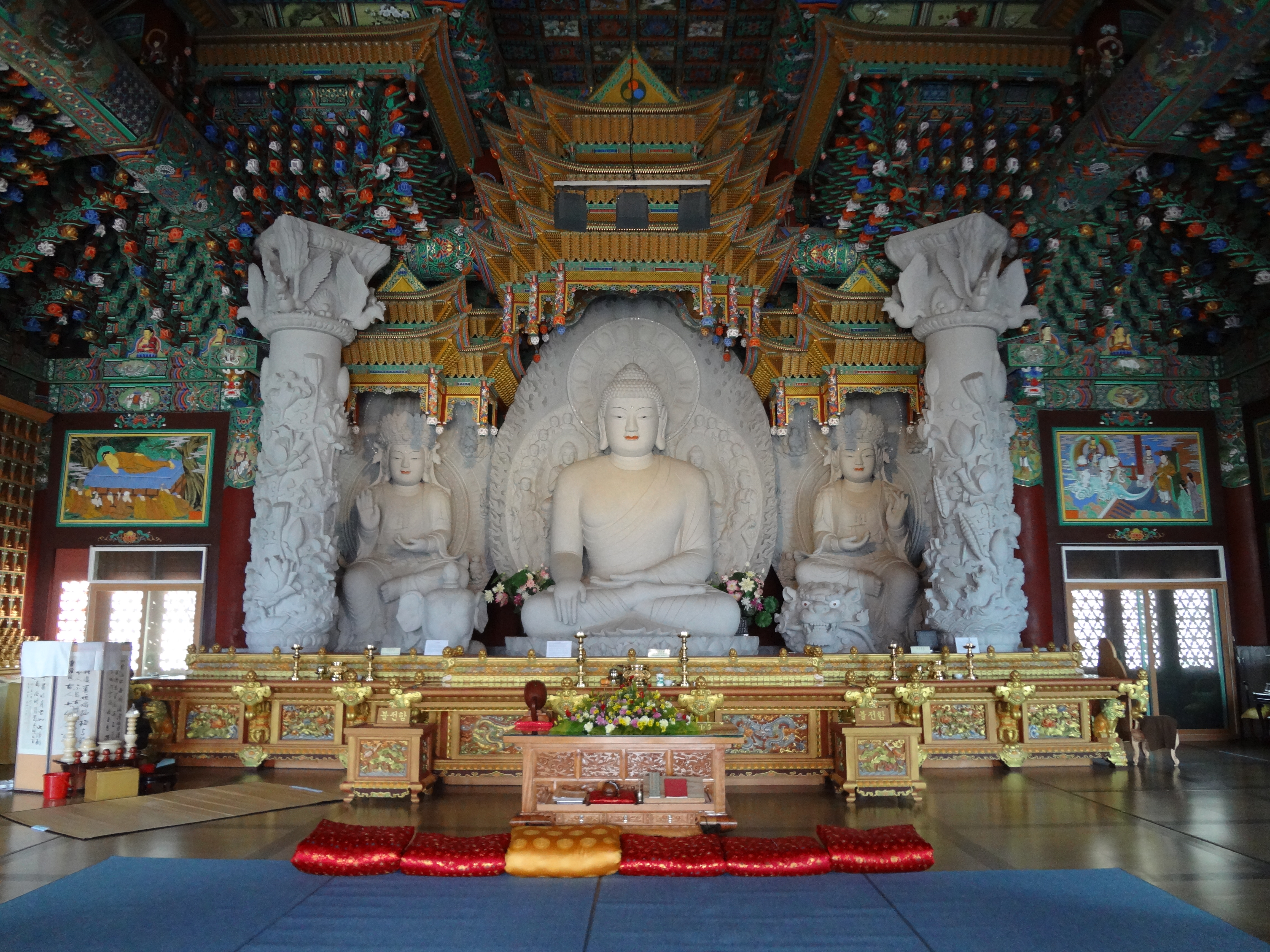
(Gyeonggi-do, South Korea) In Bubryunsa, a beautiful temple set in the mountains about two hours from Seoul, I was happy to participate in a temple stay with fellow artists. I was struck at seeing this swastika, used without the Nazi connotations, but to represent what it originally supposed to—auspiciousness, eternity, and Buddhism.

Beautiful!

Beautiful!

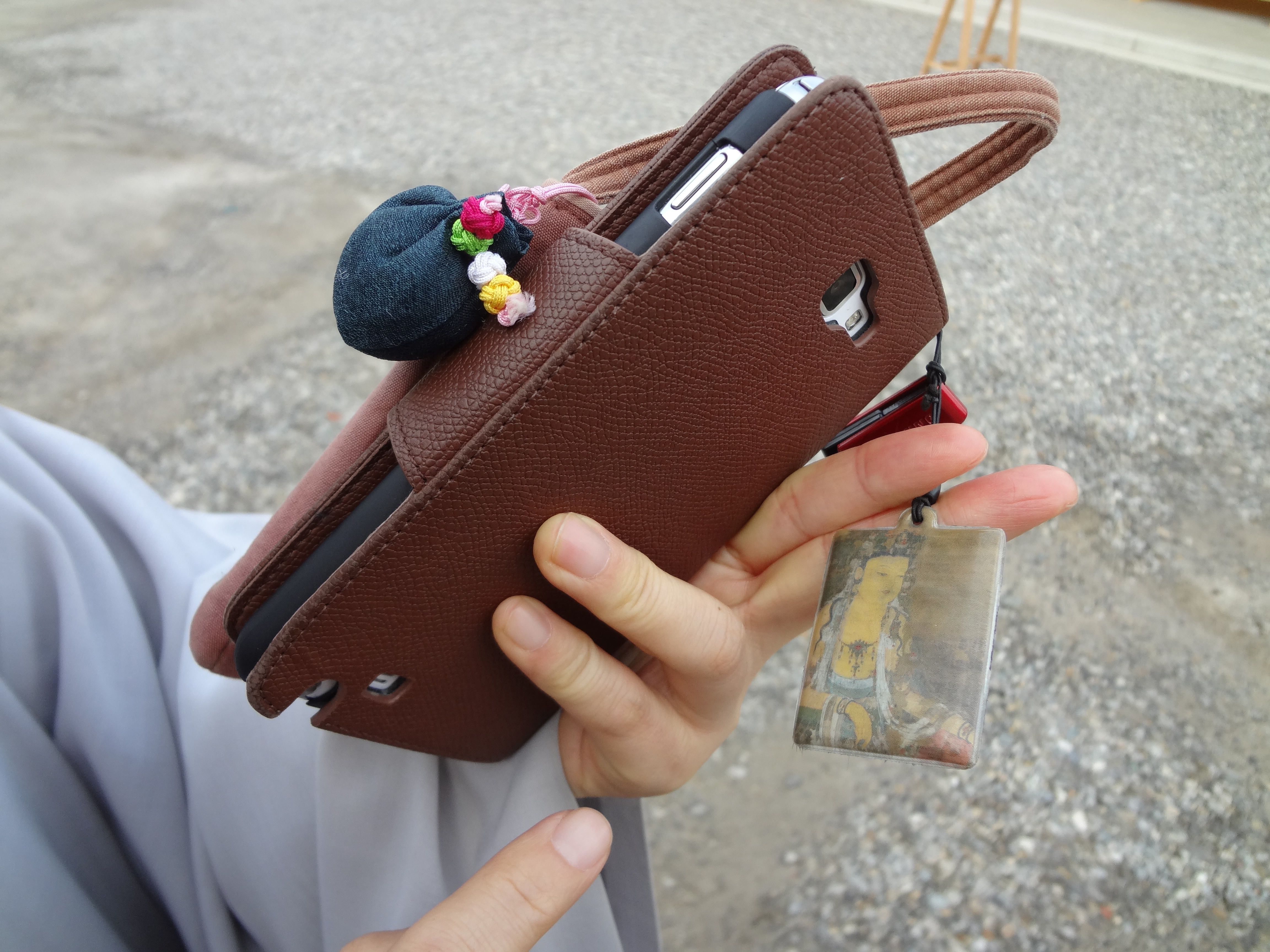
Tae Min, the monk who guided us through a tea ceremony, meditation, and a tour of the temple grounds, made me smile when I saw that she has a smartphone. It’s the same one I have: a Samsung Galaxy S3.

Hello, fellow Android user!

Hello, fellow Android user!

Her phone’s cleaner had a Buddha on it.

Buddha!

Buddha!

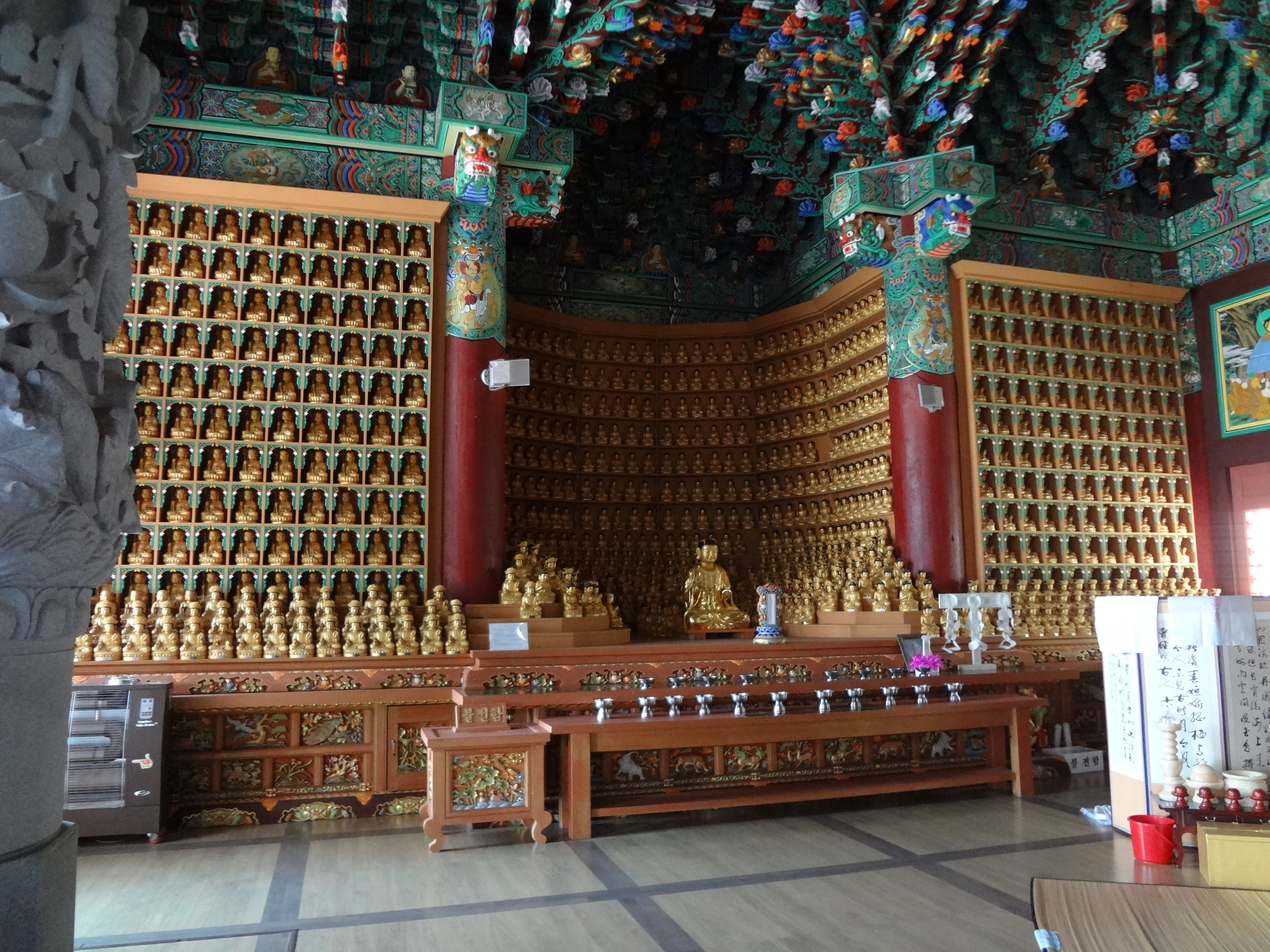
We saw a lot of buddhas.

Each statue is carved out of one rock. They were made first and then the structure was built around them.

Each statue is carved out of one rock. They were made first and then the structure was built around them.

And I mean, a lot of buddhas.

Whoa, buddha, whoa.

Whoa, buddha, whoa.

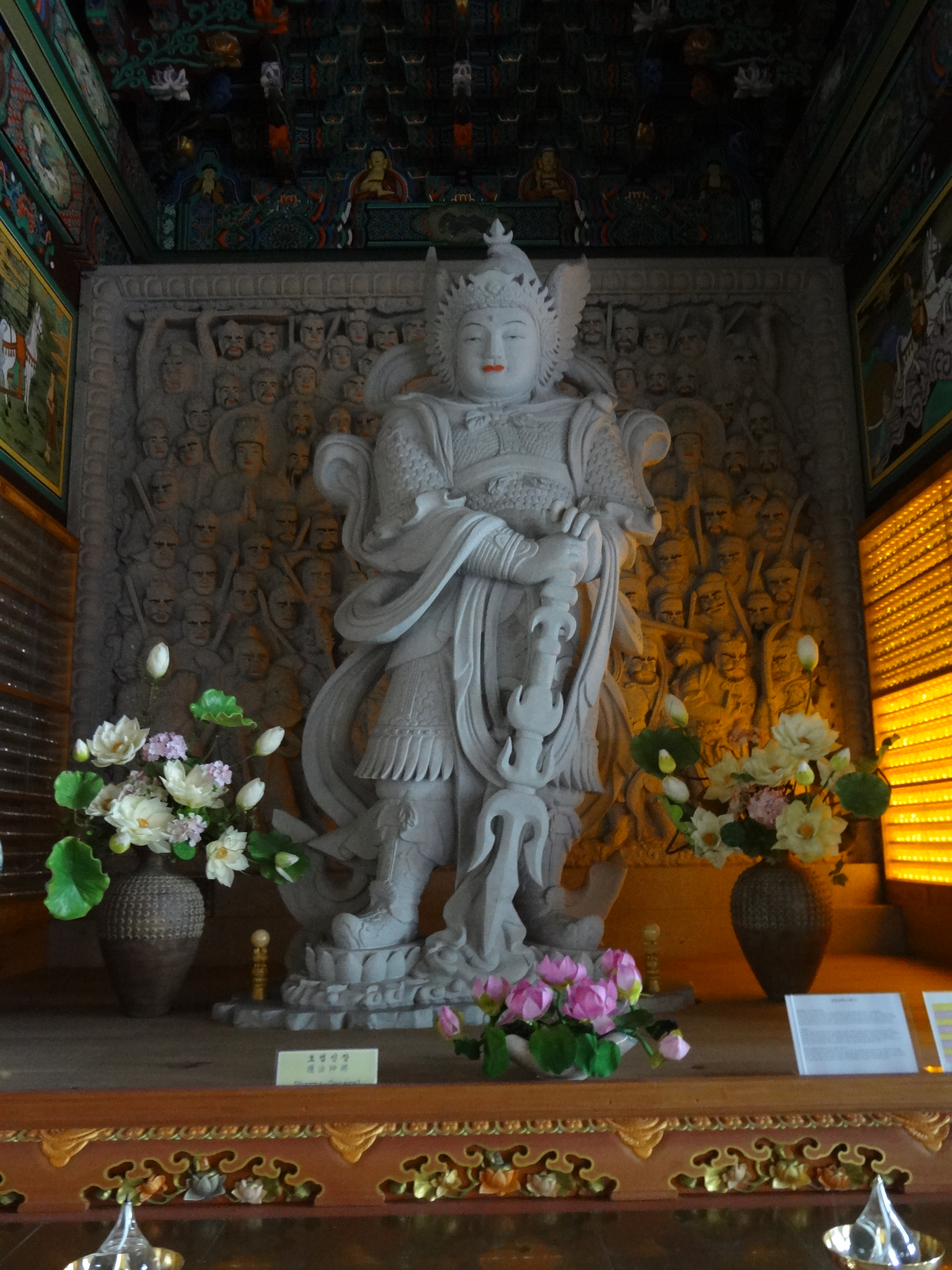
But I think the statue I liked best was this one. He looks badass, and probably does martial arts.

A sword!

A sword!

I leave you with this lovely rock balancing we came across. Peace, love, and get your Zen on.

Rock balancing!

Rock balancing!

I loved this mash-up and I loved this kid.

I loved this mash-up and I loved this kid.

(D-Cube City, Sindorim)—I had no idea St. Patrick’s Day was big in Korea. My favorite part was the ladies who mixed Irish dancing with K-pop, and the little kid with stripes who followed them. People had green balloons and could get free scones and nearly everyone was civilized and no one was vomiting. I love globalization.

Happy St. Patrick’s Day, one and all!


On the day I ate my way through Jeonju, chosen in 2012 as a Creative City for Gastronomy as part of UNESCO’s Creative Cities Network, I went past a store with teddy bears…

A teddy bear on a bench. Of course.

A teddy bear on a bench. Of course.

…the Gyeonggijeon Portrait Shrine with King Taejo’s portrait…

Image via Wikipiedia, since we weren't allowed to take photos of the actual portrait

Image via Wikipiedia, since we weren’t allowed to take photos of the actual portrait

…which made me wonder if his headpiece is the reason behind this Korean hat trend…

Devil hat. Or turkey hat, depending on how you look at it.

Devil hat. Or turkey hat, depending on how you look at it.

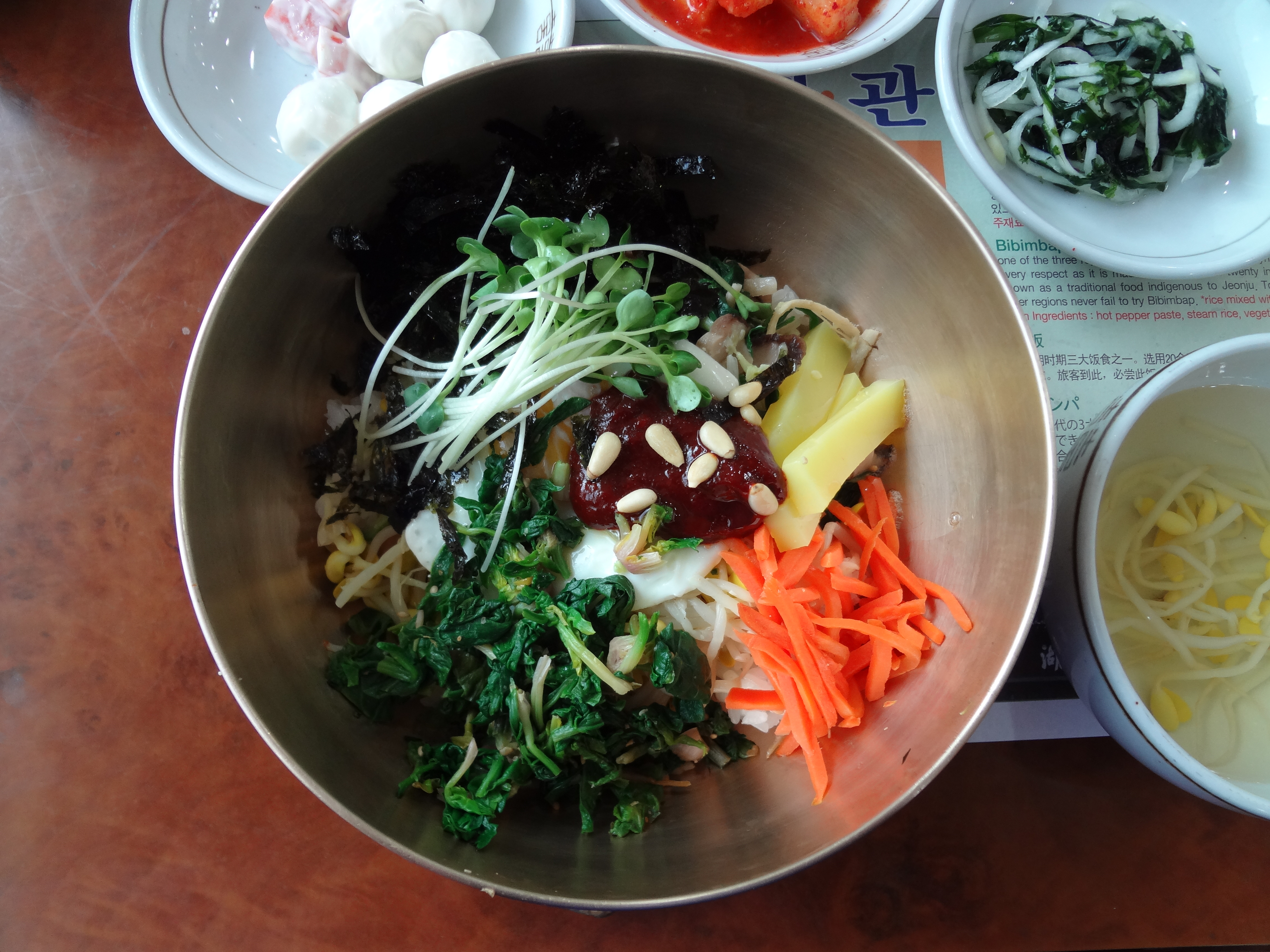
…and finally, oh finally, I made it to my bowl of Jeonju bibimbap.

Why, hello there, beautiful.

Why, hello there, beautiful.

Delish.

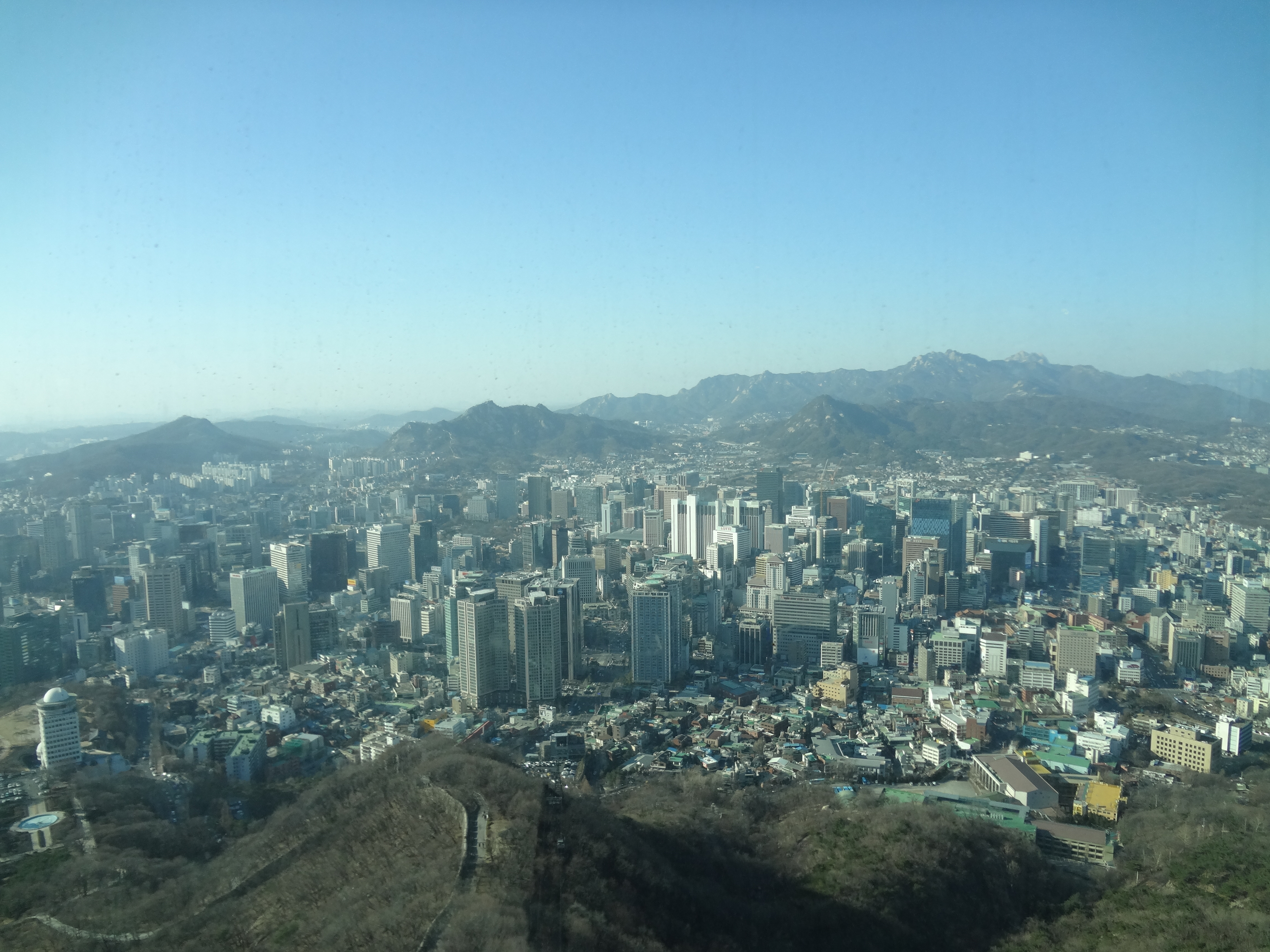
A clear sky at N Seoul Tower

A clear sky at N Seoul Tower

It was a beautiful clear Sunday at N Seoul Tower, whose observatory is the highest spot in Seoul. Amidst the locks of love, lovebird chairs, and kitschy space-themed elevators, what I really enjoyed was the warriors at the base, wielding swords at a demonstration I happened to come across.

Old meets new. Again!

Old meets new. Again!

But yes, the view was great, too!

Seoul!

Seoul!