Archive

Exploring

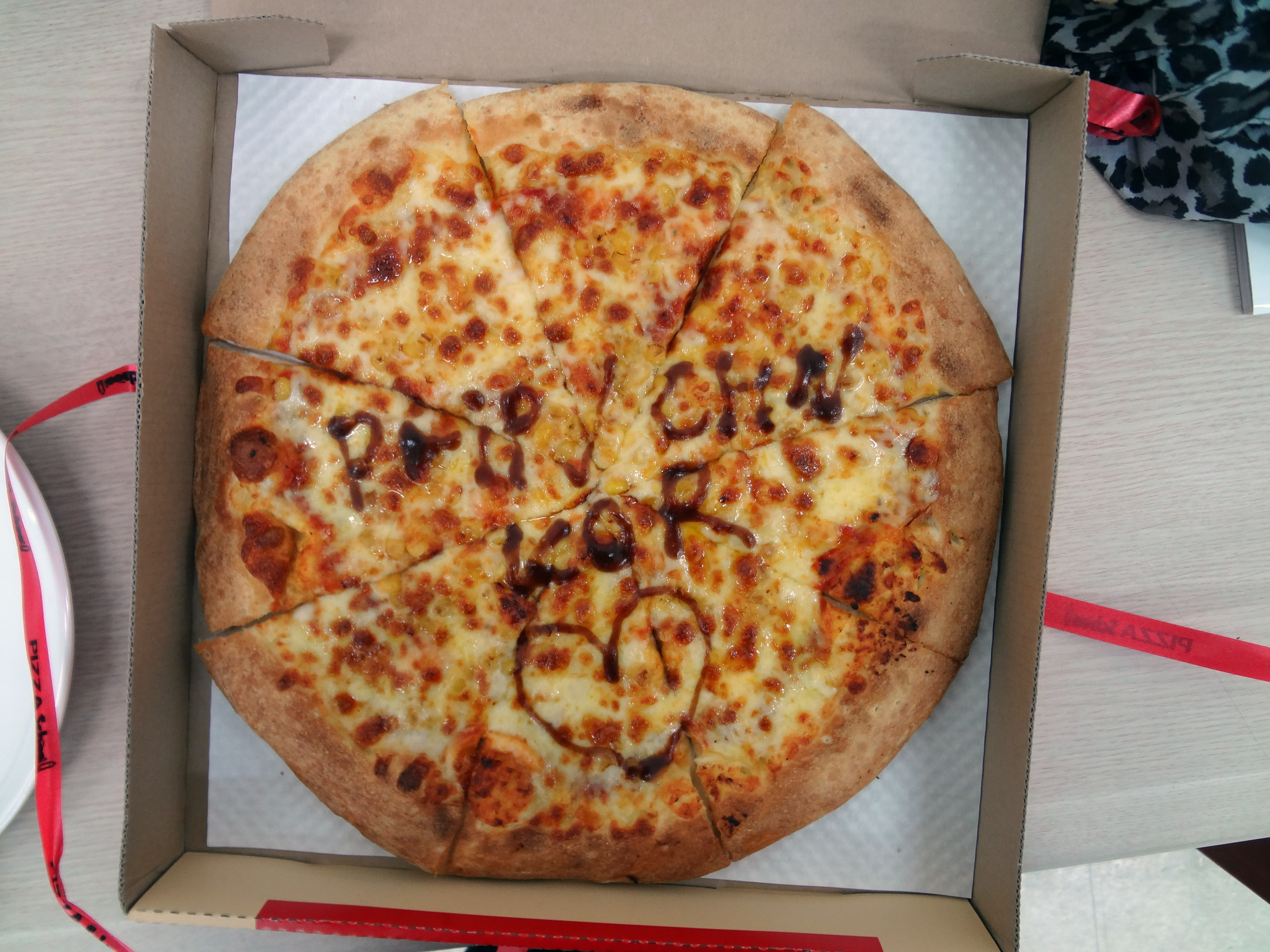
The best thing after a particularly grueling hike (hello, Inwangsan!) is a cute note from the elderly guy who runs a pizza place with his wife across my street. After learning I was Filipino-Chinese, here is what I opened the box to:

Philippine / China Korea <3

The initials stand for:

Philippines / China
Korea

In barbecue sauce.

Aww, shucks. I love you back, Korea.

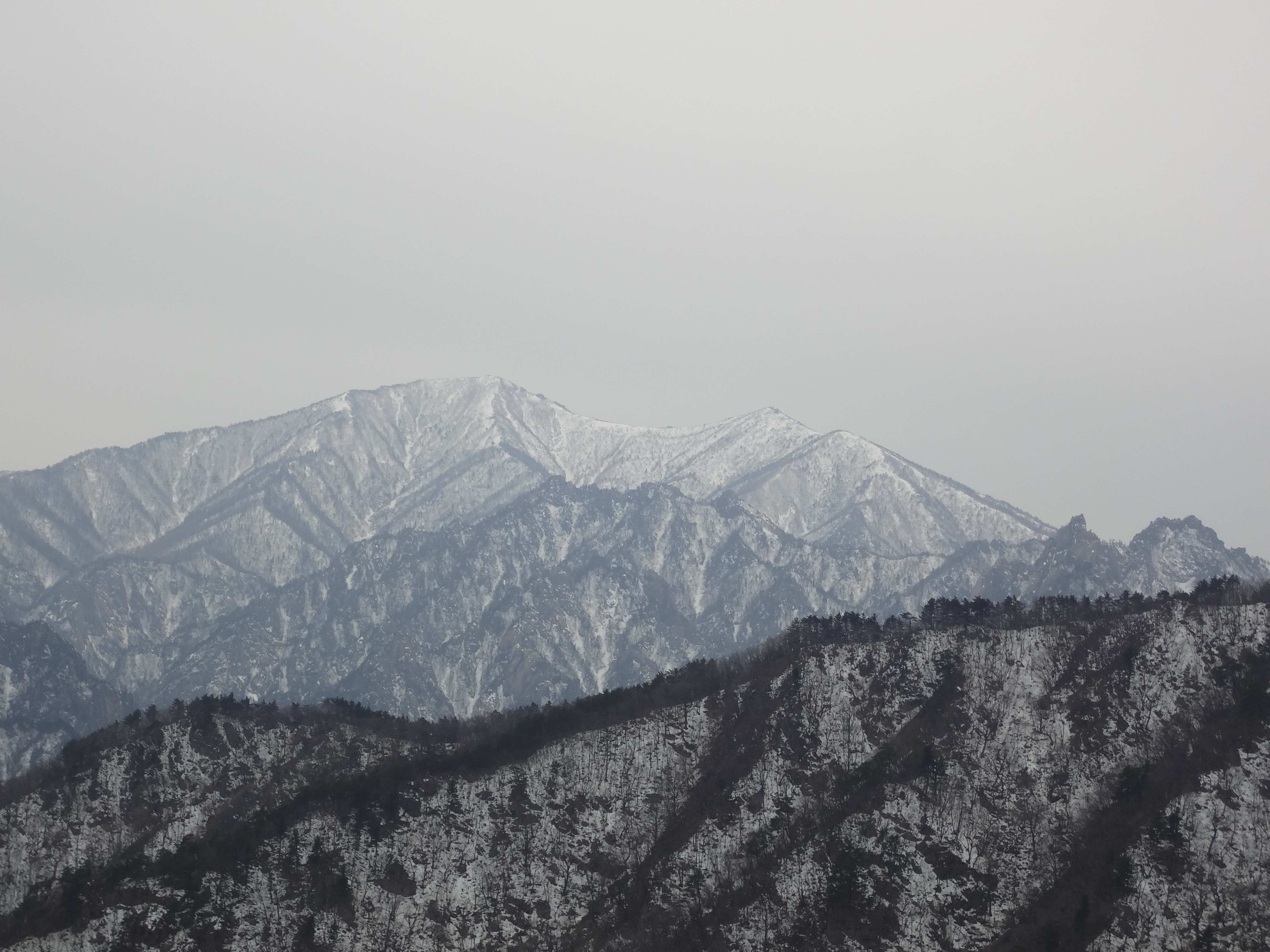
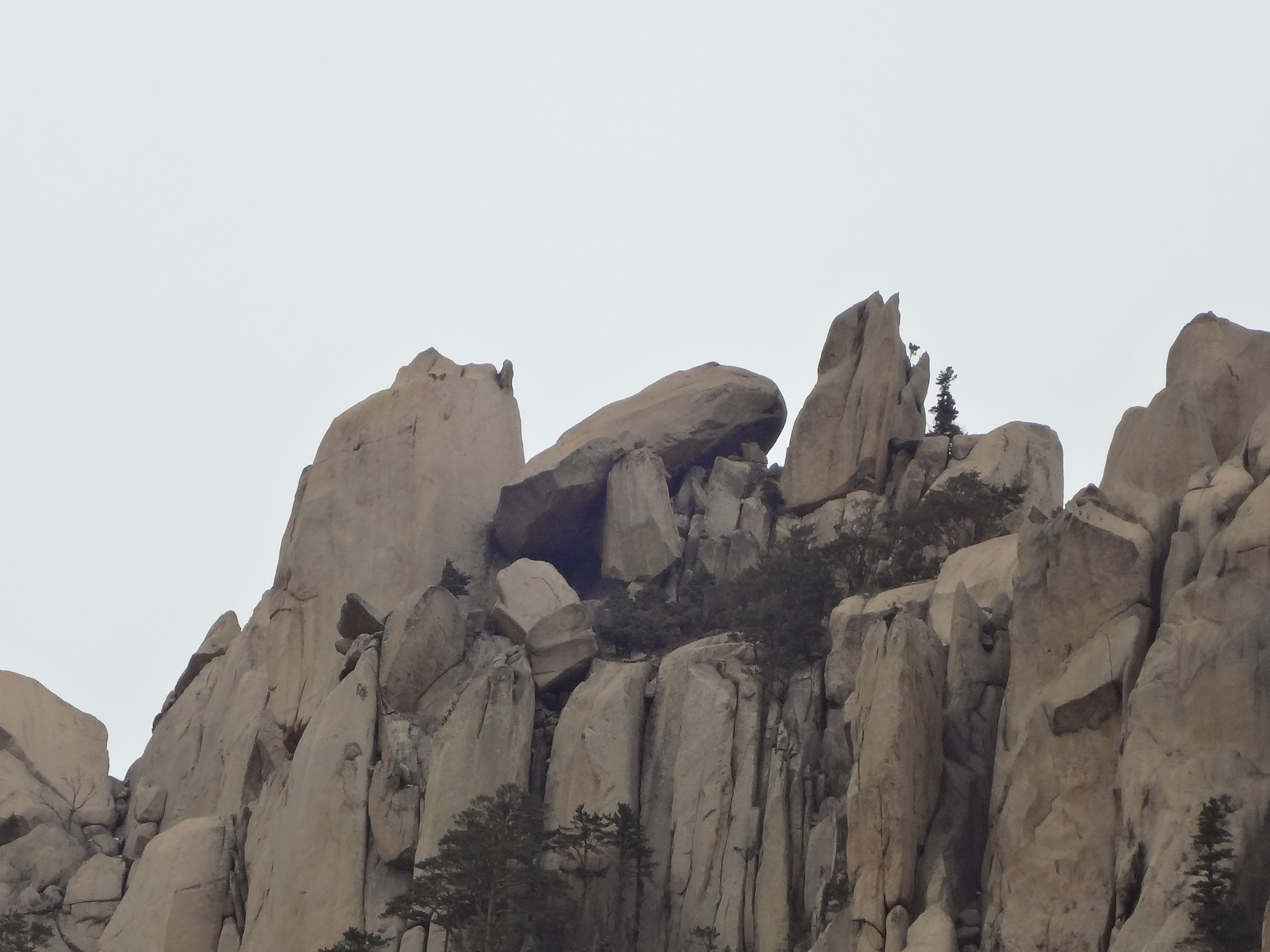
In Seoraksan, a mountain in the east of South Korea, it’s like a calligraphy painting that came to life. It was a grueling yet doable trek, with me giving high fives and fist bumps to the friendly elderly Korean people who regularly climb these mountains. It seemed as though they do it without breaking a sweat.

(I want to be an ajumma when I grow up. Such respect for these badass people who are so physically fit and look as though they just stepped out of a hiking catalog.)

It's like a calligraphy painting that came to life!

It’s like a calligraphy painting that came to life!

I bet it will look beautiful in the fall. I bet that’s enough reason for me to go back.

Gorgeous.

Gorgeous.

There is nothing like getting physically and mentally pushed to my limits to power me through the second half of this residency. Hwaiting!

On my street lies Choansan, a mountain that has thousands of tombs of aristocrats, eunuchs, and commoners from Korea’s Joseon era. After being sick for a few days and being stuck in a creative rut, I headed up there today to free my mind from the “stuckness,” as though being high up there can make me look down on my worries, as though physically meandering through the mountain can translate to mentally untangling my thoughts.

I can't believe this is on my street.

I can’t believe this is on my street.

No head! Uh oh.

No head! Uh oh.

The marker at the top told me a bit of the cemetery’s history, along with these odd words.

A Department of Eunuchs!

A Department of Eunuchs!

It is such a blessing to have so much nature in the middle of the cemented progressiveness of the city.

It feels like a scene from Bridge to Terabithia.

It feels like a scene from Bridge to Terabithia.

The romance and sadness of it was slightly marred by the mild absurdity (yet awesome practicality) of seeing exercise machines along the way.

Exercise machines amidst historical treasures. But of course in Korea.

Exercise machines amidst historical treasures. But of course in Korea.

It was a good afternoon.

Fly.

Fly.

(Gyeonggi-do, South Korea) In Bubryunsa, a beautiful temple set in the mountains about two hours from Seoul, I was happy to participate in a temple stay with fellow artists. I was struck at seeing this swastika, used without the Nazi connotations, but to represent what it originally supposed to—auspiciousness, eternity, and Buddhism.

Beautiful!

Beautiful!

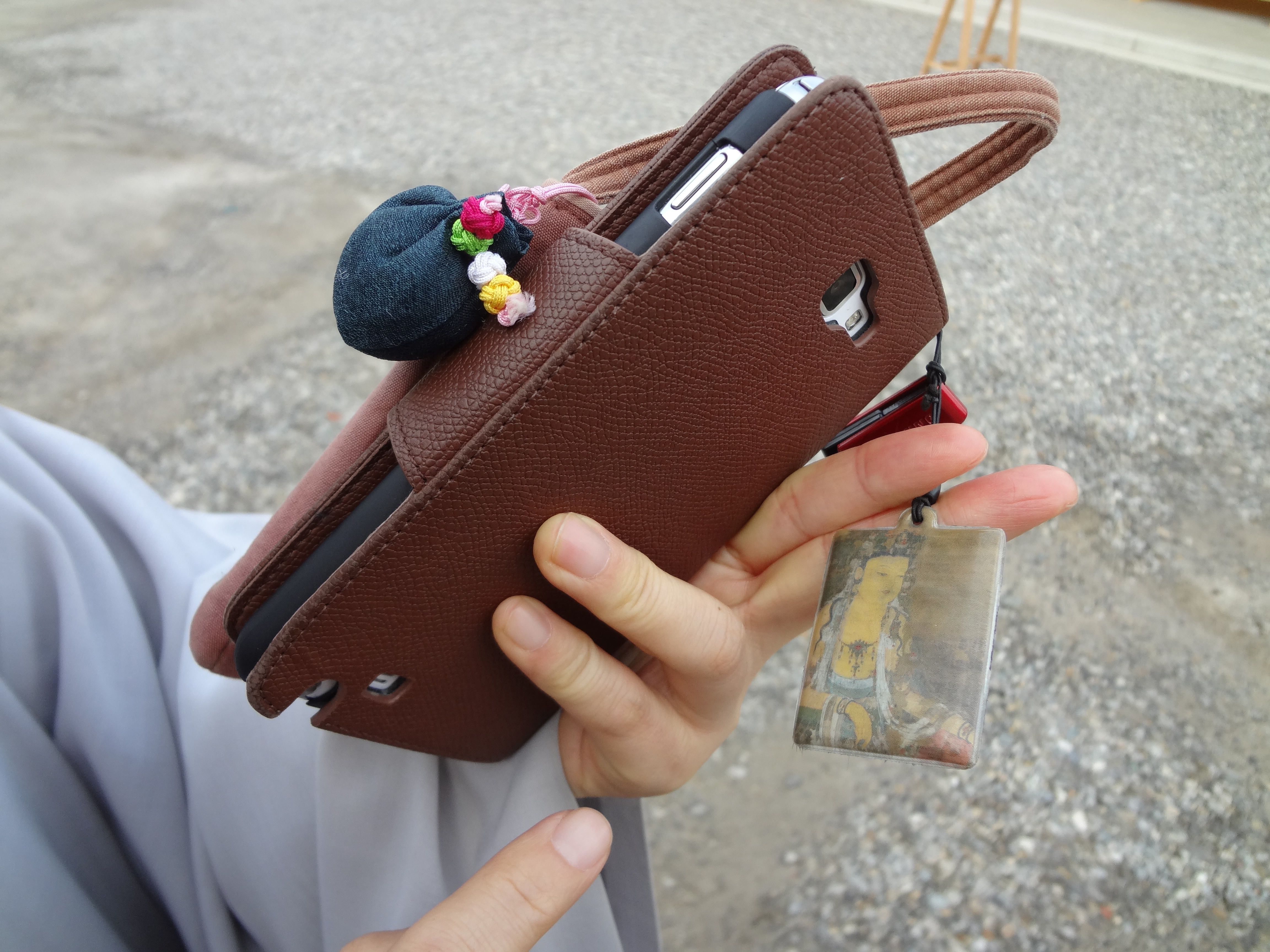
Tae Min, the monk who guided us through a tea ceremony, meditation, and a tour of the temple grounds, made me smile when I saw that she has a smartphone. It’s the same one I have: a Samsung Galaxy S3.

Hello, fellow Android user!

Hello, fellow Android user!

Her phone’s cleaner had a Buddha on it.

Buddha!

Buddha!

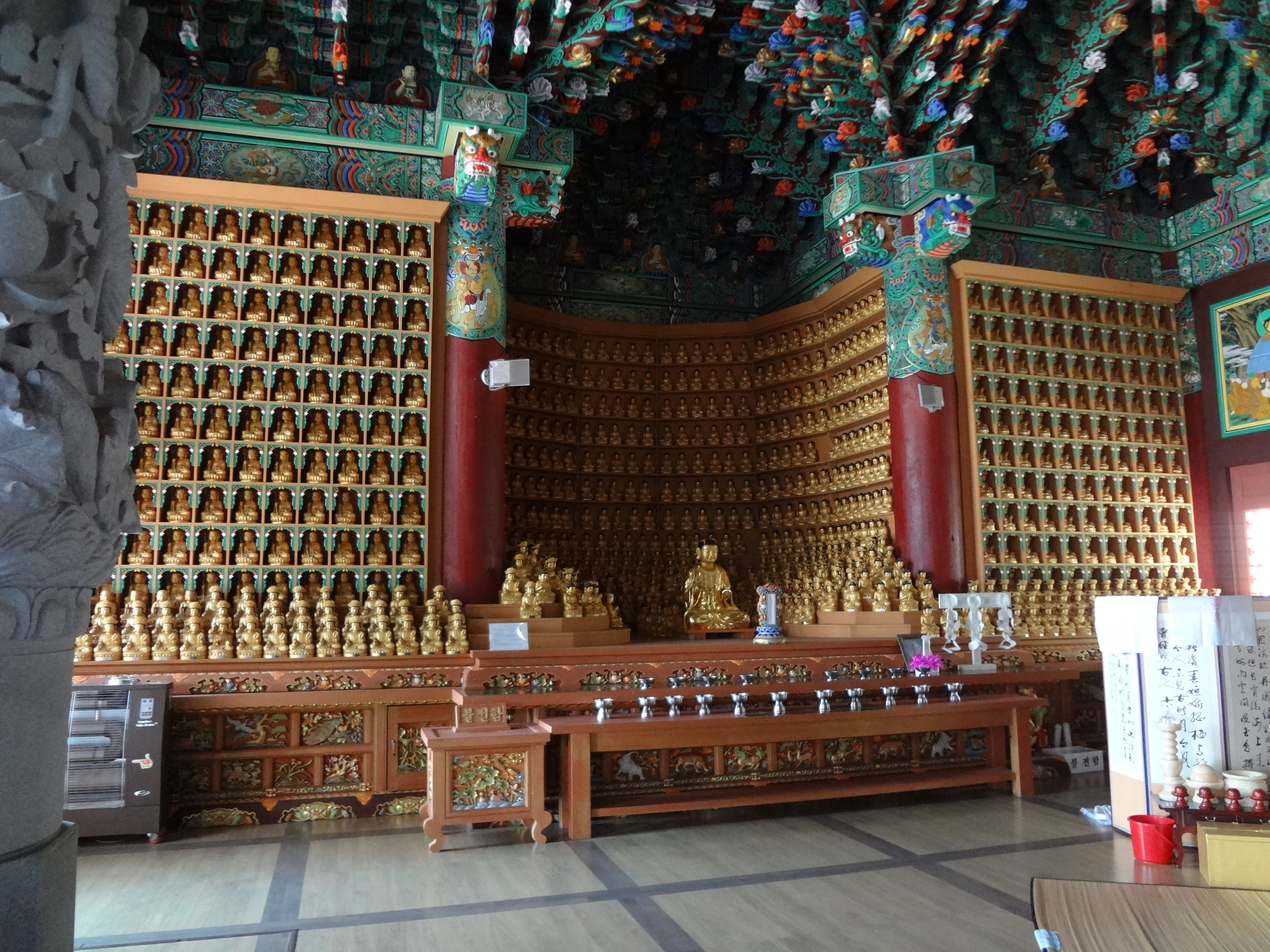
We saw a lot of buddhas.

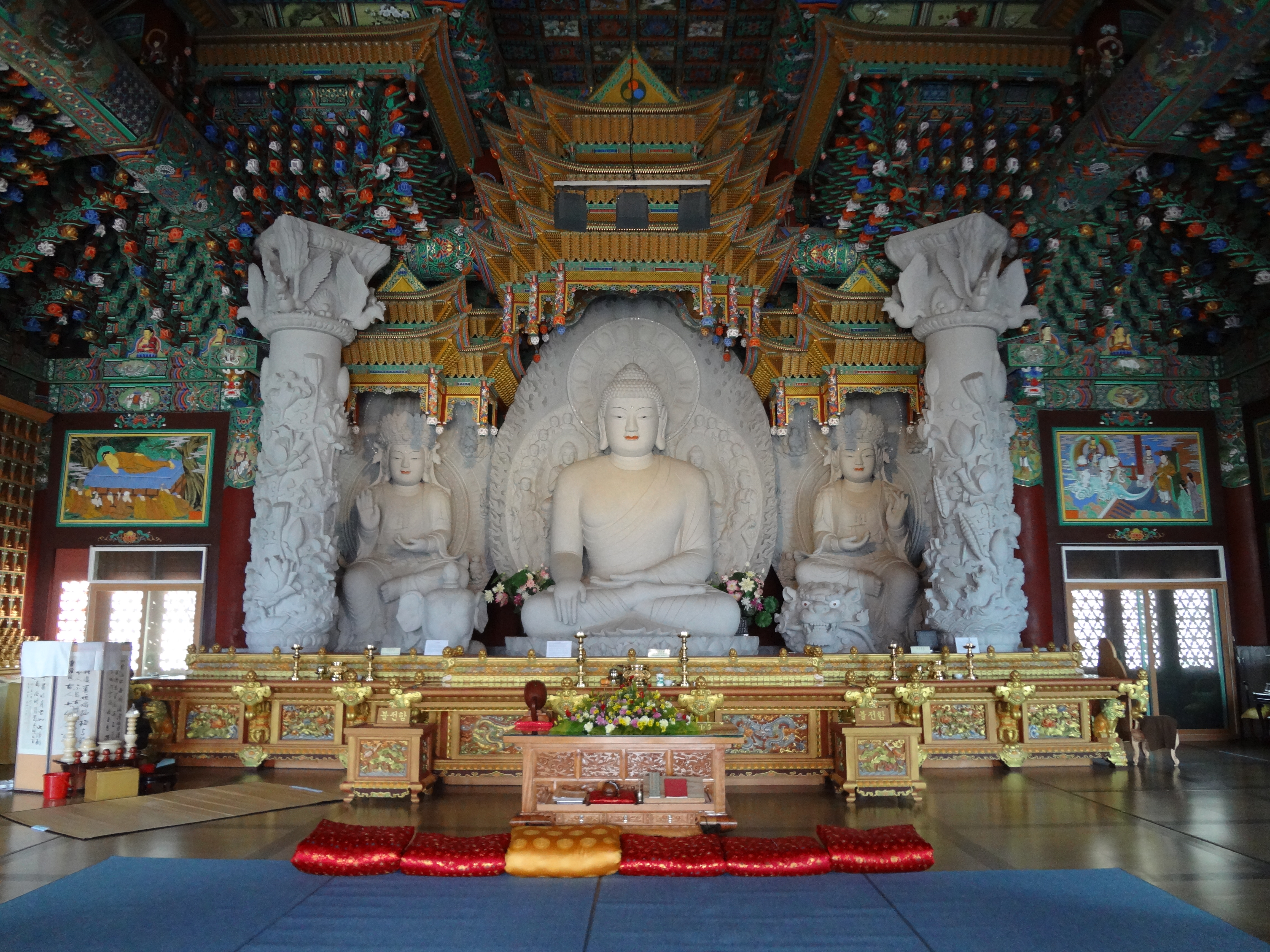
Each statue is carved out of one rock. They were made first and then the structure was built around them.

Each statue is carved out of one rock. They were made first and then the structure was built around them.

And I mean, a lot of buddhas.

Whoa, buddha, whoa.

Whoa, buddha, whoa.

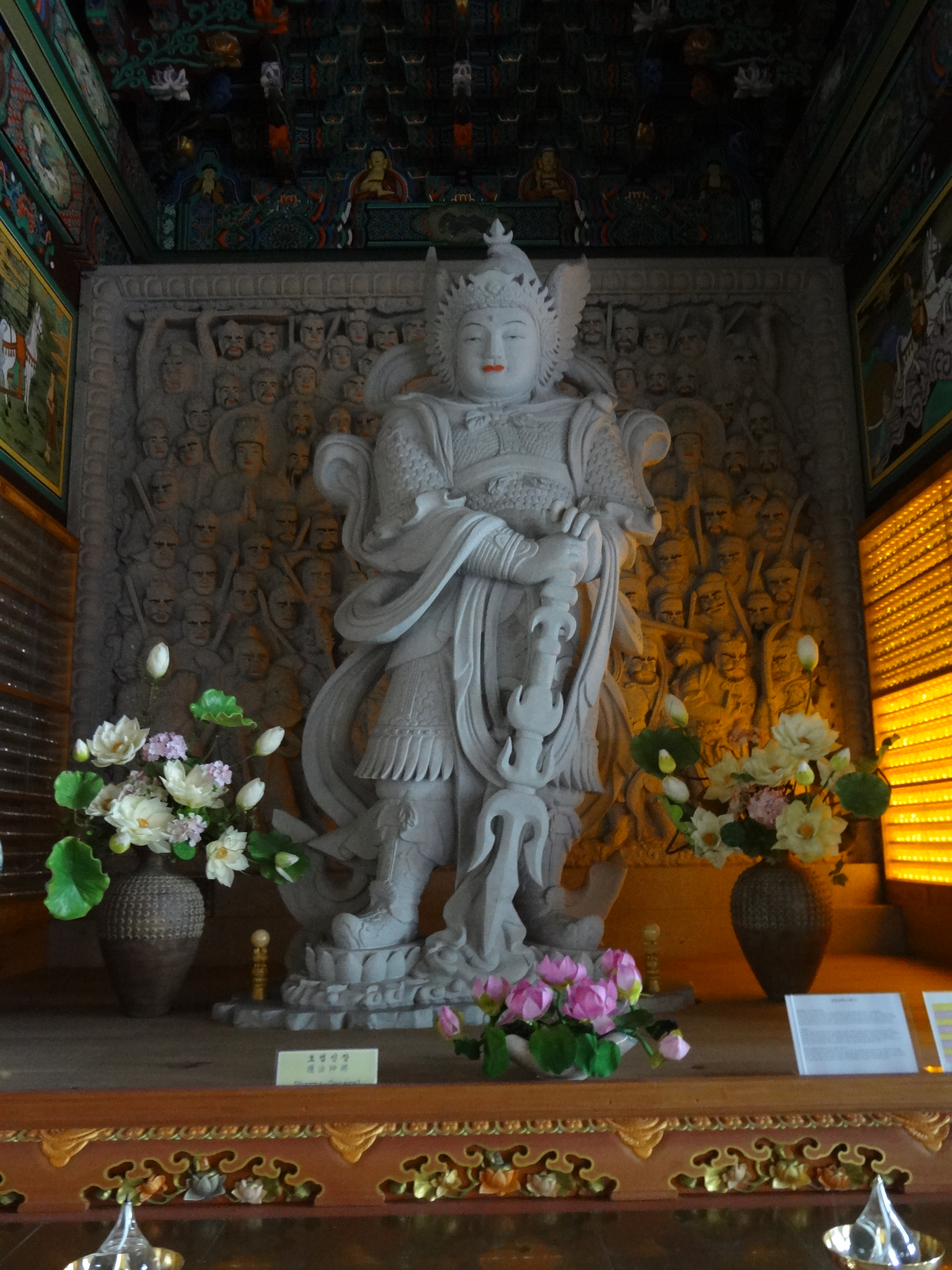
But I think the statue I liked best was this one. He looks badass, and probably does martial arts.

A sword!

A sword!

I leave you with this lovely rock balancing we came across. Peace, love, and get your Zen on.

Rock balancing!

Rock balancing!

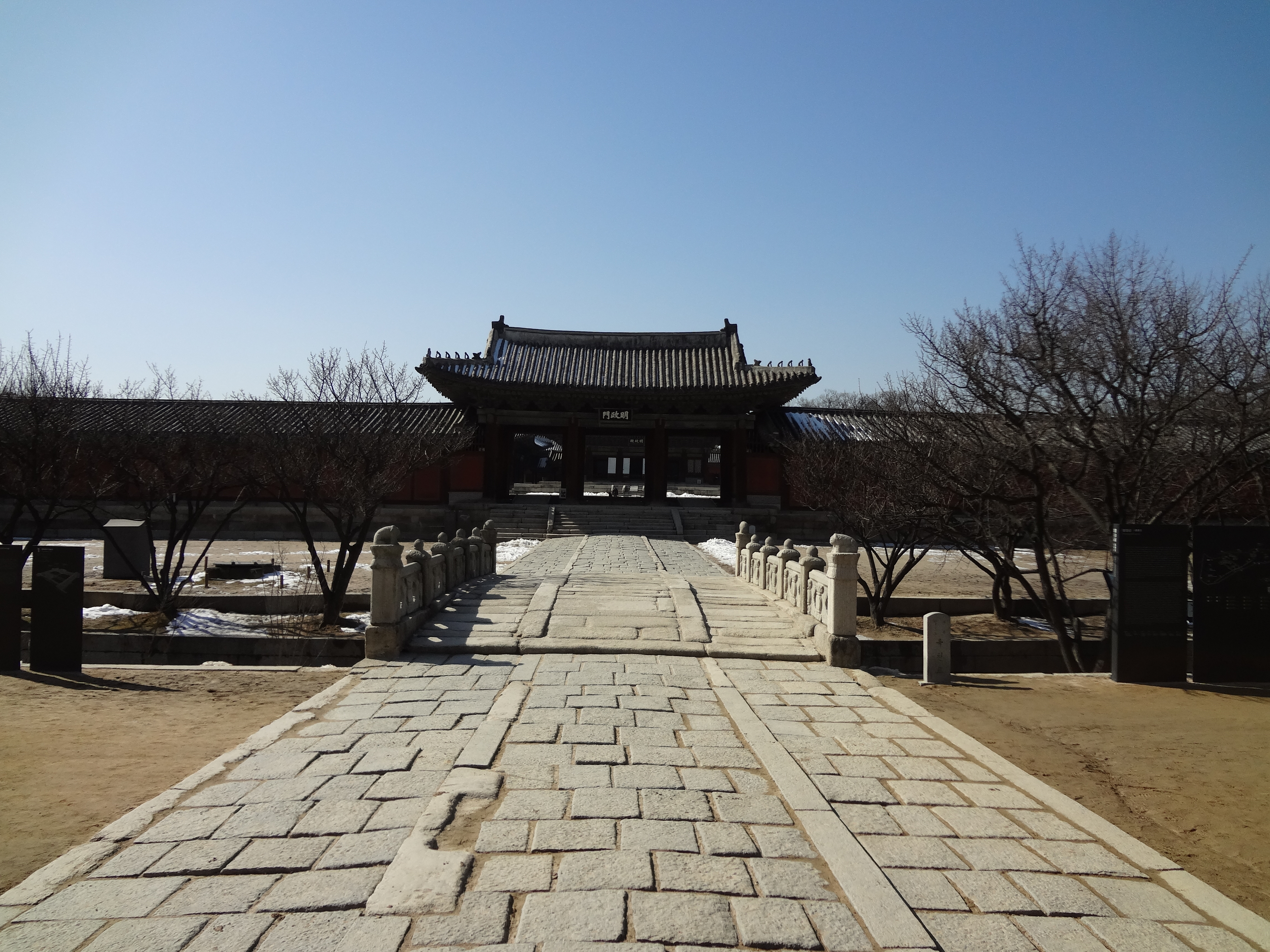
(Seoul)—Changgyeonggung, the palace to the east of yet another royal abode with a similar-sounding name (Changdeokgung), seems to be the least popular one among all the Korean palaces I’ve seen. On this cold winter’s day, the few people I encountered were mostly locals. However, this is one of my favorite palaces because of all the fascinating stories it harbors behind its silent walls.

Changgyeonggung

Changgyeonggung

The First Female Royal Physician

Hwangyeongjeon may look like most of the pavilions I’ve seen, but its story of being a “feminist pavilion” deserves to be told. Dae Jang Geum was the only female royal physician to attend to the king, delivering Queen Janggyeong’s baby and curing Queen Dowager’s Jasun of her illness. Her skills won the confidence of the king, who appointed her the top royal physician, a move that traditional Confucian ministers objected to. Dae Janggeum was the most trusted physician of the king, and attended to him until his death. Her story is the subject of an eponymous Korean historical TV series.

Hwangyeongjeon

Hwangyeongjeon

The Puppet Curse

At the site of Tongmyeongjeon, the queen’s bed chamber, is a scandal that trumps all tabloid stories. King Sukjong had an affair with a maid named Jang Ok-jeong, who gave birth to their son, Prince Gyun. While trying to make Gyun as the crown prince, King Sukjong removed those who opposed this move and deposed Queen Inhyeon, installing Jang as the queen. Followers of Queen Inhyeon restored her to power, demoting Jang as consort. Jang cursed Queen Inhyeon by burying a puppet of the queen together with dead animals near Tongmyeongjeon. Upon discovery, Jang was forced to commit suicide at 43 years old by ingesting poison. Nearby is a garden with a round well and a square pond.

Surprise, surprise, this year her story will make it as a TV serieswhich itself is based on a chick-lit novel.

Tongmyeongjeon

Tongmyeongjeon

The Playboy Mansion

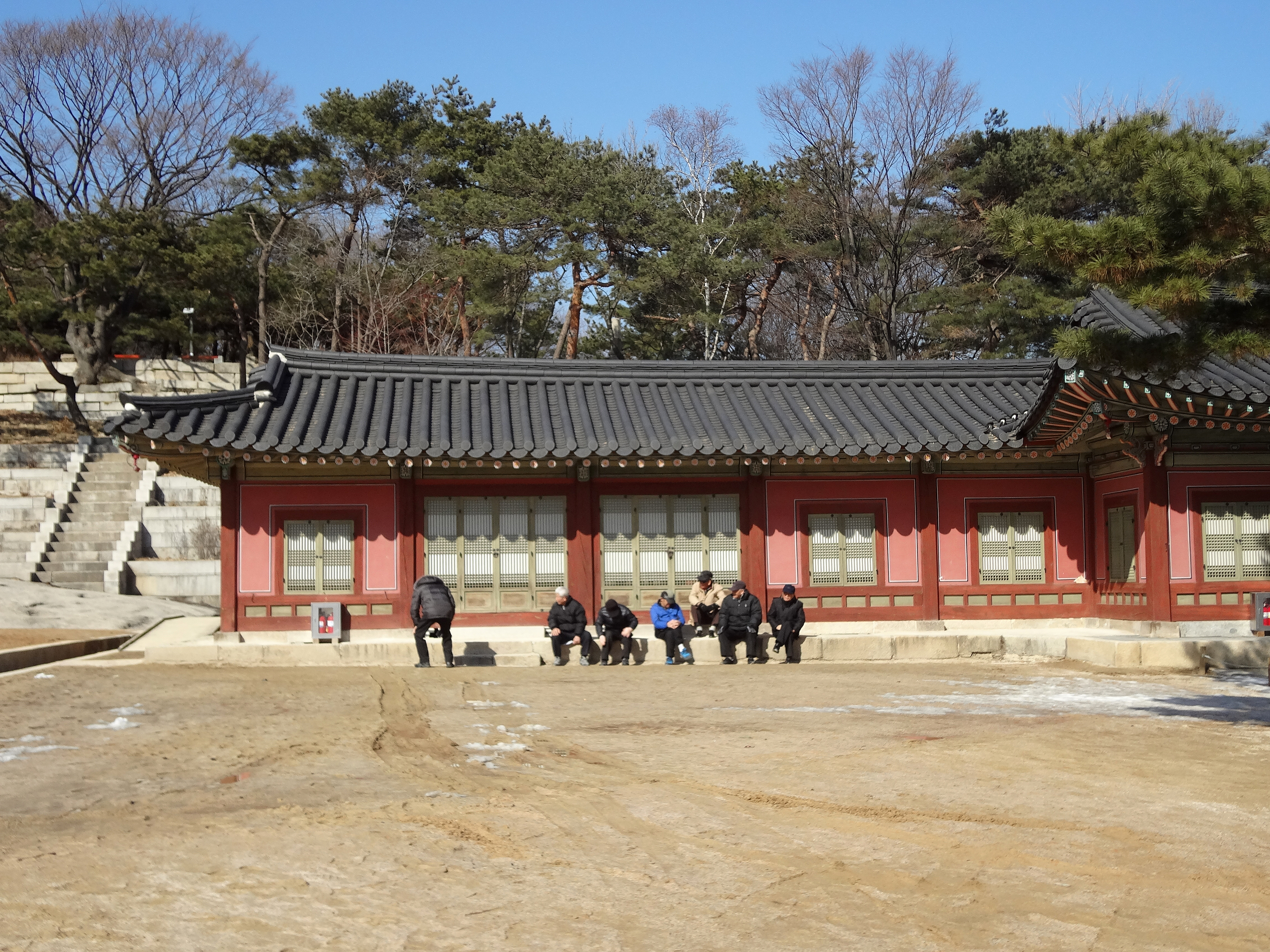
Yeongchunheon and Jipbokheon are believed to be residences for concubines. Seeing that these buildings are now empty and seems to be a place where these old guys hang out to gossip made me laugh.

I’m positive there are Korean TV series on something like this.

The playboy mansion
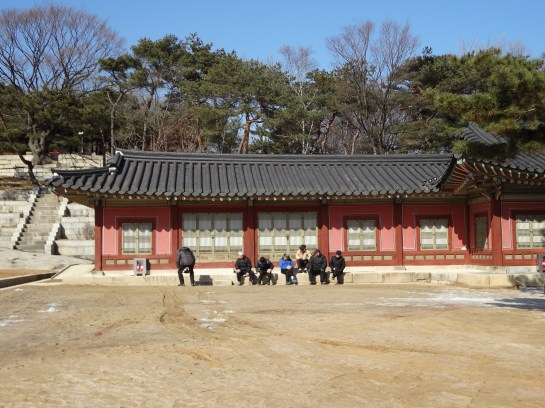
The playboy mansion

The playboy mansion

The playboy mansion

The King’s Placenta

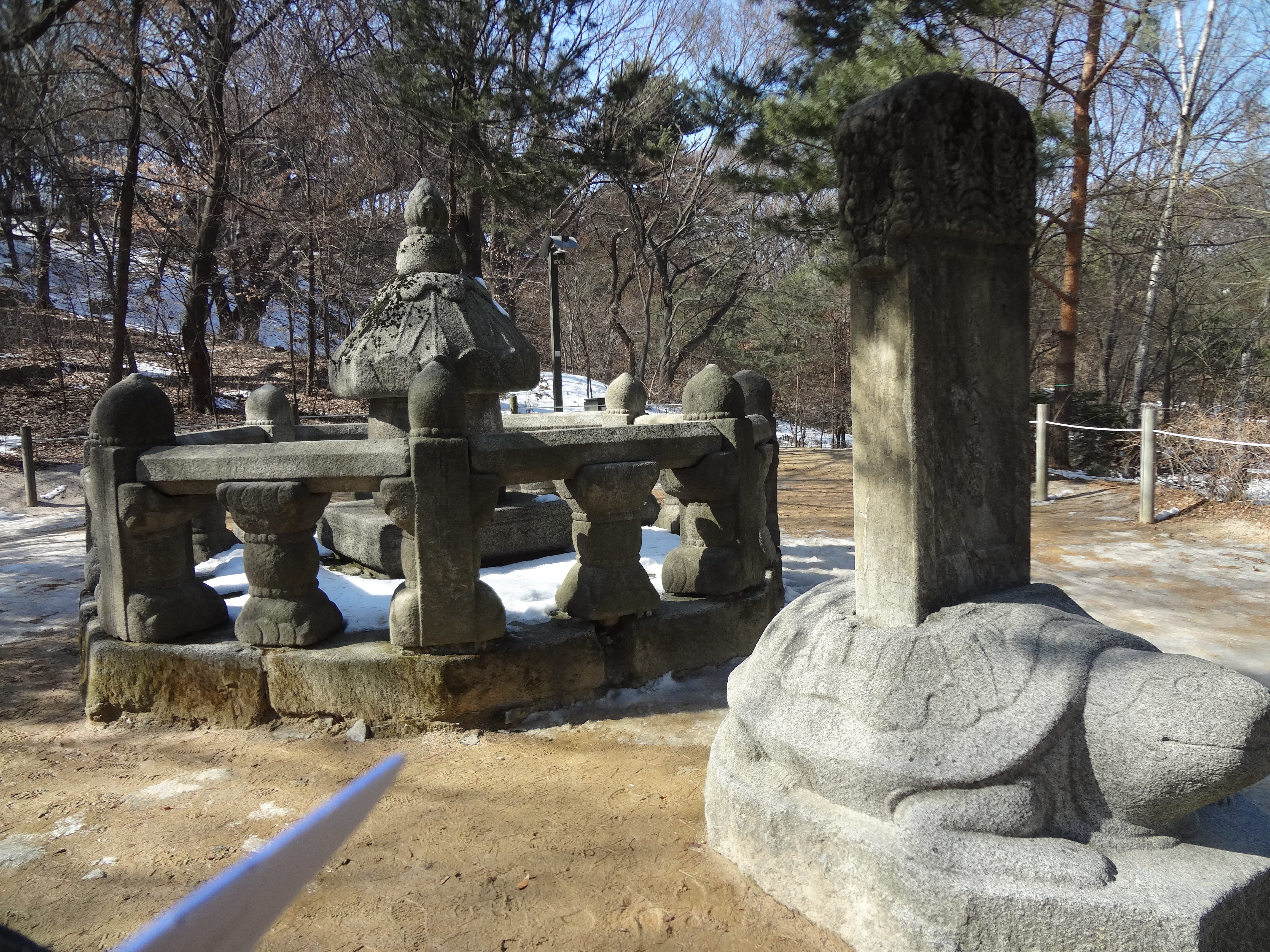
This is the site of King Seongjong’s taesil and taesilbi (placenta chamber monument). According to the Korean age system, a baby is one year old at the moment of birth because life is considered to begin at conception. The placenta is stored in a porcelain jar a few days after being born. The jaris sealed several times and enshired in a stone chamber after a few months. I’ve seen other placenta jars in the National Palace Museum of Korea.

King Seongjong's placenta chamber monument

King Seongjong’s placenta chamber monument

The Glass House

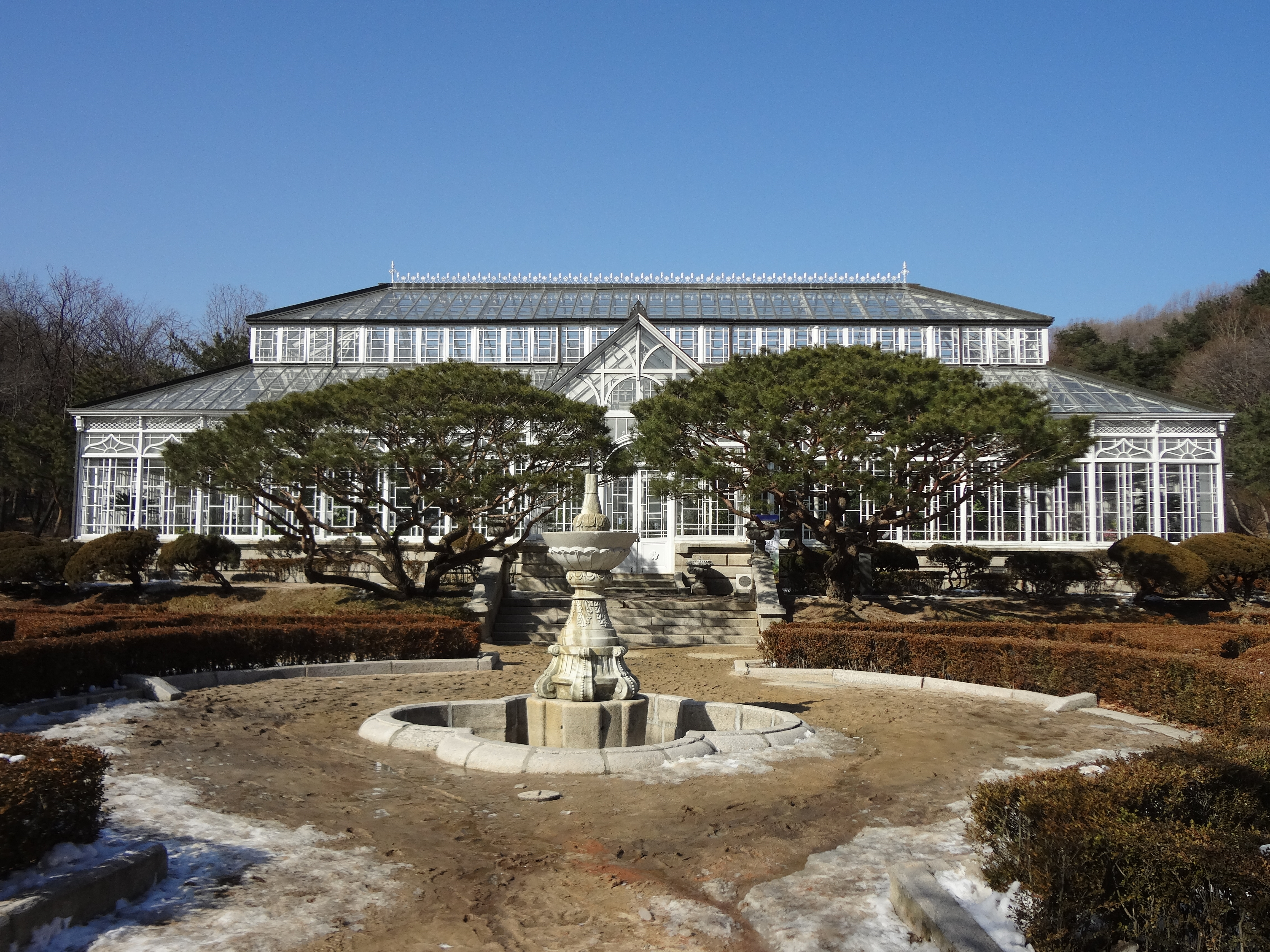
A year before Japan formally annexed Korea, Changgyeonggung was turned into a botanical garden and a zoo, demoting a palace into a public park. Daeonsil, the glass house, was built as Korea’s first Victorian-style greenhouse. The zoo was removed in 1983, but the glass house exists and contains a many indigenous plants.

Daeonsil, the glass house

Daeonsil, the glass house

Lessons learned: Beware the quiet ones, for they hold the juiciest stories. And the more scandalous or noteworthy it is, the better the chances of making it big on TV posthumously, centuries later.

Sources
(1) Cultural Heritage Administration of Korea (2011). Changgyeonggung. Pamphlet.
(2) Discovering Korea blog

My favorite part of Gyeongbukgung, the main palace of the Joseon dynasty of Korea, is a lovely pavilion named Hyangwonjeong and its surrounding pond.

Hyangwonjeong pavilion. Isn't she lovely?

Hyangwonjeong pavilion. Isn’t she lovely?

It is usually more known for the ghastly assassination of Queen Myeongseong by the Japanese government. But in Choi Joon-sik’s book, Soul in Seoul (2005), I came across another interesting (and less gruesome) fact: This pond is the place where an electric light was turned on for the first time in Korea in March 1887. Mr. Choi writes:

“The Joseon government sent off an official letter to the American bulb inventor Thomas Edison in 1883, asking him to set up the lighting system within the palace. Four years later in 1887, the first light bulb was switched on at this pond, which was two years before the Forbidden City in China was brightened with electricity. One of the reasons why light bulbs were installed here so early is because King Gojong, with his kingdom on the verge of collapse, was very afraid of potential threats from his rivals. He was particularly scared of nights, so he seemed to have wanted his residence to be brightened up with lights at night. The reason why the power generator was set up around the pond was because it needed water to produce electricity. There are many other interesting stories involving the nation’s first power generation: for example, it is said that people couldn’t sleep because of loud noise coming from the generator or that the fish living in the pond went belly up due to hot water flowing from the generator.”

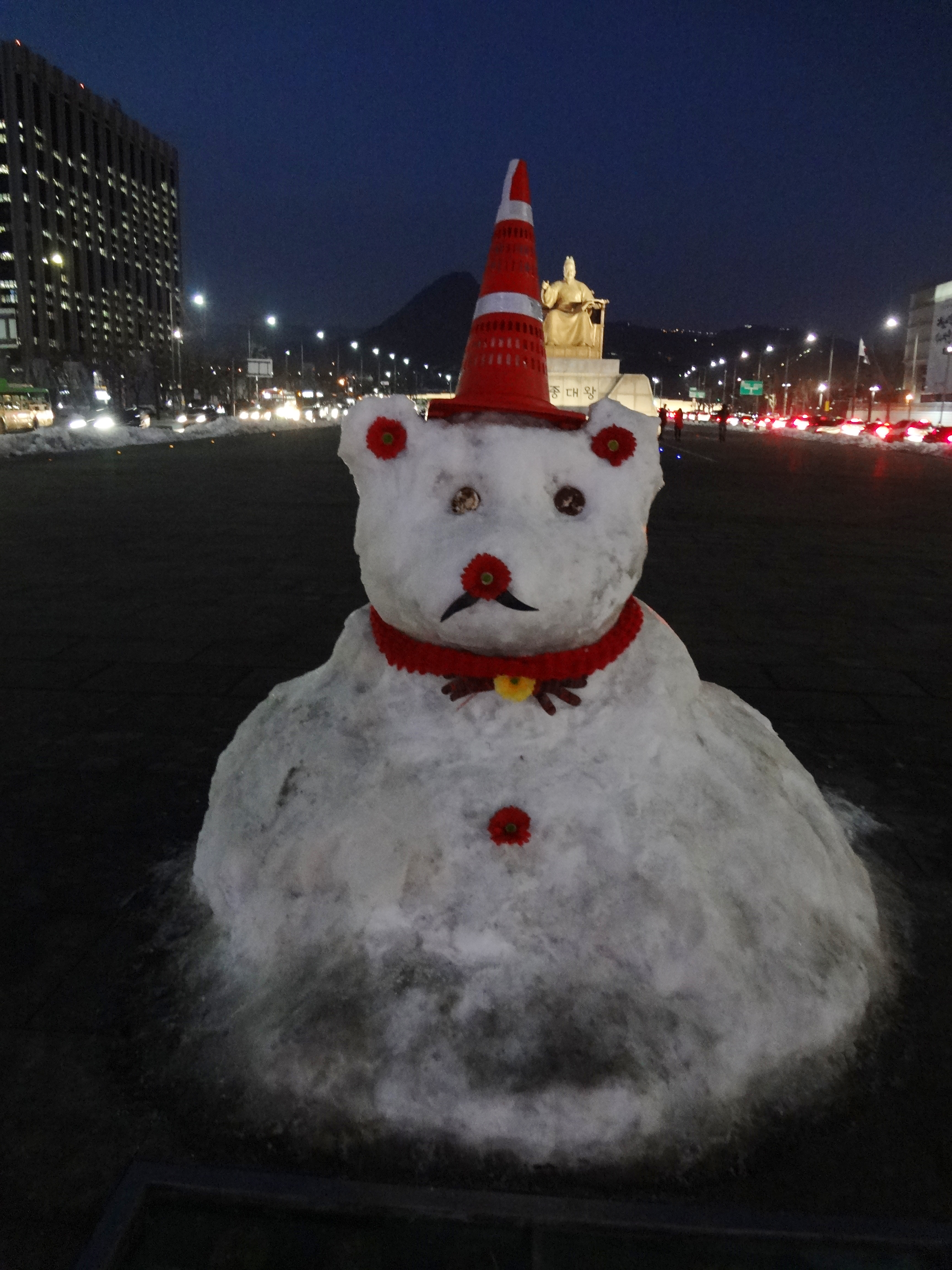
(Seoul)—In Gwanghwamun Square today, I came across a snow bear in front of the statue of King Sejong, under whose reign science and technology flourished in Korea. In his rule, Hangul was also introduced to the country.

A snow bear in front of Sejong the Great

A snow bear in front of Sejong the Great

Up close, the bear is decorated with flowers for ears, cookies for eyes, a glove for his neck and a traffic cone for a hat.

Yes, the hat is a traffic cone

Yes, the hat is a traffic cone

Flowers for its nose and ears, cookies for its eyes, and a glove for its neck

Flowers for its nose and ears, cookies for its eyes, and a glove for its neck

Behind King Sejong is Gwanghwamun, one of the gates that leads to Gyeongbokgung, the main palace of the Jeoson dynasty. The mountain behind it is Bukhansan.

Gwanghwamun by night

Gwanghwamun by night

It’s such a pretty sight in the evening, isn’t it?

A kite! A kite! I adore kites!

A kite! A kite! I adore kites!

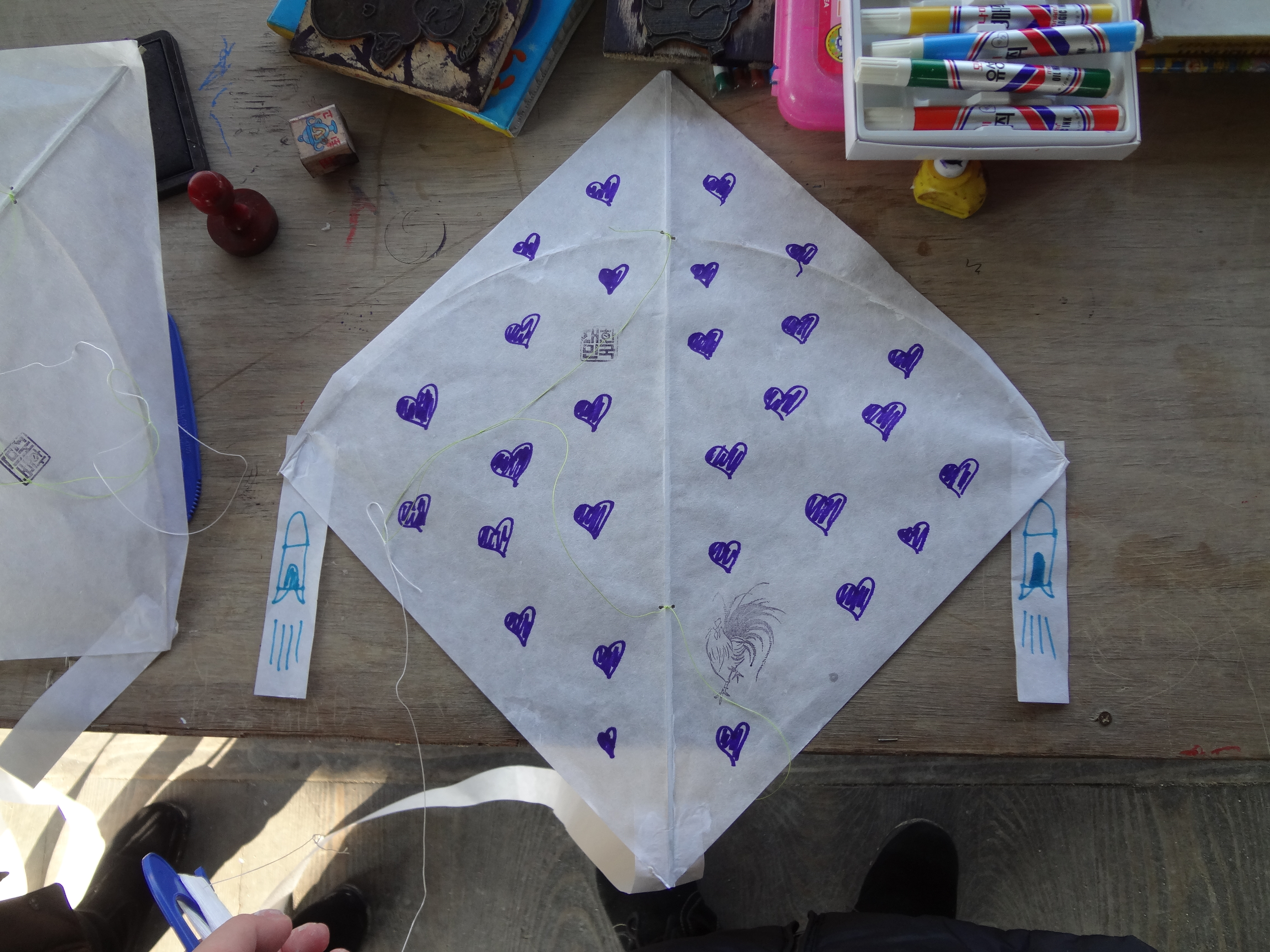
Today, on the eve of Seollal, the Korean New Year, I went with some friends to Namsangol Hanok Village. Among other things, I made and flew a purple-hearted rocket-powered kite. Kite-flying, or yeonnalligi (연날리기) is among the traditional games played during the new year. We had fortunes told, ate traditional Korean food (such as tteokguk), made our New Year wishes, and watched wonderful performances.

Purple hearts and blue rockets. It was quite cold and this was the best I could do with freezing hands.

Purple hearts and blue rockets. It was quite cold and this was the best I could do with freezing hands.

And away we go!

And away we go!

Happy Lunar New Year to you all! Gong Xi Fa Cai & Sae He Bok Mani Ba Deu Se Yo! Bring it on, Year of the Snake.

Gyeongokbokgung (Palace Greatly Blessed by Heaven) was built in 1395 and served as the main palace for more than 500 years. It was burned by the Japanese in 1592. Since 1990, efforts have been taken to restore it to its former glory.

Gyeongbokung

Outside one of Gyeongbokung’s gates

It’s such a beautiful palace. A bout of déjà vu came upon me, taking me back when I visited the Forbidden City in Beijing almost 11 years ago. They felt similar mainly because of scale—it seemed to take forever to cover all of it.

One of my favorite parts is the Gyeonghoeru Pavilion, where the king gave formal banquets for foreign envoys—it’s like the royal party club. In the winter, the water around it freezes and gives the impression that it’s floating on ice.

A pavilion on ice!

A pavilion on ice!

Another lovely spot is Hyangwonjeong, a small pavilion that stands out because of its smallness in contrast to its neighboring Goliath structures. Behind it is another palace, Geoncheonggung, where Queen Myeongseong was killed in an assassination plot by the Japanese.

Hyangwonjeong pavilion. Isn't she lovely?

Hyangwonjeong pavilion. Isn’t she lovely?

During my exploration, I came across a total of four magpies. The magpie is South Korea’s official bird. I am so in love with this city. May good fortune befall all of us!

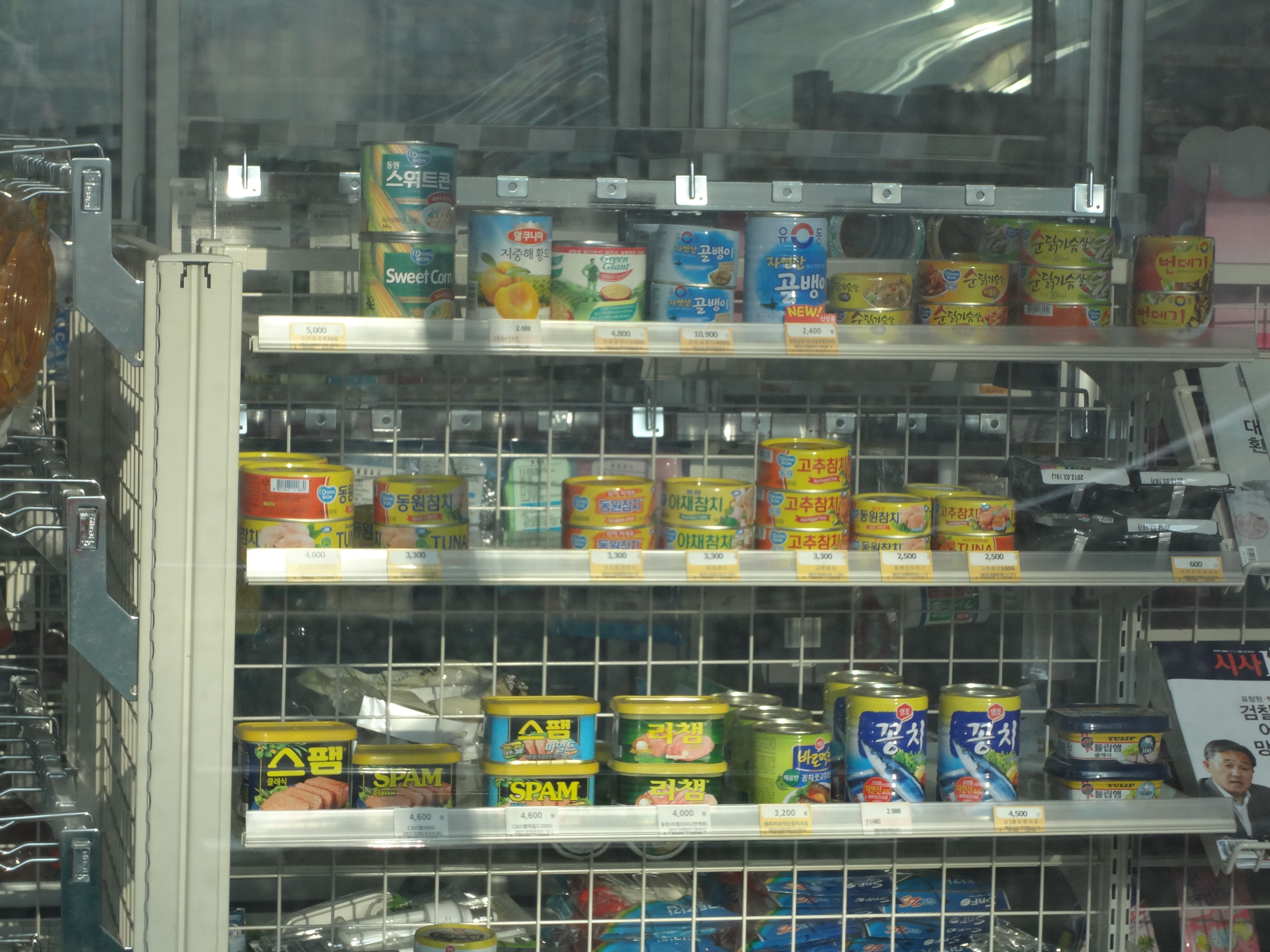
On a trip to Incheon, we visited Songdo, a city built from scratch on 1,500 acres of reclaimed land. Although it cost more then $40 billion to make, there was virtually no one in it, except for the employees who worked to maintain the buildings. Eerily, the cafes had no person in it, but the computers were booted up and coffee prices were advertised. The convenience stores sold a lot of canned goods, such as Spam.

A deserted subway

A deserted subway

DSC01002

Among all other things, Spam! While they sell these in other convenience stores, it struck me differently because of the emptiness. No clerk inside, either.

No one. Nothing,

No one. Nothing,

DSC01009

There were two guys in the reception desk behind us.

A cafe seemed to be available for service, with no one behind the counter.

A cafe seemed to be available for service, with no one behind the counter.

There was no one inside!

There was no one inside!

Two of the computers are booted up. Very creepy.

Two of the computers are booted up. Very creepy.

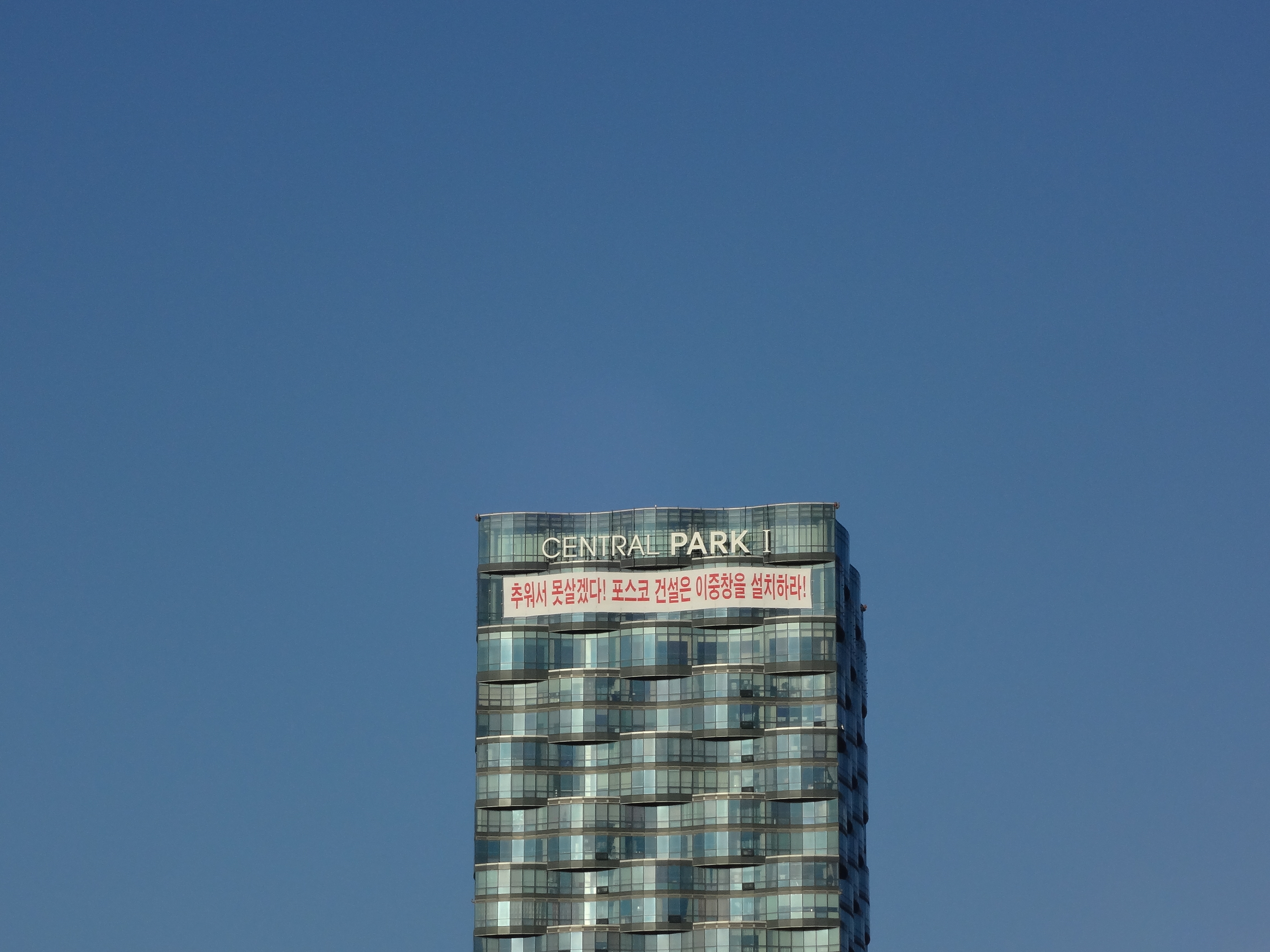
What startled me out of the creepiness was the knowledge that some scenes from the viral Gangnam Style video were filmed in the Central Park building.

Songdo's Central Park building, with a protest sign outside

Songdo’s Central Park building, with a protest sign outside

It’s scary to imagine that the inhabitants of this city were kidnapped by aliens, and the workers here are just maintaining things for when they come back. Just kidding. It’s such a stark contrast to busy, busy Seoul.