Archive

Exploring

Each year, Eumseong, a city in Chungcheongbuk-do, South Korea, holds a Pumba Festival. (Fun fact: this is where United Nations Secretary-General Ban Ki-moon is from.) “Pumba,” which doesn’t relate to The Lion King ( you will hear this joke ad nauseum from the expat community), means “beggar” or “vagabond.” Historically, back when Korea was poor, pumbas would roam the country.

They let us pick our costumes.

They let us pick our costumes.

As with most festivals in Korea, there is a parade with people dressed in very colorful, almost clown-like outfits, with their faces painted. There were gakseori, people who perform traditional dances and play musical instruments. There was also a “beggar opera” in an open-air auditorium that was packed with people.
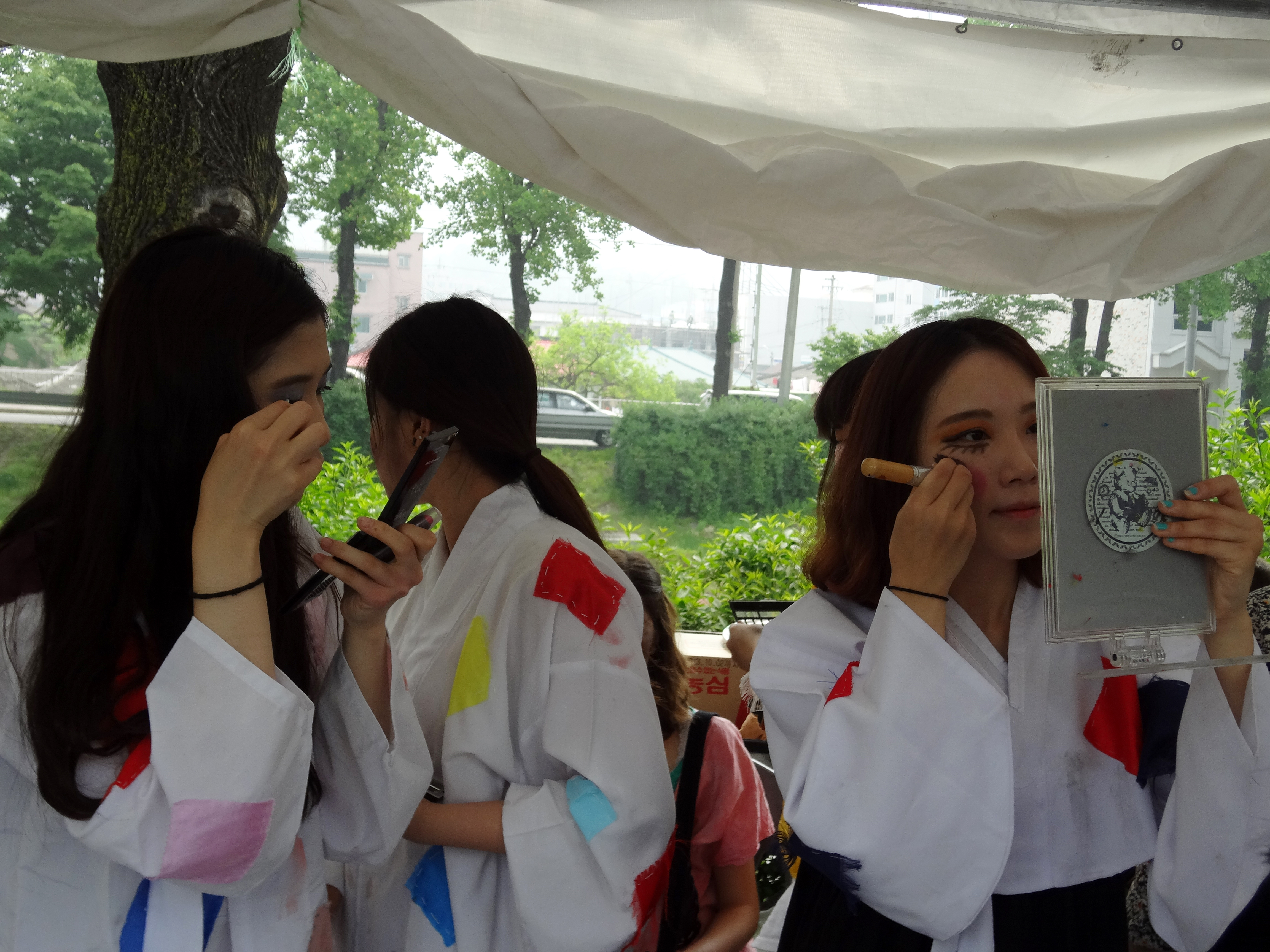
Locals painting themselves.

Locals painting themselves.

In the beginning, I confess I had misgivings, because having lived in and visited developing countries and impoverished areas, I had no inclination to “celebrate” poverty. But during the festival, I realized that it was really more of a joyful occasion that got everyone in the province together, young and old alike. And like most festivals in Korea, it has to hearken back to something historic. As South Korea is one of the most developed countries in the world, this is a tradition that to me resembles a cross between a mime festival and Mardi Gras. In a country that celebrates perfect porcelain skin, it was refreshing to see brightly colored faces.

Ajummas: always the best dressed anywhere and anytime in Korea.

Ajummas: always the best dressed anywhere and anytime in Korea.

Also, as a modern “vagabond” myself, I do kind of relate to this idea of moving around and having to entertain people and struggling to survive.
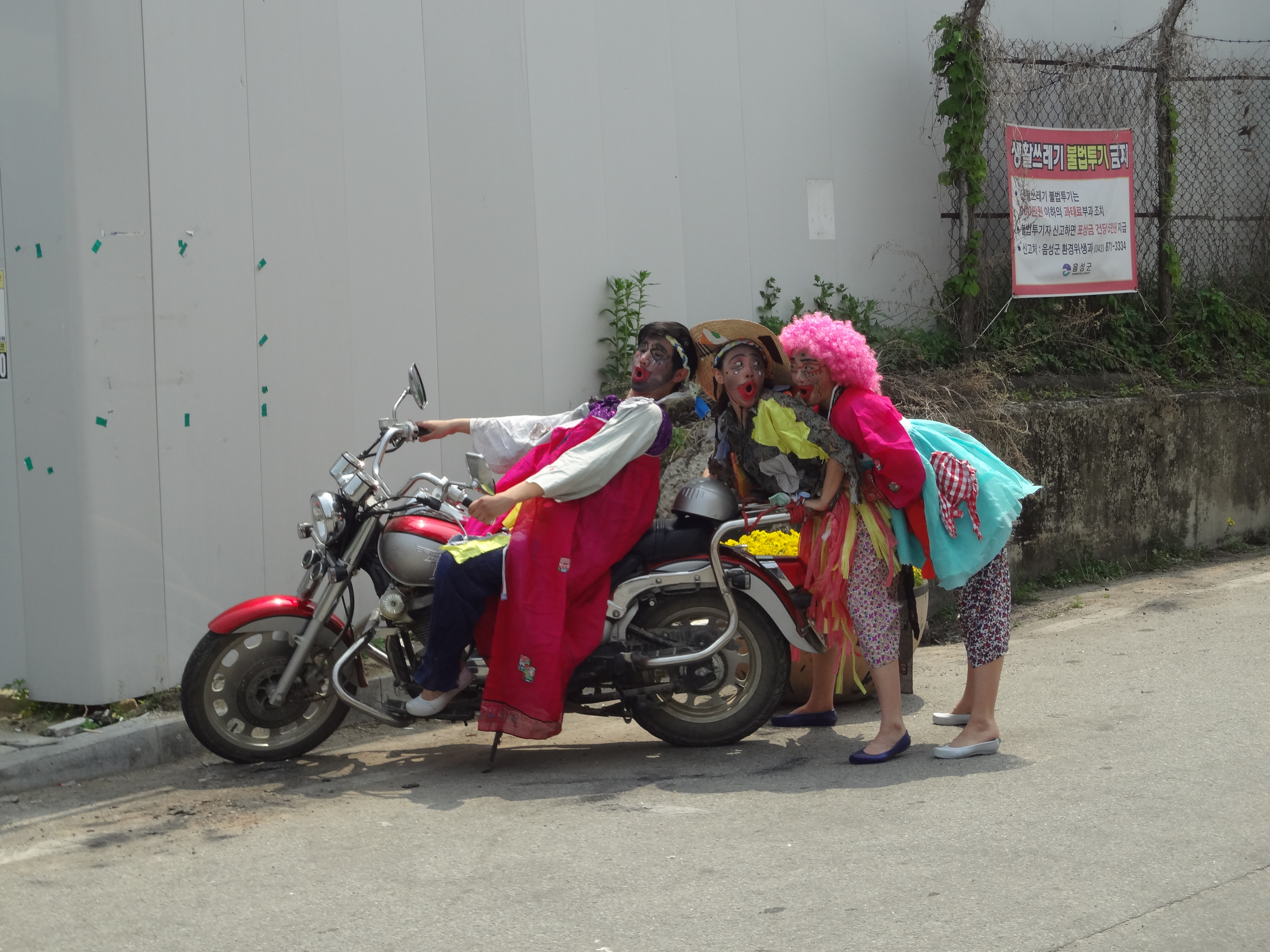
These kids were among the best part.

These kids were among the best part.

If anything, the most unsettling part of the experience was this army of ajusshi and some ajumma who were decked in hiking gear and DSLR cameras, taking photos of the costumed people who were mostly foreigners like me. Apparently, there was a 1-million won prize for the best photograph. And so we were followed by paparrajusshi all afternoon.
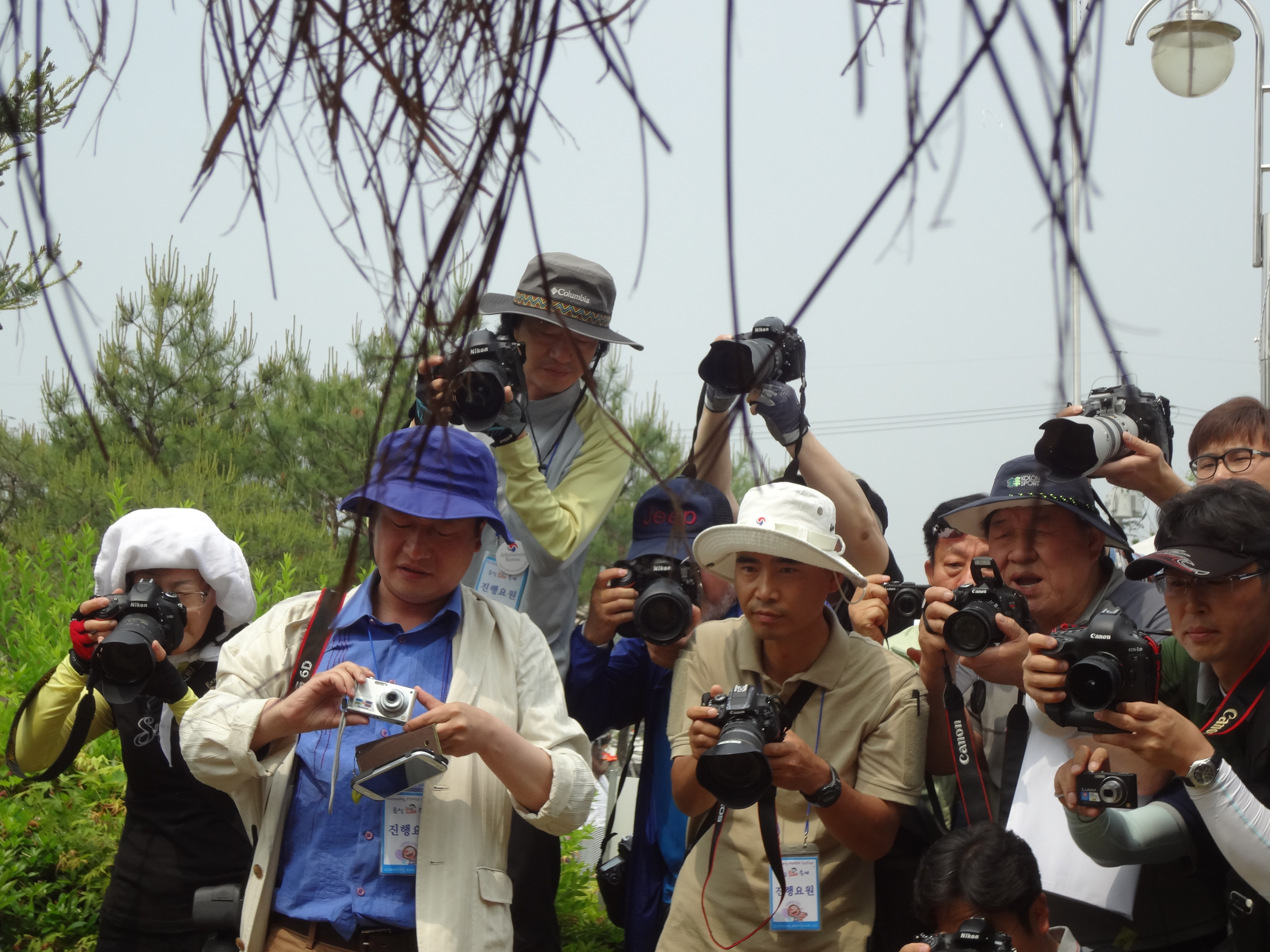
Yikes. Paparajusshi.

Yikes. Paparajusshi.

They could get quite aggressive and would dive in the strangest positions that I believe yielded the most unflattering shots. I mean, come on.
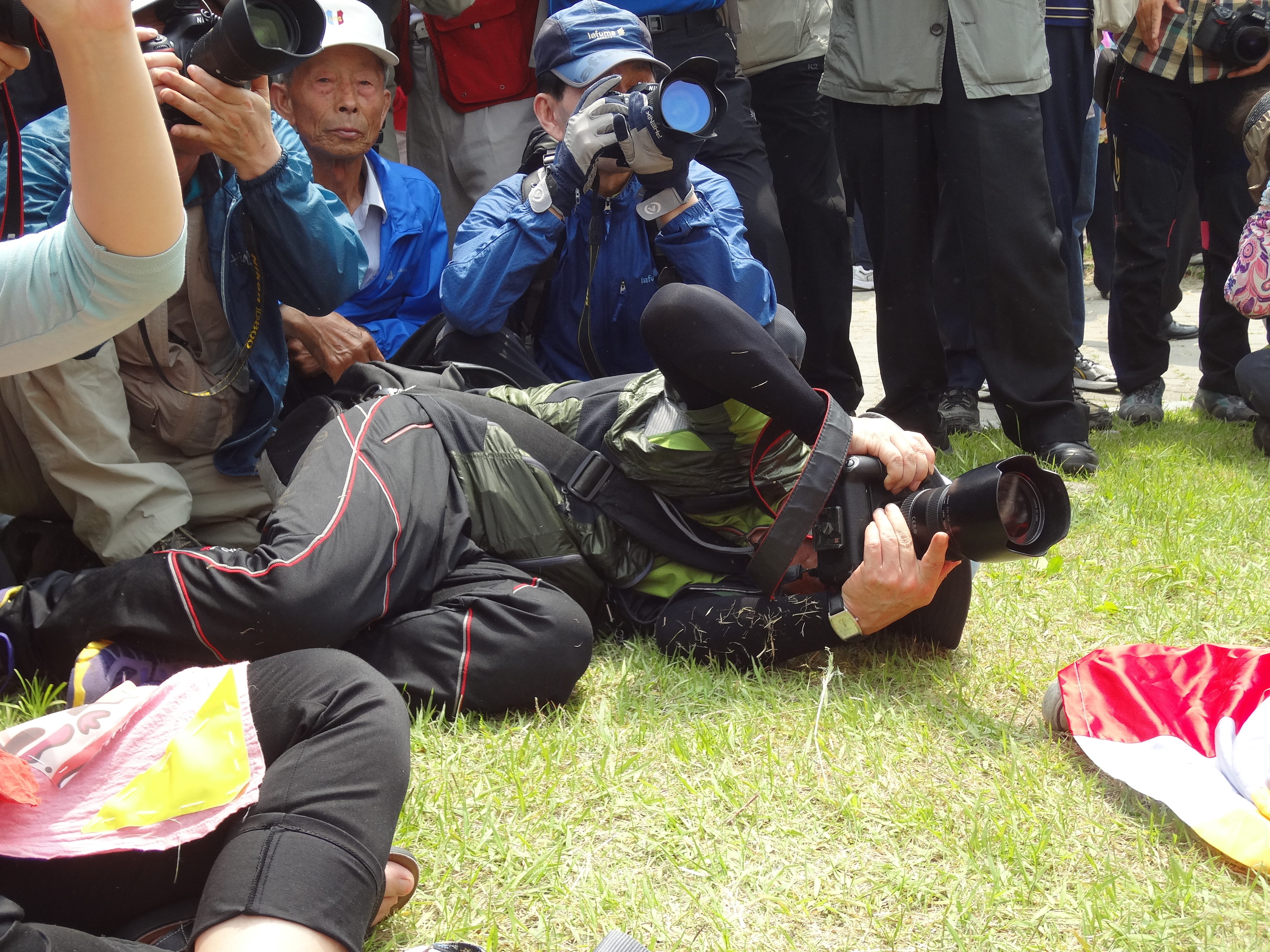
I kid you not.

I kid you not.

And so I wanted to turn the tables and took a lot of photos of them. Like so.
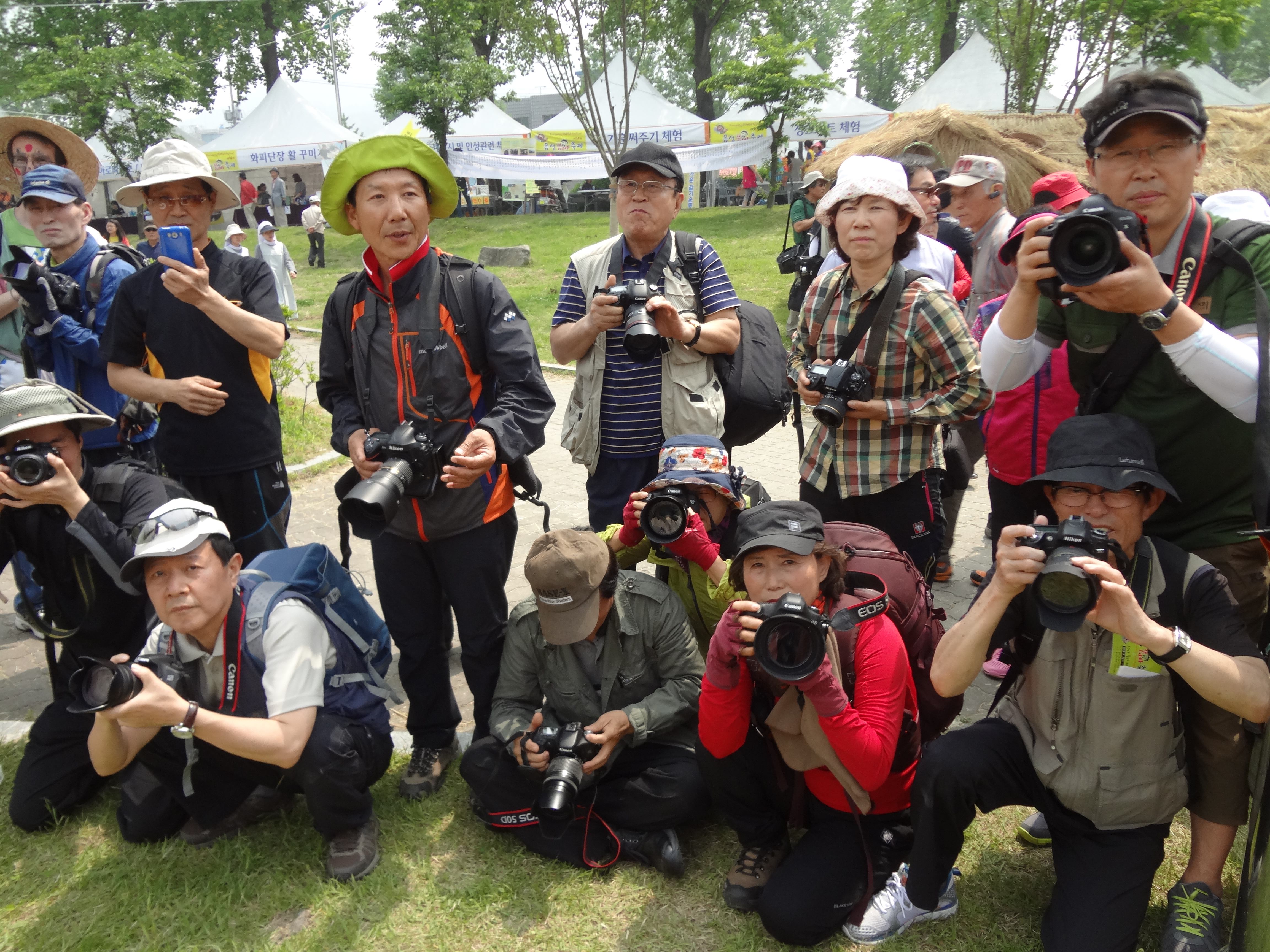
DSLR heaven.

DSLR heaven.

I didn’t really mind, since most were friendly. However, I only posed for one. An ajumma. I don’t get the impression that women here have a lot of rights. I hope she wins the million won.
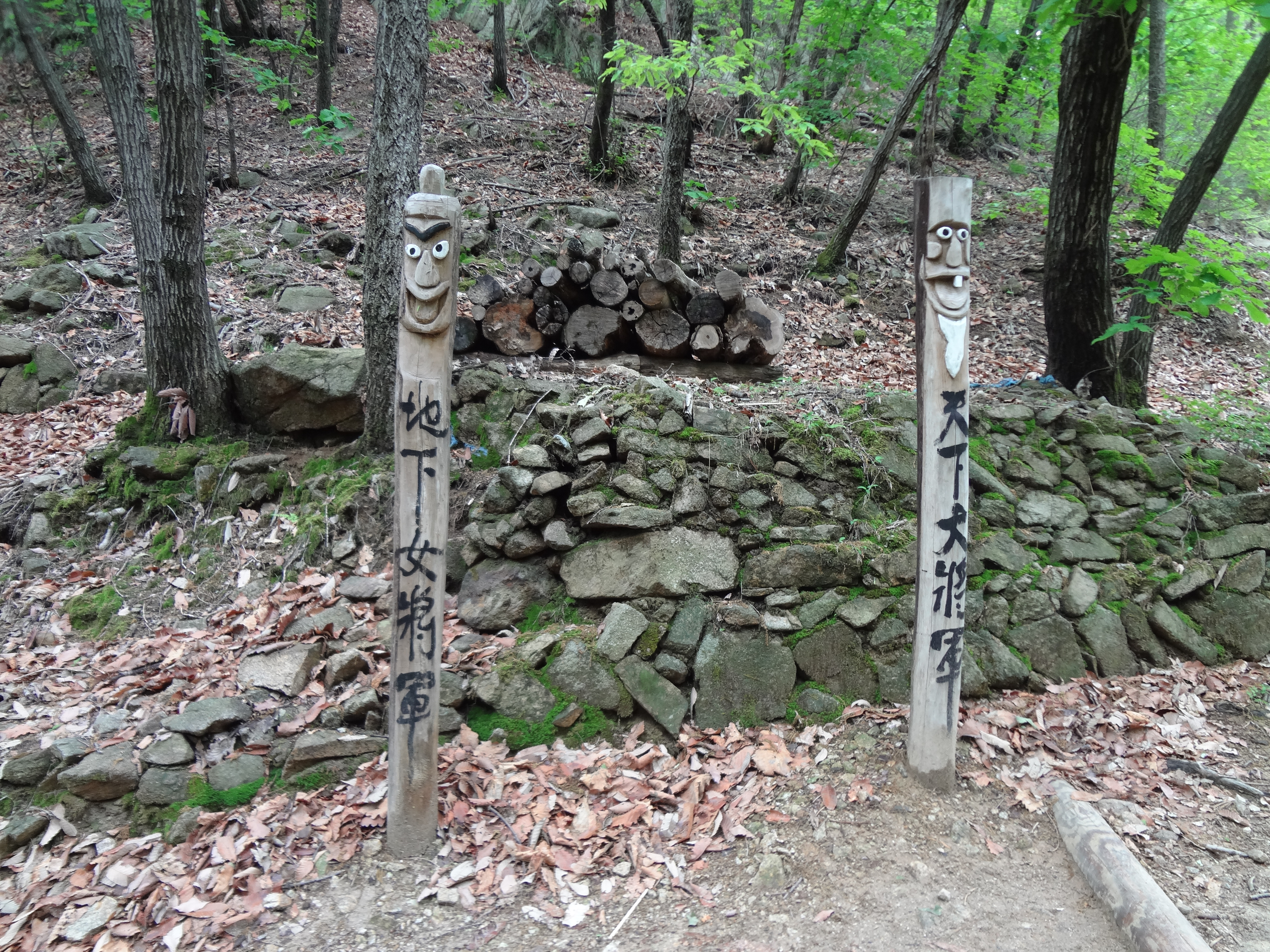
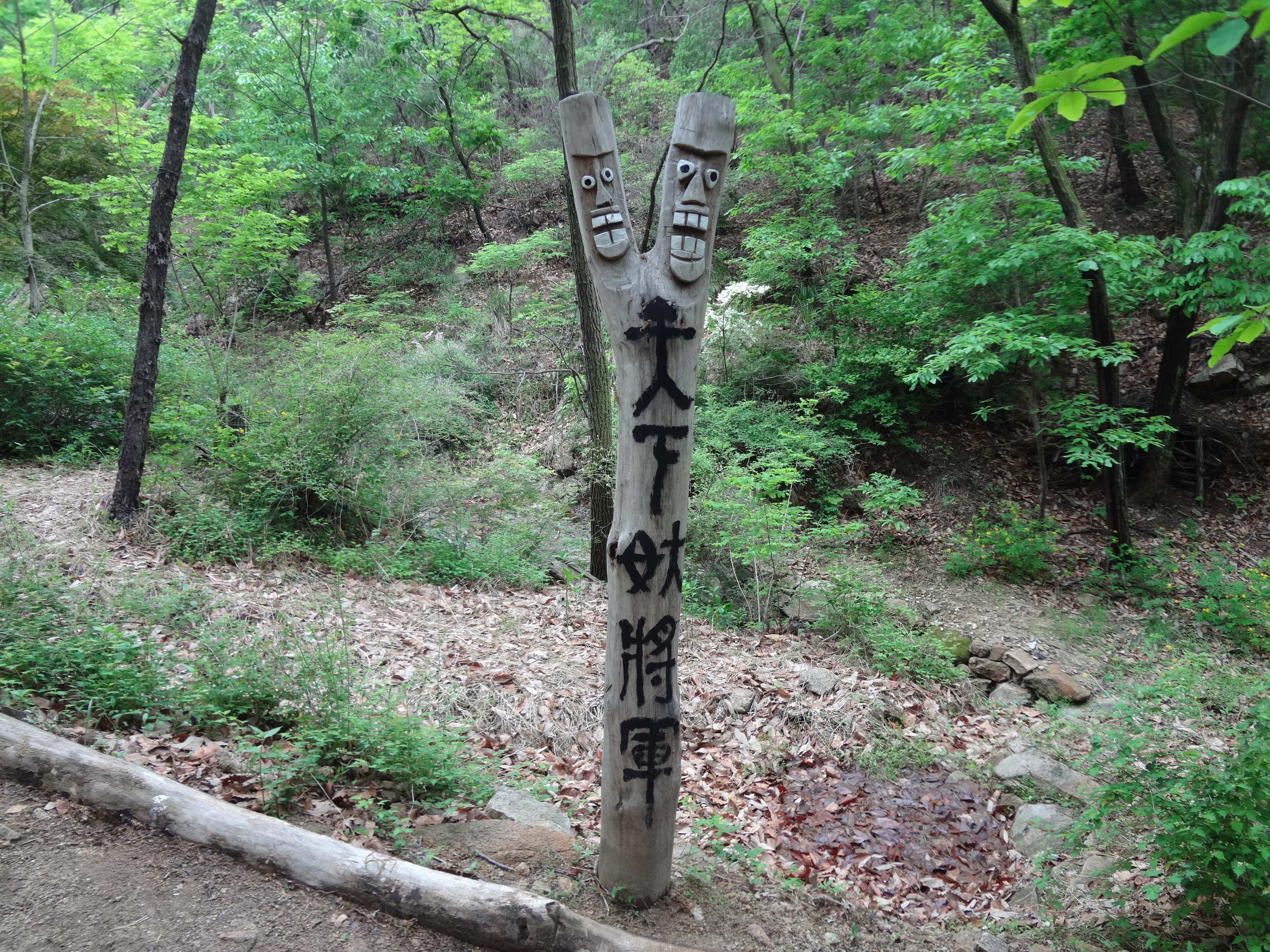
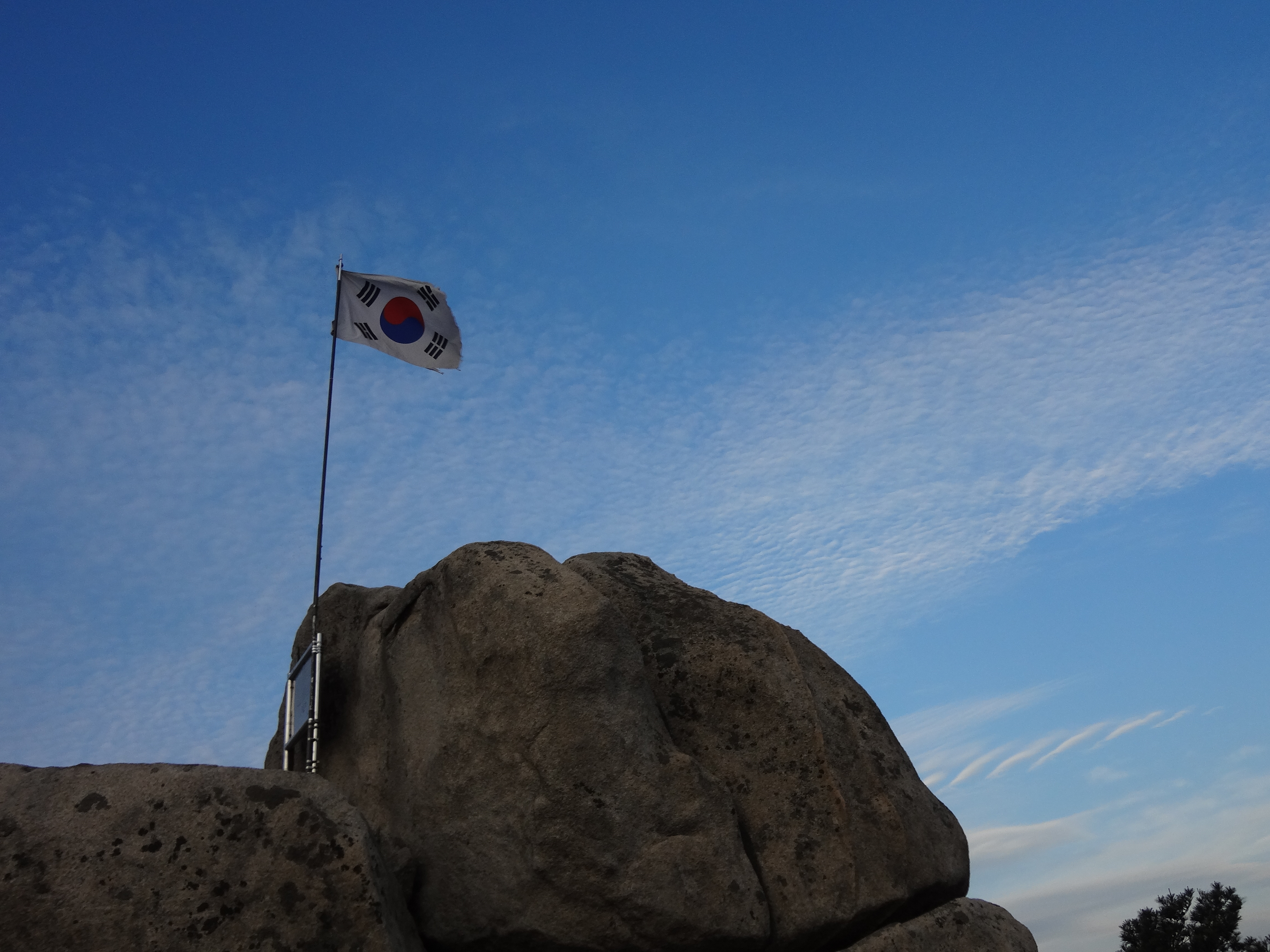
Yesterday, I hiked Suraksan, my 27th mountain in Seoul. Like an idiot, I miscalculated the time, and ended up speeding down the mountain to beat the sunset. The remaining 10% of my hike was pitch black, and because it was a rocky stream, I lost the trail, was close to sheer panic, and was even closer to concussions, sprains, and—I wince thinking about this—death.

The top of Suraksan

The top of Suraksan

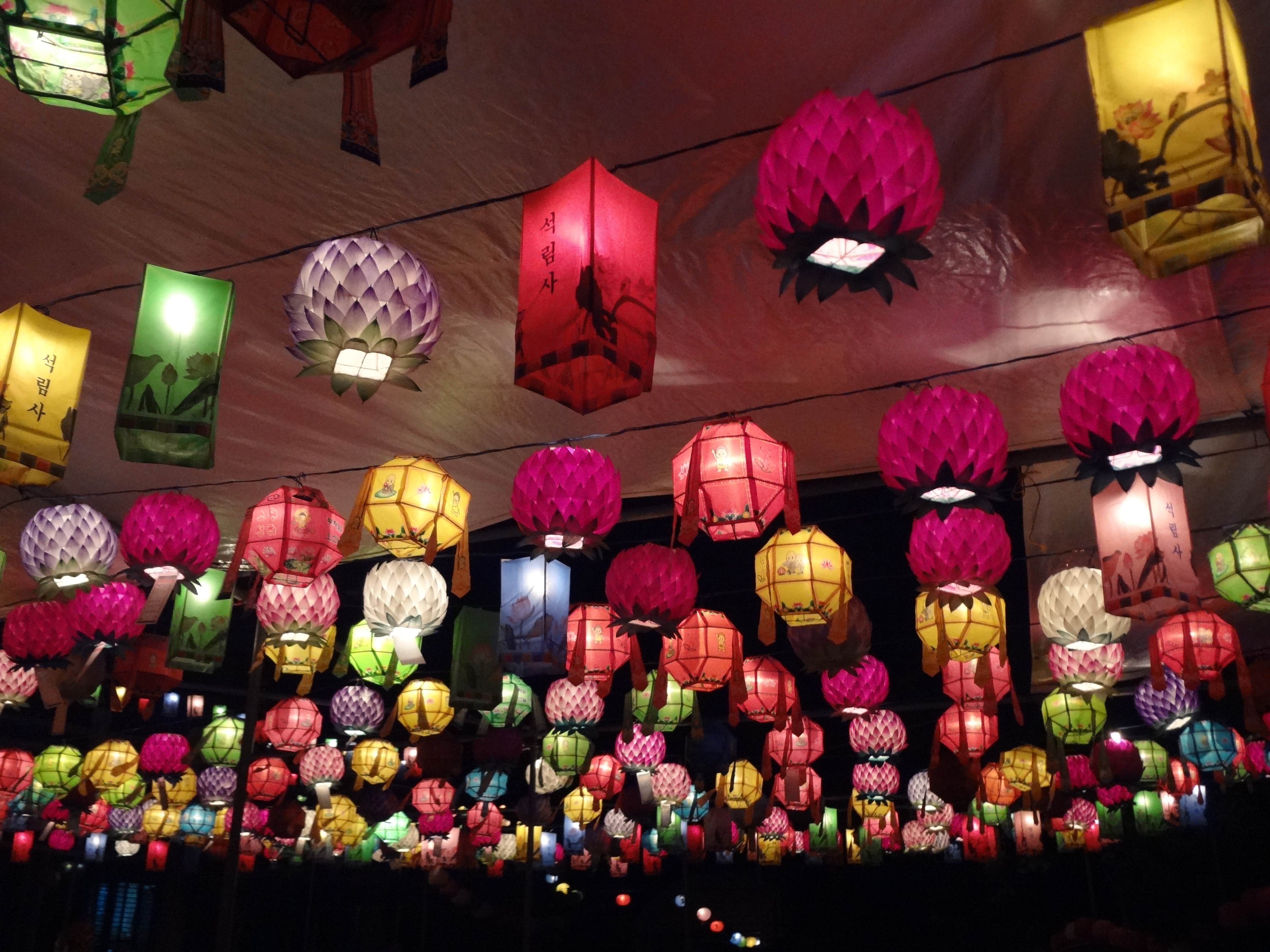
I stumbled over dry leaves and through sharp branches. Thank goodness for GPS and the flashlight on my phone. But most of all, thank goodness it was Buddha’s birthday, because the temple at the end of my hike had these glowing paper lanterns, helping me find my way.

Thank you, Buddha. Really.

Oh bless these monks.

On the way down, I vividly remember passing by two ajusshi on separate occasions. They didn’t look like they cared about the time. I really hope they made it back.

I am extremely grateful for well-kept traditions, modern technology, and friends who would come over to give you ice cream and remind you to hike smarter. I have 10 more mountains to go, you know.

Happy birthday, Buddha. And many, many thanks.

Growing up on dragon and lion dances during Chinese New Year, I love looking at the often modern footwear of these traditional practices. During this year’s Lotus Lantern Festival in Seoul held the week before Buddha’s birthday, this dragon’s feet caught my eye:

Odd pair out

Odd pair out

Spot the colored ones in the middle!

This festival would be incomplete without lions frolicking about:

DSC05177

Besties.

Roar!

Roar!

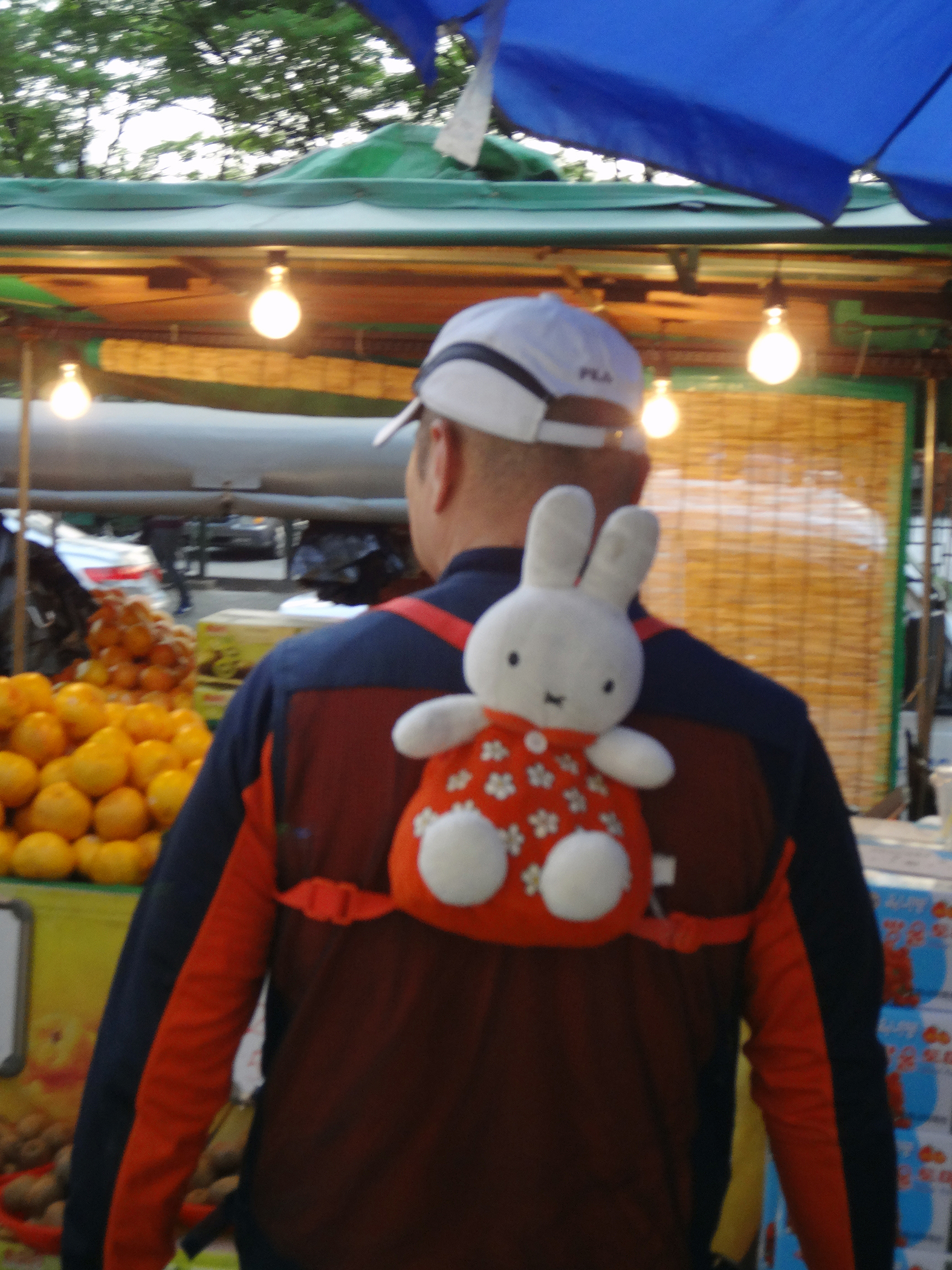
After a particularly grueling and slightly life-threatening hike to Buramsan in Seoul, I came across this ajusshi and thought I was hallucinating.

What the...

What the…

Cute. I think. I bought a stuffed rabbit just like this for 500 won from an enterprising kid in this year’s cherry blossom festival.

In this year’s Lotus Lantern Festival in Seoul a week before Buddha’s birthday, this lovely grandmother in a pink hanbok caught my eye.

I smiled. I waved. She waved back.

All smiles for Buddha!

All smiles for Buddha!

Happy (almost) Birthday, Buddha!

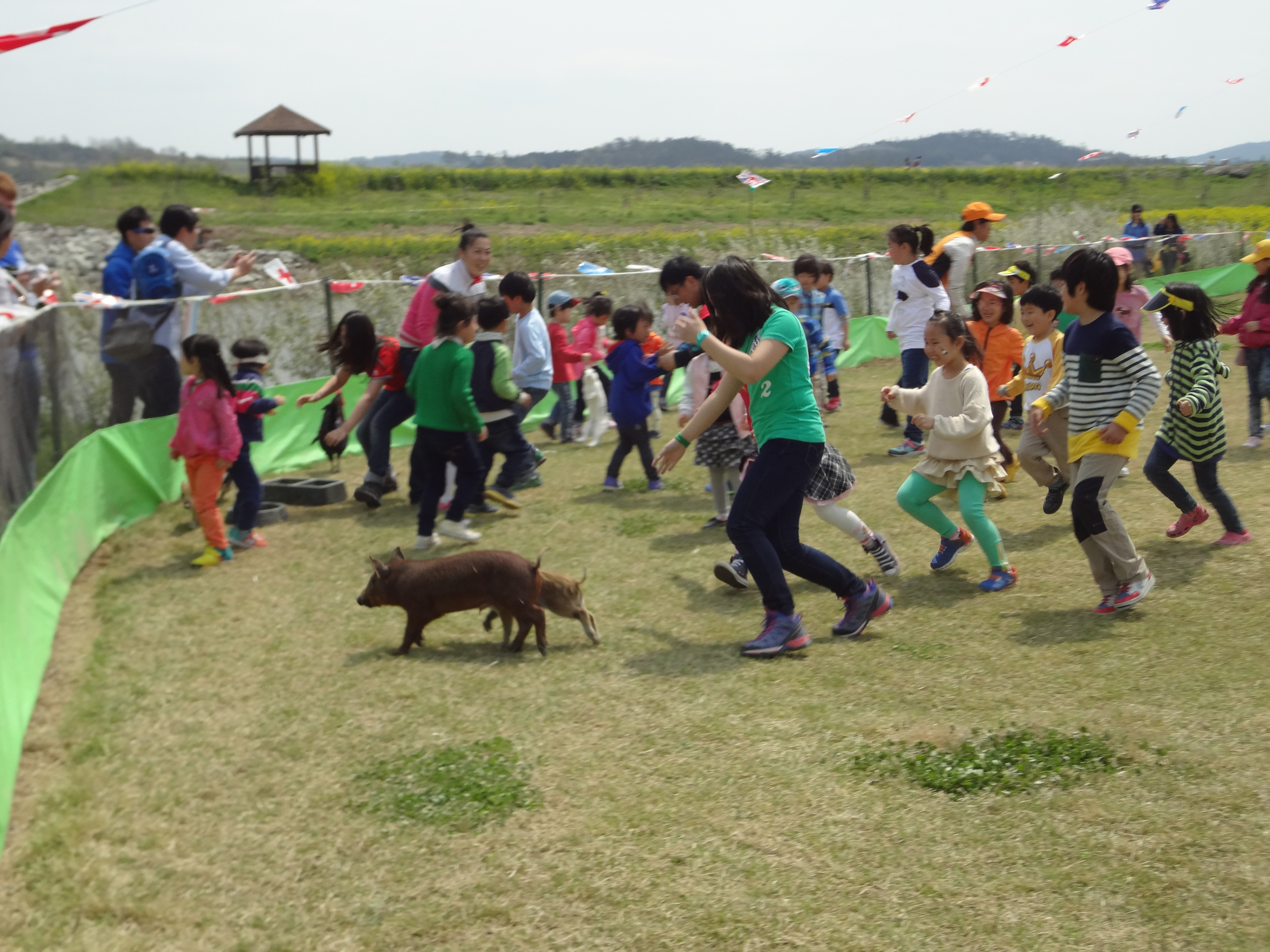
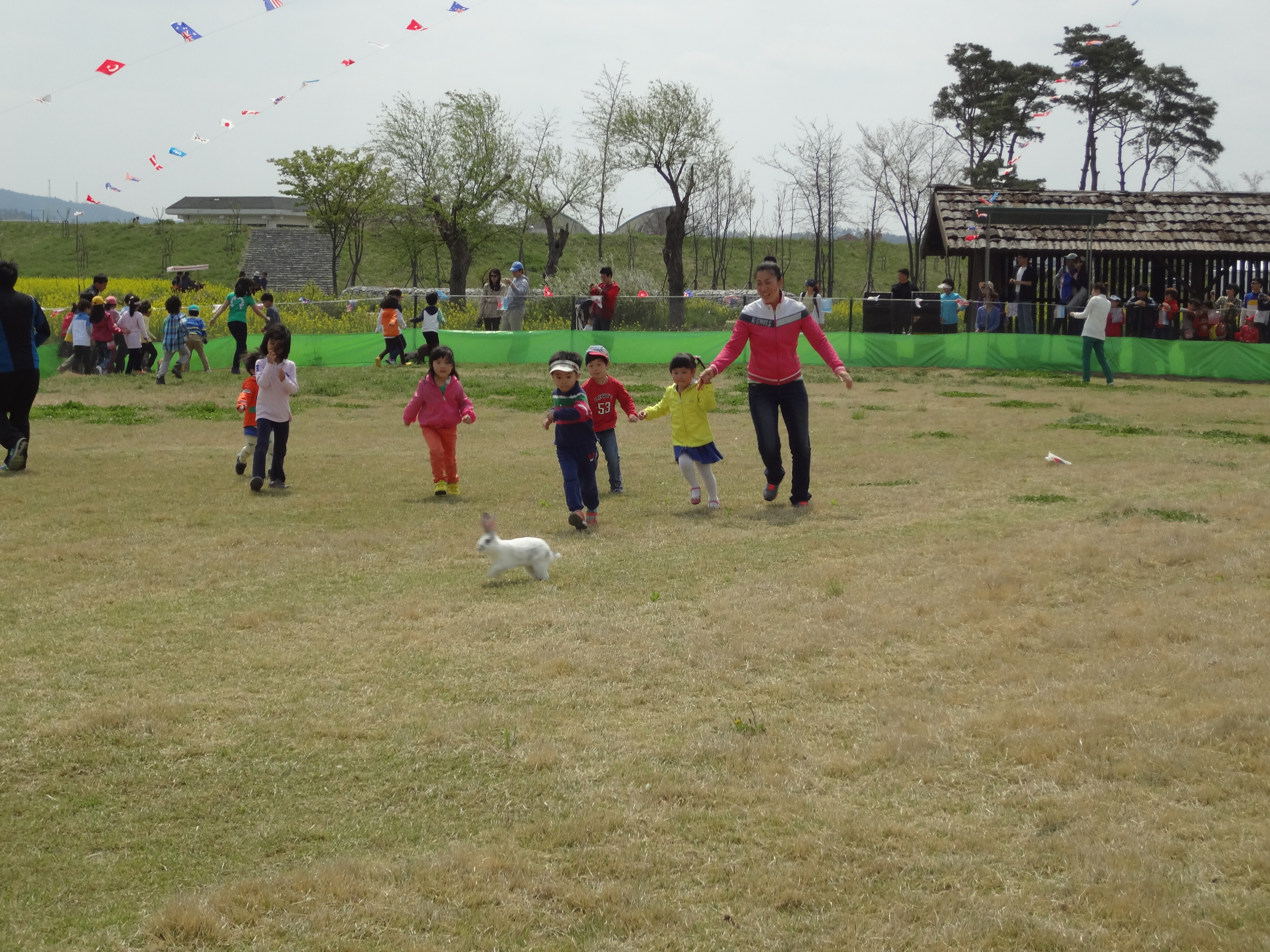
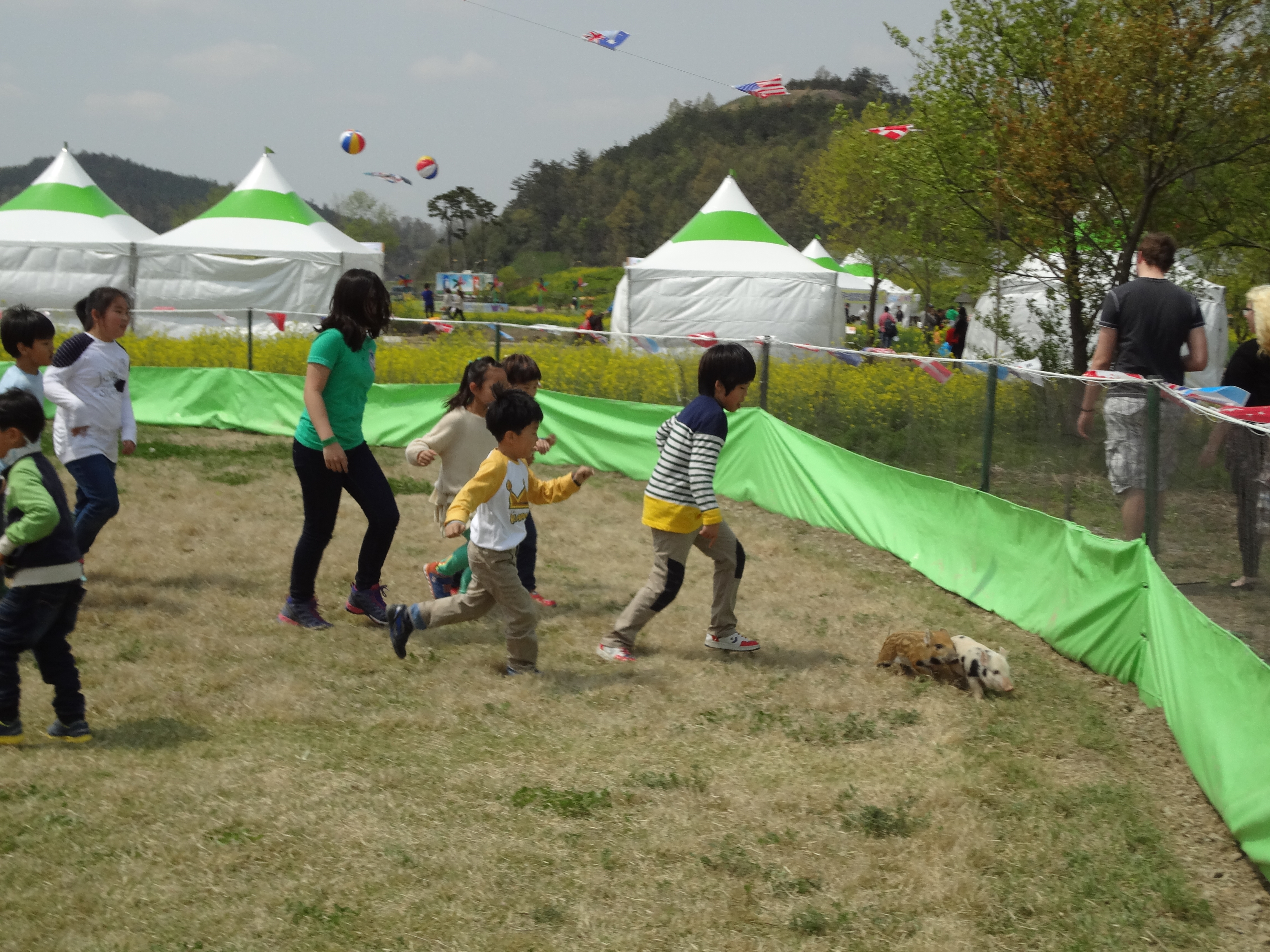
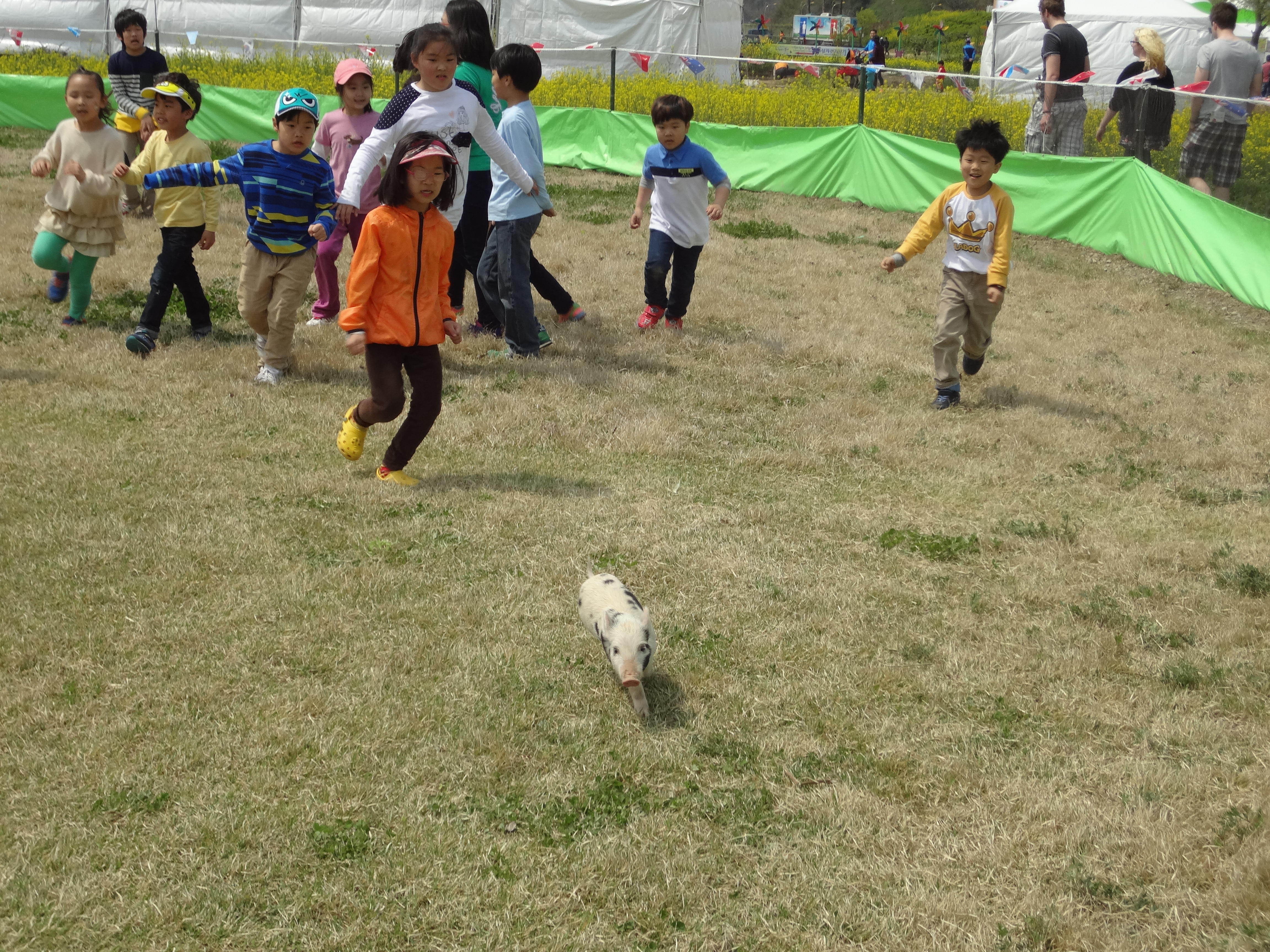
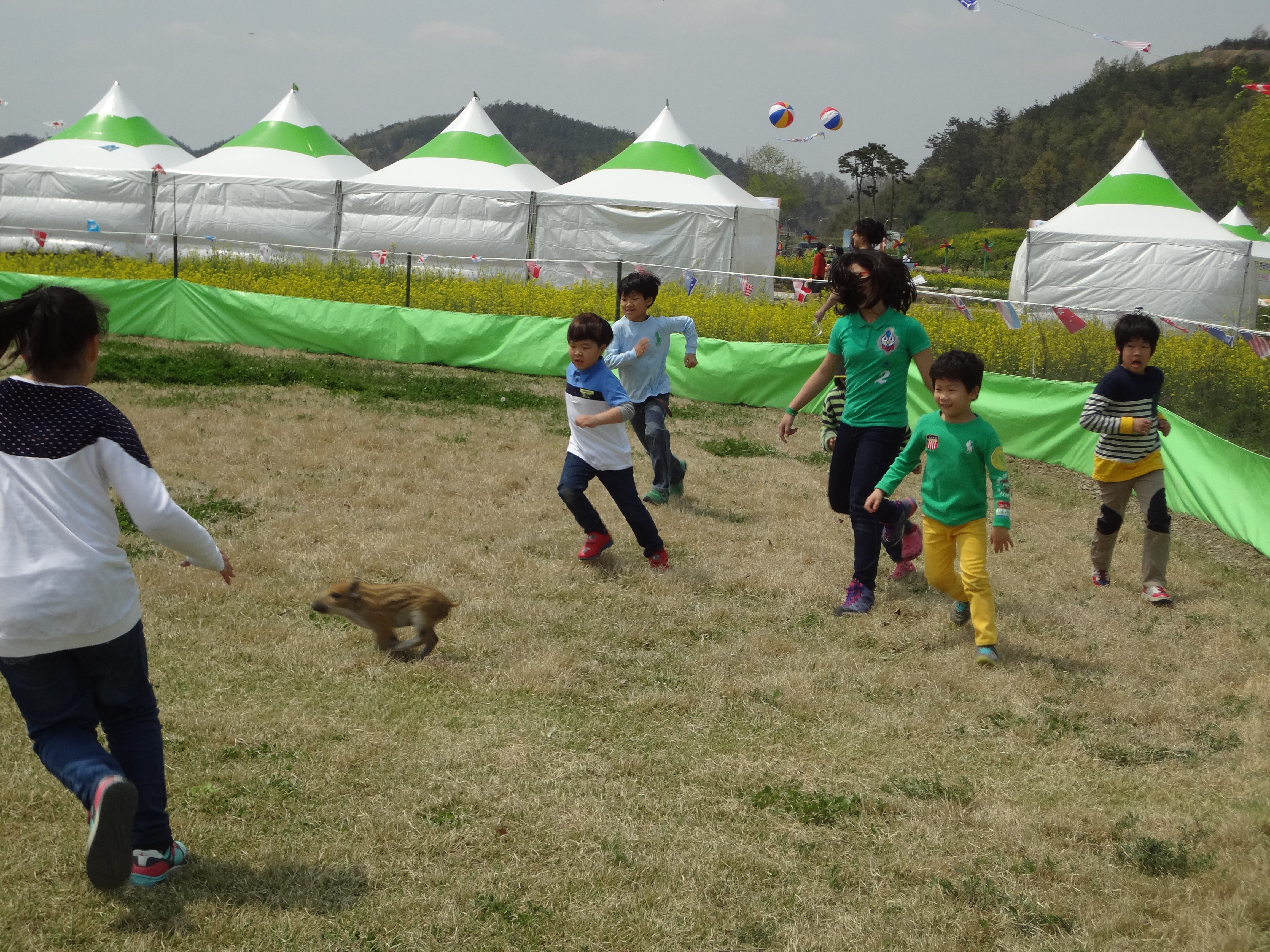
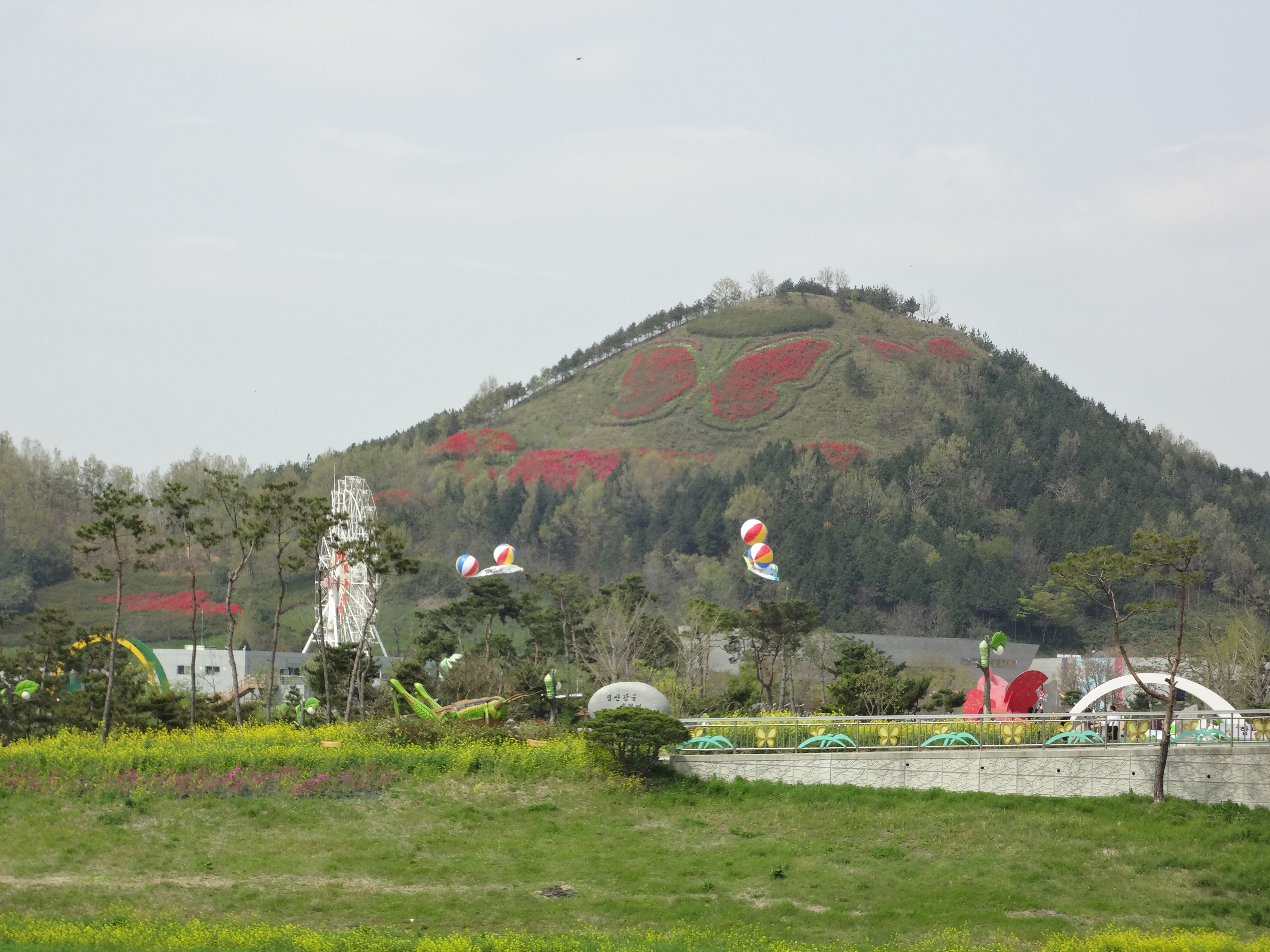
… is what they call this terrifying practice of getting screaming children (and occasional adults) to run after adorable farm animals, who do not look as though they’re having fun. The event, which I saw in Hampyeong’s butterfly festival, also had an enthusiastic emcee. Perhaps it’s me being a waegukin (foreigner), but I was quite horrified.

DSC04666

Check out the ears of the poor bunny:

DSC04668 DSC04673 DSC04674 DSC04676

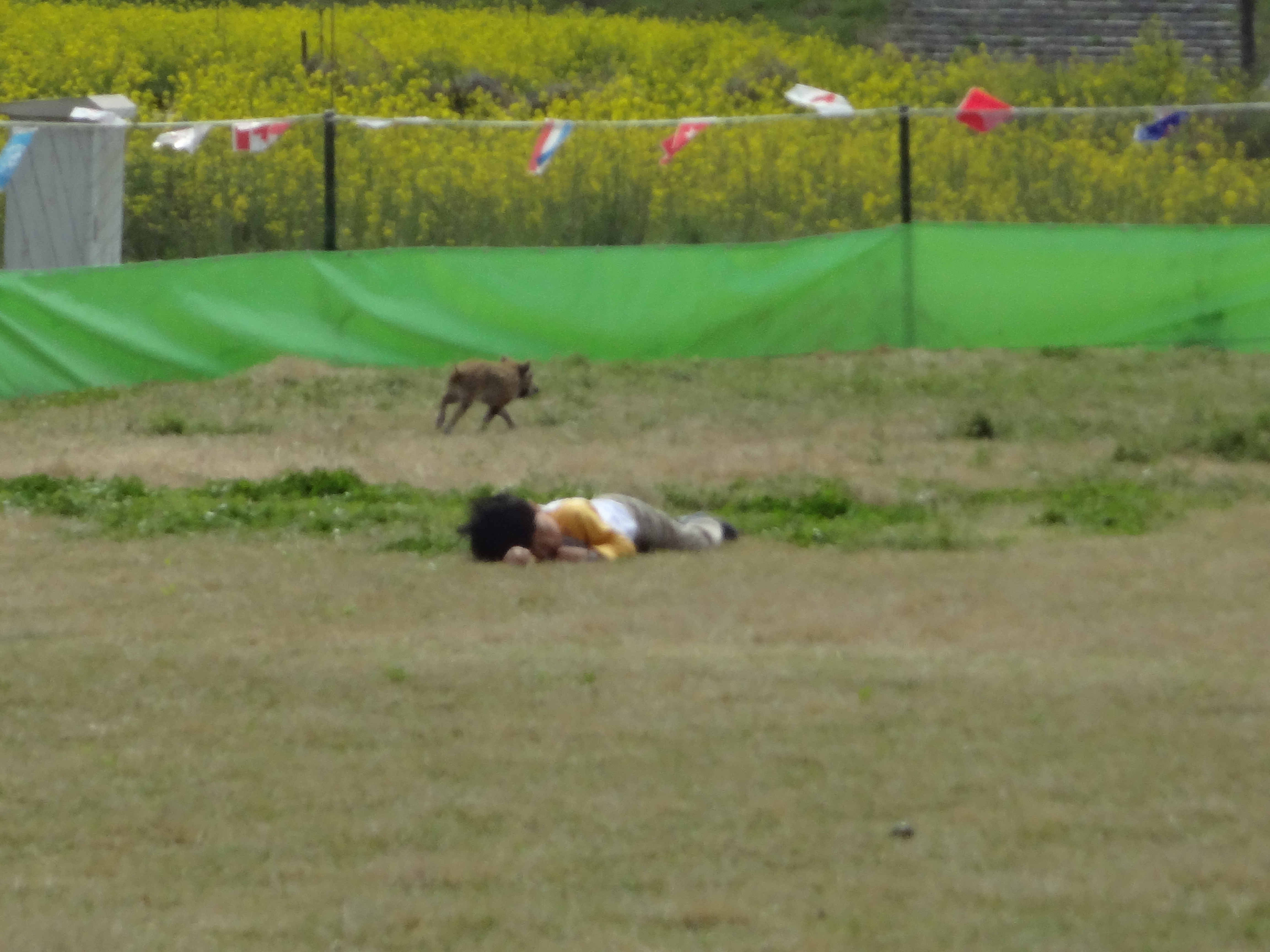
This is a blurry shot, but I think it deserves to be published. I call this photo, “The Pig Won.”

DSC04680

Each year, thousands of locals and tourists alike gather in the island of Jindo, where Korea’s version of Moses’s parting of the Red Sea occurs. Here, the tide goes down and opens up a 2.9-kilometer “sea road” from Jindo to the island of Modo.

On cue, the crowds start to move forward.

Off to Modo

Off to Modo

It’s not everyday one walks the sea!

All of us bought brightly colored boots for sale during the festival.

All of us bought brightly colored boots for sale during the festival.

The sea level progressively decreased as I walked.

The tide goes down.

The tide goes down.

I only made it halfway to Modo when local officials on boats started ringing bells and ordered everyone to go back to the shore, as the tide started to return. It was a dash of panic as we stumbled on the uneven sea floor back to shore. I recorded my walk panicked run back to Jindo with the MyTracks app.

Turning back halfway

Turning back halfway

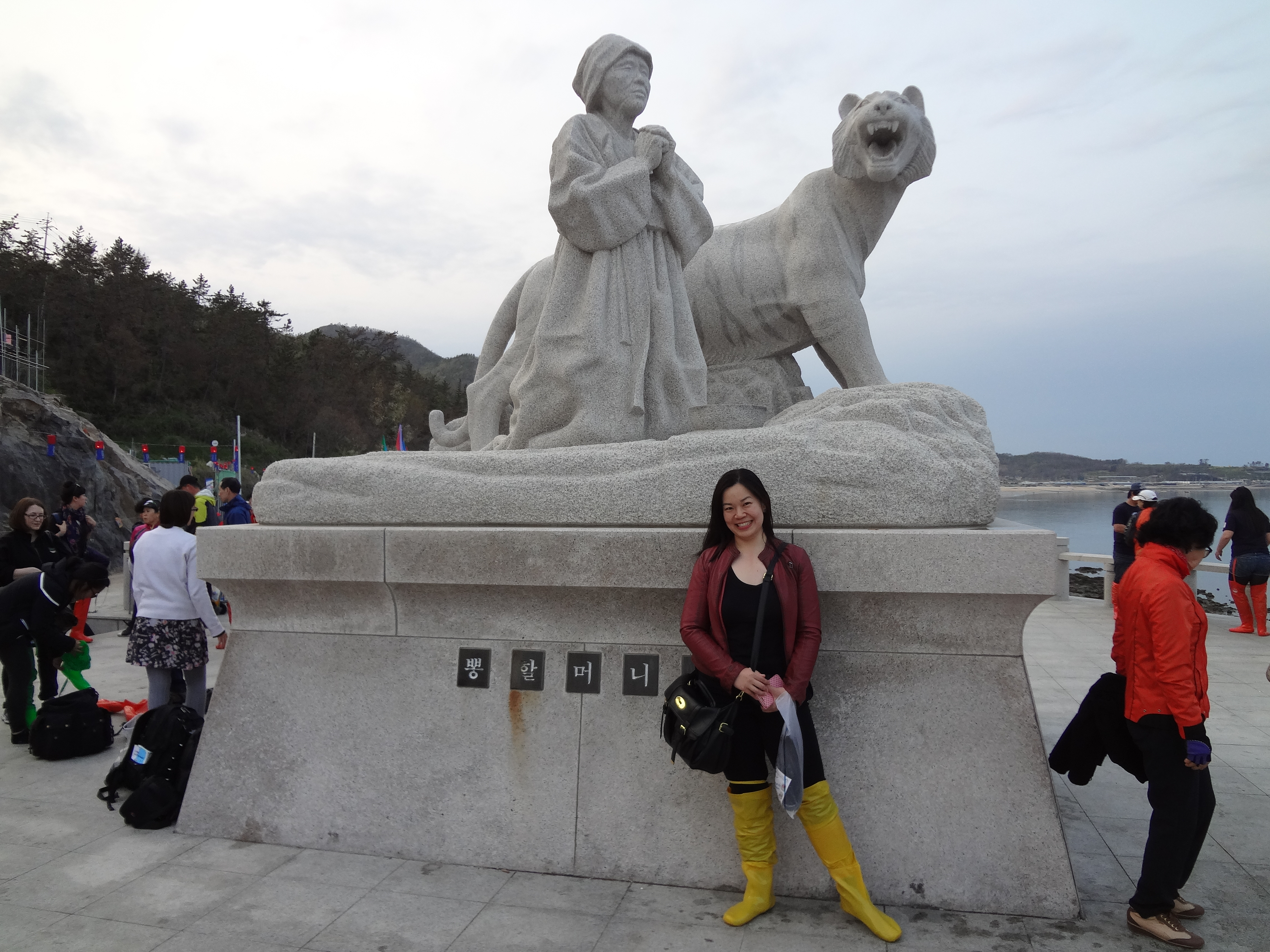
Although scientifically, the main reason for this phenomenon is tidal harmonics (a nice explanation of it appears in this National Geographic article), the local legend goes that a tiger used to terrorize the people on Jindo, who finally fled to Modo, leaving Grandma Mulberry behind. She missed her family and prayed to the Dragon King, who appeared in her dream, telling her that he will set a rainbow bridge over to Jindo. Indeed, a rainbow bridge appeared, and villagers from Modo came over the bridge to look for her. She passed away soon after.

This statue commemorates the legend.

Grandma Mulberry and the tiger

Grandma Mulberry and the tiger

This is definitely the coolest thing I’ve experienced in Korea so far, especially since it was a beautiful and unusual mix of science and culture. I definitely want to go back next year.