Archive

Environment

As part of The Apocalypse Project: Imagined Futures exhibition, questions about climate change are hidden in the exhibits of The Mind Museum. My goal was to recontextualize all of the museum—that is, after you see the Apocalypse exhibits, then visitors can see the current exhibits as representations of things that are under threat.

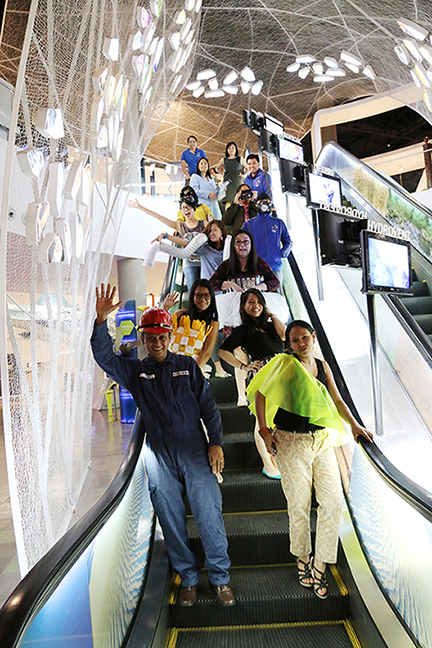
As I cannot be in the museum each day to handle hundreds of visitors, I am extremely happy and grateful for these people who now form the Manila crop of the Apocalypse Squad. The suits are looking really cool, you guys.

The Apocalypse Squad, Manila

The Apocalypse Squad, Manila

In addition to facilitating the scavenger hunt, they also get to lead participants to have an oath-taking ceremony, where they pledge to help the planet. They are then awarded an Apocalypse Project Commander Badge and are knighted. With a sword, of course.

Knighting people who have won the Mission Apocalypse scavenger hunt

Knighting people who have won the Mission Apocalypse scavenger hunt

Many thanks to the hundreds of people who have done the Mission Apocalypse scavenger hunt. The work is just beginning for me, and I needed a few days to rest. Tune in for more developments!

Top photo by Darwin Cayetano of Tracking Treasure, used with permission.

April 25, Taguig, Philippines—The Apocalypse Project: Imagined Futures is now open for your interactive sensory pleasure at The Mind Museum. I have five exhibits curated by the awesome Maribel Garcia, with the exhibition installation managed by Marge Arciaga, the museum’s assistant exhibition manager (and my former capoeira classmate).

Here are some quick photos of the exhibition:

The show is at the second floor, in the museum’s Technology Gallery.

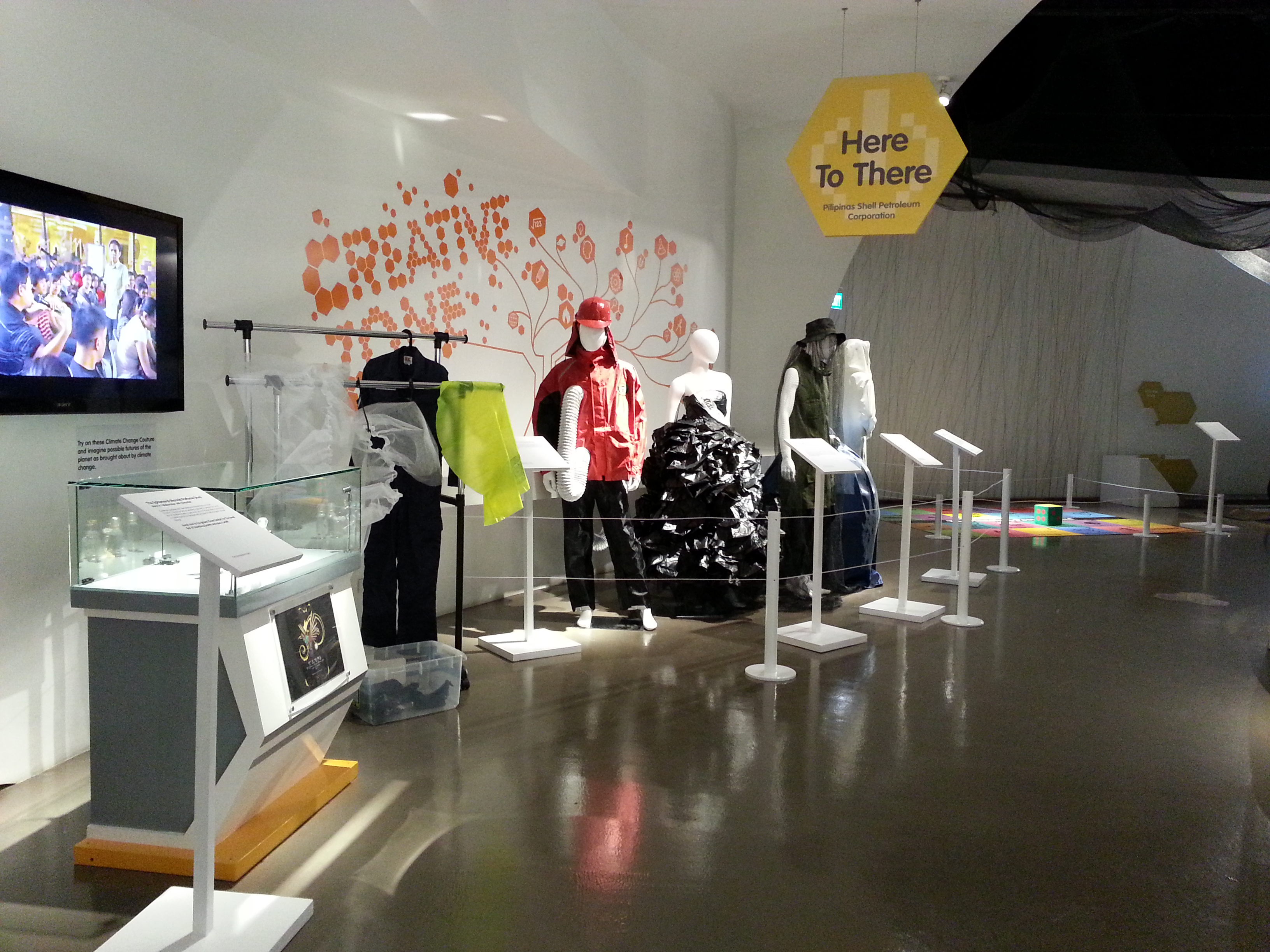
The Apocalypse Project: Imagined Futures at The Mind Museum

The Apocalypse Project: Imagined Futures at The Mind Museum

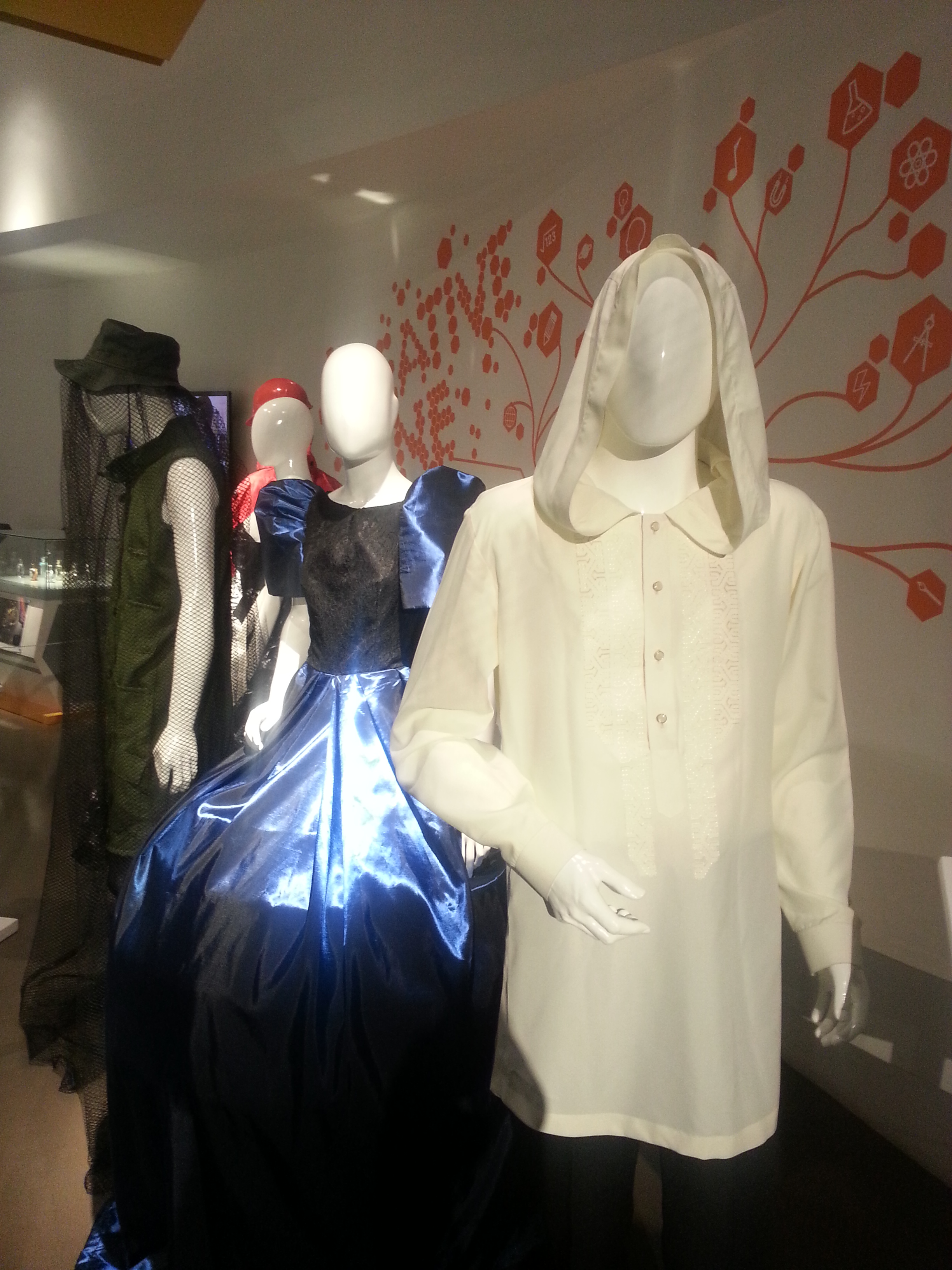
Climate Change Couture, volume 2, Manila

Climate Change Couture: Volume 2, Manila

Climate Change Couture: Volume 2, Manila

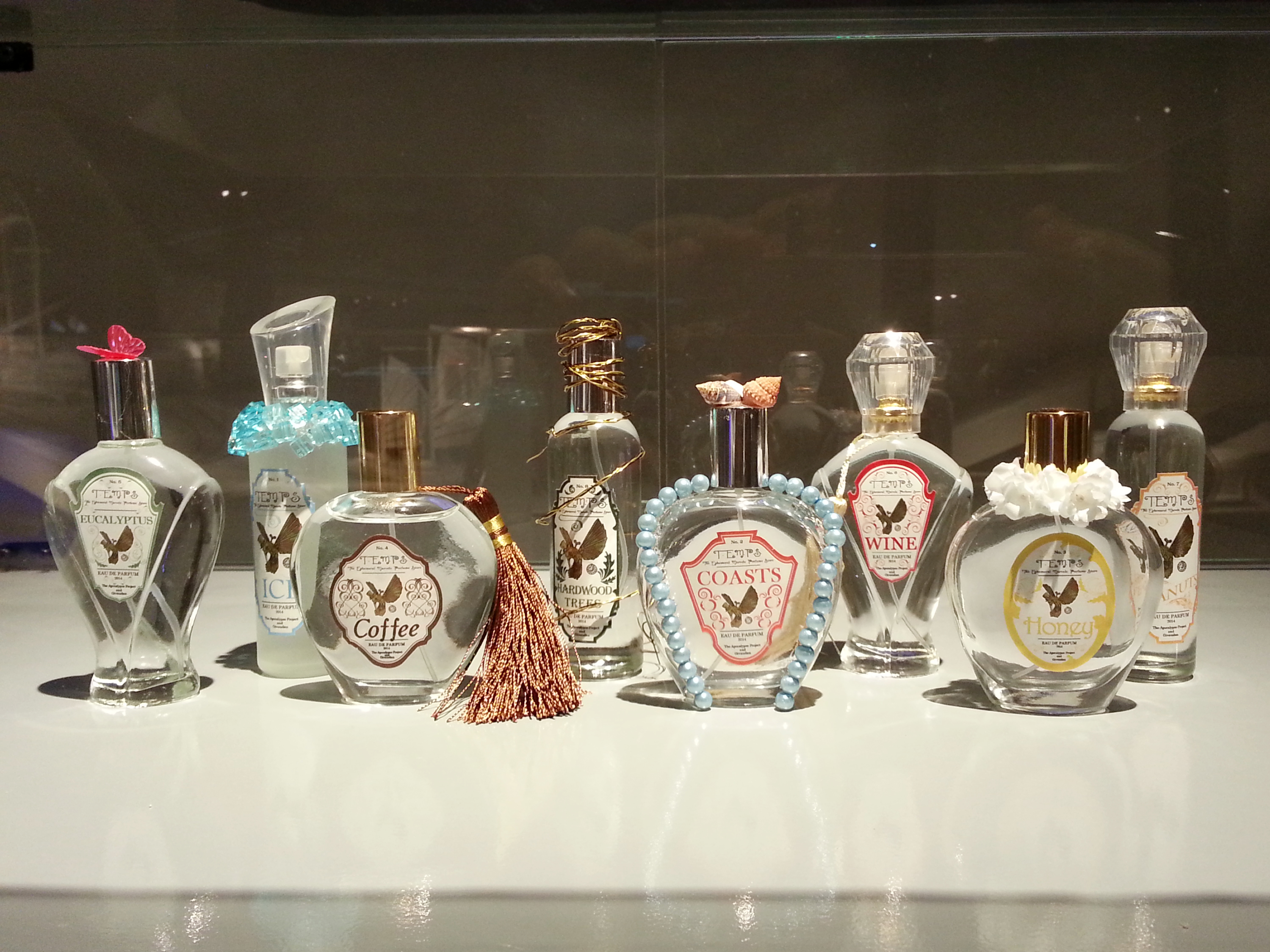
The Ephemeral Marvels Perfume Store, a collaboration with Givaudan:

The Ephemeral Marvels Perfume Store, a collaboration by The Apocalypse Project and Givaudan

The Ephemeral Marvels Perfume Store, a collaboration by The Apocalypse Project and Givaudan

The Planetary Poetry Board, a collaboration with poets and my friends Alena Widows and Harriet Sandilands:

The Planetary Poetry Board: a collaboration between The Apocalypse Project and poets Alena Widows and Harriet Sandilands of The Poetry Machine

The Planetary Poetry Board: a collaboration between The Apocalypse Project and poets Alena Widows and Harriet Sandilands of The Poetry Machine

More documentation as well as images coming soon! In the meantime, a huge thank you to the museum staff—this was a brutal installation because there were so many exhibits to be installed in one night after the museum’s operating hours, but this was hands down the calmest and cheeriest installation I’ve had. Thank you for the help and for being game with everything!

IMG_0445edit_small

IMG_0457edit_small

20140322_131900

20140322_134801

20140322_160403

20140322_165911

20140322_161727

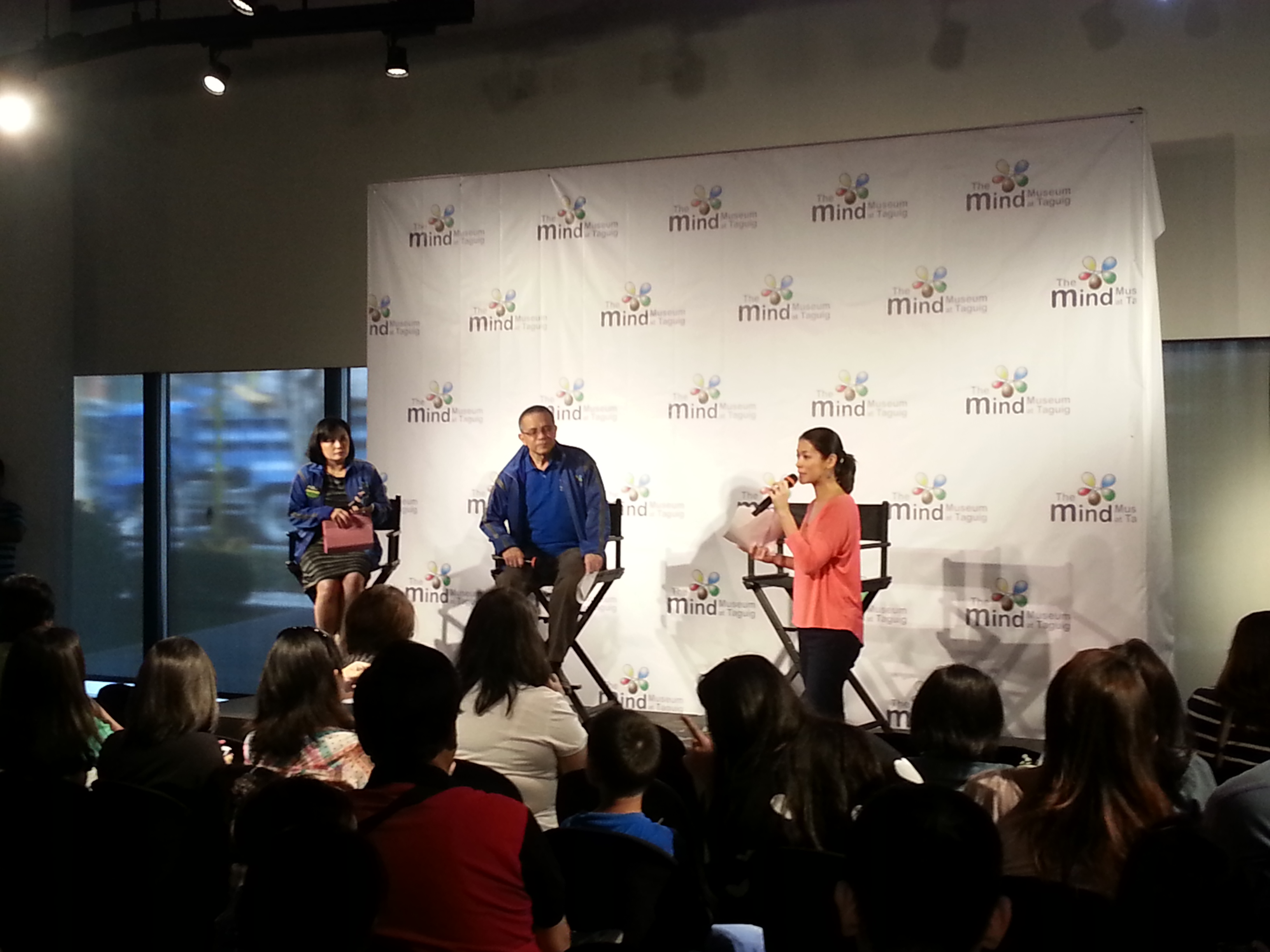
(22 March 2014, Manila)—Yesterday, I had a booth at The Mind Museum’s Media Day, where the museum celebrated their second birthday. In the second photo, you can see Maribel Garcia, curator of the museum, and Manny Blas, managing director of Bonifacio Foundation, Inc., speaking about their activities for the year, as well as talk about the museum’s accomplishments in the past two years, including winning the 2014 Thea Award in the Museum Exhibits category by the Themed Entertainment Association. Solar News presenter Mitzi Borromeo hosted the show. (Fun fact: She and I used to go to the same boxing class and just formally met yesterday.)

In the middle of other booths, where the museum’s Mind Movers (resident scientists and all-around awesome people) presented their own projects, I gave people a preview of the show that will open next month (NEXT MONTH! Ayayay.) I wore my Apocalypse suit, now upgraded with a Commander’s patch, and remixed some Climate Change Couture. When taking a break, I helped myself to some salted butter ice cream by Sebastian’s, and a tiramisu cup made to look like a plant by Kyle Imao of Kyle’s Lab.

The show is getting really close and I am freaking out. Only because I care.

Some updates from this end of the apocalypse: I am currently working on at least five more projects under this platform. Questions I am asking are: What are disappearing because of climate change? How do we adapt? How can we train ourselves to think deeper about the future of the planet?

TheApocalypseProject_poster-01

I am working on these while doing a self-directed art/science residency at The Mind Museum, a science museum in Manila. This location seems to be a perfect fit for me for the following reasons:

1. The Philippines is one of the top countries that are most vulnerable to climate change. Unlike Singapore, where this project began and where natural disasters are relatively rare, the Philippines often experiences extreme climate events. I think there will be a lot of opportunities for discussion and learning around this topic, and I am sure these projects will give birth to new projects.

2. The Mind Museum is one my favorite places. I never thought Manila would have anything like this—I started knocking on their doors before they were even built. I had to be based in different countries in the past several years, so I think it’s a wonderful opportunity that I have right now. I really believe that science museums are an important bastion of knowledge and inspiration for a city. The curator and the staff have also been really amazing in terms of supporting my work and giving me constructive critique.

3. A science museum will allow me to reach a lot of children, which I’ve always believed are a crucial part of my audience as an artist/designer. I think the most heartstopping questions and feedback I’ve had in the past have come from five year olds.

4. This is my home city. After living in different countries for the past decade, this is an interesting homecoming of a sort.

I hope to exhibit by late April, which isn’t too far away. At this stage, I am already excited and overworked. It’s always great to have a personal project that consumes you. Check back here for updates!

Hello, apocalypters! Thank you so much for all the support you’ve given The Apocalypse Project, especially Climate Change Couture. I’ve updated the press page with all the links to the blogs and magazines who have featured the project. Many thanks for helping keep the discussion alive.

I’ve been receiving questions from readers, journalists, and friends alike, that I decided to put them together into one FAQ post. I’ve grouped some similar questions together. If you have any more questions, please do reach out.

1. Why the name, “The Apocalypse Project”?

Although it has end-of-the-world connotations, which could be what can happen if we keep mistreating the planet, the word “apocalypse” comes from a Greek word that means “disclosure” or “to take off the cover” or “to unveil”. The Apocalypse Project isn’t solely about potential catastrophic events, it’s also about revealing the face of environmental problems through these projects.

2. How did your project in Seoul influence you to do projects on the environment?

(Pre-apocalypse, I hiked all 43 mountains of Seoul for an installation and community project about the environment. View that project’s website here.) 

Seoul43 was the most physically demanding and personal project I had. I nearly died on a couple of those mountains, and I would not recommend hiking that much in such a short period of time—the staff at The National Art Studio of Korea were definitely worried for me! That project made me witness how human activity was affecting the environment (and vice versa). Don’t get me wrong—I think the Seoul government is doing a relatively great job protecting its mountains and most of the hikers I’ve met were very respectful of the environment. I’ve definitely seen worse in other cities. But some mountains were disappearing or were repurposed as parks or apartment buildings. I wondered if this was ok or not. There is such a big population there that I can understand that they need space. Does that mean it was ok to eliminate a tiny hill or two for the sake of a growing population? Is it ok to make a mountain “bigger” by adding fake soil to it? Is it ok to modernize nature so that we can better take care of it? I still don’t have the answers to that. I usually design my projects around the questions that I’m curious about, which for now are those that are about how we relate to the world.

3. What are your intentions? / Why speculative design? / Is Climate Change Couture a satire? 

I want us all to think about our relationship with the planet and make better choices.  There are many ways by which we can catalyze discussion and take action about these issues. These projects are my own way of doing that.

I chose this type of design (i.e. design that thinks about the what ifs and what could bes) because I want to remove climate change from its usual political strings, which for me sometimes miss the more crucial seeds of a conversation about the environment. With this type of creative platform, I can engage people of all ages and backgrounds. We should think about the planet with respect to our humanity, not in terms of power and money.

Yes, Climate Change Couture is a bit of a satire. The stories that go with them definitely have a tongue-in-cheek tone in them. Remember, these are dystopias—I actually hope that we won’t ever have to use these designs. I wanted to highlight the scenarios we may get ourselves into.

4. Why climate change? Don’t you know it’s not real?

Oh my god.

5. If the Climate Change Couture images are dystopias, why are the photographs beautiful?

Beauty is one of the best ways to get you to look. (P.S. Thanks!)

6. What influenced you? / What is your background?

My background is a bit eclectic. I studied molecular biology and contemporary art, and did my MFA in Interaction Design at SVA. I’ve lived in about five countries, which helped me see that there are many sides to an issue. I feel like I soak up everything around me and I’m inspired by a lot of things, from books to conversations to things I see everyday. I also worked as a journalist, so I’m used to asking a lot of questions. As an artist/designer, I can turn those questions into projects.

7. What was your previous work like? 

My earlier work had to do with interactive projects about our senses. For example, I designed the Hug Vest, which changes color if you hug the wearer; an Olfactory Memoir which is a book of printed smell memories that you can smell; Rorsketch, an illustration project of drawing what I see in clouds, etc. I also started DrawHappy in Iceland a few years ago, which is a project about drawing your happiness.

8. How can I support this project?

If you’d like to:

• collaborate on a project

buy an Apocalypse Patch to help fund the project

• invite me to speak in your school or organization to spread awareness of the project

• share your research on climate change so I can do another project based on your data

• model for one of my projects

• make a donation either in cash or in kind to help bring some projects to life (for example, I need help from a carpenter right about now)

• just drop me a line to offer constructive critique or recommend books/movies/projects/people to check out

…I would be extremely grateful.

9. Where are you now? / What’s next after this?

I’m in Manila working on five projects under The Apocalypse Project and I hope to have my first solo show this April. Check this site for updates.

I came to Singapore to imagine the apocalypse. Previously, I was on a residency in South Korea where I hiked all the mountains of Seoul and saw firsthand what human activity was doing to the environment. Doing a subsequent residency on climate change and environmental futures was, to me, the logical next step.

ClimateChangeCouturePhotos-01

To adequately prepare for the future, we must imagine it as concretely as possible. This was the impetus for creating The Apocalypse Project, a speculative design research inquiry that imagines the future as climate change continues to affect the planet. Initially, I held drawing workshops in Tembusu College, National University of Singapore, asking questions such as “What superpowers would you like to have to navigate through a climate change apocalypse?” or “What would you like to wear to your apocalypse?” I realized that the question on clothes was the one that participants related to the most—they found it fun, engaging, and could better imagine designing clothing that they themselves can wear, as opposed to more abstract questions.

ClimateChangeCouturePhotos-03

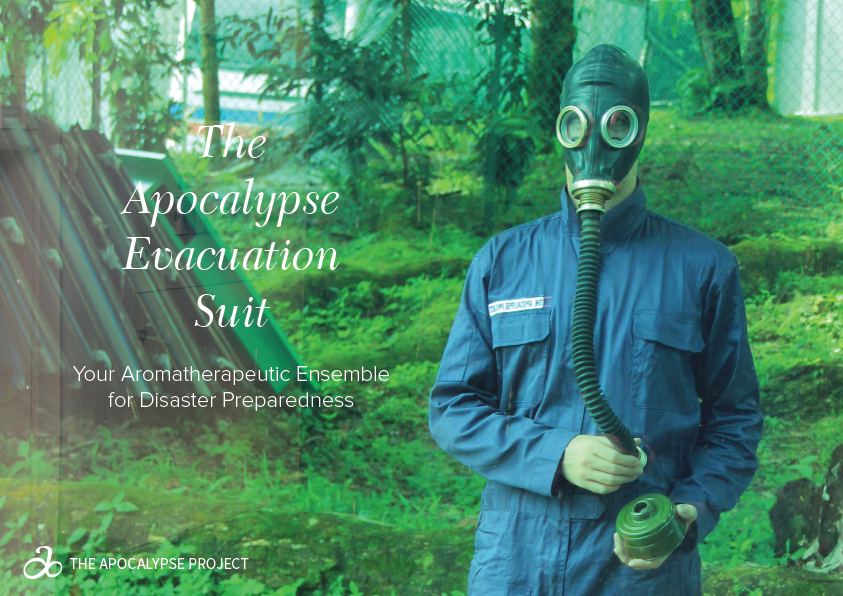
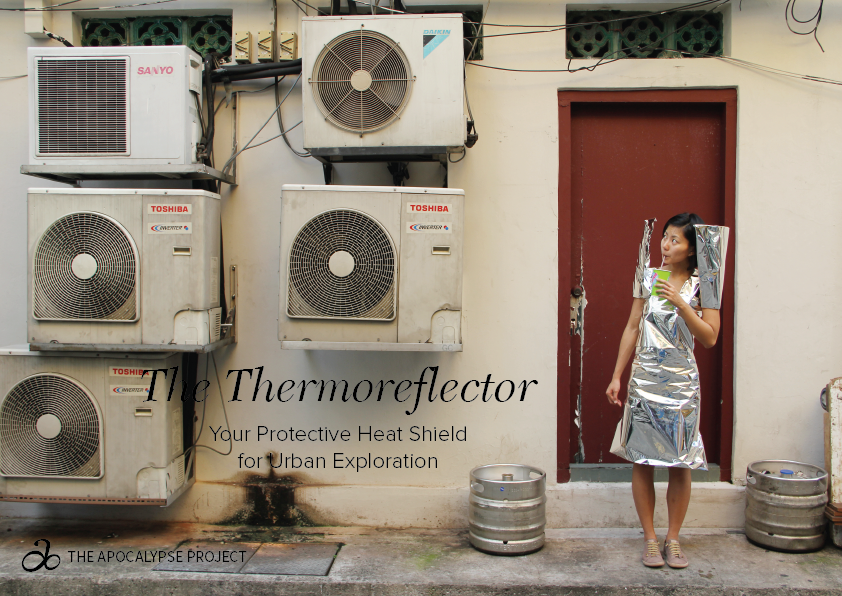
Based on the workshops, I created the series, Climate Change Couture: Haute Fashion for a Hotter Planet. Using the research done by the Singapore-ETH Future Cities Laboratory, I designed the first five garments in the series, imagining clothing we might wear in specific environmental scenarios and writing a narrative around them. I asked people from FCL to model them for me and photographed them against selected locations in the lab and around Singapore.

I consider myself as someone who works at the intersection of art and science by bringing them together through design, which I believe makes the work accessible and relevant to the audience. I believe that all of us are born artists and scientists—that is, we all have the innate curiosity to explore the world and manifest this in various forms—and it was a pleasure to work with the people in the lab and get to know their artistic sides. Some of the researchers modeled clothes based on their own research, and they were instrumental in the iteration of the designs. I also love working with young people, and some students from Tembusu College collaborated with me during the project.
ClimateChangeCouturePhotos-02

A common thread that ties my projects together is a focus on people. I believe in participatory art, especially as climate change affects all of us as a species and not just a select few. Two days before our showcase at ArtScience Museum in Marina Bay Sands, typhoon Haiyan hit my home country, the Philippines. Ironically, the apocalypse I imagined had already happened in my own backyard and will probably keep happening. I’d like to be one of those artists with a cause to work towards, and I think I found it in this residency.

I was one of the two artists who participated in the 2013 Art Science Residency Programme, in partnership with ArtScience Museum at Marina Bay Sands, Tembusu College National University of Singapore, and the Singapore-ETH Future Cities Laboratory. You can find the output of my residency at http://www.apocalypse.cc.

This post appears on the website of the Future Cities Laboratory. Thanks, guys!

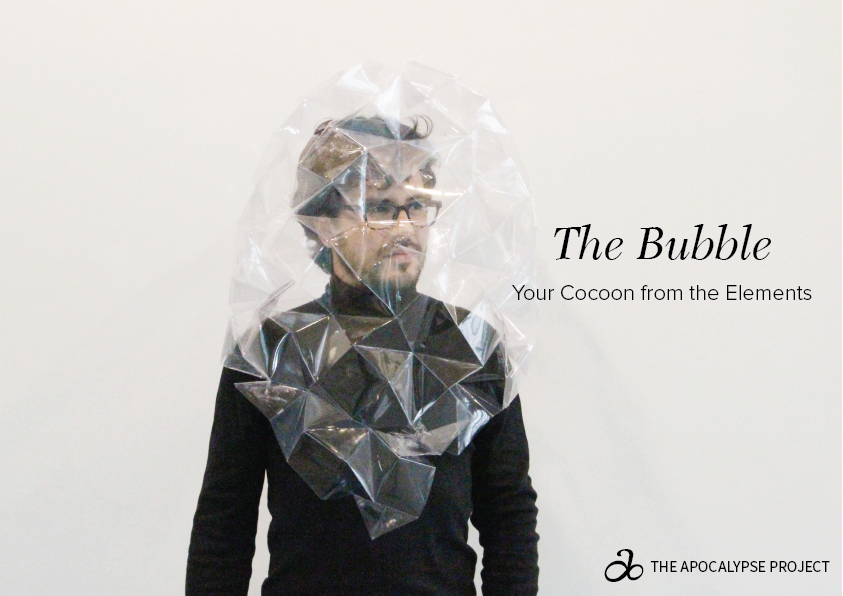
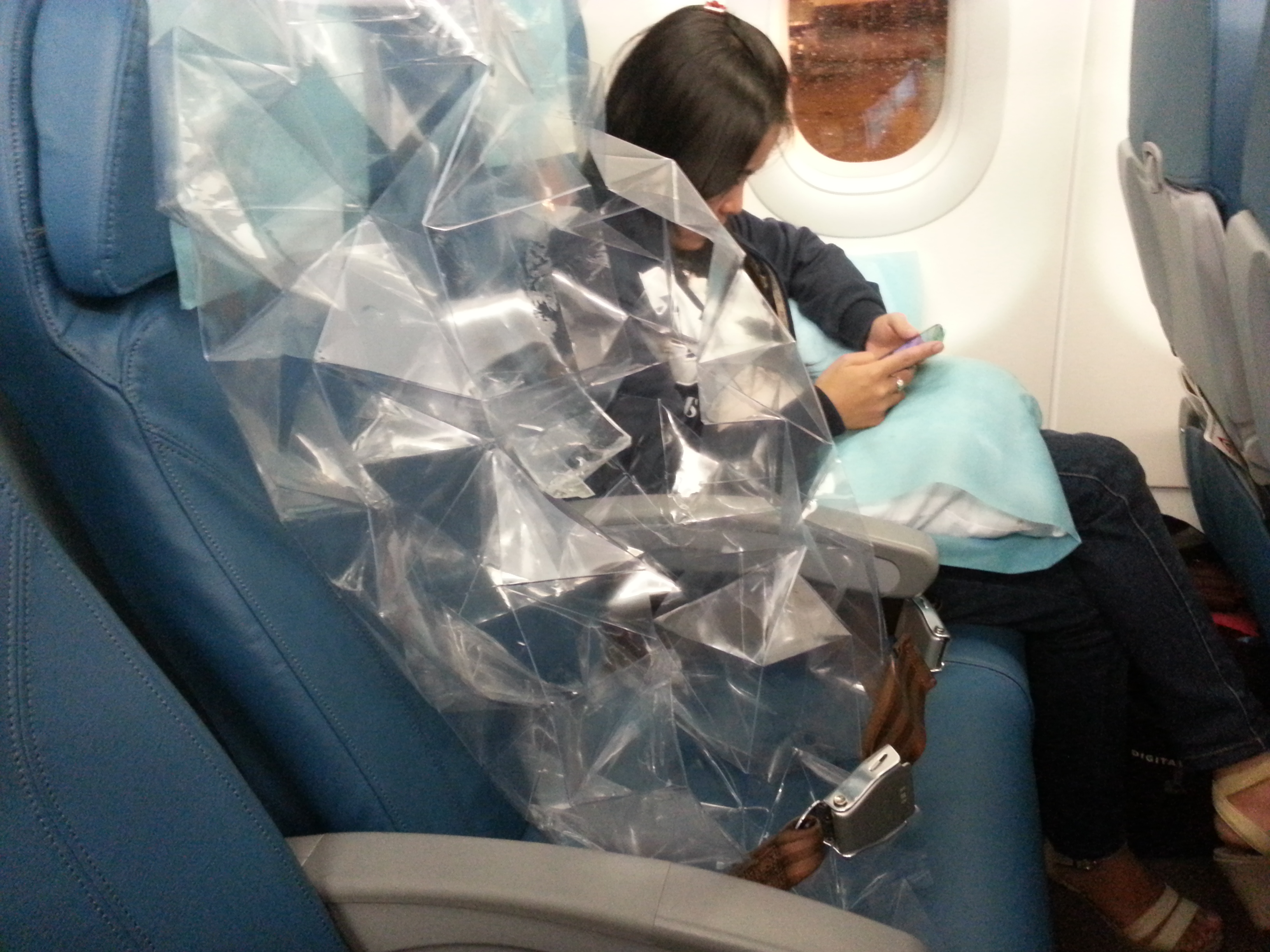
Philippine Airlines Flight No. PR 512 had a strange guest buckled up on Seat No. 73B. My sentimental side insisted on bringing The Bubble prototype for Climate Change Couture. It got through so many things already—a gallery show, a photo shoot, was co-designed by someone on my Apocalypse Squad, and has been the starter for many a conversation that I didn’t care about the bulkiness of it. I was going to drag this $2 piece of plastic across international barriers if it killed me.

And so, we begin.The Bubble got through all the security checks and immigration without problems (as it was transparent and clearly made of plastic) but with lots of curious looks, questions, and chuckles. Even I had to laugh when I realized that, instead of squashing it in the overhead bin, the best way to transport this was to buckle it in the empty seat next to me.
20131231_211652

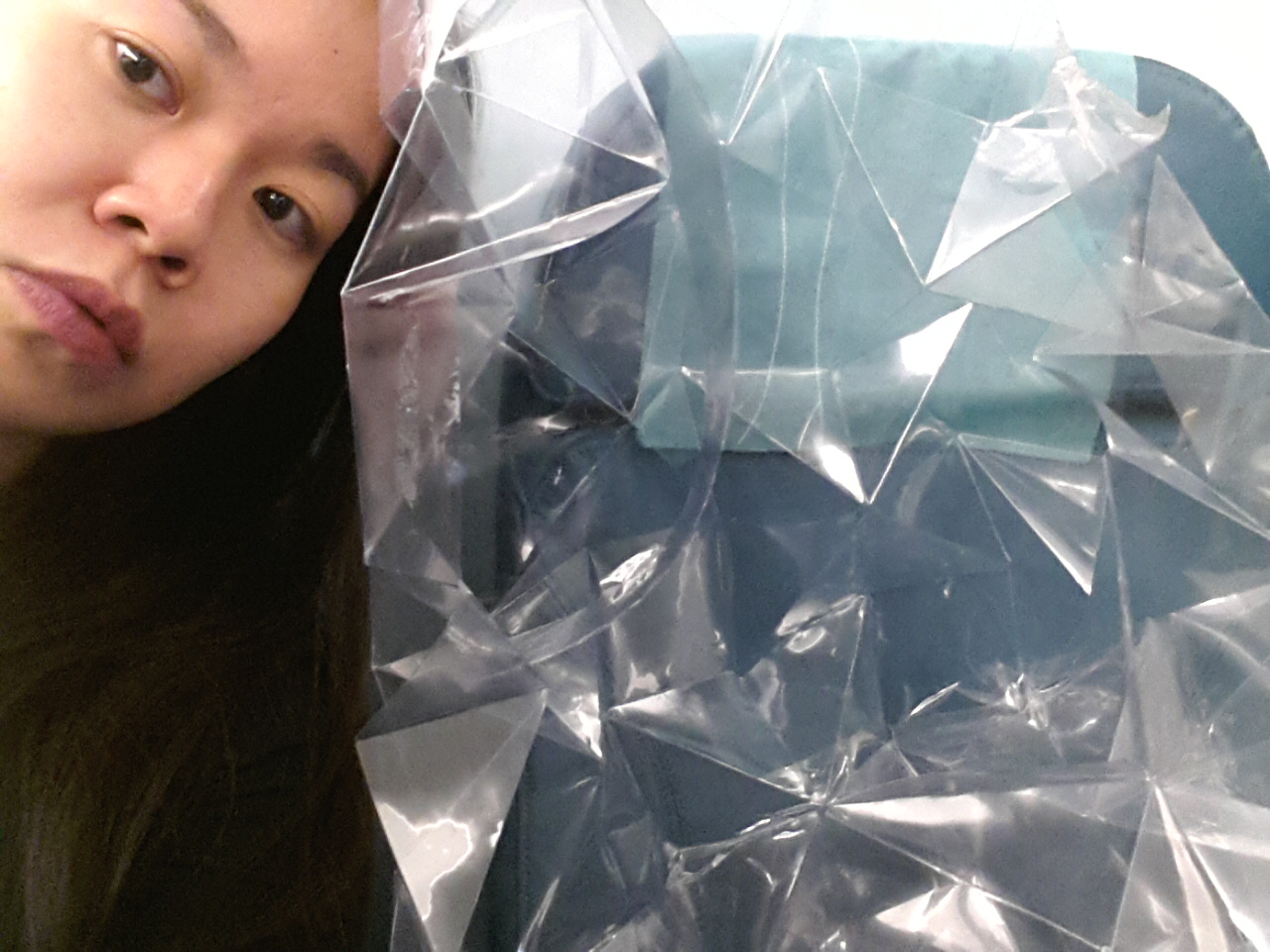
And hi! I was right next to it, 73C. What do you do with a plastic bubble on an international flight? You take selfies…

20131231_221440

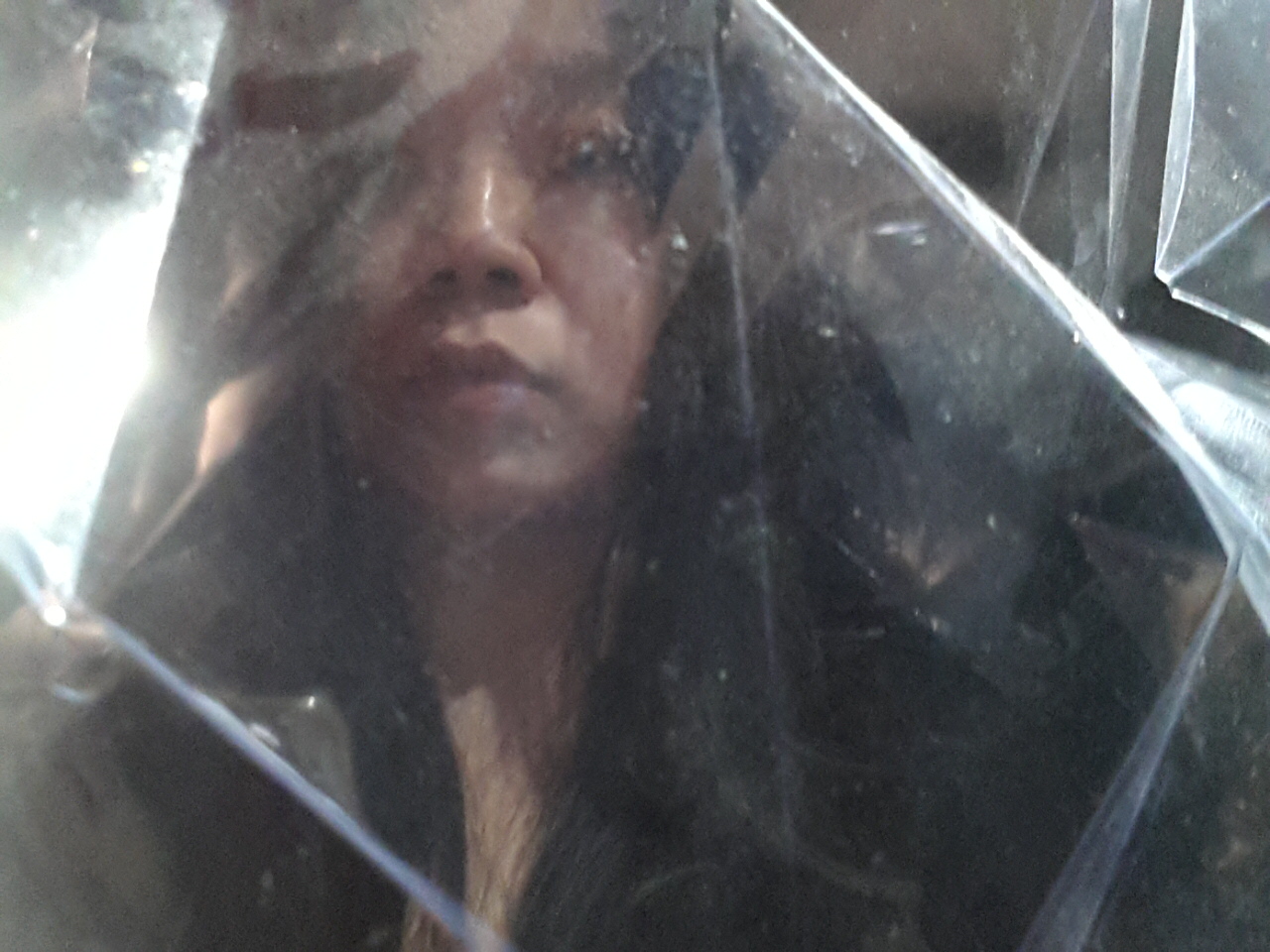
…and of course, wear it. The AC on flights is always too cold for me.

20140101_004414

I had to take it off when I was eating (or not eating, as I can’t eat chicken).

20131231_223730

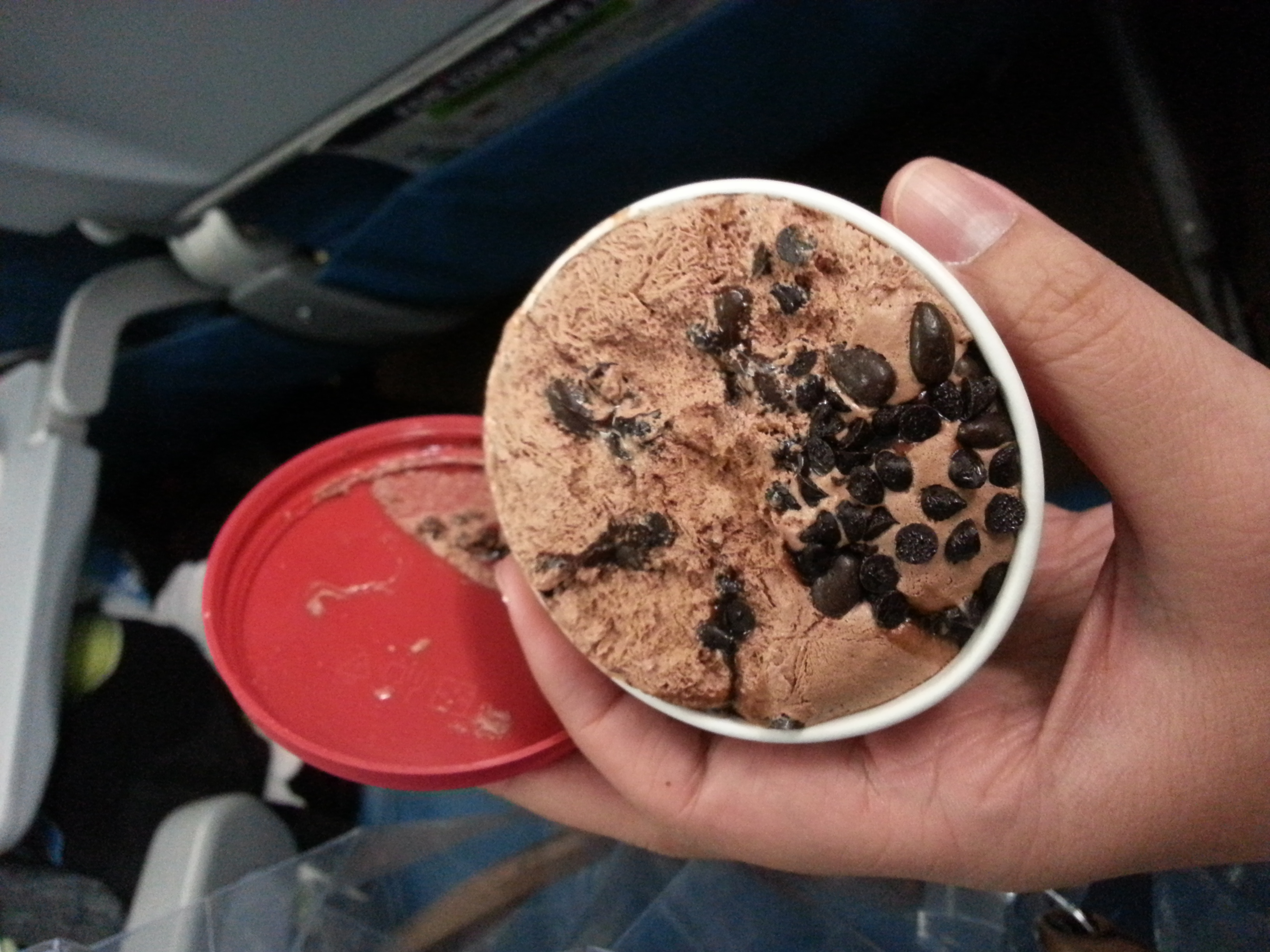
I can, however, eat ice cream! Why haven’t I flown this airline before?

20131231_230303

About four hours later, The Bubble made it! Welcome to the Republic of the Philippines, where climate change hits quite hard and The Apocalypse Project just got transplanted to.

DSC00314edit

They say that what you do on New Year’s Eve will be what you will do for the year. If doing crazy experiments like these is my fate, then please oh please bring it on.

(Pulau Ubin, Singapore)—My final natural excursion in Singapore was a trip to Chek Jewa wetlands in Pulau Ubin, an island northeast of the country and according to people, the second most famous island off of Singapore next to Sentosa, the latter of which I confess I have never been to because of the excess of crowds and commercialization.

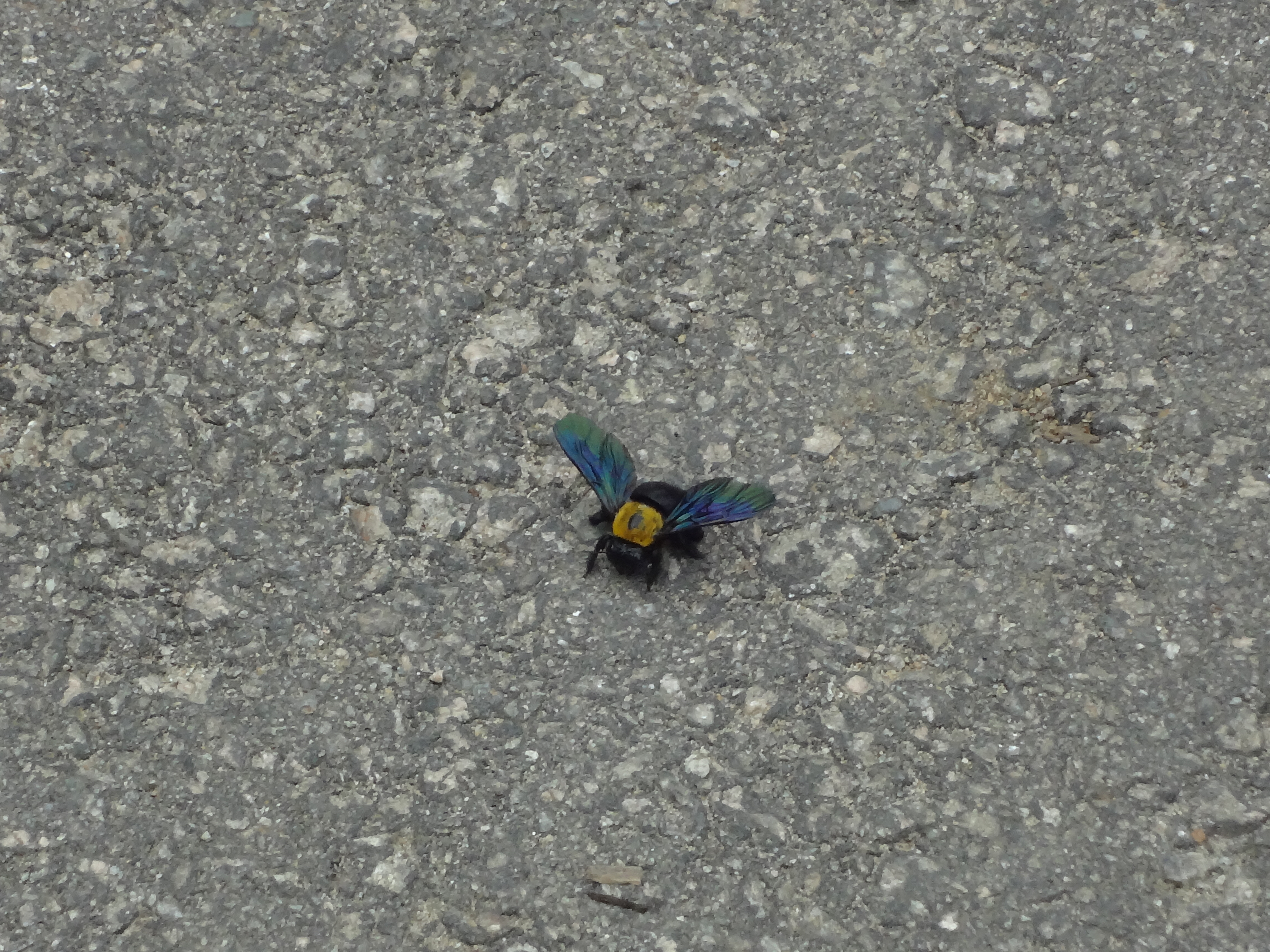
Pulau Ubin is as wild as it can get here in the police state. There are insects here I have never seen before:

DSC00304

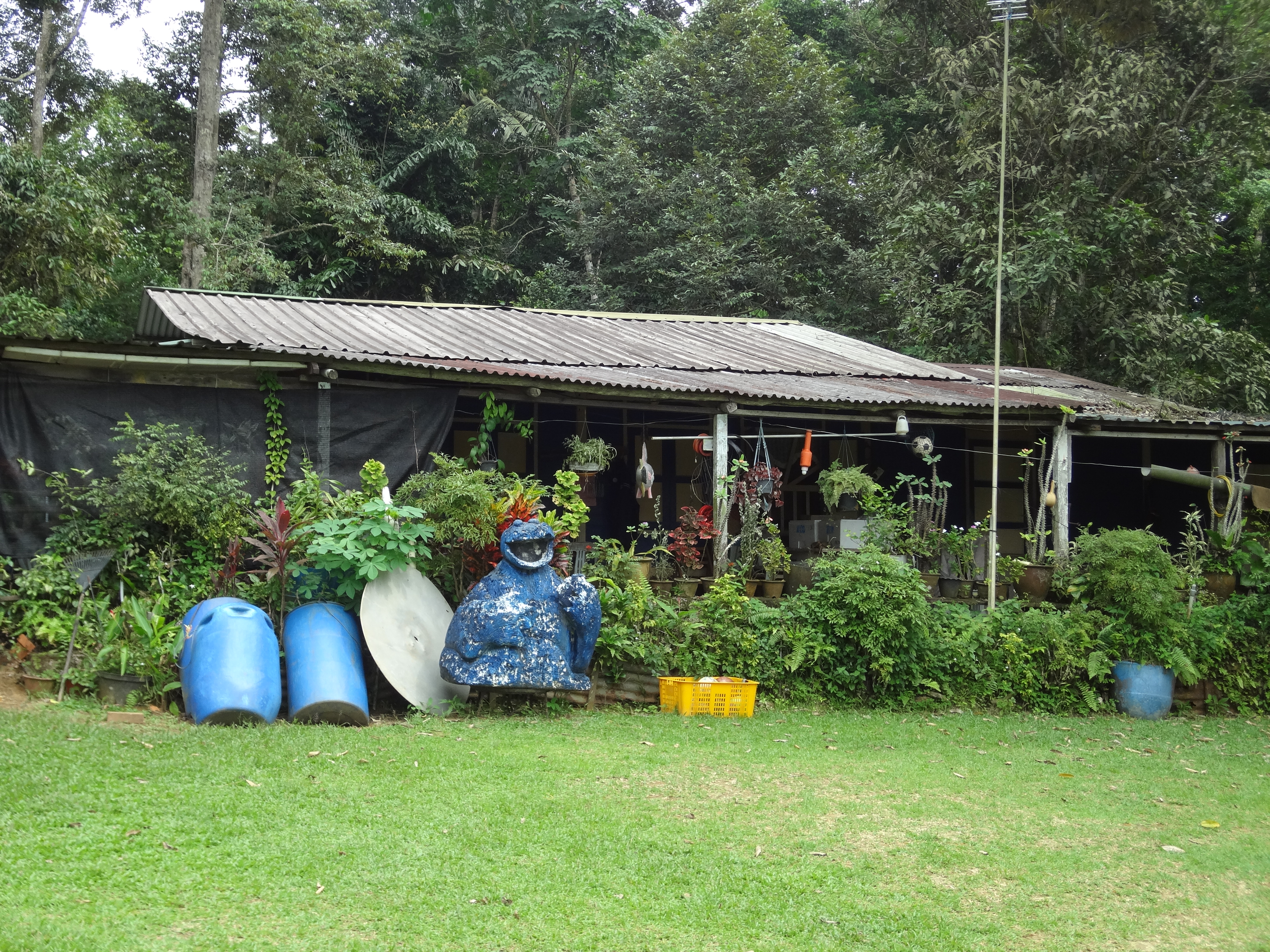
I decided to walk all the way to Chek Jawa, an eastern spot on the island that is preserved due to the large amount of biodiversity. I slightly regret that choice—an 8-km bike ride would have been easier than going about it on foot. But I think about my Seoul43 project, and I suppose this far from the hardest thing I’ll ever do. And so I began to walk, and along the way, I came across quirky homes, such as this one with a battered statue of Cookie Monster:

DSC00159

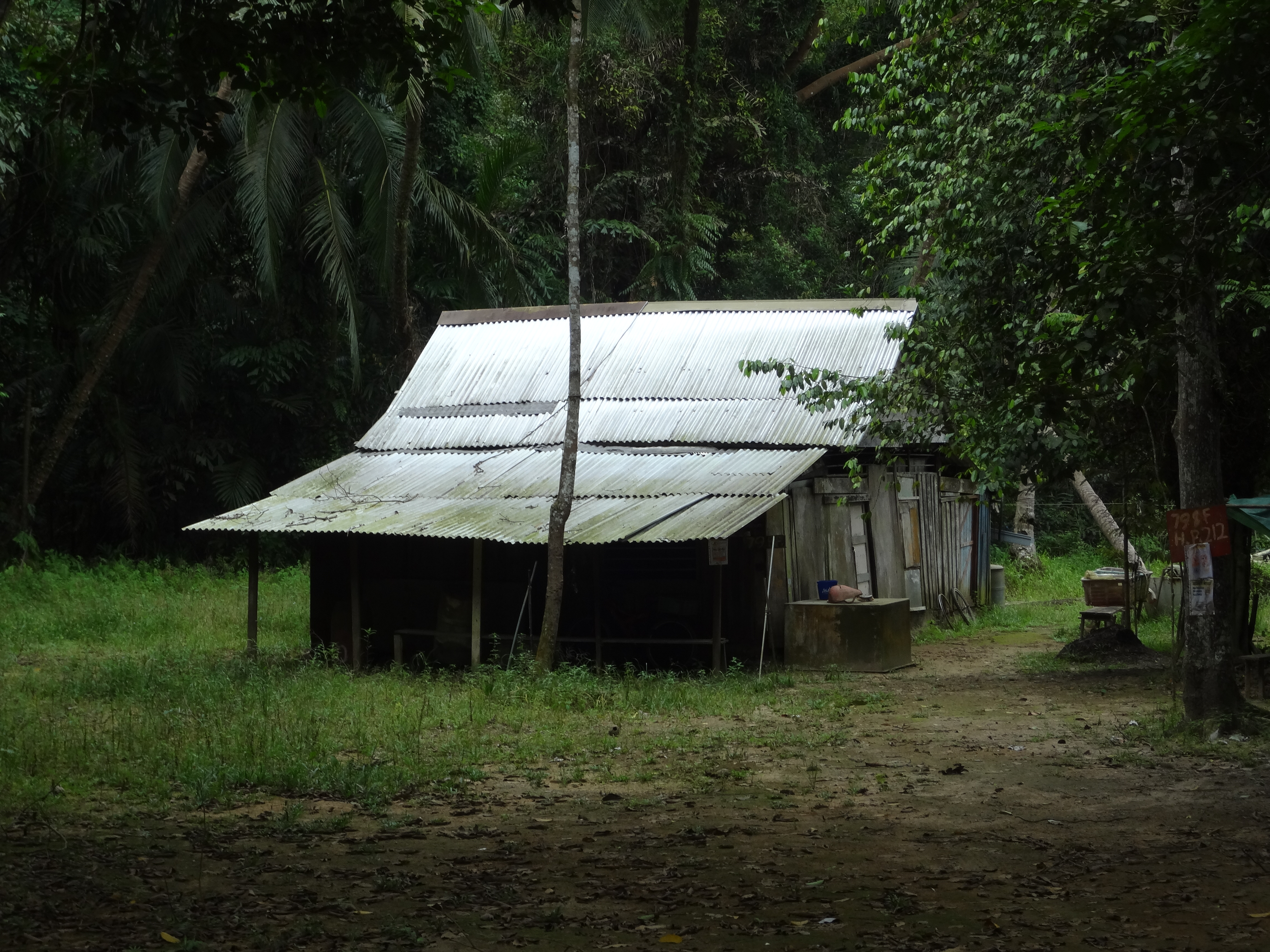
There were some abandoned houses as well, looking peaceful and gloomy amidst the dense forests:

DSC00167

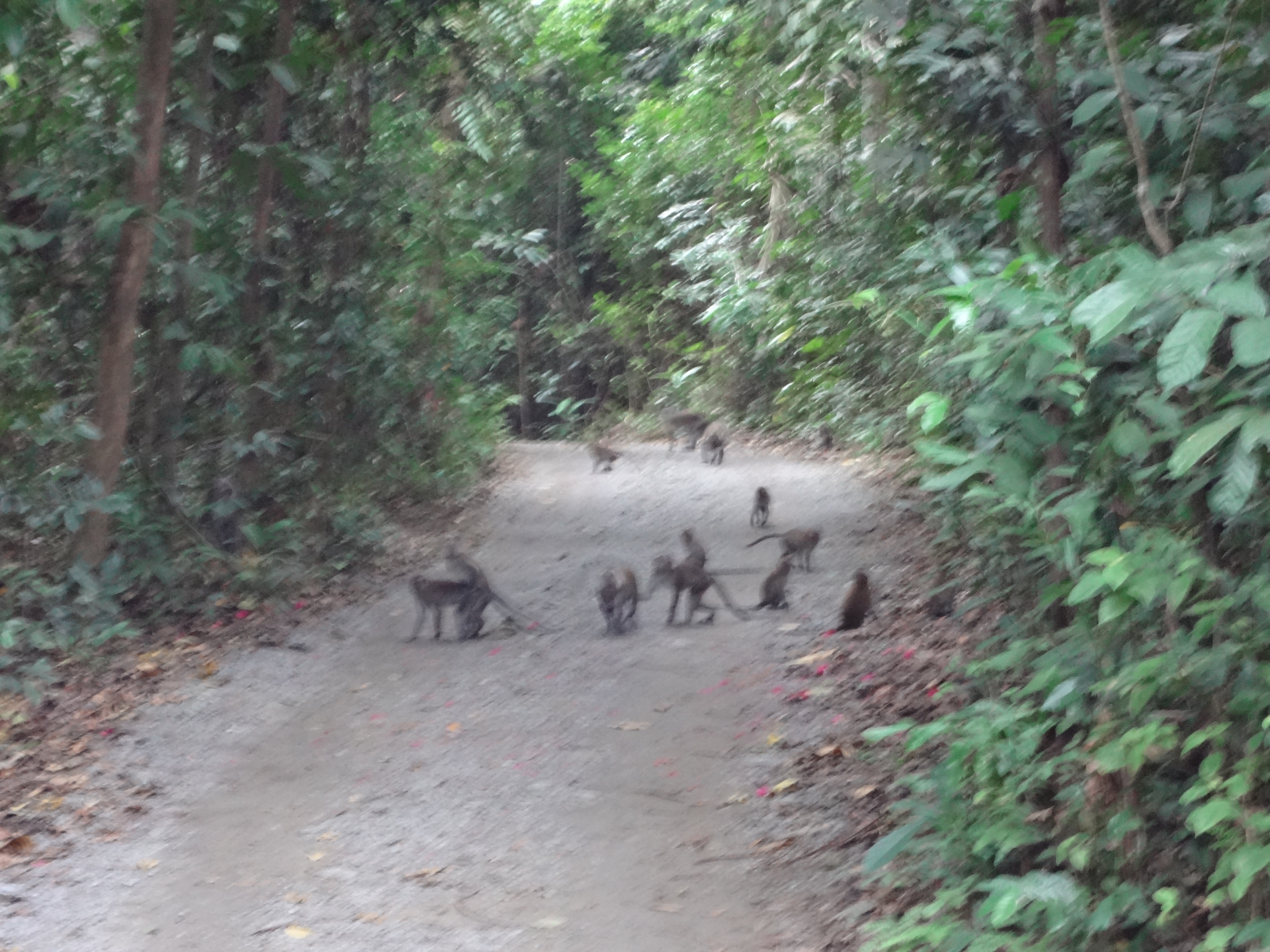
Signs warned me of wild animals, such as monkeys and, oh dear, wild boars. There was a little army of monkeys who were following me and some other hikers, having learned to associate people with food. I warily walked past them on the trees. After I passed, they appeared on the trail. I was only able to get this quick blurred shot before I fled.

DSC00197

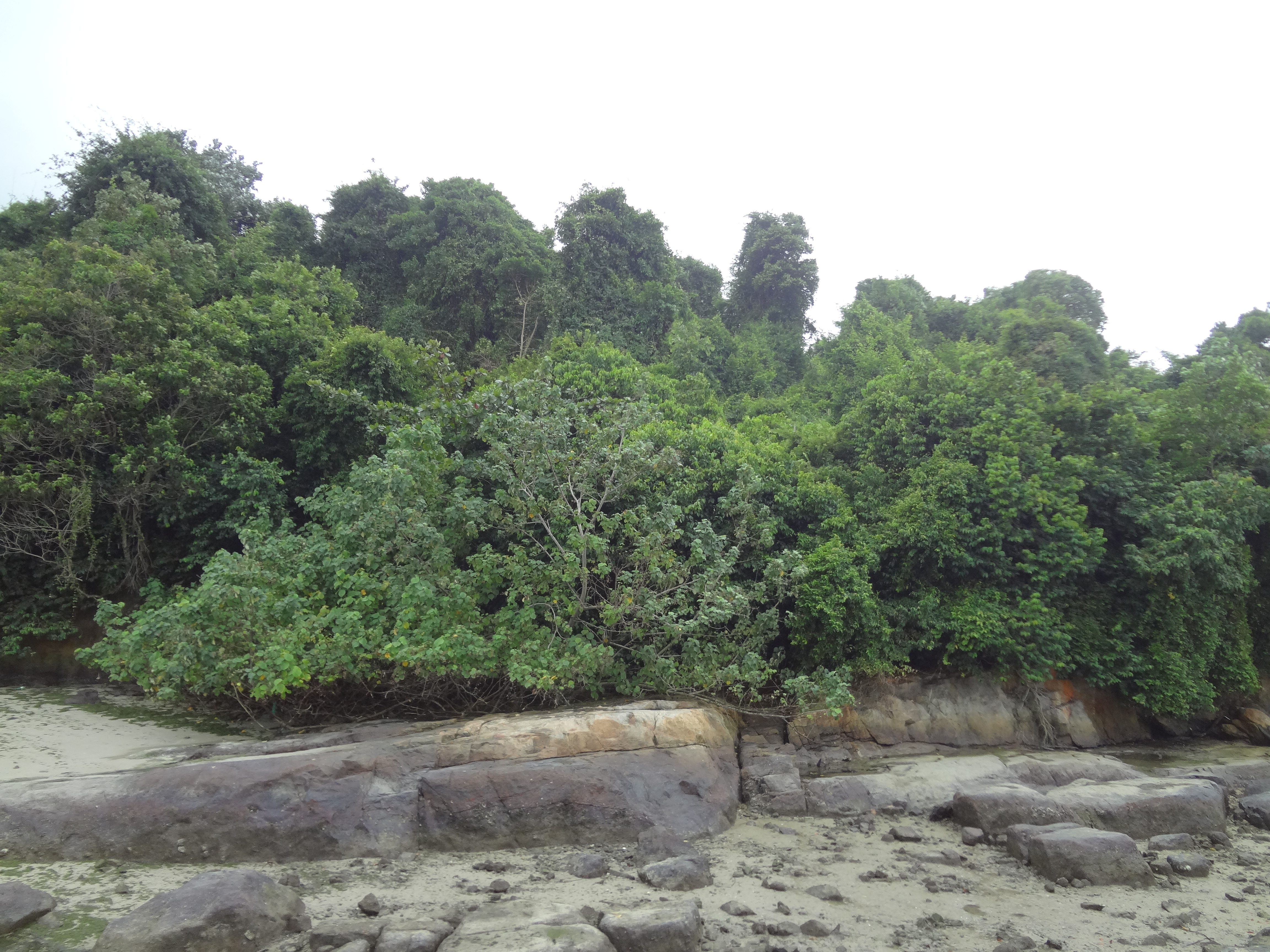
Upon reaching Chek Jewa, I saw this lovely coastal forest.

DSC00228

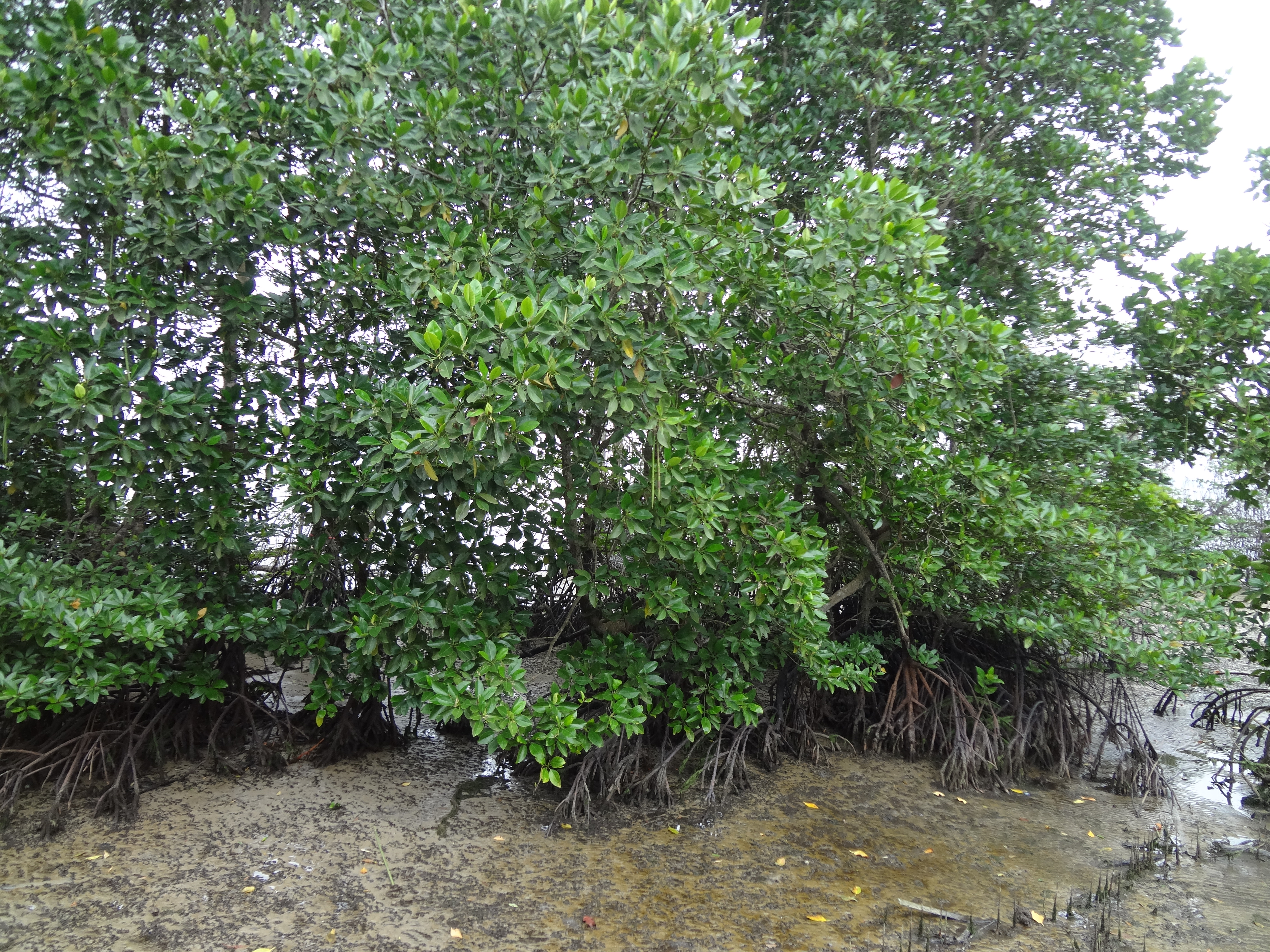
I also saw these beautiful mangroves, as well as organisms that live near it, such as crabs, sea grass, etc. I groaned at the sight of a discarded plastic bottle, and gave the stink eye to two men smoking nearby.

DSC00252

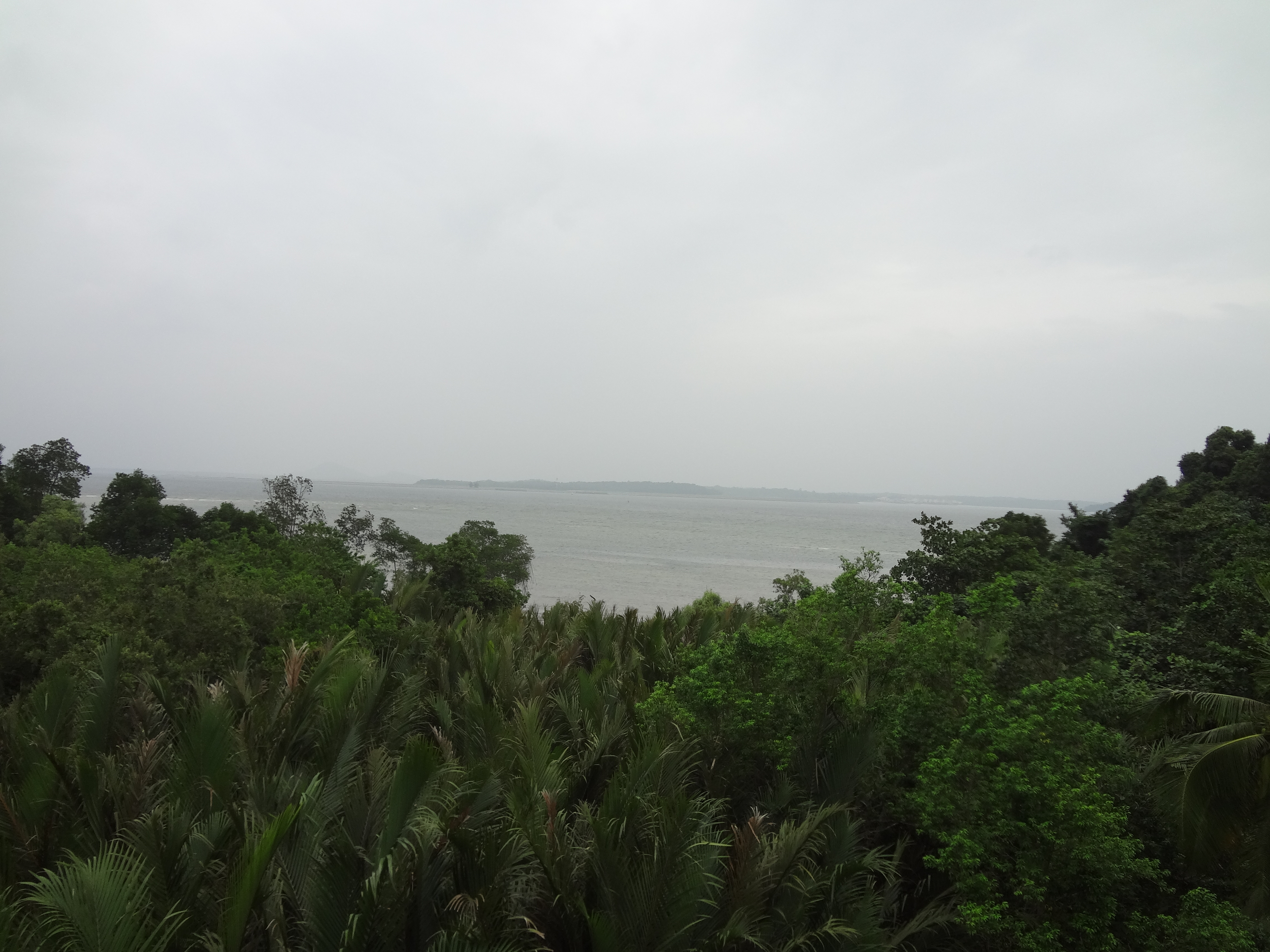
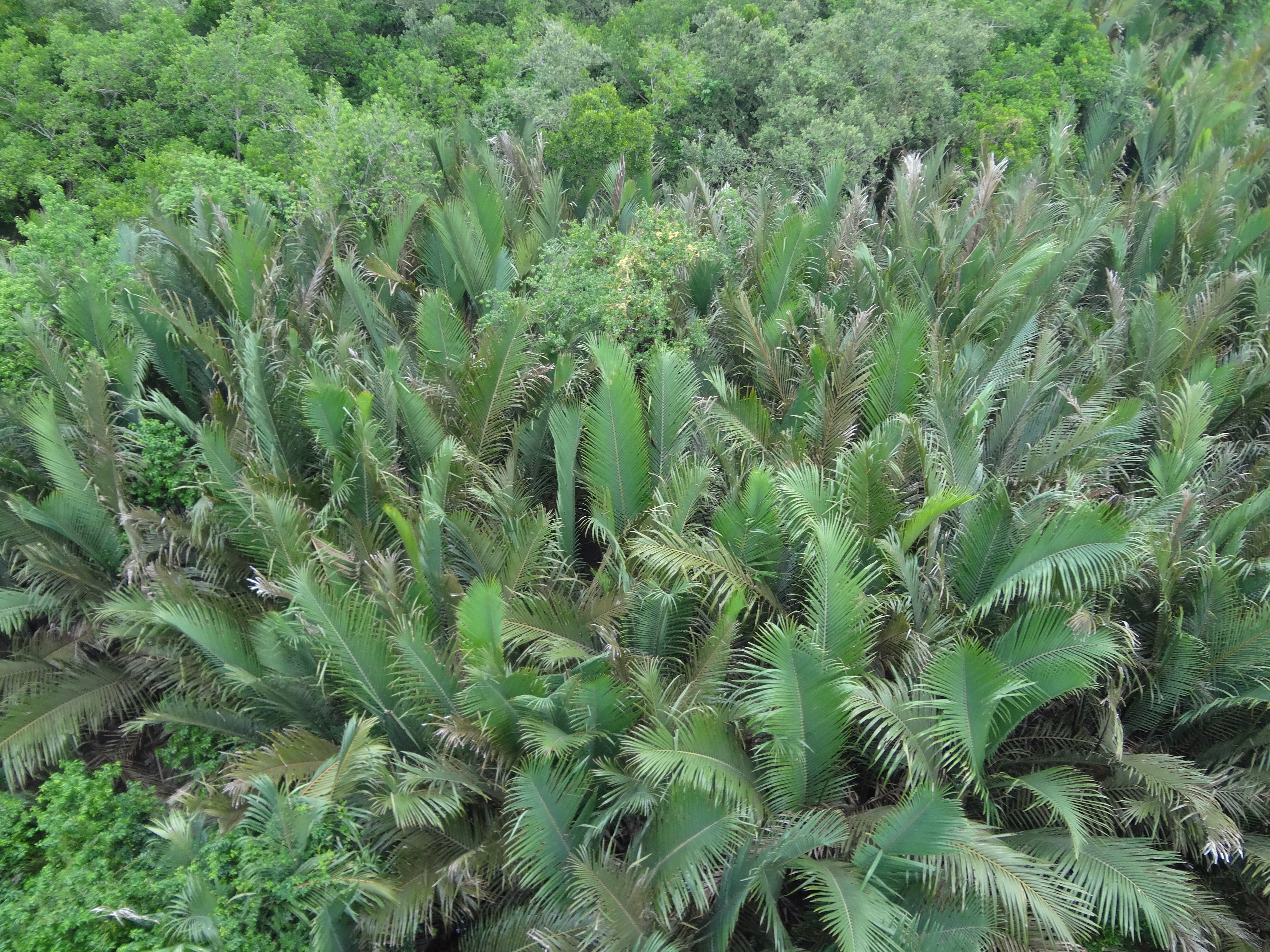
Walking back, I passed by a cluster of nipa trees. There was an observation dock you can climb the top of, allowing you to see the tops of the trees and beyond. I felt like a flea finally seeing what lay beyond the realm of a dog:

DSC00271

DSC00273

And so was my final expedition in the Lion City. Thanks, Singapore! The past four and a half months were oh so very lovely. You kicked my ass, just as I hoped you would. Salut!

The Holiday Hackathon is an exploration/discovery project of me spending my last couple of weeks in Singapore. I just finished an art/science residency, and I’m hoping that asking questions and going to new places will help me figure out that next step/project. 


One great thing about having to extend my stay in Singapore is being able to visit the Singapore River Safari, which just had their grand opening this December. I was really excited—it’s an uncommon theme for a nature park, and it was the final one I had to go to here in the Lion City. Let me get down to my favorites:

Ok, hands down, my favorite part was the Amazon Flooded Forest, which simulates the water wonderland that the Amazon turns into during rainy season. I loved seeing the manatees (which are freshwater animals, as opposed to the dugongs, which you can find in saltwater).

DSC00001


I spent a lot of time there, and it was calming to see them swim, sometimes upside down.

DSC09989


I think I’ve seen way too much of the Upper Seletar Reservoir. But gasp, I don’t care;  it’s so clear.

DSC00012


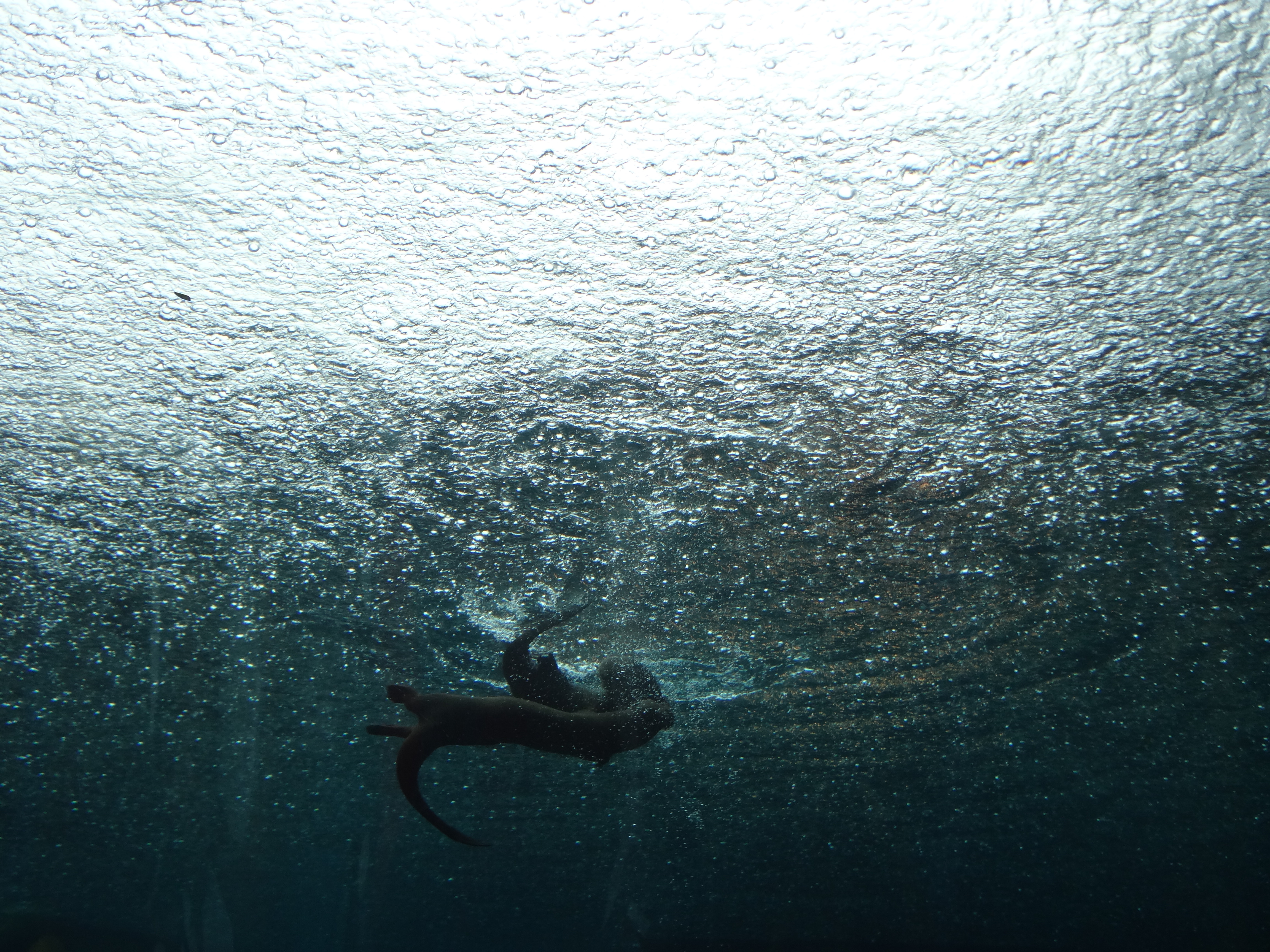
In one of the tunnels, I was thrilled to see a couple of river otters swimming.

DSC00066


Like many people, I queued for a long time to get tickets to the Amazon River Quest boat ride. And later, another queue to get in during my timeslot. I was a bit underwhelmed, but it was nice to see some of the rare animals, such as this capybara. I hadn’t seen one since the New Orleans zoo.

DSC00084


The squirrel monkey forest was also fun to walk in, although I’m a bit scared of monkeys in general.

DSC09970


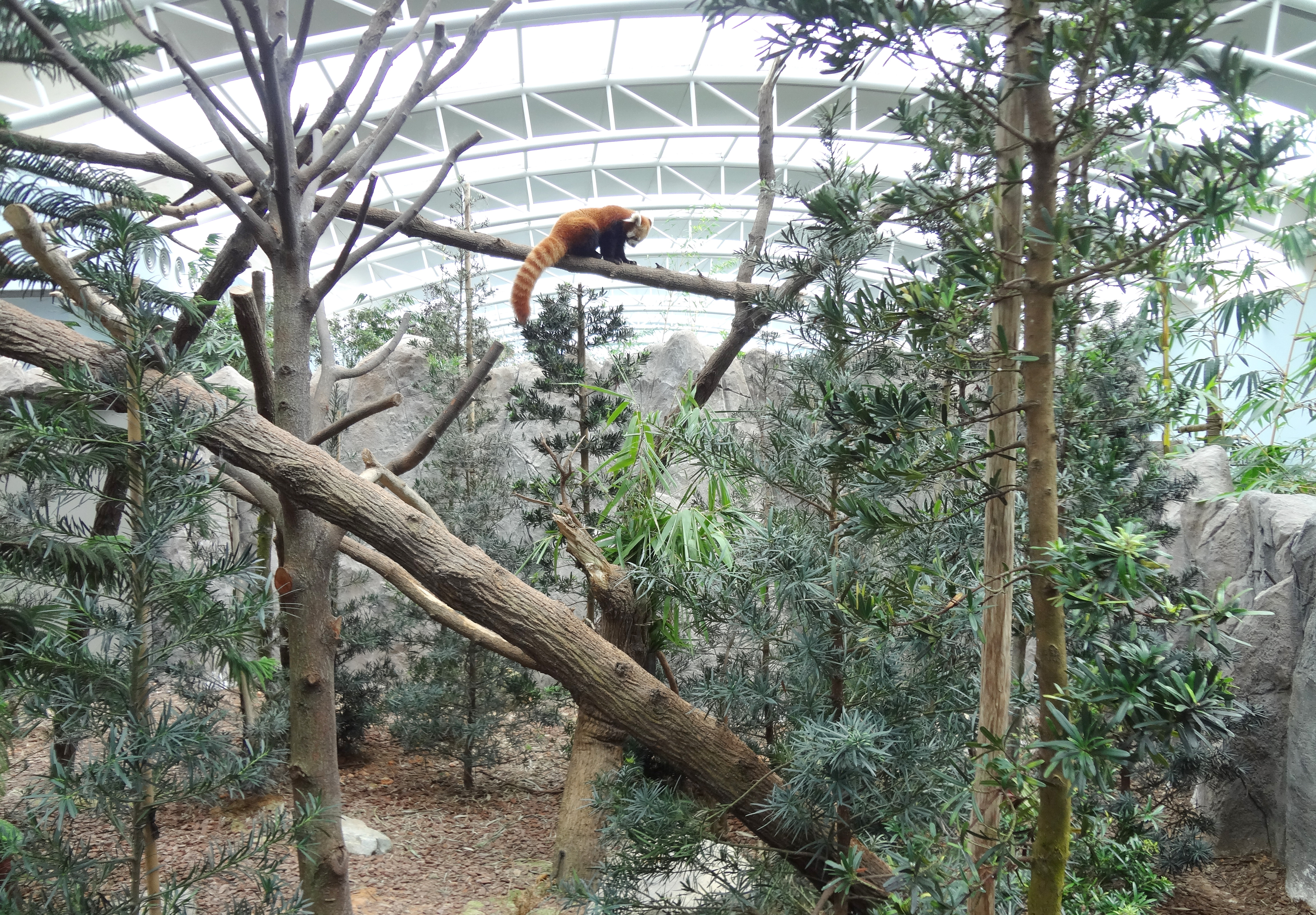
Next to the flooded forest, my favorite part was seeing the pandas. It was another (!) queue, but one that’s necessary, as the pandas were sensitive to noise and only a group of people can get in at a time. I loved seeing the red pandas:

DSC00055

DSC00052


It was also nice to see Singapore’s first two pandas. Here’s Kai-Kai:

DSC00035


And here’s Jia-jia:

DSC00048


I think it’s my favorite part of Singapore. Don’t miss it!

The Holiday Hackathon is an exploration/discovery project of me spending my last couple of weeks in Singapore. I just finished an art/science residency, and I’m hoping that asking questions and going to new places will help me figure out that next step/project.