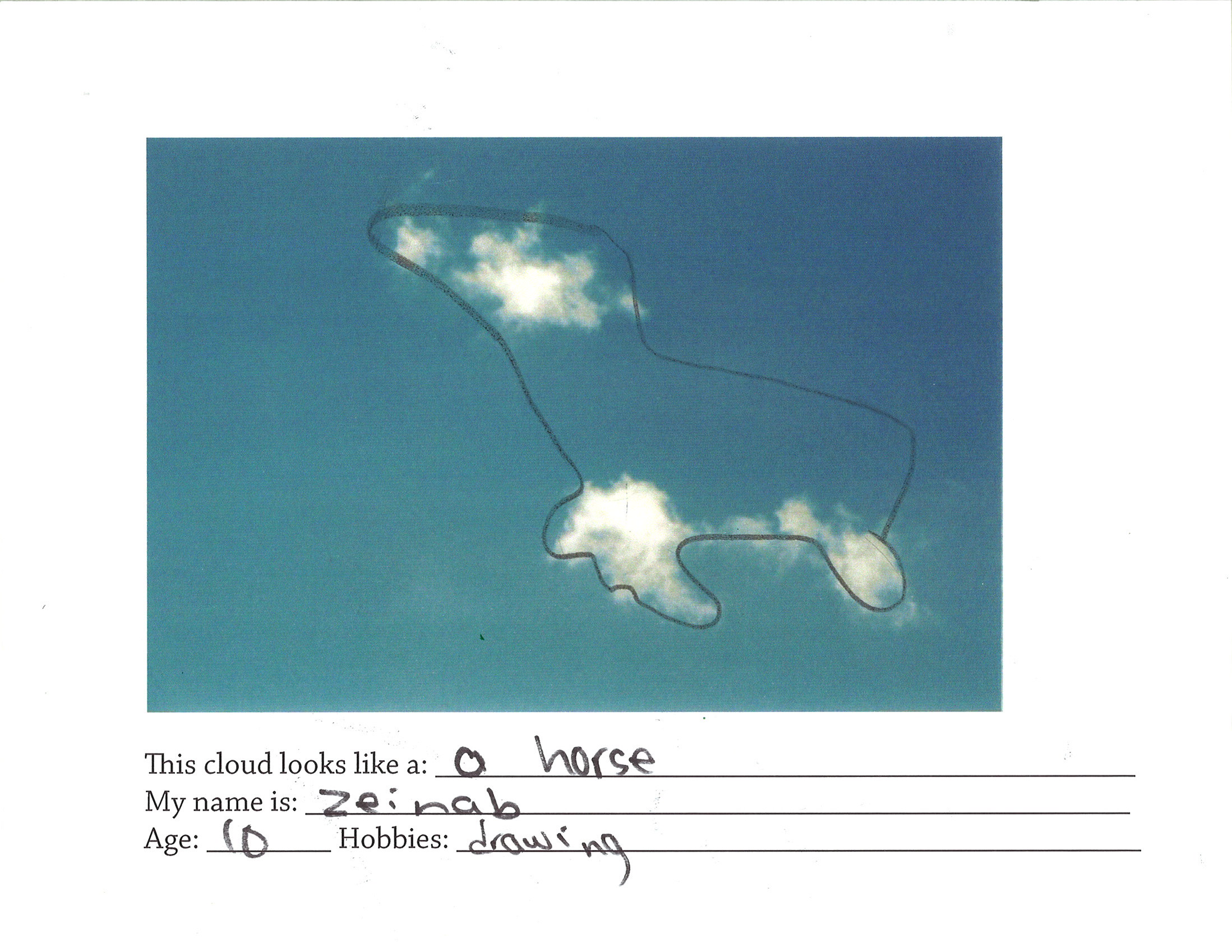
Archive

Drawing

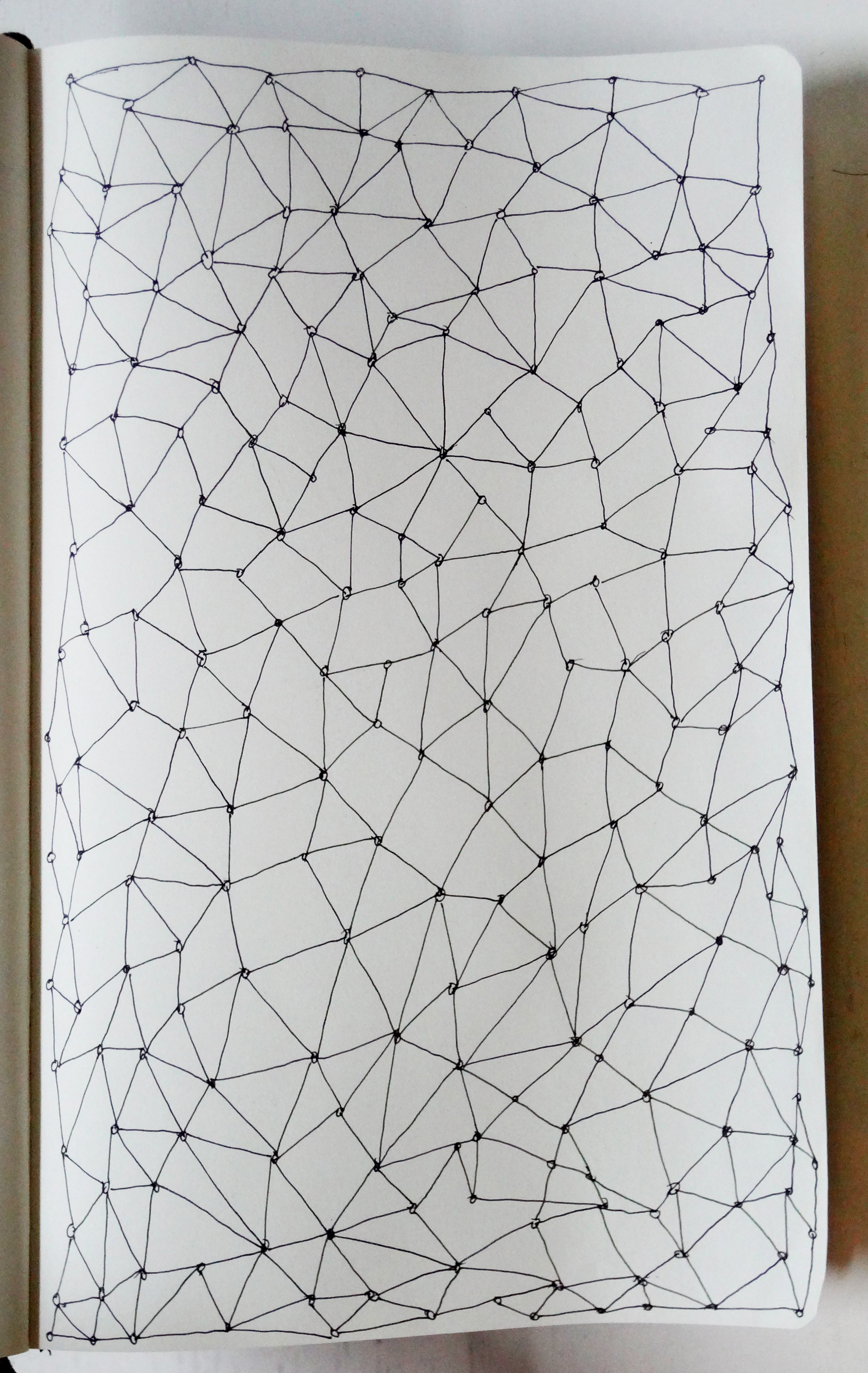
I was training by myself in the dojang tonight. While in a full split, I decided to draw. When I looked up, the hour had passed.

A sign I need a break.

This is why I usually take a class. My hips are killing me. But at least I still have this drawing. Ole!

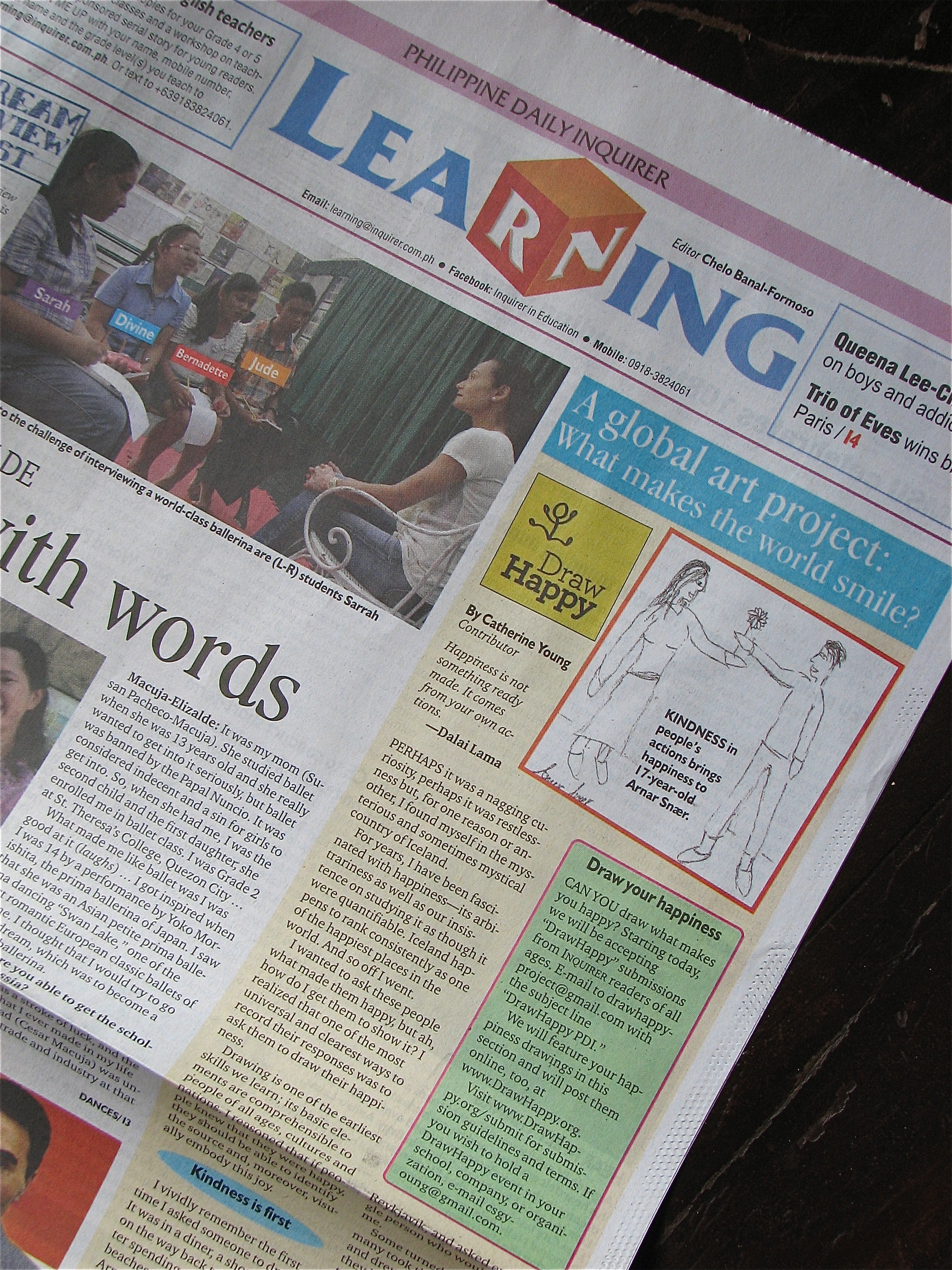
This week, something unexpected happened; I’m a published print journalist once again. Pop the champagne! It’s nothing I haven’t already wrote or spoke about before—I wrote about DrawHappy (full article below) for the readers of the Philippine Daily Inquirer. This is the first print article about the project, and I hope to write about my other projects, too.

DrawHappy in the Philippine Daily Inquirer’s Learning section

How did this happen? Last week, I had coffee with my former editor, whom I hadn’t seen in eight years and who now runs the Learning section. She was kind enough to listen to the projects I am running. That was on a Wednesday; my first article ran five days later. I have been through enough to be grateful for paths of least resistance. It’s pretty much the same routine of me looking at all submissions, except that whatever I send to my editor will exist in print first, then this blog.

Why this newspaper? Well, I used to write for them. While I was rarely in their offices—the consequence of the Internet—I did meet my editor, the president, and the chairperson once, and they’re quite lovely people whom I respect. I have quite fond memories of assignments involving me as a zookeeper, a magician’s assistant, a mascot, a sushi chef, as well as the requisite book and movie reviews. The Philippine Daily Inquirer also has the widest readership in the Philippines. Because it exists in print as well as online media, I hope my projects reach even those who can’t afford technology.

Back in the day, I was what they would call a youth correspondent, and I was just out of high school. (No need for gasps of ageist-related awe; there were people younger than I was, and trust me, the differences in depth of writing among them were vast.) During college I wrote over 100 articles until I moved to New York.

I am very thankful for those years with the Inquirer because it taught me to be able to write about anything with the tightest of deadlines and with the barest of writing instruments and technology. It has taught me to take criticism, hate mail, and the occasional death threat with as much poise and dignity as possible. Going back to those old articles has always made me smile and wince at the same time. What one writes when she is 29 years old is quite different when she was 17.

It’s also funny because, as someone who was always taught that writing is no way to make a living, it has been helping me pay the bills in the almost-two months I’ve been finished with my Fulbright. Back in those days, I deposited all my writing-related paychecks in a couple of local bank accounts that I promptly forgot when I left to travel. It’s not much, but hey, guess who just paid herself while she gets her projects off the ground? Oh, the irony.

Below is the article, with the link to PDI’s website here.

What Makes the World Happy

DrawHappy: A global art project on drawing your happiness

“Happiness is not something ready made. It comes from your own actions.”

—Dalai Lama

Perhaps it was a nagging curiosity, perhaps it was restlessness, but for one reason or another, I found myself in the mysterious and sometimes mystical country of Iceland. It wasn’t just the need to get away from the mania of New York City. I went there on a hunch. For years, I have been fascinated with happiness—its arbitrariness as well as our insistence on studying it as though it were quantifiable. Iceland happens to rank consistently as one of the happiest places in the world. And so off I went.

I wanted to ask these people what made them happy, but ah, how do I get them to show it? I realized that one of the most universal and clearest ways to record their responses was to ask them to draw their happiness. Drawing is one of the earliest skills we learn; its basic elements are comprehensible to people of all ages, cultures, and nations. I reasoned that if people knew that they were happy, they should be able to identify the source and moreover, visually embody this joy.

Kindness is first

I vividly remember the first time I asked someone to draw. It was in a diner, a short pit stop on the way back to Reykjavik after spending time in the black beaches of Vik. The young man, Arnar, who worked the register and couldn’t be more than 17 years old, was such a warm an genuine character that I knew I had to ask him.

When you have a project in your head, the initial step is always one of uncertainty and awkwardness. I didn’t have a name for the project yet. I felt foolish for even asking. But I was immensely touched when he drew something that I never thought would be the first sketch. “When I see people do an act of kindness, that makes me feel truly happy,” he said. Kindness! In a world that’s often depicted as materialistic and disconnected! Perhaps there was something to this after all.

A one-woman happiness machine

That first encounter made it easier for the succeeding ones. I became a one-woman happiness machine right afterwards, asking everyone in my path. Even a particularly cold and windy day (in Iceland, “windy” means “being swept off your feet”) didn’t stop me—I went through the entire street of Laugavegur, the primary commercial street in Reykjavik, and asked every single person who would listen to me. Some turned me away, but many took my offered pencil and drew, which they confessed they hadn’t done in years. Some told me that no one ever asked them this question before, which made me do a double-take (Seriously?) and a cartwheel (Yes! About time!).

I set my goal for the Iceland trip to 100 drawings, a big yet manageable number since my trip lasted around two weeks, with half of the time spent chasing waterfalls, volcanoes, and the Northern Lights. But I persisted, even asking people on the plane with me en route to New York. Upon returning, I reviewed the sketches I had, reflected on why I was even interested in doing this to begin with, and decided to put everything online and continue the project.

Drawings as data

My teachers and classmates at the Interaction Design program at the School of Visual Arts, where I received my MFA this May, helped me a lot in tightening up my story and clarifying my intentions with DrawHappy. A final project for my Data Visualization class led to me creating an infographic about the sketches I had. I began treating the drawings as actual data, categorizing the countries where people came from and what they drew. I think doing this helped me understand why people chose to draw what they did.

Until now, I ask people to give their name, age, country of origin, and profession. They don’t have to, but I encourage it because I think it’s important to own up to your happiness and it gives me a way to see how it is defined by people of their demographic. I also ask them about what they were doing right before they made the drawing; I think our notion of happiness is contextual and affected by the things that surround us. How a person views happiness also changes through time, and occasionally, I get another submission from a previous participant, whose definition of happy has evolved.

Going global

It has been more than a year since Iceland. The project has since received submissions from 47 countries. Even now, my heart would skip a beat every time I get an email from a complete stranger, wanting to participate in the project. I have smiled, laughed, wondered at, and cried at the stories I have gotten from people I may never meet. DrawHappy has been a window into our shared humanity, one that is universal and timeless. I hope to run this project forever; I think it has sustained me as well as the people who have supported it.

Lessons on happiness

DrawHappy has also made me understand happiness in a deeper way. Happiness is a paradox. To quantify it, as I have found, is less interesting to me than to qualify it by what people have chosen to draw. Happiness is also a way of life, not an end. How we are happy, that is, whether we can see the little joys in the day, matters more than the bigger payoffs of life. Finally, I now believe that happiness is something that can be cultivated or practiced every single day. I hope that in getting people to draw, they will be reminded of their happiness and that they take steps to pursue it.

Parts of this article have appeared in the project’s site, http://www.DrawHappy.org as well as my personal blog, http://www.ThePerceptionalist.com. Follow the project at http://www.DrawHappy.org or @idrawhappy.

Starting today, we will be accepting DrawHappy submissions from all PDI readers! Visit http://www.DrawHappy.org/submit for submission guidelines  and terms, and email drawhappyproject@gmail.com with the subject line “DrawHappy PDI.” We will feature a drawing every week in Inquirer Learning, and will post them online at http://www.DrawHappy.org. If you wish to hold a DrawHappy event in your school, company, or organization, please email me as well.

(I wrote this post as an update to DrawHappy, an ongoing art project where I ask people to draw what makes them happy. The full text of it is below.)

Well, almost. I returned from my trip to Iceland on January 10th, bringing with me a hundred sketches, a sea of stories, and a now-heightened tolerance of the cold that is quite useful for one who grew up in the tropics. I never thought I’d continue DrawHappy, as I’m usually doing other projects and have a really short attention span. But the post-Iceland sketches came in sporadically, and I’ve realized that it was the occasional email or package with a happy drawing that helped sustain me—and I hope those who follow the project—throughout 2011. It didn’t even have to be a fancy sketch; many I’ve received were beautifully simple. But I think it was this simplicity that made these drawings a joy to behold. Others were more elaborate, and I’ve been speechless at the amount of time and effort it must have taken to do some of them.

But first, hurray, we have a logo!


(A little late, but grad school has kept me busy.)

I used a stick figure jumping for joy, since in Iceland quite a lot of people drew that, handing their sketch tentatively and apologetically because their drawings weren’t a da Vinci. But I think the simplicity of it brought about clarity, which was the reason I asked you all to draw instead of write. I loved the sketches, stick figures and all. Thank you for all of them.

Remember the visualization I made after the 100 sketches? Honestly, I did that to pass a class, as I felt I had no other interesting data to use for my final project. But I loved what I learned from the analysis of these sketches, especially where happiness may be plotted on other standards of happiness. It made me ask questions. Why draw? Why record the moment of drawing? So what? Now what?

Why draw?

Drawing is one of the earliest skills we learn; its basic elements are comprehensible to people of all ages, cultures and nations. No one is judging how good the drawing is; the lone requirement is that you embody your definition of happiness by taking a pencil to paper. To draw is to make clear to yourself. The project forces you to dig deep into your memory and pull from its recesses that which sustains you as a human being.

I believe most of us lose opportunities to draw. Our lives are run on devices, which I love and use eagerly; this project would never have had this global reach without technology. But while we can externalize some abilities to our machines, I hope that we don’t forget some of the basic skills that are not just universal, but critical for self-reflection and growth. I consider it a minor triumph to get people unplugged, if only for a few minutes.

A more practical reason for drawing is that while the aspiration for happiness seems to be universal (although I suppose there will always be a lot of masochistic grumps in the world), our definition of it is not. Moreover, there are times when it is difficult to label it; this is why the labeling of the sketch was not required. (I still believe it shouldn’t, though it might help me entitle your post! In these cases, I’ve done my best to simply describe what I saw, and not interpret them.)

Why the moment?

I am a scientist by training; this has given me an analytic stance when doing any project. Our definition of happiness as well as the quantification of how happy we are is dependent on what we are doing in that specific point in time. If you were riding horses that day and were still feeling exhilarated, then naturally you will draw horses. What makes other human beings happy also affected what we think makes us happy; hence, the company you kept at the time of your sketching was also recorded. I recall a time when two friends I asked both drew food. One sketched pie and the other, Pinot noir and grapes.

What I wished for

I hope that this project has made the participants want to pursue their happiness because of this brief moment of having to have considered it. There were some people who told me no one ever asked this of them before, which made me both do a double-take (Seriously?) and a cartwheel (Yes! About time!) I, too, have learned so much about the universality of happiness and how, despite our different zip codes, we all aspire for similar things in life.

Other things I’ve learned

1. Brazil is a very happy country. I hope to physically take this project there one day. Obrigado for the shout out, Super!

2. Beauty comes from boredom. Another reason why it was interesting to examine the moment of drawing:  many drew while they were bored in school, a meeting, a conference.  It must feel very satisfying to take that moment back for oneself. I loved it.

3. One should participate and not just observe one’s projects. I drew my own happiness, too!  It also inspired a lot of sketching projects, such as this and now this. It has also been a great reference to my lifelong obsession with human perception.

Now what?

I really want this project to go on forever. It would be interesting how this would look like in 5, 10, 20 years. I’m not expecting to receive hundreds of submissions a day (though that would be awesome!). I am  fully aware that drawing is asking a lot from people. I hope to take this project many steps further. It’s not just because it’s such a joy to do; more broadly, I want to ask, “Is it possible to have a record of what sustains humanity?” And once we know what does, will we take steps to ensure that we, our community, and our society make it easier for us to grasp them?

Thank you for supporting this project! In the meantime, please do keep sending me your sketches. Or  let me know how this affected you, if it has.

More updates soon!

Crayons rank among my favorite things. Few objects can delight as much as these little sticks of paraffin and pigment, externalizing a child’s imagination onto paper. The word ‘crayon’ goes back to 1644, a diminutive of the French word craie (chalk) and the Latin word creta (Earth). But the combination of wax and pigment goes back thousands of years ago. Ancient Egyptians used a technique called encaustic painting to bind color to stone. Similar methods also existed with the ancient Greeks, Romans, and even in the Philippines.

Contemporary crayons supposedly originated in Europe. Made of charcoal and oil, they were far from the easy-to-use crayons we know today. Colored pigments eventually replaced the charcoal. Eventually, wax replaced the oil after it was found that it made the crayon stronger and more manageable.

Although several companies manufactured wax crayons, it was arguably Binney & Smith Company, later named Crayola, that embedded crayons in our collective consciousness. In 1903, the company noticed a need for safe, inexpensive and quality crayons. They produced the first box of eight Crayola crayons. Each box sold for a nickel. In 1958, the 64-color box of Crayola crayons with a built-in sharpener was produced. By 1981, the company topped $100 million in sales for the first time. Currently, Crayola produces an average of twelve million crayons a day or nearly three billion in a year,  enough to circle the globe six times.

There are currently 120 colors, although 13 have been retired along the way, thus bringing the total number of colors to 133. (The 13 officially retired crayon colors are “Blue Gray”, “Lemon Yellow”, “Orange Red”, “Orange Yellow”, “Violet Blue”, “Maize”, “Green Blue”, “Raw Umber”, “Thistle”, “Blizzard Blue”, “Mulberry”, “Teal Blue”, and “Magic Mint”.)

I was able to buy some boxes of vintage crayons that date from the 1950s-1960s. When they came, I couldn’t help but feel the same excitement I did as a child when I opened up a box of unused crayons, just waiting for me.

Note that the boxes still contained the “Flesh” color, which was renamed to “Peach” since people have different colored complexions. “Indian Red, ” though named for a red pigment in India, was renamed “Chestnut” to avoid confusion with the skin color of Native Americans. Although crayons may have a specific use, each color is relative to the person perceiving it. Crayola itself uses the book, “Color:  Universal Language and Dictionary of Names” to name their crayons, and even asks consumers to name the crayons on occasion. Our memories are embedded in crayons, and thus, may require different names.

I am making crayons, you all. Brace yourselves.

References

1. Crayon. Wikipedia. Accessed 23 November 2011.
2. Crayola. “Our History.”  Accessed 14 November 2011.
3. Email communication with Crayola consumer affairs representative. 8 November 2011.

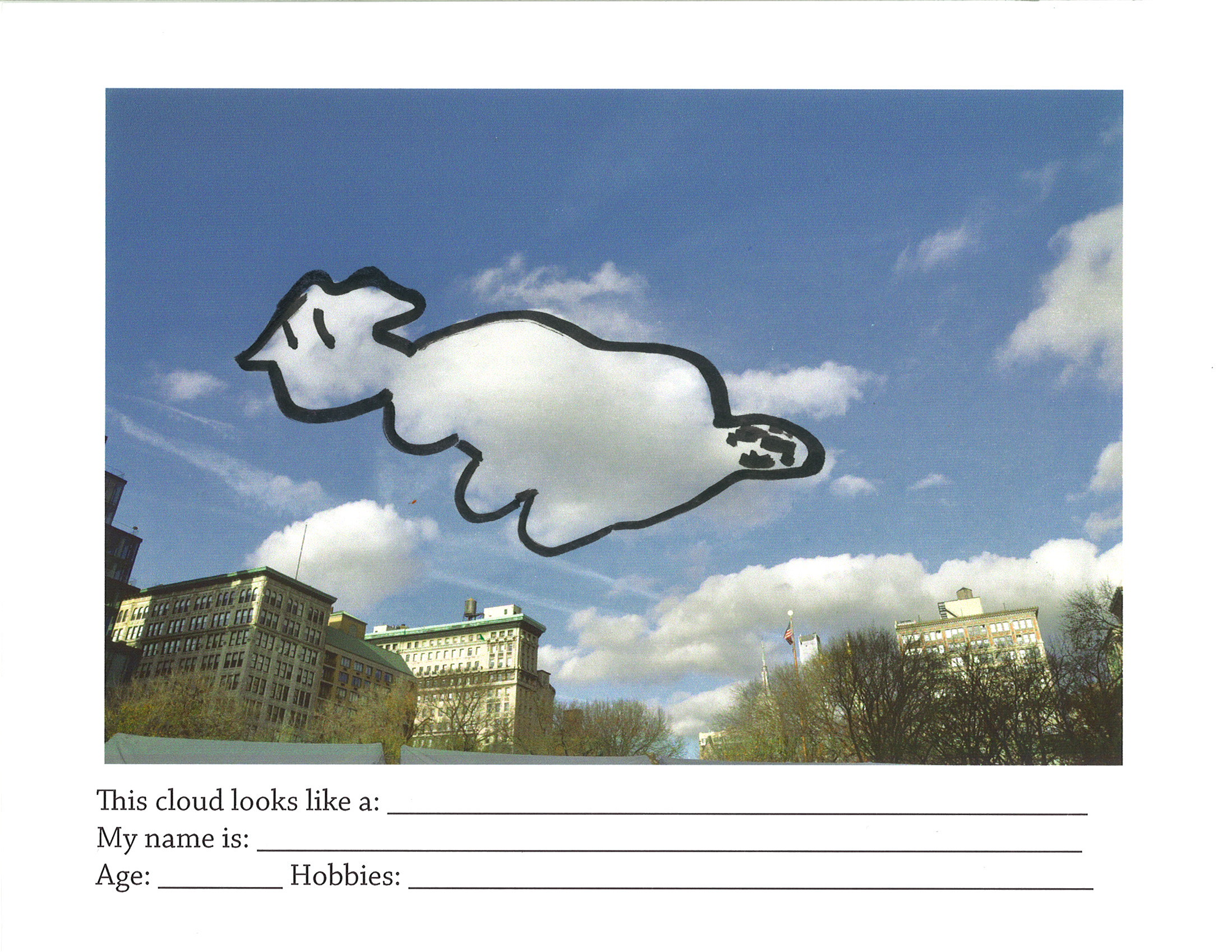
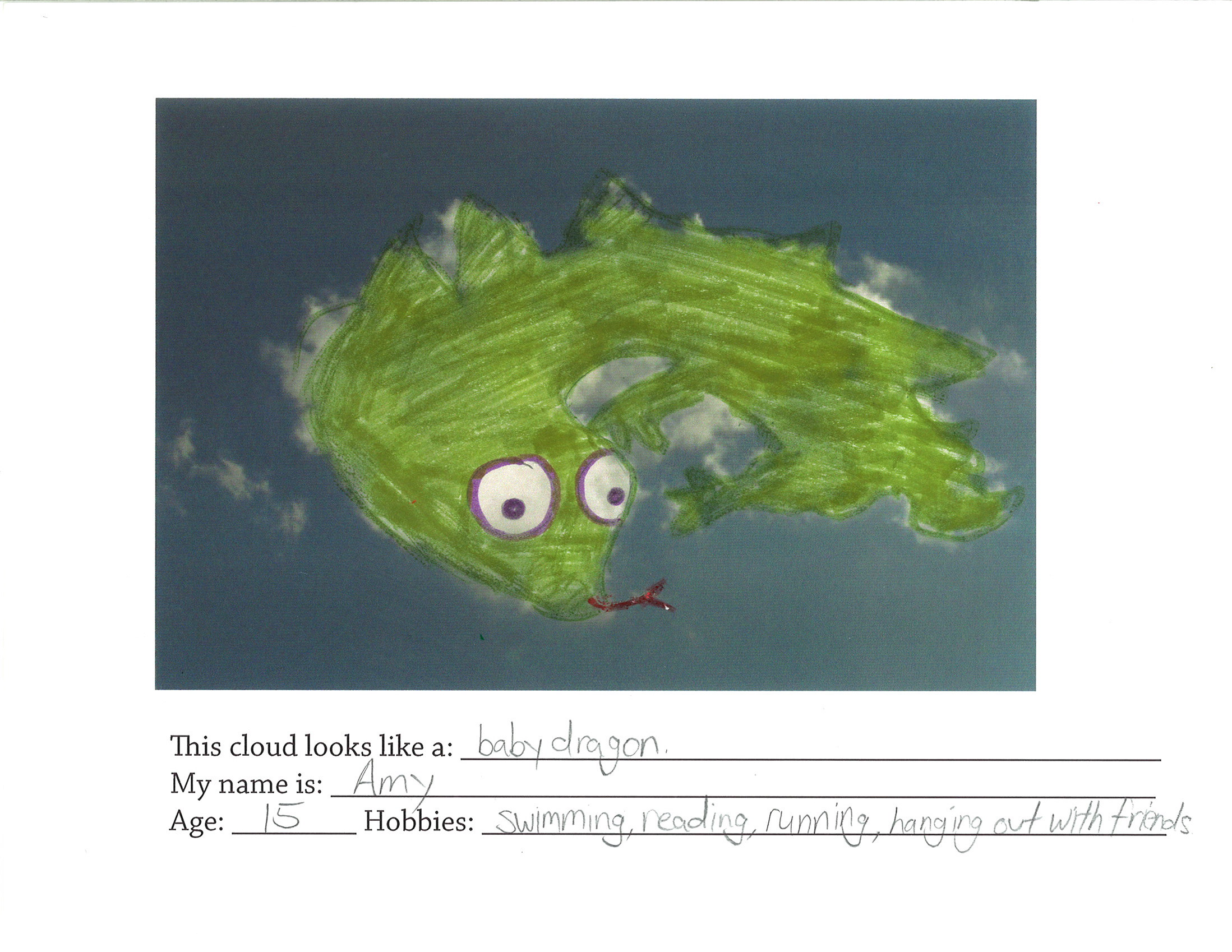
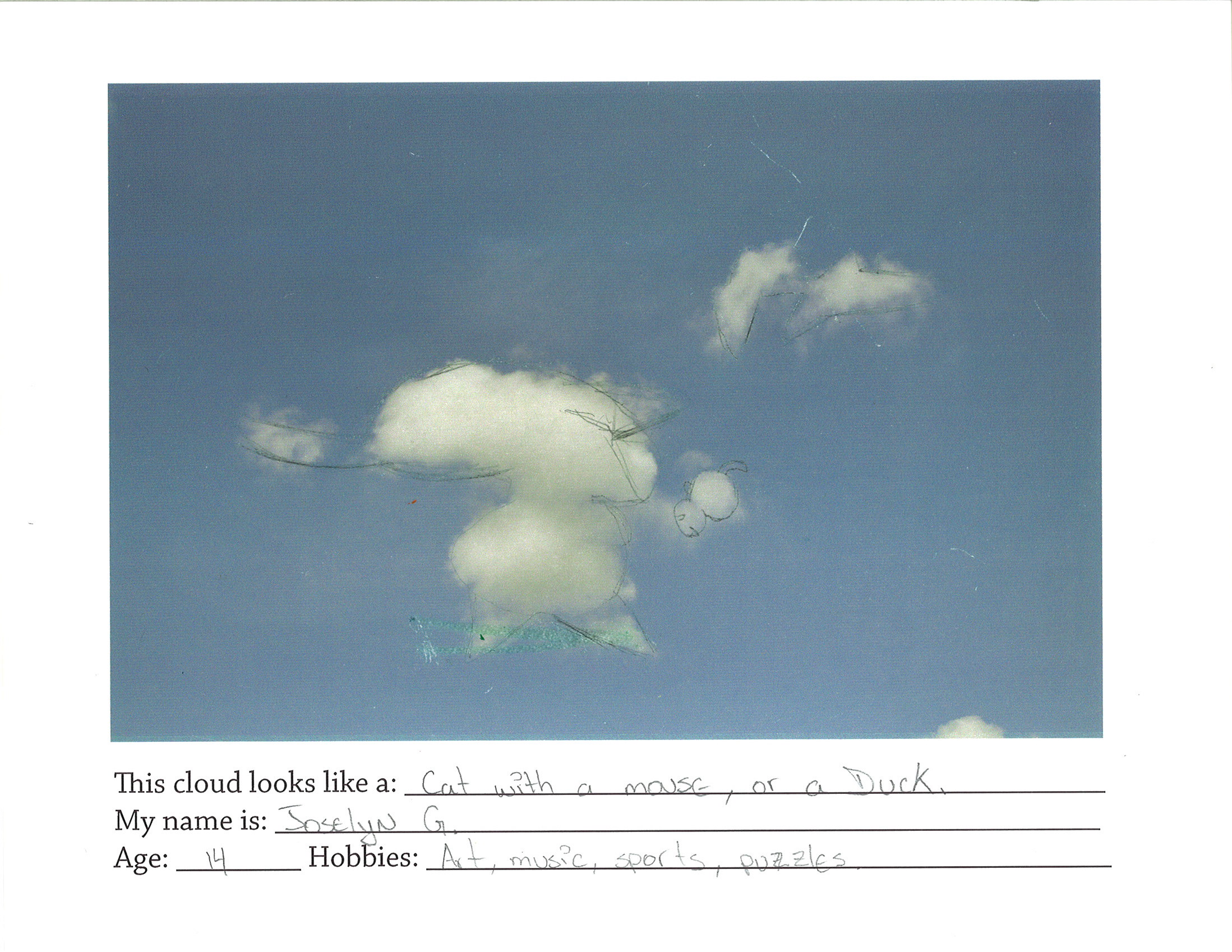
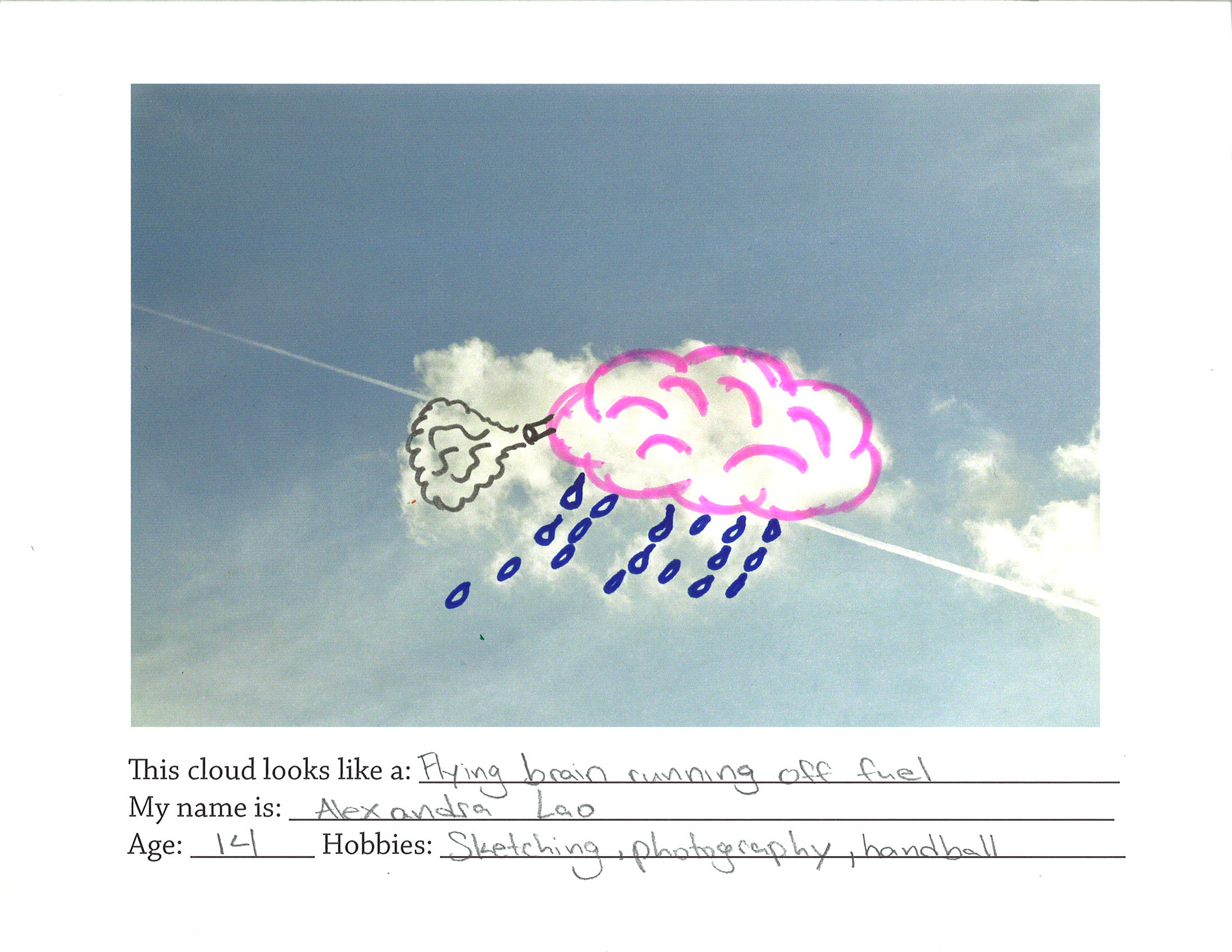
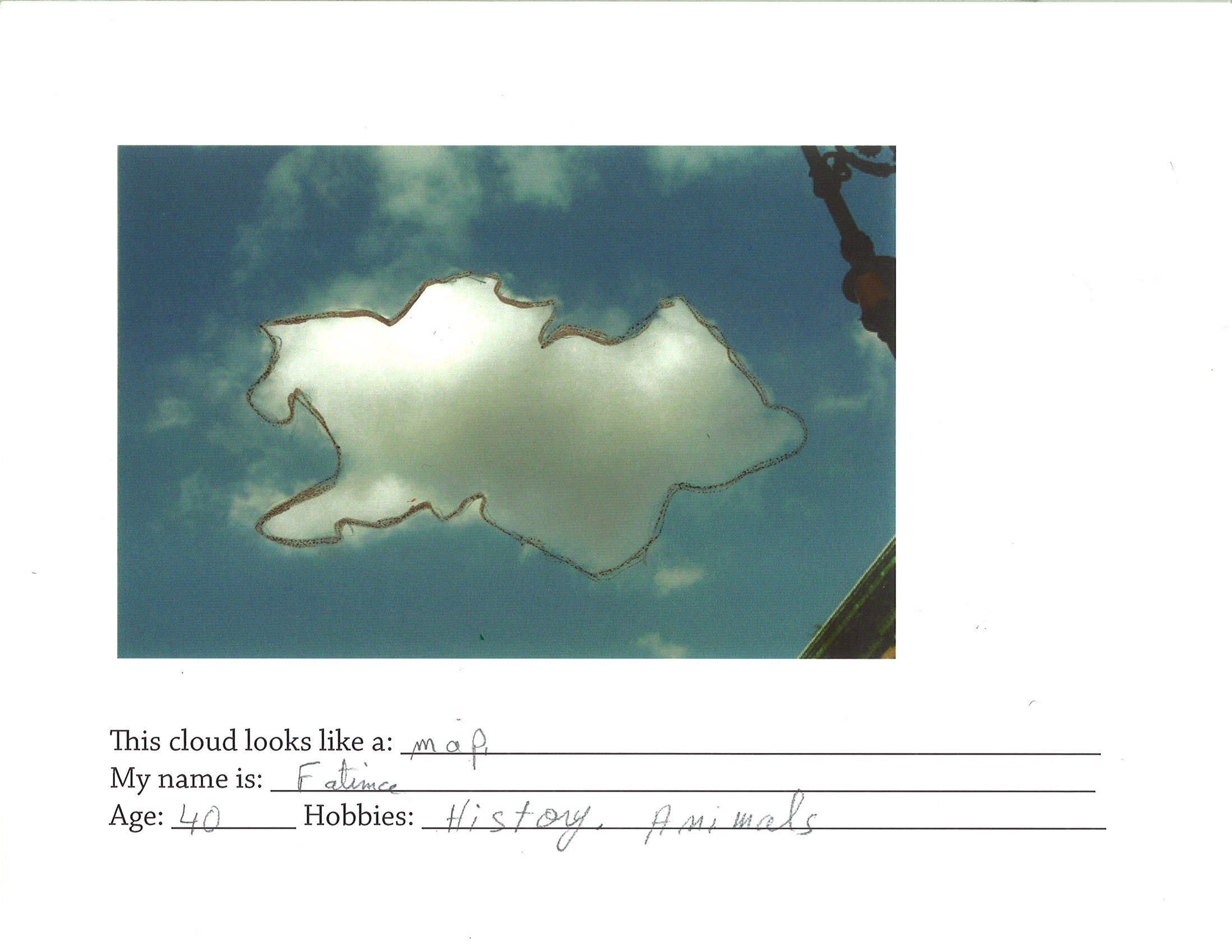
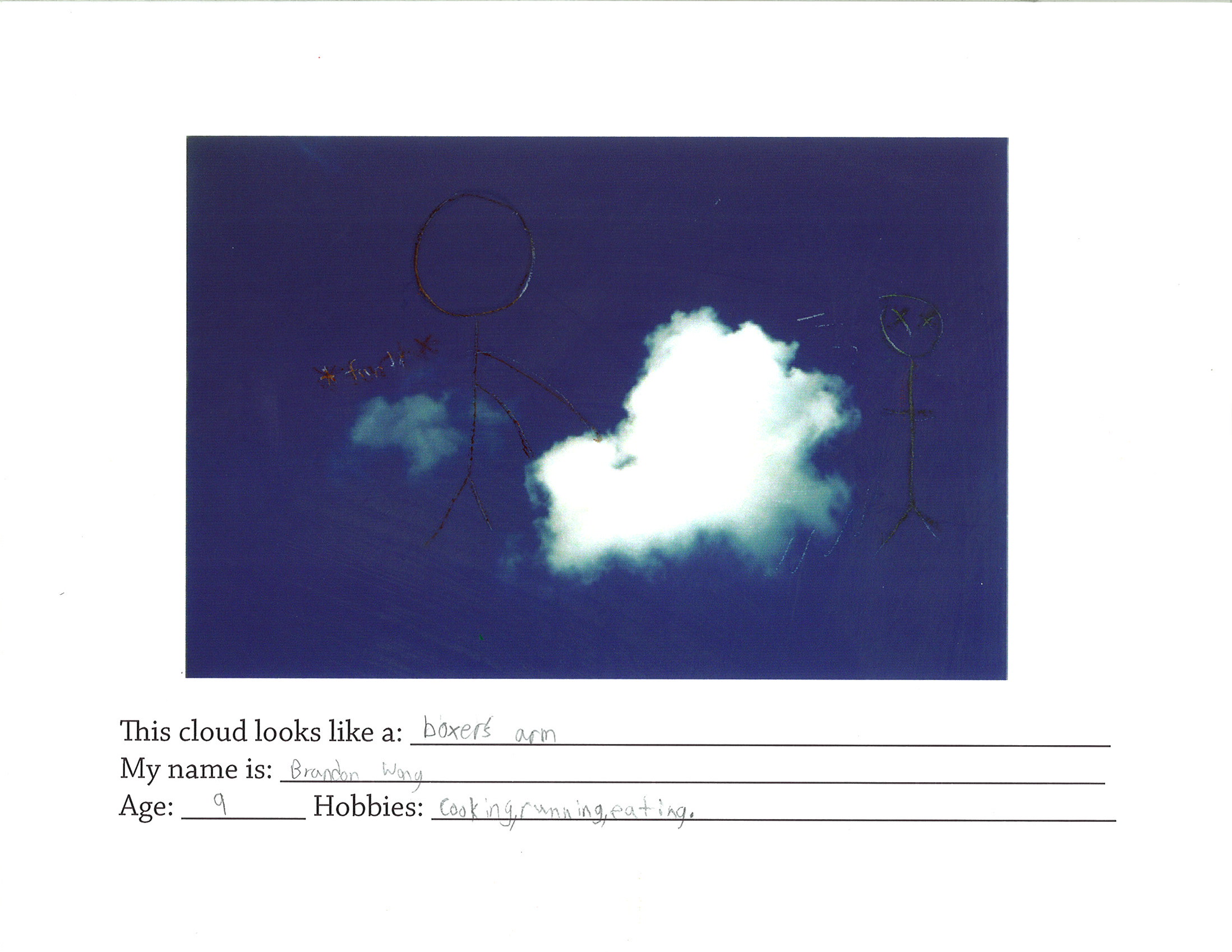
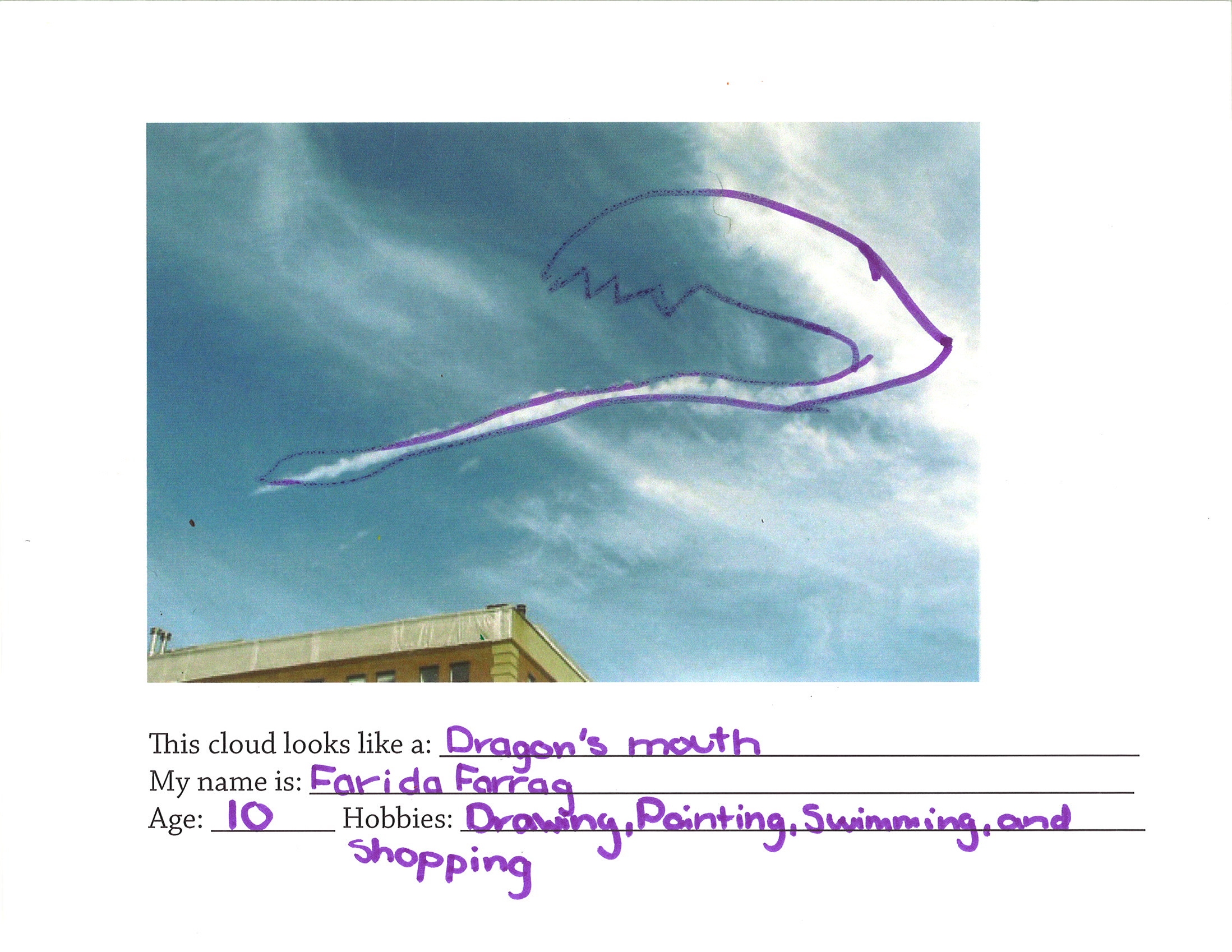
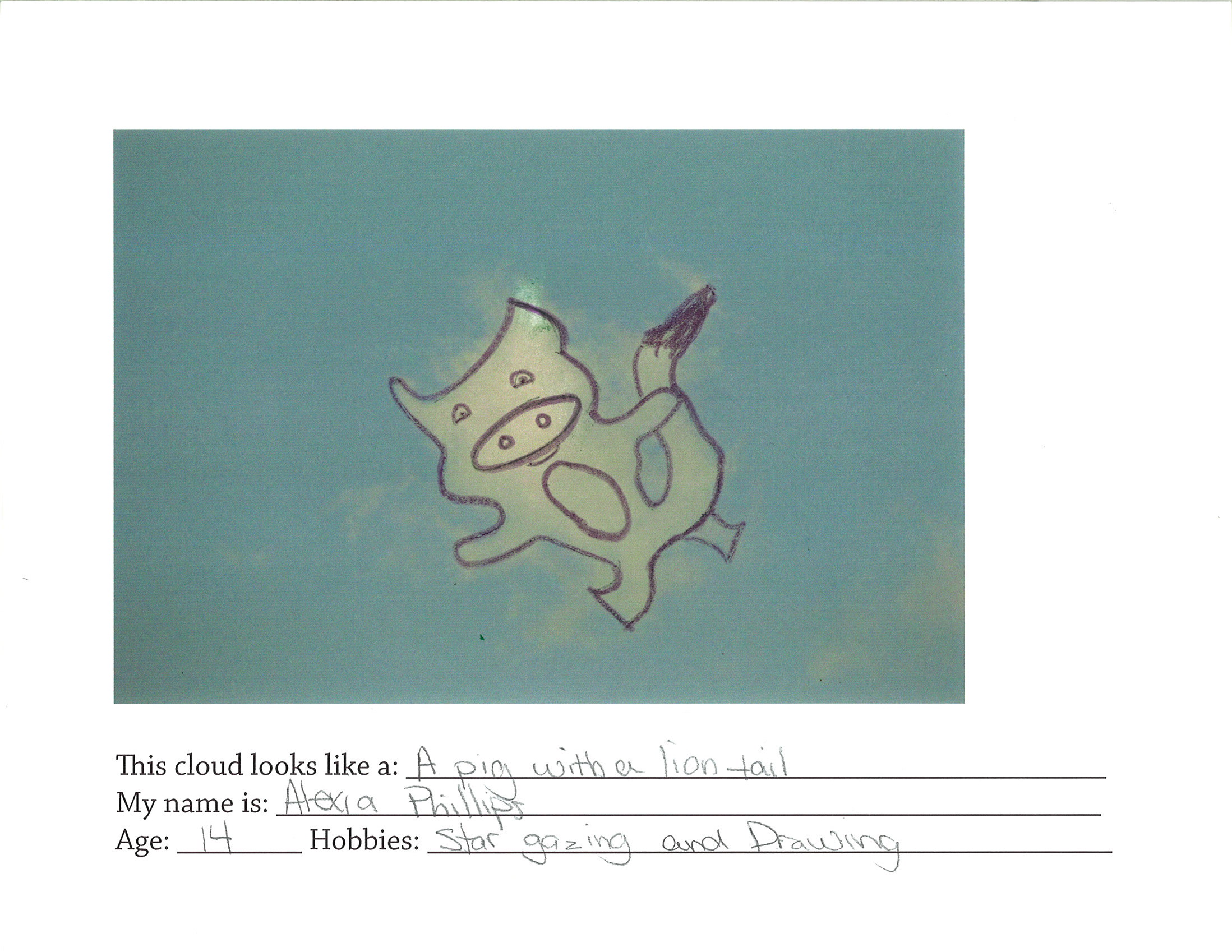
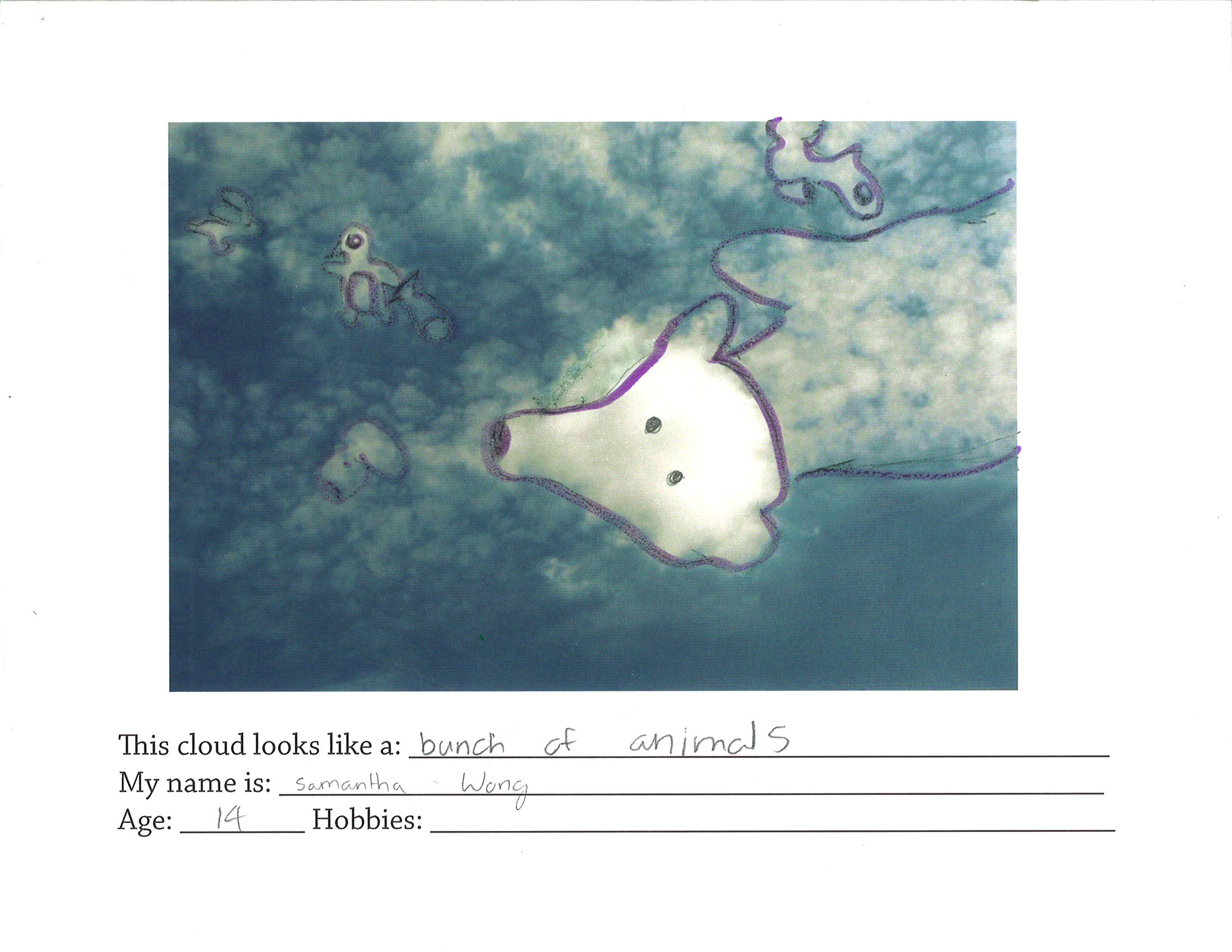
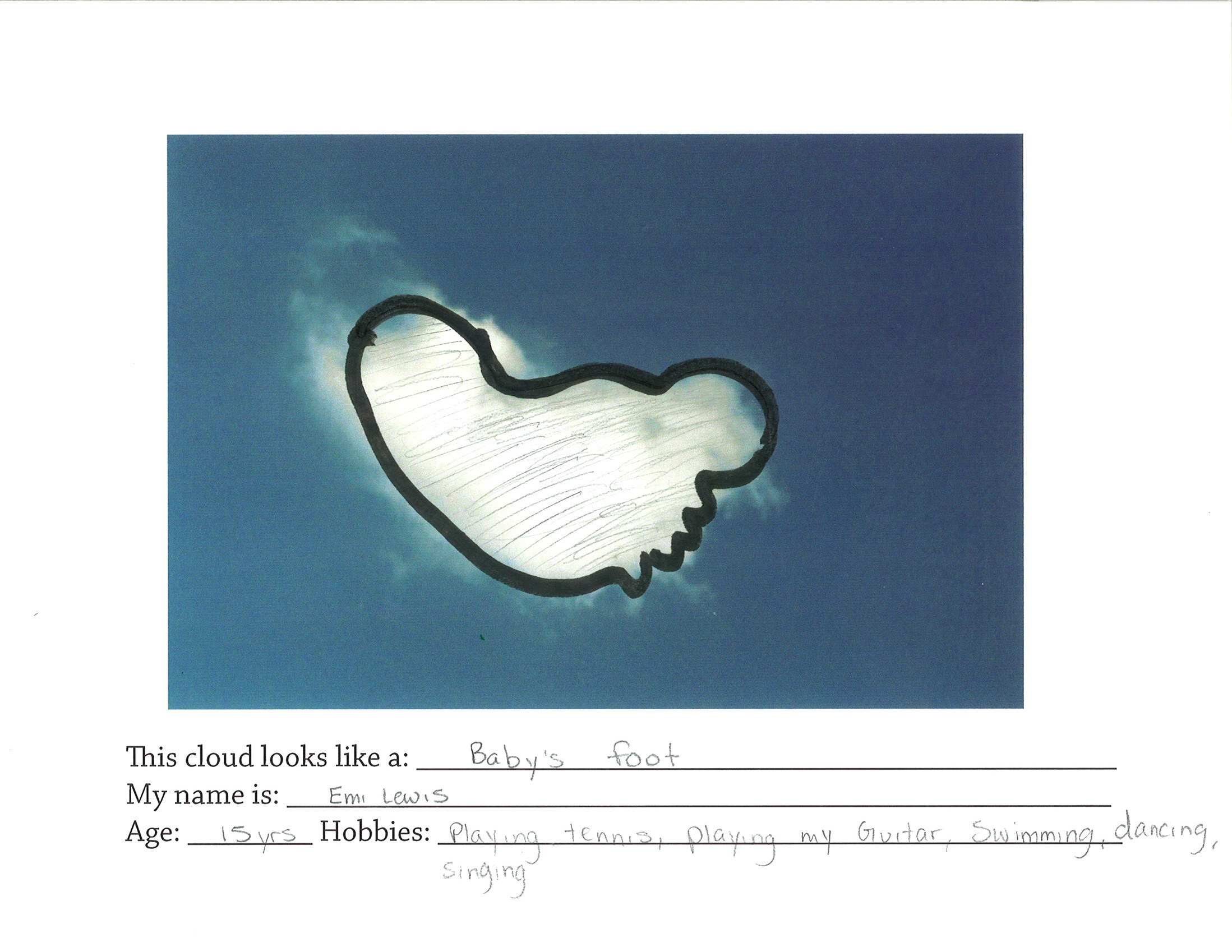
For the Rorsketch project, I’m starting to ask other people what they see in the clouds I’m drawing on. I profiled them based on where they were raised and what their professions were, because I think these are important factors in visual perception. I also told them they can look at the cloud in any orientation. I made all the illustrations out of what they saw.

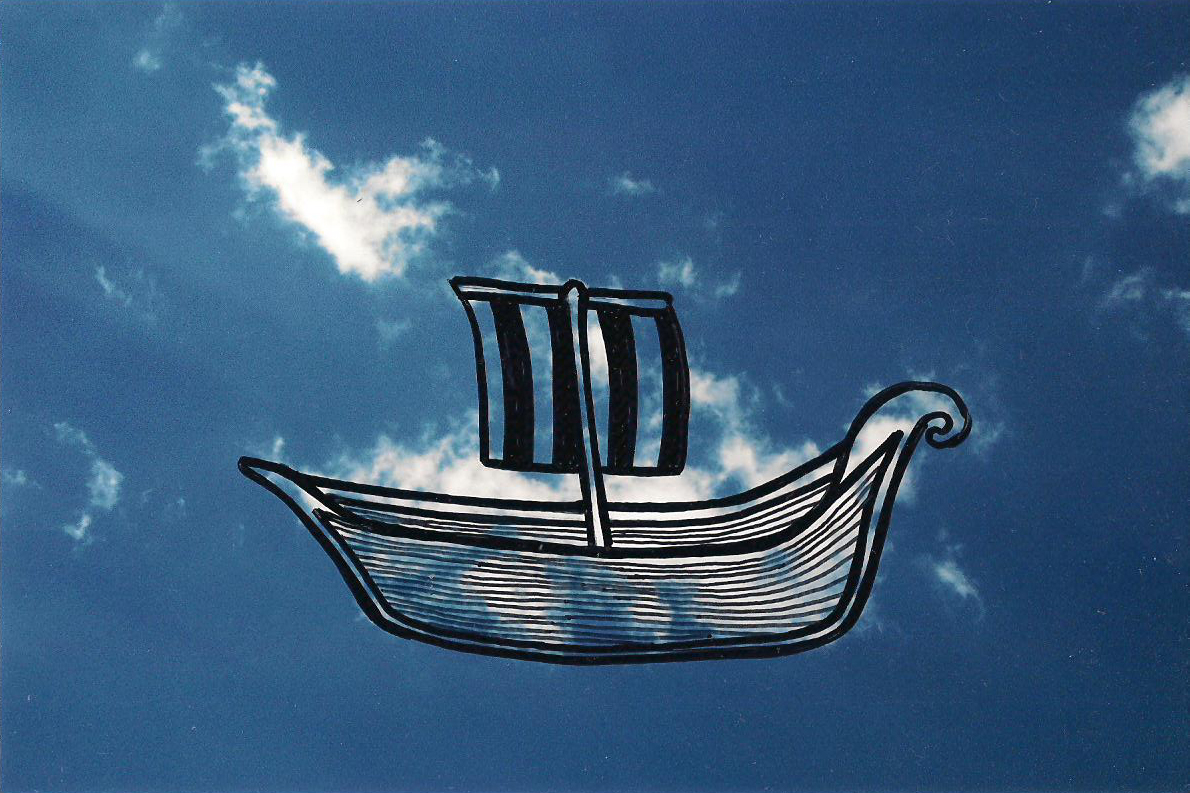
Here is the cloud in question, which I featured during the early days of Rorsketch:

Viking ship | Julian, Spain, web developer

worm | Fran, Spain, works for an energy company

In my previous post, I wrote about the research that showed how different the Western and Eastern ways of seeing are. For instance, my friend Ana focused on the densest area and interpreted that, ignoring the other white smudges in the periphery.

crab | Ana, Spain and Venezuela, English teacher

On the other hand, I focused on the entire cloud formation and interpreted most of it:

paragliding mermaid | Catherine, Philippines, graduate student in interaction design

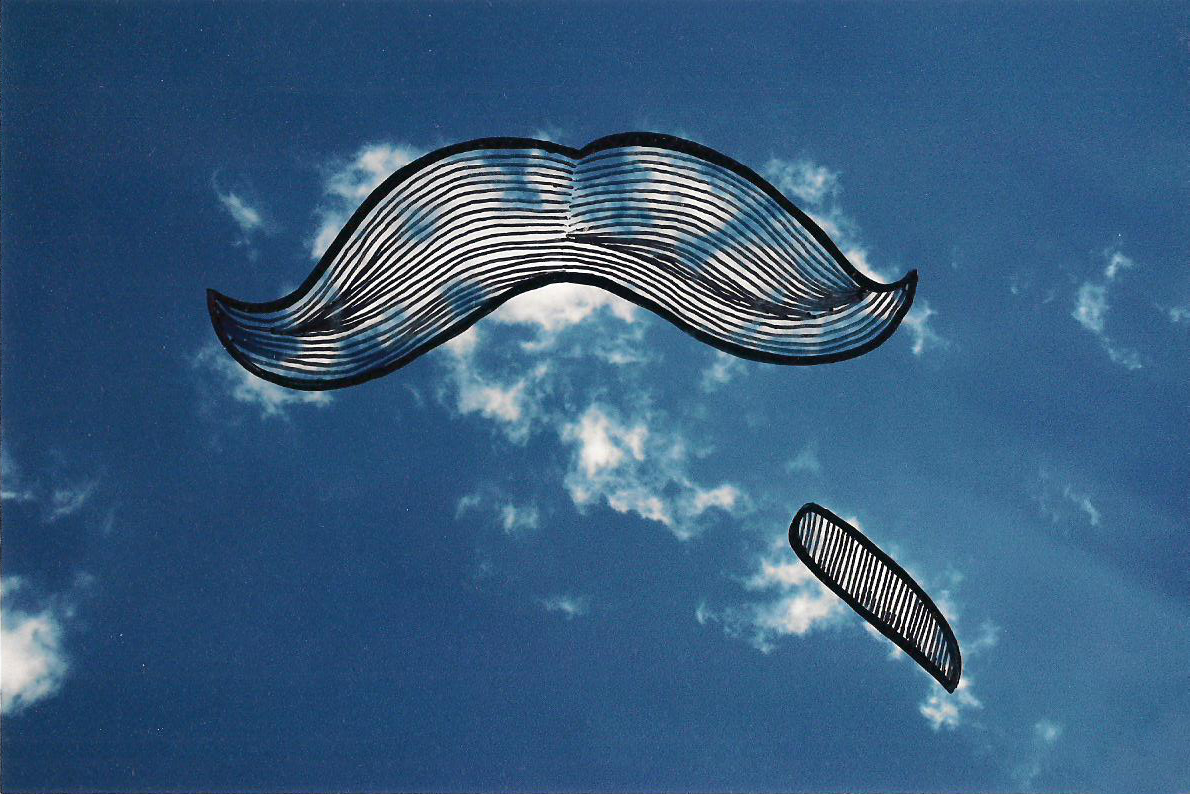
I also argued that aside from geography, one’s profession and hobbies affect visual perception. My friend Tom, who is a writer and graduate student of English literature, saw Friedrich Nietzsche’s moustache and eyebrow:

Nietsche's moustache and eyebrow | Tom, USA, graduate student in English literature

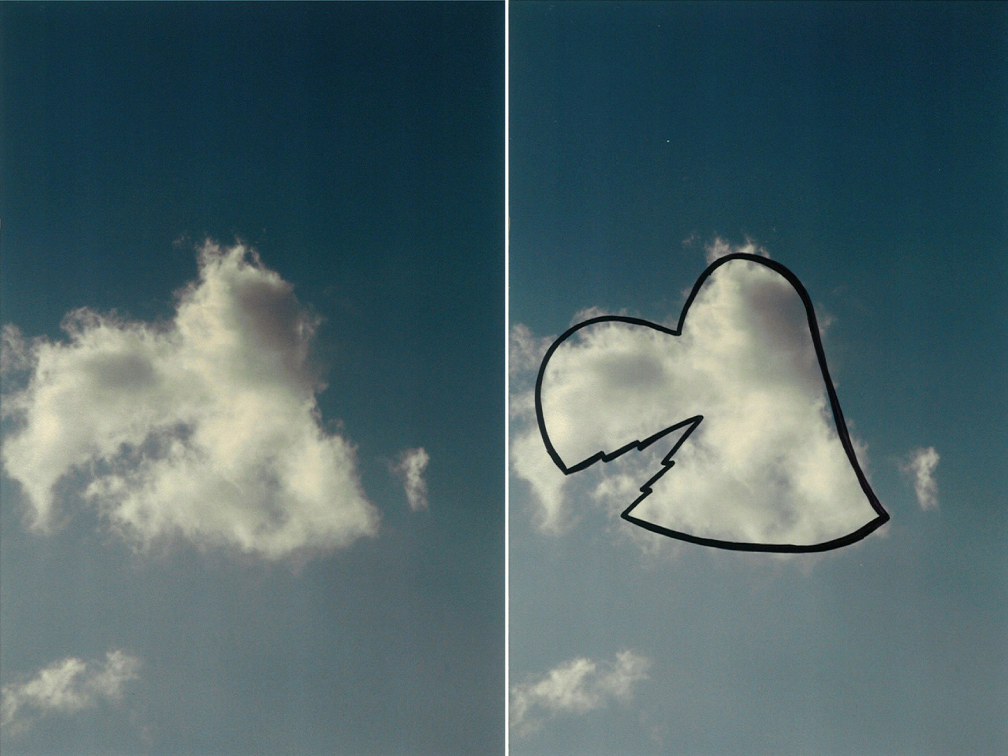
For about a month now, I’ve been taking photos of clouds and drawing the shapes I see in them. Here is an example:

Cloud 2 - A heart is broken. (Or a heart is about to be mended.)

The project is called Rorsketch. The first part of the name comes from the Rorshach test, a psychological test in which people’s perceptions of inkblots are recorded and subsequently analyzed. While the Rorschach is used to examine a subject’s personality characteristics and emotional functioning, I intended for Rorsketch as a way for us to be mindful of the other things―the potential―that we can see in ordinary objects.

This is a project of imagination. I use it as a reminder to myself that things are not always what they seem, and that the world is replete with possibility. Inspiration can be mined from anywhere, especially from things we often take for granted or ignore.

This is also a project of perception. An object can mean a wide variety of things to the same person on different days, and also to different people. Seeing is different from interpreting. It is always worthwhile to take a second look.

Each post consists of at least two photographs; the original and the one (or ones) that has been drawn over. There might be more than one interpretation per image.

Clouds are a particular favorite of mine because they are untouchable ephemera that morph into different shapes, coalesce, separate, and disappear within a short span of time. Their forms may be abstract, but observing them for some time can trigger shapes that we can recognize. Whatever figures I imagine in them vanish as quickly as I see them; one formless mass can recall many familiar shapes.


Geography and visual perception

When I show these photo-sketches to others, it strikes me how differently we see these shapes and how one thing can trigger a variety of metaphors in different people.

In a study done by University of Michigan researchers in 2005, they found key differences in visual perception between the West and the East.

The researchers, led by Hannah-Faye Chua and Richard Nisbett (the latter being the author of the 2003 book, The Geography of Thought) tracked the eye movements of 25 North American students of European background and 27 native Chinese students. They determined where they were looking in a picture and how long they focused on a particular area. 1

Shown a photograph, North American students of European background paid more attention to the object in the foreground of a scene, while students from China spent more time studying the background and taking in the whole scene, according to University of Michigan researchers.

“They literally are seeing the world differently,” said Nisbett, who believes the differences are cultural.

“Asians live in a more socially complicated world than we do,” he said in a telephone interview. “They have to pay more attention to others than we do. We are individualists. We can be bulls in a china shop, they can’t afford it.”

The key thing in Chinese culture is harmony, Nisbett said, while in the West the key is finding ways to get things done, paying less attention to others. 2

Sample pictures presented in the study. Thirty-six pictures with a single foregrounded object (animals or nonliving entities) on realistic backgrounds were presented to participants.

I would say that, in addition to culture, there are other factors that can contribute to people having a bias to what they see, such as profession and hobbies.

When I ask many people to interpret one cloud photograph, I see a variety of answers. I do relate to the results of the Michigan study. Being raised in Asia, I tend to see the abstract form as a whole, while my American and European friends see one focal point and may ignore the periphery.

For Rorsketch, I’m not as concerned with the geographical differences; rather, I am primarily interested in the multiplicity of people’s interpretations. While I do profile participants based on the country they were raised in, their professions and their hobbies, Rorsketch is an illustration project that aims to visually capture what people imagine from abstract forms.  Visit the project site as well as this blog, that will regularly keep track of them.

Icons, myths and urban legends

Reflecting on this project, it occurred to me that our collective visual perceptions have contributed to two things:

1. Iconography

An artist may have a unique way of seeing things, but there are objects that are (almost) universally the same for all. This is why we have icons.  Most people will agree that a stick figure is a person. A horizontal line with two straight ones attached to its right end and oriented diagonally is an arrow pointing to the right.

Icons lead to having universal standards that are agreed upon by all. They lead us to having a learned and automatic understanding of symbols, making it easier for us to navigate the world.

In Rorsketch, I was struck by how 4 out of 5 people (including myself) interpreted this as a dolphin.
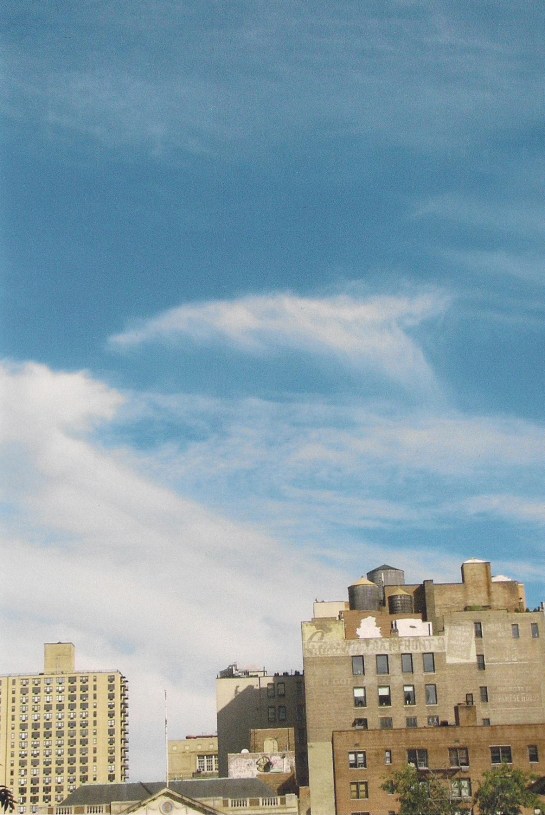
Cloud 31 - Do you see the dolphin?

Could it be we have been exposed to enough dolphin shows, movies, cartoons, logos and other related visual media, that the sight of a fin sloping at an angle automatically recalls our memory of this marine mammal? Perhaps if the fin were more angular and perpendicular to the base of the photograph, people may think it were a shark.

2. Myths and urban legends

Our collective perceptions contribute to myths and urban legends that persist through time. Sailors report shapes that recall women with tails of fish, and voila, the legend of mermaids is still around. The stars that form Ursa Major still recall the shape of a Big Bear, and so that nickname persists and makes it easy for us to find it at night.


Drawing for clarity, communication, and concurrence

To document these visual perceptions, drawing has been the most logical way, as well as the easiest.

Why drawing? While I use photography to document the form, my camera does not capture my imagination; I need my own hand to do that.

A big part of me is an illustrator. I like to doodle. If I like you enough, I will likely doodle you. I draw to remember things—the act of committing a scene to paper, line by line, allows me to render it permanent in my mind more than photography ever could (though that helps, too, and I also like taking photographs.) I also like getting other people to draw.

Again, why drawing? In an age of apps, taps, and the instantaneous, of getting software to do everything for you, what is the point of turning to the slow, archaic, primitive act of using (gasp!) paper and pen?

I think the reason is clarity. To draw is to make clear what you mean. If I can’t draw what I think, the idea is probably still convoluted in my head. Drawing is a way of clearly embodying an abstraction using simple points and lines.

To draw is to communicate to another person what I am thinking. And on that note, it is an agency that leads to agreement. “Here is what I see. Do you agree?” or “Here is what I see. Are you seeing the same thing?” It’s different from text because language is cultural and the same word can mean different things.

Drawing can lead to revolutions. I love going back to the history of neuroscience.

While Purkinje found the first neurons in 1837, thanks to advances in microscopy, this was not enough to debunk the prevailing notion of the time, which is that the brain is composed of fibrous tissue and not cells. It was a debate between the reticularists (the researchers who believed that the nervous system consisted of a network of tissue, or reticulum), and the neuronists (the one who believed that it consistent of discrete entities, or cells).

In 1873, Camilo Golgi discovered a new way of staining tissue and showed clear pictures of the brain. Santiago Ramon y Cajal used Golgi’s staining methods to clearly show the neurons in the cerebral cortex. While they refuted each other—Golgi maintained that the brain is composed of fibrous tissue while Cajal declared that it was composed of cells—they shared the Nobel Prize in 1906.

Cajal was eventually proven correct in saying that the brain was composed of neurons, discrete entities that conducted electrical signals in only one direction. His method for communicating his ideas about the brain was drawing. When he was a young boy, Cajal liked to draw and paint, and was very skilful at it. As a grown man and a scientist, he would use his artistic skills to create detailed illustrations of his observations, and started a journal in which he published his findings. 3

Drawing of a pyramidal neuron by Santiago Ramón y Cajal, 1899

I find it hard to imagine neuroscience today without Cajal’s illustrations. Each time a modern neuroscientist tracks a brain cell using advanced time-lapse imaging, he hearkens back to the 19th century when Cajal and his fellow neuronists imagined the brain as composed of these individual units, to the time when Cajal sat down with a mere pencil and paper to communicate his view of the world of the brain. It is noteworthy that up until the 1840s, decades before the neuronists’ time, phrenology was quite popular. Thank goodness Cajal could draw.

References

1. Hannah Faye Chua, Julie E. Boland, and Richard E. Nisbett. “Cultural variation in eye movements during scene perception,” PNAS 2005 102 (35) 12629-12633; published ahead of print August 22, 2005, doi:10.1073/ pnas.0506162102

2. “In Asia, the Eyes Have It.” Wired Culture, 23 August 2005. Accessed 24 September 2011.  http://www.wired.com/culture/lifestyle/news/2005/08/68626

3. “The discovery of the neuron,” Neurophilosophy, 29 August 2006. Accessed 24 September 2011. http://neurophilosophy.wordpress.com/2006/08/29/the-discovery-of-the-neuron/