Archive

Art

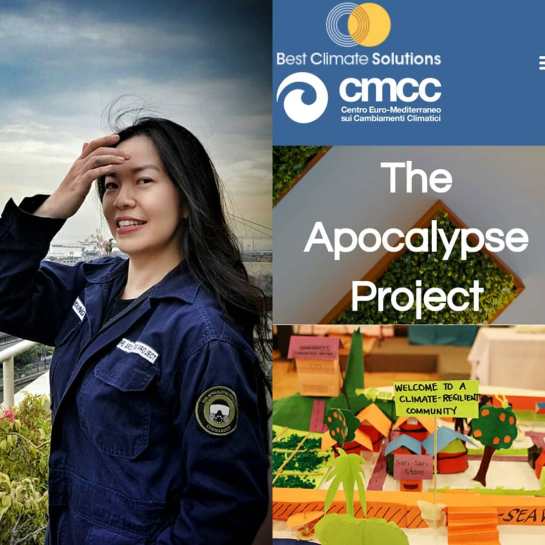
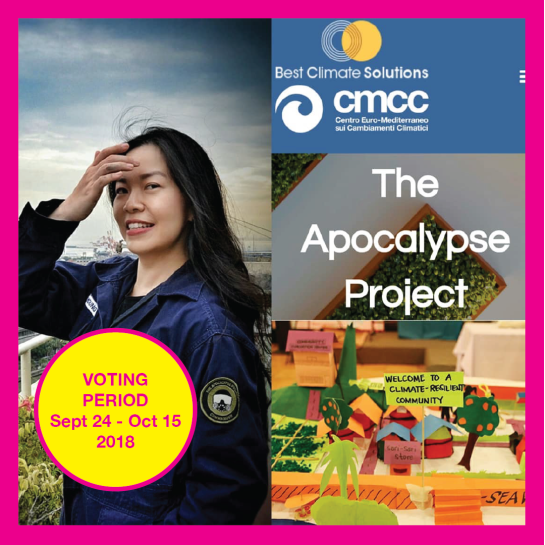
Hello friends! The online voting polls for the Best Climate Solutions Award are open from September 24 until October 15 (5:00 PM CEST). The Apocalypse Project is in the running under “Education and Media”. I’m hoping to fund a future series of projects benefiting an indigenous rainforest community in the Philippines, and to create an arts-led curriculum that outlines the frameworks of the climate change adaptation projects and workshops I’ve been leading in all of these places around the world you’ve seen me in. If you can please take a few minutes to vote and/or share with your friends, that would be great. Thank you very much!

HOW TO VOTE: Sign up or log onto http://www.bestclimatesolutions.eu/solutions/ and search for The Apocalypse Project. You can also visit http://www.apocalypse.cc for everything this project has done in the last 5 years.

Bestclimatesolutions.eu is a new platform to showcase the most innovative and compelling efforts from around the world to build a climate-smart and resilient future, and engaging with local developers, innovators, business operators, and researchers to support the scaling up of tools, technologies and business models that can generate tangible impacts.

Best Climate Solutions builds on the unique experience of the Best Climate Practices observatory, an initiative developed by ICCG in partnership with the Euro-Mediterranean Center on Climate Change (CMCC). Since 2012 the Best Climate Practices observatory has collected and promoted a wide range of concrete actions for dealing with climate change challenges such as energy access, water management, climate finance, disaster risk reduction.
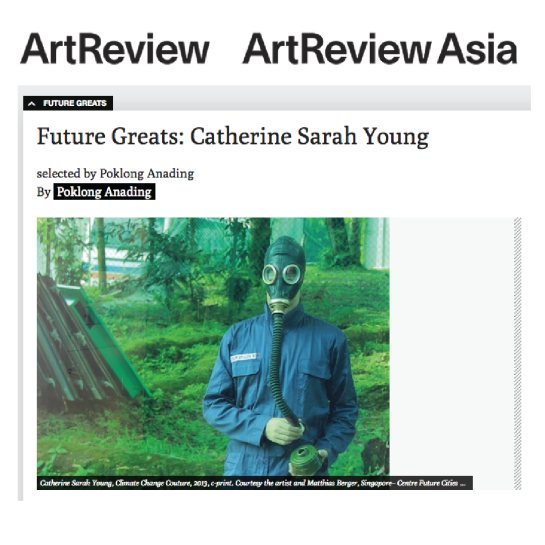
I’m honored to be listed as one of the ten Future Greats by ArtReview Asia with me selected by Poklong Anading, one of the region’s top artists, for their Summer 2018 issue. This is truly the kindest thing anyone has ever said about me that’s Google-able, and it’s more than I deserve. Thank you very much!

“I was invited to be on a jury for a residency in France, she applied and that’s where I first came across her name. She’s not so active in the local scene in Manila and more into producing works through residencies outside the Philippines. Nevertheless, it was a real surprise that no one in the local scene knew her. I find her work very interesting because there is a scientific base to it (she has collaborated with scientists, local communities, corporate entities and chefs), and it’s rare to see this. You have to study her work to really feel it, because it has a delicate nature. She’s concerned with the environment in a way that’s not so close to my own concerns (even though I’m doing some research on sewage systems in various countries): she has a way of working that’s more accurate, more responsible.

Sometimes I think I shouldn’t be part of the art scene: why are we making art rather than fixing society? The more art that is made, the more it spreads and the more problematic it becomes: we talk about a problem rather than addressing it. But Catherine uses art to bring extra perspectives to bear on environmental and social issues, which leads to a better understanding of the problems, and that’s what impresses me. Works from her Climate Change Couture (2013) series, part of The Apocalypse Project (2013–; an interdisciplinary platform that seeks to reveal the humane face of climate change), for example, draw on the disciplines of design and fashion to produce artworks in the form of wearable costumes that speak about what humans might have to do to adapt to climate change. I trust her knowledge. For me artmaking is more poetic, but I see the weight of knowledge behind her work as giving it importance. More than that, she plays with things and mixes things up. Her Sewer Soaperie series (2016) uses research into so-called fatbergs, conducted in Manila and Medellín, to trace the journeys of various cooking oils, ending up in the saponification of various used cooking oils and greases collected from sewers and open pipes in Manila (interestingly the saponification of used palm oil raised questions about how pure it was in the first place). She has a sharp mind and is very serious about what she does.”
—Poklong Anading

Works featured here are from The Apocalypse Project, a body of work that explores climate change and our environmental futures, specifically Climate Change Couture (2013) done during a residency at the Singapore-ETH Future Cities Laboratory, and the Sewer Soaperie (2016) created during a residency at Casa Tres Patios and Platohedro.

I’m very cognizant of how I’m able to do my work thanks to residencies and fellowships, as well as the generosity of time and resources of a lot of people. I’m going to work really hard for this to come true. Many thanks to all my previous and current collaborators!

View the article here.

I’m delighted to announce that The Apocalypse Project is in the running for the Best Climate Solutions 2018 Award for “Communicating Climate Change Threats and Opportunities”! I’m hoping to fund a future series of projects benefiting an indigenous rainforest community in the Philippines, and to create an arts-led curriculum that outlines the frameworks of the climate change adaptation projects and workshops I’ve been leading in all of these places in the world you’ve seen me in.

The online voting procedure will be open from September 24, 2018 until October 15, 2018 (5.00 pm CEST).

View the entry here.


Wild Science debuted at the group exhibition of the artists-in-residence supported by the Austrian Federal Chancellery and KulturKontakt Austria. Shown in the exhibition are Der Tiergarten 1.0: Human Forces in the Animal Kingdom, Scientific Method, The People’s Cabinet of Curiosities, Letters for Science, and Poetic Microscopy. The show runs from June 11 to 21 at the exhibition hall of the Chancellery at Concordiaplatz in Vienna, Austria.


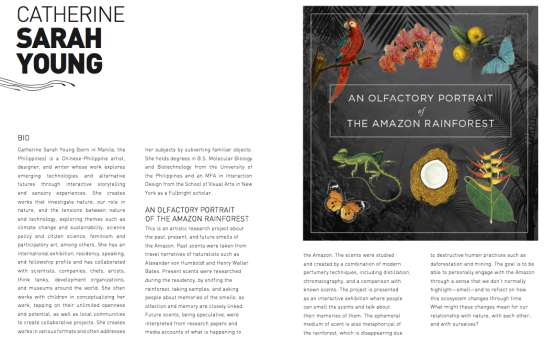
[Manaus, Brazil] LABVERDE, with whom I did an artscience residency in the Amazon Rainforest last July 2017, has a catalog of all its resident artists for the year.

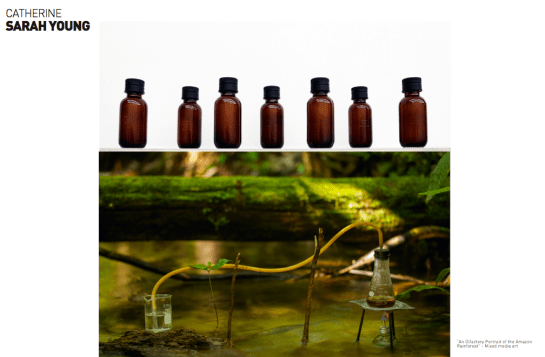
I’m on pages 128-131, featuring my works, An Olfactory Portrait of the Amazon Rainforest from The Apocalypse Project, and Experiments in Nature from Wild Science.


Thank you to the amazing LABVERDE team for all of it!

View the entire thing on LABVERDE’s website.

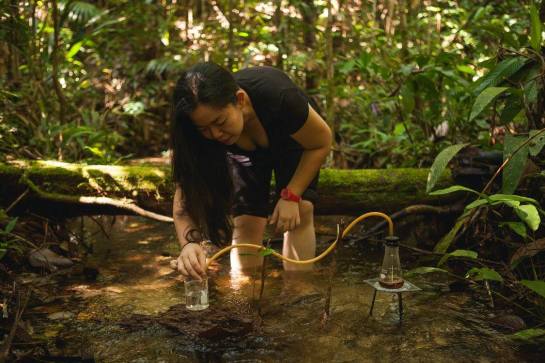
In the Amazon, I “performed” some experiments in the jungle, questioning how science is kept in the ivory towers and how it has failed to affect most of public policy, such as climate change.

Jungle Experiments – Amazon (1), Video (1:20)


Jungle Experiments – Amazon (II), Video (1:39)


Jungle Experiments – Amazon (III), Video (1:40)


Thank you to LABVERDE Art Immersion Program in the Amazon and photographer Gui Gomes

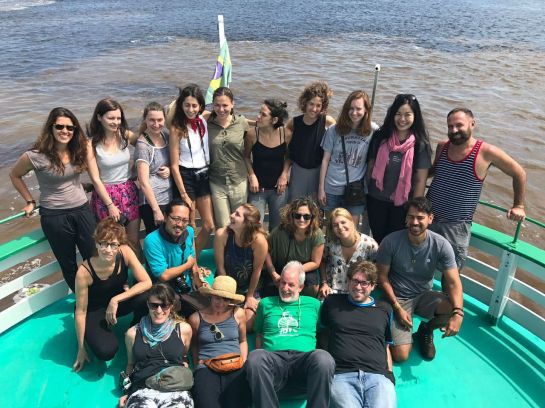
(Manaus, Brazil)—I’m back from one of the coolest residencies I’ve ever had. From July 20th to 29th, I was in the Amazon rainforest in Brazil together with 14 other international artists. I’m very grateful to have spent this time in nature.
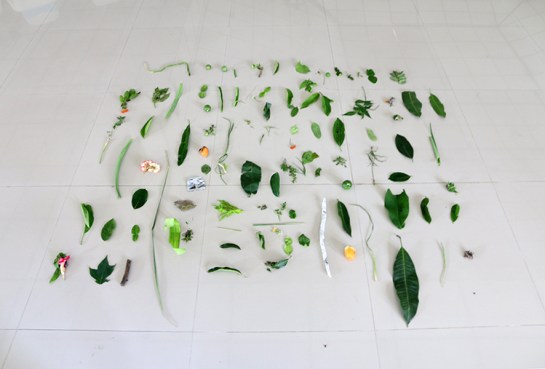
I learned a lot of things and got to do research for An Olfactory Portrait of the Amazon Rainforest!

LabVerde July 2017 edition. Photo by Gui Gomes, courtesy of Lab Verde.

I really liked exploring concepts about science and policy and how science should be more accessible to the public. A new project and line of inquiry came up, yipee!

Experiments in Nature, Nature in Experiments. Photo by Gui Gomes courtesy of LabVerde.

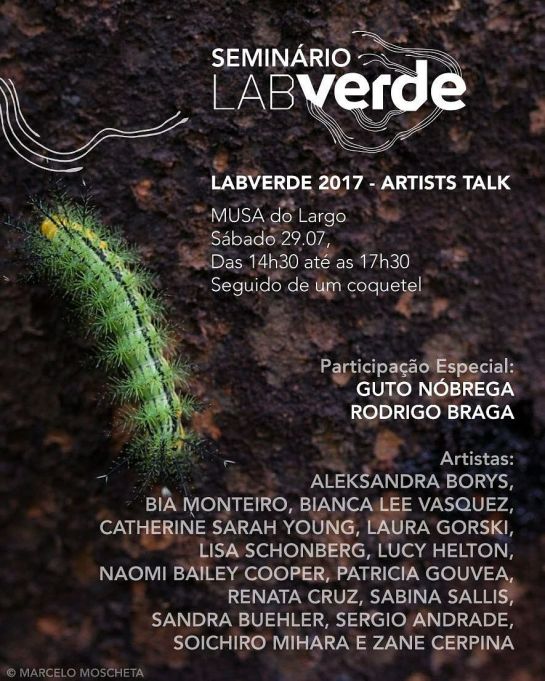
We presented our projects on the last day at the Museu da Amazonia (MUSA).

LabVerde final seminar at MUSA. Image courtesy of LabVerde.

More posts soon, as I recover from jet lag! Thanks, LabVerde, my fellow residents, and everyone else who made this happen. It was an awesome experience!

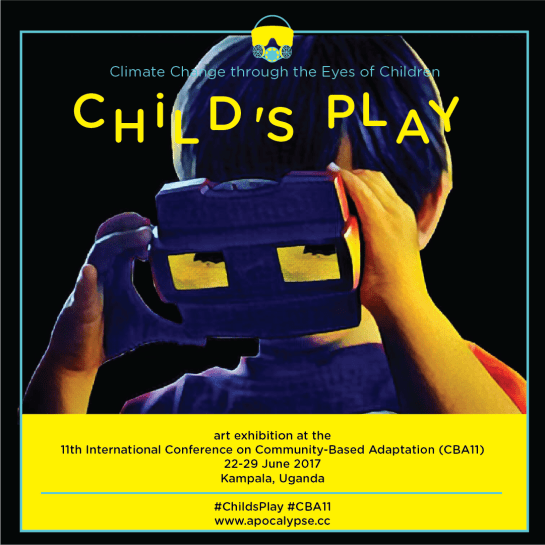
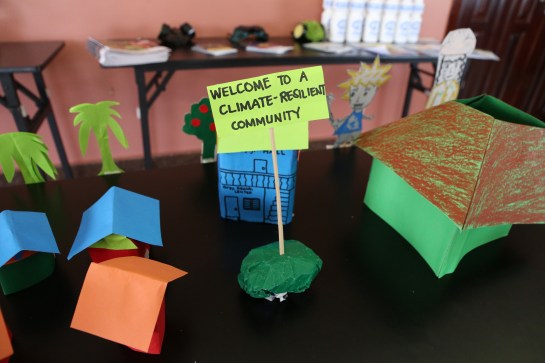
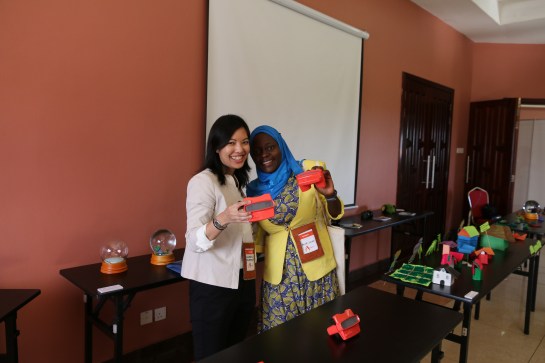
June 26-29, 2017, Kampala, Uganda—We presented Child’s Play: Climate Change through the Eyes of Children, at the 11th Community-Based Adaptation Conference hosted by the International Institute for Environment and Development (IIED). It was fantastic to wrap up my art residency with Plan International. I’m really grateful to have presented the works by the children from all three of my workshops in Indonesia, Thailand, and the Philippines.

Some of the paper architecture made by children and youth from the Future Resilient Communities workshop


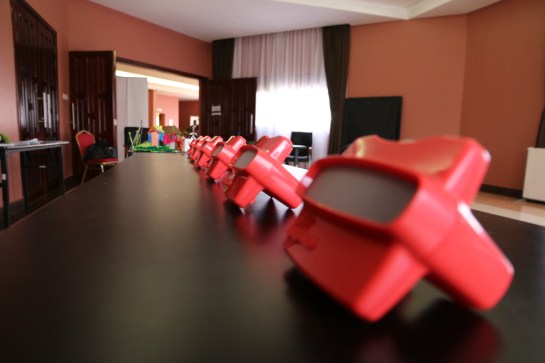
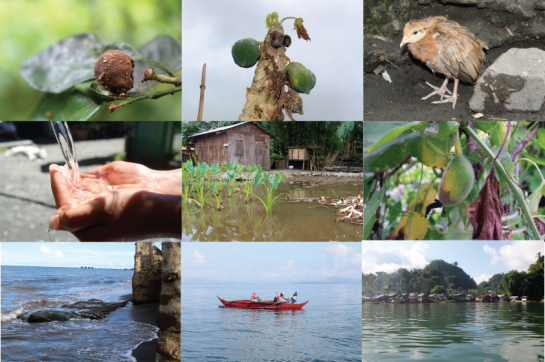
The Climatoscopes, Child’s Play edition


For this edition of The Climatoscope, I didn’t do the photos—the kids did! What are places in your communities that need to adapt to climate change?


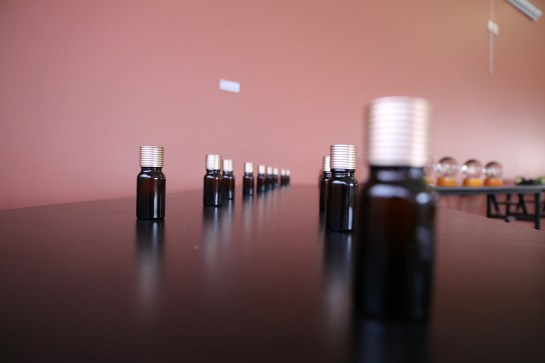
The Ephemeral Marvels Perfume Store! This time, the kids made their own perfumes. I reproduced them from the recipes they gave me at the end of the workshops.


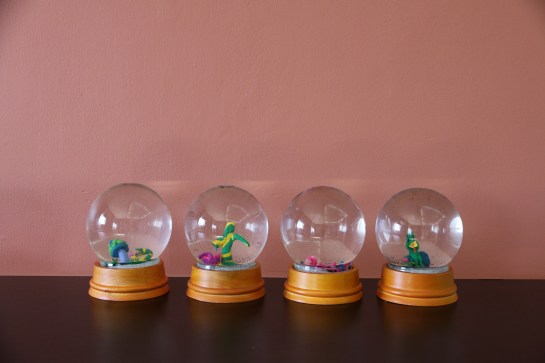
Storm Globes shows kids’ sculptures of things in their communities that are vulnerable to climate change.


Deepest thanks to Kimberly Junmookda, Plan International (especially the Indonesia, Thailand, and Philippines offices!), and the Federal Ministry for Nature Conservation, Building and Nuclear Safety Germany (BMUB).

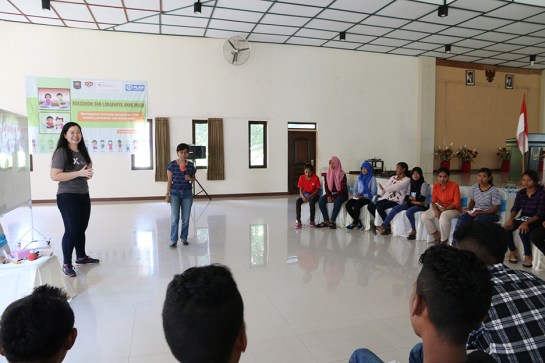
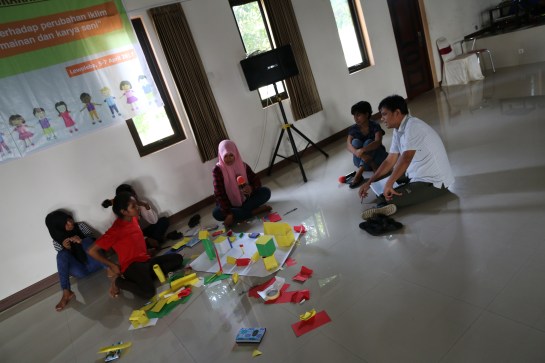
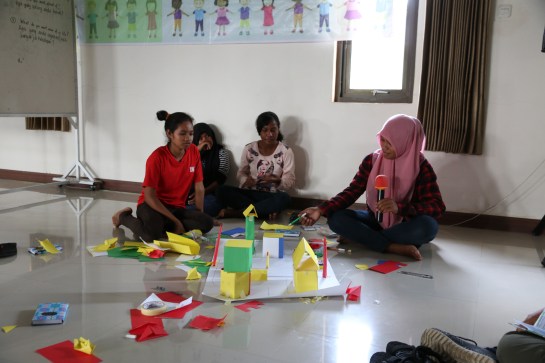
Indonesia—Last April 7th, I was in Lewoleba, a city in the whaling island of Lembata, Indonesia to hold an art workshop with youth courtesy of Plan International, with whom I am currently a residency artist. We did Smell Walks, drawing workshops, a competition to build a resilient country, etc. An exhibition will be held in June after I do this in two more countries, so stay tuned!

Artist intro with my awesome translator, Evvy!


Explaining their resilient country