Archive

Art

The first few weeks in Singapore, apart from battling a tropical superflu, one other war I was waging was contextualizing climate change in a way that was, well, less boring for people.

Put it this way, during the beginning of this residency, I was reading up on UN documents on the environment and we all know how enjoyable that is. I was beginning to be afraid that this project will be the most boring one I’ve ever done. When finally, it hit me.

Climate change has a branding problem. Not that I didn’t think so before, but it’s different when you are doing a project that is supposed to get people to want to act on climate change. My initial responses for my project were, well, meh. I felt like people were humoring me because I was a guest in their lab / college / country. I don’t blame them. People think climate change is too dry and inaccessible. Or more precisely, I believe it is seen as something separate from other concerns, when I think environmental “mindfulness” should be integrated in our lifestyles.

When I see climate change campaigns in schools and organizations, it’s mostly about recycling. Don’t get me wrong—recycling is important and we all should do it. I just don’t think that it is the cure-all for all our environmental woes. Climate change-related events are getting bigger and more serious—it’s critical to think beyond our current solutions.

Another field having a branding problem with respect to climate change is art. I think for the most part, people see it as frivolous. “Oh that’s nice,” but thinking “but let the important people do the important work” type of attitude. Again, I don’t blame them. The ivory towers and walls that distance disciplines from each other have served to alienate. (I also think that this is a one of the causes of professional burn-out, but that’s another post for another day.)

I need to get people in a state of “play” so that they will think outside the box. Hence the formation of this Apocalypse Project. It’s tricky to turn something as serious as climate change as something “fun,” but I believe that making it so will get people to start thinking beyond the box.  Dystopias and apocalypses pave the way for that. We already have these ingrained in literature and pop culture. But beyond that, ideas that seemed crazy in the beginning sometimes become the best solutions. Science fiction becomes speculative fiction and eventually reality, doesn’t it? As an example, just check out this TED talk by Steve Ramirez and Xu Liu on manipulated memories. 

Stay tuned for the next post on The Apocalypse Workshop, when the very creative minds of students here at NUS’ Tembusu college take a stab at thinking about a climate change apocalypse.

Being in this project in Singapore for three weeks now, I’ve had a lot of flashbacks from my previous lives before this residency. It feels interesting to be in a lab and be officially an artist and not a scientist, to be around academics and understand their academia-speak as though it were a second language I’m hearing again, and to be designing workshops instead of looking for art materials in this initial phase.

Having had different roles and modes of training and experiences, I think I’m coming into my own model of what my three primary fields (art, science, and design) are about, which isn’t to say that these do not intersect in an individual’s practice.

DSC08719new

I’m doodling this as a note to myself, and wondering if I’ll be thinking the same in four months’ time. Hmm.

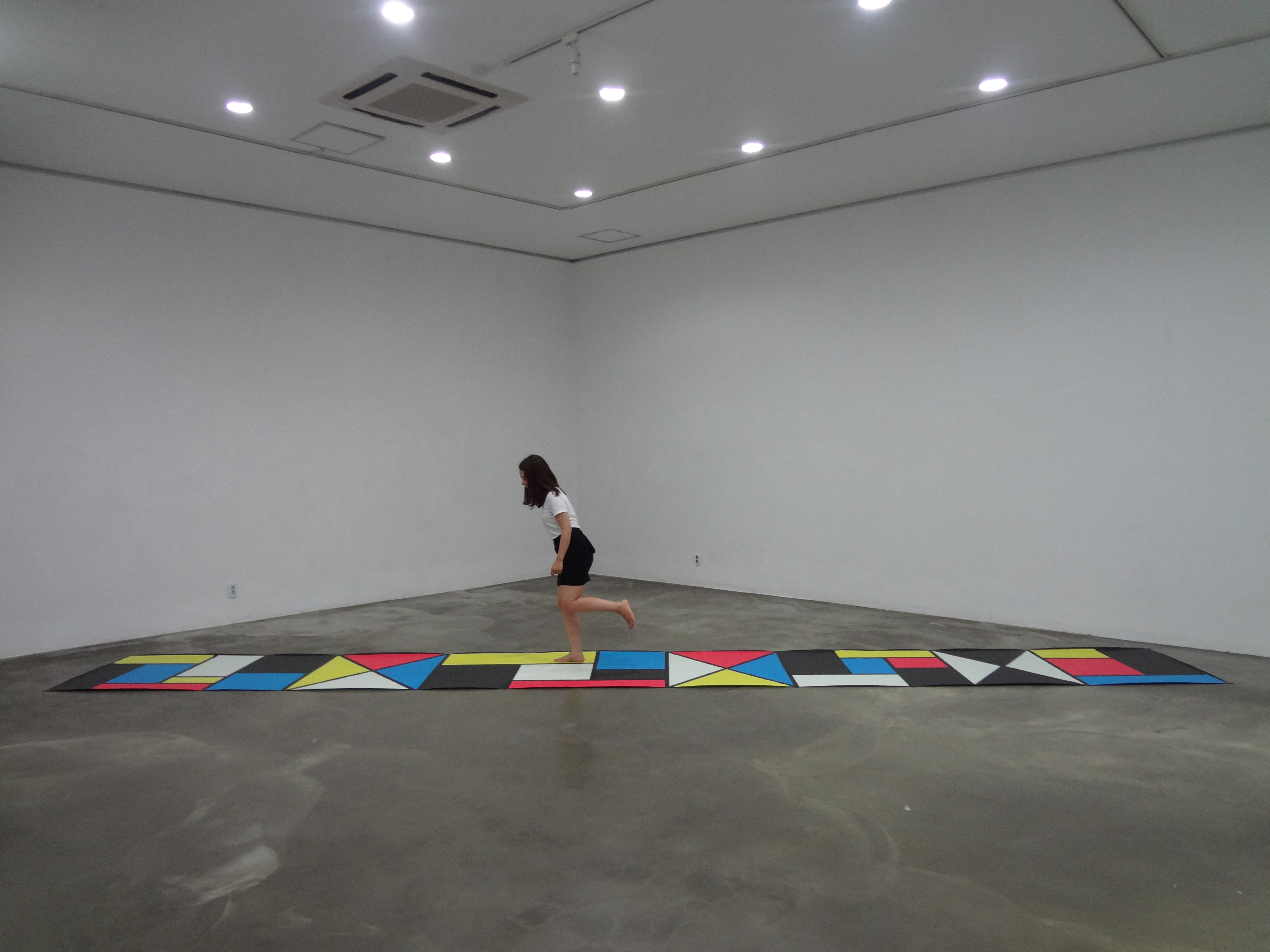
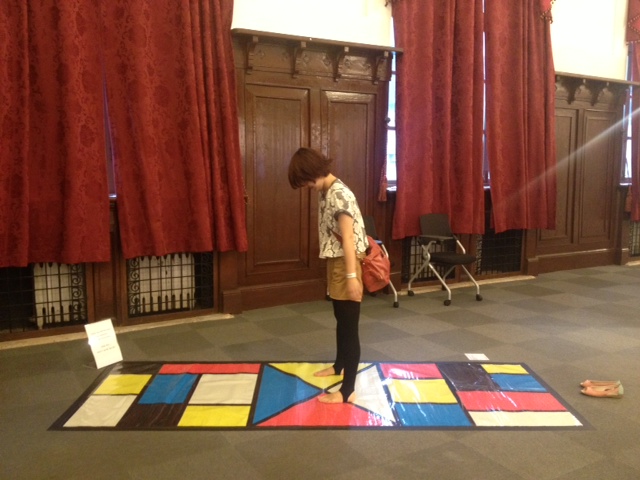
Heejung sent me this photo of our friend Kaya jumping on my hopscotch board at the Asian Students and Young Artists Art Festival (ASYAAF 2013), which ended last week.

사진 (24)

I’m neck-deep in climate change articles and meetings with a lot of brilliant people, so this was such a nice email from the life I just left. I love that beam of light on the right. It looks as though Kaya was beamed there from space.

Thank you, ladies! And I miss you, Korea!

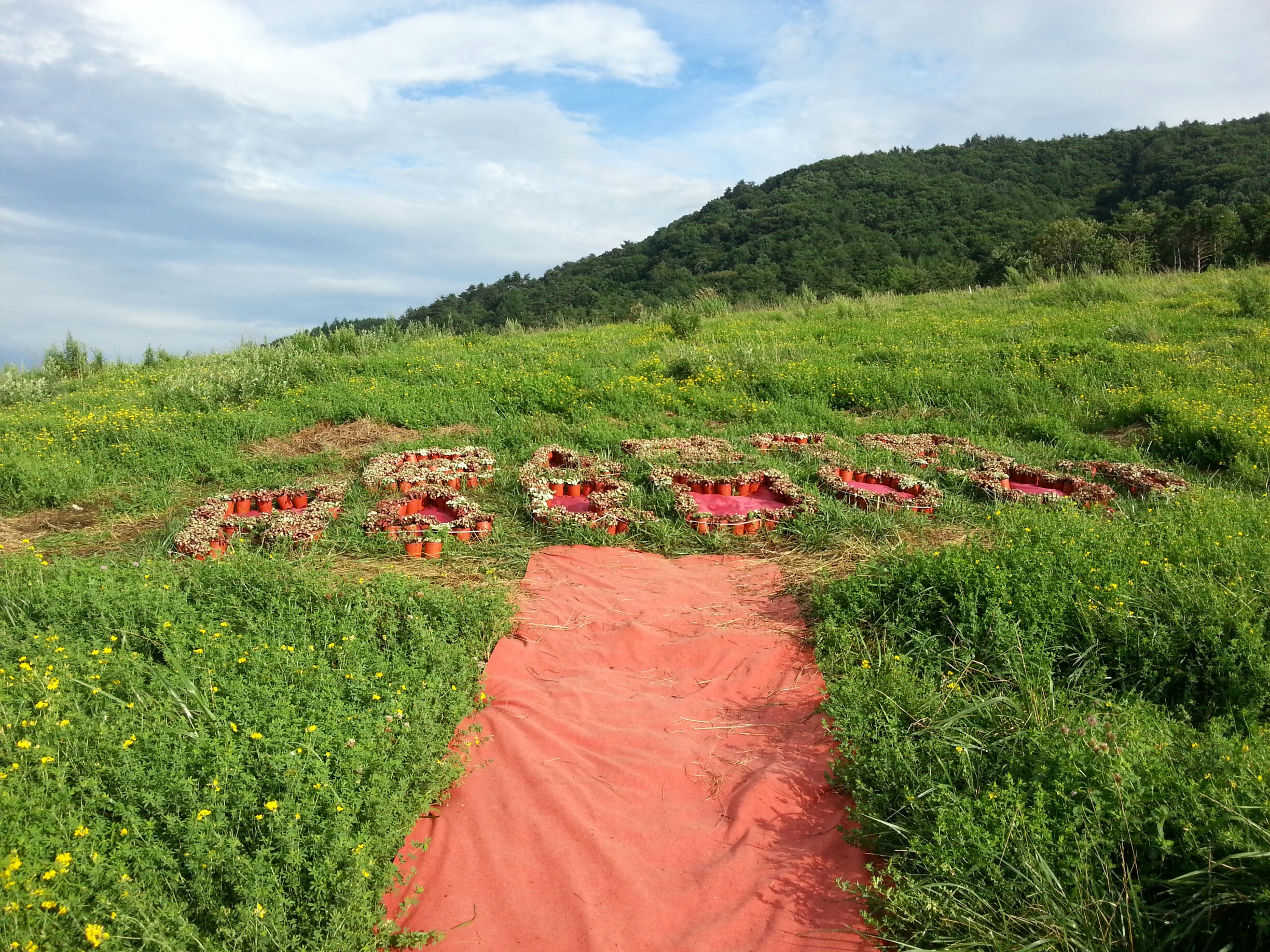
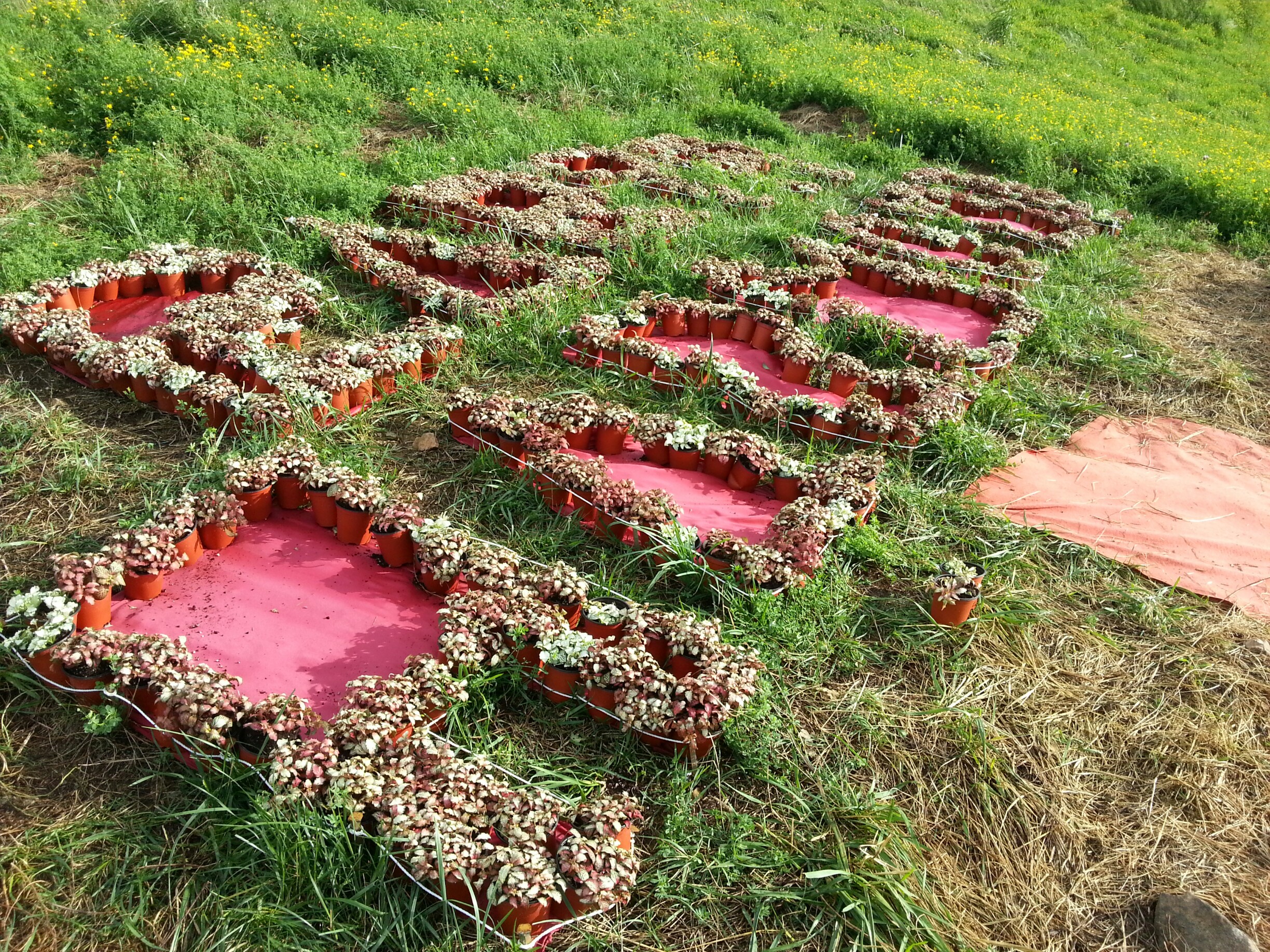
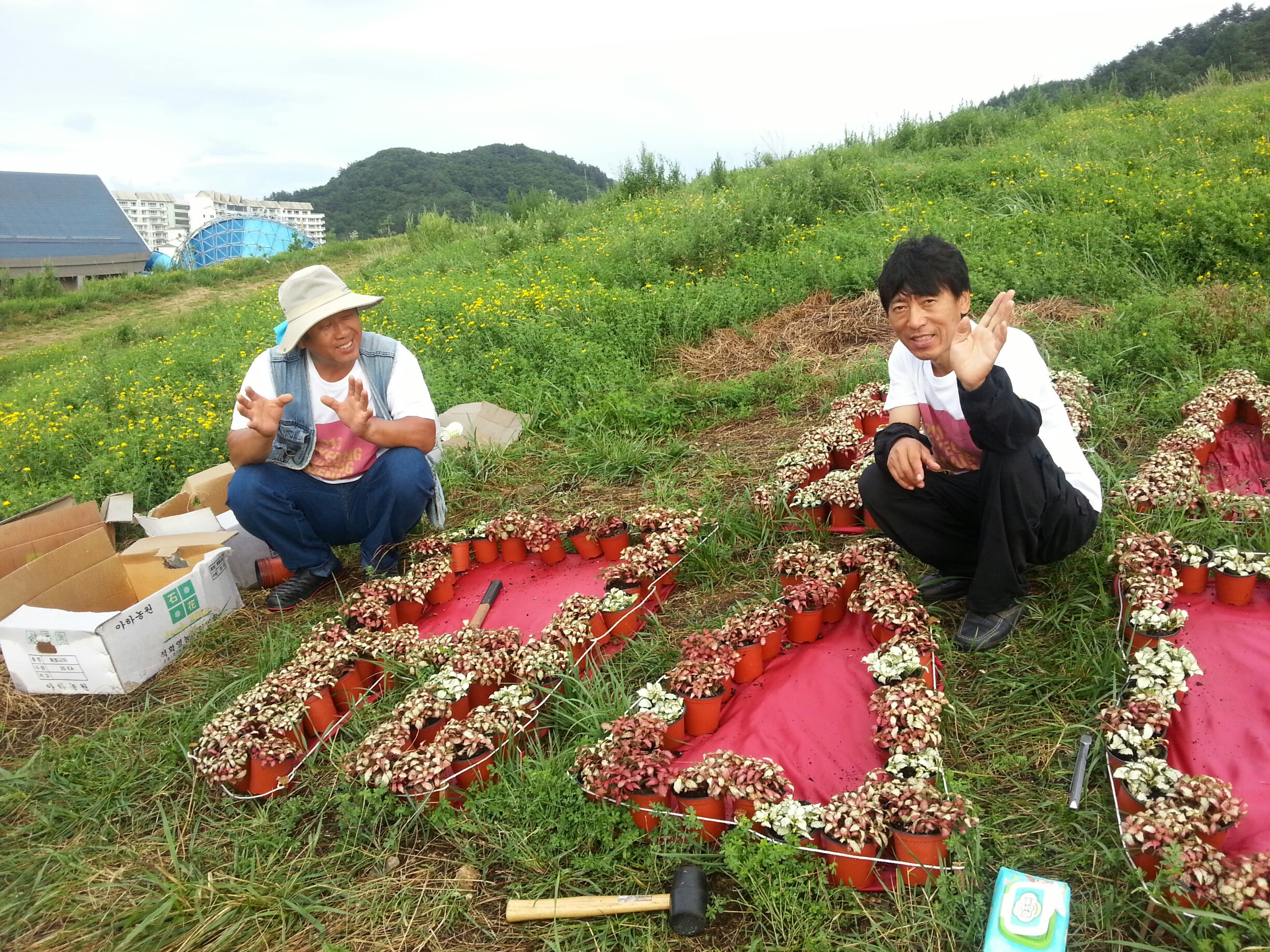
My friend Kate Kirkpatrick, who also serves as producer of my Seoul43 project, has been working making sure that its extension project, Pyeong Chang Mobile Garden, a piece currently in the 2013 Pyeong Chang Biennale, is finished. This weekend, she reported back to me (I’m currently in Manila in transit to my next project), with these photos.

1375605923070 1375606195305

I smiled when I saw this photo with Pyeong Chang Biennale curators, Mr. Hyunchul Lee (left) and Mr. Yoonkee Kim (right), who helped finish the job. Kamsahamnida!

1375606435365

View a previous post about the installation and another piece here.

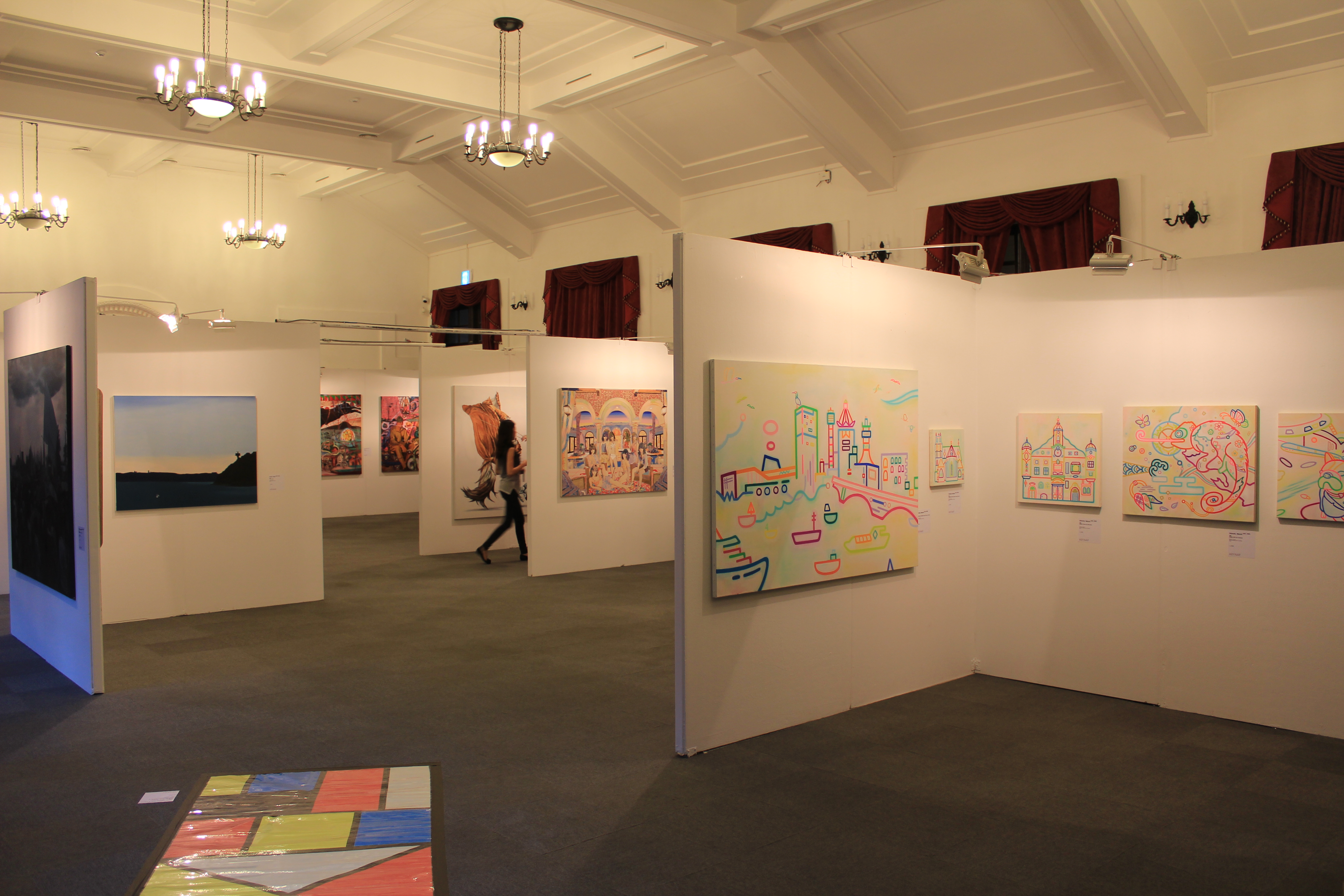
(SEOUL)—The Asian Students and Young Artists Art Festival (ASYAAF) 2013, co-organized by the Chosun Ilbo Daily and the Ministry of Culture, Sports, and Tourism, is currently happening at the beautiful Culture Station Seoul 284. It features 500 art students, post-graduates, and professional artists. It runs until August 18.

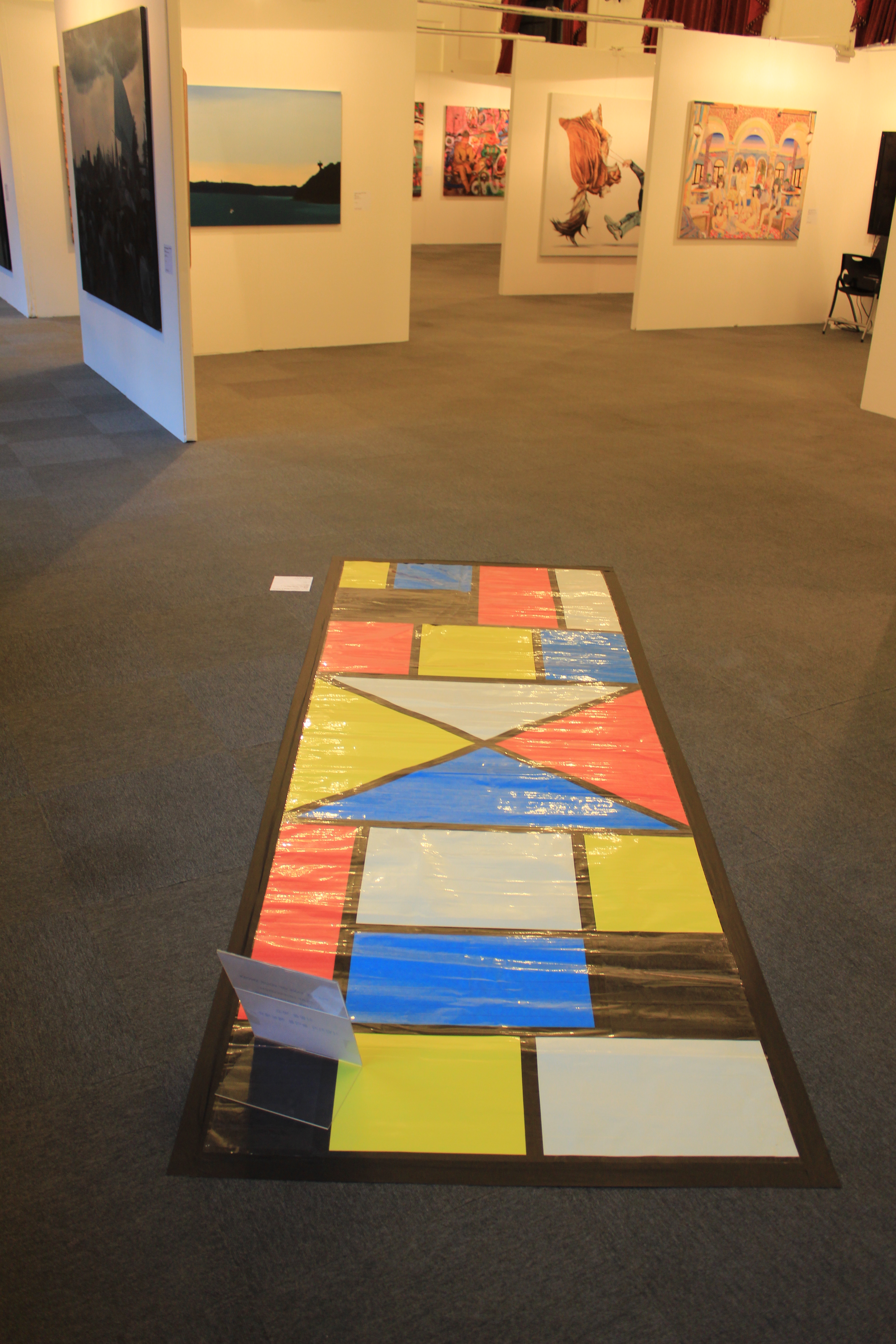
If you are in town, go hop on one of my Mondrian Hopscotch boards, and check out art from all these vibrant artists 30 years old and under.

IMG_0008

IMG_0003

View the ASYAAF 2013 website here.

With thanks to the awesome people at Gallery LVS, especially Ms. Dain Oh for the photos.

To prepare for the Winter Olympics in 2018, Pyeong Chang is having a biennale from July 20 to August 30, 2013. As an extension of my Seoul43 project, I was commissioned to do a 1-day community planting project reflecting their theme, Earth Harmony.

Last week, I installed the first half. During the opening of the biennale, participants will be invited to plant seedlings and assemble them on the letters so that both artist and audience form the words of the biennale’s theme, Earth Harmony. After the event, people will be invited to take the plants to bring home, to plant in their gardens, or in any public area where planting is permissible.

I wanted to use a framework similar to Seoul43, where I create a piece that the public is invited to collaborate with to achieve one goal, and then disperse it to their local environment. In Seoul43, I bring a piece of all the mountains for participants to plant with and bring back individually to the mountains, giving them an opportunity to design their own experience.

DSC08321

20130712_094234


It was a grueling 2-day installation, with me having to mow the mountain with a sickle all my myself in a monsoon. But here I am in taekwondo pants, my American Museum of Natural History sweatshirt that I got as an intern, and my Korean ajusshi barbecue gloves.

DSC08279

It was painful and hilarious at the same time. I’m a bit worse for the wear, but hey, no pneumonia!

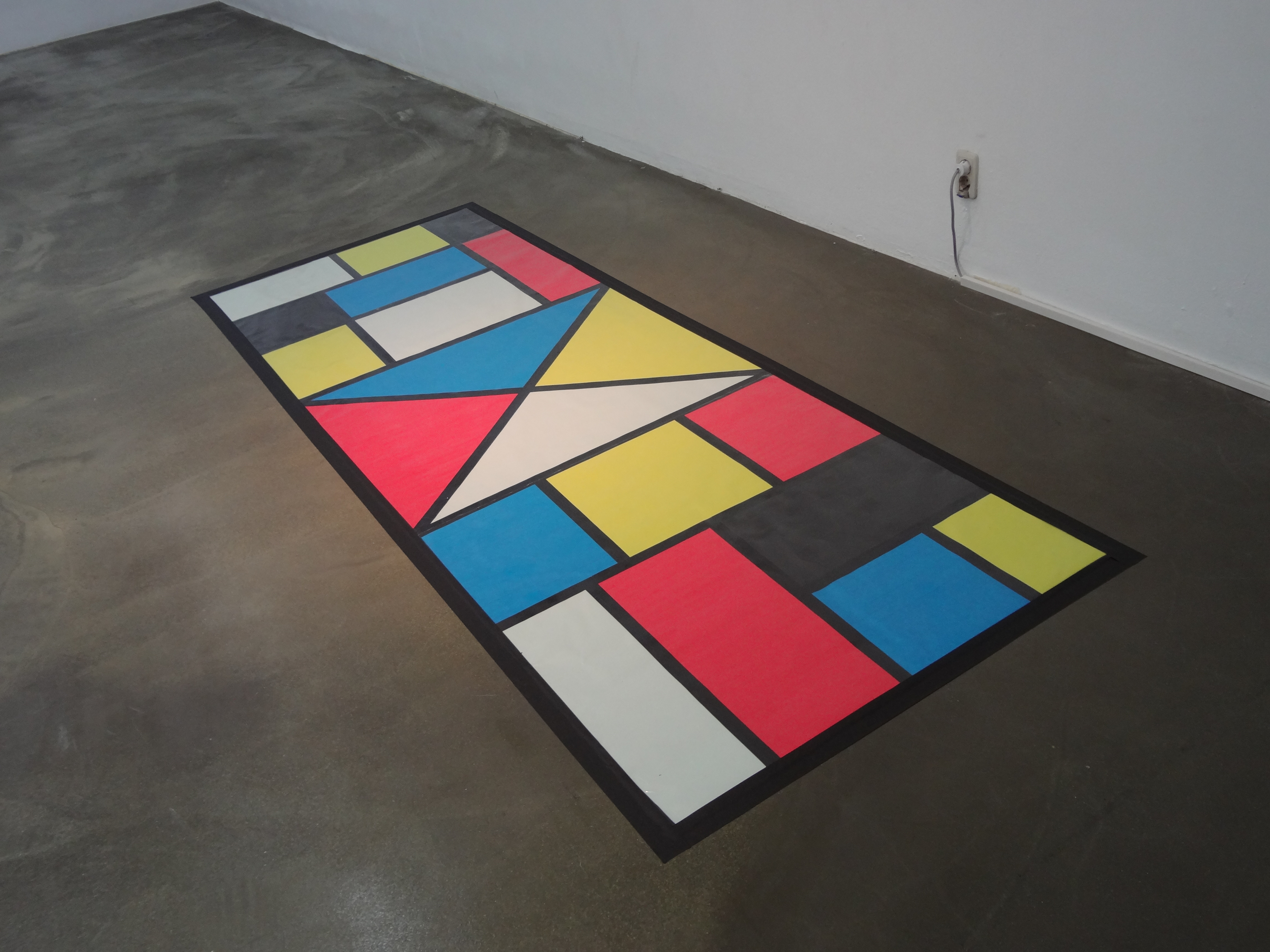
Another piece commissioned is an 8-meter-long Mondrian hopscotch board. This is the fourth one I’ve made so far.

DSC08255


Visit the Pyeong Chang Biennale website here.

For my Seoul43 project, where I hiked all the mountains in Seoul and borrowed soil samples from each mountain, the public was invited to plant using the mountain soil. Afterwards, people were invited to go on scavenger hunts to plant the soil back to the mountains of their choice. I have held two children’s workshops where participants planted using the soil, and together we went to a nearby mountain to do the scavenger hunt.

The scavenger hunt is designed to use small tasks that will promote positive hiking habits in the participants.

1. Greet and bow to the elderly.*
2. Give candy to fellow hikers.
3. Pick up trash.
4. Arrange fallen leaves or flowers into a sculpture.
5. Recite poetry.
6. Balance rocks.**
7. Use an exercise machine.
8. Write on a postcard.
9. Read official signs.
10. Plant!

* In South Korea, it is considered polite to bow to one’s elders.
** Many Korean mountains have Buddhist temples, and rock balancing is a common sight in and around them.

In addition, some people who previously learned about this project from my participation in the International Sculpture Festa in the Hangaram Art Museum at Seoul Arts Center this May signed up to participate. During the exhibition in the National Art Studio of Korea, they came to pick up a plant and hike a mountain. They told me the mountain they wished to hike, and I gave them their task list. Later, they will email me with documentation of what they did. Participants will be featured on the Seoul43 site with their permission.

The project website will be regularly updated, but here are some photos. If you are interested in doing a scavenger hunt even after this project is finished to join a community of city hikers here in Seoul, please email me at csgyoung[@]gmail[dot]com.

Hiking in Choansan:
DSC06951

After greeting an elderly lady:
DSC06956

Giving candy to fellow hikers:
DSC06958

Rock balancing:
DSC07016

Planting:
DSC06986

Planting:
DSC06993

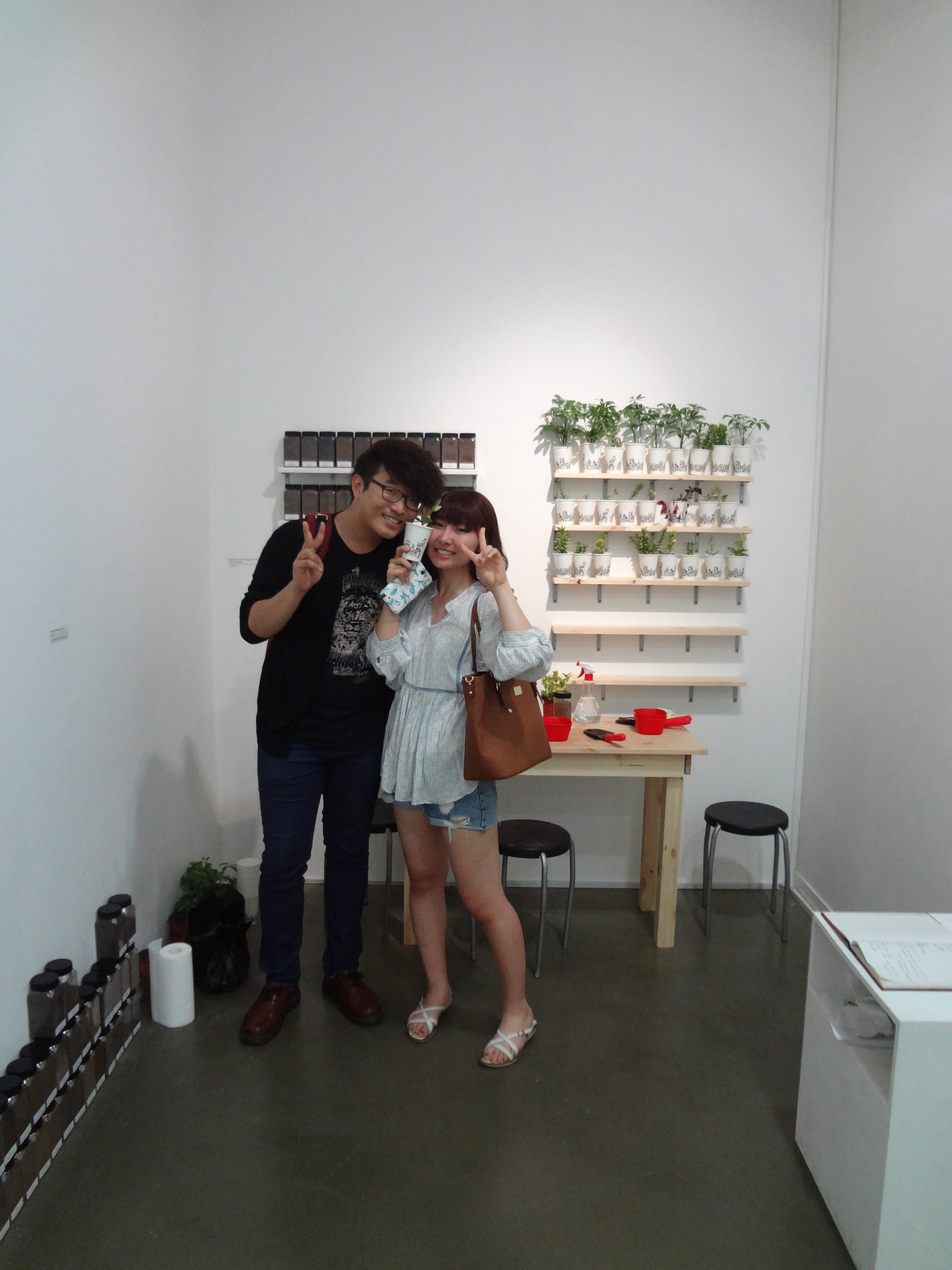
Yesterday, this sweet couple came over to pick up a plant from my installation so they can plant it to Wausan, a mountain near the lady’s school.

DSC07303

It’s lovely to be reminded why I did this project. Visit the Seoul43 site here. I’m still working on the text, but I’m glad the exhibition is done and I have no more mountains to climb. And eek! Look at the shelves on the right—lots of planting going on, eh?

DSC06562

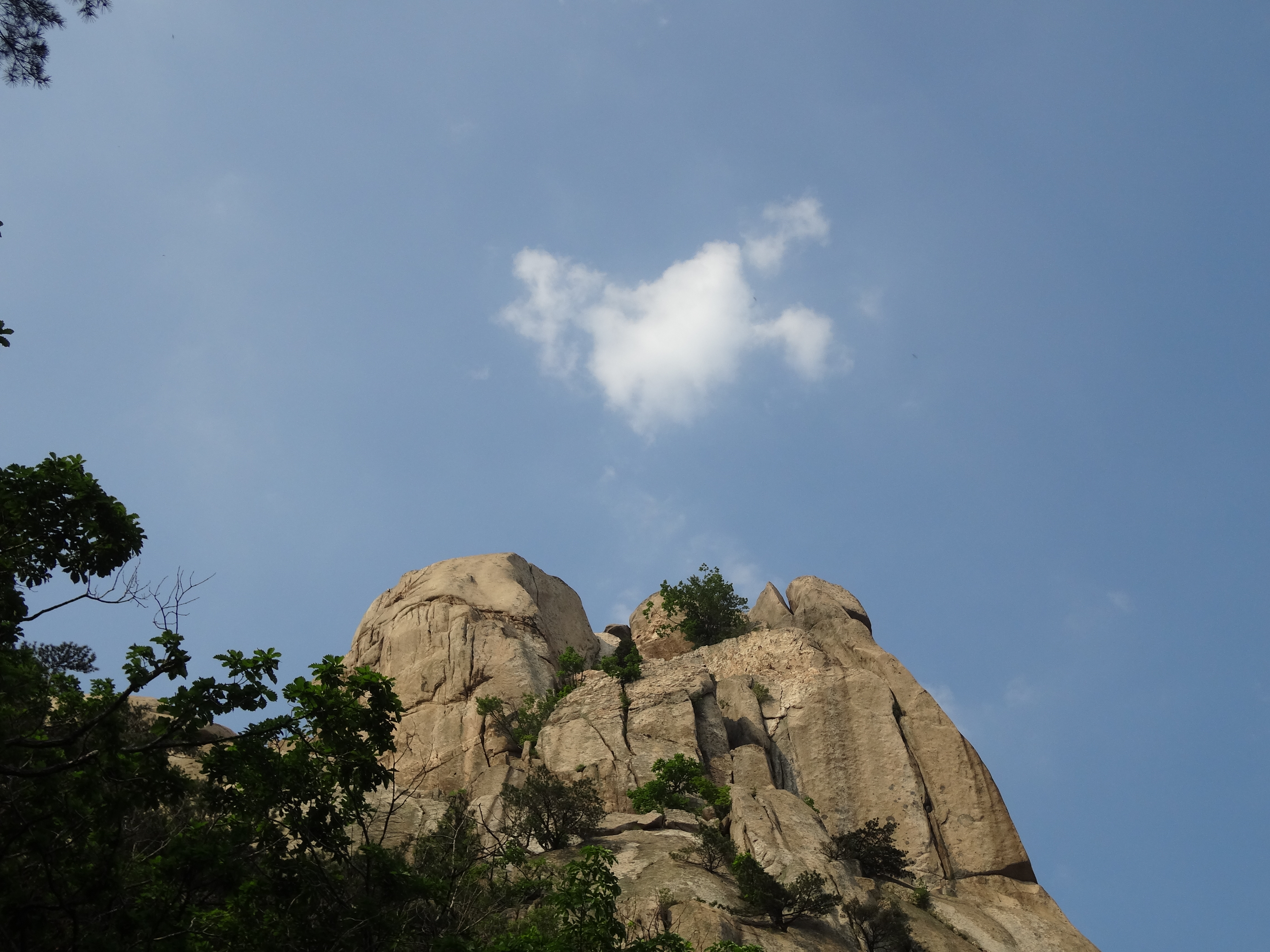
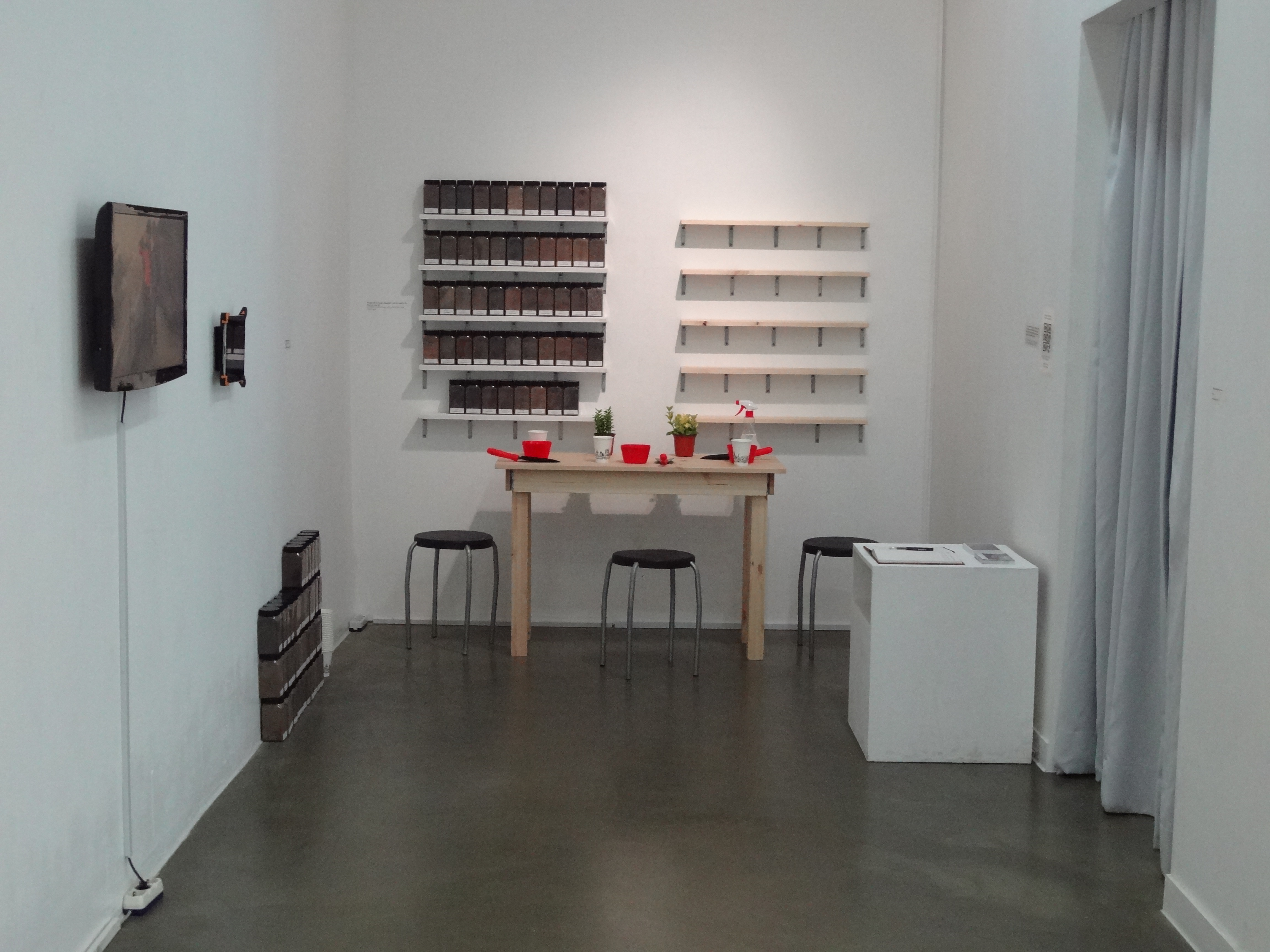
Yesterday, I hiked Dobongsan, my final mountain in Seoul. I have hiked a total of 154 km (~77 miles) in 60 hours. (Perhaps this is extreme fatigue talking, but I think that cloud looks like the Ghostbusters logo, don’t you? Something to Rorsketch.) I’ve hiked all 43 mountains (and then some) of this city for a project called Seoul43. Today, I present it in our group exhibition, “Seoul Seoul Seoul” at The National Art Studio of Korea in Changdong.

DSC06581

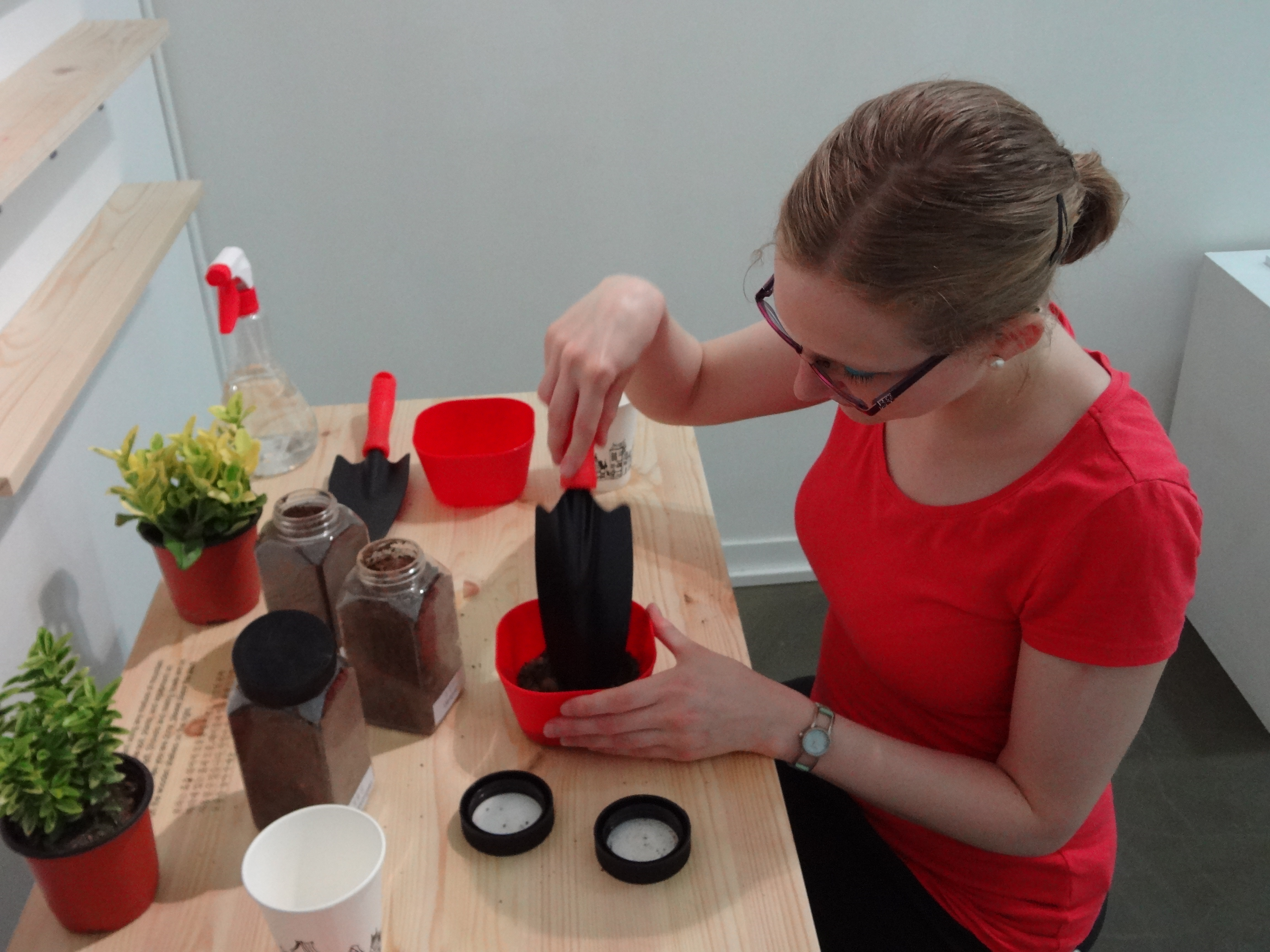
On display is a multimedia interactive piece. The main parts are jars that contain soil samples from all the mountains I hiked, which were taken at the end of each hike at the bottom of the mountains. The table in the middle has shovels, mixing bowls, small outdoor plants, and other gardening equipment. Participants are invited to plant using any mixture of soil.  When they finish planting, they can place the paper cup containing the plant with the soil, now a mixture of soil from different mountains, on the shelves on the right. On the left is a video in both English and Korean that explains the project, and an iPad showing the website that contains more photos, information about the mountains, data from the hikes, etc.

Here is my friend Kate assembling the first plant, after helping me get the entire display finished in time for the opening:

DSC06599

After the exhibition, I will invite people to go to the mountains on individual scavenger hunts to return both soil and plant to the mountains, and to do fun tasks while at it.

Although I am grateful to have finished all the treks with no mishaps whatsoever, this piece is far from over. My next step is to continue with the website to add the data I have gathered during my hikes, which was recorded by the MyTracks app. I will also have to design the scavenger hunts and get enough people to participate in them.

But that’s it for now. Our opening is in two hours, and tomorrow I plan on going to a jimjilbang (Korean sauna). Because dang it, my feet are killing me.

Oh, and I made another hopscotch board for the Mondrian Hopscotch series, this time with a Korean twist (the X in the middle is how they create their boards here):

DSC06595

The link to the Seoul43 site is here.

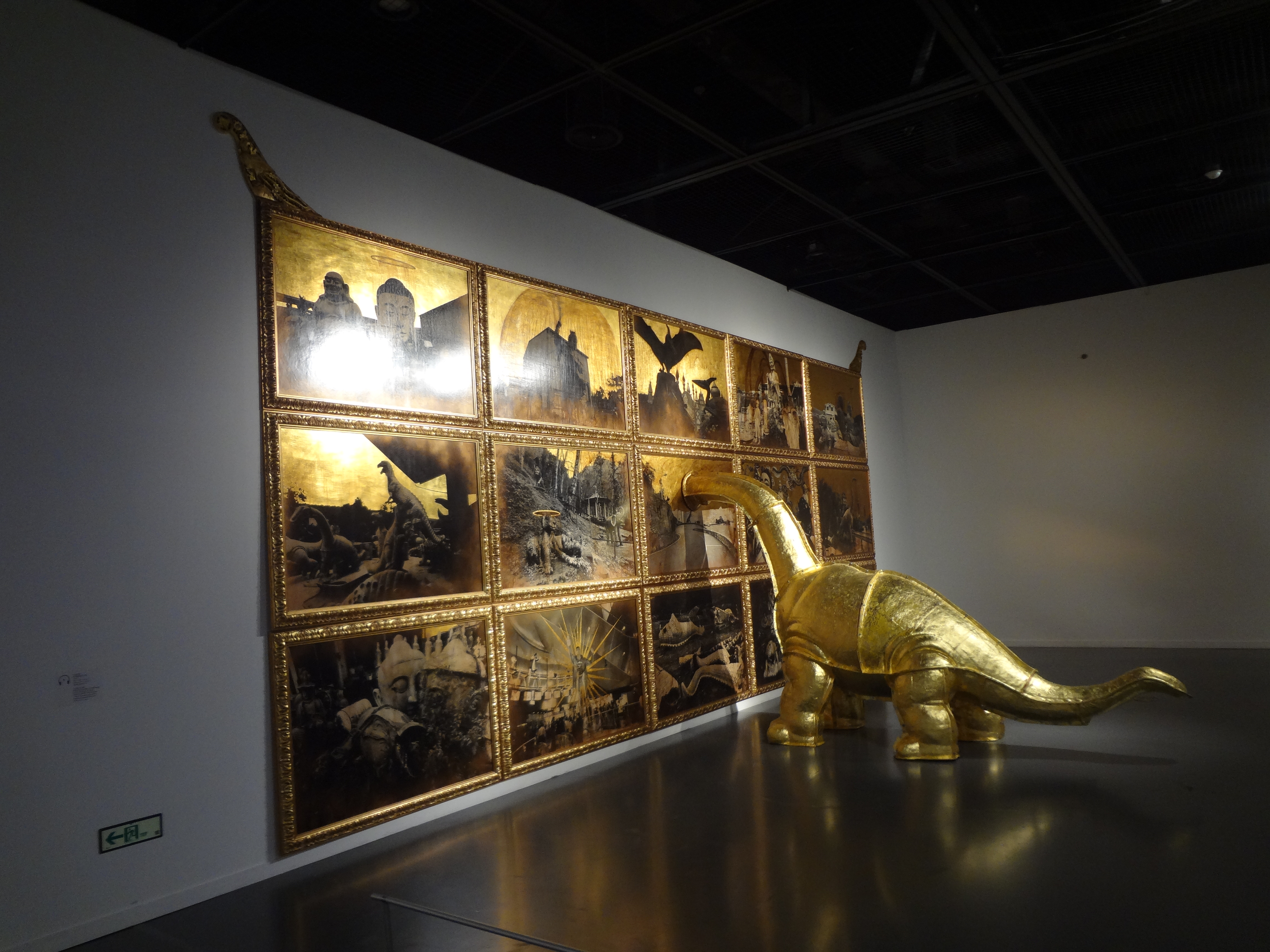
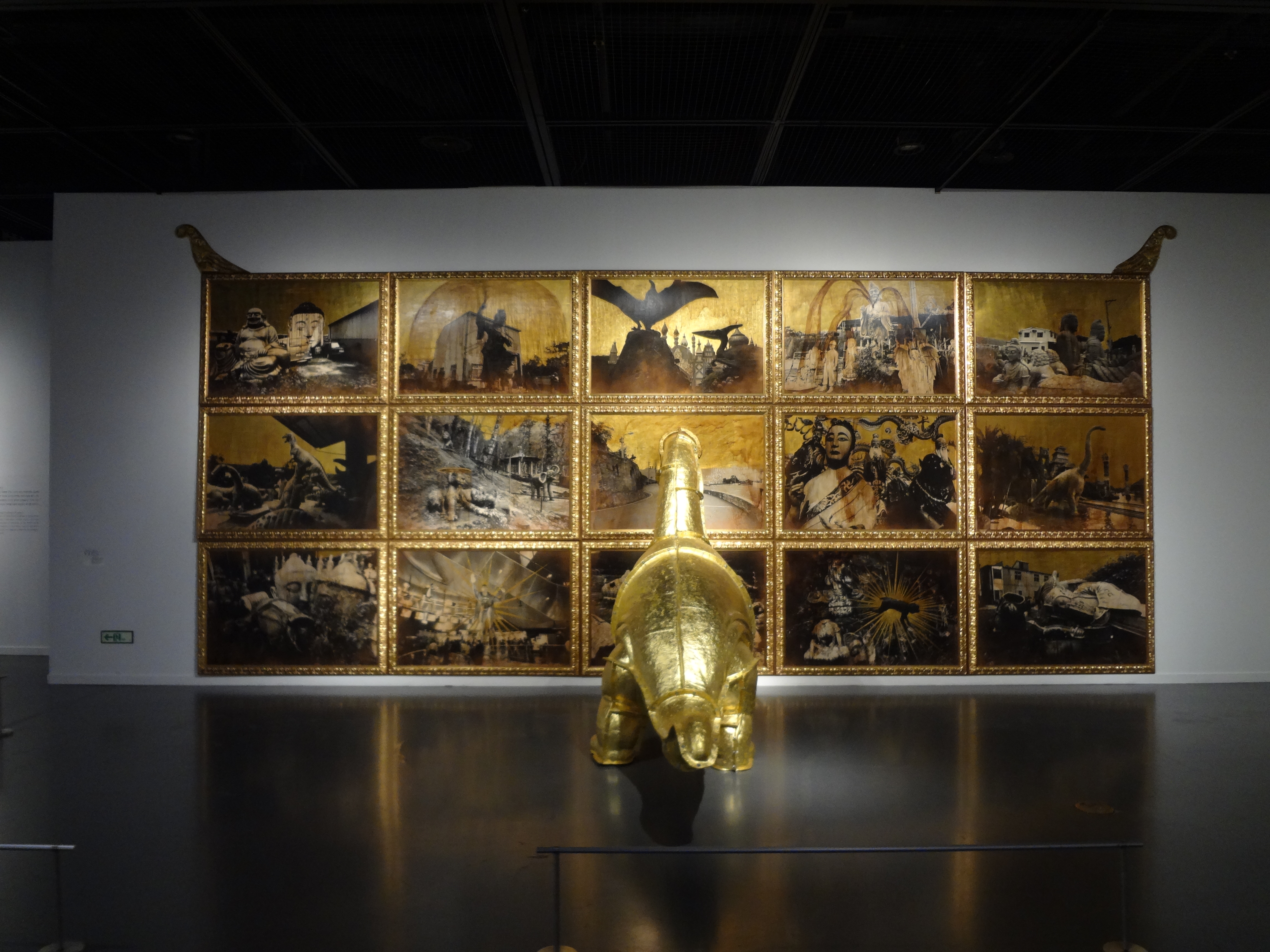
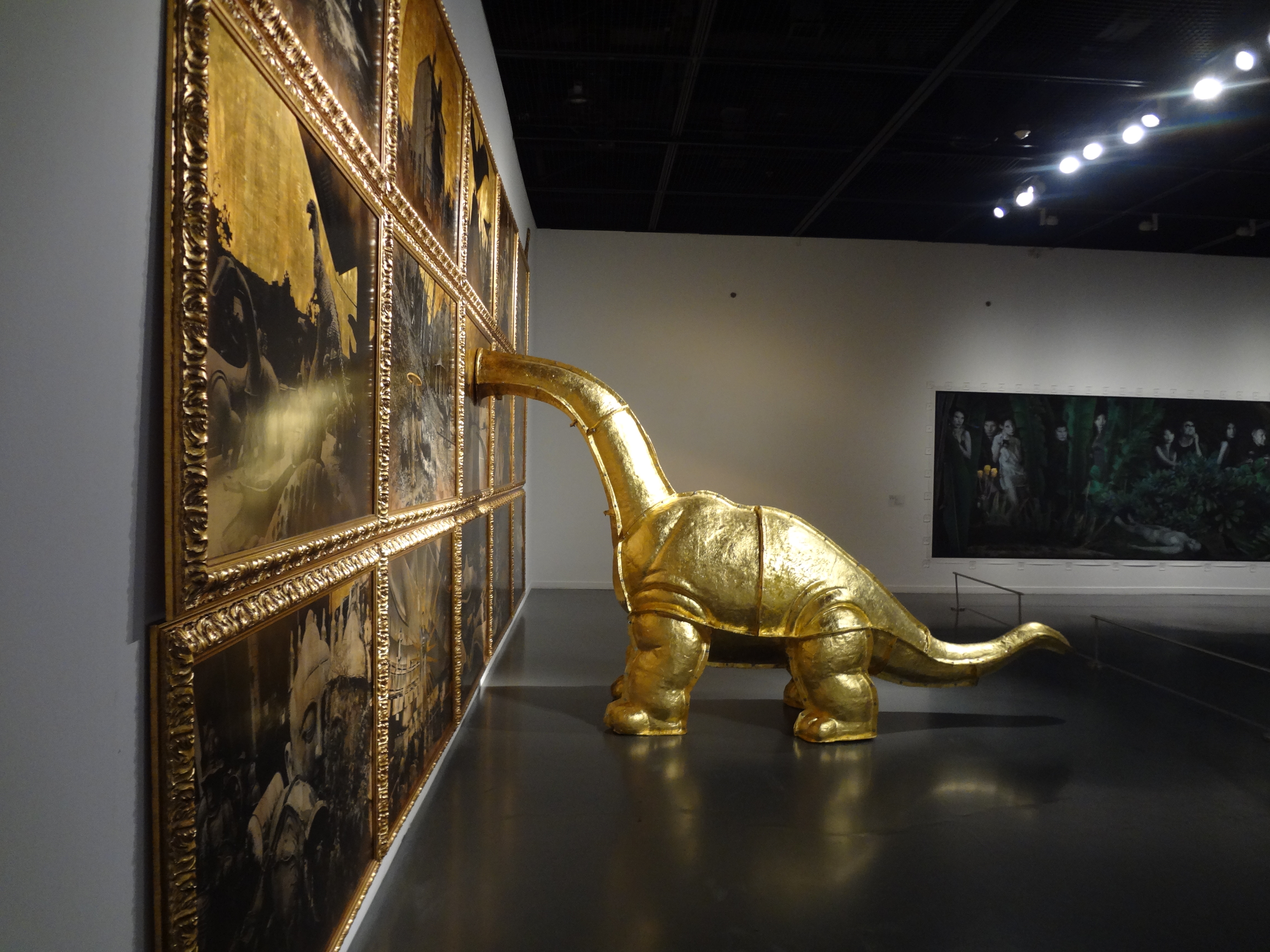
In Rolling! an ongoing exhibition about visual art in Taiwan at the Seoul Museum of Art, this piece was impossible to miss. In Barbarians Celestine: The Monuments with the Sacrifices of the Faunas, the Yao Ruei-chung reflects on Taiwan’s consumer culture and materialism, using images of Taiwanese civil ceremonies.

DSC06028

DSC06030

DSC06032

I love art with layers of meaning, and even more, a golden headless dinosaur. A golden headless dinosaur!